
Kellan E. Ashley and Conrad C. Simpfendorfer
The syndrome of angina pectoris, first described in 1768 by William Heberden, is most commonly the symptomatic result of fixed coronary artery obstruction and impaired endothelial vasomotor activity in patients with advanced coronary atherosclerosis. In stable angina, symptoms occur in a predictable and reproducible fashion during periods of physical or emotional stress, when increases in heart rate, cardiac contractility, and afterload increase myocardial oxygen requirements. Relief is usually brought on with rest or nitroglycerin. Symptom severity can be widely variable from patient to patient and is most commonly graded according to the Canadian Cardiovascular Society (CCS) scale (Table 39.1).1
TABLE
39.1 CCS Classification of Angina
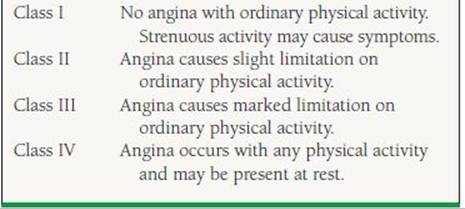
From Campeau L. Letter: grading of angina pectoris. Circulation. 1976;54(3):522–523.
The epidemiology of coronary artery disease (CAD) and stable angina has changed in the United States. As a result of improved medical and revascularization strategies, the myocardial infarction (MI) survival rate has improved, thus allowing patients to live longer with more chronic manifestations of CAD. From 1997 to 2007, the annual death rate due to CAD decreased by 26.3%, with more than 80% of deaths in patients 65 years of age or older.2 With the aging of the population, there has been an increase in the prevalence of CAD, with current estimates showing over 16 million Americans living with stable CAD. This represents approximately 7% of the U.S. population over 20 years of age.2
Despite these substantial improvements, CAD remains the number one killer of both men and women in the United States, causing about one in six deaths in 2007.2 Stable angina pectoris remains among the most common initial clinical manifestations of CAD. Of the 16 million Americans with known CAD, an estimated 9 million live with chronic stable angina, a number that is expected to increase as the population continues to age.2 The presence of symptomatic CAD affects quality of life negatively. It imparts significant morbidity and mortality, with estimates of just over 10% annual incidence of either a nonfatal MI or coronary death in patients presenting with stable angina.3While most of the early data were in men, more recent data suggest an equally poor outcome in women presenting with angina.4
DEFINITION OF STABLE ANGINA
Angina is defined as the sensation of chest discomfort that occurs in the setting of myocardial ischemia in the absence of myonecrosis.5 It is traditionally described in terms of its clinical setting, characteristics (quality, location, radiation, etc.), precipitating or alleviating factors, and time course to cessation. The classic description is of substernal pressure or heaviness that can radiate to the left arm, jaw, neck, or shoulders. Chronic stable angina usually occurs due to fixed coronary obstructions of ≥50% of the diameter of the left main trunk or ≥70% of the diameter of one of the other epicardial coronary arteries and is a demand phenomenon.5 The pain is predictable, occurring with physical activity at a known threshold or related to emotional stress. Most often, it is relieved quickly with rest and does not last longer than 10 minutes.5 Typical stable angina meets all three of the following criteria: substernal location with the characteristic quality and duration, provoked by exertion or emotional stress, and relieved by rest or nitroglycerin.6
Unfortunately, classic symptoms or triggers are not present in all patients, most notably diabetics, women, and the elderly. This is referred to as atypical angina and can sometimes lead to later diagnoses and poorer outcomes.5Atypical angina meets two of the three characteristics listed above. Patients who do not experience any chest discomfort can still be diagnosed as having stable angina. Diabetics and the elderly are more likely to experience anginal equivalents, such as dyspnea, diaphoresis, fatigue, nausea, light-headedness, altered sensorium, or syncope.5 It has been theorized that the lack of chest discomfort is related to altered pain perception or autonomic neuropathy. In its most ominous form, the ischemia can be completely silent.5 Finally, noncardiac chest pain is defined as pain that meets one or zero of the characteristics of typical angina.6
PATHOPHYSIOLOGY OF STABLE ANGINA
Simply put, angina occurs as the result of an imbalance between myocardial oxygen/substrate supply and demand.5 Conditions that alter oxygen or other substrate (glucose and free fatty acids) supply can produce angina even in spite of a normal demand state. Conversely, with exercise or emotional stress, myocardial demand is increased due to increased heart rate, blood pressure, and left ventricular contractility in relation to a sympathetic nervous response. With significant CAD, the oxygen/substrate supply is fixed due to the inability of coronary autoregulation to increase coronary blood flow due to the fixed stenosis. Oxygen extraction in the coronary arteries is already at a maximum at baseline, so increased extraction cannot satisfy the imbalance between supply and demand. Thus, the patient experiences angina in these states of increased demand.5
DIAGNOSTIC TESTING/RISK STRATIFICATION
Evaluation of the patient with symptoms suspicious for CAD begins with assessing for the presence of CAD historical predictors, such as pain character and setting, age, gender, diabetes mellitus, smoking, hypertension, and hyperlipidemia.7 This allows one to establish the pretest likelihood of disease and helps determine which, if any, diagnostic testing is needed. Each patient presenting with suspected stable angina should have a thorough history and physical examination as well as an electrocardiogram (ECG) (American College of Cardiology/American Heart Association [ACC/AHA] Class I recommendation).6There are certain features in this initial workup that can indicate a high, intermediate, or low likelihood of CAD and help to guide further evaluation (Table 39.2). In those with a significant suspicion for CAD, the spectrum of risk is broad and warrants different evaluation and treatment strategies for different levels of risk. Conversely, patients with low-risk features may warrant a more conservative and less invasive evaluation and treatment course. However, stratifying patients in this manner is not fail-safe; it is still possible to have obstructive CAD but with low-risk symptoms or features. The only way to completely rule out the presence of CAD is with a coronary angiogram.5
TABLE
39.2 Clinical Features and Likelihood of CAD in Patients Presenting with Angina

From Gibbons RJ, Abrams J, Chatterjee K, et al. ACC/AHA 2002 guideline update for the management of patients with chronic stable angina—summary article: a report of the American College of Cardiology/American Heart Association Task Force on Practice Guidelines (Committee on the Management of Patients With Chronic Stable Angina). Circulation. 2GG3;1G7(1):149–158, with permission.
Electrocardiography
Although the 12-lead ECG is normal in more than half of patients with chronic stable angina, an ECG is a readily available first-line test that provides both diagnostic and prognostic information (ACC/AHA Class I recommendation).6 A normal ECG at the time of diagnosis is associated with a favorable long-term prognosis, whereas abnormalities such as left ventricular hypertrophy, Q waves suggestive of prior MI, and persistent ST-segment depression identify patients at higher risk of future adverse events.6,8 In the half of patients with a normal baseline ECG, one obtained during an episode of pain will be abnormal in another 50% of patients. Evidence of ST-segment deviation signals a high likelihood of CAD and has a more unfavorable prognosis.6 Patients with ECG abnormalities at baseline can have “pseudonormalization” of these during a pain episode; this also indicates a high likelihood of CAD.6 Depending on the ECG and the underlying likelihood of CAD, a decision is made to either pursue further noninvasive testing or proceed straight to a coronary angiogram.
Exercise ECG Testing
One of the oldest and most widely used noninvasive tests for CAD is the treadmill exercise ECG, because of its widespread availability, low cost, and ease of performance.5 This is generally the first test selected to evaluate patients with an intermediate likelihood of CAD and a normal baseline ECG who are able to exercise (ACC/AHA Class I recommendation).6 The absolute contraindications to exercise ECG testing include hemodynamically significant arrhythmias, within the first 48 hours of MI, symptomatic heart failure, symptomatic or severe aortic stenosis, myocarditis, acute aortic dissection, and acute pulmonary embolus. There are also ECG abnormalities that are not suited for exercise ECG testing, as they make interpretation of the exercise ECG impossible. These include Wolff–Parkinson–White syndrome, paced ventricular rhythms, >1 mm resting ST-segment depression, and complete left bundle branch block (ACC/AHA Class III recommendation).6
In a large meta-analysis of exercise stress ECG, the mean sensitivity and specificity for detecting angiographically significant CAD were 68% and 77%, respectively.6 Although exercise ECG is less sensitive than stress tests performed with imaging modalities, particularly in women, it remains the primary noninvasive tool for both the diagnosis and risk stratification of patients with suspected CAD and interpretable ECGs. The ACC/AHA guidelines recommend that, unless cardiac catheterization is more urgently indicated, symptomatic patients with suspected or known CAD should be considered for exercise ECG testing to assess the risk of future cardiac events and the possible need for angiography.6 As a diagnostic tool, exercise ECG testing is most useful in patients with stable chest pain syndromes and an intermediate risk of CAD (ACC/AHA Class I recommendation). In those with a low or high pretest probability of CAD, exercise ECG has a Class IIb recommendation.6 As a prognostic tool, it can help to identify patients with extensive atherosclerosis who would benefit from coronary angiography and possible revascularization.
In addition to the ECG portion, there are other variables that contribute to the interpretation of the test. The usual definition for a positive exercise ECG test is 1 mm or more of ST-segment elevation or horizontal or downsloping ST-segment depression at a point 60 to 80 milliseconds after the QRS complex during exercise or recovery.6 Additionally, symptoms, exercise capacity, and hemodynamic and rhythm response to exercise should be considered.6 The most important prognostic variables measured during exercise testing are exercise capacity, typically expressed in metabolic equivalents of task (METs), and exercise-induced ischemic ST-segment changes. The Duke Treadmill Score (DTS) integrates these two objective variables with the subjective presence or absence of anginal symptoms to generate a risk score that separates patients into high-, moderate-, and low-risk subsets (5%, 1.25%, and 0.25% annual mortality rates, respectively) (Table 39.3).9 Patients with high-risk DTSs frequently have left main or three-vessel CAD that would benefit from revascularization, and these patients should be referred for coronary angiography. Low-risk patients, on the other hand, have an excellent prognosis that is unlikely to improve with further evaluation or revascularization and thus can be treated safely with medical therapy.
TABLE
39.3 Duke Treadmill Score

From Mark DB, Shaw L, Harrell FE Jr, et al. Prognostic value of a treadmill exercise score in outpatients with suspected coronary artery disease. N Engl J Med. 1991;325(12):849–853, with permission from the Massachusetts Medical Society.
Echocardiography
Most patients undergoing a diagnostic evaluation for stable angina do not require echocardiography. More specifically, in patients with a normal ECG, no history of prior MI, and no clinical signs or symptoms of heart failure, valvular disease, or hypertrophic cardiomyopathy, it is currently contraindicated to obtain an echocardiogram (ACC/AHA Class III recommendation).6 An exception is when there is a murmur suspicious for aortic stenosis or hypertrophic cardiomyopathy on physical exam or when the echocardiogram can be obtained during or within 30 minutes of presentation with chest pain to evaluate for regional wall motion abnormalities (ACC/AHA Class I recommendation).6 In this setting, regional wall motion abnormalities have a positive predictive value for ischemia of approximately 50%, whereas normal studies identify patients at low risk for an acute infarction.6,10
Stress Testing with Nuclear or Echocardiographic Imaging
Although stress imaging modalities have greater diagnostic accuracy than exercise electrocardiography, the increased cost of these tests precludes their routine use in all patients with suspected CAD. Most commonly, nuclear (single positron emission computed tomography [SPECT] or positron emission tomography [PET]) or echocardiographic stress imaging is reserved as first-line testing in patients with abnormal baseline ECGs (i.e., pre-excitation, resting ST-segment depression ≥1 mm) or with symptoms and history of prior revascularization (percutaneous coronary intervention [PCI] or coronary artery bypass grafting [CABG]) (ACC/AHA Class I recommendation).6 In patients with either paced ventricular rhythms or left bundle branch block, pharmacologic stress myocardial perfusion imaging is preferred over stress echocardiography due to the difficulty with interpreting echocardiographic wall motion in these conditions (ACC/AHA Class I recommendation).6 For patients who are unable to exercise, pharmacologic stress myocardial perfusion imaging or dobutamine stress echocardiography is equally preferred (ACC/AHA Class I recommendation).6 For a summary of the ACC/AHA recommendations, see Table 39.4.
TABLE
39.4 ACC/AHA Recommendations for Exercise ECG Testing and Stress Imaging Studies in Stable Angina Pectoris

CABG, coronary artery bypass grafting; CAD, coronary artery disease; ECG, electrocardiogram; LBBB, left bundle branch block; LV, left ventricular; MPI, myocardial perfusion imaging; PCI, percutaneous coronary intervention.
From Gibbons RJ, Abrams J, Chatterjee K, et al. ACC/AHA 2002 guideline update for the management of patients with chronic stable angina—summary article: a report of the American College of Cardiology/American Heart Association Task Force on Practice Guidelines (Committee on the Management of Patients With Chronic Stable Angina). Circulation. 2003;107(1):149–158, with permission.
As mentioned, stress myocardial perfusion imaging has a higher sensitivity for the diagnosis of CAD than exercise ECG in patients with intermediate risk. The data vary depending on the population studied, but generally the sensitivity is accepted to be around 90% for myocardial perfusion imaging.5 Similar numbers are seen with exercise stress echocardiography (sensitivity around 85%) and dobutamine echocardiography (sensitivity around 82%).6 The choice of test depends on both patient characteristics and local expertise in performing the different imaging modalities.
There are some special populations or situations in which exercise stress imaging should be considered over exercise ECG. Women have an overall lower prevalence of CAD than men and thus have a lower pretest probability of disease, making false-positive exercise ECGs more common. The higher sensitivity of stress imaging, therefore, could theoretically improve on the positive predictive value of the exercise ECG.6 Additionally, elderly patients are oftentimes less able to exercise due to comorbid medical conditions or deconditioning. Therefore, pharmacologic stress imaging may be the test of choice in this population.6 As with exercise electrocardiography, stress imaging results can also provide prognostic information, separating patients who are appropriate for medical therapy (low risk, ≤1% annual mortality) from those who may benefit from further angiographic evaluation and possible revascularization (intermediate risk, 1% to 3%; high risk, ≥3% annual mortality) (Table 39.5).11
TABLE
39.5 Risk Stratification Based on Findings of Noninvasive Testing

DTS, Duke Treadmill score; EF, ejection fraction; HR, heart rate; LV, left ventricular.
From Gibbons RJ, Abrams J, Chatterjee K, et al. ACC/AHA 2002 guideline update for the management of patients with chronic stable angina—summary article: a report of the American College of Cardiology/American Heart Association Task Force on Practice Guidelines (Committee on the Management of Patients With Chronic Stable Angina). Circulation. 2003;107(1):149–158, with permission.
Coronary Angiography
Coronary angiography remains the gold standard diagnostic test for CAD. Additionally, coronary angiography is able to provide anatomic definition of disease extent and severity as well as prognostic information, identifying those patients who would achieve survival benefits related to surgical revascularization. Specifically, from the early studies of CABG, patients with severe left main trunk stenosis, three-vessel disease, and two-vessel disease involving the proximal left anterior descending (LAD) coronary artery are known to derive a survival benefit with bypass surgery over medical therapy.12
In general, coronary angiography is performed in patients with stable chest pain syndromes when noninvasive tests are inconclusive or cannot be performed, when clinical evaluation or noninvasive testing suggests high-risk features (see Table 39.5), and when symptoms persist despite appropriate medical therapy. Less commonly, diagnostic coronary angiography is recommended for patients in whom coronary artery spasm is suspected, those with occupations that necessitate a definitive diagnosis (e.g., pilots, police, professional athletes), and for survivors of sudden cardiac death.13 For the list of ACC/AHA recommendations related to coronary angiography, see Table 39.6.
TABLE
39.6 ACC/AHA Recommendations for Coronary Angiography in Stable Angina Pectoris

CAD, coronary artery disease; CCS, Canadian Cardiovascular Society; OMT, optimal medical therapy.
From Scanlon PJ, Faxon DP, Audet AM, et al. ACC/AHA guidelines for coronary angiography: executive summary and recommendations. A report of the American College of Cardiology/American Heart Association Task Force on Practice Guidelines (Committee on Coronary Angiography) developed in collaboration with the Society for Cardiac Angiography and Interventions. Circulation. 1999;99(17):2345–2357, with permission.
For patients determined to be at low risk of adverse events, medical therapy alone is usually sufficient and may be superior to an invasive approach. For the moderate- or high-risk subsets, there is older evidence from randomized trials that medical therapy coupled with surgical revascularization improves long-term survival over medical therapy alone.12 Therefore, the judicious use of noninvasive and invasive studies can help establish the diagnosis of CAD while simultaneously performing the critical risk stratification that is essential in determining the appropriate risk-reducing treatment strategies, from medical therapy alone to medical therapy plus revascularization.
Conclusion
Chest pain is the most common initial presenting symptom for patients diagnosed with CAD. Although coronary angiography provides powerful prognostic information and remains the gold standard for diagnosis, noninvasive tests are often more appropriate initial tools for patients with low or intermediate clinical predictors of CAD. Even for patients with a high pretest probability of CAD, noninvasive testing can be a useful prognostic tool that allows for selection of patients who warrant further invasive evaluation.
MEDICAL TREATMENT FOR STABLE ANGINA
There are two primary goals of medical treatment for chronic stable angina: prevent MI and cardiovascular death as well as improve quality of life by decreasing anginal symptoms and occurrence of ischemia.6 However, the process of atherosclerosis cannot be reversed by medications or by revascularization procedures. Lifestyle changes can and do influence the disease course and are most often underutilized in the treatment of patients with stable CAD.14Lifestyle changes are inexpensive, readily available, and very effective but require a motivated patient as well as support and emphasis from the physician. Lifestyle changes should be implemented first-line and should be complementary to medical therapy.
PCIs became increasingly more common in the late 1990s and early 2000s due to an overall favorable effect on reducing anginal symptoms in numerous studies of PCI versus medical therapy in CAD.15–23The early meta-analyses of these studies did not show a reduction in mortality or MI incidence compared to medical therapy alone in these patients,24,25 even though a more recent meta-analysis did show a possible improvement in overall mortality with PCI.26 As mentioned previously, CABG does have clear-cut long-term survival benefits versus medical therapy alone, but only in a minority of patients with high-risk angiographic features.12 An initial trial of medical therapy, therefore, remains the mainstay of treatment for the majority of patients with chronic, stable CAD. This is achieved through a combination of therapies that target both ischemic symptoms and modifiable risk factors known to aggravate angina and cardiovascular disease. Medications known to reduce the risk of MI and death receive the highest priority. Medications aimed at improving quality of life by reducing the frequency and severity of anginal episodes serve as important supplementary therapies.
Medical Therapy to Improve Survival
As discussed in the next section, the symptoms of angina may be effectively reduced with the use of standard antianginal medications (e.g., beta-blockers, nitrates, and calcium channel blockers [CCBs]), but these therapies have not been shown to improve survival or reduce MI incidence in patients with otherwise uncomplicated stable angina. Therefore, the management of patients with stable CAD has evolved to include a set of standard therapies directed specifically at reducing adverse clinical outcomes such as death and MI.
Antiplatelet Therapy
The benefit of aspirin in a broad spectrum of patients with both stable and unstable atherosclerotic syndromes has been well established for decades.27 Aspirin exerts its antiplatelet effects by inhibiting cyclooxygenase, thus preventing the release of the prothrombotic platelet-aggregant thromboxane A2. Although it does not improve symptoms, clinical trials of aspirin in patients with chronic stable angina have demonstrated risk reductions for adverse cardiac events that are of a magnitude similar to that seen in patients with unstable coronary syndromes.27 In the Swedish Angina Pectoris Aspirin Trial,28 the largest randomized trial of aspirin therapy for chronic stable angina, the addition of 75 mg of aspirin to sotalol resulted in a 34% reduction in the primary composite endpoint of MI and sudden death and a 22% to 32% reduction in the measured secondary vascular endpoints (vascular death, all-cause mortality, and stroke). A similar 33% reduction in adverse cardiovascular events (vascular death, stroke, and MI) was demonstrated among 2,920 patients with stable angina included in a meta-analysis performed by the Antithrombotic Trialists’ Collaboration.27 Therefore, aspirin, administered at 75 to 162 mg daily, is first-line therapy in all chronic CAD patients (ACC/AHA Class I recommendation).29
Thienopyridines are a second class of beneficial antiplatelet agents that exert their effects by irreversibly and selectively inhibiting the binding of adenosine diphosphate (ADP) to receptors on the platelet surface, thus preventing platelet activation. Without platelet activation, the glycoprotein IIb/IIIa receptor is unable to undergo a conformational change, which then makes it unable to bind fibrinogen or von Willebrand factor. In this manner, platelet aggregation is inhibited. There are currently three drugs in this class on the market: ticlopidine, clopidogrel, and prasugrel. The oldest, ticlopidine, initially showed benefit in several atherosclerotic processes including post-PCI,30–34unstable angina,35 and peripheral arterial disease.36–38 However, its widespread use was limited by its side effect profile, which included a risk of neutropenia as well as thrombotic thrombocytopenic purpura.
Due to its more favorable side effect profile and reduction in cardiovascular events, clopidogrel has become the thienopyridine of choice in combination with aspirin for acute coronary syndromes,39 ST-segment elevation MI,40,41and post-PCI.42,43 However, no study has specifically addressed its effect in patients with stable angina.6 In the Clopidogrel versus Aspirin in Patients at Risk for Ischemic Events (CAPRIE) trial,44 clopidogrel appeared to be more effective than aspirin, with an overall 8.7% reduction in the combined primary endpoint (MI, vascular death, or ischemic stroke), in high-risk CAD patients (i.e., those with recent MI or stroke or with symptomatic peripheral arterial disease). To date, the only setting in which clopidogrel has not been shown to improve cardiovascular outcomes is long-term primary or secondary prevention in patients with established atherosclerosis or multiple risk factors.45
Given the limited data for clopidogrel in stable coronary syndromes, it remains an ACC/AHA Class IIa recommendation as a replacement for aspirin in patients with a contraindication.6
Prasugrel, the newest member of this class, has been shown to be a more potent antiplatelet agent than clopidog-rel46 and has been shown to be more effective in reducing cardiovascular endpoints (cardiovascular death, nonfatal MI, or nonfatal stroke) in patients with acute coronary syndromes.47 However, prasugrel has a higher risk of major bleeding and to date has not been studied in stable CAD.
Lipid-Lowering Therapy
Lipid management has been guided for decades by the National Cholesterol Education Program (NCEP) Adult Treatment Panel (ATP). All NCEP ATP reports have targeted low-density lipoprotein cholesterol (LDL-C) as the driving risk factor for CAD.48 However, prior to the third report of NCEP, most of the evidence for LDL-C lowering was based on trials of lipid-lowering agents other than HMG-CoA reductase inhibitors (statins), such as bile acid sequestrants, fibric acid derivatives, and niacin.6,48 In 2001, the third report of the NCEP ATP was published,49 which reviewed the data from several randomized trials of statin therapy in CAD. With these guidelines, a treatment algorithm for LDL-C was established that focused on statins as first-line agents for all patients with stable CAD. In 2004, some revisions to those recommendations were required based on the results of several newer randomized trials not included in the original guidelines.48
In general, statins lower LDL-C, total cholesterol, and triglycerides (TG), while raising high-density lipoprotein cholesterol (HDL-C), all of which are favorable in cardiovascular disease. In aggregate, the randomized trials and meta-analyses of statins in primary and secondary prevention show reductions in MI, stroke, and cardiovascular death by about one-third each, as well as a reduction in total mortality by about one-fifth.50 The ATP III algorithm categorized patients into three risk categories: (a) established coronary heart disease (CHD) or CHD risk equivalents, (b) two or more CHD risk factors, or (c) 0 to 1 CHD risk factor.48 High risk was defined as those with CHD or CHD risk equivalents (known noncoronary atherosclerotic vascular disease, diabetes, or two or more CHD risk factors with 10-year risk for CHD > 20%).49 According to the original NCEP ATP III report49 and the subsequent revisions based on newer trial data,48 statin therapy and therapeutic lifestyle changes are indicated for all stable CAD patients with an LDL-C ≥100 mg/dL, with a goal of LDL-C < 100 mg/dL (ACC/AHA Class I recommendation).29For patients deemed high risk, there is the optional goal of treating to a more aggressive LDL-C < 70 mg/dL or with a high-dose statin (ACC/AHA Class IIa recommendation).29 If on-treatment LDL-C is ≥100 mg/dL, lipid-lowering therapy should be intensified (ACC/AHA Class I recommendation).29If the LDL-C is 70 to 100 mg/dL at baseline, it is reasonable to treat to an LDL-C <70 mg/dL (ACC/AHA Class IIa recommendation).29 These are more aggressive goals than those set forth in the original NCEP ATP III report.
The benefit of a more aggressive lipid-lowering strategy in patients with stable CAD was definitively established by the Treating to New Targets (TNT) trial,51 among others. In this study, aggressive cholesterol reduction with 80 mg of atorvastatin daily (mean LDL = 77 mg/dL) produced an absolute 2.2% reduction in major adverse cardiovascular events (8.7% vs. 10.9%, p < 0.001) compared to the more conventional 10 mg of atorvastatin daily (mean LDL = 101 mg/dL). The results of TNT, in addition to data from other trials such as Pravastatin or Atorvastatin Evaluation and Infection Therapy—Thrombolysis in Myocardial Infarction 22 (PROVE-IT TIMI 22),52 were the impetus for the addition of the optional LDL-C goal of <70 mg/dL in the revision of the NCEP ATP III recommendations.48PROVE-IT TIMI 22 showed similar benefits of very aggressive LDL-C reduction in patients with acute coronary syndromes.52
In addition to improving outcomes, nuclear studies have demonstrated that statin therapy improves myocardial perfusion and reduces ischemia on ambulatory ECG monitoring in stable angina patients with both high and normal serum cholesterol levels.53 In patients with medically refractory angina that is not amenable to revascularization, aggressive lipid reduction with 80 mg daily of atorvastatin (LDL goal < 77 mg/dL) has been shown to reduce symptoms of angina and decrease myocardial ischemic segments measured by dobutamine echocardiography when compared to more conventional therapy (LDL goal < 116 mg/dL).54
In addition to LDL-C, the 2007 updated chronic angina ACC/AHA guidelines focused more heavily on other lipid parameters. If TG are 200 to 499 mg/dL, non-HDL-C (calculated as total cholesterol minus HDL-C) should be <130 mg/dL (ACC/AHA Class I recommendation) and further reduction to <100 mg/dL was optional (ACC/AHA Class IIa recommendation).29 Therapeutic options to reduce non-HDL-C are niacin or fibrate therapy in combination with statin therapy (ACC/AHA Class IIa recommendation).29 If using a fibrate in combination with a statin, the statin dose should be kept in the lower range given the high risk for associated myopathy with the combination. If, however, the TG level is >500 mg/dL, this level should be reduced in order to prevent the development of pancreatitis; this should be done prior to the initiation of statin therapy. The therapeutic options are fibrates or niacin with a goal of non-HDL-C <130 mg/dL (ACC/AHA Class I recommendation).29
Renin–Angiotensin–Aldosterone System Blockade
The benefit of angiotensin-converting enzyme (ACE) inhibition in patients with diabetes and impaired left ventricular systolic function has been firmly established by multiple large-scale clinical trials that have consistently demonstrated a reduction in adverse clinical events.6 ACE inhibitors are therefore recommended as first-line therapy indefinitely in all patients with CAD who have impaired left ventricular systolic function (left ventricular ejection fraction ≤40%) or in those with concomitant diabetes, hypertension, or chronic kidney disease (ACC/AHA Class I recommendation).29 In patients with stable CAD and preserved left ventricular function, the data have been less consistent. Although both the Heart Outcomes Prevention Evaluation (HOPE)55 and EURopean trial On reduction of cardiac events with Perindopril in stable coronary Artery disease (EUROPA)56 trials demonstrated decreased mortality with ACE inhibition (ramipril and perindopril, respectively) in stable CAD patients with preserved left ventricular function, a similar population of patients in the Prevention of Events with Angiotensin Converting Enzyme inhibition (PEACE)57 trial failed to benefit with trandolapril. In light of this data, ACE inhibitors are given a Class IIa recommendation in the most recent ACC/AHA guidelines for patients with CAD and mildly reduced or normal left ventricular function.29
Most of the data for the substitution of angiotensin receptor blockers (ARBs) for those intolerant to ACE inhibitors come from trials in systolic heart failure. For instance, in the Candesartan in Heart failure: Assessment of Reduction in Mortality and morbidity (CHARM)-alternative study,58 the patients with left ventricular systolic dysfunction treated with candesartan had improvement in primary outcomes (cardiovascular mortality and admission for heart failure) over placebo. Additionally, when MI and stroke were added in a composite secondary outcome, there were reductions in secondary outcomes as well with candesartan. Notably, the population in CHARM-alternative had a medical history consistent with a stable CAD population: approximately 60% with history of MI, approximately 20% with current angina, and 15% to 25% with history of either PCI or CABG.58 In a separate arm, CHARM-added,59 patients with left ventricular ejection fraction ≤40% and already receiving an ACE inhibitor were randomized to additional candesartan or placebo. Again there was reduction in the primary composite endpoint (cardiovascular death and heart failure admission). Similarly, when MI and stroke were incorporated into the secondary endpoints, there was a significant reduction in those as well with candesartan.59 Based on these data, ARBs are recommended for patients who have hypertension, have indications for but are intolerant of ACE inhibitors, have heart failure, or have had an MI with left ventricular ejection fraction ≤40% (ACC/AHA Class I recommendation).29Additionally, ARBs may be considered in combination with ACE inhibitors for heart failure due to left ventricular systolic dysfunction (ACC/AHA Class IIb recommendation).29
Aldosterone blockers, such as spironolactone and eplerenone, are also ACC/AHA Class I recommendations in post-MI patients without significant renal dysfunction or hyperkalemia who are already receiving therapeutic doses of an ACE inhibitor and a beta-blocker, have a left ventricular ejection fraction ≤40%, and have either diabetes or heart failure.29 This recommendation was based primarily on data in left ventricular systolic dysfunction, with spironolactone from the Randomized ALdactone Evaluation Study (RALES)60 and eplerenone in the Eplerenone Post-acute myocardial infarction Heart failure Efficacy and SUrvival Study (EPHESUS).61
Symptomatic Medical Therapies: Antianginals
The primary goal of antianginal therapy is to reduce coronary ischemia, thereby improving exercise capacity and overall quality of life.6 The currently available antianginal medications work to counteract the hemodynamic effects of flow-limiting coronary stenoses by reducing myocardial oxygen requirements and/or by promoting coronary vasodilation. Each is an effective therapy for symptom relief alone but they are often used in combination for more complete symptom control. However, unlike the therapies in the previous section, none have been shown to reduce death or MI in patients with otherwise uncomplicated stable angina pectoris.
Beta-Blockers
Beta-blockers function by competitively inhibiting the physiologic actions of catecholamines on the beta (β) receptors in the heart and vasculature. The resulting decreases in heart rate, arterial blood pressure, and myocardial contractility substantially reduce myocardial oxygen demand. Their functional benefits in stable angina have been most clearly linked to the lowering of the heart rate–blood pressure product (double product) and were definitively demonstrated by exercise studies in which beta-blocked patients experienced a delay or avoidance of ischemia onset with activity compared to baseline.62,63 By convention, the dose of beta-blocker is therefore adjusted to lower the double product, with a goal heart rate of 55 to 60 beats/min (bpm) and exercise heart rate response <75% of the rate that precipitated ischemia on stress testing.14
Although nonselective beta-blockers are effective in stable angina, the majority of the antianginal effects of beta-blockers are related to their effects at the β1 receptor, thus ß1 selective agents may be preferred. Some beta-blockers are partial agonists and are said to have intrinsic sympathomimetic activity; these are generally avoided in stable angina.14 Several of the beta-blockers (i.e., carvedilol, labetalol.), in addition to their nonselective beta-blockade, also block catecholamines at the alpha (α) receptor (specifically α1) and are profound vasodilators.14 Additionally, some betablockers are said to have antiarrhythmic and other advantageous effects. Therefore, the choice of agent should be tailored to the specific needs of the patient, and the provider should be familiar with several different agents. For a list of common beta-blockers used in stable angina, see Table 39.7.
TABLE
39.7 Beta-Blockers Commonly Used to Treat Stable Angina Pectoris
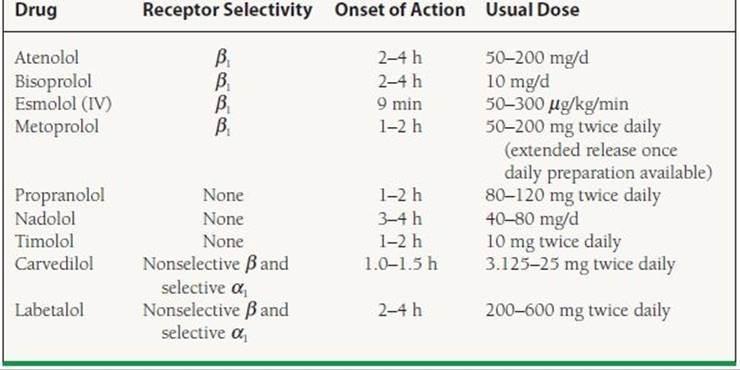
α, alpha; β, beta; IV, intravenous.
In low-risk patients with otherwise uncomplicated stable angina, beta-blockers have not consistently reduced the incidence of major ischemic cardiovascular events. However, in high-risk subsets with a history of MI or heart failure, the long-term benefit of beta-blockers in reducing death and recurrent MI has been firmly established by multiple large-scale randomized trials. Studies comparing beta-blockers with CCBs have reported similar efficacy in controlling symptoms and improving functional capacity without a measurable difference in adverse cardiovascular events.64–69 The Total Ischemic Burden European Trial (TIBET) did show a nonsignificant trend toward a lower rate of cardiovascular death, nonfatal MI, and unstable angina with combination atenolol and nifedipine.65 However, there was no difference noted between the two agents. Similarly, the Angina Prognosis Study in Stockholm (APSIS) trial showed no difference between metoprolol and verapamil treatment in terms of mortality, cardiovascular endpoints, and quality of life measures in patients with stable angina.67
The limited data directly comparing nitrates to betablockers as monotherapy for stable angina suggest superior symptomatic relief with beta-blockade.70 Given the benefits of beta-blockers in reducing death and adverse cardiovascular events in high-risk patients (post-MI or with systolic left ventricular dysfunction) with stable angina, plus their equivalent efficacy in treating anginal symptoms, these medications are first-line antianginal agents indefinitely in all patients with stable angina, particularly if post-MI, acute coronary syndrome, or in the presence of left ventricular systolic dysfunction unless contraindicated (ACC/AHA Class I recommendation).29 Absolute contraindications to beta-blocker therapy include severe bradycardia, high-degree atrioventricular block, sick sinus syndrome, and decompensated systolic heart failure.6
Calcium Channel Blockers
All CCBs are vasodilators and some have a negative chronotropic effect, overall acting to reduce myocardial oxygen demand and increase myocardial oxygen supply. This is achieved by the reduction in the transmembrane flux of calcium, either in the conduction system (negative chronotropic effect) or at the vascular level (vasodilatory effect). Although CCBs do not improve survival or reduce MI in patients with stable angina pectoris, randomized trials, as mentioned in the previous section, have demonstrated that both dihydropyridine and nondihydropyridine agents are as effective as beta-blockers for symptom relief.64–69
The safety of CCBs in patients with hypertension and CAD has generated significant debate following the publication of studies suggesting an increase in adverse cardiovascular outcomes among patients treated with short-acting formulations, particularly nifedipine.71,72 Although further analysis of the published reports has failed to confirm an increased risk of adverse events,73 the safety of shorter acting dihydropyridine CCBs remains uncertain and they should be avoided in patients with CAD.
In contrast, slow-release or long-acting vasoselective CCBs are both safe and effective for anginal symptom relief.74 The A Coronary disease Trial Investigating Outcome with Nifedipine GITS (ACTION) trial, a randomized study of long-acting nifedipine compared to placebo in >7,600 patients with stable angina, demonstrated a reduction in the need for coronary angiography and revascularization without an increase in mortality or adverse cardiovascular events in the long-acting nifedipine group.75 Based on these data, long-acting CCBs are indicated as initial therapy for reduction of anginal symptoms when beta-blockers are contraindicated or not tolerated and in combination with beta-blockers when initial treatment with beta-blockers alone is not successful (ACC/AHA Class I recommendation).6 As initial monotherapy, long-acting nondihydropyridine CCBs, in lieu of beta-blockers, are an ACC/AHA Class IIa recommendation.6
Generally, the nondihydropyridine CCBs are contrain-dicated in decompensated heart failure; the newer generation dihydropyridines can, however, be used in patients with left ventricular dysfunction. Bradycardia, sinus node dysfunction, and high-grade atrioventricular block are also contraindications for the use of both diltiazem and verapamil.6 For an overview of those CCBs used in stable angina, see Table 39.8.
TABLE
39.8 CCBs Commonly Used to Treat Stable Angina Pectoris

CCB, calcium channel blocker; IR, immediate release; SR, sustained release.
Nitroglycerin and Nitrates
Nitrates are beneficial agents in stable angina due to their ability to decrease myocardial oxygen demand. This is primarily achieved by decreases in left ventricular volume and wall stress by decreasing preload via predominantly venodilation.6,14 Nitrates also improve myocardial oxygen supply via an endothelium-independent dilation of epicardial coronary arteries. Nitrates have been in clinical use for more than 100 years and have an excellent safety profile, well-recognized side effects, and few drug interactions. In patients with stable angina pectoris, nitrates reduce symptoms as both monotherapy and in combination with beta-blockers or CCBs.76–79 Nitrates do not improve survival or decrease the risk of MI, regardless of estimated baseline risk.80
Commonly used nitrate preparations in stable angina are listed in Table 39.9. Sublingual nitroglycerin tablets and spray are effective preparations and are indicated for immediate relief of angina (ACC/AHA Class I recommendation).6 Long-acting nitrate preparations, such as isosorbide mononitrate, isosorbide dinitrate, transdermal nitroglycerin patches, and nitroglycerin ointment, are indicated for initial therapy in stable CAD when beta-blockers are contraindicated or not tolerated or in combination with beta-blockers when beta-blockers alone are ineffective (ACC/AHA Class I recommendation).6 These long-acting agents should be administered so as to incorporate a nitrate-free interval of at least 8 hours to prevent tolerance. Additionally, nitrates should not be used in the same 24-hour period as a type 5-cyclic guanosine monophosphate-dependent phosphodiesterase inhibitor (e.g., sildenafil, tadalafil), as this can lead to severe hypotension.14
TABLE
39.9 Nitrate Preparations Commonly Used to Treat Stable Angina Pectoris

SR, sustained release.
Combination Therapy
For many patients receiving treatment for stable angina pectoris, the symptoms persist despite monotherapy, illustrating the frequent need for combination pharmacotherapy. Although not all published trials of combination therapy have demonstrated greater efficacy over monotherapy, meta-analysis data suggest that the combination of a beta-blocker and CCB allows for greater exercise tolerance when compared to either medication used alone.81 The combination of long-acting, second-generation vasoselective dihydropyridine CCBs with beta-blockers appears to be a particularly effective antianginal regimen, as measured by indices of angina, exercise tolerance, and nitroglycerin consumption.82 In the International Multicenter AnGina Exercise (IMAGE) study, the combination of metoprolol and nifedipine improved ischemia and exercise tolerance over either drug alone.68
Nitrates also improve symptoms when used in combination with beta-blockers or CCBs, as mentioned previously.76–79 Both CCBs and long-acting nitrates are indicated in combination with beta-blockers for the initial treatment of stable angina when beta-blockers alone are ineffective (ACC/AHA Class I recommendation).6 Extensive data with the combination of all three classes of antianginals are lacking. However, some analyses estimate that 5% to 15% of patients are refractory to even triple antianginal therapy.83
Ranolazine
Ranolazine is the first antianginal drug approved by the United States Food and Drug Administration (FDA) in more than 20 years and is used primarily in those patients refractory to traditional agents.14Ranolazine, a piperazine derivative, inhibits late sodium channels by lowering total inward sodium influx and thus the subsequent intracellular calcium overload that is associated with ischemia. Fortunately, at therapeutic levels, ranolazine does not alter fast inward sodium channels; the late inward sodium channels are inhibited in ischemic tissue only.14 By preventing the intracellular calcium overload, there is myocardial diastolic relaxation and a rebalancing of oxygen demand and supply in the coronary vasculature.
Because ranolazine is cleared by hepatic enzymes and is also a substrate of P-glycoprotein, there are a number of important drug interactions to be aware of. Any cytochrome P 3A4 inhibitor (e.g., ketoconazole, clarithromycin, phenytoin) will raise the levels of ranolazine and can lead to side effects such as dizziness, headache, and nausea.14 Ranolazine itself is a mild inhibitor of some cytochromes (CYP 3A4 and CYP 2D6). This can lead to increases in levels of some statins and should be a concern in patients with stable CAD. Also, because of P-glycoprotein competition, ranolazine can lead to increases in digoxin levels in patients on this medication, so dose reduction or further monitoring is usually warranted.14 Finally, ranolazine may prolong the QT interval. Thus, patients with congenital long QT syndrome or who are on medications that prolong the QT interval should likely not receive this medication.
In preliminary trials, ranolazine showed a significant improvement in exercise duration and ischemia in patients with stable angina.84,85 In the first of the major clinical studies, three doses of ranolazine were assessed in stable angina patients previously responsive to traditional therapies.86 Ranolazine resulted in improvement in symptoms of angina and exercise duration as monotherapy, with the optimal dose established at 1,000 mg twice daily.86 The subsequent trial evaluated ranolazine in combination with a beta-blocker or CCB and again showed improvement in anginal symptoms and ischemia in the patients receiving the combination therapy.87 In the Metabolic Efficiency with Ranolazine for Less Ischemia in Non-ST Segment Elevation Acute Coronary Syndromes (MERLIN)-TIMI 36 trial, there was no improvement in the primary endpoint of cardiovascular death, MI, or recurrent ischemia between ranolazine and placebo in patients with non–ST-segment elevation acute coronary syndromes.88 Further analysis showed no impact on cardiovascular death and MI, but ranolazine did show an improvement in angina and duration of exercise.89 Currently, ranolazine use is not reflected in the ACC/AHA guidelines, as it was not FDA approved at the time of the last update.
Conclusion
Although no single class of medical therapy directed at symptom relief has proven to be prognostically superior in the treatment of uncomplicated stable angina pectoris, beta-blockers have been shown to reduce mortality in high-risk subsets of cardiovascular disease (prior MI, heart failure, hypertension) and therefore serve as first-line agents for symptomatic treatment. CCBs and long-acting nitrates are reserved for combination therapy in patients with persistent symptoms or as second-line agents in patients who are unable to tolerate beta-blockers (see Table 39.10).
TABLE
39.10 ACC/AHA Recommendations for Pharmacotherapy in Stable Angina Pectoris

ACE, angiotensin-converting enzyme; CKD, chronic kidney disease; DM, diabetes mellitus; EF, ejection fraction; HTN, hypertension; LDL-C, low-density lipoprotein cholesterol; LV, left ventricular; MI, myocardial infarction.
From Fraker TD Jr, Fihn SD, Gibbons RJ, et al. 2007 chronic angina focused update of the ACC/AHA 2002 Guidelines for the management of patients with chronic stable angina: a report of the American College of Cardiology/American Heart Association Task Force on Practice Guidelines Writing Group to develop the focused update of the 2002 Guidelines for the management of patients with chronic stable angina. Circulation. 2007;116(23):2762–2772, with permission.
In addition to symptomatic treatment, it is essential that individual patient risk factors be identified and treated. The greatest emphasis should be placed on the treatment of modifiable factors that have the greatest potential for preventing disease progression and reducing the risk of future ischemic events. This includes smoking cessation, physical activity in sedentary patients, weight management, antiplatelet therapy with aspirin, and aggressive treatment of concomitant hyperlipidemia, hypertension, and diabetes mellitus.29 Newer pharmacologic agents targeting metabolic pathways (e.g., nicorandil, trimetazidine) and sinus rate-lowering drugs (e.g., ivabradine) have unique mechanisms of action that may provide additive benefits when combined with traditional therapies, but further investigation is still required before these medications receive FDA approval.
REVASCULARIZATION IN STABLE ANGINA PECTORIS
In 2007, there were an estimated 408,000 coronary artery bypass surgeries, over 1 million diagnostic cardiac catheterizations, and just under 1.2 million inpatient PCIs in the United States.2 Even though the overall percentage has decreased in recent years, the majority of these were performed electively in patients with stable ischemic syndromes. Despite the more widespread availability of mechanical revascularization in the management of stable angina, evidence-based medicine suggests that patients with low-risk features are best managed medically, with revascularization reserved for those with refractory symptoms or high-risk clinical and angiographic features. As both medical and revascularization therapies continue to improve, identifying the patients most likely to derive sufficient symptomatic or survival benefit to warrant the immediate risk of an invasive procedure and selecting the most appropriate mode for revascularization remain an important challenge.
Coronary Artery Bypass Grafting versus Medical Therapy
The initial studies comparing medical therapy and CABG in stable coronary disease were performed prior to the advent of percutaneous therapies and before the routine use of antiplatelet and lipid-lowering pharmacotherapies. The three largest trials were the Veterans Administration Cooperative Study (VA Study),90,91 the Coronary Artery Surgery Study (CASS),92 and the European Coronary Surgery Study (ECSS).93,94 In these trials, patients with significant CAD were variably defined angiographically. Left main stenosis was generally considered significant if ≥50% in all studies. By contrast, in CASS, a stenosis of ≥70% in a major epicardial coronary artery segment was considered significant,92 while in the others, it was ≥50%.91,93 Either way, patients were randomized to medical therapy alone or in combination with surgical revascularization. In all three trials, patients who underwent CABG had a marked improvement in anginal symptoms, exercise tolerance, and quality of life compared to medically treated patients.12 Generally following CABG, angina control is more prominent early in the postoperative period and decreases over time, with more than 90% of patients free of symptoms 1 year after surgery, 78% at 5 years, and 52% at 10 years.95 Accelerating vein graft attrition and progressive native vessel disease eventually reduce this number to around 25% by 15 years.95
More important than symptom relief, these early trials identified high-risk angiographic features that predicted a survival benefit with CABG. Specifically, survival was improved for patients with severe left main stenosis (≥50%), two- or three-vessel disease that included >75% proximal LAD stenosis, and three-vessel disease with abnormal left ventricular systolic function regardless of proximal LAD involvement.6,12,96 These results were obtained across the range of the CCS angina severity scale and were independent of other clinical variables. For low-risk patients, such as those with single-vessel disease, surgical revascularization provided better angina relief, but it did not improve survival. MIs were not significantly reduced in any subgroups, regardless of risk.96
The data from individual trials were further bolstered by the Coronary Artery Bypass Graft Surgery Trialists Collaboration meta-analysis, which included seven randomized trials comparing CABG with medical treatment in 2,649 patients with stable coronary syndromes.12 Although the 5-year risk of MI was not significantly reduced with CABG (24.4% with CABG vs. 30.7% with medical therapy), a survival advantage was confirmed in patients with severe left main stenosis, three-vessel disease, or two-vessel disease with proximal LAD involvement.12 Within these subsets, the presence of left ventricular dysfunction or a strongly positive exercise test predicted an even greater absolute benefit. It is important to note that the survival advantage of bypass surgery over medical therapy does not become apparent for 2 to 3 years postoperatively, and this is thought to be due to early perioperative mortality. The benefit remains statistically significant for up to 10 years and diminishes thereafter due to a combination of accelerating vein graft attrition and the high rate of crossover of medically treated patients to CABG (around 40% of medically assigned patients in the trials underwent CABG by 10 years).12 Long-term postoperative survival and symptoms have improved significantly over recent years with advances in medical therapies and the routine use of internal mammary artery (IMA) conduits, which have excellent long-term patency (>90% at 10 years) and result in fewer reoperations compared to surgery with vein grafts alone.97
A risk-stratification model, performed as part of the CABG Surgery Trialists Collaboration meta-analysis, that used clinical and angiographic variables (extent of CAD, severity of angina, left ventricular function, and severity of myocardial ischemia) demonstrated a significant survival benefit with CABG among those deemed at high risk (5-year medical treatment mortality 23% to 25.2%) and moderate risk (5-year medical treatment mortality 11.5% to 13.9%).12 Patients in the lowest risk category (5-year medical treatment mortality 5.5% to 6.3%) did not benefit from bypass surgery and showed a slight trend toward increased mortality with revascularization, further illustrating the need for careful patient selection.12 Another important consideration is that the majority of the early CABG data were in men with a mean age of around 50; there is little data in women or in patients over the age of 60, thus making treatment decisions more complex for these populations.
Percutaneous Coronary Intervention versus Medical Therapy
PCI began as percutaneous transluminal coronary angioplasty (PTCA) in the late 1970s and has expanded over the years to include rotational atherectomy, laser ablative procedures, and intracoronary stents.6The initial data comparing PCI to medical therapy in stable CAD were limited to mostly PTCA and consisted of several small trials that enrolled very low-risk patients, primarily with single-vessel disease, mild symptoms, and preserved left ventricular function.15,20,22,98,99
Although PTCA generally provided greater anginal relief than medical therapy, none of the individual trials suggested a reduction in mortality or MI following percutaneous revascularization.25 The second Randomized Intervention Treatment of Angina (RITA-2) trial, the largest study comparing PTCA to medical therapy in stable coronary disease, actually noted that the composite primary endpoint of death or nonfatal MI was increased in the revascularization arm (3.3% in the medical arm vs. 6.3% in the PTCA arm; p = 0.02), primarily due to an excess of periprocedural MIs in a small number of overall events.98An earlier meta-analysis of the six randomized trials comparing PTCA to medical therapy in 1,904 patients with stable CAD demonstrated that, while PTCA significantly improved symptoms compared to medical therapy, it did not decrease death or MI.24 Additionally, initial treatment with PTCA resulted in significantly more bypass surgeries and a trend toward more repeat percutaneous interventions.24 Since those initial studies, longer term follow-up has been published. The reduction in anginal symptoms in patients treated with PTCA has remained significant, while there remains no benefit in death or MI with PTCA over medical therapy alone.16,17,21
The advent of coronary stents was thought to be the answer to improving outcomes of PCI, especially in terms of acute vessel closure and requirement for repeat revascularization procedures. Subsequent studies variably used intracoronary bare metal stents (BMS) in comparison to medical therapy in treating patients with stable angina.19,100,101 Again, the studies were conducted in relatively small numbers of patients, most of whom were younger (mean age about 60), with low-risk and normal left ventricular function. When combined in aggregate in a subsequent meta-analysis, there was no difference in PCI and medical therapy in terms of mortality, cardiac death or MI, nonfatal MI, CABG, or PCI during follow-up.25
The long awaited results of the Clinical Outcomes Utilizing Revascularization and Aggressive Drug Evaluation (COURAGE) trial, the largest randomized trial of PCI plus optimal medical therapy (OMT) versus OMT alone in stable CAD, were published in 2007.102 This study evaluated the occurrence of all-cause mortality and nonfatal MI in 2,287 patients followed for a median of 4.6 years. Stable CAD was defined as a stenosis of ≥70% in a proximal epicardial coronary artery with objective evidence of ischemia or a stenosis of ≥80% and classic anginal symptoms. The study used the most contemporary and aggressive medical therapy available to date with good compliance and attainment of treatment goals in both groups. There was no significant difference in the primary outcome of all-cause mortality and nonfatal MI between the PCI plus OMT versus OMT alone groups (event rates 19.0% vs. 18.5%).102Additionally, there was no difference in other composite secondary outcomes that included stroke or hospitalization for acute coronary syndromes. However, there was significant improvement in symptoms of angina in the PCI plus OMT group for the first 3 years, which evened out and was not statistically significant at median follow-up. Another advantage for PCI plus OMT was in need for additional revascularization (21.1% vs. 32.6% with OMT alone), which was performed for angina that was unresponsive to maximal medical therapy or for ischemia on noninvasive testing.102 There were limitations to the COURAGE trial, however. The majority of patients were men, and very few patients had left ventricular systolic dysfunction. In addition, most of the stents used for PCI were BMS, there was a high rate of crossover in the OMT arm, and the extent of the practices in place to ensure OMT adherence is not thought to be achievable in the general population. In spite of those limitations, COURAGE does reiterate the importance of medical therapy and provide reassurance that not pursuing PCI in favor of a more conservative approach in stable patients is not detrimental.
In contrast to the overall results of the COURAGE trial, the results of the nuclear substudy were in favor of PCI plus OMT. For this nuclear substudy, 314 patients were enrolled for serial rest/stress SPECT myocardial perfusion scanning before treatment and at 6 to 18 months postrandomization.103 The primary endpoint was more than 5% reduction in ischemic myocardium. The PCI plus OMT group had more significant reduction in ischemic burden with more patients obtaining this reduction (33% vs. 19% with OMT alone); this risk reduction was especially pronounced for those with moderate to severe pretreatment ischemia. Further, those with a reduction in ischemic myocardium had a significant improvement in mortality and subsequent MI.103
Thus, given the absence of evidence to suggest that percutaneous interventions improve long-term outcomes in low-risk patients with stable coronary syndromes, medical therapy is generally recommended as the initial strategy for the majority of patients with stable angina. However, for those with persistent lifestyle-limiting symptoms despite maximized medical therapy or with extensive ischemia on noninvasive testing, percutaneous revascularization can provide symptomatic relief and improve cardiovascular outcomes.
PCI versus CABG in Single-Vessel CAD
Randomized trials of revascularization, whether surgical or percutaneous, in patients with stable single-vessel CAD have never demonstrated a survival benefit over medical therapy. Revascularization in this population is therefore generally reserved for patients with persistent symptoms despite OMT. In this low-risk population, only three small trials have directly compared surgical and percutaneous revascularization. The Medicine, Angioplasty or Surgery Study (MASS) randomized 214 patients with stable angina, >80% proximal LAD coronary stenosis, and preserved left ventricular function to medical therapy, CABG using an IMA graft, or PTCA.20 There was no difference in survival or MI between the treatment arms at 3 years. Angina was improved compared to medical therapy following either form of revascularization, although initial CABG provided greater relief and fewer repeat procedures than initial PTCA.
The trial out of Lausanne, Switzerland, which did not include a medical treatment arm, reported similar survival and symptomatic benefit at 5-year follow-up among 134 patients with a proximal LAD stenosis randomized to PTCA or bypass surgery with an IMA graft.104 There were also more repeat revascularization procedures in the PTCA group. Lastly, a more recent trial comparing the more contemporary approach of minimally invasive CABG with IMA versus stenting for a proximal LAD stenosis also failed to detect a difference in death or MI.105 There were more often recurrent symptoms and repeat interventions in the PCI group, while the CABG group more often had adverse events (i.e., reoperation for graft occlusion, perioperative MI, stroke, chest wall hernia requiring surgical repair, etc.).
PCI versus CABG in Multivessel CAD
Multiple early randomized trials comparing initial PCI, consisting mostly of PTCA, versus CABG in multivessel CAD have shown that, except for the subset of patients with diabetes, the long-term risk of death or MI is equivalent with both procedures. Percutaneous revascularization, however, is consistently associated with less anginal relief and the need for repeat revascularizations. The largest single study comparing these revascularization strategies for multivessel CAD was the Bypass Angioplasty Revascularization Investigation (BARI).106 In this study, 1,829 patients with multivessel CAD were randomized to PTCA versus CABG and followed for an average of 5.4 years. In the periprocedural time period, there was no difference in in-hospital mortality or stroke rates between the two arms; however, CABG patients had a higher incidence of perioperative MI and PTCA patients had a higher likelihood of early reintervention. Long-term follow-up evened out the rates of MI between the two treatment groups and there was no difference at 5 years. The trend for revascularization held for the follow-up period, with PTCA patients requiring more repeat revascularization procedures (54% vs. 8% in the CABG arm), most of which occurred within the first year of follow-up. Importantly, on subgroup analysis, as initially noted in this trial and confirmed in subsequent publications, diabetic patients with multivessel disease have a significant survival benefit with surgery over PTCA (5-year survival 80.6% with CABG vs. 65.5% with PTCA, p = 0.003). The survival outcomes for nondiabetics were identical.
A meta-analysis published in 1995 combined the results of the available eight randomized trials at that time, which enrolled 3,371 total patients with a mean follow-up of 2.7 years.107 There was no detected difference in mortality or MI, but the analysis did confirm that patients treated with PTCA experienced less complete relief of anginal symptoms and required more repeat revascularizations (3.3% CABG vs. 33.7% PTCA). In contrast, a later meta-analysis of 13 trials, including 7,964 patients and 4 trials in which stents were used as the initial PCI, demonstrated a significant survival advantage favoring CABG over PCI at 5 years but, with longer follow-up out to 8 years, was no longer significant.108 Subgroup analyses suggested that the mortality reduction was limited to diabetics, while nondiabetics again had equivalent outcomes. Anginal symptoms and repeat revascularizations were again significantly reduced following CABG, but the difference was markedly attenuated in patients receiving coronary stents (repeat revascularization rates of PCI group cut in half by the use of stents).108
The early trials of PTCA versus CABG had important limitations. For the most part, the patient populations were younger and at lower risk. Although stenting was initially introduced for the management of complications related to PTCA and was not used in the early trials, it is now the dominant PCI modality because it significantly reduces restenosis compared with PTCA. There were four subsequent trials that evaluated PCI incorporating BMS versus CABG in multivessel CAD.18,109-111 In the meta-analysis of the aggregate data from these 4 trials of 3,051 patients with multivessel CAD, there was no difference in the combined endpoint of death, MI, or stroke at 1 year between the groups.112 Once again, CABG was superior in need for repeat revascularization procedures (4.4% vs. 18% in PCI patients); however, for the first time, PCI was better in relieving anginal symptoms, with 82% freedom from angina versus 77% in the CABG group (p = 0.002). Even though the need for repeat revascularization was still higher for percutaneous procedures, this meta-analysis showed that the gap had narrowed considerably with the use of BMS.112
In 2009, the results of the Bypass Angioplasty Revascularization Investigation 2 Diabetes (BARI-2D) trial were published and contradicted the results of earlier trials in regard to the treatment of diabetic patients.113 BARI-2D randomized 2,368 patients with diabetes and stable CAD to medical therapy or prompt revascularization, either by CABG or PCI. The decision of CABG or PCI, however, was at the discretion of the treating physician. At 5 years, there was no difference in mortality between medical therapy and revascularization (survival 88.3% in revascularization group vs. 87.8% in medical therapy group). At baseline, the patients stratified to CABG over PCI had more extensive CAD, with more three-vessel CAD, proximal LAD disease, and chronic total occlusions. In spite of this, there was no difference in mortality between either the CABG or PCI arms and the medical therapy arm. While there was no difference in major cardiovascular events (death, MI, or stroke) in PCI versus medical therapy, there was significant improvement in major cardiovascular events in the CABG group over medical therapy alone. When the interaction between study group assignments was evaluated, there was a statistically significant benefit in prompt revascularization, over medical therapy, in patients selected for CABG over those stratified to PCI. There are some limitations to conclusions drawn from these data. First, this study was not designed to evaluate PCI versus CABG in diabetic patients; as mentioned previously, the patients stratified for CABG had more extensive CAD. Additionally, the use of drug-eluting stents (DES) was low (around 35%) in the PCI arm, as was the use of antiplatelet agents (around 20%). The best revascularization strategy in diabetic patients is, therefore, still an area of some debate. The ongoing Future REvascularization Evaluation in patients with Diabetes mellitus: Optimal management of Multivessel disease (FREEDOM) trial will help answer this question.114 This study is an open-label, prospective randomized trial of PCI with DES versus CABG in diabetic patients in whom revascularization is indicated.
Also published in 2009 were the results of the Synergy between Percutaneous Coronary Intervention with Taxus and Cardiac Surgery (SYNTAX) trial.115 In this study, 1,800 patients with three-vessel or left main CAD were randomized to CABG or PCI with Taxus DES. At 1 year, the rates of death and MI were similar between the two groups, while stroke was more likely to occur with CABG (2.2% vs. 0.6% with PCI) and an increased rate of repeat revascularization was more likely with PCI (13.5% vs. 5.9% with CABG). Further, the investigators used an angiographic scoring tool (the SYNTAX score) to objectify the severity of CAD. Stratified by SYNTAX score, patients with low or intermediate scores had similar rates of major adverse cardiac or cerebrovascular events whether undergoing PCI or CABG. However, in those with high SYNTAX scores, the CABG group had much lower rates of major adverse cardiac or cerebrovascular events (all-cause mortality, stroke, MI, or repeat revascularization).115
Conclusion
Data from randomized trials and observational registries indicate that the benefits of revascularization in stable coronary syndromes are proportional to the patient’s estimated long-term risk while on medical therapy.107,108 For low-risk patients with single-vessel CAD, medical therapy remains the initial treatment of choice, with revascularization reserved for symptom relief when medical treatment has failed. Patients with multivessel CAD are more complicated. Surgical revascularization likely provides the best long-term survival benefit for diabetics with multivessel disease and for all patients with high-risk angiographic features, such as severe left main stenosis, three-vessel disease, or two-vessel disease involving the proximal LAD. For the remaining patients with moderate-risk multivessel disease, revascularization and medical therapy appear to provide similar outcomes. For a complete listing of the ACC/AHA recommendations for revascularization in stable angina, see Table 39.11.
TABLE
39.11 ACC/AHA Recommendations for Revascularization in Stable Angina Pectoris

CABG, coronary artery bypass graft; CAD, coronary artery disease; EF, ejection fraction; LAD, left anterior descending; LV, left ventricular; OMT, optimal medical therapy; PCI, percutaneous coronary intervention; SVG, saphenous vein graft; VT, ventricular tachycardia. From Gibbons RJ, Abrams J, Chatterjee K, et al. ACC/AHA 2002 guideline update for the management of patients with chronic stable angina—summary article: a report of the American College of Cardiology/American Heart Association Task Force on Practice Guidelines (Committee on the Management of Patients With Chronic Stable Angina). Circulation. 2003;107(1):149–158, with permission.
REFRACTORY ANGINA
Considerable progress has been made over the last 25 years in expanding the therapeutic options available in ischemic heart disease, including pharmacologic and revascularization therapies that improve both symptoms and prognosis. However, despite the efficacy of these treatments, there remains a subset of patients with severe symptoms who are refractory to conventional medical therapy and are deemed to be unsuitable for coronary revascularization. As many as 1.7 million patients in the United States are suffering from refractory angina pectoris, with the prevalence increasing as the population ages and patients live longer with their CAD.14 For these patients with refractory angina, there are adjunctive invasive and noninvasive therapies available that do not improve prognosis but may serve to alleviate symptoms and improve quality of life.
Enhanced External Counterpulsation
Although the mechanisms underlying the benefits observed with enhanced external counterpulsation (EECP) in patients with stable angina pectoris remain unclear, this is an effective noninvasive option in the management of patients with refractory angina pectoris. EECP utilizes three sets of pneumatic cuffs applied to the lower extremities at the calves, lower and upper thighs that inflate sequentially from distal to proximal during diastole to provide diastolic augmentation of coronary flow and increased venous return. The cuffs deflate just before systole, reducing afterload and thereby increasing cardiac output. A standard course of EECP involves 1 hour a day for a total of 35 hours of therapy performed over 7 weeks. Observational studies have demonstrated that EECP improves anginal class, exercise tolerance, and quality of life while reducing nitroglycerin use and the severity of ischemia measured with myocardial perfusion imaging.14 The data from these studies are further supported by a randomized, double-blind, sham-controlled study of EECP that demonstrated a reduction in angina, an increase in time to ST-segment depression during exercise, and an improvement in quality of life at 1 year (registry data suggest a benefit up to 2 years).116 For those whose symptoms do eventually recur, a repeat course of EECP performed after 1 year may also be effective.117 EECP is FDA approved for the treatment of refractory angina and has a Class IIb indication from the ACC/AHA.6
Spinal Cord Stimulation
Spinal cord stimulation (SCS) is an invasive procedure that involves the surgical placement of an epidural electrode at the level of C7 through T1 and a pulse generator in the left lower abdomen. Neuromodulation of the dorsal columns several times per day by the device is believed to inhibit the pain-conducting impulses originating from the spinothalamic tract and lower pain perception. More recent data also show some sympatholytic activity and changes in cerebral blood flow that may explain some of its mechanisms of action.14 The typical course of treatment consists of three 1-hour stimulations daily. Several small observational studies have demonstrated improvements in anginal class and time to onset of ST-segment depression in patients treated with SCS.14 In a single randomized trial comparing SCS to CABG in 104 patients with stable angina, the two treatments provided equivalent symptom relief and an improved long-term quality of life.118 Mortality was improved at 6 months with SCS and similar between the two treatment arms at 5 years.14 Based on these results, SCS has an ACC/AHA Class IIb recommendation for patients with refractory angina.6
Other Miscellaneous Proposed Therapies
Several small clinical trials have investigated the use of neuromodulation with transcutaneous electrical nerve stimulation (TENS) units in patients with refractory angina. In these limited studies, patients treated with TENS demonstrated an increase in exercise tolerance, a decrease in anginal symptoms, and a reduction in ischemia noted on exercise electrocardiography.119 Other methods undergoing investigation include low-energy electrohydraulic shock wave therapy, intermittent urokinase therapy, and intramyocardial bone marrow stem cell injection. Because clinical trial data are so limited, the most recent ACC/AHA guidelines do not specifically make recommendations on the utility of these therapies (Table 39.12).6
TABLE
39.12 ACC/AHA Recommendations on Therapeutic Treatment Options for Refractory Angina

ACKNOWLEDGMENT
The authors would like to gratefully acknowledge the contribution of Christian Simpfendorfer, MD, to the first edition of this manuscript.
REFERENCES
1. Campeau L. Letter: grading of angina pectoris. Circulation. 1976;54(3):522–523.
2. Roger VL, Go AS, Lloyd-Jones DM, et al. Executive summary: heart disease and stroke statistics—2011 update: a report from the American Heart Association. Circulation. 2011;123(4):459–463.
3. Gandhi MM, Lampe FC, Wood DA. Incidence, clinical characteristics, and short-term prognosis of angina pectoris. Br Heart J. 1995;73(2):193–198.
4. Berecki-Gisolf J, Humphreyes-Reid L, Wilson A, et al. Angina symptoms are associated with mortality in older women with ischemic heart disease. Circulation. 2009;120(23):2330–2336.
5. Kones R. Recent advances in the management of chronic stable angina I: approach to the patient, diagnosis, pathophysiology, risk stratification, and gender disparities. Vasc Health Risk Manag. 2010;6:635–656.
6. Gibbons RJ, Abrams J, Chatterjee K, et al. ACC/AHA 2002 guideline update for the management of patients with chronic stable angina—summary article: a report of the American College of Cardiology/American Heart Association Task Force on Practice Guidelines (Committee on the Management of Patients With Chronic Stable Angina). Circulation. 2003;107(1):149–158.
7. Pryor DB, Shaw L, McCants CB, et al. Value of the history and physical in identifying patients at increased risk for coronary artery disease. Ann Intern Med. 1993;118(2):81–90.
8. Connolly DC, Elveback LR, Oxman HA. Coronary heart disease in residents of Rochester, Minnesota. IV. Prognostic value of the resting electrocardiogram at the time of initial diagnosis of angina pectoris. Mayo Clin Proc. 1984;59(4):247–250.
9. Mark DB, Shaw L, Harrell FE Jr, et al. Prognostic value of a treadmill exercise score in outpatients with suspected coronary artery disease. N Engl J Med. 1991;325(12):849–853.
10. Peels CH, Visser CA, Kupper AJ, et al. Usefulness of two-dimensional echocardiography for immediate detection of myocardial ischemia in the emergency room. Am J Cardiol. 1990;65(11):687–691.
11. Hachamovitch R, Berman DS, Shaw LJ, et al. Incremental prognostic value of myocardial perfusion single photon emission computed tomography for the prediction of cardiac death: differential stratification for risk of cardiac death and myocardial infarction. Circulation.1998;97(6):535–543.
12. Yusuf S, Zucker D, Peduzzi P, et al. Effect of coronary artery bypass graft surgery on survival: overview of 10-year results from randomised trials by the Coronary Artery Bypass Graft Surgery Trialists Collaboration. Lancet. 1994;344(8922):563–570.
13. Scanlon PJ, Faxon DP, Audet AM, et al. ACC/AHA guidelines for coronary angiography: executive summary and recommendations. A report of the American College of Cardiology/American Heart Association Task Force on Practice Guidelines (Committee on Coronary Angiography) developed in collaboration with the Society for Cardiac Angiography and Interventions. Circulation. 1999;99(17):2345–2357.
14. Kones R. Recent advances in the management of chronic stable angina II. Anti-ischemic therapy, options for refractory angina, risk factor reduction, and revascularization. Vasc Health Risk Manag. 2010;6:749–774.
15. Folland ED, Hartigan PM, Parisi AF. Percutaneous transluminal coronary angioplasty versus medical therapy for stable angina pectoris: outcomes for patients with double-vessel versus single-vessel coronary artery disease in a Veterans Affairs Cooperative randomized trial. Veterans Affairs ACME Investigators. J Am Coll Cardiol. 1997;29(7):1505–1511.
16. Hartigan PM, Giacomini JC, Folland ED, et al. Two- to three-year follow-up of patients with single-vessel coronary artery disease randomized to PTCA or medical therapy (results of a VA cooperative study). Veterans Affairs Cooperative Studies Program ACME Investigators. Angioplasty Compared to Medicine. Am J Cardiol. 1998;82(12):1445–1450.
17. Henderson RA, Pocock SJ, Clayton TC, et al. Seven-year outcome in the RITA-2 trial: coronary angioplasty versus medical therapy. J Am Coll Cardiol. 2003;42(7):1161–1170.
18. Hueb W, Lopes NH, Gersh BJ, et al. Five-year follow-up of the medicine, angioplasty, or surgery study (MASS II): a randomized controlled clinical trial of 3 therapeutic strategies for multivessel coronary artery disease. Circulation. 2007;115(9):1082–1089.
19. Hueb W, Soares PR, Gersh BJ, et al. The medicine, angioplasty, or surgery study (MASS-II): a randomized, controlled clinical trial of three therapeutic strategies for multivessel coronary artery disease: one-year results. J Am Coll Cardiol. 2004;43(10):1743–1751.
20. Hueb WA, Bellotti G, de Oliveira SA, et al. The medicine, angioplasty or surgery study (MASS): a prospective, randomized trial of medical therapy, balloon angioplasty or bypass surgery for single proximal left anterior descending artery stenoses. J Am Coll Cardiol.1995;26(7):1600–1605.
21. Hueb WA, Soares PR, Almeida De Oliveira S, et al. Five-year follow-op of the medicine, angioplasty, or surgery study (MASS): a prospective, randomized trial of medical therapy, balloon angioplasty, or bypass surgery for single proximal left anterior descending coronary artery stenosis. Circulation. 1999; 100(19 suppl):II107–113.
22. Pitt B, Waters D, Brown WV, et al. Aggressive lipid-lowering therapy compared with angioplasty in stable coronary artery disease. Atorvastatin versus Revascularization Treatment Investigators. N Engl J Med. 1999;341(2):70–76.
23. Wijeysundera HC, Nallamothu BK, Krumholz HM, et al. Meta-analysis: effects of percutaneous coronary intervention versus medical therapy on angina relief. Ann Intern Med. 2010;152(6):370–379.
24. Bucher HC, Hengstler P, Schindler C, et al. Percutaneous transluminal coronary angioplasty versus medical treatment for non-acute coronary heart disease: meta-analysis of randomised controlled trials. BMJ. 2000;321(7253):73–77.
25. Katritsis DG, Ioannidis JP. Percutaneous coronary intervention versus conservative therapy in nonacute coronary artery disease: a meta-analysis. Circulation. 2005;111(22):2906–2912.
26. Schomig A, Mehilli J, de Waha A, et al. A meta-analysis of 17 randomized trials of a percutaneous coronary intervention-based strategy in patients with stable coronary artery disease. J Am Coll Cardiol. 2008;52(11):894–904.
27. Antithrombotic Trialists’ Collaboration. Collaborative meta-analysis of randomised trials of antiplatelet therapy for prevention of death, myocardial infarction, and stroke in high risk patients. BMJ. 2002;324(7329):71–86.
28. Juul-Moller S, Edvardsson N, Jahnmatz B, et al. Double-blind trial of aspirin in primary prevention of myocardial infarction in patients with stable chronic angina pectoris. The Swedish Angina Pectoris Aspirin Trial (SAPAT) Group. Lancet. 1992;340(8833):1421–1425.
29. Fraker TD Jr, Fihn SD, Gibbons RJ, et al. 2007 chronic angina focused update of the ACC/AHA 2002 guidelines for the management of patients with chronic stable angina: a report of the American College of Cardiology/American Heart Association Task Force on Practice Guidelines Writing Group to develop the focused update of the 2002 guidelines for the management of patients with chronic stable angina. Circulation. 2007;116(23):2762–2772.
30. Bertrand ME, Legrand V, Boland J, et al. Randomized multicenter comparison of conventional anticoagulation versus antiplatelet therapy in unplanned and elective coronary stenting. The full anticoagulation versus aspirin and ticlopidine (fantastic) study. Circulation.1998;98(16):1597–1603.
31. Leon MB, Baim DS, Popma JJ, et al. A clinical trial comparing three antithrombotic-drug regimens after coronary-artery stenting. Stent Anticoagulation Restenosis Study Investigators. N Engl J Med. 1998;339(23):1665–1671.
32. Schomig A, Neumann FJ, Kastrati A, et al. A randomized comparison of antiplatelet and anticoagulant therapy after the placement of coronary-artery stents. N Engl J Med. 1996;334(17):1084–1089.
33. Schomig A, Neumann FJ, Walter H, et al. Coronary stent placement in patients with acute myocardial infarction: comparison of clinical and angiographic outcome after randomization to antiplatelet or anticoagulant therapy. J Am Coll Cardiol. 1997;29(1):28–34.
34. Urban P, Macaya C, Rupprecht HJ, et al. Randomized evaluation of anticoagulation versus antiplatelet therapy after coronary stent implantation in high-risk patients: the multicenter aspirin and ticlopidine trial after intracoronary stenting (MATTIS). Circulation.1998;98(20):2126–2132.
35. Balsano F, Rizzon P, Violi F, et al. Antiplatelet treatment with ticlopidine in unstable angina. A controlled multicenter clinical trial. The Studio della Ticlopidina nell’Angina Instabile Group. Circulation. 1990;82(1):17–26.
36. Arcan JC, Blanchard J, Boissel JP, et al. Multicenter doubleblind study of ticlopidine in the treatment of intermittent claudication and the prevention of its complications. Angiology. 1988;39(9):802–811.
37. Blanchard J, Carreras LO, Kindermans M. Results of EMATAP: a double-blind placebo-controlled multicentre trial of ticlopidine in patients with peripheral arterial disease. Nouv Rev Fr Hematol. 1994;35(6):523–528.
38. Janzon L, Bergqvist D, Boberg J, et al. Prevention of myocardial infarction and stroke in patients with intermittent claudication; effects of ticlopidine. Results from STIMS, the Swedish Ticlopidine Multicentre Study. J Intern Med. 1990;227(5):301–308.
39. Yusuf S, Zhao F, Mehta SR, et al. Effects of clopidogrel in addition to aspirin in patients with acute coronary syndromes without ST-segment elevation. N Engl J Med. 2001;345(7):494–502.
40. Sabatine MS, Cannon CP, Gibson CM, et al. Addition of Clopidogrel to aspirin and fibrinolytic therapy for myocardial infarction with ST-segment elevation. N Engl J Med. 2005;352(12):1179–1189.
41. Sabatine MS, Cannon CP, Gibson CM, et al. Effect of Clopidogrel pretreatment before percutaneous coronary intervention in patients with ST-elevation myocardial infarction treated with fibrinolytics: the PCI-CLARITY study. JAMA. 2005;294(10):1224–1232.
42. Mehta SR, Yusuf S, Peters RJ, et al. Effects of pretreatment with clopidogrel and aspirin followed by long-term therapy in patients undergoing percutaneous coronary intervention: the PCI-CURE study. Lancet. 2001;358(9281):527–533.
43. Steinhubl SR, Berger PB, Mann JT 3rd, et al. Early and sustained dual oral antiplatelet therapy following percutaneous coronary intervention: a randomized controlled trial. JAMA. 2002;288(19):2411–2420.
44. A randomised, blinded, trial of clopidogrel versus aspirin in patients at risk of ischaemic events (CAPRIE). CAPRIE Steering Committee. Lancet. 1996;348(9038):1329–1339.
45. Bhatt DL, Fox KA, Hacke W, et al. Clopidogrel and aspirin versus aspirin alone for the prevention of atherothrombotic events. N Engl J Med. 2006;354(16):1706–1717.
46. Wiviott SD, Trenk D, Frelinger AL, et al. Prasugrel compared with high loading- and maintenance-dose clopidogrel in patients with planned percutaneous coronary intervention: the Prasugrel in Comparison to Clopidogrel for Inhibition of Platelet Activation and Aggregation-Thrombolysis in Myocardial Infarction 44 trial. Circulation. 2007;116(25):2923–2932.
47. Wiviott SD, Braunwald E, McCabe CH, et al. Prasugrel versus clopidogrel in patients with acute coronary syndromes. N Engl J Med. 2007;357(20):2001–2015.
48. Grundy SM, Cleeman JI, Merz CN, et al. Implications of recent clinical trials for the National Cholesterol Education Program Adult Treatment Panel III guidelines. Circulation. 2004;110(2):227–239.
49. Executive Summary of The Third Report of The National Cholesterol Education Program (NCEP) Expert Panel on Detection, Evaluation, And Treatment of High Blood Cholesterol In Adults (Adult Treatment Panel III). JAMA. 2001;285(19):2486–2497.
50. Hennekens CH, Hollar D, Eidelman RS, et al. Update for primary healthcare providers: recent statin trials and revised National Cholesterol Education Program III guidelines. MedGenMed. 2006;8(1):54.
51. LaRosa JC, Grundy SM, Waters DD, et al. Intensive lipid lowering with atorvastatin in patients with stable coronary disease. N Engl J Med. 2005;352(14):1425–1435.
52. Cannon CP, Braunwald E, McCabe CH, et al. Intensive versus moderate lipid lowering with statins after acute coronary syndromes. N Engl J Med. 2004;350(15):1495–1504.
53. Huggins GS, Pasternak RC, Alpert NM, et al. Effects of short-term treatment of hyperlipidemia on coronary vasodilator function and myocardial perfusion in regions having substantial impairment of baseline dilator reverse. Circulation. 1998;98(13): 1291–1296.
54. Fathi R, Haluska B, Short L, et al. A randomized trial of aggressive lipid reduction for improvement of myocardial ischemia, symptom status, and vascular function in patients with coronary artery disease not amenable to intervention. Am J Med. 2003;114(6):445–453.
55. Yusuf S, Sleight P, Pogue J, et al. Effects of an angiotensin-converting-enzyme inhibitor, ramipril, on cardiovascular events in high-risk patients. The Heart Outcomes Prevention Evaluation Study Investigators. N Engl J Med. 2000;342(3):145–153.
56. Fox KM. Efficacy of perindopril in reduction of cardiovascular events among patients with stable coronary artery disease: randomised, double-blind, placebo-controlled, multicentre trial (the EUROPA study). Lancet. 2003;362(9386):782–788.
57. Braunwald E, Domanski MJ, Fowler SE, et al. Angiotensin-converting-enzyme inhibition in stable coronary artery disease. N Engl J Med. 2004;351(20):2058–2068.
58. Granger CB, McMurray JJ, Yusuf S, et al. Effects of candesartan in patients with chronic heart failure and reduced left-ventricular systolic function intolerant to angiotensin--converting-enzyme inhibitors: the CHARM-alternative trial. Lancet. 2003;362(9386):772–776.
59. McMurrayJJ, Ostergren J, Swedberg K, et al. Effects of candesartan in patients with chronic heart failure and reduced left-ventricular systolic function taking angiotensin-converting-enzyme inhibitors: the CHARM-added trial. Lancet. 2003;362(9386):767–771.
60. Pitt B, Zannad F, Remme WJ, et al. The effect of spironolactone on morbidity and mortality in patients with severe heart failure. Randomized Aldactone Evaluation Study Investigators. N Engl J Med. 1999;341(10):709–717.
61. Pitt B, Remme W, Zannad F, et al. Eplerenone, a selective aldosterone blocker, in patients with left ventricular dysfunction after myocardial infarction. N Engl J Med. 2003;348(14):1309–1321.
62. Frishman WH, Heiman M, Soberman J, et al. Comparison of celiprolol and propranolol in stable angina pectoris. Celiprolol International Angina Study Group. Am J Cardiol. 1991;67(8):665–670.
63. Narahara KA. Double-blind comparison of once daily betaxolol versus propranolol four times daily in stable angina pectoris. Betaxolol Investigators Group. Am J Cardiol. 1990;65(9):577–582.
64. Ahuja RC, Sinha N, Kumar RR, et al. Effect of metoprolol and diltiazem on the total ischaemic burden in patients with chronic stable angina: a randomized controlled trial. Int J Cardiol. 1993;41(3):191–199.
65. Dargie HJ, Ford I, Fox KM. Total Ischaemic Burden European Trial (TIBET). Effects of ischaemia and treatment with atenolol, nifedipine SR and their combination on outcome in patients with chronic stable angina. The TIBET Study Group. Eur Heart J. 1996;17(1):104–112.
66. de Vries RJ, van den Heuvel AF, Lok DJ, et al. Nifedipine gastrointestinal therapeutic system versus atenolol in stable angina pectoris. The Netherlands Working Group on Cardiovascular Research (WCN). Int J Cardiol. 1996;57(2):143–150.
67. Rehnqvist N, Hjemdahl P, Billing E, et al. Effects of metoprolol vs verapamil in patients with stable angina pectoris. The Angina Prognosis Study in Stockholm (APSIS). Eur Heart J. 1996;17(1):76–81.
68. Savonitto S, Ardissiono D, Egstrup K, et al. Combination therapy with metoprolol and nifedipine versus monotherapy in patients with stable angina pectoris. Results of the International Multicenter Angina Exercise (IMAGE) study. J Am Coll Cardiol. 1996;27(2):311–316.
69. von Arnim T. Medical treatment to reduce total ischemic burden: total ischemic burden bisoprolol study (TIBBS), a multicenter trial comparing bisoprolol and nifedipine. The TIBBS Investigators. J Am Coll Cardiol. 1995;25(1):231–238.
70. van de Ven LL, Vermeulen A, Tans JG, et al. Which drug to choose for stable angina pectoris: a comparative study between bisoprolol and nitrates. Int J Cardiol. 1995;47(3):217–223.
71. Furberg CD, Psaty BM, Meyer JV, Nifedipine. Dose-related increase in mortality in patients with coronary heart disease. Circulation. 1995;92(5):1326–1331.
72. Psaty BM, Heckbert SR, Koepsell TD, et al. The risk of myocardial infarction associated with antihypertensive drug therapies. JAMA. 1995;274(8):620–625.
73. Effects of calcium antagonists on the risks of coronary heart disease, cancer and bleeding. Ad Hoc Subcommittee of the Liaison Committee of the World Health Organisation and the International Society of Hypertension. J Hypertens. 1997; 15(2):105–115.
74. Parmley WW, Nesto RW, Singh BN, et al. Attenuation of the circadian patterns of myocardial ischemia with nifedipine GITS in patients with chronic stable angina. N-CAP Study Group. J Am Coll Cardiol. 1992;19(7):1380–1389.
75. Lubsen J, Wagener G, Kirwan BA, et al. Effect of long-acting nifedipine on mortality and cardiovascular morbidity in patients with symptomatic stable angina and hypertension: the ACTION trial. J Hypertens. 2005;23(3):641–648.
76. Akhras F, Jackson G. Efficacy of nifedipine and isosorbide mononitrate in combination with atenolol in stable angina. Lancet. 1991;338(8774):1036–1039.
77. Bassan MM, Weiler-Ravell D, Shalev O. Comparison of the antianginal effectiveness of nifedipine, verapamil, and isosorbide dinitrate in patients receiving propranolol: a double-blind study. Circulation. 1983;68(3):568–575.
78. Emanuelsson H, Ake H, Kristi M, et al. Effects of diltiazem and isosorbide-5-mononitrate, alone and in combination, on patients with stable angina pectoris. Eur J Clin Pharmacol. 1989;36(6):561–566.
79. Tirlapur VG, Mir MA. Cardiorespiratory effects of isosorbide dinitrate and nifedipine in combination with nadolol: a doubleblind comparative study of beneficial and adverse antianginal drug interactions. Am J Cardiol. 1984;53(4):487–492.
80. Parker JD, Parker JO. Nitrate therapy for stable angina pectoris. N Engl J Med. 1998;338(8):520–531.
81. Heidenreich PA, McDonald KM, Hastie T, et al. Meta-analysis of trials comparing beta-blockers, calcium antagonists, and nitrates for stable angina. JAMA. 1999;281(20):1927–1936.
82. Ronnevik PK, Silke B, Ostergaard O. Felodipine in addition to beta-adrenergic blockade for angina pectoris. a multicentre, randomized, placebo-controlled trial. Eur Heart J. 1995;16(11):1535–1541.
83. Mannheimer C, Camici P, Chester MR, et al. The problem of chronic refractory angina; report from the ESC Joint Study Group on the Treatment of Refractory Angina. Eur Heart J. 2002;23(5):355–370.
84. Pepine CJ, Wolff AA. A controlled trial with a novel anti-ischemic agent, ranolazine, in chronic stable angina pectoris that is responsive to conventional antianginal agents. Ranolazine Study Group. Am J Cardiol. 1999;84(1):46–50.
85. Rousseau MF, Pouleur H, Cocco G, et al. Comparative efficacy of ranolazine versus atenolol for chronic angina pectoris. Am J Cardiol. 2005;95(3):311–316.
86. Chaitman BR, Skettino SL, Parker JO, et al. Anti-ischemic effects and long-term survival during ranolazine monotherapy in patients with chronic severe angina. J Am Coll Cardiol. 2004;43(8):1375–1382.
87. Chaitman BR, Pepine CJ, Parker JO, et al. Effects of ranolazine with atenolol, amlodipine, or diltiazem on exercise tolerance and angina frequency in patients with severe chronic angina: a randomized controlled trial. JAMA. 2004;291(3):309–316.
88. Morrow DA, Scirica BM, Karwatowska-Prokopczuk E, et al. Effects of ranolazine on recurrent cardiovascular events in patients with non-ST-elevation acute coronary syndromes: the MERLINTIMI 36 randomized trial. JAMA. 2007;297(16):1775–1783.
89. Wilson SR, Scirica BM, Braunwald E, et al. Efficacy of ranolazine in patients with chronic angina observations from the randomized, double-blind, placebo-controlled MERLIN-TIMI (Metabolic Efficiency With Ranolazine for Less Ischemia in Non-ST-Segment Elevation Acute Coronary Syndromes) 36 Trial. J Am Coll Cardiol. 2009;53(17):1510–1516.
90. Eleven-year survival in the Veterans Administration randomized trial of coronary bypass surgery for stable angina. The Veterans Administration Coronary Artery Bypass Surgery Cooperative Study Group. N Engl J Med. 1984;311(21):1333–1339.
91. Eighteen-year follow-up in the Veterans Affairs Cooperative Study of Coronary Artery Bypass Surgery for stable angina. The VA Coronary Artery Bypass Surgery Cooperative Study Group. Circulation. 1992;86(1):121–130.
92. Coronary artery surgery study (CASS): a randomized trial of coronary artery bypass surgery. Survival data. Circulation. 1983;68(5):939–950.
93. Long-term results of prospective randomised study of coronary artery bypass surgery in stable angina pectoris. European Coronary Surgery Study group. Lancet. 1982;2(8309):1173–1180.
94. Varnauskas E. Twelve-year follow-up of survival in the randomized European Coronary Surgery Study. N Engl J Med. 1988;319(6):332–337.
95. van Brussel BL, Plokker HW, Ernst SM, et al. Venous coronary artery bypass surgery. A 15-year follow-up study. Circulation. 1993;88(5 Pt 2):II87–92.
96. Eagle KA, Guyton RA, Davidoff R, et al. ACC/AHA guidelines for coronary artery bypass graft surgery: a report of the American College of Cardiology/American Heart Association Task Force on Practice Guidelines (Committee to Revise the 1991 Guidelines for Coronary Artery Bypass Graft Surgery). American College of Cardiology/American Heart Association. J Am Coll Cardiol. 1999;34(4):1262–1347.
97. Loop FD, Lytle BW, Cosgrove DM, et al. Influence of the internal-mammary-artery graft on 10-year survival and other cardiac events. N Engl J Med. 1986;314(1):1–6.
98. Coronary angioplasty versus medical therapy for angina: the second Randomised Intervention Treatment of Angina (RITA-2) trial. RITA-2 trial participants. Lancet. 1997;350(9076):461–468.
99. Parisi AF, Folland ED, Hartigan P. A comparison of angioplasty with medical therapy in the treatment of single-vessel coronary artery disease. Veterans Affairs ACME Investigators. N Engl J Med. 1992;326(1):10–16.
100. Bech GJ, De Bruyne B, Pijls NH, et al. Fractional flow reserve to determine the appropriateness of angioplasty in moderate coronary stenosis: a randomized trial. Circulation. 2001;103(24):2928–2934.
101. Hambrecht R, Walther C, Mobius-Winkler S, et al. Percutaneous coronary angioplasty compared with exercise training in patients with stable coronary artery disease: a randomized trial. Circulation. 2004;109(11):1371–1378.
102. Boden WE, O’Rourke RA, Teo KK, et al. Optimal medical therapy with or without PCI for stable coronary disease. N Engl J Med. 2007;356(15):1503–1516.
103. Shaw LJ, Berman DS, Maron DJ, et al. Optimal medical therapy with or without percutaneous coronary intervention to reduce ischemic burden: results from the Clinical Outcomes Utilizing Revascularization and Aggressive Drug Evaluation (COURAGE) trial nuclear substudy. Circulation.2008;117(10):1283–1291.
104. Goy JJ, Eeckhout E, Burnand B, et al. Coronary angioplasty versus left internal mammary artery grafting for isolated proximal left anterior descending artery stenosis. Lancet. 1994;343(8911):1449–1453.
105. Diegeler A, Thiele H, Falk V, et al. Comparison of stenting with minimally invasive bypass surgery for stenosis of the left anterior descending coronary artery. N Engl J Med. 2002;347(8):561–566.
106. Comparison of coronary bypass surgery with angioplasty in patients with multivessel disease. The Bypass Angioplasty Revascularization Investigation (BARI) Investigators. N Engl J Med. 1996;335(4):217–225.
107. Pocock SJ, Henderson RA, Rickards AF, et al. Meta-analysis of randomised trials comparing coronary angioplasty with bypass surgery. Lancet. 1995;346(8984):1184–1189.
108. Hoffman SN, TenBrook JA, Wolf MP, et al. A meta-analysis of randomized controlled trials comparing coronary artery bypass graft with percutaneous transluminal coronary angioplasty: one- to eight-year outcomes. J Am Coll Cardiol. 2003;41(8):1293–1304.
109. Coronary artery bypass surgery versus percutaneous coronary intervention with stent implantation in patients with multivessel coronary artery disease (the Stent or Surgery trial): a randomised controlled trial. Lancet. 2002;360(9338):965–970.
110. Rodriguez A, Bernardi V, Navia J, et al. Argentine Randomized Study: Coronary Angioplasty with Stenting versus Coronary Bypass Surgery in patients with Multiple-Vessel Disease (ERACI II): 30-day and one-year follow-up results. ERACI II Investigators. J Am Coll Cardiol. 2001;37(1):51–58.
111. Serruys PW, Ong AT, van Herwerden LA, et al. Five-year outcomes after coronary stenting versus bypass surgery for the treatment of multivessel disease: the final analysis of the Arterial Revascularization Therapies Study (ARTS) randomized trial. J Am Coll Cardiol.2005;46(4):575–581.
112. Mercado N, Wijns W, Serruys PW, et al. One-year outcomes of coronary artery bypass graft surgery versus percutaneous coronary intervention with multiple stenting for multisystem disease: a meta-analysis of individual patient data from randomized clinical trials. J Thorac Cardiovasc Surg.2005;130(2):512–519.
113. Frye RL, August P, Brooks MM, et al. A randomized trial of therapies for type 2 diabetes and coronary artery disease. N Engl J Med. 2009;360(24):2503–2515.
114. Farkouh ME, Dangas G, Leon MB, et al. Design of the Future REvascularization Evaluation in patients with Diabetes mellitus: Optimal management of Multivessel disease (FREEDOM) trial. Am Heart J. 2008;155(2):215–223.
115. Serruys PW, Morice MC, Kappetein AP, et al. Percutaneous coronary intervention versus coronary-artery bypass grafting for severe coronary artery disease. N Engl J Med. 2009;360(10):961–972.
116. Arora RR, Chou TM, Jain D, et al. The multicenter study of enhanced external counterpulsation (MUST-EECP): effect of EECP on exercise-induced myocardial ischemia and anginal episodes. J Am Coll Cardiol. 1999;33(7):1833–1840.
117. Michaels AD, Barsness GW, Soran O, et al. Frequency and efficacy of repeat enhanced external counterpulsation for stable angina pectoris (from the International EECP Patient Registry). Am J Cardiol. 2005;95(3):394–397.
118. Mannheimer C, Eliasson T, Augustinsson LE, et al. Electrical stimulation versus coronary artery bypass surgery in severe angina pectoris: the ESBY study. Circulation. 1998;97(12):1157–1163.
119. Mannheimer C, Carlsson CA, Emanuelsson H, et al. The effects of transcutaneous electrical nerve stimulation in patients with severe angina pectoris. Circulation. 1985;71(2):308–316.
QUESTIONS AND ANSWERS
Questions
1. An 80-year-old man is referred to the Cardiovascular Medicine clinic due to symptoms consistent with stable angina. He has a history of hypertension that is well controlled on metoprolol succinate 150 mg daily. He has been experiencing stable angina for 3 months. After seeing his internist, he is now also on aspirin 81 mg daily, isosorbide mononitrate 120 mg daily, and simvastatin 40 mg daily. On exam, the heart rate is 62 beats/min and the blood pressure is 110/60 mm Hg. The cardiopulmonary exam is unremarkable. Resting electrocardiogram (ECG) is within normal limits. An exercise stress test is performed utilizing the Bruce protocol and is significant for 2-mm horizontal ST-segment depression in the inferolateral leads, as well as chest discomfort at 4 minutes that required cessation of exercise. The Duke Treadmill Score (DTS) for this patient is:
a. −8, intermediate risk
b. −8, high risk
c. −10, intermediate risk
d. −14, intermediate risk
e. −14, high risk
2. For the patient mentioned in question 1, the next most appropriate step would be:
a. Increase the dose of isosorbide mononitrate
b. Increase the dose of metoprolol succinate
c. Add nifedipine sustained release (SR)
d. Coronary angiography
e. Stress echocardiography
3. Which of the following statements are not true in regard to medical therapy versus percutaneous coronary intervention (PCI) for chronic stable angina?
a. PCI is more effective than medical therapy in reducing cardiovascular mortality in patients with chronic stable angina.
b. PCI is more effective than medical therapy for symptomatic relief of angina.
c. PCI plus optimal medical therapy in the COURAGE trial was no more effective than optimal medical therapy alone in preventing mortality or myocardial infarction in patients with stable coronary artery disease (CAD).
d. As evidenced by the nuclear substudy of the COURAGE trial, PCI plus optimal medical therapy is more effective than optimal medical therapy alone in reduction of ischemia in patients with stable CAD.
4. A 60-year-old man with cirrhosis presents to the Cardiovascular Medicine clinic for evaluation of stable angina. He is already on maximum doses of a long-acting nitrate and a beta-blocker. He continues to have angina and is extremely limited. His heart rate is 55 beats/min and his blood pressure is 99/62 mm Hg. His cardiopulmonary examination is normal. Stress testing with myocardial perfusion imaging is performed and reveals an exercise- induced reversible defect in the inferior wall. The left ventricular ejection fraction is normal. Coronary angiography reveals a long occlusion of the mid right coronary artery that fills via collaterals from the left anterior descending coronary artery. There is no other significant disease. You consider the addition of ranolazine given he is already maximized on a beta-blocker and a long-acting nitrate. Which of the following statements regarding ranolazine is correct?
a. There is a significant increase in the risk of lethal arrhythmias with the use of ranolazine.
b. Ranolazine would not be an option for this patient, as it would further decrease the blood pressure and heart rate.
c. Ranolazine would be contraindicated in this patient given his liver disease.
d. There is no benefit in adding ranolazine to the medical regimen of patients already receiving combination therapy with other antianginals.
e. Ranolazine is a class I recommendation by the ACC/AHA guidelines in this patient.
5. For a patient with stable coronary artery disease (CAD), which of the following statements is not true about the role of percutaneous coronary intervention (PCI) versus coronary artery bypass graft (CABG) surgery?
a. In a patient with an 80% lesion of the left anterior descending coronary artery, there is no difference between PCI and CABG in the rates of long-term cardiovascular death or myocardial infarction.
b. For most patients, there is no difference between PCI and CABG in terms of overall mortality.
c. In a patient with diabetes mellitus and multivessel CAD, there is a greater reduction in mortality with CABG over PCI.
d. In general, PCI has a higher rate of recurrent angina than CABG.
e. In general, CABG has a lower rate of long-term myocardial infarction than PCI.
Answers
1. Answer E: This patient with exercise-limiting angina has a DTS of −14, which predicts a high probability of severe angiographic coronary artery disease (CAD). The DTS is calculated as follows:
DTS = Exercise time (minutes of Bruce protocol) − (5 × maximum ST-segment deviation in mm) − (4 × angina index)
(Angina index: 0 = none, 1 = nonlimiting angina, 2 = exercise-limiting angina)
Patients are classified as low-, moderate-, or high-risk based on their DTS. A low-risk DTS is ≥ +5, and these patients have a low (3%) 5-year mortality rate. A high-risk DTS is considered ≤ −11. These patients carry the highest mortality rate (35% at 5 years). A moderate-risk DTS is between -10 and +4 and carries a 10% 5-year mortality rate. Generally, patients with high-risk DTS have high-risk anatomy at cardiac catheterization (left main or three-vessel disease) and would benefit from revascularization. Low-risk patients have an overall excellent prognosis that likely cannot be improved with further evaluation and revascularization.
2. Answer D: The patient is on maximal medical therapy and is unlikely to derive significant benefit from further titration of his current medications or addition of further antianginals. Stress imaging is not warranted at this time given his high risk Duke Treadmill Score and likelihood of deriving benefit from revascularization. Thus, coronary angiography would be indicated.
3. Answer A: Most of the trials comparing medical therapy to PCI confirm that PCI is more effective in relief of anginal symptoms as measured by severity of angina, the need for antianginal medications, and improved quality of life. However, there is no evidence that PCI is more effective than medical therapy in reducing major cardiac events (cardiac death or myocardial infarction). In one of the largest of the trials of patients with stable CAD, COURAGE randomized over 2,000 patients with moderately severe chronic stable angina to PCI plus optimal medical therapy or optimal medical therapy alone. After more than 4 years of follow-up, there was no difference in the two groups in terms of death or myocardial infarction. However, in the nuclear substudy of COURAGE, 314 patients were enrolled for serial rest/stress single positron emission computed tomography (SPECT) myocardial perfusion scanning before treatment and at 6 to 18 months postrandomization. In this substudy, the PCI plus optimal medical therapy group had more significant reduction in ischemic burden with more patients obtaining this reduction than in the optimal medical therapy alone group. Further, those with reduction in ischemic myocardium had a significant improvement in mortality and rate of subsequent myocardial infarction.
4. Answer C: Ranolazine is the first antianginal drug approved by the United States Food and Drug Administration (FDA) in more than 20 years and is used primarily in those patients refractory to traditional agents. Ranolazine, a piperazine derivative, inhibits late sodium channels by lowering total inward sodium influx and thus the subsequent intracellular calcium overload that is associated with ischemia. Fortunately, at therapeutic levels, ranolazine does not alter fast inward sodium channels; the late inward sodium channels are inhibited in ischemic tissue only. By preventing the intracellular calcium overload, there is myocardial diastolic relaxation and a rebalancing of oxygen demand and supply in the coronary vasculature. Unlike other antianginal drugs, ranolazine has no effect on the heart rate or blood pressure. As evidenced in clinical trials, ranolazine is effective as both monotherapy or in combination with other antianginals for patients with stable angina. Because of its effects on sodium channels, there was some concern about the precipitation of lethal arrhythmias. There is a concentration-dependent prolongation of the QT interval and repolarization; however, in MERLIN-TIMI 36, there was no difference in the rates of documented arrhythmias or sudden death in patients receiving ranolazine compared to placebo. Ranolazine is metabolized in the liver (particularly cytochrome 3A); therefore, it is contraindicated in liver disease. Ranolazine is not currently reflected in the ACC/AHA guidelines for stable coronary artery disease (CAD) as it was not FDA approved at the time of the last update.
5. Answer E: Based on clinical trial data, for most patients there is no difference between CABG and PCI in terms of overall mortality and subsequent myocardial infarction. This is true for both single-vessel (including left anterior descending) and multivessel CAD. The populations in which CABG has been shown to improve survival over PCI are patients with diabetes mellitus or multivessel disease (bypass angioplasty revascularization investigation [BARI] trial). Clinical trial data also show that PCI is associated with more recurrent angina and repeat revascularization than CABG.