
Caroline Pessel, MD
Ming C. Tsai, MD
The puerperium, or postpartum period, generally lasts 6 weeks and is the period of adjustment after delivery when the anatomic and physiologic changes of pregnancy are reversed, and the body returns to the normal, nonpregnant state. The postpartum period has been arbitrarily divided into the immediate puerperium, or the first 24 hours after parturition, when acute postanesthetic or postdelivery complications may occur; the early puerperium, which extends until the first week postpartum; and the remote puerperium, which includes the period of time required for involution of the genital organs and return of menses, usually approximately 6 weeks.
ANATOMIC & PHYSIOLOGIC CHANGES DURING THE PUERPERIUM
Uterine Involution
The uterus increases markedly in size and weight during pregnancy (approximately 10 times the nonpregnant weight, reaching a crude weight of 1000 g) but involutes rapidly after delivery to the nonpregnant weight of 50–100 g. The gross anatomic and histologic characteristics of this process have been studied through autopsy, hysterectomy, and endometrial specimens. In addition, the decrease in size of the uterus and cervix has been demonstrated by magnetic resonance imaging, sonography, and computed tomography.
Immediately after delivery, the uterus weighs approximately 1 kg, and its size approximates that of a 20-week pregnancy (at the level of the umbilicus). At the end of the first postpartum week, it normally will have decreased to the size of a 12-week gestation and is palpable at the symphysis pubis (Fig. 10–1). In case of abnormal uterine involution, infection and retained products of conception should be ruled out.
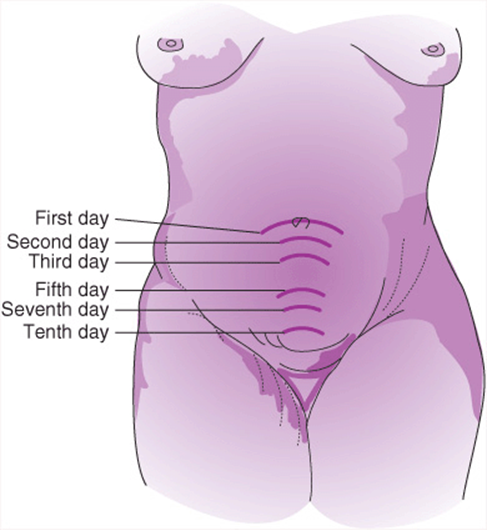
Figure 10–1. Involutional changes in the height of the fundus and the size of the uterus during the first 10 days postpartum.
Myometrial contractions, or afterpains, assist in involution. These contractions occur during the first 2–3 days of the puerperium and produce more discomfort in multiparas than in primiparas. Such pains are accentuated during nursing as a result of oxytocin release from the posterior pituitary. During the first 12 hours postpartum, uterine contractions are regular, strong, and coordinated (Fig. 10–2). The intensity, frequency, and regularity of contractions decrease after the first postpartum day as involutional changes proceed. Uterine involution is nearly complete by 6 weeks, at which time the organ weighs less than 100 g. The increase in the amount of connective tissue, elastin in the myometrium and blood vessels, and the increase in numbers of cells are permanent to some degree, so the uterus is slightly larger after pregnancy.
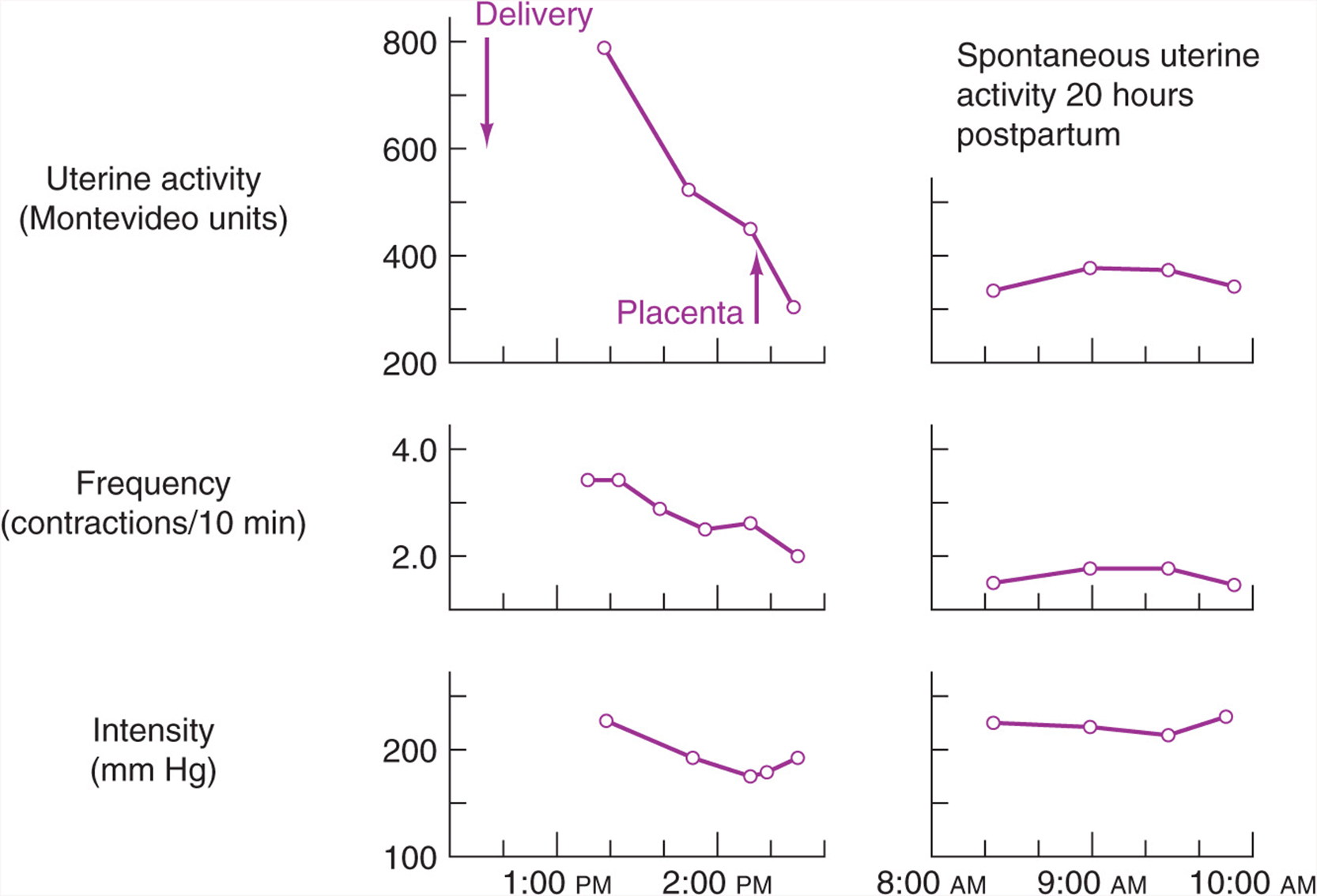
Figure 10–2. Uterine activity during the immediate puerperium (left) and at 20 hours postpartum (right).
Changes in the Placental Implantation Site
After delivery of the placenta, there is immediate contraction of the placental site to a size less than half the diameter of the original placenta. This contraction, as well as arterial smooth muscle contractions, leads to hemostasis. Involution occurs by means of the extension and down growth of marginal endometrium and by endometrial regeneration from the glands and stroma in the decidua basalis.
By day 16, placental site, endometrial, and superficial myometrial infiltrates of granulocytes and mononuclear cells are seen. Regeneration of endometrial glands and endometrial stroma has also begun. Endometrial regeneration at the placental site is not complete until 6 weeks postpartum. In the disorder termed subinvolution of the placental site, complete obliteration of the vessels in the placental site fails to occur. Patients with this condition have persistent lochia and are subject to brisk hemorrhagic episodes. This condition usually can be treated with utero-tonics. In the rare event that uterine curettage is performed, partly obliterated hyalinized vessels can be seen on the histologic specimen.
Normal postpartum discharge begins as lochia rubra, containing blood, shreds of tissue, and decidua. The amount of discharge rapidly tapers and changes to a reddish-brown color over the next 3–4 days. It is termed lochia serosa when it becomes serous to mucopurulent, paler, and often malodorous. During the second or third postpartum week, the lochia alba becomes thicker, mucoid, and yellowish-white, coincident with a predominance of leukocytes and degenerated decidual cells. Typically during the fifth or sixth week postpartum, the lochial secretions cease as healing nears completion.
Changes in the Cervix, Vagina, & Muscular Walls of the Pelvic Organs
The cervix gradually closes during the puerperium; at the end of the first week, it is little more than 1 cm dilated. The external os is converted into a transverse slit, thus distinguishing the parous woman who delivered vaginally from the nulliparous woman or from one who delivered by caesarean section. Cervical lacerations heal in most uncomplicated cases, but the continuity of the cervix may not be restored, so the site of the tear may remain as a scarred notch.
After vaginal delivery, the overdistended and smooth-walled vagina gradually returns to its antepartum condition by about the third week. Thickening of the mucosa, cervical mucus production, and other estrogenic changes may be delayed in a lactating woman. The torn hymen heals in the form of fibrosed nodules of mucosa, the carunculae myrtiformes.
Two weeks after delivery, the fallopian tube reflects a hypoestrogenic state marked by atrophy of the epithelium. Fallopian tubes removed between postpartum days 5 and 15 demonstrate acute inflammatory changes that have not been correlated with subsequent puerperal fever or salpingitis. Normal changes in the pelvis after uncomplicated term vaginal delivery include widening of the symphysis and sacroiliac joints. Gas may be seen by ultrasonography in the endometrial cavity a few days after an uncomplicated vaginal delivery. This sonographic observation is more often seen after caesarean section and after manual evacuation of placenta, and it does not necessarily indicate the presence of endometritis. Ovulation occurs as early as 27 days after delivery, with a mean time of 70–75 days in nonlactating women and 6 months in lactating women. In lactating women the duration of anovulation ultimately depends on the frequency of breastfeeding, duration of each feed, and proportion of supplementary feeds. Ovulation suppression is due to high prolactin levels, which remain elevated until approximately 3 weeks after delivery in nonlactating women and 6 weeks in lactating women. However, estrogen levels fall immediately after delivery in all mothers and remain suppressed in lactating mothers. Menstruation returns as soon as 7 weeks in 70% and by 12 weeks in all nonlactating mothers, and as late as 36 months in 70% of breastfeeding mothers.
The voluntary muscles of the pelvic floor and the pelvic supports gradually regain their tone during the puerperium. Tearing or overstretching of the musculature or fascia at the time of delivery predisposes to genital prolapse and genital hernias (cystocele, rectocele, and enterocele). Overdistention of the abdominal wall during pregnancy may result in rupture of the elastic fibers of the cutis, persistent striae, and diastasis of the rectus muscles. Involution of the abdominal musculature may require 6–7 weeks, and vigorous exercise is not recommended until after that time.
Urinary System
In the immediate postpartum period, the bladder mucosa is edematous as a result of labor and delivery. In addition, bladder capacity is increased. Overdistention and incomplete emptying of the bladder with the presence of residual urine are therefore common problems. The decreased bladder sensibility induced by intrapartum regional analgesia may lead to postpartum urinary retention; however, it is reversible and usually not detrimental to later urinary function. Nearly 50% of patients have a mild proteinuria for 1–2 days after delivery. Ultrasonographic examination demonstrates resolution of collecting system dilatation by 6 weeks postpartum in most women. Urinary stasis, however, may persist in more than 50% of women at 12 weeks postpartum. The incidence of urinary tract infection is generally higher in women with persistent dilatation. Significant renal enlargement may persist for many weeks postpartum.
Pregnancy is accompanied by an estimated increase of approximately 50% in the glomerular filtration rate. These values return to normal or less than normal during the eighth week of the puerperium. Endogenous creatinine clearance similarly returns to normal by 8 weeks. Renal plasma flow, which increased during pregnancy by 25% in the first trimester, falls in the third trimester and continues to fall to below normal levels for up to 24 months. Normal levels return slowly over 50–60 weeks. The glucosuria induced by pregnancy disappears. The blood urea nitrogen rises during the puerperium; at the end of the first week postpartum, values of 20 mg/dL are reached, compared with 15 mg/dL in the late third trimester.
Fluid Balance & Electrolytes
An average decrease in maternal weight of 10–13 lb occurs intrapartum and immediately postpartum due to the loss of amniotic fluid and blood as well as delivery of the infant and placenta. The average patient may lose an additional 4 kg (9 lb) during the puerperium and over the next 6 months as a result of excretion of the fluids and electrolytes accumulated during pregnancy. Contrary to widespread belief, breastfeeding has minimal effects on hastening weight loss postpartum. The magnitude of weight gain during pregnancy has impact on the postpartum weight retention. Women who gain more weight than the recommended range during the pregnancy tend to be heavier at 3 years postpartum than women who gained weight within recommended range during pregnancy, and this applies to both obese and nonobese patients.
There is an average net fluid loss of at least 2 L during the first week postpartum and an additional loss of approximately 1.5 L during the next 5 weeks. The water loss in the first week postpartum represents a loss of extracellular fluid. A negative balance must be expected of slightly more than 100 mEq of chloride per kilogram of body weight lost in the early puerperium. This negative balance probably is attributable to the discharge of maternal extracellular fluid. The puerperal losses of salt and water are generally larger in women with preeclampsia or eclampsia.
The changes occurring in serum electrolytes during the puerperium indicate a general increase in the numbers of cations and anions compared with antepartum values. Although total exchangeable sodium decreases during the puerperium, the relative decrease in body water exceeds the sodium loss. The diminished aldosterone antagonism due to falling plasma progesterone concentrations may partially explain the rapid rise in serum sodium. Cellular breakdown due to tissue involution may contribute to the rise in plasma potassium concentration noted postpartum. The mean increase in cations, chiefly sodium, amounts to 4.7 mEq/L, with an equal increase in anions. Consequently, the plasma osmolality rises by 7 mOsm/L at the end of the first week postpartum. In keeping with the chloride shift, there is a tendency for the serum chloride concentration to decrease slightly postpartum as serum bicarbonate concentration increases.
Metabolic & Chemical Changes
Total fatty acids and nonesterified fatty acids return to non-pregnant levels on about the second day of the puerperium. Both cholesterol and triglyceride concentrations decrease significantly within 24 hours after delivery, and this change is reflected in all lipoprotein fractions. Plasma triglycerides continue to fall and approach nonpregnant values 6–7 weeks postpartum. By comparison, the decrease in plasma cholesterol levels is slower; low-density lipoprotein cholesterol remains above nonpregnant levels for at least 7 weeks postpartum. Lactation does not influence lipid levels, but, in contrast to pregnancy, the postpartum hyperlipidemia is sensitive to dietary manipulation.
During the early puerperium, blood glucose concentrations (both fasting and postprandial) tend to fall below the values seen during pregnancy and delivery. This fall is most marked on the second and third postpartum days. Accordingly, the insulin requirements of diabetic patients are lower. Reliable indications of the insulin sensitivity and the blood glucose concentrations characteristic of the non-pregnant state can be demonstrated only after the first week postpartum. Thus a glucose tolerance test performed in the early puerperium may be interpreted erroneously if nonpuerperal standards are applied to the results.
The concentration of free plasma amino acids increases postpartum. Normal nonpregnant values are regained rapidly on the second or third postpartum day and are presumably a result of reduced utilization and an elevation in the renal threshold.
Cardiovascular Changes
A. Blood Coagulation
The production of both prostacyclin (prostaglandin I2 [PGI2]), an inhibitor of platelet aggregation, and thromboxane A2, an inducer of platelet aggregation and a vasoconstrictor, is increased during pregnancy and the puerperium. Possibly, the balance between thromboxane A2 and PGI2 is shifted to the side of thromboxane A2 dominance during the puerperium because platelet reactivity is increased at this time. Rapid and dramatic changes in the coagulation and fibrinolytic systems occur after delivery (Table 10–1). A decrease in the fibrinogen concentration begins during labor and reaches its lowest point during the first day postpartum. Thereafter, rising plasma fibrinogen levels reach prelabor values by the third or fifth day of the puerperium. This secondary peak in fibrinogen activity is maintained until the second postpartum week, after which the level of activity slowly returns to normal nonpregnant levels during the following 7–10 days. A similar pattern occurs with respect to factor VIII and plasminogen. Circulating levels of antithrombin III are decreased in the third trimester of pregnancy. Patients with a congenital deficiency of antithrombin III (an endogenous inhibitor of factor X) have recurrent venous thromboembolic disease, and a low level of this factor has been associated with a hypercoagulable state.
Table 10–1. Changes in blood coagulation and fibrinolysis during the puerperium.
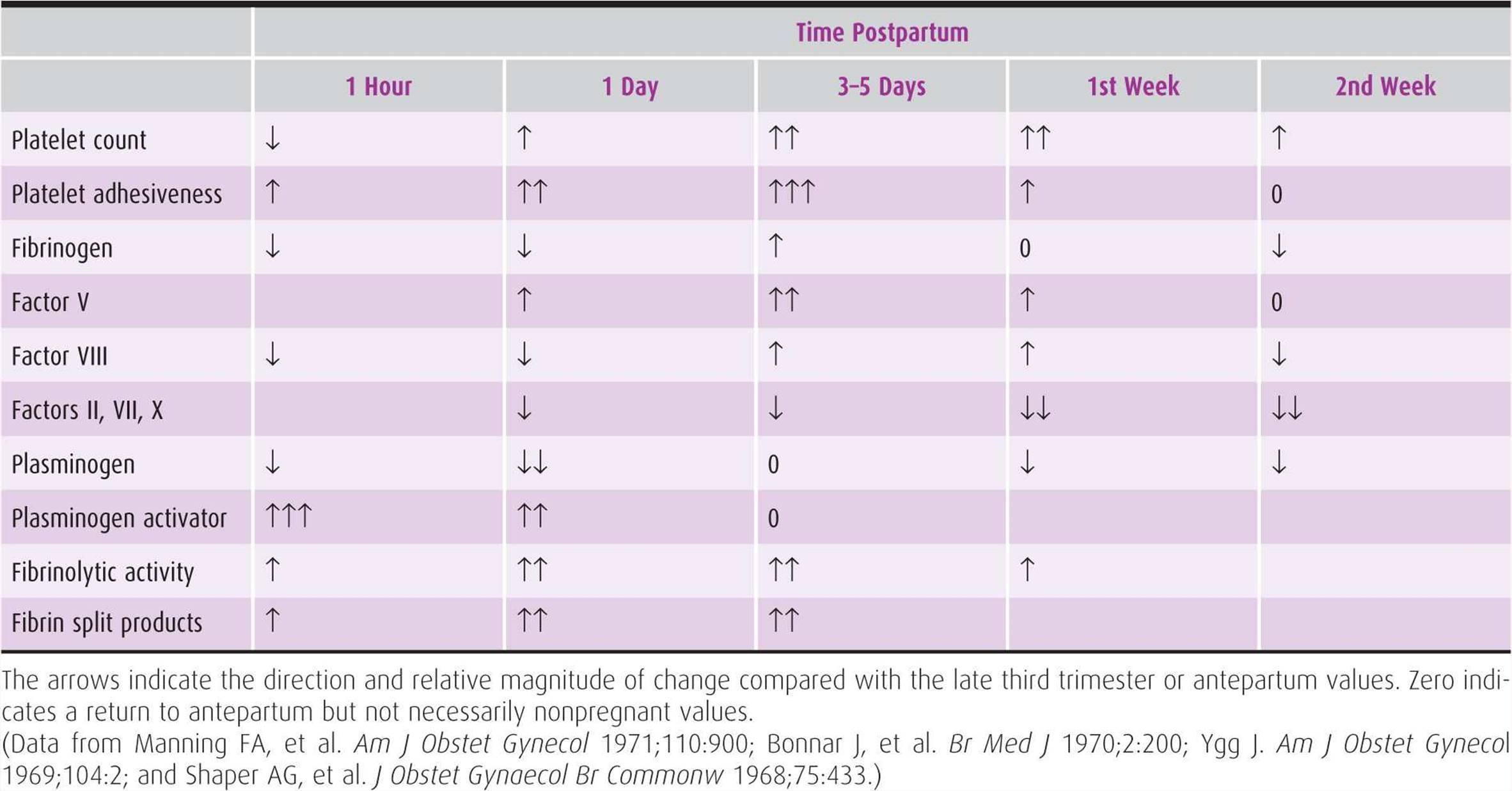
The fibrinolytic activity of maternal plasma is greatly reduced during the last months of pregnancy but increases rapidly after delivery. In the first few hours postpartum, an increase in tissue plasminogen activator (t-PA) activity develops, together with a slight prolongation of the thrombin time, a decrease in plasminogen activator inhibitors, and a significant increase in fibrin split products. Protein C is an important coagulation inhibitor that requires the nonenzymatic cofactor protein S (which exists as a free protein and as a complex) for its activity. The level of protein S, both total and free, increases on the first day after delivery and gradually returns to normal levels after the first week postpartum.
The increased concentration of clotting factors normally seen during pregnancy can be viewed as important reserve to compensate for the rapid consumption of these factors during delivery and in promoting hemostasis after parturition. Nonetheless, extensive activation of clotting factors, together with immobility, sepsis, or trauma during delivery, may set the stage for later thromboembolic complications (see Chapter 27). The secondary increase in fibrinogen, factor VIII, or platelets (which remain well above nonpregnant values in the first week postpartum) also predisposes to thrombosis during the puerperium. The abrupt return of normal fibrinolytic activity after delivery may be a protective mechanism to combat this hazard. A small percentage of puerperal women who show a diminished ability to activate the fibrinolytic system appear to be at high risk for the development of postpartum thromboembolic complications.
B. Blood Volume Changes
The total blood volume normally decreases from the antepartum value of 5–6 L to the nonpregnant value of 4 L by the third week after delivery. One-third of this reduction occurs during delivery and soon afterward, and a similar amount is lost by the end of the first postpartum week. Additional variation occurs with lactation. The volume expansion with increased water retention in the extracellular space during pregnancy may be viewed as a protective mechanism that allows most women to tolerate considerable blood loss during parturition. Normal vaginal delivery of a single fetus entails an average blood loss of approximately 400 mL, whereas caesarean section leads to a blood loss of nearly 1 L. If total hysterectomy is performed in addition to caesarean section delivery, the mean blood loss increases to approximately 1500 mL. Delivery of twins and triplets entails blood losses similar to those of operative delivery, but a compensatory increase in maternal plasma volume and red blood cell mass may be exacerbated in mothers carrying multiple gestations.
Dramatic and rapid readjustments occur in the maternal vasculature after delivery so that the response to blood loss during the early puerperium is different from that occurring in the nonpregnant woman. Delivery leads to obliteration of the low-resistance uteroplacental circulation and results in a 10–15% reduction in the size of the maternal vascular bed. Loss of placental endocrine function also removes a stimulus to vasodilatation.
A declining blood volume with a rise in hematocrit is usually seen 3–7 days after vaginal delivery (Fig. 10–3). In contrast, serial studies of patients after caesarean section indicate a more rapid decline in blood volume and hematocrit and a tendency for the hematocrit to stabilize or even decline in the early puerperium. Hemoconcentration occurs if the loss of red cells is less than the reduction in vascular capacity. Hemodilution takes place in patients who lose 20% or more of their circulating blood volume at delivery. In patients with preeclampsia–eclampsia, resolution of peripheral vasoconstriction and mobilization of excess extracellular fluid may lead to significant expansion of vascular volume by the third postpartum day. Plasma atrial natriuretic peptide levels nearly double during the first days postpartum in response to atrial stretch caused by blood volume expansion and may have relevance for postpartum natriuresis and diuresis. Occasionally, a patient sustains minimal blood loss at delivery. In such a patient, marked hemoconcentration may occur in the puerperium, especially if there has been a preexisting polycythemia or a considerable increase in the red cell mass during pregnancy.
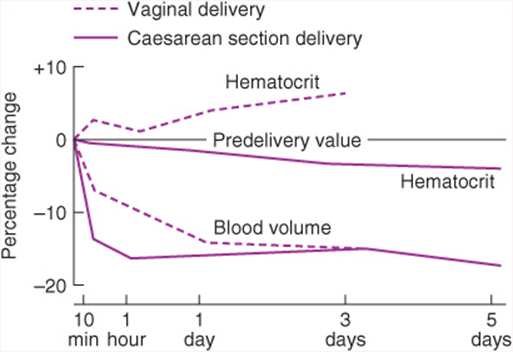
Figure 10–3. Postpartum changes in hematocrit and blood volume in patients delivered vaginally and by caesarean section. Values are expressed as the percentage change from the predelivery hematocrit or blood volume. (Data from Ueland K, et al. Maternal cardiovascular dynamics. 1. Cesarean section under subarachnoid block anesthesia. Am J Obstet Gynecol 1968;100:42; PMID 5634434; and Ueland K, Hansen J. Maternal cardiovascular dynamics. 3. Labor and delivery under local and caudal analgesia. Am J Obstet Gynecol 1969;103: 8; PMID: 5761783.)
C. Hematopoiesis
The red cell mass increases by about 25% during pregnancy, whereas the average red cell loss at delivery is approximately 14%. Thus the mean postpartum red cell mass level should be about 15% above nonpregnant values. The sudden loss of blood at delivery, however, leads to a rapid and short-lived reticulocytosis (with a peak on the fourth postpartum day) and moderately elevated erythropoietin levels during the first week postpartum.
The bone marrow in pregnancy and in the early puerperium is hyperactive and capable of delivering a large number of young cells to the peripheral blood. Prolactin may play a minor role in bone marrow stimulation.
A striking leukocytosis occurs during labor and extends into the early puerperium. In the immediate puerperium, the white blood cell count may be as high as 25,000/mL, with an increased percentage of granulocytes. The stimulus for this leukocytosis is not known, but it probably represents a release of sequestered cells in response to the stress of labor.
The serum iron level is decreased and the plasma iron turnover is increased between the third and fifth days of the puerperium. Normal values are regained by the second week postpartum. The shorter duration of ferrokinetic changes in puerperal women compared with the duration of changes in nonpregnant women who have had phlebotomy is due to the increased erythroid marrow activity and the circulatory changes described previously.
Most women who sustain an average blood loss at delivery and who received iron supplementation during pregnancy show a relative erythrocytosis during the second week postpartum. Because there is no evidence of increased red cell destruction during the puerperium, any red cells gained during pregnancy will disappear gradually according to their normal life span. A moderate excess of red blood cells after delivery, therefore, may lead to an increase in iron stores. Iron supplementation is not necessary for normal postpartum women if the hematocrit or hemoglobin concentration 5–7 days after delivery is equal to or greater than a normal predelivery value. In the late puerperium, there is a gradual decrease in the red cell mass to nonpregnant levels as the rate of erythropoiesis returns to normal.
D. Hemodynamic Changes
The hemodynamic adjustments in the puerperium depend largely on the conduct of labor and delivery (eg, maternal position, method of delivery, mode of anesthesia or analgesia, and blood loss). Cardiac output increases progressively during labor in patients who have received only local anesthesia. The increase in cardiac output peaks immediately after delivery, at which time it is approximately 80% above the prelabor value. During a uterine contraction there is a rise in central venous pressure, arterial pressure, and stroke volume—and, in the absence of pain and anxiety, a reflex decrease in the pulse rate. These changes are magnified in the supine position. Only minimal changes occur in the lateral recumbent position because of unimpaired venous return and absence of aortoiliac compression by the contracting uterus (Poseiro’s effect). Epidural anesthesia can interfere with the hemodynamic change by attenuating the progressive rise in cardiac output during labor and reduces the absolute increase observed immediately after delivery, probably by limiting pain, anxiety, and oxygen consumption.
Although major hemodynamic readjustments occur during the period immediately after delivery, there is a return to nonpregnant conditions in the early puerperium. A trend for normal women to increase their blood pressure slightly in the first 5 days postpartum reflects an increased uterine vascular resistance and a temporary surplus in plasma volume. A small percentage will have diastolic blood pressures of 100 mm Hg. Cardiac output (measured by Doppler and cross-sectional echocardiography) declines 28% within 2 weeks postpartum from peak values observed at 38 weeks’ gestation. This change is associated with a 20% reduction in stroke volume and a smaller decrease in myocardial contractility indices. Postpartum resolution of pregnancy-induced ventricular hypertrophy takes longer than the functional postpartum changes (Fig. 10–4). In fact, limited data support a slow return of cardiac hemodynamics to prepregnancy levels over a 1-year period. There are no hemodynamic differences between lactating and nonlactating mothers.
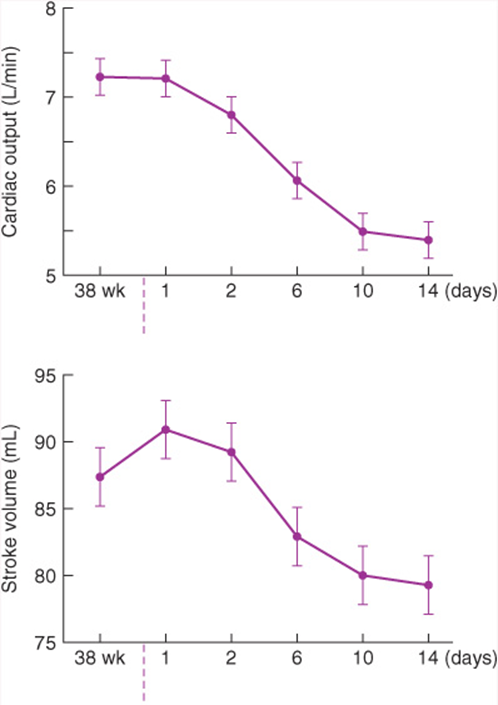
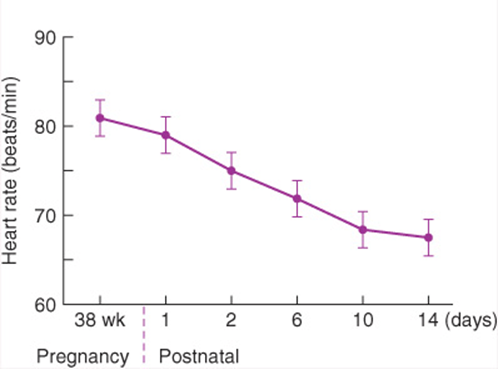
Figure 10–4. Changes in cardiac output, stroke volume, and heart rate during the puerperium after normal delivery. (Reproduced, with permission, from Hunter S, Robson SC. Adaptation of the maternal heart in pregnancy. Br Heart J 1992;68:540.)
Respiratory Changes
The pulmonary functions that change most rapidly are those influenced by alterations in abdominal contents and thoracic cage capacity. Lung volumes change in the puerperium and gradually return to the nonpregnant states. The total lung capacity increases after delivery due to decreased intraabdominal pressure on the diaphragm. An increase in resting ventilation and oxygen consumption and a less efficient response to exercise may persist during the early postpartum weeks. Comparisons of aerobic capacity before pregnancy and again postpartum indicate that lack of activity and weight gain contribute to a generalized detraining effect 4–8 weeks postpartum.
Changes in acid–base status generally parallel changes in respiratory function. The state of pregnancy is characterized by respiratory alkalosis and compensated metabolic acidosis, whereas labor represents a transitional period. A significant hypocapnia (<30 mm Hg), a rise in blood lactate, and a fall in pH are first noted at the end of the first stage of labor and extend into the puerperium. Within a few days, a rise toward the normal nonpregnant values of PCO2(35–40 mm Hg) occurs. Progesterone influences the rate of ventilation by means of a central effect, and rapidly decreasing levels of this hormone are largely responsible for the increased PCO2 seen in the first week postpartum. An increase in base excess and plasma bicarbonate accompanies the relative postpartum hypercapnia. A gradual increase in pH and base excess occurs until normal levels are reached at approximately 3 weeks postpartum.
The resting arterial PO2 and oxygen saturation during pregnancy are higher than those in nonpregnant women. During labor, the oxygen saturation may be depressed, especially in the supine position, probably as a result of a decrease in cardiac output and a relative increase in the amount of intrapulmonary shunting. However, a rise in the arterial oxygen saturation to 95% is noted during the first postpartum day. An apparent oxygen debt incurred during labor extends into the immediate puerperium and appears to depend on the length and severity of the second stage of labor. Many investigators have commented on the continued elevation of the basal metabolic rate for a period of 7–14 days after delivery. The increased resting oxygen consumption in the early puerperium has been attributed to mild anemia, lactation, and psychologic factors.
Pituitary–Ovarian Relationships
The plasma levels of placental hormones decline rapidly after delivery. Human placental lactogen has a half-life of 20 minutes and reaches undetectable levels in maternal plasma during the first day after delivery. Human chorionic gonadotropin (hCG) has a mean half-life of approximately 9 hours. The concentration of hCG in maternal plasma falls below 1000 mU/mL within 48–96 hours postpartum and falls below 100 mU/mL by the seventh day. Highly specific and sensitive radioimmunoassay for the subunit of hCG indicates virtual disappearance of hCG from maternal plasma between the 11th and 16th days after normal delivery. The regressive pattern of hCG activity is slower after first-trimester abortion than it is after term delivery and even more prolonged in patients who have undergone suction curettage for molar pregnancy.
Within 3 hours after removal of the placenta, the plasma concentration of 17β-estradiol falls to 10% of the antepartum value. The lowest levels are reached by the seventh postpartum day. Plasma estrogens do not reach follicular phase levels (>50 pg/mL) until 19–21 days postpartum in nonlactating women. The return to normal plasma levels of estrogens is delayed in lactating women. Lactating women who resume spontaneous menses achieve follicular-phase estradiol levels (>50 pg/mL) during the first 60–80 days postpartum. Lactating amenorrheic persons are markedly hypoestrogenic (plasma estradiol <10 pg/mL) during the first 180 days postpartum. The onset of breast engorgement on days 3–4 of the puerperium coincides with a significant fall in estrogen levels and supports the view that high estrogen levels suppress lactation.
The metabolic clearance rate of progesterone is high, and, as with estradiol, the half-life is calculated in minutes. By the third day of the puerperium, the plasma progesterone concentrations are below luteal phase levels (<1 ng/mL).
Prolactin levels in maternal blood rise throughout pregnancy to reach concentrations of 200 ng/mL or more. After delivery, prolactin declines in erratic fashion over a period of 2 weeks to the nongravid range in nonlactating women (Fig. 10–5). In women who are breastfeeding, basal concentrations of prolactin remain above the nongravid range and increase dramatically in response to suckling. As lactation progresses, the amount of prolactin released with each suckling episode declines. If breastfeeding occurs only 1–3 times each day, serum prolactin levels return to normal basal values within 6 months postpartum; if suckling takes place more than 6 times each day, high basal concentrations of prolactin will persist for more than 1 year. The diurnal rhythm of peripheral prolactin concentrations (a daytime nadir followed by a nighttime peak) is abolished during late pregnancy but is re-established within 1 week postpartum in non-nursing women.
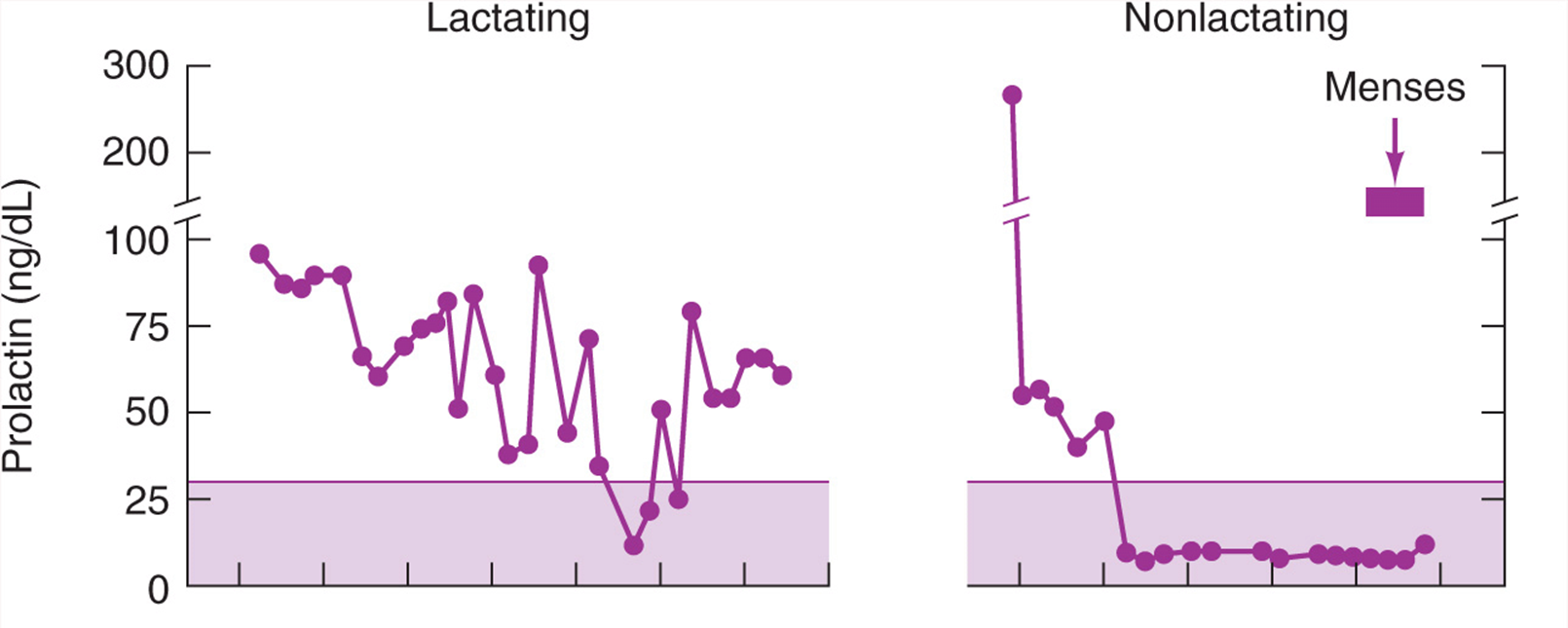
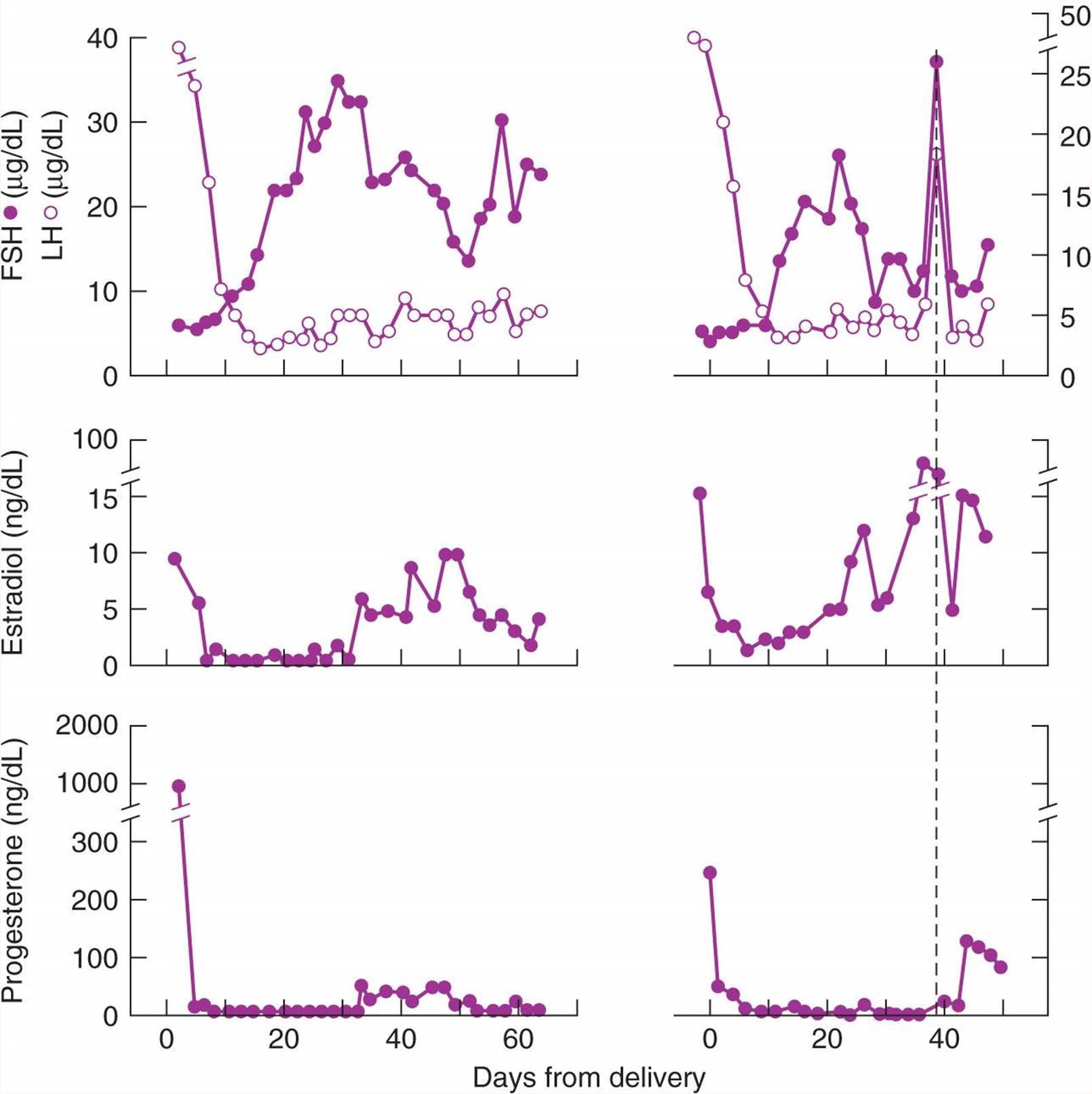
Figure 10–5. Serum concentrations of prolactin, follicle-stimulating hormone (FSH), luteinizing hormone (LH), estradiol, and progesterone in a lactating and nonlactating woman during the puerperium. The hatched bars for the prolactin data represent the normal nongravid range. To convert the FSH and LH to milli-international units per milliliter, divide the FSH values by 2 and multiply the LH values by 4.5. (Reproduced, with permission, from Reyes FI, Winter JS, Faiman C. Pituitary-ovarian interrelationships during the puerperium. Am J Obstet Gynecol 1972;114:589.)
Serum follicle-stimulating hormone (FSH) and luteinizing hormone (LH) concentrations are very low in all women during the first 10–12 days postpartum, whether or not they lactate. The levels increase over the subsequent days and reach follicular-phase concentrations during the third week postpartum (Fig. 10–5). At this time, marked LH pulse amplification occurs during sleep but disappears as normal ovulatory cycles are established. In this respect, the transition from postpartum amenorrhea to cyclic ovulation is reminiscent of puberty, when gonadotropin secretion increases during sleep. There is a preferential release of FSH over LH postpartum during spontaneous recovery or after stimulation by exogenous gonadotropin-releasing hormone (GnRH). In the early puerperium, the pituitary is relatively refractory to GnRH, but 4–8 weeks postpartum, the response to GnRH is exaggerated. The low levels of FSH and LH postpartum are most likely related to insufficient endogenous GnRH secretion during pregnancy and the early puerperium, resulting in depletion of pituitary gonadotropin stores. The high estrogen and progesterone milieu of late pregnancy is associated with increased endogenous opioid activity, which may be responsible for suppression of GnRH activity in the puerperium. Resumption of FSH and LH secretion can be accelerated by administering a long-acting GnRH agonist during the first 10 days postpartum.
Because ovarian activity normally resumes upon weaning, either the suckling stimulus itself or the raised level of prolactin is responsible for suppression of pulsatile gonadotropin secretion. Hyperprolactinemia may not entirely account for the inhibition of gonadotropin secretion during lactation, as bromocriptine treatment abolishes the hyperprolactinemia of suckling but not the inhibition of gonadotropin secretion. Sensory inputs associated with suckling (if sufficiently intense), as well as oxytocin and endogenous opioids that are released during suckling, may affect the hypothalamic control of gonadotropin secretion, possibly by inhibiting the pulsatile secretion of GnRH. It appears that by 8 weeks after delivery, although ovarian activity still remains suppressed in fully breastfeeding women, pulsatile secretion of LH has resumed at a low and variable frequency in most women. However, the presence or absence of GnRH or LH pulses at 8 weeks does not predict the time of resumption of ovarian activity.
The time of appearance of the first ovulation is variable, and it is delayed by breastfeeding. Approximately 10–15% of non-nursing mothers ovulate by the time of the 6-week postpartum examination, and approximately 30% ovulate within 90 days postpartum. An abnormally short luteal phase is noted in 35% of first ovulatory cycles. The earliest reported time of ovulation as determined by endometrial biopsy is 33 days postpartum. Patients who have had a first-trimester abortion or ectopic pregnancy generally ovulate sooner after termination of pregnancy (as early as 14 days) than do women who deliver at term. Moreover, the majority of these women do ovulate before the first episode of postabortal bleeding—in contrast to women who have had a term pregnancy.
Endometrial biopsies in lactating women do not show a secretory pattern before the seventh postpartum week. Provided that nursing is in progress and that menstruation has not returned, ovulation before the tenth week postpartum is rare. In well-nourished women who breastfed for an extended period of time, fewer than 20% had ovulated by 6 months postpartum. Much of the variability in the resumption of menstruation and ovulation observed in lactating women may be due to individual differences in the strength of the suckling stimulus and to partial weaning (formula supplementation). This emphasizes the fact that suckling is not a reliable form of birth control. Because the period of lactational infertility is relatively short in Western societies, some form of contraception must be used if pregnancy is to be prevented. Among women who have unprotected intercourse only during lactational amenorrhea but adopt other contraceptive measures when they resume menstruation, only 2% will become pregnant during the first 6 months of amenorrhea. In underdeveloped countries, lactational amenorrhea and infertility may persist for 1–2 years owing to frequent suckling and poor maternal nutrition. When maternal dietary intake is improved, menstruation resumes at least 6 months earlier.
Other Endocrine Changes
Progressive enlargement of the pituitary gland occurs during pregnancy, with a 30–100% increase in weight achieved at term. Magnetic resonance imaging shows a linear gain in pituitary gland height of approximately 0.08 mm/wk during pregnancy. An additional increase in size occurs during the first week postpartum. Beyond the first week postpartum, however, the pituitary gland returns rapidly to its normal size in both lactating and nonlactating women.
The physiologic hypertrophy of the pituitary gland is associated with an increase in the number of pituitary lactotroph cells at the expense of the somatotropic cell types. Thus growth hormone secretion is depressed during the second half of pregnancy and the early puerperium. Because levels of circulating insulin-like growth factor (IGF)-1 increase throughout pregnancy, a placental growth hormone has been postulated and recently identified. Maternal levels of IGF-1 correlate highly with this distinct placental growth hormone variant, but not with placental lactogen during pregnancy and in the immediate puerperium.
Late pregnancy and the early puerperium are also characterized by pituitary somatotroph hyporesponsiveness to growth hormone-releasing hormone and to insulin stimulation. Whatever the inhibitory mechanism may be (possibly increased somatostatin secretion), it persists during the early postpartum period.
The rapid disappearance of placental lactogen and the low levels of growth hormone after delivery lead to a relative deficiency of anti-insulin factors in the early puerperium. It is not surprising, therefore, that low fasting plasma glucose levels are noted at this time and that the insulin requirements of diabetic patients usually drop after delivery. Glucose tolerance tests performed in women with gestational diabetes demonstrate that only 30% have abnormal test results 3–5 days after delivery, and 20% have abnormal glucose tolerance at 6 weeks postpartum. Because the early puerperium represents a transitional period in carbohydrate metabolism, the results of glucose tolerance tests may be difficult to interpret.
Evaluation of thyroid function is also difficult in the period immediately after birth because of rapid fluctuations in many indices. Characteristically, the plasma thyroxine level and other indices of thyroid function are highest at delivery and in the first 12 hours thereafter. A decrease to antepartum values is seen on the third or fourth day after delivery. Reduced available estrogens postpartum lead to a subsequent decrease in circulating thyroxine-binding globulin and a gradual diminution in bound thyroid hormones in serum. Serum concentrations of thyroid-stimulating hormone (TSH) are not significantly different postpartum from those of the pregnant or nonpregnant state. Administration of thyroid-releasing hormone in the puerperium results in a normal increase in both TSH and prolactin, and the response is similar in lactating and nonlactating patients. Because pregnancy is associated with some immunosuppressive effects, hyperthyroidism or hypothyroidism may recur postpartum in autoimmune thyroid disease. Failure of lactation and prolonged disability may be the result of hypothyroidism postpartum. In Sheehan’s syndrome of pituitary infarction, postpartum cachexia and myxedema are seen secondary to anterior hypophyseal insufficiency.
Maternal concentrations of total and unbound (free) plasma cortisol, adrenocorticotropic hormone (ACTH), immunoreactive corticotropin-releasing hormone (CRH), and β-endorphin rise progressively during pregnancy and increase further during labor. Plasma 17-hydroxycorticosteroid levels increase from a concentration of 4–14 μg/dL at 40 weeks’ gestation. A 2- to 3-fold increase is seen during labor. ACTH, CRH, and β-endorphin decrease rapidly after delivery and return to nonpregnant levels within 24 hours. Prelabor cortisol values are regained on the first day postpartum, but a return to normal, nonpregnant cortisol and 17-hydroxycorticosteroid levels is not reached until the end of the first week postpartum.
Much of the rise in total cortisol (but not in the unbound fraction) can be explained by the parallel increase in corticosteroid-binding globulin (CBG) during pregnancy. Displacement of cortisol from CBG by high concentrations of progesterone cannot account for the increased free cortisol levels because saliva progesterone levels (a measure of the unbound hormone) do not fluctuate, whereas a normal diurnal rhythm of saliva cortisol is maintained during pregnancy and postpartum. An extrapituitary source of ACTH, a progesterone-modulated decrease in the hypothalamic–pituitary sensitivity to glucocorticoid feedback inhibition, and an extrahypothalamic (eg, placental) source of CRH have been suggested as explanations for elevated plasma ACTH levels and the inability of dexamethasone to completely suppress ACTH in pregnant women.
In the third trimester, the placenta produces large amounts of CRH, which is released into the maternal circulation and may contribute to the hypercortisolemia of pregnancy. Present evidence suggests that it stimulates the maternal pituitary to produce ACTH while desensitizing the pituitary to further acute stimulation with CRH. Maternal hypothalamic control of ACTH production is retained (perhaps mediated by vasopressin secretion); this permits a normal response to stress and a persistent diurnal rhythm.
Overall, it is most likely that under the influence of rising estrogens and progesterone, there is a resetting of the hypothalamic–pituitary sensitivity to cortisol feedback during pregnancy, which persists for several days postpartum. Several studies have suggested a relationship between peripartum alterations in maternal levels of cortisol and β-endorphin and the development of postnatal mood disturbances.
The excretion of urinary 17-ketosteroids is elevated in late pregnancy as a result of an increase in androgenic precursors from the fetoplacental unit and the ovary. An additional increase of 50% in excretion occurs during labor. Excretion of 17-ketosteroids returns to antepartum levels on the first day after delivery and to the nonpregnant range by the end of the first week. The mean levels of testosterone during the third trimester of pregnancy range from 3 to 7 times the mean values for nonpregnant women. The elevated levels of testosterone decrease after parturition parallel with the gradual fall in sex hormone-binding globulin (SHBG). Androstenedione, which is poorly bound to SHBG, falls rapidly to nonpregnant values by the third day postpartum. Conversely, the postpartum plasma concentration of dehydroepiandrosterone sulfate remains lower than that of nonpregnant women, because its metabolic clearance rate continues to be elevated in the early puerperium. Persistently elevated levels of 17-ketosteroids or androgens during the puerperium are an indication for investigation of ovarian abnormalities. Plasma renin and angiotensin II levels fall during the first 2 hours postpartum to levels within the normal nonpregnant range. This suggests that an extra-renal source of renin has been lost with the expulsion of the fetus and placenta.
There is little direct information about the puerperal changes in numerous other hormones, including aldosterone, parathyroid hormone, and calcitonin. More research should be done on these important endocrine relationships in the puerperium.
De Santis M, Cavaliere AF, Straface G, Caruso A. Rubella infection in pregnancy. Reprod Toxicol 2006;21:390. PMID: 16580940.
Hellgren M. Hemostasis during normal pregnancy and pueperium. Semin Thromb Hemost 2003;29:125. PMID: 12709915.
Mulic-Lutvica A, Axelsson O. Postpartum ultrasound in women with postpartum endometritis, after cesarean section and after manual evacuation of the placenta. Acta Obstet Gynecol Scand 2007;86:210. PMID: 17364285.
Reader D, Franz MJ. Lactation, diabetes and nutrition recommendations. Curr Diab Rep 2004;4:370. PMID: 15461903.
Vesco KK, Dietz PM, Rizzo J, et al. Excessive gestational weight gain and postpartum weight retention among obese women. Obstet Gynecol 2009;114:1069. PMID 20168109.
CONDUCT AND MANAGEMENT OF THE PUERPERIUM
Most patients will benefit from 2–4 days of hospitalization after delivery. Only 3% of women with a vaginal delivery and 9% of women having a caesarean section have a childbirth-related complication requiring prolonged postpartum hospitalization or readmission. Although a significant amount of symptomatic morbidity may exist postpartum (painful perineum, breastfeeding difficulties, urinary infections, urinary and fecal incontinence, and headache), most women can return home safely 2 days after normal vaginal delivery if proper education and instructions are given, if confidence exists with infant care and feeding, and if adequate support exists at home. Earlier discharge is acceptable in select mothers and infants who have had uncomplicated labors and deliveries. Discharge criteria should be met and follow-up care provided. Optimal care includes home nursing visits through the fourth postpartum day.
Disadvantages of early discharge are the increased risks of rehospitalization of some neonates for hyperbilirubinemia and neonatal infection (eg, from group B streptococci).
Activities & Rest
The policy of early ambulation after delivery benefits the patient. Early ambulation provides a sense of well-being, hastens involution of the uterus, improves uterine drainage, and lessens the incidence of postpartum thromboembolic event. If the delivery has been uncomplicated, the patient may be out of bed as soon as tolerated. Early ambulation does not mean immediate return to normal activity or work. Commonly mothers complain of lethargy and fatigue. Therefore, rest is essential after delivery, and the demands on the mother should be limited to allow for adequate relaxation and adjustment to her new responsibilities. It is helpful to set aside a few hours each day for rest periods. Many mothers do not sleep well for several nights after delivery, and it is surprising how much of the day is occupied with the care of the newborn.
In uncomplicated deliveries, more vigorous activity, climbing stairs, lifting of heavy objects, riding in or driving a car, and performing muscle toning exercises may be resumed without delay. Specific recommendations should be individualized. Current American College of Obstetricians and Gynecologists committee opinions support gradual resumption of exercise routines as soon as medically and physically safe, as detraining may have occurred during pregnancy. No known maternal complications are associated with resumption of exercise, even in women who choose to resume an exercise routine within days. Exercise postpartum does not compromise lactation or neonatal weight gain. It may be beneficial in decreasing anxiety levels and decreasing the incidence of postpartum depression.
Diet
A regular diet is permissible as soon as the patient wishes in the absence of complication. Protein-rich foods, fruits, vegetables, milk products, and a high fluid intake are recommended, especially for nursing mothers. It is estimated that women will need approximately 500 kcal per day more than the recommended level for nonpregnant and nonlactating women. It may be advisable to continue the daily vitamin–mineral supplement during the early puerperium. Lactating women are advised to maintain calcium intake of 1000 mg per day and should be encouraged to drink plenty of fluids to maintain adequate hydration. After caesarean section, there is no evidence supporting compromised safety or comfort from the introduction of solid foods early and allowing the patient to decide when to eat postoperatively. In fact, early feeding as tolerated by the patient has been shown to be safe, to enhance patient satisfaction, to minimize hospital stay, and to facilitate a more rapid return to normal diet and bowel function.
Care of the Bladder
Most women empty the bladder during labor or have been catheterized at delivery. Even so, serious bladder distention may develop within 12 hours. A prolonged second stage of labor or operative delivery may traumatize the base of the bladder and interfere with normal voiding and is significantly associated with protracted urinary retention beyond the third postpartum day. In some cases, overdistention of the bladder may be related to pain or regional anesthesia. Mechanical bladder outlet obstruction may develop secondary to edema or local hematoma, functional obstruction may be secondary to pain, and detrusor underactivity may be due to bladder overdistention during labor. The marked polyuria noted for the first few days postpartum causes the bladder to fill in a relatively short time. Hence obstetric patients require catheterization more frequently than most surgical patients. The patient should be catheterized every 6 hours after delivery if she is unable to void or empty her bladder completely. Intermittent catheterization is preferable to an indwelling catheter because the incidence of urinary tract infection is lower. However, if the bladder fills to more than 1000 mL, 1–2 days of decompression by a retention catheter usually is required to establish voiding without significant residual urine. Postpartum voiding dysfunction is common but usually self-limited and spontaneously resolves within 3 days.
The incidence of true asymptomatic bacteriuria is approximately 5% in the early puerperium. Postpartum patients with a history of previous urinary tract infection, conduction anesthesia, and catheterization during delivery and operative delivery should have a bacterial culture of a midstream urine specimen. In cases of confirmed bacteriuria, antibiotic treatment should be given; otherwise, bacteriuria will persist in nearly 30% of patients. Three days of therapy is sufficient and avoids prolonged antibiotic exposure to the lactating mother.
Bowel Function
Pregnancy itself is associated with increased gastric emptying, but gastrointestinal motility is commonly delayed after labor and delivery. The mild ileus that follows delivery, together with perineal discomfort and postpartum fluid loss by other routes, predisposes to constipation during the puerperium. Milk of magnesia, 15–20 mL orally on the evening of the second postpartum day, usually stimulates a bowel movement by the next morning. If not, a rectal suppository, such as bisacodyl or a small tap water or oil retention enema, may be given. Less bowel stimulation will be needed if the diet contains sufficient roughage. Stool softeners, such as dioctyl sodium sulfosuccinate, may ease the discomfort of early bowel movements. Hemorrhoidal discomfort is a common complaint postpartum and usually responds to conservative treatment with compresses, suppositories containing corticosteroids, local anesthetic sprays or emollients, and sitz baths. Surgical treatment of hemorrhoids postpartum is rarely necessary unless thrombosis is extensive.
Operative vaginal delivery and lacerations involving the anal sphincter increase a woman’s risk for anal incontinence. However, 5% of pregnant women overall have some degree of anal incontinence at 3 months postpartum. Complaints of fecal incontinence are often delayed because of embarrassment. Most cases are transient; however, cases persisting beyond 6 months require investigation and probable treatment.
Bathing
As soon as the patient is ambulatory, she may take a shower. Sitz or tub baths probably are safe if performed in a clean environment. Most patients prefer showers to tub baths because of the profuse flow of lochia immediately postpartum; however, sitz baths may be beneficial for perineal pain relief. Vaginal douching is contraindicated in the early puerperium. Tampons may be used whenever the patient is comfortable.
Care of the Perineum
Postpartum perineal care, even in the patient with an uncomplicated and satisfactorily repaired episiotomy or laceration, usually requires no more than routine cleansing with a bath or shower and analgesia.
Immediately after delivery, cold compresses (usually ice) applied to the perineum decrease traumatic edema and discomfort. The perineal area should be gently cleansed with plain soap at least once or twice per day and after voiding or defecation. If the perineum is kept clean, healing should occur rapidly. Cold or iced sitz baths, rather than hot sitz baths, may provide additional perineal pain relief for some patients. The patient should be put in a lukewarm tub to which ice cubes are added for 20–30 minutes. The cold promotes pain relief by decreasing the excitability of nerve endings and slowing nerve conduction, and by local vasoconstriction, which reduces edema, inhibits hematoma formation, and decreases muscle irritability and spasm. Episiotomy pain is easily controlled with nonsteroidal anti-inflammatory agents, which appear to be superior to acetaminophen or propoxyphene.
An episiotomy or repaired lacerations should be inspected daily. A patient with mediolateral episiotomy, a third- or fourth-degree laceration or extension, or extensive bruising or edema may experience severe perineal pain. In the case of persistent or unusual pain, a vaginal and/or rectal examination should be performed to identify a hematoma, perineal infection, or potentially fatal conditions, such as angioedema, necrotizing fasciitis, or perineal cellulitis. Episiotomy wounds rarely become infected, which is remarkable considering the difficulty of preventing contamination of the perineal area. In the event of infection, local heat and irrigation should cause the infection to subside. Appropriate antibiotics may be indicated if an immediate response to these measures is not observed. In rare instances, the wound should be opened widely and sutures removed for adequate drainage.
Uterotonic Agents
Prophylactic administration of oxytocin after the second stage of labor and/or after placental delivery is beneficial in preventing postpartum hemorrhage and the need for therapeutic uterotonics. The routine use of ergot preparations or prostaglandins may be as effective as oxytocin but has significantly more side effects. There appear to be no data supporting the prophylactic use of uterotonic agents beyond the immediate puerperium. These agents should be limited to patients with specific indications, such as postpartum hemorrhage or uterine atony.
Emotional Reactions
Several basic emotional responses occur in almost every woman who has given birth to a normal baby. A woman’s first emotion is usually one of extreme relief, followed by a sense of happiness and gratitude that the new baby has arrived safely. A regular pattern of behavior occurs in the human mother immediately after birth of the infant. Touching, holding, and grooming of the infant under normal conditions rapidly strengthen maternal ties of affection. However, not all mothers react in this way, and some may even feel detached from the new baby. These reactions range from the common, physiologic, relatively mild, and transient “maternity blues,” which affect some 50–70% of postpartum women, to more severe reactions including depression and rare puerperal psychosis.
Postpartum blues or maternity blues occur in up to 70% of postpartum women and appear to be a normal psychologic adjustment or response. It is generally characterized by tearfulness, anxiety, irritation, and restlessness. This symptomatology can be quite diverse and may include depression, feelings of inadequacy, elation, mood swings, confusion, difficulty concentrating, headache, forgetfulness, insomnia, depersonalization, and negative feelings toward the baby. These transient symptoms usually occur within the first few days after delivery and cease by postpartum day 10, although bouts of weeping may occur for weeks after delivery. The blues are self-limiting, but the distress can be diminished by physical comfort and reassurance. Evidence suggests that rooming-in during the hospital stay reduces maternal anxiety and results in more successful breastfeeding.
Prematurity or illness of the newborn delays early intimate maternal–infant contact and may have an adverse effect on the rapid and complete development of normal mothering responses. Stressful factors during the puerperium (eg, marital infidelity or loss of friends as a result of the necessary confinement and preoccupation with the new baby) may leave the mother feeling unsupported and may interfere with the formation of a maternal bond with the infant.
When a baby dies or is born with a congenital defect, the obstetrician should inform the mother and father about the problem together, if possible. The baby’s normal, healthy features and potential for improvement should be emphasized, and positive statements should be made about the present availability of corrective treatment and the promises of ongoing research. In the event of a perinatal loss, parents should be assisted in the grieving process. They should be encouraged to see and touch the baby at birth or later, even if maceration or anomalies are present. Mementos such as footprints, locks of hair, or a photograph can be a solace to the parents after the infant has been buried. During the puerperium, the obstetrician has an important opportunity to help the mother whose infant has died work through her period of mourning or discouragement and to assess abnormal reactions of grief that suggest a need for psychiatric assistance. Pathologic grief is characterized by the inability to work through the sense of loss within 3–4 months, with subsequent feelings of low self-esteem.
Sexual Activity During the Postpartum Period
Establishment of normal prepregnancy sexual response patterns is delayed after delivery. However, it is safe to resume sexual activity when the woman’s perineum is comfortable and bleeding is diminished. Although the median time for resumption of intercourse after delivery is 6 weeks and the normal sexual response returns at 12 weeks, sexual desire and activity vary tremendously among women. Sexual function significantly declines during the third trimester of pregnancy. This dysfunction peaks approximately 3 months postpartum and tends to improve within 6 months after delivery. During pregnancy women report lack of information and concerns about possible adverse outcomes for the pregnancy as reasons for their decreased sexual activity. Physical manifestations such as weight gain, breast tenderness, anxiety, and fatigue likely also contribute to avoidance of intercourse as the pregnancy progresses.
After delivery most women report low or absent sexual desire during the early puerperium and attribute this to fatigue, weakness, dyspareunia, vaginal dryness, urinary or fecal incontinence, irritative vaginal discharge, or fear of injury to the healing perineum. Early pelvic-floor muscle exercise appears to have positive effects on restoration of female sexual function. Significant predictors of dyspareunia at 6 months vary by study but have included breastfeeding, vacuum delivery, greater than first-degree lacerations, fecal incontinence, and history of previous dyspareunia. Approximately 90% of women restart sexual activity within 6 months after delivery, depending on the site and state of perineal or vaginal healing, return of libido, and vaginal atrophy resulting from breastfeeding. There is a gradual and steady recovery of sexual function postpartum, and by 12 months 80–85% of patients consider their sex lives unchanged and only 10–15% consider it worsened. The mode of delivery alone does not appear to have significant effect on sexual function 12–18 months after childbirth, as no difference in satisfaction or complications was found between women who delivered vaginally without episiotomy, heavy perineal laceration, or secondary operative interventions and women who underwent elective caesarean section.
Sexual counseling is indicated before the mother is discharged from the hospital. A discussion of the normal fluctuations of sexual interest during the puerperium is appropriate, as are suggestions for noncoital sexual options that enhance the expression of mutual pleasure and affection. The importance of sleep and rest and of the partner’s emotional and physical support is emphasized. If milk ejection during sexual relations is a concern, nursing the baby before sexual intimacy can help. Sexual relations can generally be resumed by the third week postpartum, if desired. A water-soluble lubricant or vaginal estrogen cream is especially helpful in lactating amenorrheic mothers in whom vaginal atrophy occurs, usually because of low circulating estrogen levels. Patients should be informed that at least 50% of women engaging in sexual intercourse by 6 weeks will experience dyspareunia, which may persist up to 1 year. Dyspareunia also occurs in women with caesarean sections and in women using oral contraceptives who are not breastfeeding.
Postpartum Immunization
A. Prevention of Rh Isoimmunization
The postpartum injection of Rho (D) immunoglobulin* has been shown to prevent sensitization in the Rh-negative woman who has had fetal-to-maternal transfusion of Rh-positive fetal red cells. The risk of maternal sensitization rises with the volume of fetal transplacental hemorrhage. The usual amount of fetal blood that enters the maternal circulation is <0.5 mL. The usual dose of 300 μg of Rho (D) immunoglobulin is in excess of the dose generally required. Three hundred grams will neutralize approximately 30 mL of whole fetal blood (or 15 mL of Rh+ fetal red blood cells). If neonatal anemia or other clinical symptoms suggest the occurrence of a large transplacental hemorrhage, the amount of fetal blood in the maternal circulation can be estimated by the Kleihauer-Betke smear and the amounts of Rho (D) immunoglobulin to be administered adjusted accordingly.
Rho (D) immunoglobulin is administered after abortion without qualifications or after delivery to women who meet all of the following criteria: (1) The mother must be Rho (D)-negative without Rh antibodies, (2) the baby must be Rh (D)+ or Rh (D)-/Du-positive, and (3) the cord blood must be Coombs-negative. If these criteria are met, a 1:1000 dilution of Rho (D) immunoglobulin is cross-matched to the mother’s red cells to ensure compatibility, and 1 mL (300 μg) is given intramuscularly to the mother within 72 hours after delivery. If the 72-hour interval has been exceeded, it is advisable to give the immunoglobulin rather than withhold it because it may still protect against sensitization 14–28 days after delivery, and the time required to mount a response varies among cases. The 72-hour time limit for administration of Rh immunoglobulin was a study limitation in a study in which patients in prison were allowed to be visited only every 3 days; thus the use of Rh immunoglobulin past the 3-day interval was never studied. Rho (D) immunoglobulin should also be given after delivery or abortion when serologic tests of maternal sensitization to the Rh factor are questionable.
The average risk of maternal sensitization after abortion is approximately half the risk incurred by full-term pregnancy and delivery; the latter has been estimated at 11%. Women with pregnancy losses up to 12 weeks may receive a smaller dose of Rh immunoglobulin, as the 50-μg dose is sufficient to protect against 2.5 mL of Rh-positive fetal red blood cells. Even though mothers have received Rho (D) immunoglobulin, they should be screened with each subsequent pregnancy because postpartum prophylaxis failures still exist. Failures are related to inadequate Rho (D) immunoglobulin administration postpartum, an undetected very low titer in the previous pregnancy, and inexcusable oversights. Routine use of postpartum screening protocols to identify excess fetomaternal hemorrhage and strict adherence to recommended protocols for the management of unsensitized Rh-negative women will prevent most of these postpartum sensitizations.
B. Rubella Vaccination
A significant number of women of childbearing age estimated at 10–20% have never been immunized or exposed to rubella infection. The appropriate test for assessing rubella immunity is the immunoglobulin G serology. Women who are susceptible to rubella can be vaccinated safely and effectively with a live attenuated rubella virus vaccine (RA 27/3 strain) during the immediate puerperium. It is more immunogenic than earlier forms of the vaccine and is available in monovalent, bivalent (measles-rubella [MR]), and trivalent (measles-mumps-rubella [MMR]) forms. Seroconversion occurs in approximately 95% of women vaccinated postpartum. There is no contraindication to giving MMR vaccination while breastfeeding, and it is not associated with viral transmission to newborns. Women who receive rubella vaccinations are not contagious and cannot transmit infection to other susceptible children or adults. In addition, the serologic response against rubella is satisfactory when given concomitantly with other immunoglobulins such as Rh-immunoglobulin. Vaccinated patients should be informed that transient side effects can result from rubella vaccination. Mild symptoms such as low-grade fever and malaise may occur in fewer than 25% of patients and arthralgias and rash in fewer than 10%; rarely, overt arthritis may develop. Among adult women there is a 10–15% incidence of acute polyarthritis after immunization. In 2001, the US Centers for Disease Control and Prevention (CDC) changed the safe pregnancy interval after receiving the rubella vaccine from 3 months to 1 month. The receipt of vaccination during the pregnancy is not an indication for termination. The maximum theoretical risk of congenital rubella resulting from vaccination during early pregnancy is 1–2%.
C. Postpartum Tdap (Tetanus, Diphtheria, Pertussis) Vaccination
With the incidence of pertussis growing among adults and adolescents in the United States, there is a concomitant increased risk of transmission to susceptible populations, including infants. Infants do not have full immunity against pertussis until they have received at least 3 doses of pertussis-containing vaccine, making infants younger than 6 months the most susceptible. Pertussis is preventable through vaccination; however, immunity from childhood pertussis vaccines wanes after 5–10 years, making adolescent and adult populations again susceptible to pertussis. Infants under 12 months of age comprised 19% of cases and 92% of pertussis deaths in the United States from 2000–2004. Of those with pertussis, 63% required hospitalization, and 13% were diagnosed with pneumonia. The use of Tdap vaccine in the postpartum woman can provide protection to infants.
The Advisory Committee on Immunization Practices (ACIP) recommends routine postpartum Tdap for those pregnant women who previously have not received a dose of Tdap (including women who are breastfeeding) before discharge from the hospital or birthing center. If Tdap cannot be administered before discharge, it should be given as soon as it is feasible. The dose of Tdap replaces the next decennial dose of Td. Providers who choose to administer Tdap to pregnant women should discuss the lack of safety data with the pregnant patient.
D. Postpartum Influenza Vaccination
The ACIP recommends universal flu vaccination in the United States. Pregnant women are characterized by the CDC as a high-risk population because having the flu would place these women and their fetuses at increased risk of complications. The “flu shot” should thus be offered to these women as soon as flu season begins in September. This intramuscular form of the vaccine contains killed inactivated virus and is safe in pregnancy. The nasal-spray flu vaccine is not a safe option for pregnant women because it contains live albeit weakened flu viruses. If a pregnant woman does not receive the flu shot during pregnancy, then she should be given the vaccine in the immediate postpartum period. The ACIP strongly recommends that household contacts and caregivers of children younger than 6 months receive the flu shot, because children this young are at high risk for complications from the flu and are too young to be vaccinated themselves. Women in this postpartum period are eligible for either the flu shot or nasal-spray vaccine.
Contraception & Sterilization
The immediate puerperium has long been recognized as a convenient time for the discussion of family planning, although these discussions ideally should begin during prenatal care. Pregnancy prevention and birth control decisions should be made before discharge with a qualified nurse, physician, or physician’s assistant or with the aid of educational tools. Anovulatory infertility lasts approximately 5 weeks in nonlactating women and >8 weeks in fully lactating women. The lactational pregnancy rate is approximately 1–2% at 1 year postpartum.
Tubal sterilization is the most common method of contraception used in the United States. It is the procedure of choice for women desiring permanent sterilization. It can be performed easily at the time of caesarean section or within 48 hours postpartum after vaginal delivery in uncomplicated patients without prolonging hospitalization or significantly increasing morbidity. Sterilization may not be advisable in women younger than 30 years, those of low parity, or when the neonatal outcome is in doubt and survival of the infant is not assured. Postponing tubal sterilization 6–8 weeks postpartum is desirable for many couples, as it allows time to ensure that the infant is healthy, to fully understand the implications of permanent sterilization, and, according to the US Collaborative Review on Sterilization, to decrease feelings of guilt and regret. It also allows for different surgical approaches to be discussed, including the hysteroscopic Essure device (Conceptus, Mountain View, CA), which has the benefit of avoiding abdominal incisions.
Appropriate counseling regarding risks of failure, permanence of the procedure, the medical risks, and the potential psychosocial reactions to the procedure should be discussed with the patient. Patient ambivalence at the last minute is not unusual, in which case it is advisable to defer the procedure until after the puerperium. The 10-year failure rate of postpartum sterilization ranges from 1–3% and varies with type of procedure performed. The risks of postpartum or interval tubal ligation are infrequent, and deaths from the procedure occur in 2–12 per 100,000 cases. Long-term complications, such as the posttubal syndrome (irregular menses and increased menstrual pain) have been reported in some 10–15% of women; however, well-controlled prospective studies have failed to confirm that these symptoms occur more frequently with sterilization than in controls.
Use of lactational amenorrhea for family planning in exclusively breastfeeding mothers provides 98% contraceptive protection for up to 6 months according to some studies; however, concurrent use of progestin-only pill is advisable to increase the contraceptive efficacy. When menses return, natural family planning may begin. This method, which has pregnancy rates comparable to those of barrier methods, uses detection of the periovulatory period by evaluating cervical mucus changes and/or basal body temperature changes. Patients should be aware that the natural method is not always reliable and can potentially increase the chance of pregnancy, especially in those women with irregular cycles.
Use of spermicides, a condom, or both may be prescribed until the postpartum examination; these methods carry a failure rate of 1.6–21 per 100 woman-years. Fitting of a diaphragm is not practical until involution of the reproductive organs has taken place and may be more difficult in lactating women with vaginal dryness. It should always be used in conjunction with a spermicidal lubricant containing nonoxynol-9. The failure rate for the diaphragm varies from 2.4–19.6 per 100 woman-years, with the lowest failure rates (comparable to the intrauterine device [IUD]) occurring in women who are older, motivated, experienced, or familiar with the technique.
Combined hormonal contraception, including the pill, patch, or ring, functions by suppressing ovulation, increasing cervical mucus viscosity, and lowering the receptivity of the endometrium to implantation. Oral contraception should be deferred until 6 weeks postpartum because of concerns about the postpartum hypercoagulable state. Of note, the vaginal ring produces the lowest estrogen levels of any combined hormonal contraceptive available. The typical use failure rate for combined hormonal contraception is 7–8% due primarily to missed pills or failure to resume therapy after the 7-day pill-free interval. Studies are inconclusive regarding estrogen’s effect on milk letdown, and several studies have shown no deleterious effect of oral contraceptive pills on the breastfed infant. Progestin-only oral contraceptive (norethindrone 0.35 mg/d) has proven to be a safe option that does not suppress lactation and in fact may actually enhance lactation. Its contraceptive efficacy is maximum with exclusive breastfeeding, and additional or alternative contraceptive methods are advisable when breastfeeding frequency is decreased. The use of a long-acting progestin such as depot medroxyprogesterone acetate (Depo-Provera; Pfizer, New York, NY), 150 mg administered intramuscularly or 104 mg administered subcutaneously every 3 months, provides effective contraception (>99% contraceptive efficacy) for the lactating woman without increasing the risk of maternal thromboembolism or decreasing milk yield. However, concerns related to prolonged amenorrhea, prolonged return to fertility, the inconvenience of unscheduled bleeding, weight gain, skin changes, and reversible bone density reduction and lipid metabolism changes are potential reasons for discontinuation. On the other hand, the level of progestin in depot medroxyprogesterone acetate raises the seizure threshold and is the contraceptive of choice for women with seizure disorders.
Levonorgestrel implants placed after establishment of lactation (immediately postpartum or by 6 weeks) provide acceptable contraception with no effect on lactation or infant growth. They have gained little favor, probably because of irregular bleeding, high cost, and difficulty in insertion and removal.
Insertion of an IUD (copper-containing TCu 380 Ag) (Eurim-Pharm Vertriebs GmbH & Co KG, Austria) and ParaGard T380A (Duramed Pharmaceuticals Inc. Pomona, NY, USA), progesterone-releasing Progestasert (Janssen Pharmaceuticals Inc. Titusville, NJ, USA), or levonorgestrel-releasing Mirena (Bayer Healthcare Pharmaceuticals inc. Wayne, NJ, USA)) is highly effective in preventing pregnancy (<2–3 pregnancies per 100 woman-years) and is not considered an abortifacient. Ideally, an IUD should be placed at the first postpartum visit; however, it may be placed as early as immediately postpartum. In this latter case, the incidence of expulsion appears higher than with interval insertion. The main side effects include <1% risk of pelvic infection in the first 2 weeks after insertion, uterine perforation (<1%), expulsion (<3%), and abnormal uterine bleeding. The risk of ectopic pregnancy is lower among women with the Mirena or ParaGard compared with women using no contraception. The risk of uterine perforation during IUD insertion is higher in lactating women, probably because of the accelerated rate of uterine involution. Of note, the risk of expulsion is not increased in these lactating women. Uterine perforation is highest when insertion is performed in the first 1–8 weeks after delivery. The levonorgestrel IUD in particular has added noncontraceptive benefits, including an 80% rate of amenorrhea after 1 year, improvements in dysmenorrhea and endometriosis, and management of endometrial hyperplasia in poor surgical candidates.
Discharge Examination & Instructions
Before the patient’s hospital discharge, the breasts and abdomen should be examined. The degree of uterine involution and tenderness should be noted. The calves and thighs should be palpated to rule out thrombophlebitis. The characteristics of the lochia are important and should be observed. The episiotomy wound should be inspected to see whether it is healing satisfactorily. A blood sample should be obtained for hematocrit or hemoglobin determination. Unless the patient has an unusual pelvic complaint, there is little need to perform a vaginal examination. The obstetrician should be certain that the patient is voiding normally, has normal bowel function, and is physically able to assume her new responsibilities at home.
The patient will require some advice on what she is allowed to do when she arrives home. Hygiene is essentially the same as practiced in the hospital, with a premium on cleanliness. Upon discharge from the hospital, the patient should be instructed to rest for at least 2 hours during the day, and her usual household activities should be curtailed. Activities, exercise, and return to work will be individualized. Accepted disability after delivery is 6 weeks. Various forms of social support are critical for mothers, especially those employed outside the home: available, high-quality day care; parental leave for both mothers and fathers; and support provided by the workplace such as flexible hours, the opportunity to breastfeed, on-site day care, and care for sick children. The patient who has had frequent prenatal visits to her obstetrician may feel cut off from the doctor during the interval between discharge and the first postpartum visit. She will feel reassured in this period if she receives thoughtful advice on what she is allowed to do and what she can expect when she arrives home. She should be instructed to notify the physician or nurse in the event of fever, vaginal bleeding, or back pain that does not resolve with over-the-counter pain medication. At the time of discharge, the patient should be informed that she will note persistent but decreasing amounts of vaginal lochia for approximately 3 weeks and possibly for a short period during the fourth or fifth week after delivery.
Postpartum Visit Examination
At the postpartum visit—4–6 weeks after discharge from the hospital—the patient’s weight and blood pressure should be recorded. Most patients retain approximately 60% of any weight in excess of 11 kg (24 lb) that was gained during pregnancy. A suitable diet may be prescribed if the patient has not returned to her approximate prepregnancy weight. If the patient was anemic upon discharge from the hospital or has been bleeding during the puerperium, a complete blood count should be determined. Persistence of uterine bleeding demands investigation and definitive treatment.
The breasts should be examined, and the adequacy of support, abnormalities of the nipples or lactation, and the presence of any masses should be noted. The patient should be instructed concerning self-examination of the breasts. A complete rectovaginal evaluation is required.
Nursing mothers may show a hypoestrogenic condition of the vaginal epithelium. Prescription of a vaginal estrogen cream to be applied at bedtime should relieve local dryness and coital discomfort without the side effects of systemic estrogen therapy. The cervix should be inspected and a Papanicolaou (Pap) smear obtained. Women whose prenatal smears are normal are still at risk for an abnormal Pap smear at their postpartum visit.
The episiotomy incision and repaired lacerations must be examined and the adequacy of pelvic and perineal support noted. Bimanual examination of the uterus and adnexa is indicated. At the time of the postpartum examination, most patients have some degree of retrodisplacement of the uterus, but this may soon correct itself. If marked uterine descensus is noted, or if the patient develops stress incontinence or symptomatic cystocele or rectocele, surgical correction should be considered if childbearing has been completed. Hysterectomy or vaginal repair is best postponed for at least 3 months after delivery to allow maximal restoration of the pelvic supporting structures.
The patient may resume full activity or employment if her course to this point has been uneventful. Once again, the patient should be advised regarding family planning and contraceptive practices. The postnatal visit is an important opportunity to consider general disorders such as backache and depression and to discuss infant feeding and immunization. Review of medical complications during the pregnancy and potential long-term impact of those pathologies should be discussed. Documentation of blood pressure should demonstrate normalization in women who experienced gestational hypertension or preeclampsia. Postpartum glucose tolerance testing and counseling of women with a history of gestational diabetes is also recommended. The rapport established between the obstetrician and the patient during the prenatal and postpartum periods provides a unique opportunity to establish a preventive health program in subsequent years.
Akman M, Tüzün S, Uzuner A, et al. The influence of prenatal counselling on postpartum contraceptive choice. J Int Med Res 2010;38:1243. PMID: 20925996.
American College of Obstetricians and Gynecologists. Exercise during pregnancy and the postpartum period. ACOG Committee Opinion No. 267, January 2002. PMID: 12053898.
American College of Obstetricians and Gynecologists. Rubella Vaccination. ACOG Committee Opinion No. 281, January 2002. PMID: 12800832.
American College of Obstetricians and Gynecologists. Prevention of RhD Alloimmunization. ACOG Practice Bulletin No. 75. Washington, DC: American College of Obstetricians and Gynecologists; 2006. PMID: 16880320.
American College of Obstetricians and Gynecologists. Guideline for Perinatal Care/American Academy of Pediatrics and the American College of Obstetricians and Gynecologists. 6th ed. Washington, DC: American College of Obstetricians and Gynecologists; 2007
Blumenthal P, Edelman A. Hormonal contraception. Obstet Gynecol 2008;112:670. PMID: 18757668.
Bonuck KA, Trombley M, Freeman K, et al. Randomized, controlled trial of a prenatal and postnatal lactation consultant intervention on duration and intensity of breastfeeding up to 12 months. Pediatrics2005;116;1413. PMID: 16322166.
Chan LM, Westhoff CL. Tubal sterilization trends in the United States. Fertil Steril 2010;94:1. PMID: 20525387.
Citak N, Cam C, Arslan H, et al. Postpartum sexual function of women and the effects of early pelvic floor muscle exercises. Acta Obstet Gynecol Scand 2010;89:817. PMID: 20397759.
De Santis M, Cavaliere AF, Satraface G, Caruso A. Rubella infection in pregnancy. Reprod Toxicol 2006;21:390. PMID: 16580940.
Grimes DA, Lopez LM, Schulz KF, et al. Immediate postpartum insertion of intrauterine devices. Cochrane Database Syst Rev 2010;5:CD003036. PMID: 20464722.
Groutz A, Levin I, Gold R, et al. Protracted postpartum urinary retention: The importance of early diagnosis and timely intervention. Neurourol Urodynam 2010;10:1002–1006. PMID: 20860036.
Healy CM, Rench MA, Castagnini LA, Baker CJ. Pertussis immunization in a high-risk postpartum population. Vaccine. 2009;18;27:5599. PMID: 19647062.
Kapp N, Curtis KM. Combined oral contraceptive use among breastfeeding women: A systematic review. Am J Med 2010;123:863.e1. PMID: 20682139.
Kapp N, Curtis K, Nanda K. Progestogen-only contraceptive use among breastfeeding women: A systematic review. Contraception 2010;82:17. PMID: 20682140.
Klein K, Worda C, Leipold H, et al. Does the mode of delivery influence sexual function after childbirth? J Womens Health (Larchmt) 2009;18:1227. PMID: 19630552.
Liang CC, Chang SD, Wong SY, Chang YL, Cheng PJ. Effects of postoperative analgesia on postpartum urinary retention in women undergoing cesarean delivery. J Obstet Gynaecol Res 2010;36:991–995. PMID 20846254.
Lopez LM, Hiller JE, Grimes DA. Education for contraceptive use by women after childbirth. Cochrane Database Syst Rev 2010;CD001863. PMID: 20091524.
Mangesi L, Dowswell T. Treatments for breast engorgement during lactation. Cochrane Database Syst Rev 2010;9:CD006946. PMID: 20824853.
Serati M, Salvatore S, Siesto G, et al. Female sexual function during pregnancy and after childbirth. J Sex Med 2010;2782–2790. PMID: 20626601.
Tan TQ, Gerbie MV. Pertussis and patient safety: Implementing Tdap vaccine recommendations in hospitals. Jt Comm J Qual Patient Saf 2010;36:173. PMID: 20402374.
Van der Wijden C, Kleijnen J, Van den Berk T. Lactational amenorrhea for family planning. Cochrane Database Syst Rev 2003;CD001329. PMID: 14583931.
LACTATION
Physiology
The mammary glands are modified exocrine glands that undergo dramatic anatomic and physiologic changes during pregnancy and in the immediate puerperium. Their role is to provide nourishment for the newborn and to transfer antibodies from mother to infant.
During the first half of pregnancy, proliferation of alveolar epithelial cells, formation of new ducts, and development of lobular architecture occur. Later in pregnancy, proliferation declines, and the epithelium differentiates for secretory activity. At the end of gestation, each breast will have gained approximately 400 g. Factors contributing to increase in mammary size include hypertrophy of blood vessels, myoepithelial cells, and connective tissue; deposition of fat; and retention of water and electrolytes. Blood flow is almost double that of the nonpregnant state.
Lactation depends on a delicate balance of several hormones. An intact hypothalamic–pituitary axis is essential to the initiation and maintenance of lactation. Lactation can be divided into 3 stages: (1) mammogenesis, or mammary growth and development; (2) lactogenesis, or initiation of milk secretion; and (3) galactopoiesis, or maintenance of established milk secretion (Table 10–2). Estrogen is responsible for the growth of ductal tissue and alveolar budding, whereas progesterone is required for optimal maturation of the alveolar glands. Glandular stem cells undergo differentiation into secretory and myoepithelial cells under the influence of prolactin, growth hormone, insulin, cortisol, and an epithelial growth factor. Although alveolar secretory cells actively synthesize milk fat and proteins from midpregnancy onward, only small amounts are released into the lumen. However, lactation is possible if pregnancy is interrupted during the second trimester.
Table 10–2. Multihormonal interaction in mammary growth and lactation.
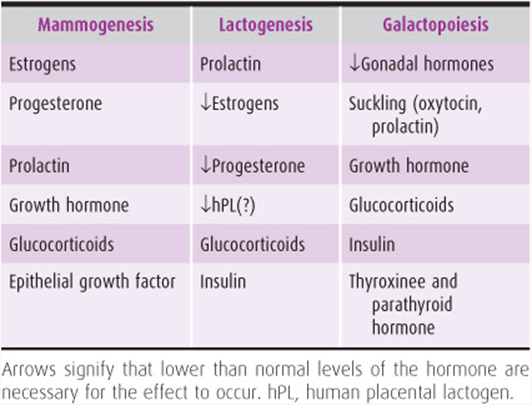
Prolactin is a necessary hormone for milk production, but lactogenesis also requires a low-estrogen environment. Although prolactin levels continue to rise as pregnancy advances, placental sex steroids block prolactin-induced secretory activity of the glandular epithelium. It appears that sex steroids and prolactin are synergistic in mammogenesis but antagonistic in galactopoiesis. Therefore, lactation is not initiated until plasma estrogens, progesterone, and human placental lactogen levels fall after delivery. Progesterone inhibits the biosynthesis of lactose and α-lactalbumin; estrogens directly antagonize the lactogenic effect of prolactin on the mammary gland by inhibiting α-lactalbumin production. Human placental lactogen may also exert a prolactin-antagonist effect through competitive binding to alveolar prolactin receptors.
The maintenance of established milk secretion requires periodic suckling and the actual emptying of ducts and alveoli. Growth hormone, cortisol, thyroxine, and insulin exert a permissive effect. Prolactin is required for galactopoiesis, but high basal levels are not mandatory, because prolactin concentrations in the nursing mother decline gradually during the late puerperium and approach that of the non-pregnant state. However, if a woman does not breastfeed her baby, her serum prolactin concentration will return to nonpregnant values within 2–3 weeks. If the mother suckles twins simultaneously, the prolactin response is about double that when 1 baby is fed at a time, illustrating an apparent synergism between the number of nipples stimulated and the frequency of suckling. The mechanism by which suckling stimulates prolactin release probably involves the inhibition of dopamine, which is thought to be the hypothalamic prolactin-inhibiting factor.
Nipple stimulation by suckling or other physical stimuli evokes a reflex release of oxytocin from the neurohypophysis. Because retrograde blood flow can be demonstrated within the pituitary stalk, oxytocin may reach the adenohypophysis in very high concentrations and affect pituitary release of prolactin independently of any effect on dopamine. The release of oxytocin is mediated by afferent fibers of the fourth to sixth intercostal nerves via the dorsal roots of the spinal cord to the midbrain.
The paraventricular and supraoptic neurons of the hypothalamus make up the final afferent pathway of the milk ejection reflex. The central nervous system can modulate the release of oxytocin by either stimulating or inhibiting the hypothalamus to increase or decrease prolactin-inhibiting factor (dopamine) and thus the release of oxytocin from the posterior pituitary. Thus positive senses related to nursing and crying of infant and positive attitudes in pregnancy and toward breastfeeding can improve milk yield and the ultimate success of breastfeeding. Likewise, the expectation of nursing is sufficient to release oxytocin before milk letdown but is not effective in releasing prolactin in the absence of suckling. Contrarily, negative stimuli, such as pain, stress, fear, anxiety, insecurity, or negative attitudes, may inhibit the letdown reflex. Oxytocin levels may rise during orgasm, and sexual stimuli may trigger milk ejection.
Synthesis of Human Milk
Prolactin ultimately promotes milk production by inducing the synthesis of mRNAs for the production of milk enzymes and milk proteins at the membrane of mammary epithelial cells (alveolar cells). Milk synthesis and secretion are then initiated via four major transcellular and paracellular pathways. The substrates for milk production are primarily derived from the maternal gut or produced in the maternal liver. The availability of these substrates is aided by a 20–40% increased blood flow to the mammary gland, gastrointestinal tract, and liver, as well as increased cardiac output during breastfeeding. The principal carbohydrate in human milk is lactose. Glucose metabolism is a key function in human milk production, because lactose is derived from glucose and galactose; the latter originates from glucose-6-phosphate. A specific protein, α-lactalbumin, catalyzes lactose synthesis. This rate-limiting enzyme is inhibited by gonadal hormones during pregnancy. Prolactin and insulin, which enhance the uptake of glucose by mammary cells, also stimulate the formation of triglycerides. Fat synthesis takes place in the endoplasmic reticulum. Most proteins are synthesized de novo in the secretory cells from essential and nonessential plasma amino acids. The formation of milk protein and mammary enzymes is induced by prolactin and enhanced by cortisol and insulin.
Mature human milk contains 7% carbohydrate as lactose, 3–5% fat, 0.9% protein, and 0.2% mineral constituents expressed as ash. Its energy content is 60–75 kcal/dL. Approximately 25% of the total nitrogen of human milk represents nonprotein compounds (eg, urea, uric acid, creatinine, and free amino acids). The principal proteins of human milk are casein, α-lactalbumin, lactoferrin, immunoglobulin (Ig) A, lysozyme, and albumin. Milk also contains a variety of enzymes that may contribute to the infant’s digestion of breast milk (eg, amylase, catalase, peroxidase, lipase, xanthine oxidase, and alkaline and acid phosphatase). The fatty acid composition of human milk is rich in palmitic and oleic acids and varies somewhat with the diet. The major ions and mineral constituents of human milk are Na+, K+, Ca2+, Mg2+, Cl−, phosphorus, sulfate, and citrate. Calcium concentrations vary from 25–35 mg/dL and phosphorus concentrations from 13–16 mg/dL. Iron, copper, zinc, and trace metal contents vary considerably. All the vitamins except vitamin K are found in human milk in nutritionally adequate amounts. The composition of breast milk is not greatly affected by race, age, parity, normal diet variations, moderate postpartum dieting, weight loss, or aerobic exercise. Volume and caloric density may be reduced in extreme scenarios, such as developing countries where starvation or daily caloric intake is <1600 kcal/d. In addition, milk composition does not differ between the 2 breasts unless 1 breast is infected. However, the volume and concentration of constituents varies during the day. The volume per feed increases in the late afternoon and evening. Nitrogen peaks in the late afternoon. Fat concentrations peak in the morning and are lowest at night. Lactose levels remain fairly constant.
Colostrum, the premilk secretion, is a yellowish alkaline secretion that may be present in the last months of pregnancy and for the first 2–3 days after delivery. It has a higher specific gravity (1.040–1.060); a higher protein, vitamin A, immunoglobulin, and sodium and chloride content; and a lower carbohydrate, potassium, and fat content than mature breast milk. Colostrum has a normal laxative action and is an ideal natural starter food.
Ions and water pass the membrane of the alveolar cell in both directions. Human milk differs from the milk of many other species by having a lower concentration of monovalent ions and a higher concentration of lactose. The aqueous phase of milk is isosmotic with plasma; thus the higher the lactose, the lower the ion concentration. The ratio of potassium/sodium is 3:1 in both milk and mammary intracellular fluid. Because milk contains approximately 87% water and lactose is the major osmotically active solute, it follows that milk yield is largely determined by lactose production.
Immunologic Significance of Human Milk
The neonate’s secretory immune system and cellular responses are immature. In particular, the IgM and IgA responses are poor, and cellular immunity is impaired for several months. Maternal transfer of immunoglobulins through breast milk provides support for the infant’s developing immune system and thereby enhances neonatal defense against infection. All classes of immunoglobulins are found in milk, but IgA constitutes 90% of immunoglobulins in human colostrum and milk. The output of immunoglobulins by the breast is maximal in the first week of life and declines thereafter as the production of milk-specific proteins increases. Lacteal antibodies against enteric bacteria and their antigenic products are largely of the IgA class. IgG and IgA lacteal antibodies provide short-term systemic and long-term enteric humoral immunity to the breastfed neonate. IgA antipoliomyelitis virus activity present in breastfed infants indicates that at least some transfer of milk antibodies into serum does occur. However, maternal lacteal antibodies are absorbed systemically by human infants for only a very short time after birth. Long-term protection against pathogenic enteric bacteria is provided by the absorption of lacteal IgA to the intestinal mucosa. In addition to providing passive immunity, there is evidence that lacteal immunoglobulins can modulate the immunocompetence of the neonate, but the exact mechanisms have not been described. For instance, the secretion of IgA into the saliva of breastfed infants is enhanced in comparison with bottle-fed controls.
Breast milk is highly anti-infective, containing more than 4000 cells/mm3, the majority of which are leukocytes. The total cell count is even higher in colostrum. In human milk, the leukocytes are predominantly mononuclear cells and macrophages. Both T and B lymphocytes are present. During maternal infection, antigen-specific lymphocytes can migrate to the breast mucosa or produce immunoglobulins, both of which are key in the fight against infection. Fully functional immunoglobulins are present, primarily as IgA, IgG, and IgM. Polymeric secretory IgA is easily transported across the mucous membrane of the breast, blocking the mucosal receptors of infectious agents.
Elements in breast milk other than immunoglobulins and cells have prophylactic value against infections. The marked difference between the intestinal flora of breastfed and bottle-fed infants is due to a dialyzable nitrogen-containing carbohydrate (bifidus factor) that supports the growth of Lactobacillus bifidus in breastfed infants. The stool of bottle-fed infants is more alkaline and contains predominantly coliform organisms and Bacteroides spp. L bifidus inhibits the growth of Shigella spp, Escherichia coli, and yeast. Human milk also contains a nonspecific antimicrobial factor, lysozyme (a thermostable, acid-stable enzyme that cleaves the peptidoglycans of bacteria), and a “resistance factor,” which protect the infant against staphylococcal infection. Lactoferrin, an iron chelator, exerts a strong bacteriostatic effect on staphylococci and E coli by depriving the organisms of iron. Both C3 and C4 components of complement and antitoxins for neutralizing Vibrio cholerae are found in human milk. Unsaturated vitamin B12–binding protein in milk renders the vitamin unavailable for utilization by E coli and Bacteroides. Finally, interferon in milk may provide yet another nonspecific anti-infection factor.
Human milk may also have prophylactic value in childhood food allergies. During the neonatal period, permeability of the small intestine to macromolecules is increased. Secretory IgA in colostrum and breast milk reduces the absorption of foreign macromolecules until the endogenous IgA secretory capacity of the newborn intestinal lamina propria and lymph nodes develops at 2–3 months of age. Protein of cow’s milk can be highly allergenic in the infant predisposed by heredity. The introduction of cow’s milk–free formulas has considerably reduced the incidence of milk allergy. Thus comparative studies on the incidence of allergy, bacterial and viral infections, severe diarrhea, necrotizing enterocolitis, tuberculosis, and neonatal meningitis in breastfed and bottle-fed infants support the concept that breast milk fulfills a protective function.
Advantages & Disadvantages of Breastfeeding
A. For the Mother
1. Advantages—Breastfeeding is convenient, economical, and emotionally satisfying to most women. It helps to contract the uterus and accelerates the process of uterine involution in the postpartum period, including decreased maternal blood loss. It promotes mother–infant bonding and self-confidence. Maternal gastrointestinal motility and absorption are enhanced. Ovulatory cycles are delayed with exclusive breastfeeding. According to epidemiologic studies, breastfeeding may help to protect against premenopausal cancer and ovarian cancer. American College of Obstetrics and Gynecologists recommends that exclusive breastfeeding be continued until the infant is at least 6 months old.
2. Disadvantages—Regular nursing restricts activities and may be perceived by some mothers as an inconvenience. Twins can be nursed successfully, but few women are prepared for the first weeks of almost continual feeding. Caesarean section may necessitate modifications of early breastfeeding routines. Difficulties such as nipple tenderness and mastitis may develop. Compared with nonlactating women, breastfeeding women have a significant decrease (mean 6.5%) in bone mineral content at 6 months postpartum, but there is “catch-up” remineralization after weaning.
There are few absolute contraindications to breastfeeding (see Disadvantages and Contraindications for the Infant).
A. For the Infant
1. Advantages—Breast milk is digestible, of ideal composition, available at the right temperature and the right time, and free of bacterial contamination. Infants of breastfed mothers have a decreased incidence of all of the following: diarrhea, lower respiratory tract infection, otitis media, pneumonia, urinary tract infections, necrotizing enterocolitis, invasive bacterial infection, and sudden infant death. Breastfed infants may have a decreased risk of developing insulin-dependent diabetes, Crohn’s disease, ulcerative colitis, lymphoma, and allergic diseases later in life. Breastfed infants are less likely to become obese later in life. Suckling promotes infant–mother bonding. Cognitive development and intelligence may be improved.
2. Disadvantages and Contraindications—Absolute contraindications to breastfeeding include the use of street drugs or excess alcohol; human T-cell leukemia virus type 1; breast cancer; active herpes simplex infection of the breast; active pulmonary tuberculosis or human T-cell lymphotropic virus type I or II positive in the mother; galactosemia in the infant; and maternal intake of cancer chemotherapeutic agents, recent diagnostic or therapeutic radioactive isotopes, or recent exposure to radioactive materials. Specific precautions for individual medications should be reviewed when prescribing drugs to lactating women. HIV infection in the United States is also a contraindication to breastfeeding because it has been recognized as a mode of HIV transmission. Breastfeeding might pose an additional risk of vertical transmission (approximately 15%) above that present from the antepartum and intrapartum periods. The risk of HIV transmission through breast milk is substantially higher among women who become infected during the postpartum lactation period. Most mothers in developed countries who know of their seropositivity choose not to breastfeed; in underdeveloped countries where lactation is critical to infant survival, breastfeeding is recommended even among HIV-infected mothers.
Breastfeeding is not contraindicated for mothers who are hepatitis B surface antigen positive, or mothers who are infected with hepatitis C virus (positive hepatitis C virus antibody or virus-RNA–positive blood). The presence of fever or seropositivity for chronic exposure to cytomegalovirus (CMV) are also not contraindications to breastfeeding. Caution should be exercised in low-birth-weight babies where potential risk of transmission must be balanced against nutritional benefit. Freezing and pasteurization can decrease the CMV viral load in the mother’s milk.
The milk of a nursing mother with cystic fibrosis is high in sodium and places the infant at risk for hypernatremia. A woman with clinically infectious varicella should be isolated from the infant and should neither breastfeed nor bottle-feed. Once the infant has received varicella zoster immune globulin and there are no skin lesions on the mother’s breast, she may provide expressed milk for her infant. A small number of otherwise healthy breastfed infants develop unconjugated hyperbilirubinemia (sometimes exceeding 20 mg/dL) during the first few weeks of life because of the higher than normal glucuronyl transferase inhibitory activity of the breast milk. The inhibitor may be a pregnanediol, although increased milk lipase activity and free fatty acids are likely the critical factors.
Breastfeeding is not usually possible for weak, ill, or very premature infants or for infants with cleft palate, choanal atresia, or phenylketonuria. It is common practice in many nurseries to feed premature infants human milk collected fresh from their mothers or processed from donors. The effects of processing and storage on the persistence of viral agents are not well studied. CMV transmission through breast milk has been documented and may pose a significant hazard for preterm infants. It is recommended that seronegative preterm infants receive milk from seronegative donors only. Because maternal antibodies are present in breast milk, an otherwise healthy term infant may do better if breastfed.
Breastfeeding is not contraindicated in women who have undergone breast augmentation with saline implants. Many women with breast implants breastfeed successfully, but reduction mammoplasty involving nipple autotransplantation severs the lactiferous ducts and precludes nursing. The success rate of breastfeeding decreases approximately 25% and the need to supplement with formula increases 19% in women after augmentation. When nipple sensation is lost as a result of breast surgery, breastfeeding is not possible. Other postoperative factors, such as breast pain, capsular contracture, and pressure on the breast from the implant, may compromise a woman’s ability to exclusively breastfeed. Finally, the psychologic concern that breastfeeding may compromise the results of a cosmetic surgery may interfere with breastfeeding attempts.
Principles & Techniques of Breastfeeding
In the absence of anatomic or medical complications, the timing of the first feeding and the frequency and duration of subsequent feedings largely determine the outcome of breastfeeding. Infants and mothers who are able to initiate breastfeeding within 1–2 hours of delivery are more successful than those whose initial interactions are delayed for several hours. Lactation is established most successfully if the baby remains with the mother and she can feed on demand for adequate intervals throughout the first 24-hour period. The initial feeding should last 5 minutes at each breast in order to condition the letdown reflex. At first, the frequency of feedings may be very irregular (8–10 times per day), but after 1–2 weeks a fairly regular 4- to 6-hour pattern will emerge.
When the milk “comes in” abruptly on the third or fourth postpartum day, there is an initial period of discomfort caused by vascular engorgement and edema of the breasts. The baby does not nurse so much by developing intermittent negative pressure as by a rhythmic grasping of the areola; the infant “works” the milk into its mouth. Little force is required in nursing because the breast reservoirs can be emptied and refilled without suction. Nursing mothers notice a sensation of drawing and tightening within the breast at the beginning of suckling after the initial breast engorgement disappears. They are thus conscious of the milk ejection reflex, which may even cause milk to spurt or run out.
Some women expend a great deal of emotion on the subject of breastfeeding, and a few are almost overwhelmed by fear of being unable to care for their babies in this way. If attendants are sympathetic and patient, however, a woman who wants to nurse usually can do so. Attendants must be certain that the baby “latches” on (actually over) the nipple and the areola so as to feed properly without causing pain for the mother.
The baby should nurse at both breasts at each feeding, because overfilling of the breasts is the main deterrent to the maintenance of milk secretion. Nursing at only 1 breast at each feeding inhibits the reflex that is provoked simultaneously in both breasts. Thus nursing at alternate breasts from 1 feeding to the next may increase discomfort due to engorgement and reduce milk output. It is helpful for the mother to be taught to empty the breasts after each feeding; a sleepy baby may not have accomplished this. The use of supplementary formula or other food during the first 6–8 weeks of breastfeeding can interfere with lactation and should be avoided except when absolutely necessary. The introduction of an artificial nipple, which requires a different sucking mechanism, will weaken the sucking reflex required for breastfeeding. Some groups, such as the La Leche League, recommend that other fluids be given by spoon or dropper rather than by bottle.
In preparing to nurse, the mother should (1) wash her hands with soap and water, (2) clean her nipples and breasts with water, and (3) assume a comfortable position, preferably in a rocking or upright chair with the infant and mother chest-to-chest. If the mother is unable to sit up to nurse her baby because of painful perineal sutures, she may feel more comfortable lying on her side. An alternative position is the football hold. A woman with large pendulous breasts may find it difficult to manage both the breasts and the baby. If the baby lies on a pillow, the mother will have both hands free to guide the nipple.
Each baby nurses differently; however, the following procedure is generally successful:
1. Allow the normal newborn to nurse at each breast on demand or approximately every 3–4 hours, for 5 minutes per breast per feeding the first day. Over the next few days, gradually increase feeding time to initiate the letdown reflex, but do not exceed 10–15 minutes per breast. Suckling for longer than 15 minutes may cause maceration and cracking of the nipples and thus lead to mastitis.
2. Stimulating the cheek or lateral angle of the baby’s mouth should precipitate a reflex turn to the nipple and opening of the mouth. The infant is brought firmly to the breast, and the nipple and areola are placed into the mouth as far as the nipple–areola line. Slight negative pressure holds the teat in place, and milk is obtained with a peristaltic motion of the tongue. Compressing the periareolar area and expressing a small amount of colostrum or milk for the baby to taste may stimulate the baby to nurse.
3. Try to keep the baby awake by moving or patting, but do not snap its feet, work its jaw, push its head, or press its cheeks.
4. Before removing the infant from the breast, gently open its mouth by lifting the outer border of the upper lip to break the suction.
After nursing, gently wipe the nipples with water and dry them.
Milk Yield
The prodigious energy requirements for lactation are met by mobilization of elements from maternal tissues and from dietary intake. Physiologic fat stores laid down during pregnancy are mobilized during lactation, and the return to prepregnancy weight and figure is promoted. A variety of studies suggest that a lactating woman should increase her normal daily food intake by 500 kcal/d, but intakes of 2000–2300 calories are sufficient for lactating women. The recommended daily dietary increases for lactation are 20 g of protein; a 20% increase in all vitamins and minerals except folic acid, which should be increased by 50%; and a 33% increase in calcium, phosphorus, and magnesium. There is no evidence that increasing fluid intake will increase milk volume. Fluid restriction also has little effect because urine output will diminish in preference to milk output.
With nursing, average milk production on the second postpartum day is approximately 120 mL. The amount increases to about 180 mL on the third postpartum day and to as much as 240 mL on the fourth day. In time, milk production reaches approximately 300 mL/d.
A good rule of thumb for the calculation of milk production for a given day in the week after delivery is to multiply the number of the postpartum day by 60. This gives the approximate number of milliliters of milk secreted in that 24-hour period.
If all goes well, sustained production of milk will be achieved by most patients after 10–14 days. A yield of 120–180 mL per feeding is common by the end of the second week. When free secretion has been established, marked increases are possible.
Early diminution of milk production often is due to failure to empty the breasts because of weak efforts by the baby or ineffectual nursing procedures; emotional problems, such as aversion to nursing; or medical complications, such as mastitis, debilitating systemic disease, or Sheehan’s syndrome. Late diminution of milk production results from too generous complementary feedings of formula, emotional or other illness, and pregnancy.
Adequate rest is essential for successful lactation. Sometimes it is difficult to ensure an adequate milk yield if the mother is working outside the home. If it is not possible to rearrange the nursing schedule to fit the work schedule or vice versa, it may be necessary to empty the breasts manually or by pump. Milk output can be estimated by weighing the infant before and after feeding. If there has been a bowel movement during feeding, the baby should be weighed before the diaper is changed.
It may be necessary to substitute bottle-feeding for breastfeeding if the mother’s supply continues to be inadequate (<50% of the infant’s needs) after 3 weeks of effort, if nipple or breast lesions are severe enough to prevent pumping, or if the mother is either pregnant or severely (physically or mentally) ill. Nourishment from the inadequately lactating breast can be augmented with the Lact-Aid Nursing Trainer (Lact-Aid International, Athens, TN), a device that provides a supplemental source of milk via a plastic capillary tube placed beside the breast and suckled simultaneously with the nipple. Disposable plastic bags serve as reservoirs, and the supplemental milk is warmed by hanging the bag next to the mother. The Lact-Aide supplementer has also been used to help nurse premature infants and to re-establish lactation after untimely weaning due to illness. The long-term success of breastfeeding is increased by a structured home support system of postnatal visits by allied health personnel or experienced volunteers.
Disorders of Lactation
A. Painful Nipples
Tenderness of the nipples, a common symptom during the first days of breastfeeding, generally begins when the baby starts to suck. As soon as milk begins to flow, nipple sensitivity usually subsides. If maternal tissues are unusually tender, dry heat may help between feedings. Nipple shields should be used only as a last resort because they interfere with normal sucking. Glass or plastic shields with rubber nursing nipples are preferable to shields made entirely of rubber.
Nipple fissures cause severe pain and prevent normal letdown of milk. Local infection around the fissure can lead to mastitis. The application of vitamin A and D ointment or hydrous lanolin, which does not have to be removed, is often effective. To expedite healing, the following steps are recommended. Apply dry heat for 20 minutes 4 times per day with a 60-watt bulb held 18 inches away from the nipple. Conduct prefeeding manual expression. Begin nursing on the side opposite the fissure with the other breast exposed to air to allow the initial letdown to occur atraumatically. Apply expressed breast milk to nipples and let it dry in between feedings. If necessary, use a nipple shield while nursing, and take ibuprofen or acetaminophen with or without codeine just after nursing. On rare occasions, it may be necessary to stop nursing temporarily on the affected side and to empty the breast either manually or by gentle pumping. Commercially available hydrogel pad is another alternative to treat sore nipple. It is designed to be worn inside the bra to prevent and soothe painful, cracked, or bleeding nipples and contribute to the healing process. The hydro-gel pad contains a low water/high glycerin content, which provides natural moisture to the area without causing skin maceration. Recent studies have shown that by retaining the internal natural moisture level of the skin, nipple trauma improves more quickly.
A cause of chronic severe sore nipples without remarkable physical findings is candidal infection. Prompt relief is provided by topical nystatin cream. Thrush or candidal diaper rash or maternal candidal vaginitis must be treated as well.
B. Engorgement
Engorgement of the breasts occurs in the first week postpartum and is due to vascular congestion and accumulation of milk. Vascularity and swelling increase on the second day after delivery, and the areola or breast may become engorged. Prepartum breast massage and around-the-clock demand feedings help to prevent engorgement in these patients. When the areola is engorged, the nipple is occluded and proper grasping of the areola by the infant is not possible. With moderately severe engorgement, the breasts become firm and warm, and the lobules may be palpable as tender, irregular masses. Considerable discomfort and often a slight fever can be expected.
Mild cases may be relieved by acetaminophen or other analgesics, cool compresses, and partial expression of the milk before nursing. In severe cases, the patient should empty the breasts manually or with an electric pump. Alternative treatments for breast engorgement include acupuncture, cabbage leaves, cold gel packs, pharmacologic treatments, and ultrasound, but none of them have proven to be superior for symptom relief.
C. Mastitis
Mastitis occurs most frequently in primiparous nursing patients and usually is caused by coagulase-positive Staphylococcus aureus. High fever should never be ascribed to simple breast engorgement alone. Inflammation of the breast seldom begins before the fifth day postpartum. Most frequently, symptoms of a painful erythematous lobule in an outer quadrant of the breast are noted during the second or third week of the puerperium. Inflammation may occur with weaning when the flow of milk is disrupted, or the nursing mother may acquire the infection during her hospital stay and then transmit it to the infant. Demonstration of antibody-coated bacteria in the milk indicates the presence of infectious mastitis. Many infants harbor an infection and, in turn, infect the mother’s breast during nursing. Neonatal streptococcal infection should be suspected if mastitis is recurrent or bilateral.
Infection may be limited to the subareolar region but more frequently involves an obstructed lactiferous duct and the surrounding breast parenchyma. If cellulitis is not properly treated, a breast abscess may develop. When only mastitis is present, it is best to prevent milk stasis by continuing breastfeeding or by using a breast pump. Apply local heat, provide a well-fitted bra, and institute appropriate antibiotic treatment. Cephalosporins, methicillin sodium, and dicloxacillin sodium are the antibiotics of choice to combat penicillinase-producing bacteria.
The presence of pitting edema over the inflamed area and any degree of fluctuation suggest abscess formation. It is necessary to incise and open loculated areas and provide wide drainage. Although correct breastfeeding techniques and alternation of breast may decrease the formation of nipple crack and mastitis, there is currently insufficient evidence to show effectiveness of any of the interventions, including breastfeeding education, pharmacologic treatments, and alternative therapies, regarding the occurrence of mastitis.
D. Miscellaneous Complications
A galactocele, or milk-retention cyst, is caused by blockage of a milk duct. It usually will resolve with warm compresses and continuation of breastfeeding. Sometimes the infant will reject one or both breasts. Strong foods such as beans, cabbage, turnips, broccoli, onions, garlic, and rhubarb may cause aversion to milk or neonatal colic. A common cause of nursing problems is maternal fatigue.
Inhibition & Suppression of Lactation
Despite a recent upsurge in breastfeeding in Western countries, many women will not or cannot breastfeed, and others will fail in the attempt. Lactation inhibition is desirable in the event of fetal or neonatal death as well.
The oldest and simplest method of suppressing lactation is to stop nursing, to avoid nipple stimulation, to refrain from expressing or pumping the milk, and to wear a supportive bra. Analgesics are also helpful. Patients will complain of breast engorgement (45%), pain (45%), and leaking breasts (55%). Although the breasts will become considerably engorged and the patient may experience discomfort, the collection of milk in the duct system will suppress its production, and reabsorption will occur. After approximately 2–3 days, engorgement will begin to recede, and the patient will be comfortable again. Medical suppression of lactation with estrogens or bromocriptine is no longer recommended due to undesired side effect and medical complications.
American Academy of Pediatrics Committee on Pediatric AIDS. Human milk, breastfeeding, and transmission of human immunodeficiency virus in the United States (RE9542). Pediatrics 2003;112:1196. PMID: 14595069.
American Academy of Pediatrics Policy Statement. Breastfeeding and the use of human milk. Pediatrics 2005;115:496. PMID: 15687461.
American College of Obstetricians and Gynecologists. Breastfeeding: Maternal and Infant Aspects. ACOG Clinical Review Volume 12, issue 1. Washington, DC: American College of Obstetricians and Gynecologists; 2007.
American College of Obstetricians and Gynecologists. Breastfeeding: Maternal and Infant Aspects. ACOG Committee Opinion No. 361. Washington, DC: American College of Obstetricians and Gynecologists; 2007. PMID: 17267864.
Briggs GG, Freeman RK, Yaffe SJ (eds). Drugs in Pregnancy and Lactation. 7th ed. Philadelphia, PA: Lippincott Williams & Wilkins; 2005.
Crepinsek MA, Crowe L, Michener K, et al. Interventions for preventing mastitis after childbirth. Cochrane Database Syst Rev 2010;8:CD007239. PMID: 20687084.
Cruz N, Korchin L. Breastfeeding after augmentation mammoplasty with saline implants. Ann Plastic Surg 2010; 64: 530–533. PMID: 20354430.
Gartner LM, Morton J, Lawrence RA, et al. Breastfeeding and the use of human milk. Pediatrics 2005;115:496. PMID: 15687461.
Reshi P, Lone IM. Human immunodeficiency virus and pregnancy. Arch Gynecol Obstet 2010;281:781. PMID: 20035338.