
Cynthia Gyamfi Bannerman, MD
THYROID DISORDERS
Thyroid diseases are among the most common endocrine disorders encountered during pregnancy. They are challenging both because of pregnancy-related changes in thyroid physiology that make diagnosis of thyroid disorders difficult and because of the limited number of medications used to treat mother and fetus. Screening for subclinical thyroid disorders remains a highly debated topic.
THYROID FUNCTION DURING NORMAL PREGNANCY
The thyroid, a gland that functions to provide thermal and metabolic regulation, develops from the third week in gestation from the primitive pharynx. The gland then migrates to the neck and starts to produce thyroid hormone by 10–12 weeks’ gestation.
Maternal thyroid physiology is altered during normal pregnancy. There is glandular hyperplasia with thyroid enlargement. Thyroid volume is increased on ultrasound examination, but the echostructure is unchanged. The normal increase in the renal glomerular filtration rate causes an increase in urinary iodide clearance, necessitating increased intake of dietary iodine in order to make and maintain thyroid hormone concentrations. Both total thyroxine (T4) and triiodothyronine (T3) levels increase because the level of their carrier, thyroxine-binding globulin (TBG), becomes elevated. Estrogen causes increased TBG synthesis with decreased TBG clearance. Because of the similar subunits of chorionic gonadotropin and thyrotropin (thyroid-stimulating hormone [TSH]), crossover between these 2 peptides can lead to an increase in free thyroxine (fT4) in the first trimester. The TSH level is lowest and fT4 level highest when human chorionic gonadotropin (hCG) levels peak. Elevated fT4 causes suppression of TSH, which, in turn, causes barely detectable levels of maternal thyrotropin-releasing hormone (TRH). Overall, the demand for T4increases by an estimated 1–3% above daily nonpregnant needs. The increased demand starts very early, reaching a plateau at 16–20 weeks. These normal physiologic changes make diagnosis of thyroid disease during pregnancy difficult.
Studies from animal models have helped to elucidate the role of maternal T4 in the fetus. T3 is made by conversion of maternal T4. It has been demonstrated that if maternal T4 is low, fetal T3 levels in the brain will be low even in the presence of normal maternal and fetal serum T3, suggesting that both T3 and T4 in the fetal brain are maternal T4 dependent. Further evidence of a maternal source of T3 in the fetal brain is that by midgestation, fetal concentration of T3 is 34% of adult levels. This is much higher than would be expected considering the low circulating fetal serum levels. It is during midgestation that initial growth velocity of the fetal brain occurs, and animal data suggest that the thyroid hormone necessary for this development is primarily maternally derived. Toward the end of the first trimester, the fetal hypothalamic–pituitary–thyroid axis becomes active. By 14 weeks’ gestation, fetal production of T4is detectable. Normal thyroid hormones levels in the fetus and newborn are crucial for subsequent brain maturation and intellectual development.
HYPERTHYROIDISM
ESSENTIALS OF DIAGNOSIS
 Elevated free T4 and T3 levels; suppressed TSH levels
Signs and symptoms of hyperthyroidism include heat intolerance, fatigue, anxiety, diaphoresis, tachycardia, and a widened pulse pressure
Pathogenesis
The prevalence of hyperthyroidism (also known as thyrotoxicosis) during pregnancy ranges from 0.05 to 0.2%. The most common cause of hyperthyroidism during pregnancy is Graves’ disease. Graves’ disease is caused by thyroid-stimulating antibody (TSAb) belonging to the immunoglobulin (Ig) G class, which binds with high affinity to the TSH receptor. TSAb may cross the placenta, bind to fetal TSH receptors, and cause fetal or neonatal hyperthyroidism. However, the placenta acts as a partial barrier, so usually only those with high titers are likely to be affected. Other causes of hyperthyroidism include thyroiditis, thyroid adenoma, and multinodular goiter.
Clinical Findings
The signs and symptoms of hyperthyroidism—heat intolerance, fatigue, anxiety, diaphoresis, tachycardia, and a widened pulse pressure—can all be found during normal pregnancy. Signs specific to hyperthyroidism would be pulse >100 bpm, goiter, and exophthalmos, but these may not be present. Gastrointestinal symptoms such as severe nausea and vomiting may also be present, but these can be related to β-hCG elevations. Laboratory tests will confirm elevated T4, fT4, T3, and free T3 (fT3) levels and a suppressed or undetectable TSH level. TSAb titers will be elevated in a significant number of patients. Other laboratory findings may include a normocytic, normochromic anemia, mild neutropenia, and elevated liver enzymes.
Subclinical hyperthyroidism, a condition resulting from suppressed levels of TSH and normal levels of T4 and T3, is also seen in pregnancy. It was determined that 1.7% of screened women had subclinical disease. There is no effect of subclinical hyperthyroidism in pregnancy, so screening and treatment for this entity are not warranted.
Complications
The most common complication of hyperthyroidism in pregnancy is preeclampsia. With large amounts of trans-placental transfer of thyroid-stimulating immunoglobulins, thyrotoxicosis could develop in the fetus or newborn. Fetal hypothyroidism may also result from overadministration of thioamides. Poorly controlled hyperthyroidism has also been associated with an increased risk of miscarriage, pre-term labor, and low-birth-weight infants.
Thyroid storm is a life-threatening complication of women with hyperthyroidism that may result in heart failure if untreated. This complication developed in 8% of women with thyrotoxicosis. Classic findings of thyroid storm include thermoregulatory dysfunction; central nervous system (CNS) effects including agitation, delirium, and coma; gastrointestinal dysfunction; and cardiovascular manifestations such as tachycardia or heart failure. This can be precipitated by labor and delivery, caesarean delivery, infection, or preeclampsia. T4-induced cardiomyopathy, however, is reversible.
Treatment
Treatment during pregnancy almost always consists of antithyroid medications. Surgery is performed in exceptional situations, such as allergic reactions to all drugs available or lack of response to very large doses (“drug resistance”), which in most cases has been the result of noncompliance. The goals of treatment are to rapidly achieve and maintain euthyroidism with the minimum but effective amount of medication, provide symptomatic relief, and keep fT4 levels in the upper third of normal. Thionamides are the most commonly prescribed class of medication used for the treatment of hyperthyroidism. The medications available are propylthiouracil (PTU) and methimazole. Both drugs work by blocking thyroid hormone synthesis; however, PTU also blocks peripheral conversion of T4 to T3. Some physicians prefer PTU, but reports of large numbers of patients indicate that the 2 drugs are equally effective and have similar side effects. PTU is shorter acting, meaning more pills are required more often; therefore, methimazole may be preferable when compliance is a problem. The initial methimazole dose is 20–40 mg/d, and the initial PTU dose is 200–400 mg/d. The dose is gradually reduced as improvement occurs. Most women can be effectively treated on an outpatient basis; however, hospitalization may be considered in severe, uncontrolled cases in the third trimester because of increased risk for complications. Women who have remained euthyroid while taking small amounts of PTU (≤100 mg/d) or methimazole (≤10 mg/d) for 4 weeks or longer can stop taking the medication altogether by 32–34 weeks’ gestation under close surveillance. The purpose is to minimize the risk of fetal/neonatal hypothyroidism, which is otherwise uncommon with PTU doses ≤200 mg/d or methimazole ≤20 mg/d. The therapy is resumed if symptoms recur. Women with large goiters, long-standing hyperthyroidism, or significant eye involvement should remain on treatment throughout pregnancy. Other potential side effects of antithyroid medications are pruritus, skin rash, urticaria, fever, arthralgias, cholestatic jaundice, lupus-like syndrome, and migratory polyarthritis. Leukopenia may be a medication effect but is also seen in untreated Graves’ disease; therefore, a white blood cell (WBC) count should be obtained before treatment is started. Agranulocytosis is the most severe complication, but fortunately, it is uncommon and found in only 0.1% of patients. Treatment prior to pregnancy is preferred to treatment during pregnancy because outcomes tend to be better. Recently, methimazole has become the treatment of choice for hyperthyroidism in pregnancy. This is because PTU has been found to cause irreversible liver damage, leading potentially to liver failure.
β-Blockers (propranolol 20–40 mg every 6–8 hours) can be used for symptomatic relief in severe cases but only for short periods (few weeks) and before 34–36 weeks’ gestation. They inhibit conversion from T4 to T3 but may be related to intrauterine growth restriction and hypoglycemia if used for prolonged periods of time.
Treatment of thyroid storm is aimed at reducing synthesis of thyroid hormone, minimizing release of thyroid hormone from the thyroid gland, and blocking peripheral effects of thyroid hormone. Aggressive treatment for thyroid storm is critical to the patient’s survival. PTU or methimazole is started immediately and may be administered via nasogastric tube if the patient has altered mental status. Iodine solution such as potassium iodide (SSKI) or Lugol’s solution may also be given. Iodine solution works by inhibiting thyroid hormone release. If the patient has a history of iodine-induced anaphylaxis, then lithium carbonate is given instead. Fluid hydration and nutritional support are also important. β-Blockers are also given for relief of symptoms such as tachycardia and palpitations, and they may also inhibit peripheral conversion of T4 to T3. Glucocorticoids may also be used in severe cases to reduce peripheral conversion of T4 to T3. Aspirin should be avoided in these patients because it can increase concentrations of fT4 and T3.
Prognosis
The maternal and fetal prognosis with hyperthyroidism in pregnancy that is well controlled is generally excellent.
A. Effect of Hyperthyroidism on Pregnancy
Potential complications of hyperthyroidism in the mother include spontaneous abortion, pregnancy-induced hypertension, preterm delivery, anemia, higher susceptibility to infections, placental abruption, and, in severe, untreated cases, cardiac arrhythmias, congestive heart failure, and thyroid storm. In the fetus, possible complications include fetal and neonatal hyperthyroidism, intrauterine growth restriction, stillbirth, prematurity, and morbidity related to antithyroid medications. Most maternal and neonatal complications are seen in cases of uncontrolled or untreated hyperthyroidism.
Approximately 1–5% of infants born to women with Graves’ disease have hyperthyroidism at birth due to trans-placental transfer of TSAbs. The fetal/neonatal risk correlates with maternal TSAb titer level. Signs of fetal hyperthyroidism include fetal tachycardia (heart rate >160 bpm), fetal goiter, and poor growth. High levels of fetal thyroid hormone detected by cordocentesis have been confirmed in a few cases. Tests of fetal well-being are recommended for poorly controlled cases and for patients with high TSAb titers, even if they are euthyroid. Serial ultrasounds are useful for dating and fetal growth evaluation.
Breastfeeding is allowed if the total daily dose of PTU is ≤150 mg or daily dose of methimazole is ≤10 mg. The medication should be given immediately after each feeding and the infant monitored periodically.
B. Effect of Pregnancy on Hyperthyroidism
Pregnancy is not thought to alter the course of hyperthyroidism.
TRANSIENT HYPERTHYROIDISM OF HYPEREMESIS GRAVIDARUM
ESSENTIALS OF DIAGNOSIS
Severe nausea and vomiting accompanied by weight loss
Low serum TSH with mildly elevated fT4
Pathogenesis
Biochemical hyperthyroidism is seen in most women (66%) with hyperemesis gravidarum. The most likely etiology is thyrotropin receptor stimulation from high serum concentrations of hCG.
Clinical Findings
Laboratory abnormalities include low serum TSH and mildly elevated fT4. Serum T3 levels are not elevated in women with transient hyperthyroidism of hyperemesis gravidarum. The degree of thyroid function abnormalities correlates with the severity of vomiting.
Differential Diagnosis
Women in early pregnancy with weight loss, tachycardia, vomiting, and laboratory evidence of hyperthyroidism may be difficult to differentiate from early, true thyrotoxicosis. Women with transient hyperthyroidism of hyperemesis gravidarum have no previous history of thyroid disease, no palpable goiter, and, except for tachycardia, no other symptoms or signs of hyperthyroidism. Test results for thyroid antibodies are negative. With transient hyperthyroidism of hyperemesis gravidarum, TSH level may be suppressed and fT4 level elevated, but the T3 level is lower than in true hyperthyroidism. With true hyperthyroidism, both levels are usually elevated.
Treatment
Treatment is symptomatic, and antithyroid medication is not recommended.
Prognosis
The mild hyperthyroidism associated with transient hyperthyroidism of hyperemesis gravidarum usually resolves by 20 weeks’ gestation. The time to resolution is widely variable (1–10 weeks).
HYPOTHYROIDISM
ESSENTIALS OF DIAGNOSIS
Elevated TSH and low free T4 levels
Symptoms: modest weight gain, fatigue, sleepiness, lethargy, decreased exercise capacity, depression, and cold intolerance (very unusual in normal pregnancy)
Pathogenesis
Overt hypothyroidism (elevated TSH, low free T4) has been reported in 1 in 1000 to 1 in 2000 deliveries. A study by Casey and colleagues found that the incidence of overt hypothyroidism in pregnant women was 1.8 per 1000. Subclinical hypothyroidism (elevated TSH, normal fT4) is more common, with an incidence of 23 per 1000 in pregnancy. This makes the overall incidence of hypothyroidism 2.5%.
The most common cause of hypothyroidism is Hashimoto’s thyroiditis, which is found in 8–10% of women of reproductive age. Less common causes are transient hypothyroidism in silent (painless) and subacute thyroiditis, drug induced, high-dose external neck radiation, congenital hypothyroidism, inherited metabolic disorders, and thyroid hormone resistance syndromes. Secondary hypothyroidism may occur in pituitary or hypothalamic disease. Drugs that may cause hypothyroidism by interfering with thyroid hormone synthesis and/or its release include antithyroid drugs (PTU, methimazole), iodine, and lithium. Increased T4 clearance is caused by carbamazepine, phenytoin, and rifampin. Amiodarone decreases T4 to T3 conversion and inhibition of T3 action. Interference with intestinal absorption is seen with aluminum hydroxide, cholestyramine, ferrous sulfate, calcium, vitamins, soy, and sucralfate. Many pregnant women take ferrous sulfate, and it is important to ensure that T4 is taken at least 2 hours before (sometimes even 4 hours is recommended) because insoluble ferric–T4 complexes may form, resulting in reduced T4absorption.
Clinical Findings
The clinical diagnosis is difficult and frequently unsuspected except in advanced cases. Symptoms are insidious and may be masked by the hypermetabolic state of pregnancy. Symptoms include modest weight gain, fatigue, sleepiness, lethargy, decreased exercise capacity, depression, and cold intolerance (very unusual in normal pregnancy). Signs include general slowing of speech and movements, dry and pale or yellowish skin, sparse thin hair, hoarseness, bradycardia (also unusual in pregnancy), myxedema, hyporeflexia, prolonged relaxation of reflexes, carpal tunnel syndrome, and a diffuse or a nodular goiter.
The best laboratory test is the TSH level; current sensitive assays allow very early diagnosis and accurate treatment monitoring. Other useful tests include fT4 and antibody titers. A low fT4 with an elevated TSH is diagnostic of hypothyroidism. A macrocytic or normochromic, normocytic anemia may be present as well. It usually results from decreased erythropoiesis, but it may result from vitamin B12, folic acid, or iron deficiency. Levels of lipids and creatine phosphokinase (of muscle origin) may be elevated. Hypothyroidism may be seen more commonly in women with type 1 diabetes.
Complications
A. Effect of Hypothyroidism on Pregnancy
Some studies have reported a 2-fold increased rate of spontaneous abortion in women with elevated levels of thyroid antibodies, even if they are euthyroid, but this finding is not universally confirmed. These antibodies (antiperoxidase [TPO], antimicrosomal antibody [AMA], and antithyroglobulin [ATG]) may cross the placenta and cause neonatal hypothyroidism, which, if untreated, may lead to serious cognitive deficiencies. Lower IQs in infants of even very mildly hypothyroid women have been reported. There is an increased risk of preeclampsia, placental abruption, intrauterine growth restriction, prematurity, and intrauterine fetal demise. The severity of the hypertension and other perinatal complications is greater in the more severely hypothyroid woman. Early treatment and close monitoring to ensure euthyroidism will prevent or decrease perinatal complications.
B. Effect of Pregnancy on Hypothyroidism
Pregnancy is known to cause increasing requirement of thyroid hormone. That is the reason for evaluation of maternal TSH levels every trimester, with more frequent evaluation every 4 weeks if changes to dosing are deemed necessary. Requirements usually return to prepregnancy levels postpartum, and dosing can also be adjusted on a monthly schedule after that time.
Treatment
L-Thyroxine has long been the treatment drug of choice. The hormonal content of the synthetic drugs is more reliably standardized, and they have replaced desiccated thyroid as the mainstay of therapy. Administration of T4 alone is recommended. In the normal physiologic process, T4 is deiodinated to T3 in the extrathyroidal tissues. In addition, during early pregnancy, the fetal brain is unable to use maternal T3. The best time to take L-thyroxine is early in the morning, on an empty stomach. Women experiencing nausea and vomiting should be allowed to take it later in the day until they improve. Numerous reports indicate that T4 requirements increase during pregnancy. TSH levels should be checked every 4 weeks, with adjustments made until the TSH is at the lower end of the normal range. The initial dose should be 2 μg/kg of actual body weight. Further adjustments are made according to the TSH level. If the TSH level is elevated but <10 μU/mL, add 25–50 μg/d; if the TSH level is >10 but <20, add 50–75 μg/d; and if the TSH level is >20, add 75–100 μg/d. Changes made at less than 4-week intervals may lead to overtreatment. Up to 85% of women receiving T4 replacement before pregnancy will require higher doses while they are pregnant. The levels should be checked early in pregnancy and then every trimester to maintain euthyroidism. After delivery, the dosage is reduced to the prepregnancy amount, and the TSH level is measured 4–8 weeks postpartum. In women with pituitary disease, the TSH level cannot be used to guide therapy. In these cases, the fT4 level should be kept in the upper third of normal.
Casey BM, Leveno KJ. Thyroid disease in pregnancy. Obstet Gynecol 2006;108:1283–1292. PMID: 17077257.
SUBCLINICAL HYPOTHYROIDISM
ESSENTIALS OF DIAGNOSIS
Elevated serum TSH with normal fT4 levels
Pathogenesis
Subclinical hypothyroidism is a condition characterized by an elevated TSH with a normal fT4. The incidence of this finding is approximately 2.5% in pregnant women and 5% in women of reproductive age. The causes of sub-clinical hypothyroidism are thought to be the same as overt hypothyroidism.
Clinical Findings
Subclinical hypothyroidism is diagnosed when woman are found to have elevations in TSH and normal fT4 levels. Women are asymptomatic for thyroid disease.
Complications
The interest in subclinical hypothyroidism and intellectual development in offspring was reignited after several recent publications addressed a possible relationship between the two. Haddow and colleagues performed a study comparing pregnant women with hypothyroidism to pregnant controls with normal thyroid function. They found that children of women with hypothyroidism scored 4 points lower on a standard IQ test when compared to controls  . In addition, 15% of cases had an IQ score of 85 or less compared to 5% of controls
  . Although neither of these values is statistically significant, when the results were sub-analyzed for those women with untreated hypothyroidism, as opposed to those on medication, they found that the IQ scores were 7 points lower in cases than controls
  , and 19% had IQ scores <85 compared with 5% of controls
 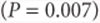 , suggesting that the greater effect on pediatric neurodevelopment is in the untreated mothers with hypothyroidism. Pop and colleagues had similar results when they studied pediatric neurodevelopment at 10, 12, and 24 months in children of mothers with abnormal thyroid function at 12 weeks’ gestation. Note that neither of these studies evaluated infants of women with subclinical hypothyroidism. Haddow evaluated infants of mothers with overt hypothyroidism, whereas Pop evaluated infants of women with hypothyroxinemia, thought to be the more clinically relevant deficiency.
The discrepancy in findings from these 2 studies has led to conflicting position statements regarding the surveillance for hypothyroidism in pregnant women from the American Association of Clinical Endocrinologists, the American Thyroid Association, the Endocrine Society, and the American College of Obstetricians and Gynecologists (ACOG). Current obstetric practice does not involve screening for thyroid disease unless the patient has risk factors, such as pregestational diabetes, or is symptomatic. The most recent joint position statement of the 3 previously mentioned endocrine societies recommends routine TSH evaluation (with fT4 if TSH is abnormal) both preconceptionally or as soon as pregnancy has been diagnosed. However, ACOG does not support the performance of thyroid function tests in asymptomatic pregnant women. ACOG advises that the current data are limited because of their observational nature. To date, there has not been a clinical trial that specifically addresses isolated subclinical hypothyroidism and neurodevelopmental outcomes, making recommendations regarding the management of this mild thyroid dysfunction difficult. Furthermore, the available clinical literature has not shown that the identification and treatment of women with subclinical hypothyroidism prevents the purported neurodevelopmental sequelae. The National Institute of Child Health and Human Development Maternal-Fetal Medicine Units network is currently conducting a clinical trial to help answer these questions.
Certain pregnant women are at high risk for hypothyroidism and should undergo screening, including those with previous therapy for hyperthyroidism, high-dose neck irradiation, previous postpartum thyroiditis, presence of a goiter, family history of thyroid disease, treatment with amiodarone, suspected hypopituitarism, and type 1 diabetes mellitus.
Treatment
ACOG does not advocate routine screening and treatment for subclinical hypothyroidism at this time.
Haddow JE, Palomaki GE, Allan WC, et al. Maternal thyroid deficiency during pregnancy and subsequent neuropsychological development of the child. N Engl J Med 1999;19:549–555. PMID: 10451459.
Pop VJ, Brouwers EP, Vader HL, Vulsma T, van Baar AL, de Vijlder JJ. Maternal hypothyroxinaemia during early pregnancy and subsequent child development: a 3-year follow-up study. Clin Endocrinol2003;59:282–288. PMID: 12919150.
CONGENITAL HYPOTHYROIDISM
ESSENTIALS OF DIAGNOSIS
Elevated serum TSH and low T3 and T4 in the neonate
Pathogenesis
Congenital hypothyroidism is found in 1 in 4000 to 1 in 7000 infants after diagnosis from national screening programs. Congenital hypothyroidism is defined as hypothyroidism in the neonate. Most cases of congenital hypothyroidism are sporadic, resulting from thyroid dysgenesis. However, approximately 15% appear to be hereditary, mostly due to an inborn error in thyroid hormone synthesis. Early and aggressive treatment is critical to improve neonatal outcomes.
Transient congenital hypothyroidism has been described in a number of settings, including iodine deficiency and in utero exposure to antithyroid drugs.
Clinical Findings
Low serum T4 and high serum TSH levels in the neonate confirm a diagnosis of congenital hypothyroidism. Most neonates are asymptomatic at birth, mainly because some maternal T4 crosses the placenta. Signs that may present over time include lethargy, slow movement, hoarse cry, poor feeding, and constipation.
Complications
The first report of a possible correlation between thyroid disease and mental retardation in offspring came from iodine-deficient areas of Switzerland in 1915. Mothers of children with mental retardation were noted to have abnormal thyroid function. Choufoer and colleagues then described the effect of maternal thyroid levels on the newborn in 1965. They described pregnancy outcomes related to endemic goiter in iodine-deficient New Guinea. They found neurologic manifestations of cretinism, or physical stunting and mental retardation, in women who were not clinically hypothyroid, but who had a low concentration of thyroid hormone. In this same decade, Man and Jones evaluated a cohort of 1349 children of mothers with hypothyroxinemia, defined in that time as a low serum butanol-extractable with a normal thyroid-binding globulin. They found an association between low BEI and low infant Bayley scores on mental and motor development. The Bayley Scales of Infant Development were designed to test the cognitive, motor, and behavioral development of infants up to 42 months of age. The test has high validity and reliability. These and other observations of maternal thyroid disease led to the landmark double-blind study by Pharoah and colleagues in 1971. They gave alternate families in New Guinea either 4-mL injections of iodized oil or a saline placebo and then returned a year later to initiate periodic evaluation of any offspring delivered after treatment. They concluded that supplementation of iodine in pregnancy prevented subsequent cretinism.
Treatment
Oral thyroid supplementation, usually T4, is the treatment for congenital hypothyroidism. Treatment is usually starting when screening tests for congenital hypothyroidism return as positive without waiting for result of confirmatory tests.
Prognosis
With early diagnosis and initiation of treatment, long-term outcomes are excellent, with normal growth and development.
Choufeor JC, Vanrhijn M, Querido A. Endemic goiter in western new guinea. II. Clinical picture, incidence and pathogenesis of endemic cretinism. J Clin Endocrinol Metab 1965;25:385–402. PMID: 14264263.
Jones WS and Man EB. Thyroid function in human pregnancy. VI. Premature deliveries and reproductive failures of pregnant women with low serum butanol-extractable iodines. Maternal serum TBG and TBPA capacities. Am J Obstet Gynecol 1969;15: 909–914. PMID: 4183109.
Pharoah PO, Buttfield IH, and Hetzel BS. Neurological damage to the fetus resulting from severe iodine deficiency during pregnancy. Lancet 1971;1:308–310. PMID: 4100150.
POSTPARTUM THYROIDITIS
ESSENTIALS OF DIAGNOSIS
Postpartum thyroiditis is diagnosed if the serum TSH is either elevated or depressed in the year after delivery.
This phenomenon has been noted in 5–10% of women in their first postpartum year.
Women with high thyroid autoantibodies are generally affected, and women with type 1 diabetes are at high risk to develop this complication.
Clinical Findings
The symptoms involve fatigue, palpitations, heat intolerance, and nervousness. There are 2 distinct clinical phases. The first phase lasts from 1–4 months after delivery and is characterized by destruction-induced thyrotoxicosis. Laboratory findings during this phase demonstrate an elevation in free T4 and suppressed TSH. There is an abrupt onset, and a goiter may be palpable. Approximately two-thirds of these women will become euthyroid. Between 4 and 8 months, the other third will develop hypothyroidism.
Treatment
T4 replacement is helpful, but about 30% of women will go on to develop permanent hypothyroidism. The clinical course may vary, with some patients experiencing only the hyperthyroid phase and others only the hypothyroid phase. Treatment in the immediate postpartum period is limited to symptomatic patients only (β-blockers for the hyperthyroid phase and low-dose levothyroxine or T3 for the hypothyroid phase, which is enough to alleviate symptoms and allows recovery of thyroid function when discontinued). Additionally, there is a positive correlation between postpartum depression and postpartum thyroiditis, so these patients should be screened accordingly.
SOLITARY THYROID NODULE DURING PREGNANCY
ESSENTIALS OF DIAGNOSIS
Thyroid nodule palpable on physical examination
Clinical Findings
Thyroid nodules are frequently first detected during pregnancy when many women see a doctor for the first time. The risk of malignancy for a solitary nodule varies between 5% and 43%, depending on various factors including previous radiation, rate of growth, and patient age.
Treatment
Women with a thyroid nodule diagnosed during pregnancy should undergo fine-needle aspiration of the nodule. Thyroid radionuclide scanning is contraindicated during pregnancy. Women with benign nodules may be followed; in most cases, surgery in these women is deferred until after delivery. Women with thyroid cancer should undergo surgery. Surgery during pregnancy carries a higher risk if it is performed during the first and the third trimesters (miscarriage, premature delivery, and fetal death); surgery during the second trimester reportedly has a lower complication rate. Radioactive iodine should never be given during pregnancy. There is no evidence that thyroid cancer occurs more frequently during pregnancy. However, because of the indolent course of these carcinomas, many practitioners advocate postponing surgery until the postpartum period.
American College of Obstetricians and Gynecologists. ACOG Committee Opinion. Number 381, October 2007. Subclinical hypothyroidism in pregnancy. Obstet Gynecol 2007;110:959–960. PMID: 17906045.
Cunningham FG, Leveno KJ, Bloom SL, Hauth JC, Gilstrap LC, Wenstrom KD. Williams Obstetrics. 22nd ed. New York, NY: McGraw-Hill; 2005.
Pop VJ, Brouwers EP, Vader HL, Vulsma T, van Baar AL, de Vijlder JJ. Maternal hypothyroxinaemia during early pregnancy and subsequent child development: a 3-year follow-up study. Clin Endocrinol2003;59:282–288. PMID: 12919150.
OTHER ENDOCRINE DISORDERS
HYPERPARATHYROIDISM
ESSENTIALS OF DIAGNOSIS
Elevated serum parathyroid hormone (PTH) and calcium levels
Pathogenesis
Hyperparathyroidism is a frequently occurring disease but has been uncommonly reported to occur during pregnancy. Just over 120 cases have been reported since 1931, with the first successful surgery performed in 1947. Hyperparathyroidism peaks in incidence from the third to fifth decades; however, it is rare in pregnancy, with an incidence of 0.8%. The PTH level remains unchanged during the first half of pregnancy and then rises gradually until term, coinciding with the time of greatest fetal skeletal calcification. PTH promotes calcium (Ca) transport from mother to fetus. The most potent factor affecting PTH secretion is the free Ca level (inverse correlation), but calcitonin, vitamin D, and magnesium also play a role. Calcitonin is secreted by C cells inside the thyroid, but these cells actually are of neural crest origin and migrate to the thyroid. Calcitonin is a Ca-lowering hormone whose secretion is also mainly affected by free Ca levels, but in this case, the correlation is direct. Its action is antagonistic to that of PTH, and it plays a role in Ca homeostasis and bone remodeling. Vitamin D increases the efficiency of intestinal Ca absorption, plays a role in the maintenance of Ca and phosphorus levels, and has a role in the mineralization of bone matrix. In order to exert its action, vitamin D must be transformed into active metabolites [1,25-(OH)2D3] in the kidney, and PTH is needed for the process. Hyperparathyroidism is characterized by hypercalcemia, which is a result of elevated PTH. Most patients are asymptomatic, but those with symptoms generally will have nausea, vomiting, renal colic, muscular weakness, mental symptoms, and polyuria.
Whether Ca metabolism during pregnancy is influenced by other hormones, such as estrogen, progesterone, or hCG, is not known. The placenta plays a major role in transporting Ca against a gradient. PTH facilitates this transport, although neither PTH nor calcitonin crosses the placenta. The fetal Ca concentration (both total and free) increases gradually from 5.5 to 11.0 mg/dL from the second trimester to term. In the fetus, the PTH level is suppressed but detectable, and cord levels are 25% lower than in the mother. Calcitonin in cord is higher than in the mother, a combination favoring skeletal growth, which also causes Ca levels in the newborn to fall to normal. Given these findings, all the observed changes in normal pregnancy favor mineralization of the fetal skeleton.
During pregnancy, the etiology of hyperparathyroidism is an adenoma in 89–90% of cases, hyperplasia (of all the glands) in 9%, and carcinoma in 1–2%. The latter should be suspected in severe hyperparathyroidism, particularly if a palpable neck mass is present (palpable neck masses are reported in <5% of parathyroid adenomas). Rarely, it occurs in a familial pattern with or without other endocrine abnormalities (eg, multiple endocrine adenomatosis). Other causes of hypercalcemia during pregnancy are uncommon and include vitamin D toxicity, sarcoidosis, various malignancies, milk-alkali syndrome, thyrotoxicosis, adrenal insufficiency, and secondary hyperparathyroidism in those undergoing chronic hemodialysis or after renal transplantation.
Clinical Findings
The most common presentation of hyperparathyroidism is asymptomatic elevation in serum Ca level. If patients are symptomatic, it is usually related to the hypercalcemia, which may manifest with neuropsychiatric disturbances such as depression and anxiety, constipation, nausea, renal stones, and/or polyuria. Serum intact PTH levels are elevated in most patients with hyperparathyroidism. A diagnosis of hyperparathyroidism can be confirmed with elevated urinary Ca excretion levels.
Differential Diagnosis
Because hyperparathyroidism can be primary (from elevated PTH) or secondary (generally from a cancer-secreting PTH), the differential diagnosis includes a thorough search for malignancy.
Complications
Reported complications include 27.5% fetal mortality and 19% neonatal tetany. Neonatal hypocalcemia is often the initial clue to the presence of maternal hyperparathyroidism. The condition occurs because the high levels of maternal Ca inhibit the activity or the proper development of the infant’s parathyroid glands. It develops between days 2 and 14 after delivery, depending on the severity of the maternal hyper-calcemia, and usually resolves with appropriate therapy. One case of hypocalcemia persisting for 3 months and another case of hypocalcemia that became permanent have been reported.
Complications in the mother include 36% nephrolithiasis, 19% bone disease, 13% pancreatitis, 13% urinary tract infections and pyelonephritis, 10% hypertension (100% in all cases of carcinoma thus far reported), and 8% hypercalcemic crisis. Maternal deaths have occurred among those with complications of pancreatitis or hypercalcemic crisis. Women who developed hypercalcemic crisis had a 30% maternal death rate and 40% fetal demises. Pancreatitis is reported in only 1.5% of nonpregnant hyperparathyroid patients and in <1% of normal pregnancies. Most pregnant women with hyperparathyroidism (76%) are symptomatic, whereas 50–80% of nonpregnant hyperparathyroid patients are asymptomatic at the time of diagnosis.
Treatment
Treatment of these women involves diuresis with normal saline to increase urine output. Furosemide can be given to block tubular Ca reabsorption. Potassium and magnesium need to be replaced. Additionally, mithramycin can be given to inhibit bone resorption, calcitonin can be given to decrease skeletal release of Ca, and oral phosphorus will lower Ca levels. However, surgery is the treatment of choice for confirmed hyperparathyroidism. In pregnancy, the optimal time for surgery is the second trimester, when the complication risks (abortion or premature labor) are reduced. An experienced surgeon performing the neck exploration will be able to proceed appropriately in case of parathyroid hyperplasia (removal of all glands with parathyroid tissue transplantation); experience helps to lower the complication. Postoperatively, hypocalcemia may occur in patients with significant osteitis fibrosa or if injury occurs to the normal parathyroid glands during surgery. When surgery is not possible, maintaining adequate hydration and administering oral phosphates may be temporary measures until surgery can be safely performed. Preventing hypercalcemic crisis is of utmost importance; if it develops, aggressive treatment is recommended.
Prognosis
Because of Ca shunting to the fetus, pregnancy may improve hyperparathyroidism. Surgical treatment confers the best prognosis, but medical management is a good temporizing measure.
Cunningham FG, Leveno KJ, Bloom SL, Hauth JC, Gilstrap LC, Wenstrom KD. Williams Obstetrics. 22nd ed. New York, NY: McGraw-Hill; 2005.
Potts JT. Disease of the parathyroid gland and other hyper- and hypocalcemic disorders. In Braunwald E, Fauci AS, Kasper DL, et al (eds): Harrison’s Principles of Internal Medicine. 15th ed. New York, NY: McGraw-Hill; 2001:2205.
HYPOPARATHYROIDISM
ESSENTIALS OF DIAGNOSIS
Low PTH, hypocalcemia, and hyperphosphatemia in the setting of normal renal function
Clinical signs: dry, scaly skin; brittle nails; coarse hair; and positive Chvostek’s (present in 10% of normals) and Trousseau’s signs
Pathogenesis
The most common cause of hypoparathyroidism is surgical removal or damage to the parathyroid glands, or their vascular supply, during thyroid surgery. Idiopathic hypoparathyroidism s relatively rare and is seldom seen in pregnancy. It may be isolated or occur in association with agenesis of the thymus or as part of a familial disorder, which includes deficiencies of thyroid, adrenal, and ovarian function; pernicious anemia; and mucocutaneous candidiasis. Pseudohypoparathyroidism (deficient end-organ response to PTH in bone and kidney) is a rare hereditary disorder infrequently encountered during pregnancy. The severity of symptoms depends on the degree of hypocalcemia, and symptoms range from clumsiness (fingers), mental changes (mainly depression), muscle stiffness, parkinsonism, and acral and perioral paresthesias to laryngeal stridor, tetany, and convulsions.
Clinical Findings
Clinical signs include dry, scaly skin; brittle nails; coarse hair; and positive Chvostek’s (present in 10% of normals) and Trousseau’s signs. Ectopic soft tissue calcifications and a prolonged QT interval on the electrocardiogram may be observed. Pseudohypoparathyroidism is more likely if the patient has unusual skeletal or developmental defects and if other family members are affected. The diagnosis usually is evident from the history and confirmed by a “normal” or low PTH level in the presence of hypocalcemia, hyperphosphatemia, and normal renal function.
Complications
After delivery, hypoparathyroid women may develop hypercalcemia with the same dose of Ca and vitamin D that was effective during pregnancy. Hypersensitivity to vitamin D in lactating women may result from the effect of prolactin on 1α-hydroxylase vitamin D activity. Serum Ca levels should be monitored closely and the doses readjusted as necessary. Vitamin D travels into breast milk, even when low doses are taken, so many physicians discourage breastfeeding in these women.
Treatment
From 1–4 g/d of elemental Ca and 50,000–100,000 U/d of vitamin D usually are recommended. The synthetic vitamin D analogue 1 α,25-(OH)2D3 at doses of 0.25–2 2μ/d is considered safer by some authors.
Prognosis
Before the availability of specific therapy, maternal morbidity and mortality rates were high, and termination of pregnancy was frequently recommended. Currently, the prognosis is much improved provided the mother is kept eucalcemic.
ADRENAL DISORDERS
Pregnancy is rarely associated with diseases of the adrenal glands, particularly in those with excessive cortisol secretion, because of the high prevalence of infertility in these women.
CUSHING’S SYNDROME
ESSENTIALS OF DIAGNOSIS
Signs of glucocorticoid excess, including striae, obesity, hypertension, and glucose intolerance
Elevated serum and urinary cortisol levels
Pathogenesis
Cushing’s syndrome is an unusual diagnosis made during pregnancy because up to 75–80% of women with excess cortisol experience menstrual irregularities and infertility. Excess cortisol, either endogenous or exogenous, suppresses gonadotropin secretion. Cushing’s syndrome is usually due to an adrenocorticotropic hormone (ACTH)–producing pituitary tumor (Cushing’s disease), ectopic ACTH secretion by a nonpituitary tumor, or cortisol secretion by an adrenal adenoma or carcinoma, although the most common cause of Cushing’s syndrome is exogenous corticosteroid treatment. Cushing’s disease, bilateral adrenal hyperplasia, is precipitated by corticotropin-producing pituitary adenomas, most of which are microadenomas. About 25% of Cushing’s syndrome will be corticotropin independent and caused by an adrenal adenoma.
Clinical Findings
The clinical diagnosis is difficult because the changes occur insidiously. During pregnancy, the diagnosis is even more difficult because weight gain, skin striae (stretch marks), and fatigue are common during normal pregnancy, but all other symptoms and signs will be the same as outside of pregnancy and include hypertension, hirsutism, and glucose intolerance among many others. The laboratory diagnosis also is more difficult during pregnancy. Urinary free cortisol excretion may overlap with that seen in some cases of Cushing’s syndrome, and the suppression to exogenous corticosteroids may be incomplete. However, the diurnal variations of both ACTH and cortisol are preserved; therefore, measurement of morning and evening cortisol levels remains very useful. Therefore, the diagnosis may be confirmed by the loss of diurnal variation; elevated levels of urinary free cortisol, particularly if >250 mg per 24 hours; and lack of cortisol suppression to dexamethasone. Measurements of ACTH may be useful as well (“normal” or high in Cushing’s disease and suppressed in adrenal tumors). Magnetic resonance imaging (MRI) may confirm the presence of a pituitary or adrenal tumor. A few cases of “pregnancy-induced” Cushing’s syndrome with spontaneous resolution postpartum have been reported and attributed to a placental corticotropin-releasing factor. However, long-term follow-up revealed other causes of Cushing’s syndrome in most of the women.
Complications
The most common complication (64%) is preterm labor, resulting in considerable fetal morbidity and mortality. Intrauterine growth restriction occurs in 26–37% and fetal losses (spontaneous abortions and stillbirths) in 16%. Little information about the long-term quality of survival of those born premature but alive is available. Hypertension and diabetes mellitus complicate 70% and 32% of these pregnancies, respectively, and unfavorably influence the outcome of these pregnancies if untreated. Maternal mortality has occurred in 5% of cases.
Treatment
An attempt at some form of treatment is advocated given the poor outcome. Surgery in the second trimester can be attempted when a pituitary or adrenal tumor is found. Few reports of these procedures performed during pregnancy are documented. Medical therapy is limited, and the potential side effects of the medications are not well known. Metyrapone, cyproheptadine, aminoglutethimide, and ketoconazole (teratogenic in animals) have been used in a few patients. All efforts should be made to control the hypertension and hyperglycemia that are so commonly seen with excess cortisol. Early delivery in the third trimester as soon as the fetus is mature is recommended, with postponement of definitive treatment of the mother until after delivery.
ADRENAL INSUFFICIENCY (ADDISON’S DISEASE)
ESSENTIALS OF DIAGNOSIS
Symptoms include weakness, fatigue, nausea and vomiting, and weight loss
Low serum cortisol levels
Pathogenesis
Primary adrenocortical insufficiency (Addison’s disease) often is the result of autoimmune destruction of the adrenal glands (in the era before antibiotics, tuberculosis was the most common cause). More than 90% of the gland has to be destroyed for symptoms to develop. Occasionally, it is associated with other autoimmune endocrine disorders (polyendocrine autoimmune deficiency) such as diabetes, Graves’ disease, or Hashimoto’s thyroiditis. Secondary adrenal failure results from reduced or absent ACTH secretion caused by various pituitary disorders or inhibition from chronic exogenous steroid use. Causes of partial or complete anterior pituitary insufficiency in women of reproductive age include tumors, pituitary surgery or radiation, and postpartum infarction (Sheehan’s syndrome). Less common causes are acute pituitary hemorrhage, infiltration by granulomatous diseases, thalassemia, necrosis from increased intracranial pressure, and lymphocytic hypophysitis. A few cases of pituitary necrosis in pregnant type 1 diabetic women have been reported.
Clinical Findings
Symptoms include weakness, fatigue, nausea and vomiting, and weight loss. On laboratory testing, the patient is found to have low cortisol levels.
Treatment
Since the advent of steroid treatment, most pregnancies have been successfully managed. Even women with anterior pituitary insufficiency may conceive because of advances in infertility treatment and, with proper hormonal replacement, may carry their pregnancies to term. Infants of well-treated mothers with adrenal insufficiency appear to be normal. The daily steroid replacement dose is 20–25 mg/m2 by mouth (ie, 30–37.5 mg/d of hydrocortisone or equivalent steroid). Two-thirds of the daily dose (20–25 mg) is given in the morning and one-third (10–12.5 mg) in the late afternoon. Usually the daily dosage does not need to be changed during pregnancy. However, compensation is required for periods of stress and during labor and delivery (up to 300 mg of hydrocortisone or equivalent steroid given intravenously in divided doses the first day and gradual tapering to the maintenance dose over the next several days). In secondary adrenal insufficiency, mineralocorticoid replacement is not necessary, but women with primary adrenal disease also should receive fludrocortisone 0.05–0.1 mg/d by mouth.
CONGENITAL ADRENAL HYPERPLASIA
ESSENTIALS OF DIAGNOSIS
The most common cause is 21-hydroxylase deficiency.
Elevated serum 17-hydroxyprogesterone is seen.
Clinical signs include virilization, hirsutism, and menstrual irregularities. Neonates affected by congenital adrenal hyperplasia may present with ambiguous genitalia.
Pathogenesis
Congenital adrenal hyperplasia can be caused by a number of different genetic defects in enzymes involved in cortisol synthesis. These enzymatic deficiencies are inherited as autosomal recessive traits (25% risk of inheriting the condition and 50% of being a carrier). Of the several inherited enzymatic deficiencies of cortisol synthesis that may cause congenital adrenal hyperplasia, the 21-hydroxylase deficiency accounts for 90–95% of cases. In fact, 21-hydroxylase deficiency is one of the most common inherited genetic disorders.
Clinical Findings
Congenital adrenal hyperplasia is typically a diagnosis made in infancy via neonatal screening. Physical signs include virilization and ambiguous genitalia. Affected individuals may have salt wasting. Later in life, women may experience acne, accelerated bone age, hirsutism, and menstrual irregularity. The diagnosis of classic 21-hydroxylase deficiency is made based on high serum concentrations of 17-hydroxyprogesterone. Patients with nonclassic 21-hydroxylase deficiency may have only mild elevations in 17-hydroxyprogesterone yet will have very high values after ACTH stimulation test.
If both parents are known to carry a gene associated with autosomal recessive inheritance of congenital adrenal hyperplasia, prenatal diagnosis is available via chorionic villus sampling or amniocentesis to determine whether the fetus is affected.
Complications
Complications vary depending on whether the mother or the fetus (or both) carry a diagnosis of congenital adrenal hyperplasia. When the fetus is affected, the low cortisol level stimulates excessive ACTH secretion, which in turn causes adrenal enlargement, or hyperplasia. The excessive secretion of androgens leads to masculinization of the external genitalia (congenital sexual ambiguity) and the low cortisol level to adrenal insufficiency. Untreated, these conditions can be life threatening.
In many cases, the diagnosis is made and treatment initiated after birth when the newborn becomes ill. However, prenatal diagnosis (chorionic villous sampling and DNA testing) now is commonplace when both parents are known to be carriers of a mutation associated with congenital adrenal hyperplasia.
Treatment
If the fetus is found to have 21-hydroxylase deficiency and the fetus is female, treatment of the mother with dexamethasone may prevent the development of adrenal hyperplasia and virilization of the external genitalia. The sex of the fetus can be determined by chorionic villous sampling, so early treatment can be initiated. Those born with virilization of the external genitalia will require surgical reconstruction to allow vaginal intercourse.
In affected females, the earlier the treatment is initiated, the higher the likelihood that they will be ovulatory and fertile. During pregnancy, glucocorticoid therapy should be continued and adjusted to avoid excessive androgen levels. Otherwise the steroid management is the same as described for adrenal insufficiency. Genetic counseling should be mandatory for these women, before they consider pregnancy, given the high risk of transmission and the severity of the disease.
If the mother is known to be affected by congenital adrenal hyperplasia, her regimen of glucocorticoid will likely require an increase in dose during pregnancy to maintain levels within the normal range for pregnancy. Additionally, a glucocorticoid that is metabolized by the placenta such as hydrocortisone is suggested to minimize excessive glucocorticoid exposure to the fetus.
Cunningham FG, Leveno KJ, Bloom SL, Hauth JC, Gilstrap LC, Wenstrom KD. Williams Obstetrics. 22nd ed. New York, NY: McGraw-Hill; 2005.
PHEOCHROMOCYTOMA
ESSENTIALS OF DIAGNOSIS
Hypertension with headache and diaphoresis
Elevated catecholamines and metanephrines on 24-hour urine tests
Pathogenesis
Pheochromocytomas are rare in the general population, but they are a potentially lethal cause of hypertension during pregnancy. They are catecholamine-secreting tumors of the adrenal medulla. However, given the severity of the complications (48% maternal mortality and 55% fetal mortality) if untreated, the possibility of its existence must always be considered in the differential diagnosis.
Clinical Findings
The symptoms are similar to those outside of pregnancy and are caused by excess catecholamines. They include sustained or labile hypertension, headaches, palpitations, diaphoresis, and anxiety. Blurred vision and convulsions are reported more commonly during pregnancy. Elevated levels of free catecholamines and their metabolites meta-nephrine and vanillylmandelic acid in a 24-hour urine collection confirm the diagnosis. Urinary metanephrine levels >1.2 mg/d are considered highly suggestive of pheochromocytoma. A plasma level of total catecholamines >2000 pg/mL, drawn after the patient has been in the supine position for >30 minutes, also is highly suggestive. For tumor localization, MRI is the test of choice during pregnancy. Most pheochromocytomas are benign and are located in the adrenal glands, but approximately 10% are located elsewhere and difficult to find, and approximately 12% are malignant. In a few patients, the pheochromocytoma may be part of a familial disorder and more likely to be bilateral.
Differential Diagnosis
Differentiation from preeclampsia may be difficult when proteinuria is also present.
Complications
Complications include spontaneous abortion, intrauterine growth restriction, placental abruption, and fetal and maternal death.
Treatment
Few of the reported cases were diagnosed during pregnancy. However, if the diagnosis is made, surgical removal during the second trimester is recommended. Blood pressure control is attempted first with adequate adrenergic blockade (usually phenoxybenzamine), followed by β-adrenergic blockade if necessary, until surgery can be performed in the second trimester or, if after 26–28 weeks, until the fetus is mature. Phenoxybenzamine is considered safe, but it does cross the placenta and has the potential to cause depression and transient hypotension in the newborn. The dose should be started at 10 mg twice daily and increased by 10–20 mg daily until hypertension is controlled. Vaginal delivery is not recommended because of precipitation of hypertensive crisis by mechanical pressure on the tumor from changes in posture, contractions, and fetal movements.
Ahn JT, Hibbard JU, Chapa JB. Atypical presentation of pheochromocytoma as part of multiple endocrine neoplasia IIa in pregnancy. Obstet Gynecol 2003;102:1202–1205. PMID: 14607057.
Cunningham FG, Leveno KJ, Bloom SL, Hauth JC, Gilstrap LC, Wenstrom KD. Williams Obstetrics. 22nd ed. New York, NY: McGraw-Hill; 2005.
PITUITARY DISORDERS
PROLACTINOMAS
ESSENTIALS OF DIAGNOSIS
Elevated serum prolactin concentration
MRI of the head confirming a microadenoma (<10 mm) or macroadenoma (≥10 mm)
Pathogenesis
Prolactinomas are the most common pituitary tumors encountered during pregnancy, particularly since the availability of effective treatments for restoring fertility. They generally arise as lactotroph adenomas from monoclonal expansion of a single cell that has undergone a mutation. Most cases of prolactinomas are sporadic, but they have also been described as a clinical feature of multiple endocrine neoplasia type 1 (MEN1).
Clinical Findings
The most common symptoms include amenorrhea, galactorrhea, and hyperprolactinemia. Bromocriptine has been used successfully to prevent amenorrhea, and thus, many women have had successful pregnancies. The diagnosis usually is made when the prolactin level is high enough to cause galactorrhea, oligomenorrhea, or amenorrhea. MRI confirms the diagnosis. The tumors are divided into microadenomas (<10 mm) or macroadenomas (≥10 mm). The risk of growth during pregnancy is low (1–2%) for microadenomas, in contrast to the 15–25% risk of growth for untreated macroadenomas. Previously treated macroadenomas (bromocriptine, cabergoline, and/or surgery) have a lower risk (4%) of growth during pregnancy.
Differential Diagnosis
There are other tumors that can arise in the parasellar region. These include germ cells tumors, lymphoma, and sarcomas.
Complications
Complications of uncurbed tumor growth include visual disturbances, headache, and diabetes insipidus. Marked tumor growth can lead to blindness.
Treatment
If the tumor enlarges, medical therapy (bromocriptine or cabergoline) is started, and visual field examinations are performed daily. If no rapid response occurs, high-dose steroid therapy is added. If still no response occurs, surgery should be strongly considered. Few reports of surgery during pregnancy are documented, but medical therapy, continued until after delivery, generally has been safe and effective. Serial visual field examinations or MRI is not recommended for microadenomas unless symptoms appear. If severe headache occurs, MRI is recommended even if no visual field defects are detected. MRI should always be performed if visual field defects are detected. Visual field disturbances are more common with macroadenomas. With macroprolactinomas, monthly visual field examinations and MRI are recommended if tumor growth is suspected. In addition to headaches and visual changes, pituitary infarction and diabetes insipidus are rarely seen. Complications of tumor growth are more likely to appear during the first trimester.
Prognosis
Labor and delivery are generally uncomplicated, but shortening the duration of the second stage in women experiencing tumor growth during pregnancy is recommended in an effort to prevent intracranial pressure elevation during the most active pushing. Most women with prolactinomas are allowed to breastfeed. MRI usually is recommended approximately 3–4 months after delivery to reassess tumor size. These women do very well during pregnancy.
ACROMEGALY
ESSENTIALS OF DIAGNOSIS
Elevated concentrations of growth hormone
Failure of an oral glucose tolerance test to suppress growth hormone
Clinical Findings
The clinical diagnosis is infrequently made early in the disease because changes in shoe or glove size and coarsening of facial features develop slowly. In normal pregnancy, pituitary growth hormone concentrations will decrease as placental epitopes are secreted. Determination of growth hormone levels during pregnancy requires specific assays able to differentiate growth hormone from pituitary or placental origin. Diagnosis is confirmed if an oral glucose tolerance test fails to suppress pituitary growth hormone.
Complications
Untreated patients with acromegaly can develop hypertension, diabetes, visual loss, cardiomyopathy, and arthritis.
Treatment
In general, medical therapy is stopped when pregnancy is diagnosed. Octreotide has been used successfully. However, bromocriptine administration throughout gestation without untoward effects to mother or infant has been reported. The data for octreotide are limited, so until its safety is determined, octreotide should be stopped when pregnancy is diagnosed. Elective surgery during pregnancy is safer during the second trimester. Emergency surgery is reserved for women with pregnancy-associated tumor enlargement and visual loss.
Prognosis
Early diagnosis and treatment of acromegaly can lead to a good prognosis.
SHEEHAN’S SYNDROME
ESSENTIALS OF DIAGNOSIS
Panhypopituitarism as defined by decreased levels of TSH, prolactin, follicle-stimulating hormone, luteinizing hormone, and estradiol
Pathogenesis
H.L. Sheehan described the syndrome bearing his name as partial or complete pituitary insufficiency due to postpartum necrosis of the anterior pituitary gland in women with severe blood loss and hypotension during delivery. Nevertheless, up to 10% of cases have no history of bleeding or hypotension. The clinical manifestations depend on the extent of pituitary destruction and hormonal deficiencies. With destruction of 90% or more, symptoms of acute adrenal insufficiency predominate (see Adrenal Insufficiency). Women may present with persistent hypotension, tachycardia, hypoglycemia, and failure to lactate. If the condition is not treated promptly, serious complications and even death may occur. In most cases, the full-blown picture may take longer, even years, to appear. The most common manifestation of this syndrome is in women who have recently delivered and suffered a postpartum hemorrhage. This leads to an infarct in the pituitary due to low blood flow in that region.
Clinical Findings
Failure to lactate, breast involution, and, if untreated, breast atrophy may occur. Fatigue, weight loss, and postural hypotension are common complaints. Hyponatremia and anemia (usually normocytic and normochromic) are frequent laboratory abnormalities. Hormonal deficiencies point to a secondary cause, with low T4, TSH, estrogen, gonadotropin, cortisol, and ACTH levels. Provocative hormonal testing may be necessary to confirm the diagnosis. Once the diagnosis of secondary hormonal deficiency is established, MRI of the pituitary and hypothalamus is necessary to exclude a tumor or other pathology.
Differential Diagnosis
Other problems that can manifest as hypopituitarism include lymphocytic hypophysitis involving lymphocytic infiltration into the pituitary; hemochromatosis, where iron is deposited into the pituitary; and exogenous causes such as radiation or surgery in that area.
Complications
Untreated Sheehan’s syndrome can lead to persistent hypotension, tachycardia, failure to lactate, and hypoglycemia.
Treatment
All deficient hormones must be replaced. However, it is well known that some patients with clear panhypopituitarism may recover TSH and even gonadotropin function after cortisol replacement alone. The mechanism is unknown, but it is speculated that cortisol has a permissive effect on other hypothalamic and pituitary functions. Rare cases of spontaneous recovery have been reported.
Prognosis
The outcome of pregnancy in women with Sheehan’s syndrome shows no increased perinatal morbidity or mortality if the mothers are treated properly. Women with persistent amenorrhea and anovulation will require fertility treatment to become pregnant in the future.
DIABETES INSIPIDUS
ESSENTIALS OF DIAGNOSIS
Polyuria
Elevated serum sodium
Water restriction test (excludes primary polydipsia)
Pathogenesis
Diabetes insipidus (DI) is caused by a deficiency of antidiuretic hormone (ADH), called central DI, or by renal tubule resistance to ADH action, called nephrogenic DI. A transient form of DI during pregnancy has been observed with increasing frequency and has been attributed to excessive placental production of vasopressinase, perhaps decreased hepatic clearance, and, because most of the patients reported had abnormal liver function, preeclampsia, fatty liver, or hepatitis. It is possible that some of these cases represent mild preexisting DI unmasked by pregnancy. It usually resolves several weeks after delivery but may recur in subsequent pregnancies, so follow-up is recommended.
The incidence during pregnancy has been reported as 1 in 50,000 to 1 in 80,000 deliveries. Approximately 60% of women with previously known DI worsen, 20% improve, and 20% do not change during pregnancy. Worsening is attributed to excessive placental vasopressinase production. Some women with DI who also develop placental insufficiency show DI improvement, which is attributed to decreased vasopressinase production by the damaged placenta.
A variety of lesions may cause DI, such as pituitary surgery, radiation, trauma, tumors, granulomas, and infections. However, no etiology is found in as many as 50% of patients, and these cases are labeled as “idiopathic.”
Clinical Findings
Clinical symptoms include polyuria of 4–15 L/d and intense thirst, particularly for ice-cold fluids. A high-normal plasma sodium concentration is suggestive of DI in the patient with polyuria. The diagnosis of DI is confirmed by the standard water deprivation test. The goal of the water restriction test is to raise plasma osmolality and to assess for the normal physiologic response to water restriction. However, this test may prove hazardous during pregnancy because 3–5% of body weight may be lost during the test. This degree of dehydration, which is required to produce sufficient stimulation for ADH secretion, may lead to uteroplacental insufficiency and fetal distress. Even before fetal distress occurs, uterine contractions and even frank labor may be precipitated, forcing termination of the test before it can be properly interpreted. Uterine contractions respond rapidly to intravenous fluid administration. If the decision is made to perform a water deprivation test, continuous fetal monitoring is recommended.
Differential Diagnosis
The differential includes primary psychogenic polydipsia or osmotic dieresis.
Complications
The primary complications associated with DI are electrolyte imbalance and dehydration.
Treatment
The treatment of choice is intranasal desmopressin (DDAVP). It also can be given subcutaneously when the intranasal route cannot be used. The usual dose is 10–25 μg once or twice daily (or 2–4 μg subcutaneously). The dosage is adjusted according to fluid intake, urinary output, osmolality, and plasma electrolytes. An increased metabolic clearance rate stimulated by vasopressinase may require higher doses of the drug. Close follow-up is necessary to prevent dehydration or the opposite, water intoxication. Many reports indicate that DDAVP is safe during pregnancy and postpartum, even while the mother is breastfeeding. Oxytocin secretion appears to be normal, and no labor difficulties have been reported. No difficulties with lactation have been reported even in women with central DI.
Prognosis
Treated DI has a good prognosis and is not thought to cause long-term complications or change life expectancy.
Molitch MD. Pituitary, thyroid, adrenal, and parathyroid disorders. In Barron WM, Lindheimer MD (eds): Medical Disorders during Pregnancy. 3rd ed. St. Louis, MO: Mosby; 2000:101.
Schlechte JA. Prolactinoma. N Engl J Med 2003;349:2035–2041. PMID: 14627789
Vaphiades MS, Simmons D, Archer RL, et al. Sheehan syndrome: a splinter of the mind. Surv Ophthalmol 2003;48:230–233. PMID: 12686307.