
Jason B. Hack
 Hereditary hemolytic anemias occur when genetic abnormalities cause functional and conformational red blood cell (RBC) abnormalities resulting in increased endogenous removal.
Most common types are from abnormal Hb structure (eg, sickle cell disease [SCD]) or abnormal Hb production (eg, the thalassemia).
Anemia occurs when destruction outstrips production.
Most patients are aware of their dyshemoglobinemia status.
SICKLE CELL DISEASE
CLINICAL FEATURES
The most common complaints in SCD (homozygous, or trait) are pain, weakness, or infectious complaints.
Physical examination findings include pale complexion, venous stasis changes, jaundice, hepatosplenomegaly, anemic cardiac flow murmurs, cardiomegaly, and high-output CHF.
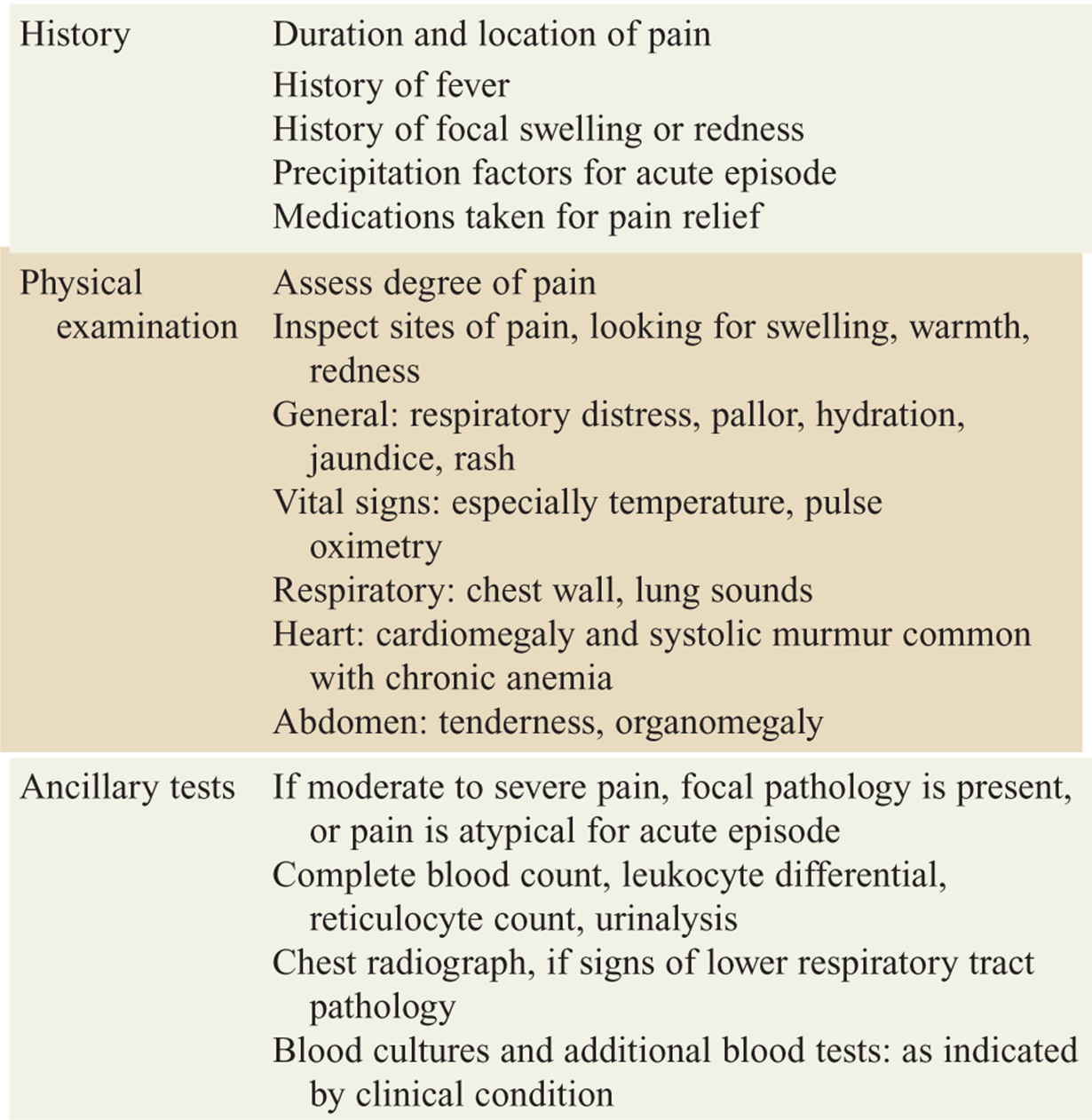
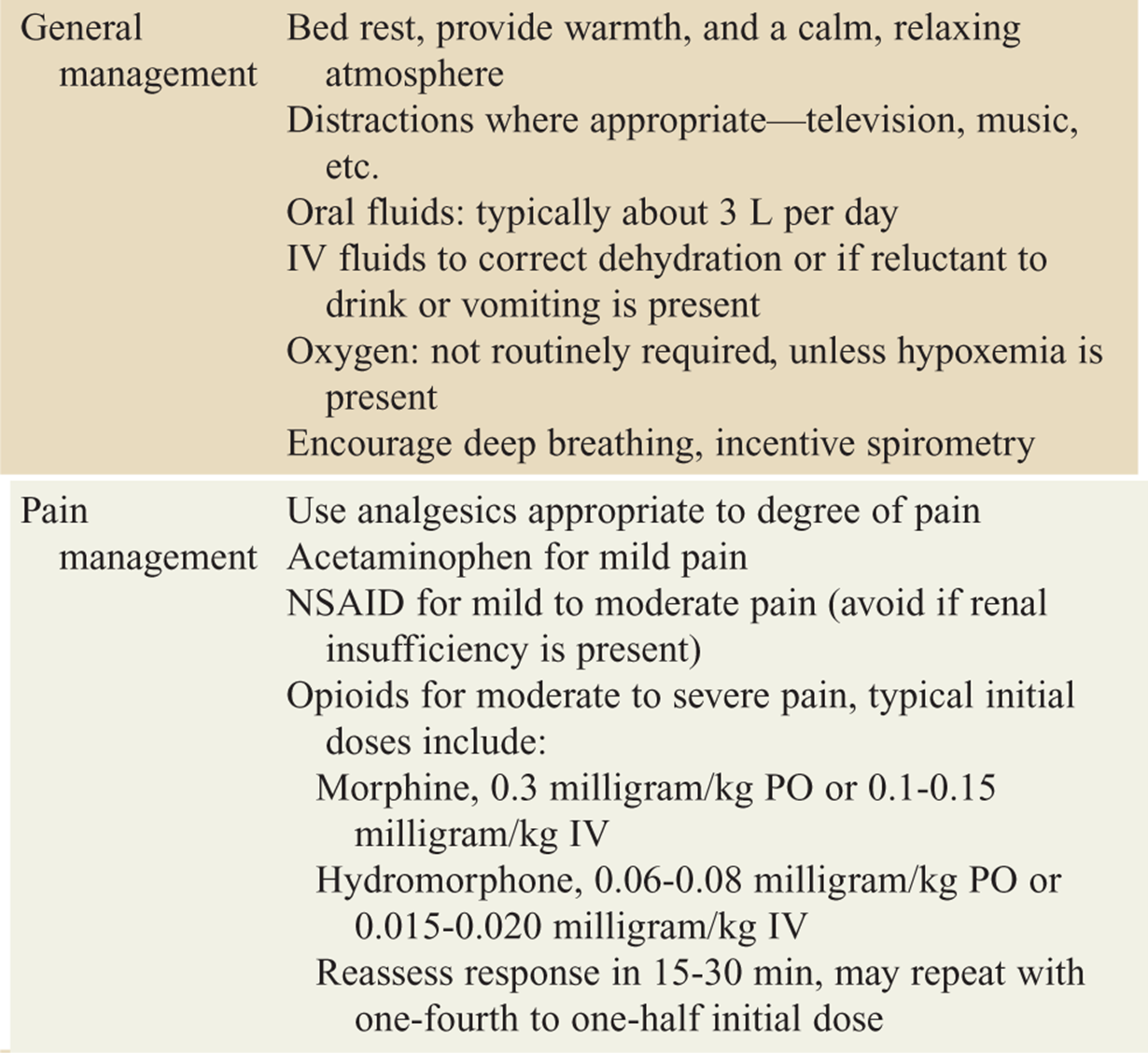
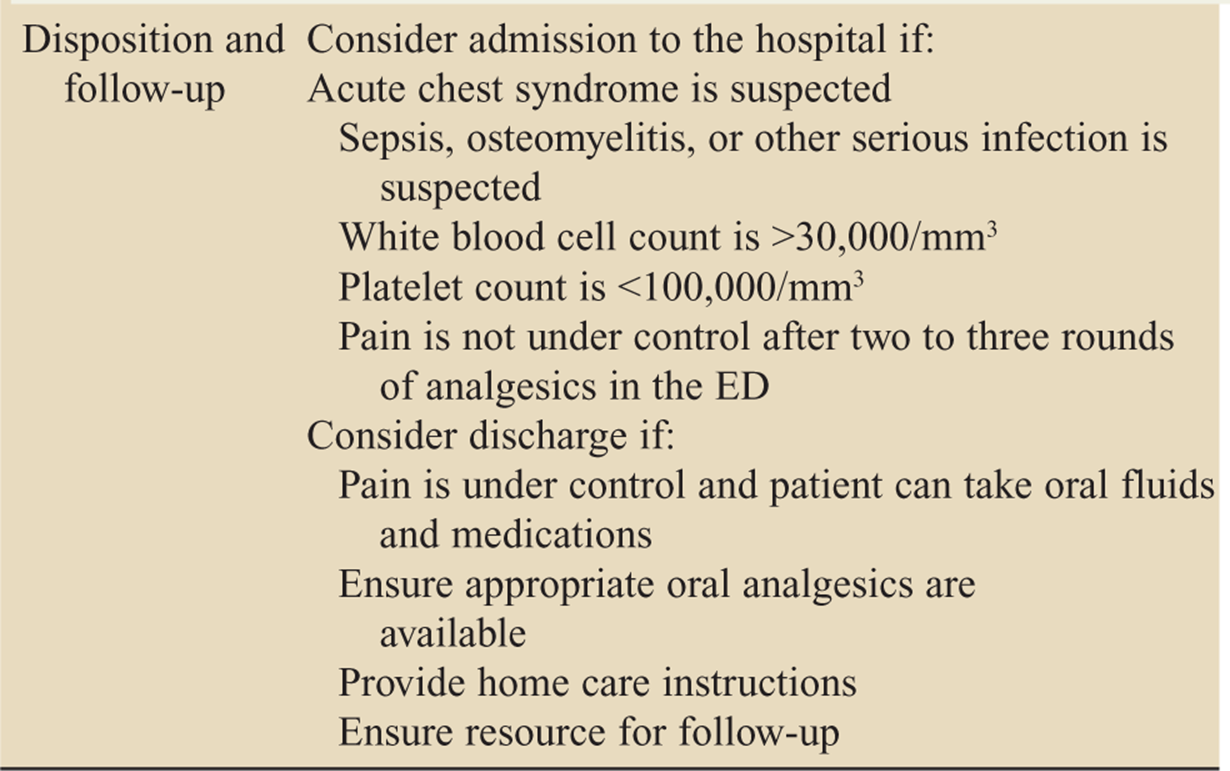
Painful vaso-occlusive crisis in the musculoskeletal system or in the abdomen are the most common presenting complaint in the ED (Table 138-1).
TABLE 138-1 Guidelines for the Assessment and Management of Acute Vaso-Occlusive Crisis
Crisis results from sickled RBCs mechanically obstructing blood flow, causing ischemia, organ damage, and infarcts.
Fever or infection (especially Haemophilus influenza or Pneumococcus), cold exposure or high altitude, dehydration or overexertion, medication noncompli-ance or drug use can provoke RBC sickling and crisis.
Symptomatic anemia results from splenic sequestration or bone marrow failure (aplastic crisis) and presents with weakness, dyspnea, CHF, or shock.
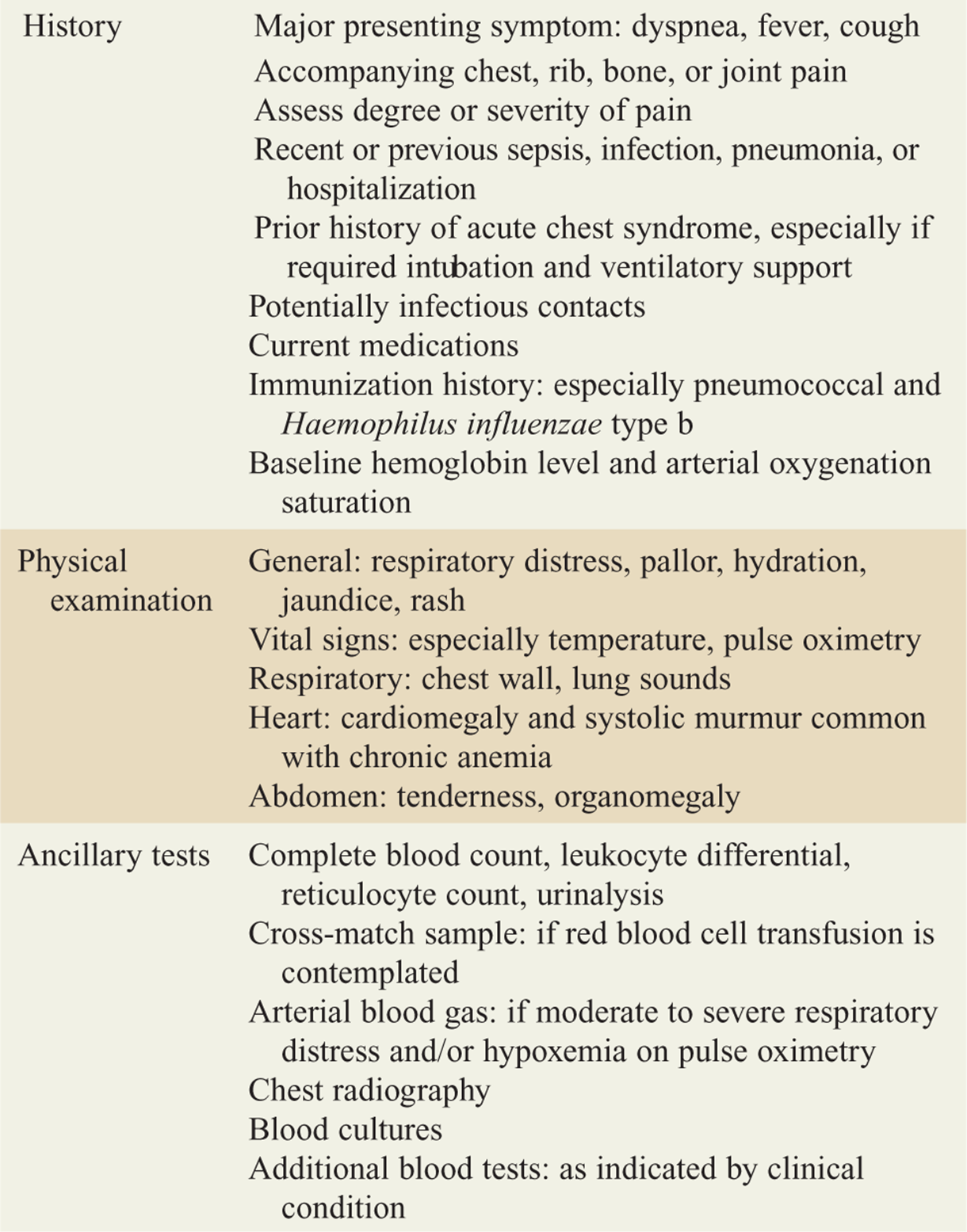
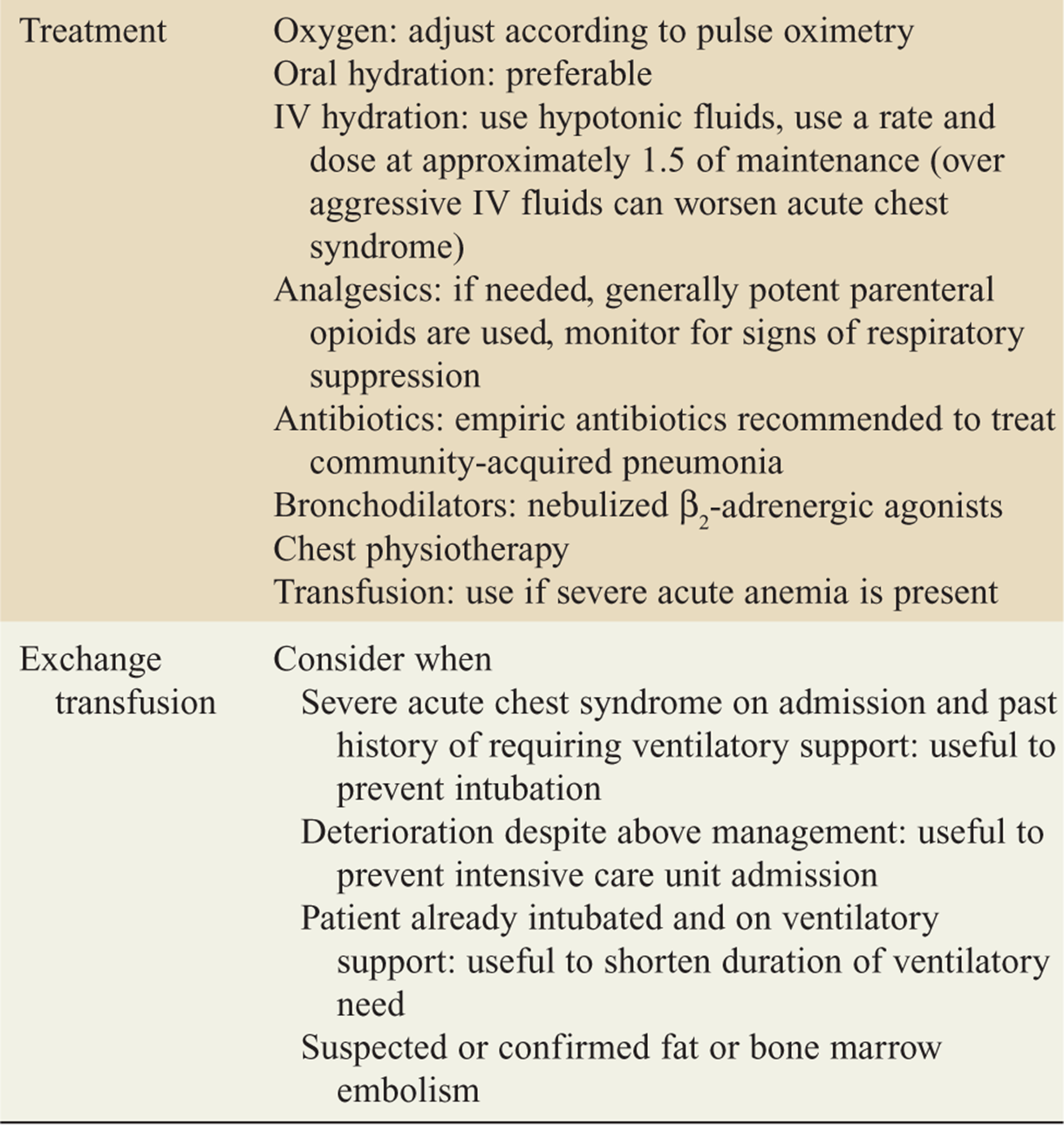
Life- or limb-threatening crisis include acute chest syndrome (vaso-occlusive pulmonary insult), stroke, renal infarct, mesenteric infarcts, sepsis, osteomyelitis, pneumonia, or priapism (Table 138-2).
TABLE 138-2 Assessment and Treatment of Acute Chest Syndrome
DIAGNOSIS AND DIFFERENTIAL
Workups should be individualized and the degree of illness guides the evaluation of an acute crisis.
However, protean complaints (pain, weakness, fever) must include a search for a cryptic inciting events.
Acute worsening anemia may suggest increased splenic sequestration if the reticulocyte count is elevated, or bone marrow failure if the reticulocyte count is depressed.
Leukocytosis or increased bands suggest infection.
Pregnancy tests should be obtained in all women of childbearing age.
Assessment of electrolytes evaluates dehydration and renal function.
Liver function tests and lipase may help evaluate abdominal pain.
Febrile SCD patients without localizing symptoms should have blood cultures, urinalysis, and chest radiographs performed.
Patients presenting with symptoms of acute chest syndrome (chest pain, cough, fever, dyspnea) are critically ill requiring immediate evaluation.
Chest radiograph, ECG, and arterial blood gas help evaluate degree of hypoxia; type and cross for possible exchange transfusion.
Radiographs of the skeleton are indicated for atypical focal bone pain.
Advanced imaging for abdominal pain, or for neurologic manifestations should be considered.
The differential diagnosis of potentially life-threatening inducers of crisis in SCD patients includes osteomyelitis, bony infarcts, cellulitis, acute arthritides, pancreatitis, hepatitis, cholecystitis, pelvic inflammatory disease, pyelonephritis, pneumonia, pulmonary embolus, and meningitis.
EMERGENCY DEPARTMENT TREATMENT AND DISPOSITION
Initial interventions for acute crisis in SCD patients are primarily supportive.
Judicious pain management and a thorough assessment for the inciting events are required.
Opioid pain medications are often required for severe pain. Individualized treatment plans are warranted for patients with frequent crises.
Oral rehydration should be encouraged for suspected dehydration. IV crystalloid may be used at 1.5 times maintenance.
Supplemental oxygen is indicated for hypoxia.
ECG and cardiac monitoring is appropriate for patients with cardiopulmonary symptoms.
Cultures should be obtained and broad-spectrum antibiotics administered for patient with symptoms of acute infection.
Exchange transfusion should be considered in specific circumstances—aplastic crisis, cardiopulmonary decompensation, pregnancy, stroke, respiratory failure, general surgery, and priapism (requires urologic consultation).
Admission criteria include pulmonary, neurologic, aplastic, or infectious crises; splenic sequestration; intractable pain; persistent nausea and vomiting; or an uncertain diagnosis.
Arrange close follow-up for patients who are discharged. Give instructions to return immediately for temperature above 38°C or worsening symptoms.
VARIANTS OF SICKLE CELL DISEASE
Other hemoglobinopathies exist and vary in presentation, asymptomatic to S CD-like depending upon the specific abnormality and whether homozygous, heterozygous, or combined with sickle-cell trait.
THALASSEMIAS
Thalassemias are hereditary disorders caused by defective synthesis of globin chains, resulting in microcytic, hypochromic, hemolytic anemia.
The degree of illness depends upon the type and number of genetic abnormalities.
Patients with β-thalassemia minor have mild microcytic anemia and are generally asymptomatic.
Patients with β-thalassemia major (Cooley’S anemia), develop hepatosplenomegaly, jaundice, and bony changes, are at risk for infection and severe anemia requiring blood transfusions.
Iron overload from transfusions can occur.
GLUCOSE-6-PHOSPHATE DEHYDROGENASE DEFICIENCY
Glucose-6-phosphate dehydrogenase (G6PD) deficiency is the most common enzymopathy of RBCs.
This causes Hb precipitation, RBC removal by the spleen and hemolysis.
Most patients are asymptomatic.
Exposure to an oxidative stress (eg, medication, infection, fava beans) causes hemolysis.
Evaluation includes a complete blood count and reticulocyte count, bilirubin levels, serum aminotrans-ferases, and lactate dehydrogenase.
Treatment includes early treatment of infection if detected and blood transfusion for severe anemia.
HEREDITARY SPHEROCYTOSIS
Hereditary spherocytosis results from an erythro-cyte membrane defect creating small stiff RBCs, which result in increased rate of destruction by the spleen and a compensatory increase in RBC production.
Complications include aplastic or megaloblastic crises, cholecystitis or cholelithiasis, splenomegaly and hemolysis with jaundice.
Treatment includes blood transfusions and splenec-tomy in severe cases.
For further reading in Tintinalli’s Emergency Medicine: A Comprehensive Study Guide, 6th ed., see Chapter 231, “Sickle Cell Disease and Other Hereditary Hemolytic Anemias,” by Jean Williams-Johnson and Eric Williams.