
Lucia Alves Silva Lara
|
Abbreviations |
|
|
ART ED HSD ICSI IUI PE QOL SD |
Assisted reproductive techniques Erectile dysfunction Hypoactive sexual desire Intracytoplasmic injection Intrauterine insemination Premature ejaculation Quality of life Sexual dysfunction |
10.1 General Aspects of Conjugal Infertility
Infertility is defined as the inability to conceive after 12 months of unprotected regular sexual intercourse [1]. It is a highly prevalent condition worldwide, being present in 3.5-16.7 % of couples in developed countries and 6.9-9.3 % in less-developed countries [2]. The probability of a woman becoming pregnant after 1, 3, 6, and 12 menstrual cycles has been estimated to be 38 %, 68 %, 81 %, and 92 %, respectively [3]. However, a woman’s fertility is affected by several environmental, psychological, and biological factors and decreases with advancing age. After age 35 years, a woman’s fertility gradually decreases until age 40 years, decreasing markedly thereafter and ending at menopause [4]. This progressive loss of fertility is also observed in women who undergo intracytoplasmic injection (ICSI), with delivery rates decreasing significantly with increased age [5].
The limited period of fertility for women stands in contrast to the long fertility period for men. Under normal conditions, male reproductive capacity remains unchanged throughout life [6]. This difference in potential fertility may cause an emotional imbalance, primarily in infertile woman. Indeed, infertile women are more predisposed than infertile men to infertility-associated emotional and mental disorders such as symptoms of depression. Thus, the window of opportunity for women to become pregnant is limited, making it stressful for a couple, especially for the woman, even when fertile. Thus, when couples are diagnosed with infertility, they are exposed to a high risk of emotional and mental injuries that may impact their well-being. Studies have shown that infertile couples often report low selfesteem, impairment of partnership quality, difficulties with sexuality, and loss of spontaneous sexuality during the experience of infertility with negative impacts on their QOL [7]. In addition, infertility may contribute to age-related impairments in sexuality and erectile dysfunction (ED) among men [8].
10.2 Medical Approaches to Infertility
The diagnosis of infertile couples starts with a detailed history of both partners to identify the most likely causes of infertility. In women, tubal obstruction is a cause of infertility [9, 10]. Also infertility may be due to endocrine disorders that can cause menstrual cycle problems, including polycystic ovary syndrome, thyroidopathy, and hyperprolactinemia [11, 12] that are associated with hypoactive sexual desire (HSD) and ED in men, and HSD in women [13, 14]. Sexual dysfunction may lead to reduced sexual frequency, which may, in turn, contribute to subfertility.
Assisted reproductive techniques (ART) are recommended to treat infertile couples. Intrauterine insemination (IUI) involves the introduction of spermatozoa into the uterine cavity; in vitro fertilization (IVF) involves the fertilization of gametes in the laboratory; and ICSI consists on the injection of one spermatozoon into a female gamete. Ovarian hyperstimulation is required prior to IVF and ICSI, with hormones used to promote follicular development, followed by ultrasound-guided transvaginal aspiration of the ovaries under sedation to collect follicle. ART also includes gamete (oocyte or sperm) donation and uterus donation (surrogate motherhood) [15]. Gamete donation is indicated when one or both partners lack gametes or have a genetic condition with a high likelihood of being transmitted to their descendants. These individuals are at high risk of mental, emotional, sexual, and physical comorbidities and low QOL [16].
ART involves a series of complex procedures, which may negatively impact sexual function, mainly among couples that require more complex treatments such as IVF and ICSI [17]. In evaluating couples seeking treatment for infertility, the treatment period they expect will be required for successful pregnancy may be associated with increased expression of negative emotions such as anxiety and depression [18, 19]. These symptoms may have a negative effect on pregnancy rates, in as much as depressive symptoms have been associated with lower pregnancy rates in women undergoing IVF treatment [20]. Indeed, psychological intervention for infertile couples positively affects their rates of natural pregnancy (i.e., in the absence of ART) [21].
10.3 Impact of Infertility on Female Sexuality
Female sexuality is complex and can be affected by biological, psychological, emotional, and environmental problems commonly associated with the diagnosis of infertility. Table 10.1 shows some of the sexual difficulties experienced by infertile women.
10.3.1 Emotional and Physical Aspects of Infertile Women
The diagnosis and treatment of infertility are negative psycho-emotional experiences for infertile women [22]. Although infertility may destabilize a couple’s relationship, women seem to be more affected than men and have a greater tendency to classify the marital relationship as bad when the couple fails to conceive [23]. Most studies have shown that women of infertile couples are more likely to have difficulties with adjustment and lower QOL scores than their male partners [23].
The impact of infertility on a woman’s well-being depends on the cause of infertility. Women in couples with an unknown cause of infertility seem to be more
Table 10.1 Highlights of mental and sexual health aspects of infertile women and men
|
Women |
Men |
|
Infertile women have a high risk for depression and anxiety related to: A diagnosis of infertility The duration and cause of infertility Lower self-esteem, fear of impossibility of having a baby Their partner’s infertility Social and family pressure for the couple to have a child Failure of ART |
Infertile men are at high risk for depression and anxiety related to: Reduced self-esteem Reduced self-confidence Tendency toward social isolation Failure of ART Lower educational level Poor marital relationship Duration of infertility Being the cause of infertility |
|
Infertile women have a high risk for sexual dysfunction such as: Sexual desire/arousal and orgasmic disorder Reduced sexual satisfaction Reduced sexual frequency |
Infertile men are at high risk for sexual dysfunctions such as: Hypoactive sexual disorder Erectile dysfunction Reduced sexual frequency Low sexual satisfaction |
ART assisted reproductive technique
adaptive, cope better, and have more functional defensive systems than women in couples with a known cause of infertility [24]. Reinforcing this evidence, a study of 564 couples with idiopathic infertility found that the dimensions of life satisfaction and marital relationship, as well as physical and psychological complaints, were similar to those of couples with other medical diagnoses of infertility [25]. The psychological profiles of infertile women clearly differ from those of women who do not have problems conceiving. In comparative studies infertile and fertile women had different personality dynamics. For example, infertile women may experience grief and depression before, during, and after treatment of infertility [26]. They may have a distorted self-image, be more likely to have difficulties with interpersonal relationships due to higher discomfort with closeness, and be more likely to show defense mechanisms such as somatization than fertile women [27]. The repercussions of infertility for women were shown in a qualitative analysis of infertile couples, which identified many problems, including poor body image, impaired sexual relationships, and reduced sexual pleasure during infertility treatment [28]. In addition, case-controlled studies showed that infertile women were less satisfied with their lives as a whole, as they rated life as less interesting, less rewarding, emptier, and more lonely, making them less content than women with children [29].
Psychopathologic factors associated with infertility can exacerbate this condition and cause psychological distress for women. The prevalence of depression is higher in women with a 2- to 3-year history of infertility than in women with a < 1-year or > 6-year duration of infertility [30]. Anxiety, depression, fear of pregnancy, and fear of being infertile have been found to be psycho-emotional causes of infertility [27]. These impairments in mental health contribute to a greater incidence of high-risk behavior in infertile women that are more likely to have a higher probability of certain diseases, including benign uterine tumors, intestinal disease, and infectious diseases [31]. These findings indicate that the psycho-emotional problems of women in infertile couples may interfere with their general health and possibly with their fertility rates as previously demonstrated [32].
An evaluation of women seeking treatment for infertility showed that their increased expression of negative emotions correlated with increased depressive symptomatology [20]. The prevalence of depression is about two-fold higher in infertile than in fertile women, with this prevalence increasing with the duration of infertility [30]. In the early stages of infertility, the main stress is related to a physical inferiority complex, later changing to stress about what others outside the family will say; moreover, infertile women become more depressive the longer treatment persists [33]. An evaluation of overall life satisfaction, as well as marital and sexual adjustment, after the completion of three infertility treatments showed that women who became biological mothers were significantly more satisfied with their lives than women who remained childless after treatment [34]. Moreover, the latter reported that infertility had a significantly greater negative impact on their marriages [34].
10.3.2 Sexual Function of Infertile Women
Women may experience sexual dysfunction (SD) due to a diagnosis of infertility, during its treatment and after the failure of treatment, with SD being prevalent in female partners of infertile couples [35]. The factors predictive of SD in this population included the duration of the marriage, previous infertility treatment, and a long duration (>3 years) of infertility [36]. This finding was corroborated in a case-control study, which showed that scores on all domains of the Female Sexual Function Index (FSFI), including desire, arousal, orgasm, and pain, were reduced as the duration of infertility became longer [37]. The rates of SD in women with primary and secondary infertility were 64.8 % and 76.5 %, respectively, with women with secondary infertility being at a 9.5-fold higher risk of sexual dysfunction than women with primary infertility [38]. HSD and orgasmic dysfunction were the most prevalent sexual complaints among infertile women [23].
The high rates of mental and sexual disorders recorded among infertile women were associated with psychological problems arising from their diagnosis of infertility. One third of women of infertile couples are affected by anxiety and depression [35]. Psychological problems are common in older infertile women because they are more likely to experience treatment failure, resulting in higher risks of depression and anxiety [39], which may compromise their well-being [22]. Moreover, women with an identified cause of infertility had higher depression scores than women with unexplained or undiagnosed infertility [30]. A controlled multicenter study involving 281 patients awaiting treatment for rheumatoid arthritis showed that the prevalence of negative emotions was associated with the length of time trying to become pregnant, positive or negative changes in the dyadic relationship, sexual problems, and higher rates of anxiety and depressed mood than fertile women [22].
The negative impact of depression on sexual function may be associated with desire/arousal disorders, anorgasmia, and less pleasure during sexual relations [40].
10.4 Impact of Infertility on Male Sexuality
Marital infertility also has a negative impact on male sexuality, with some of these effects listed in Table 10.1.
10.4.1 Emotional and Physical Aspects of Infertile Men
Infertility may represent a source of stress for men, who may be emotionally affected and show reduced self-esteem [41], reduced self-confidence, and low sexual satisfaction. These symptoms may negatively affect their marital relationships. This emotional impact of infertility on men is clearly correlated with their level of education and the duration of infertility [42]. In addition, educational level, the desire to have children, a poor marital relationship, previous IVF attempts, and duration of infertility were predictors of lower mental health scores in infertile men [43].
Men experience treatment-related distress associated with ICSI, primarily those requiring epididymal or testicular puncture to retrieve spermatozoa. These men feel greater responsibility for the couple’s infertility and are concerned about the possibility of treatment failure, particularly about the possible negative impact of childlessness for the couple [44].
Men who discover that they are the cause of infertility may experience low selfesteem [41] and be at high risk for anxiety and depression, with younger infertile men more likely to suffer the negative emotional consequences of being infertile [45]. This suggests that the ability of men to reproduce has a strong impact on their self-concept of value.
10.4.2 Sexual Function of Infertile Men
In men, a diagnosis of infertility is associated with clinically significant sexual problems, personal and social distress, and decreased sexual function [46]. In fact, male factor infertility is independently associated with sexual problems and poorer QOL [47]. Infertile men have more problems with ED, premature ejaculation (PE), and hypoactive sexual desire (HSD), in addition to having less sexual satisfaction than fertile controls [23]. A review of the literature showed that the rates of ED varied from 2 to 30 % and that the rate of HSD was as high as 52 %, in infertile men [48]. Qualitative analysis of a small sample of infertile couples indicated that 63 % of men experienced a period of ED after being diagnosed with azoospermia [49].
Sexual dysfunction in men may represent a factor that discourages their involvement in sexual activity. An analysis of 1,298 infertile men aged 32-39 years, with two years duration of infertility, showed that the average frequency of sexual intercourse was seven times per month, with 24 % of these couples having fewer than four sexual contacts per month. Factors affecting coital frequency included age and the occurrence of ED [50]. A comparative study of 1,468 infertile men showed higher rates of PE and ED than in men with preserved fertility. Mental health was particularly affected in this sample, which demonstrated a higher prevalence of anxiety and depression than fertile men. Depressive and anxiety symptoms are factors that predict sexual dysfunction [51], with ED in particular associated with depressive symptoms [52].
Duration of infertility and educational level may predict sexual function of men in infertile couples. For example, sexual satisfaction scores were significantly higher in those with <3 years than >3 years of infertility and in those with higher than lower levels of education [42]. In contrast, ED was observed in 50.61 % of Chinese infertile men and was more common in infertile men with education levels above high school. These infertile men had a higher prevalence of ED than fertile partners of infertile women [53], indicating that infertility is a predictor of ED. This greater predisposition of infertile men for ED may be due to psychological changes resulting from anxiety about sexual performance and a fear of sexual intercourse due to the need for an erection. The possibility of losing an erection may provoke in men a fear of intercourse and a predisposition to ED [54]. PE affects about 50 % of infertile men, as well as being a source of frustration for both partners [55]. A study of a large Japanese population showed that the rates of PE and ED were significantly higher in infertile than in fertile men, with the risk of PE directly associated with high levels of mental disorders (anxiety and depression) frequently observed in infertile men [51].
10.5 Psycho-emotional Aspects of Infertile Couples
The assisted reproduction process can be long, expensive, and uncertain and may cause deep emotional changes in couples, particularly when the final outcome of the procedure is unfavorable. This may have a negative impact on sexual function and a couple’s QOL [56]. Infertility has deep psychological implications for both partners and may interfere with interpersonal relationships [57] and may lead to reduced self-esteem in infertile couples and may reduce a couple’s close relationship [58], leading to marital adjustment problems and feelings of anger and a desire for separation, the latter of which is more common among female partners of infertile men [49]. However, there is evidence that a couple’s infertility brings them closer together, facilitating the sharing of problems arising from the difficulty of conceiving and strengthening the dyadic relationship [59].
Differences in the impact of infertility on infertile couples may be due to the sociocultural differences of studied populations. For example, in some societies, one partner’s emotions are influenced by the other’s, with men being more capable of coping with infertility than women as they are more optimistic. Living in a rural area and lower educational level are factors associated with a high risk of psychological problems in infertile couples [60]. Cultural aspects favor an increase in the risk of adjustment problems in infertile couples. The psychosocial consequences for infertile couples are especially severe in poor countries, in which gender is the greatest determinant of types of psychosocial consequences of infertility. Infertile women in these countries are at high risk of domestic violence, union dissolution, and sexual dysfunction [61]. In Ghana, for example, childless couples are socially stigmatized and excluded from leadership roles in their communities. However, the social consequences of infertility are severe; this is particularly the case for women, who are more exposed to violence and are more likely to have high rates of risky sexual behavior by engaging in sex with multiple partners [62], resulting in a high risk of sexual transmitted diseases. In countries where the concepts of masculinity and femininity are centered on reproductive capacity, the psychological consequences of infertility are particularly disastrous [63]. In certain societies the fear of stigma prevents couples from seeking treatment. In Indian couples, for example, the number of years of infertility and sexual dysfunction are never revealed to others. If the husband was sexually dysfunctional, the couple chose to label the situation as “infertility” in order to avoid the stigma [64]. In societies where women have a “mission” to bear children, physical and emotional violence against women are common, especially among couples with low socioeconomic and cultural status [63].
Infertile couples may cope better with their infertility and show better adjustment if they share their experiences of stress during infertility treatment. This may improve their marital relationship and increase dyadic cohesion. When both partners perceive equal levels of social stress associated with infertility and a similar need for parenthood, they report high levels of marital adjustment and marital satisfaction [65].
The stereotypical structure of the family, based on the components father- mother-child, indicates that one of the couple’s main purposes is to have a child, thus creating a family. Thus, infertile couples experience constant family [66] and societal [23] pressures to conceive, which may contribute to their social isolation. Infertility can also contribute to a fear of loss of social status and loss of continuity of the family line [66], which may increase the negative impact of infertility on QOL. Also, couples may face questions about which spouse is responsible for infertility, thus contributing to a couple’s desire for isolation [67]. This isolation may be provoked by feelings of shame associated with the impossibility of having a child, as well as by anxiety and depression [68].
When male infertility is the cause, sexual dissatisfaction for both partners and relational instability tend to be more pronounced [58]. However regardless of the cause of infertility, women contribute more to marital discord than men, perhaps because women are more susceptible to emotional imbalances following a diagnosis of infertility. Although the diagnosis itself can have profound implications for the sexual function of the couple, the technical procedures involved in ART are quite stressful for the couple. For example, the programming of intercourse may affect its spontaneity and can lead to sexual dysfunction [56]. Also, marital duration, time in treatment, and number of ART procedures were positively related to the stress level of wives, whereas only number of IVF procedures was positively related to the stress level of husbands [69].
The high incidence of anxiety and depression documented in infertile couples [68, 70, 71] may contribute to their sexual difficulties. The impaired emotional states of infertile couples have been associated with difficulties in marital relationships. For example, a study comparing 48 couples who achieved pregnancy with ART and 117 couples who were unsuccessful showed that the level of emotional stress was higher and marital adjustment lower in the latter group [72].
A longitudinal study evaluating the quality of the marital relationship of infertile couples found that complaints of relationship conflicts remained even after the resolution of infertility [73], thus emphasizing the complexity of the psychic and emotional changes associated with infertility. Depression was the most representative emotional change, primarily in women. Depressed women have a poorer QOL than depressed men, and depressive symptoms in women are predictive of poor QOL of their spouses [74]. However, there is evidence that QOL is equally affected in both partners of couples diagnosed with infertility [75].
10.5.1 Sexual Function of Infertile Couples
Several studies have sought to understand the process of sexual dysfunction within the relational dynamics of infertile couples. The main difficulty in assessing the real impact of infertility on sexual function was that, despite considerable evidence of relational and sexual changes in these couples, no cohort study has assessed the quality of the relationship and sexual life prior to the diagnosis of infertility. A review of the literature showed that infertility and its treatment can lead to changes in sexual self-esteem, sexual relationship, and sexual function [17]. The results of a systematic review showed that infertile couples may have a higher incidence of sexual dysfunction, including reduced sexual frequency and a higher incidence of HSD, which mainly affect men when they are diagnosed as the cause of infertility and women after ART treatment failure [76]. However, the effects of infertility on the sexuality of infertile couples remain unclear.
Quality of sexual life seems to be poorer in infertile than in fertile couples. This may be due to psychosocial aspects of infertility and psychosexual problems that are more common, especially among couples who have not had success with ART [50, 64]. The social stigma attached to infertility may have a negative impact on a couple’s self-esteem [77]. During treatment, strategies such as programmed coitus and the requirement for a certain number of coital encounters to reproduce may result in loss of sexual spontaneity [7] and a consequent loss of sexual interest. The incidence of HSD among infertile couples was reported to be 41.5 %, with 52.5 % of these couples reporting reduced sexual satisfaction, especially couples with low educational and marital relationship problems [78]. This sexual dysfunction can result in a reduction in sexual activity over time, without the couple becoming pregnant [64].
There are conflicting data regarding the actual contribution of each partner to impaired sexual function in infertile couples. High rates of ED and lower satisfaction with intercourse in infertile men [23], and reduced marital and sexual satisfaction expressed by women when the male or both partners were infertile [79], can contribute to a more fragile sexual relationship. An evaluation of sexual function in infertile couples showed that female sexual function was positively correlated with male partner sexual function [35]. Wives diagnosed with female infertility experienced poorer self-esteem and less acceptance by in-laws than wives of partners diagnosed with male infertility [79]. It is also important to highlight the various sexual and psychological problems, as well as the dysfunctional attitudes, in infertile couples that can have a negative impact on their mental health. High rates of depression and anxiety have been documented in this population, with depressive symptoms found to predict impaired sexual function and satisfaction [80, 81].
10.6 Strategies to Promote the Psychological and Sexual Health of Infertile Couples
Although the implications of infertility for infertile couples are complex, there is a relative lack of qualitative analysis that could assist in elucidating the complexity of this condition. Infertile couples experience a wide range of emotions, from anxiety, depression, and suicidal feelings to improvements in marital relationships [82]. In addition to revolving problems related to guilt, fear, sadness, expectation of success, and the possibility of treatment failure, there is a need to consider the negative consequences for the dyadic relationship. Therefore, infertile couples should be treated by a multidisciplinary team of health professionals working in an interdisciplinary manner.
10.6.1 Assessment of Sexual Problems in Infertile Couples
Although most couples consider psychosocial care as important, their demand for psychological support is low and inconsistent with their needs. The few couples who express the desire to seek psychological help are those with high infertility- related stresses in the marital, personal, and social domains [83]. Men and women differ in their attitude toward seeking help. More women than men seek psychological support or consult with a psychologist or sex therapist [47]. Despite the low demand for treatment by a mental health professional, the negative impact of infertility on married life suggests that human reproduction services should provide this type of care to infertile couples. Most women seeking treatment for infertility are dissatisfied with the emotional support they receive during the diagnostic process, with more than half expressing a need for professional psychological counseling [84]. Thus, in conjunction with medical care, infertile couples should have more supportive care psychological assistance [85].
During the evaluation of sexual function in infertile couples, it is important to consider any preexisting sexual changes prior to the diagnosis of infertility. Therefore, it is crucial to discuss each partner’s previous subjective judgment of the quality of the partnership and the sexual function of the couple.
An ideal evaluation should include comprehensive assessment of sexual function and mental health. Relationship quality should be evaluated using validated questionnaires, such as the Self-Esteem and Relationship Questionnaire (SEAR), which can determine whether infertility has a negative effect on relationship quality and/or sex life [7]. A semi-structured interview may be used to assess personal distress according to individual necessities as there is no typical psychological profile for infertile couples that prevents their use of standardized psychometric rating methods to assess their sexual complaints [25].
A more objective assessment may be provided by a questionnaire that contains questions addressing the personal, relational, and sexual aspects of an infertile couple [47].
Figure 10.1 shows a possible model to promote holistic care for infertile couples.
10.6.2 Interventions for Sexual Problems in Infertile Couples
Interventions for sexual difficulties associated with a diagnosis of infertility should be individualized, since the damage caused by this condition will depend on the psychological condition of each partner and the dynamics of the marital relationship. However, the methodological heterogeneity of studies on this topic [86] makes it difficult to define behaviors for optimal care of these couples. Therefore, no protocol can likely meet all the demands of a couple in a human reproduction service. However, common to these couples is the negative psychological impact due to both the diagnosis and the treatment of infertility. Infertile couples will therefore require special attention from mental health professionals to assist in addressing the psychological problems related to infertility. Interventional protocols for the treatment of infertility should include assessment of the psychology of the infertile couple (Table. 10.2). Since depression and lowered self-esteem are common to infertility and sexual dysfunction, actions to improve these conditions can also improve sexual function. The European Society of Human Reproduction and Embryology (ESHRE) developed complete clinical practice guidelines to provide clinical assistance to infertile patients [87]. According to these guidelines, infertile couples should be assisted at different levels, before, during, and after the treatment of infertility.
The inclusion of sex therapy may increase the success of interventions designed to improve the QOL of these couples (Table. 10.1). Sexual therapy combined with psychotherapy can improve acute sexual dysfunctions, including HSD, ED, and dyspareunia through specific techniques [88-90] and can prevent chronic sexual dysfunction and relational difficulties between the partners. Psychological interventions aimed at reducing depressive symptoms should be implemented, especially for women with a definitive diagnosis. A meta-analysis examining whether psychological interventions improved mental health and pregnancy rate among infertile patients found that these interventions did not affect depression, anxiety, and mental distress, but did enhance pregnancy rates in couples not receiving ART [21]. Another study showed that psychosocial interventions were more effective in reducing negative affect than in changing marital and social functioning, but had no effect on pregnancy rates. Moreover, group interventions that emphasized education and relaxation training were significantly more effective in producing positive changes across a range of outcomes than counseling interventions that emphasized emotional expression and support and/or discussion about thoughts and feelings related to infertility [91].
Table 10.2 Counseling measures for infertile couples
|
Invite the patients to talk about the infertility experience and their wish for a child |
|
Encourage patients to talk about their motivations for infertility treatment, which allows the professional to determine their knowledge of treatment, expectations, limitations, and rates of success |
|
Discuss the subjective etiologies of the infertility problem to identify feelings of guilt and anger, and to identify the risk of one partner holding the other responsible for the infertility |
|
Encourage couples to discuss emotional and physical stresses; ambivalence; personal, interpersonal, and social conflicts arising from emotions related to infertility that can impair self-confidence and well-being, as well as partner intimacy |
|
Inform patients in detail on the diagnosis, treatment, and perspectives on the rates of successful and unsuccessful treatment and stimulate patients to actively join in decisions regarding their infertility problems |
|
Encourage patients to discuss the impact of their infertility on their social relationships |
|
Stimulate patients to participate in avoiding social isolation |
|
Refer infertile couples to psychotherapy |
|
Open discussion of religious coping strategies rooted in patients’ religious teachings [94] |
Modified Van den Broeck et al. model [92]
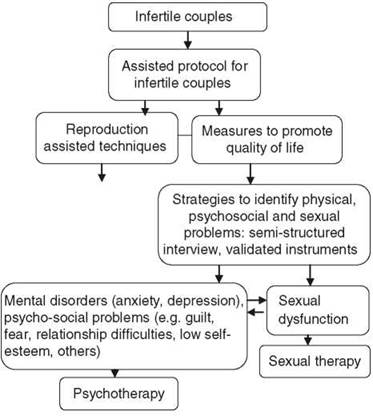
Fig. 10.1 Flowchart of assistance to infertile couples
Recognizing that infertility may increase the risk of mood symptoms, physicians should prescribe antidepressants based on the individual needs of each patient. This practice may help couples with symptoms of anxiety and depression. Physicians should also know the characteristics of each drug, including their adverse effects, to make a better choice for individual patients [94].
Conclusion
Assisted reproduction techniques may cause distress, as they involve the use of hormones, intercourse programming, and transvaginal access for ovarian puncture, among others. These techniques may induce tension and anxiety. In addition, social and family attitudes toward infertility can be exhausting for couples who feel pressured to conceive. Moreover, unsuccessful treatment may impair mental health. Additionally, marital relationship problems are common in infertile couples, and many opt for dissolution of marriage. Women tend to perceive their marital relationship as poor, whereas men are more likely to have sexual dysfunctions such as ED, PE, and less satisfaction with their sexual life. It is necessary to consider the relationship of the couple within a family and social context.
The approach for infertile couples should be interdisciplinary. Better interventions should use assisted reproduction techniques that address the emotional aspects of the couple and the dyadic relationship. Mental health professionals should be provided to treat infertility-related emotional distress, and sex therapy should be offered to provide couples with coping strategies at the start of treatment.
References
1. Zegers-Hochschild F, et al. The International Committee for Monitoring Assisted Reproductive Technology (ICMART) and the World Health Organization (WHO) Revised Glossary on ART Terminology, 2009. Hum Reprod. 2009;24(11):2683-7.
2. Boivin J, et al. International estimates of infertility prevalence and treatment-seeking: potential need and demand for infertility medical care. Hum Reprod. 2007;22(6):1506-12.
3. Gnoth C, et al. Time to pregnancy: results of the German prospective study and impact on the management of infertility. Hum Reprod. 2003;18(9):1959-66.
4. Baird DT, et al. Fertility and ageing. Hum Reprod Update. 2005;11(3):261-76.
5. Osmanagaoglu K, et al. Cumulative delivery rates after intracytoplasmic sperm injection: 5 year follow-up of 498 patients. Hum Reprod. 1999;14(10):2651-5.
6. Nijs M, et al. Correlation between male age, WHO sperm parameters, DNA fragmentation, chromatin packaging and outcome in assisted reproduction technology. Andrologia. 2011;43(3):174-9.
7. Wischmann T, et al. Sexuality, self-esteem and partnership quality in infertile women and men. Geburtshilfe Frauenheilkd. 2014;74(8):759-63.
8. Pal L, Santoro N. Age-related decline in fertility. Endocrinol Metab Clin North Am. 2003;32(3):669-88.
9. Dun EC, Nezhat CH. Tubal factor infertility: diagnosis and management in the era of assisted reproductive technology. Obstet Gynecol Clin North Am. 2012;39(4):551-66.
10. Muzii L, et al. Tubo-peritoneal factor of infertility: diagnosis and treatment. Clin Ter. 2010;161(1):77-85.
11. Sonigo C, Young J, Binart N. [Hyperprolactinemia and infertility: a new physiopathological approach]. Med Sci (Paris). 2013;29(3):242-4.
12. Speer G. The impact of thyroid function in women of reproductive age: infertility, pregnancy and the postpartum period. Orv Hetil. 2013;154(51):2017-23.
13. Atis G, et al. Sexual dysfunction in women with clinical hypothyroidism and subclinical hypothyroidism. J Sex Med. 2010;7(7):2583-90.
14. Kadioglu P, et al. Sexual dysfunction in women with hyperprolactinemia: a pilot study report. J Urol. 2005;174(5):1921-5.
15. Belaisch-Allart J. Assisted reproductive technologies and ethics. Rev Prat. 2014;64(1):106-7.
16. Carter J, et al. A cross-sectional cohort study of infertile women awaiting oocyte donation: the emotional, sexual, and quality-of-life impact. Fertil Steril. 2011;95(2):711-6 e1.
17. Tao P, Coates R, Maycock B. The impact of infertility on sexuality: a literature review. Australas Med J. 2011;4(11):620-7.
18. Klemetti R, et al. Infertility, mental disorders and well-being - a nationwide survey. Acta Obstet Gynecol Scand. 2010;89(5):677-82.
19. Jin X, et al. Survey of the situation of infertile women seeking in vitro fertilization treatment in China. Biomed Res Int. 2013;2013:179098.
20. Demyttenaere K, et al. Coping style and depression level influence outcome in in vitro fertilization. Fertil Steril. 1998;69(6):1026-33.
21. Hammerli K, Znoj H, Barth J. The efficacy of psychological interventions for infertile patients: a meta-analysis examining mental health and pregnancy rate. Hum Reprod Update. 2009;15(3):279-95.
22. Oddens BJ, den Tonkelaar I, Nieuwenhuyse H. Psychosocial experiences in women facing fertility problems - a comparative survey. Hum Reprod. 1999;14(1):255-61.
23. Monga M, et al. Impact of infertility on quality of life, marital adjustment, and sexual function. Urology. 2004;63(1):126-30.
24. Aisenberg Romano G, et al. The psychological profile and affective response of women diagnosed with unexplained infertility undergoing in vitro fertilization. Arch Womens Ment Health. 2012;15(6):403-11.
25. Wischmann T, et al. Psychosocial characteristics of infertile couples: a study by the ‘Heidelberg Fertility Consultation Service’. Hum Reprod. 2001;16(8):1753-61.
26. Lukse MP, Vacc NA. Grief, depression, and coping in women undergoing infertility treatment. Obstet Gynecol. 1999;93(2):245-51.
27. Poddar S, Sanyal N, Mukherjee U. Psychological profile of women with infertility: a comparative study. Ind Psychiatry J. 2014;23(2):117-26.
28. Kohan S, Ghasemi Z, Beigi M. Exploring infertile women’s experiences about sexual life: a qualitative study. Iran J Nurs Midwifery Res. 2015;20(1):34-9.
29. Callan VJ, Hennessey JF. The psychological adjustment of women experiencing infertility. Br J Med Psychol. 1988;61(Pt 2):137-40.
30. Domar AD, et al. The prevalence and predictability of depression in infertile women. Fertil Steril. 1992;58(6):1158-63.
31. Revonta M, et al. Health and life style among infertile men and women. Sex Reprod Healthc. 2010;1(3):91-8.
32. Vartiainen H, et al. Psychosocial factors, female fertility and pregnancy: a prospective study - Part I: fertility. J Psychosom Obstet Gynaecol. 1994;15(2):67-75.
33. Chiba H, et al. Stress of female infertility: relations to length of treatment. Gynecol Obstet Invest. 1997;43(3):171-7.
34. Leiblum SR, Aviv A, Hamer R. Life after infertility treatment: a long-term investigation of marital and sexual function. Hum Reprod. 1998;13(12):3569-74.
35. Nelson CJ, et al. Prevalence and predictors of sexual problems, relationship stress, and depression in female partners of infertile couples. J Sex Med. 2008;5(8):1907-14.
36. Turan V, et al. Sexual dysfunction in infertile Turkish females: prevalence and risk factors. Eur J Obstet Gynecol Reprod Biol. 2014;182:128-31.
37. Iris A, Aydogan Kirmizi D, Taner CE. Effects of infertility and infertility duration on female sexual functions. Arch Gynecol Obstet. 2013;287(4):809-12.
38. Keskin U, et al. Differences in prevalence of sexual dysfunction between primary and secondary infertile women. Fertil Steril. 2011;96(5):1213-7.
39. Ogawa M, Takamatsu K, Horiguchi F. Evaluation of factors associated with the anxiety and depression of female infertility patients. Biopsychosoc Med. 2011;5(1):15.
40. Frohlich P, Meston C. Sexual functioning and self-reported depressive symptoms among college women. J Sex Res. 2002;39(4):321-5.
41. Lemmens GM, et al. Coping with infertility: a body-mind group intervention programme for infertile couples. Hum Reprod. 2004;19(8):1917-23.
42. Xing X, et al. Impact of male infertility on men’s self-esteem and satisfaction with sexual relationship. Zhonghua Nan Ke Xue. 2013;19(3):223-7.
43. Chachamovich JL, et al. Psychological distress as predictor of quality of life in men experiencing infertility: a cross-sectional survey. Reprod Health. 2010;7:3.
44. Beutel M, et al. Treatment-related stresses and depression in couples undergoing assisted reproductive treatment by IVF or ICSI. Andrologia. 1999;31(1):27-35.
45. Fatoye FO, et al. Psychological profile of spouses of women with infertility in Nigeria. Afr J Med Med Sci. 2009;38(1):63-9.
46. Marci R, et al. Procreative sex in infertile couples: the decay of pleasure? Health Qual Life Outcomes. 2012;10:140.
47. Smith JF, et al. Sexual, marital, and social impact of a man’s perceived infertility diagnosis. J Sex Med. 2009;6(9):2505-15.
48. Ferraresi SR, et al. Current research on how infertility affects the sexuality of men and women. Recent Pat Endocr Metab Immune Drug Discov. 2013;7(3):198-202.
49. Berger DM. Impotence following the discovery of azoospermia. Fertil Steril. 1980;34(2):154-6.
50. Perlis N, et al. Coital frequency and infertility: which male factors predict less frequent coitus among infertile couples? Fertil Steril. 2013;100(2):511-5.
51. Gao J, et al. Relationship between sexual dysfunction and psychological burden in men with infertility: a large observational study in China. J Sex Med. 2013;10(8):1935-42.
52. Lotti F, et al. Clinical correlates of erectile dysfunction and premature ejaculation in men with couple infertility. J Sex Med. 2012;9(10):2698-707.
53. Pan BC, et al. Impact of perceived male infertility factors on penile erectile function. Zhonghua Nan Ke Xue. 2013;19(12):1087-90.
54. Peterson BD, Newton CR, Feingold T. Anxiety and sexual stress in men and women undergoing infertility treatment. Fertil Steril. 2007;88(4):911-4.
55. Shindel AW, et al. Premature ejaculation in infertile couples: prevalence and correlates. J Sex Med. 2008;5(2):485-91.
56. Ohl J, et al. Impact of infertility and assisted reproductive techniques on sexuality. Gynecol Obstet Fertil. 2009;37(1):25-32.
57. Schmidt L. Infertility and assisted reproduction in Denmark. Epidemiology and psychosocial consequences. Dan Med Bull. 2006;53(4):390-417.
58. Drosdzol A, Skrzypulec V. Evaluation of marital and sexual interactions of Polish infertile couples. J Sex Med. 2009;6(12):3335-46.
59. Repokari L, et al. Infertility treatment and marital relationships: a 1-year prospective study among successfully treated ART couples and their controls. Hum Reprod. 2007;22(5):1481-91.
60. Xu L, Ke HX, He FF. Psychological aspects of infertile couples in China. Zhonghua Fu Chan Ke Za Zhi. 1994;29(4):232-4, 254-5.
61. Akyuz A, et al. Studying the effect of infertility on marital violence in Turkish women. Int J Fertil Steril. 2013;6(4):286-93.
62. Tabong PT, Adongo PB. Infertility and childlessness: a qualitative study of the experiences of infertile couples in Northern Ghana. BMC Pregnancy Childbirth. 2013;13:72.
63. Dhont N, et al. ‘Mama and papa nothing’: living with infertility among an urban population in Kigali, Rwanda. Hum Reprod. 2011;26(3):623-9.
64. Nene UA, Coyaji K, Apte H. Infertility: a label of choice in the case of sexually dysfunctional couples. Patient Educ Couns. 2005;59(3):234-8.
65. Peterson BD, Newton CR, Rosen KH. Examining congruence between partners’ perceived infertility-related stress and its relationship to marital adjustment and depression in infertile couples. Fam Process. 2003;42(1):59-70.
66. Al-Homaidan HT. Depression among women with primary infertility attending an infertility clinic in Riyadh, kingdom of Saudi Arabia: rate, severity, and contributing factors. Int J Health Sci (Qassim). 2011;5(2):108-15.
67. Dyer SJ, et al. ‘Men leave me as I cannot have children’: women’s experiences with involuntary childlessness. Hum Reprod. 2002;17(6):1663-8.
68. Galhardo A, et al. The impact of shame and self-judgment on psychopathology in infertile patients. Hum Reprod. 2011;26(9):2408-14.
69. Lee TY, Sun GH, Chao SC. The effect of an infertility diagnosis on treatment-related stresses. Arch Androl. 2001;46(1):67-71.
70. Ashkani H, Akbari A, Heydari ST. Epidemiology of depression among infertile and fertile couples in Shiraz, southern Iran. Indian J Med Sci. 2006;60(10):399-406.
71. Drosdzol A, Skrzypulec V. Depression and anxiety among Polish infertile couples - an evaluative prevalence study. J Psychosom Obstet Gynaecol. 2009;30(1):11-20.
72. Benazon N, Wright J, Sabourin S. Stress, sexual satisfaction, and marital adjustment in infertile couples. J Sex Marital Ther. 1992;18(4):273-84.
73. Schanz S, et al. Long-term life and partnership satisfaction in infertile patients: a 5-year longitudinal study. Fertil Steril. 2011;96(2):416-21.
74. Cserepes RE, Korosi T, Bugan A. Characteristics of infertility-specific quality of life in Hungarian couples. Orv Hetil. 2014;155(20):783-8.
75. Chachamovich J, et al. Congruence of quality of life among infertile men and women: findings from a couple-based study. Hum Reprod. 2009;24(9):2151-7.
76. Tao P, Coates R, Maycock B. Investigating marital relationship in infertility: a systematic review of quantitative studies. J Reprod Infertil. 2012;13(2):71-80.
77. Wischmann T, et al. A 10-year follow-up study of psychosocial factors affecting couples after infertility treatment. Hum Reprod. 2012;27(11):3226-32.
78. Ramezanzadeh F, et al. Alterations of sexual desire and satisfaction in male partners of infertile couples. Fertil Steril. 2006;85(1):139-43.
79. Lee TY, Sun GH, Chao SC. The effect of an infertility diagnosis on the distress, marital and sexual satisfaction between husbands and wives in Taiwan. Hum Reprod. 2001;16(8):1762-7.
80. Baldwin DS. Depression and sexual dysfunction. Br Med Bull. 2001;57:81-99.
81. Pakpour AH, et al. Prevalence and risk factors of the female sexual dysfunction in a sample of infertile Iranian women. Arch Gynecol Obstet. 2012;286(6):1589-96.
82. Kerr J, Brown C, Balen AH. The experiences of couples who have had infertility treatment in the United Kingdom: results of a survey performed in 1997. Hum Reprod. 1999;14(4):934-8.
83. Schmidt L, et al. Patients’ attitudes to medical and psychosocial aspects of care in fertility clinics: findings from the Copenhagen Multi-centre Psychosocial Infertility (COMPI) Research Programme. Hum Reprod. 2003;18(3):628-37.
84. Sundby J, Olsen A, Schei B. Quality of care for infertility patients. An evaluation of a plan for a hospital investigation. Scand J Soc Med. 1994;22(2):139-44.
85. Batool SS, de Visser RO. Experiences of infertility in British and Pakistani women: a crosscultural qualitative analysis. Health Care Women Int. 2016;37(2):180-96.
86. Matthiesen SM, et al. Stress, distress and outcome of assisted reproductive technology (ART): a meta-analysis. Hum Reprod. 2011;26(10):2763-76.
87. ESHRE. Routine psychosocial care in infertility and medically assisted reproduction - a guide for fertility staff, E.P.a.C.G.D. Group, Editor. 2015. ESHRE: http://www.eshre.eu/~7media/ Files/Guidelines/Psychology/Summary%20document.pdf.
88. Lara LA, et al. The assessment and management of female sexual dysfunction. Rev Bras Ginecol Obstet. 2008;30(6):312-21.
89. Farnam F, et al. Compare the effectiveness of PLISSIT and sexual health models on women’s sexual problems in Tehran, Iran: a randomized controlled trial. J Sex Med. 2014;11(11):2679-89.
90. Segraves RT. Management of hypoactive sexual desire disorder. Adv Psychosom Med. 2008;29:23-32.
91. Boivin J. A review of psychosocial interventions in infertility. Soc Sci Med. 2003;57(12): 2325-41.
92. Van den Broeck U, et al. Counselling in infertility: individual, couple and group interventions. Patient Educ Couns. 2010;81(3):422-8.
93. Latifnejad Roudsari R, Allan HT. Women’s experiences and preferences in relation to infertility counselling: a multifaith dialogue. Int J Fertil Steril. 2011;5(3):158-67.
94. Shultz E, Malone Jr DA. A practical approach to prescribing antidepressants. Cleve Clin J Med. 2013;80(10):625-31.