
PART 2. THE HERBS
LEMON BALM
MELISSA OFFICINALIS

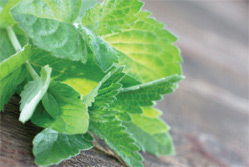
Lemon balm smells so strikingly fantastic, you’ll almost forget it’s a highly potent anti-inflammatory, antiviral, antispasmodic, and antibacterial agent. It’s a natural remedy for digestive disorder, mood conditions, viruses like herpes and shingles, and feelings of grief, depression, and sadness. While most people put this luscious herb in the garden for its fragrant aroma, they soon find the effects on their mood to be transformative and uplifting. A recent study has shown that the herb’s antioxidant and polyphenol profile improves memory, improves clarity and focus, and may be able to combat Alzheimer’s disease and cell oxidation.
Did You Know?
Lemon balm was used during the Middle Ages throughout Europe by Greeks and Romans for everything from dressing sword wounds to reversing baldness to treating fainting. Thought to be “an elixir of life” at one point, doctors weren’t too far off, given what’s known today by scientists.
Herbal Power
MEDICINAL: Treats colic, insomnia, stress, worry, anxiety, fatigue, grief, depression, SAD (Seasonal Affective Disorder), ADD, ADHD, stomach issues, mood imbalances, and muscle spasms.
COSMETIC: Heals acne and sunburn; protects against UV rays; increases circulation and radiance; calms, soothes, and fights inflammation; evens skin tone; enhances fragrance in perfumes, candles, and body products.
Application Methods
•Apply as a tincture
•Drink as a tea or tonic
•Eat in foods
•Use in a bath, aromatherapy, candle, soap, or as a cleaner
Precautions
Lemon balm is considered safe with the exception of those with hypothyroidism or low thyroid activity. Consult your doctor before taking if you’ve got thyroid issues.
Other Names
Cure-All
Dropsy Plant
Honey Plant
Sweet Balm
Sweet Mary
Locating & Growing
The key to getting lemon balm growing is to make sure you get a couple of plants started and it will self sow. Ideal for Zones 4 to 9, it prefers moist soil and full to partial sun.