
PART 2. THE HERBS
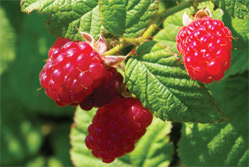
RASPBERRY
RUBUS IDAEUS

Step aside chia, raspberry seeds and leaves are considered one of the hottest new superfoods around. It’s no real surprise. They contain 83 percent essential fatty acids, vitamins E, B1 and B3, iron, calcium, magnesium, manganese, polyphenols, and UVA/UVB protection that rivals titanium oxide. Beauty enthusiasts are pretty psyched about its ability to erase acne scars, prevent and treat breakouts, reduce pores, smooth skin’s surface, and even skin tone.
No raspberry leaves? Blackberry leaf makes an equally fantastic (and antioxidant-rich) substitution.
Did You Know?
Raspberry is widely known for its benefits in supporting pregnancy, labor, and delivery. Many cultures have used it to treat a wide range of ailments, including high blood pressure, kidney disorders, and infections. Topically, its leaves are a powerful disinfectant and are applied to wounds to speed healing.
Herbal Power
MEDICINAL: Supports pain related to labor and delivery; eases morning sickness, muscle contractions, uterine cramping; relieves sore throats; treats diarrhea; reduces fever.
COSMETIC: Fights acne, shrinks pores, smooths texture, evens skin tone; used as natural SPF in moisturizers, creams, oils.
Application Methods
•Apply as a salve, oil, poultice, compress
•Drink as a tea or tonic
•Use as a body splash, or in skincare
Precautions
Raspberry is considered safe and nontoxic.
Other Names
Framboise
Rubi Idaei Folium
Rubus
Locating & Growing
Raspberry bushes thrive in Zones 3 to 9 in areas with full sun, fertile, well-drained soil, and good air circulation. Don’t plant near an area that grows or used to grow tomatoes, potatoes, peppers, eggplants, bramble berries, or roses, which can leave behind harmful diseases that can attack and destroy the fruit.