
CHAPTER TWO
The herbs mentioned throughout this book are considered tonic and adaptogenic, meaning that they are substances that build, create, and sustain energy, well-being, and overall health. In China, these herbs are classified as “super medicine,” because they are safe and effective and can be used over a long period of time without side effects. In Ayurvedic (traditional Indian) medicine, these herbs are often classified as rasayana — herbs that nourish and sustain the life force. Most are intended to be used daily or at regular intervals over a long period of time. These herbs are all famous for restoring “chi,” life source, or our deeper sources of energy.
These herbs are also excellent whenever one is recovering from a long-term illness or undergoing treatments for disease. Many of them make excellent adjunct treatments for people recovering from cancer, as they build and restore vital life energy that is depleted with radiation and chemotherapy. They can be used for athletic performance and to build stamina and endurance. And, of course, they are excellent for people who have reached the golden years, providing concentrated nutrients that are needed to support the body by creating healthy blood, a strong heart, and a quick mind.
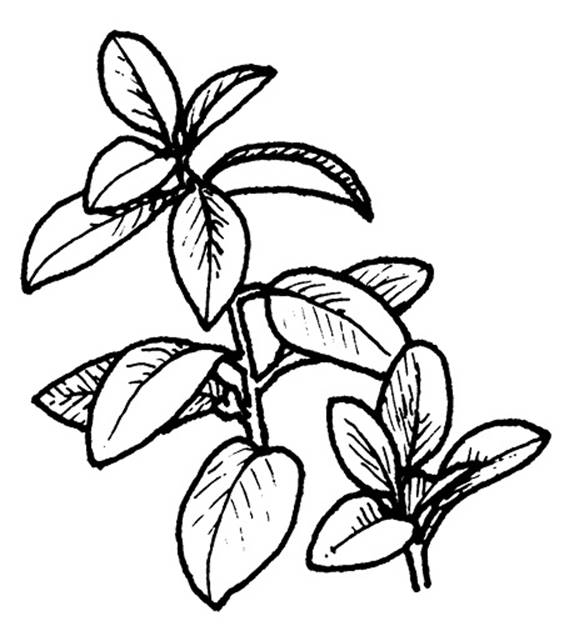
Ashwagandha
Understanding the Actions of Herbs
Herbs work in a multitude of ways to promote well-being and longevity. This interaction between an herb and the human body is classified as the action of the plant. Every plant has many actions, often determined by its chemical constituents, and plants are often classified in more than one category.
Adaptogens are substances that increase the body’s ability to adapt to stress and enhance resistance to disease. They increase the body’s inherent life force, increase stamina and endurance, and improve the overall quality of physical well-being. By their very nature, adaptogens are nontoxic and have no side effects even when used over a long period of time.
Alteratives are blood cleansers and purifiers. This is the classic old-fashioned term for herbs that, while very broadbased in their modes of action, nourish and cleanse the blood of toxins by stimulating liver function.
Antioxidants are big on the news front these days. This term refers to a substance that controls or eliminates free radicals, single unpaired electrons that can damage cellular structure and reduce cellular oxidation.
Cardiac tonics support the overall health and function of the heart and vascular system. Generally, anything known as a “tonic” has no known side effects and is meant to be taken on a regular basis.
Hepatic herbs directly affect the liver and function similarly to alteratives.
Nervines have a beneficial effect on the central and peripheral nervous systems. They can be relaxing, stimulating, anti-spasmodic, or soothing to the nervous system. These are among the most popular herbs in America.
Stimulants activate and energize the system. They have a direct mode of action on several of the body’s systems. Stimulant tonics are herbs that have a gently activating, warming, or nourishing effect on the nervous system and create energy by balancing the system. High-powered stimulants are the more popular and often abused “quick energy fix” herbs. They are generally high in caffeine, theobromine, and other such alkaloids.
Tonic is the old-fashioned word for a substance that nourishes and increases the tone of tissue and improves the function of the organs. In Chinese and Ayurvedic medicine, tonics are “superior medicines” because they feed and nourish the soul as well as the body. These are among the most important herbs in the world, as they enhance life force and promote longevity.
Mind-expanding herbs allow the mind to awaken and stay fresh, an important factor in aging. “Mind expanding” doesn’t necessarily mean hallucinogenic or illegal substances such as peyote or magic mushrooms. It can mean any herb, such as ginkgo, gotu kola, rhodiola, and kava-kava, or process that opens the mind and expands one’s way of seeing, thinking, and viewing the world — all very important if one is on the road to long life.
Battling Free Radicals
In my youth, a free radical was something many of us strove to be. I have to admit, at first I was a bit suspicious that these unpaired electrons were a metaphor for my generation. They may well be.
A free radical is a molecule with an unpaired electron. These molecules are formed as part of the body’s normal metabolic process and perform a number of important activities that promote well-being. They help keep inflammation in check, fight bacteria, and help regulate normal activity of the blood vessels and organs by keeping the smooth muscles in tone. Daily exposure to stress and irritants, however, stimulates the body to produce excess free radicals.
The stress factors that produce this overabundance of free radicals can be as wide-ranging as pollution and cigarette smoke to poor dietary choices and electromagnetic fields. The unpaired electrons begin a frantic search for a partner and often will attach themselves to electrons that are already paired, eroding their cell membranes and altering genetic material by oxidation. More than 60 age-related conditions are attributed to excess free radicals roaming the system.
Antioxidants in Your Health Care Regimen
Antioxidants are chemicals produced by the body to keep free radicals in check. They accomplish this by circulating throughout the system and neutralizing any unpaired electrons they come upon, thereby rendering them inactive. However, if the body is unable to produce enough antioxidants to meet the demands caused by excess stress factors, free radicals continue to multiply, opening the door to illness.
Supplements and food sources rich in antioxidants support the body’s inherent ability to produce antioxidants and have a marked effect on the body. Many herbs have been found to be rich in antioxidants; these include ginkgo, cayenne, garlic, hawthorn, milk thistle, bilberry, blueberry, and green and black tea. Vitamin E has long been recognized as a potent antioxidant, as have vitamin C and beta-carotene.
Who Is Gaia?
Gaia is the common term used to describe Earth as a living entity, replete with her own being and personality. Gaia is not an inert hunk of dirt and rock and minerals precariously hung in the middle of the universe. Gaia is alive. She dances in the night skies and wakens to the sunrise. She has her own destiny, her own path. And like every other form of life upon her, we are her children, part of the great web of life, here to do service to her and one another. Gaia is the ancient mother, embodying the spirit of longevity, as she herself is millions of years old.
Learning about Herbs
Often when people think of herbs for longevity, plants from China and India come to mind. Both China and India have a long recorded history of traditional herbal medicine, dating back thousands of years. Herbs that were known to restore energy and promote well-being were among the most highly prized. These herbs were used on a regular basis to build and maintain radiant health.
History of American and European Herbalism
Though we have far fewer stories to tell of herbalists and herbs of the western European or North American herbal tradition, it is not, as people often suppose, that they didn’t abound. On the North and South American continents as well as in western Europe, a highly sophisticated and Earth-oriented herbal system had evolved. The remnants we have left hint at the grandeur and complex nature of it.
On the Western continents, we had shamans and healers who could enter other worlds, healed with energy, had direct communications with the spirits of the plants, knew how to evoke their medicine power, could shape-shift into other entities, and knew which plants were best used to commune with the spirits. These traditions evolved orally, passed down from generation to generation.
When these cultures were destroyed after Columbus landed on the shores of the United States, nearly all of the traditions of these Earth-centered herbalists with their vast body of information on herbs and healing were lost. Teachers of these old ways are hard to find and eagerly sought, and the herbs from the North American continent are among the most popular and sought-after botanicals in the world.
Herbalism and Witchcraft
In Europe, before the Inquisition claimed the lives of more than nine million healers and herbalists, there had evolved another Earth-centered and Gaia-oriented herbal tradition. It, too, was largely an oral tradition passed down from generation to generation. Much of the magic of this Earth-centered practice was destroyed in the great fires fueled by the bones of our ancestors that burned in the night skies for more than 300 years. The last witch hunt ended a mere 100 years ago, with the hangings in Marblehead, Massachusetts.
There were books written at this time and before that hold remnants of this western European herbal tradition. Much of our Western system of herbalism is based on these writings. But a great deal of the magic and the knowledge that had been passed down were lost during the burning times of the Middle Ages, and what remains is a more rational, left-brain approach to medicine and healing.
Support Your Local Growers and Herbalists
Bioregional herbalism — buying and using local plants, and supporting your local herb store, your local herbalist, and your local herb grower — is at the heart of global longevity. To think first of Gaia when considering long life is to ensure the future longevity of the earth for our children and our grandchildren.
Appreciating the Bounty of Longevity Herbs
This quick and admittedly lopsided look at history is mentioned not as a distraction, but as a possible explanation of why herbs such as ginseng, ho shou wu, goji berries, ginkgo, ashwaganda, and others popular in China and East India are generally mentioned in discussions about longevity, while the equally tremendous bounty of tonic and longevity herbs found on the North American continent and throughout western Europe are largely ignored. Did the people of these lands not care about longevity and radiant well-being? I find that doubtful. Were the secrets buried or burned with the cultures that kept them? A much more likely answer.
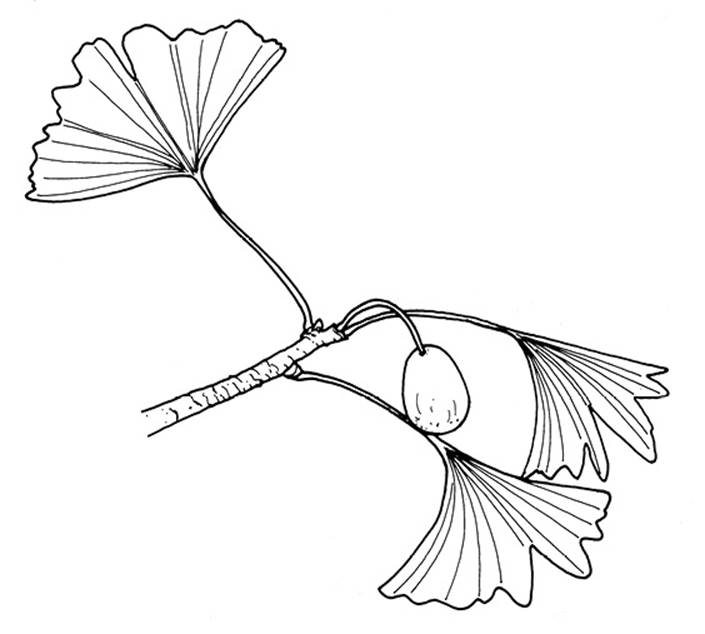
Ginkgo
Selecting the Herbs to Use
When selecting which herbs to include in the materia medica for longevity, I have chosen my favorites from many cultures, describing the great ones of the Orient, East India, and South America, while not ignoring those that are local, less expensive, and equally valuable. Although herbs from elsewhere on the globe certainly have their importance, it is wise not to ignore those herbs that grow in your own backyard. We have an affinity with the plants that grow close by. When we are seeking radiance and well-being, they are the plants that shine on us each day, inviting us to relish and enjoy life. Those plants that grow in my woods, down the lane, in the meadow, and in my garden have roots a little more entwined with mine. I know the “backyard” they grow in. I grow in it too.
A Materia Medica for Longevity and Well-Being
Following are brief profiles of some wonderful longevity herbs. Each herb has a remarkable personality and a long history behind it, and each has been used to promote well-being and longevity in various cultures throughout the world. Along with promoting well-being, each of these herbs has many other actions in the body and can be used for a variety of purposes. I’ve included a few of their other uses as well.
For a full study on each herb, reference them in any of the excellent books listed in Recommended Reading. As always, the difficulty was not in deciding which herbs to include in this section, but in choosing which herbs to leave out.
Ashwagandha(Withania somnifera)
Parts used: roots primarily, though the seeds, juice, and leaves are used as well
Benefits: An ancient Ayurvedic herb, ashwagandha is among the most widely used and respected herbs in India. It is often erroneously referred to as “Indian ginseng.” Though not related to Panax varieties of ginseng in any way, it does have similar adaptogenic properties and is a tonic for the nervous system when used over a period of time. It is both energizing and calming. As an adaptogenic herb, ashwagandha increases the body’s overall ability to deal with stress, anxiety, and depression. It promotes general well-being and enhances stamina, and it is very popular with athletes. Ashwagandha is also considered a sexual tonic and is used in many reproductive and aphrodisiac formulas for men, though it’s equally helpful for women. It is especially useful for sexual problems associated with nervous stress and debilitation and is often used by men in their elder years to increase sexual energy.
Recent scientific studies in India suggest that ashwagandha may help counteract immune suppression associated with chemotherapy and radiation therapy, as it seems to encourage stem cell growth, which increases white blood cell activity.
Suggested uses: Ashwagandha is indicated for reduced levels of energy, insomnia and sleep issues, general debilitation, reduced sexual energy, tension, stress, and anxiety. It is an especially nourishing and tonifying herb for the nervous system. The powdered root is typically mixed with warm milk, cinnamon, and honey and served as an evening drink to foster relaxation and deep, restful sleep.
Preparation tips: Ashwagandha has a rather unusual flavor but mixes well with warm, spicy herbs such as ginger and cinnamon. It’s nice added to a chai tea mixture. Try blending it with your favorite chai blend, or take in tincture or capsule form.
For a chai tea latte, mix 1 teaspoon of the powdered herb in one cup of warm milk (cow, rice, soy, or almond). Add a sprinkle of cinnamon and a teaspoon of honey for a quite delicious evening tonic.
Astragalus(Astragalus membranaceus)
Parts used: roots
Benefits: A wonderfully energizing and tonic herb, astragalus is one of the most outstanding herbs for building immune strength and energizing the entire body, particularly the spleen and lungs. It stimulates the rebuilding of the bone marrow reserve that supports and regenerates the body’s “protective shield” or immune system. It is used to both prevent and treat long-term infections, including chronic colds, recurring flus, candida, and Epstein-Barr syndrome. Astragalus promotes circulatory health and stimulates regular metabolism of dietary sugars. It is often used by people with diabetes.
There have been some promising studies on using astragalus with cancer patients undergoing radiation and/or chemotherapy. Though there doesn’t appear to be anything in astragalus that kills cancer cells directly, these studies have indicated that the herb strengthens the immune system’s ability to resist infection, thereby contributing to the overall well-being of the patient.
Astragalus and Energy
Astragalus is one of the most popular tonic herbs in China and is often called the “young people’s ginseng,” as it is specifically indicated as an energizer for younger people. It is described in Chinese medicine as affecting the “outer” energy, while ginseng affects the “inner” energy. It is one of the most important herbs used in Chinese Fu Zheng therapy, a type of herbalism that treats disease by enhancing the system and normalizing the “chi” or central energy of the body.
Suggested uses: Used for strengthening the immune system, astragalus also energizes the entire body and promotes circulatory health.
Preparation tips: Astragalus comes in many grades and qualities. The root is sliced and pressed and bears a remarkable resemblance to tongue depressors used by doctors. Look for long, wide, straight roots, generally whitish or cream-colored with a yellowish core. The root has a sweet flavor and blends well with other herbs. It can be made into tea, cooked in soups, or just chewed on.
Bilberry and Blueberry(Vaccinium myrtillus and Vaccinium augustifolium)
Parts used: leaves, berries
Benefits: Blueberry, found growing throughout the North American continent, and its kissing cousin, bilberry, grown in the United Kingdom and much of Europe, are related botanically and have very similar properties. They can be used interchangeably. There are more research studies on bilberry, because more plant research is generally done in Europe than in the United States. Both bilberry and blueberry have a high concentration of antioxidants and bioflavonoids, particularly a complex group known as anthocyanosides, which increase blood flow to the eyes and strengthen the tiny capillaries in and surrounding the eyes. They are also both used as preventives and curatives for eye problems.
Both the fruit and leaves of bilberry reduce excess sugar in the blood and have proven beneficial for diabetics. Bilberry can help regulate hyperglycemia if used over a period of several months. It is also a stimulating tonic for the urinary system and strengthens bladder and kidney function. As antiseptics and diuretics, bilberry and blueberry are used for their beneficial effects on urinary infections and are often combined with cranberry or uva ursi for this purpose. They can both be used for enhancing circulation, treating varicose veins and hemorrhoids, and rebuilding connective tissue.
Suggested uses: Bilberry can be purchased as a 0.25 percent standardized extract. Though I would suggest the whole-plant extract or tea for most purposes, for macular degeneration and diabetic retinopathy the standardized preparations would be indicated because of their concentration.
Blueberry is usually used as the fresh or whole berry, in extract form, and as a tincture or capsules. The leaves of blueberry are also considered medicinal.
Preparation tips: Though the leaves of bilberry can be used, the berries contain the highest concentration of antioxidants and anthocyanosides, the active flavonoid complex. For hundreds of years, Europeans have enjoyed bilberry jam and bilberry wine, both excellent ways to indulge in this plant’s medicine. Blueberry is enjoyed and used in these ways as well.
Burdock(Arctium lappa)
Parts used: roots, leaves
Benefits: This is truly a superior tonic herb and is used as both a preventive and a medicinal plant. Burdock is rich in iron, magnesium, manganese, silicon, and thiamine, as well as a host of other vitamins and minerals.
Cooling and alkalizing, burdock is used for stagnant conditions of the blood and is an excellent blood purifier or alterative. It promotes healthy kidney function and expels uric acid from the body, so it is helpful for gout and rheumatism. It is useful for all types of skin problems, including blemishes and dry, scaly conditions such as eczema and psoriasis, and as a tea for “hot spots” on animals.
A Popular Plant
Found in many parts of the world, burdock has a wide range of uses. In Japan, it is considered a premium vegetable and is often featured in good Japanese restaurants as gobo root. When it’s lightly steamed and sprinkled with toasted sesame seed oil, you’d hardly recognize it as the tenacious backyard weed that it is.
Suggested uses: Fresh, young burdock root is delicious steamed and sautéed as a vegetable. Burdock can be used like carrots in soups, stir-fries, and other dishes. It makes a nice tea, especially when combined with other more flavorful herbs. Burdock leaves are used in salves and skin preparations.
Preparation tips: Burdock tinctures well in an 80-proof alcohol solution, but don’t be alarmed by the thick white “milk” that may settle in the bottom of your tincture bottle. That is the inulin content of the burdock.
Chaste tree()Vitex agnus-castus
Parts used: berries
Benefits: Vitex has an excellent reputation as an endocrine gland tonic and is used to normalize the reproductive systems of both men and women. It neither suppresses nor increases libido. In normalizing and balancing hormone production, vitex will either stimulate or suppress sexual expression as necessary. Through its effect on the endocrine system, it restores and balances our stores of energy.
Suggested uses: Vitex has a stimulating effect on the pituitary gland, which regulates and normalizes hormone production in both men and women. Use it as a reproductive tonic, for balancing hormones, and for depression and anxiety associated with midlife crisis or middle age.
Preparation tips: Vitex can be prepared in wines, liqueurs, tinctures, and capsule form. It has a rather spicy flavor not always appropriate for tea. You could try it in Longevity Chai, in place of the peppercorns (see here).
Herbal History
Named agnus-castus (chaste) by the Greeks, vitex gained a reputation for calming sexual passions and was used by monks, priests, and nuns to subdue sexual desire, which is the source of its folk names “monks pepper” and “chaste berry.” By all accounts, it wasn’t very successful. A chaste berry syrup used for “repressing the desires of Venus” was available in France in the 1800s. But French herbalist Cazin disputed its common use and felt that it was, in fact, sexually stimulating.
Damiana(Turnera aphrodisiaca)
Parts used: leaves
Benefits: Though damiana has a long reputation as an herb of passion and romance, I include it in my list of favorite longevity herbs because it is completely restorative; it restores exhausted nerves, exhausted dreams, exhausted spirit. And it will help restore sexual vitality; its botanical name, aphrodisiaca, is a sure giveaway. Damiana has long been known to strengthen the reproductive systems of both men and women, though it is most often associated with the male reproductive system.
Its nervine and toning properties make it a good general herb for the nervous system, as well as a relaxant and antidepressant. Damiana is also a favorite herb to use for dream work. It stimulates and promotes one’s ability to remember dreams and often will promote colorful, though not always positive, dreamlike states.
Suggested uses: Use in cases of diminished sexual vitality, impotence, infertility, nervous exhaustion, anxiety and depression associated with sexual factors, and muscle and nerve exhaustion, and for dream therapy.
Preparation tips: Damiana is most often administered in tincture or capsule form. It is also very effective as tea but should be blended with other more tasty herbs such as oats and lemon balm because of its bitter flavor. It is also popular in long-life elixirs and sexuality tonics such as Chocolate Damiana Love Tonic!
Dandelion(Taraxacum officinale)
Parts used: leaves, roots, flowers
Benefits: This is, I’m convinced, one of the great tonic herbs of all times. The entire dandelion is a restorative and rejuvenating herb. The root is a prized digestive bitter and is used for all types of digestive problems. It is particularly stimulating to the liver, inducing the flow of bile and cleaning the hepatic system. Dandelion is considered one of the safest and most effective diuretics. It tones the kidneys and aids in proper water elimination while maintaining appropriate potassium levels. The jagged leaves are rich in a host of vitamins and minerals, including calcium, magnesium, iron, and vitamins A and C.
Suggested uses: Used specifically as a diuretic and blood cleanser, dandelion also makes an excellent restorative and tonic herb.
Preparation tips: Dandelion is both a food and a medicine. The young, tender roots can be added to stir-fries, soups, and casseroles. They are bitter, so don’t add more than a few. The leaves, also bitter, add a zesty flavor to salads and soups. Marinated in oil and vinegar, they are almost tamed of their bitterness.
Echinacea(Echinacea purpurea, E. pallida, and E. angustifolia)
Part used: entire plant
Benefits: It’s unusual to see echinacea listed as an herb for longevity, but because it’s such a powerful tonic for the immune system, to exclude it would seem an oversight. Echinacea was listed in the United States Pharmacopeia until 1950, but it had fallen out of favor in this country until it was rediscovered in the mid-1970s by a group of errant herbalists. It is an excellent infection-fighting agent and can be used internally and externally for cuts, wounds, colds, and flus. It is effective for chronic and acute illness and is used as a preventive as well as a curative. It can be used for children, the elderly, and everyone in between.
Herbal History
Echinacea is the most researched plant in the modern world. Though it is native to the North American continent and was used by the native people here for hundreds, if not thousands, of years, most of the recent research has been conducted in Germany. Commonly known as purple coneflower, echinacea is one of the greatest medicinal plants and probably the single most popular plant in the marketplace. Though there are nine species of echinacea native to North America, three species are commonly sold in natural foods stores. Echinacea is “at risk” in its native habitats. Use only cultivated sources (see United Plant Savers in Resources).
Suggested uses: Though relatively powerful and potently active, echinacea has no residual buildup or toxicity in the system and can be used over a period of time. However, its effectiveness will decrease if it is used continuously. Most herbalists agree it is best to use it in cycles, generally five days on, two days off, repeated until the infection or illness has corrected itself.
Caution: Of the three varieties, E. pallida and E. angustifolia are primarily harvested from the wild and are rapidly becoming scarce in their entire native range. Wildcrafted echinacea is currently discouraged because of the sensitivity of the plant in its native habitat. E. purpurea, however, not only is easy to propagate in a variety of habitats but also is an exceptionally handsome plant, gracing any garden setting.
Preparation tips: Most of the compounds in echinacea are water soluble. The roots are prepared as a decoction, while the aerial part of the plant is infused. The entire plant is made into an extract or tincture and is soluble in 80-proof alcohol. It is active in dried form and can be powdered and encapsulated or the powder added directly to food or drinks. Though fresh echinacea produces a tingling, numbing sensation, my favorite way to use it is to nibble on the young buds and leaves fresh from the garden throughout the growing season. Contrary to what many believe, the leaves and flowers are very potent and enhance immune functions, as does the root.
Ginkgo(Ginkgo biloba)
Parts used: leaves, fruits
Benefits: This herb is among those on the top of my list for longevity and well-being. In fact, I suggest it to everyone over 40, recommend it highly to everyone over 50, and prescribe it diligently for those over 60.
The active ingredients of ginkgo leaf improve circulation and vasodilatation. Though this action is evidenced throughout the entire body, it is most noted in the cerebral region. It is a promising remedy for age-related declines in brain function such as Alzheimer’s, strokes, and short- or long-term memory loss. Ginkgo is also an antioxidant and is useful against free radicals, substances that damage cellular health and accelerate aging.
While most of the literature written about ginkgo focuses on its great memory-enhancing qualities, some of its other outstanding features are overlooked. One of the best herbs for the circulatory system, it serves as a cardiac tonic by increasing the strength of the arterial walls. It also reduces inflammation in the blood vessels and helps prevent platelet aggregation and blood clotting that can lead to blocked arteries. It is one of the best herbs available for promoting blood flow and oxygenation throughout the entire body.
Suggested uses: Regular use of ginkgo improves mental stability and memory function and increases mental vitality. It is also an excellent herb for vertigo and is an effective remedy for tinnitus, or ringing in the ear. To be effective, ginkgo must be used with consistency for two to four months. Though the effects of ginkgo are not sudden or dramatic, if taken over a period of time there is a noticeable increase of memory and vitality.
Preparation tips: Some studies suggest that ginkgo doesn’t break down in water, but I have found it effective as a tea. Since the ancients used it primarily in a water base, I’m unsure where that conclusion comes from. It is also used in tincture and capsule forms. As a tea or tincture for memory it blends well with sage, rosemary, and gotu kola. For circulation and circulatory issues, blend it with hawthorn and lemon balm. For stress and anxiety, especially mental worry, blend it with oats and nettle. Ginkgo is often sold in tinctures and capsules too. Both are very effective when using good-quality products.
Contraindication: Ginkgo is not recommended for people who are on heart medication. Also, in susceptible individuals, it can stimulate excess bleeding. It is always recommended to discontinue use of ginkgo at least one week before and after surgery.
Herbal History
An herb for the elderly, ginkgo is the sole remaining survivor of a large family of plants that dates back several thousand years. In fact, there are fossil remains of ginkgo that date to the dinosaur era more than 200 million years ago. This is certainly a plant that can teach us about aging gracefully. An excellent brain food and memory enhancer, perhaps ginkgo works in part because it holds the memories of an entire species — indeed, an entire age — in the cellular makeup of its being.
Ginseng, American(Panax quinquefolius)
Parts used: roots
Benefits: This is one of my favorite woodland plants, though it’s difficult to find it in its native habitat these days. Connoisseurs of ginseng consider American ginseng the best variety in the world, and Asian practitioners often prefer it. Though used similarly to Asian ginseng, it differs in chemical makeup. While Asian ginseng is warming and builds energy and heat in the body, the quinquefoliusspecies is more neutral in its effects and tends to cool and soothe the system. It has the same tonic, adaptogenic effects as the Asian variety and has a long history as a restorative and building herb.
Suggested uses: Use for general debilitation, for mental clarity, and as an excellent adaptogenic herb to tone the entire system. American ginseng is a balancing tonic for the entire body. It helps restore energy if used over a period of time. Used for anemia and other blood weaknesses, it is also good for exhaustion and for sexual inadequacy, especially when due to exhaustion or stress.
Caution: Wild American ginseng is considered at risk in most of its native habitat. It is important to always verify where your roots are coming from. Use only organically cultivated or woods-grown ginseng (ginseng that has been planted and tended in woodland settings). It’s futile to try to become healthier using herbs that may be suffering themselves due to overharvesting and habitat destruction.
Preparation tips: Roots should be at least five or six years old, and the older the better. Prepare the same as described for Asian varieties, below. It has a wonderful bittersweet flavor and can be chewed.
Herbal History
Ginseng is considered among the best herbs for promoting vitality, long life, and radiant well-being. It has a long history of use and is considered a superior tonic herb in every country in which it grows. The name Panax is derived from the Greek pan (all) and akos (cure), meaning cure-all. It is used to benefit the spirit or mind as well as the physical body. There are several species of ginseng. All have overlapping properties, but distinct differences as well.
Ginseng, Asian(Panax species)
Parts used: roots
Benefits: Considered the “King of All Tonics,” Asian ginseng boasts one of the best reputations in the herbal kingdom. Much of what is touted about this root is true, but only if one uses good-quality mature roots. When used over a period of time, ginseng restores energy and is especially good for building sexual vitality. Though it’s most often associated with the male reproductive system, I’ve found ginseng to be equally good for women, especially women who need the “yang” (masculine) or grounding energy it’s famous for.
Asian ginseng is often sold as either “white” or “red” ginseng. Red ginseng is really white ginseng that has been slowly steamed, cured, and dried. The steaming process affects the ginsenosides, active ingredients of ginseng, and makes red ginseng more stimulating than its white counterpart. Red ginseng is frequently given to people who have low energy.
Suggested uses: Ginseng rejuvenates the entire system, regenerates frayed or overtaxed nerves, and discourages mood swings and depression. It restores sexual vitality and rebuilds and restores energy if used over a period of time.
Caution: Much of the Asian ginseng imported into this country and those Asian roots grown here are heavily sprayed with toxic substances. If the roots look large, overly plump, and whitish, I would be suspicious of the quality of the root. Buy only woods-grown or organically cultivated ginseng.
Preparation tips: Ginseng roots should be at least five or six years old, and the older the better. It has a fine, robust flavor and makes a nice beverage tea. It blends well with many other herbs. I especially enjoy it served with ginger and cinnamon in a chai-type blend. Many people enjoy chewing on the “seng root”; it has a pleasant, bittersweet flavor reminiscent of the bittersweet qualities of life. Sliced and soaked in honey, it makes a tasty treat.
Ginseng powder is also mixed with other tonic herbs and blended with honey and spices to make a delicious concoction that can be used directly in tea or spread on crackers (see here). I often throw a root of ginseng (sometimes whole, sometimes sliced like a carrot) into the soup pot for a nourishing tonic meal. Ginseng extracts and capsules are readily available, but because of its good flavor and ease of preparation, I suggest using it in powder form, cooking the roots in soups, and making tea with this granddaddy of all herbs.
Ginseng, Siberian(Eleutherococcus senticosus)
Parts used: roots, bark
Benefits: Siberian ginseng, also called eleuthero, has almost the same properties as its cousin, Panax varieties of ginseng. It’s a superior adaptogenic herb with an impressive range of health benefits. This is one of our best herbs for increasing endurance and stamina and for building and enhancing our resistance to stress factors, whether emotional, physical, or psychological. I prefer the use of eleuthero to Panax varieties, both because I find it works as well and because, unlike Asian and American varieties, it grows readily and in great abundance.
Suggested uses: Siberian ginseng increases energy. Use for suppressed sexual energy due to exhaustion and adrenal depletion. For best results, use over a period of time, from several weeks to a few months.
Preparation tips: The flavor of eleuthero is rather inconspicuous and blends well with other tonic and adaptogenic herbs in tea. I also use the powder frequently in foods. The roots are an important ingredient in wines and elixirs.
Goji (or wolfberry)(Lycium chinense)
Parts used: berries
Benefits: This is another of my favorite tonic herbs and has a solid reputation as a longevity herb. It is delicious and colorful and is said to brighten the spirits. In China it has gained a reputation as a longevity herb because it was among those herbs frequently used by long-lived sages. Li Ch’ing Yuen, who lived to be over 200 years old, was reported to enjoy the delicious lycium berries, which were an essential ingredient in his “long-life soup.” Goji berries are a specific tonic to the liver and are used as a blood tonic. They are also a circulatory aid.
Suggested uses: A famed longevity tonic formula is the combination of equal proportions of schizandra and goji berries. Drinking two to three cups daily over a couple of weeks is said to brighten the spirit and promote cheerfulness.
Preparation tips: The berries are quite tasty and can be eaten plain as snacks, added to cereals, and used in baking. I often use them in recipes that call for raisins because I enjoy the effects and flavor better. They add a nice touch of sweetness to tea. I also like to soak goji berries in fruit juice or wine for a delicious tonic drink.
Gotu kola(Hydrocotyle asiatica, Centella asiatica)
Parts used: leaves
Benefits: This is one of my favorite herbs for nourishing the brain; I use it frequently combined with ginkgo. It is especially recommended for memory loss. Considered one of the best nerve tonics, it has been used successfully in treatment programs for epilepsy, schizophrenic behavior, and Alzheimer’s disease. Gotu kola improves the body’s nonspecific response to disease and stress.
Gotu kola is also an excellent stimulating nervine and is superb in formulas for nervous stress and debility. It gently but firmly increases mental alertness and vitality.
Suggested uses: My favorite method for using gotu kola is as a tincture to strengthen memory function. It must be used consistently for at least four to six weeks before a difference is noticed. What should you expect? Don’t expect to wake up one morning feeling like Einstein. Rather, you may experience a subtle but noticeable increase in memory and a pleasant feeling of being more mentally alert.
Caution: Most of the gotu kola available commercially is of very poor quality. I recommend, if at all possible, growing this important herb or buying only organically grown gotu kola from reliable sources.
Preparation tips: This lovely, violet-like plant is native to tropical regions of the world. It grows easily in the warmer areas of the United States or can be grown in greenhouses for a fresh supply of the tasty little leaves. Gotu kola makes an excellent tea and can be served raw as a salad green.
Hawthorn(Crataegus species)
Parts used: leaves, flowers, berries, tips of branches
Benefits: Hawthorn may well be the herb supreme for the heart, and a healthy heart is essential to a long and productive life. The flowers, berries, tips of branches, and leaves nourish, strengthen, and tone the heart muscle and its blood vessels. Hawthorn dilates arteries and veins, allowing blood to flow more freely and releasing cardiovascular constrictions and blockages. As a tonic for the heart, it has the amazing ability to either gently stimulate or depress the heart’s activity as needed. Hawthorn is effective for arrhythmic or irregular heartbeat and for heart palpitations.
Because of its strong concentrations of bioflavonoids, hawthorn is an effective antioxidant and is used to fight free radicals in the system.
Though little is mentioned in the literature, hawthorn is also a wonderful remedy for “broken hearts” and for depression, grief, and anxiety. It is a specific medicine for those who have a difficult time expressing their feelings or who suppress their emotions. Hawthorn helps the heart to flower, to open and be healed.
Suggested uses: This is a tonic herb and should be used over a period of time to be effective. Use in the form of tea, tincture, jam or jelly, and extract. The general dose would be one teaspoon of the tincture three times daily, two capsules three times daily, or three to four cups of tea a day. Use hawthorn jam spread over crackers and toast to your heart’s delight. Hawthorn is a specific herb for any heart condition including angina, edema, and heart arrhythmia. It can be used for high and low blood pressure and for heart palpitations.
Preparation tips: In Europe, where it’s a revered and common medicine, it is prepared as jam, jelly, or syrup. Hawthorn berry jam is delicious and readily available in grocery stores as well as pharmacies. Hawthorn berries also make a delicious tea and are often combined with lemon balm and oats for hypertension. Another treatment for high blood pressure is a tea made of hawthorn leaves, berries, or flowers with yarrow and motherwort. The berries, leaves, and flowers are excellent combined with ginkgo leaves as a vascular tonic.
Hawthorn is also effective in capsules, though it’s so good tasting I would suggest other more tasty herbal preparations when using it. It also makes a good tincture, but again the flavor can be utilized to make elixir and liqueur blends that are exquisite tasting and yet contain all of the nourishing benefits of the plant.
Hawthorn and Heart Medication
I have found hawthorn perfectly safe to use with heart medication, but if you decide to do so, consult with a holistic health care provider or a doctor. Be sure your doctor is knowledgeable about herbs so she will be able to advise you wisely and informatively about their use, or consult with a practitioner knowledgeable about both conventional (allopathic) medicine and alternative or complementary systems of healing.
Holy basil(Ocimum sanctum)
Parts used: aerial part of the plant, including leaves and flowers
Benefits: According to Indian texts, Lakshmi, wife of the life-preserving god Vishnu, revered holy basil. Commonly referred to as tulsi, meaning “unmatched,” holy basil is considered matchless for reducing stress, increasing energy and vitality, and promoting longevity. Practitioners frequently prescribe this herb for age-related conditions, including cardiovascular problems, hypertension, and diabetes. A cousin to sweet basil, holy basil is easy to grow in your garden or on a sunny windowsill, and as an added bonus, it repels flies and other insects.
Holy basil and sweet basil share medicinal qualities and are often classified together, but they have different properties as well. Holy basil is an excellent adaptogenic tonic herb that helps restore vitality and vigor. Sweet basil may as well, but it is more specific for imbalances and illnesses. There’s no problem using one in place of the other, but as you use them you’ll discover differences. I might choose sweet basil for headaches and digestive disturbances and holy basil in my tonic and adaptogen formulas for restoring vitality and renewing energy.
Suggested Uses: Holy basil is probably the most widely used and highly regarded herb in India, with more than 3,000 years of recorded medicinal use. In Ayurvedic medicine, India’s widely practiced healing system, holy basil is classified as a rasayana, an herb that nourishes a person’s growth to perfect health and promotes long life. The daily use of this herb is believed to help maintain the balance of chakras (energy centers) in the body and bring out the goodness, virtue, and joy in humans. Bring on the herb!
Preparation: Holy basil can be used either fresh or dried. It makes a delicious invigorating tea on its own or blended with peppermint and lemon balm; natural-foods stores carry several blends. As a supplement, the recommended dosage is two capsules two to three times daily, or one-half to one dropperful of tincture three times daily. Both holy basil and sweet basil make delicious herb pastes, pestos, and herbal vinegars.
Ho shou wu or fo-ti(Polygonum multiflorum)
Parts used: roots
Benefits: Of all of the Chinese tonic and longevity herbs, this one is among the most renowned and one of my personal favorites. It is said to restore vitality and purportedly will restore original color to hair that has faded or turned silver, though I’ve yet to see this. This is one of the herbs that has been used for hundreds of years by literally millions of people to increase vitality and inner strength.
As with many of the longevity herbs, fo-ti or ho shou wu has a solid reputation for enhancing sexual energy, increasing sperm count in men, and strengthening fertility cycles in women. It is specific for cleansing the liver and strengthens kidney “chi,” or energy. Though a great tonic and energizer, it is relaxing and is useful during times of stress and anxiety. Modern studies have shown fo-ti to contain resveratrol and lecithin, two compounds that have a beneficial effect on cholesterol levels and enhance circulatory function.
Suggested uses: Fo-ti is often combined with other tonic herbs and is found in hundreds of longevity formulas. It was one of master herbalist Li Ch’ing Yuen’s favorite herbs; he is said to have consumed it daily, mixed with ginseng, goji berries, and other famous tonic herbs. Alone or combined with other longevity herbs, fo-ti is best when consumed on a regular basis.
Preparation tips: Fo-ti is excellent combined with ginseng, goji, and/or astragalus. I also find its tonic properties go well with burdock root. It can be used in tea or as capsules. I mix powdered fo-ti and other powdered herbs, such as ginseng, licorice, cinnamon, and cardamom, into a paste with honey. I eat the mixture daily on toast, crackers, or sometimes right from the spoon. Quite tasty!
Kava-kava(Piper methysticum)
Parts used: roots
Benefits: Kava is native to the warm tropical regions of the world and is found in Polynesia, Melanesia, and Micronesia. Though revered for hundreds of years in its native culture as a medicine and ceremonial herb, kava has only recently become popular in the West. But in a few short years, it has climbed to the top of the chart in popularity. Kava is a wonderfully relaxing herb that eases tension and stress and seems to relax the body while opening the mind. An old saying goes, “Where kava is, the heart opens and there is only love.” Kava was used traditionally to soothe arguments and bring peace between individuals and communities. (I think we need to serve it in the White House!)
Suggested uses: Known for its relaxing properties, kava is used to reduce tension, anxiety, and stress. It also has analgesic, or pain-relieving, properties. Kava is great to take before flying or traveling for those who have a fear of flying or driving. I generally take a few drops of kava tincture before public speaking, as it relaxes my body and “brightens my mind.” Kava is an excellent tonic for people who get anxious and worried. Rather than block neurotransmitters, kava contains kavalactones, active chemical constituents that relax muscles and tone nerve endings.
Caution: Kava is considered a sacred herb in the cultures where it’s found growing natively and was used primarily in feasts and celebrations. When overused or abused, i.e., drinking it to the point of intoxication, kava can cause nausea and muscle weakness and induce unconsciousness. It is not recommended to drive after drinking a lot of kava as it can simulate drunk driving. However, using kava in responsible amounts as a medicine and tonic is safe and nontoxic. Some studies report that kava can be toxic to the liver and cause skin disorders, but again, that is only when used in large amounts over long periods of time. Be respectful of the power of this herb. Used judiciously, it is a wonderful relaxant and stress reliever.
Preparation tips: Kava is available as tincture, extract, and capsules. The tincture is a quick, effective, and handy form to use. It is helpful in times of stress when you need a quick relaxant, something that helps put the world in perspective. Capsules are effective for long-term stress and anxiety. Kava has a unique flavor that may take getting used to. Don’t be alarmed the first time you try it; it will numb the tongue and create tingling sensations throughout the mouth. These are temporary and are caused by the kavalactones. I often prepare and serve kava chai at conferences and classes as a way of opening the heart and relaxing the body.
To make the chai, mix kava with cinnamon, ginger, and a small amount of cardamom. Other tonic nervine herbs such as Siberian ginseng can be added. For each quart of tea, add one cup coconut milk. Simmer over low heat for one to two hours. Let the mixture sit overnight or several hours; strain out the herbs and discard. Add honey to taste. Serve hot or cold. This is a great “punch” to serve at family get-togethers; it definitely seems to elevate the spirits and brighten the mood.
Licorice(Glycyrrhiza glabra)
Parts used: roots
Benefits: This sweet root is an outstanding tonic herb for the endocrine system and is a specific for the adrenal exhaustion so prevalent in mid- and late life. What is often classified as midlife crisis may be more closely associated with adrenal exhaustion than an age-related disorder. Licorice is also highly regarded as a remedy for the respiratory system and is used as a soothing demulcent and anti-inflammatory remedy for respiratory problems. It’s a longtime favorite for coughs, sore throats, and bronchial inflammation. It also has powerful antiviral properties and is used for viral infections and outbreaks such as herpes and shingles.
Suggested uses: Because of its extremely sweet flavor, licorice is best used with other herbs. For adrenal exhaustion, tiredness, and fatigue, drink two to three cups of licorice tea a day blended with other longevity herbs such as astragalus, sarsaparilla, burdock root, and dandelion. Licorice is often made into cough syrups for sore throats, mixed with pleurisy root and elecampane for deep-seated bronchial inflammation, and combined with marsh mallow root for digestive inflammation and ulcers.
Herbal History
Chinese licorice (Glycyrrhiza uralensis), a close relative of Glycyrrhiza glabra, is considered one of the most important herbs in Chinese herbal medicine. It is known as the “Grandfather of Chinese Herbs” and the “Great Adjunct” because it is used in so many different formulas to blend and harmonize the other herbs. It is a superior longevity herb and is used to restore and revitalize the entire system. Chinese licorice, when used over a prolonged period of time, is said to promote long life and produce radiant well-being.
Caution: Although there are many warnings against using licorice, it must be remembered that licorice is one of the most widely prescribed herbs in the world and there are very few cases of toxicity reported due to its use. It’s particularly beneficial for those who suffer debilitating and wasting diseases. However, licorice is not recommended for individuals who have high blood pressure due to water retention. People who are on heart medication should also use licorice in only moderate amounts. Check with your holistic health care provider before using licorice if you’re on heart medication.
Preparation tips: Licorice can be used in tinctures and capsules, and it is often blended in teas and cough syrups to help flavor them. Because of its mucilaginous consistency, it can be used in formulas to soothe unpleasant symptoms caused by the action of harsher herbs without interfering with their beneficial qualities. I use licorice powder to flavor other herbal powders and then roll them into tasty little pills and balls.
Milk thistle(Silybum marianum)
Parts used: seeds primarily; wild-food enthusiasts enjoy the leaves as food
Benefits: Milk thistle seed is a powerful antioxidant. It helps fight the damaging effects of free radicals, decreasing or eliminating many age-related diseases. It stimulates basic liver function and rebuilds liver cells that have been damaged by illness, rich food, hepatitis, or alcohol consumption. Though an amazingly powerful herb, milk thistle seed is nontoxic and can be used effectively both as a therapeutic agent and a preventive tonic herb.
The seeds are rich in a substance called silymarin, which stimulates the liver cells to regenerate through a process known as protein synthesis. Milk thistle seed has remarkable abilities to protect the liver against damaging chemicals. It is the only known substance to provide any relief from poisoning by death cap mushroom, the most virulent liver toxin known.
Suggested uses: Since the liver is essential to overall health and is directly involved in the homeostasis process of every part of the body, milk thistle seed, with its remarkable ability to cleanse and protect the liver, is a vital tonic herb.
Preparation tips: I’ve found the most effective method to extract the active ingredients from the hard seeds of the milk thistle is to grind them in a coffee mill or smash them with a hammer. The resulting powder is tasty and can be made into a tea, added to cereal and soups, or encapsulated. When tincturing milk thistle seed, grind the seed with some of the alcohol in a blender. This will better enable all of the healing properties of the seed to be rendered into the alcohol and start the tincturing process more quickly.
Herbal History
“My opinion is that this is the best remedy that grows, against all melancholy diseases,” John Gerard wrote of milk thistle in the 16th century. At that time, melancholy referred to diseases of the liver. In the 17th century, famed herbalist/astrologer Nicholas Culpepper decreed milk thistle good for “removing obstructions of the liver and gallbladder.” German scientists, taking a lead from these and other early uses of the plant, began researching milk thistle in the 1970s and discovered that it contained one of the most valuable chemicals for damaged liver tissue.
Nettle(Urtica dioica)
Parts used: leaves, seeds, roots
Benefits: This is the stinging nettle that farmers despise, hikers hate, and children learn to deplore. But I am convinced it is one of the superior tonic herbs and is as important as many of the famous Chinese “long life” herbs. It is a vitamin factory, rich in iron, calcium, potassium, silicon, magnesium, manganese, zinc, and chromium, as well as a host of other vitamins and minerals. It activates metabolism by strengthening and toning the entire system. It is a wonderful endocrine system tonic and is used to strengthen the reproductive system. It’s a superb herb for the genitourinary system and will strengthen weak kidneys, essential for vitality and energy. It is indicated for liver problems and is excellent for allergies and hay fever. All this and it tastes good too.
Suggested uses: Nettle is a superior alterative and is used in tea, tincture, and capsule form for any liver disorder. For the nervous system, it combines well as a tea with lemon balm, oats, and chamomile. Freeze-dried capsules are one of the best ways to use nettle for allergies and hay fever. For urinary health, drink several cups of nettle tea combined with dandelion greens. This combination is especially useful for edema. Nettle is most often served as tea, but it’s delicious steamed and served as a green. You must make sure that the nettle has been thoroughly cooked or you’re likely to get pricked while eating it.
Combine nettle with oat tops and raspberry leaf for reduced energy and sexual dysfunction. For liver disorders and congestion, mix with burdock root. For urinary disorders or water retention, combine with dandelion greens. When combined with saw palmetto and made into a tincture, it is excellent for decreasing prostate enlargement.
Preparation tips: The tips of the nettle plant in early spring and summer are superior, though I’ve eaten them throughout the season. If you have a good stand of nettles nearby, it is good practice to trim them constantly throughout the season. They will keep producing those tasty tops until fall. The seeds are collected in the fall and provide a wonderful energy lift. The roots traditionally have been steamed and eaten, though most people ignore them in favor of the tender tops.
Oats(Avena sativa [cultivated] and A. fatua [wild])
Parts used: green milky tops, seeds, stalks
Benefits: Oats, another of our common weed and farm herbs, has been long overlooked as the superior tonic herb it is. There are few finer tonics for the nervous system and heart. Anyone who is overworked and stressed, with frayed nerves or irritated and inflamed nerve endings, should include oats as part of a daily health program. Because oats are so restorative and nourishing, they are one of the principal herbal aids used for convalescing after a long illness. They help soothe irritation from nicotine and other chemical withdrawals and increase stamina. Oats are frequently used for low energy, nervous system disorders, depression and anxiety, low vitality, irritability, and urinary incontinence.
Suggested uses: Though the stalks are rich in silica and calcium, it is the fruits or seeds that are primarily used for nerve disorders. The fruits contain several active alkaloids, starch, and B vitamins. I recommend using the stalks and fruits together. They are at their best for harvesting when they are a green-gold, not fully ripe. Most of what is commercially available are the yellow stalks. Though they may be good for mulching the garden, they are not as good for medicinal tea.
Preparation tips: We’re used to thinking of oats in the classic form of oatmeal. But to herbalists, oatmeal is for breakfast, while the milky green tops of the oats are for tea. The tops are exceptionally rich in silica, calcium, and chromium and are one of the richest terrestrial sources of magnesium. The stalks of oats, though not as rich in minerals as the milky green tops, are also medicinal. I’ve found they combine well with the upper part of the plant.
Oats make a delicious nutritive tea and can be combined with lemon balm and passionflower for a good nervine. Blend oats with valerian for a good sleep aid; combine oats with digestive bitters for any liver or digestive upset. Oatmeal is often included as a healing agent in diets for people with poor digestion or inflammation of the intestines, or who are weak and debilitated and can’t hold food in. And, finally, oats (both the meal and the unripened milky tops) make one of the most soothing herbal baths for nervous stress and irritated, itchy skin. Try adding several drops of lavender oil for an especially relaxing experience.
Herb Tip
Harvesting oats is a wonderfully relaxing pastime. Wild oats grow throughout most of the country. Do not harvest near roadways because of pollutants, but find a deserted or abandoned field in late summer when the tall, golden-green grasses are waving in the wind. (It is always advisable to get permission from the landowners before harvesting!) Oats are ready to harvest when the oat tops are still green, or are just beginning to turn golden. Squeeze a kernel. If a little bit of “milk” shoots out, the oats are ready for harvest. Collect the stalks by the handful and cut at the base. Tie into bundles and dry away from direct sunlight.
Reishi(Ganoderma lucidum and G. applanatum)
Part used: mushroom head
Benefits: Reishi is known as the “mushroom of immortality” in Japan and considered one of the most valuable longevity tonics in Chinese medicine. The oldest known record on reishi describes its beneficial effects on the heart, memory, and overall health and well-being. Reishi is considered the medicine for vital energy and overall health and well-being. A warming tonic, it nourishes and tones the system, while removing toxins.
Suggested uses: Reishi is used in cancer therapies and to help restore depleted energy and vitality. Today it is used to help treat many age-related disorders, including coronary heart disease, high cholesterol, arthritis, immune disorders, and cancers, along with increasing (enhancing) energy and overall good health. Christopher Hobbs, well-known herbalist and expert on mushrooms, states that reishi “is especially suitable as a calming herb for people with anxiety, sleeplessness, or nervous energy accompanied by adrenal deficiency.”
Preparation tips: Reishi is tough and fibrous, so it is best cooked in soups or used in powdered or extract form. As a powder, it can be encapsulated or mixed with foods. It’s great in herbal pastes and mixed with nut butters, honey, and other powdered herbs to make tasty adaptogenic candy balls (see Longevity Balls recipe variation). The recommended dosage is two capsules two to three times daily, or one-half to one dropperful of tincture three times daily.
Rhodiola(Rhodiola rosea)
Parts used: roots
Benefits: This amazing adaptogenic herb thrives in the cold northern regions of the world. Native to Siberia, northern Canada, Scandinavia, Tibet, and other northern regions, rhodiola has a long history of use as an adaptogenic and tonic herb. Though it’s a small succulent that actually looks quite delicate, it is able to survive the toughest weather and imparts its tenacity and its ability to “hold fast” to those who use it. Early uses go back to the Vikings, who used it to enhance physical endurance as well as mental clarity. Siberians used it to enhance immunity and prevent illness; Tibetans used it to increase circulation and energy; and the Chinese would go to great lengths to procure it, using it to extend life span and enhance sexuality. Modern-day research seems to validate what our ancestors knew: Over 180 scientific studies on rhodiola have been conducted, and most confirm the adaptogenic and energy-enhancing properties of this remarkable little plant.
Though rhodiola has a long history of use in many other cultures, it was only introduced into North America and Western herbalism in the past two decades. But once introduced, it rapidly became popular, and many herbalists, including myself, consider it one of the best energizing and adaptogenic tonics for the endocrine and nervous systems. Most of the rhodiola imported into the United States is cultivated in Russia and Mongolia, but it does grow well in the northern regions of the United States. My hope is that we’ll soon see native-grown rhodiola on the market.
Suggested uses: Rhodiola is one of the best herbs for depletion, lack of energy, and depression. Mix it with other adaptogenic and tonic herbs to help rebuild and replenish the nervous system. It can be useful when cutting back on coffee or during withdrawal from other addictive substances. Rhodiola helps rebuild and restore a depleted immune system, so it is helpful after long-term illness or during recovery from trauma. It is excellent for altitude sickness, especially when combined with reishi mushroom. In their excellent book Adaptogens: Herbs for Strength, Stamina, and Stress Relief, David Winston and Stephen Maimes mention using rhodiola for hyperactivity and attention deficit disorders. They also mention its use for head injuries. My friend and fellow herbalist, Pam Montgomery, shared with me how rhodiola was the only thing that helped her with the insomnia she was experiencing as a result of menopause. I have since recommended it to several menopausal women, all with similar positive results. I’ve found it to be helpful for people suffering from Lyme disease, providing energy and stamina without depleting the system. It’s an amazing herb and is rapidly becoming one of my favorite adaptogens, especially since I can grow it in Vermont!
Preparation tips: Though the flavor of rhodiola is fine, it is very astringent and drying. To be made palatable, the herb is best mixed with other herbs as a tea. I often blend it with licorice root, Siberian ginseng (eleuthero), ginger, and cinnamon to make a tasty chai-like tea. Rhodiola is commonly used in tincture and capsules. Start with a lower dose, 100 to 200 milligrams, and increase if needed. When you first start taking rhodiola, it’s best to take it before noon, to be sure it doesn’t keep you awake at night. It doesn’t contain caffeine but can be stimulating. I also purchase rhodiola in powder form and mix with it other adaptogenic herbs to make delicious adaptogenic candy balls (see Zoom Balls recipe).
Saw palmetto(Serenoa serrulata, S. repens)
Parts used: berries
Benefits: Though long used by the native people of the subtropical coast of North America, saw palmetto’s popularity has risen rapidly in recent years, and understandably so. It is simply the best remedy for inflammation of the prostate gland and its associated symptoms (such as dribbling urine, painful urination, the need to urinate several times during the night, and incomplete urination). It’s tonic in action and serves as an effective diuretic and relaxant. It is one of the few Western herbs that is anabolic, that is, it encourages weight gain and bulk by strengthening and building body tissue. Its fatty anabolic fruit is strengthening to those individuals who are continuously nervous and stressed and who lack energy and vitality. Though it’s primarily used by men, it does have estrogenic action and is used by some women to gain weight and to increase breast size (though I’m still waiting to hear any actual reports on this). As a tonic herb, it can be taken on a regular basis to strengthen the urinary system and the endocrine system, and to prevent future problems with the prostate gland. Why wait?
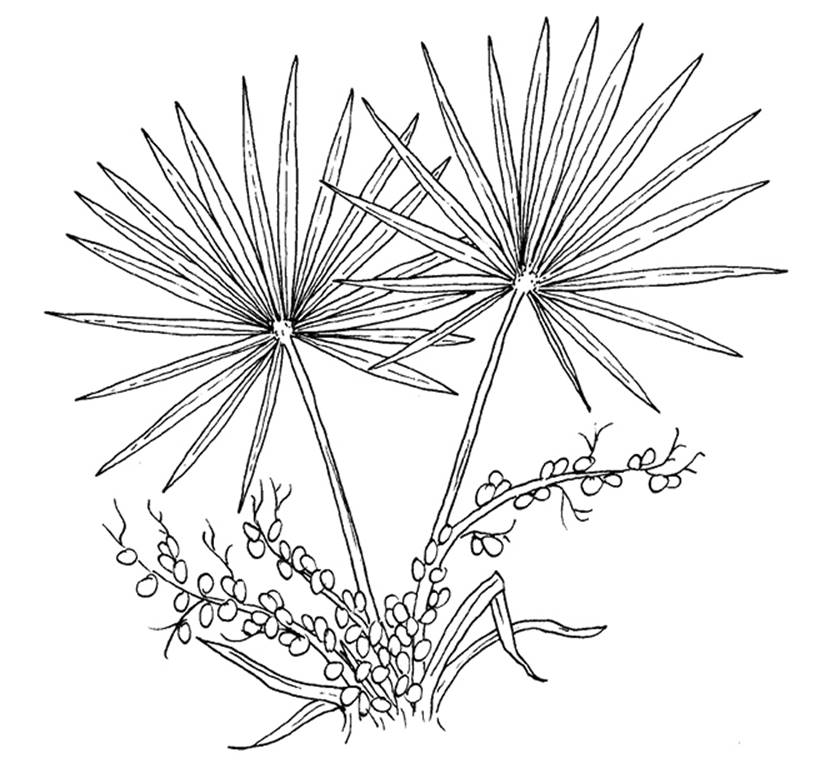
Saw palmetto
Suggested uses: Saw palmetto is usually available as a tincture, in which the fatty acids are well suspended. It can be used in capsules as well, but they should be fresh and of good quality because of the high fat content of saw palmetto.
Preparation tips: It is difficult to conceive of the taste of this herb until you’ve tried it. It has a fatty, pungent flavor that is hard to get down and hard to disguise. I don’t know of anyone who drinks it in tea; it is best used in capsules or as a tincture.
Schizandra(Schisandra chinensis)
Parts used: berries
Benefits: Schizandra is classified as an adaptogenic herb, raising the body’s ability to resist all kinds of stress and disease. Schizandra is often associated with the sexual organs, as it’s known to increase the staying power of men and to revitalize women’s sexual experience. When taken over a period of three to four weeks, it’s said to give a warm, tingling feeling to the vagina. I tried this and can attest to its effectiveness! People have used schizandra to increase endurance and stamina for hundreds of years.
Though most schizandra comes from China, it is possible to grow Schisandra chinensis in the United States. It is a lovely vine-like plant and grows best in a temperate climate.
Suggested uses: Mixed with vitex, schizandra berries are a superior reproductive tonic, energizing and warming to the entire genital area. Mixed with ginseng, they increase stamina and endurance and are often used by athletes and hikers.
Preparation tips: Schizandra berries have a unique flavor; people either love them or not. They can be soaked in fruit juice or wine for a tonic drink or cooked in honey until soft and jam-like. In tea they add a sour lemon-like flavor that is not at all unpleasant. For a more concentrated preparation, schizandra tinctures well in 80-proof alcohol.
Herbal History
Called wu wei tso or “the five-flavored plant” in Chinese medicine, Schizandra definitely has five distinct flavors: sweet, salty, sour, pungent, and bitter. Each flavor follows the preceding one until the palate is engulfed in the entire taste sensation. It is said that each flavor activates and balances a different organ system; because of this schizandra is known as a superior tonic herb. It has enjoyed a great reputation in China and was used at one time primarily by wealthy upper-middle-class women as a preserver of youth and beauty, and as a powerful sexual tonic.