
Michael A. Turturro and Paul M. Paris
Pain is typically defined as an unpleasant sensory and emotional phenomenon associated with actual or potential tissue damage. Chronic pain is defined as a sustained painful experience that in most cases persists beyond the time in which tissue damage occurs. Although acute pain typically has a rapid onset coinciding with tissue damage, it typically resolves as tissue heals. It serves as a biologic warning of potential illness or injury, prompting the individual to protect the painful area and seek medical attention. Although distressing and anxiety provoking, it usually can be treated effectively with proper selection and use of analgesic drugs.
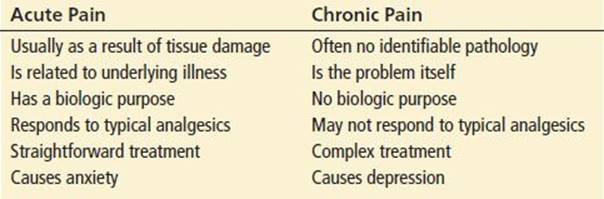
Chronic pain differs from acute pain in many respects (Table 16.1). In chronic pain, the symptom of pain itself often becomes more of a problem than its underlying cause, altering the patient’s well-being and frequently causing both disability and depression. It has been estimated that about 30% of the US population suffers from chronic pain, and the loss of productive time as a result costs more than $60 billion a year (25); additional expenditures are also incurred from health care and litigation related to chronic pain syndromes. The treatment of chronic pain is complex and difficult. Success in treating chronic pain typically requires a multidisciplinary team approach, using various regimens of pharmacotherapy, physical therapy, and behavioral therapy to both reduce pain and restore function.
TABLE 16.1
Differences Between Acute and Chronic Pain
CLINICAL PRESENTATION
Patients with chronic pain syndromes are commonly encountered in the emergency department (ED) and often present a management challenge for the emergency physician. Some present with vague signs and symptoms and often are not definitively diagnosed on the first encounter. Treatment is typically complex, requiring several regimens of varying effectiveness. Many patients have other psychological disturbances and a protracted course of exacerbations and remissions, with failures of various therapies. They may be demanding and frustrating for the clinician, because their conditions are not easily managed. Patients may feel uncomfortable with a physician who has not been their regular caretaker. The presentation of patients requesting controlled substances for illicit means may overlap with the presentation of chronic pain exacerbations. As a result, malingering or drug-seeking behavior may inappropriately be suspected in patients with chronic pain syndromes.
In each patient with chronic pain, the development of progressive or new pathology must be considered, and the physician should not simply assume that a patient’s chronic pain exacerbation is nothing more than a worsening of an already existing disease process. For example, in a patient with increasing chronic low back pain, one must consider the possibility of new spinal cord pathology. Simply providing analgesics without consideration of acute pathology may result in missing serious disease.
Chronic pain syndromes typically fall into one of the categories listed in Table 16.2.
TABLE 16.2
Categories of Chronic Pain Syndromes
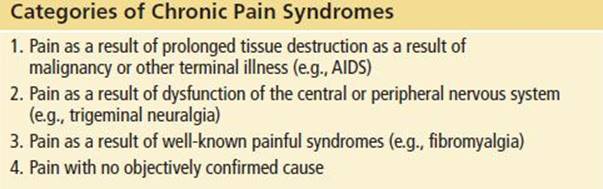
Although patients with pain as a result of prolonged tissue destruction can be treated successfully with appropriately titrated analgesics in the ED, patients in the remaining categories should also be referred to a chronic pain management center whenever feasible, to facilitate the management of the chronic pain syndrome in a multidisciplinary manner.
Communication between the emergency and pain service physicians fosters a team approach to the management of chronic pain exacerbations. For example, a pain contract and/or specific patient care plan may be developed between the patient, the pain service, the primary care physician, and the ED regarding when the patient will be expected to present to the ED for a pain exacerbation, the analgesic that will be used after appropriate evaluation, and the quantity of analgesics to be prescribed on discharge.
Although chronic pain as a result of any cause may be exacerbated by psychological factors, the pathophysiology of chronic pain without obvious tissue pathology is still being elucidated. Prolonged noxious sensory input from the periphery may result in self-sustaining central neural activity, possibly by reducing inhibitory input into the central nervous system (CNS) and producing changes in neurontransmission at spinal neuron synapses (27). Activation of N-methyl-D-aspartate (NMDA) receptors appears to be central to this process. This phenomenon, known as “windup,” essentially produces a memory effect for pain perception in the CNS. These effects persist despite the lack of ongoing tissue injury. As a result, patients become increasingly more sensitive to painful stimuli.
Chronic pain commonly causes the patient to lose a sense of control over his or her environment. Allowing patients to become passively dependent on health care practitioners and medical therapy only feeds this vicious cycle of illness and the helpless victim.
Drug Abuse and Addiction
Drug abuse and addiction are unfortunate yet common problems in our society, and approximately 8% of all adult patients are actively abusing illicit drugs. Unintentional prescription opioid analgesic deaths increased more than 500% between 1999 and 2010, continues to rise, and is now higher than deaths from cocaine and heroin use combined, as well as higher than annual deaths from vehicular trauma (13). Drug abusers (whether or not they suffer from chronic pain) tend to patronize EDs on a frequent basis to obtain opioid analgesics. Because of this, ED staff members may develop a bias against many chronic pain patients. Because it may be difficult to differentiate patients with exacerbations of chronic pain from patients who are seeking drugs for abuse and there are no validated tools to help the clinician distinguish abuse from undertreated pain, many patients with real exacerbations of chronic pain are consequently labeled as drug abusers.
It is important to distinguish between opioid dependence, tolerance, and addiction. Dependence refers to the physical phenomenon in which sudden withdrawal of the drug results in a drug-specific withdrawal syndrome. This occurs in patients chronically using opioid analgesics, whether for legitimate or illicit purposes. Tolerance refers to the physical phenomenon of a decrease in drug effect at a specific dose over time, requiring increasing doses to produce the desired effect, whether it is analgesia or euphoria. Tolerance often occurs as a result of downregulation or desensitization of opioid receptors, resulting in a physiologic resistance to opioid therapy (2). Additional physiologic changes may occur at the cellular level with chronic opioid therapy, which may result in abnormally increased sensitivity to painful stimuli.
Dependence and tolerance must be distinguished from addiction, which is the psychobiologic state of compulsive use despite signs of toxicity, preoccupation with obtaining and using a substance, and inability to function as a result of compulsive use. With legitimate prolonged use of opioid analgesics for chronic pain, dependence and tolerance do occur; however, addiction is uncommon. Conversely, when pain medication is withheld from patients with chronic pain, such patients may learn pain avoidance or maladaptive behaviors to obtain opioids. These drug-seeking behaviors do not imply addiction but inappropriate techniques used by patients to satisfy a physiologic need state. This phenomenon is often referred to as pseudoaddiction. Underdosing and giving pain medication on an as-needed basis for sustained pain (rather than around-the-clock dosing) contribute to this phenomenon, as the patient learns to express both exaggeration of symptoms and maladaptive behavior to obtain the reward of receiving pain medication.
Drug abusers may have a history of medical noncompliance, discharge from pain services, polysubstance abuse, multiple visits for treatment of various nonspecific painful conditions, an unusual reluctance to try new therapies, or a report that their primary physician is unreachable. They may have a history of selling prescription drugs (diversion), forging prescriptions, using aliases, or injecting oral preparations. The use of a state prescription monitoring program may help identify patients who exhibit these behaviors (4). Because it is not appropriate and is unethical to withhold analgesics from patients experiencing pain unless the emergency physician has clear objective evidence that the patient is a drug abuser, the patient’s pain should be treated. Guidelines limiting the prescribing of opioid analgesics from the ED, while well intentioned and designed to reduce the harm of inappropriate opioid use, have the unintended consequence of potential undertreatment of patients with exacerbations of painful conditions, some of whom have limited access to care outside of the ED. Sometimes, a known substance abuser may present with an acutely painful condition. In these cases, pain should be adequately relieved in the ED, and judicious amounts of analgesics to be taken at regular intervals should be given on discharge. The use of opioid agonist–antagonists may be useful in these patients, as they are less likely to cause euphoria. However, they should not be given to a patient physically dependent on opioids, as they may precipitate withdrawal.
ED MANAGEMENT
Although many of the concepts that apply to acute pain management (see Chapter 15) also apply to patients with chronic pain, the endpoint of marked relief may not be attainable. Exacerbations of chronic pain (breakthrough pain) are often a result of a combination of both physical and psychological factors, and the primary goal in the ED is to reduce pain to the point where the patient becomes functional, with pain service referral when appropriate. In additon, certain pain syndromes (e.g., neuropathic pain) may not be effectively treated by the usual doses of typical analgesic agents. Therefore, an understanding of both the physical and psychological pathophysiologies associated with these disorders will ensure optimal treatment.
The treatment of chronic pain includes the use of many modalities (Tables 16.3–16.5). Nonsteroidal anti-inflammatory drugs (NSAIDs) and acetaminophen are often employed early in the patient’s course; however, many patients are unable to be adequately controlled with these agents alone.
TABLE 16.3
Therapies for Chronic Pain

TABLE 16.4
Opioid Pharmacotherapy for Chronic Pain
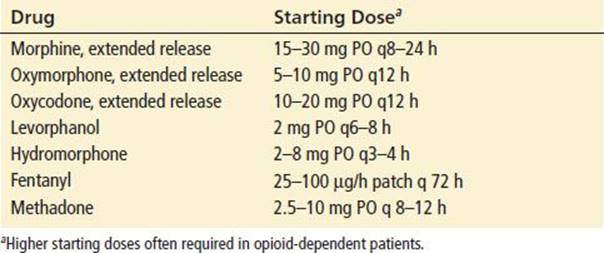
TABLE 16.5
Nonopioid Pharmacotherapy for Chronic Pain

Opioid analgesics are the most useful drugs in treating exacerbations of chronic pain. The agents used are discussed in the chapter on acute pain (see Chapter 15), but longer-acting preparations such as those listed in Table 16.4may be more appropriate for the treatment of chronic pain. These agents also avoid the risk of aspirin or acetaminophen toxicity from the nonnarcotic component of combination products, which may occur when doses sufficient to provide adequate amounts of the opioid component are taken. The use of extended release preparations of oxycodone and oxymorphone has gained considerable attention as a result of its potential for abuse. In the ED, they should typically be reserved for patients with pain as a result of an advanced terminal illness such as malignancy, as alternatives can be successfully used in other patients.
Pain as a result of malignancy, although chronic in nature, may be considered sustained acute pain because it is typically associated with progressive tissue damage. Although nonnarcotic analgesics and physical therapy are often used to treat malignant pain, progressively increasing doses of opioid analgesics remain the mainstay of therapy. Despite the risk of opioid dependence, opioid analgesics should never be withheld from patients with terminal malignant pain, as pain control is the most important factor contributing to overall quality of life (16). Acute exacerbations of malignant pain must be treated as an emergency, with aggressive opioid analgesia. Higher doses of opioids titrated more rapidly than in opioid-naive patients are typically needed, and this approach is both safe and effective.
Tramadol is a centrally acting oral analgesic that activates opioid receptors in the CNS and also inhibits monoamine neurotransmitter reuptake (similar to tricyclic antidepressants [TCAs]). Tolerance and withdrawal symptoms appear to be absent with tramadol. However, it has been demonstrated to be less effective in the management of acute pain than other opioids when used alone (26) and is associated with a high incidence of side effects, including seizures. It appears to be most appropriate for adjunctive treatment in mild to moderate chronic pain.
TCAs are useful in treating chronic pain, both by controlling depression, increasing inhibitory fiber stimulation, and by altering nociceptive responses to painful stimuli, thereby altering the cerebral process in pain perception. They are effective in pain control even if no evidence of depression exists. TCAs are effective in various chronic pain syndromes, particularly neuropathic pain, facial pain syndromes, fibromyalgia, and arthritis. TCAs act synergistically with opioids in controlling chronic pain. It is likely that all TCAs are effective in treating chronic pain, but amitriptyline has been the most extensively studied. The recommended starting dose for all TCAs in managing chronic pain is half the antidepressant dose, which may be titrated up if necessary. Analgesic effects may not be evident for several days. Referral for follow-up is essential in patients started on TCAs in the ED. Available evidence suggests that other agents used for depression may be used but are less effective than TCAs in the management of most types of chronic pain (22). However, the serotonin–norepinephrine reuptake inhibitors (SNRIs), duloxetine and milnacipran, have been effectively used to treat neuropathic pain. The association between depression and chronic pain is clear, but in some patients the painful process produces depression, and in others chronic pain is a manifestation of a depressive disorder. In patients with chronic pain in whom no etiologic basis can be established, management is also focused on treating the underlying depression. In addition, depression is also known to increase opioid analgesic requirements.
Transcutaneous electrical nerve stimulation (TENS) may be effective in certain acute and chronic pain syndromes. It is used most often in chronic low back pain and complex regional pain syndrome, although the evidence for its benefit is limited by the lack of well-designed clinical trials. In addition, most patients note a decrease in the analgesic effect over time. The “gate control” theory of pain postulates that in the periphery, small unmyelinated C fibers transmit nociceptive information, and large myelinated A fibers transmit light touch and pressure sensations. Both of these fibers synapse at the substantia gelatinosa in the dorsal horn of the spinal cord. Stimulation of the A fibers inhibits the transmission of nociceptive C fiber stimuli into the CNS, thereby “closing the gate.” By using electricity to stimulate the A fibers preferentially, the pain stimulus entering the CNS can be controlled.
In neuropathic pain syndromes, pain originates from peripheral nerve dysfunction. Therefore, anticonvulsants play a primary role in treating most of these disorders, with carbamazepine, gabapentin, and preganalin commonly used. In addition, because substance P may be the principal mediator of neuropathic pain, an effort to inhibit substance P may be beneficial. When applied topically, capsaicin, a substance derived from red chili peppers, releases substance P from primary afferent nerve fibers. With repeated application, capsaicin depletes substance P from these nerve fibers. Consequently, capsaicin may have some benefit in treating the neuropathic pain of postherpetic neuralgia, complex regional pain syndrome, metabolic neuropathy, and other chronic pain syndromes such as psoriatic and rheumatoid arthritis. Capsaicin causes skin redness and burning. This may also contribute to its analgesic effect, as peripheral counterirritation causes pain relief by a “gate-closing” effect, as described for TENS. However, this skin irritation also limits the concentration that may be used, thus reducing its potential efficacy (18). It has been postulated that in chronic pain, NMDA may play a central role in the windup phenomenon of sensitizing the CNS to a prolonged painful stimulus, possibly by recruitment of C fibers. Consequently, substances that antagonize the NMDA receptor are gaining attention as possible agents in the management of chronic pain. Ketamine, dextromethorphan, methadone, memantine, and amantadine all antagonize the NMDA receptor and have been studied as agents for chronic pain management (particularly in neuropathic pain). However, the doses needed to produce analgesia exceed the doses that cause untoward adverse effects (12).
Behavioral and physical therapy help patients cope with chronic pain and regain a sense of self-control, thus improving overall day-to-day function. The focus with these therapies is rehabilitation, not total pain relief. However, patients must be motivated to be successful.
The most effective ways to treat these chronic pain syndromes are the multidisciplinary approaches used by pain clinics, in which combinations of the various therapies are coordinated. Thus, the emergency physician should confer with the patient’s primary care or referring physician and make arrangements for follow-up before initiating or changing therapy.
SPECIFIC CHRONIC PAIN SYNDROMES
Chronic Low Back Pain
Chronic low back pain is the most common chronic pain syndrome seen in the ED. Approximately 8% of US adult patients develop nonspecific low back pain annually, and of these about 5% will continue to experience persistence after 3 months (7).
Opioid and nonopioid analgesics, including acetaminophen, remain the mainstay of therapy for chronic back pain. As with other chronic pain syndromes, tolerance and dependence can occur with prolonged opioid use, and gastrointestinal and renal damage can occur with prolonged NSAID use. Antidepressant therapy may be added to patients poorly controlled on analgesics alone. Skeletal muscle relaxants may improve range of motion, but their use is limited in chronic back pain owing to a high incidence of CNS side effects (drowsiness and dizziness).
In patients with sciatica, treatments specific for neuropathic pain may be beneficial, and trials using gabapentin or topiramate have shown modest improvement in pain relief as compared with placebo (6). Although sometimes prescribed, systemic corticosteroids have not been associated with any clinically significant benefit when compared with placebo.
Nonpharmacologic therapies have been used with varying degrees of success. Regular exercise with an emphasis on core stability appears to be important to improve function, and behavioral therapy, massage hydrotherapy, and acupuncture seem to have modest beneficial effects (5). A review of 26 randomized controlled trials on spinal manipulative therapy concluded that this intervention results in a clinically insignificant benefit on short-term pain relief (19). The evidence of effectiveness of other therapies such as traction and TENS is lacking, with studies either showing no benefit or conflicting results (14).
Myofascial Pain and Fibromyalgia
Myofascial pain syndrome and fibromyalgia are conditions in which acute or chronic muscle pain, stiffness, and tenderness occur at specific anatomic sites (“trigger points”). A trigger point is an area within a taut band of skeletal muscle that, when palpated, produces referred pain in the area in which the patient complains of pain (a “reference zone”). It may be activated by physical trauma, other trigger points, or psychological stress.
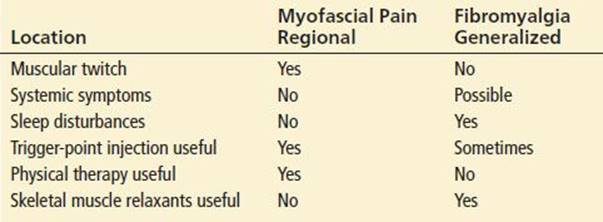
Fibromyalgia and myofascial pain syndrome may be considered opposites in the spectrum of a single disorder (Table 16.6). Myofascial pain tends to be localized, and the involved muscle group may twitch involuntarily. Fibromyalgia pain tends to be diffuse and is associated with systemic symptoms such as chronic fatigue, sleep disturbance, headaches, vertigo, visual disturbances, and irritable bowel syndrome. Symptoms may begin after an acute viral illness, trauma, or psychological stress. Physical findings may be nonspecific, and the patient may be told that the symptoms are unexplained or psychogenic.
TABLE 16.6
Myofascial Pain Syndrome Versus Fibromyalgia
Although it has been postulated that psychological causes may underlie the pathophysiology of fibromyalgia (e.g., patients may not respond in a normal fashion to physical or psychological stress or may have a heightened perception of bodily discomfort), elevated CSF, and levels of plasma substance P and decreased plasma levels of serotonin have been demonstrated (20). Windup due to noxious stimuli appears to be enhanced in these patients (24). Consequently, fibromyalgia patients may experience pain from stimuli that are below the painful threshold in normal patients as a result of neurochemical alteration of pain pathways. Complicating matters are that depression is a frequent result of fibromyalgia, and somatization disorders are more frequent in fibromyalgia patients than the general population. Many patients seen in the ED for exacerbations of fibromyalgia pain may have failed traditional therapies and may be using alternative treatments such as guaifenesin, magnetic therapy, diet therapy, acupuncture, herbal therapy, and zone therapy.
Other painful systemic illnesses such as systemic lupus erythematosus, polymyalgia rheumatica, polymyositis, metabolic myopathy, hypothyroidism, chronic fatigue syndrome, and irritable bowel syndrome should be considered. Because symptoms often overlap, the diagnosis is frequently one of exclusion.
The treatments of myofascial pain and fibromyalgia have certain similarities. Trigger-point injection of local anesthetics is a technique easily performed for both fibromyalgia and myofascial pain, often with rewarding results. Relief of local and referred pain and a decrease in muscle tension may be seen after injection. Topical vapor coolant sprays using fluoromethane or ethyl alcohol followed by stretch of the affected muscle may provide relief, but this mode of therapy is difficult to provide in the ED setting.
Although aerobic exercise and strength training may have some benefit in fibromyalgia, other physical techniques, such as muscle stretching, biofeedback, and exercise, are useful in myofascial pain syndrome but are of limited value in fibromyalgia (23). In fibromyalgia patients, analgesics usually provide only partial relief, and additional therapy with antidepressants or anticonvulsants is often needed. The SNRIs, duloxetine and milnacipran, are now FDA approved for the treatment of fibromyalgia (10). TCAs are useful to improve pain, depressive symptoms, and sleep disturbances; cyclobenzaprine, a skeletal muscle relaxant chemically similar to the TCAs, may also be useful. The anticonvulsants, pregabalin and gabapentin, have shown effectiveness in the treatment of fibromyalgia and NMDA receptor antagonists may be useful (1,8,9). If these therapies are initiated in the ED, follow-up care should be ensured.
Temporomandibular Disorders
Temporomandibular disorders affect the temporomandibular joint (TMJ) and surrounding facial structures, resulting in orofacial pain and dysfunction. Patients typically report facial pain, chewing difficulties and nonspecific headache, in addition to joint noise and difficulty in joint motion. Muscular and joint tenderness and limited TMJ range of motion may be found. The disorder is similar in many respects to both myofascial pain syndrome and fibromyalgia and is often referred to as a form of myofascial pain. Many patients with TMJ dysfunction also are diagnosed with fibromyalgia or other myofascial pain syndromes.
The etiology of TMJ disorders is unclear. Some patients may exhibit signs of TMJ dysfunction but may not have troubling symptoms. Many patients have coexistent psychiatric diagnoses, and behavioral therapy is often employed to supplement medical care. Many patients show a greater sensitivity to certain noxious stimuli than do pain-free controls (21). Patients who clench or grind their teeth secondary to stress may develop masticatory muscle hyperactivity and fatigue, which can lead to pain and altered joint mechanics. Patients may present before definitive diagnosis with a complaint of nonspecific facial pain or may present during a symptom exacerbation. Facial neuralgias, myofascial pain syndrome, tension headache, and somatization disorder should be considered in the differential diagnosis.
As in other chronic pain syndromes, treatment frequently requires analgesics, antidepressants, and nonpharmacologic therapy. Physical therapy, biofeedback, and intraoral splinting help relax the afflicted muscles and reduce discomfort. Some patients improve with trigger point or TMJ joint injections; however, pain control with analgesics is usually necessary. Patients should be discharged on TCAs if the diagnosis is certain and should be referred to a maxillofacial specialist so that an intraoral splint can be fitted and physical therapy started.
Neuropathic Pain Syndromes
Patients with neuropathic pain syndromes (Table 16.7) commonly present when symptoms first develop. The pain in these syndromes develops from nerve malfunction, sometimes as a result of physical damage to the involved nerve. The pain may be described as burning, tingling, stabbing, or electric shock like. In certain neuropathic pain syndromes, the pain is exacerbated by other stimuli that also stimulate the same nerve, such as light touch, temperature changes, or emotional stress. This phenomenon is known as allodynia. The pain is typically described as burning in nature, and treatment is often frustrating, because the usual doses of opioid and nonopioid analgesics are typically ineffective in relieving it.
TABLE 16.7
Neuropathic Pain Syndromes
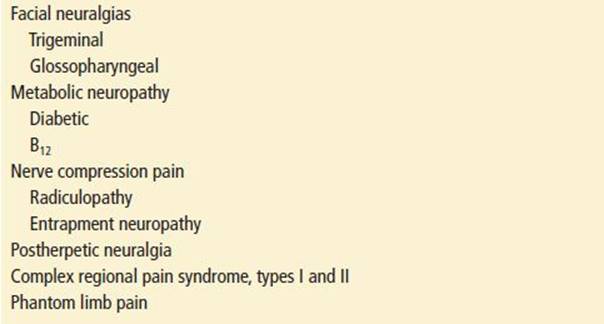
Generally, selected antidepressants, anticonvulsants, and topical anesthetics are considered first-line therapies for neuropathic pain syndromes, with opioids considered to be second line and useful as adjunct therapy (8). Antidepressants are of modest benefit and include the tricyclics amitriptiline, nortriptyline, and desipramine and the SSRIs, duloxetine and venlafaxine; anticonvulsants that are commonly used include gabapentin, pregabalin, and carbamazepine. However, there are certain considerations unique to the management of various neuropathic pain syndromes that should be understood by clinicians in the ED.
Facial Neuralgias
Trigeminal neuralgia is a relatively common, often debilitating disorder. Typically older patients (beyond age 50) are affected, and the development of this disorder in patients younger than age 40 suggests a secondary cause, typically multiple sclerosis (11). Women develop this disorder more often than men do. The right side is more frequently involved, and bilaterality is rare. The second division of the fifth cranial nerve (V2) is most frequently affected. Attacks at the third division (V3) and first division (V1) are uncommon. The initial attacks are brief but severe and lancinating, often described as an “electric shock” sensation. Allodynia is prominent, and attacks may be triggered by touching the face, cold air blowing against the face, eating, shaving, or talking. Unlike other neuralgias, an objective sensory deficit is atypical and if found should alert the clinician to the possibility of nerve compression as a result of malignancy. As the condition progresses, the attacks become more frequent and a background ache may develop.
Glossopharyngeal neuralgia is less common and usually less severe than trigeminal neuralgia. It affects equal numbers of men and women. About 25% of cases are bilateral. Typically, a single episode of lancinating pain along the ninth cranial nerve sensory distribution (neck, throat, and ear) occurs. Atypical facial pain may occur, which is poorly localized but frequently involves the mandible. Unlike other facial pain syndromes, it is not clearly neuropathic and consequently does not respond as well as trigeminal neuralgia to anticonvulsants.
Cluster headache, maxillary sinusitis, postherpetic neuralgia (especially with V1 distribution), dental pain, and temporomandibular disorders should also be considered. Swallowing and chewing may trigger the pain from both facial neuralgias and TMJ dysfunction. Allodynia and the absence of TMJ tenderness suggest the former diagnosis.
The mainstay of treatment for the facial neuralgias is the administration of anticonvulsants, particularly carbamazepine, oxcarbazepine, and gabapentin. Unfortunately, patients typically present in extreme pain, and anticonvulsants usually require several days before a demonstrable effect is noticed. The recommended doses for gabapentin oxcarbazepine and carbamazepine are listed in Table 16.5. Other drugs, such as baclofen and clonazepam, may also need to be added. Because carbamazepine may cause neutropenia, a baseline complete blood count should be obtained if this drug is used. Carbamazepine may also cause nausea, dizziness, or somnolence, which may limit patient compliance. Follow-up with the patient’s primary care physician or a neurologist should be arranged. Patients who fail medical therapy for trigeminal neuralgia often need surgical destruction of the sensory distribution of the trigeminal nerve, either by percutaneous thermocoagulation, cryosurgery, microvascular decompression, or glycerol injection.
Postherpetic Neuralgia
Postherpetic neuralgia is the most common type of neuropathic pain as well as the most common complication from herpes zoster. It occurs in 10% of cases of herpes zoster, and it is more common in the elderly. It may begin during or after an attack of zoster; it typically persists for several weeks after the rash resolves, and it has no relation to the severity of the zoster attack. Burning pain occurs in the involved dermatome, which is most commonly thoracic (about 50%), ophthalmic (about 20%), and cervical (about 20%). Diabetic neuropathy, demyelinating polyneuropathy, radiculopathy, and alcoholic neuropathy should all be considered in the differential diagnosis.
Many treatments used in other neuropathic pain syndromes (e.g., painful diabetic peripheral neuropathy) have been recommended for the treatment of postherpetic neuralgia. However, it is difficult to determine what is truly effective because few well-designed, controlled clinical trials exist, and some cases may resolve with no treatment. The longer the condition is allowed to persist, the less likely that any one treatment will be effective.
Opioid analgesics may provide modest temporary improvement in pain, but they are typically not useful alone in the treatment of postherpetic neuralgia. TCAs are often used early in the course of therapy, and there is some evidence to suggest that preemptive treatment with antidepressants during an attack of herpes zoster may reduce the prevalence of postherpetic neuralgia (3).
Anticonvulsants reported to be useful in treating postherpetic neuralgia are primarily gabapentin, pregabalin, and carbamazepine, however, there is no clear superiority of any of these agents; phenytoin, valproic acid, and the antispastic drug baclofen are occasionally used as well. Local anesthetics have been used in IV forms, in topical preparations such as lidocaine patch (Lidoderm) and EMLA (prilocaine/lidocaine) cream, and in nerve blocks. All of these methods appear to provide additional short-term relief of pain as a result of this condition. Capsaicin appears to provide temporary but effective relief if used four times a day for 3 to 4 weeks, however discontinuation due to skin irritation is common. Botulinum toxin, the NMDA antagonists dextromethorphan, memantine, and ketamine have also been reported to treat postherpetic neuralgia, but the data on their effectiveness is limited.
Acyclovir, valacyclovir, and famciclovir may be useful in the treatment of an acute attack of herpes zoster to decrease viral shedding and the duration of lesions. However, there is insufficient evidence to suggest that antiviral therapy decreases the incidence of postherpetic neuralgia (15). Likewise, steroids are occasionally prescribed to enhance the resolution of zoster lesions, although they are not effective in preventing or treating postherpetic neuralgia.
Complex Regional Pain Syndrome
Complex regional pain syndrome (formerly referred to as reflex sympathetic dystrophy and causalgia), is a neuropathic pain syndrome characterized by a vicious cycle of pain, disuse atrophy, and peripheral autonomic dysfunction. Patients are usually 40 to 60 years old, although children are occasionally affected. It typically occurs after major extremity trauma, but it has also been related to minor trauma, cerebrovascular accident, myocardial infarction, arthritis, infection, and local tumor infiltration. Drugs such as isoniazid, ethanol, and phenobarbital have also been implicated as causative factors. It often occurs after prolonged extremity immobilization, presumably as a result of irritation of the sympathetic ganglia.
The term causalgia is reserved for complex regional pain syndrome related to a major peripheral nerve injury. After nerve damage as a result of an extremity injury, a positive feedback loop develops in which sympathetic efferent neurons stimulate afferent pain fibers and vice versa. Stimuli that cause sympathetic efferent outflow, such as temperature changes, often trigger this vicious cycle. Peripheral nociceptors are sensitized, and when stimulated, they then stimulate sympathetic fibers. Thus, the cycle of pain and sympathetic overflow occurs.
The median, ulnar, and femoral nerves are most commonly affected. In patients with minor trauma, the degree of initial pain is often much greater than suggested by objective findings. The first (acute) stage occurs during the first several weeks of the disease process. Symptoms include pain, swelling, sympathetic underactivity, joint stiffness, warm skin, hypertrichosis, and edema. As the disease progresses, joint stiffness, hair loss, allodynia, sympathetic overreactivity, and muscular dystrophy occur, along with paroxysms of pain. After several months, decreased joint motion and muscle and skin atrophy occur. At this stage, the extremity appears cool, pale, shiny, and hairless. Radiographs are usually normal early in the disease and later show patchy osteopenia and erosions. The differential diagnosis for complex regional pain syndrome includes collagen vascular disease, phlebitis, degenerative arthritis, and conversion hysteria.
Treatment is difficult, and most therapies provide only temporary relief. Medications that may be helpful include salmon calcitonin, TCAs, anticonvulsants, botulinum toxin, corticosteroids, β-blockers, α-blockers, calcium channel blockers, serotonin antagonists, capsaicin, NMDA receptor antagonists, and type Ib antiarrhythmics. However, the benefit of any individual therapy is limited (28). As with other forms of neuropathic pain, opioids and NSAIDs are often ineffective. Regional blocks using guanethidine may be effective but can exacerbate the pain before it improves. Physical therapy is essential, and other nonpharmacologic therapies, such as TENS or implantable neurostimulators, may be used. Sympathetic blocks may provide only temporary analgesia but may allow aggressive physical therapy.
This disorder can be prevented by avoiding prolonged immobilization in patients with extremity trauma. Recognizing the early stages and intervening before the disease progresses is important. Patients should be referred for early physical therapy.
Phantom Limb Pain
Phantom limb pain is a poorly understood syndrome that occurs after extremity amputation. It can be debilitating and is difficult to treat. After amputation, phantom sensation is nearly universal and usually resolves in less than a year. Persistent pain is thought to be related to neural damage in the postamputation period, and mechanisms in the peripheral nerve, spinal cord, and brain all contribute to the development of phantom limb pain. It has been postulated that the last impulses received by the limb before amputation may be stored in “memory,” and if these impulses are painful, the sensation may persist (17). Consequently, the incidence of phantom limb pain is decreased in patients given preoperative regional anesthesia. As with other chronic pain syndromes, psychological stress exacerbates the degree of pain experienced. The differential diagnosis includes complex regional pain syndrome, metabolic neuropathy, and neurosarcoma.
There are few well-designed studies that evaluate the various treatment regimens for phantom limb pain. Antidepressants, anticonvulsants, analgesics, anesthetics, ketamine, capsaicin, and β-blocking agents all seem to provide temporary relief. Surgical techniques such as cordotomy, stump revision, and neuroma removal have been reported, with variable degrees of success. A combination of long-term behavioral therapy and antidepressants appears to be the most useful mode of therapy.
CRITICAL INTERVENTIONS
• Use nonanalgesic interventions that are specific for particular chronic pain syndromes.
• In the ED, prescribe opioids to the endpoint of improved function.
• Facilitate referral to pain service or primary care for long-term symptom management.
DISPOSITION
Most chronic pain patients can be discharged from the ED. The primary care physician or pain clinic should be consulted before initiating or changing long-term therapy in patients with chronic pain syndromes. Follow-up should be arranged for patients with neuropathic pain syndromes.
Common Pitfalls
• Missing acute disease by assuming that an exacerbation of chronic pain is due to pre-existing disease.
• Routinely labeling chronic pain patients who have true pain as drug seekers.
• Overrelying on analgesic drugs to treat neuropathic pain.
• Failure to appreciate the risk of aspirin or acetaminophen toxicity when using escalating doses of combination opioid products to treat chronic pain.
• Assuming that pain from fibromyalgia or temporomandibular disorders is of purely psychogenic origin.
REFERENCES
1. Arnold LM. Gabapentin in the treatment of fibromyalgia: A randomized, double-blind, placebo-controlled, multicenter trial. Arthritis Rheum. 2007;56:1336–1344.
2. Ballantyne JC, Jianren M. Opioid therapy for chronic pain. N Engl J Med. 2003; 349:1943–1953.
3. Bowsher D. The effects or pre-emptive treatment of postherpetic neuralgia with amitriptyline: A randomized, double-blind placebo-controlled trial. J Pain Symptom Manage. 1997;13:327–331.
4. Cantrill SV, Brown MD, Carlisle RJ, et al. Clinical policy: Critical issues in the prescribing of opioids for adult patients in the emergency department. Ann Emerg Med. 2012;60:499–525.
5. Chou R, Huffman LH. Nonpharmacologic therapies for acute and chronic low back pain: A review of the evidence for an American Pain Society/American College of Physicians clinical practice guideline. Ann Intern Med.2007;147:
492–504.
6. Chou R, Huffman LH. Medications for acute and chronic low back pain: A review of the evidence for an American Pain Society/American College of Physicians clinical practice guideline. Ann Intern Med. 2007;147:505–514.
7. Deyo RA, Mirza SK, Martin BI. Back pain prevalence and visit rates: Estimates from U.S. national surveys, 2002. Spine. 2006;31:2724–2727.
8. Dworkin RH, O’Connor AB, Backonja M, et al. Pharmacologic management of neuropathic pain: Evidence based recommendations. Pain. 2007;132:237–251.
9. Hauser W, Bernardy K, Uceyler N, et al. Treatment of fibromyalgia syndrome with antidepressants: A meta-analysis. JAMA. 2009;301(2):198–209.
10. Hauser W, Petzke F, Sommer C. Comparative efficacy of duloxetine, milnacipran and pregabalin in fibromyalgia syndrome. J Pain. 2010;11(6):505–521.
11. Headache Classification Subcommittee of the International Headache Society. The International Classification of Headache Disorders: 2nd edition. Cephalalgia. 2004;24(suppl 1):9–160.
12. Hewitt DJ. The use of NMDA receptor antagonists in the treatment of chronic pain. Clin J Pain. 2000;16(suppl 2):S73–S79.
13. Jones CM, Mack KA, Paulozzi LJ. Pharmaceutical overdose deaths, United States, 2010. JAMA. 2013;309:657–659.
14. Khadilkar A, Milne S, Brosseau L, et al. Transcutaneous electrical nerve stimulation (TENS) for chronic low-back pain. Spine. 2005;30(23):2657–1666.
15. Li Q, Chen N, Yang J, et al. Antiviral treatment for preventing postherpetic neuralgia. Cochrane Database Syst Rev. 2009;(2):CD006866.
16. Moynihan TJ. Use of opioids in the treatment of severe pain in terminally ill patients—dying should not be painful. Mayo Clin Proc. 2003;78:1397–1401.
17. Nikolajsen L, Jensen TS. Phantom limb pain. Br J Anaesth. 2001;87:107–116.
18. Robbins WR, Staats PS, Levine J, et al. Treatment of intractable pain with topical large-dose capsaicin: Preliminary report. Anesth Analg. 1999;86:579–583.
19. Rubenstein SM, van Middlekoop M, Assendelft WJJ, et al. Spinal manipulative therapy for chronic low-back pain. Cochrane Database Syst Rev. 2011;(2):
CD008112.
20. Russell IJ, Orr MD, Littman B, et al. Elevated cerebrospinal fluid levels of substance P in patients with fibromyalgia syndrome. Arthritis Rheum. 1994; 37:1593–1601.
21. Sarlani E, Greenspan JD. Evidence for generalized hyperalgesia in temporomandibular disorders patients. Pain. 2003;102:221–226.
22. Semenchuk MR, Sherman S, Davis B. Double-blind, randomized trial of bupropion SR for the treatment of neuropathic pain. Neurology. 2001;57:1583–1588.
23. Sim J, Adams N. Systematic review of randomized controlled trials of nonpharmacological interventions for fibromyalgia. Clin J Pain. 2002;18:324–326.
24. Staud R, Vierck CJ, Cannon RL, et al. Abnormal sensitization and temporal summation of second pain (wind-up) in patients with fibromyalgia syndrome. Pain. 2001;91:165–175.
25. Stewart WF, Ricci JA, Chee E, et al. Lost productive time and cost due to common pain conditions in the US workforce. JAMA. 2003;290:2443–2454.
26. Stubhaug A, Grimstad J, Breivik H. Lack of analgesic effect of 50 and 100 mg oral tramadol after orthopaedic surgery: A randomized, double-blind, placebo and active standard drug comparison. Pain.1995;62:111–118.
27. Sufka K. Chronic pain explained. Brain Mind. 2000;1:155–179.
28. Wasner G, Schattschneider J, Binder A, et al. Complex regional pain syndrome—diagnostic, mechanisms, CNS involvement and therapy. Spinal Cord. 2003;41:61–75.