
Alexander P. Isakov, Marc Restuccia, and Lawrence Mottley
HISTORICAL PERSPECTIVE
Prior to the rapid evolution of emergency medical services (EMS) in the 1960s and 1970s, only rudimentary systems of prehospital care and patient transport existed. Although hospital-based ambulance services had been functioning in Cincinnati, Ohio since 1865 and city services were initiated in New York in 1869, private ventures that combined transport services with another trade, such as funeral services, had the greatest market share. Such enterprises delivered prehospital care with little training, regulation, or benchmark for quality. The military advanced EMS in its care of wounded soldiers in Vietnam. Corpsmen and medics were trained in prehospital intervention and evacuation of the critically wounded to appropriate facilities for prompt surgical attention. The mortality of trauma patients surviving to a medical treatment facility sharply decreased.
In 1966, the National Academy of Sciences–National Research Council, which acts as a consulting body to the government, published what has been referred to as the “white paper” of prehospital systems, “Accidental Death and Disability: The Neglected Disease of Modern Society.” This document summarized the inadequate delivery of emergency care, the lack of an emergency services infrastructure, and the lack of leadership in this area. It also made specific recommendations for a funded, organized, proactive, prehospital medical delivery system, launching the modern era of civilian EMS in the United States.
That white paper, along with others showing a rise in accidental deaths, especially on America’s highways, prompted Congress to enact the National Highway Safety Act of 1966. This act authorized spending by the newly created Department of Transportation (DOT)/National Highway Traffic Safety Administration (NHTSA) for the improvement of essential prehospital infrastructure, training of personnel, and establishment of practice guidelines. Through this legislation, states developed regional EMS systems with funding for ambulances, personnel, and communication equipment. A nationally recognized curriculum for the training of ambulance attendants (emergency medical technician [EMT-A]) was established in 1971.
The success of prehospital cardiac care units in Dublin and of new methods of cardiopulmonary resuscitation (CPR) led EMS programs to expand their focus beyond trauma. The Department of Health, Education, and Welfare funded regional EMS demonstration projects in five states, and the Robert Wood Johnson Foundation offered grants for regional EMS development. The resulting improved communications, training, and transport capacity in these demonstration projects was viewed favorably in Congress and was followed by the EMS Systems Act of 1973, which legislated further federal funding of comprehensive regional EMS systems; this included money for operations, training, and research. Full-time medical directors and professional prehospital medical providers emerged.
National standards for EMT-A, EMT-I (intermediate level), and EMP-P (paramedic level) training evolved. Because some nonmedical public safety personnel were often the first to arrive at a scene with medical casualties, a first-responder curriculum was developed as well. NHTSA established such curricula, which came to be recognized as national standards.
Communications infrastructure, including 911 access, two-way radio communications, and centralized dispatch were developed, and criteria for optimal ambulance design and equipment were established. Regional EMS systems were intended to become financially independent as federal funding was phased out in favor of state discretionary funding of EMS through Preventive Health Block Grants, a product of the Omnibus Budget Reconciliation Act of 1981. The result, however, was deterioration of the movement toward national standards as regional systems yielded to state and local concerns. A multitude of systems developed independently, providing a varied range of skill levels, training, and quality of care from one community to another.
Nationally, organizations like the National Association of EMS Physicians and the National Association of EMTs emerged to serve as professional bodies for consensus in the continuing development of EMS systems. At the federal level, the DOT maintained a leadership role through its Office of EMS at the NHTSA; however, EMS-related programs subsequently developed in a scattered fashion across many departments (i.e., the Department of Health and Human Services and the Department of Homeland Security). The absence of a single federal agency with the ability to comprehensively represent EMS issues with authority compromises strategic planning, advocacy, and adequate funding for out-of-hospital emergency care. Forty years after the first white paper was published, a reassessment of the future of emergency care in the US health system was undertaken by the Institute of Medicine, which offered as one of its many recommendations that a lead agency should be housed in the Department of Health and Human Services, and should have primary programmatic responsibility for the full continuum of EMS and emergency and trauma care for adults and children, including medical 9-1-1 and emergency medical dispatch (EMD), prehospital EMS (both ground and air), hospital-based emergency and trauma care, and medical-related disaster preparedness (1).
At present, the Federal Interagency Committee on EMS, supported by the National Highway Traffic Safety Administration (NHTSA), works to ensure coordination among the federal agencies involved.
EDUCATION
The Office of EMS at the NHTSA has served as the source of national standard educational curricula since the EMT-A curriculum was established in 1971. Curricula were developed for prehospital providers at the first responder, emergency medical technician-basic (EMT-B), emergency medical technician-intermediate (EMT-I), and emergency medical technician-paramedic (EMT-P) levels of education. While these curricula were accepted as national standards, states variably adopted them, often with heavy modification for the training of EMS providers in their jurisdictions. As a result, a great variety of provider levels with differing scopes of practice emerged nationally. Although this diversity allows for the greatest flexibility to respond to local needs with local resources, it does not foster uniform scopes of practice or standards of care and creates confusion regarding interstate reciprocity of privileges. To address this issue, the NHTSA sponsored an EMS Education Task Force composed of EMS providers, administrators, educators, and physicians, which authored the “EMS Education Agenda for the Future: A Systems Approach.” This document calls for more explicitly defined core educational content, scope of practice, and national standards for the education and certification of providers. The Agenda calls for an education system with five primary integrated components: (a) the National EMS Core Content, (b) the National EMS Scope of Practice Model, (c) National EMS Education Standards, (d) National EMS Education Program Accreditation, and (e) National EMS Certification. The National EMS Core Content, published in July 2005, specifies the knowledge and skills necessary for the provision of care in the out-of-hospital environment and was developed using the “Model of Clinical Practice of Emergency Medicine” as a template to facilitate common definitions and terminology with colleagues practicing emergency medicine in the hospital environment. The National EMS Scope of Practice Model, published in February 2007, defines and describes four levels of EMS licensure—Emergency Medical Responder, EMT, Advanced EMT, and Paramedic—each representing a unique body of knowledge and skill set. National EMS Education Standards are also published, that define the competencies that must be met by graduating EMS personnel to meet practice guidelines. These standards now replace the NHTSA national standard curricula at all levels of practice. This new educational model and the newly defined levels of licensure are gradually being adopted and implemented by the states.
Independent of the core curricula, there have also emerged specialized training programs, established for EMTs and paramedics who function in settings wherein additional education is desirable. Programs can be found to enhance education and training for critical care transport, wilderness medicine, law enforcement special operations and medical support among others.
The training of physicians for leadership roles in EMS continues to develop. Historically, any physician who had an interest and the fortitude would serve as an EMS medical director. No formal training existed. Today, emergency medicine residents are provided some education in EMS systems and prehospital care as part of their core curriculum in postgraduate training. Postgraduate EMS fellowship training has also been available through 1- and 2-year training programs. The 2-year programs concurrently offer a master’s degree in public health, hospital administration, business, or other disciplines. In 2010, the American Board of Emergency Medicine formally accepted EMS as a certifiable subspecialty. The American College of Graduate Medical Education now provides accreditation for EMS fellowship programs in the United States that is based upon established standards and guidelines.
STRUCTURE
The structure of EMS systems varies widely across the United States, but common elements do exist: (a) activation of the system, most predominantly by use of 911, (b) medical interrogation of the call to facilitate the dispatch of appropriate responders and provision of prearrival instructions, (c) dispatch of EMS ambulance personnel and sometimes first responders to the scene, (d) treatment and transport of patients in the out-of-hospital environment, and (e) arrival of patients at a medical treatment facility and transition of care. The system design should ensure efficient and effective service and medical care, measured by desirable patient outcomes. Regionalization of EMS may yield operational efficiencies and facilitate agreement on the threshold of clinical encounters required by EMTs to maintain proficiency and skill, when compared with highly fractionated systems.
There are multiple delivery models currently in use.
Fire-Based Systems
Many fire departments (FDs), especially in the western United States, adopted EMS as part of their mission immediately after the federal legislation was enacted. Fire-based systems allowed dispatch and deployment of EMS units within a currently existing system. In most combined EMS/fire systems, EMS accounts for about three-fourths of the call load. In small cities and towns, existing personnel and facilities may be able to perform EMS duties without adding staff or infrastructure. However, because firefighters are usually among the highest-paid employees, larger systems that need additional staff will incur much higher costs as compared with the other EMS models.
In addition, because the FD’s first priority is fire suppression, conflicts of interest may arise and lead to under resourced patient care. As the annual number of fire-suppression calls decreases and cities look more closely at the most efficient use of available resources, more FDs are becoming interested in EMS. Integration of established EMS systems with and under the direction of FDs is a politically charged topic that currently is the subject of heated debate in many cities.
Many FDs provide first-responder services regardless of the source of ambulance transport, using firefighter personnel trained to provide initial interventions for immediately life-threatening conditions such as cardiac arrest (CA), respiratory distress, chest pain, and loss of consciousness. In some systems, the FD may also provide the full scope of paramedic services and patient transport for every patient or alternatively for a sub-set of patients in partnership with a private ambulance provider.
Private Ambulance Services
Private ambulance services often bid for an exclusive contract with a governmental entity to provide EMS services, usually to a city, town, or county. The contract often stipulates that certain indirect measures of quality and performance be met, such as that all units be equipped with defibrillators, that paramedics perform a minimum number of intubations, or that certain response-time parameters be met. The community establishes regulatory control over the private service, with oversight being provided by an EMS agency or a medical director.
Private ambulance services usually provide both advanced life-support (ALS) and basic life-support (BLS) services. To a greater extent than any of the other EMS models, private ambulances depend on efficient management of resources, such as peak-load staffing and system status management, to meet their dual demands: providing adequate EMS response and being a successful business. Personnel costs for the private sector are usually significantly below those for both the FD and third-service industries. The risk, however, is that the vendor could withdraw from nonlucrative markets, leaving the region or municipality searching for a means to provide uninterrupted service.
Third-Service Systems
Third service, simply defined, is an EMS system housed in a municipal department using municipality-owned and -operated ambulances and kept separate from police and fire services. Many medium and large cities continue to use municipal hospital–based ambulances as all or part of their EMS systems. Some third services are part of the city’s health department, and a few are separate city agencies. This model allows for concentration on one mission—patient care—without the added complexity of managing, funding, and providing other services. EMT skill maintenance is rarely a problem in these mostly urban systems. A drawback is that the third-service agency must compete with other traditionally well-supported public service agencies for budgetary funding.
Volunteer Systems
Three-fourths of the United States is considered rural, and in these areas the EMS workforce depends largely on volunteers. The tax base cannot support a full-time professional EMS system, and the revenue to attract a private contractor does not exist. The dedication of volunteers is remarkable, as are the challenges they face in finding medical oversight, time for training, the means to maintain their skills, and the financial resources to develop and maintain their systems’ infrastructure. Depending on state regulation, some volunteer services may operate without medical direction. Turnover among these providers is high. Rural systems face the same challenge of delivery of quality care as urban ones but often with drastically different resources.
AMBULANCES
Ambulance vehicles are a very diverse fleet, including vans and light and heavy trucks, which have evolved without keeping stride with advances in the automotive and occupational safety industries. Vehicle crashes have been shown to be the number one cause of occupational mortality in EMS. Risky driving practices and noncompliance with use of seat belts contribute to high injury and fatality rates in ambulance crashes. Driver feedback technology has shown favorable results in modifying driver behavior. It has also become increasingly clear that the vehicles used for EMS operations are not optimally designed for occupant safety (2). There is increasing pressure to design ambulances that afford EMS personnel and patients maximum protection in the event of a motor vehicle collision. Cleared head strike zones, secured equipment, and appropriate restraint of patients and EMS personnel are issues that need to be addressed. Changes in driver and occupant practice and ambulance design deserve attention and will afford better protection for the occupants and greatly improve the chance of patients’ and EMS personnel’s surviving a traffic accident.
Federal and state laws, which can be extremely detailed, govern the configuration of each vehicle and its markings. In addition, each state mandates the minimum and allowable equipment and medications carried on any ambulance. Despite these regulations, there is wide variation of equipment and medications carried on individual ambulances. These variations reflect not only the medical director’s equipment preferences, judgment, and vision for the service but those of other personnel and the type and geographic location of the system.
Variation in equipment and supplies also reflects the level of service provided. The amount and variability of medical equipment on a BLS ambulance is typically much less than on an ALS vehicle.
MEDICAL OVERSIGHT
Medical oversight of out-of-hospital providers is essential to providing the best medical care. It may take the form of direct or indirect medical control. Direct or online medical control refers to the immediate direction and feedback, usually by radio or telephone that a physician provides to an EMS provider while caring for a patient. Although there is some controversy over whether such communication significantly improves the care provided, it gives EMS providers direct access to a physician’s level of training and knowledge.
In some systems, a specified physician or institution at a single base hospital provides online medical control. In other systems, it is decentralized, with each receiving institution acting as a base station. Medical control physicians must have an in-depth knowledge of the skills and capabilities of the EMS provider on scene and the capabilities and availability of receiving institutions in the area. They must also know applicable state and regional or local protocols and the medico legal implications of situations such as refusal of treatment or transport and the care of minors, do-not-resuscitate patients, and deceased patients.
Indirect or off-line medical control consists of clinical guidance document (or protocol) development and implementation, equipment selection, ensuring adherence to clinical standards, education of EMS providers, and ongoing quality improvement within the system. Such functions are generally the responsibility of the EMS medical director. The highest-functioning EMS agencies are characterized by the triad of commitment to excellence in patient care, dedicated EMS personnel, and actively engaged medical directors. Care must be “patient-centric and physician-directed.” Compliance with written clinical guidance and standards of care is usually accomplished by reviewing EMS patient care records. This is accomplished by the EMS medical director or designee reviewing individual cases that were difficult or problematic or by reviewing the charts of selected conditions (e.g., CAs, pediatric cases, intubations, deaths, refusals of care) or individuals (e.g., new hires, those with whom there may be quality-of-care concerns, those who have just returned from a leave of absence). In addition, in a highly functional EMS agency, the medical director and other supervisory personnel must spend time “in the field” with their EMTs and paramedics. Chart review can never replace the invaluable experience of seeing how personnel function in their element. EMS agencies must be committed to continuously evaluating the quality of the service delivered and striving to seek ways to improve it.
The initial training and continuing education of EMS providers is a key element in medical direction. The implementation of new medications, interventions, and protocols is an ongoing process. Quality improvement includes not only identifying and correcting deficiencies in current practice but identifying areas that, although not necessarily deficient, can be improved (response time, scene time, timely completion of charts, documentation of procedures).
COMMUNICATION
EMS communication is a chain of events that can be best described using queuing theory. The call-taker queue consists of those who dial 911. In the past, most cities and towns had their own emergency call-receiving center, but with the advent of Enhanced 911 (911E), many have now been consolidated into Public Safety Answering Points (PSAPs) serving one large local jurisdiction or multiple smaller ones. 911E provides the PSAP call taker with the physical address of the phone (street address and, in apartment buildings, the apartment number) and the telephone number of the caller. In most jurisdictions, once the last digit of 911 is dialed, the caller cannot disconnect by hanging up. Only the public safety dispatcher can release the 911 call. This prevents the panicked caller from disconnecting the call before all information is obtained and prearrival instructions are offered. The demographic information allows patients who are unable to speak as a result of illness, injury, or danger to receive assistance. Protocols may also allow the call taker to ask a series of yes or no questions that mute callers can answer by pushing the appropriate button (1 or 2). In this way, the correct agency or agencies can respond. Technology is also available to approximate the location of cell phones within a few dozen meters, a feature useful for the location of automobile accidents and one that enables the direct routing of a 911 call to the appropriate PSAP. In 2006, approximately 59% of PSAPs had this capability, compared with 18% just 3 years prior (3).
EMS callers are then placed in the triage queue. Modern EMS systems use written telephone medical triage guidelines, known generically as EMD, to ensure consistent and appropriate triage and response. More important, by asking only for information that will assist in correctly prioritizing the call, they reduce the amount of time spent questioning the patient prior to dispatch. For example, if the caller is male, older than 50 years of age, and has nontraumatic chest pain, no further information is necessary for triaging the call as high priority (potential cardiac etiology). Gathering additional information and attempting to make a presumptive diagnosis is not appropriate and possibly detrimental, because it wastes time and is not relevant to the dispatch decision.
Triage protocols can reduce both type 1 and type 2 errors (over- and undertriage). They also protect the call taker from the abusive retrospective review that can occur after a high-profile adverse event. Because the medical director bears responsibility for the appropriateness of these medical triage guidelines, it is strongly suggested that a nationally recognized EMD product be used. Some of these products are customizable (within limits) to meet local preferences, whereas others require use “as is.”
EMS calls are usually triaged into one of three priorities: Priority One: life-threatening; Priority Two: emergent or unknown; and Priority Three: nonemergent. These categories are designed to reflect the instability of an illness or injury and its likelihood of deteriorating in a short period of time. They are not intended to characterize whether the condition justifies the use of an ambulance or how serious it is. For instance, although a fractured hip is serious and appropriate for the use of an ambulance, it is not likely to deteriorate and, therefore, does not have top priority.
Once the call is prioritized, it enters the dispatch queue. The dispatcher then assigns an ambulance to respond. Assigning the closest ambulance to the call is preferred, but this process is not always straightforward. As the number of ambulances in a system increases, so does the complexity of dispatch. In larger cities, the dispatcher would have to know each street and the location of each ambulance at any given time. Most ambulances are available to be dispatched, or “in-service” 60% to 85% of the time, and they may be located outside their assigned districts, making it difficult to ascertain their position without polling multiple units over the radio.
Automatic vehicle locator (AVL) systems can help and are increasingly being used, particularly within the private sector. Using the federal government global positioning satellite system, AVLs can locate an ambulance within a few feet, calculate the travel time to a given call, and recommend the nearest units of each appropriate type—first-responder, BLS, and ALS.
EMS demand by time of day is remarkably predictable, especially in systems with a large call volume. System status management is the process of managing resources based on known patterns of calls in time and place and current demand. Additional ambulances are placed in service during known periods of higher demand. Available units do not remain static but are dynamically and proactively redeployed by EMS supervisors when call volume is high in certain areas. The practice of flat staffing, in which the same number of ambulances are on duty 24 hours a day, is less efficient; patients will have to wait longer than necessary during the busier times, and resources will be wasted during slack time.
DISASTER PLANNING
Mass casualty incidents (MCIs) require the response of multiple different public safety and EMS agencies. They threaten to overwhelm the capacity of the out-of-hospital care system and the medical facilities supporting them. Each EMS agency and hospital must have a plan for dealing with MCIs in their service area. The importance of having a well-understood, rehearsed, and commonly recognized plan for responding to an MCI cannot be overemphasized. Practicing implementation of the plan provides training for all participants, prevents needless delays, and identifies areas for improvement. Agencies should have complementary plans and train together to ensure cooperation. Planning and training must take into consideration challenges identified in previous responses, which include self-dispatch of responding units causing congestion at the scene; overload of the hospitals in the immediate vicinity of the event; self-evacuation of patients from the scene to the nearest emergency department (ED) prior to EMS evaluation; and the least severe patients often arriving first in the ED (4).
Risk assessment of potential MCI scenarios in a service area is essential. It involves recognizing and characterizing likely sites of an MCI, such as industrial complexes, airports, residential areas (e.g., high-rise apartments, special-needs facilities), highways and railways, and unique facilities, such as nuclear power plants.
A mechanism for rapidly triaging victims of an MCI should be identified and rehearsed. The objective of patient triage is to do the greatest good for the greatest number of victims. Given that several triage criteria have been published and disasters often cross jurisdictional boundaries, the Model Uniform Core Criteria for Mass Casualty Triage (5) was developed to serve as a national guideline for mass casualty triage with the goal of facilitating interoperability and standardization. The criteria include four categories: (1) general considerations, (2) global sorting, (3) lifesaving interventions, and (4) individual assessment of triage category. The SALT (Sort-Assess-Lifesaving Interventions-Triage/Treat) triage system is freely available and meets the Core Criteria (Fig. 376.1). Patients are ultimately assigned to severity categories with the goal of identifying those who require treatment and transport to a medical treatment facility most urgently. Patients are assigned to one of five categories: immediate (red), delayed (yellow), minimal (green), expectant (gray), or dead (black). Immediate patients are critically wounded with obvious life-threatening injuries and will require immediate care. Delayed patients have a serious injury but will likely not deteriorate with a slight delay in care. Minimal patients do not have life-threatening injury and will likely do well even if care is withheld several hours or days. Expectant (gray) and dead (black) victims have injuries consistent with little or no chance for survival or have already expired. It is important to note that patients may be triaged several times on their way to definitive care to account for changes in their condition.
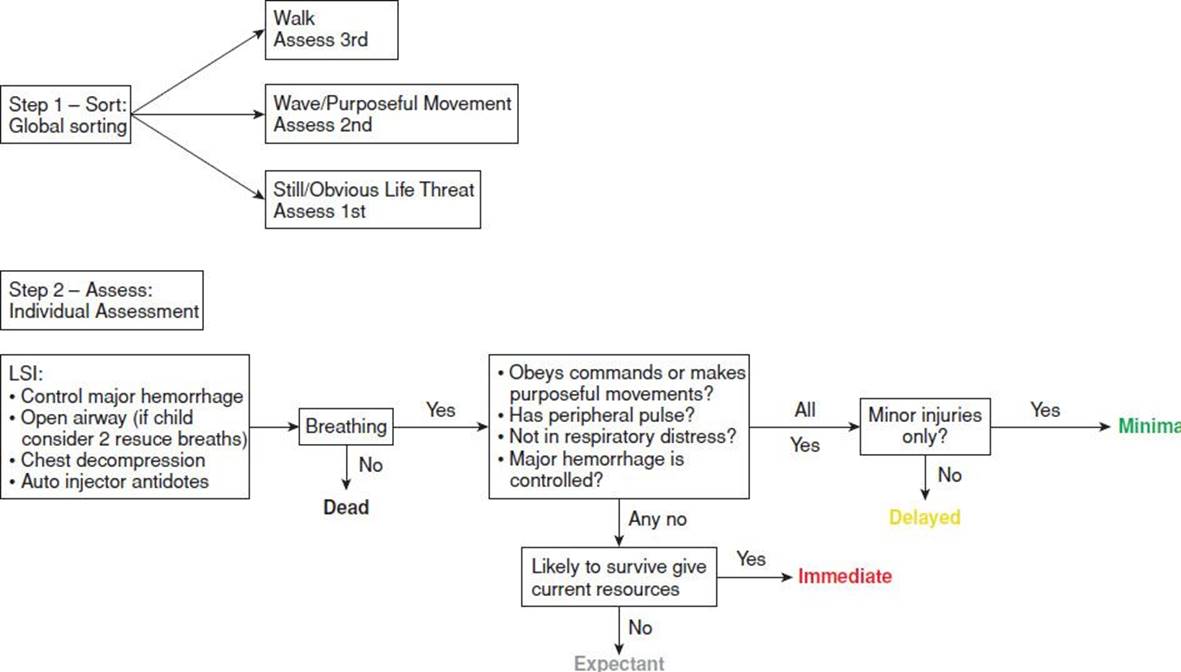
FIGURE 376.1 SALT mass casualty triage (in the public domain).
A communication plan is essential. Often, however, it is the part of the response that fails most rapidly in an MCI. Overloaded radio channels, cell channels, and phone lines can be expected. Loss of radio towers and telephone wires may occur. The plan should identify ways to minimize the effect of these occurrences.
Mutual aid agreements with EMS, police, and fire services and medical treatment facilities in contiguous service areas should be in place. The ability to assemble out-of-hospital and hospital assets beyond the affected area is often essential for a timely response to an MCI. The plan should identify the resources, personnel, transport, equipment, and facilities that can be called upon.
A clearly defined incident command structure should also be in place. In some states, the highest-ranking fire officer serves as overall “incident commander,” with police, EMS, and other agencies functioning as subcommands under incident command rules. All involved must use common nomenclature, practice, and communications protocols. There should be clear direction regarding what freedom of operation prehospital providers might have without resorting to frequent online medical direction. Freedom of operation can be accomplished by having the medical director or designee assume medical command at the scene or via radio.
Special planning is required for HAZMAT situations, terrorist activities, weapons of mass destruction, and mass gatherings. Finally, a debriefing plan is necessary to allow for psychological recovery of involved personnel and for the planning to manage future MCIs.
Mass gathering medicine, defined as organized emergency care for mass gathering events, has evolved and become more sophisticated in the last 30 years. The concentration of many people in a small geographic space can pose significant challenges to proper prehospital management of patients. Recognition of a medical emergency may be difficult, and access to the patient may be hindered, delaying care. An MCI might quickly develop, and on-site resources can quickly be overwhelmed. Agreement with the event organizer about what medical resources are required to provide adequate emergency services may be difficult. Demands for medical care are often not defined by crowd size alone. Exposure to adverse weather conditions, spectator use of alcohol, inadequate intake of water, consumption of contaminated food, and violent spectator behavior can all increase the likelihood of injury and requirement for medical attention. Rock concerts (0.96 to 17 injuries per 1,000 fans) have, for example, had a higher incidence or injury than major sporting events (0.3 to 1.6 injuries per 1,000 fans) (6). The threat of terrorism has also influenced the development of mass gathering medicine. On a national level, an event may be deemed a national security special event because it is high profile and identified as a possible target of terrorism. In addition to enhanced security measures coordinated by the US Secret Service, medical assets, in the form of disaster medical assistance teams may be deployed to assist local responders in the event of an MCI. The Olympics, major political conventions, and the World Economic Forum are examples of such events.
FINANCING EMS SYSTEMS
The expense of an EMS system is a function of personnel, administration, maintenance, training, equipment, and facilities. Other variables include the level of service provided, response-time requirements, how the cost will be apportioned among patient revenues, tax revenues, and other subsidies, the insurance coverage of the population served, and the cost of medical oversight.
Funding of EMS systems varies greatly from system to system but can be divided into four major categories: taxes, fee-for-service billing, subscription program revenues, and special service contracts. Local and state tax subsidies can entirely fund an EMS system in which care is provided as a public service. Most often, this funding comes from general tax revenues and must compete with other public programs for scarce tax dollars.
In some states, the law allows citizens to approve a dedicated tax levy for specific purposes, and voters direct funding for EMS services. Because EMS has a very positive public image, EMS systems tend to enjoy a greater degree of financial support under such a system. In other systems, tax subsidies may simply offset costs that cannot be covered by revenues from EMS billing. Subsidies are often required in small communities that lack economies of scale, yet operate a full-service EMS system, and in urban and rural settings. It may flow through the budget of a government agency, in the case of third service or FD, or it may be a contractual agreement between a private ambulance provider and a local government. With private contracts, most cities and towns have enjoyed almost a decade of subsidy-free EMS services, as providers have received sufficient revenue from Medicare and Medicaid reimbursement. Diminishing reimbursement from these sources has significantly reduced the ability of private ambulances to continue subsidy-free 911 contracts. Systems serving communities with a large number of uninsured indigent patients are particularly in need of funding sources to offset costs that cannot be covered by revenues.
In a service that generates its revenue from a fee-for-service plan, income is derived from emergency and nonemergency patient transports, interfacility transfers, and special-event coverage. To balance the budget, these systems must have adequate economies of scale, a population base that has the means to pay, efficient management, and effective billing. Among the billed entities are Medicare, Medicaid, private insurance companies, and individual patients.
Subscription programs are marketed to the populace by a vendor who essentially enrolls people as an “insurance policy” in case they need ambulance services. This type of system also provides service to unenrolled members but at a charge significantly greater than the enrollment fee. Some arrangements also allow the company to bill third-party payers. Special-events coverage, interfacility transport, air transport, and other contracts can provide added revenue.
EMS FOR CHILDREN
Perhaps no group of patients inspires more angst among EMS providers (and emergency medicine personnel) than ill and injured children. Although they make up only a very small percentage of EMS patient interactions, they are among the most difficult to manage. Children younger than the age of 18 make up approximately 13% of all EMS transports (3). Half of these calls are for a traumatic condition, with falls and vehicular trauma being the leading causes of injury. Respiratory difficulty, seizures, ingestions, drowning and near-drowning, fever, and altered mental status are common chief complaints. Sick children generate tremendous feelings in the medical professionals who treat them. Being able to simultaneously deal with the needs of the critically ill or injured child and the provider’s own emotions (especially if they have children of their own) is a serious challenge to the provider’s professionalism. Almost all EMS personnel can relate to a particularly ill or injured child who affected them on a visceral level during their careers. Finally, children are different from adults. Their anatomy, physiology, and responses to interventions differ from those of adults. Thus, when dealing with sick children, EMS providers are treating a group they rarely see, who will affect them emotionally, and are different from the vast majority of patients they encounter on a daily basis.
Emergency medical services for children (EMSC) is a federal, state, and local effort to ensure that all children have the same access to high-quality EMS care as do adults. Starting in the 1980s, with federal legislation providing for grant programs based in the US Department of Health and Human Services, EMSC has funded databases, provided grants to the states to study and address the issues experienced by ill or injured children, and convened expert panels to enhance the care delivered to children in the out-of-hospital setting.
A key portion of the EMSC initiative is improved education of EMS providers on the special needs and requirements of ill and injured children. Traditionally, EMS providers had little to no experience or training in treating children. EMTs and paramedics would typically receive 1% to 2% of their total training time on the unique aspects of treating pediatric patients. This has been changing. Paramedic training now includes the Pediatric Advanced Life Support course and the new Pediatric Education for Prehospital Providers course. In addition, many state EMS protocols have specific pediatric protocols, written by emergency physicians and pediatric emergency medicine specialists to guide prehospital providers in treating children. Innovative programs, such as having paramedics spend time in pediatricians’ offices, are increasing the comfort levels of both the prehospital providers and the pediatric community. Physicians who provide both online and off-line medical direction are assisting in these developments and are now active participants in furthering the care of pediatric patients.
Special Challenges in Treating Pediatric Patients
Prehospital personnel are faced with a unique set of demands and must use a different set of knowledge and skills when dealing with pediatric patients. As examples, children have a relatively larger occiput than adults, requiring that their torsos be elevated to the level of the occiput to achieve an anatomically neutral position during spinal immobilization. Airway anatomy is different and physiologically, children have higher metabolic rates, requiring higher oxygen demand per unit body mass. The EMT or paramedic with little pediatric experience may fail to accommodate these differences with subsequent clinical deterioration of the child.
Peer-reviewed literature has challenged the “basic” tenets of treating the injured or ill child. One study questions the benefits of prehospital intubation over noninvasive airway management (7). No difference was demonstrated in the outcome of children managed with an endotracheal tube versus conventional bag-valve-mask ventilation. The study, however, was criticized for having an extremely low rate of success for paramedic field intubations in children and frequent complications of airway management, such as unrecognized esophageal intubations. Medical directors evaluating this study may conclude it better to noninvasively manage pediatric airways. Conversely, EMS medical directors may opt for more robust training and oversight of their system’s pediatric intubation program. A recent review of a statewide EMS database revealed >67% ALS providers performed two or fewer endotracheal intubations per year, and >39% did not perform any (8). Another study evaluated pediatric medication dosing errors in children treated by EMS. During the study period 4% of the children were administered drugs and had a documented weight. Weight-based medication dosing errors occurred in 35% of drug administrations (9). Paramedic encounters with pediatric patients are infrequent. Alone they are unlikely to ensure clinical acumen and skill proficiency. Robust EMS educational initiatives are needed to address the maintenance of pediatric skills in prehospital providers.
EMS AND TRAUMA
The “modern era” of EMS in this country was ushered in as a response to traumatic injury and death on America’s highways. Trauma was the catalyst for the drafting of the white paper (“Accidental Death and Disability: The Neglected Disease of Modern Society”) that prompted improvement of essential prehospital infrastructure, training of personnel, and establishment of practice guidelines. In the 50 years since the drafting of the white paper, three basic tenets of trauma patient management in the prehospital setting have clearly evolved. They include (a) rapid response to the patient, (b) effective management of ventilation, oxygenation, perfusion, and immobilization, and (c) rapid transport to the most appropriate facility.
Rapid response to the patient is determined by multiple factors including recognition of the event, access to the 911 system, the efficiency of the communications center, and the proximity of units available to respond to the scene.
Effective management of ventilation, oxygenation, and perfusion is determined by the quality of the education provided for the responding EMS personnel and the quality of medical oversight enjoyed by the service. Quality adjuncts to the core curriculum of training exist in programs such as Prehospital Trauma Life Support and Basic Trauma Life Support. These programs champion principles of prehospital trauma care, such as scene safety, rapid primary survey, airway control, adequate oxygen delivery and ventilation, control of hemorrhage, management of shock, immobilization, and transport.
Rapid transport of the patient to an appropriate facility is determined by EMS education and medical oversight but can also be facilitated by regional trauma systems. EMS education and oversight are critical for limiting the scene time, focusing on those interventions that are thought to be life saving in the first few minutes of the EMS response and not wasting precious time on interventions that could be performed en route to or in the hospital. The goal is to preserve as much as possible the “golden hour” after the injury until arrival at the appropriate medical treatment facility. Regional trauma systems facilitate this tenet of prehospital care by identifying the appropriate trauma centers in a region and establishing guidelines for patient transport to these facilities. Guidelines are published for field triage of trauma patients (Fig. 376.2) (10). Air medical transport systems also play a role in regional trauma systems and assist in ensuring the rapid transport of injured patients to appropriate medical facilities. Guidelines for the use of air transport are promulgated by the National Association of EMS Physicians and the Air Medical Physicians Association (11).

FIGURE 376.2 2011 Guidelines for field triage of injured patients (in the public domain and available at http://www.cdc.gov/fieldtriage/pdf/decisionscheme_poster_a.pdf).
The NHTSA and many other stakeholders in the management of trauma patients have drafted the Trauma System Agenda for the Future. Prehospital care is identified as a fundamental component of the trauma care system, along with injury prevention, acute care hospitals, and posthospital care. Challenges to quality prehospital care of trauma patients include isolation of EMS from the injury prevention and acute care hospital components of care, inadequacies of the national 911 system, inequities in distribution of EMS resources, prolonged transport times from rural communities, over- and undertriage of patients to trauma centers, and ED overcrowding and diversion. Visions for the future include (a) better integration of EMS into injury prevention initiatives and improved dialogue with treatment facilities, (b) standardized protocols and triage, (c) strategic placement of transport vehicles to improve access in rural, underserved communities, and (d) improved communications, including automated collision notification, universal 911 coverage, and enhanced communication with prehospital providers facilitating more accurate triage and delivery of care.
There is a need for prospective randomized controlled clinical trials to resolve the many controversies regarding medical interventions in the prehospital care of the trauma patient. Research can challenge the very basic tenets of patient management in the out-of-hospital setting.
Because of the risk of aspiration and increased mortality associated with hypoxemia in patients with traumatic brain injury (TBI), endotracheal intubation has become a goal of prehospital management. It was then somewhat surprising when, in a recent study, paramedic rapid-sequence intubation protocols, which have been shown to increase the intubation success rate, were associated with an increase in mortality in head-injured patients (12). Another study showed that when compared with ED endotracheal intubation, prehospital intubation of TBI patients was associated with nearly a fourfold increase in mortality (13). These studies and others have led to a careful examination of inadvertent hyperventilation and the increased mortality associated with severe hypocarbia in TBI patients intubated in the field (14). Research of clinical care provided in the prehospital environment is critical for evaluation of interventions and their contribution to patient outcome.
Management of casualties on the battlefield is informing the control of external hemorrhage. Demonstrated efficacy of the prehospital application of tourniquets with minimal associated complications, when ischemic times are limited, has led to adoption of their use in the civilian environment for control of rapid extremity exsanguination. The use of hemostatic agents in the prehospital setting is also being adopted (15).
Longboards used for spinal immobilization are increasingly recognized as contributors to pain, patient agitation, and respiratory compromise. More judicious backboard use and setting appropriate alternatives are being encouraged (16).
RESEARCH AND INITIATIVES FOR THE FUTURE
Proper prehospital provision of care requires research that explores both system design and clinical interventions. Much of the delivery of prehospital care is not supported by research that demonstrates improved patient outcome. The NHTSA and its partners address the science of prehospital care in its National EMS Research Agenda. It identifies five major impediments to the performance of high-quality research: (a) a paucity of highly skilled researchers, (b) inadequate funding, (c) failure of EMS professionals to acknowledge the importance of EMS research and its transition into practice, (d) lack of data integration that promotes study of patient outcomes, and (e) difficulty in obtaining informed consent in the prehospital environment. The Agenda offers a strategy to overcome these obstacles.
Despite these obstacles to evidence-based care, several good studies have been published that better inform the design of EMS systems and delivery of out-of-hospital care.
The Ontario Prehospital Advanced Life Support (OPALS) Study is a large prehospital study that involved more than 25,000 CA patients with the intention of evaluating the incremental benefit of rapid defibrillation and prehospital ALS measures for CA survival (17). Phase I of this trial reported the baseline survival status after introduction of an automatic external defibrillation (AED) program in an area in which no AED or ALS services were present (18). Improved survival from CA was associated with younger age and a witnessed event. The authors identified three other areas that are amenable to EMS system optimization: (a) survival may be improved by minimizing EMS response intervals; (b) survival is improved threefold if CPR is initiated by a bystander; and (c) survival doubled if initiated by fire or police first responders. Phase II of the trial verified that procedures that reduced the time to defibrillation significantly improved the survival to hospital discharge rate. An improvement from 72% to 93% for calls responded to within 8 minutes or less by the AED crew resulted in a 33% relative increase in the survival rate (19). Phase III of this study evaluated introduction of ALS interventions (endotracheal intubation, intravenous drug therapy) for the management of out-of-hospital CA in a previously optimized rapid defibrillation program (20). This trial did not identify any incremental mortality benefit associated with ALS interventions in this setting, though intermediate survival outcomes, such as return of spontaneous circulation and admission to hospital, did improve. It did also confirm the association of early access, early CPR, and early defibrillation with improved mortality. The OPALS study also evaluated a specific regimen of ALS interventions for the management of acute respiratory distress (congestive heart failure, pneumonia, chronic obstructive pulmonary disease, and asthma). The study showed a significant decrease in mortality from 14.3% to 12.4% when ALS interventions were introduced (21).
The study of out-of-hospital CA survival is one important benchmark for the evaluation of EMS system effectiveness. The Cardiac Arrest Registry to Enhance Survival (CARES) collects standardized, confidential, out-of-hospital CA survival data and shares it with the local EMS providers and communities, giving them the opportunity to evaluate, benchmark, and improve their survival rate from sudden cardiac death (22).
EMS faces significant challenges. A dated but still accurate assessment of state systems found a lack of (a) comprehensive EMS legislation and statewide EMS plans, (b) enhanced communication systems, (c) consistent quality-assurance programs for training courses and instructors, (d) enabling legislation for trauma system development, (e) consistent and adequate funding sources, (f) priority for public information and education programs, and (g) effective data collection and evaluation systems (23). The EMS Agenda for the Future is a blueprint with recommendations for improvement of 14 EMS attributes: (a) integration of prehospital care with public health, injury prevention, and acute care, (b) EMS research, (c) legislation and regulation that will fund essential federal and state initiatives, (d) system finance to ensure proper EMS infrastructure development, (e) human resources to provide a viable career path for prehospital care providers, (f) medical direction with appropriate credentials and sufficient resources, (g) education systems for the development of quality prehospital providers, (h) public education to better inform the community on EMS utilization, (i) injury prevention, (j) public access, (k) EMS communications, (l) prehospital clinical care, (m) information systems, and (n) evaluation of service regarding medical outcomes and cost effectiveness (24). Through its unique position in the community as a link to healthcare access, the “scope of service” of EMS systems may expand to encompass injury prevention and preventive medicine initiatives, complementing and enhancing roles currently served separately and independently by other agencies.
Common Pitfalls
• Introduction of prehospital medical interventions without adequate investigation regarding improvement in patient outcome.
• Failure to insist on engaged medical direction in the delivery of prehospital medical care.
• Failure to have a well-understood, rehearsed, and commonly recognized plan for responding to an MCI.
• Failure to provide an effective plan for communication during an MCI.
• Failure to adequately plan for HAZMAT situations, terrorist activities, and mass gatherings.
• Failure to educate EMS providers on the special needs and management of ill and injured children.
REFERENCES
1. Institute of Medicine, Committee on the Future of Emergency Care in the U.S. Health System. Emergency Medical Services at the Crossroads. Washington, DC: National Academy Press; 2006.
2. Brice J, Studnek J, Bigham B. EMS provider and patient safety during response and transport: Proceedings of an ambulance safety conference. Prehosp Emerg Care. 2012;16(1):3–19.
3. Shah M, Cushman J, Davis C, et al. The epidemiology of emergency medical services use by children: An analysis of the National Hospital Ambulatory Medical Care Survey. Prehosp Emerg Care.2008;12:269–276.
4. Auf der Heide E. The importance of evidence-based disaster planning. Ann Emerg Med. 2006;47:34–49.
5. Lerner E, Cone D, Weinstein E, et al. Mass casualty triage: An evaluation of the science and refinement of a national Guideline. Disaster Med Public Health Prep. 2011;5:129–137.
6. Yancey AH, Jaslow D. Mass gathering medical care. In: Kuehl AE, ed. Prehospital Systems and Medical Oversight: National Association of EMS Physicians. 3rd ed. Dubuque, IA: Kendall/Hunt Publishing Company; 2002.
7. Gausche M, Lewis RJ, Stratton SJ, et al. Effect of out-of-hospital pediatric intubation on survival and neurological outcome: A controlled clinical trial. JAMA. 2000;283(6):783–790.
8. Wang H, Kupas D, Hostler D, et al. Procedural experience with out-of-hospital endotracheal intubation. Crit Care Med. 2005;33:1718–1721.
9. Hoyle J, Alan D, Putman K, et al. Medication dosing errors in pediatric patients treated by emergency medical services. Prehosp Emerg Care. 2012; 16:59–66.
10. CDC. Guidelines for field triage of injured patients: Recommendations of the expert panel on Field Triage, 2011. MMWR. 2012;61:1–21.
11. Thomson D, Thomas S. Position paper: Guidelines for air medical dispatch. Prehosp Emerg Care. 2003;7(2):265–271.
12. Davis DP, Peay J, Sise M, et al. The impact of prehospital endotracheal intubation on outcome in moderate to severe traumatic brain injury. J Trauma. 2005;58:933–939.
13. Wang HE, Peitzman AB, Cassidy LD, et al. Out-of-hospital endotracheal intubation and outcome after traumatic brain injury. Ann Emerg Med. 2004;44:439–450.
14. Davis DP, Idris A, Sise M, et al. Early ventilation and outcome in patients with moderate to severe traumatic brain injury. Crit Care Med. 2006;34:1202–1208.
15. Doyle G, Taillac P. Tourniquets: A review of current use with proposals for expanded prehospital use. Prehosp Emerg Care. 2008;12:241–256.
16. NAEMSP. Position statement: EMS spinal precautions and the use of the long backboard. Prehosp Emerg Care. 2013;17:392–393.
17. Stiell IG, Wells GA, Spaite DW. Ontario Prehospital Advanced Life Support Study: Rationale and methodology for cardiac arrest patients. Ann Emerg Med. 1998;32:180–190.
18. Stiell IG, Wells GA, DeMaio VJ, et al. Modifiable factors associated with improved cardiac arrest survival in a multicenter basic life support/defibrillation system: OPALS study phase I results. Ann Emerg Med. 1999;33:44–50.
19. Stiell IG, Wells GA, Field BJ, et al. Improved out-of-hospital cardiac arrest survival through the inexpensive optimization of an existing defibrillation program: OPALS study phase II. JAMA.1999;281:1175–1181.
20. Stiell IG, Wells GA, Field B, et al; Ontario Prehospital Advanced Life Support Study Group. Advanced cardiac life support in out-of-hospital cardiac arrest. N Engl J Med. 2007;356:2156–2164.
21. Stiell IG, Spaite DW, Field B, et al; OPALS Study Group. Advanced life support for out-of-hospital respiratory distress. N Engl J Med. 2007;356:2156–2164.
22. CDC. Out of hospital cardiac arrest surveillance – Cardiac Arrest Registry to Enhance Survival (CARES), United States, October 1, 2005-December 31, 2010. MMWR. 2011;60:1–21.
23. Snyder JA, Baren JM, Ryan SD, et al. Emergency medical service system development: Results of the statewide emergency medical service technical assessment program. Ann Emerg Med. 1995;25:768–775.
24. Delbridge TD, Bailey B, Chew JL, et al. EMS agenda for the future: Where we are … where we want to be. Ann Emerg Med. 1998;31:251–263.