
David Y-W Lee, PhD
CHAPTER OUTLINE
■ HERBAL REMEDIES WITH ANTIADDICTIVE POTENTIALS
■ TRANSCUTANEOUS ELECTRICAL ACUPUNCTURE STIMULATION AS A NONINVASIVE ALTERNATIVE THERAPY FOR ALCOHOL AND DRUG ABUSE
■ OPIOID DETOXIFICATION WITH TRANSCUTANEOUS ELECTRICAL ACUPUNCTURE STIMULATION
■ PREVENTION OF CRAVING AND RELAPSE TO OPIOID ABUSE
■ ACUPUNCTURE AND ALCOHOL ABUSE
■ CONCLUSION
Addiction is a complex process with physiologic, behavioral, psychological, and social components, so treatment is usually multifaceted. There are two fundamental approaches: prevention of the onset of compulsive use and prevention of relapse and the craving that leads to relapse. In the past, much medical attention has been directed at the symptoms of acute abstinence (detoxification), and these symptoms can be treated with available therapies and medications. However, relapse, which is often precipitated by withdrawal and/or intense craving even after prolonged abstinence, poses the most serious therapeutic challenge. In view of the complexity of drug dependence and a limited number of effective treatments, it is conceivable that certain selected alternative pharmacotherapies may have important clinical significance. This chapter reviews traditional herbal medicines and therapies for the prevention of drug and alcohol relapse.
HERBAL REMEDIES WITH ANTIADDICTIVE POTENTIALS
Poppy has been known in China for 12 centuries and for its medicinal use for 9 centuries. Opiates, alkaloids derived from poppy, effectively activate the endogenous opioid system in the body. This activation produces many cardiovascular, endocrine, immune, and neuropsychologic effects including euphoria, analgesia, and addiction. It has been clear that the effects of opioid drugs are mediated through interaction with opioid receptors. Moreover, studies of the binding of various related opioid compounds in the brain indicate the existence of a multitude of opioid receptor types and subtypes such as μ, κ, and δ (1). Since the rewarding effects of opioids are mediated through action at μ opioid receptors, interference with actions at these receptors presents a rational strategy for developing medications for opioid addiction (2,3). Specifically, medications that block activation of μ opioid receptors (e.g., naltrexone) might reduce drug-seeking behavior (1,3,4).
It was not until the middle of the 19th century that smoking opium for recreational purposes was practiced throughout China. The quantity of opium imported into China rose from 5,000 chests in 1820 to 16,000 in 1830; 20,000 in 1838; and 70,000 in 1858. After more than a century of steady demor-alization, with half the Chinese population (nearly that of the US population today) addicted, China finally determined to give up opium, which ultimately led to the “Opium Wars.” During this period, Chinese herbal remedies were developed for treating addiction or relieving the withdrawal syndrome.
The Chinese remedies developed during the Opium Wars era were combinations of more than a dozen herbs; thus, a mixture of herbs may well represent a multitargeted approach acting on opioid receptors that would have the benefits of improved overall efficacy with reduced toxicity. However, it is necessary to isolate and characterize the bioactive compounds as well as elucidate the mechanism of actions for further development of safe and complementary natural medications for drug abuse. Few original remedies have been investigated scientifically. One, YGT (NPI-025), consists of five herbs (Qiang Huo, Gou Teng, Chun Xiong, Fu Zi, and Yan Hu Suo) most frequently used for substance abuse treatment in China. Yang et al. (5) observed YGT effects among 300 individuals with “drug” addiction over a 10-year period and reported that NPI-025 significantly was associated with reduced withdrawal symptoms (−48%) compared to addicted individuals without treatment. Follow-up visits of many “cured” patients 1 to 3 years after treatment suggested that the use of NPI-025 may have been associated with overcoming craving for drugs.
After the cloning of the mouse κ opioid receptor (6,7), μ, δ and κ receptors of several species were cloned (for reviews, see 8,9). These cloned opioid receptors provide excellent tools for pharmacologic screening of traditional remedies for drug abuse. For instance, YGT (NPI-025), used clinically in Hong Kong (5,10), was subjected to bioactivity-guided fractionation and showed potent opioid receptor–binding activities (11). These studies provide important evidence for further development of such natural products.
Corydalis yanhusuo
Corydalis yanhusuo (Fig. 29-1) is one of the five Chinese medicinal plants in NPI-025. Chemical fractionation resulted in the isolation and characterization of d,l-tetrahydropalma-tine (d,l-THP) (Fig. 29-2) as one of the bioactive components. Optical resolution or chemical synthesis resulted in pure l-THP, which is the active compound with significant binding activities to D1 and D5 dopamine receptors.
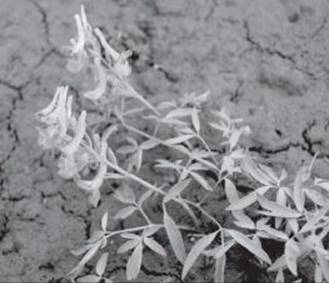
FIGURE 29-1 Corydalis yanhusuo.
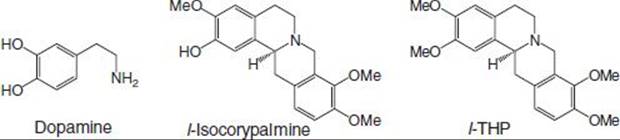
FIGURE 29-2 Structure of dopamine, isocorypalmine, and l-tetrahydropalmatine (THP).
Dopamine Receptors and Pharmacologic Actions of l-THP
Despite extensive research for new approaches, there is currently no effective pharmacotherapy for cocaine or methamphetamine addiction (12–14). Some effects of l-THP on cocaine and methamphetamine self-administration have been demonstrated (15,16), suggesting potential, but not yet proven, clinical utility. Cocaine binds differentially to the dopamine, serotonin, and norepinephrine transporter proteins and directly prevents the reuptake of dopamine, serotonin, and norepinephrine into presynaptic neurons (17–19). Inhibition of reuptake subsequently elevates the synaptic concentrations of each of these neurotransmitters, thus potentially reducing craving for cocaine and methamphetamine but also possibly causing reward, reinforcement, and addiction on their own.
Two types of dopamine receptors, D1 class and D2 class, mediate dopamine neurotransmission. The D1 class includes both D1 and D5 receptors, while the D2 class includes D2, D3, and D4 receptors (20). There is a high-density distribution of D1 and D2 receptors in the striatum, which is relevant to the pharmacology of cocaine. Recent preclinical studies suggest that drugs that are selective for D1 or D2 receptors may reduce some aspects of cocaine self-stimulation (21,22) or ethanol self-administration (23). Though both selective D1 and D2 receptor agonists can reduce cocaine self-administration, these agents can also mimic the discriminative stimulus produced by cocaine and stimulate locomotor activity (24–26); therefore, there is a risk that these drugs may also have abuse potential and would not be useful in practice for cocaine treatment.
Though selective D1 receptor agonists or D2 receptor antagonists might modulate cocaine-induced behavior (27), they have side effects that prevent them from becoming useful therapeutic agents. Indeed, preliminary clinical studies have not provided promising results (28,29). Because of the limited success of these selective compounds, interest has turned to drugs that may have dual actions. In particular, a drug that stimulates D1 receptors and blocks D2 receptors may have the right profile to become a promising treatment for cocaine or drug abuse. A recent study of one such compound, an ergoline derivative (LEK-8829) with D1 agonistic and D2 antagonist characteristics, attenuated reinstatement of cocaine seeking induced by cocaine-priming injections and diminished cocaine intake in cocaine self- administration sessions (30). Thus, it has a better profile than selective D1 receptor agonists alone for inhibiting cocaine self- administration. Furthermore, LEK-8829 reduced cocaine reinstatement behavior but did not induce reinstatement of cocaine. The combined results suggest that the strategy of using compounds with dual D1 receptor agonist/D2 receptor antagonist properties to treat drug addiction may be worth pursuing.
Similar to LEK-8829, plant-derived l-THP has both D1 receptor agonist and D2 receptor antagonist actions. Its effects on cocaine and methamphetamine addiction are suggested (15,16). One mechanism is that l-THP appears to suppress the expression of stimulant-induced conditioned place preference (CPP). l-THP could also block the discrimination behavior for methamphetamine and the reestablishment after its extinction. Interestingly, it has been reported that l-THP suppresses the craving/relapse for cocaine in addiction. Thus, these findings suggest that l-THP may have potential as a novel natural medication for inhibiting the craving/relapse of the psychostimulants addiction including cocaine and methamphetamine.
In summary, l-THP and l-isocorypalmine, a demethylated analog of l-THP, are two interesting compounds isolated from C. yanhusuo. In vitro binding study showed that both l-THP and l-isocorypalmine have affinity toward D1 and D5 receptors. In the functional assay, d,l-isocorypalmine is more potent than l-THP as D1 and D5 partial agonists. It is interesting to note that the partial skeleton of both l-THP and isocorypalmine resembles the dopamine molecule (see Fig. 29-2) with different number of methoxy group attached. These bioactive compounds derived from fractionation and in vitro screening may provide a better understanding of the mechanism of action of NPI-025 as a whole. Our recent study revealed that l-isocorypalmine is the metabolite of l-THP and has strong affinity to D1 and D5 receptors.
Uncaria rhynchophylla
Uncaria rhynchophylla (Fig. 29-3) is an important traditional Chinese medicine used in the treatment of pain, infantile convulsions, headaches, dizziness, hypertension, and rheumatoid arthritis. Uncaria rhynchophylla is another ingredient in NPI-025 (5). In order to clarify the mechanism of action, 12 compounds have been isolated by solvent extraction, followed by silica gel fractionation and Toyopearl HW-40, MCI gel column chromatography. Two major alkaloids, rhynchophylline and isorhynchophylline (Fig. 29-4), have been identified as the antiaddictive components with moderate binding activity for dopamine receptors [3H]DIP rMOR and [3H]DIP mDOR. The clinical significance of these findings is not clear.

FIGURE 29-3 Uncaria rhynchophylla.
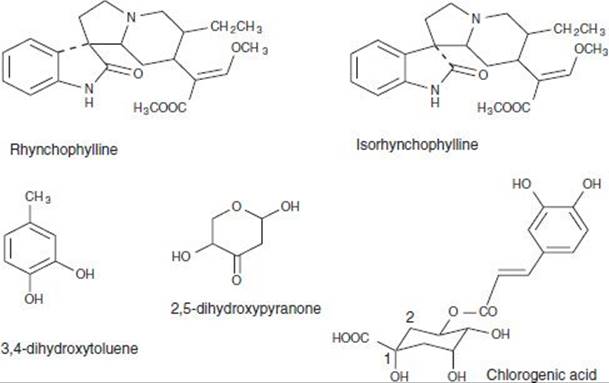
FIGURE 29-4 Structures of rhynchophylline and isorhynchophylline.
Reduction of Alcohol Drinking by the Extract of Pueraria Lobata
Isoflavone compounds naturally occurring in the root of the kudzu plant (Pueraria lobata) have been used historically to treat alcohol-related problems (31). Early work by Overstreet et al. (32,33) showed that the herbal formula NPI-028, which contains P. lobata, reduced acute alcohol consumption in two strains of alcohol-preferring rats when administered parenterally (0.25 to 1 g/kg i.p.) or orally (1 and 1.5 g/kg) without affecting water intake. Daily treatment with 1 g/kg i.p. for 5 days also was effective, as was 0.18 to 0.75 g/kg i.p. in African vervet monkeys. Several studies have systematically explored the ability of three major isoflavones of kudzu root—daidzin, daidzein, and puerarin—to reduce alcohol consumption in animals and humans. The effects of the isoflavones singly on alcohol consumption also have been studied. Keung and Vallee (34) showed that daidzin reduced consumption by 50% in Syrian golden hamsters. Heyman et al. (35) showed a dose-related decrease in alcohol-reinforced lever pressing by daidzin in rats. Puerarin was effective in two studies: Lin et al. (36,37) showed a 40% reduction of intake in female alcohol- preferring rats given 100 mg/kg/d for 7 days mixed in food and a 65% reduction at 300 mg/kg/d. In the same study, daidzin and daidzein 100 mg/kg/d reduced consumption to 75% and 50%. Benlhabib et al. (38) showed a 50% suppression of intake in rats by puerarin 50 mg/kg. In humans, Lukas et al. (39) studied the effects of a kudzu root extract that contained 25% isoflavones (19% puerarin, 4% daidzin, 2% daidzein) in heavy drinkers. Three grams of the extract (750 mg total isoflavones) was administered for 1 week before a 1.5-hour afternoon drinking session. In comparison to drinking following the placebo week, there was a significant reduction in beer consumption in addition to several significant changes in drinking topography, including an increase in the number of sips taken to finish a beer and an increase in the latency to open subsequent beers. In a second study, where the same extract was administered for 4 weeks in an outpatient setting, Penetar et al. (40) found a significant reduction in intake during weeks 2 through 4. Building on these encouraging results, we repeated the in-laboratory afternoon drinking session paradigm with the single isoflavone puerarin and found that participants consumed on average 3.5 (±0.6) beers after placebo and 2.4 (±0.4) after puerarin. None of the puerarin subjects drank five or six beers, while three placebo subjects drank five, and one drank all six (41). These studies demonstrate that puerarin may reduce alcohol drinking in humans. However, the mechanism of action of puerarin remains to be elucidated, and the implications outside of laboratory settings remain to be confirmed.
TRANSCUTANEOUS ELECTRICAL ACUPUNCTURE STIMULATION AS A NONINVASIVE ALTERNATIVE THERAPY FOR ALCOHOL AND DRUG ABUSE
In a serendipitous observation in 1972, Dr. H. L. Wen in Hong Kong noted that electroacupuncture relieved a patient’s withdrawal from opium (42). Dr. Wen and Dr. Cheung at the Kwong Wah Hospital (42) subsequently reported that, in a study of 40 individuals addicted to heroin and/or opium, acupuncture combined with electrical stimulation was effective in relieving withdrawal. This method was later adopted in many clinical settings in Western countries, including the Lincoln Hospital in New York. However, the body acupuncture points originally used by Wen and Cheung on the arm and hand were gradually omitted, with only auricular acupuncture being used (43), and electrical stimulation also was omitted, leaving only needles staying in situ. Whether these two omissions will affect therapeutic efficacy deserves further investigation.
The discovery of morphine-like substances (endorphins) in the mammalian brain (44) had a great impact on acupuncture research. It was soon made clear that acupuncture-induced analgesia (manual needling) can be blocked by the narcotic antagonist naloxone, suggesting the involvement of endogenous opioid substances (45). In animal experiments, manual acupuncture or acupuncture combined with electrical stimulation (electroacupuncture, or EA) was shown to accelerate the production and release of endorphins that can interact with different kinds of opioid receptors to ease pain (46). It was further clarified that endorphins are, in fact, a group of neuropeptides possessing different characteristics. Among these neuropeptides, β-endorphin and enkephalin are primarily agonists at μ and δ opioid receptors, whereas dynorphin is an agonist at κ receptors (47). Interestingly, electrical stimulation of different frequencies can induce the release of different kinds of endorphins. For example, low-frequency (2 to 4 Hz) EA accelerates the release of enkephalins to interact with μ and δ receptors, whereas high-frequency (100 Hz) EA accelerates the release of dynorphin to interact with κ receptors (48). These findings strengthen the scientific basis of this ancient healing art and point the way to its use in areas beyond pain control.
It is natural to hypothesize that, if acupuncture can release endogenous opioids in the brain to ease pain, it might relieve withdrawal symptoms. In fact, the first observation made by Dr. Wen in 1972 was that he attempted to use acupuncture for reducing surgical pain and incidentally found that it ameliorated the opioid withdrawal syndrome. This hypothesis was tested in morphine-dependent rats. Withdrawal signs were significantly reduced by high-frequency (100 Hz) EA administered on the hind limb acu-points St 36 and Sp 6 (49). This effect was much greater than that induced by low-frequency (2 Hz) stimulation. On the basis of these results, EA was applied to individuals addicted to heroin and obtained very promising results. However, it was inconvenient for patients to go to the clinic for treatment several times a day. As a result, they missed sessions, thus affecting the therapeutic outcome. One possible solution was to have patients treat themselves by using acupoints stimulation without a needle but still under the control of a physician. To overcome this problem, Han et al. developed a constant current electrical stimulator: Han’s Acupoint Nerve Stimulator (HANS).
Experiments in the rat using HANS showed that electrical stimulation applied at the surface of the skin over acupoints can produce an analgesic effect similar to that produced by EA (50). Satisfactory results were obtained using this transcutaneous electrical acupoint stimulation (TEAS) by HANS for the treatment of heroin withdrawal syndrome in humans (51). Later, the method was shown to suppress CPP, an animal model of craving for drugs of abuse for morphine in rats (52). Subsequent human studies revealed that this form of stimulation could indeed suppress craving in heroin-dependent patients.
OPIOID DETOXIFICATION WITH TRANSCUTANEOUS ELECTRICAL ACUPUNCTURE STIMULATION
Animal Studies
Systematic studies have revealed that the mechanism of acupuncture analgesia is attributed mainly to the increased release of endogenous opioid peptides in the central nervous system (CNS) (46). A rational extrapolation would be that the activation of the endogenous opioid system by acupuncture should ease opioid withdrawal symptoms.
Transauricular electrostimulation was reported to suppress the naloxone-induced morphine withdrawal syndrome in mice (53) and rats (54). Auriacombe et al. (55) demonstrated that transcutaneous electro nerve stimulation with an intermittent high-frequency current effectively attenuated signs in the rat after abrupt cessation of morphine; the mechanism remains obscure. Based on the findings that low-frequency EA (2 Hz) accelerated the release of β-endorphin and enkephalin in the CNS, whereas high-frequency EA (100 Hz) accelerated the release of dynorphin (48,56) in the spinal cord, the effect of EA was tested in naloxone-precipitated morphine withdrawal in the rat. Because the effect of 2 Hz EA is to accelerate the release of the morphine-like opioid peptides enkephalin and endorphin, it was predicted that 2 Hz would be more effective than 100 Hz in replacing morphine and ameliorating the abstinence syndrome. However, 2 Hz was only marginally effective in reducing two of five withdrawal signs, whereas 100 Hz suppressed all five signs (49).
Human Studies
To observe the effect of TEAS on the withdrawal syndrome in heroin-dependent patients, the method was applied for 30 minutes once a day for 10 days in an addiction treatment center (51). In addition to a standard questionnaire, two objective parameters were measured—heart rate and body weight.
Single Treatment
To observe the immediate effect on heart rate, the two pairs of output leads were placed on four acupoints in the upper extremities: one pair at Hegu (LI4) on the dorsum of the hand and on the palmar aspect of the hand opposite to LI4 Laogon, P-8) to complete the circuit, the other pair at Neiguan (PC6) on the palmar side of the forearm 2 inches above the palmar groove between the two tendons, and Waiguan (TE5) on the opposite side of PC6. A dense-and-disperse (DD) mode of stimulation was administered, with 2 Hz alternating automatically with 100 Hz, each lasting 3 seconds. This mode was shown to release four of the opioid peptides in the CNS (48), thus producing maximal therapeutic effect. The control group received the same placement of electrodes, which were disconnected from the circuitry. The average heart rate of the abstinent individuals was 109 beats per minute before treatment. DD stimulation for 30 minutes reduced the heart rate significantly, as shown in Figure 29-5. Reduction occurred within the first 5 to 10 minutes, continued for 20 minutes, and plateaued at 90 per minute in the last 10 minutes. The aftereffect remained for 20 minutes, after which the heart rate began to return to the original level (57).
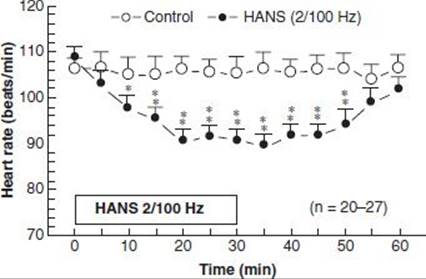
FIGURE 29-5 Effects of 2/100 Hz electric stimulation (HANS) on the heart rate of heroin-dependent individuals during episodes of withdrawal. *,** represent p < 0.05 and p < 0.01, respectively, compared with control groups. (Reprinted with permission from Han JS, Trachtenberg AI, Lowinson JH. Acupuncture. In: Lowinson JH, et al., eds. Substance abuse: a comprehensive textbook. Philadelphia, PA: Lippincott Williams & Wilkins, 2004:743–782.)
Multiple Treatments
To observe the cumulative effect of multiple daily treatments with TEAS, 117 heroin-dependent individuals were divided randomly into four groups. Three groups received TEAS of 2 Hz (constant frequency), 100 Hz (constant frequency), or 2/100 Hz (2 Hz alternating with 100 Hz, DD mode). The control group received mock stimulation, where the skin electrodes were placed on the points and connected to the stimulator with blinking signals but with the electric circuitry disconnected. The treatment was applied for 30 minutes a day over 10 consecutive days. Heart rate was measured with an electrocardiogram before and immediately after the TEAS stimulation. Figure 29-6 shows the results. In the 2-Hz group, for example, on the 1st day of observation, the heart rate averaged 110, which dropped to 90 immediately after the TEAS treatment (p < 0.01). On the 2nd day, the heart rate averaged 102 and then fell to 91 after TEAS (p < 0.01). This trend continued for days 3 and 4. On day 5, there was no significant difference before and after the treatment (91 vs. 89), suggesting that the rate had returned to “normal” (51). In the three TEAS groups, 100 Hz produced a slightly better result than 2 Hz. In the 2/100 Hz group, the after-TEAS rate reached an even lower level (72 beats). Also, the 2/100 Hz returned to “normal” in day 4, 1 day earlier than the fixed frequency groups (day 5). In the control group (n = 30) receiving mock TEAS, the rate did not come down to 100 until the 8th day of treatment. These results suggest that repeated daily EA treatment is effective in reducing tachycardia in heroin-dependent individuals, with an order of DD > 100 Hz > 2 Hz (see Fig. 29-5). Body weight was also affected. The age of the patients ranged from 17 to 35, and their average weight was only 49 to 51 kg. In the control group receiving mock TEAS, weight declined by 1 kg at the end of the 1st week, probably owing to the presence of withdrawal distress. In the TEAS groups, weight had increased significantly after 4 days of treatment and continued to increase thereafter. By day 10, the TEAS groups weighed 5 kg more than the control group. This 10% increase was apparently due to reduced withdrawal symptoms and increased food and water intake. Though the DD mode was significantly better than the fixed frequency mode in reducing tachycardia, weight change did not differ among the three TEAS groups, suggesting that the mechanisms modulating heart rate and body weight may not be identical (51).
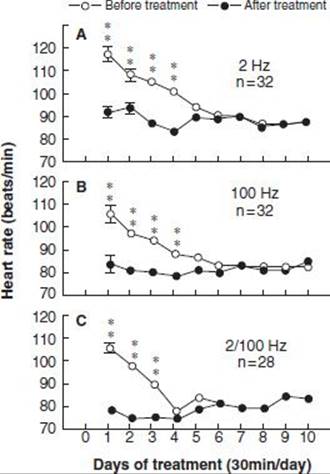
FIGURE 29-6 Changes of heart rate before and after treatment by TEAS administered every day: A normalization of the heart rate was obtained by day 4 (C) or day 5 (A and B). ** p < 0.01 compared with after treatment (ANOVA). (Reprinted with permission from Han JS, Trachtenberg AI, Lowinson JH. Acupuncture. In: Lowinson JH, et al., eds. Substance abuse: a comprehensive textbook. Philadelphia, PA: Lippincott Williams & Wilkins, 2004:743–782.)
In clinical practice, opioid withdrawal symptoms could be reduced but not abolished by the TEAS treatment, especially in those cases with a history of heroin abuse for more than 5 years. To obtain a quantitative estimate of the efficacy of TEAS (58), (a) TEAS was applied on the acupoints Hegu/Laogong, Neiguan/Waiguang, and Xingjian/Sanyinjiao. Buprenorphine (BPN, i.m.) was used as a supplement to TEAS when the patient experienced a specified degree of withdrawal distress and was given immediately upon request. The purpose of this arrangement was to maintain a comfortable detoxification procedure without any withdrawal syndrome. In this study, 28 heroin-dependent individuals were randomly divided into BPN only and TEAS + BPN groups. Figure 29-7A shows the results. The group receiving TEAS required only 8% of the BPN required by the group not receiving TEAS. This can be taken as a quantitative estimate of the effect of TEAS for opioid detoxification. The sharp difference observed between the mild and short-lasting therapeutic effect on day 1 (see Fig. 29-5) and the large effect by day 14 (Fig. 29-7) suggests an accumulation of efficacy produced by repetitive treatments. A similar reduction occurred in another group of heroin-dependent individuals with a methadone reduction protocol for the control group and “a TEAS (2/100 Hz) plus methadone” experimental group with a reduction of 75% methadone use for the TEAS + methadone group (59).

FIGURE 29-7 Influence of 2/100 Hz electric simulation (HANS) on the requirement of BPN (A) or methadone (B) for heroin detoxification. ** p < 0.01 compared with the corresponding control group. (Reprinted with permission from Han JS, Trachtenberg AI, Lowinson JH. Acupuncture. In: Lowinson JH, et al., eds. Substance abuse: a comprehensive textbook. Philadelphia, PA: Lippincott Williams & Wilkins, 2004:743–782.)
PREVENTION OF CRAVING AND RELAPSE TO OPIOID ABUSE
Drug addiction is a chronic and recurrent condition. A high rate of relapse after prolonged drug-free periods characterizes the behavior of experienced users of heroin and other drugs of abuse. Once addiction is established, craving can last for a long period of time. The protracted withdrawal syndrome and the craving for drugs often drive the patient to relapse. Recently, electrical acupuncture has been shown to reduce craving and postpone or prevent relapse (52).
Animal Studies
Several animal procedures have been proposed to model craving (60). Conditioned Place Preference (CPP) has been frequently used (61). The drug (unconditioned stimulus) is given in one chamber of a two- or three-chamber apparatus, thereby becoming associated with the environmental stimuli unique to that chamber (color, floor texture, etc.). After repeated pairings, the rat will spend more time in the chamber associated with drug. The ratio between the times spent in drug-associated and vehicle-associated areas is assumed to reflect the degree of craving. CPP has been regarded as a relatively pure measure of psychic dependence in that the preference for the drug-associated chamber can be demonstrated when the rat is in the undrugged condition and free of withdrawal symptoms. Experiments were done to determine whether acupuncture could suppress the expression of CPP.
Wang et al. (52) were among the first to explore the effect of EA on morphine CPP in the rat. They found that 2 Hz and 2/100 Hz significantly suppressed CPP but that 100 Hz did not (Fig. 29-8A). Since the effect of EA can be reversed by a dose of the opioid receptor antagonist nalox-one (Fig. 29-8B) that is sufficient to block μ and δ but not κ receptors, it was concluded that the effect of EA is mediated by endogenously released μ and δ opioid agonists, most likely endorphins and enkephalins, to ease craving for exogenous opioid (in this case, morphine). Another issue deserving attention is that the effect of EA was demonstrable 12 hours after application. Acupuncture-induced analgesia usually disappears within 1 hour. Thus, EA might sensitize endogenous opioid circuits to produce a continuous release of opioid peptides, resulting in a long-lasting effect.

FIGURE 29-8 A: Effects of electroacupuncture on 4 mg/kg morphine-induced CPP (n = 11–12). ** p < 0.01, compared with four control groups as well as the group treated with 100-Hz stimulation. B: Naloxone blockade of the inhibitory effect of electroacupuncture on morphine-induced CPP (n = 9–0). ** p < 0.01, compared with the needling control group. ## p < 0.01, compared with their corresponding naloxone-treated group. (Reprinted with permission from Han JS, Trachtenberg AI, Lowinson JH. Acupuncture. In: Lowinson JH, et al., eds. Substance abuse: a comprehensive textbook. Philadelphia, PA: Lippincott Williams & Wilkins, 2004:743–782.)
In the everyday life of those with drug addiction, craving and relapse can be triggered by stress or by a very small dose of opioid. This phenomenon can be reproduced in the rat CPP model. Wang et al. (52) reported that morphine-induced CPP disappeared after a 9-day extinction period and was reinstated by foot shock stress or by a small dose of morphine or amphetamine. Reinstated CPP could be reversed by 2 Hz or 2/100 Hz EA, an effect easily reversed and by naloxone (62). However, the mechanisms of EA suppression of morphine CPP may involve different neural pathways.
Human Study of Cravings
To obtain a quantitative estimate of suppression of craving in response to acupuncture or related techniques, a visual analogue scale (VAS) in heroin-dependent individuals at least 1 month after detoxification was used. The scale is 100 mm long; 0 = no craving, 100 = the most severe craving imaginable. One hundred seventeen subjects were assigned randomly into four groups. Three groups received TEAS at 2 Hz, 100 Hz, or 2/100 Hz. Self-adhesive skin electrodes were placed on four acupoints: Hegu and Laogong (palmar side of the Hegu point) on the left (or right) hand to complete the circuit and Neiguan and Weiguanon the right (or left) arm to complete the circuit. The intensity was increased from threshold on the first day to two or three times threshold on the following days. The mock TEAS control group was processed like the other groups except that the intensity was minimal (at threshold stimulation for 3 minutes, followed by 1 mA thereafter). The results, shown in Figure 29-9, indicate a slow decline of the VAS in the mock TEAS group and a parallel slow decline in 100 Hz group, in contrast with a dramatic decline in the 2 Hz and 2/100 Hz groups. In summary, the results in humans coincided with the results in rats—that low frequency is more effective than high frequency in reducing craving for opioids (62).

FIGURE 29-9 Effects of HANS on craving scores in heroin-dependent individuals (n = 29–30 in each group). HANS of 2 Hz and 2/100 Hz accelerated the decay of craving scores during the 10-day treatment period. (Reprinted with permission from Han JS, Trachtenberg AI, Lowinson JH. Acupuncture. In: Lowinson JH, et al., eds. Substance abuse: a comprehensive textbook. Philadelphia, PA: Lippincott Williams & Wilkins, 2004:743–782.)
On the basis of the experimental effects of TEAS described earlier, the subjects were encouraged to take with them a portable TEAS unit when they were discharged from the detoxification center. The purpose was to ameliorate the protracted withdrawal syndrome and to suppress the craving induced by environmental cues. At least one 30-minute session before going to bed was recommended to facilitate sleep, as was use whenever they encountered a cue. It was found that the anticraving effect usually appears within 20 minutes.
ACUPUNCTURE AND ALCOHOL ABUSE
Acupuncture was considered promising for the treatment of alcohol addiction in the 1980s. The orthodox ear points suggested by National Institute on Drug Abuse were used, with points 3 to 5 mm apart as a nonspecific control. Two papers provided positive results (63,64). However, these results could not be replicated in the United States (65) or Sweden (66). A recent randomized placebo-controlled clinical trial of auricular acupuncture (67) (N = 503) was unique in that, aside from the “specific” ear acupuncture group, “nonspecific” ear acupuncture group, and conventional treatment group, there was a symptom-based acupuncture group for which the acupuncturists were not constrained to the four ear points stipulated for the other acupuncture groups, and the point prescription could be changed from day to day according to the patients’ discomfort. Six treatments per week were given for as long as 3 weeks to maximize the effect. All four groups showed significant improvement, with few differences associated with treatment assignment and no treatment difference on alcohol use measures, though 49% of subjects reported that acupuncture reduced their desire for alcohol. The authors concluded that ear acupuncture did not make a significant contribution over and above that achieved by conventional treatment in the reduction of alcohol use.
There are abundant published data to show that endogenous opioid peptides mediate the euphoric effect of alcohol (68) and that the opioid antagonist naltrexone can assist cognitive behavioral therapy for alcohol-dependent patients (69). Therefore, modulation of the endogenous opioid system is one of the approaches for the treatment of alcohol dependence. Yoshimoto et al. (70) reported that rats subjected to repeated restriction stress consumed more alcohol than controls. EA at hind limb points Zusanli (ST 36) significantly reduced alcohol seeking, but EA at the lumbar point Shenshu (BL-23) did not. EA at ST36 was accompanied by a higher dopamine level in the striatum than was EA at BL23. These findings provide intriguing information for understanding alcohol-drinking behavior and for treating those with alcohol dependence.
CONCLUSION
The continued misuse and abuse of opioids, stimulants, and alcohol has led to the search for alternative therapies. Traditional Chinese medicines have been used for treatment of human disease for more than 2,000 years. It is estimated that roughly one-half of current pharmaceuticals originally were procured from plants (71). Examples include foxglove leaf (digitalis), belladonna tops (atropine), poppy herb (morphine), white willow tree bark (salicin), and cinchona bark (quinine). Modern drugs developed from plant products include warfarin from coumarin anticoagulants found in sweet clover silage, ergotamine from ergot alkaloids of a fungus that infects rye grass, antineoplastic vincristine from the Vinca alkaloid fractions of the rosy periwinkle, the anticancer drug Taxol from pacific yew tree, and antimalaria artemisinin from Qingdao (72). It is therefore reasonable that medication development for drug and alcohol abuse should seek active isolates from traditional herbal remedies.
That said, many believe that a combination of medicinal plants with synergistic effects is a better approach. Though it is difficult to prove the synergism of multicomponent herbal remedies, the concept of a multitargeted approach is familiar to Western medicine as the basis of chemotherapy for most cancers and highly active retroviral therapy for HIV disease. It is also conceivable that a multitargeted approach would improve the overall efficacy and reduce toxicity. For example, Chung et al. (73) reported the in vitro receptor-binding affinities of natural products used successfully to treat psychotic illness in Korean traditional medicine.
Although acupuncture and related acupoint therapies are most commonly recognized for analgesic effect, their medical applications extend beyond pain treatment. Though alternative therapies may provide new treatments for existing drug treatments, rigorous studies to evaluate both the risks and the benefits of such treatments are needed. Biologic investigations that couple in vitro and in vivo pharmacologic models to characterize the mechanism of action and the possibility of synergistic effects of components are crucial to further the development of successful complementary and alternative therapies for substance abuse.
ACKNOWLEDGMENTS
The work was supported by a grant funded by NCCAM/NIAAA for Center for Excellence for Research on Complementary and Alternative Medicine (P01-AT002038).
REFERENCES
1.Shippenberg TS, Chefer VI, Zapata A, et al. Modulation of the behavioral and neurochemical effects of psychostimulants by kappa-opioid receptor systems. Ann N Y Acad Sci2001;937:50–73.
2.Kreek MJ. Cocaine, dopamine and the endogenous opioid system. J Addict Dis 1996;15(4):73–96.
3.Kreek MJ, LaForge KS, Butelman E. Pharmacotherapy of addictions. Nat Rev Drug Discov 2002;1(9):710–726.
4.Schenk S, Partridge B, Shippenberg TS. U69593, a kappa-opioid agonist, decreases cocaine self-administration and decreases cocaine-produced drug-seeking. Psychopharmacology (Berl)1999;144(4):339–346.
5.Yang MMP, Yeun RCF, Kwok JSL. Effect of certain Chinese herbs on drug addiction. In: Chang HM, et al., ed. Advances in Chinese medicinal materials research. Singapore: World Scientific Publishing, 1985:147–158.
6.Kieffer BL, Befort K, Gaveriaux-Ruff C, et al. The delta-opioid receptor: isolation of a cDNA by expression cloning and pharmacological characterization. Proc Natl Acad Sci U S A1992;89(24):12048–12052.
7.Evans CJ, Keith DE Jr, Morrison H, et al. Cloning of a delta opioid receptor by functional expression. Science 1992;258(5090):1952–1955.
8.Kieffer BL. Recent advances in molecular recognition and signal transduction of active peptides: receptors for opioid peptides. Cell Mol Neurobiol 1995;15(6):615–635.
9.Knapp RJ, Malatynska E, Collins N, et al. Molecular biology and pharmacology of cloned opioid receptors. FASEB J 1995;9(7):516–525.
10.Yang MMP, Yuen RCF, Kok SH. Experimental studies on the effects of certain Chinese herbs on morphine withdrawal syndrome in rats. J Am Coll Trad Chin Med 1983;2:3–24.
11.Ma Z, Xu W, Liu-Chen LY, et al. Novel coumarin glycoside and phenethyl vanillate from Notopterygium forbesii and their binding affinities for opioid and dopamine receptors. Bioorg Med Chem2008;16:3231–3236.
12.Gottschalk PC, Jacobsen LK, Kosten TR. Current concepts in pharmacotherapy of substance abuse. Curr Psychiatry Rep 1999;1(2):172–178.
13.de Lima MS, de Oliveira Soares BG, Reisser AA, et al. Pharmacological treatment of cocaine dependence: a systematic review. Addiction 2002;97(8):931–949.
14.Majewska MD. Cocaine addiction as a neurological disorder: implications for treatment. NIDA Res Monogr 1996;163:1–26.
15.Luo J, Ren Y, Zhu R, et al. The effect of l-tetrahydropalmatine on cocaine-induced conditioned place preference. Chin J Drug Depend 2003;12(3):177–179.
16.Ren Y, Zhang K. Effect of L-tetrahydropalmatine on discrimination of methamphetamine in rats. Chin J Drug Depend 2002;9(2):108–110.
17.Heikkila RE, Orlansky H, Cohen G. Studies on the distinction between uptake inhibition and release of (3H)dopamine in rat brain tissue slices. Biochem Pharmacol 1975;24(8):847–852.
18.Reith ME, Meisler BE, Sershen H, et al. Structural requirements for cocaine congeners to interact with dopamine and serotonin uptake sites in mouse brain and to induce stereotyped behavior. Biochem Pharmacol 1986;35(7):1123–1129.
19.Ritz MC, Lamb RJ, Goldberg SR, et al. Cocaine receptors on dopamine transporters are related to self-administration of cocaine. Science 1987;237(4819):1219–1223.
20.Sibley DR, Monsma FJ Jr. Molecular biology of dopamine receptors. Trends Pharmacol Sci 1992;13(2):61–69.
21.Koob GF. Animal models of craving for ethanol. Addiction 2000;95(Suppl 2):S73–S81.
22.Everitt BJ, Dickinson A, Robbins TW. The neuropsychological basis of addictive behaviour. Brain Res Brain Res Rev 2001;36(2–3): 129–138.
23.Silvestre JS, O’Neill MF, Fernandez AG, et al. Effects of a range of dopamine receptor agonists and antagonists on ethanol intake in the rat. Eur J Pharmacol 1996;318(23):257–265.
24.Callahan PM, Appel JB, Cunningham KA. Dopamine D1 and D2 mediation of the discriminative stimulus properties of d-amphetamine and cocaine. Psychopharmacology (Berl)1991;103(1):50–55.
25.Caine SB, Negus SS, Mello NK, et al. Effects of dopamine D(1-like) and D(2-like) agonists in rats that self-administer cocaine. J Pharmacol Exp Ther 1999;291(1):353–360.
26.Self DW, Barnhart WJ, Lehman DA, et al. Opposite modulation of cocaine-seeking behavior by D1- and D2-like dopamine receptor agonists. Science 1996;271(5255):1586–1589.
27.Platt DM, Rowlett JK, Spealman RD. Behavioral effects of cocaine and dopaminergic strategies for preclinical medication developement. Psychopharmacology (Berl) 2002;163(3–4):265–282.
28.Haney M, Collins ED, Ward AS, et al. Effect of a selective dopamine D1 agonist (ABT–431) on smoked cocaine self-administration in humans. Psychopharmacology (Berl)1999;143(1):102–110.
29.Berger SP, Hall S, Mickalian JD, et al. Haloperidol antagonism of cue-elicited cocaine craving. Lancet 1996;l347(9000):504–508.
30.Milivojevic N, Krisch I, Sket D, et al. The dopamine D1 receptor agonist and D2 receptor antagonist LEK-8829 attenuates reinstatement of cocaine-seeking in rats. Naunyn Schmiedebergs Arch Pharmacol2004;369(6):576–582.
31.Lu L, Liu Y, Zhu W, et al. Traditional medicine in the treatment of drug addiction. Am J Drug Alcohol Abuse 2009;35:1–11.
32.Overstreet DH, Lee YW, Rezvani AH, et al. Suppression of alcohol intake after administration of the Chinese herbal medicine, NPI-028, and its derivatives. Alcohol Clin Exp Res1996;20:221–227.
33.Overstreet DH, Lee DYW, Chen YT, et al. The Chinese herbal medicine NPI-028 suppresses alcohol intake in alcohol-preferring rats and monkeys without inducing taste aversion. J Perfusion 1998;11:381–383.
34.Keung WM, Vallee BL. Daidzin and daidzein suppress free-choice ethanol intake by Syrian golden hamsters. Proc Natl Acad Sci U S A 1993;90:10008–10012.
35.Heyman GM, Keung WM, Vallee BL. Daidzin decreases ethanol consumption in rats. Alcohol Clin Exp Res 1996;20:1083–1087.
36.Lin RC, Guthrie S, Xie CY, et al. Isoflavonoid compounds extracted from Pueraria lobata suppress alcohol preference in a pharmacogenetic rat model of alcoholism. Alcohol Clin Exp Res1996;20:659–663.
37.Lin RC, Li TK. Effects of isoflavones on alcohol pharmacokinetics and alcohol-drinking behavior in rats. Am J Clin Nutr 1998;68(6 Suppl):1512S–1515S.
38.Benlhabib E, Baker JI, Keyler DE, et al. Effects of purified puerarin on voluntary alcohol intake and alcohol withdrawal symptoms in P rats receiving free access to water and alcohol. J Med Food2004;7:180–186.
39.Lukas SE, Penetar D, Berko J, et al. An extract of the Chinese herbal root kudzu reduces alcohol drinking by heavy drinkers in a naturalistic setting. Alcohol Clin Exp Res 2005;29:756–762.
40.Penetar DM, Toto LH, Farmer SL, et al. The isoflavone puerarin reduces alcohol intake in heavy drinkers: a pilot study. Drug Alcohol Depend 2012;126:251–256.
41.Lukas SE, Penetar D, Su Z, et al. A standardized Kudzu extract (NPI-031) reduces alcohol consumption in non treatment seeking male heavy drinkers. Psychopharmacology (Berl)2013;226:65–73.
42.Wen HL, Cheung SYC. Treatment of drug addiction by acupuncture and electrical stimulation. Asian J Med 1973;9:138–141.
43.McLellan AT, Grossman DS, Blaine JD, et al. Acupuncture treatment for drug abuse: a technical review. J Subst Abuse Treat 1993;10(6):569–576.
44.Hughes J, Smith TW, Kosterlitz HW, et al. Identification of two related pentapeptides from the brain with potent opiate agonist activity. Nature 1975;258(5536):577–580.
45.Mayer DJ, Price DD, Rafii A. Antagonism of acupuncture analgesia in man by the narcotic antagonist naloxone. Brain Res 1977;121(2):368–372.
46.Han JS, Terenius L. Neurochemical basis of acupuncture analgesia. Annu Rev Pharmacol Toxicol 1982;22:193–220.
47.Herz A, ed. Handbook of experimental pharmacology, vol. 104/I. Berlin, Germany: Springer-Verlag, 1993.
48.Han JS, Wang Q. Mobilization of specific neuropeptides by peripheral stimulation of different frequencies. News Physiol Sci 1992;7:176–180.
49.Han JS, Zhang RL. Suppression of morphine abstinence syndrome by body electroacupuncture of different frequencies in rats. Drug Alcohol Depend 1993;31(2):169–175.
50.Wang JQ, Mao L, Han JS. Comparison of the antinociceptive effects induced by electroacupuncture and transcutaneous electrical nerve stimulation in the rat. Int J Neurosci 1992;65(1–4):117–129.
51.Wu LZ, Cui CL, Han JS. Han’s acupoint nerve stimulator for the treatment of opiate withdrawal syndrome. Chin J Pain Med 1995;1:30–35.
52.Wang B, Luo F, Xia YQ, et al. Peripheral electric stimulation inhibits morphine-induced place preference in rats. Neuroreport 2000;11(5):1017–1020.
53.Choy YM, Tso WW, Fung KP, et al. Suppression of narcotic withdrawals and plasma ACTH by auricular electroacupuncture. Biochem Biophys Res Commun 1978;82(1):305–309.
54.Ng LK, Douthitt TC, Thoa NB, et al. Modification of morphine-withdrawal syndrome in rats following transauricular electrostimulation: an experimental paradigm for auricular electroacupuncture. Biol Psychiatry 1975;10(5):575–580.
55.Auriacombe M, Tignol J, Le Moal M, et al. Transcutaneous electrical stimulation with Limoge current potentiates morphine analgesia and attenuates opiate abstinence syndrome. Biol Psychiatry1990;28(8):650–656.
56.Han JS, Chen XH, Sun SL, et al. Effect of low- and high-frequency TENS on Met-enkephalin-Arg-Phe and dynorphin A immunoreactivity in human lumbar CSF. Pain 1991;47(3):295–298.
57.Wu LZ, Cui CL, Han JS. Effect of Han’s acupoint nerve stimulator (HANS) on the heart rate of 75 inpatients during heroin withdrawal. Chin J Pain Med 1996;2:98–102.
58.Wu LZ, Cui CL, Han JS. Treatment on heroin addicts by 4 channel Han’s Acupoint Nerve Stimulator (HANS). J Beijing Med Univ 1999;31:239–242.
59.Wu LZ, Cui CL, Han JS. Reduction of methadone dosage and relief of depression and anxiety by 2/100 Hz TENS for heroin detoxification. Chin J Drug Depend 2001;10:124–126.
60.Markou A, Weiss F, Gold LH, et al. Animal models of drug craving. Psychopharmacology (Berl) 1993;112(2–3):163–182.
61.Bardo MT, Bevins RA. Conditioned place preference: what does it add to our preclinical understanding of drug reward? Psychopharmacology (Berl) 2000;153(1):31–43.
62.Wang B, Zhang B, Ge X, et al. Inhibition by peripheral electric stimulation of the reinstatement of morphine-induced place preference in rats and drug-craving in heroin addicts. Beijing Da Xue Xue Bao2003;35(3):241–247.
63.Bullock ML, Umen AJ, Culliton PD, et al. Acupuncture treatment of alcoholic recidivism: a pilot study. Alcohol Clin Exp Res 1987;11(3):292–295.
64.Bullock ML, Culliton PD, Olander RT. Controlled trial of acupuncture for severe recidivist alcoholism. Lancet 1989;1(8652): 1435–1439.
65.Worner TM, Zeller B, Schwarz H, et al. Acupuncture fails to improve treatment outcome in alcoholics. Drug Alcohol Depend 1992;30(2):169–173.
66.Sapir-Weise R, Berglund M, Frank A, et al. Acupuncture in alcoholism treatment: a randomized out-patient study. Alcohol Alcohol 1999;34(4):629–635.
67.Bullock ML, Kiresuk TJ, Sherman RE, et al. A large randomized placebo controlled study of auricular acupuncture for alcohol dependence. J Subst Abuse Treat 2002;22(2):71–77.
68.Olive MF, Koenig HN, Nannini MA, et al. Stimulation of endorphin neurotransmission in the nucleus accumbens by ethanol, cocaine, and amphetamine. J Neurosci 2001;21(23):RC184.
69.Anton RF, Moak DH, Waid LR, et al. Naltrexone and cognitive behavioral therapy for the treatment of outpatient alcoholics: results of a placebo-controlled trial. Am J Psychiatry1999;156(11):1758–1764.
70.Yoshimoto K, Kato B, Sakai K, et al. Electroacupuncture stimulation suppresses the increase in alcohol-drinking behavior in restricted rats. Alcohol Clin Exp Res 2001;25(Suppl 6):63S–68S.
71.Fugh-Berman A. Clinical trials of herbs. Prim Care 1997;24(4):889–903.
72.Clark AM. Natural products as a resource for new drugs. Pharm Res 1996;13(8):1133–1144.
73.Chung IW, Kim YS, Ahn JS, et al. Pharmacologic profile of natural products used to treat psychotic illnesses. Psychopharmacol Bull 1995;31(1):139–145.