
Judith Martin, MD, Joan E. Zweben, PhD and J. Thomas Payte, MD
CHAPTER OUTLINE
■ HISTORY AND CONTEXT OF OMT
■ UNIQUE ASPECTS OF OPIOID DEPENDENCE
■ CLINICAL ISSUES IN MAINTENANCE PHARMACOTHERAPY
■ MAINTENANCE TREATMENT USING METHADONE
■ MAINTENANCE TREATMENT USING BUPRENORPHINE
■ PAIN MANAGEMENT
■ PREGNANCY AND OPIOID AGONIST TREATMENT
■ NEEDLE-RELATED COMORBIDITY
■ PATIENTS WITH CO-OCCURRING PSYCHIATRIC DISORDERS
■ PSYCHOSOCIAL INTERVENTIONS
■ GROWTH, CONTROVERSY, AND FUTURE CHALLENGES
■ OVERSIGHT AND REGULATORY CHALLENGES
Of an estimated 2 million opioid-dependent persons in the United States in 2010, approximately 330,000 are enrolled in programs offering opioid maintenance treatment (OMT), with 304,000 of those receiving treatment in 1,166 opioid treatment programs (OTPs) (1,2). Forty-five years of extensive research, clinical experience, and attention to public health concerns—combined with an extensive educational effort—have made OMT more available to those who need it. The 1,166 specially licensed OTPs in the United States offer counseling, testing, and maintenance pharmacotherapy using methadone (and buprenorphine in certain facilities), with daily dispensing and strictly regulated take-home medication for selected patients (2). Since 2002, office-based maintenance using sublingual buprenorphine has been available in the United States. A few OTPs also dispense buprenorphine as a second treatment option. This chapter focuses on maintenance pharmacotherapy in the context of the licensed OTP and is mostly about methadone maintenance. During the 1990s, several major scientific bodies examined the evidence regarding treatment benefits and access barriers; they concluded that OMT is effective and that barriers to obtaining it need to be reduced (3,4).
Since 1995, there has been an enormous upsurge in the nonmedical use of prescription opioids and sedatives. The National Survey on Drug Use and Health (NSDUH) reports that 1.9 million persons were regularly abusing or addicted to prescription opioids in 2010, with an additional 359,000 persons with heroin abuse or dependence (1). In many areas, nonmedical use of oxycodone and hydrocodone has overtaken heroin as drugs of abuse leading to OTP admissions. The parallel upsurge in nonmedical abuse of sedative medications is particularly dangerous for opioid-maintained patients, as the combination of benzodiazepines and opioids can be deadly.
Physicians are often unaware of the discrepancy between the benefits of maintenance treatment documented by scientific research and the public’s perceptions of such treatment; for this reason, it is necessary to begin with a description of the context in which OMT takes place.
HISTORY AND CONTEXT OF OMT
The modern use of opioids as a maintenance pharmacotherapy began with the use of methadone by Dole and Nyswander in the 1960s (5). Negative attitudes toward OMT have been common since that time among physicians, other treatment staff, patients, and the general public. These attitudes often stem from the perception that methadone treatment is “just substituting one addicting drug for another.” Rather than a simple substitution or replacement for illicit opioids, OMT involves a stabilization or correction of a possible lesion or defect in the endogenous opioid system (6,7). The neuro-biologic mechanism remains poorly understood. This intervention, by reducing opioid craving and preventing opioid withdrawal, reduces the likelihood of injection drug use, frees the patient from preoccupation with obtaining illicit opioids, and enhances the overall function, thus enabling the patient to make use of available psychosocial interventions.
Methadone maintenance has been shown to decrease mortality, reduce illicit drug use, reduce seroconversion to human immunodeficiency virus (HIV), reduce criminal activity, and increase engagement in socially productive activities (8–11). Nevertheless, a set of regulatory requirements unmatched by anything in medicine continues to contribute to the stigmatization of methadone as a treatment modality and creates many barriers to providing treatment to those who need it. Despite the 2001 reduction in regulatory barriers at the federal level (12), methadone continues to remain separate from the medical mainstream of care and be poorly understood by clinicians not involved in its daily application.
Negative attitudes affect OMT in a variety of ways (13). Physicians in other medical settings sometimes refuse to treat a patient who discloses that he or she is receiving maintenance pharmacotherapy. Occasionally, patients are told that they must withdraw from maintenance pharmacotherapy to receive treatment for other medical conditions. A physician may withhold medication needed for symptomatic relief, thus causing unnecessary discomfort and pain. Contrary to common beliefs, many opioid-dependent patients enter OMT with great ambivalence and want to discontinue maintenance therapy as soon as possible. Indeed, the initial hope of many practitioners, policy makers, and regulators was that methadone could be used to transition patients to a drug-free lifestyle and then be withdrawn. This has not proved to be the case. Early studies suggest that only 10% to 20% of patients who discontinue methadone are able to remain abstinent (14), a range consistent with clinical impressions and the findings of subsequent studies (10,15–17). This range is similar to that seen with many chronic medical conditions for which control requires the ongoing use of medication.
UNIQUE ASPECTS OF OPIOID DEPENDENCE
Although this chapter focuses on medical aspects of OMT, it is commonly accepted that addictive disorders are complex phenomena that involve the interaction of biologic, psychosocial, and cultural variables, all of which need to be addressed if the treatment is to be effective. As a medical modality based on proper use of opioid agonist medication, it should be clear that the medication itself is central to OMT as a treatment modality. Much of the destructive behavior of treatment professionals results from inappropriate expectations, particularly the belief that addicted persons could avoid drug use if they were sufficiently motivated. Vincent Dole, a pioneer in developing methadone treatment, always held the view that there is something unique about opioid addiction that makes it difficult for patients to remain free of illicit heroin use for extended periods of time. Prior to the discovery of the opioid receptor system, Dole and Nyswander (18) postulated the existence of a “metabolic disease,” a view supported and refined by subsequent biomedical research. Dole won the Albert Lasker Clinical Medicine Research Award in 1988 for his work in this area. He summarized his views in a paper in the Journal of the American Medical Association (7), in which he wrote the following:
It is postulated that the high rate of relapse of addicts after detoxification from heroin use is due to persistent derangement of the endogenous ligand narcotic receptor system and that methadone in an adequate daily dose compensates for this defect. Some patients with long histories of heroin use and subsequent rehabilitation on a maintenance program do well when the treatment is terminated. The majority, unfortunately, experience a return of symptoms after maintenance is stopped. The treatment, therefore, is corrective but not curative for severely addicted persons. A major challenge for future research is to identify the specific defect in receptor function and to repair it. Meanwhile, methadone maintenance provides a safe and effective way to normalize the function of otherwise intractable opiate addicts.
In Dole’s view, the persistent receptor disorder is the result of chronic opiate use, leading to down-regulation of the modulating system and possibly also to suppression of the endogenous ligands. Goldstein (6) supported the concept of a metabolic disease as well as a genetic predisposition to that disease. Goldstein suggested that genetic influence carries an exceptional vulnerability to the disease in the presence of certain environmental influences. Kreek (19) suggested that multiple genes may account for different degrees of vulnerability to developing addiction. Other research also supports the view that heroin addiction has a genetic component (20–24). Further research is needed to define the metabolic disease process and the respective roles of genetic predisposition and environmental exposure.
Positron emission tomography scans that look at cerebral metabolism in opiate-dependent patients suggest that methadone maintenance at least partly normalizes cerebral glucose metabolism, as compared with patients withdrawn from methadone and in sustained remission (25). Magnetic resonance spectroscopy comparing methadone-maintained patients with different elapsed treatment times showed a nearly normal phosphorus metabolism profile in those patients who had been in treatment long term, suggesting healing at the neurochemical level over time (26). A key question for future research remains whether it is possible to restore normal functioning without maintenance therapy and, if so, how to accomplish this function.
CLINICAL ISSUES IN MAINTENANCE PHARMACOTHERAPY
Goals of Pharmacotherapy of Opioid Dependence
Kreek (19) outlined the goals of treatment and the properties of desirable opioid agonist medications as follows:
1. Prevention or reduction of withdrawal symptoms
2. Prevention or reduction of opioid craving
3. Prevention of relapse to use of addictive opioids
4. Restoration to or toward normalcy of any physiologic function disrupted by chronic opioid use
Profile of Potential Psychotherapeutic Agents
Characteristics of potential psychotherapeutic agents can be defined as follows:
1. Such medications are effective without requiring parenteral administration.
2. They have a long biologic half-life (>24 hours).
3. They have minimal side effects during chronic administration.
4. They are safe (i.e., they lack true toxic or serious adverse effects).
5. They are efficacious for a substantial proportion of persons with the disorder. Methadone and buprenorphine generally evince these characteristics.
MAINTENANCE TREATMENT USING METHADONE
Heroin versus Methadone
The opioid-dependent person who is actively misusing heroin or other short-acting opioids typically experiences rapid and wide swings from a brief pleasure usually characterized by sedation, fading into a period of normalcy and alertness, which can be described as the “comfort zone.” This period is followed by the beginnings of subjective withdrawal, sometimes called craving, which soon develops into the full objective withdrawal syndrome typical of opioid addiction. This cycle is particularly evident in the patient who engages in injection or inhalation of potent short-acting opioids such as heroin. A full cycle from “sick” (withdrawal) to “high” (intoxication) to “normal” (alert, comfortable) to “sick” (withdrawal) can occur repeatedly throughout the day (Fig. 50-1). The sensation of the “rush” is associated with a very rapid increase in blood levels, to a point somewhat above the therapeutic window. The pleasure is experienced during the time that drug levels remain above the therapeutic window (Fig. 50-2). Methadone, regularly administered at steady state, is present at levels sufficient to maintain alertness without craving or drug preoccupation (comfort zone or therapeutic window) throughout the dosing interval—usually 24 hours.

FIGURE 50-1 Heroin-simulated 24-hour dose–response.
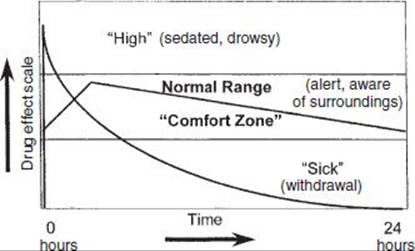
FIGURE 50-2 Methadone 24 hours at steady state.
With the next maintenance dose, there is a gradual rise in blood level, reaching a peak at 3 to 4 hours. Typically, the peak level is less than two times the trough level. There is a gradual decline over the rest of the 24-hour period, back to the trough level. When the patient is on the correct dose at steady state and with development of sufficient tolerance, at no time does the rate or extent of change in blood levels cause a sensation of being intoxicated or result in withdrawal symptoms.
Induction
Although most patients eventually will need 80 to 120 mg/d of methadone to achieve stability (11), and although adequately high doses are needed to provide stability and retention in treatment (27), the starting dose must be much lower, and the eventual steady state is reached slowly, sometimes over weeks. The first several doses require careful evaluation and adjustment. This phase is usually called induction and is the most critical phase of treatment. As treatment is made more available, an understanding of the pitfalls of this time of early treatment has become evident. Even though methadone maintenance has been shown to reduce mortality, including overdose mortality (28,29), several studies have reported deaths during the first 10 to 14 days of treatment, particularly when induction doses are high and when the patient is also ingesting sedatives (30–34). About 42% of drug-related deaths during treatment occurred during the first week of OMT (35). In an Australian survey, patients were reported to be 6.7 times more likely to die during induction as compared to untreated heroin users (36). The mean induction dose was more than 50 mg among those who had died. Such deaths also occur in the United States, though the maximum first dose is set at 30 mg by regulation. Variability in methadone metabolism, discussed later in the section on drug interactions, may be implicated.
Initial Dose
In most cases, patients being evaluated for admission to OMT have developed significant tolerance to opioids and demonstrate objective signs of withdrawal as a sign of current opioid physical dependence. The response to the initial dose of agonist medication provides valuable information about tolerance levels and the target “therapeutic window.” Significant relief during peak (2 to 4 hours) is evidence that the dose is in the range of the established level of tolerance and may not require further escalation. The absence of relief suggests that the dose is well short of the therapeutic window. Additional methadone can be provided when significant objective withdrawal persists during peak methadone levels. Patients who present at the dosing window 24 hours after their very first dose can be expected to be uncomfortable as tissue store accumulation is still incomplete. If they were comfortable during the first 4 to 12 hours after their dose, they probably need more time at the same dose, and not a higher daily dose. Under federal regulations, the initial dose of methadone is no more than 30 mg and may be lower in patients in whom low tolerance might be expected (e.g., recent relapse after a significant period of abstinence, or addiction to lower-potency opioids such as hydrocodone or codeine, or in opium smokers). A total dose of no more than 40 mg may be given on the first treatment day unless the program physician documents in the patient’s record that 40 mg did not suppress opioid abstinence symptoms.
Stabilization and Steady State
After the initial dose, the induction phase allows for subsequent careful adjustments of the dose to achieve elimination of drug craving and prevention of withdrawal while avoiding the risk of intoxication or overdose associated with accumulation of methadone (37,38). The induction phase can be considered to last until the patient has attained a methadone dose that meets the four goals outlined above. The safe and effective introduction of methadone requires an understanding of steady-state pharmacologic principles. In general, steady-state levels are reached after a drug is administered for four to five half-lives (methadone has an average half-life of 24 to 36 hours). The clinical significance is that, with daily dosing, a significant portion of the previous dose remains in tissue stores, resulting in increased peak-and-trough methadone levels after the second and subsequent doses. Thus, the levels of methadone increase daily, even without an increase in dose. The rate of increase levels off as steady state is achieved at four to five half-lives, that is, 3 to 7 days (Fig. 50-3). Further dose changes every 3 to 7 days may be needed to achieve the maintenance dose. Dose adjustments can be done in 5- to 10-mg increments for highly tolerant patients. Liquid medication allows dose adjustments by smaller increments for less tolerant patients.

FIGURE 50-3 Steady-state simulation—maintenance pharmacology attained after 4 to 5 half-times, 1 dose/half-life.
Maintenance
Once a stable dose is established, based on the presence of desired clinical effects, elimination of craving, and prevention of withdrawal, the maintenance phase begins. Maintenance continues until such a time that there is a reason to alter the treatment. Most patients receiving methadone maintenance do well on a dose range of 80 to 120 mg/d (11), though some patients require less and some require more. A prospective study of methadone doses associated with heroin abstinence showed a wide range, with some of the variance attributable to mental health diagnosis, further supporting individualization of the dose (39). Patients are often able to remain at their maintenance dose for years with no need to adjust it. Tolerance appears to remain stable with no need to escalate the dose, as would be the case for short-acting opioid analgesics. Endocytosis of mu opioid receptors and N-methyl-D-aspartate receptor antagonism are unique characteristics of methadone itself that may contribute to this stabilizing feature (40–43).
Duration and Dose
Dose level and duration of treatment are individualized clinical decisions. For most patients in methadone maintenance, a chronic care approach is most appropriate. In the early 1970s, efforts to limit the duration of treatment and to cap the dose occurred initially at the federal level and later were initiated by some individual state methadone authorities (44). There is no scientific or clinical basis for an arbitrary dose ceiling on methadone, although QT prolongation has been seen in the electrocardiograms of patients receiving high doses of methadone (37). Methadone doses of 80 to 100 mg have greater benefits than doses below 50 in heroin-dependent patients (45–48). Based on an extensive review of the research literature on the prognosis of patients who have been withdrawn from methadone, as well as the safety of continued maintenance treatment, the American Society of Addiction Medicine supports the principle that methadone maintenance treatment is most effective as a long-term modality (49). Once the dose has been determined to be adequate, daily dose remains constant, and appropriate behavioral and psychosocial interventions can be effective.
The known risks of discontinuing methadone treatment, with predictable relapse to injected heroin use, become increasingly critical when viewed in the context of the HIV epidemic. These risks, when compared to the proven safety and efficacy of long-term methadone treatment, suggest that long-term—even indefinite—methadone treatment is appropriate and even essential for a significant proportion of eligible patients. Methadone treatment currently is viewed as treatment of a chronic medical disorder, with the goal of achieving control of the opioid addiction and avoiding the ravages of the untreated disease (50). Treatment should be continued as long as the patient continues to benefit from treatment, wishes to remain in treatment, remains at risk of relapse to opioid or other substance use, and suffers no significant adverse effects from continued methadone maintenance treatment and as long as continued treatment is indicated in the professional judgment of the physician (51). Patients receiving methadone do seek to discontinue maintenance for nonmedical but very real and practical reasons (e.g., transportation or scheduling difficulties) and to escape continued disruption of their lives associated with the burdensome restrictions, regulations, and structure of the treatment delivery system. For patients who attempt withdrawal, it is important for practitioners to provide encouragement along with the best medical and supportive treatment available, without fostering unrealistic expectations or unnecessary guilt, and to provide a means for rapid readmission to methadone treatment in the event of relapse or impending relapse to the use of illicit opiates (49).
Techniques to Ensure Adequacy of Dose
In most cases, clinical observation and patient reporting are adequate to make appropriate dose determinations.
Blood Levels in Dose Determination
Mean, random, or trough levels of methadone do not define an adequate dose. The clinical utility of blood levels is based on the peak and trough values to define a rate of change, or a peak-to-trough ratio. In the methadone clinic setting, patients occasionally experience problems in maintaining stability on a given dose of methadone. Statements such as “My dose isn’t holding me,” “I wake up sick every morning,” “My dose only lasts a few hours,” “I have drug hunger every night,” or “I get sleepy at work but start getting sick by bedtime” are not uncommon in patients receiving methadone. These clinical problems may not respond to simple dose adjustments and may suggest wide fluctuations over the dosing interval (rapid metabolism). As early as 1978, it was suggested that serial methadone levels could result in dramatic clinical improvement, with a “flattening of the curve” associated with a divided dose regimen in those methadone maintenance patients who were experiencing problems on a single daily dose (52). Researchers in the early 1980s compared 24-hour methadone serum levels in two groups of patients, all of whom received 80 mg/d. One of the groups was composed of patients who were doing very well in treatment, while the patients in the other group were doing poorly in terms of drug use and compliance. The results showed the stable group to have a mean serum level of 410 ng/mL at 24 hours, whereas the poor performers had a mean of 101 ng/mL (53). It has become clear that the same dose may vary in efficacy among individuals and that patients may be doing poorly as a result of inadequate dosing. Several researchers support blood levels greater than 150 to 200 ng/mL at all times for optimum results (7,54,55). There is growing consensus that levels above 400 ng/mL can represent an optimum level in providing adequate cross-tolerance to make ordinary doses of intravenous heroin ineffective (nonreinforcing) during methadone treatment (56). Methadone peak, trough, and mean levels and the rate of elimination (half-life) can be influenced by several factors. Individual differences in the metabolism of methadone, poor absorption, changes in urinary pH, effects of concomitant medications, diet, and even vitamins are among the possible factors that can influence the 24-hour dose–response curve of methadone. Pregnancy, particularly during the third trimester, is associated with significant decrease in trough methadone levels, suggesting increased rates of metabolism of methadone (57). Blood level assays can be very useful in evaluating suspected drug interactions. Blood levels can help identify patients who may benefit from a divided-dose regimen or demonstrate the effectiveness of a divided-dose regimen.
Procedure for Obtaining Blood Levels
Ideally, peak blood levels should be drawn at 3 (2 to 4) hours after a dose and trough levels at 24 hours, once said dose has been stable for at least 5 days, to allow tissue store equilibration. Patients already on a divided dose, such as every 12 hours, should have 2- to 3-hour and 12-hour specimens. A trough level alone is of little clinical value unless it is extremely low or very high. Blood levels are interpreted in the context of a clinical presentation for which the laboratory values can supplement clinical judgment. The peak level at 2 to 4 hours should be no more than twice the trough level. A peak-to-trough ratio of 2 or less is ideal (peak/trough = ratio). Ratios greater than 2 suggest rapid metabolism. The rate of change is of greater clinical significance than the actual levels. For example, a patient with a 24-hour level of 350 ng/mL after a peak of 1,225 ng/mL (1,225/350 = 3.5, indicating rapid metabolism) may be experiencing early opioid withdrawal, whereas a patient with a trough of 150 ng/mL and a peak of 250 ng/mL (250/150 = 1.7, indicating a normal metabolism) may be quite comfortable. No particular blood level should be considered “therapeutic” outside of the clinical context.
Methadone–Drug Interactions
Clinical experience suggests that concomitant medications can either induce or inhibit CYP450 activity on methadone metabolism (58). Drugs that stimulate or induce CYP450 activity can precipitate opioid withdrawal by accelerating metabolism, thus shortening duration and diminishing intensity of the effect of methadone. For example, addition of rifampicin, phenytoin, carbamazepine, phenobarbital, nevirapine, or efavirenz may result in the onset of withdrawal symptoms and require dose adjustments of the methadone. Considerable flexibility in dosing may be required to stabilize some patients whose metabolism has been altered by drug interactions or naturally occurring altered rates of metabolism. Other drugs such as cimetidine, ciprofloxacin, fluconazole, erythromycin, and fluvoxamine may inhibit this enzyme activity, slowing the metabolism and extending the duration of the drug effect. Metabolism of methadone is largely a function of enzyme activity in the liver, and intestinal enzymatic activity has also been observed to be clinically relevant. Multiple enzymes may affect methadone metabolism in vivo (59). Liver 3A4 activity in vitro is shown to influence methadone metabolism (60). Methadone exists as a racemic mixture of R and S isomers. Genetic variability in CYP 2D6 activity may affect clinical status by affecting metabolism of the R-methadone isomer (61,62) and may also affect toxicity (63). Enzymatic activity of intestinal CYP2B6 is stereoselective and may be important in clinical effects and drug interactions (64). A 17-fold variability between patients in their methadone metabolism is shown, mostly due to activity of various enzymes (65).
Methadone and QT Interval
Several case series have been published showing that methadone treatment is associated with prolongation of the QT interval on the electrocardiogram and possible consequent cardiac arrhythmia (Torsade des Pointes or TdP) (66,67).
In vitro study of human ether-à-go-go–related gene potassium channels (hERG K+) confirms that methadone at therapeutic doses can affect cardiac conduction (68). Genomics of CYP2B6 were shown to be associated with QT interval, and in vitro studies suggest that most of this prolongation is due to the nontherapeutic S-methadone enantiomer (69). Interviews of patients receiving methadone treatment found an association between longer QT and retrospective self-report of syncopal episodes (70).
In 2006, the U.S. Food and Drug Administration (FDA) published a boxed warning that included QT interval prolongation and the risk of arrhythmia. Although this warning was aimed at patients on high doses for pain treatment, clinicians in OTPs are becoming more aware of this risk.
Several studies look at QT interval in the methadone clinic setting. Martell et al. performed electrocardiograms on 160 patients admitted to methadone treatment at baseline and again after 6 months and 12 months of the treatment. The study found that admission to methadone treatment prolonged the QTc an average of 10 milliseconds at 12 months and that the prolongation correlated with serum levels of methadone (71). Peles et al. measured QT in 138 patients already on stable doses of methadone and found that three of them had QTc greater than 500 milliseconds, and during the study, two of those patients died, although the deaths were not judged to be cardiac. An additional 19 patients, all with doses greater than 120 mg, had QTc > 450 milliseconds (72). Both of these studies give an overall prevalence of prolonged QT interval (≥500 milliseconds) of around 2% in the OTP. A randomized controlled trial found that 23% of methadone patients had a QTc > 470 milliseconds (women) or 490 milliseconds (men) but did not find frequent QTc prolongation among patients treated with buprenorphine (73). Physicians remain underaware of cardiac safety concerns about methadone (74), but many are adapting to this information in various ways. There are no clear data to guide any intervention. Some clinics are offering cardiograms and are screening patients for cardiac risk. Risk–benefit discussion with patients includes a review of other medications that might contribute additional cardiac risk. In general, it is considered that almost certain relapse to uncontrolled opioid use is more risky than the rare occurrence of an arrhythmia. However, coordination of care with outside physicians to monitor the use of other medications or transfer to buprenorphine treatment might in some cases be indicated (75). Hospitalized patients receiving methadone may have particularly high risk of TdP (75). The Center for Substance Abuse Treatment (CSAT) convened a consensus panel on this topic, and the final iteration of the consensus panel’s recommendations include risk assessment and ECG screening, patient and staff education about cardiac risk, and informed consent (76,77). Feasibility of offering QT screening on-site in the OTP has been shown in several studies (78,79).
Methadone-related Deaths of Persons Not in Treatment
The increase in methadone abuse parallels the increase in prescription analgesic abuse noted since 1995, with associated mortality from nonmedical ingestion of methadone, in particular a dramatic increase in mortality by ingestion of diverted methadone intended for pain treatment. Deaths from methadone overdoses exceeded deaths from heroin in some states by 2002 (80). In 2003, the CSAT published an analysis of an increase in deaths related to methadone in the United States, and in 2007 and 2010, a second and third review (81,82). Most of these deaths involved diverted methadone intended for pain treatment and were not patients in maintenance treatment, nor did it appear that the methadone was diverted from that dispensed at the OTPs. Most of these deaths also involve multiple medications, usually including sedative medication. These observations are similar to observations of increased diversion-related deaths after ingesting methadone in other countries where OMT was initiated (83–85).
Levo-Alpha Acetylmethadol
Levo-alpha acetylmethadol (LAAM) was developed in 1948. By 1952, it had been observed to suppress opioid withdrawal for more than 72 hours (86). LAAM was evaluated in opioid addiction in the late 1960s and 1970s, ignored in the 1980s, and resurrected in 1990 by the Medications Development Division of the National Institute on Drug Abuse (87). LAAM was approved for use in the treatment of opioid addiction by the FDA in 1993 (88). After several cases of the arrhythmia Torsade des Pointes were reported, the FDA placed a boxed QT warning label on LAAM, and subsequently the pharmaceutical company withdrew LAAM from the market. As of this writing, it remains unavailable in the United States, though still approved as an opioid agonist medication for OMT.
MAINTENANCE TREATMENT USING BUPRENORPHINE
Buprenorphine is a partial mu opioid agonist. In October 2002, the FDA approved two sublingual formulations of buprenorphine for treatment of opioid dependence. One formulation, a combination of buprenorphine and nalox-one in a 4:1 ratio, is designed to discourage injected diversion and misuse. Naloxone is an opioid antagonist that is not significantly bioavailable when taken sublingually or when swallowed. When injected into actively using opioid-dependent subjects who are blinded, the combination was not judged to be desirable or to be different from the antagonist in the first hour after injection (89,90). This buprenorphine/naloxone combination is the preferred formulation for outpatient use as an effort to minimize diversion. The other sublingual formulation contains only buprenorphine and is used in controlled settings, such as inpatient medically supervised withdrawal, or in pregnancy. Sublingual buprenorphine/naloxone maintenance treatment is usually offered in office-based settings. Sublingual buprenorphine is listed as an opioid treatment medication under federal regulations that govern OTP licensure, although take-home criteria are less restrictive than for methadone.
Pharmacology of Sublingual Buprenorphine
Buprenorphine has slow onset and long duration of action, conferring similar maintenance benefits as discussed earlier for methadone. As a partial mu agonist, buprenorphine has a maximal dose–effect ceiling that is well below significant respiratory depression for most patients. This safety profile led to its DEA Schedule III, allowing office-based use under the restrictions of the Drug Addiction Treatment Act of 2000 (91).
Induction and Precipitated Withdrawal
Buprenorphine is a partial agonist with strong receptor affinity. Relative to a displaced full agonist, its activity can be felt as the rapid onset of (relative) opioid withdrawal by the patient unless the first dose is clinically well timed. The first dose should be given when the patient is already in obvious opioid withdrawal. When opioid withdrawal is already present, the onset of activity will be felt as agonist, with relief of withdrawal. In contrast to methadone, induction doses are not set by regulation, though clinical guidelines and physician training courses recommend 2 to 4 mg of sublingual buprenorphine/naloxone as a first dose, with first-day maximum of 8 mg (92). One Italian study found that higher induction doses were associated with better engagement in ongoing care (93).
Buprenorphine Dose Adjustment
The dose can be rapidly titrated over the first 3 days to control withdrawal. Average daily doses are 16 to 20 mg. One labeled imaging study showed mu opioid receptors to be approximately 90% occupied depending upon the brain region at doses of 16 mg/d of sublingual solution (94). Because of the partial agonist ceiling effect, no additional maintenance benefit is expected in doses above 32 mg/d. Sublingual buprenorphine/naloxone is usually prescribed as a single daily dose. In cases requiring supervised dosing, it can be given every other day, or three times a week, while keeping the total weekly dose unchanged (95,96).
Buprenorphine Medication Interactions
Compared to methadone, buprenorphine may confer advantages when certain HIV medications are used (97) and in cases of QT prolongation with methadone (73,75). Even though it is metabolized by the liver in a manner similar to that of methadone, by CY450 3A4, the presence of an active metabolite—norbuprenorphine—and the strong receptor attachment make this medication less dependent than methadone on blood level and tissue stores.
Federal Regulations and Sublingual Buprenorphine
When dispensed in the OTP, sublingual buprenorphine/ naloxone is subject to the same regulations as methadone, except for unobserved dosing requirements, as explained below. When prescribed in the office-based setting, there are certain restrictions set forth in the Drug Addiction Act of 2000 (91). This law provides for a waiver to the 1914 Harrison Act that forbids prescription of a narcotic to an addicted person. The qualifying physician notifies the Secretary of Health and Human Services of his or her intent to prescribe, after which the DEA assigns to the physician a second DEA number that is specifically for use under DATA 2000. There are restrictions on census and type of medication and rules on storage and record keeping. The DATA 2000 restrictions do not apply when buprenorphine or buprenorphine/naloxone are dispensed at clinics under their OTP license. In those cases, the same federal regulatory restrictions apply to both buprenorphine and methadone except that the time-in-treatment regulations that apply to take-home doses of methadone no longer apply for buprenorphine so that decisions about the number of buprenorphine take-home doses given are determined purely on the basis of patient stability and not on how long the patient has been in treatment.
Diversion and Abuse of Buprenorphine
An investigation of the effects of DATA 2000 was carried out in 2005. No serious adverse events were found by the introduction of sublingual buprenorphine/naloxone in the office-based setting. That study showed that most of the patients treated with buprenorphine listed prescription pain relievers as their primary opioid of abuse (98). In view of the serious increase in nonmedical usage of prescription opioids, it is hoped that buprenorphine/naloxone may provide a timely treatment for those who become addicted and who might not otherwise seek out a methadone clinic.
Wherever buprenorphine treatment has been introduced, there has been diversion and abuse of the medication, including injected use (99,100). As the clinical use of buprenorphine has increased since 2002, so have reports of diversion. One study in the United States showed that diverted buprenorphine/naloxone is being used mostly for relief of withdrawal and rarely as a primary drug of abuse (101). A more recent study found that diversion increased as treatment with buprenorphine became more available, although not as steeply as full agonists (102). In areas of higher prescribing of sublingual buprenorphine, most treatment seekers have already tried buprenorphine/naloxone, having used it illicitly for relief of withdrawal, or during times when the preferred drug of abuse is not available (103). An Australian study that interviewed patients who were found to be diverting doses given under observation at pharmacies found that discarding it, saving it for another time, or giving the dose to someone else were cited as reasons for not correctly taking the dose at the window (104,105). Treatment guidelines for agonist treatment recommend monitoring for diversion with urine testing or pill counts and adding observed dosing or shortening time span between prescriptions when diversion is suspected.
Benzodiazepines and OMT
The potentially lethal combination of benzodiazepines with opioid agonist treatment medication is important to address in patients who are dependent or abuse illicit benzodiazepines. For patients with therapeutic sources of benzodiazepines, careful coordination with prescribing physicians is indicated. Alternate treatments for insomnia or anxiety may be possible. Abrupt cessation of high doses of benzodiazepines may require medical detoxification due to the risk of withdrawal seizures. Reported rates of benzodiaze-pine misuse among methadone-treated patients are between 24.9% and 50.6% (106).
Choice between Methadone and Buprenorphine
Though both medications were shown comparable in various outcomes (107,108), systematic reviews suggest that methadone is superior in retaining patients (109,110). In the United States, site of care and level of care, local availability, or cost may determine which medication is applicable for a given patient. An interesting blinded study showed that a “stepped” approach of starting patients on buprenorphine and transferring those who did not stabilize onto methadone had identical outcomes to directly admitting patients to methadone treatment. In this study, 46% of patients did well on buprenorphine (111).
Comparison studies have been done in specific clinical areas. Prospective, randomized and blinded studies during pregnancy and the perinatal period show that both medications are safe, with methadone associated with more severe neonatal abstinence syndrome (110,112–114). Buprenorphine may confer less cardiac risk (70,75), although no prospective studies have been carried out. A randomized prospective liver safety study showed no liver damage produced by either medication (115). Overall, these comparisons confirm that both medications are useful for opioid dependence. Eventually, these may lead to more patient-tailored medication choices. The medications are often not equitably available, with major differences related to how and where treatment is delivered.
Observed Doses and Take-Home Medication in OMT
As the patient who is on maintenance surfaces from his or her addiction and begins to work on major life changes, the need for daily visits to the dispensing window and for regular counseling can change as well. Patients who do well and who improve according to specified criteria set out in federal regulations can earn take-home medications for unsupervised dosing. The criteria include adherence to treatment, stability of home environment, involvement in productive activity, abstinence from drugs of abuse, and resolution of any legal problems. As of May 2001, the guidelines governing methadone treatment started to allow patients to take home up to six doses a week after 9 months, 2 weeks of medication after the first year, and 30-day doses after the second year of treatment, with shorter time in treatment required for buprenorphine (12). Some states have additional, more stringent regulations. In buprenorphine dispensed from an OTP, the nurse or pharmacist observes the proper placement of the medication under the tongue. Some OTPs have the patient wait until tablets or film has completely dissolved. As mentioned earlier, alternate-day or thrice-weekly dosing is an option for the buprenorphine-maintained patient who is not stable enough to have take-out doses (95,96).
Monthly observed dosing at the OTP, with carry out of the remaining doses for the month, is as close as most methadone maintenance patients come to receiving their medication in a fashion similar to that in other well-controlled medical conditions. Methadone medical maintenance (MMM) and office-based opioid treatment (OBOT) with methadone remain a rarity in the United States.
Methadone Medical Maintenance
MMM, designed for “stable, recovered” patients on methadone, is an effort to release the patient from burdensome attendance in an OTP by allowing a physician who is affiliated with the clinic, but in office practice, to prescribe or administer the maintenance medication. In April 2000, the CSAT circulated draft guidelines describing medical maintenance. These guidelines were developed after more than 10 years of pilot projects showed that this approach to care works and that it improves the quality of life for patients (116). As of 2012, these guidelines remain in draft format, and MMM is still rarely used. Physicians interested in offering integrated treatment in an office setting are doing so under the Drug Addiction Treatment Act of 2000, the legislation enabling use of sublingual preparations of buprenorphine.
Medical maintenance generally refers to attendance that is reduced to one or two visits per month, with a minimum number of supportive services, and is offered to selected stable patients. Two models have emerged. The first was designed by Des Jarlais et al. (117) as a feasibility study and subsequently was reported by Novick. According to the model, medical maintenance is defined as the treatment of rehabilitated methadone maintenance patients in a general medical setting rather than a licensed clinic. Selection criteria called for a minimum of 5 years in treatment, with essentially perfect compliance for a period of 3 years. Results are excellent in terms of enhanced retention and reduced rates of addictive disorder or lost medication (118,119). The other model, developed by Senay, differs in several ways. Admission to the study was based on the performance rather than time in treatment, with only 6 months of excellent performance required. The reduced attendance and services were provided in a methadone program, with continued periodic counseling and urine drug screens. The Senay model also demonstrated an excellent treatment outcome (120,121). An obvious advantage to both models is a reduced level or intensity of care and cost of treatment, thus freeing resources for patients just entering treatment, while stable rehabilitated patients benefit from ongoing methadone treatment with a minimum of cost and disruption of their lives. As mentioned earlier, many patients risk their abstinence and, in an AIDS epidemic, their lives, in an effort to withdraw from methadone for nonmedical reasons. For those who are attempting to free themselves from OTP constraints rather than from the effects of daily medication, medical maintenance could be an acceptable solution. Current regulations require a federal waiver for medical maintenance. A 2001 study randomly assigning patients to either office- or OTP-based methadone showed no difference in clinical outcomes and improved patient and physician satisfaction (122). Office-based maintenance with sublingual buprenorphine is becoming more available as physicians become trained and experienced.
PAIN MANAGEMENT
Patients on OMT require special consideration because of their baseline maintenance opioid. They will be tolerant to additional opioids, and if nonopioid approaches are not effective, they may need unusually high and frequent doses of opioids to manage their pain.
Acute Pain
In cases of acute pain associated with surgery, trauma, or dental work, the physicians or dentists involved often— incorrectly—assume that the maintenance dose of methadone also will relieve any ensuing pain from the injury or procedure. The current emphasis on proper pain control in medical settings has improved patient care, and patients are more likely to be treated according to their symptoms and function rather than their maintenance dose. Several points should be kept in mind. First, single daily doses of methadone may be effective in controlling addiction, but multiple daily doses may be required for analgesia. Second, long-term use of methadone and possibly buprenorphine as well is associated with hyperalgesia (123,124). Tolerance and hyperalgesia combined means that patients in OMT who require opioids for acute pain management may need very high doses of opioids. Morphine, hydromorphone, fentanyl, oxycodone, hydrocodone, codeine, and other agonist drugs may be appropriate for methadone-maintained patients as part of acute pain management when additional opioids are required. Mixed agonist–antagonists (pentazocine, butorphanol, nalbuphine) and partial agonists (buprenorphine) must not be used in methadone-maintained patients, as they will precipitate an opioid withdrawal syndrome. Meperidine and propoxyphene should be avoided because of the risk of seizures at the higher doses required to produce analgesia in methadone-maintained patients.
In summary, for methadone-maintained patients who require opioids for acute pain management (a) continue maintenance treatment without interruption and use nonopioid pain treatments whenever possible; (b) provide adequate individualized doses of opioid agonists, which must be titrated to the desired analgesic or functional effect; and (c) doses should be given more frequently and on a fixed schedule rather than “as needed for pain.” Although not thoroughly documented, it is probably best to choose agonists different from those previously abused.
Chronic Pain
More than 30% of OMT patients report chronic, severe pain (125). Compared to those who primarily misuse heroin, patients admitted to the OTP for prescription opioid addiction may have higher prevalence of pain (126,127). The historical separation of pain treatment from addiction treatment in American medicine gets in the way of properly managing patients with chronic pain and who are on maintenance opioids. The OTP physician can sometimes bridge this gap by coordinating care with the patient’s primary care or pain specialist. For example, in a patient with chronic nonmalignant pain who is able to comply with the regulatory criteria for take-home medication, the OTP physician can order a divided dose of methadone, and the outside physician can prescribe short-acting rescue medication. This might improve baseline pain control without the need for multiple sources of long-acting medication.
PREGNANCY AND OPIOID AGONIST TREATMENT
Agonist treatment during pregnancy remains a controversial and emotionally charged topic. This is largely attributable to the neonatal opioid withdrawal syndrome (neonatal abstinence syndrome or NAS), which is the most visible and dramatic sequela of physical dependence in the neonate. Efforts to treat, prevent, and minimize neonatal opioid withdrawal have predominated since the results of the first 13 pregnancies were reported in 1969 (128). Neonatal withdrawal is monitored in the hospital for several days after birth. The Finnegan scale of infant withdrawal is used to determine whether treatment becomes necessary (129). In a case series of 80 women in California who were treated with methadone maintenance, only 45% of the infants needed treatment, with no difference between low and high doses of maternal methadone during the pregnancy (130). An interesting feature noted in this case series was better outcomes in women who became pregnant during their methadone maintenance treatment (131). Except for HIV-positive mothers, breast-feeding by patients on OMT is encouraged (132). Randomized and blinded studies comparing methadone to sublingual buprenorphine during pregnancy suggest that buprenorphine offers a second choice (110,112) and may shorten hospital stay and medication need in the neonate (114). Neonatal withdrawal still must be monitored for several days after birth. Methadone and buprenorphine are category C medications, though there is more experience with the use of methadone in pregnancy. Clinicians face a clinical decision regarding starting or continuing buprenorphine maintenance in pregnant patients when methadone treatment is not an option.
Opioid maintenance remains the treatment of choice for pregnant, opioid-dependent patients. Maternal medically supervised withdrawal during pregnancy is technically possible (133). There is concern that it would result in potentially dangerous intrauterine fetal distress. For this reason, medically supervised withdrawal of pregnant patients is usually done in the hospital with fetal monitoring. The main practical consideration of medically supervised withdrawal during pregnancy is relapse.
NEEDLE-RELATED COMORBIDITY
Of heroin-addicted patients admitted to treatment in 2010, 60% to 70% were injection drug users (IDUs) (134). Infections related to needle use are a main source of comorbidity and death in the OMT population.
Acute skin infections at the site of injection may form an abscess that responds to incision and drainage or may worsen and produce cellulitis requiring systemic or parenteral antimicrobials. One particularly lethal and disfiguring infection is necrotizing fasciitis (135). Clusters of botulism cases have been found in areas where the less processed “black tar” heroin is used, and the epidemiology suggests that the toxin is already present in the injected drug itself (136,137). Endocarditis should be ruled out in IDU patients who present with a fever and heart murmur.
Human Immunodeficiency Virus
Between 15% and 20% of long-term IDUs are positive for the HIV (138,139), so maintenance patients are routinely screened and if necessary treated with antiretrovirals. Participation in OMT is useful in the prevention of HIV (9,140). Methadone maintenance treatment is associated with fewer high-risk behaviors, such as unsafe injection practices or having multiple sexual partners (141). Patients at risk for injection drug use who were maintained on buprenorphine had higher adherence to their antiretroviral regimen than those not in treatment (142). Dose adjustments may become necessary in patients on methadone or buprenorphine maintenance who begin highly active anti-retroviral treatment (HAART) for HIV (143). HIV-related conditions usually require coordination with specialty clinics. OMT clinicians can support medication adherence to complicated HAART treatment (144).
Hepatitis C Virus
Novick (145) reported hepatitis C virus (HCV) positivity rates of 66% to 88% of all IDUs, with 77% in persons using for 1 year or less and 94% in persons who had injected drugs for at least 10 years. HCV becomes chronic in 85% of infected persons but progresses slowly. Cirrhosis is seen in 20% to 30% and also develops slowly—in most cases, over 10 to 20 years. Approximately 50% to 75% of acute HCV infections in adults are asymptomatic. If symptoms are present, they are often nonspecific. Tong and El-Farra (146) described the course of HCV infection in 125 patients with a history of injection drug use. The mean age at which drug use was initiated was 23.1 years, with presentation to a tertiary care center in California occurring approximately 20 years later. The most common presenting symptoms were fatigue, abdominal pain, anorexia, and weight loss. The initial workup indicated that 26% had chronic hepatitis, 37% had chronic active hepatitis, 36% had cirrhosis, and 0.8% had hepatocellular carcinoma. Alcohol use increases the severity of the disease (145).
Testing and staging of hepatitis C are becoming available for IDU patients, and those admitted to OMT are often able to report their status. SAMHSA has published guidance for addressing hepatitis C in TIP number 53.
OTP programs are developing educational interventions to encourage health practices (such as complete elimination of alcohol) that are likely to prolong the period of good health (147,148). Patients with hepatitis C should be vaccinated against hepatitis A and hepatitis B if they are not immune, or if serologic status cannot be determined. Advocacy will be needed to ensure that patients have access to emerging treatments and better access to liver transplantation when necessary (149).
When patients need treatment for hepatitis C, the standard care includes a weekly pegylated interferon injection and oral ingestion of ribavirin several times a day, and in the case of genotype 1, use of protease inhibitors. Interferon-free medications are in development, and it is hoped that they would make treatment less onerous (150). Most IDUs require a year of treatment, depending on genotype. Patients on OMT can expect excellent results in treatment, with sustained remission in 54% (151). Clinicians in the OTP may find themselves either supporting or providing this care onsite (152).
PATIENTS WITH CO-OCCURRING PSYCHIATRIC DISORDERS
The high rate of co-occurring psychiatric and addictive disorders (153,154) obligates treatment providers to equip themselves to address both problems. It can be difficult to differentiate substance-induced disorders from independent conditions at intake, but it is noteworthy that symptoms can diminish rapidly upon initiation of methadone maintenance, especially within the first month. Nonetheless, many patients will remain with psychiatric conditions that need to be addressed. A recent study confirmed that patients with co-occurring psychiatric disorders remained in treatment longer, but those with severe subjective distress had more negative outcomes (155).
Woody et al. (156) examined the efficacy of two kinds of professional psychotherapy and drug abuse counseling typically provided in methadone programs as a function of global psychiatric status ratings of the patients. They found that low-severity patients benefited from both drug abuse counseling (focused on current life problems) and psychotherapy (employing supportive–expressive and cognitive–behavioral approaches). Patients with high levels of psychiatric symptoms were lower in all areas of pretreatment functioning and did not improve as much as did patients with less severe problems. However, the addition of psychotherapy did maximize their improvement in many areas. Professionally trained therapists, integrated into the ongoing program, improved outcome for these difficult patients.
Depression and dysthymia are common co-occurring disorders in the treatment-seeking population (157), especially in women (158). Psychosocial stress and the discomforts of withdrawal may contribute to temporarily low mood as well. Life crises and depressive symptoms posed a substantial risk of relapse, which lessened for those who remained in treatment (159). Studies of antidepressants with this population have produced mixed results, indicating a need to determine how to select opiate-dependent patients most likely to benefit (160). These authors recommended research on integrated models of care in which treatment algorithms are developed to determine the efficacy and cost-effectiveness of both medication and psychosocial interventions.
Anxiety disorders also are common, with symptoms abating with a combination of an adequate methadone dose and the provision of counseling or psychotherapy over a period of time (161). Posttraumatic stress disorder (PTSD) is common in methadone patients, and though it may be associated with greater drug abuse severity (162), PTSD does not necessarily worsen the outcome of substance abuse treatment. Trafton et al. (163) found differences in PTSD patients compared to those without, including a longer history of drug use at intake, but these did not negatively influence outcomes. Patients with PTSD received higher doses of medication, attended more psychosocial treatment sessions, and had better treatment retention. However, their PTSD symptoms did not improve with substance abuse treatment alone. Seeking Safety represents a manualized intervention for early recovery stabilization of the patient with PTSD and substance abuse (164). It has been widely disseminated and shows good levels of acceptance by patients and counselors.
Sleep disorders are often overlooked and appear to be common in those with psychiatric disorders, chronic pain, benzodiazepine abuse, and whose methadone dose is high (165). Schizophrenia is relatively uncommon in opioid treatment patients (166,167), though most programs have some patients with the disorder. Based on the historical references and clinical observations, some clinicians have proposed that opioids have antipsychotic properties (168,169). Clinicians have described a subgroup of patients, such as the one who referred to methadone as his or her “sanity syrup,” who appear calmed and stabilized by the medication; when their doses drop, they become disorganized. It also is likely that the high degree of structure characteristic of many treatment programs has a beneficial effect on these patients by providing a sense of safety and security.
It is common to find reports of personality disorders, particularly antisocial personality disorder, in the heroin-using population. Effective treatments are being developed, even for this difficult group. Ball studied methadone patients with at least one personality disorder who were receiving two different forms of psychotherapy and who showed significant reductions in various severity indicators, including psychiatric symptoms and psychosocial impairment (170).
It is important to view a personality disorder diagnosis with caution. Criteria in editions of the Diagnostic and Statistical Manual of Mental Disorders before the DSM-IV (171) failed to distinguish behaviors characteristic of alcohol and drug users from personality traits that were more enduring. The self-preoccupation of the opioid agonist treatment patient in the stabilization phase (comparable to other patients who are newly abstinent or in early recovery) was too readily interpreted as narcissistic preoccupation characteristic of personality disorder. In addition, symptoms of PTSD can be mistaken for personality disorder. As clinicians come to understand the high prevalence of emotional trauma in addicted persons, they will note that apparent lack of feelings and/or interpersonal connection may represent numbing symptoms (e.g., feelings of detachment or estrangement, restricted range of emotions) seen in PTSD. It is important to be attentive to these potential confusions because personality disorder—and especially antisocial personality disorder—carries a poor prognosis and often evokes negative staff attitudes. It is advisable to be wary of psychiatric disorders diagnosed at or shortly after admission, because many patients look more pathologic than they will after their medication has been stabilized and they have begun to make use of psychosocial services.
Although neither heroin nor methadone has been found to be neurotoxic, several factors increase the likelihood of cognitive impairment. These include overdose, concomitant alcohol abuse, and traumatic head injury due to exposure to violence. Behaviors attributed to antisocial personality disorder may in fact be the result of cognitive impairment. Deficits in information processing may also result in difficulty following instructions and problem solving (172). Studies of driving ability have raised the issue of whether buprenorphine patients have greater alertness than methadone patients, but results are equivocal. However, significant improvement in concentration and executive functions after 8 to 10 weeks of treatment have been reported in both groups (173).
PSYCHOSOCIAL INTERVENTIONS
Psychosocial interventions are considered integral to good treatment in a methadone program, and requirements for this are written into regulations. Many individual studies support this view, but a rigorous analysis finds flaws in the research that make it difficult to draw definitive conclusions. The Cochrane Collaboration has published several reviews with equivocal conclusions. In 2004, Amato et al. (174) offer evidence from the 12 of 77 studies that met their inclusion criteria that adding any psychosocial support to standard methadone treatment significantly reduces opiate use during treatment, compliance, and completion of treatment (175).
A more recent Cochrane Report examined agonist maintenance treatment alone compared with medication plus the addition of a specific, structured psychosocial treatment such as contingency management. This review did not support the view that adding these specific interventions improved outcomes (176). However, the authors note that counseling was routinely offered in the control intervention used in the studies.
The methodology of the Cochrane Report was not suitable for answering some of the key questions for treatment providers. For example, the “dose level” or intensity of the psychosocial services was not controlled or taken into consideration. In an era of limited resources, it is important to know in more detail what is effective with whom. For example, McLellan et al. demonstrated three decades ago that psychotherapy was more beneficial to patients with moderate psychiatric severity than to others (177). It is not possible to examine this type of issue from this report, and it is of limited value to approach psychosocial services so broadly. The short duration of the studies also made it impossible to assess outcomes such as mortality.
For practical purposes, this report and other studies suggest that interim maintenance, or minimal treatment, can be offered when access to full treatment is delayed (or nonexistent) and can still benefit the patient (178–180). Large, multisite studies with standardized interventions would be needed to determine the added value of psychosocial interventions. Inasmuch as medication makes other changes possible but is often not enough to produce them, it is important to preserve the capacity of programs to provide a broad spectrum of care.
Physicians who work in clinics focused on opioid maintenance pharmacotherapy typically find that counseling and case management vary widely in quality and comprehensiveness. In many states, the introduction of methadone was permitted only if accompanied by a serious rehabilitative effort, but recent changes in funding have undermined efforts to maintain comprehensive services. Clinic-based buprenorphine treatment offers the same intensity of psychosocial interventions as methadone maintenance; however, most buprenorphine maintenance is carried out in nonclinic settings with variable availability of counseling. Integration of psychosocial care with buprenorphine maintenance medication is beneficial in reducing drug abuse and improving retention though the optimal intensity of such care is harder to determine (181).
In many OTPs, psychosocial interventions are provided by counselors, who range widely in educational level and professional training. The counselor’s task is to identify and address specific problems in the areas of drug use, physical health, interpersonal relationships (including family interaction), psychological problems, and educational or vocational goals (175). Short- and long-term treatment plans provide structure for the counseling sessions and a tool by which to monitor the patient’s progress and quality of care. The counselor often serves as a case manager as well, initiating screening for medication and other program services; attending to issues concerning program rules, privileges, and policies; and providing links to other agencies. Clinics that have access to professionally trained staff may offer psychotherapy to selected patients. Typically, this access is found in programs involved in research or professional training.
An increasing number of intervention strategies are being disseminated in forms that make onsite counselor training easier. Materials are available from both the SAMHSA/CSAT and National Institute on Drug Abuse (NIDA) Web sites. Many of these have been supported in random assignment-controlled trials, though not necessarily with methadone patients. Given the growing emphasis on evidence-based interventions, it is important to understand that many have not been extensively tested under real-world conditions, and there is insufficient information about the costs of implementation compared to the benefits achieved. Nonetheless, specific interventions have great potential to improve engagement, retention, and outcomes and to reduce clinician frustration. Treatment programs rarely rely on one particular intervention alone, and it is the program’s ability to integrate various elements that is likely to bring success.
Motivational enhancement strategies and a variety of forms of cognitive–behavioral therapy (CBT) are available in manualized form, some with accompanying DVD materials. The Treatment Improvement Protocol (TIP 35) is available to download or in a printed version at no charge from the CSAT (www.ncbi.nlm.nih.gov/books). Buprenorphine-specific training for counselors is also available online (http://www.danyalearningcenter.org).
This set of strategies can strengthen the physician’s and counselor’s ability to address a range of issues. Many maintenance patients start treatment but are not fully committed to giving up alcohol, heroin, and other drugs. Important public health benefits have been documented even when they do not commit themselves fully. However, supportive long-term work in the context of a good therapeutic alliance can shift the goals for many patients in time. Studies have documented continuing improvement over a period of years (10).
Motivational enhancement strategies (182,183) offer an alternative to harsh confrontation and encourage counselors to meet patients wherever they are prepared to begin and to move forward from there. CBT takes a variety of forms. These include what are called early recovery and relapse prevention skills (www.matrixinstitute.org). Though the Matrix manuals focus on stimulant use, the strategies are applicable to opiate users with modest changes. Contingency management (184) community reinforcement and node-link mapping are described in TIP 43, also available at no charge from SAMHSA/CSAT (185).
The provision of comprehensive services is supported by recent research (186–188). McLellan et al. (14,189–191) have demonstrated that the addition of enhanced onsite professional services led to better results than basic counseling alone. Quality, quantity, and the match between the patient’s specific problem areas (e.g., vocational, family, or psychiatric) and the services offered all led to demonstrably better outcomes in a variety of populations (191,192). A quality assurance process that monitors and encourages a close fit between the patient’s needs and the services delivered is likely to produce the best outcome, in contrast to a single approach in which most patients receive a similar mix of services.
Phased programs allow treatment to be individualized within a highly structured, systematic process that allows the patient to move forward, achieving tangible markers of progress. Hoffman and Moolchan (193) described one such model, divided into three phases: intensive stabilization, commitment, and rehabilitation. More recently, TIP 43 described goals, strategies and indications for transition to a new phase in a phased approach to both heroin detoxification and methadone maintenance. Staff-to-patient ratios can be adjusted according to the levels of support and assistance required by the patient at each stage, and specific activities can be tailored to the individual’s needs. Services can be provided onsite or through a network of referral sources in the community. In the later stages, the patient can be tracked into a tapering phase or a medical maintenance phase, with a reinforcement phase used as follow-up.
Other approaches address problems at the systems level. The NIATx (https://www.niatx.net) offers a model for process improvement that allows agency managers and staff to identify areas where there are problems and solve them step by step.
GROWTH, CONTROVERSY, AND FUTURE CHALLENGES
Any physician who becomes involved in the treatment of an OMT patient has an important task beyond that of medical practitioner: education and advocacy. A few minutes spent educating family members, clinical providers, employers, and others can have a major effect on reducing stigma and improving the way in which the patient is treated in a variety of systems of care. The patient who feels that his or her physician is knowledgeable and concerned will make a far greater effort to comply with that physician’s treatment recommendations. An issue that merits attention, though there is little literature on the subject, involves individuals who use illicit opiates but who would not consider seeking treatment in the system that currently delivers OMT. The CSAT-sponsored evaluation of the buprenorphine DATA 2000 waiver program suggests that as of 2005, office-based treatment with sublingual buprenorphine addresses a younger, better-educated group of patients more likely to misuse prescription opioids (194). Clinical trials of buprenorphine have shown it to be effective and safe in office-based practice as a maintenance medication (107). Also, work is under way on office-based use of methadone (office-based opioid treatment, or OBOT) to expand treatment capacity. CSAT is evaluating several such projects around the country. OBOT with methadone currently is available and successful in several nations outside the United States, including Canada.
Stigma and access to services and community activities remain a key issue, but important conceptual advances are underway. With the concept of Recovery-Oriented Systems of Care, William White, a widely respected historian of recovery, has provided a unifying framework to understand the wide variety of activities that contribute to the recovery process (98). Over the last 10 years, he has described in detail, with supporting evidence, how professional treatment is but one part of a larger system in which recovering persons access a variety of resources in their community to achieve and sustain long-term gains. White and Lisa Mojer-Torres, a civil rights lawyer and methadone patient, gave the impetus for a major step forward in bringing OMT into the mainstream and the patients into the community of recovering persons. In their monograph on Recovery-Oriented Methadone Maintenance (195), they provide a comprehensive review of the history and evolution of Methadone Maintenance Treatment (MMT) and emphasize the importance of filling gaps in needed services, addressing the stigma, and bringing MMT patients into mainstream services and communities of recovery. Subsequently, White addressed barriers to participation in NA by methadone patients through extensive interviews of NA members and methadone patients. He offered several possible scenarios in which attitudes of NA members are liberalized and methadone patients might be welcomed and also suggested that if this did not occur, alternative recovery mutual aid fellowships hopefully will be expanded (196). Since there is wide recognition that a community that supports the recovery process is a powerful force, these developments are most welcome.
OVERSIGHT AND REGULATORY CHALLENGES
Since the early 1970s, methadone maintenance and withdrawal treatment have been influenced by regulations promulgated by the FDA, in consultation with the NIDA and the U.S. Drug Enforcement Administration. In addition, some states have adopted their own regulations, most of which are based on federal regulations but may be more restrictive in their provisions. There is little question that these regulations, in their current form, have failed to ensure the quality of patient care and have had some unintended consequences (194,197,198). A 1995 report by the Institute of Medicine estimated that only 18% to 36% of heroin users were enrolled in methadone treatment in that year (198). A consensus statement issued in 1998 by the National Institutes of Health supported the chronic disease model of opiate addiction and pointed to methadone maintenance as the best available treatment (3). Since then, efforts to improve access to treatment have taken several forms.
The most significant is a transition of primary federal oversight responsibilities from the FDA to the CSAT. Major revisions of regulations, guidelines, and standards are part of this transition, which implements revised federal regulations published in May 2001 (12). Existing programs became accredited as of 2003, and new ones are required to do so within 9 months. Accrediting bodies include state agencies and private accreditation organizations.
The CSAT has published Guidelines for the Accreditation of OTPs. Changes involving more flexibility in take-home unsupervised dosing and the elimination of artificial barriers to admission to methadone maintenance programs have the potential to make medical decisions part of everyday life in treatment programs. In addition, some previously regulated areas are to be incorporated into clinic-specific policies and procedures. For example, each clinic must have policies to reduce diversion of medication. In the past, regulations that attempted to thwart diversion might have dictated use of liquid medications, locked boxes, and inspection of returned bottles, leaving none of the decisions to clinic policy. Another area is the requirement for continued performance evaluation. Each clinic is to designate the outcome measures to be followed, reflecting the clinic’s own philosophy of care and based on current research about opiate addiction. This task has the potential to put decisions about delivery of care into the hands of clinic administrators rather than regulatory bodies. Although these changes have been made at the federal level, many states still have not changed their regulations to come into conformance with them, so it remains to be seen when and how much clinical ground actually is won.
An urgent need to increase access to treatment while improving and ensuring the quality of that treatment drives the need for restructuring. However, the rapid rise of methadone-associated deaths has created a new context for efforts to reduce barriers. Although the majority of these deaths are related to pain management rather than clinic practices, deaths due to poor management of the induction period have been documented (199,200). Extensive efforts to train physicians more systematically are underway.
In this context, two other changes deserve mention. DATA 2000—the law enabling office-based buprenorphine maintenance—contains specific requirements for training, and courses in the use of buprenorphine have been offered to physicians around the country.
REFERENCES
1.Substance Abuse Mental Health Services. Administration, Results from the 2010 National Survey on Drug Use and Health: Summary of National Findings, NSDUH Series H-41, HHS Publication No. (SMA) 11–4658. Rockville, MD: Substance Abuse and Mental Health Services, 2011.
2.Substance Abuse and Mental Health Services Administration, National Survey of Substance AbuseTreatment Services (N-SSATS): 2010. Data on Substance Abuse Treatment Facilities. DASIS Series S-59, HHS Publication No. (SMA) 11–4665. Rockville, MD: Substance Abuse and Mental Health Services Administration, 2011.
3.NIH Consensus Statement. Effective medical treatment of opiate addiction. Rockville, MD: National Institutes of Health, 1997:1–38.
4.Rettig RA, Yarmolinsky A. Federal regulation of methadone treatment. Washington, DC: National Academy Press, 1995.
5.Dole VP, Nyswander M. A medical treatment for diacetylmorphine (heroin) addiction—a clinical trial with methadone hydrochloride. JAMA 1965;193(8):646–650.
6.Goldstein A. Heroin addiction: neurobiology, pharmacology, and policy. J Psychoactive Drugs 1991;23(2):123–133.
7.Dole VP. Implications of methadone maintenance for theories of narcotic addiction [see comments]. JAMA 1988;260(20):3025–3029.
8.Gronbladh L, Ohlund LS, Gunne LM. Mortality in heroin addiction: impact of methadone treatment. Acta Psychiatr Scand 1990;82(3):223–227.
9.Ball JC, Lange WR, Myers CP, et al. Reducing the risk of AIDS through methadone maintenance treatment. J Health Soc Behav 1988;29(3):214–226.
10.Ball JC, Ross A. The effectiveness of methadone maintenance treatment. New York, NY: Springer-Verlag, 1991.
11.Joseph H, Stancliff S, Langrod J. Methadone Maintenance Treatment (MMT): a review of historical and clinical issues. Mt Sinai J Med 2000;67(5–6):347–364.
12.Code of Federal Regulations, 42 part 8, 2001.
13.Zweben JE, Payte JT. Methadone maintenance in the treatment of opioid dependence. A current perspective. West J Med 1990;152(5):588–599.
14.McLellan AT. Patient characteristics associated with outcome. In: Cooper JR, Altman F, Brown BS, et al., eds. Research on the treatment of narcotic addiction: state of the art. Vol. 83–1281. Rockville, MD: National Institute on Drug Abuse Treatment Monograph Series, 1983:500–529.
15.Magura S, Rosenblum A. Leaving methadone treatment: lessons learned, lessons forgotten, lessons ignored. Mt Sinai J Med 2001;68(1):62–74.
16.O’Connor PG. Methods of detoxification and their role in treating patients with opioid dependence. JAMA 2005;294(8):961–963.
17.Mattick RP, Kimber J, Breen C, et al. Methadone maintenance therapy versus no opioid replacement therapy for opioid dependence. Cochrane Database Syst Rev 2003:CD002209.
18.Dole VP, Nyswander ME. Heroin addiction—a metabolic disease. Arch Intern Med 1967;120(1):19–24.
19.Kreek MJ. Rationale for maintenance pharmacotherapy of opiate dependence. In: O’Brien CP, Jaffee JH, eds. Addictive states. Vol. 70. New York, NY: Raven Press, 1992:205–230.
20.Merikangas KR, Stolar M, Stevens DE, et al. Familial transmission of substance use disorders. Arch Gen Psychiatry 1998;55:973–979.
21.Tsuang MT, Lyons MJ, Meyer JM, et al. Co-occurrence of abuse of different drugs in men. Arch Gen Psychiatry 1998;55:967–972.
22.Kreek MJ. Methadone-related opioid agonist pharmacotherapy for heroin addiction. History, recent molecular and neurochemical research and future in mainstream medicine. Ann N Y Acad Sci2000;909:186–216.
23.Gelernter J, Panhuysen C, Wilcox M, et al. Genomewide linkage scan for opioid dependence and related traits. Am J Hum Genet 2006;78(5):759–769.
24.Pickens RW. Genetic and other risk factors in opiate addiction. NIH Consensus Development Conference on Effective Medical Treatment of Heroin Addiction. Vol. http://odp.od.nih.gov/consensus/statements/cdc/108/108_abstract_intro.html. Bethesda, MD, 1997:33–36.
25.Galynker II, Watras-Ganz S, Miner C, et al. Cerebral metabolism in opiate-dependent subjects: effects of methadone maintenance. Mt Sinai J Med 2000;67(5–6):381–387.
26.Kaufman M, Pollack M, Villafuerte R, et al. Cerebral phosphorus metabolite abnormalities in opiate-dependent polydrug abusers in methadone maintenance. Psychiatry Res1999;90(3):143–152.
27.Caplehorn JR, Dalton MS, Cluff MC, et al. Retention in methadone maintenance and heroin addicts’ risk of death. Addiction 1994; 89(2):203–209.
28.Langendam M, van Brussel G, Coulinho R, et al. The impact of harm-reduction-based methadone treatment on mortality among heroin users. Am J Public Health 2001;91(5):774–780.
29.Fugelstad A, Rajs J, Bottiger M, et al. Mortality among HIV-infected intravenous drug addicts in Stockholm in relation to methadone treatment. Addiction 1995;90(5):711–716.
30.Drummer OH, Opeskin K, Syrjanen M, et al. Methadone toxicity causing death in ten subjects starting on a methadone maintenance program. Am J Forensic Med Pathol1992;13(4):346–350.
31.Wagner-Servais D, Erkens M. Methadone-related deaths associated with faulty induction procedures. J Maint Addict 2003;2(3):57–67.
32.Wu CH, Henry JA. Deaths of heroin addicts starting on methadone maintenance [letter; comment]. Lancet 1990;335(8686):424.
33.Vormfelde SV, Poser W. Death attributed to methadone. Pharmacopsychiatry 2001;34(6):217–222.
34.Caplehorn JR, Drummer OH. Fatal methadone toxicity: signs and circumstances, and the role of benzodiazepines. Aust N Z J Public Health 2002;26(4):358–362; discussion 362–353.
35.Zador D, Sunjic S. Deaths in methadone maintenance treatment in New South Wales, Australia 1990–1995. Addiction 2000;95(1):77–84.
36.Caplehorn JR, Drummer OH. Mortality associated with New South Wales methadone programs in 1994: lives lost and saved. Med J Aust 1999;170(3):104–109.
37.Kaufman J, Payte JT, McLellan AT. Treatment standards and optimal treatment. In: Rettig RA, Yarmolinski A, eds. Institute of medicine— federal regulation of methadone treatment. Washington, DC: National Academy Press, 1995:185–216.
38.Payte JT, Khuri ET. Principles of methadone dose determination. In: Parrino M, ed. CSAT state methadone treatment guidelines. Rockville, MD: U.S. Department of Health and Human Services, 1993:47–58.
39.Trafton J, Minkel J, Humphreys K. Determining effective methadone doses for individual opioid-dependent patients. PLoS Med 2006;3(3):e80.
40.Inturrisi C. Pharmacology of methadone and its isomers. Minerva Anestesiol 2005;71(7–8):435–437.
41.Koch T, Widera A, Bartzsch K, et al. Receptor endocytosis counteracts the development of opioid tolerance. Mol Pharmacol 2005;67(1):280–287.
42.Finn A, Whistler J. Endocytosis of the mu opioid receptor reduces tolerance and a cellular hallmark of opiate withdrawal. Neuron 2001;32(5):829–839.
43.He L, Whistler J. The biochemical analysis of methadone modulation on morphine-induced tolerance and dependence in the rat brain. Pharmacology 2007;79(4):193–202.
44.Courtwright D, Joseph H, Des Jarlais D. Methadone maintenance— interview with Vincent Dole. In: Addicts who survived: an oral history of narcotic use in America, 1923–1965. Knoxville, TN: The University of Tennessee Press, 1989:331–343.
45.Amato L, Davoli M, Perucci C, et al. An overview of systematic reviews of the effectiveness of opiate maintenance therapies: available evidence to inform clinical practice and research. J Subst Abuse Treat2005;28(4):321–329.
46.Strain E, Bigelow G, Liebson I, et al. Moderate- vs high-dose methadone in the treatment of opioid dependence: a randomized trial. JAMA 1999;281(11):1000–1005.
47.Caplehorn JR, Bell J, Kleinbaum DG, et al. Methadone dose and heroin use during maintenance treatment. Addiction 1993;88(1):119–124.
48.Strain EC, Stitzer ML, Liebson IA, et al. Dose–response effects of methadone in the treatment of opioid dependence. Ann Intern Med 1993;119(1):23–27.
49.ASAM. American Society of Addiction Medicine Policy Statement on Methadone Treatment. Washington, DC: American Society of Addiction Medicine, 1991.
50.Hser Y-I, Hoffman V, Grella C, et al. A 33-year follow-up of narcotics addicts. Arch Gen Psychiatry 2001;58:503–508.
51.Payte JT, Khuri ET. Treatment duration and patient retention. In: Parrino MW, ed. State methadone treatment guidelines. Rockville, MD: U.S. Department of Health and Human Services, 1993:119–124.
52.Walton RG, Thornton TL, Wahl GF. Serum methadone as an aid in managing methadone maintenance patients. Int J Addict. 1978;13(5):689–694.
53.Tennant FS Jr, Rawson RA, Cohen A, et al. Methadone plasma levels and persistent drug abuse in high dose maintenance patients. NIDA Res Monogr 1984;49(8):262–268.
54.Holmstrand J, Anggard E, Gunne LM. Methadone maintenance: plasma levels and therapeutic outcome. Clin Pharmacol Ther 1978;23(2):175–180.
55.Loimer N, Schmid R. The use of plasma levels to optimize methadone maintenance treatment. Drug Alcohol Depend 1992;30(3):241–246.
56.Loimer N, Schmid R, Grunberger J, et al. Psychophysiological reactions in methadone maintenance patients do not correlate with methadone plasma levels. Psychopharmacology (Berl)1991;103(4):538–540.
57.Pond SM, Kreek MJ, Tong TG, et al. Altered methadone pharmacokinetics in methadone-maintained pregnant women. J Pharmacol Exp Ther 1985;233(1):1–6.
58.Grudzinskas CV, Woosley RL, Payte JT, et al. The documented role of pharmacogentics in the identification and administration of new medications for treating drug abuse. NIDA Res Monogr 1996;162:60–63.
59.Kharasch E, Hoffer C, Whittington D, et al. Role of hepatic and intestinal cytochrome P450 3A and 2B6 in the metabolism, disposition, and miotic effects of methadone. Clin Pharmacol Ther2004;76(3):250–269.
60.Moody D, Alburges M, Parker R, et al. The involvement of cytochrome P450 3A4 in the N-demethylation of L-alpha-acetylmethadol (LAAM), norLAAM, and methadone. Drug Metab Dispos1997;25(12):1347–1353.
61.PerezdelosCobos J, Sinol N, Trujols J, et al. Association of CYP2D6 ultrarapid metabolizer genotype with deficient patient satisfaction regarding methadone maintenance treatment. Drug Alcohol Depend2007;89(2–3):190–194.
62.Eap C, Broly F, Mino A, et al. Cytochrome P450 2D6 genotype and methadone steady-state concentrations. J Clin Psychopharmacol 2001;21(2):229–234.
63.Wong S, Wagner M, Jentzen J, et al. Pharmacogenomics as an aspect of molecular autopsy for forensic pathology/toxicology: does genotyping CYP 2D6 serve as an adjunct for certifying methadone toxicity? J Forensic Sci 2003;48(6):1406–1415.
64.Totah R, Allen K, Sheffels P, et al. Enantiomeric metabolic interactions and stereoselective human methadone metabolism. J Pharmacol Exp Ther 2007;321(1):389–399.
65.Eap C, Buclin T, Baumann P. Interindividual variability of the clinical pharmacokinetics of methadone: implications for the treatment of opioid dependence. Clin Pharmacokinet2002;41(14):1153–1193.
66.Walker P, Klein D, Kasza L. High dose methadone and ventricular arrhythmias: a report of three cases. Pain 2003;103:321–324.
67.Krantz M, Lewkowiez L, Hays H, et al. Torsade de pointes associated with very-high-dose methadone. Ann Intern Med 2002;137(6):501–504.
68.Katchman A, McGroary K, Kilborn M, et al. Influence of opioid agonists on cardiac human ether-a-go-go-related gene K(+) currents. J Pharmacol Exp Ther 2002;303(2):688–694.
69.Eap C, Crettol S, Rougier J, et al. Stereoselective block of hERG channel by (S)-methadone and QT interval prolongation in CYP2B6 slow metabolizers. Clin Pharmacol Ther2007;81(5):719–728.
70.Fanoe S, Hvidt C, Ege P, et al. Syncope and QT prolongation among patients treated with methadone for heroin dependence in the city of Copenhagen. Heart 2007;93(9):1051–1055.
71.Martell B, Arnsten J, Krantz M, et al. Impact of methadone treatment on cardiac repolarization and conduction in opioid users. Am J Cardiol 2005;95:915–918.
72.Peles E, Bodner G, Kreek M, et al Corrected-QT intervals as related to methadone dose and serum level in methadone maintenance treatment (MMT) patients: a cross-sectional study. Addiction2007;102(2):289–300.
73.Wedam E, Bigelow G, Johnson R, et al. QT-interval effects of methadone, levomethadyl, and buprenorphine in a randomized trial. Arch Intern Med 2007;167(22):2469–2475.
74.Krantz M, Rowan S, Schmittner J, et al. Physician awareness of the cardiac effects of methadone: results of a national survey. J Addict Dis 2007;26(4):79–85.
75.Krantz M, Garcia J, Mehler P. Effects of buprenorphine on cardiac repolarization in a patient with methadone-related torsade de pointes. Pharmacotherapy 2005;25(4):611–614.
76.Krantz M, Martin J, Stimmel B, et al. QTc interval screening in methadone treatment. Ann Intern Med 2009;150(6):387–395.
77.Martin J, Campbell A, Killip T, et al. QT interval screening in methadone maintenance treatment: report of a SAMHSA expert panel. J Addict Dis 2011;30(4):283–306.
78.Fareed A, Vayalapalli S, Byrd-Sellers J, et al. Onsite QTc interval screening for patients in methadone maintenance treatment. J Addict Dis 2010;29(1):15–22.
79.Krantz M. QT screening in OTP: a feasibility study. Atlanta, GA: American Society of Addiction Medicine National Medical Scientific Conference, 2012.
80.Goldberger B, Frost-Pineda K, Gold M. Methadone related deaths exceed heroin in the state of Florida. J Addict Dis 2003;22(2):140, (134A).
81.Center for Substance Abuse Treatment. Methadone-associated mortality: report of a national assessment, May 8–9, 2003. Rockville, MD: Center for Substance Abuse Treatment, Substance Abuse and Mental Health Services Administration, 2004.
82.Methadone Mortality—A 2010 Reassessment; Thursday, July 29, 2010 and Friday, July 30, 2010. One Choke Cherry Road Rockville, Maryland 20852: Division of Pharmacologic Therapies Center for Substance Abuse Treatment Substance Abuse and Mental Health Services Administration, 2010.
83.Ward M, Barry J. Opiate-related deaths in Dublin. Ir J Med Sci 2001;170(1):35–37.
84.Heinemann A, Iwersen-Bergmann S, Stein S, et al. Methadone-related fatalities in Hamburg 1990–1999: implications for quality standards in maintenance treatment? Forensic Sci Int2000; 113(1–3):449–455.
85.Williamson PA, Foreman KJ, White JM, et al. Methadone-related overdose deaths in South Australia, 1984–1994. How safe is methadone prescribing? Med J Aust 1997;166(6):302–305.
86.Fraser HF, Isbell H. Actions and addiction liabilities of alpha-acetylmethadol in man. J Pharmacol Exp Ther 1952;105:458–465.
87.Fudala PJ, Vocci F, Montgomery A, et al. Levomethadyl acetate (LAAM) for the treatment of opioid dependence: a multisite, open-label study of LAAM safety and an evaluation of the product labeling and treatment regulations. J Maint Addict 1997;1(2):9–39.
88.Marion IJ, ed. LAAM in the treatment of opiate addiction. Rockville, MD: U.S. Department of Health and Human Services; Center for Substance Abuse Treatment: Treatment Improvement Protocol (TIP) Series no. 22, 1995.
89.Mendelson J, Jones R, Fernandez I, et al. Buprenorphine and naloxone interactions in opiate-dependent volunteers. Clin Pharmacol Ther 1996;60(1):105–114.
90.Mendelson J, Jones R, Welm S, et al. Buprenorphine and naloxone combinations: the effects of three dose ratios in morphine-stabilized, opiate-dependent volunteers. Psychopharmacology (Berl)1999;141(1):37–46.
91.Drug Addiction Treatment Act of 2000. XXXV—Waiver Authority for Physicians who dispense or prescribe certain narcotic drugs for maintenance treatment or detoxification treatment. Public Law 106-310-106th Congress-An Act, 2000.
92.Fiellin DA, Kleber H, Trumble-Hejduk JG, et al. Consensus statement on office-based treatment of opioid dependence using buprenorphine. J Subst Abuse Treat 2004;27:153–159.
93.Leonardi C, Hanna N, Laurenzi P, et al. Multi-centre observational study of buprenorphine use in 32 Italian drug addiction centres. Drug Alcohol Depend 2008;94(1–3):125–132.
94.Zubieta J, Greenwald M, Lombardi U, et al. Buprenorphine-induced changes in Mu-opioid receptor availability in male heroin-dependent volunteers: a preliminary study. Neuropsychopharmacology2000;23(3):326–334.
95.Amass L, Kamien J, Mikulich S. Efficacy of daily and alternate-day dosing regimens with the combination buprenorphine-naloxone tablet. Drug Alcohol Depend 2000;58:143–152.
96.Amass L, Kamien J, Mikulich S. Thrice-weekly supervised dosing with the combination buprenorphine-naloxone tablet is preferred to daily supervised dosing by opioid-dependent humans. Drug Alcohol Depend 2001;61:173–181.
97.Bruce R, McCance-Katz E, Kharasch E, et al Pharmacokinetic interactions between buprenorphine and antiretroviral medications. Clin Infect Dis 2006;43(Suppl 4):S216–S223.
98.Kissin W, McLeod C, Sonnefeld J, et al. Experiences of a national sample of qualified addiction specialists who have and have not prescribed buprenorphine for opioid dependence. J Addict Dis2006;25(4):91–103.
99.Aitken C, Higgs P, Hellard M. Buprenorphine injection in Melbourne, Australia—an update. Drug Alcohol Rev 2008;27(2):197–199.
100.Hakansson A, Medvedeo A, Andersson M, et al. Buprenorphine misuse among heroin and amphetamine users in Malmo, Sweden: purpose of misuse and route of administration. Eur Addict Res2007;13(4):207–215.
101.Cicero T, Surratt H, Inciardi J. Use and misuse of buprenorphine in the management of opioid addiction. J Opioid Manag 2007;3(6):302–308.
102.Johanson C, Arfken C, Di Menza S, et al. Diversion and abuse of buprenorphine: findings from national surveys of treatment patients and physicians. Drug Alcohol Depend 2012;120(1–3):190–195.
103.Monte A, Mandell T, Wilford B, et al. Diversion of buprenorphine/ naloxone coformulated tablets in a region with high prescribing prevalence. J Addict Dis 2009;28(3):226–231.
104.Winstock A, Lea T, Jackson A. Methods and motivations for buprenorphine diversion from public opioid substitution treatment clinics. J Addict Dis 2009;28(1):57–63.
105.Winstock A, Lea T, Sheridan J. What is diversion of supervised buprenorphine and how common is it? J Addict Dis 2009;28(3):269–278.
106.Gelkopf M, Bleich A, Hayward R, et al. Characteristics of benzodiazepine abuse in methadone maintenance treatment patients: a 1 year prospective study in an Israeli clinic. Drug Alcohol Depend1999;55(1–2):63–68.
107.Johnson RE, Chutuape MA, et al. A comparison of levomethadyl acetate, buprenorphine and methadone for opioid dependence. N Engl J Med 2000;343(2):1290–1295.
108.Ling W, Wesson DR, Charuvastra C, et al. A controlled trial comparing buprenorphine and methadone maintenance in opioid dependence. Arch Gen Psychiatry 1996;53(5):401–407.
109.Mattick R, Kimber J, Breen C, et al Buprenorphine maintenance versus placebo or methadone maintenance for opioid dependence. Cochrane Database Syst Rev 2004:CD002207.
110.Jones H, Kaltenbach K, Heil S, et al. Neonatal abstinence syndrome after methadone or buprenorphine exposure. N Engl J Med 2010;363(24):2320–2331.
111.Kakko J, Gronbladh L, Svanborg K, et al. A stepped care strategy using buprenorphine and methadone versus conventional methadone maintenance in heroin dependence: a randomized controlled trial. Am J Psychiatry 2007;164(5):797–803.
112.Lejeune C, Simmat-Durand L, Gourarier L, et al. Prospective multicenter observational study of 260 infants born to 259 opiate-dependent mothers on methadone or high-dose buprenophine substitution. Drug Alcohol Depend 2006;82(3):250–257.
113.Lacroix I, Berrebi A, Garipuy D, et al. Buprenorphine versus methadone in pregnant opioid-dependent women: a prospective multicenter study. Eur J Clin Pharmacol 2011;67(10):1053–1059.
114.Gaalema D, Scott T, Heil S, et al. Differences in the profile of neonatal abstinence syndrome signs in methadone- versus buprenorphine-exposed neonates. Addiction 2012;107(Suppl 1):53–62.
115.Saxon A, Ling W, Hillhouse M, et al. Buprenorphine/Naloxone and methadone effects on laboratory indices of liver health: a randomized trial. Drug Alcohol Depend 2013;128(1–2):71–76.
116.Salsitz EA, Joseph H, Frank B, et al. Methadone medical maintenance (MMM): treating chronic opioid dependence in private medical practice—a summary report (1983–1998). Mt Sinai J Med 2000;67(5–6):388–397.
117.Des Jarlais DC, Joseph H, Dole VP, et al. Medical maintenance feasibility study. NIDA Res Monogr 1985;58(10):101–110.
118.Novick DM, Pascarelli EF, Joseph H, et al. Methadone maintenance patients in general medical practice. A preliminary report. JAMA 1988;259(22):3299–3302.
119.Novick DM, Joseph H, Salsitz EA, et al. Outcomes of treatment of socially rehabilitated methadone maintenance patients in physicians’ offices (medical maintenance): follow-up at three and a half to nine and a fourth years. J Gen Intern Med 1994;9(3):127–130.
120.Senay EC, Barthwell A, Marks R, et al. Medical maintenance: an interim report. J Addict Dis 1994;13(3):65–69.
121.Senay EC, Barthwell AG, Marks R, et al. Medical maintenance: a pilot study. J Addict Dis 1993;12(4):59–76.
122.Fiellin DA, O’Connor P, Chawarski M, et al. Methadone maintenance in primary care: a randomized controlled trial. JAMA 2001;286(14):1724–1731.
123.Compton P, Charuvastra VC, Ling W. Pain intolerance in opioid-maintained former opiate addicts: effect of long-acting maintenance agent. Drug Alcohol Depend 2001;63:139–146.
124.Compton P, McCaffrey M. Controlling pain: treating acute pain in addicted patients. Nursing 2001;2001:17.
125.Rosenblum A. Prevalence and characteristics of chonic pain among chemically dependent patients in methadone maintenance and residential treatment facilities. JAMA2003;289(18):2370–2378.
126.Rosenblum A, Parrino M, Schnoll S, et al. Prescription opioid abuse among enrollees into methadone maintenance treatment. Drug Alcohol Depend 2007;90(1):64–71.
127.Brands B, Blake J, Sproule B, et al. Prescription opioid abuse in patients presenting for methadone maintenance treatment. Drug Alcohol Depend 2004;73:199–207.
128.Wallach RC, Jerez E, Blinick G. Pregnancy and menstrual function in narcotics addicts treated with methadone. The Methadone Maintenance Treatment Program. Am J Obstet Gynecol1969;105(8):1226–1229.
129.Finnegan LP, Connaughton JF, Kron RE, et al. Neonatal abstinence syndrome: assement and management. Addict Dis 1975;2(1):141–158.
130.McCarthy J, Leamon M, Parr M, et al. High-dose methadone maintenance in pregnancy: maternal and neonatal outcomes. Am J Obstet Gynecol 2005;193(3 Pt 1):606–610.
131.McCarthy J, Leamon M, Stenson G, et al. Outcomes of neonates conceived on methadone maintenance therapy. J Subst Abuse Treat 2008;35:202–206.
132.Jansson L, Velez M, Harrow C. Methadone maintenance and lactation: a review of the literature and current management guidelines. J Hum Lact 2004;20(1):62–71.
133.Luty J, Nikolaou V, Bearn J. Is opiate detoxification unsafe in pregnancy? J Subst Abuse Treat 2003;24(4):363–367.
134.Substance abuse and Mental Health Services Administration, Center for Behavioral Health Statistics and Quality. Treatment Episode Data Set (TEDS): 2000–2010. National Admissions to Substance Abuse Treatment Services. DASIS Series S-61, HHS Publication No. (SMA) 12–4701. Rockville, MD: Substance Abuse and Mental Health Services Administration, 2012.
135.Smolyakov R, Riesenberg K, Schlaeffer F, et al. Streptococcal septic arthritis and necrotizing fasciitis in an intravenous drug user couple sharing needles. Isr Med Assoc J 2002;4:302–303.
136.Werner SB, Passaro D, McGee J, et al. Wound Botulism in California, 1951–1998: recent epidemic in heroin injectors. Clin Infect Dis2000;31:1018–1024.
137.Anderson MW, Sharma K, Feeney CM. Wound botulism associated with black tar heroin. Acad Emerg Med 1997;4:805–809.
138.Appel PW, Joseph H, Richman B. Causes and rates of death among methadone maintenance patients before and after the onset of the HIV/AIDS epidemic. Mt Sinai J Med 2000;67(5–6):444–451.
139.Hagan H, Jarlais DCD. HIV and HCV infection among injecting drug users. Mt Sinai J Med 2000;67(5–6):423–428.
140.MacArthur G, Minozzi S, Martin N, et al. Opiate substitution treatment and HIV transmission in people who inject drugs: systematic review and meta-analysis. BMJ 2012;345:e5945.
141.Gowing L, Farrell M, Bornemann R, et al. Brief report: methadone treatment of injecting opioid users for prevention of HIV infection. J Gen Intern Med 2006;21(2):193–195.
142.Moatti J, Carrieri M, Spire B, et al. Adherence to HAART in French HIV-infected injecting drug users: the contribution of buprenorphine drug maintenance treatment. The Manif 2000 study group. AIDS2000;14(2):151–155.
143.Gourevitch MN, Friedland GH. Interactions between methadone and medications used to treat HIV infection: a review. Mt Sinai J Med 2000;67(5–6):429–436.
144.Haug N, Sorensen J, Gruber V, et al. HAART adherence strategies for methadone clients who are HIV-positive: a treatment manual for implementing contingency management and medication coaching. Behav Modif 2006;30(6):752–781.
145.Novick DM. The impact of hepatitis C virus infection on methadone maintenance treatment. Mt Sinai J Med 2000;67(5–6):437–443.
146.Tong MJ, el-Farra NS. Clinical sequelae of hepatitis C acquired from injection drug use. West J Med 1996;164(5):399–404.
147.Strauss S, Astone-Twerell J, Munoz-Plaza C, et al. Drug treatment program patients’ hepatitis C virus (HCV) education needs and their use of available HCV education services. BMC Health Serv Res2007;7:39.
148.Galindo L, Maginnis T, Wallace G, et al. Education by peers is the key to success. Int J Drug Policy 2007;18(5):411–416.
149.Koch M, Banys P. Liver transplantation and opioid dependence. JAMA 2001;285:1056–1058.
150.Poordad F, Lawitz E, Kowdley K, et al. Exploratory study of oral combination antiviral therapy for hepatitis C. N Engl J Med2013;368(1):45–53.
151.Sylvestre D. Treating hepatitic C in methadone maintenance patients: an interim analysis. Drug Alcohol Depend 2002;67(2):117–123.
152.Harris KJ, Arnsten J, Litwin A. Successful integration of hepatitis C evaluation and treatment services with methadone maintenance. J Addict Dis 2010;4(1):20–26.
153.Regier DA, Farmer ME, Rae DS, et al. Comorbidity of mental disorders with alcohol and other drug abuse. JAMA 1990;264(19):2511–2518.
154.Kessler RC, McGonagle KA, Zhao S, et al. Lifetime and 12 month prevalence of DSM-III-R psychiatric disorders in the United States. Arch Gen Psychiatry 1994;51:8–19.
155.Gelkopf M, Weizman T, Melamed Y, et al. Does psychiatric comorbidity affect drug abuse treatment outcome? A prospective assessment of drug abuse, treatment tenure and infectious diseases in an Israeli methadone maintenance clinic. Isr J Psychiatry Relat Sci 2006;43(2):126–136.
156.Woody GE, McLellan AT, Luborsky L, CP OB, Lubursky L. Psychotherapy for substance abuse. [published erratum appears in Psychiatr Clin North Am 1990;13(1):xiii]. Psychiatr Clin North Am1986;9(3):547–562.
157.Rounsaville BJ, Kleber HD. Untreated opiate addicts. How do they differ from those seeking treatment? Arch Gen Psychiatry 1985;42(11):1072–1077.
158.Peles E, Schreiber S, Naumovsky Y, et al. Depression in methadone maintenance treatment patients: rate and risk factors. J Affect Disord 2007;99(1–3):213–220.
159.Kosten TR, Rounsaville BJ, Kleber HD. A 2.5-year follow-up of depression, life crises, and treatment effects on abstinence among opioid addicts. Arch Gen Psychiatry 1986;43(8):733–738.
160.Nunes E, Sullivan M, Levin F. Treatment of depression in patients with opiate dependence. Biol Psychiatry 2004;56(10):793–802.
161.Musselman DL, Kell MJ. Prevalence and improvement in psychopathology in opioid dependent patients participating in methadone maintenance. J Addict Dis 1995;14(3):67–82.
162.Clark H, Masson C, Delucchi K, et al. Violent traumatic events and drug abuse severity. J Subst Abuse Treat 2001;20(2):121–127.
163.Trafton J, Minkel J, Humphreys K. Opioid substitution treatment reduces substance use equivalently in patients with and without posttraumatic stress disorder. J Stud Alcohol2006;67(2):228–235.
164.Zlotnick C, Najavits L, Rohsenow D, et al. A cognitive-behavioral treatment for incarcerated women with substance abuse disorder and posttraumatic stress disorder: findings from a pilot study. J Subst Abuse Treat 2003;25(2):99–105.
165.Peles E, Schreiber S, Adelson M. Variables associated with perceived sleep disorders in methadone maintenance treatment (MMT) patients. Drug Alcohol Depend 2006;82(2):103–110.
166.O’Brien CP, Woody GE, McLellan AT. Psychotherapeutic approaches in the treatment of drug abuse. NIDA Res Monogr 1984;51(38):129–138.
167.Rounsaville BJ, Weissman MM, Wilber CH, et al. The hererogeneity of psychiatric diagnosis in treated opiate addicts. Arch Gen Psychiatry 1982;39:161–169.
168.Comfort A. Morphine as an antipsychotic. Relevance of a 19th-century therapeutic fashion. Lancet 1977;2(8035):448–449.
169.Verebey K, ed. Opioids in mental illness: theories, clinical observations and treatment possibilities. New York, NY: The New York Academy of Sciences, 1982. Annals of the New York Academy of Sciences; No.:398.
170.Ball S. Comparing individual therapies for personality disordered opioid dependent patients. J Pers Disord 2007;21(3):305–321.
171.American Psychiatric Association. Diagnostic and statistical manual of mental disorders, 4th ed. Washington, DC: American Psychiatric Association, 1994.
172.Darke S, Sims J, McDonald S, et al. Cognitive impairment among methadone maintenance patients. Addiction 2000;95(5):687–695.
173.Soyka M, Lieb M, Kagerer S, et al. Cognitive functioning during methadone and buprenorphine treatment: results of a randomized clinical trial. J Clin Psychopharmacol 2008;28(6):699–703.
174.Amato L, Davoli M, Ferri M, et al. Effectiveness of interventions on opiate withdrawal treatment: an overview of systematic reviews. Drug Alcohol Depend 2004;73:219–226.
175.Zweben JE. Counseling issues in methadone maintenance treatment. J Psychoactive Drugs 1991;23(2):177–190.
176.Amato L, Minozzi S, Davoli M, et al. Psychosocial combined with agonist maintenance treatments versus agonist maintenance treatments alone for treatment of opioid dependence. Cochrane Database Syst Rev 2008;(10):CD004147.
177.McLellan AT. Patient characteristics associated with outcome. In: Cooper J, Altman F, Brown BS, Czechowicz D, eds. Research on the treatment of narcotic addiction. Rockville, MD: U.S. Department of Health and Human Services, 1983:500–529.
178.Schwartz R, Highfield D, Jaffe J, et al. A randomized controlled trial of interim methadone maintenance. Arch Gen Psychiatry 2006;63(1):102–109.
179.Schwartz R, Jaffe J, Highfield D, et al. A randomized controlled trial of interim methadone maintenance: 10-Month follow-up. Drug Alcohol Depend 2007;86(1):30–36.
180.Schwartz R, Jaffe J, O’Grady K, et al. Scaling-up interim methadone maintenance: treatment for 1,000 heroin-addicted individuals.J Subst Abuse Treat 2009;37(4):362–367.
181.Fiellin D, Pantalon M, Chawarski M, et al. Counseling plus buprenorphine-naloxone maintenance therapy for opioid dependence. N Engl J Med 2006;355(4):365–374.
182.Miller WR, Zweben A, DiClemente CC, et al. Motivational enhancement therapy manual. Rockville, MD: U.S. Department of Health and Human Services, 1994.
183.Miller WR, Rollnick S. Motivational interviewing: preparing people to change addictive behavior. New York, NY: Guilford Press, 1991.
184.Epstein D, Schmittner J, Umbricht A, et al. Promoting abstinence from cocaine and heroin with a methadone dose increase and a novel contingency. Drug Alcohol Depend 2009;101(1–2):92–100.
185.Center for Substance Abuse Treatment. Medication-Assisted Treatment for Opioid Addiction in Opioid Treatment Programs. Treatment Improvement Protocol (TIP) Series 43. DHHS Publication No. (SMA) 05–4048. Rockville, MD: Substance Abuse and Mental Health Services Administration, 2005.
186.Weisner C, Mertens J, Parthasarathy S, et al. Integrating primary medical care with addiction treatment: a randomized controlled trial. JAMA 2001;286(14):1715–1723.
187.Friedmann P, Zhang Z, Hendrickson J, et al. Effect of primary medical care on addiction and medical severity in substance abuse treatment programs. J Gen Intern Med 2003;18(1):1–8.
188.Saitz R, Horton N, Larson M, et al. Primary medical care and reductions in addiction severity: a prospective cohort study. Addiction 2005;100(1):70–78.
189.Saxon A, Malte C, Sloan K, et al. Randomized trial of onsite versus referral primary medical care for veterans in addictions treatment. Med Care 2006;44(4):334–342.
190.McLellan AT, Arndt IO, Metzger DS, et al. The effects of psychosocial services in substance abuse treatment [see comments]. JAMA 1993;269(15):1953–1959.
191.McLellan AT, Alterman AI, Metzger DS, et al. Similarity of outcome predictors across opiate, cocaine, and alcohol treatments: role of treatment services. J Consult Clin Psychol1994;62(6):1141–1158.
192.McLellan AT, Grissom GR, Zanis D, et al. Problem-service ‘matching’ in addiction treatment. A prospective study in 4 programs [see comments]. Arch Gen Psychiatry 1997;54(8):730–735.
193.McLellan AT, Hagan TA, Levine M, et al. Supplemental social services improve outcomes in public addiction treatment. Addiction 1998;93(10):1489–1499.
194.Hoffman JA, Moolchan ET. The phases-of-treatment model for methadone maintenance: implementation and evaluation. J Psychoactive Drugs 1994;26(2):181–197.
195.White W. Recovery management and recovery-oriented systems of care: scientific rationale and promising practices. Philadelphia, PA: Northeast Addiction Technology Transfer Center; Great Lakes Addiction Technology Transfer Center; Philadelphia Department of Behavioral Health and Mental Retardation Services, 2008.
196.White W, Mojer-Torres L. Recovery-oriented methadone maintenance. Philadelphia, PA: Northeast Addiction Technology Transfer Center; Great Lakes Addiction Technology Transfer Center; Philadelphia Department of Behavioral Health and Mental Retardation Services, 2010.
197.White W. Narcotics Anonymous and the pharmacotherapeutic treatment of opioid addiction in the United States. Philadelphia, PA: Northeast Addiction Technology Transfer Center; Great Lakes Addiction Technology Transfer Center; Philadelphia Department of Behavioral Health and Mental Retardation Services, 2011.
198.Dole VP. On federal regulation of methadone treatment [see comments]. JAMA 1995;274(16):1307.
199.Rettig R, Yarmolinsky A, eds. Institute of medicine—federal regulation of methadone treatment. Washington, DC: National Academy Press, 1995.
200.Srivastava A, Kahan M. Methadone induction doses: are our current practices safe? J Addict Dis 2006;25(3):5–13.