
The acronym ABDOMINAL can help you to assess the cause of abdominal pains.
Associated symptoms: what other symptoms are present, e.g., nausea, vomiting, fever, weakness, headache?
Blood: is there blood in the stool or vomit? How much? What color is it (red or darker)?
Description: what does the pain feel like? Is it sharp or dull, constant or intermittent, localized or general, is it getting worse?
Onset: when did the pain start? Was it gradual or sudden? What makes it feel better (or worse)?
Menstruation: is it a female patient? Could her menstruation cycle have anything to do with it? Could she be pregnant?
Inspection: inspect the abdomen with palpation. Is there any tenderness?
Nutrition: this includes food and hydration. What’s gone in? What’s come out?
Auscultation: what sounds are his/her bowels making? Must Read – Secondary Exam - Physical Exam – Full Body Exam (Abdomen).
Losing volume: is the patient vomiting? Does the patient have diarrhea? If so, how much?
Treat underlying problem if possible.
Rehydrate if needed.
Seek advanced medical care if:
Abdominal trauma.
Altered mental status.
Blood in vomit or stool other than small amount, e.g., hemorrhoid; Diagnoses and Treatments – Digestive System – Hemorrhoids.
Diarrhea for over 24 hours.
Dehydration; Diagnoses and Treatments - Circulatory System - Dehydration and Volume Shock – Dehydration.
Fever.
Persistent pain.
Tenderness for over 24 hours.
Vomiting for over 24 hours.
Alternative/Natural Remedies:
Ginger.
Honey, water and vinegar.
Peppermint tea.
Alcohol Poisoning is the over consumption of alcohol to dangerous levels. It usually occurs when drinking large amounts of alcohol in a short time and can be life threatening.
Besides drinking alcoholic beverages, it can also occur if household products that contain alcohol are consumed.
Confusion.
Hypothermia; Diagnoses and Treatments - Environmentally Induced – Cold and/or Water Induced – Hypothermia.
Reduced breathing, less than eight breaths a minute.
Seizures; Diagnoses and Treatments – Head – Brain – Seizures.
Skin discoloration (blue tinge or pale).
Unconsciousness.
Vomiting.
Treatment for Alcohol Poisoning
A person who cannot be woken up is in danger of dying. Get to advanced medical help ASAP.
All cases of alcohol poisoning should be referred to advanced medical help.
Do not induce vomiting.
Keep patient awake.
Sit patient upright or lay them on their side if unable to sit.
A hangover is the unpleasant symptoms you experience after the consumption of alcohol. It may be helpful to keep in mind the following while drinking; the more you drink the more likely and worse your hangover will be.
Anxiety.
Dehydration.
Depression.
Dizziness.
Fatigue and weakness.
Headache.
Increased heart rate.
Irritability.
Light and sound sensitivity.
Muscle aches.
Nausea.
Shakiness.
Stomach pain.
Vomiting.
Hangovers dissipate on their own within a day or two.
Hydration. Sports drinks are good.
Honey. Eat a few tablespoons of honey.
Sleep.
Pharmaceuticals:
Analgesics (acetaminophen is preferred over NSAIDs).
The obvious prevention is to not drink. Otherwise, try the following:
Alternate alcoholic drinks with nonalcoholic beverages.
Avoid darker colored drinks.
Before you go to sleep, drink electrolytic drinks and take a couple of Tylenol.
Don’t smoke or do other drugs whilst drinking.
Eat before drinking.
Appendicitis is the inflammation of the appendix. Patients are usually under 40. No obvious cause has been proven.
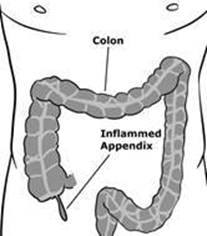
Discomfort in the area of the belly button which moves to lower right of the abdomen after 12 to 24 hours.
Abdominal swelling.
Constipation or diarrhea.
Difficulty passing gas.
Fever and chills.
Nausea.
Loss of appetite.
Pain worsening with coughs or walking.
Vomiting.
Note: a sign of a ruptured appendix is if the pain increases when you remove your hand after pressing it.
Seek advanced medical care.
Restrict patient to clear liquids in small amounts.
Surgical removal of appendix if possible; ensure positive diagnosis as some conditions show similar symptoms to appendicitis, e.g., kidney diseases, ovarian cysts, pelvic inflammatory disease, tubal pregnancy etc.; Diagnoses and Treatments – Genitourinary System.
Pharmaceuticals:
If surgery is not possible, administer antibiotics.
Antibiotic combination: ciprofloxacin 500 mg every 12 hours and metronidazole 250 to 500 mg every 8 hours.
Constipation is the when a person suffers from infrequent or hard-to-pass bowel movements. Some common causes are lack of exercise, lack of opportunity to defecate, dehydration, lack of fiber etc.
Cramping.
Hard, dry stool.
Unable/unwilling to move bowels.
Caffeine. It is a diuretic found in coffee, tea etc. Drink an extra glass of water for every cup.
Hydration. 2 liters of water a day for adults
Increase fiber intake, e.g., bran, psyllium seed (Metamucil).
Provide a comfortable environment to pass the stool, e.g., private, lots of time.
Raw dehydrated flax seeds can help prevent traveler’s constipation.
Pharmaceuticals:
Laxative.
Stool softener.
Diarrhea is when you get frequent loose, watery stool.
Most cases of diarrhea will resolve itself in 24 hours if you restrict the patient to nothing but easily digested foods, i.e., applesauce, bananas, crackers, noodles, potatoes, rice, soups and toast.
Traveler’s diarrhea can last up to a week.
Identify and treat/prevent the cause.
Monitor and treat to prevent dehydration; Diagnoses and Treatments – Circulatory System – Dehydration and Volume Shock – Dehydration.
Rehydration plan; Diagnoses and Treatments – Circulatory System – Dehydration and Volume Shock – Rehydration Plan.
Pharmaceuticals:
It is best to just let diarrhea pass, but if you need to slow the symptoms, these medications can help:
Anti-fever.
Antisecretory: Pepto-Bismal every hour, max 20/day.
Loperamide: Imodium, 4mg initial dose then 2 mg every 4 hours, max 16 mg/day.
Diarrhea in many cases is just diarrhea, but sometimes it is the sign of something more serious, e.g., appendicitis, cholera, colitis, intestinal bleeding, liver dysfunction.
Symptoms of Something More Serious than Diarrhea
Black or grey-white stool.
Blood or mucus in the stool.
Diarrhea lasting more than 3 days.
Diarrhea violent for more than 24 hours.
Fever equal to or greater than 38 °C (101 °F).
‘Rice water’ diarrhea with fishy smell indicates Cholera.
Severe vomiting.
Major abdominal distension and pain.
Moderate to severe dehydration.
Treatment for Something More Serious than Diarrhea
Seek advanced medical care.
Treat cause if possible.
Treat dehydration; Diagnoses and Treatments – Circulatory System – Dehydration and Volume Shock – Dehydration.
Pharmaceuticals:
Do not give antimotility agents, e.g., loperamide (Imodium).
Antibiotics are not needed for recovery in most cases and should only be considered in severe cases. For traveler’s diarrhea research must be done in cases of antibiotic resistance depending on region.
Antibiotic for cholera: ciprofloxacin 1 g orally once, as an adjunct to fluid and electrolyte replacement.
Antibiotic for cholera: doxycycline 200 mg on the first day, given in 2 divided doses followed by 100 mg per day or 100 mg orally every 12 hours for severe cases.
Antibiotic for infectious diarrhea: ciprofloxacin 500 mg every 12 hours for 5 to 7 days.
Antibiotic for traveler’s diarrhea: ciprofloxacin 500 mg every 12 hours for 3 to 7 days.
Antibiotic for traveler’s diarrhea: sulfamethoxazole/trimethoprim.
Avoid milk.
Clean and/or peel fruits and vegetables.
Cook food properly.
Disinfect water.
Practice good hygiene.
Dysentery is diarrhea which contains blood. It may be caused by an infection (viral, bacterial or parasitic), ingestion of contaminated food or water, oral contact with contaminated objects or hands, poor hygiene etc.
Abdominal pain.
Diarrhea.
Feeling of incomplete defecation.
Fever.
Drink lots of boiled water.
Pharmaceuticals:
Do not give antimotility agents, e.g., loperamide (Imodium).
Specific medications for dysentery depend on the type, i.e., amoebic or bacillary. The diagnosis of these is usually made in a lab with stool samples.
If there is no advanced medical care available, and the dysentery does not self-resolve, a combination of an amoebicidal drug (to kill parasites) and an antibiotic (to treat bacterial infection) may help, e.g., ampicillin (antibiotic) 500 mg every 6 hours and metronidazole (systemic amoebicide) 750 mg 3 times a day for 5 to 10 days.
Alternative/Natural Remedies for Diarrhea and Dysentery in General:
Brown rice water. Boil brown rice in double the amount of water with a pinch of salt. Strain and drink. the water.
Tea every 2 to 3 hours: chamomile (strong), garlic and honey, peppermint, plantain seeds, tannin (strong for dysentery, will taste terrible), ginger tea will decrease any abdominal cramps.
For severe cases when nothing else is available:
Bones: burn then grind them into a powder. Swallow the powder.
Chalk: consume school chalk
Activated charcoal is preferable. If that is unavailable, mix tea and wood charcoal (not briquettes) and add milk of magnesia if available.
Diverticulitis is a common intestinal infection, usually in people over 40. Pouches can form inside the lining of the colon, known as diverticula. When these pouches fill with feces, it can lead to infection.
Symptoms may last hours, weeks or even longer. The most common one is pain in the lower left of the belly, which may be worse when moving. Pain could also be on the lower right, which is more common in those of Asian descent. Other symptoms include:
Bloating and gas.
Constipation or diarrhea (diarrhea less common).
Fever and chills.
Loss of appetite.
Nausea.
Vomiting.
Seek advanced medical care for further testing.
Treat symptoms, e.g., compresses for belly pain, NSAIDs.
Pharmaceuticals:
Antibiotic combination: ciprofloxacin 500 mg every 12 hours and metronidazole 7.5 mg/kg every 6 hours, maximum 4 g per day for 7 to 14 days.
Prevention of Diverticulitis
High fiber diet.
Regular bowel movements.
Food poisoning or food-borne illness is when infectious organisms (bacteria, viruses and parasites) or their toxins are consumed.
Most cases of food poisoning are mild and resolve after time. Others, such as toxins from plants may be more serious and advanced medical care may be needed; Diagnoses and Treatments – Environmentally Induced – Toxic Plants.
Confusion.
Dizziness.
Nausea.
Palpitations.
Vision disturbances.
Vomiting.
Wash your mouth out as soon as possible.
Make yourself vomit either with 2 fingers down your throat or Ipecac. When using Ipecac, only use the smallest amount that will cause you to vomit.
Drink lots of clear fluids to help flush your system.
Pharmaceuticals:
Activated charcoal is preferable. If that is unavailable, mix tea and wood charcoal (not briquettes) and add milk of magnesia if available.
Alternative/Natural Remedies:
Apple cider vinegar: two tablespoons of apple cider vinegar in a glass of water, 4 times a day, sweeten if needed.
Lemon juice: a glass of lemon juice 4 times a day, sweeten it if needed.
Gas (flatus), is created in the stomach when the body breaks down food. Most people pass gas about 14 times a day. Excessive gas may be caused by certain foods or beverages, certain medication, swallowing too much air, underlying medical problems, e.g., Crohn’s disease.
Bloated feeling.
Burping.
Flatulence.
Pain if gas is in the intestine.
Treat underlying illness.
Change diet.
Pharmaceuticals:
Simethicone, e.g., Gas-X, Mylicon.
Alternative/Natural Remedies:
Garlic.
Ginger.
Heartburn (acid reflux, indigestion, pyrosis, GERD etc.) is a burning sensation in the chest, behind the breastbone. It is caused by stomach acid flowing back up into the gullet (the pipe that food moves down).
The pain may also radiate up to the throat.
Epigastric pain (upper central region of the abdomen) may be relieved by eating.
Pharmaceuticals:
Antacids, e.g., Mylanta, Rolaids, Tums.
Anti-ulcer meds, e.g., Famotidine, Omeprazole.
If you are prone to heartburn, consider the following:
Don’t eat within 2 hours of lying down.
Eat smaller portions.
Eat slower.
Avoid heartburn triggers. They are different for different people, e.g., caffeine, chocolate, citrus, high-fat foods, onions, peppermint, tomatoes.
Hemorrhoids are painful, swollen veins in the lower portion of the rectum that often protrude from the anus. They are more common during pregnancy and are caused by low fiber diets and/or too much pressure.
Bluish lump at the edge of the anal opening or inside the anal canal.
Inflammation, itching and redness to anus.
Pain while defecating and sitting.
Small amount of blood in stool.
Hemorrhoids usually go away after a few weeks. If needed you can try the following to soothe discomfort:
Pads (cushioning).
Pharmaceutical:
Hydrocortisone cream.
Specific soothing creams, e.g., Anusol.
Stool softeners to decrease further trauma.
For severe cases the clot may need to be removed:
If advanced medical care is not available, a simple incision can be made to relieve pressure. This will not remove the hemorrhoid completely and it may come back.
Clean the area thoroughly with antiseptic.
Use local anesthesia if available.
Incise the skin over the hemorrhoid and drain the clotted blood; only cut as deep as you have to in order to drain the blood.
Relief should come very quickly.
Be prepared to absorb any bleeding, e.g., gauze pads.
Clean and dress.
Hepatitis is when the liver becomes inflamed. This impairs the body’s ability to do many important things, including processing toxins. Hepatitis can result in death.
There are many types of hepatitis, but hepatitis A, B and C are most common.
Advanced medical care is needed for precise diagnosis and treatment. If that is not available, field diagnosis and treatment are the same regardless of the type.
Dark Urine.
Extreme fatigue.
Fever.
Grey stools.
Itchy feeling all over the body.
Jaundice (when the skin and the whites of the eyes turn yellow).
Liver becomes enlarged and/or tender to the touch.
Nausea.
Weight loss.
Note: people with hepatitis may be symptomless.
Most hepatitis will self-resolve after 2 to 6 weeks, but the patient should keep rested for 6 weeks after recovery.
Avoid fatty foods and alcohol.
Decrease protein intake.
Eat. Force feed if needed.
Improve hydration, especially with herbal teas, vegetable broths and diluted vegetable juices.
Increase zinc intake.
Hepatitis B vaccine; Must Read – Prevention – Vaccinations.
Hygiene.
Not abusing drugs.
Safe Sex.
Nausea is an uneasy feeling in the stomach which is often followed by vomiting.
There are many possible causes including brain injury, drugs, emotional stress, motion sickness, morning sickness, overeating, pain (intense), smells, ulcers, underlying illnesses etc.
If vomiting does not cease within 24 hours, it may lead to volume shock; Diagnoses and Treatments - Circulatory System - Dehydration and Volume Shock – Volume Shock.
Treatment for Nausea and Vomiting
Fresh air.
Treat the cause.
Pharmaceuticals:
Anti-vomiting medication, e.g., ondansetron (Zofran).
Dimenhydrinate (Dramamine) for motion sickness: 50 to 100 mg every 4 to 6 hours, to a maximum of 400 mg in 24 hours, the first dose should be taken 30 to 60 minutes before starting activity.
Alternative/Natural Remedies:
Clove oil: diffused clove oil is good for morning sickness. One drop on the roof of the mouth may help any nausea.
Ginger: most useful for motion sickness. Candied ginger is good to keep handy when traveling.
Peptic ulcers (stomach ulcers) are painful sores in the lining of the stomach. There are a variety of causes, including NSAIDs.
Bloating.
Dark stool, i.e., blood (severe cases).
Heartburn.
Nausea.
Pain (burning) in the middle or upper stomach between meals or at night, can be severe.
Vomiting (blood in severe cases).
Peptic ulcers are often self-healing.
Medicinal treatment requires specific diagnosis and a combination of medicines.
If experiencing severe and/or lingering symptoms, seek advanced medical care.
Alternative/Natural Remedies:
Raw cabbage juice. 1 liter a day for 10 days.
Eating four or five small meals a day.
Avoid alcohol, carbonated beverages, coffee, fruit juice and milk.
Salmonella, Typhoid Fever and Paratyphoid Fever
Salmonella is a type of food poisoning which can cause typhoid fever, paratyphoid fever and salmonellosis. The most common foods affected are beef, eggs, milk and poultry, but anything has the potential to be infected and will often show no signs of contamination.
Apart from poorly handled food, salmonella can also be transmitted via drinks and animal feces (especially that of baby birds), rodents, reptiles or any pet that has diarrhea. Be sure to wash your hands after being in contact with any of these types of animals.
Abdominal cramps.
Diarrhea.
Fever.
Salmonellosis usually subsides within a week.
Treat symptoms.
Monitor for dehydration; Diagnoses and Treatments - Circulatory System - Dehydration and Volume Shock - Dehydration.
Pharmaceuticals:
Antibiotic: ciprofloxacin, 500 mg every 12 hours for 10 days.
Typhoid fever is caused by either the salmonella typhi or paratyphi bacteria. For practical purposes, consider paratyphoid a less serious version of typhoid fever.
Regions of highest risk are Chile, India, Mexico, Pakistan, Peru, Southeast Asia and Sub-Saharan Africa.
It is possible for carriers to have no symptoms and carry/pass on the illness for years.
Vaccinations are available; Must Read – Prevention – Vaccinations.
Symptoms of Typhoid and Paratyphoid Fever
Abdominal pain.
Constipation.
Decreased appetite.
Decreased heart rate (bradycardia).
Diarrhea (more common in young children).
Fever as high as 40 °C (140 °F), slowly increasing over days and lasting 20-ish days before reducing again.
Generalized aches and pains.
Headaches.
Lethargy.
Reddish lesions on torso (rare).
Treatment for Typhoid and Paratyphoid Fever
Uncomplicated typhoid fever usually resolves within a month.
Pharmaceuticals:
Antibiotics can speed up recovery. Improvement will show within days and recovery follows within weeks. Exact diagnosis is made with a stool sample and correct antibiotics are given accordingly.
Relapses may occur after a week or two and are more common in those that take antibiotics. Relapses are treated in the same manner.
Antibiotic: ciprofloxacin 500 mg every 12 hours for 10 days.
Antibiotics (other): ampicillin, azithromycin.
Prevention of Salmonella, Typhoid Fever and Paratyphoid Fever
Apart from general good hygiene, the following precautions can be taken:
Avoid raw or unpasteurized dairy products.
Cook foods well.
Do not eat undercooked eggs, including those in homemade sauces/salad dressings (Caesar, hollandaise sauce, mayonnaise etc.) or other foods (ice cream, tiramisu etc.).
Keep uncooked meats separate from produce, cooked foods, and ready-to-eat foods (cross-contamination).
Wash or peel fruit and vegetables.
Worms are parasites which live inside the body. They are contagious so immaculate hygiene is needed to prevent the spreading of them.
Diarrhea.
Gas or bloating.
Fatigue.
Itching in the anal area.
Nausea.
Passing a worm in your stool.
Stomach pains.
Weight loss.
Vomiting.
Keep hands away from anus, e.g., when sleeping.
Wash anus every morning.
Pharmaceuticals:
Vermicides, e.g., Vermox.
Garlic.
Honey, vinegar and water. Drink lots of it regularly.
Kerosene or gasoline. Drink a few tablespoons, kerosene is best. Only use if there is no other choice.
Tannin tea (strong).