THE IMMUNE RESPONSE
The immune response occurs when immunologically competent cells are activated in response to foreign organisms or antigenic substances liberated during the acute or chronic inflammatory response. The outcome of the immune response for the host may be beneficial, as when it causes invading organisms to be phagocytosed or neutralized. On the other hand, the outcome may be deleterious if it leads to chronic inflammation without resolution of the underlying injurious process (see Chapter 56). Chronic inflammation involves the release of a number of mediators that are not prominent in the acute response. One of the most important conditions involving these mediators is rheumatoid arthritis, in which chronic inflammation results in pain and destruction of bone and cartilage that can lead to severe disability and in which systemic changes occur that can result in shortening of life.
The cell damage associated with inflammation acts on cell membranes to cause leukocytes to release lysosomal enzymes; arachidonic acid is then liberated from precursor compounds, and various eicosanoids are synthesized. As discussed in Chapter 18, the cyclooxygenase (COX) pathway of arachidonate metabolism produces prostaglandins, which have a variety of effects on blood vessels, on nerve endings, and on cells involved in inflammation. The discovery of cyclooxygenase isoforms (COX-1 and COX-2) led to the concepts that the constitutive COX-1 isoform tends to be homeostatic in function, while COX-2 is induced during inflammation and tends to facilitate the inflammatory response. On this basis, highly selective COX-2 inhibitors have been developed and marketed on the assumption that such selective inhibitors would be safer than nonselective COX-1 inhibitors but without loss of efficacy. The lipoxygenase pathway of arachidonate metabolism yields leukotrienes, which have a powerful chemotactic effect on eosinophils, neutrophils, and macrophages and promote bronchoconstriction and alterations in vascular permeability.
Kinins, neuropeptides, and histamine are also released at the site of tissue injury, as are complement components, cytokines, and other products of leukocytes and platelets. Stimulation of the neutrophil membranes produces oxygen-derived free radicals. Superoxide anion is formed by the reduction of molecular oxygen, which may stimulate the production of other reactive molecules such as hydrogen peroxide and hydroxyl radicals. The interaction of these substances with arachidonic acid results in the generation of chemotactic substances, thus perpetuating the inflammatory process.
THERAPEUTIC STRATEGIES
The treatment of patients with inflammation involves two primary goals: first, the relief of pain, which is often the presenting symptom and the major continuing complaint of the patient; and second, the slowing or¾in theory¾arrest of the tissue-damaging process. In rheumatoid arthritis, response to therapy can be quantitated by means of the American College of Rheumatology scoring system values ACR20, ACR50, and ACR70, which denote the percentage of patients showing an improvement of 20%, 50%, or 70% in a global assessment of signs and symptoms.
Reduction of inflammation with nonsteroidal anti-inflammatory drugs (NSAIDs) often results in relief of pain for significant periods. Furthermore, most of the nonopioid analgesics (aspirin, etc) also have anti-inflammatory effects, so they are appropriate for the treatment of both acute and chronic inflammatory conditions.
The glucocorticoids also have powerful anti-inflammatory effects and when first introduced were considered to be the ultimate answer to the treatment of inflammatory arthritis. Although there are increasing data that low-dose corticosteroids have disease-modifying properties, the toxicity associated with chronic corticosteroid therapy usually limits their use except in the control of acute flare-ups of joint disease. The NSAIDs continue to have a significant role in the long-term treatment of arthritis.
Another important group of agents is characterized as disease-modifying antirheumatic drugs (DMARDs). They slow the bone damage associated with rheumatoid arthritis and are thought to affect more basic inflammatory mechanisms than do the NSAIDs. They may also be more toxic than the nonsteroidal anti-inflammatory agents.
I. NONSTEROIDAL ANTI-INFLAMMATORY DRUGS
Introduction
Salicylates and other similar agents used to treat rheumatic disease share the capacity to suppress the signs and symptoms of inflammation. These drugs also exert antipyretic and analgesic effects, but it is their anti-inflammatory properties that make them most useful in the management of disorders in which pain is related to the intensity of the inflammatory process.
Although all NSAIDs are not approved by the Food and Drug Administration (FDA) for the whole range of rheumatic diseases, all are probably effective in rheumatoid arthritis, seronegative spondyloarthropathies (eg, psoriatic arthritis and arthritis associated with inflammatory bowel disease), osteoarthritis, localized musculoskeletal syndromes (eg, sprains and strains, low back pain), and gout (except tolmetin, which appears to be ineffective in gout). Since aspirin, the original NSAID, has a number of adverse effects, many other NSAIDs have been developed in attempts to improve upon aspirin's efficacy and decrease its toxicity.
Chemistry & Pharmacokinetics
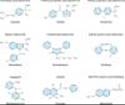
The NSAIDs are grouped in several chemical classes, some of which are shown in Figure 36-1. This chemical diversity yields a broad range of pharmacokinetic characteristics (Table 36-1). Although there are many differences in the kinetics of NSAIDs, they have some general properties in common. All but one of the NSAIDs are weak organic acids as given; the exception, nabumetone, is a ketone prodrug that is metabolized to the acidic active drug. Most of these drugs are well absorbed, and food does not substantially change their bioavailability. Most of the NSAIDs are highly metabolized, some by phase I followed by phase II mechanisms and others by direct glucuronidation (phase II) alone. NSAID metabolism proceeds, in large part, by way of the CYP3A or CYP2C families of P450 enzymes in the liver. While renal excretion is the most important route for final elimination, nearly all undergo varying degrees of biliary excretion and reabsorption (enterohepatic circulation). In fact, the degree of lower gastrointestinal tract irritation correlates with the amount of enterohepatic circulation. Most of the NSAIDs are highly protein-bound (~ 98%), usually to albumin. Some of the NSAIDs (eg, ibuprofen) are racemic mixtures, while one, naproxen, is provided as a single enantiomer and a few have no chiral center (eg, diclofenac).
All NSAIDs can be found in synovial fluid after repeated dosing. Drugs with short half-lives remain in the joints longer than would be predicted from their half-lives, while drugs with longer half-lives disappear from the synovial fluid at a rate proportionate to their half-lives.
|
|
Figure 36-1. Chemical structures of some NSAIDs. |
Pharmacodynamics
The anti-inflammatory activity of the NSAIDs is mediated chiefly through inhibition of biosynthesis of prostaglandins. Various NSAIDs have additional possible mechanisms of action, including inhibition of chemotaxis, down-regulation of interleukin-1 production, decreased production of free radicals and superoxide, and interference with calcium-mediated intracellular events. Aspirin irreversibly acetylates and blocks platelet cyclooxygenase, while most non-COX-selective NSAIDs are reversible inhibitors.
Selectivity for COX-1 versus COX-2 is variable and incomplete for the older members, but the highly selective COX-2 inhibitor, celecoxib, is currently available and other highly selective coxibs are being developed. The highly selective COX-2 inhibitors do not affect platelet function at their usual doses. In testing using human whole blood, aspirin, indomethacin, piroxicam, and sulindac were somewhat more effective in inhibiting COX-1; ibuprofen and meclofenamate inhibited the two isozymes about equally. The efficacy of COX-2-selective drugs equals that of the older NSAIDs, while gastrointestinal safety may be improved. On the other hand, highly selective COX-2 inhibitors may increase the incidence of edema and hypertension. As of August 2006, celecoxib is the only COX-2 inhibitor marketed in the USA. Rofecoxib and valdecoxib, two previously marketed, highly selective COX-2 inhibitors, have been withdrawn from the market due to their association with increased cardiovascular thrombotic events. In early 2005 a joint meeting of the Arthritis Advisory Committee and the Drug Safety and Risk Management Advisory Committee conducted by the FDA convened to assess the risk and give recommendations concerning the COX-2 inhibitors and other NSAIDs. It was concluded that there was not sufficient evidence to withdraw the COX-2 inhibitors but "black box" warnings concerning the cardiovascular risks were added to the product label. Additionally, it was recommended that all other NSAID product labels be revised to include cardiovascular risks. Presently, the future of the COX-2 inhibitors is unclear.
The NSAIDs decrease the sensitivity of vessels to bradykinin and histamine, affect lymphokine production from T lymphocytes, and reverse the vasodilation of inflammation. To varying degrees, all newer NSAIDs are analgesic, anti-inflammatory, and antipyretic, and all (except the COX-2-selective agents and the nonacetylated salicylates) inhibit platelet aggregation. NSAIDs are all gastric irritants as well, although as a group the newer agents tend to cause less gastric irritation than aspirin. Nephrotoxicity has been observed for all of the drugs for which extensive experience has been reported, and hepatotoxicity can also occur with any NSAID. Nephrotoxicity is due, in part, to interference with the autoregulation of renal blood flow, which is modulated by prostaglandins.
Although these drugs effectively inhibit inflammation, there is no evidence that¾in contrast to drugs such as methotrexate and gold¾they alter the course of an arthritic disorder.
Several NSAIDs (including aspirin) appear to reduce the incidence of colon cancer when taken chronically. Several large epidemiologic studies have shown a 50% reduction in relative risk when the drugs are taken for 5 years or longer. The mechanism for this protective effect is unclear.
ASPIRIN
Introduction
Aspirin's long use and availability without prescription diminishes its glamour compared with that of the newer NSAIDs. Aspirin is now rarely used as an anti-inflammatory medication; it has been replaced by ibuprofen and naproxen, since they are effective, are also available over the counter, and have good to excellent safety records.
Pharmacokinetics
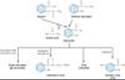
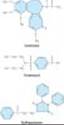
Salicylic acid is a simple organic acid with a pKa of 3.0. Aspirin (acetylsalicylic acid; ASA) has a pKa of 3.5 (see Table 1-1). Sodium salicylate and aspirin (Figure 36-2) are equally effective anti-inflammatory drugs, though aspirin may be more effective as an analgesic. The salicylates are rapidly absorbed from the stomach and upper small intestine, yielding a peak plasma salicylate level within 1-2 hours. Aspirin is absorbed as such and is rapidly hydrolyzed (serum half-life 15 minutes) to acetic acid and salicylate by esterases in tissue and blood. Salicylate is bound to albumin, but the binding and metabolism of salicylates are saturable so that the unbound fraction increases as total concentration increases. Beyond a total body load of 600 mg, increases in salicylate dosage increase salicylate concentration disproportionately. As doses of aspirin increase, salicylate elimination half-life increases from 3-5 hours (for 600 mg/d dosage) to 12-16 hours (dosage > 3.6 g/d). Alkalinization of the urine increases the rate of excretion of free salicylate and its water-soluble conjugates.
|
|
Figure 36-2. Structure and metabolism of the salicylates. (Modified and reproduced, with permission, from Meyers FH, Jawetz E, Goldfien A: Review of Medical Pharmacology, 7th ed. McGraw-Hill, 1980.) |
Mechanisms of Action
A. ANTI-INFLAMMATORY EFFECTS
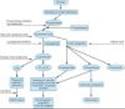
Aspirin is a nonselective inhibitor of both COX isoforms (Figure 36-3), but salicylate is much less effective in inhibiting either isoform. Nonacetylated salicylates may work as oxygen radical scavengers. Aspirin irreversibly inhibits COX and inhibits platelet aggregation, while nonacetylated salicylates do not.
B. ANALGESIC EFFECTS
Aspirin is most effective in reducing pain of mild to moderate intensity through its effects on inflammation and because it probably inhibits pain stimuli at a subcortical site.
C. ANTIPYRETIC EFFECTS
Aspirin's antipyretic effect is probably mediated by both COX inhibition in the central nervous system and inhibition of interleukin-1 (which is released from macrophages during episodes of inflammation).
D. ANTIPLATELET EFFECTS
Aspirin irreversibly inhibits platelet COX, so that aspirin's antiplatelet effect lasts 8-10 days (the life of the platelet).
|
|
Figure 36-3. Scheme for mediators derived from arachidonic acid and sites of drug action (dashed arrows). (LTB4, LTC4, leukotrienes B4, C4.) |
Clinical Uses
A. ANALGESIA, ANTIPYRESIS, AND ANTI-INFLAMMATORY EFFECTS
Aspirin is employed for mild to moderate pain of varied origin but is not effective for severe visceral pain. Aspirin and other NSAIDs have been combined with opioid analgesics for treatment of cancer pain, where their anti-inflammatory effects act synergistically with the opioids to enhance analgesia. High-dose salicylates are effective for treatment of rheumatic fever, rheumatoid arthritis, and other inflammatory joint conditions.
B. OTHER EFFECTS
Aspirin decreases the incidence of transient ischemic attacks, unstable angina, coronary artery thrombosis with myocardial infarction, and thrombosis after coronary artery bypass grafting (see Chapter 34).
Epidemiologic studies suggest that long-term use of aspirin at low dosage is associated with a lower incidence of colon cancer, possibly related to its COX-inhibiting effects.
Dosage
The optimal analgesic or antipyretic dose of aspirin is less than the 0.6-0.65 g oral dose commonly used. The anti-inflammatory dose for children is 50-75 mg/kg/d in divided doses and the average starting anti-inflammatory dose for adults is 45 mg/kg/d in divided doses (Table 36-1).
Adverse Effects
At the usual dosage, aspirin's main adverse effects are gastric upset (intolerance) and gastric and duodenal ulcers; hepatotoxicity, asthma, rashes, and renal toxicity occur less frequently. A dose-related increase in fecal blood loss is routinely associated with aspirin administration, although some mucosal adaptation occurs in many patients, so that blood loss declines back to baseline over 4-6 weeks.
With higher doses, patients may experience salicylism¾vomiting, tinnitus, decreased hearing, and vertigo¾reversible by reducing the dosage. Still larger doses of salicylates cause hyperpnea through a direct effect on the medulla. At toxic salicylate levels, respiratory alkalosis followed by metabolic acidosis (salicylate accumulation), respiratory depression, and even cardiotoxicity and glucose intolerance can occur. Like other NSAIDs, aspirin can cause elevation of liver enzymes (a frequent but mild effect), hepatitis (rare), decreased renal function, bleeding, rashes, and asthma.
The antiplatelet action of aspirin contraindicates its use by patients with hemophilia. Although previously not recommended during pregnancy, aspirin may be valuable in treating preeclampsia-eclampsia.
Salicylate overdosage constitutes a medical emergency and requires hospitalization (see Chapter 59).
NONACETYLATED SALICYLATES
Introduction
These drugs include magnesium choline salicylate, sodium salicylate, and salicylsalicylate. All nonacetylated salicylates are effective anti-inflammatory drugs, although they may be less effective analgesics than aspirin. Because they are much less effective than aspirin as COX inhibitors, they may be preferable when COX inhibition is undesirable, such as in patients with asthma, those with bleeding tendencies, and even (under close supervision) those with renal dysfunction.
The nonacetylated salicylates are administered in the same dosage as aspirin and can be monitored using serum salicylate measurements.
COX-2 Selective Inhibitors
COX-2 selective inhibitors, or coxibs, were developed in an attempt to inhibit prostaglandin synthesis by the COX-2 isoenzyme induced at sites of inflammation without affecting the action of the constitutively active "housekeeping" COX-1 isoenzyme found in the gastrointestinal tract, kidneys, and platelets. Coxibs selectively bind to and block the active site of the COX-2 enzyme much more effectively than that of COX-1. COX-2 inhibitors have analgesic, antipyretic, and anti-inflammatory effects similar to those of nonselective NSAIDs but with an approximate halving of gastrointestinal adverse effects. Likewise, COX-2 inhibitors at usual doses have been shown to have no impact on platelet aggregation, which is mediated by the COX-1 isoenzyme. As a result, COX-2 inhibitors do not offer the cardioprotective effects of traditional nonselective NSAIDs, which has resulted in some patients taking low-dose aspirin in addition to a coxib regimen to maintain this effect. Unfortunately, because COX-2 is constitutively active within the kidney, recommended doses of COX-2 inhibitors cause renal toxicities similar to those associated with traditional NSAIDs. Clinical data have suggested a higher incidence of cardiovascular thrombotic events associated with COX-2 inhibitors such as rofecoxib and valdecoxib, resulting in their withdrawal from the market.
1. Celecoxib
Celecoxib is a selective COX-2 inhibitor¾about 10-20 times more selective for COX-2 than for COX-1. Pharmacokinetic and dosage considerations are given in Table 36-1.
Celecoxib is as effective as other NSAIDs in the treatment of rheumatoid arthritis and osteoarthritis, and in trials it has caused fewer endoscopic ulcers than most other NSAIDs. Probably because it is a sulfonamide, celecoxib may cause rashes. It does not affect platelet aggregation at usual doses. It interacts occasionally with warfarin¾as would be expected of a drug metabolized via CYP2C9.
Although celecoxib is associated with about half the gastrointestinal side effects of nonselective NSAIDs, the frequency of other adverse effects approximates that of other NSAIDs. Celecoxib causes no more edema or renal effects than other members of the NSAID group, but edema and hypertension have been documented.
2. Etoricoxib
Etoricoxib, a bipyridine derivative, is a second-generation COX-2-selective inhibitor with the highest selectivity ratio of any coxib for inhibition of COX-2 relative to COX-1. It is extensively metabolized by hepatic P450 enzymes followed by renal excretion and has an elimination half-life of 22 hours. Etoricoxib is approved in the United Kingdom for the treatment of the signs and symptoms of osteoarthritis (60 mg once daily) and rheumatoid arthritis (90 mg once daily), for treatment of acute gouty arthritis (120 mg once daily), and for relief of acute musculoskeletal pain (60 mg once daily). Approval in the USA is still pending. Ninety mg daily of etoricoxib has superior efficacy compared with 500 mg of naproxen twice daily in the treatment of rheumatoid arthritis over 12 weeks. Etoricoxib has similar efficacy to traditional NSAIDs for osteoarthritis, acute gouty arthritis, and primary dysmenorrhea and has a gastrointestinal safety profile similar to that of other coxibs. Since etoricoxib has structural similarities to diclofenac, it is appropriate to monitor hepatic function carefully in patients using this drug.
3. Meloxicam
Meloxicam is an enolcarboxamide related to piroxicam that has been shown to preferentially inhibit COX-2 over COX-1, particularly at its lowest therapeutic dose of 7.5 mg/d. It is not as selective as the other coxibs and may be considered "preferentially" selective rather than "highly" selective. The drug is popular in Europe and many other countries for most rheumatic diseases and has recently been approved for treatment of osteoarthritis in the USA. Its efficacy in this condition and rheumatoid arthritis is comparable to that of other NSAIDs. It is associated with fewer clinical gastrointestinal symptoms and complications than piroxicam, diclofenac, and naproxen. Similarly, while meloxicam is known to inhibit synthesis of thromboxane A2, it appears that even at supratherapeutic doses its blockade of thromboxane A2 does not reach levels that result in decreased in vivo platelet function. Other toxicities are similar to those of other NSAIDs.
4. Valdecoxib
Valdecoxib, a diaryl-substituted isoxazole, is a new highly selective COX-2 inhibitor. Pharmacokinetic characteristics and dosage in arthritis are set forth in Table 36-1. The analgesic dose for valdecoxib is 20 mg twice daily. Gastrointestinal and other toxicities are similar to those of the other coxibs. Valdecoxib has no effect on platelet aggregation or bleeding time. Serious reactions have been reported in sulfonamide-sensitive individuals. Valdecoxib was withdrawn from the market in the USA in early 2005 in response to FDA concerns about cardiovascular risks and Stevens-Johnson syndrome, but the drug is still available in other countries.
NONSELECTIVE COX INHIBITORS
1. Diclofenac
Diclofenac is a phenylacetic acid derivative that is relatively nonselective as a COX inhibitor. Pharmacokinetic and dosage characteristics are set forth in Table 36-1.
Adverse effects occur in approximately 20% of patients and include gastrointestinal distress, occult gastrointestinal bleeding, and gastric ulceration, though ulceration may occur less frequently than with some other NSAIDs. A preparation combining diclofenac and misoprostol decreases upper gastrointestinal ulceration but may result in diarrhea. Another combination of diclofenac and omeprazole was also effective with respect to the prevention of recurrent bleeding, but renal adverse effects were common in high-risk patients. Diclofenac at a dosage of 150 mg/d appears to impair renal blood flow and glomerular filtration rate. Elevation of serum aminotransferases may occur more commonly with this drug than with other NSAIDs.
A 0.1% ophthalmic preparation is recommended for prevention of postoperative ophthalmic inflammation and can be used after intraocular lens implantation and strabismus surgery. A topical gel containing 3% diclofenac is effective for solar keratoses. Diclofenac in rectal suppository form can be considered a drug of choice for preemptive analgesia and postoperative nausea. In Europe, diclofenac is also available as an oral mouthwash and for intramuscular administration.
2. Diflunisal
Although diflunisal is derived from salicylic acid, it is not metabolized to salicylic acid or salicylate. It undergoes an enterohepatic cycle with reabsorption of its glucuronide metabolite followed by cleavage of the glucuronide to again release the active moiety. Diflunisal is subject to capacity-limited metabolism, with serum half-lives at various dosages approximating that of salicylates (Table 36-1). In rheumatoid arthritis the recommended dose is 500-1000 mg daily in two divided doses. It is claimed to be particularly effective for cancer pain with bone metastases and for pain control in dental (third molar) surgery. A 2% diflunisal oral ointment is a clinically useful analgesic for painful oral lesions.
Because its clearance depends on renal function as well as hepatic metabolism, diflunisal's dosage should be limited in patients with significant renal impairment. Its adverse event profile is similar to those of other NSAIDs; pseudoporphyria has also been reported.
3. Etodolac
Etodolac is a racemic acetic acid derivative with an intermediate half-life (Table 36-1). It is slightly more COX-2-selective than most other NSAIDs, with a COX-2:COX-1 activity ratio of about 10. Unlike many other racemic NSAIDs, etodolac does not undergo chiral inversion in the body. The dosage of etodolac is 200-400 mg three to four times daily. Etodolac provides good postoperative pain relief after coronary artery bypass operations, although transient impairment of renal function has been reported. There are no data to suggest that etodolac differs significantly from other NSAIDs except in its pharmacokinetic parameters, though it has been claimed to cause less gastric toxicity in terms of ulcer disease than other nonselective NSAIDs.
4. Fenoprofen
Fenoprofen, a propionic acid derivative, is the NSAID most closely associated with interstitial nephritis and is rarely used. Its other toxicities mirror those of other NSAIDs.
5. Flurbiprofen
Flurbiprofen is a propionic acid derivative with a possibly more complex mechanism of action than other NSAIDs. Its (S)(-) enantiomer inhibits COX nonselectively, but it has been shown in rat tissue to also affect TNF-a and nitric oxide synthesis. Hepatic metabolism is extensive; its (R)(+) and (S)(-) enantiomers are metabolized differently, and it does not undergo chiral conversion. It does demonstrate enterohepatic circulation.
The efficacy of flurbiprofen at dosages of 200-400 mg/d is comparable to that of aspirin and other NSAIDs in clinical trials for patients with rheumatoid arthritis, ankylosing spondylitis, gout, and osteoarthritis. It is also available in a topical ophthalmic formulation for inhibition of intraoperative miosis. Flurbiprofen intravenously has been found to be effective for perioperative analgesia in minor ear, neck, and nose surgery and in lozenge form for sore throat.
Although its adverse effect profile is similar to that of other NSAIDs in most ways, flurbiprofen is also associated rarely with cogwheel rigidity, ataxia, tremor, and myoclonus.
6. Ibuprofen
Ibuprofen is a simple derivative of phenylpropionic acid. In doses of about 2400 mg daily, ibuprofen is equivalent to 4 g of aspirin in anti-inflammatory effect. Pharmacokinetic characteristics are given in Table 36-1.
Oral ibuprofen is often prescribed in lower doses (< 2400 mg/d), at which it has analgesic but not anti-inflammatory efficacy. It is available over the counter in low-dose forms under several trade names. A topical cream preparation appears to be absorbed into fascia and muscle; an (S)(-) formulation has been tested. Ibuprofen cream was more effective than placebo cream for the treatment of primary knee osteoarthritis. A liquid gel preparation of ibuprofen 400 mg provides prompt relief and good overall efficacy in postsurgical dental pain. In comparison with indomethacin, ibuprofen decreases urine output less and also causes less fluid retention than indomethacin. Ibuprofen is effective in closing patent ductus arteriosus in preterm infants, with much the same efficacy and safety as indomethacin. The oral and intravenous routes are equally effective for this indication.
Gastrointestinal irritation and bleeding occur, although less frequently than with aspirin. The use of ibuprofen concomitantly with aspirin may decrease the total anti-inflammatory effect. The drug is relatively contraindicated in individuals with nasal polyps, angioedema, and bronchospastic reactivity to aspirin. In addition to the gastrointestinal symptoms (which can be modified by ingestion with meals), rash, pruritus, tinnitus, dizziness, headache, aseptic meningitis (particularly in patients with systemic lupus erythematosus), and fluid retention have been reported. Interaction with anticoagulants is uncommon.
The concomitant administration of ibuprofen antagonizes the irreversible platelet inhibition induced by aspirin. Thus, treatment with ibuprofen in patients with increased cardiovascular risk may limit the cardioprotective effects of aspirin. Rare hematologic effects include agranulocytosis and aplastic anemia. Effects on the kidney (as with all NSAIDs) include acute renal failure, interstitial nephritis, and nephrotic syndrome, but these occur very rarely. Finally, hepatitis has been reported.
7. Indomethacin
Indomethacin, introduced in 1963, is an indole derivative (Figure 36-1). It is a potent nonselective COX inhibitor and may also inhibit phospholipase A and C, reduce neutrophil migration, and decrease T cell and B cell proliferation. Probenecid prolongs indomethacin's half-life by inhibiting both renal and biliary clearance. It differs somewhat from other NSAIDs in its indications and toxicities.
Indomethacin is indicated for use in rheumatic conditions and is particularly popular for gout and ankylosing spondylitis. In addition, it has been used to treat patent ductus arteriosus. Indomethacin has been tried in numerous small or uncontrolled trials for many other conditions, including Sweet's syndrome, juvenile rheumatoid arthritis, pleurisy, nephrotic syndrome, diabetes insipidus, urticarial vasculitis, postepisiotomy pain, and prophylaxis of heterotopic ossification in arthroplasty. An ophthalmic preparation seems to be efficacious for conjunctival inflammation and to reduce pain after traumatic corneal abrasion. Gingival inflammation is reduced after administration of indomethacin oral rinse. Epidural injections produce a degree of pain relief similar to that achieved with methylprednisolone in postlaminectomy syndrome.
At higher dosages, at least a third of patients have reactions to indomethacin requiring discontinuance. The gastrointestinal effects may include abdominal pain, diarrhea, gastrointestinal hemorrhage, and pancreatitis. Headache is experienced by 15-25% of patients and may be associated with dizziness, confusion, and depression. Rarely, psychosis with hallucinations has been reported. Hepatic abnormalities are rare. Serious hematologic reactions have been noted, including thrombocytopenia and aplastic anemia. Hyperkalemia has been reported and is related to inhibition of the synthesis of prostaglandins in the kidney. Renal papillary necrosis has also been observed. A number of interactions with other drugs have been reported (see Appendix II).
8. Ketoprofen
Ketoprofen is a propionic acid derivative that inhibits both COX (nonselectively) and lipoxygenase. Its pharmacokinetic characteristics are given in Table 36-1. Concurrent administration of probenecid elevates ketoprofen levels and prolongs its plasma half-life.
The effectiveness of ketoprofen at dosages of 100-300 mg/d is equivalent to that of other NSAIDs in the treatment of rheumatoid arthritis, osteoarthritis, gout, dysmenorrhea, and other painful conditions. In spite of its dual effect on prostaglandins and leukotrienes, ketoprofen is not superior to other NSAIDs. Its major adverse effects are on the gastrointestinal tract and the central nervous system.
9. Ketorolac
Ketorolac is an NSAID promoted for systemic use mainly as an analgesic, not as an anti-inflammatory drug (although it has typical NSAID properties). Pharmacokinetics are presented in Table 36-1. The drug is an effective analgesic and has been used successfully to replace morphine in some situations involving mild to moderate postsurgical pain. It is most often given intramuscularly or intravenously, but an oral dose formulation is available. When used with an opioid, it may decrease the opioid requirement by 25-50%. An ophthalmic preparation is available for ocular inflammatory conditions. Toxicities are similar to those of other NSAIDs, although renal toxicity may be more common with chronic use.
10. Meclofenamate & Mefenamic Acid
Meclofenamate and mefenamic acid (Table 36-1) inhibit both COX and phospholipase A2. They are rarely used today.
11. Nabumetone
Nabumetone is the only nonacid NSAID in current use; it is converted to the active acetic acid derivative in the body. It is given as a ketone prodrug that resembles naproxen in structure (Figure 36-1). Its half-life of more than 24 hours (Table 36-1) permits once-daily dosing, and the drug does not appear to undergo enterohepatic circulation. Renal impairment results in a doubling of its half-life and a 30% increase in the area under the curve. Its properties are very similar to those of other NSAIDs, though it may be less damaging to the stomach than some other NSAIDs when given at a dosage of 1000 mg/d. Unfortunately, higher doses (eg, 1500-2000 mg/d) are often needed, and this is a very expensive NSAID. Like naproxen, nabumetone has been reported to cause pseudoporphyria and photosensitivity in some patients. Other adverse effects mirror those of other NSAIDs.
12. Naproxen
Naproxen is a naphthylpropionic acid derivative. It is the only NSAID presently marketed as a single enantiomer, and it is a nonselective COX inhibitor. Naproxen's free fraction is significantly higher in women than in men, although albumin binding is very high in both sexes (Table 36-1). Naproxen is effective for the usual rheumatologic indications and is available both in a slow-release formulation and as an oral suspension. A topical preparation and an ophthalmic solution are also available.
The incidence of upper gastrointestinal bleeding in over-the-counter use is low but still double that of over-the-counter ibuprofen (perhaps due to a dose effect). Rare cases of allergic pneumonitis, leukocytoclastic vasculitis, and pseudoporphyria as well as the more common NSAID-associated adverse effects have been noted.
13. Oxaprozin
Oxaprozin is another propionic acid derivative NSAID. As noted in Table 36-1, its major difference from the other members of this subgroup is a very long half-life (50-60 hours), although oxaprozin does not undergo enterohepatic circulation. The drug has the same benefits and risks that are associated with other NSAIDs. It is mildly uricosuric, making it potentially more useful in gout than some other NSAIDs.
14. Phenylbutazone
Phenylbutazone, a pyrazolone derivative, rapidly gained favor after its introduction in 1949 but, because of its toxicity, is rarely used today.
15. Piroxicam
Piroxicam, an oxicam (Figure 36-1), is a nonselective COX inhibitor that at high concentrations also inhibits polymorphonuclear leukocyte migration, decreases oxygen radical production, and inhibits lymphocyte function. Its long half-life (Table 36-1) permits once-daily dosing.
Piroxicam can be used for the usual rheumatic indications. Toxicity includes gastrointestinal symptoms (20% of patients), dizziness, tinnitus, headache, and rash. When piroxicam is used in dosages higher than 20 mg/d, an increased incidence of peptic ulcer and bleeding is encountered. Epidemiologic studies suggest that this risk is as much as 9.5 times higher with piroxicam than with other NSAIDs.
16. Sulindac
Sulindac is a sulfoxide prodrug. It is reversibly metabolized to the active sulfide metabolite, which is excreted in bile and then reabsorbed from the intestine. The enterohepatic cycling prolongs the duration of action to 12-16 hours.
The indications and adverse reactions of sulindac are similar to those of other NSAIDs. In addition to its rheumatic disease indications, sulindac suppresses familial intestinal polyposis; it may inhibit the development of colon, breast, and prostate cancer in humans. It appears to inhibit the occurrence of gastrointestinal cancer in rats. The latter effect may be caused by the sulfone rather than the sulfide.
Among the more severe adverse reactions, Stevens-Johnson epidermal necrolysis syndrome, thrombocytopenia, agranulocytosis, and nephrotic syndrome have all been observed. Like diclofenac, sulindac may have some propensity to cause elevation of serum aminotransferases; it is also sometimes associated with cholestatic liver damage, which disappears or becomes quiescent when the drug is stopped.
17. Tenoxicam
Tenoxicam is an oxicam similar to piroxicam and shares its nonselective COX inhibition, long half-life (72 hours), efficacy, and toxicity profile. It is available abroad but not in the USA.
18. Tiaprofen
Tiaprofen is a racemic propionic acid derivative but does not undergo stereoconversion. It has a short serum half-life (1-2 hours) with an increase to 2-4 hours in the elderly. This drug inhibits renal uric acid reabsorption and thus decreases serum uric acid slightly. It is available for oral and intramuscular administration. Its efficacy and adverse event profiles mirror those of other NSAIDs. Tiaprofen is not available in the USA.
19. Tolmetin
Tolmetin is a nonselective COX inhibitor with a short half-life (1-2 hours)and is not often used. Its efficacy and toxicity profiles are similar to those of other NSAIDs with the following exceptions: it is ineffective (for unknown reasons) in the treatment of gout, and it may cause (rarely) thrombocytopenic purpura.
20. Azapropazone & Carprofen
These drugs are available in many other countries but are not sold in the USA. Azapropazone (apazone), a pyrazolone derivative, is structurally related to phenylbutazone but appears less likely to cause agranulocytosis. Its half-life of 12-16 hours may be doubled in patients with decreased renal function. Carprofen is a propionic acid derivative with a half-life of 10-16 hours. The indications and adverse effects of azapropazone and carprofen are similar to those of other NSAIDs.
CLINICAL PHARMACOLOGY OF THE NSAIDS
All NSAIDs, including aspirin, are about equally efficacious with a few exceptions¾tolmetin seems not to be effective for gout, and aspirin is less effective than other NSAIDs (eg, indomethacin) for ankylosing spondylitis. Thus, NSAIDs tend to be differentiated on the basis of toxicity and cost-effectiveness. For example, the gastrointestinal and renal side effects of ketorolac limit its use. Some surveys suggest that indomethacin, tolmetin, and meclofenamate are the NSAIDs associated with the greatest toxicity, while salsalate, aspirin, and ibuprofen are least toxic. The selective COX-2 inhibitors were not included in this analysis.
For patients with renal insufficiency, nonacetylated salicylates may be best. Fenoprofen is less often used because of its rare association with interstitial nephritis. Diclofenac and sulindac are associated with more liver function test abnormalities than other NSAIDs. The relatively expensive, selective COX-2 inhibitors are probably safest for patients at high risk for gastrointestinal bleeding but may have a higher risk of cardiovascular toxicity. Celecoxib or a nonselective NSAID plus omeprazole or misoprostol may be appropriate in patients at highest risk for gastrointestinal bleeding; in this subpopulation of patients, they are cost-effective despite their high acquisition costs.
The choice of an NSAID thus requires a balance of efficacy, cost-effectiveness, safety, and numerous personal factors (eg, other drugs also being used, concurrent illness, compliance, medical insurance coverage), so that there is no best NSAID for all patients. There may, however, be one or two best NSAIDs for a specific person.
II. DISEASE-MODIFYING ANTIRHEUMATIC DRUGS (DMARDS)
INTRODUCTION
Careful clinical and epidemiologic studies have shown that rheumatoid arthritis is an immunologic disease that causes significant systemic effects which shorten life in addition to the joint disease that reduces mobility and quality of life. NSAIDs offer mainly symptomatic relief; they reduce inflammation and the pain it causes and often preserve function, but they have little effect on the progression of bone and cartilage destruction. Interest has therefore centered on finding treatments that might arrest¾or at least slow¾this progression by modifying the disease itself. The effects of disease-modifying therapies may take 6 weeks to 6 months to become evident; that is, they are slow-acting compared with NSAIDs. These therapies include methotrexate, azathioprine, penicillamine, hydroxychloroquine and chloroquine, organic gold compounds, sulfasalazine, several other immune-modulating agents, and immunoadsorption apheresis. Considerable controversy surrounds the long-term efficacy of many of these therapies.
METHOTREXATE
Introduction
Methotrexate is now considered the DMARD of first choice to treat rheumatoid arthritis and is used in up to 60% of patients. It is active in this condition at much lower doses than those needed in cancer chemotherapy (see Chapter 55).
Mechanism of Action
Methotrexate's principal mechanism of action at the low doses used in the rheumatic diseases probably relates to inhibition of aminoimidazolecarboxamide ribonucleotide (AICAR) transformylase and thymidylate synthetase, with secondary effects on polymorphonuclear chemotaxis. There is some effect on dihydrofolate reductase and this affects lymphocyte and macrophage function, but this is not its principal mechanism of action.
Pharmacokinetics
The drug is approximately 70% absorbed after oral administration (see Chapter 55). It is metabolized to a less active hydroxylated metabolite, and both the parent compound and the metabolite are polyglutamated within cells, where they stay for prolonged periods. Methotrexate's serum half-life is usually only 6-9 hours, although it may be as long as 24 hours in some individuals. Methotrexate's concentration is increased in the presence of hydroxychloroquine. This drug is excreted principally in the urine, but up to 30% may be excreted in bile.
Indications
Although the most common methotrexate dosing regimen for the treatment of rheumatoid arthritis is 15-25 mg weekly, there is an increased effect up to 30 or 35 mg weekly. The drug decreases the rate of appearance of new erosions. Evidence supports its use in juvenile chronic arthritis, and it has been used in psoriasis, psoriatic arthritis, ankylosing spondylitis, polymyositis, dermatomyositis, Wegener's granulomatosis, giant cell arteritis, systemic lupus erythematosus, and vasculitis.
Adverse Effects
Nausea and mucosal ulcers are the most common toxicities. Progressive dose-related hepatotoxicity in the form of enzyme elevation occurs frequently, but cirrhosis is rare (< 1%). Liver toxicity is not related to serum methotrexate concentrations, and liver biopsy follow-up is only recommended every 5 years. A rare "hypersensitivity" lung reaction with acute shortness of breath is documented, as are pseudolymphomatous reactions. The incidence of gastrointestinal and liver function test abnormalities can be reduced by the use of leucovorin 24 hours after each weekly dose or by the use of daily folic acid. This drug is contraindicated in pregnancy.
CHLORAMBUCIL
Mechanism of Action & Pharmacokinetics
Chlorambucil, probably through its metabolite phenylacetic acid mustard, cross-links DNA, thereby preventing cell replication. Its bioavailability is about 70% and it is completely metabolized, with excretion completed within 24 hours.
Indications
One controlled, double-blind trial plus anecdotal evidence attest to the efficacy of chlorambucil in rheumatoid arthritis. Chlorambucil has also been used in Behcet's disease, systemic lupus erythematosus, vasculitis, and other autoimmune disorders.
Adverse Effects
The most common toxicity is dose-related bone marrow suppression. Infertility with azoospermia and amenorrhea also occurs. The risk of neoplasia is increased, with the relative risk of leukemia increased about tenfold compared with the general population, especially after more than 3 years of use.
CYCLOPHOSPHAMIDE
Mechanism of Action
Cyclophosphamide's major active metabolite is phosphoramide mustard, which cross-links DNA to prevent cell replication. It suppresses T cell and B cell function by 30-40%; T cell suppression correlates with clinical response in the rheumatic diseases.
Pharmacokinetics
See Chapter 55.
Indications
Cyclophosphamide is active against rheumatoid arthritis when given orally at dosages of 2 mg/kg/d but not when given intravenously. It is used regularly to treat systemic lupus erythematosus, vasculitis, Wegener's granulomatosis, and other severe rheumatic diseases.
Adverse Effects
Cyclophosphamide causes significant dose-related infertility in both men and women as well as bone marrow suppression, alopecia, hemorrhagic cystitis, and, rarely, bladder carcinoma (see Chapter 55).
CYCLOSPORINE
Mechanism of Action
Through regulation of gene transcription, cyclosporine inhibits interleukin-1 and interleukin-2 receptor production and secondarily inhibits macrophage-T cell interaction and T cell responsiveness (see Chapter 56). T cell-dependent B cell function is also affected.
Pharmacokinetics
Cyclosporine absorption is incomplete and somewhat erratic, although a new microemulsion formulation improves its consistency and provides 20-30% bioavailability. Grapefruit juice increases cyclosporine bioavailability by as much as 62%. Cyclosporine is metabolized by CYP3A and consequently is subject to a large number of drug interactions (see Chapter 56 and Appendix II).
Indications
Cyclosporine is approved for use in rheumatoid arthritis and retards the appearance of new bony erosions. Its usual dosage is 3-5 mg/kg/d divided into two doses. Anecdotal reports suggest that it may be useful in systemic lupus erythematosus, polymyositis and dermatomyositis, Wegener's granulomatosis, and juvenile chronic arthritis.
Adverse Effects
Cyclosporine has significant nephrotoxicity, and its toxicity can be increased by drug interactions with diltiazem, potassium-sparing diuretics, and other drugs inhibiting CYP3A. Serum creatinine should be closely monitored. Other toxicities include hypertension, hyperkalemia, hepatotoxicity, gingival hyperplasia, and hirsutism.
AZATHIOPRINE
Mechanism of Action
Azathioprine acts through its major metabolite, 6-thioguanine. 6-Thioguanine suppresses inosinic acid synthesis, B cell and T cell function, immunoglobulin production, and interleukin-2 secretion (see Chapter 56).
Pharmacokinetics
The metabolism of azathioprine is bimodal in the population, with rapid metabolizers clearing the drug four times more rapidly than slow metabolizers. Production of 6-thioguanine is dependent on thiopurine methyltransferase (TPMT), and patients with low or absent TPMT activity (0.3% of the population) are at particularly high risk of myelosuppression by excess concentrations of the parent drug if dosage is not adjusted.
Indications
Azathioprine is approved for use in rheumatoid arthritis and is used at a dosage of 2 mg/kg/d. Controlled trials show efficacy in psoriatic arthritis, reactive arthritis, polymyositis, systemic lupus erythematosus, and Behcet's disease.
Adverse Effects
Azathioprine's toxicity includes bone marrow suppression, gastrointestinal disturbances, and some increase in infection risk. As noted in Chapter 56, lymphomas may be increased with azathioprine use. Rarely, fever, rash, and hepatotoxicity signal acute allergic reactions.
MYCOPHENOLATE MOFETIL
Mechanism of Action
Mycophenolate mofetil (MMF) is converted to mycophenolic acid, the active form of the drug. The active product inhibits cytosine monophosphate dehydrogenase and, secondarily, inhibits T cell lymphocyte proliferation; downstream, it interferes with leukocyte adhesion to endothelial cells through inhibition of E-selectin, P-selectin, and intercellular adhesion molecule 1.
Pharmacokinetics
See Chapter 56.
Indications
MMF is effective for the treatment of renal disease due to systemic lupus erythematosus and may be useful in vasculitis and Wegener's granulomatosis. While occasionally used at a dosage of 2 g/d to treat rheumatoid arthritis, there are no well-controlled data regarding its efficacy in this disease.
Adverse Effects
Comparisons with azathioprine in the renal transplantation literature show that MMF and azathioprine have similar gastrointestinal, hematopoietic, and hepatic toxicity profiles, with a possibly decreased incidence of fungal infections among patients treated with MMF. Hepatic toxicities are infrequent but must be monitored.
CHLOROQUINE & HYDROXYCHLOROQUINE
Mechanism of Action
Chloroquine and hydroxychloroquine are used mainly in malaria (see Chapter 53) and in the rheumatic diseases. The mechanism of the anti-inflammatory action of these drugs in rheumatic diseases is unclear. The following mechanisms have been proposed: suppression of T lymphocyte responses to mitogens, decreased leukocyte chemotaxis, stabilization of lysosomal enzymes, inhibition of DNA and RNA synthesis, and the trapping of free radicals.
Pharmacokinetics
Antimalarials are rapidly absorbed but only 50% protein-bound in the plasma. They are very extensively tissue-bound, particularly in melanin-containing tissues such as the eyes. The drugs are deaminated in the liver and have blood elimination half-lives of up to 45 days.
Indications
Antimalarials are approved for rheumatoid arthritis, but they are not considered very efficacious DMARDs. Dose-response and serum concentration-response relationships have been documented for hydroxychloroquine and dose-loading may increase rate of response. While antimalarials improve symptoms, there is no evidence that these compounds alter bony damage in rheumatoid arthritis at their usual dosages (up to 6.4 mg/kg/d hydroxychloroquine or 200 mg/d chloroquine). It usually takes 3-6 months to obtain a response. Antimalarials are often used for the treatment of the skin manifestations, serositis, and joint pains of systemic lupus erythematosus, and they have been used in Sjogren's syndrome.
Adverse Effects
Although ocular toxicity (Chapter 53) may occur at dosages greater than 250 mg/d for chloroquine and greater than 6.4 mg/kg/d for hydroxychloroquine, it rarely occurs at lower doses. Nevertheless, ophthalmologic monitoring every 6-12 months is advised. Other toxicities include dyspepsia, nausea, vomiting, abdominal pain, rashes, and nightmares. These drugs appear to be relatively safe in pregnancy.
GOLD
Introduction
Gold compounds were first proved to be effective in a large double-blind trial in 1960. Because of their toxicity, they are used infrequently today. Their intramuscular formulations (aurothiomalate and aurothioglucose) contain 50% elemental gold. The oral formulation (auranofin) contains 29% elemental gold.
Mechanism of Action
Gold alters the morphology and functional capabilities of human macrophages¾possibly its major mode of action. As a result, monocyte chemotactic factor-1, interleukin-8, interleukin-1b production, and vascular endothelial growth factor are all inhibited. Intramuscular gold compounds also alter lysosomal enzyme activity, reduce histamine release from mast cells, inactivate the first component of complement, and suppress the phagocytic activities of polymorphonuclear leukocytes. Oral gold (auranofin) also inhibits release of prostaglandin E2 and leukotriene B4.
Pharmacokinetics
These compounds have high bioavailability after intramuscular administration and tend to concentrate in synovial membranes, liver, kidney, spleen, lymph nodes, and bone marrow. One month after an intramuscular injection, 75-80% of the drug is eliminated from the serum, but intramuscular gold's total body half-life is approximately 1 year. Auranofin is only about 25% bioavailable. Gold compounds are excreted approximately 66% in the urine and 33% via the feces. No correlation has been found between serum gold concentration and either efficacy or toxicity.
Indications
Gold is effective for active rheumatoid arthritis and has been shown to slow radiologic progression of the disease. It has also been used in Sjogren's syndrome and juvenile rheumatoid arthritis, while use in psoriatic arthritis is controversial. In Japan, gold is used to treat asthma. The oral form of gold is effective in rheumatoid arthritis, but it appears less effective than the intramuscular formulation and is generally felt to have only modest effects.
Clinical Use
Intramuscular gold is given as a test dose of 5-25 mg and then as 50 mg intramuscular doses weekly for 20 weeks. Continued treatment, with maintained response, frequently allows lengthening of the dosing interval to 2, 3, or 4 weeks. Oral gold is generally given as 6 mg doses daily.
Adverse Effects
Pruritic skin rashes occur in 15-20% of patients, sometimes associated with eosinophilia. Stomatitis and a metallic taste in the mouth are common. Hematologic abnormalities, including thrombocytopenia, leukopenia, and even pancytopenia occur in 1-10% of patients. Aplastic anemia, while very rare, may be fatal. Eight to 10 percent of patients develop proteinuria that may progress to nephrotic syndrome. Rare toxicities include enterocolitis, cholestatic jaundice, peripheral neuropathy, and pulmonary infiltrates. Corneal gold deposition occurs but has little clinical import. Nitritoid reactions (sweating, flushing, and headaches) can occur, especially with gold thiomalate, and are presumably due to the vehicle rather than the gold salts. Adverse effects cause 30-40% of patients to discontinue gold therapy within a year.
PENICILLAMINE
Penicillamine, a metabolite of penicillin, is an analog of the amino acid cystine. The D isomer has been used in rheumatoid arthritis. Penicillamine is rarely used today because of toxicity.
SULFASALAZINE
Mechanism of Action
Sulfasalazine is metabolized to sulfapyridine and 5-aminosalicylic acid, and it is thought that the sulfapyridine is probably the active moiety when treating rheumatoid arthritis (unlike inflammatory bowel disease; see Chapter 63). Some authorities believe that the parent compound, sulfasalazine, also has an effect. In treated arthritis patients, IgA and IgM rheumatoid factor production are decreased. Suppression of T cell responses to concanavalin and inhibition of in vitro B cell proliferation have also been documented. It is not clear how these findings relate to the clinical efficacy of sulfasalazine in rheumatoid arthritis.
Pharmacokinetics
Only 10-20% of orally administered sulfasalazine is absorbed, although a fraction undergoes enterohepatic recirculation into the bowel, where sulfasalazine is reduced by intestinal bacteria to liberate sulfapyridine and 5-aminosalicylic acid. Sulfapyridine is well absorbed while 5-aminosalicylic acid remains unabsorbed. Some sulfasalazine is excreted unchanged in the urine whereas sulfapyridine is excreted after hepatic acetylation and hydroxylation. Sulfasalazine's half-life is 6-17 hours.
Indications
Sulfasalazine is effective in rheumatoid arthritis and reduces radiologic disease progression. It has been used in juvenile chronic arthritis and ankylosing spondylitis and its associated uveitis. The usual regimen is 2-3 g/d.
Adverse Effects
Approximately 30% of patients using sulfasalazine discontinue the drug because of toxicity. Common adverse effects include nausea, vomiting, headache, and rash. Hemolytic anemia and methemoglobinemia also occur, but rarely. Neutropenia occurs in 1.4-4.4% of patients, while thrombocytopenia is very rare. Pulmonary toxicity and positive double-stranded DNA are occasionally seen, but drug-induced lupus is rare. Reversible infertility occurs in men, but sulfasalazine does not affect fertility in women. The drug does not appear to be teratogenic.
TNF-a-BLOCKING AGENTS
INTRODUCTION
Cytokines play a central role in the immune response (see Chapter 56) and in rheumatoid arthritis. Although a wide range of cytokines are expressed in the joints of rheumatoid arthritis patients, TNF-a appears to be at the heart of the inflammatory process.
TNF-a affects cellular function via activation of specific membrane-bound TNF receptors (TNFR1, TNFR2). Administered soluble TNF receptors, by combining with soluble TNF-a, can inhibit the effects of the endogenous cytokine. Monoclonal anti-TNF antibodies can, in theory, cross-link TNF receptors on the cell surface and inhibit T cell and macrophage function. Three drugs interfering with TNF-a have been approved for the treatment of rheumatoid arthritis and other rheumatic diseases.
1. Adalimumab
Mechanism of Action
Adalimumab is a fully human IgG1 anti-TNF monoclonal antibody. This compound complexes with soluble TNF-a and prevents its interaction with p55 and p75 cell surface receptors. This results in down-regulation of macrophage and T cell function.
Pharmacokinetics
Adalimumab is given subcutaneously and has a half-life of 10-20 days. Its clearance is decreased by more than 40% in the presence of methotrexate, and the formation of human antimonoclonal antibody is decreased when methotrexate is given at the same time.
Indications
The compound is approved for the treatment of rheumatoid arthritis, ankylosing spondylitis, and psoriatic arthritis. It decreases the rate of formation of new erosions. It is effective both as monotherapy and in combination with methotrexate and other DMARDs. The usual dose is 40 mg every other week, although increased responses may be evident at higher dosages. Adalimumab is presently being tested in psoriasis, ankylosing spondylitis, Crohn's disease, and juvenile chronic arthritis.
Adverse Effects
In common with the other TNF-a blocking agents, the risk of macrophage-dependent infection (including tuberculosis and other opportunistic infections) is increased, although it remains very low. Patients should be screened for latent or active tuberculosis before starting adalimumab or other TNF-a blocking agents. There is no evidence of an increased incidence of solid malignancies. It is not clear if the incidence of lymphomas is increased by adalimumab. A low incidence of newly formed double-stranded DNA (dsDNA) antibodies and antinuclear antibodies (ANAs) has been documented when using adalimumab, but clinical lupus is extremely rare. Rare leukopenias and vasculitis, apparently associated with adalimumab, have been documented.
2. Infliximab
Mechanism of Action
Infliximab is a chimeric (25% mouse, 75% human) IgG1 monoclonal antibody that binds with high affinity to soluble and possibly membrane-bound TNF-a. Its mechanism of action probably is the same as that of adalimumab.
Pharmacokinetics
Infliximab is given as an intravenous infusion at doses ranging from 3 mg/kg to 10 mg/kg, although the usual dose is 3-5 mg/kg every 8 weeks. There is a relationship between serum concentration and effect, although individual clearances vary markedly. The terminal half-life is 9-12 days without accumulation after repeated dosing at the recommended interval of 8 weeks. After intermittent therapy, infliximab elicits human antichimeric antibodies in up to 62% of patients. Concurrent therapy with methotrexate markedly decreases the prevalence of human antichimeric antibodies.
Indications
Infliximab is approved for use in rheumatoid arthritis, ankylosing spondylitis, Crohn's disease, and psoriatic arthritis. It is being used in other diseases, including psoriasis, ulcerative colitis, juvenile chronic arthritis, Wegener's granulomatosis, giant cell arteritis, and sarcoidosis. In rheumatoid arthritis, a regimen of infliximab plus methotrexate decreases the rate of formation of new erosions more than methotrexate alone over 52-104 weeks. While it is recommended that methotrexate be used in conjunction with infliximab, a number of other DMARDs, including antimalarials, azathioprine, and cyclosporine, can be used as background therapy for this drug.
Adverse Effects
Upper respiratory tract infections, nausea, headache, sinusitis, rash, and cough are common when using infliximab, although their incidence does not appear to be very different from that of methotrexate. As a potent macrophage inhibitor, infliximab can be associated with activation of latent tuberculosis, and patients should be screened for latent or active tuberculosis before starting therapy. Other opportunistic infections have been documented, although rarely. There is no evidence for an increased incidence of solid malignancies and it is not clear if the incidence of lymphoma is increased with infliximab. Because rare demyelinating syndromes have been reported, patients with multiple sclerosis should not use infliximab. Rare cases of leukopenia, hepatitis, activation of hepatitis B, and vasculitis have been documented. The incidence of positive ANA and dsDNA antibodies is increased, although clinical lupus erythematosus remains an extremely rare occurrence and the presence of ANA and dsDNA does not contraindicate the use of infliximab. Infusion site reactions correlate with anti-infliximab antibodies. These reactions occur in approximately 3-11% of patients, and the combined use of antihistamines and H2 blocking agents apparently prevents some of these reactions.
3. Etanercept
Mechanism of Action
Etanercept is a recombinant fusion protein consisting of two soluble TNF p75 receptor moieties linked to the Fc portion of human IgG1; it binds TNF-a molecules and also inhibits lymphotoxin-a.
Pharmacokinetics
Etanercept is given subcutaneously in a dosage of 25 mg twice weekly or 50 mg weekly. The drug is slowly absorbed, with peak concentration 72 hours after drug administration. Etanercept has a mean serum elimination half-life of 4.5 days. Fifty milligrams given once weekly gives the same area under the curve and minimum serum concentrations as 25 mg twice weekly.
Indications
Etanercept is approved for the treatment of rheumatoid arthritis, juvenile chronic arthritis, psoriasis, psoriatic arthritis, and ankylosing spondylitis. It is used both as monotherapy and with methotrexate background; over 70% of patients taking etanercept are also using methotrexate. Etanercept decreases the rate of formation of new erosions relative to methotrexate alone. While etanercept is ineffective for treatment of Crohn's disease, it is being used in many rheumatic syndromes such as scleroderma, Wegener's granulomatosis, giant cell arteritis, and sarcoidosis.
Adverse Effects
The incidence of activation of latent tuberculosis in patients treated with etanercept is numerically but not statistically lower than other TNF-blocking agents and tuberculosis screening is appropriate before starting this medication. Similarly, opportunistic infections can rarely occur when using etanercept. The incidence of solid malignancies is not increased, but as with other TNF-blocking agents one must be alert for lymphomas (although their incidence may not be increased compared with other DMARDs or active rheumatoid arthritis itself). While positive ANAs and dsDNAs may be found in patients receiving this drug, these findings do not contraindicate continued use if clinical lupus symptoms do not occur. Injection site reactions occur in 20-40% of patients, although they rarely result in discontinuation of therapy. Antietanercept antibodies are present in up to 16% of treated patients, but they do not interfere with efficacy or predict toxicity.
ABATACEPT
Mechanism of Action
Abatacept is a costimulation modulator that inhibits the activation of T cells (see also Chapter 56). After a T cell has engaged an antigen-presenting cell (APC) a signal is produced by CD28 on the T cell that interacts with CD80 or CD86 on the APC, leading to activation. Abatacept (which contains the endogenous ligand CTLA-4) binds to CD80 and 86, thereby inhibiting the binding to CD28 and preventing the activation of T cells.
Pharmacokinetics
Abatacept is given as an intravenous infusion in three initial doses (day 0, week 2, and week 4), followed by monthly infusions. The dose is based on body weight, with patients weighing less than 60 kg receiving 500 mg, those 60-100 kg receiving 750 mg, and those more than 100 kg receiving 1000 mg. The terminal serum half-life is 13-16 days. Coadministration with methotrexate, NSAIDs, and corticosteroids does not influence abatacept clearance.
Indications
Abatacept can be used as monotherapy or in combination with other DMARDs in patients with moderate to severe rheumatoid arthritis who have had an inadequate response to DMARDs or TNF antagonists. It reduces the clinical signs and symptoms of rheumatoid arthritis, including slowing of radiographic progression.
Adverse Effects
There is an increased risk of infection, predominately of the upper respiratory tract. Concomitant use with TNF antagonists is not recommended due to the increased incidence of infection with this combination. Infusion-related reactions and hypersensitivity reactions, including anaphylaxis, have been reported but the incidence is rare. Antiabatacept antibody formation is low (< 5%) and has no effect on clinical outcomes. The incidence of malignancies is similar to placebo with the exception of a possible increase in lymphomas and lung cancer (not statistically significant). The role of abatacept in this increase is unknown.
RITUXIMAB
Rituximab is a chimeric monoclonal antibody that targets CD20 B lymphocytes (see Chapter 56). It has shown benefit in the treatment of rheumatoid arthritis refractory to antiTNF agents. Rituximab has been approved for the treatment of active rheumatoid arthritis when combined with methotrexate. It is given as two IV infusions 2 weeks apart.
LEFLUNOMIDE
Mechanism of Action
Leflunomide undergoes rapid conversion, both in the intestine and in the plasma, to its active metabolite, A77-1726. This metabolite inhibits dihydroorotate dehydrogenase, leading to a decrease in ribonucleotide synthesis and the arrest of stimulated cells in the G1 phase of cell growth. Consequently, leflunomide inhibits T cell proliferation and production of autoantibodies by B cells. Secondary effects include increases of interleukin-10 receptor mRNA, decreased interleukin-8 receptor type A mRNA, and decreased TNF-a-dependent NF-kB activation.
Pharmacokinetics
Leflunomide is completely absorbed and has a mean plasma half-life of 19 days. A77-1726 is subject to enterohepatic recirculation and is efficiently reabsorbed. Cholestyramine can enhance leflunomide excretion and increases total clearance by approximately 50%.
Indications
Leflunomide is as effective as methotrexate in rheumatoid arthritis, including inhibition of bony damage. In one study, combined treatment with methotrexate and leflunomide resulted in a 46.2% ACR20 response compared with 19.5% in patients receiving methotrexate alone.
Adverse Effects
Diarrhea or loose bowels occur in approximately 25% of patients given leflunomide, although only about 3-5% discontinue the drug because of this effect. Elevation in liver enzymes also occurs. Both effects can be reduced by decreasing the dose of leflunomide. Other adverse effects associated with leflunomide are mild alopecia, weight gain, and increased blood pressure. Leukopenia and thrombocytopenia occur rarely. This drug is contraindicated in pregnancy.
COMBINATION THERAPY WITH DMARDS
In a 1998 study, approximately half of North American rheumatologists treated moderately aggressive rheumatoid arthritis with combination therapy, and the use of drug combinations is anticipated to be much higher now. Combinations of DMARDs can be designed rationally on the basis of complementary mechanisms of action, nonoverlapping pharmacokinetics, and nonoverlapping toxicity.
When added to methotrexate background therapy, cyclosporine, chloroquine, leflunomide, infliximab, adalimumab, rituximab, and etanercept have all shown improved efficacy. In contrast, azathioprine, auranofin, or sulfasalazine plus methotrexate results in no additional therapeutic benefit. Other combinations have occasionally been used, including the combination of intramuscular gold with hydroxychloroquine.
While it might be anticipated that combination therapy might result in more toxicity, this is often not the case. Combination therapy for patients not responding adequately to monotherapy is becoming the rule in the treatment of rheumatoid arthritis.
IMMUNOABSORPTION APHERESIS
Introduction
Extracorporeal immunoabsorption of plasma over columns containing an inert silica matrix and covalently attached highly purified staphylococcal protein A (Prosorba column) involves apheresis of about 1200 mL plasma weekly for 3 months.
Mechanism of Action
Although this treatment has been available for idiopathic thrombocytopenic purpura for several years, its mechanism of action is not understood. Removal of IgG and IgG-containing immune complexes does not explain its effects in rheumatoid arthritis. The most recent hypothesis for this treatment's mechanism of action is down-regulation of B cell function through the release of small amounts of staphylococcal protein A complexed with immunoglobulins.
Indications
This treatment has been used in patients who have failed numerous other therapies, so its low efficacy in rheumatoid arthritis is better than it appears. The study establishing efficacy in rheumatoid arthritis showed a 41.7% ACR20 response among Prosorba-treated patients compared with 15.6% in the sham-treated group.
Adverse Effects
Common adverse events include joint pain, joint swelling, and hypotension. Central intravenous line usage may be associated with pulmonary emboli and sepsis. Other events, such as nausea, rash, pruritus, flushing, and fever, occurred in 1-6% of treatments in both sham and treatment groups in the double-blind trial. Rare leukocytoclastic vasculitis has been documented.
GLUCOCORTICOID DRUGS
Introduction
The general pharmacology of corticosteroids, including mechanism of action, pharmacokinetics, and other applications, is discussed in Chapter 39.
Indications
Corticosteroids have been used in 60-70% of rheumatoid arthritis patients. Their effects are prompt and dramatic, and they are capable of slowing the appearance of new bone erosions. Corticosteroids may be administered for certain serious extra-articular manifestations of rheumatoid arthritis such as pericarditis or eye involvement or during periods of exacerbation. When prednisone is required for long-term therapy, the dosage should not exceed 7.5 mg daily, and gradual reduction of the dose should be encouraged. Alternate-day corticosteroid therapy is usually unsuccessful in rheumatoid arthritis.
Other rheumatic diseases in which the corticosteroids' potent anti-inflammatory effects may be useful include vasculitis, systemic lupus erythematosus, Wegener's granulomatosis, psoriatic arthritis, giant cell arteritis, sarcoidosis, and gout.
Intra-articular corticosteroids are often helpful to alleviate painful symptoms and, when successful, are preferable to increasing the dosage of systemic medication.
Adverse Effects
Prolonged use of these drugs leads to serious and disabling toxic effects as described in Chapter 39. There is controversy over whether many of these side effects occur at doses below 7.5 mg prednisone equivalent daily, although many experts believe that even 3-5 mg/d can cause these effects in susceptible individuals.
DIETARY MANIPULATION OF INFLAMMATION
Arachidonic acid is an eicosatetraenoic acid that is metabolized by the cyclooxygenase and lipoxygenase pathways, yielding several mediators (see Chapter 18). These mediators have potent effects on many systems, including the immune system. It has been demonstrated that dietary manipulation that substitutes unsaturated fatty acids (such as eicosapentaenoic acid, found in marine fish) causes the alternative fatty acids to be metabolized, changing the final prostaglandin and leukotriene products of the process. The products of eicosapentaenoic acid metabolism are less potent than the corresponding mediators derived from arachidonic acid (sometimes by several orders of magnitude), and they diminish the activities of the eicosatetraenoic mediators by competing with them for shared target-cell receptors.
The results of clinical studies suggest that therapy with dietary eicosapentaenoic acid decreases both morning stiffness and the number of tender joints in patients with rheumatoid arthritis and erythema associated with psoriasis. The efficacy of dietary eicosapentaenoic acid approximates that of the NSAIDs. These preliminary results and the near absence of significant adverse effects suggest that dietary alteration or supplementation to provide 2-4 g/d of eicosapentaenoic acid may be a beneficial addition to conventional treatment of rheumatoid arthritis.
III. OTHER ANALGESICS
INTRODUCTION
Acetaminophen is one of the most important drugs used for the treatment of mild to moderate pain when an anti-inflammatory effect is not necessary. Phenacetin, a prodrug that is metabolized to acetaminophen, is more toxic than its active metabolite and has no rational indications.
ACETAMINOPHEN
Introduction
Acetaminophen is the active metabolite of phenacetin and is responsible for its analgesic effect. It is a weak COX-1 and COX-2 inhibitor in peripheral tissues and possesses no significant anti-inflammatory effects. Recent evidence suggests that acetaminophen may inhibit a third enzyme, COX-3, in the central nervous system. COX-3 appears to be a splice variant product of the COX-1 gene.
Pharmacokinetics
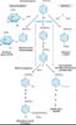
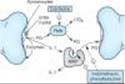
Acetaminophen is administered orally. Absorption is related to the rate of gastric emptying, and peak blood concentrations are usually reached in 30-60 minutes. Acetaminophen is slightly bound to plasma proteins and is partially metabolized by hepatic microsomal enzymes and converted to acetaminophen sulfate and glucuronide, which are pharmacologically inactive (see Figure 4-4). Less than 5% is excreted unchanged. A minor but highly active metabolite (N-acetyl-p-benzoquinone) is important in large doses because it is toxic to both liver and kidney. The half-life of acetaminophen is 2-3 hours and is relatively unaffected by renal function. With toxic doses or liver disease, the half-life may be increased twofold or more.
|
|
Figure 4-4. Metabolism of acetaminophen (top center) to hepatotoxic metabolites. (GSH, glutathione; SG, glutathione moiety). |
Indications
Although equivalent to aspirin as an effective analgesic and antipyretic agent, acetaminophen differs in that it lacks anti-inflammatory properties. It does not affect uric acid levels and lacks platelet-inhibiting properties. The drug is useful in mild to moderate pain such as headache, myalgia, postpartum pain, and other circumstances in which aspirin is an effective analgesic. Acetaminophen alone is inadequate therapy for inflammatory conditions such as rheumatoid arthritis, although it may be used as an analgesic adjunct to anti-inflammatory therapy. For mild analgesia, acetaminophen is the preferred drug in patients allergic to aspirin or when salicylates are poorly tolerated. It is preferable to aspirin in patients with hemophilia or a history of peptic ulcer and in those in whom bronchospasm is precipitated by aspirin. Unlike aspirin, acetaminophen does not antagonize the effects of uricosuric agents; it may be used concomitantly with probenecid in the treatment of gout. It is preferred to aspirin in children with viral infections.
Adverse Effects
In therapeutic doses, a mild increase in hepatic enzymes may occasionally occur in the absence of jaundice; this is reversible when the drug is withdrawn. With larger doses, dizziness, excitement, and disorientation are seen. Ingestion of 15 g of acetaminophen may be fatal, death being caused by severe hepatotoxicity with centrilobular necrosis, sometimes associated with acute renal tubular necrosis (see Chapters 4 and 59). Doses greater than 4 g/d are not recommended and a history of alcoholism contraindicates even this dose. Early symptoms of hepatic damage include nausea, vomiting, diarrhea, and abdominal pain. Cases of renal damage without hepatic damage have occurred, even after usual doses of acetaminophen. Therapy is much less satisfactory than for aspirin overdose. In addition to supportive therapy, the measure that has proved most useful is the provision of sulfhydryl groups in the form of acetylcysteine to neutralize the toxic metabolites (see Chapter 59).
Hemolytic anemia and methemoglobinemia are very rare. Interstitial nephritis and papillary necrosis¾serious complications of phenacetin¾have not occurred nor has gastrointestinal bleeding. Caution is necessary in patients with any type of liver disease.
Dosage
Acute pain and fever may be effectively treated with 325-500 mg four times daily and proportionately less for children.
PHENACETIN
Phenacetin is no longer prescribed in the USA and has been removed from many over-the-counter analgesic combinations. However, it is still present in several proprietary analgesics in this country and is in common use in many other parts of the world. The association between the excessive use of analgesic combinations¾especially those that contain phenacetin¾and the development of renal failure has been recognized for almost 30 years.
IV. DRUGS USED IN GOUT
INTRODUCTION
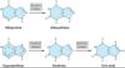
Gout is a metabolic disease characterized by recurrent episodes of acute arthritis due to deposits of monosodium urate in joints and cartilage. Uric acid renal calculi, tophi, and interstitial nephritis may also occur. Gout is usually associated with high serum levels of uric acid, a poorly soluble substance that is the major end product of purine metabolism. In most mammals, uricase converts uric acid to the more soluble allantoin; this enzyme is absent in humans.
The treatment of gout aims to relieve acute gouty attacks and to prevent recurrent gouty episodes and urate lithiasis. Therapy for an attack of acute gouty arthritis is based on our current understanding of the pathophysiologic events that occur in this disease (Figure 36-4). Urate crystals are initially phagocytosed by synoviocytes, which then release prostaglandins, lysosomal enzymes, and interleukin-1. Attracted by these chemotactic mediators, polymorphonuclear leukocytes migrate into the joint space and amplify the ongoing inflammatory process. In the later phases of the attack, increased numbers of mononuclear phagocytes (macrophages) appear, ingest the urate crystals, and release more inflammatory mediators. This sequence of events suggests that the most effective agents for the management of acute urate crystal-induced inflammation are those that suppress different phases of leukocyte activation.
Before starting chronic therapy for gout, patients in whom hyperuricemia is associated with gout and urate lithiasis must be clearly distinguished from those who have only hyperuricemia. In an asymptomatic person with hyperuricemia, the efficacy of long-term drug treatment is unproved. In some individuals, uric acid levels may be elevated up to 2 standard deviations above the mean for a lifetime without adverse consequences.
|
|
Figure 36-4. Pathophysiologic events in a gouty joint. Synoviocytes phagocytose urate crystals and then secrete inflammatory mediators, which attract and activate polymorphonuclear leukocytes (PMN) and mononuclear phagocytes (MNP) (macrophages). Drugs active in gout inhibit crystal phagocytosis and polymorphonuclear leukocyte and macrophage release of inflammatory mediators. (PG, prostaglandin; IL-1, interleukin-1; LTB4, leukotriene B4.) |
COLCHICINE
Introduction
Although NSAIDs are now the first-line drugs for acute gout, colchicine was the primary treatment for many years. Colchicine is an alkaloid isolated from the autumn crocus, Colchicum autumnale. Its structure is shown in Figure 36-5.
|
|
Figure 36-5. Colchicine and uricosuric drugs. |
Pharmacokinetics
Colchicine is absorbed readily after oral administration, reaches peak plasma levels within 2 hours, and is eliminated with a serum half-life of 9 hours. Metabolites are excreted in the intestinal tract and urine.
Pharmacodynamics
Colchicine relieves the pain and inflammation of gouty arthritis in 12-24 hours without altering the metabolism or excretion of urates and without other analgesic effects. Colchicine produces its anti-inflammatory effects by binding to the intracellular protein tubulin, thereby preventing its polymerization into microtubules and leading to the inhibition of leukocyte migration and phagocytosis. It also inhibits the formation of leukotriene B4. Several of colchicine's adverse effects are produced by its inhibition of tubulin polymerization and cell mitosis.
Indications
Although colchicine is more specific in gout than the NSAIDs, NSAIDs (eg, indomethacin and other NSAIDs [except aspirin]) have replaced it in the treatment of acute gout because of the troublesome diarrhea associated with colchicine therapy. Colchicine is now used for the prophylaxis of recurrent episodes of gouty arthritis, is effective in preventing attacks of acute Mediterranean fever, and may have a mild beneficial effect in sarcoid arthritis and in hepatic cirrhosis. Although it can be given intravenously, this route should be used cautiously because of increased bone marrow toxicity.
Adverse Effects
Colchicine often causes diarrhea and may occasionally cause nausea, vomiting, and abdominal pain. Colchicine may rarely cause hair loss and bone marrow depression as well as peripheral neuritis and myopathy.
Acute intoxication after overdoses is characterized by burning throat pain, bloody diarrhea, shock, hematuria, and oliguria. Fatal ascending central nervous system depression has been reported. Treatment is supportive.
Dosage
In prophylaxis (the most common use), the dose of colchicine is 0.6 mg one to three times daily. For terminating an attack of gout, the traditional initial dose of colchicine is usually 0.6 or 1.2 mg, followed by 0.6 mg every 2 hours until pain is relieved or nausea and diarrhea appear. The total dose can be given intravenously if necessary, but it should be remembered that as little as 8 mg in 24 hours may be fatal.
NSAIDS IN GOUT
In addition to inhibiting prostaglandin synthase, indomethacin and other NSAIDs also inhibit urate crystal phagocytosis. Indomethacin is commonly used as initial treatment of gout as the replacement for colchicine. For acute gout 50 mg three times daily is given; when a response occurs, the dosage is reduced to 25 mg three times daily for 5-7 days.
All other NSAIDs except aspirin, salicylates, and tolmetin have been successfully used to treat acute gouty episodes. Oxaprozin, which lowers serum uric acid, is theoretically a good choice although it should not be given to patients with uric acid stones because it increases uric acid excretion in the urine. These agents appear to be as effective and safe as the older drugs.
URICOSURIC AGENTS
Introduction
Probenecid and sulfinpyrazone are uricosuric drugs employed to decrease the body pool of urate in patients with tophaceous gout or in those with increasingly frequent gouty attacks. In a patient who excretes large amounts of uric acid, the uricosuric agents should not be used.
Chemistry
Uricosuric drugs are organic acids (Figure 36-5) and, as such, act at the anionic transport sites of the renal tubule (see Chapter 15). Sulfinpyrazone is a metabolite of an analog of phenylbutazone.
Pharmacokinetics
Probenecid is completely reabsorbed by the renal tubules and is metabolized slowly with a terminal serum half-life of 5-8 hours. Sulfinpyrazone or its active hydroxylated derivative is rapidly excreted by the kidneys. Even so, the duration of its effect after oral administration is almost as long as that of probenecid, which is given once or twice daily.
Pharmacodynamics
Uric acid is freely filtered at the glomerulus. Like many other weak acids, it is also both reabsorbed and secreted in the middle segment (S2) of the proximal tubule. Uricosuric drugs¾probenecid, sulfinpyrazone, and large doses of aspirin¾affect these active transport sites so that net reabsorption of uric acid in the proximal tubule is decreased. Because aspirin in doses of less than 2.6 g daily causes net retention of uric acid by inhibiting the secretory transporter, it should not be used for analgesia in patients with gout. The secretion of other weak acids (eg, penicillin) is also reduced by uricosuric agents. Probenecid was originally developed to prolong penicillin blood levels.
As the urinary excretion of uric acid increases, the size of the urate pool decreases, although the plasma concentration may not be greatly reduced. In patients who respond favorably, tophaceous deposits of urate are reabsorbed, with relief of arthritis and remineralization of bone. With the ensuing increase in uric acid excretion, a predisposition to the formation of renal stones is augmented rather than decreased; therefore, the urine volume should be maintained at a high level, and at least early in treatment the urine pH should be kept above 6.0 by the administration of alkali.
Indications
Uricosuric therapy should be initiated in gouty underexcretion of uric acid when allopurinol or febuxostat is contraindicated or when evidence of tophi appears. Therapy should not be started until 2-3 weeks after an acute attack.
Adverse Effects
Adverse effects do not provide a basis for preferring one or the other of the uricosuric agents. Both of these organic acids cause gastrointestinal irritation, but sulfinpyrazone is more active in this regard. A rash may appear after the use of either compound. Nephrotic syndrome has occurred after the use of probenecid. Both sulfinpyrazone and probenecid may rarely cause aplastic anemia.
Contraindications & Cautions
It is essential to maintain a large urine volume to minimize the possibility of stone formation.
Dosage
Probenecid is usually started at a dosage of 0.5 g orally daily in divided doses, progressing to 1 g daily after 1 week. Sulfinpyrazone is started at a dosage of 200 mg orally daily, progressing to 400-800 mg daily. It should be given in divided doses with food to reduce adverse gastrointestinal effects.
ALLOPURINOL
Introduction
The preferred and standard-of-care therapy for gout is allopurinol, which reduces total uric acid body burden by inhibiting xanthine oxidase.
Chemistry
The structure of allopurinol, an isomer of hypoxanthine, is shown in Figure 36-6.
|
|
Figure 36-6. Inhibition of uric acid synthesis by allopurinol. (Modified and reproduced, with permission, from Meyers FH, Jawetz E, Goldfien A: Review of Medical Pharmacology, 7th ed. McGraw-Hill, 1980.) |
Pharmacokinetics
Allopurinol is approximately 80% absorbed after oral administration and has a terminal serum half-life of 1-2 hours. Like uric acid, allopurinol is itself metabolized by xanthine oxidase, but the resulting compound, alloxanthine, retains the capacity to inhibit xanthine oxidase and has a long enough duration of action so that allopurinol is given only once a day.
Pharmacodynamics
Dietary purines are not an important source of uric acid. Quantitatively important amounts of purine are formed from amino acids, formate, and carbon dioxide in the body. Those purine ribonucleotides not incorporated into nucleic acids and derived from nucleic acid degradation are converted to xanthine or hypoxanthine and oxidized to uric acid (Figure 36-6). Allopurinol inhibits this last step, resulting in a fall in the plasma urate level and a decrease in the size of the urate pool. The more soluble xanthine and hypoxanthine are increased.
Indications
Treatment of gout with allopurinol, as with uricosuric agents, is begun with the expectation that it will be continued for years if not for life. Allopurinol is often the first urate-lowering drug used. When starting allopurinol, colchicine should also be used until steady-state serum uric acid is normalized or decreased to less than 6 mg/dL. Thereafter colchicine can be stopped, while allopurinol is continued. Aside from gout, allopurinol is used as an antiprotozoal agent (see Chapter 52) and is indicated to prevent the massive uricosuria following therapy of blood dyscrasias that could otherwise lead to renal calculi.
Adverse Effects
See above for protection against an acute attack during the initial use of allopurinol. Gastrointestinal intolerance, including nausea, vomiting, and diarrhea, may occur. Peripheral neuritis and necrotizing vasculitis, depression of bone marrow elements, and, rarely, aplastic anemia may also occur. Hepatic toxicity and interstitial nephritis have been reported. An allergic skin reaction characterized by pruritic maculopapular lesions occurs in 3% of patients. Isolated cases of exfoliative dermatitis have been reported. In very rare cases, allopurinol has become bound to the lens, resulting in cataracts.
Interactions & Cautions
When chemotherapeutic mercaptopurines (eg, azathioprine) are given concomitantly with allopurinol, their dosage must be reduced by about 75%. Allopurinol may also increase the effect of cyclophosphamide. Allopurinol inhibits the metabolism of probenecid and oral anticoagulants and may increase hepatic iron concentration. Safety in children and during pregnancy has not been established.
Dosage
The initial dosage of allopurinol is 100 mg/d. It may be titrated upward until serum uric acid is below 6 mg/dL; this level is commonly achieved at 300 mg/d but is not restricted to this dose.
Colchicine or an NSAID should be given during the first weeks of allopurinol therapy to prevent the gouty arthritis episodes that sometimes occur.
FEBUXOSTAT
Introduction
Febuxostat is the first nonpurine inhibitor of xanthine oxidase.
Pharmacokinetics
Febuxostat is more than 80% absorbed following oral administration. Maximum concentration is reached in approximately 1 hour. Febuxostat is extensively metabolized in the liver. All of the drug and its metabolites appear in the urine although less than 5% appears as unchanged drug. Because it is highly metabolized to inactive metabolites, no dosage adjustment is necessary for patients with renal impairment.
Pharmacodynamics
Febuxostat is a potent and selective inhibitor of xanthine oxidase, and thereby reduces the formation of xanthine and uric acid. No other enzymes involved in purine or pyrimidine metabolism are inhibited. Febuxostat at a daily dose of 80 mg or 120 mg was more effective than allopurinol at a standard 300 mg daily dose in lowering serum urate levels. The urate-lowering effect was comparable regardless of the pathogenic cause of hyperuricemia¾overproduction or underexcretion.
Indications
Febuxostat is awaiting FDA approval at its 80 mg and 120 mg dose for the treatment of chronic gout. It is the first new drug for the treatment of gout in over 40 years.
Adverse Effects
As with allopurinol, prophylactic treatment with colchicine or NSAIDs should start at the beginning of treatment to avoid gout flares. The most frequent treatment-related adverse events are liver function abnormalities, diarrhea, headache, and nausea. Febuxostat appears to be well tolerated in patients with a history of allopurinol intolerance.
PREPARATIONS AVAILABLE
NSAIDs
Aspirin, acetylsalicylic acid (generic, Easprin, others)
Oral (regular, enteric-coated, buffered): 81, 165, 325, 500, 650, 800 mg tablets; 81, 650, 800 mg timed- or extended-release tablets
Rectal: 120, 200, 300, 600 mg suppositories
Bromfenac (Xibrom)
Ophthalmic: 0.09% solution
Celecoxib (Celebrex)
Oral: 100, 200 mg capsules
Choline salicylate (Arthropan)
Oral: 870 mg/5 mL liquid
Diclofenac (generic, Cataflam, Voltaren)
Oral: 50 mg tablets; 25, 50, 75 mg delayed-release tablets; 100 mg extended-release tablets
Ophthalmic: 0.1% solution
Diflunisal (generic, Dolobid)
Oral: 250, 500 mg tablets
Etodolac (generic, Lodine)
Oral: 200, 300 mg capsules; 400, 500 mg tablets; 400, 500, 600 mg extended-release tablets
Fenoprofen (generic, Nalfon)
Oral: 200, 300 mg capsules; 600 mg tablets
Flurbiprofen (generic, Ansaid)
Oral: 50, 100 mg tablets
Ophthalmic (generic, Ocufen): 0.03% solution
Ibuprofen (generic, Motrin, Rufen, Advil [otc], Nuprin [otc], others)
Oral: 100, 200, 400, 600, 800 mg tablets; 50, 100 mg chewable tablets; 200 mg capsules; 100 mg/2.5 mL suspension, 100 mg/5 mL suspension; 40 mg/mL drops
Indomethacin (generic, Indocin)
Oral: 25, 50 mg capsules; 75 mg sustained-release capsules; 25 mg/5 mL suspension
Rectal: 50 mg suppositories
Ketoprofen (generic, Orudis)
Oral: 12.5 mg tablets; 25, 50, 75 mg capsules; 100, 150, 200 mg extended-release capsules
Ketorolac tromethamine (generic, Toradol)
Oral: 10 mg tablets
Parenteral: 15, 30 mg/mL for IM injection
Ophthalmic: 0.4, 0.5% solution
Magnesium salicylate (Doan's Pills, Magan, Mobidin)
Oral: 545, 600 mg tablets; 467, 500, 580 mg caplets
Meclofenamate sodium (generic)
Oral: 50, 100 mg capsules
Mefenamic acid (Ponstel)
Oral: 250 mg capsules
Meloxicam (Mobic)
Oral: 7.5, 15 mg tablets; 7.5 mg/5 mL suspension
Nabumetone (generic, Relafen)
Oral: 500, 750 mg tablets
Naproxen (generic, Naprosyn, Anaprox, Aleve [otc])
Oral: 200, 220, 250, 375, 500 mg tablets; 375, 550 mg controlled-release tablets; 375, 500 mg delayed-release tablets; 125 mg/5 mL suspension
Oxaprozin (generic, Daypro)
Oral: 600 mg tablets
Piroxicam (generic, Feldene)
Oral: 10, 20 mg capsules
Salsalate, salicylsalicylic acid (generic, Disalcid)
Oral: 500, 750 mg tablets; 500 mg capsules
Sodium salicylate (generic)
Oral: 325, 650 mg enteric-coated tablets
Sodium thiosalicylate (generic, Rexolate)
Parenteral: 50 mg/mL for IM injection
Sulindac (generic, Clinoril)
Oral: 150, 200 mg tablets
Suprofen (Profenal)
Topical: 1% ophthalmic solution
Tolmetin (generic, Tolectin)
Oral: 200, 600 mg tablets; 400 mg capsules
Valdecoxib (Bextra) (Not available in all countries)
Oral: 10, 20 mg tablets
DISEASE-MODIFYING ANTIRHEUMATIC DRUGS
Abatacept (Orencia)
Parenteral: 250 mg/vial lyophilized, for reconstitution for IV injection
Adalimumab (Humira)
Parenteral: 40 mg/0.8 mL for SC injection
Anakinra (Kineret)
Parenteral: 100 mg solution for SC injection
Auranofin (Ridaura)
Oral: 3 mg capsules
Aurothioglucose (Solganal)
Parenteral: 50 mg/mL suspension for injection
Etanercept (Enbrel)
Parenteral: 50 mg/mL, 25 mg powder for SC injection
Gold sodium thiomalate (generic, Aurolate)
Parenteral: 50 mg/mL for injection
Hydroxychloroquine (generic, Plaquenil)
Oral: 200 mg tablets
Infliximab (Remicade)
Parenteral: 100 mg powder for IV infusion
Leflunomide (Arava)
Oral: 10, 20, 100 mg tablets
Methotrexate (generic, Rheumatrex)
Oral: 2.5 mg tablet dose packs, 5, 7.5, 10, 15 mg tablets
Penicillamine (Cuprimine, Depen)
Oral: 125, 250 mg capsules; 250 mg tablets
Rituximab (Rituxan)
Parenteral: 10 mg/mL for IV infusion
Sulfasalazine (generic, Azulfidine)
Oral: 500 mg tablets; 500 mg delayed-release tablets
ACETAMINOPHEN
Acetaminophen (generic, Tylenol, Tempra, Panadol, Acephen, others)
Oral: 160, 325, 500, 650 mg tablets; 80 mg chewable tablets; 160, 500, 650 mg caplets; 325, 500 mg capsules; 80, 120, 160 mg/5 mL elixir; 500 mg/15 mL elixir; 80 mg/1.66 mL, 100 mg/mL solution
Rectal: 80, 120, 125, 300, 325, 650 mg suppositories
DRUGS USED IN GOUT
Allopurinol (generic, Zyloprim)
Oral: 100, 300 mg tablets
Colchicine (generic)
Oral: 0.6 mg tablets
Parenteral: 0.5 mg/mL for injection
Probenecid (generic)
Oral: 500 mg tablets
Sulfinpyrazone (generic, Anturane)
Oral: 100 mg tablets; 200 mg capsules
REFERENCES
General
Hellman DB, Stone JH: Arthritis and musculoskeletal disorders. In: McPhee ST, Papadakis MA (editors). Current Medical Diagnosis & Treatment 2007. McGraw-Hill, 2007.
Vane J, Botting R: Inflammation and the mechanism of action of anti-inflammatory drugs. FASEB J 1987;1:89.
NSAIDs
http://www.rheumatology.org/publications/hotline/0305NSAIDs.asp
Bensen W et al: Efficacy and safety of valdecoxib in treating the signs and symptoms of rheumatoid arthritis: A randomized, controlled comparison with placebo and naproxen.Rheumatology (Oxford) 2002;41:1008.
Bombardier C: An evidence-based evaluation of the gastrointestinal safety of coxibs. Am J Cardiol 2002;89(Suppl 6A):3D.
Bombardier C et al: Comparison of upper gastrointestinal toxicity of rofecoxib and naproxen in patients with rheumatoid arthritis. VIGOR Study Group. N Engl J Med 2000;343:1520.
Brix AE: Renal papillary necrosis. Toxicol Pathol 2002;30:672.
Chan FK et al: Celecoxib versus diclofenac and omeprazole in reducing the risk of recurrent ulcer bleeding in patients with arthritis. N Engl J Med 2002;347:2104.
Christmann V et al: Changes in cerebral, renal and mesenteric blood flow velocity during continuous and bolus infusion of indomethacin. Acta Paediatr 2002;91:440.
Deeks JJ, Smith LA, Bradley MD: Efficacy, tolerability, and upper gastrointestinal safety of celecoxib for treatment of osteoarthritis and rheumatoid arthritis: Systematic review of randomised controlled trials. BMJ 2002;325:619.
Furst DE et al: Dose response and safety study of meloxicam up to 22.5 mg daily in rheumatoid arthritis: A 12 week multicenter, double blind, dose response study versus placebo and diclofenac. J Rheumatol 2002;29:436.
Hanna MH et al: Comparative study of analgesic efficacy and morphine-sparing effect of intramuscular dexketoprofen trometamol with ketoprofen or placebo after major orthopaedic surgery. Br J Clin Pharmacol 2003;55:126.
Immer FF et al: Pain treatment with a COX-2 inhibitor after coronary artery bypass operation: A randomized trial. Ann Thorac Surg 2003;75:490.
Kivitz A et al: Randomized placebo-controlled trial comparing efficacy and safety of valdecoxib with naproxen in patients with osteoarthritis. J Fam Pract 2002;51:530.
Knijff-Dutmer EA et al: Platelet function is inhibited by non-selective non-steroidal anti-inflammatory drugs but not by cyclooxygenase-2-selective inhibitors in patients with rheumatoid arthritis. Rheumatology (Oxford) 2002;41:458.
Lago P et al: Safety and efficacy of ibuprofen versus indomethacin in preterm infants treated for patent ductus arteriosus: A randomized controlled trial. Eur J Pediatr 2002;161:202.
Laine L et al: Serious lower gastrointestinal clinical events with nonselective NSAID or coxib use. Gastroenterology 2003;124:288.
Makarowski W et al: Efficacy and safety of the COX-2 specific inhibitor valdecoxib in the management of osteoarthritis of the hip: A randomized, double-blind, placebo-controlled comparison with naproxen. Osteoarthritis Cartilage 2002;10:290.
Matsumoto AK et al: A randomized, controlled, clinical trial of etoricoxib in the treatment of rheumatoid arthritis. J Rheumatol 2002;29:1623.
Moran EM: Epidemiological and clinical aspects of nonsteroidal anti-inflammatory drugs and cancer risks. J Environ Pathol Toxicol Oncol 2002;21:193.
Niccoli L, Bellino S, Cantini F: Renal tolerability of three commonly employed non-steroidal anti-inflammatory drugs in elderly patients with osteoarthritis. Clin Exp Rheumatol 2002;20:201.
Ray WA et al: COX-2 selective non-steroidal anti-inflammatory drugs and risk of serious coronary heart disease. Lancet 2002;360:1071.
Reicin AS et al: Comparison of cardiovascular thrombotic events in patients with osteoarthritis treated with rofecoxib versus nonselective nonsteroidal anti-inflammatory drugs (ibuprofen, diclofenac, and nabumetone). Am J Cardiol 2002;89:204.
Rovensky J et al: Treatment of knee osteoarthritis with a topical non-steroidal anti-inflammatory drug. Results of a randomized, double-blind, placebo-controlled study on the efficacy and safety of a 5% ibuprofen cream. Drugs Exp Clin Res 2001;27:209.
Disease-Modifying Antirheumatic Drugs & Glucocorticoids
Caldwell J, Gendreau RM, Furst D: A pilot study using a staph protein A column (Prosorba) to treat refractory rheumatoid arthritis. J Rheumatol 1999;26:1657.
Charles P et al: Regulation of cytokines, cytokine inhibitors, and acute-phase proteins following anti-TNF-a therapy in rheumatoid arthritis. J Immunol 1999;163:1521.
Felson DT et al: The Prosorba column for treatment of refractory rheumatoid arthritis: A randomized, double-blind, sham-controlled trial. Arthritis Rheum 1999;42:2153.
Furst DE: Rational use of disease-modifying antirheumatic drugs. Drugs 1990;39:19.
Garrison L, McDonnell ND: Etanercept: Therapeutic use in patients with rheumatoid arthritis. Ann Rheum Dis 1999;58(Suppl I):I165.
Genovese MC et al: Abatacept for rheumatoid arthritis refractory to tumor necrosis factor a inhibition. N Engl J Med 2005;353:1114.
Jones RE, Moreland LW: Tumor necrosis factor inhibitors for rheumatoid arthritis. Bull Rheum Dis 1999;48:14.
Mease PJ et al: Adalimumab for the treatment of patients with moderately to severely active psoriatic arthritis. Arthritis Rheum 2005;52:3279.
Moreland LW et al: Etanercept therapy in rheumatoid arthritis. A randomized, controlled trial. Ann Intern Med 1999;130:478.
Teng GG, Turkiewicz AM, Moreland LW: Abatacept: A costimulatory inhibitor for treatment of rheumatoid arthritis. Expert Opin Biol Ther 2005;5:1245.
Other Analgesics
Chandrasekharan NV et al: COX-3, a cyclooxygenase-1 variant inhibited by acetaminophen and other analgesic/antipyretic drugs: Cloning, structure, and expression. Proc Natl Acad Sci U S A 2002;99:13926.
Linden CH, Rumack BH: Acetaminophen overdose. Emerg Med Clin North Am 1984;2:103.
Styrt B, Sugarman B: Antipyresis and fever. Arch Intern Med 1990;150:1589.
Drugs Used in Gout
Becker MA et al: Febuxostat compared with allopurinol in patients with hyperuricemia and gout. N Engl J Med 2005;353:2450.
Emmerson BT: The management of gout. N Engl J Med 1996;334:445.
Schumacher HR: Febuxostat: A non-purine, selective inhibitor of xanthine oxidase for the management of hyperuricaemia in patients with gout. Expert Opin Investig Drugs 2005;14:893.