BETA-LACTAM COMPOUNDS
PENICILLINS
Introduction
The penicillins share features of chemistry, mechanism of action, pharmacology, and immunologic characteristics with cephalosporins, monobactams, carbapenems, and b-lactamase inhibitors. All are b-lactam compounds, so named because of their unique four-membered lactam ring.
Chemistry
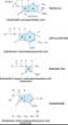
All penicillins have the basic structure shown in Figure 43-1. A thiazolidine ring (A) is attached to a b-lactam ring (B) that carries a secondary amino group (RNH-). Substituents (R; examples shown in Figure 43-2) can be attached to the amino group. Structural integrity of the 6-aminopenicillanic acid nucleus is essential for the biologic activity of these compounds. Hydrolysis of the b-lactam ring by bacterial b-lactamases yields penicilloic acid, which lacks antibacterial activity.
A. CLASSIFICATION
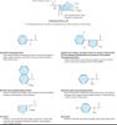
Substituents of the 6-aminopenicillanic acid moiety determine the essential pharmacologic and antibacterial properties of the resulting molecules. Penicillins can be assigned to one of three groups (below). Within each of these groups are compounds that are relatively stable to gastric acid and suitable for oral administration, eg, penicillin V, dicloxacillin, and amoxicillin. The side chains of some representatives of each group are shown in Figure 43-2, with a few distinguishing characteristics.
1. Penicillins (eg, penicillin G)¾ These have greatest activity against gram-positive organisms, gram-negative cocci, and non- b-lactamase-producing anaerobes. However, they have little activity against gram-negative rods, and they are susceptible to hydrolysis by b-lactamases.
2. Antistaphylococcal penicillins (eg, nafcillin)¾ These penicillins are resistant to staphylococcal b-lactamases. They are active against staphylococci and streptococci but not against enterococci, anaerobic bacteria, and gram-negative cocci and rods.
3. Extended-spectrum penicillins (ampicillin and the antipseudomonal penicillins)¾ These drugs retain the antibacterial spectrum of penicillin and have improved activity against gram-negative organisms. Like penicillin, however, they are relatively susceptible to hydrolysis by b-lactamases.
B. PENICILLIN UNITS AND FORMULATIONS
The activity of penicillin G was originally defined in units. Crystalline sodium penicillin G contains approximately 1600 units per mg (1 unit = 0.6 mcg; 1 million units of penicillin = 0.6 g). Semisynthetic penicillins are prescribed by weight rather than units. The minimum inhibitory concentration (MIC) of any penicillin (or other antimicrobial) is usually given in mcg/mL. Most penicillins are dispensed as the sodium or potassium salt of the free acid. Potassium penicillin G contains about 1.7 mEq of K+ per million units of penicillin (2.8 mEq/g). Nafcillin contains Na+, 2.8 mEq/g. Procaine salts and benzathine salts of penicillin G provide repository forms for intramuscular injection. In dry crystalline form, penicillin salts are stable for years at 4 °C. Solutions lose their activity rapidly (eg, 24 hours at 20 °C) and must be prepared fresh for administration.
|
|
Figure 43-1. Core structures of four b-Lactam antibiotic families. The ring marked B in each structure is the b-lactam ring. The penicillins are susceptible to bacterial metabolism and inactivation by amidases and lactamases at the points shown. Note that the carbapenems have a different stereochemical configuration in the lactam ring that apparently imparts resistance to b-lactamases. Substituents for the penicillin and cephalosporin families are shown in Figures 43-2 and 43-6, respectively. |
|
|
|
Figure 43-2. Side chains of some penicillins (R groups of Figure 43-1). |
|
Mechanism of Action
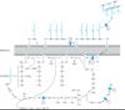
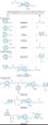
Penicillins, like all b-lactam antibiotics, inhibit bacterial growth by interfering with the transpeptidation reaction of bacterial cell wall synthesis. The cell wall is a rigid outer layer unique to bacterial species. It completely surrounds the cytoplasmic membrane (Figure 43-3), maintains cell shape and integrity, and prevents cell lysis from high osmotic pressure. The cell wall is composed of a complex cross-linked polymer of polysaccharides and polypeptides, peptidoglycan (murein, mucopeptide). The polysaccharide contains alternating amino sugars, N-acetylglucosamine and N-acetylmuramic acid (Figure 43-4). A five-amino-acid peptide is linked to the N-acetylmuramic acid sugar. This peptide terminates in D-alanyl-D-alanine. Penicillin-binding protein (PBP, an enzyme) removes the terminal alanine in the process of forming a cross-link with a nearby peptide. Cross-links give the cell wall its structural rigidity. b-Lactam antibiotics, structural analogs of the natural D-Ala- D-Ala substrate, covalently bind to the active site of PBPs. This inhibits the transpeptidation reaction (Figure 43-5), halting peptidoglycan synthesis, and the cell dies. The exact mechanism of cell death is not completely understood, but autolysins and disruption of cell wall morphogenesis are involved. Penicillins and cephalosporins kill bacterial cells only when they are actively growing and synthesizing cell wall.
|
|
Figure 43-3. A highly simplified diagram of the cell envelope of a gram-negative bacterium. The outer membrane, a lipid bilayer, is present in gram-negative but not gram-positive organisms. It is penetrated by porins, proteins that form channels providing hydrophilic access to the cytoplasmic membrane. The peptidoglycan layer is unique to bacteria and is much thicker in gram-positive organisms than in gram-negative ones. Together, the outer membrane and the peptidoglycan layer constitute the cell wall. Penicillin-binding proteins (PBPs) are membrane proteins that cross-link peptidoglycan. b-Lactamases, if present, reside in the periplasmic space or on the outer surface of the cytoplasmic membrane, where they may destroy b-lactam antibiotics that penetrate the outer membrane. |
|
|
|
Figure 43-4. The transpeptidation reaction in Staphylococcus aureus that is inhibited by b-lactam antibiotics. The cell wall of gram-positive bacteria is made up of long peptidoglycan polymer chains consisting of the alternating aminohexoses N-acetylglucosamine (G) and N-acetylmuramic acid (M) with pentapeptide side chains linked (in S aureus) by pentaglycine bridges. The exact composition of the side chains varies among species. The diagram illustrates small segments of two such polymer chains and their amino acid side chains. These linear polymers must be cross-linked by transpeptidation of the side chains at the points indicated by the asterisk to achieve the strength necessary for cell viability. |
|
|
|
Figure 43-5. The biosynthesis of cell wall peptidoglycan, showing the sites of action of five antibiotics (shaded bars; 1 = fosfomycin, 2 = cycloserine, 3 = bacitracin, 4 = vancomycin, 5 = b-lactam antibiotics). Bactoprenol (BP) is the lipid membrane carrier that transports building blocks across the cytoplasmic membrane; M = N-acetylmuramic acid; Glc = glucose; NAcGlc or G = N-acetylglucosamine. |
Resistance
Resistance to penicillins and other b-lactams is due to one of four general mechanisms: (1) inactivation of antibiotic by b-lactamase, (2) modification of target PBPs, (3) impaired penetration of drug to target PBPs, and (4) efflux. b-Lactamase production is the most common mechanism of resistance. Many hundreds of different b-lactamases have been identified. Some, such as those produced by Staphylococcus aureus, Haemophilus sp, and Escherichia coli, are relatively narrow in substrate specificity, preferring penicillins to cephalosporins. Other b-lactamases, eg, AmpC b-lactamase produced by Pseudomonas aeruginosa and Enterobacter sp, and extended-spectrum b-lactamases (ESBLs), hydrolyze both cephalosporins and penicillins. Carbapenems are highly resistant to hydrolysis by penicillinases and cephalosporinases but they are hydrolyzed by metallo- b-lactamase and carbapenemases.
Altered target PBPs are the basis of methicillin resistance in staphylococci and of penicillin resistance in pneumococci and enterococci. These resistant organisms produce PBPs that have low affinity for binding b-lactam antibiotics, and consequently they are not inhibited except at relatively high, often clinically unachievable, drug concentrations.
Resistance due to impaired penetration of antibiotic to target PBPs occurs only in gram-negative species because of their impermeable outer cell wall membrane, which is absent in gram-positive bacteria. b-Lactam antibiotics cross the outer membrane and enter gram-negative organisms via outer membrane protein channels (porins). Absence of the proper channel or down-regulation of its production can greatly impair drug entry into the cell. Poor penetration alone is usually not sufficient to confer resistance, because enough antibiotic eventually enters the cell to inhibit growth. However, this barrier can become important in the presence of a b-lactamase, even a relatively inactive one, as long as it can hydrolyze drug faster than it enters the cell. Gram-negative organisms also may produce an efflux pump, which consists of cytoplasmic and periplasmic protein components that efficiently transport some b-lactam antibiotics from the periplasm back across the outer membrane.
Pharmacokinetics
Absorption of orally administered drug differs greatly for different penicillins, depending in part on their acid stability and protein binding. Gastrointestinal absorption of nafcillin is erratic, so it is not suitable for oral administration. Dicloxacillin, ampicillin, and amoxicillin are acid-stable and relatively well absorbed, producing serum concentrations in the range of 4-8 mcg/mL following a 500 mg oral dose. Absorption of most oral penicillins (amoxicillin being an exception) is impaired by food, and the drugs should be administered at least 1-2 hours before or after a meal.
After parenteral administration, absorption of most penicillins is complete and rapid. Intravenous administration is preferred to the intramuscular route because of irritation and local pain from intramuscular injection of large doses. Serum concentrations 30 minutes after an intravenous injection of 1 g of a penicillin (equivalent to approximately 1.6 million units of penicillin G) are 20-50 mcg/mL. Only a small amount of the total drug in serum is present as free drug, the concentration of which is determined by protein binding. Highly protein-bound penicillins (eg, nafcillin) generally achieve lower free-drug concentrations in serum than less protein-bound penicillins (eg, penicillin G, ampicillin). Protein binding becomes clinically relevant when the protein-bound percentage is approximately 95% or more. Penicillins are widely distributed in body fluids and tissues with a few exceptions. They are polar molecules, so intracellular concentrations are well below those found in extracellular fluids.
Benzathine and procaine penicillins are formulated to delay absorption, resulting in prolonged blood and tissue concentrations. A single intramuscular injection of 1.2 million units of benzathine penicillin maintains serum levels above 0.02 mcg/mL for 10 days, sufficient to treat b-hemolytic streptococcal infection. After 3 weeks, levels still exceed 0.003 mcg/mL, which is enough to prevent b-hemolytic streptococcal infection. A 600,000 unit dose of procaine penicillin yields peak concentrations of 1-2 mcg/mL and clinically useful concentrations for 12-24 hours after a single intramuscular injection.
Penicillin concentrations in most tissues are equal to those in serum. Penicillin is also excreted into sputum and milk to levels 3-15% of those present in the serum. Penetration into the eye, the prostate, and the central nervous system is poor. However, with active inflammation of the meninges, as in bacterial meningitis, penicillin concentrations of 1-5 mcg/mL can be achieved with a daily parenteral dose of 18-24 million units. These concentrations are sufficient to kill susceptible strains of pneumococci and meningococci.
Penicillin is rapidly excreted by the kidneys; small amounts are excreted by other routes. About 10% of renal excretion is by glomerular filtration and 90% by tubular secretion. The normal half-life of penicillin G is approximately 30 minutes; in renal failure, it may be as long as 10 hours. Ampicillin and the extended-spectrum penicillins are secreted more slowly than penicillin G and have half-lives of 1 hour. For penicillins that are cleared by the kidney, the dose must be adjusted according to renal function, with approximately one fourth to one third the normal dose being administered if creatinine clearance is 10 mL/min or less (Table 43-1).
Nafcillin is primarily cleared by biliary excretion. Oxacillin, dicloxacillin, and cloxacillin are eliminated by both the kidney and biliary excretion; no dosage adjustment is required for these drugs in renal failure. Because clearance of penicillins is less efficient in the newborn, doses adjusted for weight alone result in higher systemic concentrations for longer periods than in the adult.
Clinical Uses
Except for oral amoxicillin, penicillins should be given 1-2 hours before or after a meal; they should not be given with food to minimize binding to food proteins and acid inactivation. Blood levels of all penicillins can be raised by simultaneous administration of probenecid, 0.5 g (10 mg/kg in children) every 6 hours orally, which impairs renal tubular secretion of weak acids such as b-lactam compounds.
A. PENICILLIN
Penicillin G is a drug of choice for infections caused by streptococci, meningococci, enterococci, penicillin-susceptible pneumococci, non-b-lactamase-producing staphylococci, Treponema pallidum and many other spirochetes, clostridium species, actinomyces, and other gram-positive rods and non- b-lactamase-producing gram-negative anaerobic organisms. Depending on the organism, the site, and the severity of infection, effective doses range between 4 and 24 million units per day administered intravenously in four to six divided doses. High-dose penicillin G can also be given as a continuous intravenous infusion.
Penicillin V, the oral form of penicillin, is indicated only in minor infections because of its relatively poor bioavailability, the need for dosing four times a day, and its narrow antibacterial spectrum. Amoxicillin (see below) is often used instead.
Benzathine penicillin and procaine penicillin G for intramuscular injection yield low but prolonged drug levels. A single intramuscular injection of benzathine penicillin, 1.2 million units, is effective treatment for b-hemolytic streptococcal pharyngitis; given intramuscularly once every 3-4 weeks, it prevents reinfection. Benzathine penicillin G, 2.4 million units intramuscularly once a week for 1-3 weeks, is effective in the treatment of syphilis. Procaine penicillin G, formerly a work horse for treating uncomplicated pneumococcal pneumonia or gonorrhea, is rarely used nowadays because many strains are penicillin-resistant.
B. PENICILLINS RESISTANT TO STAPHYLOCOCCAL BETA-LACTAMASE (METHICILLIN, NAFCILLIN, AND ISOXAZOLYL PENICILLINS)
These semisynthetic penicillins are indicated for infection by b-lactamase-producing staphylococci, although penicillin-susceptible strains of streptococci and pneumococci are also susceptible. Listeria, enterococci, and methicillin-resistant strains of staphylococci are resistant.
An isoxazolyl penicillin such as oxacillin, cloxacillin, or dicloxacillin, 0.25-0.5 g orally every 4-6 hours (15-25 mg/kg/d for children), is suitable for treatment of mild to moderate localized staphylococcal infections. All are relatively acid-stable and have reasonable bioavailability. However, food interferes with absorption, and the drugs should be administered 1 hour before or after meals.
For serious systemic staphylococcal infections, oxacillin or nafcillin, 8-12 g/d, is given by intermittent intravenous infusion of 1-2 g every 4-6 hours (50-100 mg/kg/d for children).
C. EXTENDED-SPECTRUM PENICILLINS (AMINOPENICILLINS, CARBOXYPENICILLINS, AND UREIDOPENICILLINS)
These drugs have greater activity than penicillin against gram-negative bacteria because of their enhanced ability to penetrate the gram-negative outer membrane. Like penicillin G, they are inactivated by many b-lactamases.
The aminopenicillins, ampicillin and amoxicillin, have identical spectrum and activity, but amoxicillin is better absorbed orally. Amoxicillin, 250-500 mg three times daily, is equivalent to the same amount of ampicillin given four times daily. These drugs are given orally to treat urinary tract infections, sinusitis, otitis, and lower respiratory tract infections. Ampicillin and amoxicillin are the most active of the oral b-lactam antibiotics against penicillin-resistant pneumococci and are the preferred b-lactam antibiotics for treating infections suspected to be caused by these resistant strains. Ampicillin (but not amoxicillin) is effective for shigellosis. Its use to treat uncomplicated salmonella gastroenteritis is controversial because it may prolong the carrier state.
Ampicillin, at dosages of 4-12 g/d intravenously, is useful for treating serious infections caused by penicillin-susceptible organisms, including anaerobes, enterococci, Listeria monocytogenes, and b-lactamase-negative strains of gram-negative cocci and bacilli such as E coli, and salmonella species. Non-b-lactamase-producing strains of H influenzae are generally susceptible, but strains that are resistant because of altered PBPs are emerging. Many gram-negative species produce b-lactamases and are resistant, precluding use of ampicillin for empirical therapy of urinary tract infections, meningitis, and typhoid fever. Ampicillin is not active against klebsiella, enterobacter, Pseudomonas aeruginosa, citrobacter, serratia, indole-positive proteus species, and other gram-negative aerobes that are commonly encountered in hospital-acquired infections.
Carbenicillin, the very first antipseudomonal carboxypenicillin, is obsolete. A derivative, carbenicillin indanyl sodium, can be given orally for urinary tract infections. There are more active, better tolerated alternatives. A carboxypenicillin with activity similar to that of carbenicillin is ticarcillin. It is less active than ampicillin against enterococci. The ureidopenicillins, piperacillin, mezlocillin, and azlocillin, are also active against selected gram-negative bacilli, such as Klebsiella pneumoniae. Although supportive clinical data are lacking for superiority of combination therapy over single-drug therapy, because of the propensity of P aeruginosa to develop resistance, an antipseudomonal penicillin is frequently used in combination with an aminoglycoside or fluoroquinolone for pseudomonal infections outside the urinary tract.
Ampicillin, amoxicillin, ticarcillin, and piperacillin are also available in combination with one of several b-lactamase inhibitors: clavulanic acid, sulbactam, or tazobactam. The addition of a b-lactamase inhibitor extends the activity of these penicillins to include b-lactamase-producing strains of S aureus as well as some b-lactamase-producing gram-negative bacteria (see below).
Adverse Reactions
The penicillins are remarkably nontoxic. Most of the serious adverse effects are due to hypersensitivity. All penicillins are cross-sensitizing and cross-reacting. The antigenic determinants are degradation products of penicillins, particularly penicilloic acid and products of alkaline hydrolysis bound to host protein. A history of a penicillin reaction is not reliable; about 5-8% of people claim such a history, but only a small number of these will have an allergic reaction when given penicillin. Less than 1% of persons who previously received penicillin without incident will have an allergic reaction when given penicillin. Because of the potential for anaphylaxis, however, penicillin should be administered with caution or a substitute drug given if there is a history of penicillin allergy. The incidence of allergic reactions in small children is negligible.
Allergic reactions include anaphylactic shock (very rare¾0.05% of recipients); serum sickness-type reactions (now rare¾urticaria, fever, joint swelling, angioneurotic edema, intense pruritus, and respiratory embarrassment occurring 7-12 days after exposure); and a variety of skin rashes. Oral lesions, fever, interstitial nephritis (an autoimmune reaction to a penicillin-protein complex), eosinophilia, hemolytic anemia and other hematologic disturbances, and vasculitis may also occur. Most patients allergic to penicillins can be treated with alternative drugs. However, if necessary (eg, treatment of enterococcal endocarditis or neurosyphilis in a highly penicillin-allergic patient), desensitization can be accomplished with gradually increasing doses of penicillin.
In patients with renal failure, penicillin in high doses can cause seizures. Nafcillin is associated with neutropenia; oxacillin can cause hepatitis; and methicillin causes interstitial nephritis (and is no longer used for this reason). Large doses of penicillins given orally may lead to gastrointestinal upset, particularly nausea, vomiting, and diarrhea. Ampicillin has been associated with pseudomembranous colitis. Secondary infections such as vaginal candidiasis may occur. Ampicillin and amoxicillin can cause skin rashes that are not allergic in nature.
CEPHALOSPORINS & CEPHAMYCINS
Introduction
Cephalosporins are similar to penicillins, but more stable to many bacterial b-lactamases and therefore have a broader spectrum of activity. However, strains of E coli and Klebsiella species expressing extended-spectrum b-lactamases that can hydrolyze most cephalosporins are becoming a problem. Cephalosporins are not active against enterococci and L monocytogenes.
Chemistry
The nucleus of the cephalosporins, 7-aminocephalosporanic acid (Figure 43-6), bears a close resemblance to 6-aminopenicillanic acid (Figure 43-1). The intrinsic antimicrobial activity of natural cephalosporins is low, but the attachment of various R1 and R2 groups has yielded hundreds of potent compounds of low toxicity (Figure 43-6). Cephalosporins can be classified into four major groups or generations, depending mainly on the spectrum of antimicrobial activity.
|
|
Figure 43-6. Structures of some cephalosporins R1 and R2 structures are substituents on the 7-aminocephalosporanic acid nucleus pictured at the top. Other structures (cefoxitin and below) are complete in themselves. |
FIRST-GENERATION CEPHALOSPORINS
Introduction
First-generation cephalosporins include cefadroxil, cefazolin, cephalexin, cephalothin, cephapirin, and cephradine. These drugs are very active against gram-positive cocci, such as pneumococci, streptococci, and staphylococci. Cephalosporins are not active against methicillin-resistant strains of staphylococci. E coli, K pneumoniae, and Proteus mirabilis are often sensitive, but activity against P aeruginosa, indole-positive proteus, enterobacter, Serratia marcescens, citrobacter, and acinetobacter is poor. Anaerobic cocci (eg, peptococcus, peptostreptococcus) are usually sensitive, but Bacteroides fragilis is not.
Pharmacokinetics & Dosage
A. ORAL
Cephalexin, cephradine, and cefadroxil are absorbed from the gut to a variable extent. After oral doses of 500 mg, serum levels are 15-20 mcg/mL. Urine concentration is usually very high, but in most tissues levels are variable and generally lower than in serum. Cephalexin and cephradine are given orally in dosages of 0.25-0.5 g four times daily (15-30 mg/kg/d) and cefadroxil in dosages of 0.5-1 g twice daily. Excretion is mainly by glomerular filtration and tubular secretion into the urine. Drugs that block tubular secretion, eg, probenecid, may increase serum levels substantially. In patients with impaired renal function, dosage must be reduced (Table 43-2).
B. PARENTERAL
Cefazolin is the only first-generation parenteral cephalosporin still in general use. After an intravenous infusion of 1 g, the peak level of cefazolin is 90-120 mcg/mL. The usual intravenous dosage of cefazolin for adults is 0.5-2 g intravenously every 8 hours. Cefazolin can also be administered intramuscularly. Excretion is via the kidney, and dose adjustments must be made for impaired renal function.
Clinical Uses
Although the first-generation cephalosporins are broad spectrum and relatively nontoxic, they are rarely the drug of choice for any infection. Oral drugs may be used for the treatment of urinary tract infections, for staphylococcal, or for streptococcal infections including cellulitis or soft tissue abscess. However, oral cephalosporins should not be relied on in serious systemic infections.
Cefazolin penetrates well into most tissues. It is a drug of choice for surgical prophylaxis. Cefazolin may be a choice in infections for which it is the least toxic drug (eg, K pneumoniae) and in persons with staphylococcal or streptococcal infections who have a history of penicillin allergy other than immediate hypersensitivity. Cefazolin does not penetrate the central nervous system and cannot be used to treat meningitis. Cefazolin is an alternative to an antistaphylococcal penicillin for patients who are allergic to penicillin.
SECOND-GENERATION CEPHALOSPORINS
Introduction
Members of the second-generation cephalosporins include cefaclor, cefamandole, cefonicid, cefuroxime, cefprozil, loracarbef, and ceforanide and the structurally related cephamycins cefoxitin, cefmetazole, and cefotetan, which have activity against anaerobes. This is a heterogeneous group of drugs with marked individual differences in activity, pharmacokinetics, and toxicity. In general, they are active against organisms inhibited by first-generation drugs, but in addition they have extended gram-negative coverage. Klebsiellae (including those resistant to cephalothin) are usually sensitive. Cefamandole, cefuroxime, cefonicid, ceforanide, and cefaclor are active against H influenzae but not against serratia or B fragilis. In contrast, cefoxitin, cefmetazole, and cefotetan are active against B fragilis and some serratia strains but are less active against H influenzae. As with first-generation agents, none is active against enterococci or P aeruginosa. Second-generation cephalosporins may exhibit in vitro activity against enterobacter species, but resistant mutants that constitutively express a chromosomal b-lactamase that hydrolyzes these compounds (and third-generation cephalosporins) are readily selected, and they should not be used to treat enterobacter infections.
Pharmacokinetics & Dosage
A. ORAL
Cefaclor, cefuroxime axetil, cefprozil, and loracarbef can be given orally. The usual dosage for adults is 10-15 mg/kg/d in two to four divided doses; children should be given 20-40 mg/kg/d up to a maximum of 1 g/d. Except for cefuroxime axetil, these drugs are not predictably active against penicillin-resistant pneumococci and should be used cautiously, if at all, to treat suspected or proved pneumococcal infections. Cefaclor is more susceptible to b-lactamase hydrolysis compared with the other agents, and its usefulness is correspondingly diminished.
B. PARENTERAL
After a 1-g intravenous infusion, serum levels are 75-125 mcg/mL for most second-generation cephalosporins. Intramuscular administration is painful and should be avoided. Doses and dosing intervals vary depending on the specific agent (Table 43-2). There are marked differences in half-life, protein binding, and interval between doses. All are renally cleared and require dosage adjustment in renal failure.
Clinical Uses
The oral second-generation cephalosporins are active against b-lactamase-producing H influenzae or Moraxella catarrhalis and have been primarily used to treat sinusitis, otitis, or lower respiratory tract infections, in which these organisms have an important role. Because of their activity against anaerobes (including B fragilis), cefoxitin, cefotetan, or cefmetazole can be used to treat mixed anaerobic infections such as peritonitis or diverticulitis. Cefuroxime is used to treat community-acquired pneumonia because it is active against b-lactamase-producing H influenzae or K pneumoniae and penicillin-resistant pneumococci. Although cefuroxime crosses the blood-brain barrier, it is less effective in treatment of meningitis than ceftriaxone or cefotaxime and should not be used.
THIRD-GENERATION CEPHALOSPORINS
Introduction
Third-generation agents include cefoperazone, cefotaxime, ceftazidime, ceftizoxime, ceftriaxone, cefixime, cefpodoxime proxetil, cefdinir, cefditoren pivoxil, ceftibuten, and moxalactam.
Antimicrobial Activity
Compared with second-generation agents, these drugs have expanded gram-negative coverage, and some are able to cross the blood-brain barrier. Third-generation drugs are active against citrobacter, S marcescens, and providencia (though resistance can emerge during treatment of infections caused by these species due to selection of mutants that constitutively produce cephalosporinase). They are also effective against b-lactamase-producing strains of haemophilus and neisseria. Ceftazidime and cefoperazone are the only two drugs with useful activity against P aeruginosa. Like the second-generation drugs, third-generation cephalosporins are hydrolyzable by constitutively produced AmpC b-lactamase, and they are not reliably active against enterobacter species. Serratia, providencia, and citrobacter also produce a chromosomally encoded cephalosporinase that, when constitutively expressed, can confer resistance to third-generation cephalosporins. Ceftizoxime and moxalactam are active against B fragilis. Cefixime, cefdinir, ceftibuten, and cefpodoxime proxetil are oral agents possessing similar activity except that cefixime and ceftibuten are much less active against pneumococci (and completely inactive against penicillin-resistant strains) and have poor activity against S aureus.
Pharmacokinetics & Dosage
Intravenous infusion of 1 g of a parenteral cephalosporin produces serum levels of 60-140 mcg/mL. Cephalosporins penetrate body fluids and tissues well and, with the exception of cefoperazone and all oral cephalosorins, achieve levels in the cerebrospinal fluid sufficient to inhibit most pathogens, including gram-negative rods, except pseudomonas.
The half-lives of these drugs and the necessary dosing intervals vary greatly: Ceftriaxone (half-life 7-8 hours) can be injected once every 24 hours at a dosage of 15-50 mg/kg/d. A single daily 1-g dose is sufficient for most serious infections, with 4 g once daily recommended for treatment of meningitis. Cefoperazone (half-life 2 hours) can be injected every 8-12 hours in a dosage of 25-100 mg/kg/d. The remaining drugs in the group (half-life 1-1.7 hours) can be injected every 6-8 hours in dosages between 2 and 12 g/d, depending on the severity of infection. Cefixime can be given orally (200 mg twice daily or 400 mg once daily) for respiratory or urinary tract infections. The adult dose for cefpodoxime proxetil or cefditoren pivoxil is 200-400 mg twice daily; for ceftibuten, 400 mg once daily; and for cefdinir, 300 mg/12 h. The excretion of cefoperazone and ceftriaxone is mainly through the biliary tract, and no dosage adjustment is required in renal insufficiency. The others are excreted by the kidney and therefore require dosage adjustment in renal insufficiency.
Clinical Uses
Third-generation cephalosporins are used to treat a wide variety of serious infections caused by organisms that are resistant to most other drugs. Strains expressing extended-spectrum b-lactamases, however, are not susceptible. Third-generation cephalosporins should be avoided in treatment of enterobacter infections¾even if the clinical isolate appears susceptible in vitro¾because of emergence of resistance. Ceftriaxone and cefotaxime are approved for treatment of meningitis, including meningitis caused by pneumococci, meningococci, H influenzae, and susceptible enteric gram-negative rods, but not by L monocytogenes. Ceftriaxone and cefotaxime are the most active cephalosporins against penicillin-resistant strains of pneumococci and are recommended for empirical therapy of serious infections that may be caused by these strains. Meningitis caused by highly penicillin-resistant strains of pneumococci (ie, those susceptible only to penicillin MICs > 1 mcg/mL) may not respond even to these agents, and addition of vancomycin is recommended. Other potential indications include empirical therapy of sepsis of unknown cause in both the immunocompetent and the immunocompromised patient and treatment of infections for which a cephalosporin is the least toxic drug available. In neutropenic, febrile immunocompromised patients, third-generation cephalosporins are often used in combination with an aminoglycoside.
FOURTH-GENERATION CEPHALOSPORINS
Cefepime is an example of a so-called fourth-generation cephalosporin. It is more resistant to hydrolysis by chromosomal b-lactamases (eg, those produced by enterobacter). It has good activity against P aeruginosa, Enterobacteriaceae, S aureus, and S pneumoniae. Cefepime is highly active against haemophilus and neisseria. It penetrates well into cerebrospinal fluid. It is cleared by the kidneys and has a half-life of 2 hours, and its pharmacokinetic properties are very similar to those of ceftazidime. Unlike ceftazidime, however, cefepime has good activity against most penicillin-resistant strains of streptococci, and it may be useful in treatment of enterobacter infections. Otherwise, its clinical role is similar to that of third-generation cephalosporins.
ADVERSE EFFECTS OF CEPHALOSPORINS
Allergy
Cephalosporins are sensitizing and may elicit a variety of hypersensitivity reactions that are identical to those of penicillins, including anaphylaxis, fever, skin rashes, nephritis, granulocytopenia, and hemolytic anemia. However, the chemical nucleus of cephalosporins is sufficiently different from that of penicillins so that some individuals with a history of penicillin allergy may tolerate cephalosporins. The frequency of cross-allergenicity between the two groups of drugs is uncertain but is probably around 5-10%. However, patients with a history of anaphylaxis to penicillins should not receive cephalosporins.
Toxicity
Local irritation can produce severe pain after intramuscular injection and thrombophlebitis after intravenous injection. Renal toxicity, including interstitial nephritis and even tubular necrosis, has been demonstrated and has caused the withdrawal of cephaloridine from clinical use.
Cephalosporins that contain a methylthiotetrazole group (eg, cefamandole, cefmetazole, cefotetan, cefoperazone) frequently cause hypoprothrombinemia and bleeding disorders. Administration of vitamin K1, 10 mg twice weekly, can prevent this. Drugs with the methylthiotetrazole ring can also cause severe disulfiram-like reactions; consequently, alcohol and alcohol-containing medications must be avoided.
OTHER BETA-LACTAM DRUGS
MONOBACTAMS
Monobactams are drugs with a monocyclic b-lactam ring (Figure 43-1). They are relatively resistant to b-lactamases and active against gram-negative rods (including pseudomonas and serratia). They have no activity against gram-positive bacteria or anaerobes. Aztreonam is the only monobactam available in the USA. It resembles aminoglycosides (Chapter 45) in its spectrum of activity. Aztreonam is given intravenously every 8 hours in a dose of 1-2 g, providing peak serum levels of 100 mcg/mL. The half-life is 1-2 hours and is greatly prolonged in renal failure.
Penicillin-allergic patients tolerate aztreonam without reaction. Occasional skin rashes and elevations of serum aminotransferases occur during administration of aztreonam, but major toxicity has not yet been reported. The clinical usefulness of aztreonam has not been fully defined.
BETA-LACTAMASE INHIBITORS (CLAVULANIC ACID, SULBACTAM, & TAZOBACTAM)
These substances resemble b-lactam molecules (Figure 43-7) but they have very weak antibacterial action. They are potent inhibitors of many but not all bacterial b-lactamases and can protect hydrolyzable penicillins from inactivation by these enzymes. b-Lactamase inhibitors are most active against Ambler class A b-lactamases (plasmid-encoded transposable element [TEM] b-lactamases in particular), such as those produced by staphylococci, H influenzae, N gonorrhoeae, salmonella, shigella, E coli, and K pneumoniae. They are not good inhibitors of class C b-lactamases, which typically are chromosomally encoded and inducible, produced by enterobacter, citrobacter, serratia, and pseudomonas, but they do inhibit chromosomal b-lactamases of bacteroides and branhamella.
The three inhibitors differ slightly with respect to pharmacology, stability, potency, and activity, but these differences usually are of little therapeutic significance. b-Lactamase inhibitors are available only in fixed combinations with specific penicillins. The antibacterial spectrum of the combination is determined by the companion penicillin, not the b-lactamase inhibitor. (The fixed combinations available in the USA are listed in the Preparations Available section.) An inhibitor extends the spectrum of a penicillin provided that the inactivity of the penicillin is due to destruction by b-lactamase and that the inhibitor is active against the b-lactamase that is produced. Thus, ampicillin-sulbactam is active against b-lactamase-producing S aureus and H influenzae but not serratia, which produces a b-lactamase that is not inhibited by sulbactam. Similarly, if a strain of P aeruginosa is resistant to piperacillin, it is also resistant to piperacillin-tazobactam, because tazobactam does not inhibit the chromosomal b-lactamase.
The indications for penicillin-b-lactamase inhibitor combinations are empirical therapy for infections caused by a wide range of potential pathogens in both immunocompromised and immunocompetent patients and treatment of mixed aerobic and anaerobic infections, such as intra-abdominal infections. Doses are the same as those used for the single agents except that the recommended dosage of piperacillin in the piperacillin-tazobactam combination is 3 g every 6 hours. Adjustments for renal insufficiency are made based on the penicillin component.
|
|
Figure 43-7. b-lactamase inhibitors. |
CARBAPENEMS
The carbapenems are structurally related to b-lactam antibiotics (Figure 43-1). Ertapenem, imipenem, and meropenem are licensed for use in the USA. Imipenem has a wide spectrum with good activity against many gram-negative rods, including P aeruginosa, gram-positive organisms, and anaerobes. It is resistant to most b-lactamases but not metallo-b-lactamases. Enterococcus faecium, methicillin-resistant strains of staphylococci, Clostridium difficile, Burkholderia cepacia, and Stenotrophomonas maltophilia are resistant. Imipenem is inactivated by dehydropeptidases in renal tubules, resulting in low urinary concentrations. Consequently, it is administered together with an inhibitor of renal dehydropeptidase, cilastatin, for clinical use. Meropenem is similar to imipenem but has slightly greater activity against gram-negative aerobes and slightly less activity against gram-positives. It is not significantly degraded by renal dehydropeptidase and does not require an inhibitor. Ertapenem is less active than meropenem or imipenem against P aeruginosa and acinetobacter species. It is not degraded by renal dehydropeptidase.
Carbapenems penetrate body tissues and fluids well, including the cerebrospinal fluid. All are cleared renally, and the dose must be reduced in patients with renal insufficiency. The usual dose of imipenem is 0.25-0.5 g given intravenously every 6-8 hours (half-life 1 hour). The usual adult dose of meropenem is 1 g intravenously every 8 hours. Ertapenem has the longest half-life (4 hours) and is administered as a once-daily dose of 1 g intravenously or intramuscularly. Intramuscular ertapenem is irritating, and for that reason the drug is formulated with 1% lidocaine for administration by this route.
A carbapenem is indicated for infections caused by susceptible organisms, eg, P aeruginosa, which are resistant to other available drugs and for treatment of mixed aerobic and anaerobic infections. Carbapenems are active against many highly penicillin-resistant strains of pneumococci. A carbapenem is the b-lactam antibiotic of choice for treatment of enterobacter infections because it is resistant to destruction by the b-lactamase produced by these organisms; it is also the treatment of choice for infections caused by ESBL-producing gram-negatives. Ertapenem is insufficiently active against P aeruginosa and should not be used to treat infections caused by that organism. Imipenem or meropenem with or without an aminoglycoside may be effective treatment for febrile neutropenic patients.
The most common adverse effects of carbapenems¾which tend to be more common with imipenem¾are nausea, vomiting, diarrhea, skin rashes, and reactions at the infusion sites. Excessive levels of imipenem in patients with renal failure may lead to seizures. Meropenem and ertapenem are less likely to cause seizures than imipenem. Patients allergic to penicillins may be allergic to carbapenems as well.
OTHER CELL WALL OR MEMBRANE-ACTIVE AGENTS
VANCOMYCIN
Introduction
Vancomycin is an antibiotic produced by Streptococcus orientalis. With the single exception of flavobacterium, it is active only against gram-positive bacteria, particularly staphylococci. Vancomycin is a glycopeptide of molecular weight 1500. It is water-soluble and quite stable.
Mechanisms of Action & Basis of Resistance
Vancomycin inhibits cell wall synthesis by binding firmly to the D-Ala-D-Ala terminus of nascent peptidoglycan pentapeptide (Figure 43-5). This inhibits the transglycosylase, preventing further elongation of peptidoglycan and cross-linking. The peptidoglycan is thus weakened, and the cell becomes susceptible to lysis. The cell membrane is also damaged, which contributes to the antibacterial effect.
Resistance to vancomycin in enterococci is due to modification of the D-Ala-D-Ala binding site of the peptidoglycan building block in which the terminal D-Ala is replaced by D-lactate. This results in the loss of a critical hydrogen bond that facilitates high-affinity binding of vancomycin to its target and loss of activity. This mechanism is also present in vancomycin-resistant S aureus strains (MIC ³ 32 mcg/mL), which have acquired the enterococcal resistance determinants. The mechanism for reduced vancomycin susceptibility of vancomycin-intermediate strains (MICs = 8-16 mcg/mL) is not known.
Antibacterial Activity
Vancomycin is bactericidal for gram-positive bacteria in concentrations of 0.5-10 mcg/mL. Most pathogenic staphylococci, including those producing b-lactamase and those resistant to nafcillin and methicillin, are killed by 2 mcg/mL or less. Vancomycin kills staphylococci relatively slowly and only if cells are actively dividing; the rate is less than that of the penicillins both in vitro and in vivo. Vancomycin is synergistic in vitro with gentamicin and streptomycin against Enterococcus faecium and Enterococcus faecalis strains that do not exhibit high levels of aminoglycoside resistance.
Pharmacokinetics
Vancomycin is poorly absorbed from the intestinal tract and is administered orally only for the treatment of antibiotic-associated enterocolitis caused by C difficile. Parenteral doses must be administered intravenously. A 1-hour intravenous infusion of 1 g produces blood levels of 15-30 mcg/mL for 1-2 hours. The drug is widely distributed in the body. Cerebrospinal fluid levels 7-30% of simultaneous serum concentrations are achieved if there is meningeal inflammation. Ninety percent of the drug is excreted by glomerular filtration. In the presence of renal insufficiency, striking accumulation may occur (Table 43-2). In functionally anephric patients, the half-life of vancomycin is 6-10 days. The drug is not removed by hemodialysis.
Clinical Uses
The main indication for parenteral vancomycin is sepsis or endocarditis caused by methicillin-resistant staphylococci. However, vancomycin is not as effective as an antistaphylococcal penicillin for treatment of serious infections such as endocarditis caused by methicillin-susceptible strains. Vancomycin in combination with gentamicin is an alternative regimen for treatment of enterococcal endocarditis in a patient with serious penicillin allergy. Vancomycin (in combination with cefotaxime, ceftriaxone, or rifampin) is also recommended for treatment of meningitis suspected or known to be caused by a highly penicillin-resistant strain of pneumococcus (ie, MIC > 1 mcg/mL). The recommended dosage is 30 mg/kg/d in two or three divided doses. A typical dosing regimen for most infections in adults with normal renal function is 1 g every 12 hours. The dosage in children is 40 mg/kg/d in three or four divided doses. Clearance of vancomycin is directly proportional to creatinine clearance, and the dose is reduced accordingly in patients with renal insufficiency. For functionally anephric adult patients, a 1-g dose administered once a week is usually sufficient. Patients receiving a prolonged course of therapy should have serum concentrations checked. Recommended peak serum concentrations are 20-50 mcg/mL, and trough concentrations are 10-15 mcg/mL.
Oral vancomycin, 0.125-0.25 g every 6 hours, is used to treat antibiotic-associated enterocolitis caused by C difficile. However, because of the emergence of vancomycin-resistant enterococci and the strong selective pressure of oral vancomycin for these resistant organisms, metronidazole is strongly preferred as initial therapy and vancomycin should be reserved for treatment of refractory cases.
Adverse Reactions
Adverse reactions are encountered in about 10% of cases. Most reactions are minor. Vancomycin is irritating to tissue, resulting in phlebitis at the site of injection. Chills and fever may occur. Ototoxicity is rare and nephrotoxicity uncommon with current preparations. However, administration with another ototoxic or nephrotoxic drug, such as an aminoglycoside, increases the risk of these toxicities. Ototoxicity can be minimized by maintaining peak serum concentrations below 60 mcg/mL. Among the more common reactions is the so-called "red man" or "red neck" syndrome. This infusion-related flushing is caused by release of histamine. It can be largely prevented by prolonging the infusion period to 1-2 hours or increasing the dosing interval.
TEICOPLANIN
Teicoplanin is a glycopeptide antibiotic that is very similar to vancomycin in mechanism of action and antibacterial spectrum. Unlike vancomycin, it can be given intramuscularly as well as intravenously. Teicoplanin has a long half-life (45-70 hours), permitting once-daily dosing. This drug is available in Europe but has not been approved for use in the United States.
DAPTOMYCIN
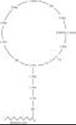
Daptomycin is a cyclic lipopeptide fermentation product of Streptomyces roseosporus (Figure 43-8). Its spectrum of activity is similar to that of vancomycin except that it is more rapidly bactericidal in vitro and it is active against vancomycin-resistant strains of enterococci and vancomycin-intermediate and -resistant strains of S aureus. The precise mechanism of action is not known, but it appears to bind to and depolarize the cell membrane, causing potassium efflux and rapid cell death. Daptomycin is cleared renally. The recommended doses are 4 mg/kg dose for treatment of skin and soft tissue infections and 6 mg/kg dose for treatment of bacteremia and endocarditis once daily in patients with normal renal function and every other day in patients with creatinine clearance of less than 30 mL/min. In clinical trials powered for noninferiority, daptomycin was equivalent in efficacy to vancomycin. It can cause myopathy, and creatine phosphokinase levels should be monitored. Pulmonary surfactant antagonizes daptomycin and it should not be used to treat pneumonia. Scattered cases of treatment failures have been reported in association with an increase in daptomycin MIC for clinical isolates obtained during therapy. The relation between an increase in MIC and treatment failure is unclear at this point. Daptomycin is an effective alternative to vancomycin, and its ultimate role continues to unfold.
|
|
Figure 43-8. Structure of daptomycin. |
FOSFOMYCIN
Fosfomycin trometamol, a stable salt of fosfomycin (phosphonomycin), inhibits a very early stage of bacterial cell wall synthesis (Figure 43-5). An analog of phosphoenolpyruvate, it is structurally unrelated to any other antimicrobial agent. It inhibits the cytoplasmic enzyme enolpyruvate transferase by covalently binding to the cysteine residue of the active site and blocking the addition of phosphoenolpyruvate to UDP-N-acetylglucosamine. This reaction is the first step in the formation of UDP-N-acetylmuramic acid, the precursor of N-acetylmuramic acid, which is found only in bacterial cell walls. The drug is transported into the bacterial cell by glycerophosphate or glucose 6-phosphate transport systems. Resistance is due to inadequate transport of drug into the cell.
Fosfomycin is active against both gram-positive and gram-negative organisms at concentrations £ 125 mcg/mL. Susceptibility tests should be performed in growth medium supplemented with glucose 6-phosphate to minimize false-positive indications of resistance. In vitro synergism occurs when fosfomycin is combined with b-lactam antibiotics, aminoglycosides, or fluoroquinolones.
Fosfomycin trometamol is available in both oral and parenteral formulations, although only the oral preparation is approved for use in the USA. Oral bioavailability is approximately 40%. Peak serum concentrations are 10 mcg/mL and 30 mcg/mL following a 2-g or 4-g oral dose, respectively. The half-life is approximately 4 hours. The active drug is excreted by the kidney, with urinary concentrations exceeding MICs for most urinary tract pathogens.
Fosfomycin is approved for use as a single 3-g dose for treatment of uncomplicated lower urinary tract infections in women. The drug appears to be safe for use in pregnancy.
BACITRACIN
Bacitracin is a cyclic peptide mixture first obtained from the Tracy strain of Bacillus subtilis in 1943. It is active against gram-positive microorganisms. Bacitracin inhibits cell wall formation by interfering with dephosphorylation in cycling of the lipid carrier that transfers peptidoglycan subunits to the growing cell wall (Figure 43-5). There is no cross-resistance between bacitracin and other antimicrobial drugs.
Bacitracin is highly nephrotoxic when administered systemically and is only used topically (Chapter 62). Bacitracin is poorly absorbed. Topical application results in local antibacterial activity without systemic toxicity. Bacitracin, 500 units/g in an ointment base (often combined with polymyxin or neomycin), is indicated for the suppression of mixed bacterial flora in surface lesions of the skin, in wounds, or on mucous membranes. Solutions of bacitracin containing 100-200 units/mL in saline can be used for irrigation of joints, wounds, or the pleural cavity.
CYCLOSERINE
Cycloserine is an antibiotic produced by Streptomyces orchidaceus. It is water-soluble and very unstable at acid pH. Cycloserine inhibits many gram-positive and gram-negative organisms, but it is used almost exclusively to treat tuberculosis caused by strains of Mycobacterium tuberculosis resistant to first-line agents. Cycloserine is a structural analog of D-alanine and inhibits the incorporation of D-alanine into peptidoglycan pentapeptide by inhibiting alanine racemase, which converts L-alanine to D-alanine, and D-alanyl- D-alanine ligase (Figure 43-5). After ingestion of 0.25 g of cycloserine blood levels reach 20-30 mcg/mL¾sufficient to inhibit many strains of mycobacteria and gram-negative bacteria. The drug is widely distributed in tissues. Most of the drug is excreted in active form into the urine. The dosage for treating tuberculosis is 0.5 to 1 g/d in two or three divided doses.
Cycloserine causes serious dose-related central nervous system toxicity with headaches, tremors, acute psychosis, and convulsions. If oral dosages are maintained below 0.75 g/d, such effects can usually be avoided.
PREPARATIONS AVAILABLE
PENICILLINS
Amoxicillin (generic, Amoxil, others)
Oral: 125, 200, 250, 400 mg chewable tablets; 500, 875 mg tablets; 250, 500 mg capsules; powder to reconstitute for 50, 125, 200, 250, 400 mg/mL solution
Amoxicillin/potassium clavulanate (generic, Augmentin)1
Oral: 250, 500, 875 mg tablets; 125, 200, 250, 400 mg chewable tablets; 1000 mg extended-release tablet powder to reconstitute for 125, 200, 250 mg/5 mL suspension
Ampicillin (generic)
Oral: 250, 500 mg capsules; powder to reconstitute for 125, 250 mg suspensions
Parenteral: powder to reconstitute for injection (125, 250, 500 mg, 1, 2 g per vial)
Ampicillin/sulbactam sodium (generic, Unasyn)2
Parenteral: 1, 2 g ampicillin powder to reconstitute for IV or IM injection
Carbenicillin (Geocillin)
Oral: 382 mg tablets
Dicloxacillin (generic)
Oral: 250, 500 mg capsules
Mezlocillin (Mezlin)
Parenteral: powder to reconstitute for injection (in 1, 2, 3, 4 g vials)
Nafcillin (generic)
Oral: 250 mg capsules
Parenteral: 1, 2 g per IV piggyback units
Oxacillin (generic)
Oral: 250, 500 mg capsules; powder to reconstitute for 250 mg/5 mL solution
Parenteral: powder to reconstitute for injection (0.5, 1, 2, 10 g per vial)
Penicillin G (generic, Pentids, Pfizerpen)
Oral: 0.2, 0.25, 0.4, 0.5, 0.8 million unit tablets; powder to reconstitute 400,000 units/5mL suspension
Parenteral: powder to reconstitute for injection (1, 2, 3, 5, 10, 20 million units)
Penicillin G benzathine (Permapen, Bicillin)
Parenteral: 0.6, 1.2, 2.4 million units per dose
Penicillin G procaine (generic)
Parenteral: 0.6, 1.2 million units/mL for IM injection only
Penicillin V (generic, V-Cillin, Pen-Vee K, others)
Oral: 250, 500 mg tablets; powder to reconstitute for 125, 250 mg/5 mL solution
Piperacillin (Pipracil)
Parenteral: powder to reconstitute for injection (2, 3, 4 g per vial)
Piperacillin and tazobactam sodium (Zosyn)3
Parenteral: 2, 3, 4 g powder to reconstitute for IV injection
Ticarcillin (Ticar)
Parenteral: powder to reconstitute for injection (1, 3, 6 g per vial)
Ticarcillin/clavulanate potassium (Timentin)4
Parenteral: 3 g powder to reconstitute for injection
CEPHALOSPORINS & OTHER BETA-LACTAM DRUGS
Narrow-Spectrum (First-Generation) Cephalosporins
Cefadroxil (generic, Duricef)
Oral: 500 mg capsules; 1 g tablets; 125, 250, 500 mg/5 mL suspension
Cefazolin (generic, Ancef, Kefzol)
Parenteral: powder to reconstitute for injection (0.25, 0.5, 1 g per vial or IV piggyback unit)
Cephalexin (generic, Keflex, others)
Oral: 250, 500 mg capsules and tablets; 1 g tablets; 125, 250 mg/5 mL suspension
Cephalothin (generic, Keflin)5
Parenteral: powder to reconstitute for injection and solution for injection (1 g per vial or infusion pack)
Cephapirin (Cefadyl)
Parenteral: powder to reconstitute for injection (1 g per vial or IV piggyback unit)
Cephradine (generic, Velosef)
Oral: 250, 500 mg capsules; 125, 250 mg/5 mL suspension
Parenteral: powder to reconstitute for injection (0.25, 0.5, 1, 2 g per vial)
Intermediate-Spectrum (Second-Generation) Cephalosporins
Cefaclor (generic, Ceclor)
Oral: 250, 500 mg capsules; 375, 500 mg extended-release tablets; powder to reconstitute for 125, 187, 250, 375 mg/5 mL suspension
Cefamandole (Mandol)
Parenteral: 1, 2 g (in vials) for IM, IV injection
Cefmetazole (Zefazone)
Parenteral: 1, 2 g powder for IV injection
Cefonicid (Monocid)
Parenteral: powder to reconstitute for injection (1, 10 g per vial)
Cefotetan (Cefotan)
Parenteral: powder to reconstitute for injection (1, 2, 10 g per vial)
Cefoxitin (Mefoxin)
Parenteral: powder to reconstitute for injection (1, 2, 10 g per vial)
Cefprozil (Cefzil)
Oral: 250, 500 mg tablets; powder to reconstitute 125, 250 mg/5 mL suspension
Cefuroxime (generic, Ceftin, Kefurox, Zinacef)
Oral: 125, 250, 500 mg tablets; 125, 250 mg/5 mL suspension
Parenteral: powder to reconstitute for injection (0.75, 1.5, 7.5 g per vial or infusion pack)
Loracarbef (Lorabid)
Oral: 200, 400 mg capsules; powder for 100, 200 mg/5 mL suspension
Broad-Spectrum (Third- & Fourth-Generation) Cephalosporins
Cefdinir (Omnicef)
Oral: 300 mg capsules; 125 mg/5 mL suspension
Cefditoren (Spectracef)
Oral: 200 mg tablets
Cefepime (Maxipime)
Parenteral: powder for injection 0.5, 1, 2 g
Cefixime (Suprax)
Oral: 200, 400 mg tablets; powder for oral suspension, 100 mg/5 mL
Cefoperazone (Cefobid)
Parenteral: powder to reconstitute for injection (1, 2 g per vial, 10 g bulk)
Cefotaxime (Claforan)
Parenteral: powder to reconstitute for injection (0.5, 1, 2 g per vial)
Cefpodoxime proxetil (Vantin)
Oral: 100, 200 mg tablets; 50, 100 mg granules for suspension in 5 mL
Ceftazidime (generic, Fortaz, Tazidime)
Parenteral: powder to reconstitute for injection (0.5, 1, 2 g per vial)
Ceftibuten (Cedax)
Oral: 400 mg capsules; 90, 180 mg/5 mL powder for oral suspension
Ceftizoxime (Cefizox)
Parenteral: powder to reconstitute for injection and solution for injection (0.5, 1, 2 g per vial)
Ceftriaxone (Rocephin)
Parenteral: powder to reconstitute for injection (0.25, 0.5, 1, 2, 10 g per vial)
Carbapenems & Monobactam
Aztreonam (Azactam)
Parenteral: powder to reconstitute for injection (0.5, 1, 2 g)
Ertapenem (Invanz)
Parenteral: 1 g powder to reconstitute for intravenous (0.9% NaCl diluent) or intramuscular (1% lidocaine diluent) injection
Imipenem/cilastatin (Primaxin)
Parenteral: powder to reconstitute for injection (250, 500, 750 mg imipenem per vial)
Meropenem (Merrem IV)
Parenteral: powder for injection (0.5, 1 g per vial)
OTHER DRUGS DISCUSSED IN THIS CHAPTER
Cycloserine (Seromycin Pulvules)
Oral: 250 mg capsules
Daptomycin (Cubicin)
Parenteral: 0.25 or 0.5 g lyophilized powder to reconstitute for IV injection
Fosfomycin (Monurol)
Oral: 3 g packet
Vancomycin (generic, Vancocin, Vancoled)
Oral: 125, 250 mg pulvules; powder to reconstitute for 250 mg/5 mL, 500 mg/6 mL solution
Parenteral: 0.5, 1, 5, 10 g powder to reconstitute for IV injection
1Clavulanate content varies with the formulation; see package insert.
2Sulbactam content is half the ampicillin content.
3Tazobactam content is 12.5% of the piperacillin content.
4Clavulanate content 0.1 g.
5Not available in the USA.
REFERENCES
Balbisi EA: Cefditoren, a new aminothiazolyl cephalosporin. Pharmacology 2002;22:1278.
Carpenter CF, Chambers HF: Daptomycin: Another novel agent for treating infections due to drug-resistant gram-positive pathogens. Clin Infect Dis 2004;38:994.
Centers for Disease Control and Prevention: Vancomycin resistant Staphylococcus aureus¾Pennsylvania, 2002. JAMA 2002;288:2116.
Chow JW et al: Enterobacter bacteremia: Clinical features and emergence of antibiotic resistance during therapy. Ann Intern Med 1991;115:585.
Fowler VG et al: Daptomycin versus standard therapy for bacteremia and endocarditis caused by Staphylococcus aureus. N Engl J Med 2006;355:653.
Hiramatsu K et al: Methicillin resistant Staphylococcus aureus clinical strain with reduced vancomycin susceptibility. J Antimicrob Chemother 1997;40:135.
Jacoby GA, Munoz-Price LS: The new beta-lactamases. N Engl J Med 2005;352:380.
Keating GM, Perry CM: Ertapenem: A review of its use in the treatment of bacterial infections. Drugs 2005;65:2151.
Park MA, Li JT: Diagnosis and management of penicillin allergy. Mayo Clin Proc 2005;80:405.
Perry CM, Scott LJ: Cefdinir: A review of its use in the management of mild-to-moderate bacterial infections. Drugs 2004;64:1433.
Wexler HM. In vitro activity of ertapenem: Review of recent studies. J Antimicrob Chemother 2004;53(Suppl 2):ii11.