TREATMENT OF MALARIA
INTRODUCTION
Four species of plasmodium cause human malaria: Plasmodium falciparum, P vivax, P malariae, and P ovale. Although all may cause significant illness, P falciparum is responsible for nearly all serious complications and deaths. Drug resistance is an important therapeutic problem, most notably with P falciparum.
PARASITE LIFE CYCLE
An anopheline mosquito inoculates plasmodium sporozoites to initiate human infection. Circulating sporozoites rapidly invade liver cells, and exoerythrocytic stage tissue schizonts mature in the liver. Merozoites are subsequently released from the liver and invade erythrocytes. Only erythrocytic parasites cause clinical illness. Repeated cycles of infection can lead to the infection of many erythrocytes and serious disease. Sexual stage gametocytes also develop in erythrocytes before being taken up by mosquitoes, where they develop into infective sporozoites.
In P falciparum and P malariae infection, only one cycle of liver cell invasion and multiplication occurs, and liver infection ceases spontaneously in less than 4 weeks. Thus, treatment that eliminates erythrocytic parasites will cure these infections. In P vivax and P ovale infections, a dormant hepatic stage, the hypnozoite, is not eradicated by most drugs, and subsequent relapses can therefore occur after therapy directed against erythrocytic parasites. Eradication of both erythrocytic and hepatic parasites is required to cure these infections.
DRUG CLASSIFICATION
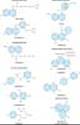
Several classes of antimalarial drugs are available (Table 53-1; Figure 53-1). Drugs that eliminate developing or dormant liver forms are called tissue schizonticides; those that act on erythrocytic parasites are blood schizonticides; and those that kill sexual stages and prevent transmission to mosquitoes are gametocides. No one available agent can reliably effect a radical cure, ie, eliminate both hepatic and erythrocytic stages. Few available agents are causal prophylactic drugs, ie, capable of preventing erythrocytic infection. However, all effective chemoprophylactic agents kill erythrocytic parasites before they increase sufficiently in number to cause clinical disease.
|
|
Figure 53-1. Structural formulas of antimalarial drugs. |
CHEMOPROPHYLAXIS & TREATMENT
When patients are counseled on the prevention of malaria, it is imperative to emphasize measures to prevent mosquito bites (insect repellents, insecticides, and bed nets), because parasites are increasingly resistant to multiple drugs and no chemoprophylactic regimen is fully protective. Current recommendations from the Centers for Disease Control and Prevention (CDC) include the use of chloroquine for chemoprophylaxis in the few areas infested by only chloroquine-sensitive malaria parasites (principally the Caribbean and Central America west of the Panama Canal), mefloquine or Malarone for most other malarious areas, and doxycycline for areas with a very high prevalence of multidrug-resistant falciparum malaria (principally border areas of Thailand) (Table 53-2). CDC recommendations should be checked regularly (Phone: 877-FYI-TRIP; Internet: www.cdc.gov/travel/), as these may change in response to changing resistance patterns and increasing experience with new drugs. In some circumstances, it may be appropriate for travelers to carry supplies of drugs with them in case they develop a febrile illness when medical attention is unavailable. Regimens for self-treatment should generally include either quinine or artemisinin derivatives. The latter, although not available in the USA, are widely available in other countries. Most authorities do not recommend routine terminal chemoprophylaxis with primaquine to eradicate dormant hepatic stages of P vivax and P ovale after travel, but this may be appropriate in some circumstances, especially for travelers with major exposure to these parasites.
Treatment of malaria that presents in the USA is straightforward (Table 53-3). Nonfalciparum infections and falciparum malaria from areas without known resistance should be treated with chloroquine. Vivax and ovale malaria should subsequently be treated with primaquine to eradicate liver forms. However, for P vivax, chloroquine-resistance is increasingly reported and primaquine may fail to eradicate liver stages. Falciparum malaria from most areas is best treated with oral quinine or intravenous quinidine, in either case plus doxycycline or, for children, clindamycin. Other agents that are generally effective against resistant falciparum malaria include mefloquine and halofantrine, both of which have toxicity concerns at treatment dosages, and the artemisinin derivatives artesunate and artemether (alone or in combination, as discussed below).
CHLOROQUINE
Introduction
Chloroquine has been the drug of choice for both treatment and chemoprophylaxis of malaria since the 1940s, but its utility against P falciparum has been seriously compromised by drug resistance. It remains the drug of choice in the treatment of sensitive P falciparum and other species of human malaria parasites.
Chemistry & Pharmacokinetics
Chloroquine is a synthetic 4-aminoquinoline (Figure 53-1) formulated as the phosphate salt for oral use. It is rapidly and almost completely absorbed from the gastrointestinal tract, reaches maximum plasma concentrations in about 3 hours, and is rapidly distributed to the tissues. It has a very large apparent volume of distribution of 100-1000 L/kg and is slowly released from tissues and metabolized. Chloroquine is principally excreted in the urine with an initial half-life of 3-5 days but a much longer terminal elimination half-life of 1-2 months.
Antimalarial Action & Resistance
A. ANTIMALARIAL ACTION
When not limited by resistance, chloroquine is a highly effective blood schizonticide. It is also moderately effective against gametocytes of P vivax, P ovale, and P malariae but not against those of P falciparum. Chloroquine is not active against liver stage parasites.
B. MECHANISM OF ACTION
The mechanism of action remains controversial. Chloroquine probably acts by concentrating in parasite food vacuoles, preventing the polymerization of the hemoglobin breakdown product, heme, into hemozoin, and thus eliciting parasite toxicity due to the buildup of free heme.
C. RESISTANCE
Resistance to chloroquine is now very common among strains of P falciparum and uncommon but increasing for P vivax. In P falciparum, mutations in a putative transporter, PfCRT, have been correlated with resistance. Chloroquine resistance can be reversed by certain agents, including verapamil, desipramine, and chlorpheniramine, but the clinical value of resistance-reversing drugs is not established.
Clinical Uses
A. TREATMENT
Chloroquine is the drug of choice in the treatment of nonfalciparum and sensitive falciparum malaria. It rapidly terminates fever (in 24-48 hours) and clears parasitemia (in 48-72 hours) caused by sensitive parasites. It is also still used to treat falciparum malaria in many areas with widespread resistance, in particular much of Africa, owing to its safety and low cost and the fact that many partially immune individuals respond to treatment even when infecting parasites are partially resistant to chloroquine. However, other agents are preferred to treat potentially resistant falciparum malaria, especially in nonimmune individuals, and chloroquine is being replaced by other drugs as the standard therapy to treat falciparum malaria in most endemic countries. Chloroquine does not eliminate dormant liver forms of P vivax and P ovale, and for that reason primaquine must be added for the radical cure of these species.
B. CHEMOPROPHYLAXIS
Chloroquine is the preferred chemoprophylactic agent in malarious regions without resistant falciparum malaria. Eradication of P vivax and P ovale requires a course of primaquine to clear hepatic stages.
C. AMEBIC LIVER ABSCESS
Chloroquine reaches high liver concentrations and may be used for amebic abscesses that fail initial therapy with metronidazole (see below).
Adverse Effects
Chloroquine is usually very well tolerated, even with prolonged use. Pruritus is common, primarily in Africans. Nausea, vomiting, abdominal pain, headache, anorexia, malaise, blurring of vision, and urticaria are uncommon. Dosing after meals may reduce some adverse effects. Rare reactions include hemolysis in glucose-6-phosphate dehydrogenase (G6PD)-deficient persons, impaired hearing, confusion, psychosis, seizures, agranulocytosis, exfoliative dermatitis, alopecia, bleaching of hair, hypotension, and electrocardiographic changes (QRS widening, T wave abnormalities). The long-term administration of high doses of chloroquine for rheumatologic diseases (see Chapter 36) can result in irreversible ototoxicity, retinopathy, myopathy, and peripheral neuropathy. These abnormalities are rarely if ever seen with standard-dose weekly chemoprophylaxis, even when given for prolonged periods. Large intramuscular injections or rapid intravenous infusions of chloroquine hydrochloride can result in severe hypotension and respiratory and cardiac arrest. Parenteral administration of chloroquine is best avoided, but if other drugs are not available for parenteral use, it should be infused slowly.
Contraindications & Cautions
Chloroquine is contraindicated in patients with psoriasis or porphyria, in whom it may precipitate acute attacks of these diseases. It should generally not be used in those with retinal or visual field abnormalities or myopathy. Chloroquine should be used with caution in patients with a history of liver disease or neurologic or hematologic disorders. The antidiarrheal agent kaolin and calcium- and magnesium-containing antacids interfere with the absorption of chloroquine and should not be coadministered with the drug. Chloroquine is considered safe in pregnancy and for young children.
AMODIAQUINE
Amodiaquine is closely related to chloroquine, and it probably shares mechanisms of action and resistance with that drug. Amodiaquine has been widely used to treat malaria because of its low cost, limited toxicity, and, in some areas, effectiveness against chloroquine-resistant strains of P falciparum. Important toxicities of amodiaquine, including agranulocytosis, aplastic anemia, and hepatotoxicity, have limited use of the drug in recent years. However, recent reevaluation has shown that serious toxicity from amodiaquine is rare, and some authorities now advocate its use as a replacement for chloroquine (especially in combination regimens) in areas with high rates of resistance but limited resources. The World Health Organization lists amodiaquine plus artesunate as a recommended therapy for falciparum malaria in areas with resistance to older drugs and amodiaquine plus sulfadoxine-pyrimethamine as an interim alternative if artemisinin-containing therapies are unavailable. Chemoprophylaxis with amodiaquine is best avoided because of its apparent increased toxicity with long-term use.
QUININE & QUINIDINE
Introduction
Quinine and quinidine remain first-line therapies for falciparum malaria¾especially severe disease¾although toxicity may complicate therapy. Resistance to quinine is uncommon but increasing.
Chemistry & Pharmacokinetics
Quinine is derived from the bark of the cinchona tree, a traditional remedy for intermittent fevers from South America. The alkaloid quinine was purified from the bark in 1820, and it has been used in the treatment and prevention of malaria since that time. Quinidine, the dextrorotatory stereoisomer of quinine, is at least as effective as parenteral quinine in the treatment of severe falciparum malaria. After oral administration, quinine is rapidly absorbed, reaches peak plasma levels in 1-3 hours, and is widely distributed in body tissues. The use of a loading dose in severe malaria allows the achievement of peak levels within a few hours. The pharmacokinetics of quinine varies among populations. Individuals with malaria develop higher plasma levels of the drug than healthy controls, but toxicity is not increased, apparently because of increased protein binding. The half-life of quinine also is longer in those with severe malaria (18 hours) than in healthy controls (11 hours). Quinidine has a shorter half-life than quinine, mostly as a result of decreased protein binding. Quinine is primarily metabolized in the liver and excreted in the urine.
Antimalarial Action & Resistance
A. ANTIMALARIAL ACTION
Quinine is a rapidly acting, highly effective blood schizonticide against the four species of human malaria parasites. The drug is gametocidal against P vivax and P ovale but not P falciparum. It is not active against liver stage parasites. The mechanism of action of quinine is unknown.
B. RESISTANCE
Increasing in vitro resistance of parasites from a number of areas suggests that quinine resistance will be an increasing problem. Resistance to quinine is already common in some areas of Southeast Asia, especially border areas of Thailand, where the drug may fail if used alone to treat falciparum malaria. However, quinine still provides at least a partial therapeutic effect in most patients.
Clinical Uses
A. PARENTERAL TREATMENT OF SEVERE FALCIPARUM MALARIA
Quinine dihydrochloride or quinidine gluconate is the treatment of choice for severe falciparum malaria. Quinine can be administered slowly intravenously or, in a dilute solution, intramuscularly, but parenteral preparations of this drug are not available in the USA. Quinidine is now the standard therapy in the USA for the parenteral treatment of severe falciparum malaria. The drug can be administered in divided doses or by continuous intravenous infusion; treatment should begin with a loading dose to rapidly achieve effective plasma concentrations. Because of its cardiac toxicity and the relative unpredictability of its pharmacokinetics, intravenous quinidine should be administered with cardiac monitoring. Therapy should be changed to oral quinine as soon as the patient has improved and can tolerate oral medications.
B. ORAL TREATMENT OF FALCIPARUM MALARIA
Quinine sulfate is appropriate first-line therapy for uncomplicated falciparum malaria except when the infection was transmitted in an area without documented chloroquine-resistant malaria. Quinine is commonly used with a second drug (most often doxycycline or, in children, clindamycin) to shorten quinine's duration of use (usually to 3 days) and limit toxicity. Quinine is less effective than chloroquine against other human malarias and is more toxic, and it is therefore not used to treat infections with these parasites.
C. MALARIAL CHEMOPROPHYLAXIS
Quinine is not generally used in chemoprophylaxis owing to its toxicity, although a daily dose of 325 mg is effective.
D. BABESIOSIS
Quinine is first-line therapy, in combination with clindamycin, in the treatment of infection with Babesia microti or other human babesial infections.
Adverse Effects
Therapeutic dosages of quinine and quinidine commonly cause tinnitus, headache, nausea, dizziness, flushing, and visual disturbances, a constellation of symptoms termed cinchonism. Mild symptoms of cinchonism do not warrant the discontinuation of therapy. More severe findings, often after prolonged therapy, include more marked visual and auditory abnormalities, vomiting, diarrhea, and abdominal pain. Hypersensitivity reactions include skin rashes, urticaria, angioedema, and bronchospasm. Hematologic abnormalities include hemolysis (especially with G6PD deficiency), leukopenia, agranulocytosis, and thrombocytopenia. Therapeutic doses may cause hypoglycemia through stimulation of insulin release; this is a particular problem in severe infections and in pregnant patients, who have increased sensitivity to insulin. Quinine can stimulate uterine contractions, especially in the third trimester. However, this effect is mild, and quinine and quinidine remain the drugs of choice for severe falciparum malaria even during pregnancy. Intravenous infusions of the drugs may cause thrombophlebitis.
Severe hypotension can follow too-rapid intravenous infusions of quinine or quinidine. Electrocardiographic abnormalities (QT prolongation) are fairly common with intravenous quinidine, but dangerous arrhythmias are uncommon when the drug is administered appropriately in a monitored setting.
Blackwater fever is a rare severe illness that includes marked hemolysis and hemoglobinuria in the setting of quinine therapy for malaria. It appears to be due to a hypersensitivity reaction to the drug, though its pathogenesis is uncertain.
Contraindications & Cautions
Quinine (or quinidine) should be discontinued if signs of severe cinchonism, hemolysis, or hypersensitivity occur. It should be avoided if possible in patients with underlying visual or auditory problems. It must be used with great caution in those with underlying cardiac abnormalities. Quinine should not be given concurrently with mefloquine and should be used with caution in a patient with malaria who has previously received mefloquine chemoprophylaxis. Absorption may be blocked by aluminum-containing antacids. Quinine can raise plasma levels of warfarin and digoxin. Dosage must be reduced in renal insufficiency.
MEFLOQUINE
Introduction
Mefloquine is effective therapy for many chloroquine-resistant strains of P falciparum and against other species. Although toxicity is a concern, mefloquine is one of the recommended chemoprophylactic drugs for use in most malaria-endemic regions with chloroquine-resistant strains.
Chemistry & Pharmacokinetics
Mefloquine hydrochloride is a synthetic 4-quinoline methanol that is chemically related to quinine. It can only be given orally because severe local irritation occurs with parenteral use. It is well absorbed, and peak plasma concentrations are reached in about 18 hours. Mefloquine is highly protein-bound, extensively distributed in tissues, and eliminated slowly, allowing a single-dose treatment regimen. The terminal elimination half-life is about 20 days, allowing weekly dosing for chemoprophylaxis. With weekly dosing, steady-state drug levels are reached over a number of weeks; this interval can be shortened to 4 days by beginning a course with three consecutive daily doses of 250 mg, though this is not standard practice. Mefloquine and acid metabolites of the drug are slowly excreted, mainly in the feces. The drug can be detected in the blood for months after the completion of therapy.
Antimalarial Action & Resistance
A. ANTIMALARIAL ACTION
Mefloquine has strong blood schizonticidal activity against P falciparum and P vivax, but it is not active against hepatic stages or gametocytes. The mechanism of action of mefloquine is unknown.
B. RESISTANCE
Sporadic resistance to mefloquine has been reported from many areas. At present, resistance appears to be uncommon except in regions of Southeast Asia with high rates of multidrug resistance (especially border areas of Thailand). Mefloquine resistance appears to be associated with resistance to quinine and halofantrine but not with resistance to chloroquine.
Clinical Uses
A. CHEMOPROPHYLAXIS
Mefloquine is effective in prophylaxis against most strains of P falciparum and probably all other human malarial species as well. Mefloquine is therefore among the drugs recommended by the CDC for chemoprophylaxis in all malarious areas except for those with no chloroquine resistance (where chloroquine is preferred) and some rural areas of Southeast Asia with a high prevalence of mefloquine resistance. As with chloroquine, eradication of P vivax and P ovale requires a course of primaquine.
B. TREATMENT
Mefloquine is effective in treating most falciparum malaria. The drug is not appropriate for treating individuals with severe or complicated malaria since quinine and quinidine are more rapidly active and drug resistance is less likely with those agents.
Adverse Effects
Weekly dosing with mefloquine for chemoprophylaxis may cause nausea, vomiting, dizziness, sleep and behavioral disturbances, epigastric pain, diarrhea, abdominal pain, headache, rash, and dizziness. Neuropsychiatric toxicities have received a good deal of publicity, but despite frequent anecdotal reports of seizures and psychosis, a number of controlled studies have found the frequency of serious adverse effects from mefloquine to be no higher than that with other common antimalarial chemoprophylactic regimens. Leukocytosis, thrombocytopenia, and aminotransferase elevations have been reported.
The adverse effects listed above are more common with the higher dosages required for treatment. These effects may be lessened by splitting administration of the drug into two doses separated by 6-8 hours. The incidence of neuropsychiatric symptoms appears to be about ten times more common than with chemoprophylactic dosing, with widely varying frequencies of up to about 50% being reported. Serious neuropsychiatric toxicities (depression, confusion, acute psychosis, or seizures) have been reported in less than one in 1000 treatments, but some authorities believe that these toxicities are actually more common. Mefloquine can also alter cardiac conduction, and arrhythmias and bradycardia have been reported.
Contraindications & Cautions
Mefloquine is contraindicated if there is a history of epilepsy, psychiatric disorders, arrhythmia, cardiac conduction defects, or sensitivity to related drugs. It should not be coadministered with quinine, quinidine, or halofantrine, and caution is required if quinine or quinidine is used to treat malaria after mefloquine chemoprophylaxis. Theoretical risks of mefloquine use must be balanced with the risk of contracting falciparum malaria. The CDC no longer advises against mefloquine use in patients receiving b-adrenoceptor antagonists. Mefloquine is also now considered safe in young children. Available data suggest that mefloquine use is safe throughout pregnancy, although experience in the first trimester is limited. An older recommendation to avoid mefloquine use in those requiring fine motor skills (eg, airline pilots) is controversial. Mefloquine chemoprophylaxis should be discontinued if significant neuropsychiatric symptoms develop.
PRIMAQUINE
Introduction
Primaquine is the drug of choice for the eradication of dormant liver forms of P vivax and P ovale.
Chemistry & Pharmacokinetics
Primaquine phosphate is a synthetic 8-aminoquinoline (Figure 53-1). The drug is well absorbed orally, reaching peak plasma levels in 1-2 hours. The plasma half-life is 3-8 hours. Primaquine is widely distributed to the tissues, but only a small amount is bound there. It is rapidly metabolized and excreted in the urine. Its three major metabolites appear to have less antimalarial activity but more potential for inducing hemolysis than the parent compound.
Antimalarial Action & Resistance
A. ANTIMALARIAL ACTION
Primaquine is active against hepatic stages of all human malaria parasites. It is the only available agent active against the dormant hypnozoite stages of P vivax and P ovale. Primaquine is also gametocidal against the four human malaria species. Primaquine acts against erythrocytic stage parasites, but this activity is too weak to play an important role. The mechanism of antimalarial action is unknown.
B. RESISTANCE
Some strains of P vivax in New Guinea, Southeast Asia, and perhaps Central and South America are relatively resistant to primaquine. Liver forms of these strains may not be eradicated by a single standard treatment with primaquine and may require repeated therapy with increased doses (eg, 30 mg base daily for 14 days) for radical cure.
Clinical Uses
A. THERAPY (RADICAL CURE) OF ACUTE VIVAX AND OVALE MALARIA
Standard therapy for these infections includes chloroquine to eradicate erythrocytic forms and primaquine to eradicate liver hypnozoites and prevent a subsequent relapse. Chloroquine is given acutely, and therapy with primaquine is withheld until the G6PD status of the patient is known. If the G6PD level is normal, a 14-day course of primaquine is given.
B. TERMINAL PROPHYLAXIS OF VIVAX AND OVALE MALARIA
Standard chemoprophylaxis does not prevent a relapse of vivax or ovale malaria, as the hypnozoite forms of these parasites are not eradicated by chloroquine or other available agents. To markedly diminish the likelihood of relapse, some authorities advocate the use of primaquine after the completion of travel to an endemic area.
C. CHEMOPROPHYLAXIS OF MALARIA
Primaquine has been studied as a daily chemoprophylactic agent. Daily treatment with 0.5 mg/kg of base provided good levels of protection against falciparum and vivax malaria. However, potential toxicities of long-term use remain a concern, and primaquine is not routinely recommended for this purpose.
D. GAMETOCIDAL ACTION
A single dose of primaquine (45 mg base) can be used as a control measure to render P falciparum gametocytes noninfective to mosquitoes. This therapy is of no clinical benefit to the patient but will disrupt transmission.
E. PNEUMOCYSTIS JIROVECI INFECTION
The combination of clindamycin and primaquine is an alternative regimen in the treatment of pneumocystosis, particularly mild to moderate disease. This regimen offers improved tolerance compared with high-dose trimethoprim-sulfamethoxazole or pentamidine, although its efficacy against severe pneumocystis pneumonia is not well studied. (See also page 854 .)
Adverse Effects
Primaquine in recommended doses is generally well tolerated. It infrequently causes nausea, epigastric pain, abdominal cramps, and headache, and these symptoms are more common with higher dosages and when the drug is taken on an empty stomach. More serious but rare adverse effects include leukopenia, agranulocytosis, leukocytosis, and cardiac arrhythmias. Standard doses of primaquine may cause hemolysis or methemoglobinemia (manifested by cyanosis), especially in persons with G6PD deficiency or other hereditary metabolic defects.
Contraindications & Cautions
Primaquine should be avoided in patients with a history of granulocytopenia or methemoglobinemia, in those receiving potentially myelosuppressive drugs (eg, quinidine), and in those with disorders that commonly include myelosuppression. It is never given parenterally because it may induce marked hypotension.
Patients should be tested for G6PD deficiency before primaquine is prescribed. When a patient is deficient in G6PD, treatment strategies may consist of withholding therapy and treating subsequent relapses, if they occur, with chloroquine; treating patients with standard dosing, paying close attention to their hematologic status; or treating with weekly primaquine (45 mg base) for 8 weeks. G6PD-deficient individuals of Mediterranean and Asian ancestry are most likely to have severe deficiency, while those of African ancestry usually have a milder biochemical defect. This difference can be taken into consideration in choosing a treatment strategy. In any event, primaquine should be discontinued if there is evidence of hemolysis or anemia. Primaquine should be avoided in pregnancy because the fetus is relatively G6PD-deficient and thus at risk of hemolysis.
ATOVAQUONE
Atovaquone, a hydroxynaphthoquinone (Figure 53-1), was initially developed as an antimalarial and as a component of Malarone is recommended for prophylaxis (Table 53-2). It has also been approved by the Food and Drug Administration for the treatment of mild to moderate P jiroveci pneumonia.
The drug is only administered orally. Its bioavailability is low and erratic but absorption is increased by fatty food. The drug is heavily protein-bound and has a half-life of 2-3 days. Most of the drug is eliminated unchanged in the feces. The mechanism of action of atovaquone is uncertain. In plasmodia it appears to disrupt mitochondrial electron transport.
Initial use of atovaquone to treat malaria led to disappointing results, with frequent failures apparently due to the selection of resistant parasites during therapy. In contrast, Malarone, a fixed combination of atovaquone (250 mg) and proguanil (100 mg), is highly effective for both the treatment and chemoprophylaxis of falciparum malaria, and it is now approved for both indications in the USA. For chemoprophylaxis, Malarone must be taken daily (Table 53-2). It has an advantage over mefloquine and doxycycline in requiring shorter periods of treatment before and after the period at risk for malaria transmission, but it is more expensive than the other agents. It should be taken with food.
Atovaquone is an alternative therapy for P jiroveci infection, though its efficacy is lower than that of trimethoprim-sulfamethoxazole. Standard dosing is 750 mg taken with food three times daily for 21 days. Adverse effects include fever, rash, nausea, vomiting, diarrhea, headache, and insomnia. Serious adverse effects appear to be minimal, although experience with the drug remains limited. Atovaquone has also been effective in small numbers of immunocompromised patients with toxoplasmosis unresponsive to other agents, though its role in this disease is not yet defined.
Malarone is generally well tolerated. Adverse effects include abdominal pain, nausea, vomiting, diarrhea, headache, and rash, and these are more common with the higher dose required for treatment. Reversible elevations in liver enzymes have been reported. The safety of atovaquone in pregnancy is unknown. Plasma concentrations of atovaquone are decreased about 50% by coadministration of tetracycline or rifampin.
INHIBITORS OF FOLATE SYNTHESIS
Introduction
Inhibitors of enzymes involved in folate metabolism are used, generally in combination regimens, in the treatment and prevention of malaria.
Chemistry & Pharmacokinetics
Pyrimethamine is a 2,4-diaminopyrimidine related to trimethoprim (see Chapter 46). Proguanil is a biguanide derivative (Figure 53-1). Both drugs are slowly but adequately absorbed from the gastrointestinal tract. Pyrimethamine reaches peak plasma levels 2-6 hours after an oral dose, is bound to plasma proteins, and has an elimination half-life of about 3.5 days. Proguanil reaches peak plasma levels about 5 hours after an oral dose and has an elimination half-life of about 16 hours. Therefore, proguanil must be administered daily for chemoprophylaxis, whereas pyrimethamine can be given once a week. Pyrimethamine is extensively metabolized before excretion. Proguanil is a prodrug; only its triazine metabolite, cycloguanil, is active. Fansidar, a fixed combination of the sulfonamide sulfadoxine (500 mg per tablet) and pyrimethamine (25 mg per tablet), is well absorbed. Its components display peak plasma levels within 2-8 hours and are excreted mainly by the kidneys. The average half-life of sulfadoxine is about 170 hours.
Antimalarial Action & Resistance
A. ANTIMALARIAL ACTION
Pyrimethamine and proguanil act slowly against erythrocytic forms of susceptible strains of all four human malaria species. Proguanil also has some activity against hepatic forms. Neither drug is adequately gametocidal or effective against the persistent liver stages of P vivax or P ovale. Sulfonamides and sulfones are weakly active against erythrocytic schizonts but not against liver stages or gametocytes. They are not used alone as antimalarials but are effective in combination with other agents.
B. MECHANISM OF ACTION
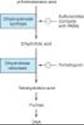
Pyrimethamine and proguanil selectively inhibit plasmodial dihydrofolate reductase, a key enzyme in the pathway for synthesis of folate. Sulfonamides and sulfones inhibit another enzyme in the folate pathway, dihydropteroate synthase. As described in Chapter 46 and shown in Figure 46-2, combinations of inhibitors of these two enzymes provide synergistic activity.
C. RESISTANCE
In many areas, resistance to folate antagonists and sulfonamides is common for P falciparum and less common for P vivax. Resistance is due primarily to mutations in dihydrofolate reductase and dihydropteroate synthase. Because different mutations may mediate resistance to different agents, cross-resistance is not uniformly seen.
|
|
Figure 46-2. Actions of sulfonamides and trimethoprim. |
Clinical Uses
A. CHEMOPROPHYLAXIS
Chemoprophylaxis with single folate antagonists is no longer recommended because of frequent resistance, but a number of agents are used in combination regimens. The combination of chloroquine (500 mg weekly) and proguanil (200 mg daily) is used as an alternative to mefloquine. This combination has lower efficacy¾but also probably less toxicity¾than mefloquine. It is anticipated that the efficacy of the combination will continue to decrease as resistance to both chloroquine and proguanil increases. Fansidar and Maloprim (the latter is a combination of pyrimethamine and the sulfone dapsone) are both effective against sensitive parasites with weekly dosing, but they are no longer recommended because of resistance and toxicity.
B. TREATMENT OF CHLOROQUINE-RESISTANT FALCIPARUM MALARIA
Fansidar is commonly used to treat uncomplicated falciparum malaria and it is first-line therapy for this indication in some tropical countries. Advantages of Fansidar in the developing world are relatively low rates of drug resistance and toxicity, ease of administration (a single oral dose), and low cost. However, rates of resistance are increasing. Fansidar is a less optimal regimen than quinine when both drugs are available, especially for nonimmune individuals. It should not be used for severe malaria, as it is slower-acting than other available agents. Fansidar can also be used as an adjunct to quinine therapy to shorten the course of quinine and limit toxicity. Fansidar is not reliably effective in vivax malaria, and its usefulness against P ovale and P malariae has not been adequately studied. A new antifolatesulfone combination, chlorproguanil-dapsone, is now available in some countries for the treatment of uncomplicated falciparum malaria in Africa. Chlorproguanil-dapsone is highly effective in regions with fairly high levels of resistance to Fansidar, and its shorter half-life may limit the selection of resistant parasites.
C. PRESUMPTIVE TREATMENT OF FALCIPARUM MALARIA
Fansidar is also used as presumptive therapy for travelers who develop fever while traveling in malaria-endemic regions and who are unable to obtain medical evaluation. Ideally, such patients obtain medical attention as soon as possible after the initiation of therapy to verify the diagnosis and develop an optimal treatment plan. This strategy is increasingly questionable as resistance to Fansidar increases. Alternative presumptive regimens are quinine and mefloquine, which are more toxic but less likely to fail due to drug resistance, or the artemisinin analogs artesunate and artemether, which are not available in the USA.
D. TOXOPLASMOSIS
Pyrimethamine, in combination with sulfadiazine, is first-line therapy in the treatment of toxoplasmosis, including acute infection, congenital infection, and disease in immunocompromised patients. For immunocompromised patients, high-dose therapy is required followed by chronic suppressive therapy. Folinic acid is included to limit myelosuppression. Toxicity from the combination is usually due primarily to sulfadiazine. The replacement of sulfadiazine with clindamycin provides an effective alternative regimen.
E. PNEUMOCYSTOSIS
Pneumocystis jiroveci is the cause of human pneumocystosis and is now recognized to be a fungus, but this organism is discussed in this chapter because it responds to antiprotozoal drugs, not antifungals. (The related species P carinii is now recognized to be the cause of animal infections.) First-line therapy of pneumocystosis is trimethoprim plus sulfamethoxazole (see also Chapter 46). Standard treatment includes high-dose intravenous (15-20 mg trimethoprim and 75-100 mg sulfamethoxazole per day in three or four divided doses) or oral (two double-strength tablets every 8 hours) therapy for 21 days. High-dose therapy entails significant toxicity, especially in patients with AIDS. Important toxicities include nausea, vomiting, fever, rash, leukopenia, hyponatremia, elevated hepatic enzymes, azotemia, anemia, and thrombocytopenia. Less common effects include severe skin reactions, mental status changes, pancreatitis, and hypocalcemia. Trimethoprim-sulfamethoxazole is also the standard chemoprophylactic drug for the prevention of P jiroveci infection in immunocompromised individuals. Dosing is one double-strength tablet daily or three times per week. The chemoprophylactic dosing schedule is much better tolerated than high-dose therapy in immunocompromised patients, but rash, fever, leukopenia, or hepatitis may necessitate changing to another drug.
Adverse Effects & Cautions
Most patients tolerate pyrimethamine and proguanil well. Gastrointestinal symptoms, skin rashes, and itching are rare. Mouth ulcers and alopecia have been described with proguanil. Fansidar is no longer recommended for chemoprophylaxis because of uncommon but severe cutaneous reactions, including erythema multiforme, Stevens-Johnson syndrome, and toxic epidermal necrolysis. Severe reactions appear to be much less common with single-dose therapy, and use of the drug is justified by the risks associated with falciparum malaria. Rare adverse effects with a single dose of Fansidar are those associated with other sulfonamides, including hematologic, gastrointestinal, central nervous system, dermatologic, and renal toxicity. Maloprim is no longer recommended for chemoprophylaxis because of unacceptably high rates of agranulocytosis. Folate antagonists should be used cautiously in the presence of renal or hepatic dysfunction. Although pyrimethamine is teratogenic in animals, Fansidar has been safely used in pregnancy for therapy and as an intermittent chemoprophylactic regimen to improve pregnancy outcomes. Proguanil is considered safe in pregnancy. With the use of any folate antagonist in pregnancy, folate supplements should be coadministered.
ANTIBIOTICS
A number of antibiotics in addition to the folate antagonists and sulfonamides are modestly active antimalarials. The mechanisms of action of these drugs are unclear. They may inhibit protein synthesis or other functions in two plasmodial prokaryote-like organelles, the mitochondrion and the apicoplast. None of the antibiotics should be used as single agents in the treatment of malaria because their action is much slower than those of standard antimalarials.
Tetracycline and doxycycline (see Chapter 44) are active against erythrocytic schizonts of all human malaria parasites. They are not active against liver stages. Doxycycline is commonly used in the treatment of falciparum malaria in conjunction with quinidine or quinine, allowing a shorter and better-tolerated course of quinine. Doxycycline has also become a standard chemoprophylactic drug, especially for use in areas of Southeast Asia with high rates of resistance to other antimalarials, including mefloquine. Doxycycline side effects include infrequent gastrointestinal symptoms, candidal vaginitis, and photosensitivity. Its safety in long-term chemoprophylaxis has not been extensively evaluated.
Clindamycin (see Chapter 44) is slowly active against erythrocytic schizonts and can be used in conjunction with quinine or quinidine in those for whom doxycycline is not recommended, such as children and pregnant women. Azithromycin (see Chapter 44) also has antimalarial activity and is now under study as an alternative chemoprophylactic drug. Antimalarial activity of fluoroquinolones has been demonstrated, but efficacy for the therapy or chemoprophylaxis of malaria has been suboptimal.
Antibiotics also are active against other protozoans. Tetracycline and erythromycin are alternative therapies for the treatment of intestinal amebiasis. Clindamycin, in combination with other agents, is effective therapy for toxoplasmosis, pneumocystosis, and babesiosis. Spiramycin is a macrolide antibiotic that is used to treat primary toxoplasmosis acquired during pregnancy. Treatment lowers the risk of the development of congenital toxoplasmosis.
HALOFANTRINE & LUMEFANTRINE
Halofantrine hydrochloride, a phenanthrene-methanol related to quinine, is effective against erythrocytic (but not other) stages of all four human malaria species. Oral absorption is variable and is enhanced with food. Because of toxicity concerns, it should not be taken with meals. Plasma levels peak 16 hours after dosing, and the half-life is about 4 days. Excretion is mainly in the feces. The mechanism of action of halofantrine is unknown. The drug is not available in the USA (although it has been approved by the FDA), but it is widely available in malaria-endemic countries.
Halofantrine is rapidly effective against most chloroquine-resistant strains of P falciparum, but its use is limited by irregular absorption and cardiac toxicity. Cross-resistance with mefloquine may occur. As treatment for falciparum malaria, halofantrine is given orally in three 500 mg doses at 6-hour intervals, and this course is best repeated in 1 week for nonimmune individuals. Because of toxicity concerns and irregular absorption, halofantrine should not be used for chemoprophylaxis.
Halofantrine is generally well tolerated. The most common adverse effects are abdominal pain, diarrhea, vomiting, cough, rash, headache, pruritus, and elevated liver enzymes. Of greater concern, the drug alters cardiac conduction, with dose-related prolongation of QT and PR intervals. This effect is seen with standard doses and is worsened by prior mefloquine therapy. Rare instances of dangerous arrhythmias and some deaths have been reported. The drug is contraindicated in patients with cardiac conduction defects and should not be used in those who have recently taken mefloquine. The drug is embryotoxic in animal studies and is therefore contraindicated in pregnancy.
Lumefantrine, an aryl alcohol related to halofantrine, is available as a fixed-dose combination with artemether as Coartem in some countries. The half-life of lumefantrine, when used in combination, is 4.5 hours. As with halofantrine, oral absorption is highly variable and improved when the drug is taken with food. Coartem is highly effective in the treatment of falciparum malaria, but it is expensive and requires twice-daily dosing. Despite these limitations, due to its reliable efficacy against falciparum malaria, Coartem has recently been selected as the first-line therapy for malaria in many African countries, although implementation of this change has been slow. Coartem does not appear to cause the cardiac toxicity seen with halofantrine.
ARTEMISININ & ITS DERIVATIVES
Artemisinin (qinghaosu) is a sesquiterpene lactone endoperoxide, the active component of an herbal medicine that has been used as an antipyretic in China for over 2000 years. Artemisinin is insoluble and can only be used orally. Analogs have been synthesized to increase solubility and improve antimalarial efficacy. The most important of these analogs are artesunate (water-soluble; useful for oral, intravenous, intramuscular, and rectal administration) and artemether (lipid-soluble; useful for oral, intramuscular, and rectal administration). Artemisinin and its analogs are rapidly absorbed, with peak plasma levels occurring in 1-2 hours and half-lives of 1-3 hours after oral administration. The compounds are rapidly metabolized to the active metabolite dihydroartemisinin. Drug levels appear to decrease after a number of days of therapy. Dihydroartemisinin is also available as a drug and is under study as combination chemotherapy with piperaquine, a quinoline related to chloroquine. None of the artemisinins are available in the USA, but artemether and artesunate are widely available in other countries.
Artemisinin and analogs are very rapidly acting blood schizonticides against all human malaria parasites. Artemisinins have no effect on hepatic stages. Artemisinin resistance is not yet an important problem, but P falciparum isolates with diminished in vitro susceptibility to artemether have recently been described. The antimalarial activity of artemisinins may result from the production of free radicals that follows the iron-catalyzed cleavage of the artemisinin endoperoxide bridge in the parasite food vacuole or from inhibition of a parasite calcium ATPase.
Artemisinins¾in particular artesunate and artemether¾are playing an increasingly important role in the treatment of multidrug-resistant P falciparum malaria. They are the only drugs reliably effective against quinineresistant strains. The efficacy of the artemisinins is limited somewhat by their short plasma half-lives. Recrudescence rates are unacceptably high after short-course therapy, and these drugs are generally best used in conjunction with another agent. Also because of their short-half lives, they are not useful in chemoprophylaxis. In several studies of severe malaria, artemether and artesunate were about as effective as quinine, though mortality from severe malaria remained high. Artesunate has also been effective in the treatment of severe malaria when administered rectally, offering a valuable treatment modality when parenteral therapy is not available.
Artesunate is widely available¾although quite expensive¾for the treatment of uncomplicated and severe falciparum malaria. It is commonly used in combination with mefloquine to treat highly resistant falciparum malaria in Thailand. Artemether is available alone and as a fixed-dose combination with lumefantrine (see above). In the setting of multidrug resistance, many authorities now advocate combination therapy with an artemisinin as the optimal treatment for falciparum malaria, and current World Health Organization recommendations list artemether plus lumefantrine, artesunate plus amodiaquine, artesunate plus mefloquine, and artesunate plus sulfadoxine plus pyrimethamine as optimal therapies for uncomplicated malaria in regions with resistance to older drugs. However, concerns regarding high cost, limited availability, and potential toxicity remain.
Artemisinins appear to be better tolerated than most antimalarials. The most commonly reported adverse effects have been nausea, vomiting, and diarrhea. Irreversible neurotoxicity has been seen in animals, but only after doses much higher than those used to treat malaria. Artemisinins should be avoided in pregnancy if possible because teratogenicity has been seen in animal studies, but limited inadvertent use in pregnancy has apparently not led to fetal problems.
TREATMENT OF AMEBIASIS
Introduction
Amebiasis is infection with Entamoeba histolytica. This organism can cause asymptomatic intestinal infection, mild to moderate colitis, severe intestinal infection (dysentery), ameboma, liver abscess, and other extraintestinal infections. The choice of drugs for amebiasis depends on the clinical presentation (Figure 53-2; Table 53-4).
|
|
Figure 53-2. Structural formulas of other antiprotozoal drugs. |
Treatment of Specific Forms of Amebiasis
A. ASYMPTOMATIC INTESTINAL INFECTION
Asymptomatic carriers generally are not treated in endemic areas but in nonendemic areas they are treated with a luminal amebicide. A tissue amebicidal drug is unnecessary. Standard luminal amebicides are diloxanide furoate, iodoquinol, and paromomycin. Each drug eradicates carriage in about 80-90% of patients with a single course of treatment. Therapy with a luminal amebicide is also required in the treatment of all other forms of amebiasis.
B. AMEBIC COLITIS
Metronidazole plus a luminal amebicide is the treatment of choice for colitis and dysentery. Tetracyclines and erythromycin are alternative drugs for moderate colitis but are not effective against extraintestinal disease. Dehydroemetine or emetine can also be used, but are best avoided because of toxicity.
C. EXTRAINTESTINAL INFECTIONS
The treatment of choice is metronidazole plus a luminal amebicide. A 10-day course of metronidazole cures over 95% of uncomplicated liver abscesses. For unusual cases in which initial therapy with metronidazole has failed, aspiration of the abscess and the addition of chloroquine to a repeat course of metronidazole should be considered. Dehydroemetine and emetine are toxic alternative drugs.
METRONIDAZOLE & TINIDAZOLE
Introduction
Metronidazole, a nitroimidazole (Figure 53-2), is the drug of choice in the treatment of extraluminal amebiasis. It kills trophozoites but not cysts of E histolytica and effectively eradicates intestinal and extraintestinal tissue infections. Tinidazole, a related nitroimidazole, appears to have similar activity and a better toxicity profile than metronidazole, and it offers simpler dosing regimens. It has been available in the USA since 2004 and can be substituted for the indications listed below.
Chemistry & Pharmacokinetics
Oral metronidazole and tinidazole are readily absorbed and permeate all tissues by simple diffusion. Intracellular concentrations rapidly approach extracellular levels. Peak plasma concentrations are reached in 1-3 hours. Protein binding of both drugs is low (10-20%); the half-life of unchanged drug is 7.5 hours for metronidazole and 12-14 hours for tinidazole. Metronidazole and its metabolites are excreted mainly in the urine. Plasma clearance of metronidazole is decreased in patients with impaired liver function.
Mechanism of Action
The nitro group of metronidazole is chemically reduced in anaerobic bacteria and sensitive protozoans. Reactive reduction products appear to be responsible for antimicrobial activity. The mechanism of tinidazole is assumed to be the same.
Clinical Uses
A. AMEBIASIS
Metronidazole or tinidazole is the drug of choice in the treatment of all tissue infections with E histolytica. They are not reliably effective against luminal parasites and so must be used with a luminal amebicide to ensure eradication of the infection.
B. GIARDIASIS
Metronidazole is the treatment of choice for giardiasis. The dosage for giardiasis is much lower¾and the drug thus better tolerated¾than that for amebiasis. Efficacy after a single treatment is about 90%. Tinidazole is at least equally effective.
C. TRICHOMONIASIS
Metronidazole is the treatment of choice. A single dose of 2 g is effective. Metronidazole-resistant organisms can lead to treatment failures. Tinidazole may be effective against some of these resistant organisms.
Adverse Effects & Cautions
Nausea, headache, dry mouth, or a metallic taste in the mouth occurs commonly. Infrequent adverse effects include vomiting, diarrhea, insomnia, weakness, dizziness, thrush, rash, dysuria, dark urine, vertigo, paresthesias, and neutropenia. Taking the drug with meals lessens gastrointestinal irritation. Pancreatitis and severe central nervous system toxicity (ataxia, encephalopathy, seizures) are rare. Metronidazole has a disulfiram-like effect, so that nausea and vomiting can occur if alcohol is ingested during therapy. The drug should be used with caution in patients with central nervous system disease. Intravenous infusions have rarely caused seizures or peripheral neuropathy. The dosage should be adjusted for patients with severe liver or renal disease. Tinidazole has a similar adverse effect profile, although it appears to be somewhat better tolerated than metronidazole.
Metronidazole has been reported to potentiate the anticoagulant effect of coumarin-type anticoagulants. Phenytoin and phenobarbital may accelerate elimination of the drug, while cimetidine may decrease plasma clearance. Lithium toxicity may occur when the drug is used with metronidazole.
Metronidazole and its metabolites are mutagenic in bacteria. Chronic administration of large doses led to tumorigenicity in mice. Data on teratogenicity are inconsistent. Metronidazole is thus best avoided in pregnant or nursing women, although congenital abnormalities have not clearly been associated with use in humans.
IODOQUINOL
Iodoquinol (diiodohydroxyquin) is a halogenated hydroxyquinoline. It is an effective luminal amebicide that is commonly used with metronidazole to treat amebic infections. Its pharmacokinetic properties are poorly understood. Ninety percent of the drug is retained in the intestine and excreted in the feces. The remainder enters the circulation, has a half-life of 11-14 hours, and is excreted in the urine as glucuronides.
The mechanism of action of iodoquinol against trophozoites is unknown. It is effective against organisms in the bowel lumen but not against trophozoites in the intestinal wall or extraintestinal tissues.
Infrequent adverse effects include diarrhea¾which usually stops after several days¾anorexia, nausea, vomiting, abdominal pain, headache, rash, and pruritus. The drug may increase protein-bound serum iodine, leading to a decrease in measured 131I uptake that persists for months. Some halogenated hydroxyquinolines can produce severe neurotoxicity with prolonged use at greater than recommended doses. Iodoquinol is not known to produce these effects at its recommended dosage, and this dosage should never be exceeded.
Iodoquinol should be taken with meals to limit gastrointestinal toxicity. It should be used with caution in patients with optic neuropathy, renal or thyroid disease, or nonamebic hepatic disease. The drug should be discontinued if it produces persistent diarrhea or signs of iodine toxicity (dermatitis, urticaria, pruritus, fever). It is contraindicated in patients with intolerance to iodine.
DILOXANIDE FUROATE
Diloxanide furoate is a dichloroacetamide derivative. It is an effective luminal amebicide but is not active against tissue trophozoites. In the gut, diloxanide furoate is split into diloxanide and furoic acid; about 90% of the diloxanide is rapidly absorbed and then conjugated to form the glucuronide, which is promptly excreted in the urine. The unabsorbed diloxanide is the active antiamebic substance. The mechanism of action of diloxanide furoate is unknown.
Diloxanide furoate is considered by many the drug of choice for asymptomatic luminal infections, but it is no longer available in the USA. It is used with a tissue amebicide, usually metronidazole, to treat serious intestinal and extraintestinal infections. Diloxanide furoate does not produce serious adverse effects. Flatulence is common, but nausea and abdominal cramps are infrequent and rashes are rare. The drug is not recommended in pregnancy.
PAROMOMYCIN SULFATE
Paromomycin sulfate is an aminoglycoside antibiotic (see also Chapter 45) that is not significantly absorbed from the gastrointestinal tract. It is used only as a luminal amebicide and has no effect against extraintestinal amebic infections. The small amount absorbed is slowly excreted unchanged, mainly by glomerular filtration. However, the drug may accumulate with renal insufficiency and contribute to renal toxicity. Paromomycin is an effective luminal amebicide that appears to have similar efficacy and probably less toxicity than other agents; in a recent study, it was superior to diloxanide furoate in clearing asymptomatic infections. Adverse effects include occasional abdominal distress and diarrhea. Paromomycin should be avoided in patients with significant renal disease and used with caution in persons with gastrointestinal ulcerations. Parenteral paromomycin is under investigation in the treatment of visceral leishmaniasis.
EMETINE & DEHYDROEMETINE
Emetine, an alkaloid derived from ipecac, and dehydroemetine, a synthetic analog, are effective against tissue trophozoites of E histolytica, but because of major toxicity concerns they have been almost completely replaced by metronidazole.
Their use is limited to unusual circumstances in which severe amebiasis warrants effective therapy and metronidazole cannot be used. Dehydroemetine is preferred because of its somewhat better toxicity profile. The drugs should be used for the minimum period needed to relieve severe symptoms (usually 3-5 days).
Emetine and dehydroemetine should be administered subcutaneously (preferred) or intramuscularly (but never intravenously) in a supervised setting. Adverse effects are generally mild when the drugs are used for 3-5 days but increase with prolonged use. Pain and tenderness in the area of injection are frequent, and sterile abscesses may develop. Diarrhea is common. Other adverse effects are nausea, vomiting, muscle weakness and discomfort, and minor electrocardiographic changes. Serious toxicities include cardiac arrhythmias, heart failure, and hypotension. The drugs should not be used in patients with cardiac or renal disease, in young children, or in pregnancy unless absolutely necessary.
OTHER ANTIPROTOZOAL DRUGS
INTRODUCTION
See Table 53-5 for a list of drugs used in the treatment of other protozoal infections. Important drugs that are not covered elsewhere in this or other chapters are discussed below.
PENTAMIDINE
Introduction
Pentamidine has activity against trypanosomatid protozoans and against P jiroveci, but toxicity is significant.
Chemistry & Pharmacokinetics
Pentamidine is an aromatic diamidine (Figure 53-2) formulated as an isethionate salt. Pentamidine is only administered parenterally. The drug leaves the circulation rapidly, with an initial half-life of about 6 hours, but it is bound avidly by tissues. Pentamidine thus accumulates and is eliminated very slowly, with a terminal elimination half-life of about 12 days. The drug can be detected in urine 6 or more weeks after treatment. Only trace amounts of pentamidine appear in the central nervous system, so it is not effective against central nervous system African trypanosomiasis. Pentamidine can also be inhaled as a nebulized powder for the prevention of pneumocystosis. Absorption into the systemic circulation after inhalation appears to be minimal. The mechanism of action of pentamidine is unknown.
Clinical Uses
A. PNEUMOCYSTOSIS
Pentamidine is a well-established alternative therapy for pulmonary and extrapulmonary disease caused by P jiroveci. The drug has somewhat lower efficacy and greater toxicity than trimethoprim-sulfamethoxazole. The standard dosage is 3 mg/kg/d intravenously for 21 days. Significant adverse reactions are common, and with multiple regimens now available to treat P jiroveci infection, pentamidine is best reserved for patients with severe disease who cannot tolerate or fail other drugs.
Pentamidine is also an alternative agent for primary or secondary prophylaxis against pneumocystosis in immunocompromised individuals, including patients with advanced AIDS. For this indication, pentamidine is administered as an inhaled aerosol (300 mg inhaled monthly). The drug is well-tolerated in this form. Its efficacy is very good but clearly less than that of daily trimethoprim-sulfamethoxazole. Because of its cost and ineffectiveness against nonpulmonary disease, it is best reserved for patients who cannot tolerate oral chemoprophylaxis with other drugs.
B. AFRICAN TRYPANOSOMIASIS (SLEEPING SICKNESS)
Pentamidine has been used since 1940 as an alternative to suramin for the early hemolymphatic stage of disease caused by Trypanosoma brucei (especially T brucei gambiense). The drug can also be used with suramin. Pentamidine should not be used to treat late trypanosomiasis with central nervous system involvement. A number of dosing regimens have been described, generally providing 2-4 mg/kg daily or on alternate days for a total of 10-15 doses. Pentamidine has also been used for chemoprophylaxis against African trypanosomiasis, with dosing of 4 mg/kg every 3-6 months.
C. LEISHMANIASIS
Pentamidine is an alternative to sodium stibogluconate in the treatment of visceral leishmaniasis, although resistance has been reported. The drug has been successful in some cases that have failed therapy with antimonials. The dosage is 2-4 mg/kg intramuscularly daily or every other day for up to 15 doses, and a second course may be necessary. Pentamidine has also shown success against cutaneous leishmaniasis, but it is not routinely used for this purpose.
Adverse Effects & Cautions
Pentamidine is a highly toxic drug, with adverse effects noted in about 50% of patients receiving 4 mg/kg/d. Rapid intravenous administration can lead to severe hypotension, tachycardia, dizziness, and dyspnea, so the drug should be administered slowly (over 2 hours) and patients should be recumbent and monitored closely during treatment. With intramuscular administration, pain at the injection site is common and sterile abscesses may develop.
Pancreatic toxicity is common. Hypoglycemia due to inappropriate insulin release often appears 5-7 days after onset of treatment, can persist for days to several weeks, and may be followed by hyperglycemia. Reversible renal insufficiency is also common. Other adverse effects include rash, metallic taste, fever, gastrointestinal symptoms, abnormal liver function tests, acute pancreatitis, hypocalcemia, thrombocytopenia, hallucinations, and cardiac arrhythmias. Inhaled pentamidine is generally well-tolerated but may cause cough, dyspnea, and bronchospasm.
SODIUM STIBOGLUCONATE
Pentavalent antimonials, including sodium stibogluconate (pentostam; Figure 53-2) and meglumine antimonate, are generally considered first-line agents for cutaneous and visceral leishmaniasis. The drugs are rapidly absorbed after intravenous (preferred) or intramuscular administration and eliminated in two phases, with short initial (about 2 hour) and much longer terminal (> 24 hour) half-lives. Treatment is given once daily at a dose of 20 mg/kg/d intravenously or intramuscularly for 20 days in cutaneous leishmaniasis and 28 days in visceral and mucocutaneous disease.
The mechanism of action of the antimonials is unknown. Their efficacy against different species may vary, possibly based on local drug resistance patterns. Cure rates are generally quite good, but resistance to sodium stibogluconate is increasing in some endemic areas. Some authorities have advocated initial therapy with other agents (eg, amphotericin B) in areas (such as parts of India) where therapy with sodium stibogluconate is commonly ineffective.
Few adverse effects occur initially, but the toxicity of stibogluconate increases over the course of therapy. Most common are gastrointestinal symptoms, fever, headache, myalgias, arthralgias, and rash. Intramuscular injections can be very painful and lead to sterile abscesses. Electrocardiographic changes may occur, most commonly T wave changes and QT prolongation. These changes are generally reversible, but continued therapy may lead to dangerous arrhythmias. Thus, the electrocardiogram should be monitored during therapy. Hemolytic anemia and serious liver, renal, and cardiac effects are rare.
NITAZOXANIDE
Nitazoxanide is a nitrothiazolyl-salicylamide prodrug. Nitazoxanide was recently approved in the USA for use against Giardia lamblia and Cryptosporidium parvum. It is rapidly absorbed and converted to tizoxanide and tizoxanide conjugates, which are subsequently excreted in both urine and feces. The active metabolite, tizoxanide, inhibits the pyruvate:ferredoxin oxidoreductase pathway. Nitazoxanide appears to have activity against metronidazole-resistant protozoal strains and is well tolerated. Unlike metronidazole, nitazoxanide and its metabolites appear to be free of mutagenic effects. Other organisms that may be susceptible to nitazoxanide include E histolytica, Helicobacter pylori, Ascaris lumbricoides, several tapeworms, and Fasciola hepatica.
The recommended adult dosage is 500 mg twice daily for 3 days.
OTHER DRUGS FOR TRYPANOSOMIASIS & LEISHMANIASIS
Currently available therapies for all forms of trypanosomiasis are seriously deficient in both efficacy and safety. Availability of these therapies is also a concern, as they remain available mainly through donation or nonprofit production by pharmaceutical companies.
A. SURAMIN
Suramin is a sulfated naphthylamine that was introduced in the 1920s. It is the first-line therapy for early hemolymphatic African trypanosomiasis (especially T brucei gambiense infection), but because it does not enter the central nervous system, it is not effective against advanced disease. The drug's mechanism of action is unknown. It is administered intravenously and displays complex pharmacokinetics with very tight protein binding. It has a short initial half-life but a terminal elimination half-life of about 50 days. The drug is slowly cleared by renal excretion.
Suramin is administered after a 200 mg intravenous test dose. Regimens that have been used include 1 g on days 1, 3, 7, 14, and 21 or 1 g each week for 5 weeks. Combination therapy with pentamidine may improve efficacy. Suramin can also be used for chemoprophylaxis against African trypanosomiasis. Adverse effects are common. Immediate reactions can include fatigue, nausea, vomiting, and, more rarely, seizures, shock, and death. Later reactions include fever, rash, headache, paresthesias, neuropathies, renal abnormalities including proteinuria, chronic diarrhea, hemolytic anemia, and agranulocytosis.
B. MELARSOPROL
Melarsoprol is a trivalent arsenical that has been available since 1949 and is first-line therapy for advanced central nervous system African trypanosomiasis. After intravenous administration it is excreted rapidly, but clinically relevant concentrations accumulate in the central nervous system within 4 days. Melarsoprol is administered in propylene glycol by slow intravenous infusion at a dosage of 3.6 mg/kg/d for 3-4 days, with repeated courses at weekly intervals if needed. A new regimen of 2.2 mg/kg daily for 10 days had efficacy and toxicity similar to what was observed with three courses over 26 days. Melarsoprol is extremely toxic. The use of such a toxic drug is justified only by the severity of advanced trypanosomiasis and the lack of available alternatives. Immediate adverse effects include fever, vomiting, abdominal pain, and arthralgias. The most important toxicity is a reactive encephalopathy that generally appears within the first week of therapy (in 5-10% of patients) and is probably due to disruption of trypanosomes in the central nervous system. Common consequences of the encephalopathy include cerebral edema, seizures, coma, and death. Other serious toxicities include renal and cardiac disease and hypersensitivity reactions. Failure rates with melarsoprol appear to have increased recently in parts of Africa, suggesting the possibility of drug resistance.
C. EFLORNITHINE
Eflornithine (difluoromethylornithine), an inhibitor of ornithine decarboxylase, is the only new drug registered to treat African trypanosomiasis in the last half-century. It is a second therapy for advanced central nervous system African trypanosomiasis and is less toxic than melarsoprol but not as widely available. The drug had very limited availability until recently, when it was developed for use as a topical depilatory cream, leading to donation of the drug for the treatment of trypanosomiasis. Eflornithine is administered intravenously, and good central nervous system drug levels are achieved. Peak plasma levels are reached rapidly, and the elimination half-life is about 3 hours. The usual regimen is 100 mg/kg intravenously every 6 hours for 7-14 days (14 days was superior for a newly diagnosed infection). An oral formulation is also available and under clinical investigation. Eflornithine appears to be as effective as melarsoprol against advanced T brucei gambiense infection, but its efficacy against T brucei rhodesiense is limited by drug resistance. Toxicity from eflornithine is significant, but considerably less than that from melarsoprol. Adverse effects include diarrhea, vomiting, anemia, thrombocytopenia, leukopenia, and seizures. These effects are generally reversible. Increased experience with eflornithine and increased availability of the compound in endemic areas may lead to its replacement of suramin, pentamidine, and melarsoprol in the treatment of T brucei gambiense infection.
D. NIFURTIMOX
Nifurtimox, a nitrofuran, is the most commonly used drug for American trypanosomiasis (Chagas' disease). Nifurtimox is also under study in the treatment of African trypanosomiasis. Nifurtimox is well absorbed after oral administration and eliminated with a plasma half-life of about 3 hours. The drug is administered at a dose of 8-10 mg/kg/d (divided into three to four doses) orally for 3-4 months in the treatment of acute Chagas' disease. Nifurtimox decreases the severity of acute disease and usually eliminates detectable parasites, but it is often ineffective in fully eradicating infection. Thus, it often fails to prevent progression to the gastrointestinal and cardiac syndromes associated with chronic infection that are the most important clinical consequences of Trypanosoma cruzi infection. Efficacy may vary in different parts of South America, possibly related to drug resistance in some areas. Nifurtimox does not appear to be effective in the treatment of chronic Chagas' disease. Toxicity related to nifurtimox is common. Adverse effects include nausea, vomiting, abdominal pain, fever, rash, restlessness, insomnia, neuropathies, and seizures. These effects are generally reversible but often lead to cessation of therapy before completion of a standard course.
E. BENZNIDAZOLE
Benznidazole is an orally administered nitroimidazole that appears to have efficacy similar to that of nifurtimox in the treatment of acute Chagas' disease. Availability of the drug is currently limited. Important toxicities include peripheral neuropathy, rash, gastrointestinal symptoms, and myelosuppression.
F. AMPHOTERICIN
This important antifungal drug (see Chapter 48) is an alternative therapy for visceral leishmaniasis, especially in parts of India with high-level resistance to sodium stibogluconate, but its use is limited in developing countries by difficulty of administration, cost, and toxicity.
G. MILTEFOSINE
Miltefosine is an alkylphosphocholine analog that has recently shown efficacy in the treatment of visceral leishmaniasis. In a recent phase III study, the drug was administered orally with daily doses of 2.5 mg/kg for 28 days and provided excellent clinical results. A 100 mg daily dose is recommended in adults. Vomiting and diarrhea are common but generally short-lived toxicities. Transient elevations in liver enzymes and nephrotoxicity are also seen. The drug should be avoided in pregnancy (or in women who may become pregnant within 2 months of treatment) because of its teratogenic effects. Miltefosine is registered for the treatment of visceral leishmaniasis in India and some other countries, and¾considering the serious limitations of other drugs, including parenteral administration, toxicity, and resistance¾it may become the treatment of choice for that disease.
PREPARATIONS AVAILABLE IN THE USA
Albendazole (Albenza)
Oral: 200 mg tablets
Atovaquone (Mepron)
Oral: 750 mg/5 mL suspension
Atovaquone-proguanil (Malarone)
Oral: 250 mg atovaquone + 100 mg proguanil tablets; pediatric 62.5 mg atovaquone + 25 mg proguanil tablets
Chloroquine (generic, Aralen)
Oral: 250, 500 mg tablets (equivalent to 150, 300 mg base, respectively)
Parenteral: 50 mg/mL (equivalent to 40 mg/mL base) for injection
Clindamycin (generic, Cleocin)
Oral: 75, 150, 300 mg capsules; 75 mg/5 mL suspension
Parenteral: 150 mg/mL for injection
Doxycycline (generic, Vibramycin)
Oral: 20, 50, 100 mg capsules; 50, 100 mg tablets; 25 mg/5 mL suspension; 50 mg/5 mL syrup
Parenteral: 100, 200 mg for injection
Dehydroemetine*
Eflornithine (Ornidyl)
Parenteral: 200 mg/mL for injection
Halofantrine (Halfan)
Oral: 250 mg tablets
Iodoquinol (Yodoxin)
Oral: 210, 650 mg tablets
Mefloquine (generic, Lariam)
Oral: 250 mg tablets
Melarsoprol (Mel B)*
Metronidazole (generic, Flagyl)
Oral: 250, 500 mg tablets; 375 mg capsules; extended-release 750 mg tablets
Parenteral: 5 mg/mL
Nifurtimox*
Nitazoxanide (Alinia)
Oral: 500 mg tablets, powder for 100 mg/5 mL oral solution
Paromomycin (Humatin)
Oral: 250 mg capsules
Pentamidine (Pentam 300, Pentacarinat, pentamidine isethionate)
Parenteral: 300 mg powder for injection
Aerosol (Nebupent): 300 mg powder
Primaquine (generic)
Oral: 26.3 mg (equivalent to 15 mg base) tablet
Pyrimethamine (Daraprim)
Oral: 25 mg tablets
Quinidine gluconate (generic)
Parenteral: 80 mg/mL (equivalent to 50 mg/mL base) for injection
Quinine (generic)
Oral: 260 mg tablets; 200, 260, 325 mg capsules
Sodium stibogluconate*
Sulfadoxine and pyrimethamine (Fansidar)
Oral: 500 mg sulfadoxine plus 25 mg pyrimethamine tablets
Suramin*
Tinidazole (Tindamax)
Oral: 250, 500 mg tablets
*Available in the USA only from the Drug Service, CDC, Atlanta (404-639-3670).
REFERENCES
General
Drugs for parasitic infections. Med Lett Drugs Ther 2004;46:1. (Issue available at www.medicalletter.com/freedocs/parasitic.pdf.)
Prevention of malaria. Med Lett Drugs Ther 2005;47:100.
Malaria
Adjuik M et al: Artesunate combinations for treatment of malaria: Meta-analysis. Lancet 2004;363:9.
Baird JK: Effectiveness of antimalarial drugs. N Engl J Med 2005;352:1565.
Barnes KI et al: Efficacy of rectal artesunate compared with parenteral quinine in initial treatment of moderately severe malaria in African children and adults: A randomised study.Lancet 2004;363:1598.
Dorsey G et al: Sulfadoxine/pyrimethamine alone or with amodiaquine or artesunate for treatment of uncomplicated malaria: A longitudinal randomised trial. Lancet 2002;360:2031.
Guerin PJ et al: Malaria: Current status of control, diagnosis, treatment, and a proposed agenda for research and development. Lancet Infect Dis 2002;2:564.
Lang T, Greenwood B: The development of Lapdap, an affordable new treatment for malaria. Lancet Infect Dis 2003;3:162.
Ling J et al: Randomized, placebo-controlled trial of atovaquone/proguanil for the prevention of Plasmodium falciparum or Plasmodium vivax malaria among migrants to Papua, Indonesia. Clin Infect Dis 2002;35:825.
Mutabingwa T et al: Chlorproguanil-dapsone for treatment of drug-resistant falciparum malaria in Tanzania. Lancet 2001; 358:1218.
Mutabingwa TK et al: Amodiaquine alone, amodiaquine+sulfadoxine-pyrimethamine, amodiaquine+artesunate, and artemetherlumefantrine for outpatient treatment of malaria in Tanzanian children: A four-arm randomised effectiveness trial. Lancet 2005;365:1474.
Nosten F, Brasseur P: Combination therapy for malaria. Drugs 2002;62:1315.
Olliaro P: Mode of action and mechanisms of resistance for antimalarial drugs. Pharmacol Ther 2001;89:207.
Ridley RG: Medical need, scientific opportunity and the drive for antimalarial drugs. Nature 2002;415:686.
Rosenthal PJ (editor): Antimalarial Chemotherapy: Mechanisms of Action, Resistance, and New Directions in Drug Discovery. Humana Press, 2001.
Staedke SG et al: Combination treatments for uncomplicated malaria in Kampala, Uganda: Randomised clinical trial. Lancet 2004;364:1950.
Sulo J et al: Chlorproguanil-dapsone versus sulfadoxine-pyrimethamine for sequential episodes of uncomplicated falciparum malaria in Kenya and Malawi: A randomised clinical trial.Lancet 2002;360:1136.
Winstanley P: Modern chemotherapeutic options for malaria. Lancet Infect Dis 2001;1:242.
Intestinal Protozoal Infections
Blessmann J, Tannich E: Treatment of asymptomatic intestinal Entamoeba histolytica infection. N Engl J Med 2002; 347:1384.
Fox LM, Saravolatz LD: Nitazoxanide: A new thiazolide antiparasitic agent. Clin Infect Dis 2005;40:1173.
Haque R et al: Amebiasis. N Engl J Med 2003;348:1565.
Petri WA: Therapy of intestinal protozoa. Trends Parasitol 2003;19:523.
Other Protozoal Infections
Burchmore RJ et al: Chemotherapy of human African trypanosomiasis. Curr Pharm Des 2002;8:256.
Croft SL, Barrett MP, Urbina JA: Chemotherapy of trypanosomiases and leishmaniasis. Trends Parasitol 2005;21:508.
Guerin PJ et al: Visceral leishmaniasis: Current status of control, diagnosis, and treatment, and a proposed research and development agenda. Lancet Infect Dis 2002;2:494.
Hepburn NC: Management of cutaneous leishmaniasis. Curr Opin Infect Dis 2001;14:151.
Legros D et al: Treatment of human African trypanosomiasis¾present situation and needs for research and development. Lancet Infect Dis 2002;2:437.
Murray HW et al: Advances in leishmaniasis. Lancet 2005;366:1561.
Olliaro PL et al: Treatment options for visceral leishmaniasis: A systematic review of clinical studies done in India, 1980-2004. Lancet Infect Dis 2005;5:763.
Sobel JD, Nyirjesy P, Brown W: Tinidazole therapy for metronidazole-resistant vaginal trichomoniasis. Clin Infect Dis 2001;33:1341.
Sundar S et al: Oral miltefosine for Indian visceral leishmaniasis. N Engl J Med 2002;347:1739.
Urbina JA: Specific treatment of Chagas disease: Current status and new developments. Curr Opin Infect Dis 2001;14:717.