INTRODUCTION
Cancer is a disease characterized by a shift in the control mechanisms that govern cell survival, proliferation, and differentiation. Cells that have undergone neoplastic transformation usually express cell surface antigens that may be of normal fetal type, may display other signs of apparent immaturity, and may exhibit qualitative or quantitative chromosomal abnormalities, including various translocations and the appearance of amplified gene sequences. Such cells proliferate excessively and form local tumors that can compress or invade adjacent normal structures. A small subpopulation of cells within the tumor can be described as tumor stem cells. They retain the ability to undergo repeated cycles of proliferation as well as to migrate to distant sites in the body to colonize various organs in the process called metastasis. Such tumor stem cells thus can express clonogenic or colony-forming capability. Tumor stem cells are characterized by chromosome abnormalities reflecting their genetic instability, which leads to progressive selection of subclones that can survive more readily in the multicellular environment of the host. Quantitative abnormalities in various metabolic pathways and cellular components accompany this neoplastic progression. The invasive and metastatic processes as well as a series of metabolic abnormalities resulting from the cancer cause illness and eventual death of the patient unless the neoplasm can be eradicated with treatment.
Acronyms
ABVD Doxorubicin (adriamycin), bleomycin, vinblastine, dacarbazine
CHOP Cyclophosphamide, doxorubicin (hydroxydaunorubicin), vincristine (oncovin), prednisone
CMF Cyclophosphamide, methotrexate, fluorouracil
COP Cyclophosphamide, vincristine (oncovin), prednisone
FAC Fluorouracil, doxorubicin (adriamycin), cyclophosphamide
FEC Fluorouracil, epirubicin, cyclophosphamide
5-FU 5-Fluorouracil
IFL Irinotecan, fluorouracil, leucovorin
MP Melphalan, prednisone
6-MP 6-Mercaptopurine
MOPP Mechlorethamine, vincristine (oncovin), procarbazine, prednisone
MTX Methotrexate
PCV Procarbazine, lomustine, vincristine
PEB Cisplatin (platinum), etoposide, bleomycin
6-TG 6-Thioguanine
VAD Vincristine, doxorubicin (adriamycin), dexamethasone
CAUSES OF CANCER
The incidence, geographic distribution, and behavior of specific types of cancer are related to multiple factors, including sex, age, race, genetic predisposition, and exposure to environmental carcinogens. Of these factors, environmental exposure is probably most important. Exposure to ionizing radiation has been well established to be a significant risk factor for a number of cancers, including acute leukemias, thyroid cancer, breast cancer, lung cancer, soft tissue sarcoma, and basal cell skin cancers. Chemical carcinogens (particularly those in tobacco smoke) as well as azo dyes, aflatoxins, asbestos, benzene, and radon have been clearly implicated in cancer induction in humans and animals. Identification of potential carcinogens in the environment has been greatly simplified by the widespread use of the Ames test for mutagenic agents. Ninety percent of carcinogens can be shown to be mutagenic with this assay. Ultimate identification of potential human carcinogens, however, requires testing in at least two animal species.
Viruses have been implicated as the etiologic agents of several human cancers. Expression of virus-induced neoplasia probably also depends on additional host and environmental factors that modulate the transformation process. Cellular genes are known that are homologous to the transforming genes of the retroviruses, a family of RNA viruses, and induce oncogenic transformation. These mammalian cellular genes, known as oncogenes, have been shown to code for specific growth factors and their receptors and may be amplified (increased number of gene copies) or modified by a single nucleotide in malignant cells. The bcl-2 oncogene may be a generalized cell death suppressor gene that directly regulates apoptosis, a pathway of programmed cell death.
Another class of genes, tumor suppressor genes, may be deleted or damaged, with resulting neoplastic change. The p53 gene has been shown to be mutated in up to 50% of all human solid tumors, including liver, breast, colon, lung, cervix, bladder, prostate, and skin. The normal wild form of this gene appears to play an important role in suppressing neoplastic transformation; mutations in this gene place the cell at high risk.
CANCER THERAPEUTIC MODALITIES
In 2005, cancer was the most common cause of death from disease in the USA, causing over 500,000 fatalities. With present methods of treatment, one third of patients are cured with local modalities (surgery or radiation therapy), which are quite effective if the tumor has not metastasized by the time of treatment. Earlier diagnosis might lead to increased cure rates with such local treatment; however, in the remaining cases, early micrometastasis is a characteristic feature of the neoplasm, indicating that a systemic approach such as chemotherapy is required (often along with surgery or radiation) for effective cancer management. At present, about 50% of patients who initially are diagnosed with cancer can be cured. However, chemotherapy is able to cure only about 10-15% of all cancer patients.
Cancer chemotherapy, as currently employed, can be curative in certain disseminated neoplasms that have undergone either gross or microscopic spread by the time of diagnosis. These cancers include germ cell cancer, non-Hodgkin's lymphoma, Hodgkin's disease, and choriocarcinoma as well as childhood cancers such as acute lymphoblastic leukemia, Burkitt's lymphoma, Wilms' tumor, and embryonal rhabdomyosarcoma. In an increasing number of cancers, the use of chemotherapy combined with radiation therapy followed by surgery can increase the cure rate; these include locally advanced bladder cancer, breast cancer, esophageal cancer, head and neck cancer, rectal cancer, and osteogenic sarcoma.
In patients with widespread disseminated disease, chemotherapy provides only palliative rather than curative therapy at present. Effective palliation results in temporary improvement of the symptoms and signs of cancer and enhancement in the overall quality of life. In the past decade, advances in cancer chemotherapy have also begun to provide evidence that chemical control of neoplasia may become a reality for many forms of cancer. This will probably be achieved through a combined-modality approach in which optimal combinations of surgery, radiotherapy, and chemotherapy are used to eradicate both the primary neoplasm and its occult micrometastases before gross spread can be detected on physical or x-ray examination. Use of hormonal agents to modulate tumor growth is playing an increasing role in hormone-responsive tumors thanks to the development of hormone antagonists and partial agonists. Several recombinant biologic agents have been identified as being active for cancer therapy, including certain cytokines.
ANTICANCER DRUG DEVELOPMENT
A major effort to develop anticancer drugs through both empiric screening and rational design of new compounds has been under way for over 3 decades. The drug development program has employed testing in a few well-characterized transplantable animal tumor systems. Simple in vitro assays for measuring drug sensitivity of a battery of human tumor cells augment and shorten the testing program and are used currently as the primary screening tests for new agents. New drugs with potential anticancer activity are subjected to preclinical toxicologic and limited pharmacologic studies in animals as described in Chapter 5. Promising agents that do not have excessive toxicity are then advanced to phase I clinical trials, wherein their pharmacologic and toxic effects are usually tested in patients with advanced cancer. Other features of clinical testing are similar to the procedure for other drugs but may be accelerated.
Under ideal circumstances, anticancer drugs would eradicate cancer cells without harming normal tissues. Unfortunately, no agents currently available are completely devoid of toxicity, and clinical use of these drugs involves a weighing of benefits against toxicity in a search for a favorable therapeutic index.
Classes of drugs that have recently entered clinical development include signal transduction inhibitors, focused on critical signaling pathways essential for cell growth and proliferation; microtubule inhibitors, directed against the mitotic spindle apparatus; differentiation agents, intended to force neoplastic cells past a maturation block to form end-stage cells with little or no proliferative potential; antimetastatic drugs, designed to perturb surface properties of malignant cells and thus reduce their invasive and metastatic potential; antiangiogenic agents, designed to inhibit the formation of tumor vasculature; hypoxic tumor stem cell-specific agents, designed to exploit the greater capacity for reductive reactions in these often therapeutically resistant cells; tumor radiosensitizing and normal tissue radioprotecting drugs, aimed at increased therapeutic effectiveness of radiation therapy; cytoprotective agents, focused on protecting certain normal tissues against the toxic effects of chemotherapy; and biologic response modifiers, which alter tumor-host metabolic and immunologic relationships.
IMPORTANCE OF NEOPLASTIC CELL BURDEN
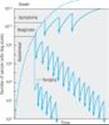
Patients with widespread cancer may have up to 1012 tumor cells throughout the body at the time of diagnosis (Figure 55-1). If tolerable dosing of an effective drug is capable of killing 99.99% (ie, 104) of clonogenic tumor cells, treatment would induce a clinical remission of the neoplasm associated with symptomatic improvement. However, there would still be up to 8 "logs" of tumor cells (108) remaining in the body, including those that might be inherently resistant to the drug because of tumor heterogeneity. There may also be other tumor cells that reside in pharmacologic sanctuary sites (eg, the central nervous system, testes), where effective drug concentrations may be difficult to achieve. When cell cycle-specific drugs are used, the tumor stem cells must also be in the sensitive phase of the cell cycle (not in G0). For this reason, scheduling of these agents is particularly important. In common bacterial infections, a three-log reduction in microorganisms might be curative because host resistance factors can eliminate residual bacteria through immunologic and microbicidal mechanisms; however, host mechanisms for eliminating even moderate numbers of cancer cells appear to be generally ineffective.
Combinations of agents with differing toxicities and mechanisms of action are often employed to overcome the limited log kill of individual anticancer drugs. If drugs display nonoverlapping toxicities, they can be used at almost full dosage, and at least additive cytotoxic effects can be achieved with combination chemotherapy; furthermore, subclones resistant to only one of the agents can potentially be eradicated. Some combinations of anticancer drugs also appear to exert true synergism, wherein the effect of the two drugs is greater than additive. The efficacy of combination chemotherapy has now been validated in many human cancers, and combination chemotherapy is now the standard approach to curative treatment of testicular cancer and lymphomas and to palliative treatment of many other tumor types. This important therapeutic approach was first formulated by Skipper and Schabel and described as the log-kill hypothesis (Figure 55-1).
The growth of acute leukemias and aggressive high-grade lymphomas closely follows exponential cell kinetics. In contrast, most human solid tumors do not grow in such a manner; instead, they follow a Gompertzian model of tumor growth and regression. Under Gompertzian kinetics, the growth fraction of the tumor is not constant and peaks when the tumor is about one third of its maximum size.
|
|
Figure 55-1. The log-kill hypothesis. Relationship of tumor cell number to time of diagnosis, symptoms, treatment, and survival. Three alternative approaches to drug treatment are shown for comparison with the course of tumor growth when no treatment is given (dashed line). In the protocol diagrammed at top, treatment (indicated by the arrows) is given infrequently and the result is manifested as prolongation of survival but with recurrence of symptoms between courses of treatment and eventual death of the patient. The combination chemotherapy treatment diagrammed in the middle section is begun earlier and is more intensive. Tumor cell kill exceeds regrowth, drug resistance does not develop, and "cure" results. In this example, treatment has been continued long after all clinical evidence of cancer has disappeared (1-3 years). This approach has been established as effective in the treatment of childhood acute leukemia, testicular cancers, and Hodgkin's disease. In the treatment diagrammed near the bottom of the graph, early surgery has been employed to remove the primary tumor and intensive adjuvant chemotherapy has been administered long enough (up to 1 year) to eradicate the remaining tumor cells that comprise the occult micrometastases. |
IMPORTANCE OF CELL CYCLE KINETICS
Introduction
Information on cell and population kinetics of cancer cells explains, in part, the limited effectiveness of most available anticancer drugs. A schematic summary of cell cycle kinetics is presented in Figure 55-2. This information is relevant to the mode of action, indications, and scheduling of cell cycle-specific (CCS) and cell cycle-nonspecific (CCNS) drugs. Agents falling into these two major classes are summarized in Table 55-1.
In general, CCS drugs are most effective in hematologic malignancies and in solid tumors in which a relatively large proportion of the cells are proliferating or are in the growth fraction. CCNS drugs (many of which bind to cellular DNA and damage these macromolecules) are particularly useful in low growth fraction solid tumors as well as in high growth fraction tumors. In all instances, effective agents sterilize or inactivate tumor stem cells, which are often only a small fraction of the cells within a tumor. Non-stem cells (eg, those that have irreversibly differentiated) are considered sterile by definition and are not a significant component of the cancer problem.
|
|
Figure 55-2. The cell cycle and cancer. A conceptual depiction of the cell cycle phases that all cells¾normal and neoplastic¾must traverse before and during cell division. The percentages given represent the approximate percentage of time spent in each phase by a typical malignant cell; the duration of G1, however, can vary markedly. Many of the effective anticancer drugs exert their action on cells traversing the cell cycle and are called cell cycle-specific (CCS) drugs (Table 55-1). A second group of agents called cell cycle-nonspecific (CCNS) drugs can sterilize tumor cells whether they are cycling or resting in the G0 compartment. CCNS drugs can kill both G0 and cycling cells (although cycling cells are more sensitive). |
Resistance to Cytotoxic Drugs
A major problem in cancer chemotherapy is the development of cellular drug resistance. Some tumor types, eg, malignant melanoma, renal cell cancer, and brain cancer, exhibit primary resistance, ie, absence of response on the first exposure, to currently available standard agents. The presence of inherent drug resistance is thought to be tightly associated with the genomic instability associated with the development of most cancers. Acquired resistance develops in a number of drug-sensitive tumor types. Experimentally, drug resistance can be highly specific to a single drug and usually is based on a change in the genetic apparatus of a given tumor cell with amplification or increased expression of one or more specific genes. In other instances, a multidrug-resistant phenotype occurs¾resistance to a variety of natural product anticancer drugs of differing structures developing after exposure to a single agent. This form of multidrug resistance is often associated with increased expression of a normal gene (the MDR1 gene) for a cell surface glycoprotein (P-glycoprotein) involved in drug efflux. This transport molecule requires ATP to expel a variety of foreign molecules (not limited to antitumor drugs) from the cell. It is expressed constitutively in normal tissues such as the epithelial cells of the kidney, large intestine, and adrenal gland as well as in a variety of tumors. Multidrug resistance can be reversed experimentally by calcium channel blockers, such as verapamil, and a variety of other drugs, which inhibit the transporter. Other mechanisms of multiple drug resistance involve overexpression of the multidrug resistance protein 1 (MRP1), a member of the ATP-binding cassette transmembrane transporter superfamily that now consists of nine members (MRP1-MRP9). MRP1, the most extensively studied, increases resistance to natural product drugs such as anthracyclines, vinca alkaloids, taxanes, and epipodophyllotoxins by functioning as a drug export pump.
I. BASIC PHARMACOLOGY OF CANCER CHEMOTHERAPEUTIC DRUGS
POLYFUNCTIONAL ALKYLATING AGENTS
Introduction
The major clinically useful alkylating agents (Figure 55-3) have a structure containing a bis(chloroethyl)amine, ethyleneimine, or nitrosourea moiety. Among the bis(chloroethyl)amines, cyclophosphamide, mechlorethamine, melphalan, and chlorambucil are the most useful. Ifosfamide is closely related to cyclophosphamide but has a somewhat different spectrum of activity and toxicity. Thiotepa and busulfan are used for specialized purposes for ovarian cancer and chronic myeloid leukemia, respectively. The major nitrosoureas are carmustine (BCNU), lomustine (CCNU), and semustine (methyl-CCNU). A variety of investigational alkylating agents have been synthesized that link various carrier molecules such as amino acids, nucleic acid bases, hormones, or sugar moieties to a group capable of alkylation; however, successful site-directed alkylation has not been achieved to date.
|
|
Figure 55-3. Structures of major classes of alkylating agents. |
Mechanism of Action
As a class, the alkylating agents exert their cytotoxic effects via transfer of their alkyl groups to various cellular constituents. Alkylations of DNA within the nucleus probably represent the major interactions that lead to cell death. However, these drugs react chemically with sulfhydryl, amino, hydroxyl, carboxyl, and phosphate groups of other cellular nucleophiles as well. The general mechanism of action of these drugs involves intramolecular cyclization to form an ethyleneimonium ion that may directly or through formation of a carbonium ion transfer an alkyl group to a cellular constituent. In addition to alkylation, a secondary mechanism that occurs with nitrosoureas involves carbamoylation of lysine residues of proteins through formation of isocyanates.
The major site of alkylation within DNA is the N7 position of guanine (Figure 55-4); however, other bases are also alkylated to lesser degrees, including N1 and N3 of adenine, N3 of cytosine, and O6 of guanine, as well as phosphate atoms and proteins associated with DNA. These interactions can occur on a single strand or on both strands of DNA through cross-linking, as most major alkylating agents are bifunctional, with two reactive groups. Alkylation of guanine can result in miscoding through abnormal base pairing with thymine or in depurination by excision of guanine residues. The latter effect leads to DNA strand breakage through scission of the sugar-phosphate backbone of DNA. Cross-linking of DNA appears to be of major importance to the cytotoxic action of alkylating agents, and replicating cells are most susceptible to these drugs. Thus, although alkylating agents are not cell cycle-specific, cells are most susceptible to alkylation in late G1 and S phases of the cell cycle and express block in G2.
|
|
Figure 55-4. Mechanism of alkylation of DNA guanine. A bis(chloroethyl)amine forms an ethyleneimonium ion and a carbonium ion that react with a base such as N7 of guanine in DNA, producing an alkylated purine. Alkylation of a second guanine residue, through the illustrated mechanism, results in cross-linking of DNA strands. |
Drug Resistance
The mechanism of acquired resistance to alkylating agents may involve increased capability to repair DNA lesions, decreased permeability of the cell to the alkylating drug, and increased production of glutathione, which inactivates the alkylating agent through conjugation or through increased glutathione S-transferase activity, which catalyzes the conjugation.
Pharmacologic Effects
Alkylating agents have direct vesicant effects and can damage tissues at the site of injection as well as produce systemic toxicity. Toxicities are generally dose related and occur particularly in rapidly growing tissues such as bone marrow, the gastrointestinal tract, and the reproductive system. After intravenous injection, nausea and vomiting usually occur within 30-60 minutes with mechlorethamine, cyclophosphamide, or carmustine. The emetogenic effects are mediated by the central nervous system and can be reduced by pretreatment with 5-HT3 (serotonin) receptor antagonists such as ondansetron or granisetron.
Cyclophosphamide is inactive in its parent form, and must be activated to cytotoxic forms by liver microsomal enzymes (Figure 55-5). The cytochrome P450 mixed-function oxidase system converts cyclophosphamide to 4-hydroxycyclophosphamide, which is in equilibrium with aldophosphamide. These active metabolites are believed to be delivered by the bloodstream to both tumor and normal tissue, where nonenzymatic cleavage of aldophosphamide to the cytotoxic forms¾phosphoramide mustard and acrolein¾occurs. The liver appears to be protected through the enzymatic formation of the inactive metabolites 4-ketocyclophosphamide and carboxyphosphamide.
The major toxicities of alkylating agents are outlined in Table 55-2 and discussed below.
Oral administration of alkylating agents has been of great clinical value. Cyclophosphamide, melphalan, chlorambucil, busulfan, and, more recently, temozolomide are those most commonly given via the oral route, and their cytotoxic effects are similar to those observed with parenteral administration. In general, if a tumor is resistant to one alkylating agent, it will be relatively resistant to other agents of this class (though not necessarily to nitrosoureas); however, there are exceptions to this rule depending on the specific tumor. Cyclophosphamide is the most widely used alkylating agent. The oral drug busulfan has a major degree of specificity for the granulocyte series and is therefore of particular value in the treatment of chronic myelogenous leukemia. With all oral alkylating agents, some degree of leukopenia is necessary to provide evidence that the drug has been absorbed adequately. Frequent monitoring of blood counts is essential during administration of these agents as the development of severe leukopenia or thrombocytopenia necessitates immediate interruption of therapy.
|
|
Figure 55-5. Cyclophosphamide metabolism. |
NITROSOUREAS
These drugs appear to be non-cross-resistant with other alkylating agents; all require biotransformation, which occurs by nonenzymatic decomposition, to metabolites with both alkylating and carbamoylating activities. The nitrosoureas are highly lipid-soluble and are able to cross the blood-brain barrier, making them useful in the treatment of brain tumors. Although the majority of alkylations by the nitrosoureas are on the N7 position of guanine in DNA, the critical alkylation responsible for cytotoxicity is on the O6 of guanine, which leads to G-C crosslinks in DNA. After oral administration of lomustine, peak plasma levels of metabolites appear within 1-4 hours; central nervous system concentrations reach 30-40% of the activity present in the plasma. While the initial plasma half-life is approximately 6 hours, a second half-life is 1-2 days. Urinary excretion appears to be the major route of elimination from the body. One naturally occurring sugar-containing nitrosourea, streptozocin, is interesting because it has minimal bone marrow toxicity. This agent has activity in the treatment of insulin-secreting islet cell carcinoma of the pancreas.
RELATED DRUGS ACTING AS ALKYLATING AGENTS
INTRODUCTION
A variety of other compounds have mechanisms of action that involve alkylation. These include procarbazine, dacarbazine, altretamine (hexamethylmelamine), cisplatin, and carboplatin. Dosages and major toxicities are listed in Table 55-2.
1. Procarbazine
The oral agent procarbazine is a methylhydrazine derivative, and it is commonly used in combination regimens for Hodgkin's disease, non-Hodgkin's lymphoma, and brain tumors. This drug has leukemogenic, teratogenic, and mutagenic properties.
The precise mechanism of action of procarbazine is uncertain; however, the drug inhibits DNA, RNA, and protein biosynthesis; prolongs interphase; and produces chromosome breaks. Oxidative metabolism of this drug by microsomal enzymes generates azoprocarbazine and H2O2, which may be responsible for DNA strand scission. A variety of other drug metabolites are formed that may be cytotoxic. One metabolite is a weak monoamine oxidase (MAO) inhibitor, and adverse effects can occur when procarbazine is given with other MAO inhibitors.
There is an increased risk of secondary cancers in the form of acute leukemia, and the carcinogenic potential of procarbazine is thought to be higher than that of most other alkylating agents.
2. Dacarbazine
Dacarbazine is a synthetic compound that functions as an alkylating agent following metabolic activation by liver microsomal enzymes by oxidative N-demethylation to the monomethyl derivative. This metabolite spontaneously decomposes to 5-aminoimidazole-4-carboxamide, which is excreted in the urine, and diazomethane. The diazomethane generates a methyl carbonium ion that is believed to be the cytotoxic species. Dacarbazine is administered parenterally and is not schedule-dependent. It produces marked nausea, vomiting, and myelosuppression. Its major applications are in melanoma, Hodgkin's disease, and soft tissue sarcomas.
3. Altretamine
Altretamine (Hexamethylmelamine) is structurally similar to triethylenemelamine. It is relatively insoluble and available only in oral form. It is rapidly biotransformed in the liver by demethylation to the pentamethylmelamine and tetramethylmelamine metabolites. This agent is approved for use in ovarian cancer patients who have progressed despite treatment with a regimen based on platinum or an alkylating agent (or both). The main dose-limiting toxicities include nausea, vomiting, and myelosuppression. Neurotoxicity in the form of somnolence, mood changes, and peripheral neuropathy is also observed.
4. Platinum Analogs
Cisplatin (cis-diamminedichloroplatinum [II]) is an inorganic metal complex discovered through the serendipitous observation that neutral platinum complexes inhibited division and induced filamentous growth of Escherichia coli. Several platinum analogs have been subsequently synthesized. Although the precise mechanism of action of cisplatin is still undefined, it is thought to exert its cytotoxic effects in the same manner as alkylating agents. It kills cells in all stages of the cell cycle, binds DNA through the formation of intrastrand and interstrand cross-links, and inhibits DNA synthesis and function. The primary binding site is the N7 position of guanine, but covalent interaction with adenine and cytosine also occurs. The platinum complexes appear to synergize with certain other anticancer drugs. Aggressive hydration with intravenous saline infusion has been shown to significantly reduce the incidence of nephrotoxicity.
Cisplatin has major antitumor activity in a broad range of solid tumors, including non-small cell and small cell lung cancer, esophageal and gastric cancer, head and neck cancer, and genitourinary cancers, particularly testicular, ovarian, and bladder cancer. When used in combination regimens with vinblastine and bleomycin or etoposide and bleomycin, cisplatin-based therapy has led to the cure of nonseminomatous testicular cancer.
Carboplatin is a second-generation platinum analog that exerts its cytotoxic effects exactly as cisplatin and has activity against the same spectrum of solid tumors. Its main dose-limiting toxicity is myelosuppression, and it has significantly less renal toxicity and gastrointestinal toxicity than cisplatin. Intravenous hydration is not required, and for this reason, carboplatin has now widely replaced cisplatin in combination chemotherapy regimens.
Oxaliplatin is a third-generation diaminocyclohexane platinum analog. Its mechanism of action is identical to that of cisplatin and carboplatin. However, cancer cells that are resistant to cisplatin or carboplatin on the basis of mismatch repair defects are not cross-resistant to oxaliplatin. This agent was originally approved for use as second-line therapy in metastatic colorectal cancer following treatment with the combination of 5-fluorouracil and leucovorin (5-FU/LV)¾the FOLFOX regimen. The FOLFOX regimen has now become the most widely used regimen in the first-line treatment of advanced colorectal cancer, and it is now widely used in the adjuvant therapy of stage III colon cancer. Neurotoxicity is dose-limiting and characterized by a peripheral sensory neuropathy. There are two forms of neurotoxicity, an acute form that is often triggered and worsened by exposure to cold, and a chronic form that is dose-dependent. Although this chronic form is cumulative in nature, it tends to be reversible, in sharp contrast to cisplatin-induced neurotoxicity.
ANTIMETABOLITES
Introduction
The development of drugs with actions on intermediary metabolism of proliferating cells has been important both conceptually and clinically. While biochemical properties unique to all cancer cells have yet to be discovered, neoplastic cells do have a number of quantitative differences in metabolism from normal cells that render them more susceptible to a number of antimetabolites or structural analogs. Many of these agents have been rationally designed and synthesized based on knowledge of critical cellular processes involved in DNA biosynthesis.
Mechanisms of Action
The biochemical pathways that have thus far proved to be most vulnerable to antimetabolites have been those relating to nucleotide and nucleic acid synthesis. In a number of instances, when an enzyme is known to have a major effect on pathways leading to cell replication, inhibitors of the reaction it catalyzes have proved to be useful anticancer drugs.
These drugs and their doses and toxicities are shown in Table 55-3. The principal drugs are discussed below.
METHOTREXATE
Introduction
Methotrexate (MTX) is a folic acid antagonist that binds to the active catalytic site of dihydrofolate reductase (DHFR), interfering with the synthesis of the reduced form that accepts one-carbon units. Lack of this cofactor interrupts the de novo synthesis of thymidylate, purine nucleotides, and the amino acids serine and methionine, thereby interfering with the formation of DNA, RNA, and key cellular proteins. DHFR binds methotrexate with high affinity, and at pH 6.0, virtually no dissociation of the enzyme-inhibitor complex occurs (inhibition constant about 1 nM). At physiologic pH, reversible competitive kinetics occur (inhibition constant about 1 uM). Intracellular formation of polyglutamate derivatives is critically important for the therapeutic action of methotrexate, and this process is mediated by the enzyme folylpolyglutamate synthase (FPGS). MTX polyglutamates are selectively retained within cancer cells, and they display increased inhibitory effects on enzymes involved in folate metabolism, making them important determinants of the duration of action of methotrexate.
Drug Resistance
Resistance to methotrexate has been attributed to (1) decreased drug transport, (2) decreased formation of cytotoxic MTX polyglutamates, (3) synthesis of increased levels of DHFR through gene amplification, and (4) altered DHFR with reduced affinity for methotrexate. Recent studies have also suggested that decreased accumulation of drug through activation of the multidrug resistance P170 glycoprotein transporter may also result in drug resistance.
Dosage & Toxicity
Methotrexate is administered by the intravenous, intrathecal, or oral route. Up to 90% of an oral dose is excreted in the urine within 12 hours. The drug is not subject to metabolism, and serum levels are therefore proportionate to dose as long as renal function and hydration status are adequate. Dosages and toxic effects are listed in Table 55-3. The effects of methotrexate can be reversed by administration of the reduced folate leucovorin (5-formyltetrahydrofolate). Leucovorin rescue is generally used in conjunction with high-dose methotrexate therapy to rescue normal cells from undue toxicity and it has also been used in cases of accidental drug overdose.
PEMETREXED
Pemetrexed is a pyrrolopyrimidine antifolate analog with activity in the S phase of the cell cycle. As in the case of MTX, it is transported into the cell via the reduced folate carrier and requires activation by the enzyme FPGS to yield higher polyglutamate forms. While this agent targets DHFR and enzymes involved in de novo purine nucleotide synthesis, its main site of action is via inhibition of thymidylate synthase. At present, this antifolate is approved for use in combination with cisplatin in the treatment of mesothelioma and as a single agent in the second-line therapy of non-small cell lung cancer. The main adverse effects are outlined in Table 55-3 and include myelosuppression, skin rash, mucositis, diarrhea, and fatigue.
PURINE ANTAGONISTS
1. 6-Thiopurines
Introduction
6-Mercaptopurine (6-MP) was the first of the thiopurine analogs found to be effective in cancer therapy. As with other thiopurines, it is inactive in its parent form and must be metabolized by hypoxanthine-guanine phosphoribosyl transferase (HGPRT) to the monophosphate nucleotide 6-thioinosinic acid, which in turn inhibits several enzymes of de novo purine nucleotide synthesis. Significant levels of thioguanylic acid and 6-methylmercaptopurine ribotide (MMPR) are also formed from 6-MP. These metabolites also contribute to its cytotoxic action. 6-MP is used primarily in the treatment of childhood acute leukemia, and a closely related analog, azathioprine, is used as an immunosuppressive agent (see Chapter 56).
6-Thioguanine (6-TG) inhibits several enzymes in the de novo purine nucleotide biosynthetic pathway. Various metabolic lesions result, including inhibition of purine nucleotide interconversion; decrease in intracellular levels of guanine nucleotides, which leads to inhibition of glycoprotein synthesis; interference with the formation of DNA and RNA; and incorporation of thiopurine nucleotides into both DNA and RNA. 6-TG has a synergistic action when used together with cytarabine in the treatment of adult acute leukemia.
Drug Resistance
Resistance to both 6-MP and 6-TG occurs most commonly by decreased expression of the activating enzyme (HGPRT); an alternative mechanism in acute leukemia involves increased expression or activity of the catabolic enzyme alkaline phosphatase, which results in dephosphorylation of thiopurine nucleotides and cellular loss of the resulting ribonucleoside. In addition, increased expression of thiopurine methyltransferase (TMPT) has been observed in thiopurine-resistant acute leukemic cells.
Dosage & Toxicity
6-MP and 6-TG are both given orally (Table 55-3) and excreted mainly in the urine. However, 6-MP is converted to an inactive metabolite (6-thiouric acid) by an oxidation catalyzed by xanthine oxidase, whereas 6-TG requires deamination before it is metabolized by this enzyme. This factor is important because the purine analog allopurinol, a potent xanthine oxidase inhibitor, is frequently used with chemotherapy in hematologic cancers to prevent hyperuricemia after tumor cell lysis. It does so by blocking purine oxidation, allowing excretion of cellular purines that are relatively more soluble than uric acid. Nephrotoxicity and acute gout produced by excessive uric acid are thereby prevented. Simultaneous therapy with allopurinol and 6-MP results in excessive toxicity unless the dose of mercaptopurine is reduced to 25% of the usual level. This effect does not occur with 6-TG, which can be used in full doses with allopurinol.
2. Fludarabine
Fludarabine phosphate is rapidly dephosphorylated to 2-fluoro-arabinofuranosyladenosine and then phosphorylated intracellularly by deoxycytidine kinase to the triphosphate. The triphosphate metabolite interferes with the processes of DNA synthesis and DNA repair through inhibition of DNA polymerase-a and DNA polymerase-b. The triphosphate form can also be directly incorporated into DNA, resulting in inhibition of DNA synthesis and function. The diphosphate metabolite of fludarabine inhibits ribonucleotide reductase, leading to inhibition of essential deoxyribonucleotidetriphosphates. Finally, fludarabine induces the process of apoptosis through as yet undetermined mechanisms. Fludarabine is used chiefly in the treatment of low-grade non-Hodgkin's lymphoma and chronic lymphocytic leukemia (CLL). It is given parentally and is excreted primarily in the urine; its dose-limiting toxicity is myelosuppression. In addition, this agent is a potent immunosuppressant with inhibitory effects on CD4 and CD8 T cells. Patients are at increased risk for opportunistic infections, including fungi, herpes, and Pneumocystis jiroveci.
3. Cladribine
Cladribine (2-chlorodeoxyadenosine) is a purine nucleoside analog with high specificity for lymphoid cells. Inactive in its parent form, it is initially phosphorylated by deoxycytidine kinase to the monophosphate form and eventually metabolized to the triphosphate form, which can then be incorporated into DNA. The triphosphate metabolite can also interfere with DNA synthesis and DNA repair by inhibiting DNA polymerase-a and DNA-polymerase-b, respectively. Cladribine is indicated for the treatment of hairy cell leukemia, and it also has activity in CLL and low-grade non-Hodgkin's lymphoma. It is normally administered as a single continuous 7-day infusion; under these conditions, it has a very manageable safety profile with the main toxicity consisting of transient myelosuppression. In addition, it has immunosuppressive effects, and a decrease in CD4 and CD8 T cells, lasting for over 1 year, is observed in patients.
PYRIMIDINE ANTAGONISTS
1. 5-Fluorouracil
5-Fluorouracil (5-FU) is a prodrug requiring activation via a complex series of biotransformation reactions to ribosyl and deoxyribosyl nucleotide metabolites. One of these metabolites, 5-fluoro-2¢-deoxyuridine-5¢-monophosphate (FdUMP), forms a covalently bound ternary complex with the enzyme thymidylate synthase and the reduced folate N5,10-methylenetetrahydrofolate, a reaction critical for the de novo synthesis of thymidylate. This results in inhibition of DNA synthesis through "thymineless death." 5-FU is converted to 5-fluorouridine-5¢-triphosphate (FUTP), which is then incorporated into RNA, where it interferes with RNA processing and mRNA translation. In addition, 5-FU is converted to 5-fluorodeoxyuridine-5¢-triphosphate (FdUTP), which can be incorporated into cellular DNA, resulting in inhibition of DNA synthesis and function. Thus, the cytotoxicity of 5-FU is thought to be the result of the combined effects on both DNA- and RNA-mediated events.
5-FU is normally administered intravenously (Table 55-3) and has a half-life of 10-15 minutes. It is not administered by the oral route because its bioavailability is impaired by the high levels of the breakdown enzyme dihydropyrimidine dehydrogenase present in the gut mucosa. Up to 80-85% of an administered dose of 5-FU is catabolized by this enzyme.
5-FU is the most widely used agent in the treatment of colorectal cancer, both as adjuvant therapy and for advanced disease. In addition, it has activity against a wide variety of solid tumors, including cancers of the breast, stomach, pancreas, esophagus, liver, head and neck, and anus. Its major toxicities are listed in Table 55-3.
2. Capecitabine
Capecitabine is a fluoropyrimidine carbamate prodrug with nearly 70-80% oral bioavailability. It undergoes extensive metabolism in the liver by the enzyme carboxylesterase to an intermediate, 5¢-deoxy-5-fluorocytidine. This, in turn, is converted to 5¢-deoxy-5-fluorouridine by the enzyme cytidine deaminase. The 5¢-deoxy-5-fluorouridine metabolite is then hydrolyzed by thymidine phosphorylase to 5-FU directly in the tumor. The expression of thymidine phosphorylase has been shown to be significantly higher in a broad range of solid tumors than in corresponding normal tissue. Peak plasma levels are achieved in about 1.5 hours, and peak 5-FU levels are reached at 2 hours after oral administration.
Capecitabine is used in the treatment of metastatic breast cancer either as a single agent or in combination with the taxane docetaxel. It is also approved for use in the adjuvant therapy of stage III colon cancer as well as for treatment of metastatic colorectal cancer as monotherapy. At this time, significant efforts are directed at combining this agent with other active cytotoxic agents, including irinotecan or oxaliplatin. The main toxicities of capecitabine include diarrhea and the hand-foot syndrome and are listed in Table 55-3. While myelosuppression, nausea and vomiting, and mucositis can also be observed with this agent, the incidence is significantly less than that seen with intravenous 5-FU.
3. Cytarabine
Cytarabine (cytosine arabinoside, ara-C) is an S phase-specific antimetabolite that is converted by deoxycytidine kinase to the 5¢-mononucleotide (ara-CMP). Ara-CMP is further metabolized to the triphosphate ara-CTP, which competitively inhibits DNA polymerase-a and DNA polymerase-b, thereby resulting in blockade of DNA synthesis and DNA repair, respectively. Cytarabine is also incorporated into RNA and DNA. Incorporation into DNA leads to interference with chain elongation and defective ligation of fragments of newly synthesized DNA. The cellular retention time for ara-CTP appears to correlate with its lethality to malignant cells.
After intravenous administration (Table 55-3), the drug is cleared rapidly, with most of an administered dose being deaminated to an inactive form. The ratio of the anabolic enzyme deoxycytidine kinase to the inactivating catalyst cytidine deaminase is important in determining the eventual cytotoxicity of cytarabine.
In view of cytarabine's S phase specificity, the drug is highly schedule-dependent and must be given either by continuous infusion or every 8-12 hours for 5-7 days. Its activity is limited exclusively to hematologic malignancies, including acute myelogenous leukemia and non-Hodgkin's lymphoma. It has absolutely no activity in solid tumors. The main adverse effects are listed in Table 55-3.
4. Gemcitabine
Gemcitabine is a deoxycytidine analog that is phosphorylated initially by the enzyme deoxycytidine kinase to the monophosphate form and then by other nucleoside kinases to di- and triphosphate nucleotide forms. The antitumor effect is considered to result from two different mechanisms: inhibition of ribonucleotide reductase by gemcitabine diphosphate, which reduces the level of deoxyribonucleoside triphosphates required for DNA synthesis; and incorporation of gemcitabine triphosphate into DNA, leading to inhibition of DNA synthesis and function. Following incorporation of gemcitabine nucleotide, only one additional nucleotide can be added to the growing DNA strand, resulting in chain termination.
Gemcitabine was initially approved for use in pancreatic cancer but is now widely used in the treatment of non-small cell lung cancer, bladder cancer, and non-Hodgkin's lymphoma. Myelosuppression in the form of neutropenia is the principal dose-limiting toxicity.
PLANT ALKALOIDS
VINBLASTINE
Vinblastine is an alkaloid derived from the periwinkle plant Vinca rosea. Its mechanism of action involves inhibition of tubulin polymerization, which disrupts assembly of microtubules, an important part of the cytoskeleton and the mitotic spindle. This inhibitory effect results in mitotic arrest in metaphase, bringing cell division to a halt, which then leads to cell death. Toxicity includes nausea and vomiting, bone marrow suppression, and alopecia. This agent is also a potent vesicant, and care must be taken in its administration. It has clinical activity in the treatment of Hodgkin's disease, non-Hodgkin's lymphomas, breast cancer, and germ cell cancer. See the section on Clinical Pharmacology, below, and Table 55-4.
VINCRISTINE
Vincristine is an alkaloid derivative of Vinca rosea and is closely related in structure to vinblastine. Its mechanism of action is considered to be identical to that of vinblastine in that it functions as a mitotic spindle poison leading to arrest of cells in the M phase of the cell cycle. Despite these similarities to vinblastine, vincristine has a strikingly different spectrum of clinical activity and toxicity.
Vincristine has been effectively combined with prednisone for remission induction in acute lymphoblastic leukemia in children. It is also active in various hematologic malignancies such as Hodgkin's and non-Hodgkin's lymphomas, and multiple myeloma, and in several pediatric tumors including rhabdomyosarcoma, neuroblastoma, Ewing's sarcoma, and Wilms' tumor. The main dose-limiting toxicity is neurotoxicity, usually expressed as a peripheral sensory neuropathy, although autonomic nervous system dysfunction¾with orthostatic hypotension, sphincter problems, and paralytic ileus¾cranial nerve palsies, ataxia, seizures, and coma have been observed. While myelosuppression can occur, it is generally milder and much less significant than with vinblastine. The other potential side effect that can develop is the syndrome of inappropriate secretion of antidiuretic hormone (SIADH).
VINORELBINE
Vinorelbine is a semisynthetic vinca alkaloid whose mechanism of action is identical to that of vinblastine and vincristine, ie, inhibition of mitosis of cells in the M phase through inhibition of tubulin polymerization. This agent has activity in non-small cell lung cancer and in breast cancer. Myelosuppression with neutropenia is the dose-limiting toxicity, but nausea and vomiting, transient elevations in liver function tests, neurotoxicity, and SIADH are also reported.
EPIPODOPHYLLOTOXINS
Two compounds, VP-16 (etoposide) and a related drug, VM-26 (teniposide), are semisynthetic derivatives of podophyllotoxin, which is extracted from the mayapple root (Podophyllum peltatum). Both an intravenous and an oral formulation of etoposide are approved for clinical use in the USA.
Etoposide and teniposide are similar in chemical structure and in their effects¾they block cell division in the late S-G2 phase of the cell cycle. Their primary mode of action involves inhibition of topoisomerase II, which results in DNA damage through strand breakage induced by the formation of a ternary complex of drug, DNA, and enzyme. The drugs are water-insoluble and have to be formulated in a Cremophor vehicle for clinical use. These agents are administered via the intravenous route (Table 55-4) and are rapidly and widely distributed throughout the body except for the brain. Up to 90-95% of drug is protein-bound, mainly to albumin. Dose reduction is required in the setting of renal dysfunction. Etoposide has clinical activity in germ cell cancer, small cell and non-small cell lung cancer, Hodgkin's and non-Hodgkin's lymphomas, and gastric cancer and as high-dose therapy in the transplant setting for breast cancer and lymphomas. Teniposide use is limited mainly to acute lymphoblastic leukemia.
CAMPTOTHECINS
The camptothecins are natural products that are derived from the Camptotheca acuminata tree, and they inhibit the activity of topoisomerase I, the key enzyme responsible for cutting and religating single DNA strands. Inhibition of the enzyme results in DNA damage. Topotecan is indicated in the treatment of advanced ovarian cancer as second-line therapy following initial treatment with platinum-based chemotherapy. It is also approved as second-line therapy of small cell lung cancer. The main route of elimination is renal excretion, and dosage must be adjusted in patients with renal impairment.
Irinotecan is a prodrug that is converted mainly in the liver by the carboxylesterase enzyme to the SN-38 metabolite, which is a potent inhibitor of topoisomerase I. In contrast to topotecan, irinotecan and SN-38 are mainly eliminated in bile and feces, and dose reduction is required in the setting of liver dysfunction. Irinotecan was originally approved as second-line monotherapy in patients with metastatic colorectal cancer who had failed fluorouracil-based therapy. It is also approved as first-line therapy when used in combination with 5-FU and leucovorin. Myelosuppression and diarrhea are the two most common adverse events. There are two forms of diarrhea: an early form that occurs within 24 hours after administration and is thought to be a cholinergic event effectively treated with atropine, and a late form that usually occurs 2-10 days after treatment. The late diarrhea can be severe, leading to significant electrolyte imbalance and dehydration in some cases.
TAXANES
Paclitaxel is an alkaloid ester derived from the Pacific yew (Taxus brevifolia) and the European yew (Taxus baccata). The drug functions as a mitotic spindle poison through high-affinity binding to microtubules with enhancement of tubulin polymerization. This promotion of microtubule assembly by paclitaxel occurs in the absence of microtubule-associated proteins and guanosine triphosphate and results in inhibition of mitosis and cell division.
Paclitaxel has significant activity in a broad range of solid tumors, including ovarian, advanced breast, non-small cell and small cell lung, head and neck, esophageal, prostate, and bladder cancers and AIDS-related Kaposi's sarcoma. It is metabolized extensively by the liver P450 system, and nearly 80% of the drug is excreted in feces via the hepatobiliary route. Therefore, dose reduction is required in the setting of liver dysfunction. The primary dose-limiting toxicities are listed in Table 55-4. Hypersensitivity reactions may be observed in up to 5% of patients, but the incidence can be reduced by premedication with dexamethasone, diphenhydramine, and an H2 blocker.
A novel albumin-bound paclitaxel formulation (Abraxane) has recently been approved for use in metastatic breast cancer. In contrast to paclitaxel, this formulation is not associated with hypersensitivity reactions, and premedication to prevent such reactions is not required. Moreover, this agent has significantly reduced myelosuppressive effects compared with paclitaxel, and the neurotoxicity that results appears to be more readily reversible than is typically observed with paclitaxel.
Docetaxel is a semisynthetic taxane derived from the European yew tree. Its mechanism of action, metabolism, and elimination are identical to those of paclitaxel. It is approved for use as second-line therapy in advanced breast cancer and non-small cell lung cancer, and it also has major activity in head and neck cancer, small cell lung cancer, gastric cancer, advanced platinum-refractory ovarian cancer, and bladder cancer. Its major toxicities are listed in Table 55-4.
ANTITUMOR ANTIBIOTICS
INTRODUCTION
Screening of microbial products has led to the discovery of a number of growth-inhibiting compounds that have proved to be clinically useful in cancer chemotherapy. Many of these antibiotics bind to DNA through intercalation between specific bases and block the synthesis of RNA, DNA, or both; cause DNA strand scission; and interfere with cell replication. All of the anticancer antibiotics now being used in clinical practice are products of various strains of the soil microbe Streptomyces. These include the anthracyclines, dactinomycin, bleomycin, and mitomycin.
ANTHRACYCLINES
The anthracycline antibiotics, isolated from Streptomyces peucetius var caesius, are among the most widely used cytotoxic anticancer drugs. The structures of two congeners, doxorubicin and daunorubicin, are shown below. Several other anthracycline analogs have entered clinical practice, including idarubicin, epirubicin, and mitoxantrone. Daunorubicin was the first agent in this class to be isolated, and it is still used in the treatment of acute myeloid leukemia. Doxorubicin has a broad spectrum of clinical activity against hematologic malignancies and a wide range of solid tumors. The anthracyclines exert their cytotoxic action through four major mechanisms. These are (1) inhibition of topoisomerase II; (2) high-affinity binding to DNA through intercalation, with consequent blockade of the synthesis of DNA and RNA, and DNA strand scission; (3) binding to cellular membranes to alter fluidity and ion transport; and (4) generation of semiquinone free radicals and oxygen free radicals through an iron-dependent, enzyme-mediated reductive process. This free radical mechanism has been established to be the cause of the cardiotoxicity associated with the anthracyclines.
In the clinical setting, anthracyclines are administered via the intravenous route (Table 55-4). The anthracyclines are metabolized extensively in the liver, with reduction and hydrolysis of the ring substituents. The hydroxylated metabolite is an active species, whereas the aglycone is inactive. Up to 50% of drug is eliminated in the feces via biliary excretion, and dose reduction is required in the setting of liver dysfunction. Although anthracyclines are usually administered on an every-3-week schedule, alternative schedules such as low-dose weekly or 72-96 hour continuous infusions have been shown to yield equivalent clinical efficacy with reduced overall toxicity.
Doxorubicin is one of the most important anticancer drugs, with major clinical activity in cancers of the breast, endometrium, ovary, testicle, thyroid, stomach, bladder, liver, and lung; in soft tissue sarcomas; and in several childhood cancers, including neuroblastoma, Ewing's sarcoma, osteosarcoma, and rhabdomyosarcoma. It is also widely used in hematologic malignancies, including acute lymphoblastic leukemia, multiple myeloma, and Hodgkin's and non-Hodgkin's lymphomas. It is generally used in combination with other anticancer agents (eg, cyclophosphamide, cisplatin, and 5-FU), and responses and remission duration tend to be improved with combination regimens as opposed to single-agent therapy. Daunorubicin has a far narrower spectrum of activity than doxorubicin. Daunorubicin has been mainly used for the treatment of acute myeloid leukemia, although there has been a shift in clinical practice toward using idarubicin, an analog of daunorubicin. Its efficacy in solid tumors appears to be limited.
Idarubicin is a semisynthetic anthracycline glycoside analog of daunorubicin, and it is approved for use in combination with cytarabine for induction therapy of acute myeloid leukemia. When combined with cytarabine, idarubicin appears to be more active than daunorubicin in producing complete remissions and in improving survival in patients with acute myelogenous leukemia.
Epirubicin is a doxorubicin analog whose mechanism of action is identical to that of all other anthracyclines. It was initially approved for use as a component of adjuvant therapy of early-stage, node-positive breast cancer but is also used for the treatment of metastatic breast cancer and gastric cancer.
The main dose-limiting toxicity of all anthracyclines is myelosuppression, with neutropenia more commonly observed than thrombocytopenia. In some cases, mucositis is dose-limiting. Two forms of cardiotoxicity are observed. The acute form occurs within the first 2-3 days and presents as arrhythmias and conduction abnormalities, other electrocardiographic changes, pericarditis, and myocarditis. This form is usually transient and in most cases is asymptomatic. The chronic form results in a dose-dependent, dilated cardiomyopathy associated with heart failure. The chronic cardiac toxicity appears to result from increased production of free radicals within the myocardium. This effect is rarely seen at total doxorubicin dosages below 500-550 mg/m2. Use of lower weekly doses or continuous infusions of doxorubicin appear to reduce the incidence of cardiac toxicity. In addition, treatment with the iron-chelating agent dexrazoxane (ICRF-187) is currently approved to prevent or reduce anthracycline-induced cardiotoxicity in women with metastatic breast cancer who have received a total cumulative dose of doxorubicin of 300 mg/m2. The anthracyclines can produce a "radiation recall reaction," with erythema and desquamation of the skin observed at sites of prior radiation therapy.
MITOXANTRONE
Mitoxantrone (dihydroxyanthracenedione, DHAD) is an anthracene compound whose structure resembles the anthracycline ring. It binds to DNA to produce strand breakage and inhibits both DNA and RNA synthesis. It is currently used for treatment of advanced, hormone-refractory prostate cancer and low-grade non-Hodgkin's lymphoma. It is also indicated in breast cancer as well as in pediatric and adult acute myeloid leukemias. The plasma half-life of mitoxantrone in patients is approximately 75 hours, and it is predominantly excreted via the hepatobiliary route in feces. Myelosuppression with leukopenia is the dose-limiting toxicity, and mild nausea and vomiting, mucositis, and alopecia also occur. Although the drug is thought to be less cardiotoxic than doxorubicin, both acute and chronic cardiac toxicity are reported. A blue discoloration of the fingernails, sclera, and urine can be observed up to 1-2 days after drug therapy.
DACTINOMYCIN
Dactinomycin is an antitumor antibiotic isolated from a Streptomyces organism. It binds tightly to double-stranded DNA through intercalation between adjacent guanine-cytosine base pairs and inhibits all forms of DNA-dependent RNA synthesis, with ribosomal RNA formation being most sensitive to drug action.
Dactinomycin is mainly used to treat pediatric tumors such as Wilms' tumor, rhabdomyosarcoma, and Ewing's sarcoma, but it also has activity against germ cell tumors and gestational trophoblastic disease. As with the anthracyclines, dactinomycin can induce a radiation recall reaction. See Table 55-4 for other toxicities.
MITOMYCIN
Mitomycin (mitomycin C) is an antibiotic isolated from Streptomyces caespitosus. It is an alkylating agent that undergoes metabolic activation through an enzyme-mediated reduction to generate an alkylating agent that cross-links DNA. Hypoxic tumor stem cells of solid tumors exist in an environment conducive to reductive reactions and are more sensitive to the cytotoxic actions of mitomycin than normal cells and oxygenated tumor cells. It is active in all phases of the cell cycle, and is the best available drug for use in combination with radiation therapy to attack hypoxic tumor cells. Its main clinical use is in the treatment of squamous cell cancer of the anus in combination with 5-FU and radiation therapy. In addition, it is used in combination chemotherapy for squamous cell carcinoma of the cervix and for breast, gastric, and pancreatic cancer. One special application of mitomycin has been in the intravesical treatment of superficial bladder cancer. Because virtually none of the agent is absorbed systemically, there is little to no systemic toxicity.
The common toxicities are outlined in Table 55-4. The hemolytic-uremic syndrome, manifested as microangiopathic hemolytic anemia, thrombocytopenia, and renal failure, as well as occasional instances of interstitial pneumonitis have been reported.
BLEOMYCIN
Bleomycin is a small peptide that contains a DNA-binding region and an iron-binding domain at opposite ends of the molecule. It acts by binding to DNA, which results in single-strand and double-strand breaks following free radical formation, and inhibition of DNA biosynthesis. The fragmentation of DNA is due to oxidation of a DNA-bleomycin-Fe(II) complex and leads to chromosomal aberrations. Bleomycin is a cell cycle-specific drug that causes accumulation of cells in the G2 phase of the cell cycle.
Bleomycin is indicated for the treatment of Hodgkin's and non-Hodgkin's lymphomas, germ cell tumor, head and neck cancer, and squamous cell cancer of the skin, cervix, and vulva. In addition, it can be used as a sclerosing agent for malignant pleural effusions and ascites. One advantage of this agent is that it can be given subcutaneously, intramuscularly, or intravenously (Table 55-4). Peak blood levels of bleomycin after intramuscular injection appear within 30-60 minutes. Intravenous injection of similar dosages yields higher peak concentrations and a terminal half-life of about 2.5 hours. Elimination of bleomycin is mainly via renal excretion; dose modification is recommended in the setting of renal dysfunction.
Pulmonary toxicity is dose-limiting for bleomycin and usually presents as pneumonitis with cough, dyspnea, dry inspiratory crackles on physical examination, and infiltrates on chest x-ray. The incidence of pulmonary toxicity is increased in patients older than 70 years of age, in those who receive cumulative doses greater than 400 units, in those with underlying pulmonary disease, and in those who have received prior mediastinal or chest irradiation. In rare cases, pulmonary toxicity can be fatal. Other toxicities are listed in Table 55-4.
HORMONAL AGENTS
ESTROGEN & ANDROGEN INHIBITORS
The antiestrogen tamoxifen has proved to be extremely useful for the treatment of both early-stage and metastatic breast cancer. It is also approved as a chemopreventive agent in women at high risk for breast cancer. In addition, this hormonal agent has activity in endometrial cancer. Tamoxifen functions as a competitive partial agonist-inhibitor of estrogen and binds to the estrogen receptors of estrogen-sensitive tumors. However, tamoxifen has a tenfold lower affinity for the estrogen receptor (ER) than does estradiol, indicating the importance of ablation of endogenous estrogen for optimal antiestrogen effect. In addition to its direct antiestrogen effects on tumor cells, tamoxifen also suppresses serum levels of insulin-like growth factor-1 and up-regulates local production of transforming growth factor-beta (TGF-b).
Tamoxifen is given orally and is rapidly and completely absorbed. High plasma levels of tamoxifen are obtained within 4-6 hours after oral administration, and the agent has a much longer biologic half-life than estradiol¾on the order of 7-14 days. It is extensively metabolized by the liver P450 system, and the main metabolites also possess antitumor activity similar to that of the parent drug. Tamoxifen is well tolerated, and its side effects are generally quite mild (Table 55-5).
Flutamide and bicalutamide are nonsteroidal antiandrogen agents that bind to the androgen receptor and inhibit androgen effects. They are administered orally and are rapidly and completely absorbed. At present they are used in combination with radiation therapy for the treatment of early-stage prostate cancer and in the setting of metastatic prostate cancer. Toxicities are listed in Table 55-5.
GONADOTROPIN-RELEASING HORMONE AGONISTS
Leuprolide and goserelin are synthetic peptide analogs of naturally occurring gonadotropin-releasing hormone (GnRH, LHRH). They are described in further detail in Chapters 37 and 40. When given as depot preparations, these agents lead to a transient release of follicle-stimulating hormone (FSH) and luteinizing hormone (LH) followed by marked inhibition of the release of these gonadotropins. In men, this results in castration levels of testosterone after 2-4 weeks of therapy.
Leuprolide and goserelin are indicated in the treatment of advanced prostate cancer and more recently, these agents have been incorporated as part of neoadjuvant therapy of early-stage prostate cancer. Leuprolide and goserelin are now formulated in long-acting depot forms, which allows for administration at monthly or longer intervals. The main adverse effects include hot flushes, impotence, and gynecomastia. Other toxicities are given in Table 55-5.
AROMATASE INHIBITORS
Aminoglutethimide is a nonsteroidal inhibitor of corticosteroid synthesis at the first step involving the conversion of cholesterol to pregnenolone (see Chapter 39). Aminoglutethimide also inhibits the extra-adrenal synthesis of estrone and estradiol. Aside from its direct effects on adrenal steroidogenesis, aminoglutethimide is an inhibitor of an aromatase enzyme that converts the adrenal androgen androstenedione to estrone (see Figure 40-2). This aromatization of an androgenic precursor into an estrogen occurs in body fat. Since estrogens promote the growth of breast cancer, estrogen synthesis in adipose tissue can be important in breast cancer growth in postmenopausal women.
Aminoglutethimide is primarily used in the treatment of metastatic breast cancer in women whose tumors express significant levels of estrogen or progesterone receptors. It also has activity in hormone-dependent, advanced prostate cancer. Aminoglutethimide is normally administered with hydrocortisone to prevent symptoms of adrenal insufficiency. Hydrocortisone is preferable to dexamethasone because the latter agent accelerates the rate of catabolism of aminoglutethimide. Adverse effects of aminoglutethimide are listed in Table 55-5.
Anastrozole is a selective nonsteroidal inhibitor of aromatase that has no inhibitory effect on adrenal glucocorticoid or mineralocorticoid synthesis. It is presently approved for first-line treatment of postmenopausal women with metastatic breast cancer that is ER-positive, for treatment of postmenopausal women with metastatic breast cancer that is ER-positive and has progressed while on tamoxifen therapy, and as adjuvant therapy of postmenopausal women with hormone-positive, early-stage breast cancer. Letrozole is a nonsteroidal competitive inhibitor of aromatase that is significantly more potent than aminoglutethimide and acts in the same way as anastrozole. It is also indicated for first-line treatment of postmenopausal women with hormone receptor-positive metastatic breast cancer and for second-line treatment of postmenopausal women with advanced breast cancer after progression on tamoxifen therapy. Exemestane is a steroid hormonal suicide inhibitor that binds to and irreversibly inactivates aromatase. There appears to be a lack of cross-resistance between exemestane and nonsteroidal aromatase inhibitors. This agent is indicated for the treatment of advanced breast cancer in postmenopausal women whose disease has progressed on tamoxifen therapy. Each of these aromatase inhibitors exhibits a similar side effect profile (Table 55-5, see also Chapter 40).
|
|
Figure 40-2. Biosynthesis and metabolism of estrogens and testosterone. |
MISCELLANEOUS ANTICANCER DRUGS (SEE TABLE 55-6)
IMATINIB
Imatinib (STI571; Gleevec) is an inhibitor of the tyrosine kinase domain of the Bcr-Abl oncoprotein and prevents the phosphorylation of the kinase substrate by ATP. It is indicated for the treatment of chronic myelogenous leukemia (CML), a pluripotent hematopoietic stem cell disorder characterized by the t(9:22) Philadelphia chromosomal translocation. This translocation results in the Bcr-Abl fusion protein, the causative agent in CML, and is present in up to 95% of patients with this disease. This agent inhibits other activated receptor tyrosine kinases for platelet-derived growth factor receptor, stem cell factor, and c-kit.
Imatinib is well absorbed orally; it is highly protein-bound in plasma. The drug is metabolized in the liver, and elimination of metabolites occurs mainly in feces via biliary excretion. This agent is approved for use as first-line therapy in chronic phase CML, in blast crisis, and as second-line therapy for chronic phase CML that has progressed on prior interferon-a therapy. Imatinib is effective also for treatment of gastrointestinal stromal tumors expressing the c-kit tyrosine kinase. Dosage and toxicities are listed in Table 55-6.
Dasatinib (Sprycel) is an oral inhibitor of several kinases and is approved for use in CML and Philadelphia chromosome-positive acute lymphoblastic leukemia (ALL).
GROWTH FACTOR RECEPTOR INHIBITORS
1. Cetuximab
The epidermal growth factor receptor (EGFR) is a member of the erb-B family of growth factor receptors, and it is overexpressed in a number of solid tumors. Activation of the EGFR signaling pathway results in downstream activation of several key cellular events involved in cellular growth and proliferation, invasion and metastasis, and angiogenesis. In addition, this pathway inhibits the cytotoxic activity of various anticancer agents and radiation therapy, presumably through suppression of key apoptotic mechanisms, thereby leading to the development of cellular drug resistance.
Cetuximab (IMC-225; Erbitux) is a chimeric monoclonal antibody directed against the extracellular domain of the EGFR, and it is presently approved for use in combination with irinotecan in the refractory setting or as monotherapy in patients who are deemed to be irinotecan-refractory. There is growing evidence that cetuximab can be effectively and safely combined with irinotecan- and oxaliplatin-based chemotherapy in the first-line therapy of metastatic colorectal cancer as well. This agent is also approved for use in combination with radiation therapy in patients with locally advanced head and neck cancer. This agent is well tolerated, with the main adverse effects being an acneiform skin rash and a hypersensitivity infusion reaction. Dosage and toxicities are listed in Table 55-6.
2. Gefitinib & Erlotinib
Gefitinib (ZD1694; Iressa) and erlotinib (OSI-774; Tarceva) are small molecule inhibitors of the tyrosine kinase domain associated with the EGFR, and both are approved for use in the treatment of non-small cell lung cancer that is refractory to at least one prior chemotherapy regimen. Dosage and toxicities of both of these agents are listed in Table 55-6. Patients who are nonsmokers and who have a bronchoalveolar histologic subtype appear to be more responsive to these agents. In addition, erlotinib has been approved for use in combination with gemcitabine for the treatment of advanced pancreatic cancer. With respect to toxicity, an acneiform skin rash and diarrhea are the most common adverse effects observed with these small molecules.
3. Bevacizumab
The vascular endothelial growth factor (VEGF) is one of the most critical angiogenic growth factors. The growth of both primary and metastatic tumors requires an intact vasculature; VEGF and the VEGF-signaling pathway therefore represent an attractive target for chemotherapy. Several approaches have been taken to inhibit VEGF signaling; they include inhibition of VEGF interactions with its receptor by targeting either the VEGF ligand with antibodies or soluble chimeric receptors, or by direct inhibition of the VEGF receptor-associated tyrosine kinase activity by small molecule inhibitors.
Bevacizumab (Avastin) is a recombinant humanized monoclonal antibody that targets all forms of VEGF-A. This antibody binds to and prevents VEGF-A from interacting with the target VEGF receptors. Bevacizumab can be safely and effectively combined with 5-FU-, irinotecan-, and oxaliplatin-based chemotherapy in the treatment of metastatic colorectal cancer. Bevacizumab is FDA approved as a first-line treatment for metastatic colorectal cancer in combination with any intravenous fluoropyrimidine-containing regimen. The main adverse effects observed with this agent include hypertension, an increased incidence of arterial thromboembolic events (transient ischemic attack, stroke, angina, and myocardial infarction), wound healing complications and gastrointestinal perforations, and proteinuria. Dosage is given in Table 55-6.
ASPARAGINASE
Asparaginase (L-asparagine amidohydrolase) is an enzyme used to treat childhood acute lymphocytic leukemia. The drug is isolated and purified from bacterial culture for clinical use. It hydrolyzes circulating L-asparagine to aspartic acid and ammonia. Because tumor cells lack asparagine synthetase, they require an exogenous source of L-asparagine. Thus, depletion of L-asparagine results in effective inhibition of protein synthesis. In contrast, normal cells can synthesize L-asparagine and thus are less susceptible to the cytotoxic action of asparaginase. The main adverse effect of this agent is a hypersensitivity reaction manifested by fever, chills, nausea and vomiting, skin rash, and urticaria. Severe cases can present with bronchospasm, respiratory failure, and hypotension. Other toxicities include an increased risk of both clotting and bleeding as a result of alterations in various clotting factors, pancreatitis, and neurologic toxicity with lethargy, confusion, hallucinations, and coma.
HYDROXYUREA
Hydroxyurea is an analog of urea whose mechanism of action involves the inhibition of DNA synthesis by inhibiting the enzyme ribonucleotide reductase, resulting in depletion of deoxynucleoside triphosphate pools. This agent exerts its effects in the S phase of the cell cycle. The drug is administered orally and has nearly 100% oral bioavailability. It is mainly used in chronic myelogenous leukemia and treatment of the blast crisis of acute myeloid leukemia. However, it is also effective as an adjunct with radiation therapy for head and neck cancer and in treating essential thrombocytosis and polycythemia vera. Myelosuppression is the dose-limiting toxicity, but nausea and vomiting, mucositis and diarrhea, headache and increased lethargy, and a maculopapular skin rash with pruritus are also observed.
RETINOIC ACID DERIVATIVES
All-trans-retinoic acid (tretinoin) produces remissions in patients with acute promyelocytic leukemia (APL) through the induction of terminal differentiation, in which the leukemic promyelocytes lose their ability to proliferate. APL is associated with a t(15:17) chromosomal translocation, which disrupts the gene for the nuclear receptor-a for retinoic acid and fuses it to a gene called PML. This chimeric gene, which expresses aberrant forms of the retinoic acid receptor-a, is present in virtually all patients with promyelocytic leukemia and appears to be responsible for sensitivity to all-trans-retinoic acid. This agent is approved for use in APL following progression or relapse with anthracycline-based chemotherapy and for patients in whom anthracycline-based chemotherapy is contraindicated. However, a number of serious adverse events have been observed. They include vitamin A toxicity manifesting as headache, fever, dry skin and mucous membranes, skin rash, pruritus, and conjunctivitis; retinoic acid syndrome with fever, leukocytosis, dyspnea, weight gain, diffuse pulmonary infiltrates, and pleural or pericardial effusions; increased serum cholesterol and triglyceride levels; central nervous system toxicity in the form of dizziness, anxiety, depression, confusion, and agitation; abdominal pain and diarrhea; and transient elevations in liver function tests. This retinoid has also been shown to be teratogenic.
ARSENIC TRIOXIDE
Arsenic trioxide (AS2O3) is used for induction of remission in patients with APL with the t(15:17) chromosomal translocation refractory to or relapsed following first-line therapy with all-trans-retinoic acid- and anthracycline-based chemotherapy. It functions by inducing differentiation through degradation of the chimeric PML/RAR-a protein. In addition, it induces apoptosis through a mitochondrion-dependent process, resulting in subsequent release of cytochrome C with caspase activation. This drug is administered via the intravenous route, and it is widely distributed in the body. The main toxicities are fatigue, electrocardiographic changes with QT prolongation, arrhythmias, and a syndrome characterized by fever, dyspnea, skin rash, fluid retention, and weight gain.
II. CLINICAL PHARMACOLOGY OF CANCER CHEMOTHERAPEUTIC DRUGS
INTRODUCTION
A thorough knowledge of the kinetics of tumor cell proliferation along with an understanding of the pharmacology and mechanism of action of cancer chemotherapeutic agents is important in designing optimal regimens for patients with cancer (Table 55-7). The strategy for developing drug regimens requires a knowledge of the particular characteristics of specific tumors. For example, is there a high growth fraction? Is there a high spontaneous cell death rate? Are most of the cells in G0? Is a significant fraction of the tumor composed of hypoxic stem cells? Are their normal counterparts under hormonal control? Similarly, knowledge of the pharmacology of specific drugs is important. Are the tumor cells sensitive to the drug? Is the drug cell cycle-specific? Does the drug require activation in certain normal tissue such as the liver (cyclophosphamide), or is it activated in the tumor tissue itself (capecitabine)? Similarly, for some tumor types, knowledge of receptor expression is important. For example, in patients with breast cancer, analysis of the tumor for expression of estrogen or progesterone receptors¾or overexpression of HER-2 receptors¾is important in guiding therapy. Knowledge of specific pathway abnormalities (eg, EGFR pathway) for intracellular signaling may prove important for the next generation of anticancer drugs.
Drugs that affect cycling cells can often be used most effectively after treatment with a cell cycle-nonspecific agent (eg, alkylating agents); this principle has been tested in a few human tumors with increasing success. Similarly, recognition of true drug synergism (tumor cell kill by the drug combination greater than the additive effects of the individual drugs) or antagonism is important in the design of combination chemotherapeutic programs. The combination of cytarabine with an anthracycline in acute myelogenous leukemia and the use of vinblastine or etoposide along with cisplatin and bleomycin in testicular tumors are good examples of true drug synergism against cancer cells but not against normal tissues.
In general, it is preferable to use cytotoxic chemotherapeutic agents in intensive pulse courses every 3-4 weeks rather than to use continuous daily dosage schedules. This schedule allows for maximum effects against neoplastic cell populations with complete hematologic and immunologic recovery between courses rather than leaving the patient continuously suppressed with cytotoxic therapy. This approach reduces adverse effects but does not reduce therapeutic efficacy.
The application of these principles is well illustrated in the current approach to the treatment of acute leukemias, lymphomas, Wilms' tumor, and germ cell testicular cancer.
THE LEUKEMIAS
1. Acute Leukemia
Childhood Leukemia
ALL is the predominant form of leukemia in childhood, and it is the most common form of cancer in children. Children with this disease have a relatively good prognosis. A subset of patients with neoplastic lymphocytes expressing surface antigenic features of T lymphocytes has a poor prognosis (see Chapter 56). A cytoplasmic enzyme expressed by normal thymocytes, terminal deoxycytidyl transferase (terminal transferase), is also expressed in many cases of ALL. T cell ALL also expresses high levels of the enzyme adenosine deaminase (ADA). This led to interest in the use of the ADA inhibitor pentostatin (deoxycoformycin) for treatment of such T cell cases. Until 1948, the median length of survival in ALL was 3 months. With the advent of the folic acid antagonists, the length of survival was greatly increased. Subsequently, corticosteroids, 6-MP, cyclophosphamide, vincristine, daunorubicin, and asparaginase have all been found to be active against this disease. A combination of vincristine and prednisone plus other agents is currently used to induce remission. Over 90% of children enter complete remission with this therapy with only minimal toxicity. However, circulating leukemic cells often migrate to sanctuary sites located in the brain and testes. The value of prophylactic intrathecal methotrexate therapy for prevention of central nervous system leukemia (a major mechanism of relapse) has been clearly demonstrated. Intrathecal therapy with methotrexate should therefore be considered as a standard component of the induction regimen for children with ALL.
Adult Leukemia
Acute myelogenous leukemia (AML) is the most common leukemia seen in adults. The single most active agent for AML is cytarabine; however, it is best used in combination with an anthracycline, in which case complete remissions occur in about 70% of patients. Idarubicin has now replaced daunorubicin as the preferred anthracycline.
Patients often require intensive supportive care during the period of induction chemotherapy. Such care includes platelet transfusions to prevent bleeding, filgrastim to shorten periods of neutropenia, and antibiotics to combat infections. Younger patients (eg, < age 55) who are in complete remission and have an HLA-matched donor are candidates for allogeneic bone marrow transplantation. The transplant procedure is preceded by high-dose chemotherapy and total body irradiation followed by immunosuppression. This approach may cure up to 35-40% of eligible patients. Patients over age 60 respond less well to chemotherapy, primarily because their tolerance for aggressive therapy and their resistance to infection is lower.
Once remission of AML is achieved, consolidation chemotherapy is required to maintain a durable remission and to induce cure.
2. Chronic Myelogenous Leukemia
Chronic myelogenous leukemia (CML) arises from a chromosomally abnormal hematopoietic stem cell in which a balanced translocation between the long arms of chromosomes 9 and 22, t(9:22), is observed in 90-95% of cases. This translocation results in constitutive expression of the Bcr-Abl fusion oncoprotein with a molecular weight of 210 kDa. The clinical symptoms and course are related to the white blood cell count and its rate of increase. Most patients with white cell counts over 50,000/uL should be treated. The goals of treatment are to reduce the granulocytes to normal levels, to raise the hemoglobin concentration to normal, and to relieve disease-related symptoms. There has been a significant change in the management of this disease. Recently, the signal transduction inhibitor imatinib was approved for use as first-line therapy in previously untreated patients with chronic phase CML. Imatinib is also recommended in patients with chronic phase disease who have failed prior interferon-a therapy. Nearly all patients treated with imatinib exhibit a complete hematologic response, and up to 40-50% of patients will show a complete cytogenetic response. The usual dose for chronic phase disease is 400 mg/d, and an advantage of this drug is that it is given orally. As described previously, this drug is extremely well tolerated and is associated with relatively minor side effects. Other treatment options include interferon-a, busulfan, other oral alkylating agents, and hydroxyurea.
3. Chronic Lymphocytic Leukemia
Patients with early-stage chronic lymphocytic leukemia (CLL) have a relatively good prognosis, and therapy has not changed the course of the disease. However, in the setting of high-risk disease or in the presence of disease-related symptoms, treatment is indicated.
Chlorambucil and cyclophosphamide are the two most widely used alkylating agents for this disease. Chlorambucil is usually administered at a dose of 0.1 mg/kg/d, with close monitoring of blood counts at weekly intervals. It is frequently combined with prednisone, although there is no clear evidence that the combination yields better response rates or survival compared with chlorambucil alone. Cyclophosphamide is usually given in dosages of 1-2 g/m2 every 3-4 weeks. In most cases, cyclophosphamide is combined with vincristine and prednisone (COP), or it can also be given with these same drugs along with doxorubicin (CHOP). The purine nucleoside analog fludarabine is also effective in treating CLL. This agent can be given alone, in combination with cyclophosphamide and with mitoxantrone and dexamethasone, or combined with the anti-CD20 antibody rituximab.
Monoclonal antibody-targeted therapies are being more widely used in CLL, especially in relapsed or refractory disease. Alemtuzumab is a humanized monoclonal antibody directed against the CD52 antigen and is approved for use in CLL that is refractory to alkylating agent or fludarabine therapy. Response rates up to 30-35% are observed, with disease stabilization in another 30% of patients. Rituximab is an anti-CD20 antibody that also has documented clinical activity in this setting. This chimeric antibody appears to enhance the antitumor effects of cytotoxic chemotherapy, and is also effective in settings in which resistance to chemotherapy has developed.
THE LYMPHOMAS
1. Hodgkin's Disease
The treatment of Hodgkin's disease has undergone dramatic evolution over the last 30 years. Hodgkin's disease is now recognized as a B cell neoplasm in which the malignant Reed-Sternberg cells have rearranged VH genes. In addition, the Epstein-Barr virus genome has been identified in up to 80% of tumor specimens.
Complete staging evaluation is required before a definitive treatment plan can be made. For patients with stage I and stage IIA disease, there has been a significant change in the treatment approach. Initially, these patients were treated with extended-field radiation therapy. However, given the late effects of radiation therapy, which include hypothyroidism and an increased risk of secondary cancers and coronary artery disease, combined-modality therapy with a brief course of combination chemotherapy and involved field radiation therapy is now the recommended approach. The main advance for patients with advanced stage III and IV Hodgkin's disease came with the development of MOPP (mechlorethamine, vincristine, procarbazine, and prednisone) chemotherapy in the 1960s. This regimen resulted initially in high complete response rates¾on the order of 80-90%, with cures in up to 60% of patients. More recently, the anthracycline-containing regimen ABVD (doxorubicin, bleomycin, vinblastine, and dacarbazine) has been shown to be more effective and less toxic than MOPP, especially with regard to the incidence of sterility and secondary malignancies. This regimen uses four cycles of ABVD. An alternative regimen, termed Stanford V, utilizes a 12-week course of combination chemotherapy (doxorubicin, vinblastine, mechlorethamine, vincristine, bleomycin, etoposide, and prednisone), followed by involved radiation therapy.
With all these regimens, over 80% of previously untreated patients with advanced Hodgkin's disease (stages III and IV) are expected to go into complete remission, with disappearance of all disease-related symptoms and objective evidence of disease. Approximately 50-60% of all patients with Hodgkin's disease are cured of their disease.
2. Non-Hodgkin's Lymphomas
Over the past 25 years, there has been a dramatic increase in the incidence of non-Hodgkin's lymphoma. This is a heterogeneous disease, and the clinical characteristics of non-Hodgkin's lymphoma subsets are related to the underlying histopathologic features and the extent of disease involvement. In general, the nodular (or follicular) lymphomas have a far better prognosis, with a median survival up to 7 years, compared with the diffuse lymphomas, which have a median survival of about 1-2 years.
Combination chemotherapy is the treatment standard for patients with diffuse non-Hodgkin's lymphoma. The anthracycline-containing regimen CHOP (cyclophosphamide, doxorubicin, vincristine, and prednisone) has been considered the best treatment in terms of initial therapy. Randomized phase III clinical studies have now shown that the combination of CHOP with the anti-CD20 monoclonal antibody rituximab results in improved response rates, disease-free survival, and overall survival compared with CHOP chemotherapy alone.
The nodular follicular lymphomas are low-grade, indolent tumors that tend to present in an advanced stage and are usually confined to lymph nodes, bone marrow, and spleen. This form of non-Hodgkin's lymphomas, when presenting at an advanced stage, is considered incurable, and treatment is generally palliative. To date, there is no evidence that immediate treatment with combination chemotherapy offers clinical benefit over close observation and "watchful waiting" with initiation of chemotherapy at the time of disease symptoms.
MULTIPLE MYELOMA
This plasma cell malignancy is one of the models of neoplastic disease in humans as it arises from a single tumor stem cell. Moreover, the tumor cells produce a marker protein (myeloma immunoglobulin) that allows the total body burden of tumor cells to be quantified. Multiple myeloma principally involves the bone marrow and bone, causing bone pain, lytic lesions, bone fractures, and anemia as well as an increased susceptibility to infection.
Most patients with multiple myeloma are symptomatic at the time of initial diagnosis and require treatment with cytotoxic chemotherapy. Treatment with the combination of the alkylating agent melphalan and prednisone (MP protocol) remains a standard regimen. About 40% of patients respond to the MP combination, and the median remission is on the order of 2-2.5 years. While a host of studies have investigated the efficacy of combinations of multiple alkylating agents, none of these regimens have as yet been shown to be superior to MP.
Melphalan and other alkylating agents should be avoided in patients who are thought to be candidates for high-dose therapy with stem cell transplantation, as prior therapy will affect the success of stem cell harvesting. In this setting, the nonalkylator combination of vincristine, doxorubicin, and dexamethasone (VAD) has been used.
Thalidomide is now a well-established agent for treating refractory or relapsed disease, and about 30% of patients will achieve a response to this therapy. More recently, thalidomide has been used in combination with dexamethasone, and response rates on the order of 65% have been observed. Studies are now under way to directly compare VAD with the combination of thalidomide and dexamethasone. In some patients, especially those with poor performance status, single-agent pulse dexamethasone administered on a weekly basis can be effective in palliating symptoms. The proteosome inhibitor bortezomib has been recently approved for use in relapsing or refractory multiple myeloma. This agent is thought to exert its main cytotoxic effects through inhibition of the NF-kB signaling pathway, and further efforts are focused on developing this agent in combination regimens.
BREAST CANCER
1. Stage I & Stage II Disease
The management of primary breast cancer has undergone a remarkable evolution as a result of major efforts at early diagnosis (through encouragement of self-examination as well as through the use of cancer detection centers) and the implementation of combined modality approaches incorporating systemic chemotherapy as an adjuvant to surgery and radiation therapy. Women with stage I disease (small primaries and negative axillary lymph node dissections) are currently treated with surgery alone, and they have an 80% chance of cure.
Women with node-positive disease have a high risk of both local and systemic recurrence. Thus, lymph node status directly indicates the risk of occult distant micrometastasis. In this situation, postoperative use of systemic adjuvant chemotherapy with six cycles of cyclophosphamide, methotrexate, and fluorouracil (CMF protocol) or of fluorouracil, doxorubicin, and cyclophosphamide (FAC) has been shown to significantly reduce the relapse rate and prolong survival. Alternative regimens with equivalent clinical benefit include four cycles of doxorubicin and cyclophosphamide and six cycles of fluorouracil, epirubicin, and cyclophosphamide (FEC). Each of these chemotherapy regimens has benefited women with stage II breast cancer with one to three involved lymph nodes. Women with four or more involved nodes have had limited benefit thus far from adjuvant chemotherapy. Long-term analysis has clearly shown improved survival rates in node-positive premenopausal women who have been treated aggressively with multiagent combination chemotherapy. Preliminary results from three randomized clinical trials suggest that the addition of trastuzumab, a monoclonal antibody directed against the HER-2/neu receptor, to anthracycline- and taxane-containing adjuvant chemotherapy benefits women with HER-2-overexpressing breast cancer with respect to disease-free and overall survival.
Breast cancer was the first neoplasm shown to be responsive to hormonal manipulation. Tamoxifen is beneficial in postmenopausal women when used alone or when combined with cytotoxic chemotherapy. The present recommendation is to administer tamoxifen for 5 years of continuous therapy after surgical resection. Longer durations of tamoxifen therapy do not appear to add additional clinical benefit. Postmenopausal women who complete 5 years of tamoxifen therapy should be placed on an aromatase inhibitor for at least 2.5 years, although the optimal duration is unknown. In women who have completed 2-3 years of tamoxifen therapy, treatment with an aromatase inhibitor for a total of 5 years of hormonal therapy is now recommended.
Results from several randomized trials for breast cancer have established that adjuvant chemotherapy for premenopausal women and adjuvant tamoxifen for postmenopausal women are of benefit to women with stage I (node-negative) breast cancer. While this group of patients has the lowest overall risk of recurrence after surgery alone (about 35-50% over 15 years), this risk can be further reduced with adjuvant therapy.
2. Stage III & Stage IV Disease
Introduction
The approach to women with advanced breast cancer remains a major problem, as current treatment options are only palliative. Combination chemotherapy, endocrine therapy, or a combination of both results in overall response rates of 40-50%, with only a 10-20% complete response rate. Breast cancers expressing estrogen receptors (ER) or progesterone receptors (PR), retain the intrinsic hormonal sensitivities of the normal breast¾including the growth-stimulatory response to ovarian, adrenal, and pituitary hormones. Patients who show improvement with hormonal ablative procedures also respond to the addition of tamoxifen. The aromatase inhibitors anastrozole and letrozole are now approved as first-line therapy in women with advanced breast cancer whose tumors are hormone-receptor positive. In addition, these agents and exemestane are approved as second-line therapy following treatment with tamoxifen.
Patients with significant visceral involvement of the lung, liver, or brain and those with rapidly progressive disease rarely benefit from hormonal maneuvers, and initial systemic chemotherapy is indicated in such cases. For the 25-30% of breast cancer patients whose tumors express the HER-2/neu cell surface receptor, the humanized monoclonal anti-HER-2/neu antibody, trastuzumab, is available for therapeutic use alone or in combination with cytotoxic chemotherapy.
Systemic Chemotherapy
About 50-60% of patients with metastatic disease respond to initial chemotherapy. A broad range of anticancer agents have activity in this disease, including the anthracyclines (doxorubicin, mitoxantrone, and epirubicin), the taxanes (docetaxel, paclitaxel, and albumin-bound paclitaxel), navelbine, capecitabine, gemcitabine, cyclophosphamide, methotrexate, and cisplatin. Doxorubicin and the taxanes are the most active cytotoxic drugs. Combination chemotherapy has been found to induce higher and more durable remissions in up to 50-80% of patients, and anthracycline-containing regimens are now considered the standard of care in first-line therapy. With most combination regimens, partial remissions have a median duration of about 10 months and complete remissions have a duration of about 15 months. Unfortunately, only 10-20% of patients achieve complete remissions with any of these regimens, and as noted, complete remissions are usually not long-lasting. The addition of tamoxifen to combination chemotherapy yields only modest additional improvement.
PROSTATE CANCER
Prostate cancer was the second type of cancer shown to be responsive to hormonal manipulation. The treatment of choice for patients with advanced prostate cancer is elimination of testosterone production by the testes either through surgical or chemical castration. Bilateral orchiectomy or estrogen therapy in the form of diethylstilbestrol was previously used as first-line therapy. However, at present, the use of LHRH agonists¾including leuprolide and goserelin agonists, alone or in combination with an antiandrogen (eg, flutamide, bicalutamide, or nilutamide)¾has become the preferred approach. There appears to be no survival advantage of total androgen blockade using a combination of LHRH agonist and antiandrogen agent compared with single-agent therapy. Hormonal treatment reduces symptoms¾especially bone pain¾in 70-80% of patients and may cause a significant reduction in the prostate-specific antigen (PSA) level, which is now widely accepted as a surrogate marker for response to treatment in prostate cancer. Although initial hormonal manipulation is able to control symptoms for up to 2 years, patients usually present with progressive disease. Second-line hormonal therapies include aminoglutethimide plus hydrocortisone, the antifungal agent ketoconazole plus hydrocortisone, or hydrocortisone alone.
Unfortunately, nearly all patients with advanced prostate cancer eventually become refractory to hormone therapy. A regimen of mitoxantrone and prednisone is approved in patients with hormone-refractory prostate cancer since it provides effective palliation in those who experience significant bone pain. Estramustine is an antimicrotubule agent that produces an almost 20% response rate as a single agent. However, when used in combination with either etoposide or a taxane such as docetaxel or paclitaxel, response rates are more than doubled to 40-50%. The combination of docetaxel and prednisone was recently shown to confer survival advantage when compared with the mitoxantrone-prednisone regimen, and this combination has now become the standard of care for hormone-refractory prostate cancer.
GASTROINTESTINAL CANCERS
Colorectal cancer is the most common type of gastrointestinal malignancy. Approximately 145,000 new cases are diagnosed each year in the USA; worldwide, there are nearly one million cases diagnosed each year. At the time of initial presentation, only about 40-45% of cases are potentially curable with surgery. Patients presenting with high-risk stage II disease and stage III disease are candidates for adjuvant chemotherapy with an oxaliplatin-based regimen in combination with 5-FU plus leucovorin, or with oral capecitabine and are generally treated for up to 6-8 months following surgical resection. Treatment with this combination regimen reduces the recurrence rate after surgery by 35% in these patients and clearly improves overall patient survival compared with surgery alone. For patients with rectal carcinoma, surgical adjuvant therapy with protracted intravenous infusion of 5-FU along with pelvic irradiation provides a modest albeit significant improvement in both relapse-free and overall survival.
As a single agent, the topoisomerase I inhibitor irinotecan was initially approved as second-line therapy in patients who were no longer responding to 5-FU-based chemotherapy. The combination of irinotecan, 5-FU, and leucovorin (IFL protocol) when given either in a weekly bolus fashion or via a biweekly infusion schedule has now been shown to provide significant clinical benefit in terms of overall response rates, time to disease progression, and survival when compared with treatment with the combination of 5-FU and leucovorin alone. This regimen is now approved for use in the first-line setting. Oxaliplatin in combination with a biweekly infusion schedule of 5-FU and leucovorin (FOLFOX regimen) is also approved for use in the first-line setting. Recent clinical studies have shown that FOLFOX in combination with the anti-VEGF antibody bevacizumab or with the anti-EGFR antibody cetuximab results in significantly improved response rates with no worsening of the toxicities normally observed with chemotherapy.
The incidence of gastric cancer, esophageal cancer, and pancreatic cancer is much lower than for colorectal cancer, but these malignancies are more aggressive. In most cases, they cannot be completely resected surgically, as most patients present with either locally advanced or metastatic disease at the time of their initial diagnosis. 5-FU-based chemotherapy has been the usual approach for gastroesophageal cancers. Recently, there has been a shift toward incorporating cisplatin-based regimens in combination with either irinotecan or with one of the taxanes, paclitaxel or docetaxel. Response rates of 40-50% are now being reported. In addition, neoadjuvant approaches with combination chemotherapy and radiation therapy prior to surgery appear to have some promise in selected patients. Although gemcitabine is approved for use as a single-agent in metastatic pancreatic cancer, the overall response rate is less than 10%, with no complete responses. Intense efforts are now being placed on incorporating gemcitabine into various combination regimens and on identifying novel agents that target signal transduction pathways thought to be critical for the growth of pancreatic cancer. One such agent is the small molecule inhibitor erlotinib, which targets the EGFR-associated tyrosine kinase. This agent was recently approved for use in combination with gemcitabine in locally advanced or metastatic pancreatic cancer.
LUNG CANCER
Lung cancer can be divided into two main histopathologic subtypes, non-small cell and small cell. Non-small cell lung cancer (NSCLC) makes up about 75-80% of all cases of lung cancer, and this group includes adenocarcinoma, squamous cell cancer, and large cell cancer, while small cell lung cancer (SCLC) makes up the remaining 20-25%. When NSCLC is diagnosed in an advanced stage with metastatic disease, the prognosis is extremely poor, with a median survival of about 8 months. It is clear that prevention (primarily through avoidance of cigarette smoking) and early detection remain the most important means of control. When diagnosed at an early stage, surgical resection can result in patient cure. Moreover, recent studies have shown that adjuvant platinum-based chemotherapy provides a survival benefit in patients with pathologic stage IB, II, and IIIA disease. However, in most cases, distant metastases have occurred at the time of diagnosis. In certain instances, radiation therapy can be offered for palliation of pain, airway obstruction, or bleeding and to treat patients whose performance status would not allow for more aggressive treatments.
In patients with advanced disease, palliative systemic chemotherapy is generally recommended. At this time, for patients with good performance status and those with nonsquamous histology, the combination of the anti-VEGF antibody bevacizumab with carboplatin and paclitaxel has become the treatment of choice. In patients who are deemed not to be candidates for bevacizumab therapy, a platinum-based chemotherapy regimen is preferred, although non-platinum regimens may be used as alternatives.
Small cell lung cancer is the most aggressive form of lung cancer, and it is extremely sensitive to platinum-based combination regimens, including cisplatin and etoposide or cisplatin and irinotecan. The topoisomerase I inhibitor topotecan is used as second-line monotherapy in patients who have failed a platinum-based regimen. When diagnosed as limited stage, this disease is potentially curable with a combined modality approach using chemotherapy and radiation therapy.
OVARIAN CANCER
In the majority of patients, this cancer remains occult and becomes symptomatic only after it has already metastasized to the peritoneal cavity. At this stage, it usually presents with malignant ascites. It is important to accurately stage this cancer with laparoscopy, ultrasound, and CT scanning. Patients with stage I disease appear to benefit from whole-abdomen radiotherapy and may receive additional benefit from combination chemotherapy with cisplatin and cyclophosphamide.
Combination chemotherapy is the standard approach to stage III and stage IV disease. Randomized clinical studies have shown that the combination of paclitaxel and cisplatin provides survival benefit compared with the previous standard combination of cisplatin plus cyclophosphamide. More recently, carboplatin plus paclitaxel has become the treatment of choice. In patients who present with recurrent disease, the topoisomerase I inhibitor topotecan, the alkylating agent altretamine, and liposomal doxorubicin are used as single agent monotherapy.
TESTICULAR CANCER
The introduction of platinum-based combination chemotherapy has made an impressive change in the treatment of patients with advanced testicular cancer. At present, chemotherapy is recommended for patients with stage IIC or stage III seminomas and nonseminomatous disease. Over 90% of patients respond to chemotherapy and, depending upon the extent and severity of disease, complete remissions up to 70-80% are observed. Over 50% of patients achieving complete remission are cured with chemotherapy. In patients with good risk features, three cycles of cisplatin, etoposide, and bleomycin (PEB protocol) or four cycles of cisplatin and etoposide give virtually identical results. In patients with high-risk disease, the combination of cisplatin, etoposide, and ifosfamide can be used as well as etoposide and bleomycin with high-dose cisplatin.
MALIGNANT MELANOMA
Once it has metastasized, malignant melanoma is one of the most difficult neoplasms to treat because it is a relatively drug-resistant neoplasm. Dacarbazine, temozolomide, and cisplatin are the most active cytotoxic agents for this disease. Biologic agents, including interferon-a and interleukin-2 (IL-2), may have greater activity than traditional anticancer agents, and treatment with high-dose IL-2 has led to cures in a small subset of patients. Several clinical studies are actively investigating the combination of biologic therapy with combination chemotherapy in what have been labeled biochemotherapy regimens. Thus far, overall response rates as well as complete response rates appear to be much higher with biochemotherapy regimens compared with chemotherapy alone. Unfortunately, treatment toxicity also seems to be increased. This approach remains investigational, and further studies are required to determine whether this approach can lead to improved patient survival.
BRAIN CANCER
Chemotherapy has only limited efficacy in the treatment of malignant gliomas. In general, the nitrosoureas, because of their ability to cross the blood-brain barrier, are the most active agents in this disease. Carmustine (BCNU) can be used as a single agent, or lomustine (CCNU) can be used in combination with procarbazine and vincristine (PCV regimen). In addition, the newer alkylating agent temozolomide has activity in the setting of recurrent disease, and it is approved for this indication. The histopathologic subtype oligodendroglioma has been shown to be especially chemosensitive, and the PCV regimen is the treatment of choice for this disease.
CHORIOCARCINOMA
This rare tumor arises from fetal trophoblastic tissue and was the first metastatic cancer cured with chemotherapy. Single-agent methotrexate produced complete regression of metastatic lesions, resulting in a high percentage of cures. At present, treatment with single-agent methotrexate or dactinomycin is recommended for low-risk disease, while intense combination regimens including methotrexate and leucovorin rescue, etoposide, dactinomycin, vincristine, and cyclophosphamide are recommended for intermediate or high-risk disease.
SECONDARY MALIGNANCIES & CANCER CHEMOTHERAPY
The development of secondary malignancies is a late complication of some types of cancer chemotherapy. The most frequent secondary malignancy is acute myelogenous leukemia (AML). The alkylating agents, procarbazine, etoposide, and ionizing radiation are all considered to be leukemogenic. AML has been observed in up to 15% of patients with Hodgkin's disease who have received radiotherapy plus MOPP chemotherapy and in patients with multiple myeloma, ovarian carcinoma, or breast carcinoma treated with melphalan. The increased risk of AML is observed as early as 2-4 years after the initiation of chemotherapy and peaks at 5 and 9 years. With improvements in the clinical efficacy of various combination chemotherapy regimens resulting in prolonged survival and in some cases actual cure of cancer, the issue of how second cancers may affect long-term survival assumes greater importance. There is already evidence that certain alkylating agents (eg, cyclophosphamide) may be less carcinogenic than others (eg, melphalan). Systematic testing of the carcinogenicity of anticancer drugs in several animal models should allow less toxic agents to be identified and substituted for other more carcinogenic ones in chemotherapy regimens.
PREPARATIONS AVAILABLE
The reader is referred to the manufacturers' literature for the most recent information.
REFERENCES
Books & Monographs
Abbruzzesse JL et al: Gastrointestinal Oncology. Oxford Univ Press, 2003.
Chabner BA, Longo DL: Cancer Chemotherapy and Biotherapy: Principles and Practice, 4th ed. Lippincott Williams & Wilkins, 2006.
Chu E, DeVita VT Jr: Cancer Chemotherapy Drug Manual 2006, 6th ed. Jones & Bartlett, 2006.
DeVita VT Jr, Hellman S, Rosenberg SA: Cancer: Principles and Practice of Oncology, 7th ed. Lippincott Williams & Wilkins, 2005.
Frank DA: Signal Transduction in Cancer. Kluwer Academic, 2002.
Harris JR et al: Diseases of the Breast, 3rd ed. Lippincott Williams & Wilkins, 2004.
Hoskins WJ, Perez CA, Young RC: Principles and Practice of Gynecologic Oncology, 4th ed. Lippincott Williams & Wilkins, 2004.
Kantoff PW et al: Prostate Cancer: Principles and Practice. Lippincott Williams & Wilkins, 2001.
Kelsen DP et al: Gastrointestinal Oncology: Principles and Practices. Lippincott Williams & Wilkins, 2001.
Kufe D et al: Holland Frei Cancer Medicine, 7th ed. BC Decker, 2006.
Pass HI et al: Lung Cancer: Principles and Practice, 3rd ed. Lippincott Williams & Wilkins, 2004.
Perez CA, Brady LW: Principles and Practice of Radiation Oncology, 4th ed. Lippincott Williams & Wilkins, 2003.
Pizzo PA, Poplack AG: Principles and Practice of Pediatric Oncology, 5th ed. Lippincott Williams & Wilkins, 2005.
Rosenberg SA: Principles and Practice of the Biologic Therapy of Cancer, 3rd ed. Lippincott Williams & Wilkins, 2000.
Articles & Reviews
Abal M, Andreu JM, Barasoain I: Taxanes: Microtubule and centrosome targets, and cell cycle dependent mechanisms of action. Curr Cancer Drug Targets 2003;3:193.
Borst P et al: Mammalian ABC transporters in health and disease. Ann Rev Biochem 2002;71:5370.
Khalil MY, Grandis JR, Shin DM: Targeting epidermal growth factor receptor: Novel therapeutics in the management of cancer. Expert Rev Anticancer Ther 2003;3:367.
Skipper HE et al: Implications of biochemical, pharmacologic, and toxicologic relationships in the design of optimal therapy. Cancer Chemother Rep 1970;54:431.