INTRODUCTION
Society has traditionally classified everyone over 65 as "elderly," but most authorities consider the field of geriatrics to apply to persons over 75¾even though this too is an arbitrary definition. Furthermore, chronologic age is only one determinant of the changes pertinent to drug therapy that occur in older people. Important changes in responses to some drugs occur with increasing age in many individuals. For other drugs, age-related changes are minimal, especially in the "healthy old." Drug usage patterns also change as a result of the increasing incidence of disease with age and the tendency to prescribe heavily for patients in nursing homes. General changes in the lives of older people have significant effects on the way drugs are used. Among these changes are the increased incidence with advancing age of multiple diseases, nutritional problems, reduced financial resources, and¾in some patients¾decreased dosing compliance for a variety of reasons. The health practitioner should be aware of the changes in pharmacologic responses that may occur in older people and how to deal with these changes.
PHARMACOLOGIC CHANGES ASSOCIATED WITH AGING
Introduction
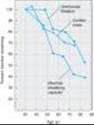
In the general population, measurements of functional capacity of most of the major organ systems show a decline beginning in young adulthood and continuing throughout life. As shown in Figure 61-1, there is no "middle-age plateau" but rather a linear decrease beginning no later than age 45. However, these data reflect the mean and do not apply to every person above a certain age; approximately one third of healthy subjects have no age-related decrease in, for example, creatinine clearance up to the age of 75. Thus, the elderly do not lose specific functions at an accelerated rate compared with young and middle-aged adults but rather accumulate more deficiencies with the passage of time. Some of these changes result in altered pharmacokinetics. For the pharmacologist and the clinician, the most important of these is the decrease in renal function. Other changes and concurrent diseases may alter the pharmacodynamic characteristics of particular drugs in certain patients.
|
|
Figure 61-1. Effect of age on some physiologic functions. (Modified and reproduced, with permission, from Kohn RR: Principles of Mammalian Aging. Prentice-Hall, 1978.) |
Pharmacokinetic Changes
A. ABSORPTION
There is little evidence for any major alteration in drug absorption with age. However, conditions associated with age may alter the rate at which some drugs are absorbed. Such conditions include altered nutritional habits, greater consumption of nonprescription drugs (eg, antacids, laxatives), and changes in gastric emptying, which is often slower in older persons, especially in older diabetics.
B. DISTRIBUTION
Compared with young adults, the elderly have reduced lean body mass, reduced body water, and increased fat as a percentage of body mass. Some of these changes are shown in Table 61-1. There is usually a decrease in serum albumin, which binds many drugs, especially weak acids. There may be a concurrent increase in serum orosomucoid (a-acid glycoprotein), a protein that binds many basic drugs. Thus, the ratio of bound to free drug may be significantly altered. As explained in Chapter 3, these changes may alter the appropriate loading dose of a drug. However, since both the clearance and the effects of drugs are related to the free concentration, the steady-state effects of a maintenance dosage regimen should not be altered by these factors alone. For example, the loading dose of digoxin in an elderly patient with heart failure should be reduced (if used at all) because of the decreased apparent volume of distribution. The maintenance dose may have to be reduced because of reduced clearance of the drug.
C. METABOLISM
The capacity of the liver to metabolize drugs does not appear to decline consistently with age for all drugs. Animal studies and some clinical studies have suggested that certain drugs are metabolized more slowly; some of these drugs are listed in Table 61-2. The greatest changes are in phase I reactions, ie, those carried out by microsomal P450 systems; there are much smaller changes in the ability of the liver to carry out conjugation (phase II) reactions (see Chapter 4). Some of these changes may be caused by decreased liver blood flow (Table 61-1), an important variable in the clearance of drugs that have a high hepatic extraction ratio. In addition, there is a decline with age of the liver's ability to recover from injury, eg, that caused by alcohol or viral hepatitis. Therefore, a history of recent liver disease in an older person should lead to caution in dosing with drugs that are cleared primarily by the liver, even after apparently complete recovery from the hepatic insult. Finally, malnutrition and diseases that affect hepatic function¾eg, heart failure¾are more common in the elderly. Heart failure may dramatically alter the ability of the liver to metabolize drugs and may also reduce hepatic blood flow. Similarly, severe nutritional deficiencies, which occur more often in old age, may impair hepatic function.
D. ELIMINATION
Because the kidney is the major organ for clearance of drugs from the body, the age-related decline of renal functional capacity referred to above is very important. The decline in creatinine clearance occurs in about two thirds of the population. It is important to note that this decline is not reflected in an equivalent rise in serum creatinine because the production of creatinine is also reduced as muscle mass declines with age. The practical result of this change is marked prolongation of the half-life of many drugs and the possibility of accumulation to toxic levels if dosage is not reduced in size or frequency. Dosing recommendations for the elderly often include an allowance for reduced renal clearance. If only the young adult dosage is known for a drug that requires renal clearance, a rough correction can be made by using the Cockcroft-Gault formula, which is applicable to patients from age 40 through age 80:
For women, the result should be multiplied by 0.85. It must be emphasized that this estimate is, at best, a population estimate and may not apply to a particular patient. If the patient has normal renal function (up to one third of elderly patients), a dose corrected on the basis of this estimate will be too low¾but a low dose is initially desirable if one is uncertain of the renal function in any patient. If a precise measure is needed, a standard 12- or 24-hour creatinine clearance determination should be obtained. As indicated above, nutritional changes alter pharmacokinetic parameters. A patient who is severely dehydrated (not uncommon in patients with stroke or other motor impairment) may have an additional marked reduction in renal drug clearance that is completely reversible by rehydration.
The lungs are important for the excretion of volatile drugs. As a result of reduced respiratory capacity (Figure 61-1) and the increased incidence of active pulmonary disease in the elderly, the use of inhalation anesthesia is less common and parenteral agents more common in this age group. (See Chapter 25.)
Pharmacodynamic Changes
It was long believed that geriatric patients were much more "sensitive" to the action of many drugs, implying a change in the pharmacodynamic interaction of the drugs with their receptors. It is now recognized that many¾perhaps most¾of these apparent changes result from altered pharmacokinetics or diminished homeostatic responses. Clinical studies have supported the idea that the elderly are more sensitive to some sedative-hypnotics and analgesics. In addition, some data from animal studies suggest actual changes with age in the characteristics or numbers of a few receptors. The most extensive studies show a decrease in responsiveness to b-adrenoceptor agonists. Other examples are discussed below.
Certain homeostatic control mechanisms appear to be blunted in the elderly. Since homeostatic responses are often important components of the total response to a drug, these physiologic alterations may change the pattern or intensity of drug response. In the cardiovascular system, the cardiac output increment required by mild or moderate exercise is successfully provided until at least age 75 (in individuals without obvious cardiac disease), but the increase is the result primarily of increased stroke volume in the elderly and not tachycardia, as in young adults. Average blood pressure goes up with age (in most Western countries), but the incidence of symptomatic orthostatic hypotension also increases markedly. It is thus particularly important to check for orthostatic hypotension on every visit. Similarly, the average 2-hour postprandial blood glucose level increases by about 1 mg/dL for each year of age above 50. Temperature regulation is also impaired, and hypothermia is poorly tolerated in the elderly.
Behavioral & Lifestyle Changes
Major changes in the conditions of daily life accompany the aging process and have an impact on health. Some of these (eg, forgetting to take one's pills) are the result of cognitive changes associated with vascular or other pathology. Others relate to economic stresses associated with greatly reduced income and, possibly, increased expenses due to illness. One of the most important changes is the loss of a spouse.
MAJOR DRUG GROUPS
CENTRAL NERVOUS SYSTEM DRUGS
Sedative-Hypnotics
The half-lives of many benzodiazepines and barbiturates increase by 50-150% between age 30 and age 70. Much of this change occurs during the decade from 60 to 70. For many of the benzodiazepines, both the parent molecule and its metabolites (produced in the liver) are pharmacologically active (see Chapter 22). The age-related decline in renal function and liver disease, if present, both contribute to the reduction in elimination of these compounds. In addition, an increased volume of distribution has been reported for some of these drugs. Lorazepam and oxazepam may be less affected by these changes than the other benzodiazepines. In addition to these pharmacokinetic factors, it is generally believed that the elderly vary more in their sensitivity to the sedative-hypnotic drugs on a pharmacodynamic basis as well. Among the toxicities of these drugs, ataxia and other signs of motor impairment should be particularly watched for in order to avoid accidents.
Analgesics
The opioid analgesics show variable changes in pharmacokinetics with age. However, the elderly are often markedly more sensitive to the respiratory effects of these agents because of age-related changes in respiratory function. Therefore, this group of drugs should be used with caution until the sensitivity of the particular patient has been evaluated, and the patient should then be dosed appropriately for full effect. Unfortunately, studies show that opioids are consistently underutilized in patients who require strong analgesics for chronic painful conditions such as cancer. There is no justification for underutilization of these drugs, especially in the care of the elderly, and good pain management plans are readily available (see Rabow, 2004; Schug et al, 1992).
Antipsychotic & Antidepressant Drugs
The traditional antipsychotic agents (phenothiazines and haloperidol) have been very heavily used (and probably misused) in the management of a variety of psychiatric diseases in the elderly. There is no doubt that they are useful in the management of schizophrenia in old age, and they are probably useful also in the treatment of some symptoms associated with delirium, dementia, agitation, combativeness, and a paranoid syndrome that occurs in some geriatric patients. However, they are not fully satisfactory in these geriatric conditions, and dosage should not be increased on the assumption that full control is possible. There is no evidence that these drugs have any beneficial effects in Alzheimer's dementia, and on theoretical grounds the antimuscarinic effects of the phenothiazines might be expected to worsen memory impairment and intellectual dysfunction (see below). Much of the apparent improvement in agitated and combative patients may simply reflect the sedative effects of the drugs. When a sedative antipsychotic is desired, a phenothiazine such as thioridazine is appropriate. If sedation is to be avoided, haloperidol is more appropriate. The latter drug has increased extrapyramidal toxicity, however, and should be avoided in patients with preexisting extrapyramidal disease. The phenothiazines, especially older drugs such as chlorpromazine, often induce orthostatic hypotension because of their a-adrenoceptor-blocking effects. They are even more prone to do so in the elderly.
Because of increased responsiveness to all these drugs, dosage should usually be started at a fraction of that used in young adults. The half-lives of some phenothiazines are increased in the geriatric population. Thioridazine's half-life, for example, is more than doubled. Plasma protein binding of fluphenazine is reduced, which results in an increase of the free drug:total drug ratio.
Lithium is often used in the treatment of mania in the aged. Because it is cleared by the kidneys, dosages must be adjusted appropriately and blood levels monitored. Concurrent use of thiazide diuretics reduces the clearance of lithium and should be accompanied by further reduction in dosage and more frequent measurement of lithium blood levels.
Psychiatric depression is thought to be underdiagnosed and undertreated in the elderly. The suicide rate in the over-65 age group (twice the national average) supports this view. Unfortunately, the apathy, flat affect, and social withdrawal of major depression may be mistaken for senile dementia. Clinical evidence suggests that the elderly are as responsive to antidepressants (of all types) as younger patients but are more likely to experience toxic effects. This factor along with the reduced clearance of some of these drugs underlines the importance of careful dosing and strict attention to the appearance of toxic effects. If a tricyclic antidepressant is to be used, a drug with reduced antimuscarinic effects should be selected, eg, nortriptyline or desipramine (see Table 30-2). To minimize autonomic effects, a selective serotonin reuptake inhibitor (SSRI) may be chosen.
Drugs Used in Alzheimer's Disease
Alzheimer's disease is characterized by progressive impairment of memory and cognitive functions and may lead to a completely vegetative state and early death. The biochemical defects responsible for these changes have not been identified, but there is much evidence for a marked decrease in choline acetyltransferase and other markers of cholinergic neuron activity and for changes in brain glutamate, dopamine, norepinephrine, serotonin, and somatostatin activity. Eventually, cholinergic and perhaps other neurons die or are destroyed. Patients with Alzheimer's disease are often exquisitely sensitive to the central nervous system toxicities of drugs with antimuscarinic effects. There is also evidence for abnormal neuronal lipoprotein processing, and one familial form of Alzheimer's disease is strongly associated with an abnormal lipoprotein, apolipoprotein E4.
Many methods of treatment of Alzheimer's disease have been explored. Most attention has been focused on the cholinomimetic drugs because of the evidence for loss of cholinergic neurons noted above. Monoamine oxidase (MAO) type B inhibition with selegiline (L-deprenyl) has been suggested to have some beneficial effects. "Ampakines," substances that facilitate synaptic activity at glutamate AMPA receptors, and nerve growth factors (see Chapter 21), are also under intense study, and one drug that inhibits NMDA glutamate receptors is available (see below). Some evidence suggests that lipid-lowering statins are beneficial. So-called cerebral vasodilators are ineffective.
Tacrine (tetrahydroaminoacridine, THA), a long-acting cholinesterase inhibitor and muscarinic modulator, was the first drug shown to have any benefit in Alzheimer's disease. Tacrine is orally active, enters the central nervous system readily, and has a duration of effect of 6-8 hours. Tacrine blocks both acetylcholinesterase and butyrylcholinesterase and has complex inhibitory effects on M1, M2, and nicotinic cholinoceptors. The drug apparently increases the release of acetylcholine from cholinergic nerve endings as well. Finally, tacrine may inhibit MAO, decrease the release of g-aminobutyric acid, and increase the release of norepinephrine, dopamine, and serotonin from nerve endings. Donepezil, rivastigmine, and galantamine are newer cholinesterase inhibitors with adequate penetration into the central nervous system and a spectrum of action more limited to indirect cholinomimetic effects than tacrine's. Although the evidence for benefit from cholinesterase inhibitors appears to be robust, the effect is very modest and, at best, only delays further cognitive decline.
Tacrine causes significant adverse effects, including nausea and vomiting, and potentially dangerous hepatic toxicity. The latter is manifested by a reversible increase in serum levels of aspartate or alanine aminotransferase of sufficient magnitude to require dose reduction or withdrawal in 40-50% of patients. Hepatocellular necrosis with jaundice has been reported. The newer drugs appear to be significantly safer than tacrine. The cholinesterase inhibitors should be used with caution in patients receiving other drugs that inhibit cytochrome P450 enzymes (eg, ketoconazole, quinidine; see Chapter 4). Preparations available are listed in Chapter 7.
Excitotoxic activation of glutamate transmission via NMDA receptors has been postulated to contribute to the pathophysiology of Alzheimer's disease. Memantine binds to NMDA receptor channels in a use-dependent manner and produces a noncompetitive blockade. This drug may slow progression of the disease. It appears to be better tolerated and less toxic than the cholinesterase inhibitors. Memantine is available as Namenda in 5 and 10 mg oral tablets.
CARDIOVASCULAR DRUGS
Antihypertensive Drugs
As noted previously, blood pressure, especially systolic pressure, increases with age in Western countries and in most cultures in which salt intake is high. In women, the increase is more marked after age 50. The high frequency and sometimes benign course of this form of late-onset systolic hypertension encouraged a conservative approach to its treatment in the past. It is now clear, however, that uncontrolled hypertension leads to the same sequelae in elderly as in younger individuals. Most clinicians believe that hypertension should be treated vigorously in the elderly.
The basic principles of therapy are not different in the geriatric age group from those described in Chapter 11, but the usual cautions regarding altered pharmacokinetics and sensitivity apply. Because of its safety, nondrug therapy (weight reduction in the obese and salt restriction) should be encouraged. Thiazides are a reasonable first step in drug therapy. The hypokalemia, hyperglycemia, and hyperuricemia caused by these agents are more relevant in the elderly because of the higher incidence in these patients of arrhythmias, type 2 diabetes, and gout. Thus, use of low antihypertensive doses¾rather than maximum diuretic doses¾is important. Calcium channel blockers are effective and safe if titrated to the appropriate response. They are especially useful in patients who also have atherosclerotic angina (see Chapter 12). Beta blockers are potentially hazardous in patients with obstructive airway disease and are considered less useful than calcium channel blockers in older patients unless heart failure is present. Angiotensin-converting enzyme inhibitors are also considered less useful in the elderly unless heart failure or diabetes is present. The most powerful drugs, such as guanethidine and minoxidil, are rarely needed. Every patient receiving antihypertensive drugs should be checked regularly for orthostatic hypotension because of the danger of cerebral ischemia and falls.
Positive Inotropic Agents
Heart failure is a common and particularly lethal disease in the elderly. Fear of this condition may be one reason why physicians overuse cardiac glycosides in this age group. The toxic effects of this drug group are particularly dangerous in the geriatric population, since the elderly are more susceptible to arrhythmias. The clearance of digoxin is usually decreased in the older age group, and while the volume of distribution is often decreased as well, the half-life of this drug may be increased by 50% or more. Because the drug is cleared mostly by the kidneys, renal function must be considered in designing a dosage regimen. There is no evidence that there is any increase in pharmacodynamic sensitivity to the therapeutic effects of the cardiac glycosides; in fact, animal studies suggest a possible decrease in therapeutic sensitivity. On the other hand, as noted above, there is probably an increase in sensitivity to the toxic arrhythmogenic actions. Hypokalemia, hypomagnesemia, hypoxemia (from pulmonary disease), and coronary atherosclerosis all contribute to the high incidence of digitalis-induced arrhythmias in geriatric patients. The less common toxicities of digitalis such as delirium, visual changes, and endocrine abnormalities (see Chapter 13) also occur more often in older than in younger patients.
Antiarrhythmic Agents
The treatment of arrhythmias in the elderly is particularly challenging because of the lack of good hemodynamic reserve, the frequency of electrolyte disturbances, and the high prevalence of severe coronary disease. The clearances of quinidine and procainamide decrease and their half-lives increase with age. Disopyramide should probably be avoided in the geriatric population because its major toxicities¾antimuscarinic action, leading to voiding problems in men; and negative inotropic cardiac effects, leading to heart failure¾are particularly undesirable in these patients. The clearance of lidocaine appears to be little changed, but the half-life is increased in the elderly. Although this observation implies an increase in the volume of distribution, it has been recommended that the loading dose of this drug be reduced in geriatric patients because of their greater sensitivity to its toxic effects.
Recent evidence indicates that many patients with atrial fibrillation¾a very common arrhythmia in the elderly¾do as well with simple control of ventricular rate as with conversion to normal sinus rhythm. Of course, measures (such as anticoagulant drugs) should be taken to reduce the risk of thromboembolism in chronic atrial fibrillation.
ANTIMICROBIAL DRUGS
Several age-related changes contribute to the high incidence of infections in geriatric patients. There appears to be a reduction in host defenses in the elderly, manifested in the increase in both serious infections and cancer. This may reflect an alteration in T-lymphocyte function. In the lungs, a major age- and tobacco-dependent decrease in mucociliary clearance significantly increases susceptibility to infection. In the urinary tract, the incidence of serious infection is greatly increased by urinary retention and catheterization in men.
Since 1940, the antimicrobial drugs have contributed more to the prolongation of life than any other drug group because they can compensate to some extent for this deterioration in natural defenses. The basic principles of therapy of the elderly with these agents are no different from those applicable in younger patients and have been presented in Chapter 51. The major pharmacokinetic changes relate to decreased renal function; because most of the b-lactam, aminoglycoside, and fluoroquinolone antibiotics are excreted by this route, important changes in half-life may be expected. This is particularly important in the case of the aminoglycosides, because they cause concentration- and time-dependent toxicity in the kidney and in other organs. For gentamicin, kanamycin, and netilmicin, the half-lives are more than doubled. According to one study, the increase may not be so marked for tobramycin.
ANTI-INFLAMMATORY DRUGS
Osteoarthritis is a very common disease of the elderly. Rheumatoid arthritis is less exclusively a geriatric problem, but the same drug therapy is usually applicable. The basic principles laid down in Chapter 36 and the properties of the anti-inflammatory drugs described there apply fully here.
The nonsteroidal anti-inflammatory agents (NSAIDs) must be used with special care in geriatric patients because they cause toxicities to which the elderly are very susceptible. In the case of aspirin, the most important of these is gastrointestinal irritation and bleeding. In the case of the newer NSAIDs, the most important is renal damage, which may be irreversible. Because they are cleared primarily by the kidneys, these drugs will accumulate more rapidly in the geriatric patient and especially in the patient whose renal function is already compromised beyond the average range for his or her age. A vicious circle is easily set up in which cumulation of the NSAID causes more renal damage, which causes more cumulation. There is no evidence that the COX-2-selective NSAIDs are safer with regard to renal function. Elderly patients receiving high doses of any NSAID should be carefully monitored for changes in renal function.
Corticosteroids are extremely useful in elderly patients who cannot tolerate full doses of NSAIDs. However, they consistently cause a dose- and duration-related increase in osteoporosis, an especially hazardous toxic effect in the elderly. It is not certain whether this drug-induced effect can be reduced by increased calcium and vitamin D intake, but it would seem prudent to consider these agents (and bisphosphonates if osteoporosis is already present) and to encourage frequent exercise in any patient taking corticosteroids.
ADVERSE DRUG REACTIONS IN THE ELDERLY
The positive relationship between number of drugs taken and the incidence of adverse reactions to them has been well documented. In long-term care facilities, in which a high fraction of the population is elderly, the average number of prescriptions per patient varies between 6 and 8. Studies have shown that the percentage of patients with adverse reactions increases from about 10% when a single drug is being taken to nearly 100% when ten drugs are taken. Thus, it may be expected that about half of patients in long-term care facilities will have recognized or unrecognized reactions at some time. The overall incidence of drug reactions in geriatric patients is estimated to be at least twice that in the younger population. Reasons for this high incidence undoubtedly include errors in prescribing on the part of the practitioner and errors in drug usage by the patient.
Practitioner errors sometimes occur because the physician does not appreciate the importance of changes in pharmacokinetics with age and age-related diseases. Some errors occur because the practitioner is unaware of incompatible drugs prescribed by other practitioners for the same patient. For example, cimetidine, an H2-blocking drug heavily prescribed (or recommended in its over-the-counter form) to the elderly, causes a much higher incidence of untoward effects (eg, confusion, slurred speech) in the geriatric population than in younger patients. It also inhibits the hepatic metabolism of many drugs, including phenytoin, warfarin, b blockers, and other agents. A patient who has been taking one of the latter agents without untoward effect may develop markedly elevated blood levels and severe toxicity if cimetidine is added to the regimen without adjustment of dosage of the other drugs. Additional examples of drugs that inhibit liver microsomal enzymes and lead to adverse reactions are described in Chapter 4 and Appendix II.
Patient errors may result from noncompliance for reasons described below. In addition, they often result from use of nonprescription drugs taken without the knowledge of the physician. As noted in Chapters 64 and 65, many over-the-counter agents and herbal medications contain "hidden ingredients" with potent pharmacologic effects. For example, many antihistamines have significant sedative effects and are inherently more hazardous in patients with impaired cognitive function. Similarly, their antimuscarinic action may precipitate urinary retention in geriatric men or glaucoma in the patient with a narrow anterior chamber angle. If the patient is also taking a metabolism inhibitor such as cimetidine, the probability of an adverse reaction is greatly increased. A patient taking an herbal medication containing gingko is more likely to experience bleeding while taking low doses of aspirin.
PRACTICAL ASPECTS OF GERIATRIC PHARMACOLOGY
The quality of life in elderly patients can be greatly improved and life span can be prolonged by the intelligent use of drugs. However, there are several practical obstacles to compliance that the prescriber must recognize.
The expense of drugs can be a major disincentive in patients receiving marginal retirement incomes who are not covered or inadequately covered by health insurance. The prescriber must be aware of the cost of the prescription and of cheaper alternative therapies. For example, the monthly cost of arthritis therapy with newer NSAIDs may exceed $100, while that for generic aspirin is about $5 and for ibuprofen, an older NSAID, about $20.
Noncompliance may result from forgetfulness or confusion, especially if the patient has several prescriptions and different dosing intervals. A survey carried out in 1986 showed that the population over 65 years of age accounted for 32% of drugs prescribed in the USA, although these patients represented only 11-12% of the population at that time. Since the prescriptions are often written by several different practitioners, there is usually no attempt to design "integrated" regimens that use drugs with similar dosing intervals for the conditions being treated. Patients may forget instructions regarding the need to complete a fixed duration of therapy when a course of anti-infective drug is being given. The disappearance of symptoms is often regarded as the best reason to halt drug taking, especially if the prescription was expensive.
Noncompliance may also be deliberate. A decision not to take a drug may be based on prior experience with it. There may be excellent reasons for such "intelligent" noncompliance, and the practitioner should try to elicit them. Such efforts may also improve compliance with alternative drugs, because enlisting the patient as a participant in therapeutic decisions tends to increase the motivation to succeed.
Some errors in drug taking are caused by physical disabilities. Arthritis, tremor, and visual problems may all contribute. Liquid medications that are to be measured out "by the spoonful" are especially inappropriate for patients with any type of tremor or motor disability. The use of a pediatric dosing syringe may be helpful in such cases. Because of decreased production of saliva, older patients often have difficulty swallowing large tablets. "Childproof" containers are often "patient-proof" if the patient has arthritis. Cataracts and macular degeneration occur in a large number of patients over 70; therefore, labels on prescription bottles should be large enough for the patient with diminished vision to read, or color-coded if the patient can see but can no longer read.
Drug therapy has considerable potential for both helpful and harmful effects in the geriatric patient. The balance may be tipped in the right direction by adherence to a few principles:
(1) Take a careful drug history. The disease to be treated may be drug-induced, or drugs being taken may lead to interactions with drugs to be prescribed.
(2) Prescribe only for a specific and rational indication. Do not prescribe omeprazole for "dyspepsia."
(3) Define the goal of drug therapy. Then start with small doses and titrate to the response desired. Wait at least three half-lives (adjusted for age) before increasing the dose. If the expected response does not occur at the normal adult dosage, check blood levels. If the expected response does not occur at the appropriate blood level, switch to a different drug.
(4) Maintain a high index of suspicion regarding drug reactions and interactions. Know what other drugs the patient is taking.
(5) Simplify the regimen as much as possible. When multiple drugs are prescribed, try to use drugs that can be taken at the same time of day. Whenever possible, reduce the number of drugs being taken.
REFERENCES
Ancolli-Israel S, Ayalon L: Diagnosis and treatment of sleep disorders in older adults. Am J Geriatr Psychiatry 2006;14:95.
Aronow WS: Drug treatment of systolic and diastolic heart failure in elderly persons. J Gerontol A Biol Med Sci 2005;60:1597.
Birnbaum LS: Pharmacokinetic basis of age-related changes in sensitivity to toxicants. Annu Rev Pharmacol Toxicol 1991;31:101.
Chatap G, Giraud K, Vincent JP: Atrial fibrillation in the elderly: Facts and management. Drugs Aging 2002;19:819.
Cockcroft DW, Gault MH: Prediction of creatinine clearance from serum creatinine. Nephron 1976;16:31.
Dergal JM et al: Potential interactions between herbal medicines and conventional drug therapies used by older adults attending a memory clinic. Drugs Aging 2002;19:879.
Docherty JR: Age-related changes in adrenergic neuroeffector transmission. Auton Neurosci 2002;96:8.
Drugs in the elderly. Med Lett Drugs Therap 2006;48:6.
Ferrari AU: Modifications of the cardiovascular system with aging. Am J Geriatr Cardiol 2002;11:30.
Flynn BL, Theeson KA: Pharmacologic management of Alzheimer disease part III: Nonsteroidal anti-inflammatory drugs¾emerging protective evidence? Ann Pharmacother 1999;33:840.
Goldberg TH, Finkelstein MS: Difficulties in estimating glomerular filtration rate in the elderly. Arch Intern Med 1987;147:1430.
Karlsson I: Drugs that induce delirium. Dement Geriatr Cogn Disord 1999;10:412.
Kirby J et al: A systematic review of the clinical and cost-effectiveness of memantine in patients with moderately severe to severe Alzheimer's disease. Drugs Aging. 2006;23:227.
Mangoni AA: Cardiovascular drug therapy in elderly patients: Specific age-related pharmacokinetic, pharmacodynamic and therapeutic considerations. Drugs Aging 2005;22:913.
McLean AJ, LeCouteur DG: Aging biology and geriatric clinical pharmacology. Pharmacol Rev 2004;56:163.
Palmer A: Pharmacotherapy for Alzheimer's disease: Progress and prospects. Trends Pharmacol Sci 2002;23:426.
Rabow MW, Pantilat SZ: Care at the end of life. Current Medical Diagnosis & Treatment, 43rd ed, Tierney LM, McPhee SJ, Papadakis MA, eds. McGraw-Hill, 2004
Richards SS, Hendrie HC: Diagnosis, management, and treatment of Alzheimer disease: A guide for the internist. Arch Intern Med 1999;159:789.
Rodriguez EG et al: Use of lipid-lowering drugs in older adults with and without dementia: A community-based epidemiological study. J Am Geriatr Soc 2002;50:1852.
Sawhney R, Sehl M, Naeim A: Physiologic aspects of aging: Impact on cancer management and decision making, part I. Cancer J 2005;11:449.
Schug SA, Dunlap R, Zech D: Pharmacologic management of cancer pain. Drugs 1992;43:44.
Staskin DR: Overactive bladder in the elderly: A guide to pharmacological management. Drugs Aging 2005;22:1013.
Vik SA et al: Medication nonadherence and subsequent risk of hospitalisation and mortality among older adults. Drugs Aging 2006;23:345.
Wade PR: Aging and neural control of the GI tract. I. Age-related changes in the enteric nervous system. Am J Physiol Gastrointest Liver Physiol 2002;283:G489.