INTRODUCTION
Once a patient with a clinical problem has been evaluated and a diagnosis has been reached, the practitioner can often select from a variety of therapeutic approaches. Medication, surgery, psychiatric treatment, radiation, physical therapy, health education, counseling, further consultation, and no therapy are some of the options available. Of these options, drug therapy is by far the one most frequently chosen. In most cases, this requires the writing of a prescription. A written prescription is the prescriber's order to prepare or dispense a specific treatment¾usually medication¾for a specific patient. When a patient comes for an office visit, the physician or other authorized health professional prescribes medications 67% of the time, and an average of one prescription per office visit is written because more than one prescription may be written at a single visit.
In this chapter, a plan for prescribing is presented. The physical form of the prescription, common prescribing errors, and legal requirements that govern various features of the prescribing process are then discussed. Finally, some of the social and economic factors involved in prescribing and drug use are described.
RATIONAL PRESCRIBING
Like any other process in health care, writing a prescription should be based on a series of rational steps.
(1) Make a specific diagnosis: Prescriptions based merely on a desire to satisfy the patient's psychological need for some type of therapy are often unsatisfactory and may result in adverse effects. A specific diagnosis, even if it is tentative, is required to move to the next step. For example, in a 35-year-old woman with symmetric joint stiffness, pain, and inflammation that are worse in the morning and not associated with a history of infection, a diagnosis of rheumatoid arthritis would be considered. This diagnosis and the reasoning underlying it should be shared with the patient.
(2) Consider the pathophysiologic implications of the diagnosis: If the disorder is well understood, the prescriber is in a much better position to offer effective therapy. For example, increasing knowledge about the mediators of inflammation makes possible more effective use of NSAIDs and other agents used in rheumatoid arthritis. The patient should be provided with the appropriate level and amount of information about the pathophysiology. Many pharmacies and disease-oriented public and private agencies (eg, American Heart Association, American Cancer Society, Arthritis Foundation) provide information sheets suitable for patients.
(3) Select a specific therapeutic objective: A therapeutic objective should be chosen for each of the pathophysiologic processes defined in the preceding step. In a patient with rheumatoid arthritis, relief of pain by reduction of the inflammatory process is one of the major therapeutic goals that identifies the drug groups which will be considered. Arresting the course of the disease process in rheumatoid arthritis is a different therapeutic goal that might lead to consideration of other drug groups and prescriptions.
(4) Select a drug of choice: One or more drug groups will be suggested by each of the therapeutic goals specified in the preceding step. Selection of a drug of choice from among these groups follows from a consideration of the specific characteristics of the patient and the clinical presentation. For certain drugs, characteristics such as age, other diseases, and other drugs being taken are extremely important in determining the most suitable drug for management of the present complaint. In the example of the patient with probable rheumatoid arthritis, it would be important to know whether the patient has a history of aspirin intolerance or ulcer disease, whether the cost of medication is an especially important factor and the nature of the patient's insurance coverage, and whether there is a need for once-daily dosing. Based on this information, a drug would probably be selected from the nonsteroidal anti-inflammatory group. If the patient is intolerant of aspirin and does not have ulcer disease but does have a need for low-cost treatment, ibuprofen or naproxen would be a rational choice.
(5) Determine the appropriate dosing regimen: The dosing regimen is determined primarily by the pharmacokinetics of the drug in that patient. If the patient is known to have disease of the organs required for elimination of the drug selected, adjustment of the average regimen is needed. For a drug such as ibuprofen, which is eliminated mainly by the kidneys, renal function should be assessed. If renal function is normal, the half-life of ibuprofen (about 2 hours) requires administration three or four times daily. The dose suggested in this book, drug handbooks, and the manufacturer's literature is 400-800 mg four times daily.
(6) Devise a plan for monitoring the drug's action and determine an end point for therapy: The prescriber should be able to describe to the patient the kinds of drug effects that will be monitored and in what way, including laboratory tests (if necessary) and signs and symptoms that the patient should report. For conditions that call for a limited course of therapy (eg, most infections), the duration of therapy should be made clear so that the patient does not stop taking the drug prematurely and understands why the prescription probably need not be renewed. For the patient with rheumatoid arthritis, the need for prolonged¾perhaps indefinite¾therapy should be explained. The prescriber should also specify any changes in the patient's condition that would call for changes in therapy. For example, in the patient with rheumatoid arthritis, development of gastrointestinal bleeding would require an immediate change in drug therapy and a prompt workup of the bleeding. Major toxicities that require immediate attention should be explained clearly to the patient.
(7) Plan a program of patient education: The prescriber and other members of the health team should be prepared to repeat, extend, and reinforce the information transmitted to the patient as often as necessary. The more toxic the drug prescribed, the greater the importance of this educational program. The importance of informing and involving the patient in each of the above steps must be recognized, as shown by experience with teratogenic drugs (see Chapter 60). Many pharmacies routinely provide this type of information with each prescription filled, but the prescriber must not assume that this will occur.
THE PRESCRIPTION
Introduction
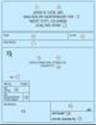
Although a prescription can be written on any piece of paper (as long as all of the legal elements are present), it usually takes a specific form. A typical printed prescription form for outpatients is shown in Figure 66-1.
In the hospital setting, drugs are prescribed on a particular page of the patient's hospital chart called the physician's order sheet (POS) or chart order. The contents of that prescription are specified in the medical staff rules by the hospital's Pharmacy and Therapeutics Committee. The patient's name is typed or written on the form; therefore, the orders consist of the name and strength of the medication, the dose, the route and frequency of administration, the date, other pertinent information, and the signature of the prescriber. If the duration of therapy or the number of doses is not specified (which is often the case), the medication is continued until the prescriber discontinues the order or until it is terminated as a matter of policy routine, eg, a stop-order policy.
A typical chart order might be as follows:
11/13/06
10:30 a.m.
1. Ampicillin 500 mg IV q6h ´ 5 days
2. Aspirin 0.6 g per rectum q6h prn temp over 101 [Signed] Janet B. Doe, MD
Thus, the elements of the hospital chart order are equivalent to the central elements (5, 8-11, 15) of the outpatient prescription.
|
|
Figure 66-1. Common form of outpatient prescription. Circled numbers are explained in the text. |
Elements of the Prescription
The first four elements (see circled numerals in Figure 66-1) of the outpatient prescription establish the identity of the prescriber: name, license classification (ie, professional degree), address, and office telephone number. Before dispensing a prescription, the pharmacist must establish the prescriber's bona fides and should be able to contact the prescriber by telephone if any questions arise. Element [5] is the date the prescription was written. It should be near the top of the prescription form or at the beginning (left margin) of the chart order. Since the order has legal significance and usually has some temporal relationship to the date of the patient-prescriber interview, a pharmacist should refuse to fill a prescription without verification by telephone if too much time has elapsed since its writing.
Elements [6] and [7] identify the patient by name and address. The patient's name and full address should be clearly spelled out.
The body of the prescription contains the elements [8] to [11] that specify the medication, the strength and quantity to be dispensed, the dosage, and complete directions for use. When writing the drug name (element [8]), either the brand name (proprietary name) or the generic name (nonproprietary name) may be used. Reasons for using one or the other are discussed below. The strength of the medication [9] should be written in metric units. However, the prescriber should be familiar with both systems now in use: metric and apothecary. For practical purposes, the following approximate conversions are useful:
1 grain (gr) = 0.065 grams (g), often rounded to 60 milligrams (mg)
15 gr = 1 g
1 ounce (oz) by volume = 30 milliliters (mL)
1 teaspoonful (tsp) = 5 mL
1 tablespoonful (tbsp) = 15 mL
1 quart (qt) = 1000 mL
1 minim = 1 drop (gtt)
20 drops = 1 mL
2.2 pounds (lb) = 1 kilogram (kg)
The strength of a solution is usually expressed as the quantity of solute in sufficient solvent to make 100 mL; for instance, 20% potassium chloride solution is 20 grams of KCl per deciliter (g/dL) of final solution. Both the concentration and the volume should be explicitly written out.
The quantity of medication prescribed should reflect the anticipated duration of therapy, the cost, the need for continued contact with the clinic or physician, the potential for abuse, and the potential for toxicity or overdose. Consideration should be given also to the standard sizes in which the product is available and whether this is the initial prescription of the drug or a repeat prescription or refill. If 10 days of therapy are required to effectively cure a streptococcal infection, an appropriate quantity for the full course should be prescribed. Birth control pills are often prescribed for 1 year or until the next examination is due; however, some patients may not be able to afford a year's supply at one time; therefore, a 3-month supply might be ordered, with refill instructions to renew three times or for 1 year (element [12]). Some third-party (insurance) plans limit the amount of medicine that can be dispensed¾often to only a month's supply. Finally, when first prescribing medications that are to be used for the treatment of a chronic disease, the initial quantity should be small, with refills for larger quantities. The purpose of beginning treatment with a small quantity of drug is to reduce the cost if the patient cannot tolerate it. Once it is determined that intolerance is not a problem, a larger quantity purchased less frequently is sometimes less expensive.
The directions for use (element [11]) must be both drug-specific and patient-specific. The simpler the directions, the better; and the fewer the number of doses (and drugs) per day, the better. Patient noncompliance (also known as nonadherence, failure to adhere to the drug regimen) is a major cause of treatment failure. To help patients remember to take their medications, prescribers often give an instruction that medications be taken at or around mealtimes and at bedtime. However, it is important to inquire about the patient's eating habits and other lifestyle patterns, because many patients do not eat three regularly spaced meals a day.
The instructions on how and when to take medications, the duration of therapy, and the purpose of the medication must be explained to each patient both by the prescriber and by the pharmacist. (Neither should assume that the other will do it.) Furthermore, the drug name, the purpose for which it is given, and the duration of therapy should be written on each label so that the drug may be identified easily in case of overdose. An instruction to "take as directed" may save the time it takes to write the orders out but often leads to noncompliance, patient confusion, and medication error. The directions for use must be clear and concise to avoid toxicity and to obtain the greatest benefits from therapy.
Although directions for use are no longer written in Latin, many Latin apothecary abbreviations (and some others included below) are still in use. Knowledge of these abbreviations is essential for the dispensing pharmacist and often useful for the prescriber. Some of the abbreviations still used are listed in Table 66-1.
Note: It is always safer to write out the direction without abbreviating.
Elements [12] to [14] of the prescription include refill information, waiver of the requirement for childproof containers, and additional labeling instructions (eg, warnings such as "may cause drowsiness," "do not drink alcohol"). Pharmacists put the name of the medication on the label unless directed otherwise by the prescriber, and some medications have the name of the drug stamped or imprinted on the tablet or capsule. Pharmacists must place the expiration date for the drug on the label. If the patient or prescriber does not request waiver of childproof containers, the pharmacist or dispenser must place the medication in such a container. Pharmacists may not refill a prescription medication without authorization from the prescriber. Prescribers may grant authorization to renew prescriptions at the time of writing the prescription or over the telephone. Elements [15] to [17] are the prescriber's signature and other identification data.
PRESCRIBING ERRORS
Introduction
All prescription orders should be legible, unambiguous, dated (and timed in the case of a chart order), and signed clearly for optimal communication between prescriber, pharmacist, and nurse. Furthermore, a good prescription or chart order should contain sufficient information to permit the pharmacist or nurse to discover possible errors before the drug is dispensed or administered.
Several types of prescribing errors are particularly common. These include errors involving omission of needed information; poor writing perhaps leading to errors of drug dose or timing; and prescription of drugs that are inappropriate for the specific situation.
Omission of Information
Errors of omission are common in hospital orders and may include instructions to "resume pre-op meds," which assumes that a full and accurate record of the "pre-op meds" is available; "continue present IV fluids," which fails to state exactly what fluids are to be given, in what volume, and over what time period; or "continue eye drops," which omits mention of which eye is to be treated as well as the drug, concentration, and frequency of administration. Chart orders may also fail to discontinue a prior medication when a new one is begun; may fail to state whether a regular or long-acting form is to be used; may fail to specify a strength or notation for long-acting forms; or may authorize "as needed" (prn) use that fails to state what conditions will justify the need.
Poor Prescription Writing
Poor prescription writing is traditionally exemplified by illegible handwriting. However, other types of poor writing are common and often more dangerous. One of the most important is the misplaced or ambiguous decimal point. Thus ".1" is easily misread as "1," a tenfold overdose, if the decimal point is not unmistakably clear. This danger is easily avoided by always preceding the decimal point with a zero. On the other hand, appending an unnecessary zero after a decimal point increases the risk of a tenfold overdose, because "1.0 mg" is easily misread as "10 mg," whereas "1 mg" is not. The slash or virgule ("/") was traditionally used as a substitute for a decimal point. This should be abandoned because it is too easily misread as the numeral "1." Similarly, the abbreviation "U" for units should never be used because "10U" is easily misread as "100"; the word "units" should always be written out. Doses in micrograms should always have this unit written out because the abbreviated form ("ug") is very easily misread as "mg," a 1000-fold overdose! Orders for drugs specifying only the number of dosage units and not the total dose required should not be filled if more than one size dosage unit exists for that drug. For example, ordering "one ampule of furosemide" is unacceptable because furosemide is available in ampules that contain 20, 40, or 100 mg of the drug. The abbreviation "OD" should be used (if at all) only to mean "the right eye"; it has been used for "every day" and has caused inappropriate administration of drugs into the eye. Similarly, "Q.D." or "QD" should not be used because it is often read as "QID," resulting in four daily doses instead of one. Acronyms such as "ASA" (aspirin), "5-ASA" (5-aminosalicylic acid), "6MP" (6-mercaptopurine), etc, should not be used; drug names should be written out. Unclear handwriting can be lethal when drugs with similar names but very different effects are available, eg, acetazolamide and acetohexamide, methotrexate and metolazone. In this situation, errors are best avoided by noting the indication for the drug in the body of the prescription, eg, "acetazolamide, for glaucoma."
Inappropriate Drug Prescriptions
Prescribing an inappropriate drug for a particular patient results from failure to recognize contraindications imposed by other diseases the patient may have, failure to obtain information about other drugs the patient is taking (including over-the-counter drugs), or failure to recognize possible physicochemical incompatibilities between drugs that may react with each other. Contraindications to drugs in the presence of other diseases or pharmacokinetic characteristics are listed in the discussions of the drugs described in this book. The manufacturer's package insert usually contains similar information. Some of the important drug interactions are listed in Appendix II of this book as well as in package inserts.
Physicochemical incompatibilities are of particular concern when parenteral administration is planned. For example, certain insulin preparations should not be mixed. Similarly, the simultaneous administration of antacids or products high in metal content may compromise the absorption of many drugs in the intestine, eg, tetracyclines. The package insert and the Handbook on Injectable Drugs (see References) are good sources for this information.
COMPLIANCE
Compliance (sometimes called adherence) is the extent to which patients follow treatment instructions. There are four types of noncompliance leading to medication errors.
(1) The patient fails to obtain the medication. Some studies suggest that one third of patients never have their prescriptions filled. Some patients leave the hospital without obtaining their discharge medications, whereas others leave the hospital without having their prehospitalization medications resumed. Some patients cannot afford the medications prescribed.
(2) The patient fails to take the medication as prescribed. Examples include wrong dosage, wrong frequency of administration, improper timing or sequencing of administration, wrong route or technique of administration, or taking medication for the wrong purpose. This usually results from inadequate communication between the patient and the prescriber and the pharmacist.
(3) The patient prematurely discontinues the medication. This can occur, for instance, if the patient incorrectly assumes that the medication is no longer needed because the bottle is empty or symptomatic improvement has occurred.
(4) The patient (or another person) takes medication inappropriately. For example, the patient may share a medication with others for any of several reasons.
Several factors encourage noncompliance. Some diseases cause no symptoms (eg, hypertension); patients with these diseases therefore have no symptoms to remind them to take their medications. Patients with painful conditions, such as arthritis, may continually change medications in the hope of finding a better one. Characteristics of the therapy itself can limit the degree of compliance; patients taking a drug once a day are much more likely to be compliant than those taking a drug four times a day. Various patient factors also play a role in compliance. Patients living alone are much less likely to be compliant than married patients of the same age. Packaging may also be a deterrent to compliance¾elderly arthritic patients often have difficulty opening their medication containers. Lack of transportation as well as various social or personal beliefs about medications are likewise barriers to compliance.
Strategies for improving compliance include enhanced communication between the patient and health care team members; assessment of personal, social, and economic conditions (often reflected in the patient's lifestyle); development of a routine for taking medications (eg, at mealtimes if the patient has regular meals); provision of systems to assist taking medications (ie, containers that separate drug doses by day of the week, or medication alarm clocks that remind patients to take their medications); and mailing of refill reminders by the pharmacist to patients taking drugs chronically. The patient who is likely to discontinue a medication because of a perceived drug-related problem should receive instruction about how to monitor and understand the effects of the medication. Compliance can often be improved by enlisting the patient's active participation in the treatment.
LEGAL FACTORS (USA)
Introduction
The United States government recognizes two classes of drugs: (1) over-the-counter (OTC) drugs and (2) those that require a prescription from a licensed prescriber (Rx Only). OTC drugs are those that can be safely self-administered by the layman for self-limiting conditions and for which appropriate labels can be written for lay comprehension. Half of all drug doses consumed by the American public are OTC drugs.
Physicians, dentists, podiatrists, and veterinarians¾and, in some states, specialized pharmacists, nurses, physician's assistants, and optometrists¾are granted authority to prescribe dangerous drugs (those bearing the federal legend statement, "Rx Only") on the basis of their training in diagnosis and treatment (see Box: Who May Prescribe?). Pharmacists are authorized to dispense prescriptions pursuant to a prescriber's order provided that the medication order is appropriate and rational for the patient. Nurses are authorized to administer medications to patients subject to a prescriber's order (Table 66-2).
Prescription drugs are controlled by the United States Food and Drug Administration as described in Chapter 5. The federal legend statement as well as the package insert is part of the packaging requirements for all prescription drugs. The package insert is the official brochure setting forth the indications, contraindications, warnings, and dosing for the drug.
The prescriber, by writing and signing a prescription order, controls who may obtain prescription drugs. The pharmacist may purchase these drugs, but they may be dispensed only on the order of a legally qualified prescriber. Thus, a prescription is actually three things: the physician's order in the patient's chart, the written order to which the pharmacist refers when dispensing, and the patient's medication container with a label affixed. Whereas the federal government controls the drugs and their labeling and distribution, the state legislatures control who may prescribe drugs through their licensing boards, eg, the Board of Medical Examiners. Prescribers must pass examinations, pay fees, and¾in the case of some states and some professions¾meet other requirements for relicensure such as continuing education. If these requirements are met, the prescriber is licensed to order dispensing of drugs.
The federal government and the states further impose special restrictions on drugs according to their perceived potential for abuse (see Table 66-3 and Schedule of Controlled Drugs). Such drugs include opioids, hallucinogens, stimulants, depressants, and anabolic steroids. Special requirements must be met when these drugs are to be prescribed. The Controlled Drug Act requires prescribers and dispensers to register with the Drug Enforcement Agency (DEA), pay a fee, receive a personal registration number, and keep records of all controlled drugs prescribed or dispensed. Every time a controlled drug is prescribed, a valid DEA number must appear on the prescription blank.
Prescriptions for substances with a high potential for abuse (schedule II) cannot be refilled. Prescriptions for schedule III, IV, and V drugs can be refilled, but there is a five-refill maximum, and in no case may the prescription be refilled after 6 months from the date of writing. Schedule II drug prescriptions may not be transmitted over the telephone, and some states require a special state-issued prescription blank. These restrictive prescribing laws are intended to limit the amount of drugs of abuse that are made available to the public.
Unfortunately, the inconvenience occasioned by these laws¾and an unwarranted fear by medical professionals themselves regarding the risk of patient tolerance and addiction¾continues to hamper adequate treatment of patients with terminal conditions. This has been shown to be particularly true in children and elderly patients with cancer. There is no excuse for inadequate treatment of pain in a terminal patient; not only is addiction irrelevant in such a patient, it is actually uncommon in patients who are being treated for pain (see Chapter 31). Some states have recognized the underutilization of pain medications in the treatment of pain associated with chronic and terminal conditions. California, for example, has enacted an "intractable pain treatment" act that reduces the difficulty of renewing prescriptions for opioids. Under the provisions of this act, upon receipt of a copy of the order from the prescriber, eg, by fax, a pharmacist may write a prescription for a Schedule II substance for a patient under hospice care or living in a skilled nursing facility or in cases in which the patient is expected to live less than 6 months, provided that the prescriber countersigns the order (by fax); the word "exemption" with regulatory code number is written on a typical prescription, thus providing easier access for the terminally ill.
Labeled & Unlabeled Uses of Drugs
In the USA, the FDA approves a drug only for the specific uses proposed and documented by the manufacturer in its New Drug Application (see Chapter 5). These approved (labeled) uses or indications are set forth in the package insert that accompanies the drug. For a variety of reasons, these labeled indications may not include all the conditions in which the drug might be useful. Therefore, a clinician may wish to prescribe the agent for some other, unapproved (unlabeled) clinical condition, often on the basis of adequate or even compelling scientific evidence. Federal laws governing FDA regulations and drug use place no restrictions on such unapproved use.*
Even if the patient suffers injury from the drug, its use for an unlabeled purpose does not in itself constitute "malpractice." However, the courts may consider the package insert labeling as a complete listing of the indications for which the drug is considered safe unless the clinician can show that other use is considered safe by competent expert testimony.
WHO MAY PRESCRIBE?
The right to prescribe drugs has traditionally been the responsibility of the physician, dentist, podiatrist, or veterinarian. Prescribing now includes¾in a number of states and in varying degrees¾pharmacists, nurse practitioners, nurse midwives, physician's assistants, and optometrists (see Table 66-2). The development of large health maintenance organizations has greatly strengthened this movement because it offers these extremely powerful economic bodies a way to reduce their expenses.
The primary organizations controlling the privilege of prescribing in the USA are the state boards, under the powers delegated to them by the state legislatures. As indicated in Table 66-2, many state boards have attempted to reserve some measure of the primary responsibility for prescribing to physicians by requiring that the ancillary professional work with or under a physician according to a specific protocol. In the state of California, this protocol must include a statement of the training, supervision, and documentation requirements of the arrangement and must specify referral requirements, limitations to the list of drugs that may be prescribed (ie, a formulary), and a method of evaluation by the supervising physician. The protocol must be in writing and must be periodically updated (See reference: An Explanation of the Scope of RN Practice, 1994).
* "Once a product has been approved for marketing, a physician may prescribe it for uses or in treatment regimens or patient populations that are not included in the approved labeling. Such 'unapproved' or, more precisely, 'unlabeled' uses may be appropriate and rational in certain circumstances, and may, in fact, reflect approaches to drug therapy that have been extensively reported in medical literature."¾FDA Drug Bull 1982;12:4.
SOCIOECONOMIC FACTORS
Generic Prescribing
Prescribing by generic name offers the pharmacist flexibility in selecting the particular drug product to fill the order and the patient a potential savings if there is price competition. The brand name of a popular sedative is, for example, Valium, manufactured by Roche. The generic (public nonproprietary) name of the same chemical substance adopted by United States Adopted Names (USAN) and approved by the Food and Drug Administration (FDA) is diazepam. All diazepam drug products in the USA meet the pharmaceutical standards expressed in United States Pharmacopeia (USP). However, there are several manufacturers, and prices vary greatly. For some drugs in common use, the difference in cost between the trade-named product and generic products varies from less than twofold to more than 100-fold.
In most states and in most hospitals, pharmacists have the option of supplying a generically equivalent drug product even if a proprietary name has been specified in the order. If the prescriber wants a particular brand of drug product dispensed, handwritten instruction to "dispense as written" or words of similar meaning are required. Some government-subsidized health care programs and many third-party insurance payers require that pharmacists dispense the cheapest generically equivalent product in the inventory (generic substitution). However, the principles of drug product selection by private pharmacists do not permit substituting one therapeutic agent for another (therapeutic substitution)¾ie, dispensing trichlormethiazide for hydrochlorothiazide would not be permitted without the prescriber's permission even though these two diuretics may be considered pharmacodynamically equivalent. Pharmacists within managed care organizations may follow different policies; see below.
It should not be assumed that every generic drug product is as satisfactory as the trade-named product, although most generics are satisfactory. Bioavailability¾the effective absorption of the drug product¾varies between manufacturers and sometimes between different lots of a drug produced by the same manufacturer. In the case of a very small number of drugs, which usually have a low therapeutic index, poor solubility, or a high ratio of inert ingredients to active drug content, a specific manufacturer's product may give more consistent results. In the case of life-threatening diseases, the advantages of generic substitution may be outweighed by the clinical urgency so that the prescription should be filled as written.
In an effort to codify bioequivalence information, the FDA publishes Approved Drug Products with Therapeutic Equivalence Evaluations, with monthly supplements, commonly called "the Orange Book." The book contains listings of multisource products in one of two categories: Products given a code beginning with the letter "A" are considered bioequivalent to a reference standard formulation of the same drug and to all other versions of that product with a similar "A" coding. Products not considered bioequivalent are coded "B." Of the approximately 8000 products listed, 90% are coded "A." Additional code letters and numerals are appended to the initial "A" or "B" and indicate the approved route of administration and other variables.
Mandatory drug product selection on the basis of price is common practice in the USA because third-party payers (insurance companies, health maintenance organizations, etc) enforce money-saving regulations. If outside a managed care organization, the prescriber can sometimes override these controls by writing "dispense as written" on a prescription that calls for a brand-named product. However, in such cases, the patient may have to pay the difference between the dispensed product and the cheaper one.
Within most managed care organizations, formulary controls have been put in place that force the selection of less expensive medications whenever they are available. In a managed care environment, the prescriber often selects the drug group rather than a specific agent, and the pharmacist dispenses the formulary drug from that group. For example, if a prescriber in such an organization decides that a patient needs a thiazide diuretic, the pharmacist automatically dispenses the single thiazide diuretic carried on the organization's formulary. As noted below, the choice of drugs for the organization's formulary may change from time to time, depending on negotiation of prices and rebates with different manufacturers.
Other Cost Factors
The private pharmacy bases its charges on the cost of the drug plus a fee for providing a professional service. Each time a prescription is dispensed, there is a fee. The prescriber controls the frequency of filling prescriptions by authorizing refills and specifying the quantity to be dispensed. Thus, the prescriber can save the patient money by prescribing standard sizes (so that drugs do not have to be repackaged) and, when chronic treatment is involved, by ordering the largest quantity consistent with safety, expense, and third-party plan. Optimal prescribing for cost savings often involves consultation between the prescriber and the pharmacist. Because of continuing increases in the wholesale prices of drugs in the USA, prescription costs have risen dramatically over the past 3 decades (see Box: The Cost of Prescriptions).
THE COST OF PRESCRIPTIONS
The cost of prescriptions has risen dramatically in the last several decades. The average price for a single prescription in the USA in 2004 was $55. In the California Medicaid Sector, the average charge was over $80, with generic products being under $40 per prescription and brand-name products over $140. This rise is occasioned by new technology, marketing costs, and stockholder expectations. The pharmaceutical industry typically posts double-digit profits annually whereas the retail business sector shows a 3% profit. The cost to the patient for many new drugs such as statins exceeds $1000 per year. The cost of some therapeutic antibody products (MABs) is more than $10,000 per year. Pharmaceuticals tend to be the highest out-of-pocket health-related cost because other health care services are covered by health insurance, whereas prescriptions often are not.
Because of public and political pressure resulting from this problem, the US Congress enacted the Medicare Modernization Act in 2003 establishing the Medicare Part D plan. This voluntary prescription plan provides for partial payment by private medical insurance companies for some prescriptions for patients who are MediCare-eligible. Unfortunately, the complexity of the legislation and the resulting confusing insurance plans with gaps in coverage, formulary and quantity limits, and the favored economic treatment given the pharmaceutical industry, prevent this plan from solving the high drug cost problem.
High drug costs have caused payers and consumers alike to do without or seek alternative sources. Because the Canadian government has done a better job in controlling drug prices, their prices for the same drug are less than those in the United States. This fact has caused a number of United States citizens to purchase their drugs "off-shore" for "personal use" in quantities up to a 3-month supply¾at substantial savings, often as much as 50%. However, there is no assurance that these drugs are what they are purported to be or that they will be delivered in a timely manner¾or that there is a traditional doctor-pharmacist-patient relationship and the safeguards that such a relationship offers.
Without a true universal health care program, the cost of drugs in the USA will continue to be subject to the negotiating power (or lack thereof) of the purchasing group¾insurance company, hospital consortium, HMO, small retail pharmacy, etc. Thus far, only the US Veterans Administration system and the larger HMOs have proved strong enough to control costs through bulk purchases of drugs and serious negotiation of prices with manufacturers. Until new legislation gives other organizations the same power to negotiate, or pricing policies are made more equitable, no real solution to the drug cost problem can be expected.
REFERENCES
An explanation of the scope of RN practice including standardization procedures. Board of Registered Nursing, State of California, August 1994.
Avorn J: Part "D" for "Defective"¾The Medicare Drug Benefit Chaos. N Engl J Med 2006;354:1339.
California Business and Professions Code, Chapter 9, Division 2, Pharmacy Law. Department of Consumer Affairs, Sacramento, California, 2006.
Do we pay too much for prescriptions? Consumer Reports 1993;58:668.
Hendrickson R (editor): Remington's Practice and Science of Pharmacy. Advanced Concepts Institute, 2005.
Jerome JB, Sagan P: The USAN nomenclature system. JAMA 1975;232:294.
Lesar TS, Briceland L, Stein DS: Factors related to errors in medication prescribing. JAMA 1997;277:312.
Schnipper JL et al: Role of pharmacist counseling in preventing adverse drug events after hospitalization. Arch Intern Med 2006;166:565.
Shulman SR: The broader message of Accutane. Am J Public Health 1989;79:1565.
Trissel LA: Handbook on Injectable Drugs, 13th ed. American Society of Hospital Pharmacists, 2005. (With supplements.)
Use of approved drugs for unlabeled indications. FDA Drug Bull 1982;12:4.
WHO Drug Action Committee: Model Guide to Good Prescribing. WHO, 1994.