
Class: Anthelmintic
Dosage Forms. Tablet: 200 mg
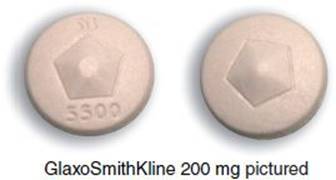
Common FDA Label Indication, Dosing, and Titration.
1. Parenchymal neurocysticercosis caused by Taenia solium: Adults ≥60 kg, 800 mg/d in 2 divided doses × 8-30 d; Children <60 kg: 15 mg/kg/d (max 800 mg/d) in 2 divided doses × 8-30 d
2. Cystic hydatid disease of the liver, lung, and peritoneum caused by Echinococcus granulosus: Adults ≥60 kg, 800 mg/d in 2 divided doses × 8-30 d; Children <60 kg: 15 mg/kg/d (max 800 mg/d) in 2 divided doses × 8-30 d
Off-Label Uses.
1. Ancylostoma caninum, Ascaris lumbricoides (roundworm), Ancylostoma duodenale (hookworm), and Necator americanus (hookworm): 400 mg po as a single dose
2. Enterobius vermicularis (pinworm): 400 mg po as a single dose, repeat in 2 wk
3. Giardia duodenalis (giardiasis): 400 mg po once daily × 5 d
MOA. Selective degeneration of cytoplasmic microtubules in intestinal and tegmental cells of intestinal helminths and larvae
Drug Characteristics: Albendazole

Medication Safety Issues: Albendazole

Drug Interactions: Albendazole

Adverse Reactions: Albendazole

Efficacy Monitoring Parameters. Monitor fecal specimens for ova and parasites for 3 wk after treatment; if positive, retreat. Opthalmic exam in those with neurocysticercosis.
Toxicity Monitoring Parameters. LFTs and CBC and beginning of each 28-d cycle and every 2 wk. Negative pregnancy test prior to starting therapy.
Key Patient Counseling Points. Complete full course of therapy; administer with high-fat meals or grapefruit juice.
Clinical Pearls. Single dose therapy makes this agent a treatment of choice for nematode infections. Neurocysticercosis: Use concurrent corticosteroids to minimize inflammatory reactions and anticonvulsant therapy to prevent seizures. Echinococcosis: More effective than mebendazole, so may be treatment of choice.