
20.1 Hypertension
Hypertension is a major risk factor for cerebrovascular disease, heart failure, renal insufficiency, and myocardial infarction (see Fig. 20.1 for the causes and mechanism of hypertension). It is often asymptomatic until organ damage reaches a critical point, so frequent monitoring is vital. Antihypertensive therapy initially consists of lifestyle changes, such as weight reduction, smoking cessation, reduction of salt, saturated fat, and excessive alcohol intake, and increased exercise before drug therapy is initiated.
Causes of hypertension
Essential hypertension is when the cause is unknown and accounts for 90% of all cases. The other 10% of hypertension cases are secondary to diseases such as renal artery stenosis, polycystic kidneys, pyelonephritis, glomerulonephritis, diabetes mellitus, Cushing syndrome, Conn syndrome, pheochromocytoma, hyperparathyroidism, coarctation of the aorta, and preeclampsia. Pain can also be a cause of hypertension.
Indications for Drug Therapy
– Sustained blood pressure elevations > 140/90 mmHg
– When minimally elevated blood pressure is associated with other cardiovascular risk factors (e.g., smoking, diabetes, obesity, hyperlipidemia, genetic predisposition)
– When end-organs are affected by hypertension (e.g., heart, kidneys, and brain)
End-organ damage in hypertension
Examples of end organ damage that may result from chronic hypertension include left ventricular hypertrophy, renal failure, peripheral vascular disease, stroke, transient ischemic attacks (TIAs), myocardial infarction, congestive heart failure (CHF), and cerebral encephalopathy.
Baroreceptor reflex
The baroreceptor reflex allows the body to compensate rapidly for changes in arterial pressure. It is mediated by receptors sensitive to mechanical stretch, which are located in the carotid sinuses and in the walls of the aortic arch. Decreased arterial pressure causes carotid sinus baroreceptors to undergo a reduced amount of stretch. This decreases the rate of action potential firing in the carotid sinus nerve, a branch of the glossopharyngeal nerve. The aortic arch is innervated by branches of the vagus nerve and acts in a similar manner. Impulses from baroreceptors are then relayed to the vasomotor center in the medulla oblongata, which increases sympathetic outflow, resulting in increased heart rate, contractility, and stroke volume. It also increases venoconstriction, which reduces the compliance of veins resulting in an increase in venous return to the heart. According to the Frank-Starling mechanism, increased venous return increases filling pressures (preload) such that cardiac output is increased. Increased vasoconstriction of arterioles also occurs.
Drug Management of Hypertension
The following drugs are used in the treatment of hypertension, either as the sole agent or in combination with other agents. Note that the drugs are numbered to reflect the order in which they would most likely be used clinically.
1. Diuretics (mainly thiazides)
2. Angiotensin antagonists: angiotensin-converting enzyme (ACE) inhibitors, angiotensin II receptor antagonists, and renin inhibitors
3. Sympatholytic drugs: β-blockers and mixed antagonists
4. Calcium channel blockers
5. α-adrenergic receptor blocking agents
6. α2-adrenergic receptor agonists
7. Direct vasodilators
20.2 Diuretics
These drugs are discussed in detail in Chapter 19. The precise mechanism by which diuretics reduce blood pressure is poorly understood; however, antihypertensive effects during the early stage of treatment have been related to a decrease in circulating blood volume and decreased cardiac output, but these parameters return to nearly normal values after a few weeks. Their action may, in part, be related to a depletion or redistribution of Na+ or a direct arteriolar dilation.
20.3 Angiotensin Antagonists
Angiotensin-converting Enzyme Inhibitors
Captopril, Enalapril, and Lisinopril
Mechanism of action. These agents inhibit ACE (by acting as a false substate), which decreases the conversion of angiotensin I to angiotensin II. In doing so, they prevent the direct effects of angiotensin II on blood vessels (vasoconstriction), as well as preventing aldosterone release from the adrenal cortex (Fig. 20.2). ACE inhibitors also prevent the degradation of bradykinin (ACE acts as a kininase). Bradykinin is a vasodilator, and increasing its level may contribute to the effect of ACE inhibitors.
Fig. 20.1  Causes and mechanism of hypertension.
This illustration shows the mechanisms by which cardiac output (CO) and/or total peripheral resistance (TPR) are increased in primary and secondary hypertension (renal hypertension, hormonal hypertension, and other forms of hypertension). (ACTH, adrenocorticotropic hormone; ECV, extracellular volume.)
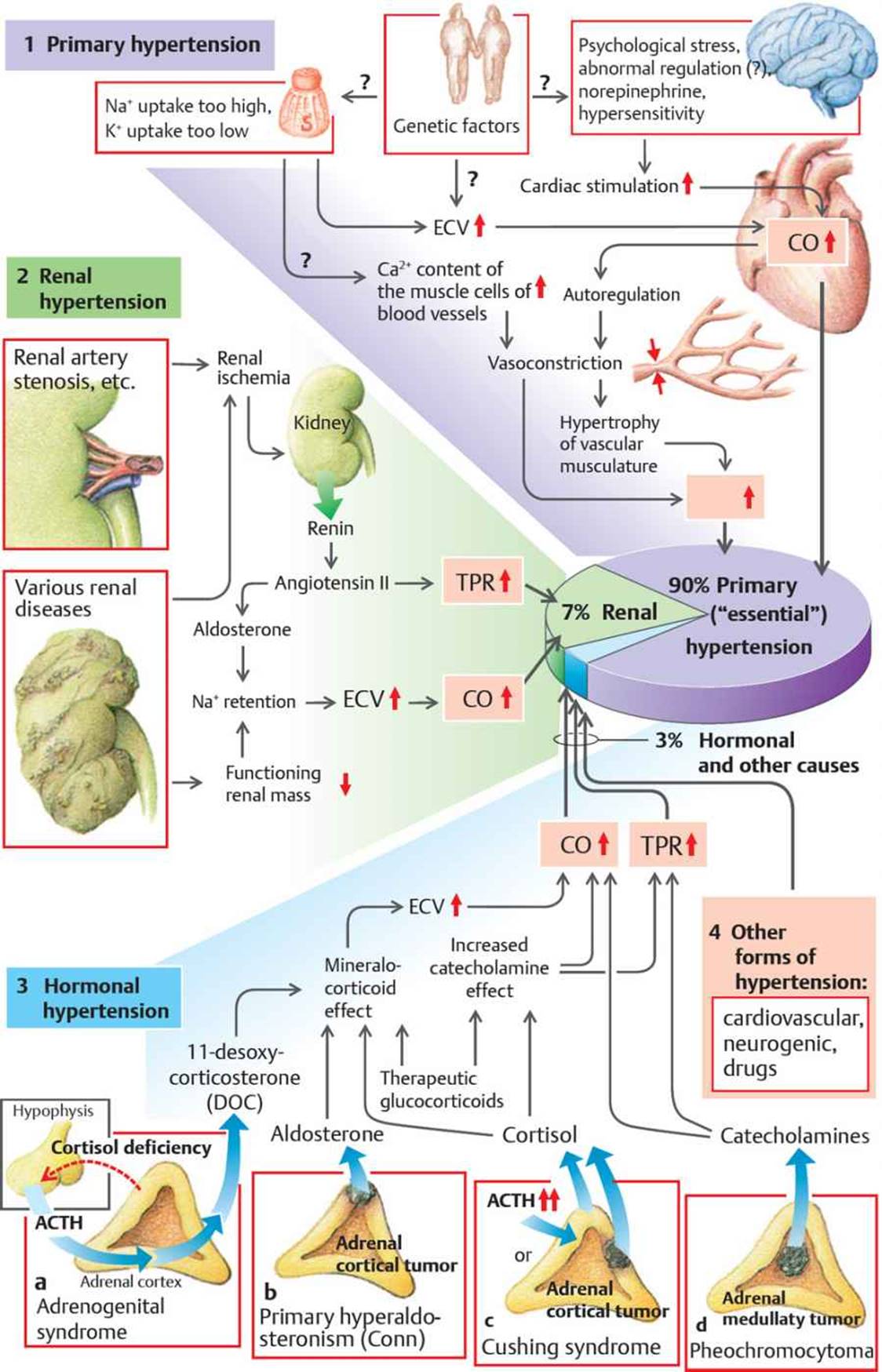
Fig. 20.2 Renin–angiotensin−aldosterone system and inhibitors.
Angiotensin-converting enzyme (ACE) inhibitors inhibit the ACE in the luminal side of vascular epithelium that is primarily responsible for the conversion of angiotensin I to angiotensin II. They also inhibit kininase II, which contributes to the inactivation of kinins (e.g., bradykinin). The net result is a reduction in blood pressure and in the work of the heart. Angiotensin receptor antagonists produce effects similar to ACE inhibitors, but they do not affect kinin degradation. (BP, blood pressure; CO, cardiac output.)

Note: ACE inhibitors are less effective in African American patients unless combined with a thiazide diuretic.
Pharmacokinetics
– Orally effective
– Enalapril is more potent and longer acting than captopril. It is a prodrug that is hydrolyzed in the body to enalaprilat, an active metabolite.
Uses
– Heart failure
– Hypertension (lowers blood pressure in “low-renin” patients). These agents are approved for monotherapy.
Side effects
– Persistent cough
– Hyperkalemia (high plasma K+ concentration)
– First-dose hypotension
– Taste disturbances
Angiotensin II Receptor Antagonists
Losartan, Valsartan, and Candesartan
Mechanism of action. These agents block the binding of angiotensin II to the AT1-type angiotensin receptor (Fig. 20.2).
Uses and side effects. They are similar to ACE inhibitors, but they do not produce a cough.
Direct Renin Inhibitors
Aliskiren
Mechanism of action. Aliskiren is a relatively new drug that produces a dose-dependent reduction in plasma renin activity, angiotensin I, angiotensin II, and aldosterone, with a concomitant reduction in blood pressure.
Uses and side effects
Direct renin inhibitors are similar to ACE inhibitors.
Note: Drugs that act directly on the renin–angiotensin system, including ACE inhibitors, angiotensin II receptor antagonists, and direct renin inhibitors, can cause injury and death to the developing fetus, and their use in pregnancy should be avoided.
20.4 Sympatholytic Drugs
Sympatholytic drugs are also discussed in Chapter 6.
Beta-Adrenergic Receptor Blocking Agents
Propranolol, Atenolol, Nadolol, Metoprolol, Pindolol, and Timolol
Mechanisms of action
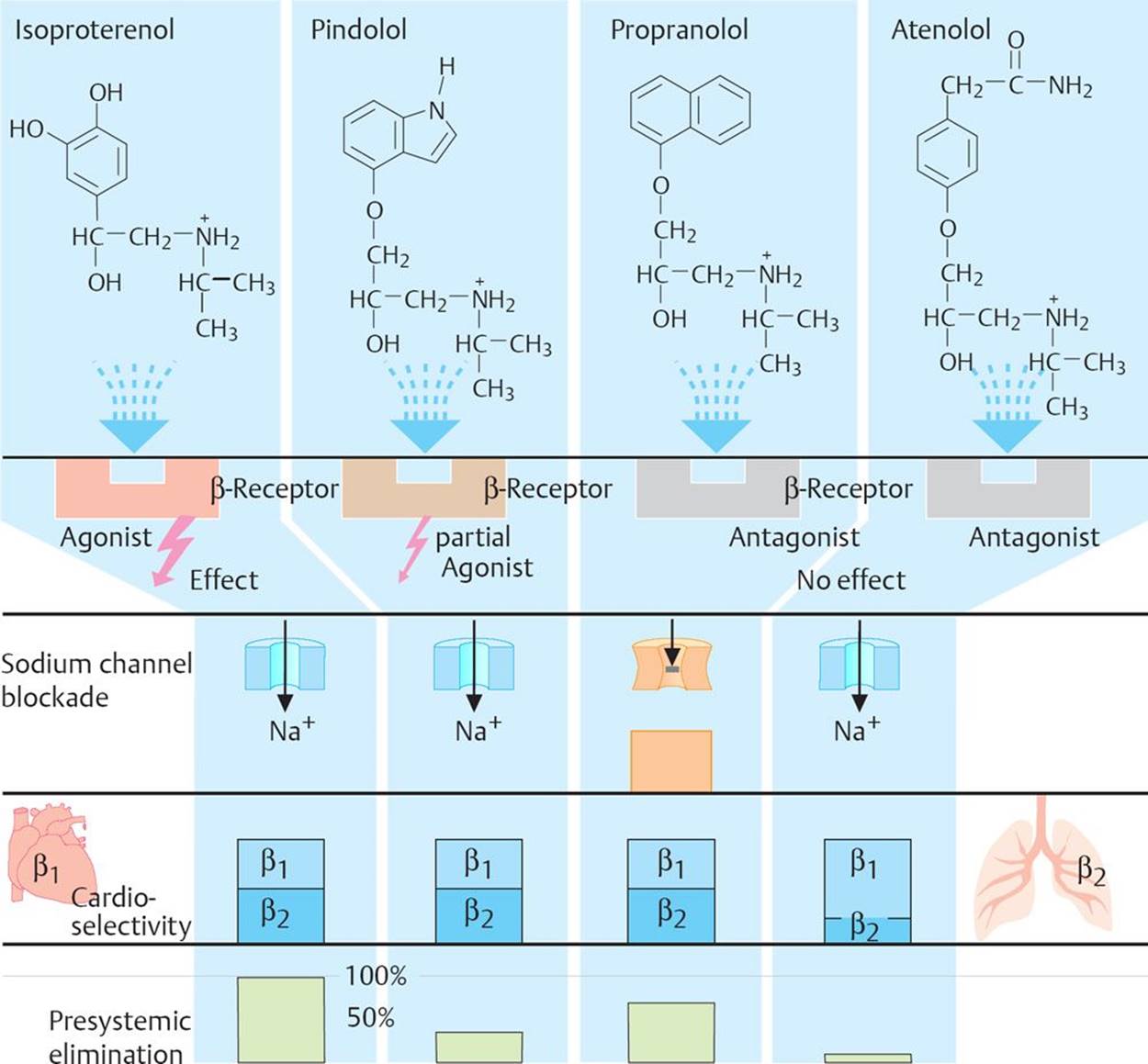
– Propranolol (Fig. 20.3), nadolol, pindolol, and timolol are all nonselective β1- and β2-blockers.
– Atenolol and metoprolol are more “cardiac” selective β1-blockers.
Fig. 20.3 Effects of some β-sympatholytics and their presystemic elimination.
Isoproterenol, a synthetic catecholamine, is an agonist at both β1- and β2-receptors. Pindolol, a partial agonist at β-receptors, is classed as a β-sympatholytic, as it prevents full agonists from achieving their maximal effect. Propranolol blocks Na+ channel function and so has a “membrane-stabilizing” effect. Atenolol possesses a higher affinity for β1-receptors than β2-receptors and is said to be cardioselective.
Effects
– Reduces myocardial oxygen consumption by decreasing resting heart rate and myocardial contractility
– Decreases sympathetic tone via central action
– Delays atrioventricular (AV) conduction
– Decreases renin release
Uses
– Effort-induced angina
– Hypertension
– Antiarrhythmias
– Open-angle glaucoma (timolol) (see page 46)
Side effects
They are generally mild, except in patients with accompanying disease, but may include the following:
– Bradycardia
– Dizziness
– Headache
Contraindications
– Asthma/obstructive airways disease due to bronchoconstriction (β2 effect). Metoprolol or atenolol could be used in asthmatics for treatment of hypertension, but both require caution.
– Congestive heart failure (CHF)/heart block. In these cases, the β1 effects are unhelpful.
Mixed Antagonists
Labetalol
Mechanism of action. Labetalol blocks α1- and β-adrenergic receptors, therefore, it has the combined actions and side effects of both.
Uses
– Hypertension
Note: There is no evidence that labetalol has an advantage over other β-blockers in the treatment of hypertension with its additional α-blocking capacity.
Calcium Channel Blockers
Calcium channel blockers (also termed calcium antagonists and calcium entry blockers) are pharmacological agents capable of reducing Ca2+ entry through the cell membrane via voltage-dependent, ion-specific channels (slow inward current).
Excitation-contraction coupling in cardiac muscle
Depolarization of the cardiac muscle cell membrane triggers an action potential which passes through the T-tubules. During phase 2 (plateau) of the action potential, there is increased Ca2+ conductance causing inward Ca2+ flow. This inward Ca2+ flow initiates the release of Ca2+ from the sarcoplasmic reticulum (Ca2+-induced Ca2+ release). The result of this is an increase in intracellular [Ca2+]. Ca2+ binds to troponin-C and tropomysin moves out of its blocking position allowing actin and myosin to form cross-bridges. The thick and thin filaments of actin and myosin slide past each other resulting in cardiac muscle cell contraction. The contraction ends when Ca2+-ATPase facilitates the reuptake of Ca2+ into the sarcoplasmic reticulum reducing the intracellular [Ca2+]. Note: The force of contraction of cardiac muscle cells is proportional to the amount of Ca2+ release, which varies depending on conditions.
Amlodipine, Nifedipine, Nicardipine, Verapamil, and Diltiazem
– Dihydropyridine calcium channel blockers : amlodipine, nifedipine, and nicardipine
– Nondihydropyridine calcium channel blockers: verapamil and diltiazem
Mechanism of action. Two major channel types exist in cardiac and vascular smooth muscle, the T type and the L type. The L-type channel is blocked by calcium channel blockers. Calcium channel blockers differ in their tissue specificity (Fig. 20.4).
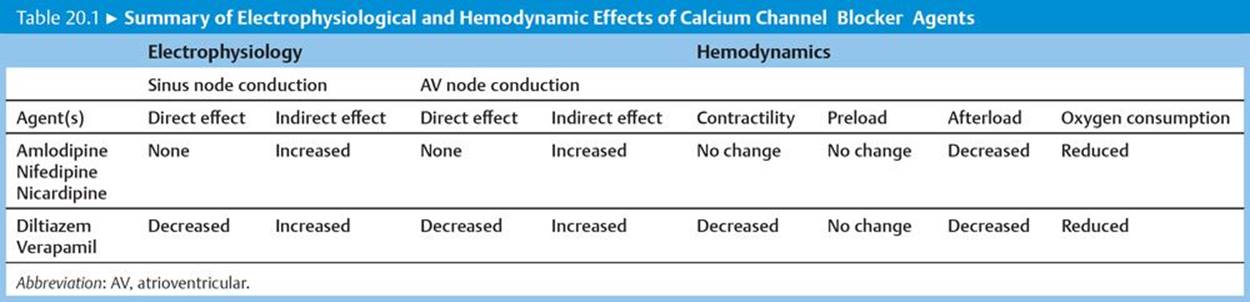
– The dihydropyridines (amlopidine, nifedipine and nicardipine) inhibit Ca2+ entry and smooth muscle contractility with a relative absence of direct effects on the myocardium. The drugs can also prevent or reverse biliary-esophageal spasm.
– Diltiazem and verapamil significantly reduce heart rate, force, and velocity of contraction of the heart in conjunction with smooth muscle relaxation. All calcium channel blockers prevent coronary artery spasm and reduce myocardial oxygen demand.
Uses
– Hypertension (all agents)
– Angina pectoris, both classical and variant types (all agents)
– Supraventricular tachycardia (diltiazem and verapamil only)
Side effects
– Verapamil is markedly negatively inotropic (reduces force of contraction), so it can produce complete AV block if administered in the presence of β-adrenergic receptor blockade.
– Diltiazem is modestly negatively inotropic, so it can be safely administered in conjunction with β-adrenergic receptor blockers.
– With the dihydropyridines, headache and pedal edema are common, resulting from profound vasodilation and fluid retention. Nifedipine may cause reflex tachycardia due to profound vasodilation and is therefore a poor choice of drug in patients with aortic stenosis or severe heart failure. The other agents act more directly on the heart (with less vasodilator activity) so reflex tachycardia is limited.
Fig. 20.4 Vasodilators: calcium antagonists.
Calcium channel blockers inhibit Ca2+ entry into cells. In smooth muscle cells, this produces arterial vasodilation, which leads to reduced coronary artery spasm, decreased blood pressure, and reduced cardiac work. In heart muscle cells, these agents inhibit cardiac functions, causing decreased heart rate, atrioventricular (AV) conduction, and contractility. Nifedipine acts predominantly on smooth muscle cells to produce vasodilation and has almost no effect on cardiac function at therapeutic doses. Verapamil acts on both smooth muscle and heart muscle cells.
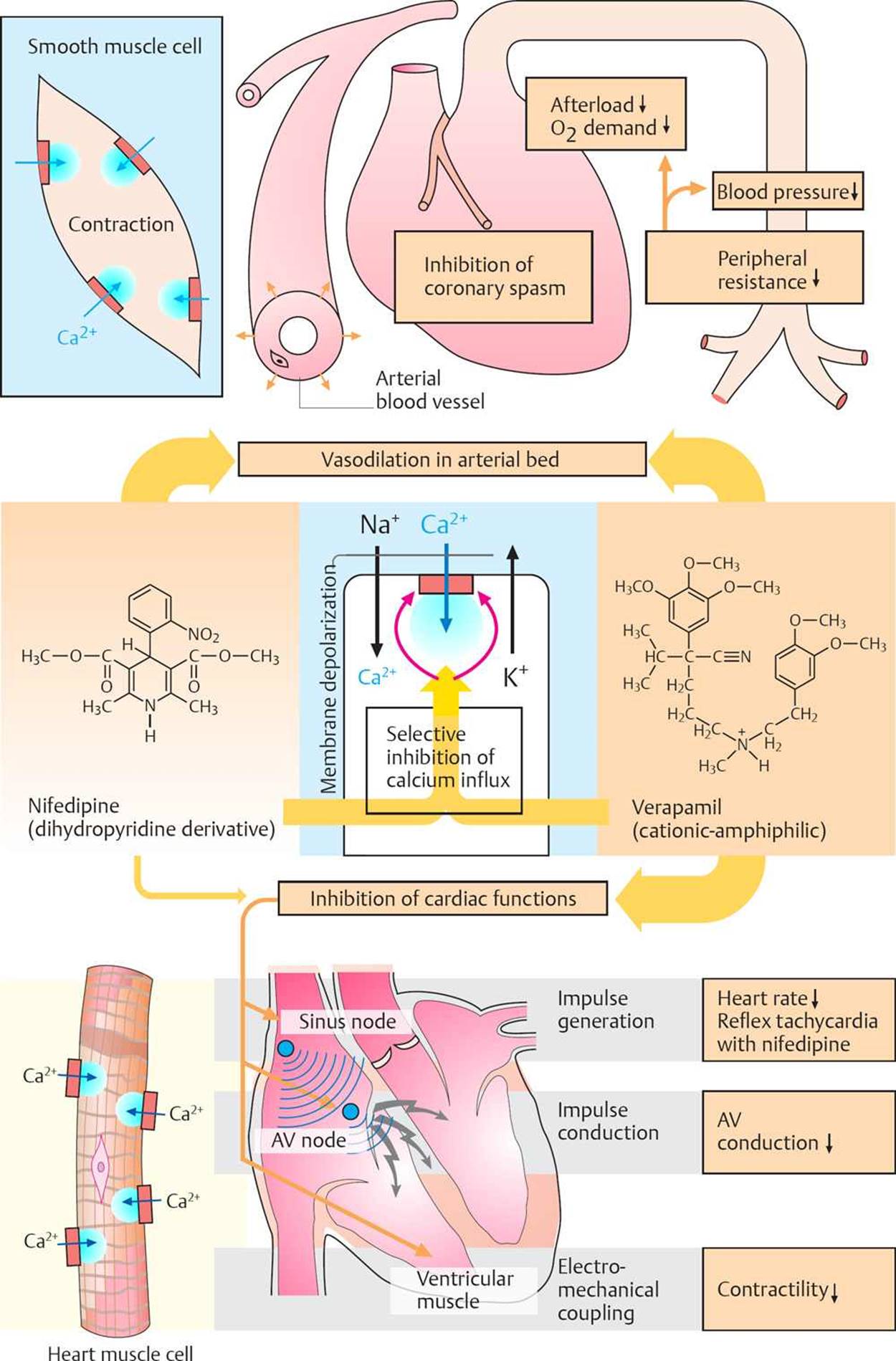
Table 20.1 summarizes the electrophysiological and hemodynamic effects of these agents.
Alpha1-Adrenergic Receptor–blocking Agents
Prazosin, Terazosin, and Doxazosin
Mechanism of action. These agents act selectively on the postsynaptic α1 receptor of vascular smooth muscle, causing vasodilation and lowering total peripheral resistance.
Uses
– Hypertension
– Congestive heart failure
Side effects. Orthostatic (postural) hypotension and reflex tachycardia are frequent, especially after the first dose.
Methyldopa
Mechanism of action. Methyldopa is metabolized to α-methylnorepinephrine (α-MNE), which can displace and deplete norepinephrine in storage sites. There is also an indirect reduction in renin release.
Uses
– Hypertension (The antihypertensive effect occurs via central nervous system [CNS] reduction of sympathetic outflow.)
Side effects
– Drowsiness
– Depression
Adrenergic Neuron Blockers
Reserpine
Mechanism of action. Reserpine depletes norepinephrine stores in the peripheral sympathetic nerve terminals and in the brain by preventing uptake and storage in neurosecretory granules. It appears to act by inhibiting transport and by binding of catecholamines in storage granules (see Fig. 6.10, page 62).
Uses
– Hypertension
Side effects. These are largely due to unopposed parasympathetic effects and include
– Bradycardia
– Nasal stuffiness
– Diarrhea, increased motility, and aggravation of peptic ulcers
– Excessive sedation, depression, extrapyramidal symptoms, and impotence
Guanethidine
Mechanism of action. Guanethidine has complex effects on the adrenergic neuron. It prevents norepinephrine release during nerve stimulation by blocking transmission of the action potential into the terminal nerve ending, as well as by causing the depletion of peripheral stores of norepinephrine and blocking its reuptake. It does not cross the blood–brain barrier; therefore, there are no CNS effects (see Fig. 6.10, page 62).
Pharmacokinetics
– Slow onset (2−3 days) with long duration of action (effects persist for about 1 week after the drug is stopped.)
Uses
– Hypertension
Side effects. Same as for reserpine.
Ganglionic blocking Agents
Trimethaphan
Mechanism of action. The hypotensive action of trimethaphan is primarily due to reduced vasomotor tone, decreased venous return, and lowered cardiac output.
Pharmacokinetics
– Given by a slow intravenous (IV) infusion
Uses
– Occasionally used for hypertensive crisis or in surgery to reduce blood pressure
Side effects. Potential side effects limit the usage of trimethaphan and may include
– Precipitous falls in blood pressure
– Histamine release from mast cells and basophils, which may lead to asthma
Alpha2-Adrenergic Receptor Agonists
Clonidine
Mechanism of action. Clonidine causes stimulation of CNS α2-adrenergic receptors, which in turn causes inhibition of sympathetic tone (see Fig. 6.7, page 58). Effects are long acting and are antagonized by yohimbine (Pausinystalia yohimbe), an alkaloid with stimulant and aphrodisiac properties.
Pharmacokinetics. Clonidine is very lipophilic; therefore, it can be administered orally or through a transdermal patch.
Uses
– Hypertension
– Migraine
– Menopausal flushing
Side effects
– Xerostomia (dry mouth)
– Sedation
– Fluid retention (use with a diuretic)
Note: Withdrawal may precipitate hypertensive crisis, which may be treated with labetalol (a β-antagonist).
20.5 Direct Vasodilators
Agents that cause vasodilation will reduce blood pressure, but this stimulates counter-regulatory responses that are designed to maintain blood pressure (Fig. 20.5). Additional drugs (e.g., ACE inhibitors and β-blockers) are given to inhibit these responses.
Arterial Vasodilators
Arterial vasodilators all cause K+ channel activation, leading to hyperpolarization and vascular smooth muscle relaxation.
Hydralazine
Mechanism of action. Hydralazine directly relaxes vascular smooth muscle and decreases peripheral resistance. It also causes reflex cardiac stimulation (increased cardiac output and tachycardia), which can be blocked with propranolol.
Pharmacokinetics
– Well absorbed after oral administration and generally well tolerated
Fig. 20.5 Counterregulatory responses in hypotension due to vasodilators.
Vasodilation causes a decrease in blood pressure. To counteract this, the body activates the sympathetic nervous system and the renin–angiotensin system. However, because these homeostatic mechanisms are undesired when using vasodilator drugs in hypertension, heart failure, and angina, additional drugs are given to block them.

Uses
– Chronic hypertension
– Especially useful in acute hypertensive crisis (administered parenterally)
Side effects
– Headache
– Palpitations
– Gastrointestinal disturbances
– The most serious toxicity is a lupuslike syndrome occurring with long-term therapy. This side effect limits its chronic use and is reversible if the drug is stopped.
Minoxidil
Mechanism of action. The mechanism of action is the same as that for hydralazine, but minoxidil is longer acting.
Uses
– Severe and uncontrollable hypertension
Side effects
– Salt and water retention
– Hypertrichosis (excessive growth of hair)
Diazoxide
Diazoxide is a nondiuretic congener of the thiazide diuretic drugs.
Mechanism of action. The mechanism of action is unknown, but it exerts a direct effect on the arterioles to lower blood pressure.
Uses
– Acute hypertensive emergencies (given IV)
Side effects
– Hyperglycemia (inhibits insulin release from the beta cells of the pancreas)
– Hyperuricemia
– Amylase elevations and pancreatic necrosis
Arterial and Venous Vasodilators
Sodium Nitroprusside
Mechanism of action. This agent is a direct peripheral vasodilator that has long been considered obsolete, but has recently been revived.
Uses
– Acute hypertensive emergencies
Note: Nitroprusside is not considered suitable for chronic management of hypertension.
Side effects. Nitroprusside is hazardous, as it can precipitate marked hypotension when administered as an IV dosage. It is also light sensitive, and its metabolite, thiocyanate, may cause psychotic syndrome.
Table 20.2 lists the antihypertensive agents and provides an at-a-glance reference to the parameters of blood pressure that they reduce and the mechanisms by which they do it.
|
Table 20.2 |
||
|
Antihypertensive Agent(s) |
Parameter of BP Affected |
Mechanism |
|
Diuretics |
TPR |
Initial decrease in CO, followed by sustained decrease in TPR (exact mechanism unclear) |
|
ACE inhibitors |
TPR |
Indirect vasodilation by decreasing angiotensin II levels |
|
Angiotensin II receptor antagonists |
TPR |
Indirect vasodilation by blocking angiotensin II receptor |
|
Calcium channel blockers |
TPR |
Decrease influx of Ca2+ into vascular smooth muscle |
|
β-blockers |
CO, TPR |
Decrease heart rate and force of contraction by sympathetic inhibition Decrease renin production, leading to decreased circulating angiotensin II |
|
α2-adrenergic receptor agonists |
TPR |
Stimulate presynaptic α2-adrenergic receptors in brainstem to decrease sympathetic activity. |
|
α1-adrenergic receptor–blocking agents |
TPR |
Block α1-receptor-mediated contraction of vascular smooth muscle |
|
Adrenergic neuron blockers, ganglionic blockers |
TPR |
Depletes NE or prevents NE release |
|
Direct vasodilators |
TPR |
Direct vasodilation of vascular smooth muscle |
|
Abbreviations: ACE, angiotensin-converting enzyme; BP, blood pressure; CO, cardiac output; NE, norepinephrine; TPR, total peripheral resistance. |
||
 Summary of Mechanisms of Antihypertensive Agents