
Catherine M. Certo*, William E. DeTurk, & Lawrence P. Cahalin
INTRODUCTION
The relative importance of physical activity was first noted in 1772, when the famous physician William Heberden published a report describing a 6-month exercise program consisting of 30 minutes of daily sawing for a male patient with “chest disorder.”1 One can surmise that the diagnosis was coronary artery disease and that the patient was probably experiencing angina pain or recovering from a myocardial infarction (MI). In 1799, an English physician, C. H. Parry, independently noted the beneficial effects of physical activity in his patients who suffered from chest pain.2 The reaction by the medical community to this notion met with much resistance and was not assimilated into practice. In 1912, Herrich gave the first clinical description of an acute MI and encouraged physicians to reevaluate the role of physical activity in the treatment of patients with coronary heart disease.3 However, the medical community expressed fear that increased physical exertion could lead to increased risk of ventricular aneurysm, myocardial rupture, or heightened arterial hypoxemia. The conservative treatment approach of 6 to 8 weeks of bed rest for patients with MI continued to be the common protocol well into the 20th century.
The debate over the benefits of physical activity for patients with MI persisted and won small gains in the late 1930s when two physicians G. K. Mallory and P. D. White3 found that the necrotic myocardial region was converted into scar tissue after approximately 6 weeks. Accordingly, they prescribed a minimum of only 3 weeks of bed rest for patients with uncomplicated MI and limited physical activity after hospital discharge. Stair climbing was prohibited, in some cases for up to a year. It was becoming clear, however, that, during the convalescent period, patients were becoming invalid due to either fear or lack of patient education. Follow-up medical management provided little advice regarding exercise tolerance, stress management, or education about the disability and its limitations. Typically, patients never returned to work and were put on long-term disability. This resulted in patients with MI being viewed as nonproductive members of society.
Most of the research performed during the first three decades of the 20th century centered both on identifying better methods of diagnosing and classifying cardiac disorders and on developing simple testing for “circulatory efficiency.” Little attention was directed toward identifying the risk factors associated with coronary artery disease or to establishing its cause.4
WORK EVALUATION UNIT
By the late 1930s, significant numbers of the labor force had retired on disability due to cardiac problems. The New York State Employment Service, concerned about the growing numbers of men on disability, decided to evaluate the reason for lack of return to work in patients with heart disease.5 A state survey revealed that 80% of the individuals receiving disability benefits were patients with heart disease who had not returned to their jobs. Furthermore, only 10% had attempted either to be retrained or to seek a less strenuous position within their company.
In 1940, the New York State Employment Service sought assistance from the New York Heart Association in evaluating return-to-work status for workers with cardiac disease. The purpose of this evaluation was to determine a level of activity that would be safe and would allow recovered individuals to return to work and once again become productive members of society. This request eventually led to the establishment of the Work Classification Units or Work Evaluation Units.5 These Work Evaluation Units were located in teaching hospitals, rehabilitation centers, and community hospitals all across the state.
The purpose of these units was threefold: (1) to provide a clinical service by using a team evaluation approach of the client’s work capacity regardless of the type or severity of cardiac dysfunction and by offering an opportunity for appropriate job placement, (2) to serve as an educational instrument for training physicians and for informing the general public, and (3) to serve as a research opportunity for studying the effects of coronary artery disease on return to work. The cardiac Work Evaluation Units of the 1940s became the earliest approach to formalized cardiac rehabilitation programs.
As a result of the implementation of the Work Evaluation Units, many individuals were able to return to the labor force and once again become productive members of society. This reduced both the number of men receiving disability funds and the financial burden to the state. However, in spite of these positive results, by the 1950s, dissatisfaction over declining referrals to the units and the methods used to classify coronary artery disease disability caused many units to close. Additionally, the lack of any formal exercise intervention or follow-up evaluation led to client disinterest. Gradually, the effectiveness of the units dwindled and the programs closed.
DELETERIOUS EFFECTS OF PHYSICAL INACTIVITY
In 1952, Levine and Lown6 openly questioned the need for enforced bed rest and prolonged inactivity after an uncomplicated MI. On the basis of earlier research,6 they prescribed early sitting up at bedside and armchair exercises for patients recovering from MI. Their work concluded that long, continued bed rest “… decreases functional capacity, saps morale, and provokes complications.”6 Their highly acclaimed published report caught the attention of the medical community and elevated the level of investigation about the management of cardiovascular disease. Today, this article is recognized as a landmark article, demonstrating that early mobilization of patients with acute heart disease significantly reduces complications and mortality.6
At the 13th scientific session of the American Heart Association in 1953, the noted physician Louis Katz told the medical community, “Physicians must be ready to discard old dogma when they are proven false and accept new knowledge.”7 He recommended that new research findings on physical activity should be incorporated into the management of patients with cardiac disease. In 1958, two cardiologists, Turell and Hellerstein, urged physicians to provide a more positive and comprehensive approach to the treatment of coronary artery disease.8 They recommended a graded step program (a prototype to contemporary cardiac rehabilitation) based on established energy requirements of physical activity and patient exercise tolerance while monitoring cardiovascular function, both founded on principles of work physiology. This set the stage for renewed interest concerning the effect of physical activity on patients with coronary artery disease.
This new approach, which incorporated exercise into the medical management of patients with coronary artery disease, was provided high visibility when President Dwight Eisenhower suffered a heart attack in the late 1950s, while in office. His physician Paul Dudley White, a man strongly committed to the positive effects of exercise, prescribed for his eminent patient a program of graded levels of activities, including swimming, walking, and golf. The results were so positive for the president that he created the President’s Youth Fitness Council. In the 1960s, President John F. Kennedy renamed the council as the President’s Fitness Council in order to encourage physical activity in individuals of all ages and foster an appreciation of its positive effects throughout the life span.
ADVANCEMENTS IN ACUTE CARDIAC CARE
The 1960s was a period of rapid advancement in the care of patients with coronary artery disease. The general public became better educated on the early warning signs of an impending heart attack. It was becoming clear that survival from MI was dependent on rapid transport to a hospital and immediate intervention to reduce the risk of sudden death and/or minimize the damage caused by the infarction. In 1966, Congress passed the Highway Safety Act. This landmark piece of legislation directed states to develop emergency medical service systems, whose mission was to provide emergency treatment in the field and rapid transportation to the hospital. The 1960s and 1970s saw improvement in prehospital emergency care, with emergency medical technician–paramedic personnel providing treatment in the field and in ambulances that were evolving into sophisticated mobile emergency units. The public was receiving instruction and certification in basic life support (BLS), whereas physicians, nurses, and allied health personnel were being trained in advanced cardiac life support (ACLS). Cardiac intensive care units (CICUs) were multiplying and flourishing: These units specialized in the acute care of patients in the early stage of evolving MI. In addition, the experience in the cardiac intensive care units made the diagnosis of sudden death, which was most likely to occur at the inception of a myocardial ischemic episode, perhaps reversible and/or preventable. The use of sophisticated diagnostic and monitoring equipment, like radionuclide imaging, Holter monitoring, and invasive hemodynamic pressure monitoring, was becoming the new standard of care in the management of patients in the acute phase of MI. Most recently, current outcomes research has confirmed that the likelihood of survival from MI increases when the earlier emergency treatment is instituted. “Every minute counts” and “time is muscle” are today’s battle cries in the fight against heart disease.9
CARDIAC REHABILITATION
By the mid-1960s, numerous research studies had demonstrated the adverse effects of physical inactivity after an uncomplicated MI.10–15 Saltin et al. reported that the functional capacity of normal subjects confined to bed for 3 weeks decreased approximately 33%. Equally important was the finding that, with physical training, subjects were able to achieve their pre–bed rest aerobic condition. After 3 months of twice-daily rigorous exercise programs, Saltin found that all subjects exceeded their control state.13
Cardiac Rehabilitation Programs as Formalized Interventions
As a result of the work of Wenger, Zohman, Hellerstein, and others, the concept of progressive supervised exercise for medically stable patients soon expanded to include more complicated patients with MI as well as patients following coronary artery bypass graft (CABG).16–25 By the end of the 1970s, cardiac rehabilitation programs were stratified into four phases: phase 1—the hospital inpatient period; phase 2—the convalescent stage following hospital discharge; phase 3—the extended, supervised endurance training program; and phase 4—the ongoing maintenance period. Each phase had its own objectives for patient care and progression.16–25
Phases of Cardiac Rehabilitation from the Late 1960s to 1990s
Phase 1 Cardiac Rehabilitation
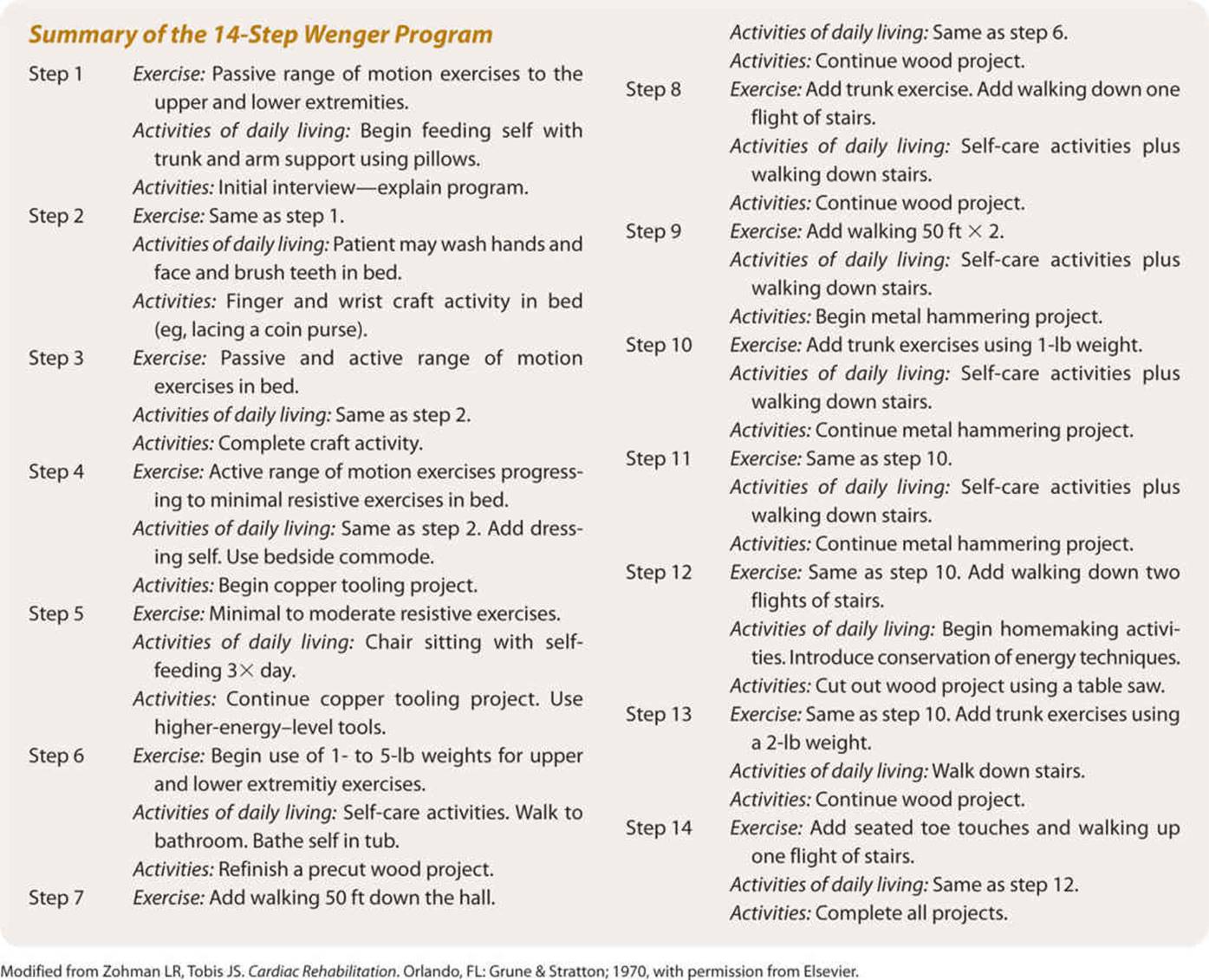
Many inpatient early mobilization hospital programs were originally 14 steps in length, which started in the cardiac intensive care units and continued through the step-down phase (approximately 24 days). Activities appropriate to phase 1 were generally low-level, rhythmic, isotonic exercises that were calisthenic in nature. Early mobilization programs were designed for uncomplicated patients with acute MI in order to progressively increase activity levels in three areas—active exercises, activities of daily living (ADL), and educational activities (Fig. 1-1).17,18 A patient was eligible for phase 1 cardiac rehabilitation when his or her clinical condition stabilized. This structured plan greatly assisted the patient toward discharge and an early return to everyday activities. The favorable outcome of these formalized programs led to the development of similar programs across the country. Soon many hospitals were observing the positive economic implications of early mobilization. These included a hastened recovery time, which decreased hospital stay and improved functional status at discharge; a decrease in depression; and an early return to work.22,23 As coronary artery bypass graft surgery became a routine intervention, many of these surgical patients were also included in the phase 1 programs. Eventually, the strong positive effects of these programs seemed appropriate for more complicated patients with coronary artery disease. See Box 1-1 for an example of an early mobilization phase 1 protocol dating from the late 1960s.
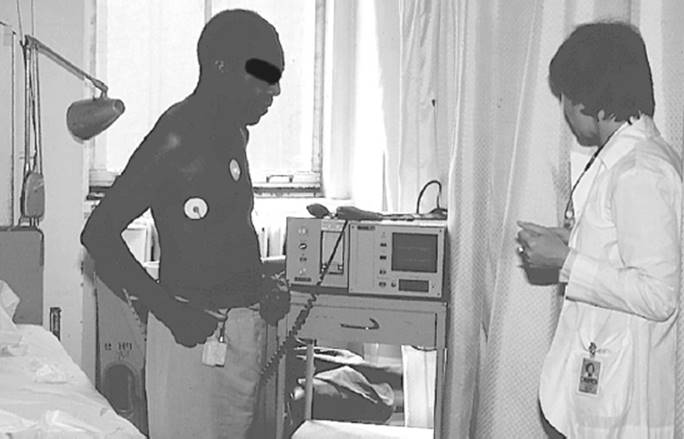
FIGURE 1-1 Physical therapist in a large metropolitan hospital helping a post–myocardial infarction patient to perform low-level exercises as part of a phase 1 cardiac rehabilitation program. Note the use of the portable bedside telemeter. Photograph taken in the late 1970s.
Phase 2 Cardiac Rehabilitation
Phase 2, the convalescent phase, followed hospital discharge and was originally referred to as the “home phase.”24 These early programs lasted 6 to 8 weeks, depending on the patient status. Physicians were acting on the notion that myocardial scar formation takes between 6 and 8 weeks. Thus, phase 2 allowed the heart muscle the time to heal. Patients were not allowed to return to work. They were discharged from the hospital and instructed to continue the exercises performed in the hospital and commence a walking or biking program. This transitional phase was often difficult for patients and families because they were each independently adjusting to the new diagnosis and were often uncomfortable with the implementation of progressive activities.24
In the early 1980s, many phase 2 programs were extended for up to 12 weeks. Family and physician consultation was done on a regular basis. Additionally, risk-factor modification and psychological and vocational outcomes were established.25–28 In the early 1990s, phase 2 programs actually decreased in length as a result of reimbursement, severity of disease, and patient need.26
BOX 1-1
Phase 3 Cardiac Rehabilitation
Phase 3 followed approximately 6 to 12 weeks of convalescence at home.24 Patients were medically supervised and frequently located in hospital-based outpatient departments or private cardiac rehabilitation facilities. Entrance into phase 3 began with the performance of a maximum, symptom-limited exercise test. The results of the test were used to write an exercise prescription, which was characterized by elevating the patient’s heart rate to a relatively high level and maintaining it in a “training zone” for a prescribed period of time. The goal of such programs was the induction of an aerobic endurance training effect, which would allow the patient to participate in higher levels of activities before the onset of symptoms.24–32 Patients were closely monitored during training sessions. After induction of this training effect, patients became candidates for phase 4 cardiac rehabilitation.
Phase 4 Cardiac Rehabilitation
Phase 4 programs were frequently located in YMCAs, Jewish community centers, university settings, or physical therapy private practices where patients could exercise and have their vital signs monitored.24Patients in phase 4 were considered medically stable and only occasionally monitored during moderate levels of exercise, which often included recreational activities like noncompetitive basketball, kickball, and volleyball. An ECG monitor and crash cart were brought into the gym or other exercise area. Patients were instructed to monitor their own pulse and occasionally stop by the ECG station for an ECG check. These phase 4 programs had a significant impact on secondary prevention and were also used as primary intervention for individuals at high risk for coronary events.24–32
Use of Weiss and Karpovich Calisthenic Exercises in Cardiac Rehabilitation
Many exercises performed by patients in phase 1 and phase 2 cardiac rehabilitation programs appear to have been based on the work of Weiss and Karpovich,33 who developed a series of progressive calisthenic exercises suitable for patients recovering from coronary events. The authors performed expired gas analysis on an Air Force pilot while he performed dozens of calisthenic exercises. These exercises were then rank ordered by MET (metabolic equivalent) requirement from low level to moderate level. Although their paper was based on a single subject who was free of disease, these exercises found their way into inpatient and outpatient cardiac rehabilitation programs in the 1970s and 1980s, where fairly precise calibration of exercise energy requirements was deemed important. The exercises were performed to a metronome and could be administered to the patient individually in the patient’s room (phase 1) or later on in a group setting (phase 2 or phase 4). See Fig. 1-2.
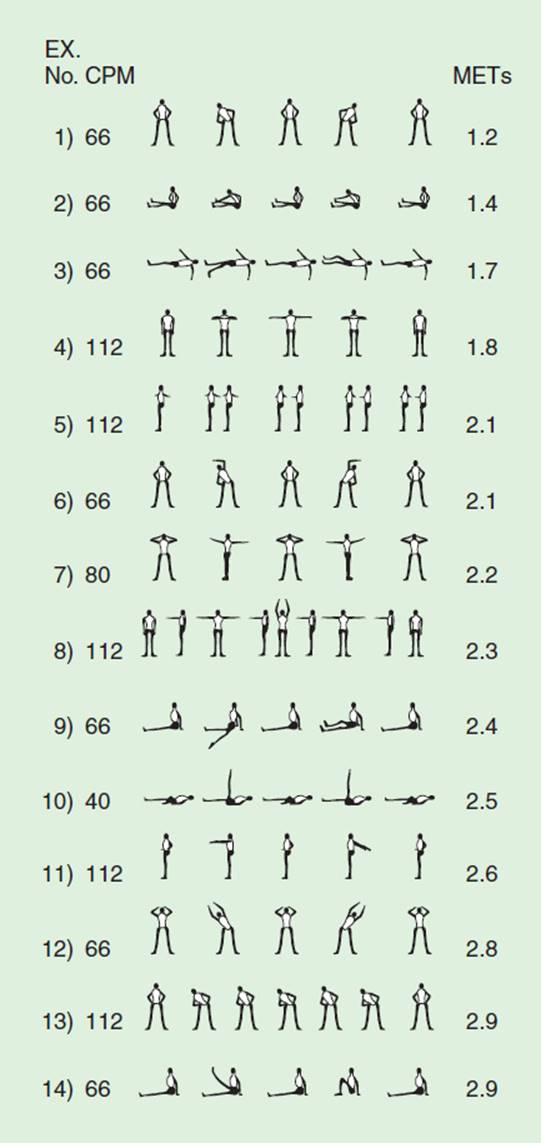
FIGURE 1-2 Example of a series of exercises from Weiss and Karpovich. Note the metronome cadence in CPM (counts per minute) and the energy requirements (in METS). (Reproduced with permission from Weiss RA, Karpovich PV. Energy cost of exercises for convalescents. Arch Phys Med.
Cardiac Rehabilitation Guideline
In the mid-1980s, a new national professional organization, the American Association of Cardiovascular and Pulmonary Rehabilitation (AACVPR), emerged as an organization dedicated to the improvement of clinical practice, promotion of scientific inquiry, and the advancement of education. The uniqueness of this organization was and continues to be the contributions of physicians, nurses, and allied health professionals, each of whom brings a unique set of practice patterns and educational perspectives to the area of cardiac and pulmonary rehabilitation.
In 1990, the AACVPR published a position paper on the scientific merits of exercise and risk factor modification in the management of patients with coronary artery disease.34 This position paper was an important initial step in documenting the scientific basis of cardiac rehabilitation. However, over the next few years, managed care and the changes in health care reimbursement motivated the Agency for Health Care Policy and Research (AHCPR) to begin a reassessment of cardiac rehabilitation as an intervention.
The Agency for Health Care Policy and Research is the federal agency responsible for evaluating the quality, appropriateness, and effectiveness of health care services and access to these services. The Agency for Health Care Policy and Research carries out its mission by conducting and supporting general health services research, including medical effectiveness research, facilitating development of clinical practice guidelines, and disseminating research guidelines to health care providers, policymakers, and the public. The AACVPR saw an opportunity to promote a multidisciplinary approach to cardiopulmonary rehabilitation and submitted a proposal to the Health Care Finance Administration that would validate the scientific basis of cardiac rehabilitation and describe the current standards of practice. The contract was awarded to the AACVPR, which convened a private-sector multidisciplinary panel of experts that included physicians, nurses, physical therapists, other allied health professionals, and consumers. The panel based its conclusions and recommendations on scientific evidence from an extensive review of original research published in peer-reviewed medical and health science journals. The panel used the following definition of cardiac rehabilitation:
Cardiac rehabilitation services are comprehensive, long-term programs involving medical evaluation, prescribed exercise, cardiac risk factor modification, education, and counseling. These programs are designed to limit physiologic and psychological effects of cardiac illness, reduce the risk of sudden death or reinfarction, control cardiac symptoms, stabilize or reverse the atherosclerotic process, and enhance the psychological and vocational status of selected patients. Cardiac rehabilitation services are prescribed for patients who (1) have had a myocardial infarction; (2) have had coronary bypass surgery; or (3) have chronic stable angina pectoris. The services are in three phases beginning during hospitalization, followed by a supervised ambulatory outpatient program lasting 3–6 months and continuing in a lifetime maintenance stage in which physical fitness and risk factor reduction are accomplished in a minimally supervised or unsupervised setting.35
The guideline was released to the general public in 1995 as the Cardiac Rehabilitation: Clinical Practice Guideline Number 17.35 It defined the role of cardiac rehabilitation for adult patients with coronary artery disease, heart failure, and transplantation. Previously, heart failure patients and post–cardiac transplant patients were considered too high risk and were not referred for regular exercise programs. The Guideline provided scientific evidence that increasing numbers of patients were surviving cardiovascular events, and therefore, older individuals with unstable angina or congestive heart failure can benefit from regular exercise programs.35 In addition, the Guideline urged physicians to use cardiac rehabilitation as a regular treatment intervention for older high-risk individuals. Also, the Guideline articulated the strength of what is known about risk-factor modification based on the quantity and quality of available research. Finally, the Guideline provided medical and health professionals and consumers with information on which to make informed decisions about the efficacy of cardiac rehabilitation.
PULMONARY REHABILITATION
The history of pulmonary rehabilitation is not as clear-cut as that described for cardiac rehabilitation. The first real documentation of treatment for “chest conditions” was that of chest physical therapy performed at the famous Brompton Hospital in England in 1934. The basic techniques of breathing exercises and postural drainage were used with a wide variety of medical and surgical cardiothoracic conditions. In addition, artificial ventilation and intermittent positive pressure breathing were valuable adjuncts to “chest physiotherapy.”
The polio epidemic in the 1950s caused a reevaluation of the use of chest physical therapy, not only for individuals with pulmonary dysfunction but also as an adjunct to preoperative and postoperative care. Prior to this, patients with pulmonary dysfunction were told to rest and to be physically inactive because it was thought that exercise was deleterious to their fragile condition. Like patients with heart disease, these individuals were treated as invalids and popularly called “respiratory cripples.”36–38 However, intervention options changed when, in 1964, Pierce et al.37 demonstrated an improvement in exercise abilities in patients with chronic obstructive pulmonary disease (COPD) after a treadmill walking program. Patients showed a modest decrease in exercise heart rate, respiratory rate, and minute ventilation after training. The impact of these findings on patients with chronic pulmonary disease indicated a need for further outcome evaluation. This came at a time when morbidity and mortality had increased dramatically in the United States and throughout the world. Early detection was and will continue to be an important step in the rehabilitation process because many of these individuals live with severe symptoms that limit physical activity and a productive lifestyle.
Most research in the area of COPD has demonstrated small gains in exercise capacity but not reversal of the progression of the disease process.39,40 The creation of pulmonary rehabilitation as an intervention strategy has historically been attributed to Thomas Petty, who began extensive study of patients with COPD, participating in an inpatient and outpatient program in Denver, Colorado. However, Alvin Barach appears to have been just as instrumental in the development of pulmonary rehabilitation as it pertained first to patients with polio and then to patients with COPD. Over time, many studies suggested that pulmonary rehabilitation enhances the patient’s sense of well-being, improves exercise capacity, decreases the need for hospitalization, and therefore, lowers overall health costs.41–42 Today, many successful pulmonary rehabilitation programs are currently in existence and recognize the important interactions of psychological and emotional characteristics on physical work capacity.
In 1974, the American College of Chest Physician’s Committee on Pulmonary Rehabilitation adopted a definition of pulmonary rehabilitation that is widely used today.43 The American Thoracic Society also incorporated this definition into an official position statement on pulmonary rehabilitation in 198144:
Pulmonary Rehabilitation may be defined as an art of medical practice wherein an individually tailored multidisciplinary program is formulated which, through accurate diagnosis, therapy, emotional support, and education, stabilizes or reverses both the physio- and psychopathology of pulmonary disease, and attempts to return the patient to the highest possible functional capacity allowed by his pulmonary handicap and overall life situation.44
Inpatient Pulmonary Rehabilitation Programs
Chest physical therapy, ie, the use of chest percussion for the purpose of airway clearance, became an accepted and successful therapeutic intervention during the late 1950s, particularly with polio victims. The implementation of chest physical therapy expanded in the late 1960s and 1970s as a pre- and postoperative technique to minimize the complications of surgery and later expanded to all acute and chronic patients at risk for pulmonary complications due to medical conditions or surgical interventions.45–49
Upper respiratory infections are the most common complications for individuals with pulmonary impairment. These infections range in severity from colds to pneumonia. The goals of acute pulmonary care are focused around improvement of ventilation and gas exchange, improvement of secretion clearance, and the maintenance of functional capacity.45 Patients may receive interventions from a number of allied health professionals including, but not limited to, physical therapists, respiratory therapists, and nurses. The limited length of hospital stay does not generally allow enough time for an exercise program geared toward improving functional capacity. However, a home program is usually developed that includes a combination of airway clearance techniques, breathing exercises, and a progressive exercise program. Inpatient pulmonary care programs have been shown to be effective for treating patients with pulmonary disease and/or reducing the risk of pneumonia postoperatively.46 To that end, in the 1970s, many hospitals adopted preoperative and postoperative chest physical therapy programs as a means of reducing the deleterious effects of surgery and other complications seen with normal and high-risk surgical patients.47 Preoperative examinations identified individuals with musculoskeletal limitations, an ineffective cough, or a high-risk profile. A preoperative patient education session informed the patient on what to expect postoperatively and often reduced the patient’s anxiety about monitoring devices and postoperative management protocols. Most intensive care units today routinely refer patients to physical therapy for chest physical therapy. As a result of this intervention, outcome studies48–50 have shown a reduction in length of hospital stay, a reduction in postsurgical complications, and a more immediate return to activities of daily living and work.
Outpatient Pulmonary Rehabilitation Programs
The success of acute care chest physical therapy in the 1970s was attributed to reduction of morbidity and mortality in both medical and surgical patients. It was also shown to reduce the economic costs associated with hospital stay.47–53 On the basis of the same concepts as outpatient cardiac rehabilitation programs, formalized outpatient pulmonary rehabilitation programs began to emerge. As with cardiac rehabilitation programs, these programs were outpatient hospital-based programs and community-based programs. In addition, established cardiac rehabilitation programs expanded their program options to include patients with other chronic diseases such as pulmonary disease, renal disease, or metabolic disease.42,52,54 Typically, referrals to these programs occurred posthospitalization after an acute exacerbation or when individuals with chronic diseases were diagnosed. Then, as now, most common referrals were due to symptoms such as dyspnea that interfere with the ability to maintain appropriate levels of physical activity. Most recently, rehabilitation research has emphasized functional outcomes as a means of evaluating efficacy in lieu of physiologic parameters.51,52 As with cardiac rehabilitation, the goals of these expanded outpatient programs are aimed at restoring optimal physical and psychological functions that include exercise, education, and counseling.
The essential components of an effective pulmonary rehabilitation program are team assessment, patient training, exercise, psychological interventions, and follow-up. Each patient may not need all of these services, but an individualized comprehensive program is the key to success. The team may include a wide range of health care professionals such as the medical director, respiratory care practitioner, the nurse, the physical therapist, the psychologist, the vocational counselor, the social worker, and the nutritionist. The exercise component not only includes exercise conditioning, as well as a good home exercise program, but also builds on upper extremity and respiratory muscle strengthening. Patient training for functional independence may include breathing retraining, bronchial hygiene, nutrition, activities of daily living training, relaxation techniques, energy conservation, and warning signs of infection. Knowledge in these areas empowers the patient to manage his or her care. Finally, the support systems put in place directly influence the psychosocial aspect of care. Physical therapists played an important role in outpatient hospital-based pulmonary rehabilitation programs. The continuum of care from inpatient to outpatient services is often critical in reducing costs and maintaining functional independence of patients with chronic pulmonary dysfunction.
As managed care emerged, pulmonary rehabilitation was viewed as an appropriate intervention, but was not necessarily successful in improving pulmonary function or reversing pulmonary disease progression. Third-party payers reduced the benefits paid for pulmonary rehabilitation. Once again, health care professionals involved in the care of patients with pulmonary disease initiated a formal evaluation of pulmonary rehabilitation as a treatment intervention in order to document the validity of pulmonary rehabilitation as a successful intervention for third-party reimbursers.
In the 1990s, the AACVPR published a position paper on the scientific basis of pulmonary rehabilitation.53,54 This position paper was written in response to the long-held view that pulmonary rehabilitation was not an effective intervention for patients with pulmonary disease, because many patients showed deteriorating function and eventual death in spite of program participation. Reimbursers continued to view pulmonary rehabilitation as a maintenance activity and therefore limited the benefits that they paid out for rehabilitation. This paper provided scientific evidence that most pulmonary rehabilitation programs “… have been developed based on sound preventative, therapeutic and rehabilitative principles with the goal of training patients in specific techniques and strategies to improve functional capacity and reduce the economic, medical and social burdens of their disease.”43,53–54
Today, the importance of both cardiac and pulmonary rehabilitation has been well-documented and continues to play a role in the continuum of care. Although reimbursement for these programs has been reduced, modest benefits are still in existence to allow for short-term objectives to be met. The one critical element lost in this process is the time necessary for appropriate patient education. The ability of the physical therapist to ensure that the patient is able to follow the outlined program and progress effectively is still in question.
TURF WARS
The role of the physical therapist in cardiopulmonary rehabilitation has expanded over the last 30 years. Initially, the physical therapist was involved only with the inpatient phase of cardiac and pulmonary rehabilitation. Patients with coronary disease were not seen in the intensive care unit by physical therapy. Physical therapy involvement came only after the patient was stabilized and moved to a step-down unit. Progression of activity was at the discretion of the physician. Vital signs and all other monitoring were within the responsibilities of the nurse. Patients with pulmonary disease, particularly those individuals with pneumonia/atelectasis, were referred to physical therapy for examination and intervention including postural drainage, breathing exercises, and energy conservation techniques. Soon, however, physical therapists were performing all preoperative evaluations and instructions for surgical patients and then were following the patient postoperatively for chest physical therapy.
During the 1980s and 1990s, physical therapists were responsible for directing cardiopulmonary rehabilitation programs in a variety of settings. In states with direct access, examination and intervention procedures were performed by physical therapists in all phases of cardiopulmonary rehabilitation. During this period, health care professionals from other disciplines began to challenge the role of the physical therapist as a primary provider of cardiopulmonary rehabilitation services. Physical therapists, physicians, nurses, occupational therapists, respiratory therapists, and exercise physiologists—all participated in turf wars, in an effort to broaden the scope of their practice. Hospitals from all across the country became the battleground for these turf wars. When the smoke cleared, it became apparent that individual hospitals representing the peculiarities of their respective geographic regions were the primary determinant of which allied health professionals would be the primary providers of cardiopulmonary services. Coincidentally, from the 1960s through the 1980s health maintenance organizations (HMOs), preferred provider organizations (PPOs), and diagnosis-related groups (DRGs) were being developed.55Purchasers of medical care, both public and private, became increasingly concerned about the rising cost of health care and more reluctant to shoulder the cost of such care. Purchasers began to question the wide variations in practice patterns across diverse geographic areas and the lack of uniformity in delivery systems.55
In the early 1980s, respiratory therapists and nurses were claiming “chest physical therapy” as their own intervention. Physical therapy took the lead in responding to the challenges of turf wars, the appearance of managed care groups, and rising health care costs by defining the role of the physical therapist in cardiopulmonary care. In 1982, the Cardiopulmonary Section of the American Physical Therapy Association (APTA) published a definition of chest physical therapy and validated this as “an array of treatment interventions unique to the physical therapist” that are included as part of the interdisciplinary team approach to cardiopulmonary rehabilitation.56 Additionally, the December 1985 APTA journal devoted an entire issue to cardiac rehabilitation. This special issue further defined the role of the physical therapist in cardiac rehabilitation and reinforced the need for the development of clinical specialization.57
THE EMERGENCE OF SPECIALIZATION
In 1973, the APTA published a position paper on competence testing. In 1976, the House of Delegates of the APTA approved the concept of specialization and established the Task Force on Clinical Specialization. In 1977, a working document delineating competencies in physical therapy was published, titled, Competencies in Physical Therapy: An Analysis of Practice. In 1978, the House of Delegates recognized four specialty areas, including cardiopulmonary physical therapy. Each specialty council was asked to develop advanced-level competencies that would form the foundation for specialty certification. The Cardiopulmonary Section of the APTA completed this task in 1983 and submitted a Validation for Patient Care Competency in Cardiopulmonary Physical Therapy. These competencies were in the area of patient care, educational services, communications, research, administration, and consultation. Criteria for revalidation of those initial competencies were completed in 1987 and updated in 1996.58 The Cardiopulmonary Specialty Examination was the first of the specialty examinations to be offered in 1985, resulting in three candidates receiving specialty certification. As of June 2003, 88 individuals have achieved specialty certification awarded by the American Board of Physical Therapy Specialties and 26 individuals have been recertified. This professional certification process has become widely accepted within the profession, and the creation of this credentialing process has garnered respect from other allied health professionals as they strive to define competencies in their own clinical care areas.
VALIDATION OF CARDIOPULMONARY CLINICAL COMPETENCIES
Validation of cardiopulmonary clinical competencies has been previously performed.59–63 Two validations, or self-studies, have been performed in the cardiopulmonary physical therapy field: one that validates competencies that the entry-level practitioner should master and the other validates advanced clinical competencies appropriate to the cardiopulmonary clinical specialist.59,62
Entry-Level Competencies
When students graduate, become licensed, get their first job, and are assigned to a cardiopulmonary service, what should they be able to do? In an effort to guide entry-level professional-phase education programs, a Cardiovascular and Pulmonary Section Task Force was formed, and in 1985 it put forth a set of entry-level clinical competencies.59 These competencies were updated in 1992.60
A task force was named in August 1993, with the intent to validate the entry-level competencies. The project was completed in 1994. Entry-level competency components prioritized as high included those that represented activity tolerance evaluation, general conditioning exercises and exercise prescription, and “evaluating the effects of therapeutic procedures and stating the relationship of those effects [to] the client.” Advanced skills (ie, not entry level) included those that involved interpretation of special tests (eg, ECG, blood profiles), interacting with patients on mechanical ventilation, suctioning, and auscultation of heart sounds. Of moderate importance were appreciation of breath sounds and differentiation between chest wall and anginal pain. This survey and several presentations were the first of their kind to validate professional or entry-level competencies in physical therapy.60,61
Advanced Level Competencies: Cardiopulmonary Clinical Specialization
A physical therapist with clinical experience on a cardiopulmonary service may be eligible for board certification as a clinical specialist. What are the qualities and skills that separate the entry-level practitioner from the specialist? This issue is examined every 10 years through a process that revalidates existing advanced clinical competencies. The latest revalidation was begun in early 1994 and completed in mid-1996.62 Like the entry-level process, the advanced competency process utilized a survey instrument. It identified selected tasks and skills and required the therapist to estimate the level of knowledge (entry level or advanced), importance, and frequency of use. It was sent out to members of the Cardiovascular and Pulmonary Section and to clinical specialists. The results of the survey were released in the summer of 1999.62
The survey suggested that most of the elements listed under assessment, therapeutic intervention, response to change, discharge, education, and communication were found to be of entry level. Advanced skills included research, administration, and consultation. Also identified as advanced skills were ECG interpretation, performance of exercise stress testing, heart auscultation, nasotracheal and endotracheal suctioning, and the treatment of patients on mechanical inotropic support. Treatment of patients in the intensive care unit and recovery unit were considered advanced clinical practice settings.62 These advanced skills were analogous to those skills identified as advanced in the entry-level survey.
As a result of practice revalidation, a new specialist examination was created in order to more accurately reflect current best practice. All the questions were based on case studies, an approach that is different from the other six clinical specialty areas, which utilize free-standing multiple-choice questions. The content of the examination was changed to reflect the higher level of practice and training among entry-level therapists. Assessment was weighted 25% of the total examination, therapeutic intervention was 45%, and other activities like administration and research were weighted the remaining 30%. Another revalidation survey which was conducted in 2004 reflected more changes in cardiopulmonary patient care because of the dramatic changes brought about by health care reform.
THE 1990S: HEALTH CARE REFORM AND ITS CHALLENGES
The advent of managed care has had significant and far-reaching effects on providers of rehabilitation services. When the Clinton administration began its push for health care reform in 1994, the APTA praised these efforts as “… a bold step toward addressing the nation’s health care problems.”64 However, the plan failed to incorporate the scope of physical therapy practice beyond the rehabilitative area and failed to extend it to such areas as work-related injury prevention, preventative services in musculoskeletal and cardiopulmonary areas, as well as fitness exercise and consumer education. Additionally, the plan contained inadequate provisions for the treatment of chronic or congenital conditions as well as coverage for patients with chronic conditions that affect functional independence. Finally, restrictions on self-referrals by health care providers needed to be expanded in light of the increasing number of states that had adopted “direct access” or the Independent Practice Acts for Physical Therapists.64
Making the transition to managed care by physical therapy has required a blend of well-timed and coordinated strategies. Inherent in this transition was the acceptance of a paradigm shift in the philosophy and practice of physical therapy and the inclusion of cost-containment efforts.65 One of the most positive benefits arising from health care reform has been an increased emphasis on outcome management and evidence-based practice. Practitioners were urged to become more accountable and responsible for patient outcomes by providing cost-effective and efficient services that would meet consumers’ needs and support the mission of the APTA.65 One strategy that was developed to achieve this was the establishment of clinical pathways. Clinical pathways are algorithms that link interventions to expected outcomes for selected groups of patients. Clinical pathways allow health systems to standardize care and to improve the process and outcomes of care.55 Figure 1-3 presents an example of a clinical pathway, developed in November 1999, with the cooperation of the Catholic Health Systems of Long Island Health Network. Another method to provide cost-effective and efficient services is to have a primary physician orchestrate all aspects of the individuals’ health care. This, in combination with the introduction of a prospective payment system (PPS), where a standardized fee is paid per diagnosis, has made significant cuts in health care. All of these health care reforms have changed the scope of rehabilitation practice.
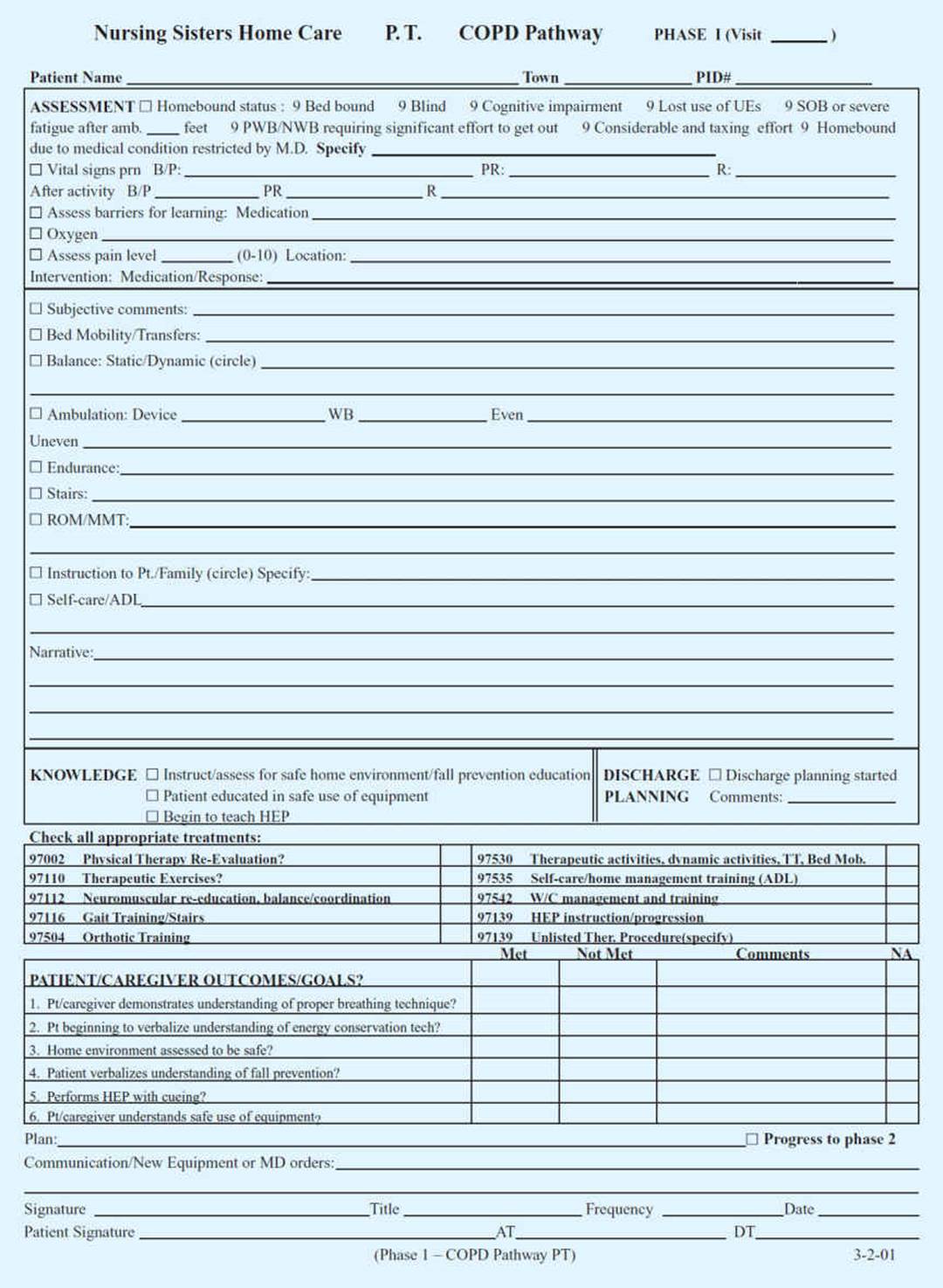
FIGURE 1-3 An example of a clinical pathway, this one for chronic obstructive pulmonary disease. Developed in November 1999 with the cooperation of the Catholic Health Systems of Long Island and Long Island Health Network. Used with permission.
SUMMARY
The important message that underlies much of this chapter is that, as physical therapists, we must not relinquish the important clinical services that we provide to patients with cardiovascular and pulmonary disease. It is clear that as professionals we need to remain involved with our professional organization in order to protect the patient, and we need to support changes in health care management that have a positive influence on rehabilitation services. Managed care today assumes many forms, invokes multiple strategies, and influences choices of care, quality of care, and pricing of care. In such a rapidly changing environment, it is difficult to identify and respond to trends because today’s trends are just that—“today’s trends.”55 What is clear is the need to nurture and support the profession while continuing to educate the public on the vital role that physical therapy plays not only in cardiopulmonary care but also in all aspects of the health care market.
As a health care professional in the 21st century, the physical therapist must be competent in the area of assessment. Every patient/client has a cardiopulmonary system. The cardiopulmonary examination should be an integral component of every patient profile. Every physical therapist should have, at a minimum, the knowledge and skills identified as entry-level competencies in cardiopulmonary care. These skills will ensure a proper examination together with the recognition of indications for intervention, based on the identification of impairments, functional limitations, disabilities, or other special needs that may warrant further tests and measures. A thorough evaluation will ensure that interventions are both safe and effective and that goals are realistic and attainable.
It is imperative that the cardiopulmonary physical therapists of the 21st century acquire advanced knowledge in order to maintain quality of patient care. This can be achieved through membership in the Cardiovascular and Pulmonary Section of the APTA and other cardiovascular and pulmonary national organizations, enrollment in continuing education courses, attendance at national and state conferences, participation in in-services and case study presentations to peers, and provision of patient care in a wide variety of settings. The true strength of the profession resides in the strength of its constituency. The cardiopulmonary physical therapist who maintains his or her clinical competency and practices with integrity, care, and precision will serve both the profession and the patient well.
REFERENCES
1.Heberden W. Some accounts of a disorder of the chest. Med Trans Coll Physicians. 1772;2:59.
2.Parry CH. An Inquiry into the Symptoms and Causes of Syncopy Anginosa Commonly Called Angina Pectoris. London, UK: Cadwell and Davis; 1799.
3.Mallory GK, White PD, Salcedo-Salger J. The speed of healing of myocardial infarction: a study of the pathological anatomy of seventy-two cases. Am Heart J. 1939;18:647-671.
4.Masters AM, Oppenheimer ET. A simple exercise tolerance test for circulatory efficiency with standard tables for normal individuals. Am J Med Sci. 1929;177:223.
5.Zohman LR, Tobis JS. Cardiac Rehabilitation. Orlando, FL: Grune & Stratton; 1970.
6.Levine SA, Lown B. Armchair treatment of acute coronary thrombosis. JAMA. 1952;148:1365.
7.Katz LN. Symposium: unsettled clinical questions in the management of cardiovascular disease. Circulation. 1953;18:430-450.
8.Turell D, Hellerstein H. Evaluation of cardiac function in relation to specific physical activities following recovery from acute myocardial infarction. Prog Cardiovasc Dis. 1958;1(2):237.
9.Sanders MJ. Mosby’s Paramedic Textbook. 2nd ed. Philadelphia, PA: Harcourt; 2001.
10.Wenger NK. Coronary Care—Rehabilitation After Myocardial Infarction. Dallas, TX: American Heart Association; 1973.
11.Moss AJ, DeCamilla J, Davis H. Cardiac death in the first six months after a myocardial infarction: potential for mortality reduction in the early post hospital period. Am J Cardiol. 1977;39:816.
12.Detrich H. Effects of immobilization upon various metabolic and physiologic functions of normal men. Am J Med. 1948;4:3.
13.Saltin B, Bloomquist G, Mitchel JH, et al. Response to exercise after bed rest and after training. Circulation. 1968;38(suppl VII):1-78.
14.Wenger N. The use of exercise in the rehabilitation of patients after myocardial infarction. J S C Med Assoc. 1969;65(suppl 1):66-68.
15.Zohman L, Tobis JS. A rehabilitation program for inpatients with recent myocardial infarction. Arch Phys Med Rehabil. 1968;49:443.
16.Bruce RA. Evaluation of functional capacity in patients with cardiovascular disease. Geriatrics. 1957;12:317.
17.Wenger NK, Gilbert CA, Siegel W. Symposium: the use of physical activity in the rehabilitation of patients after myocardial infarction. South Med J. 1970;63:891-897.
18.Zohman L. Early ambulation of post-myocardial infarction patients: Montefiore Hospital. In: Naughton J, Hellerstein HK, eds. Exercise Testing and Exercise Training in Coronary Heart Disease. Orlando, FL: Academic Press; 1973;329-335.
19.Kannel WB, Castelli WP, Gordon T, McNamara P. Serum cholesterol, lipoproteins and the risk of coronary heart disease: the Framingham study. Ann Intern Med.1971;74:1.
20.Kannel WB, McGee D, Gordon T. A general cardiovascular risk profile: the Framingham study. Am J Cardiol. 1976;38:46.
21.Kannel WB, Castelli WP, Gordon P. Cholesterol in the prediction of atherosclerotic disease: new perspectives based on the Framingham study. Ann Intern Med. 1979;90:85.
22.Cohen BS, Grant A. Acute myocardial infarction: effect of a rehabilitation program on length of hospitalization and functional status at discharge. Arch Phys Med Rehabil. 1971;54:201-206.
23.Cohen BS. A program for rehabilitation after acute myocardial infarction. South Med J. 1975;68:145-148.
24.Hellerstein H. Exercise therapy in coronary disease. Bull N Y Acad Med. 1968;44:1028-1047.
25.Foster C, Pollock ML, Anholm JD, et al. Work capacity in left ventricular function during rehabilitation after myocardial revascularization surgery. Circulation. 1984;69:748-755.
26.American Association of Cardiovascular and Pulmonary Rehabilitation. Guidelines for Cardiac Rehabilitation Programs. Champaign, IL: Human Kinetics; 1991.
27.Health and Public Policy Committee, American College of Physicians. Cardiac rehabilitative services. Ann Intern Med. 1988;1098:671-673.
28.May GS, Eberlein KA, Furberg CD, Passamani ER, DeMets DL. Secondary prevention after myocardial infarction: a review of long-term trials. Prog Cardiovasc Dis. 1982;24:331-362.
29.Vermueulen A, Lie K, Derer D. Effects of cardiac rehabilitation after myocardial infarction: changes in coronary risk factors and long-term prognosis. Am Heart J. 1983;105:798-801.
30.Oldridge NB, Guyait GH, Fischer ME, Rimm AA. Cardiac rehabilitation after myocardial infarction. Combined experience of randomized clinical trials. JAMA. 1988;260:945-950.
31.Thompson PD. The benefits and risks of exercise training in patients with chronic coronary artery disease. JAMA. 1988;259: 1537-1540.
32.O’Connor GT, Buring JE, Yusaf S, et al. An overview of randomized trials of rehabilitation with exercise after myocardial infarction. Circulation. 1989;80(2):234-244.
33.Weiss RA, Karpovich PV. Energy cost of exercises for convalescents. Arch Phys Med Rehabil. 1947;28:7.
34.Leon AS, Certo C, Comoss P, et al. Position paper of the American Association of Cardiovascular and Pulmonary Rehabilitation: scientific evidence of the value of cardiac rehabilitation services with emphasis on patients following myocardial infarction—section 1: exercise conditioning component. J Cardiopulm Rehabil. 1990;10:79-87.
35.Wenger NK, Froelicher ES, Smith LK, et al. Cardiac Rehabilitation. Clinical Practice Guideline No. 17. Rockville, MD: U.S. Department of Health and Human Services, Public Health Service, Agency for Health Care Policy and Research, and the National Heart, Lung, and Blood Institute; 1995. AHCPR Publication No. 96-0672.
36.Hughes R, Davidson R. Limitation of exercise reconditioning in cold. Chest. 1983;83(2):241-249.
37.Pierce A et al. Responses to exercise training in patients with emphysema. Arch Intern Med. 1964;114:28-36.
38.Hale T, Cumming G, Spriggs J. The effects of physical training in chronic obstructive pulmonary disease. Bull Eur Physiopathol Respir. 1978;14:593-608.
39.Bedout D, Hodgkin J, Zorn E, et al. Clinical and physiological outcomes of a university hospital pulmonary rehabilitation program. Respir Care. 1983;28(11):1468-1471.
40.Carter R, Nicotra B, Clark L, et al. Exercise conditioning in the rehabilitation of patients with chronic obstructive pulmonary disease. Arch Phys Med Rehabil. 1988;69:118-121.
41.Belman M, Wasserman K. Exercise training and testing in patients with chronic obstructive pulmonary disease. Basic Respir Dis. 1981;10:1-6.
42.Sneider R, O’Malley J, Kahn M. Trends in pulmonary rehabilitation at Eisenhower Medical Center: an 11-year experience (1976-1987). J Cardiopulm Rehabil. 1988;11:453-461.
43.American Association of Cardiovascular and Pulmonary Rehabilitation. Guidelines for Pulmonary Rehabilitation Programs. Champaign, IL: Human Kinetics; 1993.
44.American Thoracic Society. Pulmonary rehabilitation: official American Thoracic Society position statement. Am Rev Respir Dis. 1981;124:663-666.
45.Holden DA, Stelmach KD, Curtis PS, et al. The impact of a rehabilitation program on functional status of patients with chronic lung disease. Respir Care. 1990;35(4):332-341.
46.Oldenburg FA, Dolovica MB, Montgomery JM, et al. Effects of postural drainage, exercise and cough on mucus clearance in chronic bronchitis. Am Rev Respir Dis. 1979;120:739-745.
47.Jenkins SC. International perspectives in physical therapy 7: respiratory care. In: Pryor JA, ed. Pre-operative and Postoperative Physiotherapy—Are They Necessary? New York: Churchill Livingstone; 1991:62-67.
48.Forshag MS, Cooper AD. Clinics in chest medicine: thoracic surgical considerations for the pulmonologist. In: Buchalter SE, McElvein RB, eds. Postoperative Care of the Thoracotomy Patient. Philadelphia, PA: WB Saunders; 1992.
49.Sutton PP, Lopez-Vidriero MT, Pavia D, et al. Assessment of percussion, vibratory-shaking and breathing exercises in chest physiotherapy. Eur J Respir Dis. 1985;66:147-152.
50.Foster S, Thomas HM. Pulmonary rehabilitation in lung disease other than chronic obstructive pulmonary disease. Am Rev Respir Dis. 1990;141:601-604.
51.Moser KM, Bokinsky G, Savage RT, et al. Results of a comprehensive rehabilitation program: physiologic and functional effects of patients with chronic obstructive pulmonary disease. Arch Intern Med. 1980;140:1596-1601.
52.Swerts P. Kretzers L, Terpstra-Lindeman E, et al. Exercise reconditioning in the rehabilitation of patients with chronic obstructive pulmonary disease: a short- and long-term analysis. Arch Phys Med Rehabil. 1990;71:570-573.
53.Miller NH et al. Position paper of the American Association of Cardiovascular and Pulmonary Rehabilitation. J Cardiopulm Rehabil. 1990;10(6):198-209.
54.Reis A. Position paper of the American Association of Cardiovascular and Pulmonary Rehabilitation. Scientific basis of pulmonary rehabilitation. J Cardiopulm Rehabil. 1996;10:148-441.
55.Kongstvedt P. The Managed Health Care Handbook. 3rd ed. Gaithersburg, MD: Aspen Publishers; 1996.
56.Cardiopulmonary Section, American Physical Therapy Association. A definition of chest physical therapy. Phys Ther Cardiopulm Sect Q. 1982;3(3):14.
57.Cardiac rehabilitation. Phys Ther. 1995;65(12):1791-1865.
58.Cardiopulmonary Specialty Council. Physical Therapy Advanced Clinical Competencies (cardiopulmonary). Alexandria, VA: Board for Certification of Advanced Clinical Competencies; 1988.
59.Cardiopulmonary Section, American Physical Therapy Association. Cardiopulmonary physical therapy entry-level competencies. Phys Ther Cardiopulm Sect Q. 1984:4-8.
60.Crane L. Cardiopulmonary entry-level competencies: then, now and in the future. Phys Ther. 1996;7(3):15-16.
61.Crane L. Testing validity of entry-level cardiopulmonary physical therapy competencies. Paper presented at: APTA Combined Sections Meeting; February 10, 1995; Reno, NV.
62.DeTurk W, Buck L, Cahalin L, et al. Revalidation of advanced clinical practice in cardiopulmonary physical therapy. Cardiopulm Phys Therapy J. 1999;10:105-108.
63.American Physical Therapy Association. A Normative Model of Physical Therapist Professional Education. Alexandria, VA: American Physical Therapy Association; 1997.
64.Moffat M. Statement on Health Care Reform. Alexandria, VA: American Physical Therapy Association; 1994.
65.Glickman L. An analysis of managed care—survival strategies for rehabilitation service providers: part four. Resource. 1998;28(3):1-7.