
Cheri L. Gostic & Dawn M. Blatt
INTRODUCTION
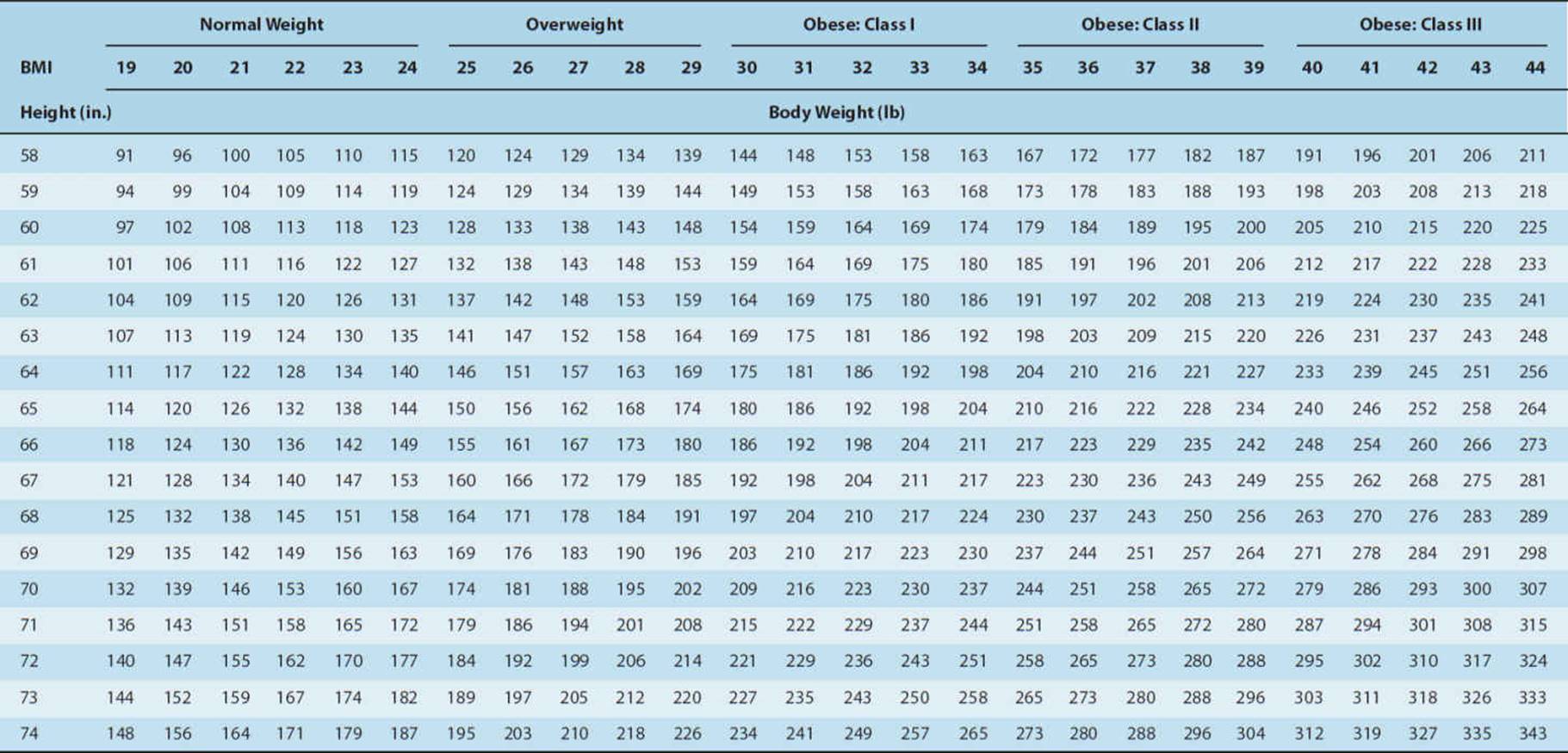
Obesity has grown into a major public health issue over the past several decades. Since 1980, the incidence of overweight adolescents and children has tripled, while the prevalence of obesity in adults has doubled in the United States.1 The most recent data from the National Health and Nutrition Examination Survey (NHANES) from 2003 to 2004 reveal that 66% of adults in the United States are overweight with 32% of these individuals meeting the criteria for obesity.2 Body mass index (BMI), defined as body weight (in kg) divided by height squared (in [meters]2), has become the most commonly used indicator of overweight and obesity. Overweight is defined by a BMI between 25 and 29.9 kg/m2. Adults with a BMI ≥30 kg/m2 are classified as obese, and those with a BMI ≥40 kg/m2 as morbidly obese (class III). Table 16-1 provides a chart that can be used to determine an adult’s BMI and weight classification based on height and body weight. Children are at risk of being overweight if their BMI falls between the 85th to 95th percentile for their age and sex on standard growth charts, and considered obese at or above the 95th percentile.
TABLE 16-1 ADULT BMI AND WEIGHT CLASSIFICATION BASED ON HEIGHT AND BODY WEIGHT
CLINICAL MANIFESTATIONS
The National Center for Health Statistics reports that health risks become apparent at a BMI greater than 27 kg/m2 (overweight). In adults, the adverse effects of obesity on health are well documented. Obesity increases the risks of cardiovascular disease, diabetes, stroke, arthritis, gall bladder disease, respiratory conditions, and certain cancers.3 It is associated with an increased risk of morbidity and mortality as well as reduced life expectancy. Obesity is ranked second only to the use of tobacco as the leading preventable cause of death.4
Individuals who are overweight or obese are predisposed to coronary artery disease, heart failure, and sudden death due to changes in metabolism as well as a variety of alterations in cardiac structure and function that occur as adipose tissue accumulates in excess amounts throughout the body. Obesity also adversely affects the heart because of its association with hypertension, dyslipidemia, type 2 diabetes, inflammatory markers, obstructive sleep apnea, and a propensity for thrombosis.5
Obesity produces an increase in total blood volume and cardiac output that is caused by the high increased metabolic activity of excess adipose tissue. At any given level of activity, then, cardiac workload is greater for obese individuals than for individuals of normal weight. In moderate-to-severe cases of obesity, this increased workload can lead to left ventricular dilation, compensatory left ventricular hypertrophy, left ventricular diastolic dysfunction, and eventually heart failure.6 Obese men and women have an increased risk of cardiac arrhythmias and sudden death that is about 40 times higher than the rate of unexplained cardiac arrest in individuals that are not obese.7
There are numerous respiratory complications associated with obesity, including hypoventilation and sleep apnea. Respiratory muscle expansion is restricted by the weight of the chest wall and pressure on the thoracic cavity from the large abdomen. Hypoventilation due to restrictive lung disease in individuals who are obese leads to an increase in PaCO2 (hypercapnia) and chronic hypoxia. Studies reveal an increased demand for ventilation, an increased workload of breathing, respiratory muscle inefficiency, decreased functional reserve capacity and expiratory reserve volume, and atelectasis of peripheral alveoli in subjects who are obese.5 Sleep apnea is characterized by multiple episodes of lengthy pauses in breathing during sleep that is associated with sleepiness and fatigue during the day. The airway narrows as a result of fat deposits in the upper airway and tongue. Sleep apnea and obesity hypoventilation place the patient at increased risk for respiratory failure, pneumonia, and dependence on mechanical ventilators.8
Children and adolescents who are overweight are at risk of developing type 2 diabetes, sleep apnea, and poor self-esteem, and have to deal with the social consequences of being overweight.9 They are six times more likely to have at least one cardiovascular risk factor (ie, hypertension, hyperlipidemia, type 2 diabetes) as compared to children of healthy weight and are at increased risk for various chronic diseases such as osteoarthritis and sleep apnea as adults.10
Metabolic Syndrome
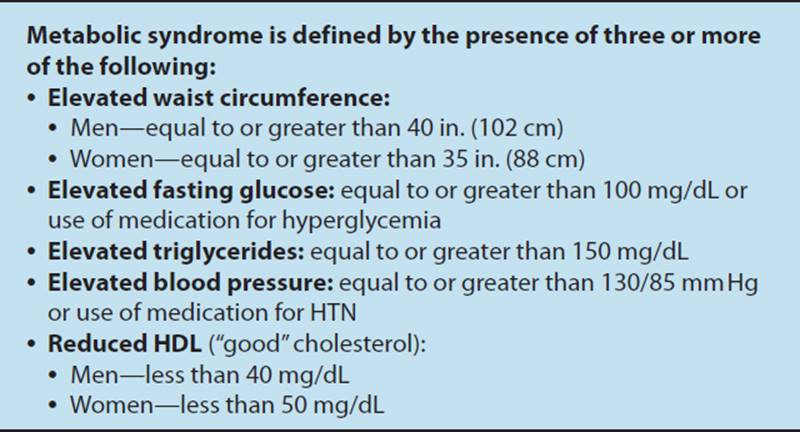
Metabolic syndrome is a cluster of conditions that have been found to directly promote the development of cardiovascular disease and type 2 diabetes. Abdominal or central obesity, fat deposition concentrated around the stomach rather than around the hips, and insulin resistance are considered the primary risk factors associated with metabolic syndrome.11 Other medical findings associated with metabolic syndrome include elevated triglycerides and blood pressure and reduced HDLs. The presence of three or more of these five conditions constitute a diagnosis of metabolic syndrome (Table 16-2).
TABLE 16-2 METABOLIC SYNDROME
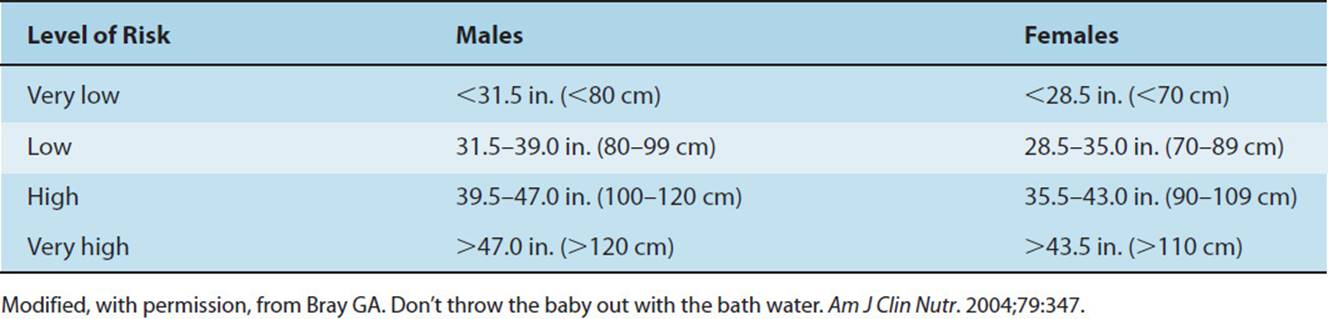
Research suggests that a measurement of waist circumference has a stronger correlation to health risks associated with metabolic syndrome than BMI or percent body fat and is an important adjunct in the clinical assessment of obesity12 (Table 16-3).
TABLE 16-3 WAIST CIRCUMFERENCE IN ADULTS AND ASSOCIATED RISK OF CARDIOVASCULAR DISEASE
ETIOLOGY
The problem of overweight and obesity results from an imbalance involving excessive caloric intake relative to energy expenditure and is influenced by genetic, metabolic, behavioral, and environmental factors. The World Health Organization Consultation on Obesity (2002) determined that overeating and physical inactivity were the factors primarily responsible for the obesity epidemic in the United States. Americans’ devotion to television, video games, computers, remote controls, and other modern conveniences has contributed greatly to a more sedentary culture. Research has determined that there is a strong relationship between the amount of television an individual watches and the prevalence of obesity and diabetes.13 The U.S. Department of Health and Human Services reports that 80% of overweight adults are completely sedentary and that 40% of adults in the United States engage in no leisure time physical activity.
INTERVENTION
Research consistently demonstrates that regular physical activity reduces many of the health risks associated with obesity. Individuals who are overweight or obese but are physically fit and active remarkably have lower morbidity and mortality than individuals of normal weight who are sedentary.14 It is clear that regular exercise and physical activity result in improved fitness and health and need to be foundational elements in addressing obesity in the United States.
Despite national initiatives to reverse the growing problem of obesity in the United States, research shows that less than 43% of adults who are obese are advised to lose weight by their health care providers.15 It is obvious that all health care professionals, including physical therapists, need to more consistently educate patients regarding the benefits of physical activity and weight loss if we are to effectively deal with this growing crisis.
The National Heart, Lung, and Blood Institute (NHLBI) recommends that all health care professionals address risk-factor reduction and weight management strategies with patients who are obese. The NHLBI also advocates the establishment of a modest target weight loss of 10% of body weight, at a rate of 1 to 2 lb/wk. Studies have demonstrated that even modest weight loss results in improvement in or prevention of hypertension, diabetes, and hyperlipidemia.16 Goals related to weight management should focus on achieving and maintaining clinically meaningful weight loss that reduces the risk of obesity-related diseases. The promotion of long-term lifestyle changes in physical activity and diet in conjunction with the establishment of modest weight-loss goals provide a realistic chance of success in combating the obesity epidemic.
An approach to weight loss that combines a restriction of calories with an increase in physical activity and behavior modification has been shown to be the most effective regimen for weight loss, weight maintenance, and improved quality of life.16 Effective behavioral modification programs involve realistic goal-setting, stimulus control, problem-solving strategies, and contingency planning. Self-monitoring of diet and exercise using a journal and enlisting the support of friends and family can be useful in reinforcing positive changes in behavior. Time should be allocated for activities as trying to “squeeze” physical activity or exercise into the day is most often ineffective.
Daily Physical Activity
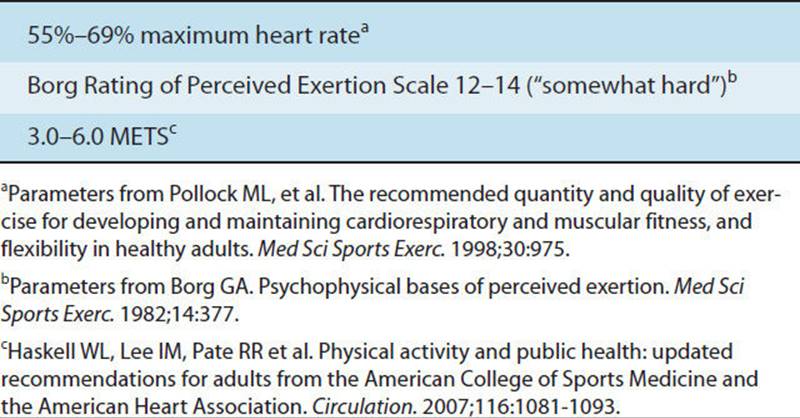
Daily physical activity plays a fundamental role in energy balance, weight control, and overall health. The National Academies Institute of Medicine issued new guidelines in 2002 on nutrition and exercise that recommend that children and adults get a minimum of 1 hour of physical activity daily, twice the previous public health recommendation.17 The new guidelines reflect the need for 1 hour of moderate-intensity physical activity (see Table 16-4) to maintain healthy weight, but recognize that this activity can be accumulated in short periods (minimum of 10 minutes) of activity throughout the day. Research indicates that while significant health benefits can be obtained through participation in at least 2.5 hours of moderate-intensity physical activity or exercise per week, a gradual progression to 3.3 to 5 h/wk facilitates long-term maintenance of weight loss.18 As long-term maintenance of weight loss is the goal for individuals who are overweight or obese, it is important that realistic goals be established and adequate time allotted to gradually progress to this higher recommended level of daily physical activity.
TABLE 16-4 INDICATORS OF MODERATE–INTENSITY EXERCISE
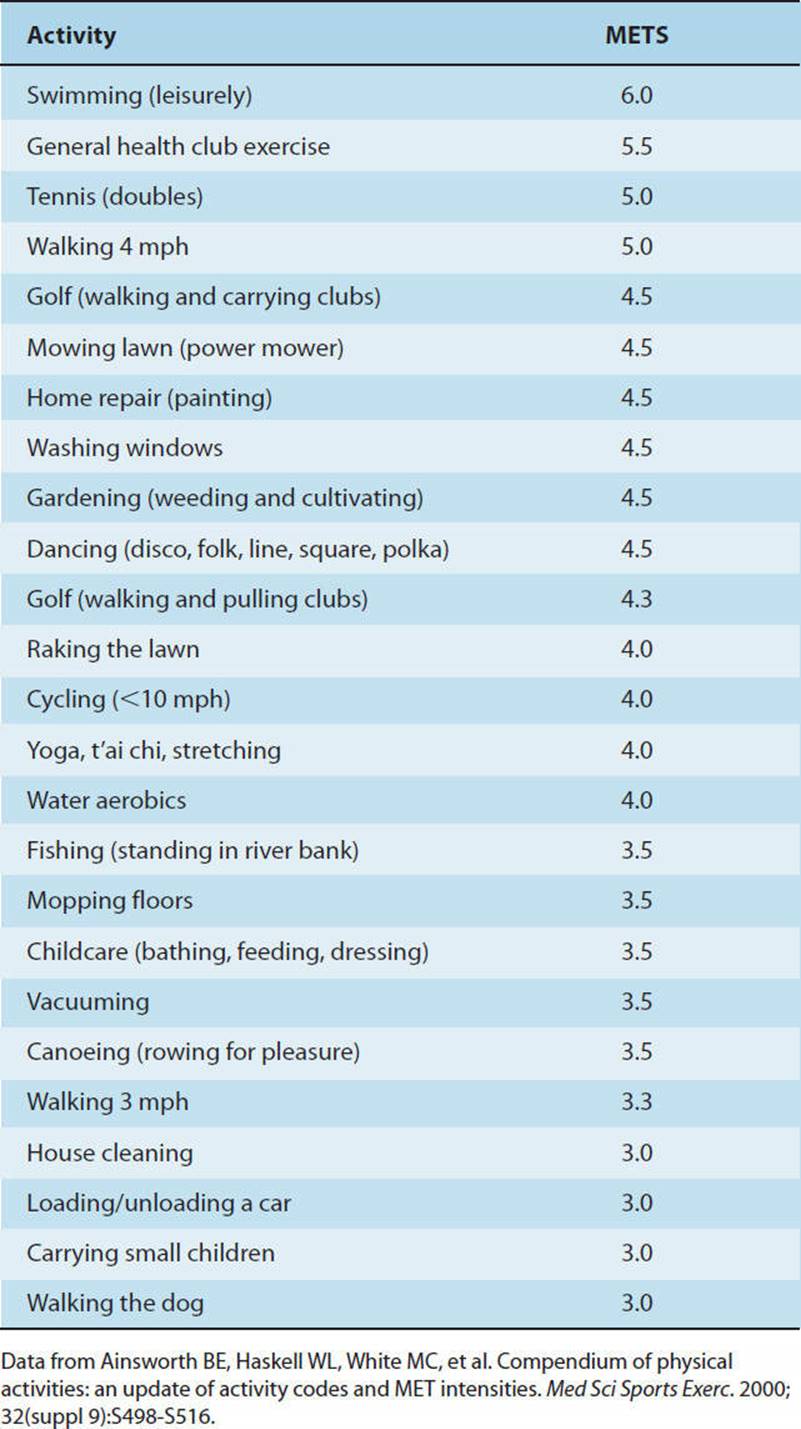
The incorporation of “lifestyle activity” to a weight-loss program can be an effective alternative or adjunct to more continuous, structured forms of exercise. Weight-loss programs of diet with moderate-intensity lifestyle activity have been shown to offer similar health and weight-loss benefits as those of diet with a structured aerobic exercise program.14,19 Participation in moderate-intensity physical activities, such as those listed in Table 16-5, for at least 1 h/d in bouts of 10 minutes or more satisfies the National Academies Institute of Medicine guidelines. Individuals should be instructed to climb stairs instead of using elevators or escalators, perform their own household chores, park in distant parking spaces, get off the subway or bus a stop early and walk the remaining distance, walk during their lunch break, and participate in more physical leisure time activities on a regular basis. Research demonstrates that short bouts of moderate-intensity physical activity performed throughout the day provide an effective way to achieve the recommended quantity of daily physical activity. A comparison of the effects of performing multiple 10-minute bouts of exercise throughout the day with a single, longer bout in overweight subjects revealed greater adherence by those exercising in short bouts, with no negative impact on long-term weight loss or fitness.20,21 Weight-loss programs that incorporate intermittent exercise or lifestyle activity will be more appealing to individuals under significant time constraints or to those that dislike structured exercise programs.
TABLE 16-5 EXAMPLES OF MODERATE–INTENSITY PHYSICAL ACTIVITY (3–6 METS)
Exercise
Exercise is a critical component of a comprehensive weight-loss program. It not only increases energy expenditure, but has been shown to diminish the loss of lean body mass and associated decline in resting metabolic rate that is characteristic of dieting alone.22 Exercise improves the body’s ability to burn fat, enhancing the loss of adipose tissue.23 In addition, it has been shown to improve dietary adherence while reducing anxiety, stress, and depression that can trigger overeating.24 Research confirms that the combination of diet and exercise results in greater weight loss than diet or exercise alone.25 Periods of severe caloric restriction can result in a significant decrease in metabolic rate that may persist after the dieting period ends, often promoting rapid weight regain. Research has repeatedly demonstrated that daily physical activity and exercise adherence are the greatest determinants of weight maintenance following weight loss.19,20,26
Exercise Prescription
Prior to prescribing an exercise program, medical history, risk factors, and medications should be assessed and when indicated, the patient should be referred to a physician for medical clearance. The Physical Activity Readiness Questionnaire (PAR-Q) has been recommended by the American College of Sports Medicine (ACSM) as a minimal standard for participation in a moderate-intensity exercise program.27 The ACSM has developed risk stratification guidelines based on age, health status, and coronary artery disease risk factors and symptoms that can be utilized to determine the need for a medical examination and exercise testing prior to the initiation of an exercise program.28Patients who undergo an exercise stress test should have their heart rate parameters incorporated into the exercise prescription. Individuals at low risk can be instructed in self–heart rate monitoring and provided with patient education literature to guide them in progressing their exercise program. It is recommended that health care professionals monitor these individuals periodically to improve compliance and assess progress.
Physical therapists should question patients regarding their previous level of activity, exercise preferences, physical impairments, and time constraints. The type of exercise selected should be pain-free, convenient, and enjoyable to encourage long-term compliance. Whereas home-based exercise programs may improve compliance for some, exercise classes or group settings may provide valuable support and social benefits for others.
Physical therapists can play an integral role in prescribing an individualized exercise program for patients who are overweight or obese. The exercise prescription should include instruction in warm-up, training, and cool-down segments as well as guidelines for progression of intensity, duration, and frequency of exercise. The warm-up and cool-down portion should be designed to address deficits in strength, range of motion, and function that limit participation in activities of daily living, instrumental activities of daily living, and social and recreational activities while also serving to prevent injuries and sudden changes in heart rate and blood pressure. Warm-up and cool-down exercises can include flexibility, active, resistive or balance exercises tailored to address impairments in body structures or function. Flexibility exercises can enhance function, improve posture, and provide greater freedom of movement. Active and resistance exercises can be useful in improving strength and function. An increase in strength that results in an improved level of mobility can promote an increase in daily physical activity. Resistance exercises should target weak muscle groups involved in functional tasks. Balance exercises can be a valuable component of a warm-up or cool-down program and enhance function and safety during gait, reduce the risk of falls, and promote a more active lifestyle.
Individuals who are overweight or obese should be encouraged to gradually increase the intensity of their exercise from low to moderate over time when initiating an exercise program. Guidelines that can be shared with patients to promote an understanding of what constitutes moderate-intensity exercise are listed in Table 16-4. Duration and frequency of exercise should be gradually increased as well, based upon the individual’s tolerance and prior activity level. The cumulative effect of exercise over time is substantial and research has demonstrated a clear, dose–response relationship between the amount of weekly exercise performed and the amount of weight lost in individuals who are overweight.29 The most successful exercise programs for individuals who are obese are of moderate intensity, long duration, and are performed frequently.18,30 Individuals should be encouraged to strive for a long-term goal of 60 minutes of moderate-intensity physical activity over the course of each day. An example of an aerobic exercise prescription is provided in Table 16-6.
TABLE 16-6 EXAMPLE OF AN AEROBIC EXERCISE PRESCRIPTION FOR WEIGHT LOSS

Exercise Precautions and Contraindications
Diabetes and hypertension (HTN) are common comorbidities associated with obesity that require special consideration when prescribing exercise. Compliance with a regular exercise program helps to diminish some of the health risks associated with these disease states. For individuals with diabetes, exercise is contraindicated when blood glucose is greater than 300 mg/dL or greater than 240 mg/dL with urinary ketone bodies. Blood glucose should be monitored before, during, and after activity at the initiation of an exercise program, if individuals are taking insulin or oral medications for diabetes. Exercise can lead to exercise-induced hypoglycemia when insulin is available in the bloodstream. A carbohydrate snack may be needed either before or during exercise. It is important to review the signs of hypoglycemia (shakiness, dizziness, hunger, headache, and diaphoresis) in individuals with diabetes. Exercise-induced hypoglycemia can occur up to 4 to 6 hours after the cessation of exercise. Evening exercise should be avoided because of an increased risk of nocturnal hypoglycemia. As the exercise program is progressed, insulin needs may change, so close monitoring and follow-up with a physician is important. People with diabetes are at risk for autonomic neuropathies associated with a blunted heart rate and blood pressure response to exercise and/or silent cardiac ischemia. It is important that heart rate monitoring be performed in conjunction with a rating of perceived exertion scale to determine a safe level of exercise intensity for individuals with diabetes.31
For individuals with hypertension, exercise is contraindicated if resting systolic blood pressure is greater than 200 mm Hg or diastolic is greater than 110 mm Hg. For persons on alpha-1, alpha-2, or calcium channel blockers or vasodilators, the risk of postexertion hypotension exists and the cool-down phase of the exercise program needs to be strictly adhered to.31
Aerobic Exercise
Aerobic exercise is the preferred type of exercise for individuals initiating a weight-loss program because of the volume of calories burned and its well-established cardiovascular benefits. Aerobic exercise options include swimming, rowing, upper-body cycles, stationary or recumbent cycles, bicycling, walking or the use of treadmills, exercise videos, or classes. The selection of an appropriate type of aerobic exercise should be based on an individual’s preferences, access to equipment, time constraints, and physical factors. In a randomized controlled trial involving women who were overweight, having access to exercise equipment at home was associated with better exercise adherence and weight loss at 18 months when compared with women without home exercise equipment.20
Walking indoors can be accomplished at a local mall or on a treadmill when weather is a factor, or outdoors around a neighborhood or at a local track. Pedometers can be useful in improving compliance and quantifying activity and progress. On the basis of available evidence in the literature, it has been proposed that healthy individuals need to accrue 10,000 or more steps a day to be classified as “active.”32 Home cycle units, swimming, and aquatic therapy are excellent choices for individuals with arthritis as they impart minimal stress to the joints. Indoor pools can be found by contacting health clubs, school districts, Young Men’s Christian Associations (YMCAs), or motels for information about pool membership and class availability. Recumbent cycles provide a comfortable alternative to upright cycles. Exercise classes (aerobic, aquatic, yoga, t’ai chi) provide a structured environment with social support that may improve compliance for some individuals. Videotapes (dance, low-impact aerobics, t’ai chi, yoga) are an inexpensive and convenient choice for those who prefer to exercise at home. Health clubs are an option but individuals who are obese must be counseled that exercise equipment such as cycles, treadmills, and elliptical trainers manufactured for the general public tend to have weight limits of 300 to 350 lb. Individuals who are morbidly obese may require specialized equipment to facilitate an increase in physical activity.
Resistance Training
It is generally recommended that exercise programs for both weight loss and weight maintenance following weight loss consist primarily of aerobic exercise. There is not always a resistance exercise component. The benefits of resistance training include a reduction in cardiovascular disease risk factors, specifically diabetes, hypertension, and dyslipidemia. Resistance training may have an impact when addressing obesity, general physical inactivity, and predisposing risk factors in cardiovascular disease.16 Resistance training can also assist an individual in leading an active lifestyle by increasing muscle strength and lean muscle mass. Studies that have examined the role of resistance training have demonstrated a reduction in body fat mass and an increase in resting metabolic rates in both men and women. This exercise approach has also been found to increase fat-free mass and resting metabolic rate despite weight loss in postmenopausal women.33,34 Very low-calorie diets have been associated with a loss of lean muscle mass, resulting in a decrease in resting metabolic rate. The addition of resistance training, whether during the weight loss or weight maintenance phase of a program, can counteract these negative results. Overweight and obese persons may better tolerate this exercise modality since it involves slow, controlled movements and the positions can be tailored to the individual for comfort. It is common for obese patients to undertake walking programs, but this activity is sometimes poorly tolerated by weight-bearing joints. The above studies have examined resistance training, but not in combination with aerobic exercise. More research is needed to determine how to structure a weight loss and weight management program in regard to the mix of exercise options. The American Heart Association recommendations for resistance training for persons without cardiovascular disease are as follows35:
•Training at minimum of 2 d/wk, progressing to 3 d/wk
•Training of 8 to 10 major muscle groups including back, abdomen, thigh, lower legs, chest, shoulders, and arms
•Intensity of 30% to 40% of 1 repetition maximum for upper extremities and 50% to 60% for lower extremities; OR, determining a weight that can be lifted for 8 to 10 repetitions and progressing to 12 to 15 repetitions
A resistance training program can be developed in conjunction with an aerobic exercise program and can be progressed at a pace that will not be too overwhelming in regard to the time required for completion.
Patient Education
Health care providers are often reluctant to discuss weight loss with patients who are overweight or obese, but need to address this concern along with the patients’ other medical issues. The topic of weight loss can be introduced into the conversation by discussing the benefits of healthy eating and physical activity. Physical therapists can refer patients to nutritionists or weight-loss centers for a dietary plan. If a patient is not ready to seek nutrition counseling, the individual should be provided with an accurate Web site or patient education pamphlet that can be reviewed independently. When raising the subject of weight loss with patients, be clear that the primary interest is in their health and current diagnosis/symptoms; it is not dependent on weight loss during the current episode of care. Patients who are in greatest need for a discussion of weight loss include those with a BMI ≥30 kg/m2, those with a BMI between 25 and 30 kg/m2 that demonstrate two or more weight-related issues (diabetes, personal or family history of cardiac disease, HTN, etc), and those with a waist measurement of ≥35 in. for women and ≥ 40 in. for men.36Patients need guidance with setting realistic goals for weight loss and a planned progression to increase physical activity without causing injury or exacerbating current musculoskeletal conditions. It is important for patients to gain an appreciation for the impact of small amounts of weight loss on their health. A weight loss of 5% to 10% of initial body weight can significantly lower blood pressure. A weight loss of 5% to 7% through diet and increased physical activity has been shown to delay or prevent the onset of type 2 diabetes in high-risk patients.37
Providing specific information regarding the benefits of weight loss will help make the discussion more concrete. Weight loss will assist in the following ways16:
•Decrease elevated blood pressure
•Decrease elevated blood glucose levels
•Decrease elevated total cholesterol, LDL, and triglycerides
•Increase low levels of HDL
As the plan for weight loss is developed, it needs to be tailored to the individual. There is no set of rules to guarantee success for each person. Including the patient’s preferences in the plan will improve the chance of success. Consider cultural issues and other aspects of the patients’ health care program that could impact the success of their weight-loss program.
The NHLBI recommends a three-step approach for discussing weight management with patients. The starting point sets the tone for communication. The conversation must be expressed in a nonjudgmental manner. Ask the patients if they are comfortable discussing their general health and include the topic of weight—weight history and the impact of excessive weight on their life. Step 2 is a discussion and assessment of their readiness to make changes in their life. What is their attitude toward exercise and physical activity, and what are potential barriers in this area? Have there been previous attempts to lose weight and increase activity and if so, what approach has been most successful/least successful? Listening to your patients will help you to determine if they are ready for this commitment. Ask specifically about their current perspective on losing weight and improving health on a 1 to 10 scale, 10 being 100% ready for a commitment. Responses between 1 and 4 reveal very little motivation or intention, between 5 and 7 ambivalence, and between 8 and 10 shows readiness to begin a program. The third step creates a partnership with the patients and establishes goals that are reasonable and achievable.38
Exclusions for Weight-Loss Therapy
There are certain patient populations to be excluded from weight-loss programs, and thus should not be counseled during physical therapy episodes of care. These include women who are pregnant or lactating, people with serious uncontrolled psychiatric illnesses such as major depression, those who have comorbidities that would be negatively impacted by a low-calorie diet, and persons having problems with substance abuse.3
SPECIAL CONSIDERATIONS IN BARIATRICS
Bariatrics is defined as the branch of medicine that deals with the causes, prevention, and treatment of obesity. This is a growing area of health care, in both the clinical environment and research arena because of the obesity epidemic in the United States. When treating the bariatric population in hospitals and rehabilitation settings, special considerations need to be addressed. Health care professionals are at high risk of musculoskeletal injuries when mobilizing patients who require assistance with bed mobility, transfers, and ambulation. Health care providers report fearing personal injury when moving heavy patients.39 Facilities need to develop protocols when mobilizing patients who are morbidly obese, with consideration given to weight, body mass distribution, and clinical condition.
Mobilization of Patients
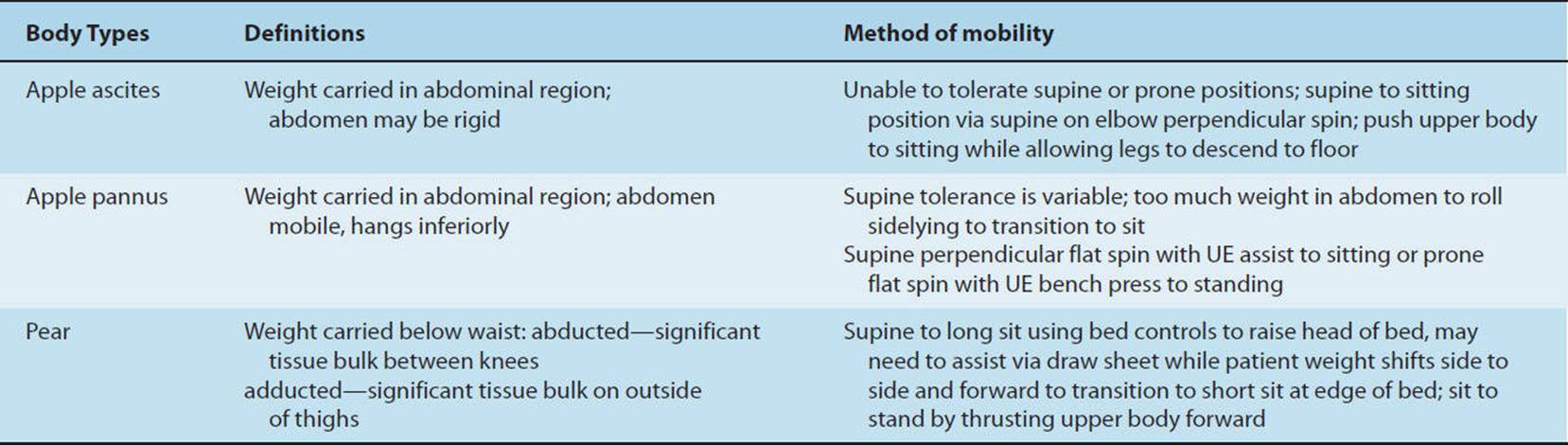
Suggestions for safer mobilization include placing a transfer sheet between the patient’s body and the surface of the bed to avoid skin shear and the use of an overhead grab bar or trapeze to permit the patient to better participate in bed mobility and transfer activities. Refer to Table 16-7 for recommendations on mobilization of patients based on body type. Regular length gait belts should never be joined to accommodate a patient who is obese and caution should be taken to prevent gait belts from penetrating into skin folds.40 Bariatric gait belts are available in lengths greater than 60 in. to accommodate patients who are morbidly obese. Before attempting to move a patient, include him/her in the plan. Ask questions such as “What works best for you?” or “How has this been done before?” to solicit additional information that will assist in making the transfer successful. Facilitating patients’ involvement protects their dignity and encourages them to be an active participant in their care.
TABLE 16-7 BODY TYPES AND SUGGESTED METHODS OF MOBILITY
Making the determination to stand and ambulate a patient who has morbid obesity can be a challenge for a physical therapist. It is difficult to provide more than guarding and verbal cueing without putting both the patient and PT at risk for injury. The Egress Test (described in Table 16-8), developed by Michael Dionne, PT, is a screening tool to determine if the patient is capable of ambulating with/without an assistive device or a mechanical lift device is needed. The tool is simple for a PT to remember as well as implement. The basis for the test is the patient’s ability to perform repeated movements without assistance.
TABLE 16-8 THE EGRESS TEST
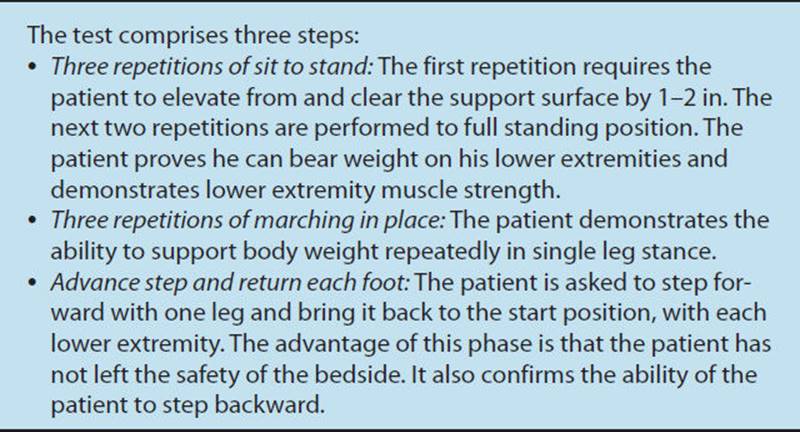
If all three steps of the Egress Test are completed without assistance from the PT, the patient is ready for the next step—ambulation. If they had difficulty with these basic movements, a mechanical lift is indicated until they can complete all three steps.41
Bariatric Equipment
When working with patients who are morbidly obese, it is important that physical therapists be familiar with and confident in the use of specialized bariatric equipment that is available. All staff needs to be trained in the use, operation, and appropriateness of each piece of equipment and the special needs related to mobilization of bariatric patients. This training should also address body mechanics and the necessity for multiple person involvement in transfers, transitions, and repositioning of these patients.
Equipment with higher weight limits is available for rental or purchase, and there are many companies now supplying bariatric equipment. While typical hospital beds have weight limits of 300 lb, bariatric beds can accommodate patients weighing up to 1,000 lb and are wider in width to allow for the increased girth of this patient population. Some bariatric beds are designed to allow the patient to transition directly from supine to sitting position and permit egress from the foot of the bed (see Fig. 16-1). These beds allow the patient to stand and ambulate without expending additional energy to assume a seated position at the edge of the bed. Some bariatric chairs convert to stretchers to allow patients to be slid out of bed to the bariatric chair using a transfer sheet. The chair is then adjusted to the sitting position once the transfer has been completed (Fig. 16-2). For patients who are unable to be safely transferred out of bed with physical assistance, bariatric lifts should be used. These systems can be freestanding or mounted on track systems on the ceiling and may also be useful with extremity range-of-motion exercises (Figs. 16-3 and 16-4). Bariatric mobile lifts are available for this population as well. The patients are placed in a sling, which can assist the sit-to-stand transition and allow for safer ambulation and gait training. Patients can ambulate without the physical therapist’s support, permitting the physical therapist to focus on gait training and patient technique (Fig. 16-5).
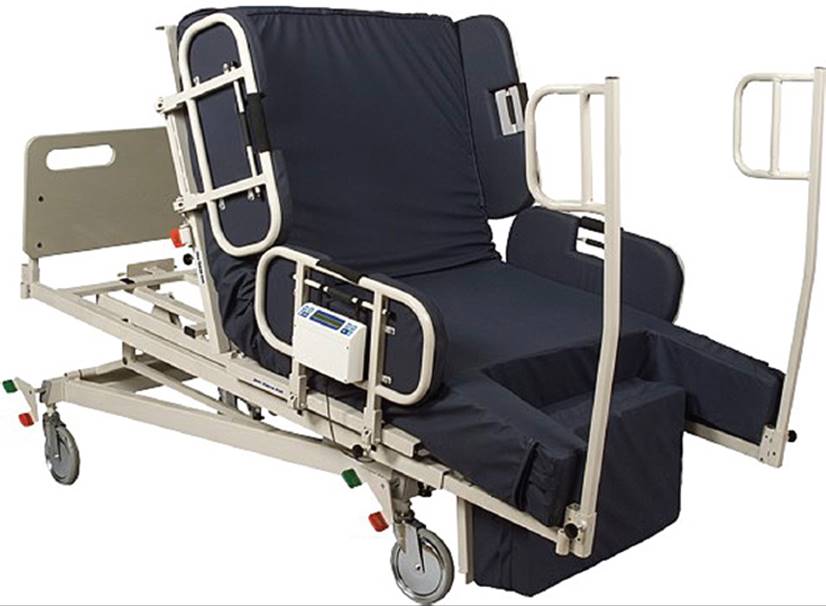
FIGURE 16-1 This specialized bariatric bed allows egress from the foot of the bed. (Courtesy of Convaquip–Extra Care Bariatric Bed Model 910EC.)
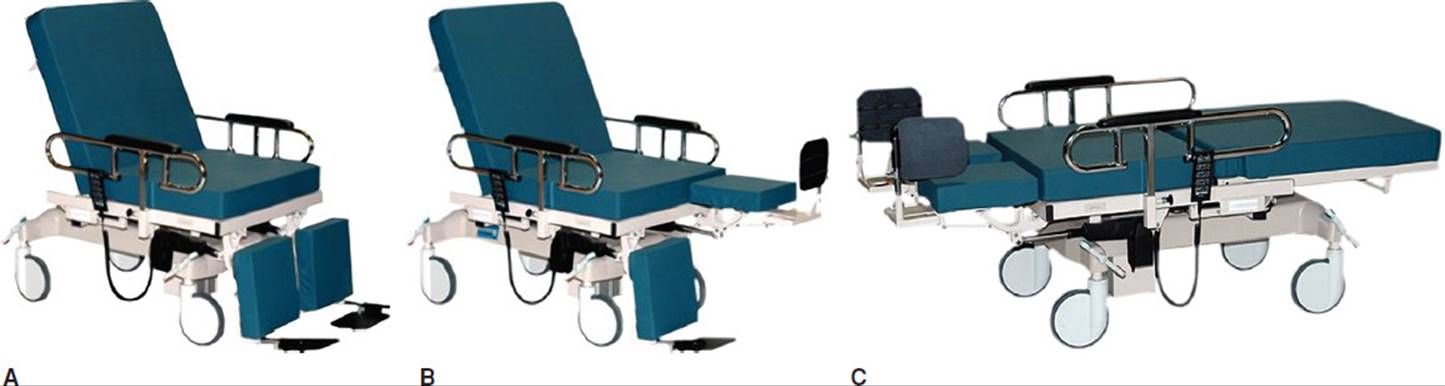
FIGURE 16-2 Converts from a chair to a stretcher for alternative means of transfers. (Courtesy of Convaquip—Model 900EC Bariatric Extra Care Chair.)
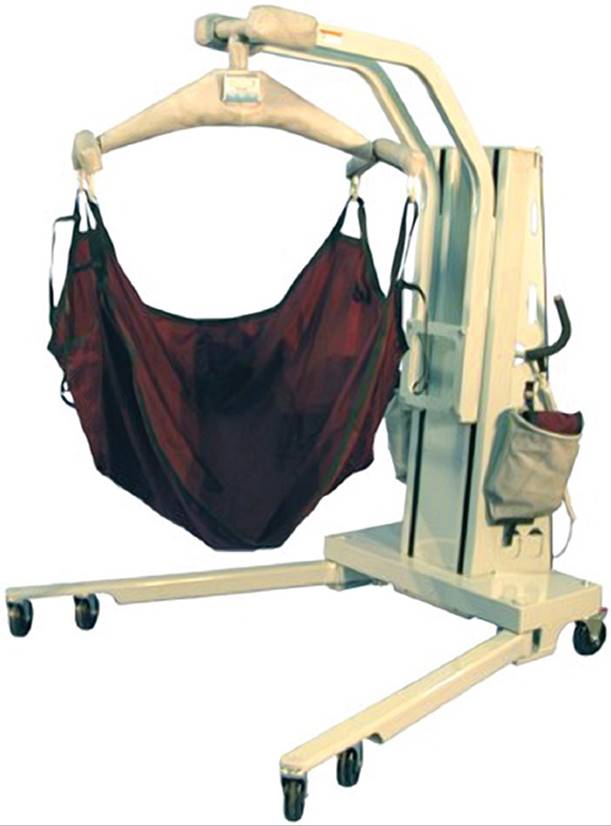
FIGURE 16-3 Electronic portable lift that includes a digital scale and can accommodate up to 1000 lb. (Courtesy of Convaquip—Model 9750.)

FIGURE 16-4 Liko Ultra twist, ceiling mounted lift system can accommodate up to 1100 lb. (Courtesy of Liko North America.)
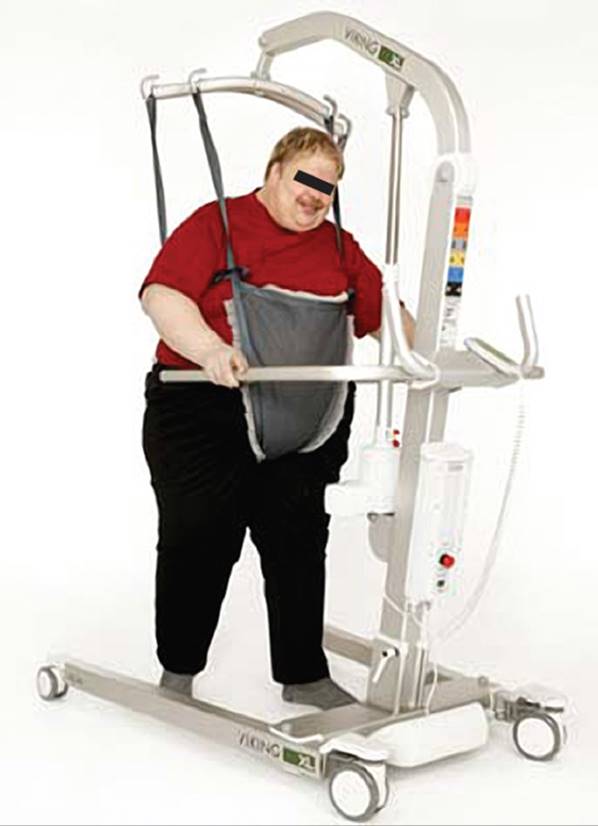
FIGURE 16-5 Gait training with Liko Lift Pants. (Courtesy of Liko North America.)
The bathroom is another area requiring consideration and planning. Toilets need to be floor mounted, as opposed to wall mounted, to handle the heavier weight. To assist in transfers on and off the commode, elevated bariatric toilet seats are also available. Appropriate shower chairs (higher weight ratings and larger widths) and shower nozzles with longer hoses may allow the patient more independence and dignity. For patients unable to get to the bathroom, bariatric size bedpans are available.
When working with the bariatric patient in an outpatient setting, consideration begins with the furniture in the waiting room. Sturdy wide chairs and sofas with firm, elevated seat surfaces that accommodate higher weight limits provide better patient comfort and ease in transfers. In the treatment area, a bariatric table that is wider and accommodates greater weight should be available. Extra large gowns will be helpful in making the patient less self-conscious at the start of treatment. Attention to these details will ensure safety of the patients as well as create a supportive environment that does not call attention to their difficulties due to size.
In the home setting, many of the same assistive devices and equipment are needed to ensure safety of the patient as well as the caretakers. Appropriate bariatric beds, lifting systems, commodes, and furniture, as discussed previously, will also improve the quality of life for the patient. This patient population may have difficulty reaching all areas of their body, making personal hygiene a challenge. Assistive devices can be purchased for the home: home scales, sponges on long handles for bathing, portable bidet systems, and toilet paper holders for toileting hygiene (see Fig. 16-6). More companies are increasing their product lines to include the bariatric population, and new companies are being introduced solely to meet the growing needs in our society. Specialized beds, wheelchairs, motorized scooters, and ambulation devices are available with varying weight limits of 600 to 1,000 lb. Architectural planning or revisions may be required in the home, including widening of doorways and extra wide ramps that can support heavier weights.

FIGURE 16-6 Self–wipe bathroom toilet aid. (Courtesy of Convaquip.)
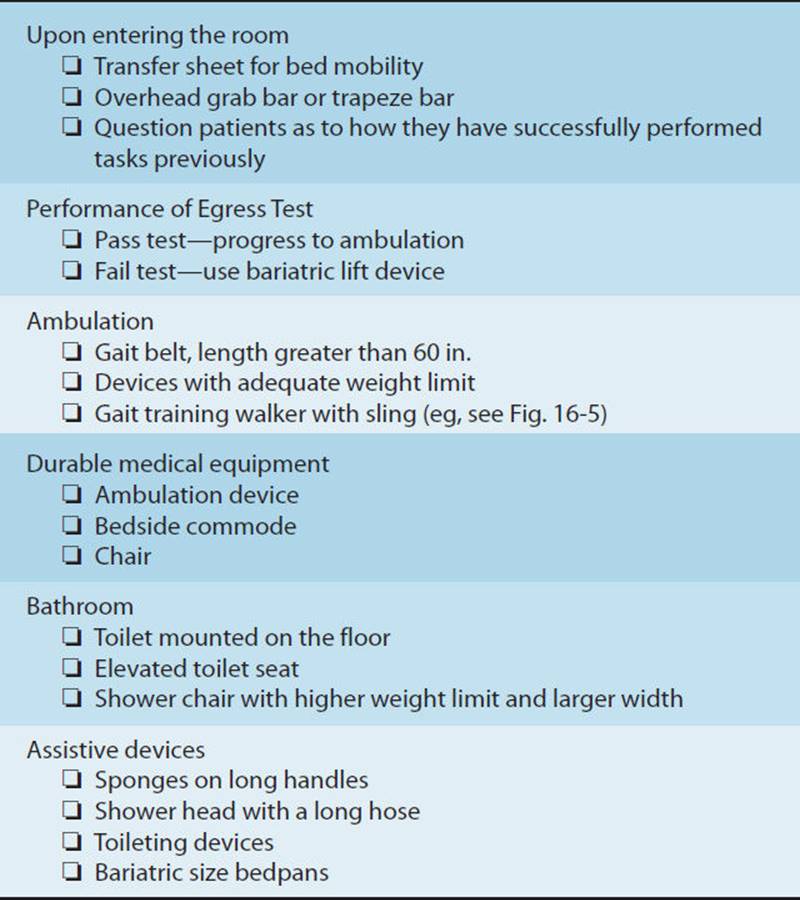
A checklist summarizing special considerations for treatment of bariatric patients can be found on Table 16-9.
TABLE 16-9 BARIATRIC PATIENT CHECKLIST
Quality of Life
Morbid obesity, typically defined by BMI ≥40 kg/m2, can also be defined as a condition in which body size limits health, mobility, and access to places and services that would otherwise be available. Morbid obesity has been recognized as a diagnosis protected by the Americans with Disabilities Act.8 Patients with obesity have multiple health risks due to their weight and often experience a decreased quality of life. The patient–health care provider relationship should focus on healthy behaviors and self-acceptance with less focus on weight loss. Having the proper sized equipment readily available (large blood pressure cuffs, weight scales with higher weight limits, and extra large gowns) assists in this relationship. Many patients who are overweight or obese report negative experiences during episodes of health care, making them reluctant to seek future treatment. There is fear of negative or inappropriate comments and/or of being judged for gaining weight or not losing weight since their last appointment. Health care providers need to examine their personal attitudes and barriers to intervention. Examples of possible barriers may include lack of appropriate medical equipment to assess and treat these patients, lack of training to accommodate their physical and emotional needs, perception that obesity is primarily due to a lack of willpower or that other health issues are not as important as weight loss, and difficulty performing a physical examination because of patient size.42 The actual words that are used also have an impact on the patient–health care provider relationship. It is recommended that words such as “weight” and “excessive weight” be used, instead of terms like “obesity,” “fat,” and “excessive fat.”43
Weight-Loss Medication
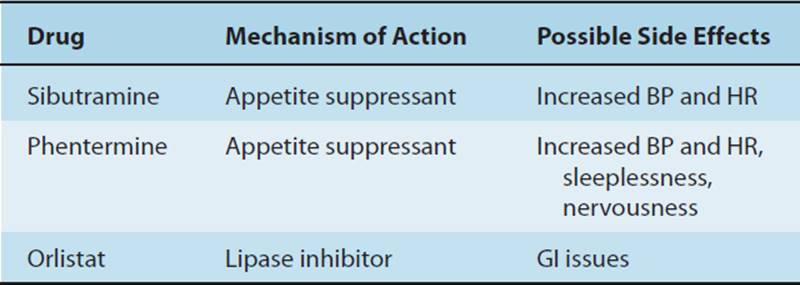
Numerous over-the-counter and prescription medications are available to individuals seeking this method for weight loss. Pharmacotherapy should be considered by physicians as an adjunct means of weight loss for patients with a BMI ≥30 kg/m2 without risk factors or a BMI ≥27 kg/m2 with risk factors (hypertension, dyslipidemia, congestive heart disease, type 2 diabetes, or sleep apnea) who have been unsuccessful achieving weight loss of 1 lb/wk while on a low-calorie diet and a program of increased physical activity.16 Medication is intended to be part of a weight-loss program, not a singular approach. Weight-loss drugs work best with lifestyle changes such as diet and physical activity. The medications have different mechanisms of action and side effects that may impact exercise performance. Pharmacotherapy as part of a weight-loss plan is not a long-term solution. If a person is taking medication for 6 months and is not losing at least 1 lb/wk, it should be discontinued.44 Commonly prescribed drugs, mechanism of action, and side effects are listed in Table 16-10.
TABLE 16-10 COMMON WEIGHT–LOSS MEDICATIONS44
Bariatric Surgery
Bariatric surgery is becoming the treatment of choice for severely obese patients, as it results in improvement in comorbidities and an overall decrease in mortality of 25% to 50%.45 The number of bariatric surgeries performed in the United States has increased from 16,000 procedures in the early 1990s to 103,000 in 2003.45 According to the National Institutes of Health, the surgical approach to weight loss is intended for persons with a BMI ≥40 kg/m2without comorbidities, or a BMI ≥35 kg/m2 with serious obesity-related comorbidities. Candidates for surgery should have a history of unsuccessful attempts at weight-loss programs that included dietary changes, exercise, and behavioral changes. Prior to surgery, assessment of motivation and psychological stability for understanding the risks and benefits of surgery, the required lifestyle changes, and medical follow-up needed after undergoing a surgical approach to weight loss are necessary.46
Surgical Approaches
Three surgical approaches are commonly being performed: procedures that restrict the amount of food intake, procedures that limit absorption of nutrients, and one that combines the two. The most current restrictive surgical approach is the vertical banded gastroplasty (VBG) (Fig. 16-7). The capacity for food intake is greatly reduced through this procedure. A variation of this approach is the laparoscopic adjustable gastric banding (LAGB), which involves laparoscopic placement of a band around the upper stomach to create a smaller stomach pouch and a larger distal remaining stomach47 (see Fig. 16-8). The second approach, biliopancreatic diversion technique, works through malabsorption of nutrients. This surgical approach promotes weight loss by diverting pancreatic and biliary secretions to the distal portion of the ileum, causing lipid breakdown to be delayed in the digestive tract (see Fig. 16-9). The third surgical procedure, the Roux-en-Y gastric bypass (RYGB), combines both the restrictive and malabsorptive approaches. During this surgery, the stomach is partitioned into a 20-mL pouch, 5% of its normal volume, with an outlet to an anastomosed loop in the small intestine. Ninety-five percent of the stomach, the whole duodenum, and a small portion of the proximal jejunum are bypassed47 (Fig. 16-10).
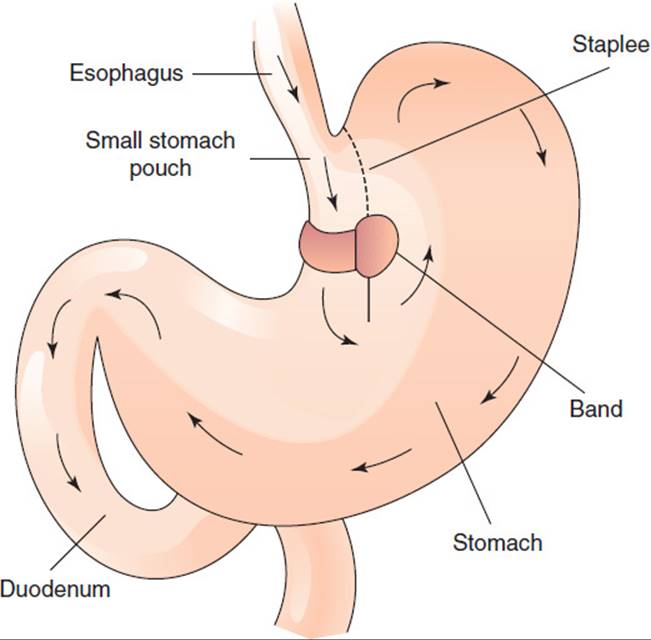
FIGURE 16-7 Diagram of vertical gastric banding surgery.
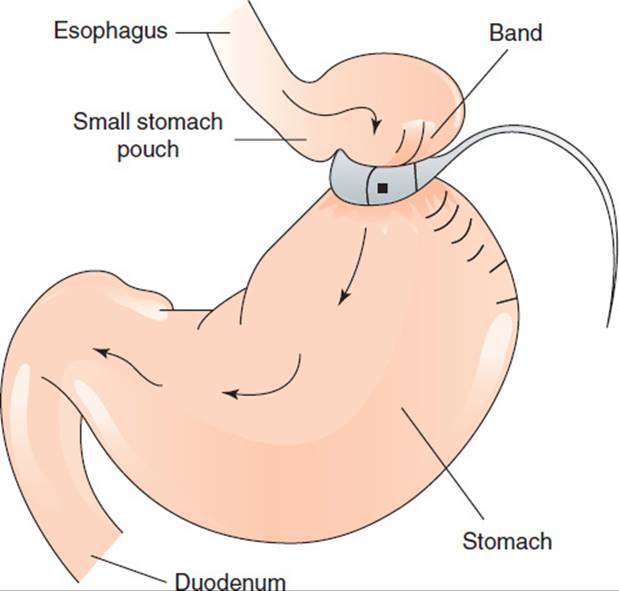
FIGURE 16-8 Diagram of laproscopic adjustable gastric banding surgery.
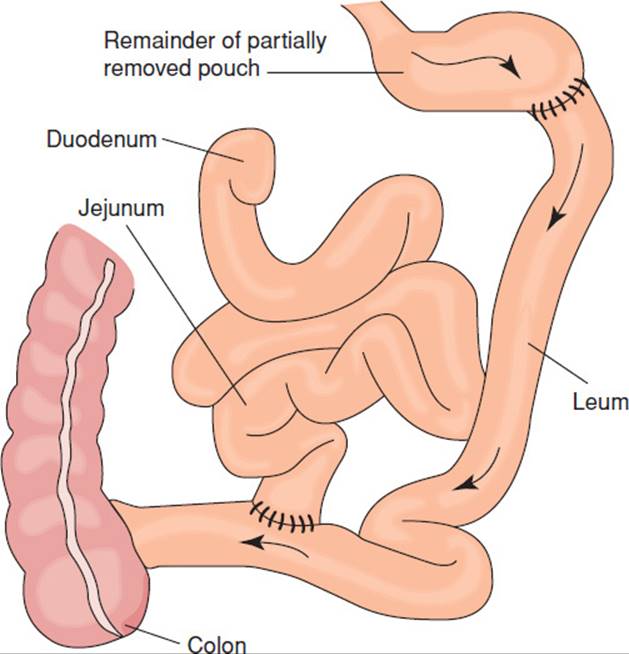
FIGURE 16-9 Diagram of biliopancreatic diversion surgery.
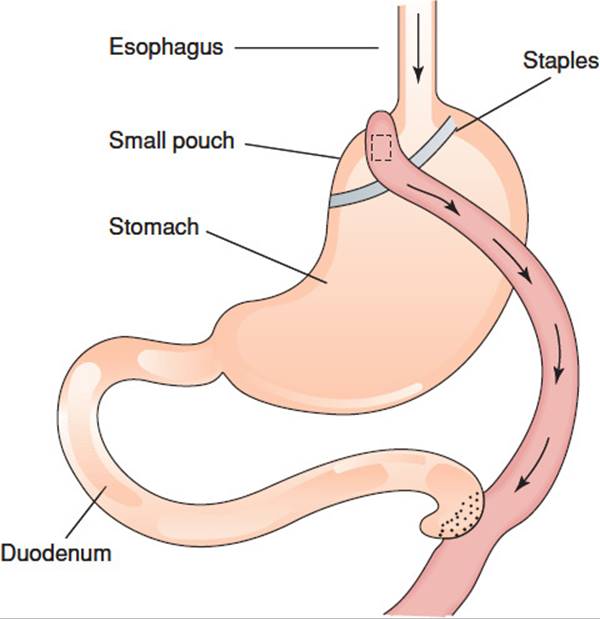
FIGURE 16-10 Diagram of Roux-en-Y gastric bypass surgery.
There has not been any research to determine which surgical approach is more successful with one exception. In the case of the superobese person, BMI ≥50 kg/m2, the biliopancreatic diversion is the recommended procedure for surgical weight loss.48 The long-term results of surgery show that persons undergoing restrictive surgical approach (VGB) demonstrate an average weight loss of 40% of excess weight, and persons undergoing RYGB and biliopancreatic diversion approaches experience an average weight loss of 60% of excess weight.49
A secondary benefit of weight-loss surgery that has been observed is the resolution of glucose intolerance in patients. There are two theories proposed in the literature that can account for this metabolic change. First, it was noted that 73% of patients who underwent laparoscopic adjustable gastric banding had a complete remission of diabetes within 2 years following surgery. This was compared to 13% of patients who achieved weight loss through medical and behavioral interventions. The remission of diabetes was attributed to the amount of weight lost after the surgical procedure.50 Another group of patients who underwent either RYGB or biliopancreatic diversion demonstrated an unexpected antidiabetic mechanism, more than expected with significant weight loss. These patients showed improved glucose metabolism within days to weeks following surgery, before any large amount of weight was lost.50 A possible explanation for this positive response to surgery is the exclusion of the jejunum in the digestion process, perhaps eliminating the secretion of some unidentified hormone that affects insulin sensitivity.51 More research in this area is needed to identify the mechanism responsible for this unexpected result of weight-loss surgery.
Exercise Recommendations
There is limited information available in the literature regarding preoperative and postoperative exercise recommendations. The American Society for Metabolic and Bariatric Surgery (ASBS) recommends mild exercise, 20 min/d, 3 to 4 d/wk, for the preoperative patient.52 Specific recommendations by the ASBS include blowing up balloons to improve lung capacity, aerobic conditioning by walking, swimming, and biking, and use of light weights for strengthening. Northwest Kaiser Permanente includes a preoperative program for its bariatric surgical candidates, recommending a daily walking program, 60 to 90 minutes, in preparation for the postoperative aspect of care and to improve physical fitness. The goals of a preoperative exercise program include decreased surgical complications, facilitation of healing, and enhanced postoperative recovery. Patients should begin walking postoperative day 1. The distance or time can be increased each day as tolerated.52 Postoperative patients are also at risk for blood clots and pneumonia; therefore, ankle pumps and deep breathing exercises should be encouraged.53 Lifting should be restricted to no more than 15 to 20 lb for 6 weeks following invasive surgery and 3 weeks following laparoscopic approaches. Patients should be advised to progress their home walking program in both time and distance on a daily basis as tolerated. No specific exercise contraindications were found in the literature, with the exception of avoidance of “abdominal crunch” type machines in patients who had adjustable gastric banding surgeries because of one report of a port connection becoming dislodged after this type of exercise.54 Aerobic exercise, light weight training, and abdominal exercises can be added as permitted by the surgeon.53
When working with the postoperative bariatric patient, potential changes in health status can impact participation in a physical therapy program. This population is at risk for poor nutritional status, potentially limiting exercise tolerance. Many patients take vitamins to supplement food intake. “Dumping syndrome,” a common condition following gastric bypass surgery, is associated with food intake, usually after eating refined sugars, high glycemic carbohydrates, dairy products, and some fatty foods. The food quickly empties from the stomach into the small intestine, triggering a variety of symptoms. Early dumping syndrome occurs 30 to 60 minutes after eating and is characterized by symptoms of light-headedness, sweating, tachycardia, palpitations, nausea, diarrhea, and abdominal cramping. Late dumping syndrome occurs 1 to 3 hours after eating and is marked by signs and symptoms of hypoglycemia: sweating, shakiness, loss of concentration, hunger, and syncope. Individuals should be advised to speak with their physician if they experience symptoms associated with this syndrome, as this could be a signal to the patient for the need to more closely follow the required dietary recommendations.53
CASE STUDY
History of Present Illness
Millie is a 62-year-old female, admitted to the hospital on 11/14/08 complaining of worsening shortness of breath for 2 days and edema of the lower extremities. Her chest X-ray was consistent with pulmonary edema and mild cardiomegaly, but her lungs were free from infiltrates. Bilateral lower-extremity Doppler examination was negative for deep vein thrombosis. EKG showed sinus rhythm without any ST- or T-wave changes. Echocardiogram revealed LVEF = 50%, normal valves, and mild pulmonary hypertension.
Lab tests: serial CPK and troponins were within normal limits. Glucose was 271 mg/dL. Blood gas on admission: pH 7.3, PCO2 = 53, PO2 = 61, HCO3 = 28.9, oxygen saturation = 89.1%, representing a partially compensated state of respiratory acidosis. Lipid profile: HDL = 38 mg/dL, LDL = 170 mg/dL, triglycerides = 187 mg/dL.
Admitting diagnosis was CHF. Patient was treated with Bi-PAP because of respiratory insufficiency, Lasix, insulin coverage for diabetes, and nebulizer treatments.
Past Medical History
Morbid obesity, OA, DJD of lumbar spine and bilateral knees, L 4/5HNP with chronic LBP, type 2 DM since 1997, cataracts, history of TIA, S/P anterior wall MI 2006 with subsequent episodes of angina; patient underwent coronary angiography with placement of two cardiac stents to LAD and LM coronary arteries.
Medications at home: Nitro-patch, Percocet, β-blocker, insulin, aspirin, simvastatin, diuretic.
Social History
Millie lives with her spouse and has two adult children who do not live nearby. Equipment at home includes O2 cylinders because of restrictive lung disease and hypoventilation, a rolling walker, and a bedside commode. She reports being overweight as a child and adolescent. She reports having been unable to lose all of the weight she had put on during her two pregnancies, with a slow, gradual gain in weight over the years to her current 230 lb. Millie attributes some of her recent weight gain to her chronic LBP and need for use of a walker to ambulate. Patient gave up cigarettes 5 years ago, but has a 20-pack-year history. Patient was referred to the physical therapy department of the hospital after being monitored and undergoing tests in ICU for 2 days, and then being transferred to the regular nursing floor.
Physical Examination
Patient is 5 ft 2 in. tall and weighs 230 lb with a BMI of 42. Her waist circumference is 124 cm, putting her at very high risk for cardiovascular disease. Body type identified as apple ascites.
Resting HR = 72, regular rhythm, no S3, no murmur, RR = 22 on 2.5 L/min O 2via nasal cannula with oxygen saturation of 92%, BP = 138/72. Breath sounds diminished bilaterally with minimal basilar crackles. No jugular venous distension noted; 1 + pedal edema noted bilaterally.
(+) Abdominal obesity
Mental status—alert and oriented X 3, cooperative
Sensation—intact to light touch (all dermatomes) and proprioception in all four extremities, but patient reports occasional paresthesias in left LE
Pain—reports 1/10 centralized chronic LBP at rest; (—) Homans sign bilateral LE
AROM—WNLs except shoulder flexion is limited to 130 degrees bilaterally with a springy end feel, ankle dorsiflexion to 0 degrees left and 2 degrees right because of decreased flexibility in gastrocsoleus, hip extension is 0 degrees bilaterally because of hip flexor tightness, hip flexion to 100 bilaterally secondary to abdominal girth
Bilateral UE strength is generally 4/5 except for shoulder flexors and abductors that are 4–/5 in the available ROM
Bilateral LE strength
Ankle dorsiflexors: 3+/5 bilaterally in available ROM
Ankle plantarflexors: 4/5
Knee extensors: 4/5
Knee flexors: 4–/5
Hip flexors, adductors and abductors: 3+/5
Hip extensors 4–/5
Neurological—normal muscle tone, 2+ reflexes, intermittent left LE paresthesias
Functional Assessment
Bed mobility: Patient utilized overhead bed trapeze to move upward in bed in a series of repeated attempts, after lowering the head of the bed to a flat position and following verbal cues to bend hip and knees to utilize LEs to push into extension. The overhead trapeze was moved sequentially toward the head of the bed along the support bar as the patient moved upward with each effort to provide her with adequate UE leverage.
Transfers: Patient transferred from long sitting to sitting at the edge of the bed using upper extremities to push up to sitting while allowing lower extremities to drop off the side of the bed to the floor. Patient did not report any dizziness in sitting. Vital signs were taken in sitting position: HR = 76, BP = 140/74, RR = 24 on oxygen with oxygen saturation = 93%. Pain was assessed and reported to be 2/10 in lumbar spine. Millie was encouraged to practice diaphragmatic breathing and rest before an attempt at standing was made.
Static and dynamic sitting balance: good.
Egress Test: A bariatric gait belt was applied to the patient. Patient was instructed that upon standing, if she felt she could not support her weight using the walker, she was to notify the PT and immediately sit back down on the bed. The patient was able to perform a sit-to-stand transition with the support of a bariatric walker three times under contact guard of two. Static standing balance with the use of the bariatric walker was assessed as good. Pain in standing was reported to be 3/10 in the lumbar region and 2/10 in bilateral knees. Patient was allowed to rest for 3 to 4 minutes. The patient then “marched in place” for 3 repetitions with the use of a bariatric walker and contact guard of two. Next, in standing, the patient was able to advance each foot and return it to the start position with support of the bariatric walker and contact guard of two individuals, thus successfully completing the Egress Test. It was determined that the patient was ready to ambulate. The patient practiced diaphragmatic breathing and was allowed to rest for 5 minutes.
Ambulation: A bariatric chair that had the capacity to convert to a stretcher was covered with a sheet and placed next to the patient’s bed. This provided an alternate means for patient to be transferred back into bed if, after sitting up in the chair for an extended period of time, she did not feel she was capable of ambulating back to the bed safely. The patient transferred to stand under contact guard of two and following reassessment of her pain level and ability to bear weight on lower extremities, she ambulated with the rolling bariatric walker 5 ft to the chair under contact guard of two and transferred to sitting in the bariatric chair with verbal cueing. Dynamic standing balance with the use of the walker was fair.
Intervention
The nursing staff was informed of Millie’s level of function and was instructed to assist the patient back to bed later that day using the walker or, if the patient felt unable to ambulate at that time, to convert the chair to a stretcher and utilize the sheet to assist the patient from the stretcher to her bed with the patient utilizing the overhead bed trapeze and her legs to shift sideways into bed. If the convertible bariatric chair is not available, a bariatric size hoyer sling could be placed on the chair to which the patient is to be transferred to provide an alternative means to return the patient to bed if it is deemed that she is unable to ambulate following sitting up for a period of time.
Patient Education
Millie was instructed in active exercises to be performed after a period of rest to strengthen her upper and lower extremities. The importance of independent exercise intermittently was stressed.
The PT brought up the topic of weight loss with Millie and asked her to assess her perception of her extra weight on her level of function. Millie expressed a readiness to lose weight and an understanding of how her weight impacted her respiratory status, level of pain, and activities at home and created severe restrictions in participation outside the home. Millie was asked if she had made any previous attempts at losing weight and what types of interventions had been successful. A referral was made to the hospital’s dietician. The PT spoke with the patient’s physician about medical clearance for an exercise program, and a stress test was ordered to provide cardiac clearance and provide heart rate parameters. Since Millie was prescribed a β-blocker to control HR, she was educated about other parameters that could be used to safely monitor her level of activity such as her respiratory rate or the Borg Scale of Perceived Exertion. The patient was educated on the benefits of physical activity and weight loss for her health: improved respiratory function, better glucose control, improved lipid profile, a reduction in risk factors of cardiovascular disease, and a potential decrease in pain associated with OA and her lumbar spine.
Millie was informed that weight loss would entail long-term lifestyle changes involving an increase in physical activity and a healthy diet. Personal factors that were perceived as barriers to exercise were discussed, primarily her dyspnea on exertion and chronic LBP and knee pain. Exercise options were discussed to minimize pain during exercise and promote long-term compliance. Millie saw potential options to include a recumbent cycle, aquatic therapy, and an upper-body ergometer. Since the patient was deemed high risk due to her previous cardiac history, it was determined that she would benefit from transfer to a subacute rehabilitation facility from the acute care hospital setting. This would provide her with the opportunity to improve her endurance and independence in activities of daily living in a monitored setting to assess exercise tolerance. It would also allow Millie the opportunity to evaluate the various types of exercise available to her to determine which best suited her lifestyle for long-term use.
Assessment
Millie presents with multiple factors associated with metabolic syndrome: an increased waist circumference, elevated triglycerides, reduced HDLs, and elevated blood glucose despite the use of medications for her type 2 DM. She reports a sedentary lifestyle due to her chronic LBP and OA as well as reports of dyspnea on exertion. She is at high risk for a cardiac event because of her history of an MI and CAD and will benefit from the initiation of an exercise program in a monitored setting such as a subacute rehabilitation center. This setting will also provide control over the patient’s dietary intake as long as outside food is not brought into the center.
The patient has expressed a readiness to lose weight, and the recent hospital admission because of CHF provides motivation to decrease the health risks associated with obesity.
Plan of Care
A long-term target weight loss of 10% of body weight (23 lb) is established for this patient in compliance with NHLBI guidelines. She is instructed that her goal will be to lose 1 to 2 lb/wk through a gradual increase in physical activity and a low-fat diet. It is recommended that she utilize a diet and exercise journal to document her compliance. Problem-solving strategies are discussed to deal with her chronic pain, dyspnea on exertion, and food cravings. She is encouraged to speak with family and friends and instruct them to avoid bringing in food for her when they visit. Her exercise prescription will incorporate a target heart rate determined from the pending stress test as well as an alternative rate of perceived exertion score, “RPE,” to guide intensity of the exercise. The patient will be taught self–heart rate monitoring if possible. The aerobic exercise prescription for Millie is outlined in Table 16-11.
TABLE 16-11 MILLIE’S AEROBIC EXERCISE PRESCRIPTION

In addition to her aerobic exercise program, Millie will be provided with a written exercise program that incorporates flexibility, strengthening, and standing balance exercises to address her deficits. Flexibility exercises will target limitations in shoulder flexion, ankle dorsiflexion, and hip extension. She will be instructed in theraband exercises to strengthen her ankle dorsiflexors and begin to use cuff weights to strengthen hamstrings and hip muscles. Millie’s strengthening regimen can be progressed to include standing hip and hamstring strengthening exercises holding onto her walker using cuff weights, theraband, or a cable column weight machine to improve standing balance and core stability.
Because Millie is a type 2 diabetic patient who has become insulin dependent over time, blood glucose levels should be monitored before, during, and after activity for the first few months to prevent hypoglycemic episodes and to adjust medications in response to hyperglycemia. The signs of hypoglycemia should be reviewed with the patient and family. Exercise contraindications for this patient include glucose >300 mg/dL because of the risk of diabetic ketoacidosis.
PEDIATRIC OBESITY
The rate of overweight and obesity in children has continued to increase, with overweight children more likely to be obese as adults. Freedman et al. followed a group of children who were obese into adulthood and found that 77% of those with a BMI ≥95th percentile as a child had an adult BMI ≥30 kg/m2.55 The probability of obesity increases as the child ages. Obesity at 1 or 2 years of age is not associated with an increased risk of obesity as an adult. At 6 years of age, if the child is obese, there is a greater than 50% chance of being obese as an adult. In children and adolescents, the BMI of the parents has also been correlated with the weight of children as they reach adulthood. This is thought to relate to both genetic and environmental factors. Whitaker et al. looked at this relationship in a group of children and followed them into young adulthood (aged 21 to 29 years). If one parent is obese, there is greater risk for the child to be obese as an adult. If a child is younger than 6 years and both parents are obese, there is a substantially greater risk of becoming an overweight adult. As children get older, the parents’ weight becomes less of a risk factor for adult obesity.56
Daily Physical Activity
The current activity recommendations for children from the U.S. Department of Health and Human Services is a minimum of 60 minutes of moderate physical activity on most days of the week, daily if possible.57 As with adults, physical activity can be accumulated in short periods (minimum of 10 minutes) of activity over the course of the day. Children who are overweight or obese require more than 60 minutes of moderate physical activity to work toward a goal of weight loss or weight maintenance. Children can be guided toward activities that they enjoy, whether in a group or on an individual basis. Involvement in structured activities such as dance classes, martial arts, team sports, or swimming are appropriate options. The 60 minutes can also include recreational programs and unstructured free time, with a goal of developing interest in lifelong activities. The activities should provide them the opportunity to feel good about themselves. For older children, health club memberships (facilities generally allow children 12 years and older to join) can provide aerobic and resistance training. Resistance training should be carefully supervised by a competent instructor and performed 2 or 3 nonconsecutive days per week. Resistance should be set so that the child can perform 8 to 15 repetitions per exercise, targeting 8 to 10 major muscle groups. The focus for this type of exercise should be on participation and proper technique, not the amount of resistance. If a child cannot perform 8 repetitions using good form, the amount of resistance should be decreased.58
Studies show that children who are obese are less active during the course of the day in comparison to children of normal weight.59 While 90% of 9-year-olds get a couple of hours of exercise most days of the week, fewer than a third of American teenagers get the minimum recommended amount of activity per day according to a recent study that tracked approximately 1,000 U.S. children of various ages over a 6-year period.37 A contributing factor to this sedentary lifestyle is television-viewing time. The NHANES survey in 2003–2004 found that the average television-viewing time for children aged 6 to 11 years is 2 h 13 min/d and those aged 12 to 17 years is 4 h/d.2 Children are found to snack frequently while watching TV and are exposed to advertising related to candy, fast food, etc, contributing to the negative effect of television viewing.60 Recommendations from the American Academy of Pediatrics include limiting “total screen time” to 1 to 2 h/d, including television, video games, computer games, and DVDs.61
It is important to have parental involvement when addressing weight issues in children. In addition to limiting sedentary activities, providing enjoyable active options for the children must be a goal. When giving children choices, they should include only active options such as “playing basketball or swimming in a pool.” A 2-year study of a family-based behavioral weight program found that targeting a decrease in sedentary activities was as effective as targeting an increase in physical activity for children.62 Participation in organized sports is one way to increase activity, but only if there is interest from the child. Other options such as jumping rope, dancing, shooting hoops in the driveway, and swimming are great alternatives. With the huge interest in video games, there are programs that promote exercise through the use of interactive dance mats available with video game systems. Children can set the mode of play (individual or competing with another person), time, and level of difficulty. A popular system at present is the Nintendo Wii, which includes games such as tennis and bowling to keep children from sitting on the couch. Nintendo also developed the Wii Fit accessory, which tracks the participants’ BMI and weight over time. As users get on the device, it informs them of their current BMI and whether they are “normal, overweight, or obese” and allows them to set goals for weight loss if indicated. This system also has game modes, including strength, balance, yoga, and aerobics, that encourage users to be active. These games are appropriate for both children and adults and can be established as a regular family activity. Another option for the child with interest in video games is a stationary bicycle that plugs into a video game system, allowing the child to interact with the game. The Centers for Disease Control and Prevention (CDC) offers tips on making physical activity part of a child’s life online.63
To address overweight and obesity in children, it is best to include both the family and school systems to obtain maximum benefit. A multifaceted intervention should target good nutritional habits, increased overall daily physical activity and exercise to increase energy expenditure, and optimization of physical fitness in the pediatric population. Schools are implementing nutrition and wellness policies to combat the rise in obesity rates. There is a trend, though, for less days and total time spent in physical education (PE) within the school day, a lost opportunity for children to be active. According to the National Center for Education Statistics, in 2005 public schools ranged in the number of days of PE programs were scheduled at the elementary level, with only 17% to 22% providing PE daily and 22% offering PE once per week. The time allotted for these classes was also low, with less than 30 minutes of PE time spent in 43% of first grade classes and 34% of fifth and sixth grade classes.64
The CDC published The Youth Risk Behavior Surveillance Report in 2006, stating that in high school only 54.2% of students were registered in PE classes and of those participating, only 20% were active for 20 minutes or more.65The CDC and the President’s Council on Physical Fitness created Healthy People 2010 to improve Americans’ health status, with one goal to increase the number of public and private schools requiring daily PE classes to 50%.66The school system is a key area to involve students in daily physical exercise and expose them to activities that may become lifelong interests. Recess within the school day is a second option for keeping children active during the school day. Schools should encourage children to go outdoors and participate in active play during recess. Health education is an additional venue for students to learn about the importance of an active lifestyle, providing the opportunity to develop healthy values and attitudes at young ages.
Bariatric Surgery in the Pediatric Population
Weight-loss surgery in adolescents is an area currently being studied to establish practice guidelines and ascertain the best surgical technique for this special population. Criteria for bariatric surgery have been offered by Inge et al. for severely overweight adolescents as follows:
•Failure ≥6 months in a behaviorally based weight-loss program
•Attainment of physiologic maturity (can be measured by X-ray, typically 13 years of age for girls and 15 years of age for boys)
•BMI ≥40 kg/m2 with serious obesity-related comorbidities or BMI ≥50 kg/m2 with less serious comorbidities
•Commitment to evaluation prior to surgery and close follow-up after surgery
•Willingness and capability to follow strict nutritional guidelines after surgery
•Avoidance of pregnancy for a minimum of 1 year postoperatively
•Demonstration of decisional capacity
•Parents/family supportive of the surgery and required follow-up care67
At this point in time, the only surgical approach approved by the FDA for patients under 18 years of age is gastric bypass.67,68 Research needs to be conducted to determine the appropriateness, best surgical approach, and effectiveness of weight-loss surgery in the obese adolescent population.
In addition to the metabolic risks for children who are overweight and obese, overweight has been linked to orthopedic complications. A study involving the review of 355 children and adolescents’ medical charts found a higher rate of documented skeletal fractures and complaints of musculoskeletal back and lower extremity pain in children who were overweight when compared with children of normal weight.68 These children also scored higher in the mobility section on a self-reported written tool, The Impact of Weight on Quality of Life Questionnaire, when compared with children who were not overweight. The overweight group also had a higher level of lower extremity malalignment as measured on DEXA scans. The researchers suggest that the combination of overweight and lower extremity malalignment may be responsible for the musculoskeletal complaints. These complaints were likely to contribute to a decrease in physical activities, causing an increase in weight gain. Overweight children should be encouraged to choose activities that are of low impact to avoid musculoskeletal complaints.69 If there is less discomfort experienced with activity, children may pursue a more active lifestyle.
PREVENTION
Three of the goals established by the NIH for Healthy People 2010, a statement of national health objectives developed at the turn of the century, are as follows:
•Increase the proportion of adults who are at a healthy weight
•Reduce the proportion of adults who are obese
•Reduce the proportion of children and adolescents who are overweight or obese
Unfortunately, despite our government’s current efforts in combating obesity in the United States, the report of our nation’s progress toward these goals, released in 2008, reveals a continued trend in the opposite direction. Data comparing statistics from 1988 to 1994 to that gathered between 2003 and 2006 reveal that the proportion of adults at a healthy weight has dropped from 42% to 32%, the proportion of adults who are obese has climbed from 24% to 33%, and the proportion of children and adolescents who are overweight or obese has increased from 11% to 17% in children and 18% in adolescents over this period of time. Clearly our efforts as a nation in this regard have so far been unsuccessful.70
Is it a wonder that obesity rates continue to rise when we consider our current cultural norms? Americans thrive on new technology and services that are developed to provide conveniences that reduce physical activity. Television, video games, and the generic use of computers have contributed greatly to our sedentary lifestyles. Take-out and fast foods are an inherent part of our daily routines. Education about the importance of good nutrition and benefits of physical activity is a necessity if future generations are to strive toward a healthy lifestyle and reverse the growing trend toward an obese population within our culture. Physical activity and exercise need to become a routine component of our lives.
A recent study found that people with a genetic variant that predisposes them to gain weight were no more likely to be overweight than those who did not possess this variant, as long as the individuals got 3 to 4 hours of moderate-intensity activity each day. These results strongly suggest that the increased risk of obesity due to genetic susceptibility can be curtailed with physical activity and emphasize the important role of physical activity in public health efforts to combat obesity.71
In order to make progress toward the objective of increasing the proportion of adults who are at a healthy weight, public health initiatives need to focus on prevention through education and the promotion of healthy lifestyles and behaviors, beginning in childhood. It is easier to maintain a healthy, active lifestyle into adulthood if the benefits of good nutrition and physical activity are valued and practiced at a young age than it is to improve dietary choices and incorporate physical activity into daily routines of sedentary adults.
It is important that children learn about proper nutrition and physical fitness not only at home but also in school as well. Cultivating an interest in physical activities at a young age should promote an active lifestyle as children enter adulthood. Parents should act as good role models for children at home. Parents should consistently strive to provide active choices to their children during leisure time. Health class, PE, recess, and extracurricular activities all provide wonderful opportunities to promote physical activity in the school environment. The food and drinks available to students in the schools should reflect healthy nutritional choices and reinforce information provided in classes about proper nutrition.
As previously noted, pediatric obesity is a predictor of adult obesity and therefore, it is especially important to address prevention in this population. On a national level, the “Child Nutrition and WIC Reauthorization Act of 2004” was signed into law to address the issue of childhood obesity through the public schools. Educational systems were charged with the task of developing a wellness policy to begin in 2006 to improve nutrition provided for lunch and snacks sold within the school, nutrition education, and physical activity. Each school district was required to develop a plan that incorporated both school faculty and community involvement.72
Prevention is key in combating the obesity epidemic in the United States. Research indicates that a small percentage of people who lose weight are successful in maintaining their weight loss. It is clear that changes in diet and physical activity that individuals make in order to lose weight must be maintained after the weight loss is achieved in order to sustain the weight loss. The concept that people can “go on a diet” temporarily to lose weight and expect that the weight loss is maintained when they revert to old eating habits is unreasonable. True weight management strategies in overweight patients need to promote long-term adherence to more healthy lifestyles.
It is critical that health care professionals consistently intervene when dealing with overweight individuals to prevent weight progression to the level of obesity and to prevent further weight gain in individuals who have demonstrated an increase in BMI from a healthy weight to one consistent with being overweight. In order to accomplish this, health care professionals, including physical therapists, should routinely include the determination of BMI and the measurement of waist circumference in initial examinations, introduce the topic of weight loss when warranted, provide patient information regarding the health risks associated with being overweight or obese, address risk-factor reduction, make referrals to nutritionists, and develop individualized weight-loss programs with these patients that includes an exercise prescription following medical clearance.
Weight gain seems to have a cyclical component to it. When an individual gains weight, the weight gain often makes physical activity more of an exertion, which can cause the individual to become less active and, in turn, leads to more weight gain. Physical activity can become more difficult due to pain, restrictive lung disease, the onset of diabetes, or the increased work of activity.
It is critical that an effort is made to break this cycle for individuals before long-term health issues develop or before the excessive weight makes exercise or physical activity too challenging to achieve (see Fig. 16-11).
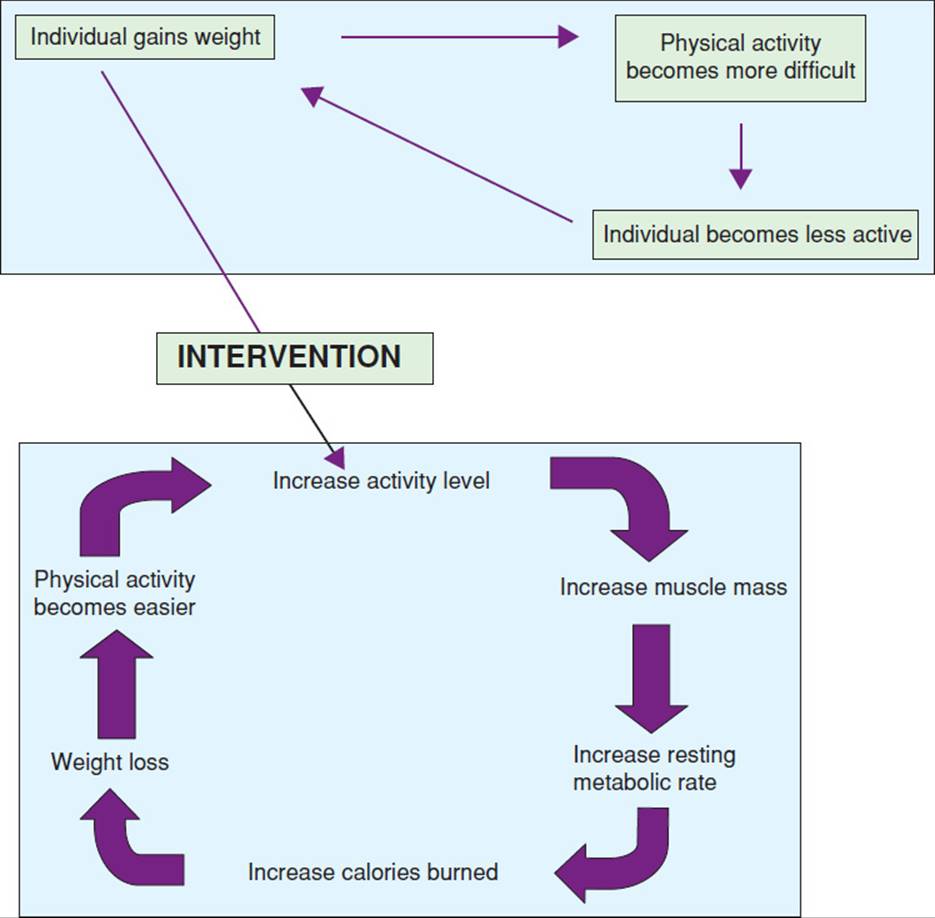
FIGURE 16-11 The cyclical components of weight gain and weight loss.
It is apparent that there is a window of opportunity for patients to address the problem of excessive weight before the problem itself makes weight loss extremely difficult. When patients are overweight for many years, there is a greater risk of developing cardiovascular disease, restrictive pulmonary disease, and arthritis that make the initiation of an exercise program overwhelming. This is particularly true of patients with morbid obesity. Many of these individuals require assistive devices to ambulate and have difficulty accomplishing activities of daily living, let alone initiating an exercise program. Interventions in this population need to focus on proper eating habits, reducing impairments in body structures and function and enhancing daily activity and participation. Patients will benefit from adequate pain management, recommendations for appropriate assistive devices and equipment to enhance mobility and function, and an exercise program that addresses flexibility, balance, and strength deficits and permits pain-free physical activity. Successful long-term weight control requires that overweight or obese individuals develop an appreciation for physical activity and good nutrition as essential components of a healthy lifestyle.
In order to effectively address the obesity epidemic in the United States, an emphasis needs to be made to institute public policy that promotes education, prevention, and wellness for both adults and children. The lack of third-party payment for intervention or prevention of obesity continues to be a major obstacle in curtailing the continued trend toward obesity in our country. Cuts in state aid for our school systems make expansion of PE programs and extracurricular activities financially impossible. Strategies to address these problems include government funding of such school programs and health insurance coverage or incentives for overweight individuals seeking a healthier lifestyle by joining a gym. Americans must begin to embrace physical activity as an essential component of their lives and improve their eating habits in order to reverse the growing trend toward obesity in our country.
LIMITS OF OUR KNOWLEDGE
Obesity is not a new diagnosis or comorbidity in health care, but has been identified as a growing epidemic in the United States. Physical therapists now need to address this issue with their patients as well as examining it from the perspective of prevention. Further research is needed to identify successful multifaceted approaches for adults and children who are overweight and obese in the areas of weight loss and weight management.
Some questions that need to be answered include the following:
•How can physical therapists impact society to develop healthy behaviors and attitudes to prevent the progression from healthy weight to overweight and obese?
•How can resistance training and aerobic training exercises best be combined to facilitate weight loss for long-term weight management/maintenance?
The second area for further exploration involves adults and adolescents who undergo bariatric surgery. There are no research-based guidelines in the literature for postoperative exercise protocols following surgical intervention. As surgical approaches become more popular for weight loss in the obese, physical therapists should determine best practice for this population both pre- and postoperatively.
Questions for this population include the following:
•What activities/exercises demonstrate greatest benefits for patients undergoing bariatric surgery both pre- and postoperatively?
•Do patients benefit from physical therapist involvement pre- and postoperatively?
The third area for investigation involves prevention. The American Physical Therapy Association promotes health and wellness as an aspect of physical therapy practice. Preventative interventions are not typically covered by medical insurance plans but could have a significant impact on curbing the obesity epidemic in children and adults.
Questions to be addressed in the realm of prevention include the following:
•What is the impact of regular physical therapy examinations/evaluations in preventing weight gain in individuals who are overweight?
•Would physical therapy evaluations and interventions be cost-effective if overweight or obesity was a covered diagnosis?
IMPLICATIONS FOR PHYSICAL THERAPISTS
The American Physical Therapy Association advocates for the role of physical therapists in the treatment of the overweight and obese in two ways:
•To help prevent obesity and maintain weight loss by developing fitness plans that promote the ability to move, reduce pain, restore function, and prevent restrictions in participation for both children and adults
•To develop exercise programs for patients who are overweight or obese, taking into consideration safety and joint protection
Research consistently indicates that exercise is a fundamental component of a comprehensive weight-loss program and that exercise, diet, and behavior modifications are necessary to ensure long-term maintenance of weight loss. It is clear that physical therapists should be one of the health care practitioners of choice involved in the prevention and treatment of overweight and obesity. Physical therapists are experts in therapeutic exercise and have the knowledge to intervene with individuals who may present with the variety of comorbidities commonly associated with obesity. PTs are in a unique position to examine, evaluate, and implement a treatment plan to address impairments in body structures and function, activity limitations, and restrictions in participation often seen in patients who are obese. BMI and abdominal girth measurement should become a standard part of a physical therapy examination, and patient education should include a discussion of the health risks associated with being overweight or obese. All overweight individuals should be identified, evaluated, and counseled to begin a weight-reduction program even when only a modest weight gain is detected. Physical therapists are trained in prevention and wellness and are at an advantage in intervening to prevent weight progression to the level of obesity. An exercise prescription should be provided that takes into consideration the individual’s previous level of activity, interests, time constraints, and impairments in body structures and function.
Pediatric physical therapists should network with pediatricians, nutritionists, and parents to inform them of how they can play a crucial role in preventing and treating obesity in children. Physical therapists possess the knowledge and skills necessary to work with children who are obese in prescribing and initiating an appropriate exercise program and to monitor their progress in achieving a healthy lifestyle. Physical therapists can also play a major role in research in the field of pediatric obesity.
As the field of bariatric surgery continues to grow, physical therapists should assume a role in the interdisciplinary team working with these patients. Many patients who are candidates for bariatric surgery present with muscular and joint problems that often limit their ability to exercise or walk long distances. Physical therapists are well trained to work with these patients to alleviate their impairments and improve their function and activity. Strength and endurance training preoperatively can prevent complications associated with immobility postoperatively and allow patients to recover more quickly following surgery. Research in the field of bariatric surgery should investigate the benefits of physical therapy both pre- and postoperatively in improving the health and fitness of patients undergoing bariatric surgery.
It is clear that physical therapists have an obligation to become more involved in combating the obesity epidemic in our country, through both prevention and intervention. Physical therapist education must include these topics to better prepare practitioners to intervene with these individuals. There are numerous niches that PTs can fill in the fields of pediatrics, bariatric surgery, prevention, and research to promote the development of healthier lifestyles in adults and children in the United States.
REFERENCES
1.Hedley AA, Ogden CL, Johnson CL, et al. Prevalence of overweight and obesity among US children, adolescents, and adults, 1999–2002. JAMA. 2004;291:2847-2850.
2.Ogden CL, Carroll MD, Curtin LR, et al. Prevalence of overweight and obesity in the United States, 1999–2004. JAMA. 2006;295: 1549-1555.
3.National Heart, Lung, and Blood Institute, Obesity Education Initiative Expert Panel. The Practical Guide: Identification, Evaluation and Treatment of Overweight and Obesity in Adults. Rockville, MD: National Institutes of Health; 2000. NIH publication 00-4084.
4.Mokdad AH, Marks JS, Stroup DF, et al. Actual causes of death in the United States, 2000. JAMA. 2004;291:1238-1245.
5.Poirier P, Giles TD, Bray GA, et al. Obesity and cardiovascular disease: pathophysiology, evaluation, and effect of weight loss: an update of the 1997 American Heart Association scientific statement on obesity and heart disease from the obesity committee of the council on nutrition, physical activity and metabolism. Circulation. 2006;113:898-918.
6.Alpert MA. Obesity cardiomyopathy; pathophysiology and evolution of the clinical syndrome. Am J Med Sci.2001;321:225-236.
7.Kannel WB, Plehn JF, Cupples LA. Cardiac failure and sudden death in the Framingham Study. Am Heart J. 1988;115:869-875.
8.Godell TT. The obese trauma patient: treatment strategies. Adv Emerg Nurs J. 2000;3:13-18.
9.Must A, Anderson SE. Effects of obesity on morbidity in children and adolescents. Nutr Clin Care. 2003;6:4-12.
10.Freedman DS, Dietz WH, Srinivasan SR, et al. The relation of overweight to cardiovascular risk factors among children and adolescents: The Bogalusa Heart Study. Pediatrics.1999;103:1175-1182.
11.Grundy SM, Cleeman JI, Daniels RS, et al. Diagnosis and management of the metabolic syndrome: an American Heart Association/National Heart, Lung, and Blood Institute scientific statement. Circulation.2005;112:2735-2752.
12.Shen W, Punyanitya M, Chen J, et al. Waist circumference correlates with metabolic syndrome indicators better than percentage fat. Obesity. 2006;4:727-736.
13.Hu FB, Li TY, Colditz GA, et al. Television watching and other sedentary behaviors in relation to risk of obesity and type 2 diabetes mellitus in women. JAMA. 2003;289:1785-1791.
14.Blair SN, Brodney S. Effects of physical inactivity and obesity on morbidity and mortality: current evidence and research issues. Med Sci Sports Exerc. 1999;31:S646-S662.
15.Mokdad AH, Bowman BA, Ford ES, et al. The continuing epidemics of obesity and diabetes in the United States. JAMA. 2001;286:1195-1200.
16.National Heart, Lung, and Blood Institute. Clinical Guidelines on the identification, evaluation, and treatment of overweight and obesity in adults—the evidence report. National Institutes of Health [published correction appears in Obes Res.1998;6:464]. Obes Res. 1998;6(suppl 2):51S.
17.Food and Nutrition Board, Institute of Medicine. Dietary Reference Intakes for Energy, Carbohydrate, Fiber, Fat, Protein, and Amino Acids (Macronutrients). Washington, DC: National Academy Press; 2002.
18.Jakicic JM, Clark K, Coleman E, et al. Appropriate intervention strategies for weight loss and prevention of weight regain for adults. Med Sci Sports Exerc. 2001;33:2145-2156.
19.Anderson RE, Wadden TA, Bartlett SJ, et al. Effects of lifestyle activity versus structured aerobic exercise in obese women: a randomized trial. JAMA. 1999;281:335-340.
20.Jakicic JM, Winters C, Lang W, et al. Effects of intermittent exercise and use of home exercise equipment on adherence, weight loss, and fitness in overweight women: a randomized trial. JAMA. 1999;282:1554-1560.
21.Jakicic JM, Wing RR, Butler BA, et al. Prescribing exercise in multiple short bouts versus one continuous bout: effects on adherence, cardiorespiratory fitness, and weight loss in overweight women. Int J Obes Relat Metab Disord. 1995;19:893-901.
22.Svendsen OL, Hassager C, Christiansen C. Effect of an energy-restrictive diet, with or without exercise, on lean tissue mass, resting metabolic rate, cardiovascular risk factors, and bone in overweight postmenopausal women. Am J Med. 1993;95:131-140.
23.Racette SB, Schoeller DA, Kushner RF, et al. Effects of aerobic exercise and dietary carbohydrate on energy expenditure and body composition during weight reduction in obese women. Am J Clin Nutr. 1995;61:486-494.
24.Racette SB. Schoeller DA, Kushner RF, et al. Exercise enhances dietary compliance during moderate energy restriction in obese women. Am J Clin Nutr. 1995;62:345-349.
25.Orzano J, Scott JG. Diagnosis and treatment of obesity in adults: an applied evidence-based review. J Am Board Fam Pract. 2004;17:359-369.
26.Pronk NP, Wing RR. Physical activity and long-term maintenance of weight loss. Obes Res.1994;2:287-299.
27.Adams R. Revised Physical Activity Readiness Questionnaire. Can Fam Physician. 1999;45:992, 995.
28.American College of Sports Medicine. ACSM’s Guidelines for Exercise Testing and Prescription. 6th ed. Philadelphia, PA: Lippincott Williams & Wilkins; 2006:26-27.
29.Slentz CA, Duscha BD, Johnson JL, et al. Effects of the amount of exercise on body weight, body composition, and measures of central obesity. Arch Intern Med. 2004;164:31-39.
30.Jakicic JM, Marcus BH, Gallagher KI, et al. Effect of exercise duration and intensity on weight loss in overweight, sedentary women. JAMA. 2003;290:1323-1330.
31.American College of Sports Medicine. ACSM’s Guidelines for Exercise Testing and Prescription. 6th ed. Philadelphia, PA: Lippincott Williams & Wilkins; 2006:207-215.
32.Tudor-Locke C, Bassett DR Jr. How many steps/day are enough? preliminary pedometer indices for public health. Sports Med.2004;34:1-8.
33.Hunter GR, Bryan DR, Wetzstein CJ, et al. Resistance training and intra-abdominal adipose tissue in older men and women. Med Sci Sports Exerc. 2002;34:1023-1028.
34.Ryan AS, Pratley RE. Resistive training increases fat-free mass and maintains RMR despite weight loss in postmenopausal women. J Appl Physiol. 1995;79:818-823.
35.Braith RW, Stewart KJ. Resistance exercise training: its role in the prevention of cardiovascular disease. Circulation. 2006;113:2642-2650.
36.U.S. Department of Health and Human Services, National Institutes of Health, Weight-control Network. Understanding Adult Obesity. Bethesda, MD: National Institutes of Health; October 2001. Updated March 2006. NIH publication 01-3680.
37.Nader PR, Bradley RH, Houts RM, et al. Moderate-to-vigorous physical activity from ages 9 to 15 years. JAMA. 2008;300:295-305.
38.U.S. Department of Health and Human Services, National Institutes of Health. Three Steps to Initiate Discussion About Weight Management with Your Patients. Bethesda, MD: National Institutes of Health; November 2002. NIH publication 02-5211.
39.Gallagher S, Arzouman J, Lacovara J, et al. Criteria-based protocols and the obese patient: pre-planning care for a high-risk population. Ostomy Wound Manage.2004;50:32-44.
40.Dionne M. Ten tips for safe mobility in the bariatric population. Rehab Manag. 2002;15(8):28.
41.Dionne M. Stand and deliver. Physical therapy products, March 2005. http://www.ptproductsonline.com/issues/articles/2005-03_05.asp. Accessed January 27, 2009.
42.U.S. Department of Health and Human Services, National Institutes of Health, Weight-control Information Network. Medical Care for Obese Patients. Bethesda, MD: National Institutes of Health; February 2003. Updated January 2007. NIH publication 03-4159.
43.U.S. Department of Health and Human Services, National Institutes of Health, Weight-control Network. Talking with Patients About Weight Loss: Tips for Primary Care Professionals. Bethesda, MD: National Institutes of Health; November 2005. Updated December 2007. NIH publication 07-5634.
44.U.S. Department of Health and Human Services, National Institutes of Health, Weight-control Network. Prescription Medications for the Treatment of Obesity. Bethesda, MD: National Institutes of Health; November 2004. Updated December 2007. NIH publication 07-4191.
45.U.S. Department of Health and Human Services. Longitudinal Assessment of Bariatric Surgery (LABS). Bethesda, MD: National Institute of Diabetes and Digestive and Kidney Diseases; June 2005. Updated January 2007. NIH publication 04-5573.
46.U.S. Department of Health and Human Services, National Institutes of Health. Bariatric Surgery for Severe Obesity. Bethesda, MD: National Institutes of Health; December 2004. Updated March 2008. NIH publication 08-4006.
47.Manco M. Bariatric surgery in obesity and reversal of metabolic disorder. In: Bagchi D, Preuss H, eds. In: Obesity: Epidemiology, Pathophysiology, and Prevention. Boca Raton, FL: CRC Press; 2007:531-539.
48.Hainer V, Toplak H, Mitrakou A. Treatment modalities of Obesity. Diabetes Care. 2008;31:S269-S277.
49.Buchwald H, Avidor Y, Braunwald E, et al. Bariatric surgery: a systematic review and meta-analysis. JAMA. 2004;292:1724-1737.
50.Dixon JB, O’Brien PE, Playfair J, et al. Adjustable gastric banding and conventional therapy for type 2 diabetes. JAMA. 2008;299:316-323.
51.Manco M. Bariatric surgery in obesity and reversal of metabolic disorder. In: Bagchi D, Preuss H, eds. In: Obesity: Epidemiology, Pathophysiology, and Prevention. Boca Raton, FL: CRC Press; 2007:537.
52.ASMBS Guidelines: Bariatric Surgery: Postoperative Concerns. Public/Professional Education Committee notes—May 23, 2007. Revised February 7, 2008. http://www.asbs.org/html/pdf/asbs_bspc.pdf. Accessed March 3, 2009.
53.Bachman KH, Buck B, Hanna J, et al. Bariatric surgery in the KP northwest region: optimizing outcomes by using a multidisciplinary program. Perm J. 2005;9:52-57.
54.Felberbauer FX, Prager G, Wenzl E. The inflatable band and exercise machines. Obes Surg. 2001;11:532.
55.Freedman DS, Khan LK, Dietz WH, et al. Relationship of childhood obesity to coronary heart disease risk factors in adulthood: the Bogalusa Heart Study. Pediatrics. 2001;108:712-718.
56.Whitaker RC, Wright JA, Pepe MS, et al. Predicting obesity in young adulthood from childhood and parental obesity. N Engl J Med. 1997;869-873.
57.U.S. Department of Health and Human Services. Overweight and Obesity: At a Glance Fact Sheet, 2007. http://www.surgeongeneral.gov/topics/obesity/calltoaction/fact_glance.htm.
58.American College of Sports Medicine. ACSM’s Guidelines for Exercise Testing and Prescription. 6th ed. Philadelphia, PA: Lippincott Williams & Wilkins; 2006:245.
59.Trost SG, Kerr LM, Pate RR. Physical activity and determinants of physical activity in obese and non-obese children. Int J Obes.2001;25:822-829.
60.The Henry J. Kaiser Family Foundation. The Role of Media in Childhood Obesity. Washington, DC: Program for the Study of Media and Health. February 2004. Publication 7030.
61.American Academy of Pediatrics, Committee on Public Education. Children, adolescents, and television. Pediatrics. 2001;107:423-426.
62.Epstein LH, Paluch RA, Gordy CC, et al. Decreasing sedentary behaviors in treating pediatric obesity. Arch Pediatr Adolesc Med. 2000;154:220-226.
63.Centers for Disease Control and Prevention. Making physical activity a part of a child’s life. http://www.cdc.gov/physicalactivity/everyone/getactive/children.html. Accessed January 7, 2010.
64.U.S. Department of Education. Calories in, Calories Out: Food and Exercise in Public Elementary Schools 2005. Washington, DC: National Center for Education Statistics; 2006. Publication NCES 2006057.
65.Centers for Disease Control and Prevention. Youth risk behavior surveillance—US June 2005. MMWR CDC Surveill Summ. 2006; 55(SS-5):24.
66.U.S. Department of Health and Human Services. Healthy People 2010: Understanding and Improving Health. 2nd ed. Washington, DC: U.S. Government Printing Office; 2000.
67.Spears BA, Barlow SE, Ervin C, et al. Recommendations for treatment of child and adolescent overweight and obesity. Pediatrics. 2007;120:S254-S288.
68.Inge TH, Krebs NF, Garcia VF, et al. Bariatric surgery for severely overweight adolescents: concerns and recommendations. Pediatrics. 2004;114:217-223.
69.Taylor ED, Theim KR, Mirch MC, et al. Orthopedic complications of overweight in children and adolescents. Pediatrics. 2006;117:2167-2174.
70.U.S. Department of Health & Human Services, Public Health Service. Progress Review. Nutrition and Overweight. http://www.healthypeople.gov/data/2010prog/focus19/default.htm. Accessed March 18, 2009.
71.Rampersaud E, Mitchell BD, Pollin TI, et al. Physical activity and the association of common FTO gene variants with body mass index and obesity. Arch Intern Med. 2008;168(16):1791-1797.
72.National Conference of State Legislators. PL 108–265. State issues in child nutrition: direct certification and local wellness policies. http://www.ncsl.org/statefed/humserv/summarys 2507.htm. Accessed March 3, 2009.