
Sarah L. Scarpace
LEARNING OBJECTIVES
Upon completion of the chapter, the reader will be able to:
1. Describe the impact of various supportive care interventions on the prognosis of patients with cancer.
2. Discuss the scientific basis for providing various supportive care interventions in the oncology patient population.
3. Identify patient-related and disease-related risk factors in defining a population for whom supportive care interventions would be of benefit.
4. Recognize typical presenting signs and symptoms of common complications/emergencies that require supportive care interventions.
5. Outline an appropriate prevention and management strategies for various supportive care interventions.
6. Prepare a monitoring plan to evaluate the efficacy and toxicity of pharmacotherapy interventions for supportive care problems.
KEY CONCEPTS
 The optimal method of managing chemotherapy-induced nausea/vomiting (CINV) is to provide adequate pharmacologic prophylaxis given a patient’s risk level for emesis.
 The fundamental approach to lessen the severity of mucositis begins with basic, good oral hygiene.
 A risk assessment should be performed at presentation of febrile neutropenia (FN) to identify low-risk patients for potential outpatient treatment. Patients who do not meet low-risk criteria should be hospitalized for immediate parenteral administration of broad-spectrum antibacterials before culture results are obtained.
 The primary goal of treatment of superior vena cava syndrome (SVCS) is to relieve obstruction of the superior vena cava (SVC) by treating the underlying malignancy.
 Because patients with spinal metastases are generally incurable, the primary goal of treatment of spinal cord compression is palliation. The most important prognostic factor for patients presenting with spinal cord compression is the underlying neurologic status.
 The goals of treatment of brain metastases are to manage symptoms and improve survival by reducing cerebral edema, treat the underlying malignancy both locally and systemically.
 The use of effective prevention strategies can decrease the incidence of hemorrhagic cystitis to less than 5% in patients receiving cyclophosphamide or ifosfamide. There are three methods to reduce the risk: administration of mesna, hyperhydration, and bladder irrigation with catheterization.
 The primary goal of treatment for hypercalcemia is to control the underlying malignancy. Therapies directed at lowering the calcium level are temporary measures that are useful until anticancer therapy begins to work.
 The primary goals of management of tumor lysis syndrome (TLS) are: (a) prevention of renal failure and (b) prevention of electrolyte imbalances. Thus, the best treatment for TLS is prophylaxis to enable delivery of cytotoxic therapy for the underlying malignancy.
 Chemotherapy extravasation may be avoided in many cases by the use of successful prevention strategies. The most important preventative measure is proper patient education.
INTRODUCTION
Patients with cancer are at risk for serious adverse events that result from their treatment, the cancer, or both. The management of these complications is generally referred to as supportive care (or symptom management). Treatment-related complications include chemotherapy-induced nausea and vomiting (CINV), febrile neutropenia (FN), extravasation, hemorrhagic cystitis, mucositis, and tumor lysis syndrome (TLS). Tumor or cancer-related complications include superior vena cava (SVC) obstruction, spinal cord compression, and hypercalcemia and brain metastases. In some cases, these events can be life-threatening. SVC obstruction, spinal cord compression, TLS, and hypercalcemia have traditionally been defined as oncologic emergencies. Although some of these conditions are not imminently life-threatening (i.e., chemotherapy extravasation), as a group of treatment- and disease-related complications in the oncology population, they do require rapid assessment and supportive care interventions/treatment. The onset of oncologic emergencies may herald the onset of an undiagnosed malignancy or progression/relapse of a pre-existing malignancy. Optimal management of patients with various oncologic emergencies and complications requiring supportive care interventions can significantly decrease morbidity and mortality in patients with cancer. This chapter provides an overview of these issues. First, an overview of the management of common side effects of treatment will be discussed. Later, a summary of common oncologic emergencies will be presented.
CHEMOTHERAPY-INDUCED TOXICITIES: NAUSEA/VOMITING
Nausea and vomiting are among the most commonly feared toxicities by patients undergoing chemotherapy. One study demonstrated that both nausea and vomiting ranked in the top five bothersome side effects of chemotherapy.1 The optimal method of managing CINV is to provide adequate pharmacologic prophylaxis given a patient’s risk level for emesis. Studies have demonstrated that insufficient control during the first cycle of chemotherapy leads to more difficulty in controlling emesis for subsequent cycles.2
EPIDEMIOLOGY AND ETIOLOGY
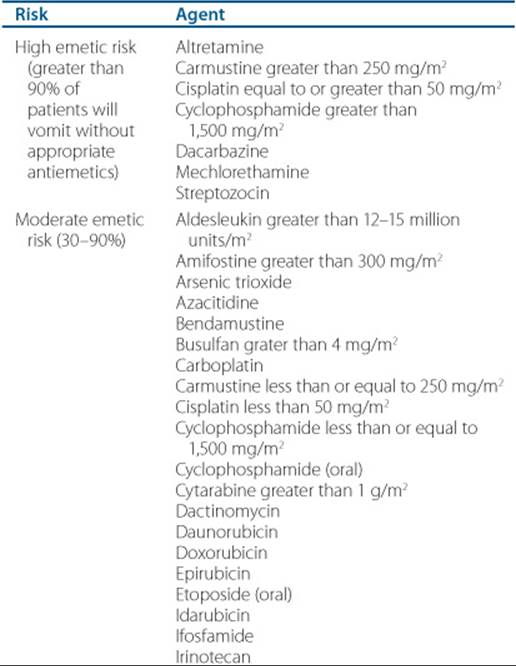
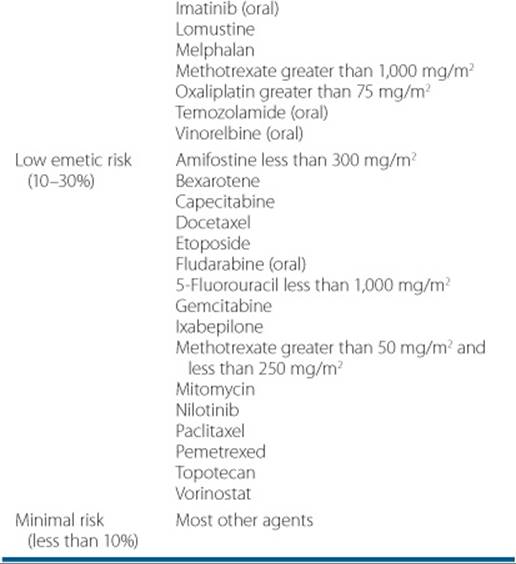
While it is widely known that chemotherapy causes nausea and vomiting, the rate of emesis varies depending on individual patient risk factors and drug therapy regimen. Therefore, cancer treatments are stratified into varying risk levels: high, moderate, low, and minimal. Agents with a “high” emetic risk cause emesis in greater than 90% of cases if not given any prophylaxis. The rates of emesis for “moderate,” “low,” and “minimal” are 30% to 90%, 10% to 30%, and less than 10%, respectively. Table 99–1 lists the individual agents and their risk category.3 With proper prophylaxis using antiemetics, the rate of emesis when receiving a highly emetogenic regimen can decrease to about 30%.4
Table 99–1 Emetogenic Potential of Chemotherapy
PATHOPHYSIOLOGY
The pathophysiology of nausea and vomiting is described in Chapter 20. Specific to CINV, the key receptors include serotonin (5-HT3) receptors (located in the chemoreceptor trigger zone, emetic center of the medulla, and in the GI tract) and neurokinin-1 (NK1) receptors (located in the emetic center of the medulla). Serotonin plays an important role in the genesis of acute vomiting, as some cancer drug therapies can stimulate a release of serotonin from enterochromaffin cells in the GI tract. Serotonin then activates the emetic response by binding to 5HT3 receptors in the emetic center. This short-lived release of serotonin likely explains why serotonin antagonists are more beneficial for preventing acute versus delayed vomiting.5 Other sites that are targeted by antiemetics include dopamine, muscarinic (acetylcholine), histamine, and cannabinoid receptors.
CLINICAL PRESENTATION AND DIAGNOSIS
CINV, though frequently discussed as one syndrome, are two distinct clinical entities. Nauseous patients may present with general GI upset and reflux and may report a sensation or desire to vomit without being able to do so (patients may describe this as having “dry heaves”). Patients with chemo-therapy-induced vomiting may experience vomiting with the first 24 hours of chemotherapy administration (“acute” nausea/vomiting) or several days following chemotherapy (“delayed” nausea/vomiting).3 Patients may additionally experience nausea/vomiting prior to chemotherapy administration (“anticipatory” nausea/vomiting).3 In all cases, it is important that other causes of nausea and vomiting are ruled out before diagnosing chemotherapy as the source.6 Other causes of nausea and vomiting may include bowel obstruction, opioids, electrolyte imbalances, brain metastases, and vestibular dysfunction.6
Clinical Presentation and Diagnosis of CINV
Acute Nausea/Vomiting
• Occurs within the first 24 hours after chemotherapy administration
Delayed Nausea/Vomiting
• Occurs between 24 hours and 5 days after chemotherapy administration
Anticipatory Nausea/Vomiting
• A learned, conditioned reflex response to a stimulus (sight, sound, smell) often associated with poor emetic control in a previous cycle of chemotherapy
Breakthrough Nausea/Vomiting
• Occurs despite prophylaxis with an appropriate antiemetic regimen
Differential Diagnosis
• Surgery, radiation
• Gastric outlet/bowel obstruction, constipation
• Hypercalcemia, hyperglycemia, hyponatremia, uremia
• Other drugs (opioids)
TREATMENT
Desired Outcomes
The desired outcome is to completely prevent or minimize the severity of nausea, vomiting, and the use of breakthrough antiemetic medications. In clinical trials, a common endpoint is “complete response,” defined as having no emesis and no breakthrough medication use within a defined period of time. If patients experience nausea or emesis, the goal is to quickly relieve the episode and prevent future nausea or vomiting, whether in the next few days or for the next cycle of chemotherapy.
General Approach to Treatment
Treatment-related factors and patient-related factors can help define a patient population at risk for developing CINV. Treatment-related factors include those chemotherapy agents with high levels of emetogenecity (see Table 99–1for a complete listing). CINV is typically a cyclical occurrence. While this section is focused on CINV, it can be helpful for the practitioner to remember that patients undergoing concomitant radiation therapy and chemotherapy are at risk for more severe nausea and vomiting. Radiation (particularly total body irradiation as part of a conditioning regimen for stem cell transplant) can cause a more cumulative (versus cyclical) nausea/vomiting phenomenon.
Specific patient-related factors such as female gender, age (children), history of motion sickness, pregnancy-induced nausea or vomiting, and poor emetic control in previous chemotherapy cycles increase the risk of emesis. Interestingly, patients with a history of alcohol abuse have a reported decreased risk of emesis.3 It is important to design an antiemetic regimen with consideration of these patient-specific risk factors.
A well-designed regimen includes a prophylactic regimen and a breakthrough antiemetic drug “as needed.” Although there are many drugs recommended as “breakthrough” drugs, choose a drug with a different mechanism of action compared to the drugs used for prophylaxis.6
Nonpharmacologic Therapy
Nonpharmacologic therapy for nausea and vomiting can be useful adjuncts to drug therapy, particularly in the setting of anticipatorynausea and vomiting. The National Comprehensive Cancer Network (NCCN) recommends behavior therapies such as relaxation, guided imagery, and music therapy as well as acupuncture/acupressure as useful in this setting.6 Other general measures that can be taken include ensuring adequate sleep before treatment, eating smaller meals, and avoiding greasy foods and foods with strong odors.7 Nonprescription medications such as antacids, histamine-2-receptor blockers, and proton pump inhibitors can be helpful in reducing gas-troesophageal reflux associated with some cancer treatments that may trigger or exacerbate CINV.8
Nonprescription antihistamines marketed for nausea associated with motion sickness are not usually helpful in managing CINV.
Pharmacologic Therapy
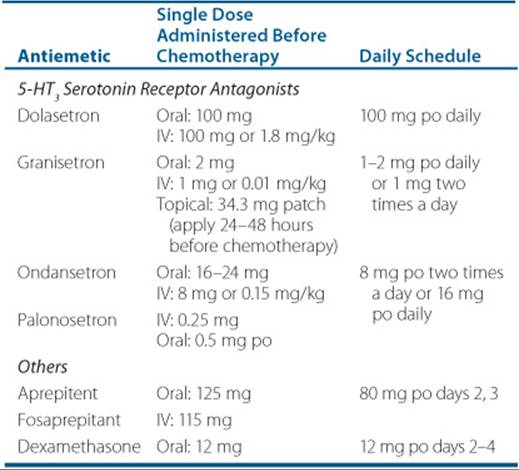
According to the American Society of Clinical Oncology’s antiemesis guidelines, there are three drug classes with a “high therapeutic index” to treat CINV: corticosteroids (dexamethasone), serotonin receptor antagonists, and NK1 receptor antagonists (aprepitant).9 A drug in these three classes will be used either in combination with drugs from the other classes or as a single agent for prophylaxis, depending on the emetic risk level (Table 99–2). Dexamethasone and serotonin antagonists are usually administered 30 minutes before chemotherapy, while aprepitant is administered 60 minutes before chemotherapy. Dexamethasone is the preferred agent to prevent CINV in the delayed setting, and is recommended to be scheduled at a dose of 4 mg orally, twice daily (or 8 mg once daily) for 3 to 4 days following chemotherapy to prevent delayed nausea vomiting. In some cases, the serotonin antagonists may also be continued orally for 3 to 4 days after chemotherapy. For those patients in whom aprepitant is used prechemotherapy (as either 125 mg orally or 115 mg IV as fosaprepitant), the aprepitant is continued as 80 mg orally once daily on days 2 and 3 of the chemotherapy cycle. The other antiemetics are usually prescribed “as needed” for breakthrough nausea or vomiting. The dopamine antagonists prochlorperazine and metoclopramide are usually recommended, as they antagonize a different receptor than the drugs already given for prophylaxis. However, the NCCN guidelines state that other drugs, including serotonin receptor antagonists, cannabinoids, dexamethasone, or olanzapine may be used.6 For those in any risk group who experience anticipatory nausea and vomiting, the addition of lorazepam for prophylaxis and breakthrough is recommended, for its antiemetic and antianxiety properties. Table 99–3 lists the doses of the antiemetic agents for prophylaxis and breakthrough use.
Table 99–2 Recommended Therapy by Emetic Risk
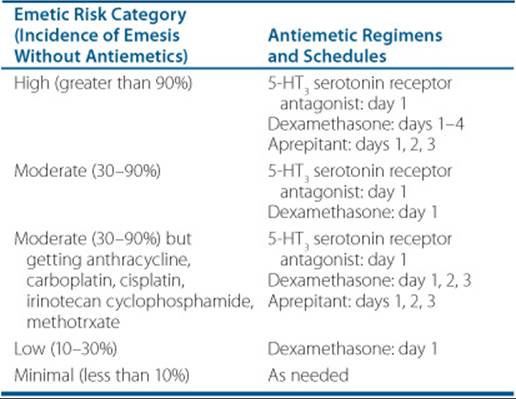
A prophylactic antiemetic regimen for high emetic risk levels should be with a triple-drug combination using dexamethasone, aprepitant, and 5-HT3 antagonist to prevent both acute and delayed emesis. Dexamethasone should be continued until day 4 and aprepitant is also administered on days 2 and 3.
For moderately emetogenic regimens, acute emesis is still of major concern, but the incidence of delayed emesis is less. Therefore, dexamethasone plus a 5-HT3 antagonist should be given on day 1. On days 2 to 4, choose to continue either the dexamethasone or the 5-HT3 antagonist to prevent delayed emesis. One exception is when palonosetron is given as the 5-HT3 antagonist on day 1. Because its half-life is long, no redosing is necessary on subsequent days. Aprepitant is also FDA-approved for the prevention of CINV in the moderate setting and can be used as described above. For patients with additional risk factors or who had uncontrolled emesis with previous chemotherapy cycles, the same regimen for “high” risk levels may be used.
For low emetic risk regimens, single antiemetic prophylaxis with either dexamethasone or a dopamine antagonist (prochlorperazine, metoclopramide) is recommended. For minimal emetic risk groups, guidelines do not recommend routine prophylaxis with antiemetics; instead, patients should be provided something as needed for nausea and vomiting. Table 99–2 summarizes the NCCN guidelines for antiemetic prophylaxis for the different risk levels.
Table 99–3 Antiemetic Dosing
OUTCOME EVALUATION
It is often difficult to evaluate nausea and vomiting when chemotherapy is given as an outpatient. After drug administration, patients return home and may or may not report inadequate control of emesis. Subsequent chemotherapy cycles may also be poorly controlled, especially if patients do not state their experience with the previous cycle. To ameliorate this problem, patients’ experiences with CINV should be assessed, particularly after the first and second cycle of chemotherapy. Patients should be asked about their previous emesis control with subsequent cycles of chemotherapy, and a prophylaxis regimen may need to be adjusted. Patients should also be encouraged to self-report poor control of emesis while at home. Side effects of the antiemetic regimen should also be assessed and reported.
Patient Encounter 1: CINV
MJ is a 42-year-old woman diagnosed with stage II hormone-receptor positive, HER2-negative breast cancer. She has been treated with lumpectomy and radiation therapy and presents to clinic for cycle 1 day 1 of adjuvant doxorubicin and cyclophosphamide (the “AC” regimen). She appears calm and optimistic about her prognosis with no more than expected mild anxiety about the side effects of chemotherapy. She reports drinking alcohol only on holidays but does report a history of motion sickness. All labs are within normal limits, she has no drug allergies, and is otherwise healthy with no comorbidities.
How would you approach the prevention and monitoring of MJ for CINV?
Patient Care and Monitoring: CINV
Monitoring
• Using a visual analogue or numerical rating scale (0 to 10), have the patient rate the severity of nausea (assess nausea first, then move on to emesis)
• Daily, ask about the number of emesis episodes in the last 24 hours
• Assess scheduled and breakthrough medication adherence
Counsel the patient regarding his or her antiemetics
• Explain which drugs are taken as prophylaxis to prevent nausea and vomiting, and which are taken as needed to treat it
• Have the patient journal when a dose is taken in relation to the chemotherapy. Encourage journaling the severity and frequency of nausea, vomiting, diet and antiemetic adherence
• Discuss expected/common side effects of antiemetic medications
MUCOSITIS
Mucositis is the degradation of mucosal lining in the oral cavity and GI tract due to damage from radiation or chemo-therapy.10 Mucositis is a common supportive care issue that deserves attention and is associated with many negative health consequences including pain, inadequate nutritional intake, and risk for infection. Patients with mucositis often require parenteral analgesics, nutrition supplementation, and anti-infectives to treat concomitant bacterial, fungal, or viral infections. Furthermore, mucositis is associated with economic consequences, primarily increased length of hospital stay.11 An understanding of the current guidelines for prevention and treatment of mucositis can help improve patient outcomes.
EPIDEMIOLOGY AND ETIOLOGY
The incidence of chemotherapy or radiation-induced mucositis depends mostly on the type and area of radiation, the type of chemotherapy, and the specific cancer. Studies have reported an incidence of about 80% in head and neck cancer patients receiving chemoradiation.12 The World Health Organization estimates that approximately 75% of patients who are treated with high-dose chemotherapy for stem cell transplantation developed oral mucositis.10Specific chemotherapy agents associated with mucositis include taxanes, anthracyclines, platinum analogues, methotrexate, and the fluoropyrimidines.
PATHOPHYSIOLOGY
The classical concept of mucositis pathophysiology asserts that direct cytotoxicity from chemotherapy or radiation to basal epithelial cells results in ulcerative lesions due to a lack of regeneration. These lesions are further complicated by trauma and/or microorganism growth. However, the most recent theory of mucositis pathophysiology is more detailed, and involves a multistage, dynamic process that builds upon the historical model.13 According to this theory, there are five stages of mucositis: initiation, primary damage response, signal amplification, ulceration, and healing. It is important to note that these stages do not occur sequentially. Rather, they are dynamic and may overlap.
CLINICAL PRESENTATION AND DIAGNOSIS
Patients with mucositis may present along a continuum of mild, painless, erythematous ulcers to those that are painful and/or bleeding which may interfere with eating and swallowing or which may require treatment with hydration, antibiotics, or even parenteral nutrition in its most severe forms.13
TREATMENT
Nonpharmacologic Treatment
The goal of nonpharmacologic measures to prevent mucositis is to reduce the bacterial load of organisms in the mouth to prevent infection of the inflamed mucosa. Prevention of mucositis with good basic oral hygiene (brushing with a soft-bristled toothbrush at least twice daily, flossing, bland rinses, and saline substitutes) is key. The fundamental approach to lessen the severity of mucositis begins with basic, good oral hygiene.10,13,14
Clinical Presentation and Diagnosis of Mucositis
• Painful, erythematous ulcers develop on lips, cheeks, soft palate, floor of mouth
• Asses mucositis using validated scales, either oral mucositis assessment scale (OMAS), or University of Nebraska oral assessment score (MUCPEAK)
• Symptoms appear within 5 to 7 days after chemotherapy and resolve in 2 to 3 weeks
• Pain may affect ability to swallow and eat
• May have concomitant localized or systemic infection
• Diarrhea can lead to electrolyte imbalances
Pharmacologic Treatment
In the setting of radiation therapy, amifostine at doses equal to or greater than 340 mg/m2 IV prior to each dose of radiation therapy may be considered.14 Cryotherapy, such as with ice chips, is recommended as a prophylactic measure for patients treated with both standard-dose and high-dose chemotherapy regimens.14 Antimicrobial lozenges, sucralfate and chlorhexi-dine rinses, and “magic-mouthwash” compounded rinses are not generally recommended by clinical practice guidelines for mucositis prevention though they are sometimes used in practice.10,13,14
Unfortunately, little evidence is available to recommend specific treatments for mucositis. Pain assessment and appropriate management are important.10,13,14 Pain management may be achieved with oral morphine, topical anesthetic products, and compounded rinses which incorporate lidocaine.10,13,14 In more severe cases where infection of the oral mucosa is suspected, appropriate antibiotic therapy is necessary to prevent systemic infection.10,13,14
Palifermin is FDA-approved for the prevention and treatment of mucositis in patients receiving high-dose chemotherapy for stem cell transplant or leukemia induction. Palifermin is administered as an IV bolus injection at a dosage of 60 mcg/kg/day, for 3 consecutive days before and three consecutive days after myelotoxic therapy for a total of six doses. Administering palifermin within 24 hours of chemotherapy can result in an increased sensitivity of rapidly dividing epithelial cells to the cytotoxic agent. For this reason, palifermin should not be administered for 24 hours before, 24 hours after, or during the infusion of myelotoxic chemotherapy to avoid increasing the severity and the duration of oral mucositis.
OUTCOME EVALUATION
Based on these goals, outcomes measured in clinical trials often assess the incidence, duration, and severity of mucositis with a given intervention intended to prevent or treat mucositis. Agents that are intended to palliate the symptoms of mucositis are usually assessed by measures in pain scales and the ability to eat or drink.
HEMATOLOGIC COMPLICATIONS: FN
INTRODUCTION
FN is a common adverse effect after administration of cytotoxic chemotherapy. The mortality rate in neutropenic patients due to infectious complications currently remains between 5% and 10%; therefore FN is considered a true onco-logic emergency. Patients frequently require hospitalization for prompt administration of broad-spectrum antibiotics that are critical to avoid morbidity and mortality.
EPIDEMIOLOGY AND ETIOLOGY
The microorganisms responsible for infections in neutropenic patients have changed significantly in the last 50 years. From the 1960s through the mid-1980s, gram-negative organisms were the most common bacteria isolated. This pattern shifted to the gram-positive organisms in the late 1980s, which remain the most common isolates. Recent data indicate that gram-positive organisms account for 62% to 76% of all bloodstream infections.15 The causes of this change are attributed to the widespread use of central venous catheters and more aggressive chemotherapy regimens as well as the use of prophylactic antibiotics with relatively poor gram-positive coverage (quinolones). Commonly isolated pathogens are shown in Table 99–4. Although gram-negative infections are less common, they cause the majority of infections in sites other than the blood and are particularly virulent. It should be noted that isolates vary considerably among institutions thus attention to institutional isolation patterns is prudent.
Patient Encounter 2, Part 1: FN
FG is a 73-year-old male with extensive stage small cell lung cancer. He has a 100-pack-year history of smoking, hypertension, and has oxygen-dependent chronic obstructive pulmonary disease (COPD). He has poor appetite and has lost 9.1 kg (20 lb) in the last month. He is a 3-year survivor of stage IIIa colorectal cancer (CRC), which was treated with surgery and six cycles of adjuvant combination chemotherapy (5-fluorouracil, leucovorin, and oxaliplatin).
What risk factors for FN does this patient have?
What signs and symptoms of infection would you counsel
this patient to watch for following treatment?
Fungal infections due to Candida species (especially C albicans) have emerged as significant pathogens, especially in patients with hematologic malignancies and those undergoing bone marrow transplantation (BMT). In addition, Aspergillus species are important pathogens in patients with prolonged and severe neutropenia.
PATHOPHYSIOLOGY
The neutrophils are the primary defense mechanism against bacterial and fungal infection. Most infections in neutropenic patients are a result of organisms contained in endogenous flora, both on the skin and within the GI tract. These organisms are provided access to the blood stream through breakdowns in host defense barriers (mucositis, use of central venous catheters). Mucositis in particular is a significant risk factor for sepsis and is increasingly more common due to the widespread use of aggressive chemotherapy regimens.18
Neutropenia is defined as an absolute neutrophil count (ANC) less than 500 × 103/µL (500 × 109/L) cells or an ANC less than 1,000 × 103/µL (1,000 × 10 9/L) cells with a predicted decrease to less than 500 × 103/µL (500 × 10 9/L) cells. The ANC is calculated by multiplying the total WBC by the percentage of neutrophils (segmented neutrophils plus “bands”). Fever is defined as a single oral temperature greater than or equal to 38.3°C to 38.0°C these two factors defines FN.19 The risk of infection during the period of neutropenia depends primarily on two factors:
Table 99–4 Commonly Isolated Pathogens in Patients With FN

• The duration of the neutropenia (time period of ANC less than 500 × 103/µL (500 × 10 9/L) cells)
• The severity of the neutropenia (lowest ANC level reached [nadir])
A multitude of other risk factors for FN have been identified (Table 99–5). Many of these are also risk factors for poor outcome in patients who experience FN. Cancer drug therapy regimens are also categorized as being high risk (greater than 20% incidence of FN reported in clinical trials) or intermediate risk (10–20% risk of FN reported in clinical trials). Similar to the approach to the prevention of CINV, it is important to consider both the regimen and patient-specific risk factors when determining whether a patient should receive prophylactic therapy for FN.
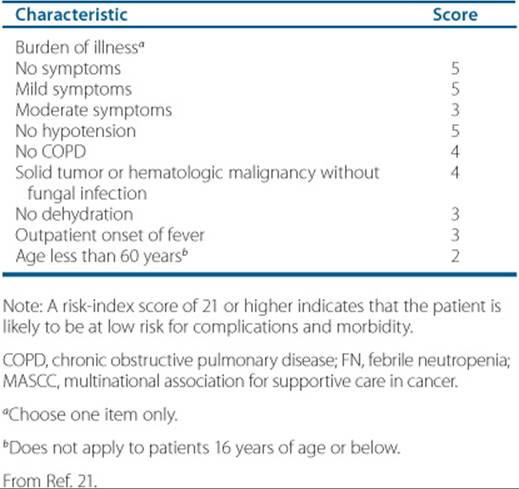
It is clear that patients with FN represent a heterogenous group. Some patients are at lower risk and could potentially be treated as outpatients thereby avoiding the risk and cost of hospitalization. The Multinational Association for Supportive Care in Cancer (MASCC) has validated a risk assessment tool that assigns a risk score to patients presenting with FN (Table 99–6).21 Patients with a risk-index score greater than or equal to 21 are identified as low-risk and are candidates for outpatient therapy (discussed under Treatment).
Table 99–5 Risk Factors for FN
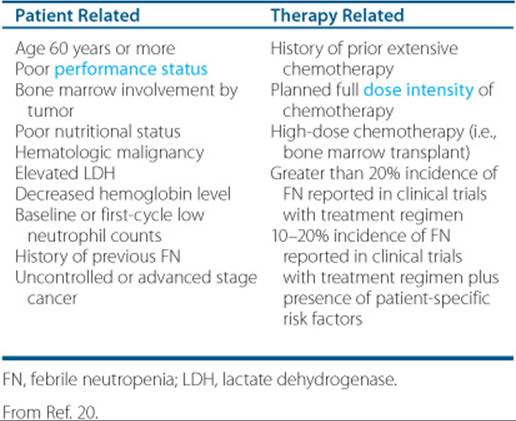
Table 99–6 MASCC Risk-Index for Identifying Low-Risk Patients With FN
CLINICAL PRESENTATION AND DIAGNOSIS
Patients with suppressed immune systems are often unable to mount the same response to infection as normal individuals, thus limiting the expression of typical presenting signs and symptoms.22 Often fever is the only indicator of infection and diagnosis is made empirically based on the patient’s temperature, ANL, and coexisting risk factors for infection such as presence of an indwelling catheter, inpatient status, history of chemotherapy or radiotherapy, peripheral blood stem cell or bone marrow transplant, renal or hepatic compromise, and older age.22,23
PREVENTION
Three primary modalities for preventing infection in patients who are expected to become neutropenic have been utilized, the first of which is the least expensive and simplest:
• Vigilant hand hygiene
• Prophylactic antibiotics
• Colony-stimulating factors (CSFs)
The advantages and disadvantages of these strategies will be discussed individually in the following section.
Hand-Hygiene
As previously discussed, most infections in neutropenic patients are a result of endogenous flora; however, prevention of further acquisition of environmental pathogens is also important. Patients who are or will become neutropenic should practice careful hand-washing and avoid contact with people who neglect hand-hygiene. In addition, ingestion of certain fresh fruits and vegetables as well as unprocessed dairy products should be avoided during the neutropenic period.
Clinical Presentation and Diagnosis of FN
General
• Only 50% of patients with FN have a clinically documented infection
• Only 25% of patients with FN have a microbiologically documented infection
Signs and Symptoms
• Fever is typically the only sign of infection, although septic patients may have chills
• Infected catheter sites may be erythematous and tender to the touch
Laboratory Tests
• CBC with differential
• Two blood cultures from each access site (peripheral and central), urinalysis, urine culture, chest x-ray, sputum cultures
Other Diagnostic Tests
• Detailed physical exam of oral mucosa, sinuses, skin, catheter access sites, perineal area (no rectal exam due to risk of bacteremia)
Prophylactic Antibiotics
Routine antibacterial prophylaxis is controversial and has been attempted primarily with sulfamethoxazole trimethoprim (SMZ-TMP) and quinolones. SMZ-TMP offers improved prophylaxis for gram-positive organisms compared with quinolones while quinolones are more effective prophylaxis against gram-negative infections. The 2002 Infectious Diseases Society of America (IDSA) guidelines for the use of antimicrobial agents in cancer do not recommend the use of these agents for routine prophylaxis.19 Reasons for this recommendation include the lack of a clear benefit on mortality rates and concerns regarding increasing antibiotic resistance. One exception is that SMZ-TMP is recommended for prophylaxis of Pneumocystis jirovesi ( formerly Pneumocystis carini) pneumonitis (PCP) in all at-risk patients (i.e., bone marrow transplant recipients, AIDS), regardless of the presence of neutropenia.
Two recent meta-analyses add fuel to the controversy of routine antibiotic prophylaxis.24,25 Decreases in infection-related mortality and gram-negative bacteremia were demonstrated with the use of quinolones, however overall adverse events were higher and most of the studies were conducted in patients with hematologic malignancies (an inherently high-risk group). Although two additional randomized trials in patients with both solid tumors and hematologic malignancies demonstrated lower rates of FN, infection, and hospitalization with oral prophylactic levofloxacin compared to placebo, the NCCN only recommends prophylactic levofloxacin for patients with expected duration of neutropenia (defined as an ANC less than 1,000/µL) for more than 7 days due to the:
• Unknown long-term consequences on the development of resistant organisms
• Emergence of Clostridium difficile and methicillin-resistant Staphylococcus aureus (MRSA) from fluoroquinolone overuse
• Ability to treat lower risk patients on an outpatient basis26–28
Therefore, the use of prophylactic quinolones in patients who are at high risk for infection (i.e., hematologic malignancies) is reasonable, however, use should not be routine for low-risk patients. If prophylactic quinolone use is adopted, changes in local patterns of resistance should be closely monitored.
Colony-Stimulating Factors
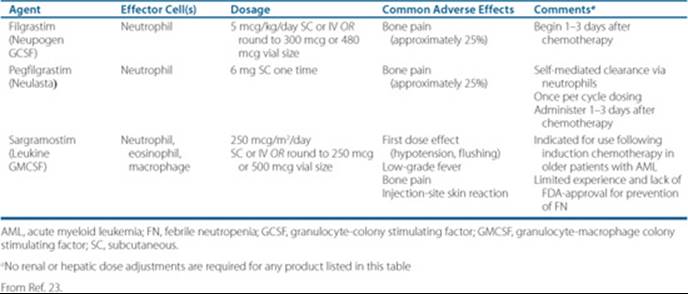
The CSFs stimulate the maturation and differentiation of neutrophil precursors. Three agents are currently approved for use in the United States (Table 99–7). The prophylactic use of these agents decreases days of hospitalization and use of empiric antibiotics by shortening the duration of severe neutropenia (defined as ANC less than 500 × 103/µL (500 × 109/L). There is little to no effect on the depth of neutrophil nadir. A recent meta-analysis found that the use of prophylactic granulocyte CSF (either filgrastim or pegfilgrastim) results in a 46% risk reduction of FN and a 48% risk reduction in infectious mortality, although absolute differences are small (3.3% versus 1.7%).29 It is critical to note that patients who receive these agents may still experience FN despite the risk reduction. The primary limitation of the use of these agents is cost. Clinical practice guidelines for the use of CSFs have been developed by the NCCN.23 These guidelines recommend the use of CSFs beginning with the first cycle (primary prophylaxis) of chemotherapy when the risk of FN is greater than or equal to 20%. This is the point where the use of CSFs is cost effective when balanced against the cost of hospitalization and antimicrobials. Secondary prophylaxis refers to the subsequent prophylactic use of a CSF after a patient has had a prior episode of FN. This strategy should be utilized especially when the chemotherapy is being given in patients with the intention of cure (i.e., Hodgkin’s lymphoma, early breast cancer). In this circumstance, administration of full doses of chemotherapy on time without delays has been shown to improve patient outcomes.
Although generally well tolerated, CSFs may cause bone pain in around 25% of patients. This may be managed with acetaminophen or nonsteroidal anti-inflammatory drugs (NSAIDs), although attention to the platelet count is warranted with the use of NSAIDs. Sargramostim in particular may result in low-grade fever and myalgias, perhaps as a result of its wider pattern of effector cell stimulation.
Table 99–7 Overview of CSF
TREATMENT
Desired Outcomes
Because rapid death may occur with certain infections in neutropenic patients, prompt and emergent treatment is indicated. The primary goal is to prevent morbidity and mortality during the neutropenic period. This is accomplished by effectively treating subclinical or established infections.
General Approach to Treatment
A risk assessment should be performed at presentation of FN to identify low-risk patients for potential outpatient treatment (Table 99–6). Patients who do not meet low-risk criteria should be hospitalized for parenteral administration of broad-spectrum antibacterials. The IDSA has published evidence-based guidelines for the management of FN (Fig. 99–1).19,30 The choice of initial antimicrobial agent(s) depends on the following factors:
• Presence of a central venous catheter
• Drug allergies
• Concurrent renal dysfunction or use of nephrotoxic agents
• Use of prophylactic antibiotics
• Institutional and/or community susceptibility patterns
• Cost
The administration of empiric therapy should begin immediately after cultures are taken. Therapy should not be withheld until after culture results are obtained.
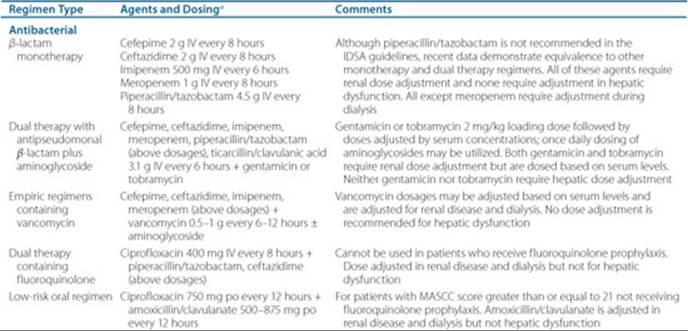
As illustrated in Figure 99–1, specific criteria exist for the addition of vancomycin for coverage of resistant gram-positive organisms or agents for coverage of fungal infections. Additional agents are necessary in the setting of continued fever or declining clinical status in neutropenic patients. In general, all empiric therapy is continued until recovery of the ANC to levels above 500 × 103/µL (500 × 109/L) cells in patients with negative cultures. If a specific etiology is identified, appropriate therapy should be continued until 7 days after neutropenia resolves. Specific regimens with recommended dosages are summarized in Table 99–8.
Nonpharmacologic Therapy
Prevention of infection is key. Hand-washing is critical in the prevention of disease transmission.26 It is also important to ensure that patients receive annual influenza vaccines and have had a pneumonia vaccine and neutropenic patients should avoid individuals with active respiratory infections.31 Plants and animal secretions are also sources of infection and should be avoided.31 Indwelling catheters are often a source of infection; however, the Infectious Disease Society of America acknowledges that catheters do not always need to be removed. Catheters should be removed in the following circumstances: established tunnel infection (subcutaneous tunnel or periport infection, septic emboli, hypotension associated with catheter use, or a nonpatent catheter); recurrent infection; no response to antibiotics within 2 or 3 days.19 Wound debridement should also be performed upon catheter removal. In the setting of peripheral blood stem cell or bone marrow transplant, the Centers for Disease Control (CDC) recommends the use of high-efficiency particulate air (HEPA) filtration systems in patient rooms and the NCCN suggests that HEPA filters are reasonable to be considered for other patients who experience prolonged neutropenia.26 HEPA filters are likely to be most useful in preventing mold infections. Though several small studies have attempted to evaluate the effectiveness of isolation of neutropenic patients as a mechanism for infection prevention, no clear data are available to support this practice.31
Patient Encounter 2, Part 2: FN
FG presents to the clinic approximately 8 days after his second cycle of cisplatin-etoposide with a temperature of 38.9°C (102.2°F). He is also hypotensive and coughing up green sputum. His CBC reveals a WBC of 840 103/µL (840 × 109/L) with 10% (0.10) neutrophils and 15% (0.15) bands. He does not have a central line.
What is FG’s ANC?
What treatment goals do you have for FG?
Construct an initial treatment plan for this patient.
Pharmacologic Therapy
There are two primary choices for the initial management of high-risk FN: monotherapy and dual therapy (Fig. 99–1). Both regimens have been shown to be equivalent in randomized studies and meta-analyses. Monotherapy avoids the nephrotoxicity of the aminoglycosides and is potentially less expensive, but lacks significant gram-positive coverage and may increase selection of resistant organisms. Dual therapy provides synergistic activity, decreased resistance, and dual coverage of P. aeruginosa, but requires therapeutic monitoring for aminoglycosides.
Vancomycin adds broad-spectrum gram-positive coverage, however the increasing emergence of vancomycin-resistant organisms (i.e., Enterococcus spp) prompts conservative use of this medication. Furthermore, the European Organization for the Research and Treatment of Cancer (EORTC) found that although empiric vancomycin decreased the number of days of fever, it did not improve survival, and also resulted in increased renal and hepatic toxicities.32 Thus, vancomycin should only be included as part of the initial therapy in the following cases:
• Severe mucositis
• Soft tissue infection
• Quinolone or TMP-SMX prophylaxis
• Hypotension or septic shock
• Colonization with resistant gram-positive organisms (i.e., MRSA)
• Evidence of central venous catheter infection
Vancomycin may be added to the empiric regimen after 3 to 5 days in persistently febrile patients or if cultures reveal gram-positive organisms. Vancomycin should be changed if the gram-positive organism is susceptible to other antibacterials or discontinued in patients with persistent fever after 3 days with negative cultures. Linezolid, quiuprostin/dalfoprostin, tigecycline, and daptomycin may be used in cases of vancomycin-resistant organisms or if vancomycin is not an option due to drug allergy or intolerance.
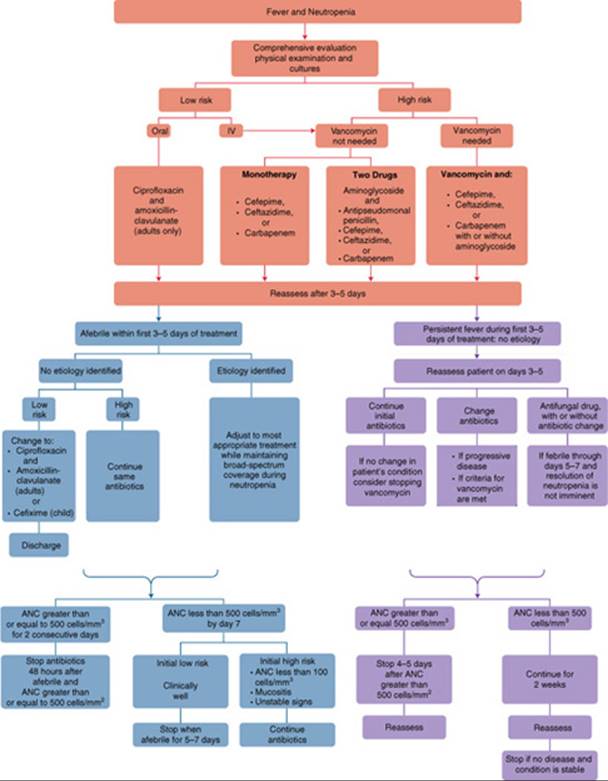
FIGURE 99–1. Management of febrile episodes in neutropenic cancer patients. (From Refs. 5, 12.)
Table 99–8 Dosing Guidelines for Empiric Antimicrobial Agents in FN
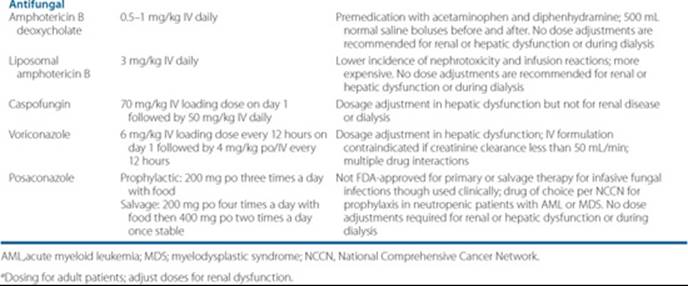
Empiric antifungal agents are typically added in persistently febrile patients after 5 to 7 days, especially if continued neutropenia is expected. Amphotericin B has historically been the drug of choice due to its broad-spectrum activity against both yeast (Candida spp) and mold (Aspergillus spp) infections. Because frequent toxicity (nephrotoxicity, infusion reactions) limits the use of amphotericin B, less toxic alternatives have been studied. Lipid formulations of amphotericin provide decreased toxicity and liposomal amphotericin B (AmBisome) has been shown to be equivalent to conventional amphotericin B as empiric therapy, but is significantly more expensive. The role of voriconazole is unclear at this time; however, caspofungin has been shown to be equivalent with less toxicity when compared to liposomal amphotericin B in a randomized trial and is FDA-approved for this indication.33Itraconazole has also been used in some institutions, however, its use is complicated by poor bioavailability of oral preparations and numerous drug interactions. Posaconazole is a newer azole that is preferred by the NCCN for prophylactic use in neutropenic patients with acute myeloid leukemia (AML) or myelodysplastic syndrome (MDS) and for patients with graft versus host disease (GVHD) while receiving intensive immunosuppressive therapy. It is not FDA-approved as primary or salvage therapy for the treatment of invasive fungal infections but it is approved by the European Union for invasive aspergillosis and other fungal infections that are refractory to standard antifungal agents.
As stated earlier, low-risk patients fulfilling the MASCC criteria (Table 99–6) may be treated empirically as an out-patient with a regimen combining amoxicillin/clavulanic acid and ciprofloxacin. Ciprofloxacin and clindamycin are reasonable alternatives for penicillin-allergic patients.
The CSF should not routinely be utilized for treatment of FN in conjunction with antimicrobial therapy.19 However, the use of CSFs in certain high-risk patients with hypotension, documented fungal infection, pneumonia, or sepsis is reasonable. A recent meta-analysis demonstrated that hospitalization and neutrophil recovery are shortened and infection-related mortality is marginally improved.34 As with prophylactic use of these agents, cost considerations limit their use to high-risk patients.
Patient Care and Monitoring: FN
1. Counsel patients receiving cytotoxic chemotherapy or alemtuzumab to promptly report fever. Provide patients with a diet to use during the neutropenic period. Counsel patients to avoid close contact with sick friends and relatives and remind the patient and caregivers of the importance of handwashing.
2. If FN occurs, patient history is important:
a. What chemotherapy did the patient receive and when? Is the ANC on the way down (before nadir) or on the way up (after nadir)? Was the patient receiving prophylactic antibiotics, filgrastim, sargramostim, or pegfilgrastim?
b. Did the patient have previous episodes of FN? What were the previous culture results to determine colonization status?
3. Assess the patient daily for any new signs or symptoms of infection. Evaluate the patient for adverse drug reactions, drug allergies, and interactions. Have all antibiotics been dose adjusted for renal or hepatic dysfunction?
4. For patients receiving oral antibiotics either prophylactically or as treatment of FN: Counsel patients that initial or persistent fever should be promptly reported and that compliance with the regimen is critical. Patients should also have easy access to medical care and adequate caregiver support. Provide information on drug interactions and adverse effects.
OUTCOME EVALUATION
The success of the treatment of FN depends on the adequate recovery of the ANC and either optimal antimicrobial coverage of identified organisms or empiric coverage of unidentified organisms. Monitor the CBC with differential and Tmax (maximum temperature during previous 24 hours) daily. Assess renal and hepatic function at least twice weekly, especially in patients receiving nephrotoxic agents. Vital signs should be taken every 4 hours. Follow-up on blood and urine culture results daily since many cultures do not become positive for several days. Assess the patient daily for pain that may indicate an infectious source. Conduct daily physical examination of common sites of infection. Repeat cultures and chest X-ray in persistently febrile patients and culture developing sources of infection (i.e., stool cultures for diarrhea).
CARDIOVASCULAR COMPLICATIONS: SUPERIOR VENA CAVA SYNDROME (SVCS)
INTRODUCTION
Superior vena cava syndrome (SVCS) is a relatively rare complication of underlying cancer, although nonmalignant, may also occur in patients with cancer. SVCS is rarely immediately life-threatening except in patients with airway compromise and/or laryngeal or cerebral edema. However, rapid recognition of typical presenting symptoms facilitates referral for tissue diagnosis (if unknown) and treatment.
EPIDEMIOLOGY AND ETIOLOGY
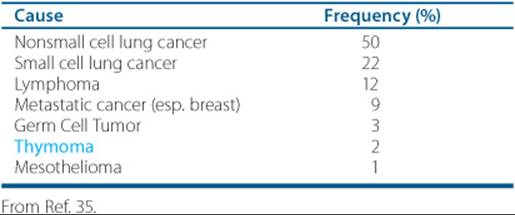
SVCS occurs in around 15,000 patients per year, 90% of which are caused by malignancy. Specific cancers most commonly associated with SVCS are listed in Table 99–9. Lung cancer is the most frequent cause, of which small cell lung cancer (SCLC) is the most frequent subtype associated with SVCS. This is thought to be due its predilection for the central and perihilar areas of the lung. Interestingly, right-sided lung cancers are four times more likely than left-sided lesions to cause SVCS. Mediastinal masses from lymphomas are the second most common cause.
Table 99–9 Tumors Most Commonly Associated With SVCS
The most common nonmalignant etiology of SVCS is catheter-related thrombosis, primarily due to the increasing use of central access devices. Other causes include benign teratoma, tuberculosis, silicosis, and sarcoidosis.
PATHOPHYSIOLOGY
The SVC is the primary drainage vein for blood return from the head, neck, and upper extremities. It is a relatively thin-walled vein that is particularly vulnerable to obstruction from adjacent tumor invasion or thrombosis. The obstruction leads to elevated venous pressure, although collateral veins partially compensate. This is one reason for the relatively slow onset of the classic symptoms of SVCS. In fact, 75% of patients have signs and symptoms for more than 1 week before seeking medical attention.35
CLINICAL PRESENTATION AND DIAGNOSIS
Visible swelling of the face, neck, chest, and upper limbs with obvious venous distention are the usual presenting symptoms of SVCS.35 Patients may also report coughing, hoarseness, sleep disturbances, dyspnea, headache, and confusion.35 Diagnosis is made with consideration of these symptoms in conjunction with imaging studies which show unusual narrowing of the upper airway.35
TREATMENT
Desired Outcomes
The primary goal of treatment of SVCS is to relieve the obstruction of the SVC by treating the underlying malignancy. In the case of SVCS caused by thrombosis, the goal is to eliminate the thrombus and prevent further clot formation. Resolution of the obstruction will rapidly relieve symptoms and restore normal SVC function. The final goal of therapy is to avoid potentially fatal complications of SVCS such as cerebral edema from rapid increases in intracranial pressure (ICP) and intracranial thrombosis or bleeding.
General Approach to Treatment
Because the majority of SVCS is not immediately life- threatening, a tissue diagnosis (if malignancy is unknown) to specifically identify the cancer origin is critical since treatment approaches vary considerably according to tumor histology. Thus, therapy can typically be withheld until a definitive tissue diagnosis is established. While biopsy results are pending, supportive measures such as head elevation, diuretics, corticosteroids and supplemental oxygen may be utilized.
Nonpharmacologic Therapy
Radiation therapy is the treatment of choice for chemo-therapy-resistant tumors such as nonsmall cell lung cancer (NSCLC) or in chemotherapy- refractory patients with SVCS. Between 70% and 90% of patients will experience relief of symptoms. Radiation therapy may also be combined with chemotherapy for chemotherapy-sensitive tumors such as SCLC and lymphoma. In the rare emergency situations of airway obstruction or elevated ICP, empiric radiotherapy prior to tissue diagnosis should be used. In most patients, symptoms resolve within 1 to 3 weeks.
Clinical Presentation and Diagnosis of SVCS
General
• Presentation depends on the degree of SVCS obstruction
• Almost complete obstruction is necessary to demonstrate classic symptoms
Signs and Symptoms
• Face, neck, and upper extremity edema, dyspnea, cough, dilated upper extremity veins and, orthopnea are most common
• Less common—hoarseness, dysphagia, dizziness, headache, lethargy, chest pain
• Patients with elevated ICP may have mental status changes
• Patients with airway obstruction may have shortness of breath
Diagnostic tests
• Tissue biopsy to determine underlying malignancy (if unknown), chest x-ray, CT scan, bronchoscopy, mediastinoscopy
Surgical options for the management of SVCS include stent placement and surgical bypass. SVC stenting may provide longer term relief of symptoms than radiotherapy, thus it is often used in the palliative care setting when chemotherapy has failed.36 One disadvantage of SVC stenting is the need for anticoagulation, especially in patients at high risk for thrombosis. The role of surgical bypass is limited to patients with complete SVC obstruction or patients who are refractory to chemotherapy and radiotherapy, thus it is rarely indicated.
Pharmacologic Therapy
Cytotoxic chemotherapy is the treatment of choice for chemotherapy-sensitive tumors such as SCLC and lymphoma. As indicated above, chemotherapy may also be combined with radiotherapy, especially in patients with lymphoma who have bulky mediastinal lymphadenopathy.
Corticosteroids play a key role in the management of SVCS, particularly in cases of lymphoma since these tumors inherently respond to corticosteroid therapy. They are also helpful in the setting of respiratory compromise. Corticosteroids benefit patients who are receiving radiation therapy by reduction of local radiation-induced inflammation and patients with increased ICP. Dexamethasone 4 mg IV or by mouth every 6 hours is a frequently used regimen. The dosage should be tapered upon completion of radiation therapy or resolution of symptoms.
Patient Care and Monitoring: SVCS
Surgery provides rapid relief of symptoms within 1 to 7 days of stent placement.32 Patients who receive chemotherapy and/or radiotherapy will generally experience symptom relief within 1 to 2 weeks. Monitor the patient for relief of symptoms by:
• Daily physical assessment of signs and symptoms
• Daily monitoring of fluid status
• For corticosteroid use: Daily serum glucose, insomnia, fluid retention, GI upset, mental status changes, signs and symptoms of infection.
• Repeat CT scans of the chest after the first cycle of chemotherapy, surgical stenting, or radiotherapy to assess tumor response.
The role of diuretics in the management of SVCS is controversial. While patients may derive symptomatic relief from edema, complications such as dehydration and reduced venous blood flow may exacerbate the condition. If diuretics are utilized, furosemide is most frequently used with diligent monitoring of the patient’s fluid status and blood pressure.
In the case of thrombosis-related SVCS, anticoagulation is controversial since there is a lack of survival benefit. However, thrombolytics (i.e., alteplase) and anticoagulation with heparin and warfarin may be beneficial in patients with thrombosis due to indwelling catheters if used within 7 days of onset of symptoms, although catheter removal may be required.
OUTCOME EVALUATION
The major measure of outcome of treatment of SVCS is the relief of symptoms, regardless of the therapy utilized.
NEUROLOGIC COMPLICATIONS: SPINAL CORD COMPRESSION
INTRODUCTION
Although not typically life-threatening, spinal cord compression is a true oncologic emergency since delays in treatment by mere hours may lead to permanent neurologic dysfunction. Practitioners must quickly recognize the signs and symptoms of this condition to facilitate rapid management strategies.
EPIDEMIOLOGY AND ETIOLOGY
Around 20,000 cancer patients experience spinal cord compression in the United States every year, most of which involves the thoracic spine (approximately 70%). Cancers that inherently metastasize to the bone (i.e., breast, prostate, and lung) are the most frequent underlying malignancies associated with this complication. Most spinal cord compression occurs in patients with a known malignancy; however 8% to 34% of cases occur as the initial presentation of cancer, especially in patients with non-Hodgkin’s lymphoma, multiple myeloma, and lung cancer.37
Clinical Presentation and Diagnosis of Spinal Cord Compression
General
• Once neurologic deficits appear, progression to irreversible paralysis may occur within hours to days.
• Around 10% to 38% of patients present with multiple sites of spinal involvement.
Signs and Symptoms
• Back pain is present in more than 90% of patients.
• Initially localized and increases in intensity over several weeks
• Aggravated by movement, supine positioning, coughing, sneezing, neck flexion, straight leg raise, Valsalva maneuver, palpation of spine
• Sensory deficit
• Cervical spine compression—quadriplegia
• Thoracic spine compression—paraplegia
• Upper lumbar spine compression—bowel and bladder dysfunction (constipation and urinary retention) and abnormal extensor plantar reflexes
• Weakness
Diagnostic Tests
• MRI with gadolinium enhancement is the gold standard.
• X-rays may be helpful to identify bone abnormalities.
PATHOPHYSIOLOGY
The spinal cord emerges from the brain stem at the base of the skull and terminates at the second lumbar vertebra. The thoracic spine is most vulnerable to cord compression because of natural kyphosis and because the width of the thoracic spinal canal is the smallest among the vertebrae. Most spinal cord compression is due to adjacent vertebral metastases that compress the spinal cord or from pathologic compression fracture of the vertebra. This results in significant edema and inflammation in the affected area.
Patients with spinal cord compression are in acute, severe back and/or neck pain and may present to the emergency department for evaluation. Diagnosis is made based on symptoms and imaging studies that show fractured vertebrae.
TREATMENT
Desired Outcomes
Because patients with spinal metastases are generally incurable, the primary goal of treatment of spinal cord compression is palliation. The most important prognostic factor for patients presenting with spinal cord compression is the degree of underlying neurologic dysfunction. Only around 10% of patients who present with paralysis are able to ambulate following treatment.37 Therefore, the goals of treatment are recovery of normal neurologic function, local tumor control, pain control, and stabilization of the spine. Therapeutic options depend primarily on the following factors:
• Underlying malignancy
• Prior therapies
• Stability of the spine at presentation
• Overall patient prognosis
Nonpharmacologic Therapy
Radiation therapy is generally considered to be the treatment of choice for most patients. Exceptions to this include patients with prior radiation to the treatment site and patients with inherently radio-resistant tumors (i.e., melanoma, renal cell carcinoma). The radiation field should include two vertebral bodies above and below the involved area.
Surgery for spinal cord compression typically involves either laminectomy for posterior lesions or decompression with fixation. Surgery is the treatment of choice for the following patients: (a) patients with unstable spine requiring stabilization; (b) immediately impending sphincter dysfunction requiring rapid spinal decompression; (c) patients who do not respond to or have received their maximum dose of radiotherapy; (d) direct compression of the spinal cord due to spinal bony fragments.37 Recent evidence suggests that surgery followed by radiation therapy may be superior to radiotherapy alone in terms of increased ambulation time after treatment, maintenance of continence, and rates of nonambulatory patients becoming ambulatory.38 Surgery is also useful for establishing a tissue diagnosis in cases of unknown malignancy. Overall, the risks and benefits of surgery must be weighed against the expected prognosis of the patient in light of the significant rehabilitation required after surgery.
Pharmacologic Therapy
Corticosteroids play a vital role in the management of spinal cord compression. Dexamethasone is most frequently used to reduce edema, inhibit inflammation, and delay onset of neurologic complications. Dexamethasone has been shown to improve ambulation in combination with radiation as compared to radiation alone.39 Significant controversy exists regarding the optimal dosing of dexamethasone. Oral loading doses of 10 to 100 mg followed by 4 to 24 mg orally four times daily have been used. Higher doses may be used in cases of rapidly progressing symptoms, but adverse effects including GI bleeding and psychosis are more severe. Steroids should be continued during radiation therapy then tapered appropriately.
Patient Care and Monitoring: Spinal Cord Compression
Monitor patients for:
1. Improved symptoms of sensory loss using physical exam every 4 hours until symptoms improve then daily
2. Improved autonomic system function including urine and bowel control every 4 hours until symptoms improve then daily
3. Improved pain control using detailed pain assessment every 2 to 4 hours during initial titration then daily thereafter
4. For corticosteroid use: Serum glucose, insomnia, fluid retention, GI upset, mental status changes, signs and symptoms of infection daily
Pain management is also of critical importance in patients with spinal cord compression. While dexamethasone will provide some benefit, opioid analgesics should also be used and titrated rapidly to achieve adequate pain control.
OUTCOME EVALUATION
Patients who receive definitive treatment with radiation and/or surgery generally derive benefit within days.
COMPLICATIONS OF BRAIN METASTASES
INTRODUCTION
Brain metastases are among the most feared complications of cancer and generally carry a poor prognosis. One serious consequence of brain metastases is elevated ICP, which can rapidly lead to fatal intracranial herniation and death. Rapid identification of the signs and symptoms of brain metastases is critical to improve long-term outcome and avoid mortality. The signs and symptoms of brain metastasis can be confused with common psychological distress or other neurologic problems (such as headaches) that may go unrecognized. It is important that patients who are suspected to have brain metastasis are quickly referred for appropriate management.
EPIDEMIOLOGY AND ETIOLOGY
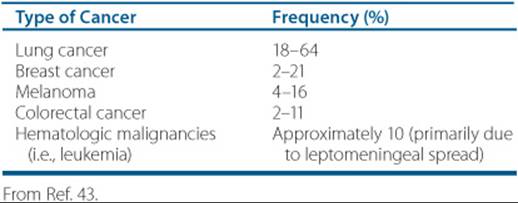
Brain metastasis is the most common neurologic complication seen in patients with cancer. Approximately 170,000 patients develop brain metastases in the United States each year.40 Many malignancies are frequently associated with brain metastases (Table 99–10). While melanoma is the tumor type most likely to metastasize to the brain, brain metastases due to lung and breast cancer are seen more often, as they are among the most common cancers. In addition, brain metastases may be diagnosed at the same time as the primary malignancy in around 20% of cases.41 Around 80% of brain metastases occur in the cerebral hemispheres, 15% in the cerebellum, and 5% in the brain stem.
Table 99–10 Cancers Most Frequently Associated With Brain Metastases
PATHOPHYSIOLOGY
A delicate balance of normal pressure is maintained in the brain and spinal cord by brain, blood, and cerebrospinal fluid. Since the brain is contained within a confined space (skull), any foreign mass contained within that space causes adverse sequelae. This results in either destruction or displacement of normal brain tissue with associated edema. Most brain metastases occur through hematogenous spread of the primary tumor and around 80% of patients will have multiple sites of metastases within the brain.
CLINICAL PRESENTATION AND DIAGNOSIS
Patients with brain metastases may have no symptoms. Alternatively, they may have severe headaches, vision changes, and personality/mood disturbances depending on the location of the metastasis. Diagnosis is made based on physical signs and symptoms and brain CT or MRI which indicate a mass.
TREATMENT
Desired Outcomes
Therapeutic modalities used for the management of brain metastases may be divided into symptomatic management and definitive management. The goals of treatment of brain metastases are to manage symptoms by reducing cerebral edema, treat the underlying malignancy both locally and systemically, and improve survival.
Clinical Presentation and Diagnosis of Brain Metastasis
General
• Almost all patients with brain metastases are symptomatic.
• New cerebral neurologic symptoms in a cancer patient should initiate evaluation for brain metastases.
• Other causes of brain lesions including hemorrhage, infection, and infarct should be ruled out.
Signs and Symptoms
• Mental status changes (most common)—loss of consciousness, irritability, confusion
• Hemiparesis, aphasia, papilledema, weakness, seizure, nausea, and vomiting
• Headache
• May be of gradual onset or sudden in the case of hemorrhage
Diagnostic Tests
• MRI with contrast enhancement is the gold standard
• CT scans may be used in patients with pacemakers, but may miss small metastases
General Approach to Treatment
Patients with brain metastases have a poor prognosis. Untreated patients generally have a median survival of 1 month. The choice of treatment depends primarily on the status of the patient’s underlying malignancy and the number and sites of brain metastases. The primary definitive treatments for brain metastases are surgery and radiation therapy. Pharmacologic modalities are primarily used to control symptoms, although cytotoxic chemotherapy plays a limited role in the management.
Nonpharmacologic Therapy
Radiation therapy is the treatment of choice for most patients with brain metastases. Most patients receive whole-brain radiation because the majority of brain metastases are multifocal. Another method known as stereotactic radiosurgery provides intense focal radiation, typically using a linear accelerator or gamma knife, in patients who cannot tolerate surgery or have lesions that are surgically inaccessible (i.e., brain stem). Because brain metastases can occur in up to 50% of patients with small cell lung cancer, prophylactic cranial irradiation is recommended in patients with good performance status who at least partially respond to chemotherapy to both prevent the development of brain metastases and to prolong survival.42 Although other cancers can metastasize to the brain, the benefits of routine prophylactic cranial irradiation have only been demonstrated in studies conducted in patients with small cell lung cancer.42
Surgery plays a key role in the management of patients with brain metastases, particularly in patients whose systemic disease is well-controlled and in patients with solitary lesions. Surgery may also benefit patients with multiple metastatic sites who have a single dominant lesion with current or impending neurologic sequelae.
In cases of elevated ICP due to cerebral herniation, mechanical hyperventilation to decrease the arterial Pco2 down to 25 mm Hg acutely decreases ICP by causing cerebral vasoconstriction. Elevation of the patient bed may also quickly reduce the ICP. It should be noted that these strategies only relieve symptoms and definitive therapy is still required.
Pharmacologic Therapy
Corticosteroids are a mainstay in the management of brain metastases. They reduce edema that typically surrounds sites of metastases thereby reducing ICP. A loading dose of dexamethasone 10 mg IV followed by 4 mg by mouth or IV every 6 hours is typically used. Symptom relief may occur shortly after the loading dose, although the maximum benefit may not be seen for several days (after definitive therapy).
Mannitol is an agent that may be used in patients with impending cerebral herniation. Mannitol is an osmotic diuretic that shifts brain osmolarity from the brain to the blood. Doses of 100 g (1–2 g/kg) as an IV bolus should be used. Repeated doses are typically not recommended since mannitol may diffuse into brain tissue leading to rebound increased ICP.43
Twenty percent of patients with brain metastases may present with seizures and require anticonvulsant therapy. Phenytoin is the most frequently used agent with a loading dose of 15 mg/kg followed by 300 mg by mouth daily (titrated to therapeutic levels between 10 and 20 mcg/mL). Diazepam 5 mg IV may be used for rapid control of persistent seizures. Prophylactic anticonvulsants have frequently been utilized; however, a recent metaanalysis did not support their use.44 Thus, because adverse effects and drug interactions are common, the routine use of prophylactic anticonvulsants is not recommended.
Patient Care and Monitoring: Brain Metastasis
1. Assess patient symptoms for prompt referral for radiation or surgery.
2. For patients receiving corticosteroids, monitor for adverse effects and drug interactions. Does the patient need GI prophylaxis for long-term treatment? Slowly taper once symptoms improve and/or radiation or surgery is completed.
3. Evaluate the patient for drug interactions, allergies, and adverse effects with phenytoin or corticosteroid therapy.
4. Instruct patients receiving phenytoin about symptoms of elevated serum concentrations (nystagmus, blurred vision, dizziness, drowsiness, lethargy).
5. Provide patient education regarding when to take medications, importance of compliance, and promptly report symptoms of recurrence (mental status changes, seizures).
OUTCOME EVALUATION
The success of therapy is based on the ability to decrease symptoms, treat the underlying sites of disease within the brain, and prolong survival.
UROLOGIC COMPLICATIONS: HEMORRHAGIC CYSTITIS
INTRODUCTION
Hemorrhagic cystitis is defined as acute or insidious bleeding from the lining of the bladder. Although therapy with certain medications is the most common cause, it is also the most preventable. Once it occurs, hemorrhagic cystitis causes significant morbidity and mortality rates between 2% and 4%. This section will focus on preventative strategies for chemotherapeutic agents, which rely heavily on pharmaco-therapeutic approaches.
EPIDEMIOLOGY AND ETIOLOGY
Numerous etiologies have been linked to hemorrhagic cystitis (Table 99–11).45 Of these, the oxazaphosphorine alkylating agents (cyclophosphamide and ifosfamide) are most frequently implicated. Incidence rates vary considerably, but generally range between 18% and 40% with ifosfamide and 0.5% to 40% with high-dose cyclophosphamide in the absence of prophylactic measures.46 Chronic, low-dose oral cyclophosphamide as typically used in autoimmune disorders and chronic lymphocytic leukemia is also infrequently associated with hemorrhagic cystitis.
Table 99–11 Primary Causes of Hemorrhagic Cystitis
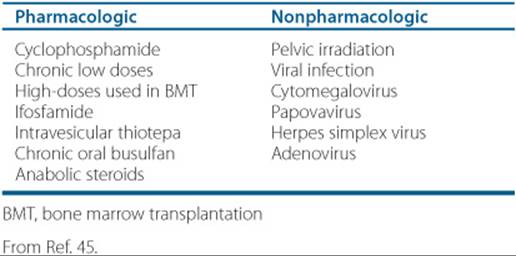
Twenty percent of patients receiving pelvic irradiation may experience hemorrhagic cystitis, especially with concurrent cyclophosphamide. Viral infections commonly associated with this condition most frequently occur in bone marrow transplant recipients who may also receive cyclophosphamide.
PATHOPHYSIOLOGY
Cyclophosphamide or ifosfamide induced damage to the bladder wall is primarily caused by their shared metabolite known as acrolein. Acrolein causes sloughing and inflammation of the bladder lining, leading to bleeding and hemorrhage. This is most common when urine output is low since higher concentrations of acrolein come into contact with the bladder urothelium for longer periods of time.
CLINICAL PRESENTATION AND DIAGNOSIS
Patients with hemorrhagic cystitis from treatment may present with dysuria, anuria, or hematuria. Diagnosis is made based on symptoms and urinalysis which shows presence of red blood cells in the urine.
PREVENTION
The use of effective prevention strategies can decrease the incidence of hemorrhagic cystitis to less than 5% in patients receiving cyclophosphamide or ifosfamide. There are three methods to reduce the risk: administration of mesna, hyperhydration, and bladder irrigation with catheterization. Mesna is the primary method used with ifosfamide while all three strategies are used with cyclophosphamide.
Clinical Presentation and Diagnosis of Urologic Complications
General
• Presentation may be mild (microscopic hematuria) or severe (massive hemorrhage) and develops during or shortly after chemotherapy infusion.
Signs and Symptoms
• Suprapubic pain and cramping, urinary urgency and frequency, dysuria and burning, hematuria
• Urinary retention leading to hydronephrosis and renal failure may occur if large blood clots obstruct the ureters or bladder outlet
Laboratory Tests
• Urine dipsticks for blood
• Urinalysis reveals more than 3 RBCs per high-power field—microscopic hematuria
• CBC with differential, PT/INR, aPTT, BUN, creatinine
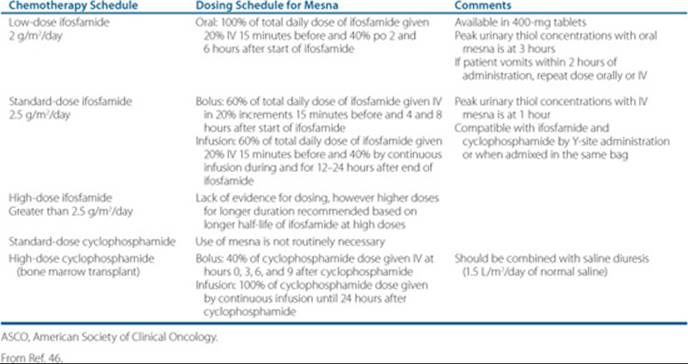
Mesna is a thiol compound that is rapidly oxidized in the bloodstream after administration to dimesna, which is inactive. However, once filtered through the kidneys, dimesna is reduced back to mesna which binds to acrolein leading to inactivation and excretion. The American Society of Clinical Oncology (ASCO) has published evidence-based guidelines for the dosing and administration of mesna (Table 99–12).46 The dose of oral mesna must be double the IV dose due to oral bioavailability between 40% and 50%. Because the half-life of mesna (approximately 1.2 hours) is much shorter than that of ifosfamide or cyclophosphamide, prolonged administration of mesna beyond the end of the chemotherapy infusion is critical (Fig. 99–2). Patients should receive at least 2 L of IV fluids beginning 12 to 24 hours before and ending 24 to 48 hours after the last dose of chemotherapy.
Hyperhydration with normal saline at 3 L/m2/day with IV furosemide to maintain urine output greater than 100 mL/hour has also been used with cyclophosphamide. Continuous bladder irrigation by catheterization uses normal saline at 250 to 1,000 mL/hour to flush acrolein from the bladder. Mesna is equivalent to both strategies in patients receiving high-dose cyclophosphamide and avoids the discomfort and infection risk with catheterization and the intensity of hyperhydration. Thus, mesna is the preventative method of choice.
TREATMENT
Desired Outcomes
If hemorrhagic cystitis occurs, the goals of treatment are to decrease exposure to the offending etiology, establish and maintain urine outflow, avoid obstruction and renal compromise, and maintain blood and plasma volume. Restoration of normal bladder function is the ultimate goal following acute treatment.
General Approach to Treatment
The treatment of hemorrhagic cystitis first involves discontinuation of the offending agent. Agents such as anticoagulants and inhibitors of platelet function should also be discontinued. IV fluids should be aggressively administered to irrigate the bladder. Blood and platelet transfusions may be necessary to maintain normal hematologic values. Pain should be managed with opioid analgesics. Local intravesiculartherapies may be necessary if hematuria does not resolve (Fig. 99–3).
Nonpharmacologic Therapy
A large-diameter, multihole urethral catheter should be inserted to facilitate saline lavage and evacuation of blood clots. Surgical removal of blood clots under anesthesia may be required if saline lavage is ineffective. Active bleeding from isolated areas may be cauterized with an electrode or laser. In severe cases that are unresponsive to local or systemic pharmacologic intervention, urinary diversion with percutaneous nephrostomy or surgical removal of the bladder may be required.
Table 99–12 ASCO Guidelines for the Use of Mesna With Ifosfamide and High-Dose Cyclophosphamide
Pharmacologic Therapy
A number of local or systemic agents are utilized in the treatment of hemorrhagic cystitis.45 Local (direct instillation into the bladder), one-time administration of hemostatic agents such as alum, prostaglandins, silver nitrate, and formalin may be used; however general anesthesia is required, especially with formalin due to pain. Systemic agents including estrogens, vasopressin, and aminocaproic acid may be used in patients who are refractory to local therapy, although they introduce the risk of systemic side effects. These agents should be continued until bleeding stops.
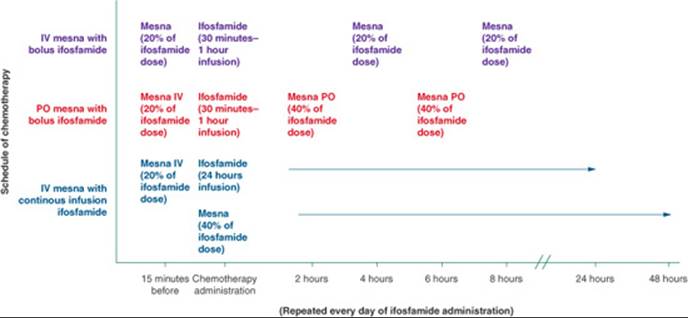
FIGURE 99–2. Examples of mesna administration with ifosfamide.
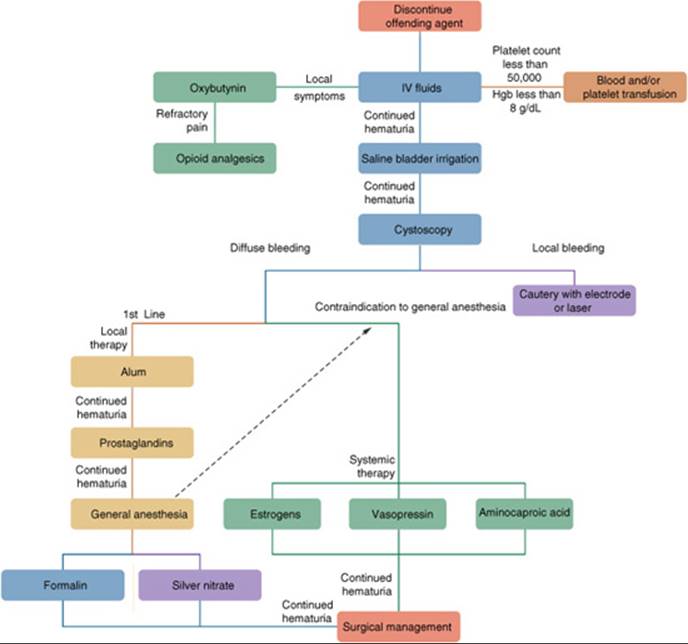
FIGURE 99–3. Treatment of hemorrhagic cystitis. (From Ref. 27.)
Antispasmodic agents such as oxybutynin 5 mg by mouth 2 to 3 times daily may be used for bladder spasms. In patients with refractory pain, opioid analgesics should be titrated to adequate pain control.
OUTCOME EVALUATION
The goal of treatment is resolution of bladder symptoms and appropriate pain management.
Patient Care and Monitoring: Urologic Complications
1. Assess the patient receiving ifosfamide or cyclophosph-amide at least daily for development of hematuria.
2. Ensure administration of adequate hydration and proper doses of mesna.
3. Counsel patient receiving oral mesna on the importance of compliance, when to take doses, and to immediately report any episodes of vomiting for IV readministration.
4. Assess the quantity of urinary bleeding and promptly refer to urologist for local or surgical management.
5. Patients receiving systemic treatment should be monitored every 4 hours for resolution of hematuria. Promptly refer to urologist for refractory hematuria.
6. Evaluate the patient for drug interactions, allergies, and adverse effects with chemotherapy, mesna, or systemic therapies for management.
Monitor the patient for resolution of hematuria after each successive therapeutic intervention. Frequency of monitoring is based on the severity of hemorrhaging. Monitor urinary output and serum chemistries (including sodium, potassium, chloride, blood urea nitrogen, and serum creatinine) daily for renal dysfunction. Check the CBC at least daily to monitor hemoglobin and platelet count.
METABOLIC COMPLICATIONS: HYPERCALCEMIA OF MALIGNANCY
INTRODUCTION
Hypercalcemia is the most common metabolic abnormality experienced by patients with cancer. A small percentage of as yet undiagnosed patients present with hypercalcemia. Once hypercalcemia occurs, it is associated with a very poor prognosis due to the frequent association with advanced or metastatic disease.47
EPIDEMIOLOGY AND ETIOLOGY
Hypercalcemia occurs in 10% to 30% of patients with cancer during the course of their disease. The most common tumor types associated with hypercalcemia are breast cancer, squamous cell carcinomas of the head, neck and lung, and renal cancer. Hematologic malignancies such as multiple myeloma and rarely, lymphomas are other underlying malignances associated with hypercalcemia.
PATHOPHYSIOLOGY
Around 99% of calcium is contained in the bones, while the other 1% resides in the extracellular fluid. Of this extracellular calcium, approximately 40% is bound to albumin and the remainder is in the ionized, physiologically active form. Normal calcium levels are maintained by three primary factors: parathyroid hormone, 1,25-dihydroxyvitamin D, and calcitonin. Parathyroid hormone increases renal tubular calcium resorption and promotes bone resorption. The active form of vitamin D, 1,25-dihydroxyvitamin D, regulates absorption of calcium from the GI tract. Calcitonin serves as an inhibitory factor by suppressing osteoclast activity and stimulating calcium deposition into the bones.
The delicate balance maintained by these factors is altered in patients with cancer by two principal mechanisms: tumor production of humoral factors that alter calcium metabolism (humoral hypercalcemia) and by local osteolytic activity from bone metastases.48 Humoral hypercalcemia causes around 80% of all hypercalcemia cases and is primarily mediated by systemic secretion of parathyroid hormone-related protein (PTHrP). This protein mimics the action of endogenous parathyroid hormone on bones. Local osteolytic activity causes 20% to 30% of hypercalcemia cases, although local osteolytic activity may also have a humoral component. Local production of various factors directly stimulates osteoclastic bone resorption which releases growth factors and cytokines (i.e., transforming growth factor-β) that are necessary for tumor growth. Thus, these metastatic tumors perpetuate their own growth through this mechanism. Calcium is also released by the osteolytic activity, resulting in hypercalcemia (Fig. 99–4). A third and less common mechanism is production of 1,25-dihydroxyvitamin D by tumor cells (usually lymphoma) which increases GI absorption of calcium and enhances osteoclastic bone resorption.
CLINICAL PRESENTATION AND DIAGNOSIS
Patients with hypercalcemia may present with confusion, dehydration and elevated calcium levels.47 Diagnosis is made based on symptoms, consideration of history of malignancy, and measurement of total calcium, ionized calcium, or corrected calcium levels.47
TREATMENT
Desired Outcomes
The primary goal of treatment for hypercalcemia is to control the underlying malignancy. Therapies directed at lowering the calcium level are temporary measures that are useful until anticancer therapy begins to work. The goals of calcium-lowering therapy are to: (a) lower the corrected calcium to normal levels; (b) regain fluid and electrolyte balance; (c) relieve symptoms; (d) prevent life-threatening complications. Patients who are refractory to available therapies may have calcium-lowering therapy withheld (usually resulting in coma and death), which may be a humane approach.47
General Approach to Treatment
Therapeutic options for the treatment of hypercalcemia should be directed toward the level of corrected serum calcium and the presence of symptoms (Fig. 99–5). Hypercalcemia may be classified as mild (corrected calcium equal to 10.5–11.9 g/dL [2.6–3 mmol/L]), moderate (12–13.9 g/dL [3–3.5 mmol/L]), and severe (greater than 14 g/dL [3.5 mmol/L]).47 Adequate treatment of mild or asymptomatic hypercalcemia may be achieved on an outpatient basis with nonpharmacologic measures. Moderate to severe or symptomatic hypercalcemia almost always requires pharmacologic intervention.
Nonpharmacologic Therapy
Calciuric therapy in the form of hydration is a key component to the treatment of hypercalcemia, regardless of severity or presence of symptoms.49 Mild or asymptomatic patients may be encouraged to increase oral fluid intake (3–4 L/day). Patients with moderate to severe or symptomatic hypercalcemia should receive normal saline at 200 to 500 mL/hour according to dehydration and cardiovascular status. Patients should be encouraged to ambulate as much as possible since immobility enhances bone resorption. Although calcium should be discontinued from parenteral feeding solutions, oral calcium supplementation minimally contributes to hypercalcemia, unless it is mediated by vitamin D. In these cases, oral calcium should be discontinued. Finally, agents that may contribute to hypercalcemia (thiazide diuretics, vitamin D, lithium) or decrease renal function (NSAIDs) should be discontinued. Dialysis may be used in refractory cases or patients who cannot tolerate aggressive saline hydration.
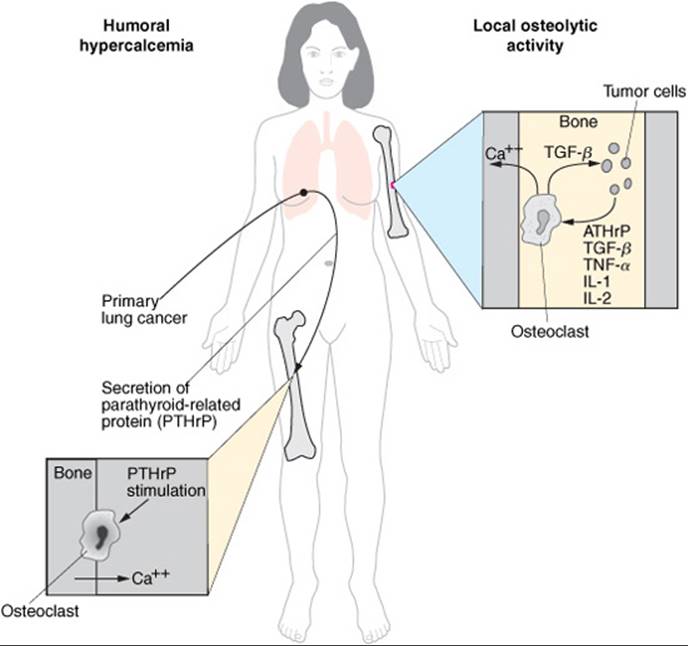
FIGURE 99–4. Pathophysiology of the hypercalcemia of malignancy. (Ca2+, calcium; IL-1, interleukin 1; IL-2, interleukin 2; TGF-β, transforming growth factor β; TNF-α, tumor necrosis factor α; PTHrP, parathyroid hormone-related protein.)
Clinical Presentation and Diagnosis of Hypercalcemia
General
• Presence of symptoms depends not only on the calcium level but the rapidity of onset
• Normal calcium level is 8.5 to 10.5 g/dL (2.1 to 2.6 mmol/L) (varies by lab)
• Serum calcium level must be corrected for albumin level using the following formula:
• Corrected calcium = (Measured calcium−Measured albumin) + 4
Signs and Symptoms
• Five primary organ systems may be affected:
GI: Anorexia; nausea; vomiting; constipation
Musculoskeletal: weakness; bone pain; fatigue; ataxia
CNS: Confusion; headache; lethargy; seizures; coma
Genitourinary: Polydipsia; polyuria; renal failure
Cardiac: Bradycardia; ECG abnormalities; arrhythmias
Laboratory Tests
• Elevated corrected serum calcium level (greater than or equal to 10.5 g/dL (2.6 mmol/L), serum albumin, low to normal serum phosphate
• Patient may have elevated BUN and serum creatinine
• Elevated alkaline phosphatase may indicate bone destruction
• ECG may indicate prolonged PR interval, shortened QT interval, widened T wave
Other Diagnostic Tests
• Rule out other causes of hypercalcemia including primary hyperparathyroidism, hyperthyroidism, vitamin D intoxication, chronic renal failure
Pharmacologic Therapy
Multiple pharmacologic interventions are available for the treatment of hypercalcemia (Table 99–13). Furosemide 20 to 40 mg/day may be added to hydration once rehydration has been achieved to avoid fluid overload and enhance renal excretion of calcium. Although effective in relieving symptoms, hydration and diuretics are temporary measures that are useful until the onset of antiresorptive therapy, thus hydration and antiresorptive therapy should be initiated simultaneously.
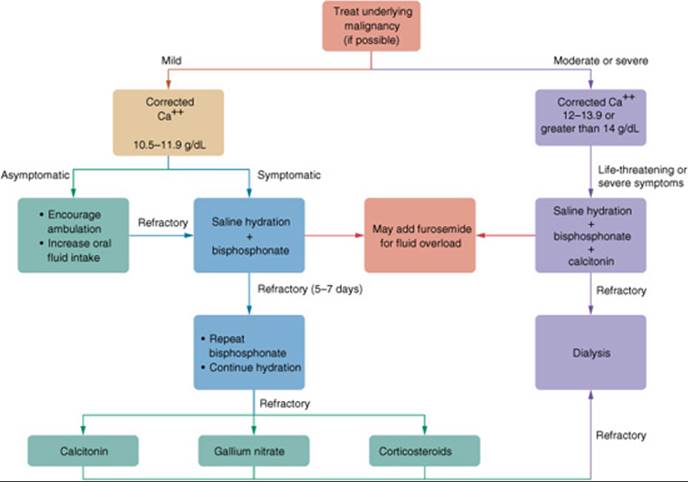
FIGURE 99–5. Treatment algorithm for the hypercalcemia of malignancy.
Table 99–13 Treatment Options for Hypercalcemia of Malignancy
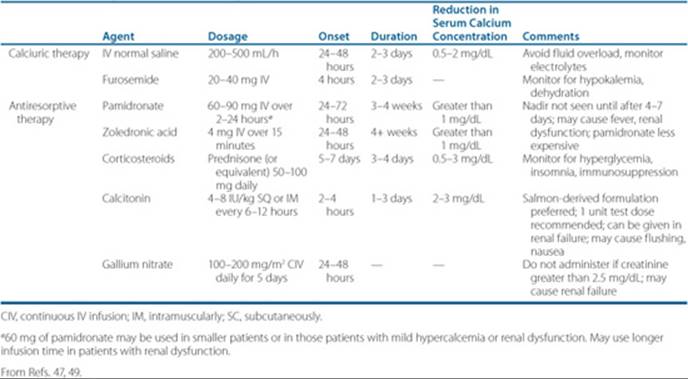
The antiresorptive therapy of choice for hypercalcemia of malignancy is a bisphosphonate. Because of poor oral bio-availability, only IV agents should be used. Pamidronate and zoledronic acid are most commonly utilized and are potent inhibitors of osteoclast activity.50 The choice of bisphosphonate is a difficult one; zoledronic acid is more efficacious in terms of response rate and longer duration of normocalcemia, but is approximately four times more expensive.51 Regardless of selection, the bisphosphonates should be administered at diagnosis due to their delayed onset of action.
Calcitonin is the drug of choice in cases of emergent hypercalcemia (patients with life-threatening ECG changes, arrhythmias, or CNS effects) due to its rapid onset of action. Calcitonin inhibits osteoclast activity and decreases renal tubular calcium resorption. Corticosteroids are useful in patients with steroid-responsive malignancies, such as lymphomas or multiple myeloma, and may delay tachyphylaxis to calcitonin. Gallium nitrate was also recently reapproved for treatment, although the 5-day administration regimen and risk of nephrotoxicity limit its use.
Patient Care and Monitoring: Hypercalcemia
1. Determine the disease status of the patient—Is the patient newly diagnosed or has the patient had multiple episodes of hypercalcemia and is becoming refractory to calcium-lowering therapy?
2. Assess the patient’s symptoms and serum calcium level to determine appropriate therapy. Is the patient taking any medications that may elevate the calcium level, inhibit its excretion, or affect renal function?
3. Educate the patient regarding the importance of oral hydration and ambulation if an outpatient. Counsel to immediately report any worsening signs or symptoms.
4. Develop a plan to maintain normocalcemia chronically using monthly bisphosphonates.
• Monitor patients for relief of symptoms and restoration of fluid balance.
• Monitor the serum calcium level, serum albumin, serum BUN and creatinine, and electrolytes daily during therapy.
• Assess the fluid balance by daily input/output, weights, and signs of fluid overload.
• Monitor the ECG in patients with cardiac manifestations until normalized.
• Repeat doses of bisphosphonate after 5 to 7 days if the patient does not become normocalcemic.
• Reassess patient status in terms of refractoriness to treatment to determine if treatment should be changed
5. Evaluate the patient for drug interactions, allergies, and adverse effects with calcium-lowering therapy.
OUTCOME EVALUATION
The long-term success of therapy for hypercalcemia is determined primarily by the success of treatment of the underlying malignancy. The goal of treatment is to reduce serum calcium levels to normal range and to relieve patient symptoms if present.
METABOLIC COMPLICATIONS: TLS
INTRODUCTION
Although not as common as hypercalcemia, TLS may cause significant morbidity and mortality if adequate prophylaxis and treatment is not instituted. TLS is the result of rapid destruction of malignant cells with subsequent release of intracellular contents into the circulation.
EPIDEMIOLOGY AND ETIOLOGY
The overall incidence of TLS is unknown but has been linked to a number of patient-related and tumor related risk factors (Table 99–14).52 TLS typically occurs in malignancies with high tumor burdens or high proliferative rates. Because of this, children are most frequently affected since they frequently have aggressive malignancies. TLS is typically induced by cancer treatment modalities including chemo-therapy, hormonal therapy, radiation, biologic therapy, or corticosteroids, although some patients may present spontaneously before treatment.
PATHOPHYSIOLOGY
Patients with TLS experience a wide range of metabolic abnormalities. The massive cell lysis that occurs leads to the release of intracellular electrolytes resulting in hyperkalemia and hyperphosphatemia. High concentrations of phosphate bind to calcium leading to hypocalcemia and calcium phosphate precipitation in the renal tubule. Purine nucleic acids are also released which are subsequently metabolized to uric acid through multiple enzyme-mediated steps (Fig. 99–6). Uric acid is poorly soluble at urinary acidic pH leading to crystallization in the renal tubule. The precipitation of uric acid and calcium phosphate leads to metabolic acidosis, facilitating further uric acid crystallization. Acute renal failure may be the end result.
CLINICAL PRESENTATION AND DIAGNOSIS
Patients with TLS are diagnosed based on laboratory monitoring indicating hyperuricemia, hyperkalemia, hyperphosphatemia, hypocalcemia, and renal dysfunction.53 As a result of these electrolyte abnormalities, patients may present with uremia, visual disturbances, muscle cramping, edema, hypertension, cardiac arrhythmias, seizures, and even sudden death.53
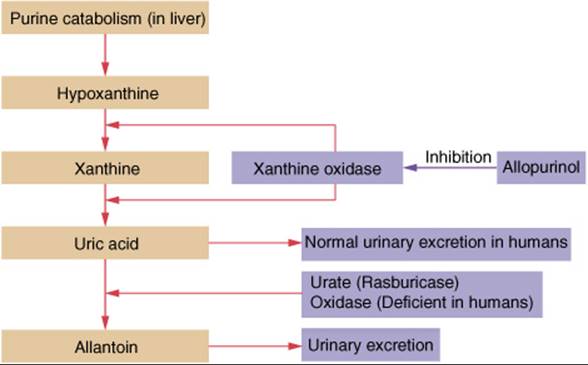
FIGURE 99–6. The role of allopurinol and rasburicase in the enzymatic degradation of purine nucleic acids.
Table 99–14 Risk Factors for TLS
Disease Related
High risk
Acute lymphoblastic leukemia
High-grade non-Hodgkin’s lymphoma (i.e., Burkitt’s)
Intermediate risk
Chronic lymphocytic leukemia (especially bulky lymphadenopathy)
Acute myeloid leukemia (especially WBC greater than 50,000/mm3)
Multiple myeloma
Low risk
Low- and intermediate-grade non-Hodgkin’s lymphoma
Hodgkin’s disease
Chronic myeloid leukemia (blast crisis)
Rare
Breast cancer
Small cell lung cancer
Testicular cancer
Patient related
Decreased urinary output, dehydration, or renal failure
Pre-existing hyperuricemia
Acidic urine
WBC greater than 50,000 103/µL (500 × 10 9/L)
Lactate dehydrogenase (LDH) levels greater than 1500 IU/L (1500 units/L)
High tumor sensitivity to treatment modalities
From Refs. 52, 54.
Clinical Presentation and Diagnosis of TLS
General
• Patients present primarily with lab abnormalities
• Normal uric acid is equal to 2 to 8 mg/dL (119–476 µmol/L)
• Most often occurs within 12 to 72 hours of initiation of cytotoxic therapy
Signs and Symptoms
• Most patients are asymptomatic
• Patients may develop edema, fluid overload, and oliguria, which may progress to anuria with acute renal failure
• Some patients with hyperuricemia may have nausea, vomiting, and lethargy
• Hyperkalemia—lethargy, muscle weakness, paresthesia, ECG changes, bradycardia
• Hypocalcemia—muscle cramps, tetany, irritability, paresthesias, arrhythmias
Laboratory Tests (Adults)
• Serum uric acid level greater than 8 mg/dL (476 µmol/L)
• Serum potassium greater than 6 mEq/L (6 mmol/L)
• Serum phosphorus greater than 4.5 mg/dL (1.45 mmol/L)
• Serum calcium less than 7 mg/dL (1.75 mmol/L)
• Elevated BUN and creatinine once renal dysfunction develops
OR
• A change of greater than 25% from baseline in the above lab values35
TREATMENT
Desired Outcomes
 The primary goals of management of TLS are: (a) prevention of renal failure; (b) prevention of electrolyte imbalances. Thus, the best treatment for TLS is prophylaxis to enable delivery of cytotoxic therapy for the underlying malignancy. For patients that present with or develop TLS despite prophylaxis, treatment goals include: (a) decreasing uric acid levels; (b) correcting electrolyte imbalances; (c) preventing compromised renal function. These goals should be achieved in a cost-effective manner.
General Approach to Treatment
Prevention of TLS is generally achieved by increasing the urine output and preventing accumulation of uric acid. Prophylactic strategies should begin immediately upon presentation, preferably 48 hours prior to cytotoxic therapy. Treatment modalities primarily increase uric acid solubility, maintain electrolyte balance, and support renal output.
Nonpharmacologic Therapy
Vigorous IV hydration with dextrose 5% in water with ½ normal saline at 3 L/m2/day to maintain a urine output greater than or equal to 100 mL/m2/hour is necessary, unless the patient presents with acute renal dysfunction. Alkalinization of the urine to a pH greater than or equal to 7.0 with 50 to 100 mEq/L of sodium bicarbonate has been used to promote uric acid solubility for excretion. This measure is controversial because xanthine and hypoxanthine are less soluble at alkaline pH potentially leading to crystallization, especially during and after allopurinol therapy (Fig. 99–6).54 Medications that increase serum potassium (angiotensin-converting enzyme [ACE] inhibitors, spironolactone) or block tubular resorption of uric acid (probenecid, thiazides) should be discontinued. Nephrotoxic agents such as amphotericin B or aminoglycosides should also be avoided. Hemodialysis may be required in patients who develop anuria or uncontrolled hyperkalemia, hyperphosphatemia, hypocalcemia, acidosis or volume overload.
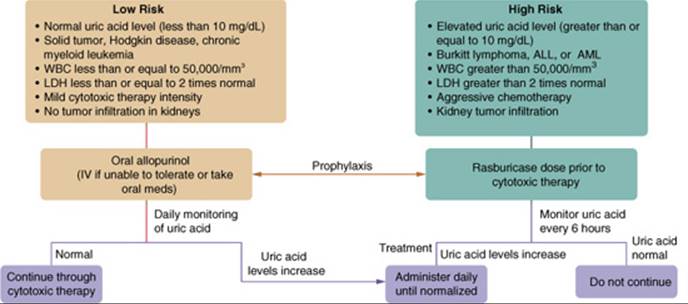
FIGURE 99–7. Prophylaxis and treatment of hyperuricemia associated with TLS. (ALL, acute lymphoblastic leukemia; AML, acute myelogenous leukemia.) (From Refs 35, 36.)
Pharmacologic Therapy
Pharmacologic prevention strategies for TLS are aimed at low- and high-risk patients (Fig. 99–7). Allopurinol is a xanthine oxidase inhibitor that is used for prevention only because it has no effect on pre-existing elevated uric acid. Rasburicase is a recombinant form of urate oxidase that is useful for both prevention and treatment, but is extremely expensive (Table 99–15). Although the approved dose is 0.2 mg/kg/day for 5 days, recent studies using abbreviated courses (1–3 days) and/or lower doses (0.05–0.1 mg/kg/day) may be equally efficacious with significantly reduced cost.54 Because uric acid levels generally fall within 4 hours of the first dose, one dose may be administered with frequent, serial monitoring of the uric acid level for repeat dosing if necessary (Fig. 99–7). Of note, rasburicase continues to break down uric acid in blood samples drawn from patients. This can be avoided by immediately placing the sample in an ice bath for processing to avoid falsely lowered uric acid levels.
Electrolyte disturbances that develop in patients with TLS should be aggressively managed to avoid renal failure and cardiac sequelae. One exception pertains to the use of IV calcium for hypocalcemia. Adding calcium may cause further calcium phosphate precipitation in the presence of hyperphosphatemia and should be used cautiously.
OUTCOME EVALUATION
The most successful outcome in TLS is prevention. If the condition is not able to be prevented, the goal of therapy is to avoid renal failure and quickly return electrolytes to normal.
Table 99–15 Comparison of Allopurinol and Rasburicase in TLS
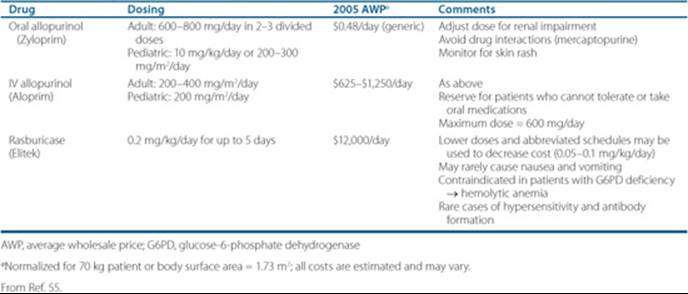
Patient Care and Monitoring: TLS
1. Monitor daily the at-risk patient who presents with normal lab values daily for serum uric acid, electrolytes (Na, K, Ca, Mg, Cl, PO4), BUN, creatinine, and urine output.
2. Monitor for signs of fluid overload during aggressive hydration.
3. Continue hydration and prophylaxis until 2 to 3 days after cytotoxic therapy.
4. In patients undergoing urinary alkalinization with sodium bicarbonate, assess the urine pH every 6 hours and maintain above 7.
5. For patients who present with or develop signs of TLS, monitor these parameters every 6 hours until stable.
6. Order an ECG for patients with hyperkalemia and monitor serially until resolution.
7. Adjust the dose of allopurinol and other renally eliminated medications for patients who develop renal dysfunction.
8. In patients receiving rasburicase, monitor the hemoglobin and hematocrit for signs of hemolysis.
Table 99–16 Risk Factors for Chemotherapy Extravasation
Presence of multiple venipunctures (common in cancer patients)
Poor needle insertion technique
Poor catheter location (dorsum of the hand, antecubital fossa)
Inability to communicate symptoms (children, sedated patients, language barrier between patient and nurse)
Presence of peripheral neuropathy
Nurse experience and training
Young age or elderly patients (small or fragile veins)
Gross obesity
MISCELLANEOUS CHEMOTHERAPY TOXICITIES: EXTRAVASATION
INTRODUCTION
Extravasation is generally defined as leakage of IV fluids into the interstitial tissue.56 While extravasation does not cause death, significant morbidity may result from local tissue destruction and immediate management is necessary.
EPIDEMIOLOGY AND ETIOLOGY
The incidence of chemotherapy extravasation is generally reported to be between 0.5% and 6% of all chemotherapy-related adverse events.57 A number of risk factors have been identified for chemotherapy extravasation (Table 99–16). Chemotherapy agents are generally classified into three groups: vesicants, irritants, and nonvesicants (Table 99–17).58 Either vesicants or irritants may cause local symptoms, however vesicants cause local tissue necrosis upon extravasation whereas irritants do not. The degree of tissue injury depends on the concentration and amount of fluid extravasated. It is important to note that some agents are well-known vesicants; however, for many agents, only isolated case reports of tissue necrosis exist. Therefore, it is imperative to use caution when administering any chemotherapeutic agent, especially new or investigational agents that have unknown vesicant properties.
Table 99–17 Chemotherapeutic Agents With Vesicant or Irritant Properties
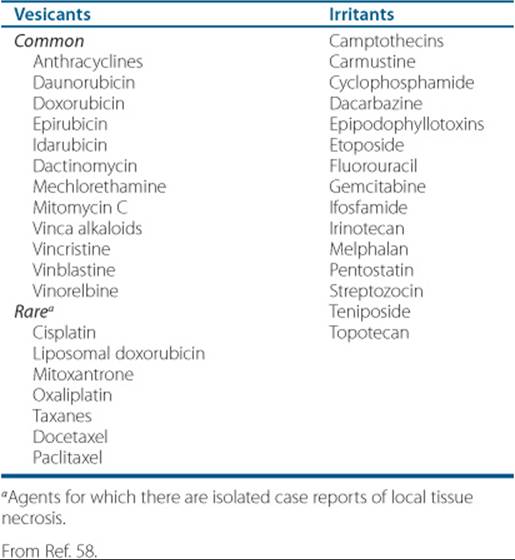
PATHOPHYSIOLOGY
The mechanism of tissue injury is related to the pharmacodynamic characteristics of the extravasated drug. These agents may be classified into DNA-binding and non–DNA-binding. Examples of DNA-binding agents include the anthracyclines, mechlorethamine, and mitomycin C. These agents first cause cell death through interactions with DNA, and are then released into the surrounding tissue and taken up by adjacent cells. This repeating cycle is perpetuated by the lipophilic nature of these drugs resulting in chronic, slow-healing tissue injury due to long tissue retention. Doxorubicin in particular may remain in tissues for weeks to months.58
Clinical Presentation and Diagnosis of Extravasation
General
• Anthracycline, mechlorethamine, and vinca alkaloid extravasations typically cause immediate pain
• Patients may be asymptomatic at the time of extravasation, but return within days to weeks with signs of tissue damage (particularly with mitomycin C)
• Exposure to UV light may worsen some lesions
Signs and Symptoms
• Local pain (burning, tingling, stinging), swelling, erythema, induration
• Lack of blood return
• Ulceration may not develop until after 1 to 2 weeks or longer
Diagnostic Tests
• Usually based on clinical history and presenting symptoms, however tissue biopsy may reveal definitive findings
Non–DNA-binding agents include the vinca alkaloids and etoposide. These agents tend to cause injury in the pattern of a thermal burn and are more easily cleared from interstitial spaces. Thus, they are more readily neutralized and tend to have a better healing prognosis.
CLINICAL PRESENTATION AND DIAGNOSIS
Patients who experience extravasation will report burning pain and discomfort in the limb of the infusion site which can be severe. The area may be erythematous at first. If not quickly treated, the tissue will become necrotic and require amputation. Diagnosis is made based on symptoms.
PREVENTION
Chemotherapy extravasation may be avoided in many cases by the use of successful prevention strategies. The most important preventative measure is proper patient education. Patients must be instructed to promptly report any local symptoms not only during administration, but days to weeks later. Another key factor is the exclusive use of highly trained personnel who are trained to administer chemotherapeutic drugs. The Oncology Nursing Society has developed guidelines for the administration of vesicant drugs as summarized in Table 99–18.59 Although placement of a central venous catheter is recommended, extravasations may still occur due to dislodged or poorly placed needles or nicked catheters.
TREATMENT
Desired Outcomes
Once extravasation occurs, the primary goals of treatment are to: (a) avoid further tissue damage by using appropriate nonpharmacologic and pharmacologic strategies; (b) promptly refer patients for surgery if required. Optimal pharmacologic and nonpharmacologic treatment of the extravasation will allow the cancer patient to continue with their chemotherapy (Table 99–19).
Nonpharmacologic Therapy
If extravasation occurs, the infusion should be stopped immediately with aspiration of fluid from the site, needle, and tubing as much as possible. The affected limb or area should be elevated (if possible). The site should be documented photographically as well as the time, date, site, patient complaints, and estimated volume of extravasated drug.58 Both hot and cold packs have been used to manage extravasations; however, use of the proper therapy for certain agents is critical. For example, warm compresses have been shown to worsen doxorubicin extravasations; while cold packs may exacerbate vinca alkaloid lesions. Pressure should not be applied to the area as this may facilitate spread. Finally, patients should be referred to a plastic surgeon if pain persists or ulceration develops despite treatment.
Table 99–18 Prevention Strategies for Chemotherapy Extravasation
Central venous catheters should be placed for vesicant administration whenever possible, especially in high-risk patients
Avoid the dorsum of the hand, antecubital fossa, and limbs with significant lymphedema
Use uncovered plastic cannulas or a butterfly needle for peripheral administration
Always test the line with IV fluids before chemotherapy administration and observe site for swelling
Check for blood return prior to and frequently during administration
If venipuncture is repeated, should be proximal to prior needle insertion site
Vesicants given via peripheral vein should be given by IV push rather than by infusion to enable immediate cessation and withdrawal of fluids if extravasation occurs
From Ref. 59.
Pharmacologic Therapy
Therapeutic modalities to treat extravasation events consist of specific antidotes to halt or decrease the severity of local tissue necrosis. It should be noted that only one third of extravasation events will lead to local tissue necrosis and most studies of antidotes are in animal models or isolated case reports. Antidotes either disperse or bind the chemo-therapy agent and accelerate the removal of the agent from the tissues. Specific antidotes and their uses are presented in Table 99–19.
Dimethylsulfoxide (DMSO) is the antidote of choice for anthracycline and mitomycin C extravasations. It readily penetrates tissues and increases diffusion in the tissue area. In addition, DMSO is a free-radical scavenger that functions to block this principle mechanism of anthracycline and mitomycin C-mediated tissue injury. DMSO is generally well tolerated but may cause some mild burning and redness. Dexrazoxane is a free-radical scavenger typically used for cardioprotection from anthracyclines. A special formulation of dexrazoxane (Totect) is the only commercially available product that is FDA approved to treat doxorubicin extravasation, though much controversy exists surrounding whether generic dexrazoxane may be equally efficacious than the newer, more expensive alternative.
Table 99–19 Management of Chemotherapy Extravasation
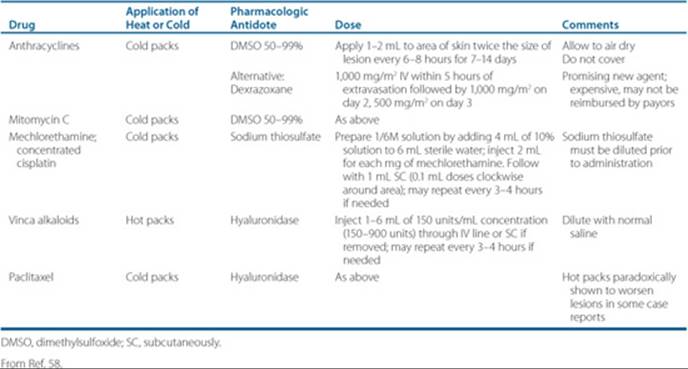
Hyaluronidase is the antidote of choice for vinca alkaloid and high concentration epipodophyllotoxin extravasations. Hyaluronidase breaks down hyaluronic acid, which functions as “tissue cement.” This promotes the absorption of the extravasated drug away from the local site. Hyaluronidase may also be used for paclitaxel extravasations; however, there are conflicting reports regarding its efficacy.60Hyaluronidase should not be used with anthracycline extravasations because enhancement of local spread may occur.
Patient Care and Monitoring: Extravasation
1. Upon diagnosis, determine need for administration of chemotherapy with vesicant properties. Refer the patient for surgical placement of a central access device.
2. Insure proper training and certification of all personnel in institution who administer chemotherapeutic agents.
3. Educate the patient regarding signs and symptoms of extravasation and instruct to IMMEDIATELY relate to caregiver.
4. Educate the patient to promptly report increasing pain, spread of the lesion or ulceration.
5. Educate the patient regarding proper application of hot or cold packs as well as topical antidotes. Should the area be allowed to air dry or be covered?
6. Evaluate the patient for allergies and adverse effects of pharmacologic antidotes.
The antidote of choice for mechlorethamine extravasations is sodium thiosulfate. This agent binds alkylating agents resulting in neutralization to inactive compounds that are then excreted. Sodium thiosulfate may also be effective for high concentration cisplatin or dacarbazine extravasations.
OUTCOME EVALUATION
The primary outcome is the prevention of extravasation events using proper administration techniques. Instruct patients to promptly report any symptoms of extravasation. If extravasation occurs, select the proper antidote and thermal application for immediate administration. Promptly refer the patient for plastic surgery if pain persists or ulceration develops.
Abbreviations Introduced in This Chapter
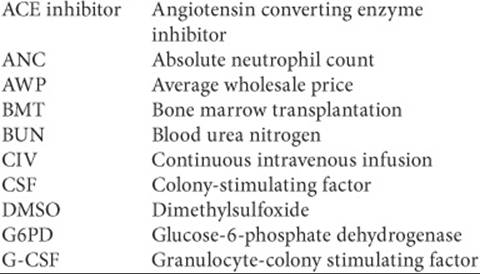
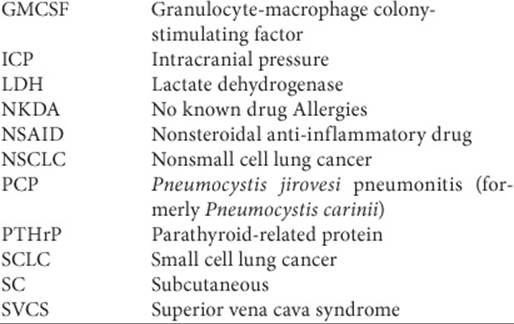
 Self-assessment questions and answers are available at http://www.mhpharmacotherapy.com/pp.html.
REFERENCES
1. deBoer-Dennert M, deWit R, Schmitz PI, et al. Patient perceptions of the side effects of chemotherapy: The influence of 5HT3 antagonists. Br J Cancer 1997;76:1055–1061.
2. Roscoe JA, Bushnnow P, Morrow GR, et al. Patient experience is a strong predictor of severe nausea after chemotherapy: A University of Rochester Community Clinical Oncology Program study of patients with breast carcinoma. Cancer 2004;101:2701–2708.
3. Hesketh PJ. Chemotherapy-induced nausea and vomiting. N Engl J Med 2008;358:2482–2494.
4. Hesketh PJ, Grunberg SM, Gralla RJ, et al. The neurokinin-1 antagonist aprepitant for the prevention of chemotherapy-induced nausea and vomiting: A multinational, randomized, double-blind, placebo-controlled trial in patients receiving high-dose cisplatin—The Aprepitant Protocol 052 Study Group. J Clin Oncol 2003;21:4112–4119.
5. Geling O, Eichler HG. Should 5-hydroxytryptamine-3-receptor antagonists be administered beyond 24 hours after chemotherapy to prevent delayed emesis? Systematic re-evaluation of clinical evidence and drug cost implications. J Clin Oncol 2005;23:1289–1294.
6. National Comprehensive Cancer Network. Clinical Practice Guidelines in Oncology: Antiemesis. v2.2009, http://www.nccn.org/professionals/physician_gls/PDF/antiemesis.pdf.
7. Polovich M, White JM, Kelleher LO, eds. Chemotherapy and Biotherapy Guidelines and Recommendations for Practice, 2nd ed. Pittsburgh, PA: Oncology Nursing Society, 2005.
8. Berardi RR, Kroon LA, McDermott JH, et al. Handbook of Nonprescription Drugs, 15th ed. Washington, DC: American Pharmacists Association, 2006.
9. Kris MG, Hesketh PJ, Somerfield MR, et al. American Society of Clinical Oncology Guidelines for Antiemesis in Oncology: Update 2006. J Clin Oncol 2006;24:2932–2947.
10. Peterson DE, Bensadoun RJ, Roila F. Management of oral and gastrointestinal mucositis: ESMO clinical recommendations. Ann Oncol 2008;19(Suppl 2):ii122–ii125.
11. Nonzel NJ, Dandade NA, Markossia T, et al. Evaluating the supportive care costs of severe radiochemotherapy-induced mucositis and pharyngitis: Results from a Northwestern University costs of cancer program pilot study with head and neck and non-small cell lung cancer patients who received care at a county hospital, a Veterans Administration hospital, and a comprehensive care center. Cancer 2008;113:1446–1452.
12. Troth A, Bellm LA, Epstein JB, et al. Mucositis incidence, severity, and associated outcomes in patients with head and neck cancer receiving radiotherapy with or without chemotherapy: A systematic literature review. Radiother Oncol 2003;66:253–262.
13. Saadeh CE. Chemotherapy- and radiotherapy-induced oral mucositis: Review of preventative strategies and treatment. Pharmacotherapy 2005;25:540–544.
14. Keefe DM, Schubert MM, Elting LS. Updated clinical practice guidelines for the prevention and treatment of mucositis. Cancer 2007;109:820–831.
15. Wisplinghoff H, Seifert H, Wenzel RP, Edmond MB. Current trends in the epidemiology of nosocomial bloodstream infections in patients with hematological malignancies and solid neoplasms in hospitals in the United States. Clin Infect Dis 2003;36:1103–1110.
16. Rolston KVI. Challenges in the treatment of infections caused by gram-positive and gram-negative bacteria in patients with cancer and neutropenia. Clin Infect Dis 2004;40:S246–S252.
17. Picazo JJ. Management of the febrile neutropenic patient: A consensus conference. Clin Infect Dis 2004;39:S1–S6.
18. Elting L, Cooksley C, Chambers M, et al. The burdens of cancer therapy: Clinical and economic outcomes of chemotherapy-induced mucositis. Cancer 2003;98:1531–1539.
19. Hughes WT, Armstrong D, Bodey GP, et al. 2002 Guidelines for the use of antimicrobial agents in neutropenic patients with cancer. Clin Infect Dis 2002;34:730–751.
20. Lyman GH, Lyman CH, Agboola O. Risk models for predicting chemo-therapy-induced neutropenia. Oncologist 2005;10:427–437.
21. Klastersky J, Paesmans M, Rubenstein EB, et al. The Multinational Association for Supportive Care in Cancer risk index: A multinational scoring system for identifying low-risk febrile neutropenic patients. J Clin Oncol 2000;18:3038–3051.
22. Greil R, Psenak O, Roila F, et al. Hematopoetic growth factors: ESMO recommendations for the applications. Ann Oncol 2008;2:16–8.
23. National Comprehensive Cancer Network. Clinical Practice Guidelines in Oncology: Myeloid Growth Factors. Version 1.2009, http://www.nccn.org/professionals/physician_gls/PDF/myeloid_growth.pdf.
24. Gafter-Gvili A, Fraser A, Paul M, et al. Meta-analysis: Antibiotic prophylaxis reduces mortality in neutropenic patients. Ann Intern Med 2005;142:979–995.
25. van de Wetering MD, de Witte MA, Kremer LCM, et al. Efficacy of oral prophylactic antibiotics in neutropenic afebrile oncology patients: A systematic review of randomized controlled trials. Eur J Cancer 2005;41:1372–1382.
26. The National Comprehensive Cancer Network (NCCN). Clinical Practice Guidelines in Oncology: Prevention and Treatment of Cancer-Related Infections. V.1.2008, http://www.nccn.org/professionals/physician_gls/PDF/infections.pdf.
27. Bucavene G, Micuzzi A, Menichetti F, et al. Levofloxacin to prevent bacterial infection in patients with cancer and neutropenia. N Engl J Med 2005;353:977–987.
28. Cullen M, Steven N, Billinham L, et al. Antibacterial prophylaxis after chemotherapy for solid tumors and lymphomas. N Engl J Med 2005;353:988–998.
29. Kuderer NM, Crawford J, Dale DC, et al. Meta-analysis of prophylactic granulocyte colony-stimulating factor in cancer patients receiving chemotherapy. J Clin Oncol 2005;23(June 1 Suppl):758s.
30. Fish DN, Goodwin SD. Infections in immunocompromised patients. In: Dipiro JT, Talbert RL, Yee GC, et al., eds. Pharmacotherapy: A Pathophysiologic Approach, 6th ed. New York City: McGraw-Hill, 2005:2191–2215.
31. The Oncology Nursing Society: ONS Putting Evidence into Practice: Prevention of Infection. http://www.ons.org/outcomes/volume1/prevention/pdf/INFECTION-DetailedPEPCard4–06.pdf.
32. National Comprehensive Cancer Network. Clinical Practice Guidelines in Oncology: Small Cell Lung Cancer. V.2.2009, http://www.nccn.org/professionals/physician_gls/PDF/sclc.pdf.
33. Walsh TJ, Teppler H, Donowitz GR, et al. Caspofungin versus liposomal amphotericin B for empirical antifungal therapy in patients with persistent fever and neutropenia. N Engl J Med 2004;351:1391–1402.
34. Clark OAC, Lyman GH, Castro AA, et al. Colony-stimulating factors for chemotherapy-induced febrile neutropenia: A meta-analysis of randomized controlled trials. J Clin Oncol 2005;23:4198–4214.
35. Wilson LD, Detterbeck FC, Yahalom J. Superior vena cava syndrome with malignant causes. N Engl J Med 2007;356(8):1862–1869.
36. Kvale PA, Simoff M, Prakash UB. Lung cancer. Palliative care. Chest 2003;123(Suppl 1):284S–311S.
37. Prasad D, Schiff D. Malignant spinal-cord compression. Lancet Oncol 2005;6:15–24.
38. Patchell RA, Tibbs PA, Regine WF, et al. Direct decompressive surgical resection in the treatment of spinal cord compression caused by meta-static cancer: A randomized trial. Lancet 2005;366:643–648.
39. Loblaw DA, Perry J, Chambers A, et al. Systematic review of the diagnosis and management of malignant extradural spinal cord compression: The Cancer Care Ontario Practice Guidelines Initiative’s NeuroOncology Disease Site Group. J Clin Oncol 2005;23:2028–2037.
40. Langer CJ, Mehta MP. Current management of brain metastases, with a focus on systemic options. J Clin Oncol 2005;23:6207–6219.
41. Patchell RA. The management of brain metastases. Cancer Treat Rev 2003;29:533–540.
42. Slotman B, Faivre-Finn C, Kramer G, et al. Prophylactic cranial-irradiation in extensive small cell lung cancer. N Engl J Med 2007;357:664–672.
43. Lassman AB, DeAngelis LM. Brain metastases. Neurol Clin North Am 2003;21:1–23.
44. Glantz MJ, Cole BF, Forsyth PA, et al. Practice parameter: Anticonvulsant prophylaxis in patients with newly diagnosed brain tumors. Report of the Quality Standards Subcommittee of the American Academy of Neurology. Neurology 2000;54:1886–1893.
45. West NJ. Prevention and treatment of hemorrhagic cystitis. Pharmacotherapy 1997;17:696–706.
46. Schuchter LM, Hensley ML, Meropol NJ, et al. 2002 Update of recommendations for the use of chemotherapy and radiotherapy protectants: Clinical practice guidelines of the American Society of Clinical Oncology. J Clin Oncol 2002;20:2895–2903.
47. Stewart AF. Hypercalcemia associated with cancer. N Engl J Med 2005;352:373–379.
48. Solimando DA. Overview of hypercalcemia of malignancy. Am J Health Syst Pharm 2001;58(Suppl 3):S4–S7.
49. Davidson TG. Conventional treatment of hypercalcemia of malignancy. Am J Health Syst Pharm 2001;58(Suppl 3):S8–S15.
50. Berenson JR. Treatment of hypercalcemia of malignancy with bisphosphonates. Semin Oncol 2002;29(Suppl 21):12–18.
51. Major P, Lortholary A, Hon J, et al. Zoledronic acid is superior to pamidronate in the treatment of hypercalcemia of malignancy: A pooled analysis of two randomized, controlled clinical trials. J Clin Oncol 2001;19:558–567.
52. Davidson MB, Thakkar S, Hix JK, et al. Pathophysiology, clinical consequences, and treatment of tumor lysis syndrome. Am J Med 2004;116:546–554.
53. Hochberg J, Cairo MS. Tumor lysis syndrome: Current perspective. Haematologica 2008;93:9–13.
54. Cairo MS, Bishop M. Tumor lysis syndrome: New therapeutic strategies and classification. Br J Hematol 2004;127:3–11.
55. Yim BT, Sims-McCallum RP, Chong PH. Rasburicase for the treatment and prevention of hyperuricemia. Ann Pharmacother 2003;37:1047–1054.
56. The National Cancer Institute: Dictionary of Cancer Terms. http://www.cancer.gov/dictionary/.
57. Kassner E. Evaluation and treatment of chemotherapy extravasation injuries. J Pediatr Oncol Nurs 2000;17:135–148.
58. Ener RA, Meglathery SB, Styler M. Extravasation of systemic hematooncological therapies. Ann Oncol 2004;15:858–862.
59. Oncology Nursing Society. Cancer Chemotherapy and Biotherapy Guidelines and Recommendations for Practice: Module XXII. Pittsburgh, PA: Oncology Nursing Press, 2002.
60. Stanford BL, Hardwicke F. A review of clinical experience with paclitaxel extravasations. Support Care Cancer 2003;11:270–277.