
John Erramouspe and Kevin W. Cleveland
LEARNING OBJECTIVES
Upon completion of the chapter, the reader will be able to:
1. Explain accepted criteria necessary for the diagnosis of attention-deficit hyperactivity disorder (ADHD).
2. Recommend a therapeutic plan, including initial doses, dosage forms, and monitoring parameters, for a patient with ADHD.
3. Differentiate between the available pharmacotherapy used for ADHD with respect to pharmacology and pharmaceutical formulation.
4. Recommend second-line and/or adjunctive agents that can be effective alternatives in the treatment of ADHD when stimulant therapy is less than adequate.
5. Address potential cost-benefit issues associated with pharmacotherapy of ADHD.
6. Recommend strategies for minimizing adverse effects of ADHD medications.
KEY CONCEPTS
 To meet present attention-deficit hyperactive disorder (ADHD) diagnostic criteria, patients need to display hyperactivity, impulsivity, and/or inattentiveness before 7 years of age.
 The exact cause of ADHD is unknown, but dysfunction in neurotransmitters norepinephrine and dopamine has been implicated as a key component.
 ADHD is rarely encountered without comorbid conditions.
 Treatment goals for ADHD are to improve behavior, increase attention/response inhibition, and minimize side effects associated with pharmacotherapy.
 Pharmacotherapy is superior to behavioral therapy in the treatment of ADHD, but both should be emphasized in order to maximize outcomes.
 Stimulants are first-line agents for the treatment of ADHD. If the initial trial of a stimulant fails, then a trial of an alternative stimulant should be tried. On failure of the second stimulant, it is rational to attempt a third trial with a different stimulant formulation or select a nonstimulant agent such as bupropion, atomoxetine, or imipramine.
Attention-deficit hyperactivity disorder (ADHD) is the most common mental disorder that occurs in the pediatric population.1–3 This disorder must begin in childhood before 7 years of age and may continue into adulthood. ADHD is characterized by a core triad of symptoms: hyperactivity, impulsivity, and inattention. It can have a severe impact on a patient’s ability to function in both academic and social environments. The exact cause of ADHD is unknown, but twin studies strongly suggest a genetic etiology.3–5 Early diagnosis and appropriate treatment are essential to compensate for areas of deficit.
EPIDEMIOLOGY AND ETIOLOGY
This disorder usually begins by 3 years of age but must occur prior to 7 years of age to meet diagnostic criteria. In the United States, ADHD is the most common neurobe-havioral disorder that affects children.1–3,6 ADHD has been estimated to occur in 4.3% to 12% of school-aged children.6,7 ADHD tends to occur at a greater incidence in males than in females by approximately 3:1 in school-aged children.7
Although ADHD generally is considered a childhood disorder, symptoms can persist into adolescence and adulthood. The prevalence of adult ADHD is estimated to be 4%, with 60% of these adults having manifested symptoms of ADHD from childhood.8,9 Further, problems associated with ADHD (e.g., social, marital, academic, career, anxiety, depression, smoking, and substance-abuse problems) increase with the transition of patients into adulthood.
PATHOPHYSIOLOGY
The exact pathologic cause of ADHD has not been identified. ADHD is generally thought of as a disorder of self-regulation or response inhibition. Patients who meet the criteria for ADHD have difficulty maintaining self-control, resisting distractions, and concentrating on ideas.4,6 Further, children with ADHD often alternate between inattentiveness to monotonous tasks and overexcitement. Multiple brain studies have failed to elucidate any pathophysiologic basis for ADHD.
Dysfunction of the neurotransmitters norepinephrine and dopamine is thought to be key in the pathology of ADHD. Norepinephrine is responsible for maintaining alertness and attention, whereas dopamine is responsible for regulating learning, motivation, goal setting, and memory. Both these neurotransmitters predominate in the frontal subcortical system, an area of the brain responsible for maintaining attention and memory. Genetics appears to play a role with a 50% chance of developing ADHD in a child who has a parent who is also affected. An association has been made between the development of ADHD and fetal alcohol syndrome, lead poisoning, maternal smoking, and hypoxia.4,6
CLINICAL PRESENTATION AND DIAGNOSIS
ADHD is rarely encountered without comorbid conditions, and often is underdiagnosed. Between 40% and 75% of patients with ADHD will have one or more comorbidities (e.g., learning disabilities, oppositional defiant, conduct, anxiety, or depressive disorders).10 It is important to identify other coexisting conditions in patients with ADHD to select initial and modify ongoing treatment.
When a patient presents with inattention, hyperactivity, academic underachievement, and/or relational problems, additional information about behavior in various settings should be gathered from the patient, family, and teachers/supervisors. The age of onset, frequency, severity, and duration of symptoms should be documented.10
The most useful diagnostic criteria for ADHD is the Diagnostic and Statistical Manual of Mental Health Disorders, 4th edition, Text Revision (DSM-IV-TR) (Table 42–1). The DSM-IV-TR defines three subtypes of ADHD: (a) predominately inattentive, (b) predominantly hyperactive/impulsive, and (c) combined, in which both inattentive and hyperactive symptoms are evident.11 Neuroimaging, electroencephalograms, and continuous performance examinations are investigational and not used clinically for diagnosis. It is recommended that parents and teachers complete a standardized rating scale based on the DSM-IV-TR criteria that measures various behaviors of ADHD.12These rating scales do not by themselves diagnose ADHD but are aids to a careful history and interview in securing the diagnosis.12
Although ADHD is considered a childhood disorder, signs and symptoms persist into adolescence in 40% to 80% of cases and into adulthood in approximately 60% of cases.1,9
Clinical Presentation and Diagnosis of ADHD
General
Patients with ADHD can present with inattention and/or hyperactivity-impulsivity. ADHD is rarely encountered without comorbid conditions.
Symptoms
• Inattention; difficulty paying attention to details in school, work, and social activities; difficulty completing tasks that require a lot of mental effort; easily distracted; forgetful
• Hyperactivity-impulsivity; difficulty sitting still, fidgets; has trouble playing quietly and waiting turns; frequently interrupts
• Combined; exhibits both inattention and hyperactivity-impulsivity
Diagnostic Criteria
• Must exhibit symptoms before 7 years of age that persist for more than 7 months
• Symptoms must be present in two or more settings and adversely affect functioning in social situations, school, or work
• Must meet the diagnostic criteria in DSM-IV-TR (Table 42–1)
• Symptoms cannot be better explained by another mental disorder (e.g., autism)
Patient Encounter, Part 1
A single mother and her rambunctious 6-year-old boy, AD, come to your clinic. The mother is concerned because her neighbor, who watches AD after school for no charge, has complained about the problems he is causing among her own children (4½- and 6-year-old boys). AD refuses to wait for his turn in games and frequently hits the younger boy. The neighbor has said that unless AD becomes more manageable, she will not watch him after school. This is very distressing to AD’s mother, who barely provides for her son and herself by working at the local convenience store for minimum wage. She cannot afford a professional babysitter for AD. She does not qualify for medical assistance. Further, she explains that his performance at school is getting worse, and he is becoming unmanageable in the classroom.
Which of the patient’s symptoms are suggestive of ADHD?
What other information do you need to assess for ADHD?
What help/suggestions could you offer to AD’s mother?
Table 42–1 DSM-IV-TR Diagnostic Criteria for ADHD
I. Either A or B:
A. Inattention. Must have at least six or more of the following symptoms of inattention for at least 6 months:
1. Does not pay close attention to details in schoolwork, work, or other activities.
2. Has trouble maintaining attention to tasks or activities.
3. Has trouble actively listening when directly spoken to.
4. Has difficulty following instructions and fails to finish important daily tasks (i.e., homework, chores, and responsibilities at work).
5. Demonstrates difficulty in organizing tasks/activities.
6. Tends to avoid or put off activities that require concentration.
7. Tends to misplace items needed to complete tasks or activities.
8. Is easily distracted from current tasks or activities.
9. Forgetful.
B. Hyperactivity/impulsivity. Must have at least six or more of the following symptoms of hyperactivity/impulsivity for at least 6 months:
Hyperactivity
1. Fidgets and is restless in a sitting position.
2. Cannot sit still for extended periods.
3. Runs around when it is not appropriate.
4. Cannot play quietly.
5. Often “on the move.”
6. Talks excessively.
Impulsivity
1. Answers questions prematurely.
2. Difficulty waiting one’s turn.
3. Interruptive or intrudes on others.
II. Above symptoms were present before 7 years of age.
III. Above symptoms are present in two or more settings.
IV. Impairment is clearly evident in social, school, or work functioning.
V. Symptoms cannot be attributed to another mental disorder (e.g., anxiety, depression, autism, or a personality disorder).
Based on the above criteria, ADHD can be divided into three types:
1. ADHD combined type: Both 1A and 1B.
2. ADHD inattentive type: 1A criteria are met.
3. ADHD hyperactive-impulsive type: 1B criteria are met.
From Ref. 11.
Adult ADHD is difficult to assess, and diagnosis is always suspect in patients failing to display clear symptoms prior to 7 years of age.4 Adults with ADHD have higher rates of psychopathology, substance abuse, social dysfunction, and occupational underachievement.
TREATMENT
Desired Outcomes
The primary therapeutic objectives in ADHD are to improve behavior and increase attention/response inhibition; secondary goals of treatment are to:
• Improve relationships with family, teachers, and peers
• Decrease disruptive behavior in academic and social settings
• Improve academic performance
• Increase independence in activities
• Minimize undesirable adverse effects of therapy
Nonpharmacologic (Behavioral) Therapy
Behavioral therapy can be used to treat patients with ADHD; however, it is generally not recommended as first-line monotherapy.8 Several studies have demonstrated that treatment with medication alone is superior to behavioral intervention alone in improving attention.13 However, behavioral therapy in combination with stimulant therapy is better at improving oppositional and aggressive behaviors.13Behavioral modification involves training parents, teachers, and caregivers to change the physical and social environment and establish a reward/consequence system.10 Success of behavioral modifications depends on the cooperation and involvement of the patient’s parents and teachers.
Pharmacologic Therapy
The proposed mechanism of ADHD pharmacotherapy is to modulate neurotransmitter function in order to improve academic and social functioning. Pharmacologic therapy can be divided into two categories: stimulants and nonstimulants. Stimulant medications include methylphenidate, dexmethylphenidate, amphetamine salts, and dextroamphetamine; whereas, nonstimulant medications include atomoxetine, bupropion, tricyclic antidepressants (TCAs) (e.g., imipramine), clonidine, and guanfacine.
Stimulants
Psychostimulants (e.g., methylphenidate and dextro-amphetamine with or without amphetamine) are the most effective agents in treating ADHD. Once the diagnosis of ADHD has been made, a stimulant medication should be considered first-line in treating ADHD (Fig. 42–1). Stimulants are safe and effective and have a response rate of 70% to 90% in patients with ADHD.3,10,14 Generally, a trial of at least 3 months on a stimulant is appropriate, and this includes dose titration to response while balancing side effects.8,10 If treatment with the first stimulant formulation fails, it is recommended to switch to a different stimulant formulation.10 For example, if the patient was started on methylphenidate but could not tolerate the side effects, switching to dextroamphetamine with or without amphetamine is rational. The majority of patients who fail one stimulant will respond to an alternative stimulant.10 If the patient fails two appropriate trials of different stimulant medications, a third stimulant formulation or second-line nonstimulant such as bupropion, atomoxetine, or imipramine can be considered. The diagnosis of ADHD should be revalidated as well.
Stimulants theoretically exert their primary effect by blocking the reuptake of dopamine and norepinephrine. Stimulants have been shown to decrease fidgeting and finger tapping, increase on-task classroom behavior and positive interactions at home and in social environments, and ameliorate conduct and anxiety disorders.14
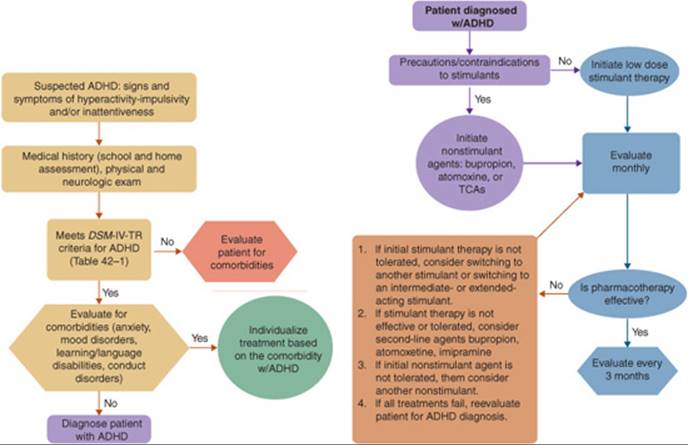
FIGURE 42–1. ADHD diagnosis and treatment algorithm.8,10,16
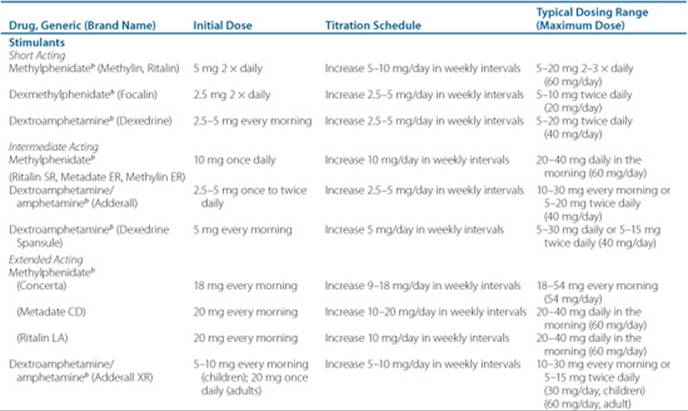
Stimulants should be initiated at recommended starting doses and titrated up with a consistent dosing schedule to the appropriate response while minimizing side effects (Table 42–2). Generally, stimulants should not be used in patients who have glaucoma, severe hypertension or cardiovascular disease, hyperthyroidism, severe anxiety, or previous illicit or stimulant drug abuse. Further, stimulants can be used, albeit cautiously, in patients with seizure disorders, Tourette’s syndrome, and motor tics.14
Stimulant drug formulations can be divided into short-, intermediate-, and extended-acting preparations (Table 42–2). Initial response to short-acting stimulant formulations (e.g., methylphenidate and dextroamphetamine) is seen within 30 minutes and can last for 4 to 6 hours.10,14 This short duration of effect frequently requires that short-acting stimulant formulations be dosed at least twice daily, thus increasing the chance of missed doses and noncompliance. Further, patients using any stimulant formulation, but especially short-acting formulations, can experience a rebound effect of ADHD symptoms as the stimulant wears off.14
Most intermediate-acting stimulants release the medication in a slow, continuous fashion without any early release (except Dexedrine Spansules). The onset of action for this category of stimulants (typically 60–90 minutes) may be inadequate for some patients. Some practitioners prescribe a short-acting stimulant concurrently with an intermediate-acting stimulant in order to curtail the delay in onset of action of the intermediate-acting stimulant.
To minimize rebound problems associated with short-acting formulations and still maintain early stimulant release, extended-acting formulations with rapid onsets have been developed. These formulations have an early release of medication and deliver a delayed release of stimulant in either a pulsed (Adderall XR, Focalin XR, Metadate CD, and Ritalin LA) or continuous manner (Concerta). Formulations available as capsules contain coated beads that can be opened and sprinkled on semisolid food. Concerta tablets have an immediate-release overcoat and then an oral osmotic controlled-release which delivers methylphenidate in an extended manner. Further, patients should be counseled that the empty tablet shell of Concerta can be detected in the stool.
Two extended-acting stimulants with slower-onsets have recently been developed, Daytrana and Vyvanse. Daytrana transdermal patches are to be applied for only 9 hours per day, have a delayed onset of 2 hours, and their effects persist for 3 hours once removed. Skin sensitization and irritation have been reported in some patients. Vyvanse is a prodrug requiring oral ingestion to be hydrolyzed to its active form, dextroamphetamine. Inhalation or injection abuse potential is minimized due to impeded hydrolysis by these routes. Onset of action for Vyvanse has been reported as soon as 2 hours.15
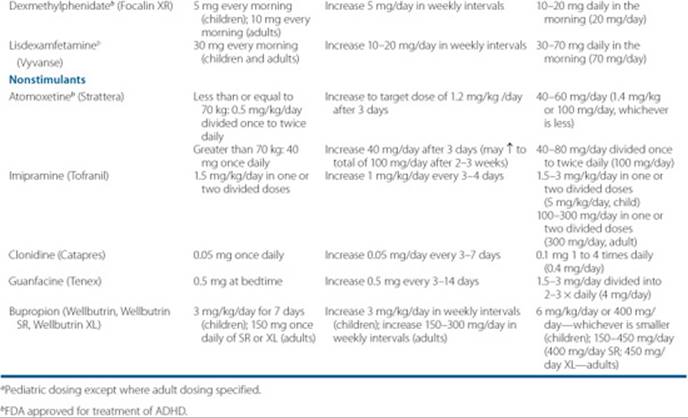
Table 42–2 Selected Medications in Treating ADHDa
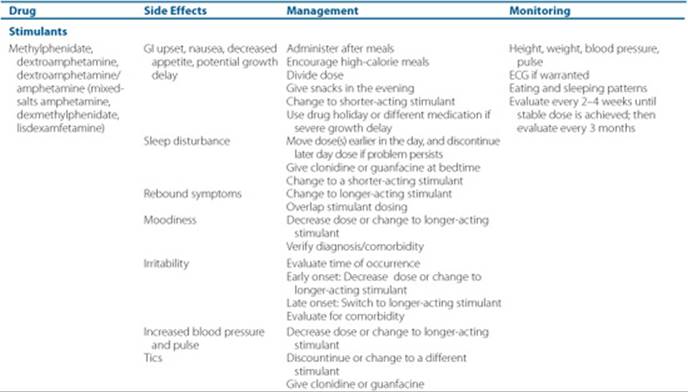
Adverse effects of stimulants can be generalized to the whole class (Table 42–3). Most of these side effects can be managed by changing dosing routine (i.e., giving with food, dividing daily dose, or giving the dose earlier in the day). Serious side effects such as hallucinations and abnormal movements require discontinuation of medication.10,14
Growth suppression or delay is a major concern for parents of children taking stimulants. However, the evidence of this side effect is not clear. At present, growth delay appears to be transient and to resolve by midadolescence, but more data are needed to firmly resolve this issue.10 Another concern is the risk of substance abuse with stimulant use. A diagnosis of ADHD alone increases the risk of substance abuse in adolescents and adults. However, stimulant use has not been shown to further increase this risk but actually may decrease this risk, provided ADHD is treated adequately.16
Table 42–3 ADHD Medication Side-Effect Profiles, Management, and Monitoring
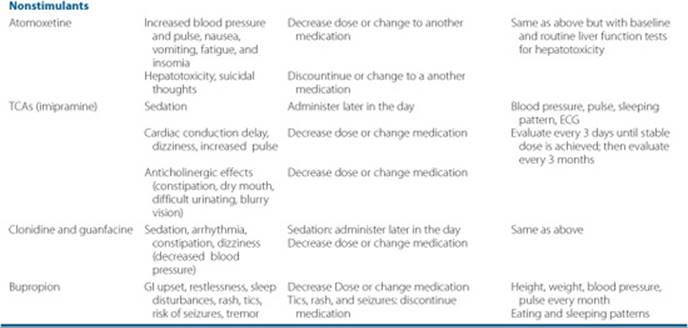
The choice of ADHD medication should be made based on the patient’s condition, the prescriber’s familiarity with the medications, the ease of administration, and cost. Stimulants should be used first-line in most ADHD patients, although studies in groups of patients have shown no clear advantage of using one stimulant over another.17
Nonstimulants
Atomoxetine
Atomoxetine is approved in both children and adults. In clinical studies, atomoxetine has demonstrated superior efficacy over placebo and either equivalent or inferior efficacy when compared with a suboptimal immediate-release methylphenidate dose or Concerta (18 to 54 mg given once daily), respectively18–23 Atomoxetine may be used as a second- or third-line medication for ADHD.
Atomoxetine selectively inhibits the reuptake of adrenergic neurotransmitters, principally norepinephrine.18–21 Atomoxetine is metabolized through the cytochrome P450 (CYP) 2D6 pathway. Concurrent use of certain antidepressants (i.e., fluoxetine, paroxetine) may inhibit this enzyme and necessitate slower dose titration of atomoxetine. Approximately 5% to 10% of the population are CYP2D6 poor metabolizers, and atomoxetine half-life is increased significantly in this population.24 The recommended dosing for atomoxetine depends on the weight of the patient and is given daily in either a single or two divided doses24 (Table 42–2). In poor metabolizers, atomoxetine should be dosed once daily at 25% to 50% of the dose typically used in normal metabolizers.24 The maximum therapeutic effect of atomoxetine may take up to 4 weeks to be seen, which is significantly longer than what is required with stimulants. Common side effects of atomoxetine are similar to those of stimulants: dyspepsia, nausea, vomiting, somnolence, and decreased appetite. Some studies have reported an increase in blood pressure and heart rate.19–21There is evidence that atomoxetine can slow growth rate and cause weight loss; thus, height and weight should be monitored routinely in pediatric patients19–21 (Table 42–3). Further, atomoxetine labeling includes strong warnings about severe hepatotoxicity and increased association with suicidal thinking.
Atomoxetine is similar to extended-acting stimulants in that it can be given once daily in many patients. It appears to lack any abuse potential and is not a controlled substance.25 One big disadvantage of atomoxetine is cost compared with other ADHD medications (Table 42–4).
Due to the high cost, lack of long-term efficacy data, and few comparison studies with stimulants, atomoxetine should be advocated only if the patient has failed or is intolerant to the standard stimulant therapy (Fig. 42–1).
Bupropion
Bupropion is a monocyclic antidepressant that weakly inhibits the reuptake of norepinephrine and dopamine. Bupropion is effective for relieving symptoms of ADHD in children but is not as effective as stimulants.26,27 Similar results have been shown in adults.26 Specific dosing recommendations are outlined in Table 42–2. Bupropion is well tolerated with minimal side effects (e.g., insomnia, headache, nausea, and tremor). Side effects typically disappear with continuation of therapy and are minimized with slow titration of dose. Bupropion can worsen tics and movement disorders. It is a rational choice in an ADHD patient with comorbid depression.26 However, seizures have been associated with bupropion doses greater than 6 mg/kg/day.28 Seizures related to high doses can be minimized by reducing the dose or switching to a longer-acting formulation. Owing to the propensity of seizures with bupropion, its use is contraindicated in patients with seizure and eating disorders.
Tricyclic Antidepressants
The TCAs, such as imipramine, can alleviate symptoms of ADHD, but they are less effective than stimulants. Like bupropion, TCAs likely will improve symptoms associated with comorbid anxiety and depression. Although TCAs block the reuptake of serotonin, it is the blockade of norepinephrine that is felt to be responsible for their anti-ADHD effects. TCA use in ADHD has declined owing to case reports of sudden death and anticholinergic side effects6,10(Table 42–3). If a TCA is prescribed for a child or an adolescent, desipramine should be avoided due to a higher case fatality rate compared with other TCAs.29 Further, TCAs may lower seizure threshold and increase the risk of cardiotoxicity (e.g., arrhythmia). Patients starting on TCAs should have a baseline and routine ECGs.
Patient Encounter, Part 2: Medical History, Physical Exam, and ADHD Evaluation
AD’s baseline physical examination is unremarkable. Family history is negative for cardiovascular disease, and there is no documented history of ADHD in the family.
Wt: 20 kg (44 lb)
Allergies: None known
Ht: 45 in. (114 cm)
BP: 96/55 mm Hg
P: 80 bpm
AD’s mother does not qualify for medical assistance, and she can hardly afford their monthly expenses.
What stimulants and/or nonstimulants are available that might control AD’s symptoms?
Which medications will maximize efficacy, facilitate adherence, minimize potential side effects, and offer an acceptable cost for AD’s mother?
What other information do you need before starting stimulant therapy?
What are important counseling points to discuss with AD’s mother?
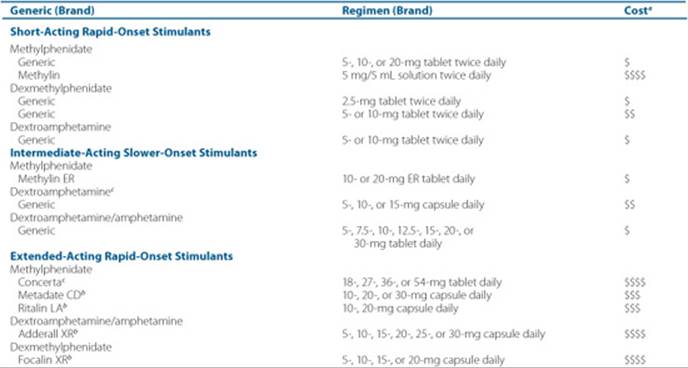
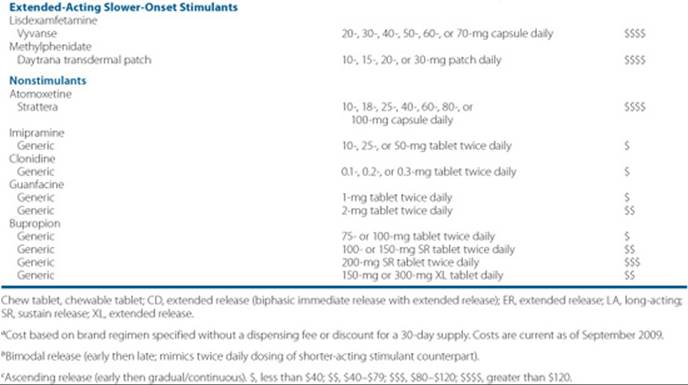
Table 42–4 30-Day Costa of Selected ADHD Medication Regimens
Clonidine and Guanfacine
Clonidine and guanfacine are central α2-adrenergic agonists that inhibit the release of norepinephrine presynaptically. Both these agents are less effective than stimulants in treating symptoms of ADHD but typically are used as adjuncts to stimulants to control disruptive or aggressive behavior and alleviate insomnia.30 Guanfacine will last 3 to 4 hours longer than clonidine and requires less frequent dosing. Common side effects with clonidine and guanfacine are low blood pressure and sedation. Sedation is transient and generally subsides after 2 to 3 weeks of therapy.30 Rarely, severe side effects such as bradycardia, rebound hypertension, irregular heart beats, and sudden death have been reported.
Pharmacoeconomic and Treatment Adherence Considerations
Proper ADHD treatment is a substantial financial burden.31,32 Annual health care costs of patients with ADHD are more than double those of patients without ADHD ($1,343 versus $503, respectively).31 The financial burden of ADHD can be attributed to the direct cost of pharmacotherapy, office visits, diagnostic measurements, therapy monitoring, and indirect costs (e.g., lost work time and productivity). When selecting a treatment for an ADHD patient, the cost burden to the patient’s family should be considered. Immediate-release stimulants may be more cost-effective in many patients compared with longer-acting stimulant formulations (Table 42–4), but in certain circumstances, longer-acting stimulant formulations may provide a greater benefit owing to increased adherence to the medication and prolonged control of symptoms of ADHD. Some nonstimulant ADHD medications (e.g., bupropion, TCAs, and α2-adrenergic agonists) appear to be less costly than many stimulant formulations; however, these agents have not been proven to have superior efficacy over stimulants in treating ADHD. Decisions on selection of specific ADHD medications should not be based solely on cost, but on efficacy and safety, along with adherence to the prescribed regimen, should be considered foremost.
OUTCOME EVALUATION
It is important to carefully document core ADHD symptoms at baseline to provide a reference point from which to evaluate effectiveness of treatment. Improvement in individualized patient outcomes are desired, such as (a) family and social relationships, (b) disruptive behavior, (c) completing required tasks, (d) self-motivation, (e) appearance, and (f) self-esteem. It is very important to elicit evaluations of the patient’s behavior from family, school, and social environments in order to assess these outcomes. Using standardized rating scales (e.g., Conners Rating Scales—Revised, Brown Attention-Deficit Disorder Scale, and Inattentive-Overactive With Aggression [IOWA] Conners Scale) in both children and adults with ADHD helps to minimize variability in evaluation.33 After initiation of therapy, evaluate every 2 to 4 weeks to determine efficacy of treatment and potential effects on height, weight, pulse, and blood pressure. Use physical examinations or liver function tests as appropriate to monitor for adverse effects. In children being considered for ADHD pharmacotherapy, obtain baseline ECGs when known or suspected cardiac disease exists or the clinician judges it necessary.34–36 Typically, therapeutic benefits will be seen within days of initiating stimulants and within a month or two of starting bupropion and atomoxetine. Once a maintenance dose has been achieved, schedule follow-up visits every 3 months. At these visits, assess height and weight, and screen for possible adverse drug effects. If a patient has failed to respond to multiple agents, reevaluate for other possible causes of behavior dysfunction. Counsel patients and their families that treatment generally is long term. Typically, appropriately treated patients learn to better control their ADHD symptoms as adults.
Patient Care and Monitoring
1. Assess the patient’s symptoms and parent/teacher evaluations to determine whether they meet the DSM-IV-TR diagnostic criteria for ADHD. Evaluate whether the symptoms can be explained by another disorder.
2. Interview the patient and/or caregivers to obtain a complete medical history, which should include family medical history, current and past prescription and nonprescription medications, and dietary intake. Determine whether the patient is taking medication/supplements that could interfere with the therapy.
3. Educate the patient’s parents and/or caregivers that behavioral therapy is not as effective as stimulant therapy. Educate parents regarding the issues of growth delay and substance-abuse risks with stimulants.
4. Perform a baseline physical examination before starting stimulant therapy. Include blood pressure, pulse, and height and weight measurements. In patients taking stimulants, perform a general physical examination yearly, and monitor blood pressure quarterly in adults. In children, baseline ECGs should be obtained when known cardiac disease exists or if the patient history, family history, or physical exam suggests cardiac disease. ECGs for other patients are not mandatory but should be considered according to the clinician’s judgment. Patients beginning a TCA are an exception, requiring baseline and routine ECGs.
5. Start patients on a low initial dose of a stimulant and titrate up to the desired response in order to minimize side effects and costs.
6. If the patient is not responding to therapy after an adequate trial, assess compliance with the prescribed regimen. If the patient is not compliant, counsel the patient and caregivers and explore reasons for noncompliance. In some cases, switching to another stimulant formulation may improve compliance.
7. Important counseling points to convey to the patient and/or caregiver:
• What is ADHD?
• What are the complications of untreated ADHD?
• When to take medications and what to expect with therapy.
• What side effects to expect and what to do if these occur.
• Controversy over substance abuse and growth delay with stimulant therapy.
• What prescription and nonprescription medications to avoid.
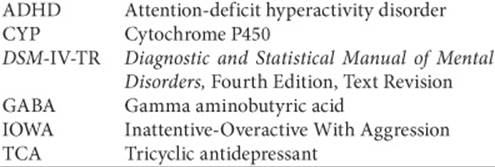
Abbreviations Introduced in This Chapter
 Self-assessment questions and answers are available at http://www.mhpharmacotherapy.com/pp.html.
REFERENCES
1. Wolraich ML, Wibbelsman CJ, Brown TE, et al. Attention-deficit/hyperactivity disorder among adolescents: A review of the diagnosis, treatment, and clinical implications. Pediatrics 2005;115(6):1734–1746.
2. Zametkin AJ, Ernst M. Problems in the management of attention-deficit-hyperactivity disorder. N Engl J Med 1999;340(1):40–46.
3. Elia J, Ambrosini PJ, Rapoport JL. Treatment of attention-deficit-hyperactivity disorder. N Engl J Med 1999;340(10):780–788.
4. Voeller KKS. Attention-deficit hyperactivity disorder (ADHD). J Child Neurol 2004;19:798–814.
5. Herrerias CT, Perrin JM, Stein MT. The child with ADHD: Using the AAP clinical practice guideline. Am Fam Physician 2001;63(9):1803–1810.
6. Biederman J, Faraone S. Attention-deficit hyperactivity disorder. Lancet 2005;366:237–248.
7. Centers for Disease Control and Prevention. Prevalence of diagnosis and medication treatment for attention-deficit/hyperactivity disorder—United States, 2003. MMWR 2005;54:842–847.
8. Rappley MD. Attention deficit-hyperactivity disorder. N Engl J Med 2005;352:165–173.
9. Elliott H. Attention deficit hyperactivity disorder in adults: A guide for the primary care physician. South Med J 2002;95:736–742.
10. American Academy of Pediatrics. Subcommittee on Attention-Deficit/Hyperactivity Disorder and Committee on Quality Improvement. Clinical practice guideline: Treatment of the school-aged child with attention-deficit/hyperactivity disorder. Pediatrics 2001;108:1033–1044.
11. American Psychiatric Association. Diagnostic and Statistical Manual of Mental Disorders. 4th ed. Text Rev. Washington, DC: American Psychiatric Press, 2000:39–134.
12. Pliszka S. AACAP Work Group on Quality Issues. Practice parameter for the assessment and treatment of children and adolescents with attention-deficit/hyperactivity disorder. J Am Acad Child Adolesc Psychiatry. 2007;46:894–921.
13. MTA Cooperative Group. A 14-month randomized clinical trial of treatment strategies for attention-deficit/hyperactivity disorder. Arch Gen Psychiatry 1999(Dec);56(12):1073–1086.
14. Greenhill LL, Pliszka S, Dulcan MK, et al. Practice parameter for the use of stimulant medications in the treatment of children, adolescents, and adults. J Am Acad Child Adolesc Psychiatry 2002;41(Suppl 2):26S–49S.
15. Biederman J, Boellner SW, Childress A, et al. Lisdexamfetamine dimesylate and mixed amphetamine salts extended-release in children with ADHD: A double-blind, placebo-controlled, crossover analog classroom study. Biol Psychiatry 2007;62:970–976.
16. Wilens TE, Faraone SV, Biederman J, et al. Does stimulant therapy of attention-deficit/hyperactivity disorder beget later substance abuse? A meta-analytic review of the literature. Pediatrics 2003;111:179–185.
17. Brown RT, Amler RW, Freeman WS, et al. Treatment of attention-deficit/hyperactivity disorder: Overview of the evidence. Pediatrics 2005;115:749–757.
18. Michelson D, Faries D, Wernicke J, et al. Atomoxetine in the treatment of children and adolescents with attention-deficit/hyperactivity disorder: A randomized, placebo-controlled, dose-response study. Pediatrics 2001;108(5):E83.
19. Kratochvil CJ, Heiligenstein JH, Dittmann R, et al. Atomoxetine and methylphenidate treatment in children with ADHD: A prospective, randomized, open-label trial. J Am Acad Child Adolesc Psychiatry 2002;41(7):776–784.
20. Michelson D, Allen AJ, Busner J, et al. Once-daily atomoxetine treatment for children and adolescents with attention deficit hyperactivity disorder: A randomized, placebo-controlled study. Am J Psychiatry 2002;159:1896–1901.
21. Biederman J, Heiligenstein JH, Faries DE, et al. Efficacy of atomoxetine versus placebo in school-age girls with attention-deficit/hyperactivity disorder. Pediatrics 2002;110(6):E75.
22. Newcorn JH, Kratochvil CJ, Allen AJ, et al. Atomoxetine and osmotically released methylphenidate for the treatment of attention deficit hyperactivity disorder: Acute comparison and differential response. Am J Psychiatry 2008;165(6):721–730.
23. Wang Y, Zheng Y, Du Y, et al. Atomoxetine versus methylphenidate in paediatric outpatients with attention deficit hyperactivity disorder: A randomized, double-blind comparison trial. Aust NZJ Psychiatry 2007;41(3):222–230.
24. Belle DJ, Ernest S, Sauer J, et al. Effect of potent CYP2D6 inhibition by paroxetine on atomoxetine pharmacokinetics. J Clin Pharmacol 2002;42:1219–1227.
25. Heil SH, Holmes HW, Bickel WK, et al. Comparison of the subjective physiological, and psychomotor effects of atomoxetine and methylphenidate in light drug users. Drug Alcohol Depend 2002;67(2):149–156.
26. Daviss WB, Bentivoglio P, Racusin R, et al. Bupropion sustained release in adolescents with comorbid attention-deficit/hyperactivity disorder and depression. J Am Acad Child Adolesc Psychiatry 2001;40(3):307–314.
27. Wilens TE, Spencer TJ, Biederman J, et al. A controlled clinical trial of bupropion for attention deficit hyperactivity disorder in adults. Am J Psychiatry 2001;158:282–288.
28. Tallian K. Pharmacotherapy of ADHD. In: Schumock G, Brundage D, Chapman M, et al., eds. Pharmacotherapy Self-Assessment Program, 5th ed. Pediatrics II. Kansas City, MO: American College of Clinical Pharmacy, 2006:275–297.
29. Amitai Y, Frischer H. Excess fatality from desipramine in children and adolescents. J Am Acad Child Adolesc Psychiatry 2006;45:54–60.
30. Hazell PL, Stuart JE. A randomized controlled trial of clonidine added to psychostimulant medication for hyperactive and aggressive children. J Am Acad Child Adolesc Psychiatry 2003;42:886–894.
31. Matza LS, Paramore C, Prasad M. A review of the economic burden of ADHD. Cost Eff Resour Alloc 2005;3:5.
32. Birnbaum HG, Kessler RC, Lowe SW, et al. Costs of attention deficit-hyperactivity disorder (ADHD) in the U.S.: Excess costs of persons with ADHD and their family members in 2000. Curr Med Res Opin 2005;21(2):195–205.
33. Collett BR, Ohan JL, Myers KM. Ten-year review of rating scales. V: Scales assessing attention-deficit/hyperactivity disorder. J Am Acad Child Adolesc Psychiatry 2003;42(9):1015–1037.
34. Vetter VL, Elia J, Erickson C, et al. Cardiovascular monitoring of children and adolescents with heart disease receiving medications for Attention Deficit/Hyperactivity Disorder: A scientific statement from the American Heart Association Council on Cardiovascular Disease in the Young Congenital Cardiac Defects Committee and the Council on Cardiovascular Nursing. Circulation. 2008;117:2407–2423.
35. Perrin JM, Friedman RA, KnilansTK, et al. Cardiovascular monitoring and stimulant drugs for Attention-Deficit/Hyperactivity Disorder. Pediatrics 2008; 122:451–453.
36. ECGs before stimulants in children. Med Lett Drugs Ther 2008 Jul 28;50(1291):60.