
Nighat M. Khan1, 2
(1)
Fertility and Gynaecology Clinic, Karachi, Pakistan
(2)
Centre for Health Informatics and Multiprofessional Education UCL, London, UK
Nighat M. Khan
Email: nighat.khan.13@ucl.ac.uk
To be a pregnant woman in Africa is to have one foot in the grave.
African Proverb
N.M. Khan is currently pursuing graduate degree at UCL CHIME, London, UK.
Introduction
This chapter takes a bird’s eye view of complex health problems for women in low to middle income countries. It is important for us to first have some understanding of overall health systems, to comprehend the malfunctioning of drug manufacturing, drug registration, drug regulation and drug dispensation as part of general malady rather than a standalone problem. Although the example here is primarily of Pakistan, it can very well be reflective of the ordeals of citizens of any developing world countries. These problems range from poor country resources due to internal and external conflicts, poor governance, corruption and lack of transparency and accountability oscillating as common denominators.
This section borrows heavily its statistics from World Health Organization country profiles, regional comparisons and its Global Health Observatory. These provide the readers with a starting point. Many of these countries’ problems have additional burdens of religious and socio-cultural factors and some of these aspects have been discussed in Chap. 16.
Maternal Health Status in the Developing World
According to the United Nations (UN), health is a basic human right, yet 800 women die every day somewhere in the world due to pregnancy and child birth related causes (http://www.who.int/gho/maternal_health/en/). In 2010 a total of 287, 000 women lost their lives due to pregnancy-related complications, with 99 % of these women dying in the developing world (http://www.un.org/millenniumgoals/pdf/Goal_5_fs.pdf). According to this WHO report, out of 800 pregnancy-related deaths, 440 occurred in sub-Saharan Africa and 230 in Southern Asia, compared to five in high-income countries. The risk of a woman in a developing country dying from a pregnancy-related cause during her lifetime is about 25 times higher than a woman living in a developed country. Maternal mortality is a health indicator that shows very wide gaps between rich and poor, both between countries and within them. The precarious state of health in women in developing countries is not only due to non-availability of health care, or very limited access to health care facilities, but also whatever care is available is often substandard and unregulated.
At a recent meeting of the Commission for Status of Women (CSW 58 2014) at the United Nations (2015), the UN Secretary General Report on Millennium Development Goals (MDGs) indicated while many of its goals have been achieved – for example MDG-1 (Eradicate extreme poverty and hunger) has been on target and poverty rates have been halved between 1990 and 2010 – 1.2 billion people still live in extreme poverty (http://www.unwomen.org/~/media/Headquarters/Attachments/Sections/CSW/58/CSW58-agreedconclusions-advanceduneditedversion.pdf).
In combating HIV and malaria infection, MDG-6 is showing promise. The incidence of HIV is declining steadily in most regions but 2.5 million people are still newly infected each year (http://www.un.org/ga/search/view_doc.asp?symbol=E/CN.6/2014/L.7).
Achieving MDG-5, which has to do with maternal health, is still far from reaching its finishing line. There are several challenges in its way to success and they are as mighty as ever. The progress on achieving MDGs for women and girls is held back due to the persistence of historical and structural unjust power relations between men and women, poverty and inequalities and disadvantages in access to resources and opportunities that limit women’s potentials and capabilities. Discriminatory laws, policies, social norms, attitudes, harmful customary and contemporary practices and gender stereotyping all contribute to our failure to provide rightful health to women and girls.
To develop an understanding of women health in the developing world, one has to review some maternal health statistics. There may be some variability in the quality of these statistics and they are largely determined by the health systems in each country, as well as by the methodology in obtaining these statistics. Causes of high maternal death rate are multiple, but share similar etiology in almost all developing world countries (http://apps.who.int/iris/bitstream/10665/112682/2/9789241507226_eng.pdf?ua=1; http://www.unicef.org/wcaro/overview_2642.html).
In 1990, 523,000 women lost their battle of life due to pregnancy related causes. By 2013, this figure reduced to 289,000. In 1990, MDG-5 aimed to bring down maternal mortality rates by 75 %. Although maternal mortality has been reduced by 47 % since the 1990s, it is a far cry from its original goal of reducing it by 75 %. Table 17.1 summarises the main causes of maternal mortality in developing countries.
Table 17.1
Leading causes of maternal mortality in the developing world
|
Cause of death |
Percentage of maternal mortality |
|
Severe bleeding |
25 |
|
Infection |
15 |
|
Eclampsia |
12 |
|
Obstructed labour |
8 |
|
Unsafe abortion |
18 |
|
Indirect causes (AIDS, malaria etc.) |
20 |
|
Other direct causes of maternal death |
2 |
Source: http://www.who.int/whr/2005/en/
Severe anemia occurs in 50 % women in the developing world. This becomes a major risk factor for maternal death when compounded by hemorrhage.
Improving maternal health is also key to achieving MDG-4 of reducing child mortality rates. Providing good and skilled care to women during pregnancy and childbirth is fundamental for saving maternal as well as children’s lives. One of the sub-goals of MDG-5 was to make every pregnant woman attend at least four antenatal clinics during her pregnancy. Although births attended by skilled health personnel have increased, there are vast disparities in provision of these services within countries and within population groups.
Only 50 % women in developing nations have access to any antenatal care. Many women never attend antenatal clinics during their pregnancies. They have to rely on home birth attendants, no matter how complicated the pregnancy or labour is. This report also highlights a stark rural and urban divide in maternity care in developing nations. The rural and urban disparity statistics indicate that only 53 % rural versus 84 % urban women had access to skilled health personnel during delivery in 2011.
Postpartum hemorrhage (PPH) is still a leading cause of maternal mortality accounting for 24 % of maternal deaths despite the wide availability of utero-tonics or oxytocins. Out of these, nearly half of PPHs occur within the first 24 h and 66 % during the first week of delivery (Nour 2008; Campbell and Graham 2006; Murray et al. 2012).
The figures in Table 17.1 show that indirect causes like anemia, malaria and heart disease are responsible for 20 % deaths in pregnant women in developing countries, while infection (15 %), eclampsia (12 %) and obstructed labor (8 %) are other major contributors to maternal mortality (Hogan et al. 2010; Ndola et al. 2010).
In developing countries, 46 million of 211 million pregnancies (22 %) resulted in induced abortions. The majority of these were carried out in unsafe places as ‘back door’ abortions, leading to 68,000 deaths annually (World Health Organization 2007; http://www.who.int/reproductivehealth/publications/unsafe_abortion/induced_abortion_2012.pdf?ua=1).
It is unfortunate that in 2008 more than 50 % of all maternal deaths worldwide were in only six countries including India, Nigeria, Pakistan, Afghanistan, Ethiopia, and the Democratic Republic of the Congo (Ndola et al. 2010).
Health and General Status of Pakistan
Any discussion on women’s health care issues in a developing country would be incomplete without studying health indexes. As stated above, Pakistanis used as a model Lower to Middle Income Country. The statistics in many developing countries present similar pictures.
Pakistan with a population of 180 million is the sixth most populous country in the world. The total health budget has remained unchanged over decades and has remained at around 2 % of Annual GDP. The country has a per-capita annual income (PPP, current international $) of US$2,655.3 and is ranked 110 out of 186 countries in the Human Development Index (HDI) (http://www.unicef.org/infobycountry/pakistan_pakistan_statistics.html; http://data.worldbank.org/indicator/SH.XPD.PCAP).
Fifty-five percent of Pakistani females above 15 years of age are illiterate. Thirty-six percent of the population is under 15 years of age, with a life expectancy of 63 years. Only 48 % of the population has access to sanitation (http://who.int/gho/health_equity/countries/pak.pdf?ua=1; http://www.worldbank.org/mdgs/maternal_health.html). Pakistan remains impoverished and underdeveloped.
The Gender Inequality Index (GII) for Pakistan is 0.567 and ranked 123 out of 186. The GII is similar in method to the inequality-adjusted Human Development Index (HDI). Loss of HDI is reflected by the gender inequality in that country which is measured through use of GII metric (http://hdr.undp.org/en/faq-page/gender-inequality-index-gii). The GII is interpreted as a percentage loss to potential human development due to shortfalls in the dimensions included. Since the GII includes different dimensions than the HDI, it cannot be interpreted as a loss in HDI itself. Unlike HDI, higher GII values indicate lower achievements. The world average GII score is 0.463, reflecting a percentage loss in achievement across the dimensions due to gender inequality of 46.3 %. While Netherland has gender inequality loss of only 4.5 %, Yemen has 74.7 % loss of HDI due to gender inequality. The European average is 28 % while Sub-Sahara Africa stands at 58 %. Pakistan with a GII of 0.567 suffers a loss of 56.7 % which is regional average (56.8 %) for South Asia.
Pakistan has a multi-tiered and mixed health care delivery system that has grown exponentially during the past three decades, with an increasing number of programs, projects, interventions and facilities, many of them on a fragmented and time bound basis. These are supported by different levels of government and/or development partners with overlapping geographical and thematic areas, leading to duplication and wastage of resources.
Public sector spending on health is a mere 26 % of the total health budget. Seventy-four percent of outpatient care is catered for by the private sector. In 2011, the federal Ministry of Health was abolished after introduction of the 18th constitutional amendment and health and education services were transferred to the provinces. The five provincial governments now have their individual health and education ministries. This resulted in fragmenting the health services even further and whatever central cohesion in health policy there was before devolution of powers, was fractured even more. The country’s health sector is also marked by urban-rural disparities in healthcare delivery and an imbalance in the health workforce, with insufficient health managers, nurses, paramedics and skilled birth attendants in the peripheral areas (http://www.who.int/countryfocus/cooperation_strategy/ccsbrief_pak_en.pdf; http://www.nips.org.pk/abstract_files/Priliminary%20Report%20Final.pdf; http://www.who.int/mediacentre/factsheets/fs348/en/). In many situations, access to social security health care centers has decreased in Pakistan, the brunt of which has been borne by women.
Tables 17.2 and 17.3 summarise the above facts: Table 17.2 summarises the WHO country profile in very general terms, while Table 17.3 is a comparison of Pakistan with other countries of South East Asian region
Table 17.2
Pakistan WHO country profile (2011)
|
Country population |
180, million (last official population census carried out in 1998) |
|
Population living in urban areas (%) |
36 |
|
Gross National Income ($) (annual) |
2,870.2 |
|
Life expectancy at birth in years (both sexes) |
67 |
|
Life expectancy at age 60 in years (both sexes) |
18 |
|
Total fertility rate per womana |
3.3 |
|
Maternal mortality ratio per 100,000 live births |
260 |
|
Under 5 Child Mortality rate per 1,000 live births |
72 |
aThe total fertility rate represents the number of children that would be born to a woman if she were to live to the end of her childbearing years and bear children in accordance with current age-specific fertility rates (http://data.worldbank.org/indicator/SP.DYN.TFRT.IN)
Table 17.3
Regional comparisons of utilization of health services in Pakistan compared with other countries in South East Asia
|
Contraceptive prevalence |
27 % versus 45 % in South East Asia |
|
Antenatal visits (4+) |
28.8 % versus 44 % in South East Asia |
|
Birth attended by skilled personnel |
45 % versus 63 % in South East Asia |
|
Physicians/10,000 patient population |
8.1 versus 10.8 in South East Asia |
|
Nurses and Midwives/10,000 |
5.5 versus 15.9 in South East Asia |
From the figures shown in this table it is quite obvious that Pakistan is even lagging behind her own neighbours in the delivery of women’s health care
African Perspectives on Women’s Health Care
Whilst this chapter focusses on South East Asia – and Pakistan in particular as a key example – there are similar issues for women in other developing nations in other regions of the world. Whilst writing the risk communication chapters for this book (Chaps. 18 and 19) Bruce Hugman spent some time in Ghana in West Africa and conducted some informal interviews with local women. He gained some interesting perspectives on health care and broader issues for women in Ghana and a summary of his findings are presented in Box 17.1.
Box 17.1: Impressions of Women and Risk in West Africa
Supplementary material from Bruce Hugman
During the writing of Chaps. 18 and 19, the author spent some time in Ghana. He spoke at length with three senior and experienced female workers in the fields of health and patient safety from Ghana and Togo. The issues that arose from these conversations were fascinating, radical and relevant to this book, risk communication and this chapter on developing countries. Though markedly different in detail, many of the fundamental questions raised here have resonance for women everywhere.
Women’s health risks and risk communication issues for women in Africa were said to be determined by two major factors:
· The socio-economic position of women in Africa and their domestic subjection
· The general lack of communication of any serious kind between health professionals and their patients
In most matters regarding every aspect of women’s lives, with the exception of a small percentage of educated and independent women, men call the shots – economically, socially, sexually, even with regard to access to health care, HIV testing, and so on. Women’s relative lack of education and employment skills puts them in thrall to their men, and, by extension, makes them largely passive recipients of healthcare when they receive it.
There were instances quoted of wives who were HIV positive, even when pregnant, who were too frightened to tell their husbands, fearing a beating or outright rejection. Given that many African men despise condoms, and some, maybe many, are sexually promiscuous, women are at great risk of infections of all kinds in sexual relations over which they have little choice and little power of refusal. Cultural practices such as a man’s obligation to pay a ‘bride-price’ – giving him a sense of purchase and ownership – and bride-inheritance – where a widow is forced to marry her husband’s brother or nearest male relative – reinforce women’s powerlessness in a male-dominated world.
The Chief Pharmacist at a major hospital in Accra spoke of a male patient who had dismissed her medication advice out-of-hand as lacking credibility coming from a woman. Women, on the other hand, will listen passively to what a doctor may say, especially a male doctor, and not raise questions or doubts for fear of seeming disrespectful or of causing upset. One woman was found to be leaving the hospital after her monthly HIV consultation without collecting her medication, a fact that was not discovered for some considerable time.
While some practitioners withheld risk information for fear of discouraging or alarming their patients, local experience suggested that many women welcome clear and accurate information, yearn to know more and thus have greater control over their own health and that of their children. African women appear to have a strong preference for female health workers. Men, prone in some instances, for example, to dismiss serious symptoms of PMT as ‘laziness’ are not always natural counselors for women, even if they had more time. In Ghana, women do have the choice of a male or female gynaecologist.
The Lady Pharmacists Association of Ghana (Lady Pharmacists of Ghana), a branch of the Pharmaceutical Society of Ghana, was established more than two decades ago to address these issues. It has blazed a path of useful communication throughout the country. Their method is to make themselves available to groups of women in their communities and to girls in their schools and to engage with them on issues and questions of importance to them. It is evident that exchanges of this quality and depth rarely, if ever, take place in clinics or pharmacies. It is said that women have faith in health workers.
There are other major initiatives to improve the education and health of women, such as Camfed Ghana, and the UN-inspired campaign Every Woman Every Child. The importance of supporting girls in their general and health education and improving the status and skills of women is recognised worldwide as a vital step in social development. The gap between urban and rural communities remains enormous.
On the day of one of the conversations reported here, a 10 year-old victim of rape was brought to the hospital for emergency contraception and post-exposure prophylaxis for HIV – 2 full weeks after the incident. She and her mother had to be told that there was nothing that could be done. Shame, guilt, ignorance, fear, who knows what crippling emotions, had prevented action being taken when it could possibly have helped the child.
There are immense challenges to be met in overcoming irrational practices and their risks. There are widely-held beliefs, for example, that intense ‘cleansing’ of the body through vaginal douching (also believed to tighten the vagina), enemas (including shared enemas in public baths), or the frequent use of laxatives will lead to improved health. This echoes the belief that a medication that provokes vomiting must be strong and effective. There is profligate use of antibiotics, available on the streets everywhere, marketed illegally on local and long distance buses and from vans with loudspeakers touring villages. The risks of resistance, interactions and reduced effectiveness of oral contraceptives are commonly unknown. Women are under great pressure to be plump and rounded, leading to excessive eating and the use of non-prescribed steroids. The search for the illusion of beauty through skin-whitening, with often unapproved, toxic products has further put women’s health at risk.
Spacing of children is a women’s issue. Though urban African women are reducing the number and frequency of their pregnancies through assertion and conscious management, things are not so easy in rural communities where multiple pregnancies are real threats to women’s health, strength and, of course, their potential to develop in any other role or activity beyond motherhood and housekeeping. Public health programmes, such as those distributing the quarterly-injectible contraceptive Depo-Provera have good intentions to address this and other issues, but it is reported that there is next to no risk information accompanying the distribution and that no kind of active, informed consent is involved at all. That such a contraceptive method leaves women vulnerable to infection is not widely grasped and it does nothing to affect male condom-aversion.
Many women consider pregnancy a private affair, not to be spoken of until it is evident. This leads to delay, often up to the time of labour, before professional, ante-natal support is sought. Delay in seeking healthcare may be for more immediate, practical reasons too: if a visit to a clinic means a day’s produce can’t get to market and will rot, there are strong incentives to neglect personal health for family income.
In a report for CNN, Steve Murigi adds support to many of these observations:
For many women in Africa, an astounding lack of information means they simply do not see or understand the reasons for attending antenatal and postnatal health services, let alone see the value added by giving birth at a health center. Moreover, the absence of information has hampered initiatives designed to prevent mother-to-child infections, as well as immunization.
For women in many rural communities, the norm is for a traditional birth attendant (TBA) to assist the delivery instead of making the trip. TBAs often have no formal training and deliver without sterilized equipment, if any, causing yet more risks for mother and baby.
Every year in sub-Saharan Africa, 162,000 mothers die needlessly because of complications during pregnancy and childbirth. That figure represents a staggering 56 % of the global total. (Murigi 2013)
Herbals and traditional medicines remain popular, probably prevalent in rural communities, and the services of fetish-priests and other traditional healers may be sought before orthodox help. A child suffering from convulsions, for example, was reported to have been critically ill by the time he had been on a long journey to hospital via several time-consuming and fruitless visits to traditional practitioners.
The risks of counterfeit, substandard and/or untested medicines remain very high in Africa. Ghana recently had a major scare with the promotion of an anti-malarial suppository for children containing amodiaquine and artesunate, a combination never subject to clinical trials as a suppository in any population in its country of origin, India, or anywhere else.
The rush to medication, whether prescribed or self-administered, poses real risks, especially during pregnancy and for menopausal women. Anti-depressants and sleeping pills are widely prescribed and taken with little or no understanding of short-term effects and longer-term risks. It is not always understood that anti-hypertensive drugs must be taken for life, not just for the first batch, as appears to be the case from time to time. This is one aspect of a cultural disposition that does not focus on consequences beyond what is immediate or very close. Cost is a major issue in decisions about therapy and adherence.
So what are the remedies for these multiple problems and risks? Our contributors, The Lady Pharmacists Association of Ghana, and many other influential groups are convinced that only the education and empowerment of women will improve knowledge, effective rational behaviour and reduce the risks. This high-level, radical aspiration appears to be fundamental to progress. The face-to-face engagement of health workers – essentially female too – with women in the community seems to be a priority path to take. In countries where the prevalent languages have no written form, or none known to the majority of the population, the printed word is useless. The spoken word, with, maybe, the support of short texts and phone contact, visual images and pictograms, may be the most important channels.
Radically improving the quantity and quality of information at the point of prescribing and dispensing must be a priority. The widespread illegal dispensing of medicines without the presence of a pharmacist is a major challenge to safety and to regulation and enforcement.
The understanding and treatment of mental illness, though not exclusively women’s issues, are seriously neglected in sub-Saharan Africa, with maybe two thirds of cases unrecognised and untreated (allAfrica 2013). Mental illness has an impact on all aspects of women’s health and welfare. With mental illness regarded in many places with superstitious fear, women are particularly vulnerable to stigmatisation, exclusion from their families and communities, and to physical abuse and to rape (Otieno 2013). Such facilities as there are, often outside government regulation and control, can be primitive and abusive (Edwards 2014).
The issues that put women at risk are so many and so varied, that only their demand, the raising of their voices for full information and disclosure, and for just, non-discriminatory treatment will, eventually, afford them the protection they need. Only a revolution in relations between the sexes will free women in Africa to take charge of their own reproductive and general health and to become empowered, to manage the multiple risks to which they are vulnerable, and to become fully-contributing citizens.
Drug Availability and Dispensation in the Developing World
Having reviewed some of the health indicators for women in a developing country we will now look at the prevalent systems of drug availability and dispensation in Pakistan and give some comparisons with other low and middle income countries around the globe.
Inequity of access to modern medicines in developing countries is highly undesirable and demands urgent action. It is reported that only 15 % of world’s population utilizes 91 % of pharmaceutical products worldwide, whereas only about of third of lower and middle income countries have access to essential drugs (Caldera and Zarnic 2004).
Regional socio-cultural factors in developing countries compound this inequality of access to medicines by women, as learned when access to human immune deficiency virus (HIV) epidemic care was investigated. Rural women were least likely to gain access to anti-retrovirus drugs in African countries (AFP Report 2001).
It is reported that out of nearly four million HIV infected people (both men and women), only 10,000 (0.25 %) can afford essential AIDS medication at the marketed prices. In Malawi, this figure is reduced even further to 30 out of a million (0.00003 %) HIV-infected population. In Uganda only 1.2 % of 820,000 HIV patients can afford anti-retroviral medicines. A similar scenario is repeated in most developing world countries. Brazil is one of few countries which have provided generic anti-HIV medication to HIV patients with a significant fall in HIV-related deaths (Ahmad 2005). Currently the state run ‘Programa Nacional de DST e Aids’ use eight patented antiretroviral drugs. Under this program, 159,000 HIV infected people receive these drugs free of cost.
Some argue that generic drugs provide an economically viable alternative in the developing countries. However, average public sector availability of generic medicines ranged from 29.4 % to 54.4 % across WHO regions in Asia (Cameron et al. 2009).
Pharmaceutical Products and Their Distribution in Pakistan
As discussed above, drug regulation and drug dispensation are poorly controlled and regulated in most developing countries. Pakistan is no exception.
A report by the WHO on regulation of pharmaceutical products provides an insight to the state of affairs in Pakistan (http://www.who.int/medicines/areas/coordination/pakistan.pdf). Pakistan has 4,000 registered pharmacists and 25 times more merchants dispensing medicines illegally, according to the Pakistan Pharmacists Association (http://www.ppma.org.pk). The total number of licensed pharmacists is 0.43 per 10,000 people living in Pakistan.
The annual expenditure on health per capita was US$39 as compared to Denmark which spends US$6,304 during 2009–2013 (World Bank Report 2013) (http://data.worldbank.org/indicator/SH.XPD.PCAP).
On average the government spends only 29.7 % of total pharmaceutical expenditure; private health expenditure covers the remaining 70.3 % of the total pharmaceutical expenditure. There are only 0.92 per 100,000 pharmacies in the public sector. 67 % of pharmaceutical personnel are pharmaceutical assistants and technicians with only 33 % qualified pharmacists at present.
The total pharmaceutical expenditure (TPE) in Pakistan for 2007 according to a WHO report was 112,000 million Rupees (Pakistani currency currently equivalent to 0.0102 US dollar). The pharmaceutical expenditure per capita was PKR 683 (US$6.96). The pharmaceutical expenditure accounts for 1.29 % of the GDP and makes up 47.28 % of the total health expenditure.
Public expenditure on pharmaceuticals represents 27.1 % of the total expenditure on pharmaceuticals. The public expenditure on pharmaceuticals per capita in 2004 was PKR 118.6 (http://www.who.int/medicines/areas/coordination/pakistan.pdf).
Poor budget allocation by the state along with equally questionable regulation on dispensing and sales of pharmaceutical products has led to free availability of almost all drugs over the counter. Almost any pharmaceutical product can be bought over the counter and without prescription. Regulation and inspection of pharmacies and drug stores is contaminated with corruption and bribery. Even the regulation of manufacturing by local pharmaceutical companies is non transparent and corrupt. Although multinational pharmaceutical companies claim to have strict quality controls, there is no control over counterfeit medicines. The counterfeit culture has its own language to denote a counterfeit product and there are various degrees of spurious additions. The product can have fake quality number assigned to it. A ‘good quality’ fake will have some degree of impurity and is called ‘deau-number’ (in local language deau stands for two in Urdu or fake quality number 1). If there is a product which is of poorer quality or a step down from deau-number it is called ‘teen-number’ (teen stands for three in Urdu or fake quality number 2). These are available for virtually any medicinal product coming to market. These manufacturing units are present in many big cities of the country. The packaging and copying is done to the highest level. It is a multibillion dollar industry and Pakistan is one of the top ten countries exporting counterfeit drugs to the US (http://www.bloomberg.com/news/2012-05-17/stopping-fake-drugs-from-pakistan-is-too-late-for-victims.html; http://pakistancriminalrecords.com/tag/spurious-drugs/).
The Punjab Institute of Cardiology Tragedy
Dispensation of counterfeit products unfortunately led to loss of lives at the Punjab Institute of Cardiology Lahore (PIC) Pakistan in January 2012 (http://tribune.com.pk/story/326824/pic-free-medicine-as-deaths-soar-past-80-authorities-still-clueless/). The year 2012 had a very inauspicious start for many poor and unsuspecting patients in a northern city of Pakistan (Fig. 17.1).
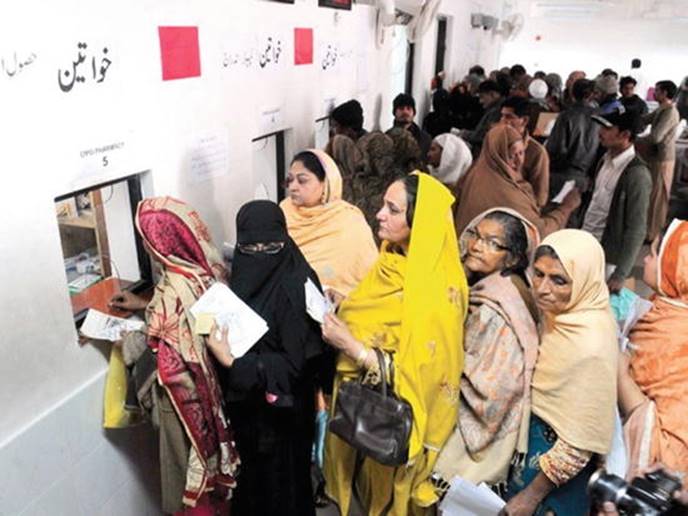
Fig. 17.1
Queuing up for death. Women outside pharmacy counter at Punjab Institute of Cardiology Lahore Pakistan (Source: http://tribune.com.pk/story/326824/pic-free-medicine-as-deaths-soar-past-80-authorities-still-clueless/)
In January 2012, several patients attending a public health care institution the Punjab Institute of Cardiology (PIC) Lahore experienced unusually high fatal adverse events on taking a tablet by the name of Isotab. This medicine was dispensed without any cost to PIC patients and local pharmaceutical companies were given contracts to supply this public hospital (Arie 2012). It was reported that Isotab caused bone marrow suppression and aplastic anemia, resulting in generalized bleeding followed by death within few days. These patients had reached hospitals with complaints of non-stop bleeding from different parts of the body and dark spots all over. More than 200 patients lost their lives. The death toll could be higher as many deaths went unreported. In Pakistan it is a socio-religious norm to accept death as result of fate and post mortem examination is considered desecration of a dead body (http://paktribune.com/news/PIC-deaths-London-lab-declares-Isotab-as-contaminated-medicine-247196.html).
According to details which subsequently came to light when samples of Isotab were dispatched to a drug testing laboratory in London, this medicine was substandard and injurious to health. The results revealed that samples were heavily contaminated with dangerously high levels of Pyrimethamine, an antimalarial drug.
Noises in the media caused the government to have a knee-jerk response. The Federal Investigation Agency (FIA), seized a huge quantity of the suspected medicines during a raid on the warehouse of Pharmawise Lab (PVT) Limited, including 29,400 tablets of one the drugs. Three more pharmaceutical laboratories which supplied the medicines to PIC were raided too. This revealed large scale corruption in Drug Inspection. A protest was held outside the PIC by relatives of patients who had died, as well as by those who were not receiving sufficient free medicines from PIC since the scandal broke.
In a similar knee-jerk response to this tragedy, the Drug Regulatory Authority Pakistan (DRAP) act 2012 was announced with a mandate of regulatory drug registration and distribution and quality assurance. The DRAP act has a mandate to regulate manufacture, import, export, storage, distribution and sale of therapeutic goods (http://drap.org.pk/DRAP%20ACT.htm).
Sadly the manufacturers of these killer drugs, the main culprits of above incidence got away unpunished due to political connections and bribery. Had they been punished, many unfortunate killings by spurious drugs would have been avoided.
Box 17.2 opposite shows a press cutting from an English daily newspaper, the Express Tribune, published more than 2 years after the Institute of Cardiology tragedy in Lahore (http://tribune.com.pk/story/687276/bad-business-spurious-drugs-seized-two-arrested/) (Box 17.2 and Fig. 17.2).
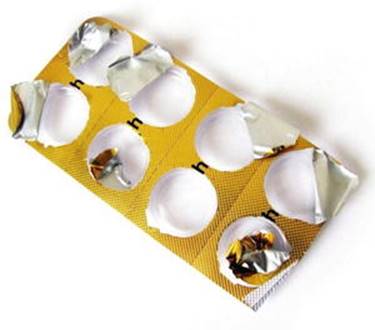
Fig. 17.2
Pain staking measures are taken by these traders of death to make the packaging as similar to the original product as possible. Only on close scrutiny and a discerning eye can detect the difference in appearance (Source: http://paktribune.com/news/PIC-deaths-London-lab-declares-Isotab-as-contaminated-medicine-247196.html)
Even with the DRAP act in action, there continue to be many reports in the local and international press about manufacturing and export of counterfeit drugs (http://tribune.com.pk/story/687276/bad-business-spurious-drugs-seized-two-arrested/; http://tribune.com.pk/story/686629/karachi-residents-arrested-for-allegedly-smuggling-fake-medicines-to-malaysia/).
Box 17.2: Bad Business: Spurious Drugs Seized, Two Arrested
By Asad Kharal: Published: March 26, 2014
Lahore: Spurious drugs were seized from a factory in Kot Abdul Malik, Sheikhupura, on Monday.
“Raw materials and machinery were also seized in a joint raid by the Federal Investigation Agency (FIA), the Health Department and police,” FIA Director Usman Anwar told The Express Tribune.
He said the ‘medicines’ being manufactured included Exelza 3 mg (Z-Jans Pharmaceutical) and Penegra 100 mg.
“The machinery seized includes a tablet making machine, a packing machine and a mixer.”
The FIA director said two factory workers had been arrested in the raid.
Separately, spurious drugs were seized from a factory on Bund Road, Lahore. FIA said the Lahore drug inspector helped the Federal Investigation Agency in the raid.
The ‘medicines’ seized include Lexotanil, Humulin, Neurobion, Vancomycin, Cefaxone, Cilapen, Acyclovir, Rasibid, Penro, Neuromed, Oxidil, Megodine and Hydro.
FIA said two workers had been arrested.
Drug Courts, Tribunals and Drug Inspectors
Drug courts were established in Pakistan under the drug act 1976 to prosecute those violating the law concerning export, import, storage, distribution and sales of drugs. The Karachi (the largest city of Sindh province) drug court is still lodged in a temporary site since its inception.
The premises are inadequate and have poor security arrangements. It lacks storage facilities for confiscated counterfeit medicines. According to the drug laws, the quality control board members should hold at least one meeting in 60 days, but most of the times, they failed to hold meetings on time causing a delay in the approval of cases against counterfeit drugs for trial (http://www.dawn.com/news/743210/110-cases-pending-in-drugs-court). Even if the board members do meet up, if drug inspectors are not present on tribunal hearing day, the court has no jurisdiction to execute any prosecution orders.
The role of drug inspectors in controlling the counterfeit pharmaceutical products is highly questionable. These inspectors have failed to check the manufacturing of substandard medicines. In the past 2 years only 100 cases of malpractice were registered and those were only of minor violations. Many inspectors failed to register a single complaint between January 1st 2012 and March 2014. These statistics are released by Drug Courts Sind. In a city of Karachi with a population of 23.5 million only 38 cases were lodged. Looking at these figures, one is certain that other provinces will show similar trends.
Health Care Personnel and Access Issues for Pakistani Women
While we bemoan a lack of quantity, the lack of quality of health care personnel also needs serious addressing. As we have seen in the earlier sections of this chapter, a lack of trained work force (8.1 doctors/10,000 population and 5.6 nurses and midwives/10,000 population) has led to the vast majority of the population seeking health elsewhere. However, there are many (unregulated) traditional practitioners like hakims and Dais (local birth attendants with questionable or no formal credentials) to fill the gap.
This unfortunate scenario is especially true for female patients including women, adolescent women and girls. Like any other economic, social or cultural problem the end result is women being the major sufferers. They receive the poorest of poor health care services. Rural women are worse off. Poor access to regulated and trained health workers by women leads to their approaching untrained and fake practitioners. Poor access to fertility control or family planning centers due to social cultural and religious reasons leads to unwanted pregnancies and unsafe abortion causing high morbidity and mortality amongst women.
Abortion is illegal according to Pakistani laws unless the life of mother is in danger, hence women who seek termination of pregnancy resort to back door abortion clinics resulting in high morbidity. In a large nationwide study (http://www.guttmacher.org/pubs/IB_Abortion-in-Pakistan.pdf), 890,000 induced abortions took place in 2002, amounting to 29 abortions per 1,000 women of reproductive age. Of every 100 pregnancies, 14 ended in induced abortion. This study, conducted by Guttmacher Institute in collaboration with National Committee for Maternal and Neonate Health Pakistan, is one of the largest nationwide studies. The study highlighted, that the majority of women undergoing induced abortion (70 %) were less than 30 years old and were married. Since termination of pregnancy is allowed in limited conditions, women who seek it, subject themselves to clandestine and unsafe procedures.
Prescribing Habits of Doctors in the Developing World
Hand written prescriptions are a nightmare to read anywhere! Physicians in the developing world have the added burden of seeing large volumes of patients; hence the chances of errors are many fold.
Some interesting studies on the circumstances in which a doctor in a developing world writes a prescription have been published. Similarly, audits of prescriptions written by doctors here in Pakistan have revealed disturbing facts. An average doctor in his or her outpatient clinic in any public sector hospital has 70 plus patients to see in 4–5 h in any specialty. One can do the calculations to see how much time on average is spent per patient and this will reflect on quality of their care. This observation was ratified by a recent WHO study.
According to WHO’s World Medicine Situation 2011 report (http://www.who.int/medicines/areas/policy/world_medicines_situation/WMS_ch6_wPricing_v6.pdf), on average doctors in developing countries spend less than 60 s prescribing medicines and explaining the regimen to their patients. As a result, only half of the patients receive any advice on how to take their medicines and one third of them don’t know how to take their medicines immediately on leaving the facility. Though around 80 % of all prescribed medicines are dispensed, this is usually done by untrained personnel. As many as 20–50 % of medicines are not labeled and no Patient Information leaflet is provided to the patients.
According to the WHO report, “the dispensing process greatly influences how medicines are used. The WHO database shows that, on average, dispensing time is one minute. In such circumstances it is not surprising that patient adherence to medicines is poor.”
A recent study conducted in Pakistan (2014) investigated prescribing habits of general practitioners in Pakistan (Raza et al. 2014). In a cross sectional survey of drug prescriptions in six teaching hospitals, 1,097 prescriptions were analysed to assess completeness, average number of drugs, prescription frequency of various drug classes and number of brands prescribed.
The results of this study reflect the general trends of poor training as well as accountability in public sector health care. Seventy-eight percent prescriptions failed to mention the indication or the diagnosis for treatment. The dosage, duration of use, signature of physicians and instructions for taking drugs were missing in 63.8 %, 55.4 %, 18.5 % and 10.9 % respectively. No prescription contained all essential component of a prescription (Siddiqi et al. 2002). The conclusions of this study are not dissimilar to the WHO study.
Pharmacovigilance and Adverse Drug Reporting
Lazarou and colleagues suggested that adverse drug reactions (ADRs) caused over 100 000 deaths in the United States in 1994 (Lazarou et al. 1998). Worldwide adverse drug reactions and events account for 0.2–20 % hospital admissions and are fatal in 3–7 % cases (Pirmohamed et al. 2004). Considering poor drug regulation and manufacturing systems with an ever increasing risk of spurious drugs, adverse drug reporting systems and pharmacovigilance face many challenges in developing countries.
Due to a lack of trained staff in pharmacovigilance, the WHO designated Poison and Toxicology wards in public sector hospital in Pakistan as Centers for Pharmacovigilance and adverse drug reaction reporting centers. The outcome of such delegation was there was very little adverse drug reaction reporting by these centers. These centers remained treatment wards for accidental or deliberate poisoning cases.
Only recently two separate Centers of Pharmacovigilance were inaugurated in Lahore and Karachi . Karachi center is located in a public sector tertiary care teaching hospital. Pharmacists are playing key role in these institutions, hence one may hope, some adverse drug reaction reporting will begin to be carried out (http://www.pharmanews.pk/pharmacovigilance-program-pakistan-pvpp/; http://www.pulsepakistan.com/index.php/main-news-july-1-13/381-pharmacovigilance-centre-established-at-duhs). These centers have begun their work only recently. It is difficult to forecast how effective they will be and whether they will be any focus on medicines for women.
Medicines Used in Women Health
After addressing the general situation in a developing country such as Pakistan, we will now address some of the individual types of drugs used in gynecology and obstetrics in low to middle income countries.
Contraceptives
A recent report on contraceptive use by the WHO highlights that contraceptive use has increased in many parts of the world, especially in Asia and Latin America, but continues to be low in sub-Saharan Africa. Globally, use of modern contraception has risen slightly, from 54 % in 1990 to 57 % in 2012. Regionally, the proportion of women aged 15–49 reporting use of a modern contraceptive method has risen minimally or plateaued between 2008 and 2012. In Africa it went from 23 % to 24 %, in Asia it has remained at 62 %, and in Latin America and the Caribbean it rose slightly from 64 % to 67 %. There is with significant variation among countries in these regions (Kaunitz et al. 2008).
Use of contraception by men makes up a relatively small subset of the above prevalence rates. The modern contraceptive methods for men are currently limited to male condoms and sterilization (vasectomy).
Oral Contraceptives
According to the WHO, an estimated 222 million women in developing countries would like to delay or stop child bearing, but are not using any method of contraception (http://www.who.int/mediacentre/news/releases/2014/guidance-contraceptive/en/). The report reinforces a key finding of the role of family planning in reducing the need for unsafe abortion. Moreover, the practice of family planning is in sync with the basic health rights of young women and men, to determine the number and spacing of their children which in turn improves maternal and child health. Countries where, contraceptive use is sub-optimal have higher fertility rates or vice versa (http://www.who.int/reproductivehealth/topics/family_planning/en/#story-03).
The total fertility rate in Pakistan like most developing countries is around 3.3/woman on average as compared to global average of 2.4/woman. On dissecting these statistics, birth rate is higher in women with poor literacy and socioeconomic status, as compared to educated and higher income class women. Population control is the key to human development and resource allocation. However, oral contraceptive use in Pakistan is around 27 % which is just above half of the regional figure of 45 % in Southeast Asia. The usage is primarily in urban areas. Contraceptive medicines and devices are available in family planning centers and in private pharmacies over the counter and without any prescription. Almost all the hormonal contraceptives oral as well as injectable products are available in this market, both marketed by multinationals as well as manufactured by local pharmaceutical companies.
In spite of the wide availability of contraceptives, we still see poor usage of contraceptive products in Pakistan. Visits to family planning centers in urban areas reveal large volumes of patients. Unfortunately the attending women have variable literacy rates and the time spent with each patient is never enough to explain the usage, side effects and possible drug interactions with other medicines. Poor understanding and too little time spent per woman in these centers contribute to poor compliance of fertility drugs (Naqvi et al. 2011).
The Pakistan Reproductive Health and Family Planning survey (2000) found a wide gap between knowledge and use of contraceptives: 97 % of couples questioned knew about contraceptives but only 28 % of married women actually used them. Another study in a tertiary care hospital in Lahore asked over 200 women of reproductive age about their knowledge and use of contraceptive methods. The demographic revealed that educational status of the majority of women was below matriculation, with 88 % women being housewives. 68 % of these women were aware of the pill and 55 % had heard of intrauterine contraceptive devices (IUCD). Less than half of these women were actually using some sort of contraceptive. The most common method of contraceptive was a barrier method (15 %), followed by an IUCD (10 %) and the oral contraceptive pill (10 %). When asked about their attitude towards contraception, 85 % of these women and 74 % of men wanted family spacing and birth control (Khawaja et al. 2004).
In addition to usage of contraceptive medicines in the developing world, we also need to look at the safety aspect of hormonal contraceptives. Safety of oral contraceptives (OCs) has been a cause of concern worldwide especially with regard to the risk of venous thromboembolic with third generation progestogens, which is discussed in some detail in Chap. 6. The WHO conducted a large case-controlled study in 21 centers in Africa, Asia, Europe and Latin America (World Health Organization 1995). In both Europe and the developing countries, use of OCs was associated with 3–4 fold increase in venous thrombo-embolism. This risk was particularly high with third generation OCs. Desogestrel containing OCs had threefold higher risk than levonogesterol. Many observational studies conducted in different countries have confirmed these finding.
The reporting of drug-related adverse events is not optimal in the developed world (Edwards and Aronson 2000; Stephen 1998). Although ADRs are hardly reported in developing world, it cannot be assumed that these disorders rarely occur here. A case report of a 42 year woman attending the Aga Khan University Hospital Karachi, Pakistan (Sheerani et al. 2006) is summarized in Box 17.3 below.
Box 17.3
A 42 year old house wife was admitted to the stroke unit with sudden onset of left sided numbness and mild weakness. She was otherwise healthy with no history of any previous medical problems.
On examination her weight was 64 kg, blood pressure was 130/79 mmHg, pulse 80 per minute and she was afebrile. General examination was unremarkable. Cardiac and respiratory examination was also normal.
Neurological examination showed normal cranial nerves except for mild flattening of the left naso-labial fold. There was mild weakness on the left side which was graded as 4 on MRC scale. Left side also showed decreased sensation as compared to the right side.
Magnetic Resonance Imaging (MRI) of the brain showed small right parietal stroke. Magnetic Resonance Angiogram (MRA) was normal.
A workup for hypercoagulable state was performed including anti-phospholipid antibodies; protein C & S activity, antithrombin III, Factor V leiden deficiency and homocystein levels were within normal range.
As no definite cause of stroke was found, the history was re-assessed. Patient was asked several directed questions about medications. It was revealed by the husband that she had been on oral contraceptives for several days prior to this episode. She took oral contraceptives to cease her menstrual cycle temporarily as she was going for ‘Hajj’. This information was not disclosed by the patient.
Magnetic Resonance Venogram (MRV) was performed after this information and a thrombus was seen in the right transverse sinus.
Patient was started on anticoagulation and she recovered completely.
Source: Sherani et al. (2006)
The Aga Khan University Hospital is a private tertiary care teaching hospital. Her life was saved only because she was cared for in a private center. Unfortunately paucity of finances in the public sector would have led to fatal consequences in her case had she reported to public hospital.
The benefits of OCs are prevention of unplanned pregnancy with high degree of effectiveness, convenience and reversibility. However choice of right contraceptive and screening of a woman is therapeutically sound judgment call.
As highlighted above, issues of quality control and quality assurance in pharmaceutical products is marred by lack of political will and corruption leading to unfortunate outcome of counterfeit products is fertility failure and unsafe abortions.
Injectable Contraceptives
Nearly 35 million women use injectable contraceptives worldwide, twice as many as last decade (Nair 1986). In the sub-Saharan region nearly one third of women of reproductive age rely on an injectable contraceptive to avoid pregnancy. This is more than for any other contraceptive used in developing countries. The depot form of medoxyprogesterone 150 mg administered every 3 months is a popular choice as failure to take a daily dose is not an issue. Injectable contraceptives are freely available in family planning centers as well as over the counter in Pakistan. Women can buy these injections over the counter and take them to nearest health clinic. If there is no such facility in their vicinity, they often end up in unregistered centers.
The World Health Organization has issued a list of indications and contraindications to auxiliary workers about use of injectable contraceptives (http://whqlibdoc.who.int/publications/2010/9789241563888_eng.pdf?ua=1). However, their safety is hardly discussed in family planning centers where consultation is carried out in a hurried attempt to accommodate more women.
While depot medoxyprogesterone acetate (DMPA) is a highly effective contraceptive used by millions of women, its use is associated with bone mineral density (BMD) loss, raising concerns about long-term risk of osteoporosis and/or fractures. Many studies have expressed concerns with injectable contraceptives and loss of BMD (Scholes et al. 2002; Cundy et al. 1991) citing its association with osteopenic effects leading to reduced BMD. Although reduced BMD is a concern and screening is too expensive for most developing countries, these effects on bone density are reversible and disappear (Kaunitz et al. 2008) within 24 weeks of their discontinuation.
Emergency Contraceptives
The emergency contraceptive (EC) pill (discussed in detail in Chap. 7) has been available for over three decades in Pakistan. However, a quantitative study carried out in a teaching hospital in Karachi in 2009, revealed that 88 % of women were not aware of EC. The vast majority of these women were housewives (83 %) and only 11.5 % had ever used EC to prevent pregnancy. Amongst these users, the correct timing of effectiveness of post-coital pill was known to 40 % only. None of these women were aware of use of IUCD insertion as an option for EC (http://www.who.int/mediacentre/factsheets/fs244/en/).
About half of the women in this study identified general practitioners or family medicine clinics as their main sources of knowledge about EC. Increased advertising was considered desirable by 72 % while 37 % considered over the counter availability of EC pill desirable. Interestingly, while 97 % of the population in Pakistan is Muslim, only 36 % of the women interviewed, were uncomfortable about using EC because of religious reasons. The authors of this study concluded that EC has the potential to offer Pakistani women an important option for fertility control. Lack of women’s knowledge about EC use and availability may account in part for its limited use. There is a need to improve women’s education about EC and primary health care providers can play a major role in informing their patients about this method of contraception (Irfan et al. 2009; Hamza et al. 2009; Khanum et al. 2010).
A similar study was conducted in women of reproductive age attending two randomly selected family health centers in Alexandria Egypt a predominantly Muslim country (El-Sabaa et al. 2013). This study interviewed 151 women about their knowledge and awareness of EC and the results showed that 75.5 % women were unaware of EC and 21.5 % had ever used EC. The majority of women in this study had a positive attitude towards using EC following unprotected intercourse or failure of their regular method of contraception. This work is reflective of similar trends in developing Muslim societies, where EC is available, women have positive attitudes but women are often unaware of the availability of such options (El Hamri 2010).
Interestingly, not only are users unaware of such choices for post-coital contraception, a study conducted in community health workers revealed knowledge gaps in health workers. This study explored the explored the knowledge, attitudes and practices of the Lady Health Supervisors of the National Program for Family Planning Rawalpindi district, regarding emergency contraception pills (Mir and Malik 2010).
In this cross sectional anonymous questionnaire-based study, insufficient knowledge, a high level of misinformation and strongly negative attitudes were revealed. More than 50 % of health workers surveyed did not know that emergency contraceptive pills do not cause abortion. About 80 % believed that emergency contraceptive pills will lead to ‘evil’ practices in society. More than 80 % recognized that the clients of National Program for Family Planning need emergency contraceptive pills. The attitudes were significantly associated with knowledge and educational status (Khan 2005; Hossain et al. 2005; Raymond and Weaver 2008).
Fertility Rates
Social scientists take a divergent opinion on reduction of fertility rate in the developed world.
It is often assumed by western scholars that high fertility is a result of inadequate availability of contraceptives, while other evidence suggests that high fertility rate may be due to poverty (Saurabh et al. 2013). Rises in living standards and economic growth and better education may have played a more significant role in regulating fertility than contraceptive practices in the developed world. This view is supported by the fact that falls in fertility rates in the West preceded the licensing and marketing of oral contraceptive pills. It can be argued that the focus should be on girl education and improving living standards which will have fruitful results in human development.
Oxytocin
More than eight million women each year globally suffer from postpartum hemorrhage, accounting for 25 % of all maternal deaths due to pregnancy and labour related causes (http://www.everywomaneverychild.org/images/Key_Data_ and_Findings_Maternal_Health_Medicines_FINAL_3_26_2012__COMPLETE_ reduced.pdf). The WHO considers oxytocin as one of three life-saving essential drugs along with ergometrine and misoprostol postpartum hemorrhage (Carroli et al. 2008). According to these reports PPH is disproportionately high in the developing countries. The most effective drugs in management of PPH are oxytocin and misoprostol (World Health Organization (WHO) 2007; http://www.rcog.org.uk/womens-health/clinical-guidance/prevention-and-management-postpartum-haemorrhage-green-top-52; Westhoff et al. 2013).
A synthetic form of oxytocin is used to induce labour, strengthen contractions during childbirth, and control bleeding after delivery or to induce an abortion (http://www.pdr.net/drug-summary/pitocin?druglabelid=1666). It is considered a relatively safe product when used by the trained health care professional and is approved for use in most major markets worldwide. Reported side effects include local irritation, nausea, vomiting, stomach cramps and anorexia but these are generally not severe and disappear after discontinuation.
While the safety of oxytocin is well established, misuse of oxytocin carries significant risks to a mother as well as fetus. It is first important to highlight obstetric emergencies here. More than 90 % pregnancies have a normal course and normal outcome but pregnancy events can turn for the worse at any time and often happen rapidly. It is the ability to recognize any abnormality during pregnancy or during labour which determines the skill of a birth attendant.
More than 50 % women in Pakistan are not attended by trained birth attendants as they live hours away from centers where trained staffs, essential supplies and resuscitation facilities are present. Increasing the number and availability of skilled obstetric and midwifery staff in developing countries is essential if maternal mortality reduction is our goal.
The old obstetric adage, ‘prolonged or difficult labour can be due to abnormalities of the Passage, Passenger, Powers or a combination of all’ still holds. If a birth attendant has failed to detect pelvic bone abnormalities or placental location (passage anomalies) and has mismanaged the labour by inappropriately incrementing oxytocins, the outcome is high feto-maternal morbidity or mortality.
Similarly, birth attendants must be able to detect malpositions of fetus, its lie (longitudinal, oblique or transverse) as well as malpresentations like Brow, Face, Occipito-Transverse or Occipito-Posterior presentation (all ‘passenger’ issues). In all these scenarios, labour management must be carried out in centers where facilities for maternal or fetal resuscitation are adequate.
In the author’s own personal experience at Jinnah Post Graduate Medical Center in Karachi, Pakistan (a public sector tertiary care hospital) several laboring women attended by ‘quacks’ or mal-practioners were brought in, in a near-dead state. These ‘quacks’ failed to recognize any of the above situations and kept pumping in higher non pharmacological doses of oxytocin.
Hence, while oxytocin is a life-saving drug in post-partum hemorrhage, free, unregulated and over the- counter availability of oxytocin is dangerous and must be discouraged on all accounts. The culprit here is not the uterine stimulant itself but the unsafe use by someone not trained or qualified to do so. Lack of accountability, poor or insufficient midwife training as well as widespread corruption and lack of political will by decision makers has caused loss of many precious lives.
Obstetric Fistulae
A serious complication of mis-managed labour is that uterine rupture may occur during a prolonged labour complicated by mid-pelvic outlet obstruction, later resulting in vesico-vaginal or recto-vaginal fistulae due to pressure necrosis of soft tissues.
According to a recent report by the WHO (2010), each year between 50,000 and 100,000 women worldwide are affected by obstetric fistula caused by poorly managed obstructed labour (http://www.who.int/features/factfiles/obstetric_fistula/en/). The development of obstetric fistula is directly linked to one of the major causes of maternal mortality – obstructed labour. Women who experience obstetric fistula suffer constant incontinence, shame, social segregation and health problems. According to this report, more than two million young women live with untreated fistula in Asia and Sub-Saharan Africa (http://whqlibdoc.who.int/publications/2006/9241593679_eng.pdf?ua=1).
Hamlin Fistula Hospital, Addis Ababa, Ethiopia, has been providing care for women with obstetric fistulas since 1974, with success rates of 90 %. It is the only hospital of its kind, dedicated to obstetric fistulas, providing care for around 2,500 women per year. It has treated over 30,000 women so far (http://www.hamlinfistula.org/our-hospital.html). In Pakistan, it is estimated that 3,500 known cases of obstetric fistula occur in the rural and urban slums, according to data from UNFPA and the Pakistan National Forum on Women’s Health (http://www.fistulafoundation.org/countries-we-help/pakistan/#sthash.YlqElQuS.dpuf).
Dinoprostone
Prostaglandin E2 is effective agent for cervical ripening and termination of pregnancy (http://www.pdr.net/drug-summary/prostin-e2?druglabelid=1882&id=1150). It is a safe drug with short half-life and is rapidly metabolized locally in the tissues. For cervical ripening, the patient has to be in a dorsal position and should remain in a supine position for 15–30 min after administration of cervical gel (after administration of vaginal suppository she should remain supine for 10 min). Following the administration of the vaginal prostaglandin, the patient should remain in a recumbent position for 2 h. Oxytocins should be administered 6 h after prostaglandin administration to induce uterine contractions.
When used by skilled and trained birth attendants, dinoprostone is a valuable agent both for induction of labour at term and management of a termination of pregnancy. However the problem arises when, due to unlicensed and over the counter availability of these agents, they fall into the hands of ‘quacks’. Wrong storage conditions can lead to fall in efficacy of prostaglandin products. The suppository product should be stored at −4 F, inserts stored at −4 to −14 F and the gel should be stored in a refrigerator. In developing countries we are very well aware of power failures and electrical power fluctuations in under developed localities which may affect the storage and therefore the efficacy of such products (http://www.drugs.com/ppa/dinoprostone-pge2-prostaglandin-e2.html).
Magnesium Sulphate for Hypertensive Conditions of Pregnancy
Magnesium Sulphate is a safe, effective and low cost drug for the treatment of preeclampsia and eclampsia. Clinical studies in women with severe preeclampsia show that seizures occurred in less than 1 % magnesium sulphate-treated women, compared to 2.8 % women treated with other antihypertensive agents (http://www.rcog.org.uk/womens-health/clinical-guidance/magnesium-sulphate-eclampsia-prophylaxis-query-bank).
One randomized, controlled clinical trial comparing magnesium sulphate with diazepam or phenytoin revealed that magnesium sulphate was able to control recurrent seizures substantively as compared to any other anticonvulsant. Recurrent seizures occurred in only 9 % of magnesium sulphate treated women as compared to 23 % treated with diazepam or phenytoin (http://apps.who.int/rhl/pregnancy_ childbirth/medical/hypertension/kkcom2/en/).
According to the International Federation of Gynecology and Obstetrics (FIGO 2013), eclampsia is common in the developing world (http://www.figo.org/news/pakistan-criticised-over-eclampsia-drug-non-availability-0011594). In Pakistan the situation is quite grave. After PPH, the second most common cause of death is eclampsia and pre-eclampsia which accounts for about 14 % of total deaths in the Pakistan demographic health survey. It is estimated that 2,000 women die of eclampsia and 8–10 % women suffer from this condition during their pregnancies in Pakistan (Ahmed 2004; Bano et al. 2011).
Magnesium sulphate has been on the WHO Essential Medicines list since 1996. The White Ribbon Alliance Pakistan prepared comprehensive guidelines for health care professionals on treatment of severe pre-eclampsia and eclampsia in Pakistan (http://whiteribbonalliance.org/wp-content/uploads/2013/11/Clinical-guidelines-for-healthcare-professionals-on-use-of-magnesium-sulphate-in-Eclampsia.pdf). However, there was concern raised by senior obstetricians in Pakistan about the irregular and erratic availability of magnesium sulphate for the management of hypertensive conditions in pregnancy. Lack of central distribution and drug tracking policies have put women in remote areas at risk of high fetal and maternal morbidity and mortality.
Assisted Reproductive Technologies in the Developing World and Medical Tourism
More than five million babies have been born worldwide since the advent of assisted reproductive technologies i.e., in vitro fertilization, intracytoplasmic sperm injection and gamete donation (http://www.eshre.eu/press-room/press-releases/press-releases-eshre-2012/5-million- babies.aspx). The technology is relatively safe where staff are well trained and the center is well equipped and well regulated. Even four decades since Louise Brown, the first IVF baby was born, the take home baby rate in best fertility centers in the world with IVF, ICSI, women above 40 years and frozen embryo transfer are 20 %, 30 %, <5 % each respectively (http://www.hfea.gov.uk/).
Fertility centers are heavily regulated in the UK by HFEA (Human Fertilization and Embryology Authority) Licensing body, in the USA by SART (Society for assisted reproductive technology), CDC, ABB and laboratory accreditation. Various transnational societies like European society for human reproduction and embryology (ESHRE) and American Society for Reproductive Medicine (ASRM) are active in implementation of some regulations like number of embryos transferred. Similar controls are observed in other developed countries (http://www.cdc.gov/art/; http://www.asrm.org/find_frm.html; http://www.hfea.gov.uk/108.html).
However, global survey of fertility treatment of more than 100 countries revealed wide variation in international laws regulating IVF leading to ‘fertility tourism’. No other field of medicine is subject to a wide difference in clinical practice which is driven by social and religious attitudes rather than scientific evidence. Around 10,000 people go abroad for assisted reproduction. Spain and Czech Republic are popular destination for European patients. India is fast becoming a hot bed of medical tourism in particular for Surrogacy (Ferraretti et al. 2010; Connolly et al. 2010; Storrow 2010).
This had led to an announcing the code of practice on cross border care by European Society of Human Reproduction and Embryology (ESHRE) and the International Federation of Fertility Societies (IFFS) in 2010 (Jones et al. 2011; Nygren et al. 2013).
Several key questions were raised by Professor Ian Cooke, the education director at IFFS meeting 2011, (Jones et al. 2011), and quoted “What is considered acceptable varies from country to country. How carefully do they screen donors? How do they screen for multiple pregnancies? Does one want to come back with quadruplets?”
While it was generally agreed on giving patients the choice of going abroad, it was also important to have harmony in national standards to increase safety. The reasons for this surge in medical tourism are lax regulation abroad as compared to stringent home country regulation, shortage of egg and sperm donors and lower costs.
Since the arrival of assisted reproductive technologies, paradoxically we see mushrooming of fertility centers in high income areas of the developing world. There are 500 IVF clinics in India alone. These fertility centers are unregulated and strong ethical practices are left to the good will of fertility doctors.
Surat city in the Indian state of Gujrat is called the ‘Surrogacy Capital’ (http://www.siliconindia.com/news/general/Gujarat-Now-a-Hub-for-Surrogacy-nid-153487-cid-1.html; www.marieclare.com/world-reports/news/surrogate-mothers-india). It is an example of globalization gone mad. Poor women are exploited as home country legal red tapes are bypassed. India legalized surrogacy in 2002, notwithstanding various ethical and social issues raised by bioethicists.
In a study carried out by the Center for Social Research supported by the Indian Ministry of Women and Child Development (2011–2012), it was stated that though the Assisted Reproductive Technology ART Regulation Bill, 2010 has brought forward certain important points for the legal framework to be based on, it has left out many crucial issues relating to surrogacy arrangement (http://worldpulse.com/node/68762; http://www.wunrn.com/news/2013/07_13/07_15/071513_india2.htm; http://www.deccanherald.com/content/345338/surrogate-mothers-underpaid-uncared-for.html).
This study indicated that poverty and future of their children were two primary reasons for women to become a surrogate mother in large cities like Mumbai and New Delhi. Nearly three quarters of these women were approached by an agent for surrogacy.
Many ethical questions arise here about subjecting a woman to fertility drugs and subsequent pregnancy for financial reasons. Exploitation of these women by fertility clinics and their agents (but more so by the Western clients) is a cause of concern. Just like professional blood donors, these women may end up being professional ‘rent-a-wombs’. Subjecting their bodies to repeated cycles of fertility drugs, the longer term side effects of which we may learn later on. Women in developing world are notoriously poorly nourished and anemic. Are the women undergoing repeated pregnancies for commercial reasons being properly screened? There are reports of these women not even being paid for their services. Who is looking after their interests (Fig. 17.3)?

Fig. 17.3
Indian Surrogate mothers in a fertility clinic in Surat India (Source: www.marieclare.com/world-reports/news/surrogate-mothers-india)
Social, Cultural and Religious Realities
Pakistan is a patriarchal society, where the major decisions of woman’s life are not made by her. Before she is married, her fathers and brothers keep her restrained as someone inferior and incapable of making rational decisions about herself. The same role is overtaken by the husbands and, father in-laws after marriage.
In many religions practiced today, women are at the receiving end of the religious decree, be it childhood marriage, reproductive health, or inheritance rights. Women of lower socioeconomic status bear the brunt of these outcomes in particular.
Gender discrimination and feminization of poverty have made any progress in reproductive health a challenge. By feminization of poverty, the general understanding in economic terms is, women pay the ultimate price of rising poverty. Many societies have exploited religious beliefs in meeting reproductive choices and limiting family planning options to women. However we have seen a major shift in thinking when literacy rates are increased in a society.
“More education translates into better health outcomes in all societies,” said Abulkalam Abdul Momen (Vice-President of the United Nations Economic and Social Council, 2011) while addressing a debate on the contribution of population and development issues for the Council’s Annual Review (http://www.un.org/News/Press/docs/2011/pop994.doc.htm).
Some countries have involved community and religious leaders of progressive intellect to forward the public health agenda of government for women. This should be seen as a replicable model in other countries struggling to improve health literacy.
Whilst the literacy and education levels of girls reaches desired standards, involvement of community/religious leaders in reproductive and child health may be a way forward. Bangladesh has successfully involved religious groups to propagate family planning. Other countries with similar religious and cultural values can follow this example. Pakistan has successfully trained traditional birth attendants to improve antenatal care at a basic level. Most of the countries with high maternal mortality are war-torn with fragile health care systems. Expectations are bound to fail if local conditions are not taken into consideration.
Conclusions
Health systems in developing countries are weak and fractured. There is an endemic lack of accountability and poor legislative controls over health delivery. Health budgets are paltry with criminal negligence of health and education sectors since inception of many of these nations. There are misplaced priorities in resource allocation. Wars, regional conflicts manmade and natural disasters have pushed these civilizations further back in time. Lack of cohesion in health infrastructures reflects a major failure by policy makers and managers.
Poor drug regulation and control is a natural fall-out of the above factors. Urban and rural divide in access to modern health facilities and essential medicines is notable in all interagency reports. State failure in delivering health and social care to her citizens has left a vacuum, only to be filled by the private sector with variable regulation.
Knowledge about the safety of medicines leaves a lot to be desired, compounded by the menace of counterfeit and spurious drugs. In this chapter I have highlighted some of the health system weaknesses in low to middle income countries as well as some individual drug stories.
Whilst women in the developed world have come a long way in getting their basic rights of health and education, their counterparts in socially and economically impoverished regions are still striving for respect and basic health rights. This includes the struggle to gain adequate access to medicines for women to control their fertility and improve their health and that of their children.
Millennium Development Goal no. 5 relating to reproductive health will not reach its targets unless drastic measures with public and private partnerships are taken. Responsibility lies with the governments, policy makers, health and other professionals: men and women must share this responsibility, unless they want to continue failing their girl and woman, or would prefer to make giant strides by focused, concerted and sincere efforts to improve women’s and girls’ access to health care. Problems with drug prescribing for women in the developing world are not stand alone, but part of a greater fault of lack of political will to improve a women’s lives in these countries.
Take Home Messages
· We are still far from providing optimum care to half of the population in the developing world.
· Health indices provide dismal reading in many low to middle income countries.
· A vast majority of rural and urban-slum women have no access to skilled and qualified health workers.
· Drug marketing and sales are largely unregulated in developing world countries.
· Over the counter availability of drugs has dangerous consequences in poor countries.
· Problems of counterfeit drugs are rampant in many developing countries.
· Health inequality between a larger lower socioeconomic population and a smaller richer population subset brings out many ethical issues into debate.
References
AFP Report (2001) Price cuts have little impact on access to AIDS drugs in Uganda. March 23, 2001. http://sg.news.yahoo.com/010323/1/kz9m.html. Accessed 20 Dec 2013
Ahmed R (2004) Magnesium sulphate as an anticonvulsant in management of eclampsia. JCPSP 14(10):605–607PubMed
Ahmad K (2005) Brazil takes a step towards patent exemption for HIV drugs. Lancet Infect Dis 5:399PubMedCrossRef
allAfrica (2013) Africa: rethinking mental health in Africa. http://allafrica.com/stories/201309021355.html. Accessed 19 Nov 2014
Arie S (2012) Contaminated drugs are held responsible for 120 deaths in Pakistan. BMJ 344:e951PubMedCrossRef
Bano N, Chaudri R, Yasmeen L et al (2011) A study of maternal mortality in 8 principal hospitals in Pakistan in 2009. Int J Gynaecol Obstet 114(3):255–259PubMedCrossRef
Caldera A, Zarnic Z (2004) Affordability of pharmaceutical drugs in developing countries. Working paper no. 419. Advanced Studies in International Economic Policy Research, Kiel Institute for World Economics, Düsternbrooker Weg 120 D-24105, Kiel
Cameron A, Ewen M, Ross-Degnan D (2009) Medicine prices, availability, and affordability in 36 developing and middle-income countries: a secondary analysis. Lancet 373(9659):240–249PubMedCrossRef
Campbell O, Graham W (2006) Strategies for reducing maternal mortality: getting on with what works. Lancet 368(9543):1284–1299PubMedCrossRef
Carroli G, Cuesta C, Abalos E et al (2008) Epidemiology of postpartum hemorrhage: a systematic review. Best Pract Res Clin Obstet Gynaecol 22:999–1012PubMedCrossRef
Connolly MP, Hoorens S, Chambers GM (2010) The costs and consequences of assisted reproductive technology: an economic perspective. Human Reprod Update 16(6):603–613CrossRef
Cundy T, Evans M, Wattie D et al (1991) Bone density in women receiving depot medroxyprogesterone acetate for contraception. BMJ 303:6CrossRef
Edwards J (2014) Ghana’s mental health patients confined to prayer camps. Lancet 383(9911):15–16PubMedCrossRef
Edwards R, Aronson JK (2000) Adverse drug reactions: definitions, diagnosis, and management. Lancet 356(9237):1255–1259PubMedCrossRef
El Hamri N (2010) Approaches to family planning in Muslim communities. J Fam Plann Reprod Health Care 36(1):27–31PubMedCrossRef
El-Sabaa HA, Farouk Ibrahim A, Hassan WA (2013) Awareness and use of emergency contraception among women of childbearing age at the family health centers in Alexandria, Egypt. J Taibah Univ Med Sci 8(3):167–172
Ferraretti AP, Pennings G, Gianaroli L et al (2010) Cross-border reproductive care: a phenomenon expressing the controversial aspects of reproductive technologies. Reprod Biomed Online 20(2):261–266PubMedCrossRef
Figo (2014) http://www.figo.org/news/pakistan-criticised-over-eclampsia-drug-non-availability-0011594. Accessed 20 Feb 2014
Hamza MA, Syed IK, Farhana I et al (2009) Emergency contraception: knowledge and attitudes of family physicians of a teaching hospital, Karachi, Pakistan. J Health Popul Nutr 27:339–344
Hogan CH et al (2010) Maternal mortality in 181 countries, 1980–2008: a systematic analysis of progress towards Millennium Development Goal 5. Lancet 375(9726):1609–1623PubMedCrossRef
Hossain SMS, Khan ME, Rahman M, Sebastian MP (2005) USAID training manual emergency contraceptive pills, Population Counsel, Frontiers
http://apps.who.int/iris/bitstream/10665/112682/2/9789241507226_eng.pdf?ua=1. Accessed 30 Mar 2014
http://apps.who.int/rhl/pregnancy_childbirth/medical/hypertension/kkcom2/en/. Accessed 20 Feb 2014
http://data.worldbank.org/indicator/SH.XPD.PCAP. Accessed 7 Feb 2014
http://data.worldbank.org/indicator/SP.DYN.TFRT.IN. Accessed 20 May 2014
http://drap.org.pk/DRAP%20ACT.htm. Accessed 28 Dec 2013
http://hdr.undp.org/en/faq-page/gender-inequality-index-gii. Accessed 7 Feb 2014
http://pakistancriminalrecords.com/tag/spurious-drugs/. Accessed 16 Dec 2013
http://paktribune.com/news/PIC-deaths-London-lab-declares-Isotab-as-contaminated-medicine-247196.html. Accessed 16 Dec 2013
http://tribune.com.pk/story/326824/pic-free-medicine-as-deaths-soar-past-80-authorities-still-clueless/. Accessed 16 Dec 2013
http://tribune.com.pk/story/686629/karachi-residents-arrested-for-allegedly-smuggling-fake-medicines-to-malaysia/. Accessed 24 Mar 2014
http://tribune.com.pk/story/687276/bad-business-spurious-drugs-seized-two-arrested/. Accessed 24 Mar 2014
http://whiteribbonalliance.org/wp-content/uploads/2013/11/Clinical-guidelines-for-healthcare-professionals-on-use-of-magnesium-sulphate-in-Eclampsia.pdf. Accessed 20 Feb 2014
http://who.int/gho/health_equity/countries/pak.pdf?ua=1. Accessed 25 Sept 2013
http://whqlibdoc.who.int/publications/2006/9241593679_eng.pdf?ua=1. 15 May 2014
http://whqlibdoc.who.int/publications/2010/9789241563888_eng.pdf?ua=1. Accessed 18 Oct 2013
http://worldpulse.com/node/68762. Accessed 20 Oct 2013
http://www.asrm.org/find_frm.html. Accessed 27 Feb 2014
http://www.bloomberg.com/news/2012-05-17/stopping-fake-drugs-from-pakistan-is-too-late-for-victims.html. Accessed 16 Dec 2013
http://www.cdc.gov/art/. Accessed 27 Feb 2014
http://www.dawn.com/news/743210/110-cases-pending-in-drugs-court. Accessed 24 Mar 2014
http://www.deccanherald.com/content/345338/surrogate-mothers-underpaid-uncared-for.html. Accessed 20 Oct 2013
http://www.drugs.com/ppa/dinoprostone-pge2-prostaglandin-e2.html. Accessed on 30 Jan 2014
http://www.eshre.eu/press-room/press-releases/press-releases-eshre-2012/5-million- babies.aspx. Accessed 14 Oct 2013
http://www.everywomaneverychild.org/images/Key_Data_and_Findings_Maternal_Health_Medicines_FINAL_3_26_2012__COMPLETE_reduced.pdf. Accessed 29 Jan 2014
http://www.figo.org/news/pakistan-criticised-over-eclampsia-drug-non-availability-0011594. Accessed 20 Feb 2014
http://www.fistulafoundation.org/countries-we-help/pakistan/#sthash.YlqElQuS.dpuf. 15 May 2014
http://www.guttmacher.org/pubs/IB_Abortion-in-Pakistan.pdf. Accessed 18 Dec 2013
http://www.hamlinfistula.org/our-hospital.html. 15 May 2014
http://www.hfea.gov.uk/. Accessed 27 Feb 2014
http://www.hfea.gov.uk/108.html. Accessed 27 Feb 2014
http://www.nips.org.pk/abstract_files/Priliminary%20Report%20Final.pdf. Accessed 7 Sept 2013
http://www.pdr.net/drug-summary/pitocin?druglabelid=1666. Accessed 22 Feb 2014
http://www.pdr.net/drug-summary/prostin-e2?druglabelid=1882&id=1150. Accessed 30 Jan 2014
http://www.pharmanews.pk/pharmacovigilance-program-pakistan-pvpp/. Accessed 28 Mar 2014
http://www.ppma.org.pk. Accessed 16 Oct 2013
http://www.pulsepakistan.com/index.php/main-news-july-1-13/381-pharmacovigilance-centre-established-at-duhs. Accessed 25 Nov 2013
http://www.rcog.org.uk/womens-health/clinical-guidance/magnesium-sulphate-eclampsia-prophylaxis-query-bank. Accessed 20 Feb 2014
http://www.rcog.org.uk/womens-health/clinical-guidance/prevention-and-management-postpartum-haemorrhage-green-top-52. Accessed 22 Feb 2014
http://www.siliconindia.com/news/general/Gujarat-Now-a-Hub-for-Surrogacy-nid-153487-cid-1.html. Accessed 20 Oct 2013
http://www.un.org/ga/search/view_doc.asp?symbol=E/CN.6/2014/L.7. Accessed 15 Apr 2014
http://www.un.org/millenniumgoals/pdf/Goal_5_fs.pdf. Accessed 15 Jan 2014
http://www.un.org/News/Press/docs/2011/pop994.doc.htm. Accessed 24 May 2014
http://www.unicef.org/infobycountry/pakistan_pakistan_statistics.html. Accessed 7 Feb 2014
http://www.unicef.org/wcaro/overview_2642.html. Accessed 16 Dec 2013
http://www.unwomen.org/~/media/Headquarters/Attachments/Sections/CSW/58/CSW58-agreedconclusions-advanceduneditedversion.pdf. Accessed 30 Mar 2014
http://www.who.int/countryfocus/cooperation_strategy/ccsbrief_pak_en.pdf. Accessed 25 Sept 2014
http://www.who.int/features/factfiles/obstetric_fistula/en/. 15 May 2014
http://www.who.int/gho/maternal_health/en/. Accessed 15 Jan 2014
http://www.who.int/mediacentre/factsheets/fs244/en/. Accessed 15 Apr 2014
http://www.who.int/mediacentre/factsheets/fs348/en/. Accessed 7 Sept 2013
http://www.who.int/mediacentre/news/releases/2014/guidance-contraceptive/en/. Accessed 25 Mar 2014
http://www.who.int/medicines/areas/coordination/pakistan.pdf. Accessed 16 Oct 2013
http://www.who.int/medicines/areas/policy/world_medicines_situation/WMS_ch6_wPricing_v6.pdf. Accessed 18 Sept 2013
http://www.who.int/reproductivehealth/publications/unsafe_abortion/induced_abortion_2012.pdf?ua=1. Accessed 15 Nov 2013
http://www.who.int/reproductivehealth/topics/family_planning/en/#story-03. Accessed 12 Oct 2013
http://www.who.int/whr/2005/en/. Accessed 16 Dec 2013
http://www.worldbank.org/mdgs/maternal_health.html. Accessed 25 Sept 2013
http://www.wunrn.com/news/2013/07_13/07_15/071513_india2.htm. Accessed 20 Oct 2013
Irfan F, Karim S, Hashmi S et al (2009) Knowledge of emergency contraception among women of childbearing age at a teaching hospital of Karachi. J Pak Med Assoc 59(4):235–240PubMed
Jones HW Jr, Cooke I, Kempers R et al (2011) International Federation of Fertility Societies Surveillance 2010: preface. Fertil Steril 95(2):491PubMedCrossRef
Kaunitz AM, Arias R, McClung M et al (2008) Bone density recovery after depot medroxyprogesterone acetate injectable contraception use. Contraception 77(2):67–76PubMedCrossRef
Khan S (2005) Abortion: a major contributor to maternal ill health (editorial). JPMA 55:269
Khanum Z, Khanum A, Rasul N (2010) Effective contraceptive practices. Pak J Med Health Sci 4(3):284–286
Khawaja NP, Tayyeb R, Malik N (2004) Awareness and practices of contraception among Pakistani women attending a tertiary care hospital. J Obstet Gynaecol 24(5):564–567PubMedCrossRef
Lady Pharmacists Association of Ghana (2014) http://www.fug.se/ovrigt/LAPAG.pdf. Accessed November 19, 2014
Lazarou J, Pomeranz BH, Corey PN (1998) Incidence of adverse drug reactions in hospitalized patients – a meta-analysis of prospective studies. JAMA 279:1200–1205PubMedCrossRef
Mir AS, Malik R (2010) Emergency contraceptive pills: exploring the knowledge and attitudes of community health workers in a developing Muslim country. N Am J Med Sci 2(8):359–364PubMedCentralPubMedCrossRef
Murigi S (2013) Celebrate royal baby, but remember childbirth is still a killer. CNN African Voices
Murray CJ, Vos T, Lozano R et al (2012) Disability-adjusted life years (DALYs) for 291 diseases and injuries in 21 regions, 1990–2010: a systematic analysis for the Global Burden of Disease Study 2010. Lancet 380(9859):2197–2223PubMedCrossRef
Nair S (1986) Injectable contraceptives in developing countries. Lancet 327(8495):1440–1441CrossRef
Naqvi S, Hashim N, Zareen N, Fatima H (2011) Knowledge, attitude and practice of parous women regarding contraception. J Coll Physicians Surg Pak 2:103–105
Ndola P, Paige P, Sreenivas A et al (2010) Maternal mortality in developing countries: challenges in scaling-up priority interventions. Women’s Health 6(2):311–327CrossRef
Nour NN (2008) An introduction to maternal mortality. Rev Obstet Gynecol 1(2):77–81PubMedCentralPubMed
Nygren K, Pai H, Le Roux P et al (2013) IFFS surveillance 2013. http://c.ymcdn.com/sites/www.iffs-reproduction.org/resource/resmgr/iffs_surveillance_09-19-13.pdf. Accessed 14 Feb 2014
Otieno J (2013) Rapists on the prowl; they target mentally ill women. http://www.standardmedia. co.ke/?articleID¥2000086314&story_title¥rapists-on-the-prowl-they-target-mentally-ill-women&pageNo¥1
Pakistan Reproductive Health and Family Planning Survey 2000–1
Pirmohamed M, James S, Meakin S et al (2004) Adverse drug reactions as cause of admission to hospital: prospective analysis of 18 820 patients. BMJ 329:15PubMedCentralPubMedCrossRef
Raymond EG, Weaver MA (2008) Effect of an emergency contraceptive pill intervention on pregnancy risk behavior. Contraception 77:333–336PubMedCrossRef
Raza UA, Khursheed T, Irfan M (2014) Prescription patterns of general practitioners in Peshawar, Pakistan. Pak J Med Sci 30(3):462–465PubMedCentralPubMed
Saurabh S, Sarkar S, Pandet DK (2013) Female literacy rate is a better predictor of birth rate and infant mortality rate in India. J Fam Med Primary Care 2:349–353CrossRef
Scholes D, LaCroix A, Ichikawa L et al (2002) Injectable hormone contraception and bone density: results from a prospective study. Epidemiology 13(5):581–587PubMedCrossRef
Sheerani M, Mian ZU, Urfy S (2006) Oral contraceptives and cerebral venous thrombosis: case report and a brief review of literature. J Pak Med Assoc 56(11):559–560PubMed
Siddiqi S, Hamid S, Rafique G (2002) Prescription practices of public and private health care providers in Attock District of Pakistan. Int J Health Plann Manage 17(1):23PubMedCrossRef
Stephen GA (1998) Limitations and strengths of spontaneous reports data. Clin Ther 20(Suppl 3):C40–C44
Storrow R (2010) Travel into the future of reproductive technology. Univ Missouri-Kansas City Law Rev 79(2):296
UN (2013) Millennium development goals and beyond 2015. Goal 5: Improve maternal health. United Nations. 18 Oct 2013
Westhoff G, Cotter AM, Tolosa JE (2013) Prophylactic oxytocin for the third stage of labour to prevent postpartum hemorrhage. Cochrane Database Syst Rev 10, CD001808PubMed
World Health Organization (2007a) Unsafe abortion: global and regional estimates of incidence of unsafe abortion and associated mortality in 2003, 5th edn. http://www.who.int/reproductivehealth/publications/unsafe_abortion/9789241596121/en/. Accessed 29 Jan 2014
World Health Organization (2007b) Maternal mortality in 2005. WHO, Geneva
World Health Organization Collaborative Study of Cardiovascular Diseases and Steroid Hormone Contraception (1995) Venous thromboembolic diseases: results of international multicentre case-controlled study. Lancet 346:83–88
www.marieclare.com/world-reports/news/surrogate-mothers-india. Accessed 20 Oct 2013