
PATHOPHYSIOLOGY
THROMBOPHILIAS
THROMBOPHILIA SCREENING
DEEP-VEIN THROMBOSIS
LABOR AND DELIVERY
SUPERFICIAL VENOUS THROMBOPHLEBITIS
PULMONARY EMBOLISM
THROMBOPROPHYLAXIS
The risk of venous thrombosis and pulmonary embolism in otherwise healthy women is considered highest during pregnancy and the puerperium. Indeed, in a recent study from the United Kingdom of nearly 1 million reproductive-aged women, the risks of venous thromboembolism for those during the third trimester and the first 6 weeks postpartum were calculated to be six and 22 times higher, respectively, than for nonpregnant women (Sultan, 2011). The incidence of all thromboembolic events averages approximately 1 per 1000 pregnancies, and about an equal number are identified antepartum and in the puerperium. In a study from Norway of more than 600,000 pregnancies, Jacobsen and colleagues (2008) reported that deep-vein thrombosis alone was more frequent antepartum, whereas pulmonary embolism was more common in the first 6 weeks postpartum.
Venous thromboembolism frequency during the puerperium has decreased remarkably as early ambulation has become more widely practiced. Even so, the thromboembolism rate has increased significantly during the past two decades (Callaghan, 2012). Although this increase may reflect the higher sensitivities of newer diagnostic modalities, pulmonary embolism still remains a leading cause of maternal death in the United States (Table 1-3, p. 6) (O’Connor, 2011). Specifically, Berg and associates (2010) reported that approximately 10 percent of pregnancy-related maternal deaths in the United States between 1998 and 2005 were caused by thrombotic pulmonary embolism.
PATHOPHYSIOLOGY
Rudolf Virchow (1856) postulated that stasis, local trauma to the vessel wall, and hypercoagulability predisposed to venous thrombosis development. The risk for each of these increases during normal pregnancy. For example, compression of the pelvic veins and inferior vena cava by the enlarging uterus renders the lower extremity venous system particularly vulnerable to stasis. From their review, Marik and Plante (2008) cite a 50-percent reduction in venous flow velocity in the legs that lasts from the early third trimester until 6 weeks postpartum. This stasis is the most constant predisposing risk factor for venous thrombosis. Venous stasis and delivery may also contribute to endothelial cell injury. Last, as listed in the Appendix (p. 1288), marked increases in the synthesis of most clotting factors during pregnancy favor coagulation.
Risk factors for developing thromboembolism during pregnancy are shown in Table 52-1. The most important of these is a personal history of thrombosis. Indeed, 15 to 25 percent of all venous thromboembolism cases during pregnancy are recurrent events (American College of Obstetricians and Gynecologists, 2011). The magnitude of other risk factors was estimated by James and coworkers (2006) using data from the Agency for Healthcare Research and Quality of all hospital discharges during 2000 and 2001. They identified the diagnosis of venous thromboembolism in 7177 women during pregnancy and 7158 during the postpartum period. Calculated risks for thromboembolism were approximately doubled in women with multifetal gestation, anemia, hyperemesis, hemorrhage, and cesarean delivery. The risk was even greater in pregnancies complicated by postpartum infection. In a more recent nested case-control study of nearly 100,000 women with 10-year follow-up, Waldman and colleagues (2013) found that the risk of venous thromboembolism was slightly higher in women with advanced maternal age and approximately doubled in women with great parity, a hypertensive disorder, cesarean delivery, or obesity. Risks were significantly greater among women who had a stillbirth or who underwent peripartum hysterectomy. At Parkland Hospital, the risk of postpartum thromboembolism most recently is approximately 1 in 5350 deliveries, with all of these risk factors confirmed.
TABLE 52-1. Some Risk Factors Associated with an Increased Risk for Thromboembolism

The likelihood of developing a thrombosis during pregnancy is especially increased in women with certain genetic risk factors. Indeed—and likely related—after personal history of thrombosis, the next most important individual risk factor is thrombophilia. An estimated 20 to 50 percent of women who develop a venous thrombosis during pregnancy or postpartum have an identifiable underlying genetic disorder (American College of Obstetricians and Gynecologists, 2011).
THROMBOPHILIAS
Several important regulatory proteins act as inhibitors in the coagulation cascade. Normal values for many of these proteins during pregnancy are found in the Appendix (p. 1288). Inherited or acquired deficiencies of these inhibitory proteins are collectively referred to as thrombophilias. These can lead to hypercoagulability and recurrent venous thromboembolism. Although these disorders are collectively present in about 15 percent of white European populations, they are responsible for approximately 50 percent of all thromboembolic events during pregnancy (Lockwood, 2002; Pierangeli, 2011). Some aspects of the more common inherited thrombophilias are summarized in Table 52-2 and Figure 52-1.
TABLE 52-2. Inherited Thrombophilias and Their Association with Venous Thromboembolism (VTE) in Pregnancy


FIGURE 52-1 Overview of the inherited thrombophilias and their effect(s) on the coagulation cascade. (Adapted from Seligsohn, 2001.)
 Inherited Thrombophilias
Patients with inherited thrombophilic disorders often have a family history of thrombosis. Inherited thrombophilias are also found in up to half of all patients who present with venous thromboembolism before the age of 45 years, particularly in those whose event occurred in the absence of well-recognized risk factors, such as surgery or immobilization, or with minimal provocation such as after a long-distance flight or after taking estrogens. Of greatest significance is a family history of sudden death due to pulmonary embolism or a history of multiple family members requiring long-term anticoagulation therapy because of recurrent thrombosis (Anderson, 2011).
Antithrombin Deficiency
Synthesized in the liver, antithrombin is one of the most important inhibitors of thrombin in clot formation. Antithrombin functions as a natural anticoagulant by binding and inactivating thrombin and the activated coagulation factors IXa, Xa, XIa, and XIIa (Franchini, 2006). Of note, the rate of antithrombin interaction with its target proteases is accelerated by heparin (Anderson, 2011). Antithrombin deficiency may result from hundreds of different mutations that are almost always autosomal dominant. Type I deficiency is the result of reduced synthesis of biologically normal antithrombin, and type II deficiency is characterized by normal levels of antithrombin with reduced functional activity (Anderson, 2011). Homozygous antithrombin deficiency is lethal (Katz, 2002).
Antithrombin deficiency is rare—it affects approximately 1 in 2000 to 5000 individuals, and it is the most thrombogenic of the heritable coagulopathies. Indeed, the thrombosis risk during pregnancy among antithrombin-deficient women without a personal or family history is 3 to 7 percent, and it is 11 to 40 percent with such a history (Lockwood, 2012). Specifically, those affected have approximately a 50-percent lifetime risk of venous thromboembolism.
Sabadell and associates (2010) studied the outcomes of 18 pregnancies complicated by antithrombin deficiency. Twelve of these were treated with low-molecular-weight heparin, and six were not treated because antithrombin deficiency had not yet been diagnosed. Three of the untreated patients suffered a thromboembolic episode compared with none in the treated group. Untreated women also had a 50-percent risk of stillbirth and fetal-growth restriction. By comparison, none of the treated women had a stillbirth, and approximately a fourth developed fetal-growth restriction. Seguin and coworkers (1994) reviewed the outcomes of 23 newborns with antithrombin deficiency and described 11 cases of thrombosis and 10 deaths.
Given such risk, affected women are treated during pregnancy with heparin regardless of whether they have had a prior thrombosis. When anticoagulation is necessarily withheld, such as during surgery or delivery, Paidas and colleagues (2013) found that treatment with recombinant human antithrombin protected against venous thromboembolism development in 21 patients with hereditary antithrombin deficiency. Sharpe and associates (2011) described successful use of antithrombin concentrate infusions plus therapeutic anticoagulation in a pregnant woman with antithrombin deficiency who developed a thrombosis during the third trimester despite therapeutic doses of low-molecular-weight heparin.
Protein C Deficiency
When thrombin is bound to thrombomodulin on endothelial cells of small vessels, its procoagulant activities are neutralized. This binding also activates protein C, a natural anticoagulant that in the presence of protein S controls thrombin generation, in part, by inactivating factors Va and VIIIa (see Fig. 52-1). Activated protein C also inhibits the synthesis of plasminogen-activator inhibitor 1 (p. 1032).
Protein C activity is largely unchanged in pregnancy (Appendix, p. 1288). Based on their study of 440 healthy women, however, Said and associates (2010b) found that protein C activity increases modestly but significantly throughout the first half of pregnancy. These investigators speculated that this increase may play a role in maintaining early pregnancy through both anticoagulant and inflammatory regulatory pathways.
More than 100 different autosomal dominant mutations for the protein C gene have been described. The prevalence of protein C deficiency is 2 to 3 per 1000, but many of these individuals do not have a thrombosis history because the phenotypic expression is highly variable (Anderson, 2011). These prevalence estimates correspond with functional activity threshold values of 50 to 60 percent, which are used by most laboratories and which are associated with a six- to 12-fold increased risk for venous thromboembolism (Lockwood, 2012).
Protein S Deficiency
This circulating anticoagulant is activated by protein C, which enhances its capacity to inactiviate factors Va and VIIIa (see Fig. 52-1). Protein S deficiency may be caused by more than 100 different mutations, with an aggregate prevalence of approximately 2 per 1000 (Lockwood, 2012). Protein S deficiency may be measured by antigenically determined free, functional, and total S levels. All three decline substantively during normal gestation, thus the diagnosis in pregnant women—as well as in those taking certain oral contraceptives—is difficult (Archer, 1999). If screening during pregnancy is necessary, threshold values for free protein S antigen levels in the second and third trimesters have been identified at less than 30 percent and less than 24 percent, respectively. Among those with a positive family history, the venous thromboembolism risk in pregnancy has been reported to be 6 to 7 percent (American College of Obstetricians and Gynecologists, 2013).
Conard and coworkers (1990) described thrombosis in 5 of 29 pregnant women with protein S deficiency. One woman had a cerebral vein thrombosis. Similarly, Burneo and colleagues (2002) reported maternal cerebral vein thrombosis at 14 weeks’ gestation. Neonatal homozygous protein C or S deficiency is usually associated with a severe clinical phenotype known as purpura fulminans. This is characterized by extensive thromboses in the microcirculation soon after birth leading to skin necrosis (Salonvaara, 2004).
Activated Protein C Resistance—Factor V Leiden Mutation
The most prevalent of the known thrombophilia syndromes, this condition is characterized by resistance of plasma to the anticoagulant effects of activated protein C. A number of mutations have been described, but the most common is the factor V Leiden mutation, which was named after the city in which it was described. This missense mutation in the factor V gene results from a substitution of glutamine for arginine at position 506 in the factor V polypeptide, which gains resistance to degradation by activated protein C. The unimpeded abnormal factor V protein retains its procoagulant activity and predisposes to thrombosis (see Fig. 52-1).
Heterozygous inheritance for factor V Leiden is the most common heritable thrombophilia. It is found in 3 to 15 percent of select European populations and 3 percent of African Americans, but it is virtually absent in African blacks and Asians (Lockwood, 2012). As shown in Table 52-2, women who are heterozygous for factor V Leiden account for approximately 40 percent of venous thromboembolism cases during pregnancy. However, the actual risk among pregnant women who are heterozygous and who do not have a personal history or a first-degree relative with a thrombotic episode before age 50 years is 5 to 12 per 1000. In contrast, this risk increases to at least 10 percent among women with a personal or family history. Pregnant women who are homozygous without a personal or family history have a 1- to 4-percent risk for venous thromboembolism, whereas those with such a history have an approximately 17-percent risk (American College of Obstetricians and Gynecologists, 2013).
As described later (p. 1034), diagnosis during pregnancy is performed by DNA analysis for the mutant factor V gene. This is because bioassay is confounded by the fact that resistance is normally increased after early pregnancy because of alterations in other coagulation proteins (Walker, 1997). Of note, activated protein C resistance can also be caused by antiphospholipid syndrome, which is described later (p. 1033) and also detailed in Chapter 59 (p. 1173) (Eldor, 2001; Saenz, 2011).
To assess the prognostic significance of maternal factor V Leiden mutation during pregnancy, Kjellberg and colleagues (2010) compared the outcomes of 491 carriers with 1055 controls. All three of the thromboembolic events occurred among the carriers. But, there were no differences in preterm birth, birthweight, or hypertensive complications between the two groups. Similarly, Hammerová and coworkers (2011) found that adverse pregnancy events were not increased among women with heterozygous mutations. In a meticulously executed prospective observational study of approximately 5000 women conducted by the Maternal-Fetal Medicine Units Network, Dizon-Townson and associates (2005) found that the heterozygous mutant gene incidence was 2.7 percent. Of three pulmonary emboli and one deep-vein thrombosis cases—a rate of 0.8 per 1000 pregnancies—none were among these carriers. There was no increased risk of preeclampsia, placental abruption, fetal-growth restriction, or pregnancy loss in heterozygous women. The investigators concluded that universal prenatal screening for the Leiden mutation and prophylaxis for carriers without a prior venous thromboembolism is not indicated. Finally, Clark and colleagues (2002) concluded that such routine prenatal screening was not cost effective.
Prothrombin G20210A Mutation
This missense mutation in the prothrombin gene leads to excessive accumulation of prothrombin, which then may be converted to thrombin. As with factor V Leiden, a personal history or a family history of venous thromboembolism in a first-degree relative before age 50 years increases the risk of venous thromboembolism during pregnancy (see Table 52-2). For a heterozygous carrier with such a history, the risk exceeds 10 percent. Without such a history, heterozygous carriers of the mutation have less than a 1-percent risk of venous thromboembolism during pregnancy (American College of Obstetricians and Gynecologists, 2013).
Homozygous patients or those who coinherit a G20210A mutation with a factor V Leiden mutation have an even greater thromboembolism risk. Stefano and associates (1999) performed a retrospective cohort study of 624 nonpregnant patients with one prior episode of deep-vein thrombosis. They found that those doubly heterozygous individuals had a 2.6-fold increased risk of recurrence relative to those with the heterozygous Leiden mutation alone. They concluded that carriers with both mutations are candidates for lifelong anticoagulation after a first thrombotic episode.
In a secondary analysis of the Maternal-Fetal Medicine Units Network study described earlier, Silver and coworkers (2010) tested nearly 4200 women for the prothrombin G20210A mutation. A total of 157—or 3.8 percent—of the women carried the mutation, and only one of these was homozygous. Carriers had similar rates of pregnancy loss, preeclampsia, growth restriction, and placental abruption compared with noncarriers. The three thromboembolic events occurred in women who tested negative for the mutation.
Hyperhomocysteinemia
The most common cause of elevated homocysteine is the C667T thermolabile mutation of the enzyme 5, 10-methylene-tetrahydrofolate reductase (MTHFR). Inheritance is autosomal recessive. Elevated homocysteine levels may also result from deficiency of one of several enzymes involved in methionine metabolism and from correctible nutritional deficiencies of folic acid, vitamin B6, or vitamin B12(Hague, 2003; McDonald, 2001). During normal pregnancy, mean homocysteine plasma concentrations are decreased (López-Quesada, 2003; McDonald, 2001). Thus, to make a diagnosis during pregnancy, Lockwood (2002) recommends a fasting threshold of > 12 μmol/L to define hyperhomocysteinemia.
Although hyperhomocysteinemia was previously reported to be a modest risk factor for venous thromboembolism, more recent data indicate that an elevated homocysteine level is actually a weak risk factor (American College of Obstetricians and Gynecologists, 2013). In an interesting metaanalysis, den Heijer and colleagues (2005) found that international studies of MTHFR polymorphisms were collectively associated with slightly increased significant risks for thrombosis—odds ratios 1.15 to 1.6. In contrast, studies conducted in North America collectively demonstrated no such association. The authors speculated that folic acid supplementation could explain the difference. Recall that folic acid serves as a cofactor in the remethylation reaction of homocysteine to methionine. Similarly, the American College of Chest Physicians concluded that the lack of an association with thromboembolism could reflect the physiological reductions in homocysteine levels associated with pregnancy and the effects of widespread prenatal folic acid supplementation (Bates, 2012).
In a follow-up study of 167 women who developed a venous thromboembolism during pregnancy and 128 controls, Kovac and associates (2010) found no difference in the prevalence of MTHFR C677T homozygosity between the two groups. The American College of Obstetricians and Gynecologists (2013) has concluded that there is insufficient evidence to support assessment of MTHFR polymorphisms or measurement of fasting homocysteine levels in the evaluation for venous thromboembolism.
Other Thrombophilia Mutations
A number of potentially thrombophilic polymorphisms are being discovered at an ever-increasing rate. Unfortunately, information regarding the prognostic significance of such newly discovered mutations is limited. For example, protein Z is a vitamin K-dependent protein that serves as a cofactor in factor Xa inactivation. Studies in nonpregnant patients have found that low protein Z levels are associated with an increased thromboembolism risk (Santacroce, 2006). Similarly, plasminogen activator inhibitor type 1 (PAI-1) is an important regulator of fibrinolysis. Certain polymorphisms in the gene promoter have been associated with small increased venous thromboembolism risks. These thrombophilias and others, including alternative mutations in the factor V gene and activity-enhancing mutations in various clotting factor genes, appear to exert little independent risk for venous thromboembolism. And although they may exacerbate risk among patients when coinherited with other thrombophilias, the American College of Obstetricians and Gynecologists (2013) has concluded that there is insufficient evidence to recommend screening.
As an interesting aside, Galanaud and coworkers (2010) hypothesized that a paternal thrombophilia could increase the risk of a maternal thromboembolism. Specifically, these investigators found that a paternal thrombophilia—the PROCR 6936G allele—affects the endothelial protein C receptor. This receptor is expressed by villous trophoblast and thus is exposed to maternal blood. Although this research is preliminary, it could help explain the pathogenesis of recurrent idiopathic thromboses in pregnant women.
Acquired Thrombophilias
Some examples of acquired hypercoagulable states include antiphospholipid syndrome (Chap. 59, p. 1173), heparin-induced thrombocytopenia (p. 1040), and cancer (Chap. 63, p. 1219).
Antiphospholipid Antibodies
These autoantibodies are detected in approximately 2 percent of patients who have nontraumatic venous thrombosis. The antibodies are directed against cardiolipin(s) or against phospholipid-binding proteins such as β2-glycoprotein I. They are commonly—but not always—found in patients with systemic lupus erythematosus and are described in detail in Chapter 59 (p. 1169). Women with moderate-to-high levels of these antibodies may have antiphospholipid syndrome, which, as summarized by the American College of Obstetricians and Gynecologists (2012), is defined by a number of clinical features. In addition to vascular thromboses, these include: (1) at least one otherwise unexplained fetal death at or beyond 10 weeks; (2) at least one preterm birth before 34 weeks because of eclampsia, severe preeclampsia, or placental insufficiency; or (3) at least three unexplained consecutive spontaneous abortions before 10 weeks.
In these women, thromboembolism—either venous or arterial—most commonly involves the lower extremities. Importantly, the syndrome should also be considered in women with thromboses in unusual sites, such as the portal, mesenteric, splenic, subclavian, axillary, and cerebral veins. Antiphospholipid antibodies predispose to arterial thromboses, which may also occur in relatively unusual locations, such as the retinal, subclavian, brachial, or digital arteries. The thrombotic mechanisms associated with antiphospholipid syndrome have recently been reviewed by Giannakopoulos and Krilis (2013).
The thrombosis risk increases significantly during pregnancy in women with antiphospholipid syndrome. Indeed, up to 25 percent of thrombotic events in women with antiphospholipid syndrome occur during pregnancy or in the puerperium. Looking at this a different way, women with antiphospholipid syndrome have a 5- to 12-percent risk of thrombosis during pregnancy or the puerperium (American College of Obstetricians and Gynecologists, 2012).
Thrombophilias and Pregnancy Complications
Attention has been directed toward possible relationships between inherited thrombophilias and pregnancy complications other than thromboses. Summarized in Table 52-3 are the findings of 25 studies systematically reviewed by Robertson and associates (2005). These were incorporated into the most recent recommendations of the American College of Chest Physicians (Bates, 2012). Importantly, the considerable heterogeneity and wide confidence intervals illustrate the uncertainty of these associations.
TABLE 52-3. Obstetrical Complications Associated with Thrombophilias

More recent investigations continue to underscore the heterogeneity of results. For example, Kahn and coworkers (2009) found no increased risk for early-onset or severe preeclampsia in women with factor V Leiden mutation, prothrombin G20210A mutation, MTHFR C677T polymorphism, or hyperhomocysteinemia. Said and associates (2010a) prospectively screened more than 2000 healthy nulliparous women for factor V Leiden, prothrombin gene mutation, MTHFR C677T, MTHFR A1298C, and thrombomodulin polymorphism. Women who carried the prothrombin gene mutation had a 3.6-fold increased risk of adverse pregnancy outcome, including severe preeclampsia, fetal-growth restriction, placental abruption, or stillbirth. But, none of the other polymorphisms conferred an increased risk of these adverse outcomes. Moreover, this group of investigators found no association between the PAI-1 4G/5G polymorphism and adverse pregnancy outcome (Said, 2012). Similarly, based on their prospective study of 750 pregnancies complicated by stillbirth, Korteweg and colleagues (2010) concluded that routine thrombophilia testing after fetal death is inadvisable.
Because of uncertainties associated with the magnitude of risk as well as any benefits of prophylaxis given to prevent pregnancy complications in women with heritable thrombophilias, it remains unproven that screening is in the best interest of these women. The American College of Obstetricians and Gynecologists (2013) has concluded that a definitive causal link cannot be made between inherited thrombophilias and adverse pregnancy outcomes. Similarly, the American College of Chest Physicians recently concluded that it was unclear whether screening for inherited thrombophilias is prudent in women with pregnancy complications (Bates, 2012). In contrast, and as shown in Table 52-3 and detailed in Chapter 59 (p. 1174), the association between antiphospholipid syndrome and adverse pregnancy outcomes—including fetal loss, recurrent pregnancy loss, and preeclampsia—is much stronger.
Thrombophilia Screening
Given the high incidence of thrombophilia in the population and the low incidence of venous thromboembolism, universal screening during pregnancy is not cost effective (Carbone, 2010). Thus, a selective screening strategy is required. The American Academy of Pediatrics and the American College of Obstetricians and Gynecologists (2012) recommend that thrombophilia screening be considered in the following clinical circumstances: (1) a personal history of venous thromboembolism that was associated with a nonrecurrent risk factor such as fractures, surgery, and/or prolonged immobilization; and (2) a first-degree relative (parent or sibling) with a history of high-risk thrombophilia or venous thromboembolism before age 50 years in the absence of other risk factors.
As described earlier, the American College of Obstetricians and Gynecologists (2013) has concluded that testing for inherited thrombophilias in women who have experienced recurrent fetal loss or placental abruption is not recommended because there is insufficient clinical evidence that antepartum heparin prophylaxis prevents recurrence. Similarly, testing is not recommended for women with a history of fetal-growth restriction or preeclampsia. The American College of Chest Physicians also recommends against screening women with prior pregnancy complications (Bates, 2012). As discussed in Chapter 59, however, screening for antiphospholipid antibodies may be appropriate in women who have experienced a fetal loss.
Screening Tests
Methods of screening for the more common inherited thrombophilias are shown in Table 52-4. Whenever possible, laboratory testing should be performed at least 6 weeks after the thrombotic event, while the patient is not pregnant, and when she is not receiving anticoagulation or hormonal therapy. Because of the lack of association between methylenetetrahydrofolate reductase (MTHFR) gene mutations—the most common cause of hyperhomocysteinemia—and adverse pregnancy outcomes, screening with fasting homocysteine levels or MTHFR mutation analyses is not recommended (American College of Obstetricians and Gynecologists, 2013).
TABLE 52-4. Inherited Thrombophilia Testing

DEEP-VEIN THROMBOSIS
Clinical Presentation
During pregnancy, most venous thromboses are confined to the deep veins of the lower extremity. Approximately 70 percent of cases are located in the iliofemoral veins without involvement of the calf veins. Isolated iliac vein and calf vein thromboses occur in approximately 17 and 6 percent of cases, respectively (Chan, 2010).
The signs and symptoms vary greatly and depend on the degree of occlusion and the intensity of the inflammatory response. Most cases during pregnancy are left sided. Ginsberg and coworkers (1992) reported that 58 of 60 antepartum women—97 percent—had left leg thromboses. Blanco-Molina and coworkers (2007) reported left-leg involvement in 78 percent. Our experiences at Parkland Hospital are similar—approximately 90 percent of lower extremity thromboses involved the left leg. Greer (2003) hypothesizes that this results from compression of the left iliac vein by the right iliac and ovarian artery, both of which cross the vein only on the left side. Yet, as described in Chapter 53 (p. 1051), the ureter is compressed more on the right side!
Classic thrombosis involving the lower extremity is abrupt in onset, and there is pain and edema of the leg and thigh. The thrombus typically involves much of the deep-venous system to the iliofemoral region. Occasionally, reflex arterial spasm causes a pale, cool extremity with diminished pulsations. Conversely, there may be appreciable clot, yet little pain, heat, or swelling. Importantly, calf pain, either spontaneous or in response to squeezing or to Achilles tendon stretching—Homans sign—may be caused by a strained muscle or contusion. Between 30 and 60 percent of women with a confirmed lower-extremity acute deep-vein thrombosis have an asymptomatic pulmonary embolism (p. 1041).
Diagnosis
Clinical diagnosis of deep-vein thrombosis is difficult, and thus other methods are imperative for confirmation. In one study of pregnant women, the clinical diagnosis was confirmed in only 10 percent (Hull, 1990). Shown in Figure 52-2 is one diagnostic algorithm recommended by the American College of Chest Physicians that can be used for evaluation of pregnant women (Guyatt, 2012). With a few modifications, we follow a similar evaluation at Parkland Hospital.

FIGURE 52-2 Algorithm for evaluation of suspected deep-vein thrombosis in pregnancy. CT = computed tomography; MR = magnetic resonance. (Adapted from the American College of Chest Physicians, Guyatt, 2012.) aSigns and symptoms include swelling of the entire leg, with or without flank, buttock, or back pain.
Compression Ultrasonography
In pregnant women with suspected deep-vein thrombosis, the American Academy of Pediatrics and the American College of Obstetricians and Gynecologists (2012) recommend compression ultrasonography of the proximal veins as the initial diagnostic test. According to the American College of Chest Physicians, this noninvasive technique is currently the most-used first-line test to detect deep-vein thrombosis (Guyatt, 2012). The diagnosis is based on the noncompressibility and typical echoarchitecture of a thrombosed vein.
For nonpregnant patients with suspected thrombosis, the safety of withholding anticoagulation has been established for those who have normal serial compression examinations over a week (Birdwell, 1998; Heijboer, 1993). Specifically, isolated calf thromboses that extend into the proximal veins in about a fourth of patients will do so within 1 to 2 weeks of presentation. Moreover, these are usually detected by serial ultrasonographic compression.
In pregnant women, the important caveat is that normal findings with venous ultrasonography results do not always exclude a pulmonary embolism. This is because the thrombosis may have already embolized or because it arose from iliac or other deep-pelvic veins, which are less accessible to ultrasound evaluation (Goldhaber, 2004). Thrombosis associated with pulmonary embolism during pregnancy frequently originates in the iliac veins. Although serial investigations are recommended by many, Le Gal and colleagues (2012) recently studied the use of nonserial proximal and distal compression ultrasonography in 226 pregnant and postpartum women with suspected deep-vein thrombosis. Deep-vein thrombosis was diagnosed in 10 percent. Of the 177 women without a deep-vein thrombosis and who were not anticoagulated, two had an objectively confirmed thrombosis diagnosed within three months. Thus, these preliminary data suggest that a negative single complete compression ultrasonography study may safely exclude the diagnosis of deep-vein thrombosis in most pregnant women.
Magnetic Resonance Imaging
This imaging technique allows excellent delineation of anatomical detail above the inguinal ligament. Thus, in many cases, magnetic resonance (MR) imaging is immensely useful for diagnosis of iliofemoral and pelvic vein thrombosis. The venous system can also be reconstructed using MR venography as discussed in Chapter 46 (Fig. 46-5, p. 936). Erdman and associates (1990) reported that MR imaging was 100-percent sensitive and 90-percent specific for detection of venographically proven deep-vein thrombosis in nonpregnant patients. Importantly, almost half of those without deep-vein thrombosis were found to have nonthrombotic conditions that included cellulitis, myositis, edema, hematomas, and superficial phlebitis.
Khalil and coworkers (2012) used magnetic resonance venography to study the natural history of pelvic vein thrombosis after vaginal delivery. Among the 30 asymptomatic patients who were all within four days of delivery, 30 percent had a definitive thrombosis in either the iliac or ovarian veins, and another 37 percent had a suspected thrombosis. Our experience with hundreds of postpartum MR scans does not support these findings. Thus, although the clinical significance of their findings is uncertain, it seems clear that some degree of pelvic vein intraluminal filling defect may be a normal finding.
D-Dimer Screening Tests
These specific fibrin degradation products are generated when fibrinolysin degrades fibrin, as occurs in thromboembolism (Chap. 41, p. 809). Their measurement is frequently incorporated into diagnostic algorithms for venous thromboembolism in nonpregnant patients (Kelly, 2002; Wells, 2003). Screening with the D-dimer test in pregnancy, however, is problematic for a number of reasons. As shown in the Appendix (p. 1288), depending on assay sensitivity, D-dimer serum levels increase with gestational age along with substantively elevated plasma fibrinogen concentrations (McCrae, 2014). Levels are also affected by multifetal gestation and cesarean delivery (Morikawa, 2011). In a serial study of 50 healthy women, Kline and colleagues (2005) found that D-dimer levels increased progressively during pregnancy. Also, 22 percent of women in midpregnancy and no women in the third trimester had a D-dimer concentration below 0.50 mg/L—a conventional threshold used to exclude thromboembolism. D-Dimer concentrations can also be elevated in certain pregnancy complications such as placental abruption, preeclampsia, and sepsis syndrome. For these reasons, their use during pregnancy remains uncertain, but a negative D-dimer test should be considered reassuring (Lockwood, 2012; Marik, 2008).
Venography
Invasive contrast venography is the gold standard to exclude lower extremity deep-vein thrombosis (Chunilal, 2001). It has a negative-predictive value of 98 percent, and as discussed in Chapter 46 (p. 932), fetal radiation exposure without shielding is approximately 3 mGy (Nijkeuter, 2006). That said, venography is associated with significant complications, including thrombosis, and it is time consuming and cumbersome. Because of this, noninvasive methods are used primarily to confirm the diagnosis, and venography is seldom used today.
Management
Optimal management of venous thromboembolism during pregnancy has not undergone major clinical study to provide evidence-based practices. There is, however, consensus for treatment with anticoagulation and limited activity. If thrombophilia testing is performed, it is done before anticoagulation because heparin induces a decline in antithrombin levels, and warfarin decreases protein C and S concentrations (Lockwood, 2002).
Anticoagulation is initiated with either unfractionated or low-molecular-weight heparin. Although either type is acceptable, most recommend one of the low-molecular-weight heparins. In its recently revised guidelines, for example, the American College of Chest Physicians suggests preferential use of low-molecular-weight heparin during pregnancy because of better bioavailability, longer plasma half-life, more predictable dose response, reduced risks of osteoporosis and thrombocytopenia, and less frequent dosing (Bates, 2012).
During pregnancy, heparin therapy is continued, and for postpartum women, anticoagulation is begun simultaneously with warfarin. Recall that pulmonary embolism develops in as many as 60 percent of patients with untreated venous thrombosis, and anticoagulation decreases this risk to less than 5 percent. In nonpregnant patients, the mortality rate is approximately 1 percent (Douketis, 1998; Pollack, 2011).
Over several days, leg pain dissipates. After symptoms have abated, graded ambulation should be started. Elastic stockings are fitted, and anticoagulation is continued. Recovery to this stage usually takes 7 to 10 days. Graduated compression stockings should be continued for 2 years after the diagnosis to reduce the incidence of postthrombotic syndrome (Brandjes, 1997). This syndrome can include chronic leg paresthesias or pain, intractable edema, skin changes, and leg ulcers.
Unfractionated Heparin
This agent should be considered for the initial treatment of thromboembolism and in situations in which delivery, surgery, or thrombolysis may be necessary (p. 1039) (American College of Obstetricians and Gynecologists, 2011). Unfractionated heparin (UFH) can be administered by one of two alternatives: (1) initial intravenous therapy followed by adjusted-dose subcutaneous UFH given every 12 hours; or (2) twice-daily, adjusted dose subcutaneous UFH with doses adjusted to prolong the activated partial thromboplastin time (aPTT) into the therapeutic range 6 hours postinjection (Bates, 2012). As shown in Table 52-5, the therapeutic dose for subcutaneous UFH is usually 10,000 units or more every 12 hours.
TABLE 52-5. Anticoagulation Regimens

For intravenous therapy, there are a number of acceptable protocols. In general, UFH is initiated with a bolus intravenous dose of 70 to 100 U/kg, about 5000 to 10,000 U, followed by continuous intravenous infusions beginning at 1000 U/hr or 15 to 20 U/kg/hr, titrated to achieve an aPTT of 1.5 to 2.5 times control values (Brown, 2010). Intravenous anticoagulation should be maintained for at least 5 to 7 days, after which treatment is converted to subcutaneous heparin to maintain the aPTT to at least 1.5 to 2.5 times control throughout the dosing interval. For women with antiphospholipid syndrome, aPTT does not accurately assess heparin anticoagulation, and thus anti-factor Xa levels are preferred.
The duration of full anticoagulation varies, and there are no studies that have defined the optimal duration for pregnancy-related thromboembolism. In nonpregnant patients with venous thromboembolism, evidence supports a minimum treatment duration of 3 months (Kearon, 2012). For pregnant patients, the American College of Chest Physicians recommends anticoagulation throughout pregnancy and postpartum for a minimum total duration of 3 months (Bates, 2012). Lockwood (2012) recommends that full anticoagulation be continued for at least 20 weeks followed by prophylactic doses if the woman is still pregnant. Prophylactic doses of subcutaneous unfractionated heparin can range from 5000 to 10,000 units every 12 hours titrated to maintain an anti-factor Xa level of 0.1 to 0.2 units, measured 6 hours after the last injection. If the venous thromboembolism occurs during the postpartum period, Lockwood (2012) recommends a minimum of 6 months of anticoagulation treatment.
Low-Molecular-Weight Heparin
This is a family of derivatives of unfractionated heparin, and their molecular weights average 4000 to 5000 daltons compared with 12,000 to 16,000 daltons for conventional heparin. None of these heparins cross the placenta, and all exert their anticoagulant activity by activating antithrombin. The primary difference is their relative inhibitory activity against factor Xa and thrombin (Garcia, 2008). Specifically, unfractionated heparin has equivalent activity against factor Xa and thrombin, but low-molecular-weight heparins (LMWH) have greater activity against factor Xa than thrombin. They also have a more predictable anticoagulant response and fewer bleeding complications than unfractionated heparin because of their better bioavailability, longer half-life, dose-independent clearance, and decreased interference with platelets (Tapson, 2008). These LMWH compounds are cleared by the kidneys and must be used cautiously when there is renal dysfunction.
A number of studies have shown that venous thromboembolism is treated effectively with LMWH (Quinlan, 2004; Tapson, 2008). Using serial venograms, Breddin and associates (2001) observed that these compounds were more effective than UFH in reducing thrombus size without increasing mortality rates or major bleeding complications. Several different treatment regimens using adjusted-dose LMWH for treatment of acute venous thromboembolism are recommended by the American College of Obstetricians and Gynecologists (2011) and are listed in Table 52-5.
Pharmacokinetics in Pregnancy
Low-molecular-weight heparins available for use in pregnancy include enoxaparin, tinzaparin, and dalteparin. Enoxaparin (Lovenox) pharmacokinetics were studied by Rodie and coworkers (2002) in 36 women with venous thromboembolism during pregnancy or immediately postpartum. The dose was approximately 1 mg/kg given twice daily based on early pregnancy weight. Treatment was monitored by peak anti-factor Xa activity 3 hours postinjection, with a target therapeutic range of 0.4–1.0 U/mL. In 33 women, enoxaparin provided satisfactory anticoagulation. In the other three women, dose reduction was necessary. None developed recurrent thromboembolism or bleeding complications. Smith and colleagues (2004) reported similar results with tinzaparin (Innohep) given as a once-daily 50 U/kg dose. They found that a dosage of 75 to 175 U/kg/day was necessary to achieve peak anti-factor Xa levels of 0.1 to 1.0 U/mL.
Dalteparin (Fragmin) pharmacokinetics were studied by Barbour (2004) and Jacobsen (2003) and their associates in longitudinal studies of 13 and 20 pregnant women, respectively. Both groups of investigators concluded that conventional starting doses of dalteparin—100 U/kg every 12 hours—were likely insufficient to maintain full anticoagulation and that slightly higher doses than that shown in Table 52-5 may be required. As an aside, several groups of investigators have found in preliminary studies that dalteparin use is associated with shorter labors (Ekman-Ordeberg, 2010; Isma, 2010). If these observations are verified, then the mechanism of action may involve increased cytokine secretion as in vitro studies suggest.
Dosing and Monitoring
Standard prophylactic and therapeutic dosages recommended by the American College of Obstetricians and Gynecologists (2011) for various LMWHs are listed in Table 52-5. Whether such dosages require adjustments during the course of pregnancy is controversial (Cutts, 2013). Some suggest periodic measurement of anti-factor Xa levels 4 to 6 hours after an injection with dose adjustment to maintain a therapeutic level. According to Bates and coworkers (2012), large studies using clinical end points that demonstrate an optimal therapeutic range or that show dose adjustments increase therapy safety or efficacy are lacking. Moreover, assay measurement accuracy and reliability are uncertain; correlations with bleeding and recurrence risks are lacking; and assay costs are high. Accordingly, the American College of Chest Physicians has concluded that routine monitoring with anti-Xa levels is difficult to justify.
Safety in Pregnancy
Early reviews by Sanson (1999) and Lepercq (2001), each with their colleagues, concluded that low-molecular-weight heparins were safe and effective. Despite this, in 2002, the manufacturer of Lovenox warned that its use in pregnancy had been associated with congenital anomalies and an increased risk of hemorrhage. After its own extensive review, the American College of Obstetricians and Gynecologists (2002) concluded that these risks were rare, that their incidence was not higher than expected, and that no cause-and-effect relationship had been established. It further concluded that enoxaparin and dalteparin could be given safely during pregnancy, and subsequent reports have continued to confirm their safety (Andersen, 2010; Bates, 2012; Deruelle, 2007; Galambosi, 2012).
Nelson-Piercy and coworkers (2011) assessed the safety profile of tinzaparin through a comprehensive study of 1267 pregnant women treated at 28 participating hospitals in North America and Europe. There were no maternal deaths or complications from regional analgesia. Although thrombocytopenia developed in 1.8 percent, there were no cases of heparin-induced thrombocytopenia (p. 1040). The allergy incidence was 1.3 percent. Osteoporotic fractures in three women (0.2 percent) were judged to be related to tinzaparin (p. 1038). A total of 43 women (3.4 percent) required medical intervention for bleeding. Of the 15 stillbirths, four were judged as possibly being related to tinzaparin use. But, none of the neonatal deaths or congenital abnormalities was attributed to tinzaparin. The authors concluded that tinzaparin during pregnancy was safe for mother and fetus.
Like unfractionated heparin, LMWHs are safe during breast feeding. Although there may be detectable levels of these drugs in breast milk, the bioavailability when ingested orally is poor, and there is no anticoagulant effect in the infant (Lim, 2010).
Caveats are that LMWHs should be avoided in women with renal failure (Krivak, 2007). Moreover, when given within 2 hours of cesarean delivery, these agents increase the risk of wound hematoma (van Wijk, 2002). Lee and Goodwin (2006) described development of a massive subchorionic hematoma associated with enoxaparin use. Forsnes and associates (2009) reported a woman who developed a spontaneous thoracolumbar epidural hematoma that required surgical drainage.
Labor and Delivery
Women receiving either therapeutic or prophylactic anticoagulation should be converted from LMWH to the shorter half-life UFH in the last month of pregnancy or sooner if delivery appears imminent. The purpose of conversion to UFH has less to do with any risk of maternal bleeding at the time of delivery, but rather with neuraxial blockade complicated by an epidural or spinal hematoma (Chap. 25, p. 516). The American College of Chest Physicians recommends that women scheduled for a planned delivery who are receiving twice-daily adjusted-dose subcutaneous UFH or LMWH discontinue their heparin 24 hours before labor induction or cesarean delivery. Patients receiving once-daily LMWH should take only 50 percent of their normal dose on the morning of the day before delivery (Bates, 2012). The American College of Obstetricians and Gynecologists (2013) advises that adjusted-dose subcutaneous LMWH or UFH can be discontinued 24 to 36 hours before an induction of labor or scheduled cesarean delivery. The American Society of Regional Anesthesia and Pain Medicine advises withholding neuraxial blockade for 10 to 12 hours after the last prophylactic dose of LMWH or 24 hours after the last therapeutic dose (Horlocker, 2010).
If a woman begins labor while taking UFH, clearance can be verified by an aPTT. Reversal of heparin with protamine sulfate is rarely required and is not indicated with a prophylactic dose of heparin (p. 1044). For women in whom anticoagulation therapy has temporarily been discontinued, pneumatic compression devices are recommended (American College of Obstetricians and Gynecologists, 2011).
Anticoagulation with Warfarin Compounds
Warfarin derivatives are generally contraindicated because they readily cross the placenta and may cause fetal death and malformations from hemorrhages (Chap. 12, p. 252). Like UFH and LMWH, however, they do not accumulate in breast milk and do not induce an anticoagulant effect in the infant and are thus safe during breast feeding.
Postpartum venous thrombosis is usually treated with intravenous heparin and oral warfarin initiated simultaneously. The initial dose of warfarin is usually 5 to 10 mg for the first 2 days. Subsequent doses are titrated to achieve an international normalized ratio (INR) of 2 to 3. To avoid paradoxical thrombosis and skin necrosis from the early anti-protein C effect of warfarin, these women are maintained on therapeutic doses of UFH or LMWH for 5 days and until the INR is in a therapeutic range (2.0–3.0) for 2 consecutive days (American College of Obstetricians and Gynecologists, 2013; Stewart, 2010). Warfarin skin necrosis has been described in a postpartum patient with protein S deficiency (Cheng, 1997).
Treatment in the puerperium may require larger doses of anticoagulant. Brooks and colleagues (2002) compared anticoagulation in postpartum women with that of age-matched nonpregnant controls. The former required a significantly larger median total dose of warfarin—45 versus 24 mg—and a longer time—7 versus 4 days—to achieve the target INR. Moreover, the mean maintenance dose was slightly higher in postpartum women compared with that in the control group—4.9 versus 4.3 mg.
Newer Agents
Several oral anticoagulants have recently become available. These inhibit thrombin—dabigatran, or factor Xa—rivaroxaban and apixaban. Preliminary studies in nonpregnant patients have been very promising (Cohen, 2013; Schulman, 2013). In one study of nearly 2500 nonpregnant subjects, anticoagulation with apixaban significantly reduced the risk of recurrent venous thromboembolism without increasing major bleeding complications (Agnelli, 2013). Currently, there are no studies of these newer agents during pregnancy, and thus the human reproductive risks are unknown (Bates, 2012).
Complications of Anticoagulation
Three significant complications associated with anticoagulation are hemorrhage, thrombocytopenia, and osteoporosis. The latter two are unique to heparin, and their risk may be reduced with low-molecular-weight heparins. The most serious complication is hemorrhage, which is more likely if there has been recent surgery or lacerations. Troublesome bleeding also is more likely if the heparin dosage is excessive. Unfortunately, management schemes using laboratory testing to identify when a heparin dosage is sufficient to inhibit further thrombosis, yet not cause serious hemorrhage, have been discouraging.
Heparin-Induced Thrombocytopenia
There are two types—the most common is a nonimmune, benign, reversible thrombocytopenia that develops within the first few days of therapy and resolves in approximately 5 days without therapy cessation. The second is the severe form of heparin-induced thrombocytopenia (HIT), which results from an immune reaction involving IgG antibodies directed against complexes of platelet factor 4 and heparin. When severe, HIT paradoxically causes thrombosis, which is the most common presentation.
The incidence of HIT is approximately 3 to 5 percent in nonpregnant individuals. Interestingly, however, Fausett and coworkers (2001) reported no cases among 244 heparin-treated pregnant women compared with 10 among 244 nonpregnant patients. Accordingly, the American College of Chest Physicians estimates that the incidence of HIT in obstetrical patients is less than 0.1 percent (Linkins, 2012). In the latest guidelines, moreover, the American College of Chest Physicians recommends against platelet count monitoring when the risk of HIT is considered to be less than 1 percent. In others, they suggest monitoring every 2 or 3 days from day 4 until day 14 (Linkins, 2012). Kelton and colleagues (2013) have recently provided a scholarly review of HIT.
Management
When HIT is diagnosed, heparin therapy is stopped and alternative anticoagulation initiated. LMWH may not be entirely safe because it has some cross reactivity with unfractionated heparin. The American College of Chest Physicians recommends danaparoid—a sulfated glycosaminoglycan heparinoid (Bates, 2012; Linkins, 2012). In a review of nearly 50 pregnant women with either HIT or a skin rash, Lindhoff-Last and associates (2005) concluded that danaparoid—available only from Canada—was a reasonable alternative. However, they reported two fatal maternal hemorrhages and three fetal deaths. Magnani (2010) reviewed 30 case reports of pregnant women treated with danaparoid. Although it was effective, two patients died related to bleeding, three patients suffered nonfatal major bleeds, and three women developed thromboembolic events unresponsive to danaparoid.
Other agents are fondaparinux and argatroban (Kelton, 2013; Linkins, 2012). Argatroban is a direct thrombin inhibitor available in this country to treat HIT (Chapman, 2008; Tapson, 2008). Fondaparinux is a pentasaccharide factor Xa inhibitor that is also used for HIT (Kelton, 2013). Successful use in pregnancy has been reported (Knol, 2010; Mazzolai, 2006). Tanimura and coworkers (2012) successfully used argatroban, and later fondaparinux, to manage HIT in a pregnant woman with hereditary antithrombin deficiency. Interestingly, heparin-dependent antibodies do not invariably reappear with subsequent heparin use (Warkentin, 2001).
Heparin-Induced Osteoporosis
Bone loss may develop with long-term heparin administration—usually 6 months or longer—and is more prevalent in cigarette smokers (Chap. 58, p. 1159). UFH can cause osteopenia, and this is less likely with LMWH (Deruelle, 2007). Women treated with any heparin should be encouraged to take a daily 1500-mg calcium supplement (Cunningham, 2005; Lockwood, 2012). In one study, Rodger and colleagues (2007) found that long-term use for a mean of 212 days with dalteparin was not associated with a significant decrease in bone mineral density.
Anticoagulation and Abortion
The treatment of deep-vein thrombosis with heparin does not preclude pregnancy termination by careful curettage. After the products are removed without trauma to the reproductive tract, full-dose heparin can be restarted in several hours.
Anticoagulation and Delivery
The effects of heparin on blood loss at delivery depend on several variables: (1) dose, route, and timing of administration; (2) number and depth of incisions and lacerations; (3) intensity of postpartum myometrial contractions; and (4) presence of other coagulation defects. Blood loss should not be greatly increased with vaginal delivery if the episiotomy—if any—is modest in depth, there are no lacerations, and the uterus promptly contracts. Unfortunately, such ideal circumstances do not always prevail. For example, Mueller and Lebherz (1969) described 10 women with antepartum thrombophlebitis treated with heparin. Three women who continued to receive heparin during labor and delivery bled remarkably and developed large hematomas. Thus, heparin therapy generally is stopped during labor and delivery. The American Academy of Pediatrics and the American College of Obstetricians and Gynecologists (2012) recommend restarting UFH or LMWH no sooner than 4 to 6 hours after vaginal delivery or 6 to 12 hours after cesarean delivery. It is our practice, however, to wait at least 24 hours if there are significant lacerations or following a major surgical procedure.
Slow intravenous administration of protamine sulfate generally reverses the effect of heparin promptly and effectively. It should not be given in excess of the amount needed to neutralize the heparin, because it also has an anticoagulant effect. Serious bleeding may occur when heparin in usual therapeutic doses is administered to a woman who has undergone cesarean delivery within the previous 24 to 48 hours.
SUPERFICIAL VENOUS THROMBOPHLEBITIS
Thrombosis limited strictly to the superficial veins of the saphenous system is treated with analgesia, elastic support, heat, and rest. If it does not soon subside or if deep-vein involvement is suspected, appropriate diagnostic measures are performed. Heparin is given if deep-vein involvement is confirmed. Superficial thrombophlebitis is typically seen in association with varicosities or as a sequela to an indwelling intravenous catheter.
PULMONARY EMBOLISM
Although it causes approximately 10 percent of maternal deaths, pulmonary embolism is relatively uncommon during pregnancy and the puerperium. The incidence averages 1 in 7000 pregnancies. There is an almost equal prevalence for antepartum and postpartum embolism, but those developing postpartum have a higher mortality rate. According to Marik and Plante (2008), 70 percent of women presenting with a pulmonary embolism have associated clinical evidence of deep-vein thrombosis. And recall that between 30 and 60 percent of women with a deep-vein thrombosis will have a coexisting silent pulmonary embolism.
Clinical Presentation
Findings from the international cooperative pulmonary embolism registry were reported by Goldhaber and colleagues (1999). During a 2-year period, almost 2500 nonpregnant patients with a proven pulmonary embolism were enrolled. Symptoms included dyspnea in 82 percent, chest pain in 49 percent, cough in 20 percent, syncope in 14 percent, and hemoptysis in 7 percent. Pollack and coworkers (2011) presented results from a similar study of 1880 nonpregnant patients who presented to an emergency room and were found to have a proven pulmonary embolism. Half had dyspnea at rest, 40 percent had pleuritic chest pain, 27 percent had dyspnea with exertion, and 25 percent had coughing. Other predominant clinical findings typically included tachypnea, apprehension, and tachycardia. In some cases, there was an accentuated pulmonic closure sound, rales, and/or friction rub.
Right axis deviation and T-wave inversion in the anterior chest leads may be evident on the electrocardiogram. In at least half, chest radiography is normal. But, there is atelectasis, an infiltrate, or an effusion each in 14 percent of nonpregnant patients (Pollack, 2011). There also may be loss of vascular markings in the lung region supplied by the obstructed artery. Although most women are hypoxemic, a normal arterial blood gas analysis does not exclude pulmonary embolism. Approximately a third of young patients have po2 values > 80 mm Hg. In contrast, the alveolar-arterial oxygen tension difference is a more useful indicator of disease. More than 86 percent of patients with acute pulmonary embolism will have an alveolar-arterial difference of > 20 mm Hg (Lockwood, 2012). Even with massive pulmonary embolism, signs, symptoms, and laboratory data to support the diagnosis may be deceptively nonspecific.
Massive Pulmonary Embolism
This is defined as embolism causing hemodynamic instability (Tapson, 2008). Acute mechanical obstruction of the pulmonary vasculature causes increased vascular resistance and pulmonary hypertension followed by acute right ventricular dilatation. In otherwise healthy patients, significant pulmonary hypertension does not develop until 60 to 75 percent of the pulmonary vascular tree is occluded (Guyton, 1954). Moreover, circulatory collapse requires 75- to 80-percent obstruction. This is depicted schematically in Figure 52-3 and emphasizes that most acutely symptomatic emboli are large and likely a saddle embolism. These are suspected when the pulmonary artery pressure is substantively increased as estimated by echocardiography.

FIGURE 52-3 Schematic of pulmonary arterial circulation. Note that the cross-sectional area of the pulmonary trunk and the combined pulmonary arteries is 9 cm2. A large saddle embolism could occlude 50 to 90 percent of the pulmonary tree, causing hemodynamic instability. As the arteries give off distal branches, the total surface area rapidly increases, that is, 13 cm2 for the combined five lobar arteries, 36 cm2for the combined 19 segmental arteries, and more than 800 cm2 for the total 65 subsegmental arterial branches. Thus, hemodynamic instability is less likely with emboli past the lobar arteries. (Data from Singhal, 1973.)
If there is evidence of right ventricular dysfunction, the mortality rate approaches 25 percent, compared with 1 percent without such dysfunction (Kinane, 2008). It is important in these cases to infuse crystalloids carefully and to support blood pressure with vasopressors. Oxygen treatment, endotracheal intubation, and mechanical ventilation are completed preparatory to thrombolysis, filter placement, or embolectomy (Tapson, 2008).
Diagnosis
In most cases, recognition of a pulmonary embolism requires a high index of suspicion that prompts objective evaluation. In 2011, the American Thoracic Society and the Society of Thoracic Radiology developed an algorithm—shown in Figure 52-4—for the diagnosis of pulmonary embolism during pregnancy (Leung, 2011). In addition to compression ultrasonography, which was previously discussed (p. 1036), the algorithm includes computed-tomographic pulmonary angiography (CTPA) and ventilation-perfusion scintigraphy.

FIGURE 52-4 The American Thoracic Society and Society of Thoracic Radiology diagnostic algorithm for suspected pulmonary embolism during pregnancy. CTPA = computed tomographic pulmonary angiography; CUS = compression ultrasonography; CXR = chest x-ray; PE = pulmonary embolism; V/Q = ventilation/perfusion scintigraphy. (Redrawn from Leung, 2011, with permission.)
Computed-Tomographic Pulmonary Angiography
Multidetector computed tomography with pulmonary angiography is currently the most commonly employed technique used for pulmonary embolism diagnosis in nonpregnant patients (Bourjeily, 2012; Pollack, 2011). The technique is described further in Chapter 46 (p. 934), and an imaging example is shown in Figure 52-5.

FIGURE 52-5 Axial image of the chest from a four-channel multidetector spiral computed tomographic scan performed after administration of intravenous contrast. There is enhancement of the pulmonary artery with a large thrombus on the right (arrow) consistent with pulmonary embolism. (Image contributed by Dr. Michael Landay.)
There is some controversy regarding the best imaging method to be used in pregnancy. The American College of Radiology has concluded CTPA to be the most accurate. With a normal chest radiograph, however, the perfusion scan alone with radioisotopes is similarly accurate, and the ventilation scan can be omitted. And because pregnant women frequently have an accompanying normal chest radiograph, the British Society of Haemostasis and Thrombosis recommends the perfusion scan as the initial preferred procedure (Cutts, 2013). Finally, the estimated breast dose of 10 to 70 mGy attributable to CTPA far exceeds that of approximately 0.5 mGy with lung scintigraphy (Cutts, 2013; Revel, 2011).
In a prospective study of 102 consecutive nonpregnant patients with suspected pulmonary embolism who underwent CTPA, Kavanagh and coworkers (2004) found that during a mean surveillance period of 9 months, only one patient had a false-negative scan. Bourjeily and colleagues (2012) performed a similar follow-up study of 318 pregnant women who had a negative CTPA performed for a suspected pulmonary embolism. All were seen 3 months following their initial presentation or at 6 weeks postpartum. None of these women were subsequently diagnosed with a venous thromboembolism.
Although CTPA has many advantages, we have found that the better resolution allows detection of previously inaccessible smaller distal emboli that have uncertain clinical significance. Similar observations have been reported by Anderson (2007) and Hall (2009) and all their associates. Others have found that the hyperdynamic circulation and increased plasma volume associated with pregnancy lead to a higher number of nondiagnostic studies compared with nonpregnant patients (Ridge, 2011; Scarsbrook, 2006).
Ventilation–Perfusion Scintigraphy—Lung Scan
This technique is used less commonly in the United States. It involves a small dose of radiotracer such as intravenously administered technetium-99m–macroaggregated albumin. As shown in Table 52-6, there is negligible fetal radiation exposure. The scan may not provide a definite diagnosis because many other conditions—for example, pneumonia or local bronchospasm—can cause perfusion defects. Ventilation scans with inhaled xenon-133 or technetium-99m were added to perfusion scans to detect abnormal areas of ventilation in areas with normal perfusion such as with pneumonia or hypoventilation. The method is not precise, and although ventilation scanning increased the probability of an accurate diagnosis with large perfusion defects and ventilation mismatches, normal V/Q scan findings do not exclude pulmonary embolism. Chan and coworkers (2002) found that a fourth of V/Q scans in pregnant women were nondiagnostic. In these instances, CTPA is preferred.
TABLE 52-6. Estimated Mean Fetal Radiation Dosimetry from Ventilation-Perfusion (V/Q) Lung Scanning Compared with 4-Channel Multidetector Spiral Computed Tomography (CT) Scanning

Revel and colleagues (2011) retrospectively compared the performance of lung scintigraphy and CTPA in 137 pregnant women with suspected pulmonary embolism. They found that the two modalities had comparable performance, and no significant differences between the proportions of positive, negative, or indeterminate results were found. Specifically, the proportion of indeterminate results for both was approximately 20 percent. By way of comparison, about a fourth of the nonpregnant population has indeterminate studies. The investigators attributed this difference to the younger age of the pregnant patients.
Magnetic Resonance Angiography
Although this technique has a high sensitivity for detection of central pulmonary emboli, the sensitivity for detection of subsegmental emboli is less precise (Scarsbrook, 2006). In a study of 141 nonpregnant patients with suspected pulmonary embolism, Oudkerk and associates (2002) performed magnetic resonance angiography (MRA) before conventional angiography. Approximately a third of patients were found to have an embolus. And, the sensitivity of MRA for isolated subsegmental, segmental, and central or lobar pulmonary embolism was 40, 84, and 100 percent, respectively. There are no reports specifically involving MRA during pregnancy.
Intravascular Pulmonary Angiography
This requires catheterization of the right side of the heart and is considered the reference test for pulmonary embolism. With newer generation multidetector CT scanners, however, the role of invasive pulmonary angiography has been questioned (Kuriakose, 2010). Other detractions are that it is time consuming, uncomfortable, and associated with dye-induced allergy and renal failure. Indeed, the procedure-related mortality rate is approximately 1 in 200 (Stein, 1992). It is reserved for confirmation when less invasive tests are equivocal.
Management
Immediate treatment for pulmonary embolism is full anticoagulation similar to that for deep-vein thrombosis as discussed on page 1036. A number of complementary procedures may be indicated.
Vena Caval Filters
The woman who has very recently suffered a pulmonary embolism and who must undergo cesarean delivery presents a particularly serious problem. Reversal of anticoagulation may be followed by another embolus, and surgery while fully anticoagulated frequently results in life-threatening hemorrhage or troublesome hematomas. In these, placement of a vena caval filter should be considered before surgery (Marik, 2008). Although an uncommon occurrence, we have had good outcomes at Parkland Hospital with placement of a short-term filter. Routine filter placement has no added advantage to heparin given alone (Decousus, 1998). In the very infrequent circumstances in which heparin therapy fails to prevent recurrent pulmonary embolism from the pelvis or legs, or when embolism develops from these sites despite heparin treatment, a vena caval filter may be indicated. Such filters can also be used with massive emboli in patients who are not candidates for thrombolysis (Deshpande, 2002). The device may be inserted through either the jugular or femoral vein and can be inserted during labor (Jamjute, 2006).
Retrievable filters may be used as short-term protection against embolism. These may be removed before they become endothelialized, or they can be left in place permanently (Tapson, 2008). Liu and colleagues (2012) describe the successful use of retrievable filters placed on the day of cesarean delivery in 15 women with deep-vein thrombosis and then removed 1 to 2 weeks later.
Thrombolysis
Compared with heparin, thrombolytic agents provide more rapid lysis of pulmonary clots and improvement of pulmonary hypertension (Tapson, 2008). Konstantinides and coworkers (2002) studied 256 nonpregnant patients receiving heparin for an acute submassive pulmonary embolism. They also were assigned randomly to a placebo or the recombinant tissue plasminogen activator alteplase. Those given the placebo had a threefold increased risk of death or treatment escalation compared with those given alteplase. Agnelli and associates (2002) performed a metaanalysis of nine randomized trials involving 461 nonpregnant patients. They reported that the risk of recurrence or death was significantly lower in patients given thrombolytic agents and heparin compared with those given heparin alone—10 versus 17 percent. Importantly, however, there were five—2 percent—fatal bleeding episodes in the thrombolysis group and none in the heparin-only group.
There are a few cases reports of thrombolysis during pregnancy. In their review, Leonhardt and colleagues (2006) identified 28 reports of thrombolytic therapy using tissue plasminogen activator during pregnancy. Ten of these cases were for thromboembolism. Complication rates were similar compared with reports from nonpregnant patients, and the authors concluded that such therapy should not be withheld during pregnancy if indicated. More recent reports of the successful use of thrombolysis for massive pulmonary embolism in five pregnant patients support this conclusion (Fasullo, 2011; Holden, 2011; Lonjaret, 2011). Our anecdotal experiences with these drugs also have been favorable. Tissue plasminogen activator does not cross the placenta.
Embolectomy
Surgical embolectomy is uncommonly indicated with use of thrombolysis and filters. Published experience with emergency embolectomy during pregnancy is limited to case reports such as those by Funakoshi (2004) and Taniguchi (2008) and their coworkers. Based on their review, Ahearn and associates (2002) found that although the operative risk to the mother is reasonable, the stillbirth rate is 20 to 40 percent.
THROMBOPROPHYLAXIS
Most recommendations regarding thromboprophylaxis during pregnancy stem from consensus guidelines, and thus not are all congruent. Okoroh and colleagues (2012) performed a systematic review of evidence-based guidelines for thromboprophylaxis published between 2000 and 2011. From the nine separate guidelines, they concluded that “there is a lack of overall agreement about which groups of women should be offered thromboprophylaxis during or after pregnancy or offered testing for thrombophilias.” The confusion that has ensued has provided fertile ground for the plaintiff bar to plow. Cleary-Goldman and associates (2007) surveyed 151 fellows of the American College of Obstetricians and Gynecologists and reported that intervention without a firm indication is common. Table 52-7 and 52-8 list several consensus recommendations for thromboprophylaxis. In some cases, more than one option is listed, thus illustrating the confusion that currently reigns.
TABLE 52-7. American College of Chest Physicians Recommendations for Thromboprophylaxis Following Cesarean Delivery
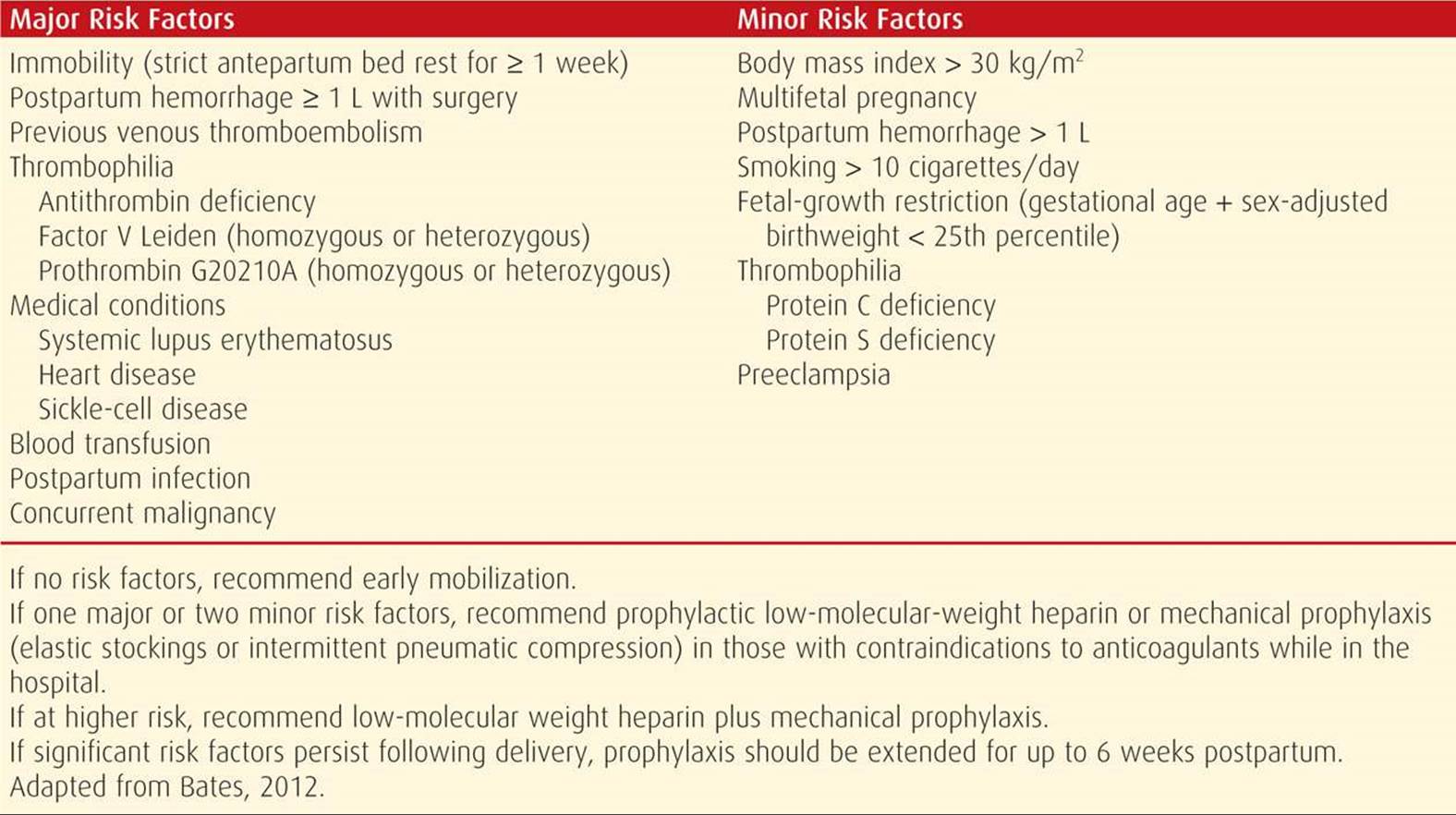
TABLE 52-8. Some Recommendations for Thromboprophylaxis during Pregnancy


In general, and as shown in Table 52-8, either antepartum surveillance or heparin prophylaxis is recommended for women without a recurrent risk factor, including no known thrombophilia. The study by Tengborn and coworkers (1989), however, suggested that such management may not be effective. They reported outcomes in 87 pregnant Swedish women who had prior thromboembolic disease and were not tested for thrombophilias. Despite heparin prophylaxis, which was usually 5000 U twice daily, three of 20—or 15 percent—of women developed antepartum recurrence compared with eight of 67—or 12 percent—of women not given heparin.
Brill-Edwards and colleagues (2000) prospectively studied 125 pregnant women with a single prior venous thromboembolism. Antepartum heparin was not given, but anticoagulant therapy was given for 4 to 6 weeks postpartum. A total of six women had a recurrent venous thrombosis—three antepartum and three postpartum. There were no recurrences in the 44 women without a known thrombophilia or whose prior thrombosis was associated with a temporary risk factor. These findings imply that prophylactic heparin may not be required for these two groups of women. In contrast, women with a prior thrombosis in association with a thrombophilia or in the absence of a temporary risk factor generally should be given both antepartum and postpartum prophylaxis (see Table 52-8).
De Stefano and coworkers (2006) studied 1104 women who had a first-episode venous thromboembolism before the age of 40 years. After excluding those with antiphospholipid antibodies, 88 women were identified who subsequently had a total of 155 pregnancies and who were not given antithrombotic prophylaxis. There were 19 women—22 percent—who had a subsequent pregnancy- or puerperium-related venous thromboembolism. Of 20 women whose original thrombosis was associated with a transient risk factor—not including pregnancy or oral contraceptive use—there were no recurrences during pregnancy, but two during the puerperium. Like the findings by Brill-Edwards and associates (2000), these data suggest that for women with a prior venous thromboembolism, antithrombotic prophylaxis during pregnancy could be tailored according to the circumstances of the original event. It is emphasized that more data are needed.
Our practice at Parkland Hospital for many years for women with a history of prior thromboembolism was to administer subcutaneous unfractionated heparin, 5000 to 7500 units two to three times daily. With this regimen, the recurrence of documented deep-vein thrombosis embolization was rare. Beginning approximately 10 years ago, we have successfully used 40 mg enoxaparin given subcutaneously daily.
Cesarean Delivery
For many years in the United States, thromboprophylaxis for women undergoing cesarean delivery was not widely employed. In a survey of 157 members of the Society for Maternal-Fetal Medicine, for example, Casele and Grobman (2007) found that only 8 percent of respondents routinely used thromboprophylaxis—defined as compression boots, stockings, or heparin—for women undergoing cesarean delivery. Friedman and colleagues (2013) found that the rate of postcesarean prophylaxis increased from 8 percent in 2003 to 41 percent in 2010. The risk for deep-vein thrombosis and especially for fatal thromboembolism is increased manyfold in women following cesarean compared with vaginal delivery. When considering that a third of women giving birth in the United States yearly undergo cesarean delivery, it is easily understandable that pulmonary embolism is a major cause of maternal mortality (Chap. 1, p. 5).
For these reasons, the American College of Obstetricians and Gynecologists (2011) recently has recommended placement of pneumatic compression devices before cesarean delivery for all women not already receiving thromboprophylaxis. For patients undergoing cesarean delivery with additional risk factors for thromboembolism, both pneumatic compression devices and unfractionated or low-molecular-weight heparin may be recommended. Cesarean delivery in an emergency setting should not be delayed because of the time necessary to implement thromboprophylaxis. The American College of Chest Physicians recommends the risk-adjusted approach to thromboprophylaxis shown in Table 52-7 (Bates, 2012).
Prolonged Antepartum Bed Rest
There are no recommendations concerning thromboprophylaxis for women placed on bed rest for a number of obstetrical indications. This danger is possibly mitigated because strict bed rest is seldom indicated or enforced. In the survey cited above by Casele and Grobman (2007), 25 percent of maternal-fetal medicine specialists routinely use some form of thromboprophylaxis for women on bed rest > 72 hours. It seems reasonable to consider such measures if additional risk factors are identified, for example, obesity or diabetes.
REFERENCES
Agnelli G, Becattini C, Kirschstein T: Thrombolysis vs heparin in the treatment of pulmonary embolism. Arch Intern Med 162: 2537, 2002
Agnelli G, Buller HR, Cohen A, et al: Apixaban for extended treatment of venous thromboembolism. N Engl J Med 368:699, 2013
Ahearn GS, Hadjiliadis D, Govert JA, et al: Massive pulmonary embolism during pregnancy successfully treated with recombinant tissue plasminogen activator. Arch Intern Med 162:1221, 2002
American Academy of Pediatrics and American College of Obstetricians and Gynecologists: Guidelines for Perinatal Care, 7th ed., 2012
American College of Obstetricians and Gynecologists: Safety of Lovenox in pregnancy. Committee Opinion No. 276, October 2002
American College of Obstetricians and Gynecologists: Thromboembolism in pregnancy. Practice Bulletin No. 123, September 2011
American College of Obstetricians and Gynecologists: Antiphospholipid syndrome. Practice Bulletin No. 132, December 2012
American College of Obstetricians and Gynecologists: Inherited thrombophilias in pregnancy. Practice Bulletin No. 138, September 2013
Andersen AS, Berthelsen JG, Bergholt T: Venous thromboembolism in pregnancy: prophylaxis and treatment with low molecular weight heparin. cta Obstet Gynecol 89:15, 2010
Anderson DR, Kahn SR, Rodger MA, et al: Computed tomographic pulmonary angiography vs ventilation-perfusion lung scanning in patients with suspected pulmonary embolism: a randomized controlled trial. JAMA 298:2743, 2007
Anderson JA, Weitz JI: Hypercoagulable states. Crit Care Clin 27:933, 2011
Archer DF, Mammen EF, Grubb GS: The effects of a low-dose monophasic preparation of levonorgestrel and ethinyl estradiol on coagulation and other hemostatic factors. Am J Obstet Gynecol 181:S63, 1999
Barbour LA, Oja JL, Schultz LK: A prospective trial that demonstrates that dalteparin requirements increase in pregnancy to maintain therapeutic levels of anticoagulation. Am J Obstet Gynecol 191:1024, 2004
Bates SM, Greer IA, Middledorp S, et al: VTE, thrombophilia, antithrombotic therapy, and pregnancy. Chest 141:e691S, 2012
Berg CJ, Callaghan WM, Syverson C, et al: Pregnancy-related mortality in the United States, 1998 to 2005. Obstet Gynecol 116:1302, 2010
Birdwell BG, Raskob GE, Whitsett TL, et al: The clinical validity of normal compression ultrasonography in outpatients suspected of having deep venous thrombosis. Ann Intern Med 128:1, 1998
Blanco-Molina A, Trujillo-Santos J, Criado J, et al: Venous thromboembolism during pregnancy or postpartum: findings from the RIETE Registry. Thromb Haemost 97:186, 2007
Bourjeily G, Khalil H, Raker C, et al: Outcomes of negative multidetector computed tomography with pulmonary angiography in pregnant women suspected of pulmonary embolism. Lung 190:105, 2012
Brandjes DP, Buller HR, Heijboer H, et al: Randomised trial of effect of compression stockings in patients with symptomatic proximal-vein thrombosis. Lancet 349:759, 1997
Breddin HK, Hach-Wunderle V, Nakov R, et al: Effects of a low-molecular-weight heparin on thrombus regression and recurrent thromboembolism in patients with DVT. N Engl J Med 344:626, 2001
Brill-Edwards P, Ginsberg JS, Gent M, et al: Safety of withholding heparin in pregnant women with a history of venous thromboembolism. N Engl J Med 343:1439, 2000
Brooks C, Rutherford JM, Gould J, et al: Warfarin dosage in postpartum women: a case-control study. Br J Obstet Gynaecol 109:187, 2002
Brown HL, Hiett AK: Deep vein thrombosis and pulmonary embolism in pregnancy: diagnosis, complications, and management. Clin Obstet Gynecol 53:345, 2010
Burneo JG, Elias SB, Barkley GL: Cerebral venous thrombosis due to protein S deficiency in pregnancy. Lancet 359:892, 2002
Callaghan WM, Creanga AA, Kuklina EV: Severe maternal morbidity among delivery and postpartum hospitalizations in the United States. Obstet Gynecol 120:1029, 2012
Carbone JF, Rampersad R: Prenatal screening for thrombophilias: indications and controversies. Clin Lab Med 30:747, 2010
Casele HL, Grobman WA: Management of thromboprophylaxis during pregnancy among specialists in maternal—fetal medicine. J Reprod Med 52:1085, 2007
Chan WS, Ray JG, Murray S, et al: Suspected pulmonary embolism in pregnancy. Arch Intern Med 162:1170, 2002
Chan WS, Spencer FA, Ginsberg JS: Anatomic distribution of deep vein thrombosis in pregnancy. CMAJ 182:657, 2010
Chapman ML, Martinez-Borges AR, Mertz HL: Lepirudin for treatment of acute thrombosis during pregnancy. Obstet Gynecol 112:432, 2008
Cheng A, Scheinfeld NS, McDowell B, et al: Warfarin skin necrosis in a postpartum woman with protein S deficiency. Obstet Gynecol 90:671, 1997
Chunilal SD, Ginsberg JS: Advances in the diagnosis of venous thromboembolism—a multimodal approach. J Thromb Thrombolysis 12:53, 2001
Clark P, Twaddle S, Walker ID, et al: Cost-effectiveness of screening for the factor V Leiden mutation in pregnant women. Lancet 359:1919, 2002
Cleary-Goldman J, Bettes B, Robinson JN, et al: Thrombophilia and the obstetric patient. Obstet Gynecol 110:669, 2007
Cohen AT, Spiro TE, Büller HR, et al: Rivaroxaban for thromboprophylaxis in acutely ill medical patients. N Engl J Med 368:513, 2013
Conard J, Horellou MH, Van Dreden P, et al: Thrombosis and pregnancy in congenital deficiencies in AT III, protein C or protein S: study of 78 women. Thromb Haemost 63:319, 1990
Cunningham FG: Screening for osteoporosis. N Engl J Med 353:1975, 2005
Cutts BA, Dasgupta D, Hunt BJ: New directions in the diagnosis and treatment of pulmonary embolism in pregnancy. Am J Obstet Gynecol 208(2):102, 2013
Decousus H, Leizorovicz A, Parent F, et al: A clinical trial of vena caval filters in the prevention of pulmonary embolism in patients with proximal deep-vein thrombosis. N Engl J Med 338:409, 1998
Den Heijer M, Lewington S, Clarke R: Homocysteine, MTHRF and risk of venous thrombosis: a meta-analysis of published epidemiological studies. Thromb Haemost 3:292, 2005
Deruelle P, Coulon C: The use of low-molecular-weight heparins in pregnancy—how safe are they? Curr Opin Obstet Gynecol 19:573, 2007
Deshpande KS, Hatem C, Karwa M, et al: The use of inferior vena cava filter as a treatment modality for massive pulmonary embolism. A case series and review of pathophysiology. Respir Med 96:984, 2002
De Stefano V, Martinelli I, Rossi E, et al: The risk of recurrent venous thromboembolism in pregnancy and puerperium without antithrombotic prophylaxis. Br J Haematol 135:386, 2006
Dizon-Townson D, Miller C, Sibai B, et al: The relationship of the Factor V Leiden mutation and pregnancy outcomes for mother and fetus. Obstet Gynecol 106:517, 2005
Douketis JD, Kearon C, Bates S, et al: Risk of fatal pulmonary embolism in patients with treated venous thromboembolism. JAMA 279:458, 1998
Ekman-Ordeberg G, Åkerud A, Dubicke A, et al: Does low molecular weight heparin shorten term labor? Acta Obstet Gynecol Scand 89:147, 2010
Eldor A: Thrombophilia, thrombosis and pregnancy. Thromb Haemost 86: 104, 2001
Erdman WA, Jayson HT, Redman HC, et al: Deep venous thrombosis of extremities: role of MR imaging in the diagnosis. Radiology 174:425, 1990
Fasullo S, Scalzo S, Maringhini G, et al: Thrombolysis for massive pulmonary embolism in pregnancy: a case report. Am J Emerg Med 29:698.e1, 2011
Fausett MB, Vogtlander M, Lee RM, et al: Heparin-induced thrombocytopenia is rare in pregnancy. Am J Obstet Gynecol 185:148, 2001
Forsnes E, Occhino A, Acosta R: Spontaneous spinal epidural hematoma in pregnancy associated with low molecular weight heparin. Obstet Gynecol 113:532, 2009
Franchini M, Veneri D, Salvagno GL, et al: Inherited thrombophilia. Crit Rev Clin Lab Sci 43:249, 2006
Friedman AM, Ananth CV, Lu YS: Underuse of postcesarean thromboembolism prophylaxis. Obstet Gynecol 122(6):1197, 2013
Funakoshi Y, Kato M, Kuratani T, et al: Successful treatment of massive pulmonary embolism in the 38th week of pregnancy. Ann Thorac Surg 77:694, 2004
Galambosi PJ, Kaaja RJ, Stefanovic V, et al: Safety of low-molecular-weight heparin during pregnancy: a retrospective controlled cohort study. Eur J Obstet Gynecol Reprod Bio 163:154, 2012
Galanaud JP, Cochery-Nouvellon E, Alonso S, et al: Paternal endothelial protein C receptor 219Gly variant as a mild and limited risk factor for deep vein thrombosis during pregnancy. J Thromb Haemost 8:707, 2010
Garcia DA, Spyropoulos AC: Update in the treatment of venous thromboembolism. Semin Respir Crit Care Med 29:40, 2008
Giannakopoulos B, Krilis SA: The pathogenesis of the antiphospholipid syndrome. N Engl J Med 368(11):1033, 2013
Ginsberg JS, Brill-Edwards P, Burrows RF, et al: Venous thrombosis during pregnancy: leg and trimester of presentation. Thromb Haemost 67:519, 1992
Goldhaber SZ, Tapson VF, DVT FREE Steering Committee: A prospective registry of 5,451 patients with ultrasound-confirmed deep vein thrombosis. Am J Cardiol 93:259, 2004
Goldhaber SZ, Visani L, De Rosa M: Acute pulmonary embolism: Clinical outcomes in the International Cooperative Pulmonary Embolism Registry (ICOPER). Lancet 353:1386, 1999
Greer IA: Prevention and management of venous thromboembolism in pregnancy. Clin Chest Med 24:123, 2003
Guyatt GH, Akl EA, Crowther M, et al: Executive summary: Antithrombotic therapy and prevention of thrombosis, 9th ed: American College of Chest Physicians evidence-based clinical practice guidelines. Chest 141:7S, 2012
Guyton AC, Lindsey AW, Gilluly JJ: The limits of right ventricular compensation following acute increase in pulmonary circulatory resistance. Circ Res 2:326, 1954
Hague WM: Homocysteine and pregnancy. Best Pract Res Clin Obstet Gynaecol 17:459, 2003
Hall WB, Truitt SG, Scheunemann LP, et al: The prevalence of clinically relevant incidental findings on chest computed tomographic angiograms ordered to diagnose pulmonary embolism. Arch Intern Med 169:1961, 2009
Hammerová L, Chabada J, Drobný A, et al: Factor V Leiden mutation and its impact on pregnancy complications. Acta Med 54:117, 2011
Heijboer H, Buller HR, Lensing AW, et al: A comparison of real-time compression ultrasonography with impedance plethysmography for the diagnosis of deep-vein thrombosis in symptomatic outpatients. N Engl J Med 329:1365, 1993
Holden EL, Ranu H, Sheth A, et al: Thrombolysis for massive pulmonary embolism in pregnancy—a report of three cases and follow up over a two year period. Thromb Res 127:58, 2011
Horlocker TT, Wedel DJ, Rowlingson JC, et al: Executive summary: Regional anesthesia in the patient receiving antithrombotic or thrombolytic therapy: American Society of Regional Anesthesia and Pain Medicine evidence-based guideline, 3rd ed. Reg Anesth Pain Med 35:102, 2010
Hull RD, Raskob GF, Carter CJ: Serial IPG in pregnancy patients with clinically suspected DVT: clinical validity of negative findings. Ann Intern Med 112:663, 1990
Isma N, Svensson PJ, Lindblad B, et al: The effect of low molecular weight heparin (dalteparin) on duration and initiation of labour. J Thromb Thrombolysis 30:149, 2010
Jacobsen AF, Qvigstad E, Sandset, PM: Low molecular weight heparin (dalteparin) for the treatment of venous thromboembolism in pregnancy. BJOG 110:139, 2003
Jacobsen AF, Skjeldstad FE, Sandset PM: Incidence and risk patterns of venous thromboembolism in pregnancy and puerperium—a register-based case-control study. Am J Obstet Gynecol 198:233.e1, 2008
James AH, Jamison MG, Brancazio LR, et al: Venous thromboembolism during pregnancy and the postpartum period: incidence, risk factors, and mortality. Am J Obstet Gynecol 194:1311, 2006
Jamjute P, Reed N, Hinwood D: Use of inferior vena cava filters in thromboembolic disease during labor: case report with a literature review. J Matern Fetal Neonatal Med 19:741, 2006
Kahn SR, Platt R, McNamara H, et al: Inherited thrombophilia and preeclampsia within a multicenter cohort: the Montreal Preeclampsia Study. Am J Obstet Gynecol 200:151.e1, 2009
Katz VL: Detecting thrombophilia in OB/GYN patients. Contemp Ob/Gyn, October 2002
Kavanagh EC, O’Hare A, Hargaden G, et al: Risk of pulmonary embolism after negative MDCT pulmonary angiography findings. AJR Am J Roentgenol 182:499, 2004
Kearon C, Akl EA Comerota AJ, et al: Antithrombotic therapy for VTE disease: antithrombotic therapy and prevention of thrombosis, 9th ed: American College of Chest Physicians evidence-based clinical practice guidelines. Chest 141:e419S, 2012
Kelly J, Hunt BJ: Role of D-dimers in diagnosis of venous thromboembolism. Lancet 359:456, 2002
Kelton JG, Arnold DM, Bates SM: Nonheparin anticoagulants for heparin-induced thrombocytopenia. N Engl J Med 368:737, 2013
Khalil H, Avruck L, Olivier A, et al: The natural history of pelvic vein thrombosis on magnetic resonance venography after vaginal delivery. Am J Obstet Gynecol 206:356.e1, 2012
Kinane TB, Grabowski EF, Sharma A, et al: Case 7-2008: a 17-year-old girl with chest pain and hemoptysis. N Engl J Med 358:941, 2008
Kjellberg U, van Rooijen M, Bremme K, et al: Factor V Leiden mutation and pregnancy-related complications. Am J Obstet Gynecol 203:469.e1, 2010
Kline JA, Williams GW, Hernandez-Nino J: D-Dimer concentrations in normal pregnancy: new diagnostic thresholds are needed. Clin Chem 51:825, 2005
Knol HM, Schultinge L, Erwich JJ, et al: Fondaparinux as an alternative anticoagulant therapy during pregnancy. J Thromb Haemost 8:1876, 2010
Konstantinides S, Geibel A, Heusel G, et al: Heparin plus alteplase compared with heparin alone in patients with submassive pulmonary embolism. N Engl J Med 347:1143, 2002
Korteweg FJ, Erwich JJ, Folkeringa N, et al: Prevalence of parental thrombophilic defects after fetal death and relation to cause. Obstet Gynecol 116:355, 2010
Kovac M, Mitic G, Mikovic Z, et al: Thrombophilia in women with pregnancy-associated complications: fetal loss and pregnancy-related venous thromboembolism. Gynecol Obstet Invest 69:223, 2010
Krivak TC, Zorn KK: Venous thromboembolism in obstetrics and gynecology. Obstet Gynecol 109:761, 2007
Kuriakose J, Patel S: Acute pulmonary embolism. Radiol Clin North Am 48:31, 2010
Lee RH, Goodwin TM: Massive subchorionic hematoma associated with enoxaparin. Obstet Gynecol 108:787, 2006
Le Gal G, Kercret G, Yahmed KB, et al: Diagnostic value of single complete compression ultrasonography in pregnant and postpartum women with suspected deep vein thrombosis: prospective study. BMJ 344:e2635, 2012
Leonhardt G, Gaul C, Nietsch HH, et al: Thrombolytic therapy in pregnancy. J Thromb Thrombolysis 21:271, 2006
Lepercq J, Conard J, Borel-Derlon A, et al: Venous thromboembolism during pregnancy: a retrospective study of enoxaparin safety in 624 pregnancies. Br J Obstet Gynaecol 108:1134, 2001
Leung AN, Bull TM, Jaeschke R, et al: An official American Thoracic Society/Society of Thoracic Radiology Clinical Practice Guideline: evaluation of suspected pulmonary embolism in pregnancy. Am J Respir Crit Care Med 184:1200, 2011
Lim W: Using low molecular weight heparin in special patient populations. J Thromb Thrombolysis 29:233, 2010
Lindhoff-Last E, Kreutzenbeck HJ, Magnani HN: Treatment of 51 pregnancies with danaparoid because of heparin intolerance. Thromb Haemost 93:63, 2005
Linkins L-A, Dans AL, Moores LK, et al: Treatment and prevention of heparin-induced thrombocytopenia. Chest 141:e495S, 2012
Liu Y, Sun Y, Zhang S, et al: Placement of a retrievable inferior vena cava filter for deep venous thrombosis in term pregnancy. J Vasc Surg 55:1042, 2012
Lockwood C: Thrombosis, thrombophilia, and thromboembolism: clinical updates in women’s health care. American College of Obstetricians and Gynecologists Vol. VI, No. 4, October 2007, Reaffirmed 2012
Lockwood CJ: Inherited thrombophilias in pregnant patients: detection and treatment paradigm. Obstet Gynecol 99:333, 2002
Lonjaret L, Lairez O, Galinier M: Thrombolysis by recombinant tissue plasminogen activator during pregnancy: a case of massive pulmonary embolism. Am J Emerg Med 29:694.e1, 2011
López-Quesada E, Vilaseca MA, Lailla JM: Plasma total homocysteine in uncomplicated pregnancy and in preeclampsia. Eur J Obstet Gynecol Reprod Biol 108:45, 2003
Magnani HN: An analysis of clinical outcomes of 91 pregnancies in 83 women treated with danaparoid (Orgaran). Thromb Res 125:297, 2010
Marik PE, Plante LA: Venous thromboembolic disease and pregnancy. N Engl J Med 359:2025, 2008
Mazzolai L, Hohlfeld P, Spertini F, et al: Fondaparinux is a safe alternative in case of heparin intolerance during pregnancy. Blood 108:1569, 2006
McCrae KR, Kenny L, Cunningham FG: Platelets, coagulation, and the liver. In Taylor RN, Roberts JM, Cunningham FG (eds): Chesley’s Hypertensive Disorders in Pregnancy, 4th ed. Amsterdam, Academic Press, 2014
McDonald SD, Walker MC: Homocysteine levels in pregnant women who smoke cigarettes. Med Hypotheses 57:792, 2001
Morikawa M, Yamada T, Yamada T, et al: Changes in D-dimer levels after cesarean section in women with singleton and twin pregnancies. Thromb Res 128:e33, 2011
Mueller MJ, Lebherz TB: Antepartum thrombophlebitis. Obstet Gynecol 34:867, 1969
Nelson-Piercy C, Powrie R, Borg J-Y, et al: Tinzaparin use in pregnancy: an international, retrospective study of the safety and efficacy profile. Eur J Obstet Gynecol Reprod Biol 159:293, 2011
Nijkeuter M, Ginsberg JS, Huisman MV: Diagnosis of deep vein thrombosis and pulmonary embolism in pregnancy: a systematic review. J Thromb Haemost 4:496, 2006
O’Connor DJ, Scher LA, Gargiulo NJ, III, et al: Incidence and characteristics of venous thromboembolic disease during pregnancy and the postnatal period: a contemporary series. Ann Vasc Surg 25:9, 2011
Okoroh E, Azonobi I, Grosse S, et al: Prevention of venous thromboembolism in pregnancy. J Women Health 21:611, 2012
Oudkerk M, van Beek JR, Wielopolski P, et al: Comparison of contrast-enhanced magnetic resonance angiography and conventional pulmonary angiography for the diagnosis of pulmonary embolism: a prospective study. Lancet 359:1643, 2002
Paidas M, Triche E, James A, et al: Recombinant human antithrombin (rhAT) for prevention of venous thromboembolism (VTE) in pregnant patients with hereditary antithrombin deficiency (HD). Am J Obstet Gynecol 208:S234, 2013
Pierangeli SS, Leader B, Barilaro G, et al: Acquired and inherited thrombophilia disorders in pregnancy. Obstet Gynecol Clin North Am 38:271, 2011
Pollack CV, Schreiber D, Goldhaber SZ, et al: Clinical characteristics, management, and outcomes of patients diagnosed with acute pulmonary embolism in the emergency department. JACC 57:700, 2011
Quinlan DJ, McQuillan A, Eikelboom JW: Low-molecular-weight heparin compared with intravenous unfractionated heparin for treatment of pulmonary embolism: a meta-analysis of randomized, controlled trials. Ann Intern Med 140:143, 2004
Revel M-P, Cohen S, Sanchez O, et al: Pulmonary embolism during pregnancy: diagnosis with lung scintigraphy or CT angiography? Radiology 258:590, 2011
Ridge CA, Mhuircheartaigh JN, Dodd JD, et al: Pulmonary CT angiography protocol adapted to the hemodynamic effects of pregnancy. AJR Am J Roentgenol 197:1058, 2011
Robertson L, Wu O, Langhorne P, et al: Thrombophilia in pregnancy: a systematic review. Br J Haematol 132:171, 2005
Rodger MA, Kahn SR, Cranney A, et al: Long-term dalteparin in pregnancy not associated with a decrease in bone mineral density: substudy of a randomized controlled trial. J Thromb Haemost 5:1600, 2007
Rodie VA, Thomson AJ, Stewart FM, et al: Low molecular weight heparin for the treatment of venous thromboembolism in pregnancy: a case series. Br J Obstet Gynaecol 109:1020, 2002
Sabadell J, Casellas M, Alijotas-Reig J, et al: Inherited antithrombin deficiency and pregnancy: maternal and fetal outcomes. Eur J Obstet Gynecol Reprod Biol 149:47, 2010
Saenz AJ, Johnson NV, Van Cott, EM: Acquired activated protein C resistance cause by lupus anticoagulants. Am J Clin Pathol 136:344, 2011
Said JM, Higgins JR, Moses EK, et al: Inherited thrombophilia polymorphisms and pregnancy outcomes in nulliparous women. Obstet Gynecol 115:5, 2010a
Said JM, Ignjatovic V, Monagle PT, et al: Altered reference ranges for protein C and protein S during early pregnancy: implications for the diagnosis of protein C and protein S deficiency during pregnancy. Thromb Haemost 103:984, 2010b
Said JM, Tsui R, Borg AJ, et al: The PAI-1 4G/5G polymorphism is not associated with an increased risk of adverse pregnancy outcome in asymptomatic nulliparous women. J Thromb Haemost 10:881, 2012
Salonvaara M, Kuismanen K, Mononen T, et al: Diagnosis and treatment of a newborn with homozygous protein C deficiency. Acta Paediatr 93:137, 2004
Sanson BJ, Lensing AW, Prins MH, et al: Safety of low-molecular-weight heparin in pregnancy: a systematic review. Thromb Haemost 81:668, 1999
Santacroce R, Sarno M, Cappucci F, et al: Low protein Z levels and risk of occurrence of deep vein thrombosis. J Thromb Haemost 4:2417, 2006
Scarsbrook AF, Evans AL, Owen AR, et al: Diagnosis of suspected venous thromboembolic disease in pregnancy. Clin Radiol 61:1, 2006
Schulman S, Kearon C, Kakkar AK, et al: Extended use of dabigatran, warfarin, or placebo in venous thromboembolism. N Engl J Med 368:709, 2013
Seguin J, Weatherstone K, Nankervis C: Inherited antithrombin III deficiency in the neonate. Arch Pediatr Adolesc Med 148:389, 1994
Seligsohn U, Lubetsky A: Genetic susceptibility to venous thrombosis. N Engl J Med 344:1222, 2001
Sharpe CJ, Crowther MA, Webert KE, et al: Cerebral venous thrombosis during pregnancy in the setting of type I antithrombin deficiency: case report and literature review. Transf Med Rev 25:61, 2011
Silver RM, Zhao Y, Spong CY, et al: Prothrombin gene G20210A mutation and obstetric complications. Obstet Gynecol 115:14, 2010
Singhal S, Henderson R, Horsfield K, et al: Morphometry of the human pulmonary arterial tree. Circ Res 33:190, 1973
Smith MP, Norris LA, Steer PJ, et al: Tinzaparin sodium for thrombosis treatment and prevention during pregnancy. Am J Obstet Gynecol 190:495, 2004
Stefano VD, Martinelli I, Mannucci PM, et al: The risk of recurrent deep venous thrombosis among heterozygous carriers of both factor V Leiden and the G20210A prothrombin mutation. N Engl J Med 341:801, 1999
Stein PD, Athanasoulis C, Alavi A, et al: Complications and validity of pulmonary angiography in acute pulmonary embolism. Circulation 85:462, 1992
Stewart A: Warfarin-induced skin necrosis treated with protein C concentrate (human). Am J Health-Syst Pharm 67:901, 2010
Sultan AA, West J, Tata LJ, et al: Risk of first venous thromboembolism in and around pregnancy: a population-based cohort study. Br J Haematol 156:366, 2011
Taniguchi S, Fukuda I, Minakawa M, et al: Emergency pulmonary embolectomy during the second trimester of pregnancy: report of a case. Surg Today 38:59, 2008
Tanimura K, Ebina Y, Sonoyama A, et al: Argatroban therapy for heparin-induced thrombocytopenia during pregnancy in a woman with hereditary antithrombin deficiency. J Obstet Gynaecol Res 38:749, 2012
Tapson VF: Acute pulmonary embolism. N Engl J Med 358:1037, 2008
Tengborn L, Bergqvist D, Matzsch T, et al: Recurrent thromboembolism in pregnancy and puerperium: is there a need for thromboprophylaxis? Am J Obstet Gynecol 160:90, 1989
van Wijk FH, Wolf H, Piek JM, et al: Administration of low molecular weight heparin within two hours before caesarean section increases the risk of wound haematoma. Br J Obstet Gynaecol 109:955, 2002
Virchow R: Gesammelte Abhandlungen zur wissenschaftlichen Medizin. Frankfurt: Medinger Sohn & Co., 1856, p 219
Waldman M, Sheiner E, Vardi IS: Can we profile patients at risk for thrombo-embolic events after delivery: a decade of follow up. Am J Obstet Gynecol 208:S234, 2013
Walker MC, Garner PR, Keely EJ, et al: Changes in activated protein C resistance during normal pregnancy. Am J Obstet Gynecol 177:162, 1997
Warkentin TE, Kelton JG: Temporal aspects of heparin-induced thrombocytopenia. N Engl J Med 344:1286, 2001
Wells PS, Anderson DR, Rodger M, et al: Evaluation of D-dimer in the diagnosis of suspected deep-vein thrombosis. N Engl J Med 349:1227, 2003