
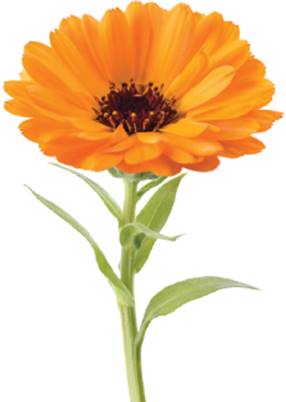
Calendula officinalis
Pot marigold
The golden flowers of pot marigolds are a favorite among herbalists: Macer’s twelfth-century herbal recommended simply looking at the plant to “drawyth owt of ye heed wikked hirores [humors],” improve the eyesight, and generally make the viewer feel more cheerful and clear-headed. In Culpeper’s day marigold was used to “strengthen the heart” and was highly regarded as a remedy for smallpox and measles. Today it is widely used in patent homoeopathic remedies.
Character: Slightly bitter and pungent, drying, and gently cooling.
Constituents: Saponins, flavonoids, mucilage, essential oil bitter principle, resin, steroidal compounds.
Actions: Astringent, antiseptic, antifungal, anti-inflammatory, wound herb, menstrual regulator, cholagogue.
PARTS USED
PETALS OR FLOWER HEADS
Marigolds have a long flowering season, often from early summer to October or November. The petals can be gathered at any time and should be dried quickly but without artificial warmth – commercially dried specimens usually include the flower heads although the petals alone are better. Use externally for a wide range of skin problems and inflammations; use internally for many gynecological conditions, feverish or toxic conditions, and to move liver energies.
LEAVES
Although no longer specifically used, the leaves were once used in poultices for hot, gouty swellings.
ESSENTIAL OIL
Marigold oil is sometimes produced commercially but can be difficult to obtain; it is an effective antifungal for vaginal thrush and can also be added to skin remedies. A good substitute is infused marigold oil made from the cold infusion method.
APPLICATIONS
Petals
Infusion: Use a standard infusion for gastritis and oesophagitis. Also for menopausal problems and menstrual pain.
Tincture: Use in standard 5 ml doses for stagnant liver problems including gall-bladder disorders and sluggish digestion. Also for menstrual problems, particularly irregular or painful periods. Combine with herbs like chasteberry for premenstrual disorders. Combine with cleavers and red clover for lymphatic disorders such as glandular fever. Generally, 90% alcohol is used for making marigold tincture.
Mouthwash: Use a standard infusion for mouth ulcers and gum disease.
Compress: Apply a pad soaked in the infusion to slow-healing wounds or varicose ulcer. The infusion can be used as a wash for similar conditions.
Cream: Use for any problem involving inflammation or dry skin – wounds, dry eczema, sore nipples in breast feeding, minor burns and scalds, sunburn, etc.
Infused oil: Use on chilblains, hemorrhoids, broken capillaries. Can be used as a base for massage oils for rheumatism.
Essential oil
Pessaries: For vaginal thrush, add 10 drops of marigold oil and 10 drops of tea tree oil with 15 g of melted cocoa butter. Pour into pessary molds and allow to set. Use 1–2 times daily.
Bath: Add 5–10 drops of oil to bath water for nervous anxiety, irritability, or depression. Combines well with basil.
CAUTIONS:
• Do not confuse this plant, or its essential oil, with preparations made from the French marigold – Tagetes patula – and related species, which can be used as weed killers, insecticides, and for warts.
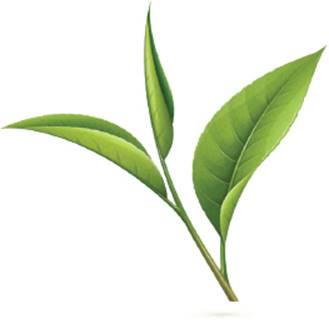
Camellia sinensis
Tea
Known in China as cha, tea has become such a familiar drink that we forget it is also a potent medicinal herb. The Chinese have been drinking tea since around 3000 BC and regard it as a good stimulant, an astringent for clearing phlegm, and a digestive remedy. The three types of tea – green, black, and oolong – are made from the leaves of the same species. Far Eastern research shows that some green teas appear to reduce the risk of stomach cancer.
Character: Bitter-sweet taste and drying – green and oolong teas are cooling; black tea is warming.
Constituents: Alkaloids (inc. caffeine and theobromine), tannins (polyphenols), catechins, volatile oil, fluoride (in some varieties).
Actions: Stimulant, astringent, some varieties reduce cholesterol levels, antitumor properties reported in green teas.
PARTS USED
LEAVES
The young fresh leaves and leaf buds are pan fried to destroy enzymes and then rolled or dried to make green tea. For oolong tea, the fresh leaves are wilted in sunlight, bruised slightly and then partly fermented. Black tea is a fully fermented variety.
Green tea: Rich in fluoride, green tea can be used to combat tooth decay: two cups of Gunpowder (a popular type of green tea) contains the body’s entire daily requirement of fluoride. Green teas are antioxidant and have been shown to combat both stomach and skin cancers and boost the immune system.
Oolong tea: Some types, such as pu erh, are particularly effective at reducing cholesterol levels after a fatty meal. Japanese research also suggests that oolong tea can reduce high blood pressure and limit the risk of atherosclerosis.
Black tea: Widely drunk in Europe, India and North America, black tea is rich in tannins and highly astringent which makes it a good remedy for diarrhea. Russian researchers have also shown that black tea increases the rate at which strontium-90 is excreted from the body after exposure to radiation.
APPLICATIONS
Green tea
Infusion: After meals to improve dental hygiene and limit the risk of caries.
Poultice: Damp green or black tea leaves can be used on insect bites to reduce itching and inflammation.
Compress: A pad soaked in weak green tea (which is more astringent than black) makes an emergency first aid treatment to ease bleeding from cuts and grazes.
Oolong tea
Infusion: After fatty meals to reduce cholesterol levels and as a prophylactic for arterial disease.
Black tea
Infusion: A strong infusion (2 teaspoons per cup of boiling water) of ordinary tea (without milk or sugar) for diarrhea. Antibacterial action (especially against Streptococcus and Staphylococcus spp.) also makes this remedy suitable for food poisoning and dysentery. A similar infusion of strong black tea is a favorite Cantonese remedy for hangovers.
Poultice: Used tea bags can be used as poultices for tired eyes.
Wash: A weak infusion can be used as a soothing wash for sunburn.
CAUTIONS:
• High levels of caffeine-like alkaloids can lead to increased heart rate. Intake should be limited (no more than two cups daily) by those already suffering from irregular heart-beat. Pregnant women and nursing mothers should also limit intake because of the alkaloid content.
• Bitter taste can stimulate gastric acid production so excessive consumption is also best avoided by those with stomach ulcers.
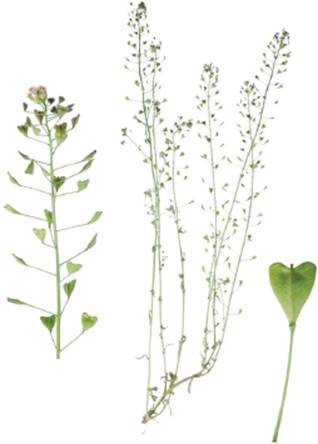
Capsella bursa-pastoris
Shepherd’s purse
More often considered an invasive garden weed than a medicinal herb, shepherd’s purse has its place in both Eastern and Western practices. The heart-shaped seed pods resemble the leather pouches once carried by shepherds, hence the common name; another is mother’s hearts – a reminder that this is a useful herb for gynecological conditions. Shepherd’s purse is mainly used as a styptic to reduce bleeding. In China the seeds are said to improve eyesight.
Character: Sweet, dry, and cool.
Constituents: Saponins, mustard oil, flavonoids, resin, monoamines, choline, acetylcholine, sitosterol, vitamins A, B and C.
Actions: Astringent, uterine relaxant, styptic, urinary antiseptic, circulatory stimulant, hypotensive.
PARTS USED
WHOLE PLANT
Shepherd’s purse is eaten as a salad herb in many parts of the world. In Europe, it is used to stop both internal and external bleeding and it has a specific action on the uterus. In China, where it is known as ji cai, the sweet taste is considered good for the spleen. It is also used to treat a number of eye disorders including glaucoma and corneal problems. Harvest throughout the year.
FLOWERS
Not generally separated from the plant in Western medicine, the flowers are used in Chinese folk medicine for dysentery and uterine bleeding.
APPLICATIONS
Whole herb
Tincture: Up to 10 ml doses three times a day for heavy uterine bleeding, cystitis (especially if the case is severe and there is blood in the urine), or chronic diarrhea.
Infusion: A strong infusion (twice the standard mix) of fresh or recently dried herb is best. Use as with the tincture. A hot infusion can also be sipped during labor to stimulate contractions.
Decoction: Chinese medicine generally favors decocting the herb (30 g of herb to 500 ml water and reducing to about 150 ml) for uterine bleeding and diarrhea, as well as feverish and infectious conditions.
Poultice: The fresh herb can be applied to bleeding wounds as an emergency styptic in first aid.
Compress: A pad soaked in the infusion or diluted tincture can be used for cuts and grazes. Small cotton wool swabs soaked in the tincture can be inserted in the nostril for nosebleeds.
CAUTIONS:
• Avoid in pregnancy unless taken during labor as it is a uterine stimulant.
• For any sudden change in uterine bleeding or cases of hematuria seek professional advice before attempting self-medication.
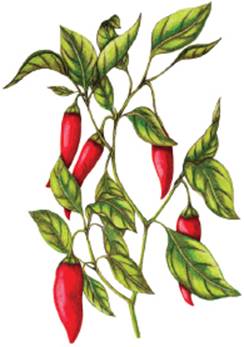
Capsicum frutescens
Cayenne
Chilies arrived in Britain from India in 1548 and were known as Ginnie pepper; by 1597 Gerard described them as “extreme hot and dry, even in the fourth degree” and recommended the herb for scrofula, a prevalent lymphatic throat and skin infection known as the King’s Evil. Cayenne was a popular herb with the nineteenth-century physiomedicalists who used it to warm the system, increase sweating, and as a circulatory and nerve stimulant for chills, rheumatism, and depression.
Character: Very hot, pungent, and drying.
Constituents: Alkaloids, fatty acids, flavonoids, vitamins A, B1, and C, volatile oil, sugars. carotene pigment.
Actions: Circulatory stimulant, diaphoretic, gastric stimulant, carminative, antiseptic, antibacterial.
Topically: Counter-irritant, rubefacient.
PARTS USED
FRUIT
A potent stimulant for the whole system that increases blood flow, tonifies the nervous system, and stimulates yang energies. It increases sweating and is antibacterial, so is an ideal remedy for colds and chills. It is also a good digestive remedy, helping to stimulate the appetite and relieve indigestion. As a stimulant for the circulation, cayenne is ideally taken internally for cold fingers and toes, while an ointment of the herb can also be used on unbroken chilblains. It is also good for various throat problems including laryngitis, tonsillitis, and hoarseness. The herb is widely available as a culinary flavoring in powdered, fresh, or dried forms. It can be grown as an annual vegetable crop and picked when the fruits ripen in the late summer.
INFUSED OIL
Although the fresh plant can be burning and irritating to the skin, when used in infused oils and ointment its action is mediated and it makes a good rubefacient (encouraging blood flow to an area) for rheumatism and other cold conditions.
APPLICATIONS
Fruit
Infusion: Use half a teaspoon of herb per cup of boiling water and then dilute a tablespoon of this infusion with more hot water and sip as required. Ideal for colds and chills, cold hands and feet, shock, or depression. Use 2–3 drops of the undiluted infusions to stimulate digestive function.
Compress: A pad soaked in the infusion or diluted tincture can be used for rheumatic pains, sprains, or bruising.
Tincture: Use 5–10 drops in hot water as a circulatory stimulant and tonic. Can be combined with nervines like vervain and oats in depression.
Gargle: Use 5–10 drops of tincture to half a tumbler of warm water for sore throats or laryngitis; this is especially useful in debilitated and deficient conditions.
Infused oil: This can be used both as a warming massage for rheumatism, lumbago, arthritis, and similar conditions and to move blood. A little applied to the skin around a varicose ulcer (not on the ulcer) can encourage blood flow away from the congested area. Use 25 g of cayenne powder to 500 ml of sunflower oil and heat over a water-bath for 2 hours.
Ointment: Both this and the infused oil can be used on chilblains – as long as the skin is not broken.
CAUTIONS:
• Avoid using the seeds which can be toxic.
• Excessive consumption can lead to gastro-enteritis and liver damage.
• Avoid during pregnancy and breastfeeding.
• Compresses left on the skin for long periods can cause blistering. Caution is needed with very sensitive skins.
Cinnamomum zeylanicum
Cinnamon
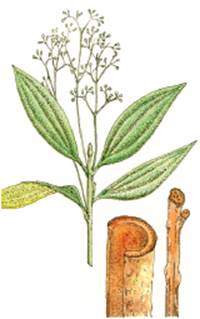
A popular culinary spice, added to puddings, mulled wine and as a tea-time treat in cinnamon toast, cinnamon is pungent and warming, used for all sorts of “cold” conditions, from common colds and stomach chills to arthritis and rheumatism. In the West, we generally use the bark of C. zeylanicum, which is sold rolled as cinnamon sticks. The Chinese prefer their native variety C. cassia, which has similar properties. They use both bark (rou gui) and twigs (gui zhi). Traditionally, the bark was believed best suited for the torso, while the twigs would reach the far peripheries to warm fingers and toes. Recent research has highlighted hypoglycemic properties useful in treating diabetes.
Character: Pungent and sweet – the bark is very hot but the twigs are less so.
Constituents: Volatile oil, tannins, mucilage, gum, sugars, coumarins.
Action: Bark: carminative, warming digestive remedy, diaphoretic, antispasmodic, antiseptic, tonic.
Essential oil: antibacterial and antifungal.
PARTS USED
INNER BARK
C. zeylanicum
In the West, the inner bark is used mainly for digestive upsets: indigestion, general sluggishness, colic, and diarrhea. Alcoholic extracts have also been used against the Heliobacter pylorii bacterium now believed to cause stomach ulcers.
C. cassia,
In Chinese medicine rou gui is considered very warming and tonifying for the kidneys and is used for various conditions, including asthma and menopausal syndrome, that can be linked to weak kidney qi. Cinnamon bark can also be used for “cold” conditions.
TWIGS
C. cassia
Gui zhi can be used as a circulatory stimulant useful for cold hands and feet. Like the bark, they encourage sweating and can be used for any “cold” condition.
ESSENTIAL OIL
C. zeylanicum
Distilled from the bark, this is a potent antibacterial which is used internally in many parts of the world for chronic infections. Externally it makes a warming rub for abdominal colic and for chest infections and can also be used for insect bites.
APPLICATIONS
Inner bark
Decoction: Use for chronic diarrhea, kidney weakness, or conditions related to weakened kidney energy (qi). Can be used for cold conditions if the twigs are not available.
Tincture: Dilute with hot water for colds and chills.
Powder/Capsules: Use for cold conditions affecting the kidney and digestion.
Twigs
C. cassia
Decoction: Ideal for colds, stomach chills, etc. Combines well with ginger.
Tincture: Dilute with hot water and use as the decoction.
Compress: Use a pad soaked in the decoction or diluted tincture for arthritic and rheumatic pain.
Essential oil
C. zeylanicum
Steam inhalant: Use 5 drops of cinnamon oil in boiling water as an inhalant for coughs and respiratory irritation. Combines well with 2–3 drops of eucalyptus, thyme and/or lavender.
Massage: Use 10 ml in 25 ml of vegetable oil as a massage for abdominal colic, stomach chills, or diarrhea.
CAUTIONS:
• Avoid in pregnancy (especially the essential oil).
• Do not take essential oils internally without professional guidance. Cinnamon oil can irritate the mucous membranes and should be used in gelatin capsules internally.
• Use only with care in overheated or feverish conditions.
Citrus spp.
Bitter orange and tangerine
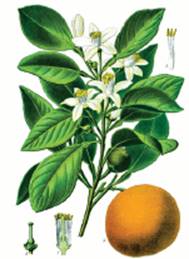
A valuable medicinal herb, oranges originated in China and by the Middle Ages were a favorite with Arabian physicians. In the sixteenth century, an Italian princess (Anna-Marie de Nerola) reputedly discovered an oil extracted from the flowers, which she used to scent her gloves. Today, neroli oil, as it is known, is one of the most expensive essential oils – far too precious to lavish on gloves. The Chinese remain the greatest enthusiasts of medicinal oranges: the bitter or Seville orange (C. aurantium), used in marmalade, and the tangerine/satsuma group (C. reticulata) are mainly used.
Character: Bitter orange/C. aurantium: Sour, bitter tasting and slightly cold. Tangerine peel/C. reticulata: Warm with a pungent, bitter taste.
Constituents: Volatile oil, vitamins A, B and C, flavonoids, bitters.
Action: Bitter orange C. aurantium: Fruits: carminative, hypertensive, diuretic, expectorant, energy tonic. Essential oil: Neroli – sedative, tonic, antiseptic, antispasmodic; Bergamot orange C. bergamia: Essential oil: bergamot – antibacterial, carminative, antispasmodic, sedative, expectorant, vermifuge. Tangerine C. reticulata: Peel: diuretic, digestive remedy, expectorant.
PARTS USED
TANGERINE PEEL (C. reticulata)
The Chinese use two forms – the green (qing pi) from unripe fruit and a well-dried “old” type – chen pi – from ripe tangerines or satsumas. Both are used to move stagnant energy (qi) from different parts of the body and are carminative for the digestive system. Chen pi is also used as an expectorant for coughs especially when there is a lot of thin watery phlegm. The peel can be collected from fresh and ripe fruit and dried.
BITTER ORANGE FRUITS (C. aurantium)
In China, the unripe and ripe fruits are also collected separately. They are both carminative and help move stagnant energy. Like bitter herbs they are digestive stimulants. Unripe bitter orange (zhi shi) is more potent than the ripe fruit (zhi ke) although both are cooling, expectorants best used where the phlegm is thick and yellow.
BERGAMOT ORANGE PEEL OIL (C. bergamia) – bergamot
In Italian folk medicine, the oil is used for intestinal worms in children and also for fevers and infections. Although potentially irritating, if well-diluted it can be helpful for a range of skin conditions and has been used as an analgesic for headaches.
BITTER ORANGE FLOWER OIL (C. aurantium) – neroli
True neroli, like bergamot, comes from the bitter orange, although sweet orange blossoms (C. sinensis) are used to make an inferior orange oil. Neroli is antidepressant and calming. In aromatherapy, it is used in insomnia, anxiety, and hysterical states, and also to slow and calm the heart in palpitations.
APPLICATIONS
Bitter orange/C. aurantium
Decoction: Use for indigestion and constipation. Can also be combined with dang gui for menstrual pains.
Tincture: In drop doses for shock.
Tangerine peel/C. reticulata
Decoction: Use either the immature or old peel for indigestion and abdominal bloating; chen pi can be used for coughs or combined with other expectorant herbs such as hyssop, mulberry or elecampane. A small piece is traditionally added to tonic herbal mixtures (such as ginseng, he shou wu, or dang gui, etc.) to modify the action.
Tincture: Use as decoction.
Syrup: Combine with coltsfoot or other cough syrups.
Bergamot oil/C. bergamia
Baths: 5–10 drops in a hip bath for vaginal itching or infections.
Ointments: In very small amounts (no more than 1 ml of bergamot oil to 100 ml of ointment base) for skin conditions including psoriasis and acne. Also as an insecticide for scabies.
Mouthwash: 2–3 drops to a glass of warm water as a mouthwash for bad breath due to oral bacteria. Do not swallow the mouthwash.
Neroli oil/C. aurantium
Creams: Add 1–2 drops to skin cream.
Massage: 1–2 drops can be added to massage rubs for nervous conditions, and digestive upsets.
Orange flower water: A by-product of steam distillation good as a soothing carminative or for fear and shock; add 5–10 ml to baby’s feeding for colic or sleeplessness.
CAUTIONS:
• If preparing your own chen pi from commercially bought tangerines try to use organically grown fruit to minimize pesticide contamination.
• Bergamot oil increases photosensitivity of the skin – it should never be applied in bright sunshine; potentially irritant.
• Essential oils should not be taken internally without professional advice.
• Bitter orange should be used with caution in pregnancy.
Commiphora molmol
Myrrh
An oleo-gum resin collected from the stems of bushy shrubs growing in Arabia and Somalia, myrrh has been regarded as one of the treasures of the East for millennia. Ancient Egyptian women burned pellets of it (mixed with cinnamon and frankincense) to rid their homes of fleas. In folk tradition, it was used for muscular pains and in rheumatic plasters. Called mo yao in China, it has been used since at least the Tang Dynasty (600 AD) primarily as a wound herb and blood stimulant.
Character: Hot and dry with an acrid, bitter taste.
Constituents: Volatile oil, resin, gums.
Actions: Antifungal, antiseptic, astringent, immune stimulant, bitter, expectorant, circulatory stimulant, anti-catarrhal.
PARTS USED
RESIN
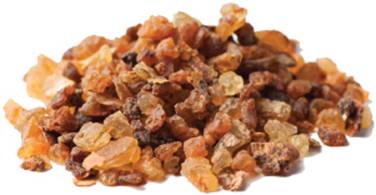
This is collected by cutting the branches of the myrrh bush, which then exudes a thick, pale yellow liquid. As it dries this liquid hardens to a reddish-brown solid which can then be dissolved in tinctures and oils ready for use. A strong astringent, myrrh has been used as a wound herb in the past and makes an excellent gargle for sore throats and mouth ulcers. It is an effective antifungal and has also been used on intestinal parasites. Recent research suggests it can lower serum cholesterol levels and may help prevent atherosclerosis. In China mo yao is used to “move” blood and relieve painful swellings. Myrrh tastes particularly unpleasant.
OIL
Distilled from the resin, myrrh oil has been used since Ancient Greek times to heal wounds. It is generally considered yang in character but is anti-inflammatory rather than heating. It makes a good expectorant and is used in chest rubs for bronchitis and coughs with thick phlegm.
APPLICATIONS
Resin
Tincture: Use for all sorts of infectious and feverish conditions – from head colds to glandular fever. It is ideal for upper respiratory catarrh and can also be added to expectorant mixtures – especially for excessive, thick phlegm. Use up to 5 ml of tincture per day in 1–2 ml doses – well diluted with water. The diluted tincture can also be used as a douche for vaginal thrush.
Mouthwash/gargle: Use 1–2 ml of tincture in half a tumbler of water as a gargle or mouthwash. Combines well with sage, rosemary or purple coneflower.
Decoction: In China myrrh is added to decoctions (usually in doses of 3–12 g) with abdominal pains. It is combined with safflower for menstrual pains.
Essential oil
Lotion: The diluted oil (no more than 2 ml in 100 ml of water) can be used externally on wounds and chronic ulcers and is both antiseptic and astringent. It can also be used in lotions for hemorrhoids.
Pessaries: Use for vaginal thrush. Add 10 drops of myrrh oil to 30 g of melted cocoa butter and allow to set in a pessary mold (enough for 24 pessaries). Can be combined with thyme or tea tree oil.
Chest rub: Use 2 drops in 5 ml of almond or sunflower oils for bronchitis or colds with thick phlegm.
CAUTIONS:
• Avoid in pregnancy.
Crataegus spp.
Hawthorn
Traditionally valued for its astringency, hawthorn was used in diarrhea, for heavy menstrual bleeding, or as a first aid remedy to draw splinters. Over the past century, the plant’s considerable tonic action on the heart has been identified and today it is one of our most popular herbs for cardiac problems. The species generally used in the West are C. oxycantha and C. monogyna, whereas in China the berries of C. pinnatifida are taken to improve the digestion and stimulate the circulation, relieving both food and blood stagnation.
Character: Berries: sour, slightly sweet and warm; Flowers: cooler and more astringent.
Constituents: Flavonoid glycosides, procyanidins, saponins, tannins, minerals.
Actions: Peripheral vasodilator, cardiac tonic, astringent.
PARTS USED
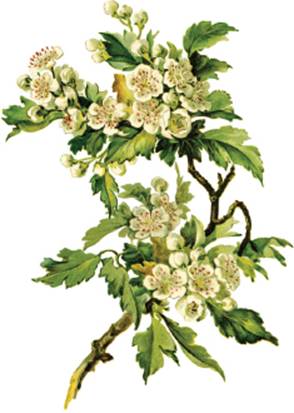
FLOWERING TOPS
C. oxycantha and C. monogyna
The flowering tops are widely used as a heart tonic. Their precise action is still being researched, but it seems that it improves the coronary circulation reducing the risk of angina attacks and this in turn helps to normalize blood pressures. More recently high doses of hawthorn given by injection (in Germany) have been successfully used for highly irregular heartbeats. Harvest in early summer.
BERRIES
C. oxycantha and C. monogyna
Research suggests that the berries contain fewer of the significant cardiac-influencing constituents than the flowering tops, although both are used by Western herbalists. The berries can also be used in more traditional ways – as an astringent for diarrhea or in remedies for heavy menstrual bleeding.
C. pinnatifida – shan zha
Chinese hawthorn berries are mainly used for symptoms of “food stagnation” – this can include abdominal bloating, indigestion, and flatulence – helping to stimulate the digestion. Shan zha is said to “move” blood and is used for relieving stagnation especially after childbirth. Partially charred hawthorn berries are a regular standby for diarrhea.
APPLICATIONS
Flowering top
C. oxycantha and C. monogyna
Infusion: Use a standard infusion as a general tonic for heart problems and to improve peripheral circulation. Combines well with linden flowers, yarrow or ju hua within a general strategy for hypertension.
Tincture: Use a standard tincture as the infusion in angina, hypertension, and related disorders with other suitable herbs.
Berries
C. oxycantha and C. monogyna
Juice: Use juice from the fresh berries as a cardiac tonic, for diarrhea, poor digestion, or as a digestive tonic.
Decoction: Use 30 g of berries to 500 ml of water and decoct for 15 minutes (short decoction). Use for diarrhea, or with ju hua and gou qi zi for hypertension.
Shan zha/C. pinnatifida
Capsules: Use the powdered berries with san qi powder for abdominal pain due to blood stagnation or for the pain of angina.
Decoction: Use 10–20 g with zhe ke for abdominal bloating or combine with dan shen and dang gui for period and post-partum pain.