
There are many wonderful things to eat and drink that can be either made with, or incorporate, interesting foraged, grown, or store-bought herbs and spices. Nature is bountiful and provides a rich variety of nourishment. In fact, wild-growing “weeds” are the true “superfoods,” being often many times richer in nutrients—especially in essential minerals and vitamins—than their cultivated cousins. In recent years, there has been a resurgence of interest in foraging—gathering wild foods from nature. I hope you enjoy exploring foraging, always being careful to be certain you have gathered what you think you have before eating it. All these recipes are best eaten fresh, but most will keep 1–2 days in airtight containers in the refrigerator. Here are some ideas to whet your appetite and encourage you to start experimenting …

Probiotic Breakfast
Courtesy of Anne McIntyre
Healthful and healing breakfast for the digestive system.
INGREDIENTS
 1 large garlic clove
2–4 tsp. fresh dill leaves
1 handful of marigold petals
2 tsp. fresh oregano
3 tsp. fresh basil
5 oz. carton probiotic yogurt
2 tbsp. aloe vera juice
SERVES & KEEPS
Serves 1.
Eat immediately.
METHOD
Add the garlic and fresh herbs to the yogurt daily for breakfast. Alternatively, take 2 tbsp. aloe vera juice with a little water or ginger tea twice daily.
— Variation —
YOU CAN USE ANY OTHER FRESH HERBS IF YOU DON’T HAVE THE ONES ABOVE.
Acorn Flour
Courtesy of Anna Richardson
INGREDIENTS
4 large handfuls of acorns (discard any with blemishes)
several gallons of water
MAKES & KEEPS
Makes about 2 handfuls of flour.
Keeps 6–12 months, if totally dry.
METHOD
Dry the acorns for a couple of days, then remove and discard the shells. Put into a large saucepan filled with 3–4 times the amount of water to acorns. Boil for about an hour. Strain and discard the water, refill, and repeat the process two times.
Then taste an acorn; if still bitter, boil again. When they are no longer bitter, mash them and let cool a little. Strain through a strainer lined with cloth; gather the cloth and squeeze as much water out as possible.
Then spread the mush out on the cloth somewhere warm to dry. This usually takes at least 2 days. Put in a dehumidifier to speed up the process.
Grind it to flour in the coffee grinder and store in a jar. Use as ordinary flour.

Acorn Cookies
Courtesy of Anna Richardson
INGREDIENTS
1 cup butter or margarine
3/4 cup honey (or 1 cup brown sugar)
about 31/2 cups Acorn Flour (see here)
1 generous cup all-purpose flour
1 teaspoon baking powder
MAKES & KEEPS
Makes about 30 cookies.
Keeps 10–14 days in an airtight container.
METHOD
Preheat the oven to 350°F.
Melt the butter and honey, then add the other ingredients. Stir and let cool until the dough stiffens up enough to roll into balls (golf ball size or smaller). Place the balls on a greased baking sheet and press down into flat cookie shapes. Bake in the oven for 10–15 minutes, until golden brown. Transfer to a wire rack to cool.
Caution
Acorns have been used as food by people everywhere oak trees grow. Acorns are nutritious; 1 lb. of acorns contains 2,000 calories, but they also contain high levels of tannic acid. It makes them unpalatable and toxic to the body, unless they are processed—basically washed a lot—to remove the tannins.
Forest & Corn Goddess Cookies
Courtesy of Sharon Cohen
This recipe prepares the acorns following a different method used in the Acorn Flour recipe (see here).
INGREDIENTS
1 handful of chopped acorns (or less if you have harvested fewer)
1/3 cup (about 5 tbsp.) melted butter
1/3 cup + 2 tbsp. maple tree syrup
1/2 cup hazelnut milk (at room temperature)
1/2 cup hazelnut meal (flour)
1/3 cup cornstarch
MAKES & KEEPS
Makes about 10–12 cookies.
Keeps 10–14 days in an airtight container.
METHOD
Preheat the oven to 350°F.
Shell the acorns and soak for a couple of days in 11/4 cups water. Change the water a few times during this period until it remains clear after a couple of hours. Boil the acorns in fresh water for 5–10 minutes, then finely chop or chop into small chunks.
Mix the chopped acorns, melted butter, and maple syrup.
Make a paste with the hazelnut milk, hazelnut meal, and cornstarch, then stir the paste into the mixture.
Place small to medium cookie-size mounds on a greased baking sheet. Bake in the oven for 12–14 minutes, then remove from the oven and let cool on the sheet.
Plantain Seedy Oat Bars
INGREDIENTS
2 sticks (1 cup) unsalted butter
1 cup brown sugar
2/3 cup honey
4 cups rolled oats
2 tbsp. plantain seeds (wild-foraged)
2 tbsp. sunflower seeds
MAKES & KEEPS
Makes 16–24.
Keeps 10–14 days in an airtight container.
METHOD
Preheat the oven to 350°F.
Melt together the butter, sugar, and honey, stirring until the sugar is dissolved. Then add the rolled oats and seeds, and mix thoroughly. Put into an 8 x 12-inch buttered cake pan and bake for 15–20 minutes. Score when hot. Let cool, then turn out and cut.
Beech Nut Oat Bars
Beech nuts are small and difficult to handle, but they are so nutritious (rich in oils and proteins) that it’s worth the effort. Gather plenty of nuts, bring them inside, and wait a day or two for the outer shells to open in the warm. Then remove the skin.
INGREDIENTS
2 sticks (1 cup) unsalted butter
1 cup brown sugar
200g/2/3 cup honey
4 cups rolled oats
4 tbsp. hulled beech nuts (if you can’t get enough beech nuts, use 2 tbsp. beech nuts and 2 tbsp. chopped walnuts)
MAKES & KEEPS
Makes 16–24.
Keeps 10–14 days in an airtight container.
METHOD
Make as for Plantain Seedy Oat Bars (see here), using beech nuts/walnuts in place of plantain/sunflower seeds.
Pharoah’s Oat Bars
This recipe is inspired by sacred cakes that the ancient Egyptians offered to their gods.
INGREDIENTS
1/2 cup marshmallow root (dried or fresh), coarsely chopped/shredded
1/2 cup dates, chopped
1/4 cup almonds, chopped
1/2 cup water
2 sticks (1 cup) butter
1/2 cup honey
2/3 cup brown sugar
2 tbsp. sesame seeds
1/2 cup powdered marshmallow root
3 cups porridge oats
1 cup quinoa flakes (or oats, if preferred)
MAKES & KEEPS
Makes 16–24.
Keeps 10–14 days in an airtight container.
METHOD
Let the chopped marshmallow roots, dates, and almonds soak in the water overnight.
The next day, melt the butter together with the honey and sugar. Remove from the heat and stir in the sesame seeds, powdered marshmallow root, oats, and quinoa. Add the soaked marshmallow, dates, and almonds with the water they soaked in.
Bake as for Plantain Seedy Oat Bars (see here).
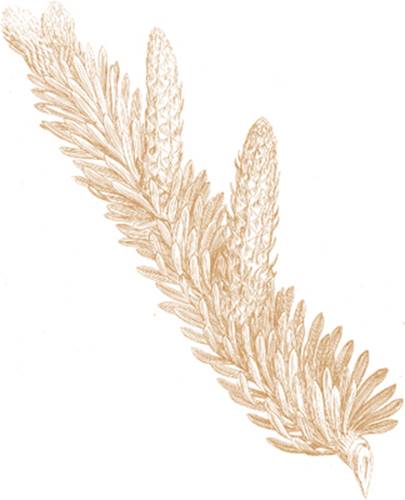
Pine Cookies
Courtesy of Karen Stephenson.
Pine needles are an excellent source of vitamin C.
INGREDIENTS
3 cups unbleached flour
11/2 cups white sugar
1/2 cup pine powder (pine needles, dried and ground to a powder)
2 sticks (1 cup) melted butter
3 eggs/equivalent egg substitute
1 tsp. vanilla estract
MAKES & KEEPS
Makes 20–30.
Keeps 10–14 days in an airtight container.
METHOD
Preheat the oven to 325°F.
Put all the dry ingredients into a bowl. In another bowl, blend together the melted butter, eggs, and the vanilla. Combine the wet ingredients into the dry ingredients and blend well.
Roll the dough into balls about three-quarters the size of a golf ball. Place on a lightly greased baking sheet. Use a fork to flatten the cookies until they are about 1/4 inch thick. Bake for 10–12 minutes.
Nutty Plantain Snack
Courtesy of Karen Stephenson
INGREDIENTS
1 handful of plantain seeds
3 handfuls of pumpkin seeds
3 handfuls of sesame seeds
olive oil (enough to just coat the seeds)
sea salt, to taste
MAKES & KEEPS
Makes 7 handfuls.
Keeps 1–2 weeks in an airtight container.
METHOD
Put the seeds into a bowl, and add the olive oil and sea salt. Be sure to coat all the seeds. Either roast the seeds on a baking sheet in an oven preheated to 300°F for 10–15 minutes, or sauté in a saucepan for 5 minutes over medium heat.
Rowanberry Bitters to Stimulate Digestion
INGREDIENTS
4 large handfuls of fresh rowanberries
1 cup gin
MAKES & KEEPS
Makes about 2 cups.
Keeps 2–3 years.
METHOD
Squeeze the juice from the rowanberries using a juicer. Mix well with the gin. If you don’t have a juicer, process the berries and gin in a blender and strain through a fine-mesh strainer. Then strain through cheesecloth.
Take 5–10 drops in a little water before meals to stimulate digestion, as required.
Buckwheat Pancakes
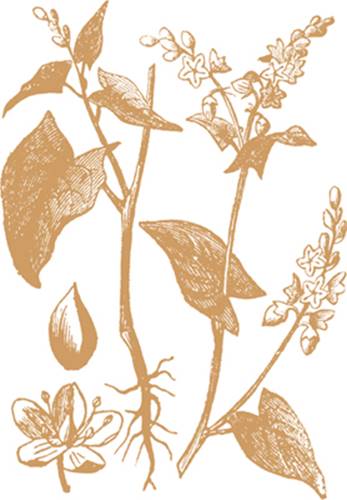
Buckwheat contains rutin, which strengthens the blood vessels. This recipe adds in circulation-boosting herbs and is particularly good for rebuilding veins. It also tastes great.
INGREDIENTS
1 cup raw buckwheat, measured then ground
1/4 tsp. salt
1 cup water
2 tsp. dried rosemary, ground
1–2 dried horse chestnut seeds, ground—do not use more than this (optional)
1/4 tsp. cayenne pepper or paprika
coconut oil or butter, for frying
SERVES & KEEPS
Serves 2–4. Serve hot straight from the pan.
The batter will keep uncooked in the refrigerator and can be cooked the next day.
METHOD
Make a batter by mixing the buckwheat, salt, and water and beating to a smooth batter. Let sit for 1/2–2 hours.
Add the rosemary, horse chestnut seeds (if using), and cayenne pepper. Beat the batter again, then heat a little oil/butter in a skillet and cook for about 10 minutes on a low heat, until browned. Buckwheat pancakes cook more slowly than wheat pancakes—be patient and cook them until they look just right.
Buckwheat Blinis
Courtesy of Sucandra Devi dasi
These sweet mini-pancakes are circulation-boosters. Serve with Many Berry Syrup (see here) for an extra boost, because blood vessels are helped by the flavonoids found in all red fruits.
INGREDIENTS
1 cup raw buckwheat, measured, then ground
1/4 tsp. salt
1 cup water
1 tsp. ground cinnamon
1 tsp. ground ginger
SERVES & KEEPS
Serves 2–4. Serve hot straight from the pan.
The batter will keep uncooked in the refrigerator and can be cooked the next day.
METHOD
Make a batter with the buckwheat, salt, water, and spices. Beat and proceed as for Buckwheat Pancakes (see here).
FRITTERS, PAKORAS & TEMPURA
The following fritters, pakoras, and tempura are made with a gluten-free batter made from chickpea (besan) flour.
Make a batter by mixing 1 cup of the flour with a little water, so that the paste has the texture of thick custard. Let stand for 10–30 minutes.
Chickpea (besan) flour, available in Indian grocery stores and online, is a nourishing fiber-rich food containing some healthy amino acids and minerals, and it is low in sodium and fats.
Elderflower Fritters
Courtesy of Wizz Holland
INGREDIENTS
6–7 heads freshly picked elderflowers
1 cup chickpea (besan) flour batter (see here)
sunflower oil, for frying
sugar, to taste
MAKES & KEEPS
Makes 6–7 fritters.
Keeps 2 days in the refrigerator.
METHOD
Remove insects from the heads of elderflowers by placing them in a paper bag scrunched up at the top for an hour (this allows for insects to vacate) and then remove from the bag, shaking gently. Dip fresh flower heads into the batter, holding them by the stem, and deep-fry for 2–5 minutes.
When golden brown, remove from the oil and drain on paper towels. Sprinkle with sugar.
Comfrey Fritters
Packed with minerals and vitamins, these can also be made with borage leaves.
INGREDIENTS
1 cup chickpea (besan) flour batter (see here)
sweet version: 1/2 tsp. ground cinnamon or nutmeg; sunflower oil, for frying
savory version: 1/4 tsp. asafetida; sesame oil, for frying
8–10 freshly picked young comfrey leaves
MAKES & KEEPS
Makes 8–10.
Keeps 2 days in the refrigerator.
METHOD
Add either savory or sweet spices to the batter. Wipe the comfrey leaves through it, then deep-fry them for 1 minute in sunflower or sesame oil, depending on your chosen version. Drain and serve.
Pungent Pakoras
INGREDIENTS
1 cup chickpea (besan) flour batter (see here)
1 handful of fresh wild garlic, chopped (or garlic mustard)
1 medium potato, chopped
oil, for frying
salt and black pepper, to taste
MAKES & KEEPS
Makes 8–12.
Keeps 2 days in the refrigerator.
METHOD
Mix the ingredients together. Drop a ball of the batter into hot oil and deep-fry for 1–2 minutes or until golden brown. Drain and serve hot.
Pennywort Sattvic Tempura
INGREDIENTS
1 cup chickpea (besan) flour batter (see here)
1/2 tsp. wasabi powder (or ground dried horseradish root)
1 generous handful of pennywort leaves (or other edible greens, see Mess of Greens)
coconut or sesame oil, for frying
tamari or soy sauce, to taste
MAKES & KEEPS
Makes 8–12.
Keeps 2 days in the refrigerator.
METHOD
Add the wasabi or horseradish to the batter, dip the pennywort leaves in it, and fry for 1–2 minutes, until golden brown.
Drain and serve with tamari or soy sauce.

Lamb’s Quarters Herbal Salt
Courtesy of Karen Stephenson
Lamb’s quarters (Chenopodium album, not to be confused with epazote), like most other wild green herbs, is rich in vitamins and minerals. This is a salt that provides for many of the body’s mineral needs.
INGREDIENTS
Dried herbs:
4 tbsp. dulce (or any other available seaweed)
2 tbsp. lamb’s quarters leaves
2 tbsp. thyme or rosemary
2 tbsp. dill
2 tbsp. marjoram or oregano
MAKES & KEEPS
Makes 1 cup.
Keeps 3–6 months in an airtight jar.
METHOD
Gently toast the dulce using a heavy skillet or wide saucepan for a few minutes until crisp.
Grind the lamb’s quarters leaves and herbs in a blender or a coffee mill while the seaweed cools. Then grind the dulce and combine with the ground herbs. Store in a shaker, and use as you would table salt.
Herb Salt
INGREDIENTS
1/2 cup coarse sea salt
3 tbsp. fresh rosemary leaves, removed from stems
3 tbsp. fresh thyme leaves, removed from stems
3 tbsp. fresh marjoram leaves
1 cup sea salt (kosher salt is ideal)
MAKES & KEEPS
Makes 2 cups.
Keeps 6–12 months in an airtight jar.
METHOD
Put the 1/2 cup coarse salt and herbs into a blender and pulse to grind until well mixed (but not ground to a powder). Then add the sea salt and pulse a few times to mix well in.
Spread out to dry on a baking sheet and cover with a dish towel. Let dry for 2–3 hours. Sprinkle on raw cucumber for a tasty snack.
Wild Herb Savory Cream
INGREDIENTS
1 cup raw cashew nuts
water, to soak
1/2 cup water
1/4 cup mixed fresh herbs, such as thyme, sage, marjoram, wild garlic (make your own mixture from what is available)
1 tsp. miso
juice of 1/2 lemon (optional)
pinch of salt, to taste (optional)
MAKES & KEEPS
Makes 1 cup.
Keeps 3 days in the refrigerator.
METHOD
Soak the cashew nuts for 3–7 hours in water. Drain them and blend until smooth with the other ingredients.
Serve with crackers, or use as a spread on bread.
Rose & Cashew Cream
A wonderful alternative to dairy cream to serve with pancakes.
INGREDIENTS
1 cup raw cashew nuts
water, to soak
1/2 cup rosewater
1 tsp. stevia powder
1/4 tsp. cardamom powder (optional)
MAKES & KEEPS
Makes 1 cup.
Keeps 3 days in the refrigerator.
METHOD
Soak the cashew nuts for 3–7 hours in water. Drain and blend until smooth with the rosewater, stevia, and cardamom.
Sweet Flower Sandwiches
A lovely feast for a children’s tea party.
INGREDIENTS
4 slices of white bread
butter and sugar, to taste
1 handful of fresh clover flowers
MAKES & KEEPS
Makes 2 sandwiches.
Eat the same day.
METHOD
Make the sandwiches by putting the flowers on freshly buttered bread with a little sugar sprinkled on. As an alternative, try making these with primroses or violets.
Ivy-Leaved Toadflax Sandwiches
INGREDIENTS
small handful of ivy-leaved toadflax leaves and flowers
4 slices rye or whole-grain bread
butter or mayonnaise, and salt and black pepper, to taste
MAKES & KEEPS
Makes 2 sandwiches.
Eat the same day.
METHOD
Place the ivy-leaved toadflax leaves on bread freshly spread with butter or mayonnaise. Add salt and black pepper to taste. You can also make these with garlic mustard and plantain.
Pennywort Sandwiches
INGREDIENTS
1 handful of pennywort leaves, freshly picked and chopped
1 tsp. olive oil
1 avocado, peeled, pitted, and mashed
1 tsp. lime juice
salt and black pepper, to taste
4 slices whole-grain bread, lightly toasted
MAKES & KEEPS
Makes 2 sandwiches.
Eat the same day.
METHOD
Mix the pennywort with the olive oil, avocado, and lime juice. Add salt and black pepper to taste. Spoon the mixture onto the bread to make a sandwich. Enjoy!
Fennel Oatcakes
Adapted from a recipe by Susun Weed
INGREDIENTS
2 cups rolled oats
1/2 tsp. baking powder
1/2 tsp. salt
1 cup oat flour
2 tsp. fennel seeds
2 tbsp. olive oil or melted organic butter
1/3–1/2 cup hot water
1/2 cup rolled oats, for rolling
MAKES & KEEPS
Makes 24–32.
Keeps 10–14 days in an airtight container.
METHOD
Grind the 2 cups of rolled oats to a fine meal in a blender or grinder—you’ll get about 11/2 cups of meal. Mix this with the baking powder, salt, oat flour, fennel, and oil or butter.
Add just enough hot water to form a ball of dough. Divide into 2. Sprinkle a few oats on your work surface and roll out each ball (adding more oats as needed) to about 9 inches in diameter.
Cut each circle into 6–8 wedges. Cook on a baking sheet at 350°F for 15 minutes, or in a cast-iron or other heavy skillet for 8 minutes a side.
Rosemary & Poppy Seed Oatcakes
Adapted from a recipe by Susun Weed
INGREDIENTS
2 cups rolled oats
1/2 tsp. baking powder
1/2 tsp. salt
1 cup oat flour
2 tsp. dried rosemary, rubbed small
2 tsp. poppy seeds
2 tbsp. olive oil or melted organic butter
1/3–1/2 cup hot water
1/2 cup rolled oats, for rolling
MAKES & KEEPS
Makes 24–32.
Keeps 10–14 days in an airtight container.
METHOD
Make as for Fennel Oatcakes (see here), adding the rosemary and poppy seeds in place of the fennel seeds.

Yellow Dock Crackers
Courtesy of Karen Stephenson
INGREDIENTS
1 handful of yellow dock seeds, crushed
1 cup flour of your choice
1 tsp. sea salt
MAKES & KEEPS
Makes 15–30 crackers.
Keeps 10–14 days in an airtight container.
METHOD
Preheat the oven to 375°F.
Mix together the crushed yellow dock seeds, flour, and salt in a bowl. Gradually add a little water until the dough is pliable (not sticky).
Roll the dough thinly on a well-floured work surface, and cut into desired shapes.
Transfer them to a well-greased baking sheet, and bake for 10–12 minutes or until crisp.
When you harvest yellow dock seeds for this recipe, they must be brown. Remove all leaves, stems, or anything else to be sure you have only the seeds. Store whole seeds in a paper bag. Once ground, store in an airtight jar.
⋄⋄⋄⋄⋄⋄⋄⋄⋄⋄⋄⋄⋄⋄⋄⋄⋄⋄⋄⋄⋄

Antiflu Soup
INGREDIENTS
2 cups vegetable broth (see Method)
3–4 scallions or leeks, chopped
2 tbsp. coconut oil
2 tbsp. flour
1 stalk lemongrass, finely chopped
2 handfuls of wild greens (or spinach), chopped
2 cups coconut milk
SERVES & KEEPS
Serves 1–2.
Keeps 2 days in the refrigerator. Thoroughly reheat before eating.
METHOD
Make your vegetable broth by simmering a selection of vegetables in water with salt and black pepper for 1 hour. Strain and keep the liquid.
Put the scallions or leeks and coconut oil into a large saucepan and sauté on low heat for 5 minutes. Add the flour and continue to stir over the heat for 1–3 minutes, until thick.
Add the broth, lemongrass, and greens, then simmer for 15 minutes. Add the coconut milk, then simmer for an additional 5 minutes.
Sinus-Clearing Soup
Courtesy of Sue Wine
INGREDIENTS
4 cups water
1 cup sliced celery
1 cup thinly sliced carrots
2 large handfuls of fresh parsley or other green herb
2–3 whole green or red hot chilies
1 head garlic, cloves separated, peeled and crushed
2 tsp. miso
MAKES & KEEPS
Serves 1–2.
Keeps 2 days in the refrigerator. Thoroughly reheat before eating.
METHOD
Add all the ingredients except the garlic and miso to a large saucepan. Cover with a lid, bring to a boil, and simmer for 25 minutes. Then add the crushed garlic and cook for an additional 5 minutes, before stirring in the miso and serving.
Nettle & Wild Garlic Lentil Soup
This delicious and nourishing, mineral-rich soup is adapted from a recipe in Kitchen of Love (2013). If you can’t get the nettles and ramsons, use other wild or cultivated edible greens.
INGREDIENTS
1 cup brown lentils
6 cups water
3 tbsp. olive oil
1/2 tsp. ground black pepper
1 tsp. asafetida, powdered
1 cup cubed potatoes
1 cup diced celery, with leaves
1 large handful of fresh nettle tops, chopped (wear gloves!)
1 large handful of freshly picked ramsons (wild garlic), chopped
1/2 roasted red pepper, cut into julienne strips
1 tsp. ground coriander
1 tsp. ground cumin
2 tbsp. fresh lemon juice
1–11/2 tsp. salt, to taste
1/4 cup each parsley and cilantro leaves, finely chopped
MAKES & KEEPS
Serves 4.
Keeps 2 days in the refrigerator. Thoroughly reheat before eating.
METHOD
Bring the water and lentils to a boil. Simmer for 15 minutes or until the lentils start to break up.
Warm the oil in another saucepan. Add the black pepper and asafetida to the potatoes and sauté over medium heat. After 2–3 minutes add the celery. Sauté for another minute, then add to the simmering lentils.
Cook for an additional 20 minutes, then add the nettles, ramsons, and all the other ingredients except the salt, parsley, and cilantro. Cook for 5–10 minutes.
Add the salt, parsley, and cilantro. Serve with bread or rice.
Nature’s Bounty
These wild plants can be foraged and eaten raw or cooked (with greens, salads, stir-fries, and more).
hawthorn leaves and blossom
lime flower leaves
dandelion
garlic mustard
wood sorrel
sheep sorrel
oxeye daisy leaves
chickweed
daisy leaves and flowers
plantain leaves
primrose flowers
clover leaves and flowers
purslane
blackberry leaf buds
pennywort
violet leaves and flowers
⋄⋄⋄⋄⋄⋄⋄⋄⋄⋄⋄⋄⋄⋄⋄⋄⋄⋄⋄⋄⋄
Wild Garlic Bread
INGREDIENTS
1 handful of fresh wild garlic, chopped
2 sticks (1 cup) butter
pinch of salt
1 loaf of country-style bread
MAKES & KEEPS
Makes 1 loaf.
Eat immediately.
METHOD
Preheat the oven to 350°F.
Blend the chopped wild garlic, butter, and salt together well. Make diagonal cuts along the loaf—just partway through—about 11/4 inches apart. Spread the herb butter between each of the slices.
Wrap the whole loaf in aluminum foil and place in the oven for 15–20 minutes.
Nature Smoothie
Courtesy of Shelley Harrison
This green smoothie is a mineral-rich boost that comes straight from nature.
INGREDIENTS
1 cucumber
1 avocado
1 handful of a mixture of 2 or more of chickweed, dandelion leaves, nettles, nasturtiums, plantain, garlic mustard, or other edible greens
2 cups water
SERVES & KEEPS
Serves 2–3.
Drink immediately.
METHOD
Blend everything together in a blender and serve.
Wild Garlic Pesto
Courtesy of Annie Gardner
INGREDIENTS
1/2 cup sunflower seeds (or cashew nuts or pine nuts), soaked overnight in water
1 tbsp. umaboshi plum seasoning
4–6 leaves of wild garlic (or 1/2 handful of garlic mustard leaves)
2 tbsp. olive oil
1/4 cup water
1 handful of wild greens, such as chickweed, dandelion leaves, nettles, or spinach
MAKES & KEEPS
Makes about 1 cup.
Eat the same day.
METHOD
Strain and rinse the soaked seeds or nuts. Blend with the other ingredients until you reach the consistency you desire. Add more water if it is too thick.
Serve with pasta, baked sweet potatoes, or quinoa with steamed vegetables or salad. Also spread on oatcakes or bread.
Herb Pesto
INGREDIENTS
1/2 cup pine nuts, soaked overnight in water
few sprigs fresh rosemary leaves, stems removed
few sprigs fresh oregano
few sprigs parsley
1 tsp. asafetida
2 tbsp. olive oil
1/4 cup water
1 handful of wild greens, such as chickweed, dandelion leaves, nettles (or spinach)
MAKES & KEEPS
Makes about 1 cup.
Keeps 2 days in the refrigerator.
METHOD
Make as for Wild Garlic Pesto (see here).
Calcium-Rich Herb Salad
Courtesy of Anne McIntyre
All of these nutritious herbs are rich in minerals, particularly calcium, which is vital for keeping your bones strong. The fiery arugula and nasturtium as well as the aromatic dill, cilantro, and parsley leaves will promote digestion and absorption, making sure that these vital nutrients reach your bones.
INGREDIENTS
nasturtium flowers and leaves
tender young plantain leaves
young dandelion leaves
borage flowers and leaves
arugula
parsley
cilantro
dill
mint
marigold flowers
KEEPS
Keeps 2 days in the refrigerator.
METHOD
Pick fresh any or all of these delicious salad herbs. Serve with a simple dressing made with olive oil and herbal vinegar.
Chickweed Sag Paneer
Adapted from a recipe in Kitchen of Love (2013).
INGREDIENTS
2 tbsp. ghee or sesame oil
11/2 tsp. cumin seeds
1 green chile, seeded and finely chopped
1 tbsp. chopped fresh ginger root
1 tsp. asafetida
1 tsp. ground coriander
1 tsp. ground cumin
1 tsp. garam masala
1 tsp. ground turmeric
31/2–4 cups coarsely blended tomatoes
1 tsp. flour
10 cups chopped spinach (will shrink when cooked), lightly cooked
2 handfuls or 2 cups fresh chickweed, coarsely chopped and cooked
2 tbsp. crème fraîche or Greek yogurt
12 oz. paneer, cubed and fried to a light golden brown, then put into lightly salted water
SERVES & KEEPS
Serves 4–6.
Keeps 2 days in the refrigerator.
METHOD
Gently heat the ghee or oil for a few minutes and add the cumin seeds. Add the chile and ginger and reduce the heat. Add all the ground spices, stir for a few minutes, and add the tomatoes.
Mix the flour and a dash of water to a smooth paste in a small dish and add to the saucepan, stirring and cooking for a few minutes. Add the cooked spinach and chickweed, and stir for a couple of minutes.
Add the crème fraîche and mix in well. Drain the paneer from the salt water and add to the rest, simmering gently for 5 minutes.
Serve with rice and poppadoms.
Mess of Greens
To get the modern palette used to wild greens, try this recipe.
INGREDIENTS
6 cups dark green cabbage or kale leaves, loosely chopped
4–5 heads of fresh yarrow flowers, finely chopped
8–10 fresh nettle tops (gathered with gloves and cut up with scissors)
1 handful of fresh ground elder, finely chopped
SERVES & KEEPS
Serves 2–4.
Keeps 2 days in the refrigerator.
METHOD
Mix the greens and steam lightly for 4–5 minutes.
To serve, pour on a little olive oil and the herb vinegar of your choice.
Cattail Rice Recipe
Courtesy of Karen Stephenson
INGREDIENTS
1 tbsp. olive oil
1/2 handful of cattail shoots, peeled and chopped
4–6 shallots, chopped (about 1 cup)
2 garlic cloves, chopped
3 cups cooked brown rice
2 tbsp. tamari
1/2 tsp. cayenne pepper
SERVES & KEEPS
Serves 2–4.
Keeps 2 days in the refrigerator.
METHOD
Heat the olive oil in a large, heavy skillet. Add the cattail shoots, shallots, and garlic and sauté for 5 minutes. Add the remaining ingredients and cook until the rice is hot. Stir frequently to prevent it from sticking.
Gobō—Burdock Roots Japanese-style
Courtesy of Louise Berliner
INGREDIENTS
1 tbsp. sesame oil
1–2 burdock roots, cut into matchstick-size pieces
2 medium carrots, cut into matchstick-size pieces
1–2 tbsp. rice wine or Gorse Wine (see here) (optional)
2 tsp. tamari
1-inch piece fresh ginger root, grated
1–2 tsp. toasted sesame seeds
SERVES & KEEPS
Serves 2.
Keeps 2 days in the refrigerator.
METHOD
Heat the oil and sauté the burdock root until covered in oil. Layer the carrots on the top, and add a little water (and/or wine if using) to just cover the burdock.
Cover with a lid and cook over medium-low heat for 10–15 minutes. Add the tamari and simmer. Once the liquid has almost simmered away, add the ginger, toss, and add the toasted sesame seeds.

Buttered Burdock Stems
INGREDIENTS
2 handfuls of burdock stems
butter and herb salt and black pepper, to taste
SERVES & KEEPS
Serves 4–6.
Keeps 2 days in the refrigerator.
METHOD
Choose young plants and cut stems close to the ground. Cut the leaves away. Wearing gloves (they will stain your hands), peel away the grayish covering skin on the stems to reveal bright green inner stems.
Steam the burdock in a steamer for 6–10 minutes, until tender. Serve hot with butter, herb salt, and black pepper. Alternatively, eat the stems cold, chopped up and drizzled with an herbal vinegar (see here).
Roasted Reed Rhizomes
Courtesy of Karen Stephenson
A delicious foraged meal.
INGREDIENTS
12 reed (Phragmites) rhizomes (at least 6 inches in length)
2–3 tbsp. olive oil
sea salt and black pepper (or nutmeg if preferred), to taste
SERVES & KEEPS
Serves 4.
Keeps 2 days in the refrigerator.
METHOD
After washing the Phragmites rhizomes, coat them with olive oil and spices.
Place on a baking sheet. Bake at 350°F for 25 minutes.
Angelica Supreme
This is a delicious Icelandic speciality. Angelica roots and stems are also good to eat raw—try them with a dip.
INGREDIENTS
1 handful of young angelica stems, freshly picked
2 tbsp. butter (plus a little extra)
2 tbsp. all-purpose flour
21/4 cups milk
salt and black pepper, to taste
SERVES & KEEPS
Serves 1–2.
Keeps 2 days in the refrigerator.
METHOD
Prepare the stems as for Buttered Burdock Stems (see here), either steaming or boiling until soft. Put a pat of butter on them and place in a casserole dish.
Make a white sauce by gently melting the butter and stirring in the flour, and cooking for 1–2 minutes. Gradually add the milk, a little at a time, stirring all the time and cooking for about 8 minutes to make a thick sauce. Add salt and black pepper.
Pour the sauce over the angelica stems. Bake for 10–15 minutes in a warm oven.
Hot Oil
This versatile oil can be used in cooking to spice up dishes, or as a lotion for aching muscles.
INGREDIENTS
1 cup olive oil
1/4 cup cayenne pepper
1/4 cup ground ginger
MAKES & KEEPS
Makes 1 cup. Keeps 1 year.
METHOD
Make as for an infused oil (see here).
Wild Greens
INGREDIENTS
1 generous handful of fresh kale, spinach, or other greens, shredded
1 handful of chickweed
4–5 fresh borage leaves (if available)
1 small handful of fresh violet leaves and flowers
pat of butter or splash of olive oil
pinch of nutmeg and herb salt (to taste)
SERVES & KEEPS
Serves 2–4.
Eat same day.
METHOD
In a steamer, lightly steam the kale for 3 minutes. Add the chickweed, borage, and violet leaves and cook for another 2 minutes.
Serve with a pat of butter and a little herb salt.
Wild Toothwort Sauce
Courtesy of Karen Stephenson
Toothwort is milder and a tiny bit sweeter than horseradish. Try this dip with fries or with Yellow Dock Crackers (see here).
INGREDIENTS
3 tbsp. toothwort root, finely chopped
2 tbsp. sour cream
3 tbsp. mayonnaise or egg-free substitute
cracked pepper, to taste
1/4 tsp. cayenne pepper (or to taste)
MAKES & KEEPS
Makes 1/2 cup.
Keeps up to 4 weeks in the refrigerator.
METHOD
Simply combine all the ingredients in a mixing bowl and blend well.

Hot Cayenne Tincture for Chili Hot Chocolate & More
Use 5–20 drops of this fiery tincture to spice up a drink or a dish.
This is known as “capsicum forte” because it is seriously strong. Cayenne is a good addition to many medicines, because it stimulates the circulation and helps with absorption of herbs.
INGREDIENTS
3/4 cup cayenne pepper
2 cups organic vodka
MAKES & KEEPS
Makes 2 cups.
Keeps indefinitely.
METHOD
Make as for tinctures (See here) and store in a dropper bottle. Be careful: Wear gloves when straining and do not get this tincture in your eyes.
Add around 10 drops to a mug of hot chocolate, to taste.
Experiment with how much to add to cooking, according to taste.
As a warming and stimulating medicine, take 5–20 drops in a mug of warm water.
Horseradish Sauce
This makes a traditional and strong sauce.
INGREDIENTS
3 tbsp. fresh grated horseradish root
2 tbsp. sour cream
3 tbsp. mayonnaise or egg-free substitute
Cracked pepper, to taste
MAKES & KEEPS
Makes about 1/2 cup.
Keeps up to 4 weeks in the refrigerator.
METHOD
Combine all the ingredients in a mixing bowl and blend well.
Red Clover Syrup
Full of calcium and other minerals, this absolutely delicious syrup is gorgeous with pancakes—and also is medicinal.
INGREDIENTS
11/4 cups water
3 cups white sugar
2 handfuls of fresh red clover flowers
MAKES & KEEPS
Makes about 33/4 cups.
Keeps up to a year until opened, then up to 1 month in the refrigerator.
METHOD
Make the syrup (See here) by boiling the water and sugar briskly for 3 minutes. Then pour the plain syrup over the flowers in a bowl and let sit for 1–2 hours until cool. Strain and bottle.
Hawthorn Flower Syrup
Courtesy of Lucy Wells
Hawthorn flowers make a tasty syrup that preserves their heart-strengthening and uplifting qualities.
INGREDIENTS
11/4 cups water
3 cups white sugar
7 tbsp. rosewater
1/4 cup lemon juice
2 good handfuls of freshly picked hawthorn flowers, twigs removed
MAKES & KEEPS
Makes about 33/4 cups.
Keeps up to a year until opened, then up to 1 month in the refrigerator.
METHOD
Make the syrup (See here) by boiling the water and sugar briskly for 3 minutes. Mix the rosewater and lemon juice with the syrup. Then pour over the flowers in a bowl and let rest for 1–2 hours, until cool. Strain and bottle.
Forsythia Syrup
Courtesy of Karen Stephenson
Capture the joyous yellow of forsythia with this tasty syrup.
INGREDIENTS
3 cups water
3 cups white sugar
3 handfuls of fresh forsythia flowers, rinsed
MAKES & KEEPS
Makes about 4 cups.
Keeps 3 months in the refrigerator.
METHOD
Make the syrup (See here) by boiling the water and sugar briskly for 3 minutes. Then pour the plain syrup over the flowers in a bowl and let sit for 1–2 hours until cool. Strain and bottle.
Queen Anne’s Lace Jelly
Courtesy of Karen Stephenson
INGREDIENTS
2 handfuls of fresh Queen Anne’s lace flowers
4 cups boiling water
1/4 cup lemon juice
1 (2-oz.) package powdered pectin
31/2 cups + 2 tbsp. white sugar
MAKES & KEEPS
Makes about 5 (10-oz.) jars.
Best to use within 1 year. For long-term storage, process in a hot water bath, following USDA recommendations for home canning.
METHOD
Steep the flowers in the water, covered, for 30 minutes, then strain. Measure 3 cups of the liquid into a large, stainless steel saucepan. Add the lemon juice and pectin. Bring to a rolling boil, stirring constantly. Add the sugar and continue to stir.
Cook and stir until the mixture comes to a rolling boil, then boil for another 1 minute. Remove from the heat.
Skim the scum off the top and discard. Pour into sterilized jars leaving 1/4 inch free at the top for a “head space.” Sterilize the loosely sealed jars in a hot water bath for 5 minutes.
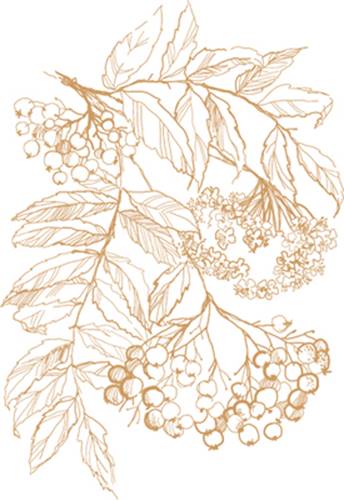
Spiced Hawthorn & Rowanberry Jelly
Full of vitamin C, this is delicious on oatcakes or with savory dishes.
INGREDIENTS
 2 lb. rowanberries, spigs removed
2 lb. hawthorn berries, spigs removed
2 lb. crab apples, halved
2 cinnamon sticks, broken up
6 cloves (optional)
water and sugar (variable quantity)
MAKES & KEEPS
Makes up to 11 lb. of jelly.
Keeps 1–2 years. For long-term storage, process in a hot water bath, following USDA recommendations for home canning.
METHOD
Put the berries and apples together with the spices in a large stainless steel saucepan, adding enough water to cover. Bring to a boil, then simmer for 30 minutes. Mash and let cool for 1–2 hours.
Pour into a double layer of cheesecloth (or jelly bag) and let sit overnight to drip through slowly. In the morning, measure the liquid, then pour into a saucepan and bring to a boil. For every 21/2 cups of liquid, add 2 cups of sugar, then bring to the boil again. Boil for 1 minute, then remove from the heat. Prepare and jar your jelly as for Queen Anne’s Lace Jelly (see here).
Spicy Elder & Bilberry Rob
A rob is a fruit syrup that is boiled down to a thick paste, sometimes made without added sugar when using naturally sugar-rich fruit. Add hot water to make it into a wonderful hot drink—not only tasty but also an immune-boosting tonic and a cold and flu remedy.
INGREDIENTS
several heads/4 cups fresh elderberries, stripped from the stems
1 cup bilberries or blueberries
1 cup water
2 cinnamon sticks
8 cloves
1/2 nutmeg, grated
up to 1 cup white sugar (variable)
MAKES & KEEPS
Makes about 1 cup.
Keeps up to a year before opening if made well and stored in sterilized jars. Keep in the refrigerator and use each jar within 3–4 weeks once opened.
METHOD
Bring the berries to a boil with the water, then cover with a lid and simmer for 2 hours. Mash the mixture well, then press out thoroughly through cheesecloth. (Wear gloves if you don’t want purple hands.) Add the spices and 1 cup white sugar for every 2 cups of juice. Return to the heat and simmer for 40 minutes. Strain through a strainer and pour into sterilized jars.
Take a generous spoonful daily or more often to protect against colds and flu.
Radharani’s Favorite Ice Cream
A simple and delicious ice cream, fit for a goddess.
INGREDIENTS
1 cup heavy cream
1/2 cup Elderflower Syrup (see here, or Hawthorn Flower Syrup or Red Clover Syrup)
1 cup condensed milk
MAKES & KEEPS
Makes 8–12 servings.
Keeps 1 month in the freezer.
METHOD
Beat the cream for 1–2 minutes, then mix with the elderflower syrup and condensed milk.
Put into a freezeproof container then freeze. It should be ready in 2–3 hours.
After-Dinner Mouth Freshener
Similar recipes are known in India as Mukhwas (“mouth freshener”).
INGREDIENTS
Dried seeds:
2 tsp. anise
2 tsp. fennel
2 tsp. lovage
2 drops peppermint essential oil
MAKES & KEEPS
Makes 6 tbsp.
Keeps 6–12 months.
METHOD
Mix the seeds together and sprinkle with peppermint oil. Shake well and store in an airtight container.
Chew a sprinkle of seeds after a meal.
Sweet Pickled Purslane Stems
Courtesy of Karen Stephenson
INGREDIENTS
1/4 cup fine sea salt
4 cups ice-cold water
3–4 handfuls of fresh purslane stems, washed and removed from leaves (the leaves can be eaten)
2 large onions
11/2 cups Apple Cider Vinegar (see here)
2 cups white sugar
1 tbsp. mustard seeds
1/2 tsp. turmeric powder
1 cup water
MAKES & KEEPS
Makes 3 (1/2–quart) jars.
Keeps in the refrigerator for 6 months.
METHOD
Mix the salt and iced water, and put the purslane and onions into it for 1–2 hours in the refrigerator.
Heat the remaining ingredients to boiling point, stirring occasionally. Add the drained purslane and onions, and boil for 5 minutes. Let cool for 30–60 minutes.
Spoon the onions and purslane into canning jars using a slotted spoon, then pour in the juice to fill each jar.
Pickled Ginger
Pickle lovers will eat these on their own, or with sushi—or with any meal!
INGREDIENTS
2 cups thinly sliced fresh ginger root
81/2 cups boiling water
2 cups rice or white distilled vinegar
3/4 cup superfine or granulated sugar
1 tbsp. salt
1 nutmeg, grated (optional)
MAKES & KEEPS
Makes almost 33/4 cups.
Keeps in the refrigerator for up to 6 months.
METHOD
Drop the ginger into the boiling water and let boil for 3 minutes. Drain well and place in a sterilized 1-quart jar (see here).
Heat together the vinegar, sugar, salt, and nutmeg, if using, and boil for 5 minutes. Pour over the ginger slices, put the lid on, and let cool overnight before refrigerating. This is ready to eat the next day.

Marshmallow Candies
Nothing like the modern version, full of glucose and gelatin, these rich candies can also calm and heal the stomach and the lungs.
INGREDIENTS
about 21/2 tbsp. honey
1 oz. dried marshmallow root, powdered
MAKES & KEEPS
Makes 14–20 candies.
Keeps 1–2 months in an airtight container.
METHOD
Warm the honey and mix in the root to make a stiff paste. Roll into balls and let cool.
— Tip —
IF YOU PUT A LITTLE ALMOND OIL ON YOUR FINGERS BEFORE ROLLING THE CANDIES, IT STOPS THEM FROM STICKING.
Elecampane Candies
These delicious sweets also help the digestion and the lungs.
INGREDIENTS
21/2 tbsp. honey
1 oz. dried elecampane root, powdered
MAKES & KEEPS
Makes 14–20 candies.
Keeps 1–2 months in an airtight container.
METHOD
Make and store in the same way as marshmallow candies (see here).
Pure Licorice
For licorice lovers, a method of making pure solid licorice.
INGREDIENTS
18 oz. dried licorice, coarsely chopped
21 cups water
MAKES & KEEPS
Makes about 7 oz. solid licorice extract.
Keeps indefinitely.
METHOD
Decoct the licorice in the water (see here), simmering covered for 30 minutes. Strain well through cheesecloth.
Heat the decocted liquid in a double boiler or water bath, letting the water evaporate off until the licorice extract becomes more concentrated. After 11/2 hours, you will be left with an almost solid, sticky black goo.
Put the mixture into molds or flat on a greased and lined baking sheet. Let sit to continue drying out for about 2 weeks (though in warm climates, or if you use a dehumidifier, this can take only 5 days). Once your licorice has dried (it will become solid), cut into pieces. You can eat it as candies or dissolve in water to use in other recipes.
Caution
For some, eating excessive amounts of licorice can raise the blood pressure and cause edema (water retention), so don’t regularly eat more than 1–2 small pieces daily. Diabetics should be aware that licorice is high in sugar.
Crystallized Ginger
INGREDIENTS
41/2 cups fresh sliced ginger root
5 cups water
2 cups white sugar
MAKES & KEEPS
Makes almost 11/2 lb.
Keeps 2 weeks in an airtight container.
METHOD
Cook the ginger in the water for 20 minutes until soft. Drain and reserve 1/4 cup of the cooking water.
Mix together the ginger, reserved cooking water, and sugar. Simmer, stirring, for about 20 minutes until most of the water has evaporated and the syrup is beginning to crystallize. Then spread the ginger pieces out on a rack to cool.
— Variation —
YOU CAN MAKE A SIMILAR MIX USING MARSHMALLOW, ANGELICA, ELECAMPANE, DANDELION, AND OTHER ROOTS.
Elderflower Syrup
This delicious syrup (called a cordial in other countries) is wonderful mixed with sparkling water.
INGREDIENTS
21/2 cups white sugar
3 cups boiling water
20 heads fresh elderflowers, insects removed as in Elderflower Fritters (see here)
4 lemons, the zest grated and the fruit sliced
1 oz. citric acid powder (a preservative; optional)
MAKES & KEEPS
Makes about 4 cups.
Keeps in refrigerator; once opened, use within 3 months.
METHOD
Make a syrup with the sugar and water in a large saucepan (see here). Add the elderflowers, lemon zest and pieces, and the citric acid, if using, and stir.
Let steep with the lid on for 2 days in a cool place, then strain through cheesecloth and store in sterilized jars.
Use as you would any syrup. Or pour indiluted over ice cream for a delicious treat.

HERBAL VINEGARS
In herbal vinegars, the healing and nutritional properties of vinegar are united with the aromatic and health-protective effects of mineral-rich green herbs. They can be taken as medicines or used in a variety of ways with food: poured over beans or grains, in salad dressings, or to season stir-fries and soups.
The following herbal vinegars are made in the same way, with the herbs being infused in the vinegar for several weeks (see here).
Quantities are provided below as a guide, but often the amount you use will depend upon how much of a particular herb you can find, grow, or pick—and on the size of jar you are trying to fill.
For internal use, always make with Apple Cider Vinegar (see here); for external use (hair and skin washes) or cleaning products, you can use white distilled vinegar if you prefer. For use in laundry rinses, make with 1–2 tsp. per 1 cup white distilled vinegar.
If adding to food, try the vinegars in combination with cold-pressed olive oil to make a healthy salad dressing. As a medicine, take 1–2 tsp. with a little water, three times a day.
Vinegars will keep for at least 2 years in the refrigerator.
Ramsons Vinegar
Courtesy of Rachel Corby
This delicious garlicky addition to salad dressings and rice is antioxidant and antiseptic, so also makes for a powerful immune boost.
INGREDIENTS
1 cup wild garlic leaves, finely chopped
11/2 cups Apple Cider Vinegar (see here)
MAKES
Makes 11/2 cups.
METHOD
See introduction and key techniques section (here and here).
Goldenrod Vinegar
Courtesy of Karen Stephenson
Delicious with pasta and cabbage, this vinegar will improve your mineral balance, help prevent kidney stones, eliminate flatulence, and improve immune functioning.
INGREDIENTS
1 cup fresh goldenrod leaves and flowers
2 cups Apple Cider Vinegar (see here)
MAKES
Makes almost 2 cups.
METHOD
See introduction and key techniques section (see here and here).
Cleavers Vinegar
Courtesy of Sensory Solutions
Helps to support the lymphatic system to clear toxins and to cool “hot” skin conditions, such as dermatitis or eczema. It is also used as a diuretic to help with edema, and to support cancer treatments. Try with wild salad or greens, or as a drink.
INGREDIENTS
1 cup fresh cleavers herb
2 cups Apple Cider Vinegar (see here)
MAKES
Makes just under 2 cups.
METHOD
See introduction and key techniques section (see here and here).
Balsamic Vinegar
Courtesy of Karen Stephenson
INGREDIENTS
1 cup white pine needles
2 cups Apple Cider Vinegar (see here)
MAKES
Makes just under 2 cups.
METHOD
See introduction and key techniques section (see here and here). Let the vinegar infuse for 6 weeks.

Lemon Balm Vinegar
Courtesy of Sensory Solutions
Lemon balm vinegar tastes delicious and goes well with any savory dish or salad. Lemon balm has been known as “heart’s delight,” because of its use to dispel melancholy.
INGREDIENTS
1 cup fresh lemon balm flowering tops
2 cups Apple Cider Vinegar (see here)
MAKES
Makes just under 2 cups.
METHOD
See introduction and key techniques section (see here and here).
Oregano Vinegar
Courtesy of Sensory Solutions
Perfect for an Italian-style salad dressing, you can also use it diluted as a gargle for inflamed tonsils or for a head cold. Oregano vinegar is perfect to rebalance digestion flora.
INGREDIENTS
1 cup fresh oregano flowering tops
2 cups Apple Cider Vinegar (see here)
MAKES
Makes just under 2 cups.
METHOD
See introduction and key techniques section (see here and here).
Rose Vinegar
Makes a beautiful pink vinegar with a subtle rose aroma. Good in salad dressings and useful for the skin and hair. Take as medicine as a liver tonic and an uplifting herb for grieving.
INGREDIENTS
1 cup fresh fragrant rosebuds or petals
2 cups Apple Cider Vinegar (see here)
MAKES
Makes just under 2 cups.
METHOD
See introduction and key techniques section (see here and here).
Fire Cider
Courtesy of Karen Stephenson
This spicy hot vinegar goes well with tomato juice or as a straight shot to fight off colds. You can also use it externally as a muscle rub.
INGREDIENTS
11/4 cups Apple Cider Vinegar (see here)
1 fresh horseradish root, grated (making about 1 cup)
5 garlic cloves, chopped
1–2 onions, chopped
3–4-inch piece fresh ginger root, grated
1 tsp. fresh grated cayenne pepper (or 1/2 tsp. dried powdered cayenne if you can’t get fresh)
MAKES
Makes about 4 cups.
METHOD
See introduction and key techniques section for method (see here and here), steeping for 8 weeks.
Apple Cider Vinegar
Vinegar is made by using a “mother”—a culture of bacteria that forms during the fermentation process. This mother feeds off the sugars in the fruit, converting them to vinegar.
INGREDIENTS
5 apples, quartered
water, enough to cover
MAKES & KEEPS
Makes a variable amount.
Each batch keeps for 2 years or more.
METHOD
Let the apples brown in the air, then put them into a large saucepan—the pan should be large enough so that they don’t come up to the very top—and cover them with water.
Cover the pan with a thin cloth and let sit in a warm, dark place. Check it every day, stirring to aerate the mixture and skimming off any froth that comes to the top. After a few days, it will start developing a thicker layer on top—this is the vinegar mother beginning to grow. Stop stirring at this point. The liquid will become clearer as the vinegar flavor develops.
After a month, start tasting the mixture by carefully taking a little liquid out with a clean spoon. When you like the tartness, strain the liquid through cheesecloth and put into sterilized jars or bottles for use. It is normal for a sediment to form in the standing jars.
Be aware: The first time you brew this, it will take a couple of months to get the taste right; however, subsequent batches will be quicker. Once you have your vinegar mother established, you can simply add more water and apple scraps to the jar and let ferment.
To clean the jar, carefully remove the mother before lightly rinsing the jar with water. Do not use soap.
Vinegar mothers have been known to last for generations.
Lemon Barley Water
A thirst-quenching drink that is also soothing for the kidneys and bladder. Drink it regularly if you are prone to cystitis.
INGREDIENTS
1/2 cup pearl barley
zest and juice of 1 lemon
2 cups boiling water
2–3 tbsp. honey or sugar
MAKES & KEEPS
Makes 2 cups.
Drink in 1–2 days. Keep in the refrigerator.
METHOD
Rinse the barley, then cover it and the lemon zest with boiling water. Simmer for 10 minutes, replacing the lost water. Strain the water off and set the barley aside (it is delicious to eat).
Add the lemon juice and honey or sugar to taste.
Easy Cherry Syrup
Delicious on pancakes
INGREDIENTS
2 cups pure cherry juice (a carton is fine)
2 cups white sugar
MAKES & KEEPS
Makes about 3 cups.
Keeps 3 months in the refrigerator.
METHOD
Boil the ingredients for 15 minutes to make a thickish syrup (see here).
Chai Tea with Redbush
Adapted from a recipe in Kitchen of Love (2013).
A delicious, caffeine-free chai.
INGREDIENTS
1 cup water
2 redbush tea bags
3 cloves
1 star anise
1 cinnamon stick
1/2 tsp. dried ground cinnamon
1/4 tsp. ground black pepper
11/2 cups milk or dairy alternative
sweetener, to taste
SERVES & KEEPS
Serves 2.
Drink immediately.
METHOD
Bring the water, tea bags, and spices to a boil. Add the milk and sweetener and simmer for 5–10 minutes. Strain and serve.
Saffron & Rose Tea
A lovely tea, rich in antioxidants.
INGREDIENTS
few strands dried saffron
1 dried rosebud
1 mug boiling water
MAKES & KEEPS
Makes 1 mug.
Drink immediately.
METHOD
Infuse (see here) for 5–10 minutes. Strain and serve.
Rosemary & Lovage Lemonade
INGREDIENTS
4 cups water
1/4 cup honey
zest of 1 lemon
juice of 3 lemons
3 sprigs fresh rosemary, stripped
3 sprigs fresh lovage, chopped
borage, primrose, or nasturtium flowers, to garnish
MAKES & KEEPS
Makes 4 cups.
Keeps in the refrigerator up to 3 days.
METHOD
Boil the water and dissolve the honey in it.
Add the zest and let cool.
Add the lemon juice and herbs and mix well.
Chill for 2 hours, then serve, garnished with the flowers.
Primrose & Violet Lemonade
INGREDIENTS
4 cups water
1/4 cup honey
zest of 1 lemon
juice of 3 lemons
1 handful of fresh primrose flowers
1/2 handful of fresh violet leaves and flowers
primrose flowers, to garnish
MAKES & KEEPS
Makes 4 cups.
Keeps in the refrigerator up to 3 days.
METHOD
Make in the same way as Rosemary & Lovage Lemonade (see here), but replacing the herbs with the flowers.
Dandelion & Burdock
INGREDIENTS
For the plant “mother”:
about 6-inch piece fresh dandelion root, grated
about 6-inch piece fresh burdock root, grated
1/2 star anise
For the pop:
21 cups boiling water
11/2–21/2 cups white sugar
2 oz. burdock root, fresh or dry
2 oz. dandelion root, fresh or dry
juice of 1 lemon or lime
MAKES & KEEPS
Makes just over 5 quarts.
Keeps at least 2–3 months.
METHOD
To make the plant “mother,” make as for Ginger Pop (see here), using fresh grated dandelion and burdock roots instead of ginger, and adding 1/2 star anise to the starter (this gives the drink its hint of licorice flavor).
Add about 1 tbsp. of each root every day or two to your starter mix. Usually it’s ready to use in about a week.
To make the pop, first decoct each of the roots together with 4 cups water for 30 minutes (see here). Add another 15 cups boiling water and the sugar (add more if you want it sweeter). Dissolve, add lemon (or lime) juice, and let cool. Add your strained starter when it has cooled to 80°F and proceed as for Ginger Pop (see here).


Ginger Pop
Making ginger pop is similar to making a home-brewed vinegar. The first time you make it, it takes longer to get the ginger beer “mother” started, but later batches are quicker.
INGREDIENTS
For the ginger “mother”:
1 cup water
7–10 tbsp. fresh grated ginger root
white sugar (variable amount)
1 tsp. baker’s yeast
For the pop:
11/2 cups white sugar
6-inch piece fresh ginger root, grated (less for a weaker taste)
21 cups boiling water
juice of 1 lemon
YOU WILL NEED
• COOKING THERMOMETER
MAKES & KEEPS
Makes just over 5 quarts.
Keeps at least 2–3 months.
METHOD
To make the ginger beer plant, mix the water with 1 tbsp. each of ginger and sugar in a screw-top jar.
Sprinkle in the yeast and cover with a cloth or lid. Keep it in a warm place (where you can see it; try also talking to it and inviting it to ferment). Add a little more sugar and ginger every day until it starts bubbling. After about 7–10 days it will be ready.
When you are ready to make the pop, strain the liquid off to use. The “gunk” left in your strainer is the ginger beer plant. Feed it with water, sugar, and ginger to keep it alive. After making a few batches, you can divide it and start one off for a friend.
In a large saucepan, add the sugar and ginger to the water and simmer for 20 minutes. Let cool to 80°F, then add the lemon juice and the liquid you strained off from the plant. Put into sterilized bottles immediately, leaving at least 3 inches at the top. Wait a couple of hours before you cork them (sometimes they explode, so choose a cork that can easily pop out).
The pop will be ready to drink in 7–10 days; it will have almost no alcohol content, but will be nice and fizzy.
— Variation —
LET FERMENT FOR 2–3 DAYS LONGER FOR A STRONGER ALCOHOLIC BEER.
Yarrow Beer
Adapted from Stephen Buhner’s recipe
INGREDIENTS
5 lb malted barley
7 gallons water
3 oz. recently dried yarrow (or double the amount fresh)
1/4–1/2 oz. brewer’s yeast
YOU WILL NEED:
• COOKING THERMOMETER
• FERMENTING VESSEL
MAKES & KEEPS
Makes just over 61/2 gallons.
Keeps 6–12 months.
METHOD
Preheat the oven to 150°F.
Mash the barley by coarsely crushing it and covering with 21 cups (just over 11/4 gallons) hot water, then place it in the oven for 90 minutes.
Next, strain the mixture, keeping the liquid, and “sparge” the mash—heat the remaining just over 61/2 gallons of water and slowly let it drain through the barley mash. Collect all of it and mix with the first liquid.
Add half of the yarrow and bring to a boil. Let cool, then pour into a fermenting vessel with the yeast. Put the other half of the yarrow into a cheesecloth bag and hang it in the fermenter. Let it ferment until it is finished (normally 5–7 days), then bottle and cap—at this stage the alcohol content will be negligible. Let it ferment in the bottles. After 2 weeks, it will be ready to drink.
— Variation —
YOU CAN ALSO MAKE THIS AS FOR GINGER POP (SEE HERE) AND DANDELION & BURDOCK (SEE HERE)—THE LONGER YOU LET IT FERMENT (FROM 7–21 DAYS), THE STRONGER IT GETS.

Nettle Beer
Courtesy of Susun Weed
A delightful drink that can be taken as a medicine for joint pain.
INGREDIENTS
21/2 cups raw sugar
juice and peel of 2 lemons
3 tbsp. + 1 tsp. cream of tartar
21/4 lb. fresh chopped nettles
21 cups water
1 oz. fresh yeast
MAKES & KEEPS
Makes just over 5 quarts.
Keeps at least 2–3 months.
METHOD
Put the sugar, lemon peel (no pith), lemon juice, and cream of tartar into a large casserole dish with a lid. Cook the nettles in the water for 15 minutes. Strain into the casserole and stir well. When it cools to lukewarm, dissolve the yeast in a little water and add to your casserole.
Cover with several folds of cloth and let brew for 3 days. Strain out the sediment and bottle. It will be ready to drink in 8 days.
Elderflower Champagne
INGREDIENTS
1 lemon
13/4 cups white sugar
1 tbsp. wine vinegar
12 fresh elderflower heads
19 cups boiling water
91/2 cups cold water
MAKES & KEEPS
Makes just over 2 quarts.
Keeps up to 12 months.
METHOD
In a scrupulously clean large bowl, add the juice and zest of 1/2 lemon, and add the other half, sliced. Add the sugar, vinegar, and flowers. Bruise with a potato masher. Add the boiling water and stir for several minutes. Let sit for 1–2 hours, then add the cold water, cover with cloth, and let sit for 2–4 days. Strain through cheesecloth and bottle it with corks.
Store for 7–10 days before drinking.
Dandelion Champagne
INGREDIENTS
4 cups fresh dandelion flowers, stems removed, fully opened
19 cups boiling water
13/4 cups white sugar
juice of 2 lemons
1 tbsp. wine vinegar
91/2 cups cold water
MAKES & KEEPS
Makes just under 7 quarts.
Keeps 6–12 months.
METHOD
Cover the flowers with the boiling water. Mix in the sugar and let sit for 12 hours. Strain and add the lemon juice, vinegar, and cold water.
Bottle, cork, and let brew (10 days for a nonalcoholic beverage drink and 3–4 weeks for a mildly alcoholic version).
Dandelion Coffee
Courtesy of Annie Powell
A delicious and healthy alternative to coffee.
INGREDIENTS
Dandelion roots, as many 2-inch long roots as you can find, scrubbed, chopped, and dried for 24 hours by a radiator
Place the roots in a single layer on a baking sheet in the oven at the lowest temperature. Cook slowly for 2–5 hours (depending upon the temperature of your oven) until the roots look charred, dark brown or black, and withered. Let cool thoroughly for 1–2 hours. Store in jars until use.
KEEPS
Roasted roots will keep up to a year in an airtight container.
Once brewed, drink immediately.
METHOD
Put a saucepan of water on to heat. Add some dried dandelion root (about 3 pieces should be enough for a cup). Bring to a boil and simmer for 10–15 minutes. By this time, the water will be dark brown. Strain into cups and drink, adding milk and sugar to taste, if required.

RECREATIONAL TINCTURES
“Recreational” tinctures are tinctures that have been sweetened with sugar or honey to make a tasty alcoholic drink. They are all made as for ordinary tinctures by mixing the ingredients and letting them steep for some weeks, then straining and bottling (see here).
The following recipes will make almost 3 cups and keep for years—though they are so nice they are unlikely to be given the chance. You can drink them undiluted in small glasses, mixed with sparkling water to make a refreshing drink, or made into a hot punch, mixed with boiling water.
Pear & Nutmeg Brandy
This is one of my most popular drinks, because it is absolutely gorgeous.
INGREDIENTS
4–5 pears, cut up
2 whole nutmegs, freshly grated
3 cups brandy (the best you can afford)
2 tbsp. honey
METHOD
See introduction and key techniques section (here and here).
Aphrodisiac Brandy
INGREDIENTS
4 oz. dried ground ginseng root
4 oz. dried ground rhodiola rosea powder
4 cinnamon sticks, broken up
4 whole vanilla beans
2–6 whole chilies (depends on taste, because they will be hot)
3 cups brandy
2 tbsp. honey
METHOD
See introduction and key techniques section (here and here).

Sloe Vodka
Courtesy of Lynn Amanda Brown
A variation on the traditional sloe gin.
INGREDIENTS
about 3 cups fresh sloes
3 cups vodka
13/4 cups white distilled sugar
METHOD
See introduction and key techniques section (here and here).
Plum Mead
4 generous handfuls of fresh sweet plums
3 cups mead (honey wine)
1–2 tbsp. brown sugar
1–2 tsp. each ground cinnamon and nutmeg (optional)
METHOD
See introduction and key techniques section (here and here).
Mabon Welcome Cup (Blackberry & Black Currant Brandy)
A Celtic tradition, the welcome cup was a special drink, often strong liqueur (with strong magic in it), offered to all at the start of a ceremony.
INGREDIENTS
1–2 large handfuls of fresh blackberries
1–2 large handfuls of fresh black currants
3 cups brandy
1 tbsp. honey
METHOD
See introduction and key techniques section (here and here).
Very Berry Mead
A delicious and enjoyable drink, packed with vitamin C.
INGREDIENTS
1 generous handful of each of these fresh fruits:
raspberries
rowan berries
hawthorn berries
blackberries
bilberries (or blueberries)
3 cups mead (honey wine)
1 tbsp. brown sugar, dissolved in 2 tbsp. hot water
METHOD
See introduction and key techniques section (here and here).
Horseradish Vodka
Good with tomato juice or try it straight as a shot with lime juice and salt to wake you up. It is also a medicine that helps to stimulate the immune system and the circulation.
INGREDIENTS
1 cup fresh grated horseradish
3 cups vodka
METHOD
See introduction and key techniques section (see here and here).
If taking medicinally, take 1–2 tsp. 1–2 times day.
Gorse Liqueur
Gorse is uplifting and cheering.
INGREDIENTS
4 handfuls of fresh gorse flowers
1–2 tbsp. honey
3 cups half and half vodka and mead mixed
METHOD
See introduction and key techniques section (see here and here).
Drink sparingly. Beware: It is strong.

Medicinal Port Brandy
Courtesy of ChaNan Bonser
This is delicious and, of course, highly medicinal … you can use it for coughs, bronchial issues, at the first sign of a cold or flu; you can have little sips, mix with honey to taste, and also serve warm if you like.
INGREDIENTS
2 cups freshly picked elderberries
2 cups port wine
2 cups brandy
2 cinnamon sticks
1 tsp. dried ginger (or about 1 inch of fresh ginger root)
6 cardamom pods
8 black peppercorns
8 cloves
MAKES & KEEPS
Makes about 4 cups.
Keeps at least 2–3 years.
METHOD
See introduction and key techniques section (see here and here).
— Tip —
ADJUST THE SPICES TO YOUR TASTE, ADDING MORE OR LESS AS YOU DESIRE.
Swiss Gentian Aperitif Wine
Courtesy of Christine Herren-Valette
This fortified wine is good as both an aperitif (a predinner drink) and a digestive (taken after the meal). Gentian is an excellent liver stimulant that aids digestion. Yellow gentian is a digestive, reduces fever, and is a general tonic.
INGREDIENTS
3/4 cup coarsely chopped fresh root of yellow gentian
1 cup apple schnapps (60 proof)
21/2 (1-liter) bottles white wine
zest of 1 lemon
zest of 2 oranges
1/2 cup water
3 cups white distlled sugar
MAKES & KEEPS
Makes just over 3 quarts.
Keeps 1 year.
METHOD
Mix the chopped gentian root and apple schnapps. Cover and let macerate for 48 hours. Then add the white wine and the lemon and orange zest and replace the cover.
Let sit for 10 days in a dark place, stirring a little every 2 days.
After 10 days, strain and press through cheesecloth. Make a syrup (See here) by boiling the water and sugar together for 1 minute.
Mix the syrup and gentian wine and bottle.
— Tip —
THERE IS OFTEN A DEPOSIT ON THE SURFACE OF THE GENTIAN WINE, BUT DO NOT THROW AWAY. JUST STIR OR SHAKE THE BOTTLE TO REMIX AS IT IS DELICIOUS.

Angelica Archangel After-Dinner Liqueur
Courtesy of Christine Herren
INGREDIENTS
2 cups fresh angelica stems, cut to 1/2 inch in length (wash and dry with a dish towel after picking)
3 cloves
2 quarts + 1/2 cup apple liquor (40 proof)
13/4 cups water
2 cups + 2 tbsp. white sugar
MAKES & KEEPS
Makes about 21/2 quarts.
Keeps 5 years.
METHOD
Put the chopped angelica stems, cloves, and apple liquor in a large glass bottle. Let rest covered in a dark place for 2 months. Strain and press.
Make a syrup (See here) by boiling the water and sugar together for 1 minute.
Mix this with the angelica liquid and then pour into bottles.
HOMEMADE WINE
Wine can be made from anything edible. Whatever kind of wine you choose to make, the flowers/leaves/fruits should be at their prime and picked on a dry, preferably sunny day and placed in plastic liquid measuring cups. The following simple method, kindly given by Annie Powell, uses no chemicals or additives, other than wine yeast, and can be used for all the wine recipes here.

YOU WILL NEED
• LARGE PLASTIC PAIL OR CERAMIC CASSEROLE DISH
• CARBOY, RUBBER STOPPER, AND AIRLOCK (MUST BE THOROUGHLY CLEAN: SIMMER THE AIRLOCK AND RUBBER STOPPER FOR 5 MINUTES, RINSE AND PUT CLEAN WATER IN THE AIRLOCK)
• PLASTIC FUNNEL
• COTTON CHEESECLOTH (BIG ENOUGH TO COVER MOUTH OF PAIL/CASSEROLE DISH, WITH 3-INCH OVERLAP ALL ROUND
• STRING (ENOUGH TO GO AROUND MOUTH OF PAIL/CASSEROLE DISH WITH 6 INCHES EXTRA)
• BOTTLE BRUSH
• BLACK GARBAGE BAG
• SYPHON TUBE
MAKES & KEEPS
Each recipe makes just under 5 quarts, and can keep for years.
METHOD
Put the flowers or leaves into the pail or casserole dish.
Boil half of the water and pour it over them. Add the lemon juice and cover the pail with cheesecloth tied with string. Let sit for 3 days, shaking or stirring several times a day.
Boil the remaining water with the sugar. Add to the infused flowers or leaves and stir. Let cool until lukewarm, then add the yeast. Let sit for 1 hour.
Stir and strain the mixture through the cotton cheesecloth into the carboy, using a funnel (this is a two-person job) and fit the rubber stopper and airlock. Put the carboy into a black garbage bag (which keeps it warm and dark). Let sit in a warm place.
Within 24 hours (sometimes within minutes) it should start “blipping” (fermenting). If it hasn’t within 24 hours, give it a shake. If nothing happens after another hour or 2, add another 1 tsp. yeast. Different wines ferment at different rates; when it has stopped “blipping” for a couple of weeks, syphon off into a clean carboy or bottles. Let sit at least 3 months before drinking.
Gorse Wine
Courtesy of Annie Powell
To pick gorse flowers, grasp them between your thumb and index finger and pull. Only the yellow flowers are used, none of the green, and watch out for the spikes.
INGREDIENTS
1 gallon water
4 cups fresh gorse flowers
juice of 2 lemons
4 cups granulated sugar
1 rounded tsp. wine yeast
Walnut Leaf Wine
Courtesy of Annie Powell
INGREDIENTS
1 gallon water
3 good sprigs of fresh walnut leaves, crushed gently by hand
juice of 2 lemons
4 cups granulated sugar
1 rounded tsp. wine yeast
Elderflower Wine
A favorite wine, perfect to make hay fever and cough medicine tinctures from.
INGREDIENTS
1 gallon water
8 cups elderflowers
juice of 2 lemons
4 cups granulated sugar
1 rounded tsp. wine yeast

Oak Leaf Wine
Makes a good medium-dry white.
INGREDIENTS
1 gallon water
21 cups fresh oak leaves
juice of 2 lemons
4 cups granulated sugar
1 rounded tsp. wine yeast
Ashwagandha Night Cap
Courtesy of Anne McIntyre
Ashwagandha is a wonderful Ayurvedic herb with deeply relaxing and stress-busting properties.
INGREDIENTS
1 tsp. ashwagandha powder
1 mug warm almond milk
1 tsp. rosewater
pinch of cardamom powder
MAKES & KEEPS
Makes 1 mug.
Drink fresh.
METHOD
Warm the ingredients together.
Sip before bedtime for a restful sleep.