
Melissa Weddle, MD, MPH and Patricia K. Kokotailo, MD, MPH
CHAPTER OUTLINE
■ PREVALENCE AND TRENDS
■ MORE FREQUENT USE
■ MULTIPLE DRUG USE
■ CORRELATES OF SUBSTANCE USE
■ CONCLUSIONS
Epidemiology has historically been defined as “the study of the distribution of a disease or a physiologic condition in human populations and of the factors that influence this distribution” (1). Within this framework, epidemiology of adolescent substance use documents the incidence of substance use and correlates of use. Because adolescent substance use may be viewed as a continuum from experimentation to alcohol or drug dependence, it is more helpful to describe use patterns (behaviors that may influence health, rather than incidence of disease, i.e., addiction).
There are several excellent sources of information about prevalence and trends of adolescent substance use including the Monitoring the Future survey, Youth Risk Behavior Surveillance System survey, and National Survey on Drug Use and Health (2–4). The source of information for this chapter is Monitoring the Future, a national survey of drug use that has been administered annually since 1975 and offers a comprehensive view of the factors that influence drug use. In addition to surveying young people about drug use, this survey addresses important factors such as beliefs about the dangers of drugs and perceived availability.
The 2012 Monitoring the Future surveyed 45,400 students from 395 public and private schools, chosen to offer a nationally representative sample. Between 1975 and 1991, the survey included 12th graders only. Starting in 1991, the survey included 8th and 10th graders. Because this survey is administered within the school setting, groups at high risk of substance use such as truants, dropouts, and runaways are not included, and thus the data are adjusted statistically to account for this.
This chapter will review trends of individual substance use including alcohol, tobacco, marijuana, amphetamines, narcotics, cocaine, inhalants, and prescription drugs and newer drugs such as “bath salts” and synthetic marijuana. Adolescents commonly use more than one substance, so available information about multiple drug use will be presented. In addition, information about subgroups, examining gender, race/ethnicity, and educational aspirations will be presented. Unless otherwise indicated, all trend and prevalence data are derived from the Monitoring the Future survey.
PREVALENCE AND TRENDS
When Monitoring the Future began in 1975, 55.2% of young people reported having used an illicit drug by the time they left high school. By 1980, this had increased to 65.4% before gradually declining to 40.7% in 1992. The proportion again increased to 54.7% in 1999, declining gradually to 47% in 2007 to 2009, rising again to 49.1% in 2012 (Fig. 100-1). Since the inclusion of 8th and 10th graders in the 1991 survey, their trends have paralleled those of 12th graders, though at lower levels (5). In 2012, 13.4% of 8th graders, 30.1% of 10th graders, and 39.7% of 12th graders reported use of an illicit drug in the past year (6). In 2011, of college students and young adults not attending college, 36% and 35%, respectively, reported use of an illicit drug in the past year (7).
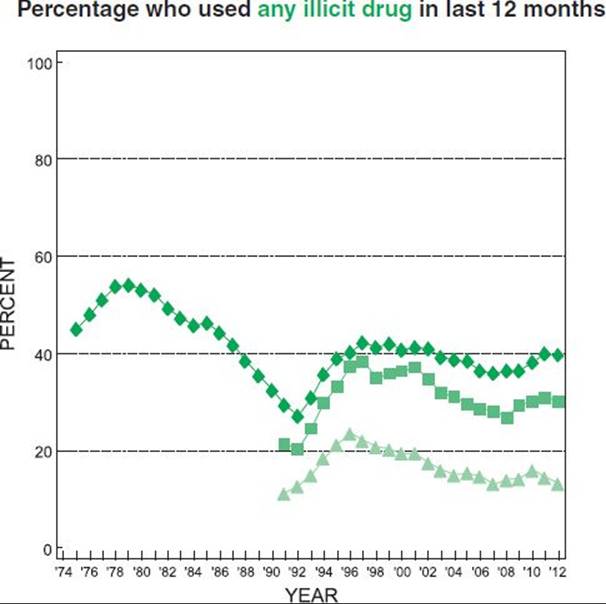
FIGURE 100-1 Illicit drugs. Percentage who have used an illicit drug in the past year. (From the Monitoring the Future study. University of Michigan, http://www.monitoringthefuture.org//pubs/monographs/mtf-overview2012.pdf.)
Alcohol
Though it is illegal for all secondary school students and for most college students, a substantial percentage report experience with alcohol. In 2012, 29.5% of 8th graders, 54.0% of 10th graders, and 69.4% of 12th graders reported having tried alcohol (6). Of greater public health concerns is prevalence of episodic heavy drinking, or “binge drinking” (defined as 5 or more drinks in a row at least once during the past 2 weeks). Heavy drinking was reported in 2012 by 5.1% of 8th graders, 15.6% of 10th graders, and 23.7% of 12th graders (6) and, in 2011, by 36% of college students (7).
Trends of alcohol use have overall followed the trends of illicit drug use, rising and falling in concert. During the 1980s, as illicit drug use declined among 12th graders, monthly alcohol use among 12th graders also declined gradually but, substantially, from 72.0% in 1980 to 51.3% in 1992 (Fig. 100-2). The prevalence of binge drinking during the previous 2 weeks fell from 40.8% in 1983 to 27.5% in 1993—nearly a one-third decline (5). Alcohol use (particularly binge drinking) rose in the 1990s. By the late 1990s, as illicit drug use leveled in secondary schools and began a gradual decline, alcohol use followed a similar trend. Alcohol use has continued its long-term decline, reaching historic lows in the life of the study (5) (Fig. 100-3).

FIGURE 100-2 Alcohol. Percentage who have used in the past 30 days. (From Monitoring the Future study, University of Michigan http://www.monitoringthefuture.org/data/12data/fig12_4.pdf.)
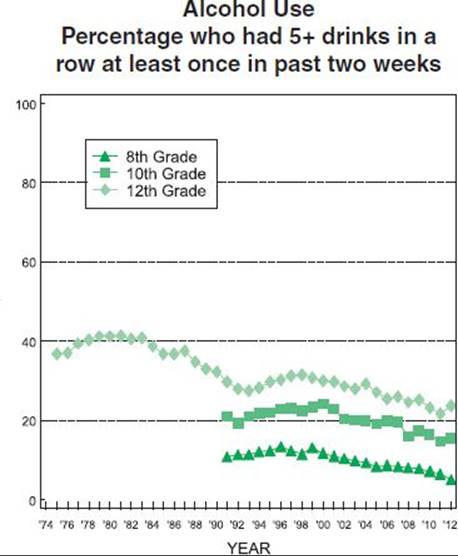
FIGURE 100-3 Alcohol. Percentage who report having 5 or more drinks in a row during past 2 weeks. (From Monitoring the Future study, University of Michigan. http://www.monitoringthefuture.org//pubs/monographs/mtf-overview2012.pdf.)
College students show different trends in alcohol use than those for 12th grade students or respondents of the same age not attending college. Between 1980 and 1993, college students showed less of a decrease in both monthly prevalence of alcohol use than 12th grade students and less of a decrease in binge drinking than 12th grade students or noncollege 19- to 22-year-olds (7) (Fig. 100-4). Heavy drinking has changed little among college students with 36.1% reporting binge drinking in 2011, modestly lower than 38.6% in 1995. Daily drinking rates of college students have generally been lower than same-age peers not attending college, suggesting a pattern of drinking primarily on weekends, when they tend to drink a lot (5). For both high school and college students, males report higher rates of binge drinking than females, though the gender differences have narrowed gradually over the duration of the survey (7).

FIGURE 100-4 Alcohol. Percentage who report having 5 or more drinks in a row in the past 2 weeks: college students, others 1 to 4 years beyond high school, and 12th graders. (From Monitoring the Future. National survey results on drug use, 1975–2011: Volume II, College Students and adults ages 19–45. http://www.monitoringthefuture.org/pubs/monographs/mtf-vol2_2011.pdf.)
Tobacco
Since the survey began in 1975, cigarettes have consistently been the substance most frequently used on a daily basis by high school students. During the 1980s, smoking among adolescents did not decline, even though smoking rates were steadily decreasing among adults. Among 8th and 10th grade students, rates of those who report current smoking (defined as having smoked in the past 30 days) increased from 1991 to 1996, reaching a peak of 21.0% and 30.4%, respectively, and for 12th grade students peaking at 36.5% in 1997. Since 1996, among 8th and 10th graders and, since 1997, among 12th graders, there have been significant declines in smoking (Fig. 100-5). In 2012, 4.9% of 8th graders, 10.8% of 10th graders, and 17.1% of 12th graders reported current (within the past month) smoking. Reporting daily cigarette use were 1.9% of 8th graders, 5.0% of 10th graders, and 9.3% of 12th graders. Between 1975 and 1990, 12th grade boys and girls followed parallel trends of smoking, with a higher percentage of boys reporting daily cigarette use. From 1991 to 2006, rates of daily smoking were similar for boys and girls at all grade levels. Since 2007, rates of daily smoking have remained stable for boys, while rates for girls have decreased (5).

FIGURE 100-5 Cigarettes. Percentage who have used in the past 30 days. (From Monitoring the Future study, University of Michigan. http://www.monitoringthefuture.org//pubs/monographs/mtf-overview2012.pdf.)
Among college students, the current smoking rate peaked at 31% in 1991, thereafter declining steadily to 15% in 2011. Daily smoking has decreased over the same period from 19% to 7%. Age-matched adults not attending college have shown a less dramatic decrease in smoking, and their smoking rate is much higher than that of college students or 12th grade students (7). From 1980 until 1993, college females generally smoked at higher rates than males, but from 1993 through 2011, males and females have smoked at about the same rates (7).
In 2011, questions were added to Monitoring the Future about newer forms of tobacco—snus (a moist form of snuff placed under the upper lip) and dissolvable tobacco (pellets, strips, or sticks that dissolve in the mouth). In 2012, 7.9% of 12th graders reported using snus in the past year with 1.6% reporting use of dissolvable tobacco over the same period (8). Questions about smoking of tobacco by hookah water pipes were added to the survey in 2010. There has been concern that as prevalence of conventional cigarette smoking decreases, teens may turn to alternative forms of tobacco use. In 2012, 18.3% of 12th graders reported smoking with a hookah during the preceding year, but only 11% reported smoking with a hookah more than two times during the year, suggesting a considerable amount of light or experimental use. In 2012, smoking of small cigars has a similar prevalence to hookah smoking, with 20% of 12th graders reporting use in the preceding year (8).
Marijuana
Of the illicit drugs, marijuana use remains the most prevalent. Before the initiation of the Monitoring the Future study, marijuana use rose sharply during the late 1960s and early 1970s from negligible levels (9) with 1979 annual prevalence rate of 51% for 12th graders. Use gradually decreased throughout the 1980s bottoming at 22% in 1992, when use again rose sharply (5). Use again peaked in 1996 (for 8th graders) and in 1997 for 10th and 12th graders. Since 2001, all three grades have shown significant declines in annual prevalence rates. After these peak years, use declined among all three grades through 2006, 2007, or 2008, since then there has been an increase in use in for 10th and 12th graders, indicating another possible resurgence in use (Fig. 100-6). In 2012, those reporting daily marijuana use were 1.3%, 3.5%, and 6.5% of students in grades 8, 10, and 12, respectively. Twelfth graders reported the highest rate of daily use in 2011 and 2012 since 1981, when it was 7.0% (6).

FIGURE 100-6 Marijuana. Percentage who used in past 12 months. (From the Monitoring the Future study, University of Michigan. http://www.monitoringthefuture.org//pubs/monographs/mtf-overview2012.pdf.)
Comparison of daily marijuana use between college students, young adults 1 to 4 years past high school, and 12th graders from 1980 on shows highest use has been among the young adults not attending college and lowest use among 12th graders. Rates between all groups were comparable in the early 1990s, with the rate among young adults increasing more markedly through the late 1990s. In 2011, 4.7% of college students and 9.4% of young adults reported using marijuana on a daily basis (7).
Questions about synthetic marijuana were first included in the survey in 2011. Synthetic marijuana is made by spraying synthetically produced cannabinoids on herbs or other plant materials, usually sold over the counter or through the Internet as K2, Spice, etc. In 2012, annual prevalence use among 12th graders was 11.2%, unchanged from the previous year. In 2012, 8th and 10th graders were asked about synthetic marijuana use for the first time, with annual prevalence rates of 4.4% and 8.8%, respectively. Aside from alcohol and tobacco, this is the second most widely used drug among 10th and 12th graders after marijuana and the third most widely used among 8th graders after marijuana and inhalants (10).
Amphetamines
Between 1982 and 1992, annual prevalence rates for nonprescription amphetamine use among 12th graders declined considerably, from 20.3% to 7.1% (Fig. 100-7). Among college students, rates fell even more dramatically over the same interval, from 21.1% to 3.6%. During the 1990s, annual use increased in all grades as well as in college students. In general, annual use has decreased since the late 1990s with 2.9%, 6.5%, and 7.9% of 8th, 10th, and 12th graders, respectively, in 2012 (6) and 9.3% of college students reporting in 2011 use in the preceding year (7).
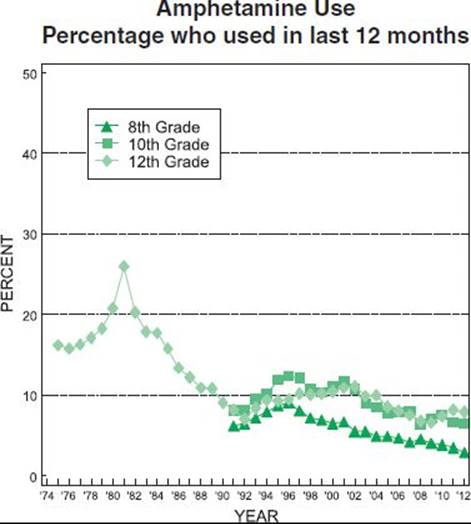
FIGURE 100-7 Amphetamines. Percentage who used in past 12 months. (From the Monitoring the Future study, University of Michigan. http://www.monitoringthefuture.org//pubs/monographs/mtf-overview2012.pdf.)
Methamphetamine
Beginning in 1990, Monitoring the Future has included questions about use of “ice” (crystallized methamphetamine, typically smoked). Use of this drug increased during the 1990s among 12th graders, college students, and young adults. Since 1999, methamphetamine use has decreased significantly among high school students with annual prevalence rates in 2012 of 1.0%, 0.8%, and 1.0% for 8th, 10th, and 12th graders, respectively (6) (Fig. 100-8). A similar decrease among college students and young adults began in 2004, reaching annual use of 0.2% and 0.1%, respectively, in 2011. Because of rising public health concerns about methamphetamine use, questions about this drug were introduced in 1999. Declines have been observed among all populations in the years since, perhaps related to significant media attention (5).

FIGURE 100-8 Crystal methamphetamine. Percentage who used in the past month. (From the Monitoring the Future study, University of Michigan.http://www.monitoringthefuture.org//pubs/monographs/mtf-overview2012.pdf.)
Ecstasy and Other “Club Drugs”
College students and young adults were first asked about ecstasy (3,4-methylenedioxy-N-methylamphetamine, MDMA) use in 1989, but questions about ecstasy were not added to the secondary school surveys until 1996. Between 1989 and 1994, annual prevalence rates were low for the older age groups, but in 1995, rates increased significantly, from 0.5% to 2.4% in college students. When first surveyed in 1996, 10th and 12th graders had higher rates of annual use (4.6% for both) than the college students (6). Between 1998 and 2001, use rates increased dramatically in high school students, college students, and young adults. Since 2001, use rates decreased for the next 2 years and have remained stable since 2003 (Fig. 100-9). In 2012, 1.1% of 8th graders, 3.0% of 10th graders, and 3.8% of 12th graders reported use of ecstasy in the preceding year (9). In 2012, annual prevalence use of gamma-hydroxybutyrate, one of the “date rape drugs,” was 1.4% for 12th grade students. For ketamine, another of these drugs, annual prevalence use for 12th graders was 1.7%. Both have shown drops since their recent peak levels of use (6).
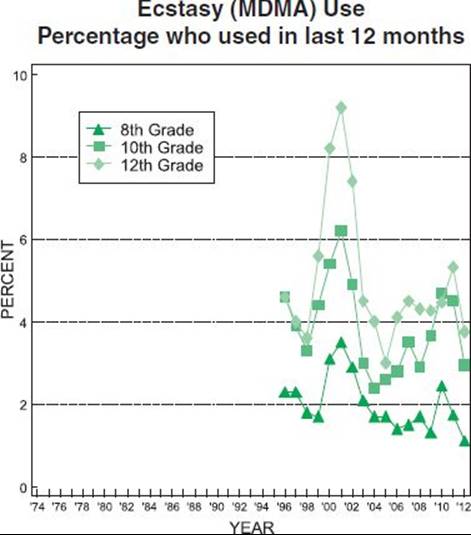
FIGURE 100-9 Ecstasy (MDMA). Percentage who used in past 12 months. (From the Monitoring the Future study, University of Michigan. http://www.monitoringthefuture.org//pubs/monographs/mtf-overview2012.pdf.)
Cocaine
Crack cocaine (the rock form of cocaine) use rapidly increased during the early 1980s. Thereafter, annual prevalence dropped sharply, where it has remained quite low, likely because of its perception as a dangerous drug (see sidebar “Adolescents’ Attitudes toward Alcohol and Other Drugs”). For powdered cocaine in general, use began to decline a year earlier than for crack. This was likely related to the intense media campaign publicizing the drug’s dangers and certainly influenced by the cocaine-related deaths of sports stars Len Bias and Don Rogers. In 2012, annual prevalence rates were 1.2%, 2.0%, and 2.7% for 8th, 10th, and 12th graders (6). In 2011, for college students and young adults not attending college, annual prevalence rates are 3.3% and 4.7% (7).
Inhalants
Inhalants include common household substances such as glues, aerosols, and solvents, inhaled to get high. Unlike most other drugs, they are used more by younger adolescents, and use tends to decline as youth grow older. Among all high school students, there was a marked increase in inhalant use during the early 1990s, followed by a decrease after 1995 (Fig. 100-10). Since 2002, inhalant use has steadily declined among all groups. In 2012, 6.2% of 8th graders, 4.1% of 10th graders, and 2.9% of 12th graders report inhalant use in the preceding year (6).

FIGURE 100-10 Inhalants. Percentage who used in past 12 months. (From the Monitoring the Future study, University of Michigan. http://www.monitoringthefuture.org//pubs/monographs/mtf-overview2012.pdf.)
Heroin
Between 1975 and 1979, the annual prevalence use of heroin among 12th graders fell from 1.0% to 0.5%, thereafter remaining stable until 1994 when use increased for 8th, 10th, and 12th graders. This upturn was likely related to the decline in perceived risk as well as the availability of more pure heroin that allowed use by means other than injection (6). For 12th graders, college students, and young adults, rates doubled or tripled over 1 to 2 years in the mid-1990s, remaining at the new higher levels for the rest of the decade (7). Between 2000 and 2002, use began to decrease, and in 2011, all groups had annual prevalence rates below the recent peaks. In 2012, annual prevalence rates for heroin use without a needle were 0.3% for 8th grade students and 0.4% for 10th and 12th grade students. For all three grades, annual prevalence use of heroin with a needle was 0.4% (10).
Nonmedical Use of Prescription Medications
Nonmedical use of prescription medications refers to use of a scheduled prescription medication (narcotics, stimulants, and tranquilizers/sedatives) outside of medical supervision. Though the proportion of 12th graders who report non-medical use of prescription medications has remained stable since 2008, annual prevalence use in 2012 was still high with 14.8% reporting use in the past year. Young people may perceive prescription drugs as less harmful compared with illicit or “street” drugs and, therefore, may be more inclined to use them (11). Concerns have arisen regarding youth initiating narcotic use with oral prescription medications and quickly becoming dependent, necessitating switching to intranasal and injectable drugs like heroin due to economic necessity. The sources of such prescription drugs remain primarily friends and, to a lesser extent, relatives (10).
For 12th grade students, use of narcotics other than heroin trended down from 1977 through 1992. After 1992, use rose sharply with annual prevalence use reaching 9.5% in 2004 before leveling. In 2002, specific questions were added about OxyContin, Vicodin, and Percocet use. Since then, OxyContin use has increased some in all grades with annual prevalence rates 1.6%, 3.0%, and 4.3% for 8th, 10th, and 12th grade students, respectively, in 2012. Use of Vicodin has been steady at higher levels with annual prevalence rates of 1.3%, 4.4%, and 7.5% for 8th, 10th, and 12th grade students (6).
During the late 1970s and all of the 1980s, tranquilizer use decreased dramatically, again increasing during the 1990s until 2002 after which there was a gradual decline. Twelfth graders reached their lowest level of annual prevalence in 2012 since 2002. In 2012, annual prevalence rates were 1.8%, 4.5%, and 5.3% in grades 8, 10, and 12, respectively. Similarly, sedative use decreased beginning in the mid-1970s until 1992 and then increased through 2005 after which use again decreased. In 2012, the annual prevalence rate for 12th graders was 4.5% (5).
Use of prescription stimulants such as Adderall and Ritalin for nonmedical use remains a concern, especially as use can be seen as “performance enhancing” for academic work by students as well as for obtaining a high. Use of Ritalin has trended downward at 8th, 10th, and 12th grade levels from 2001, when illicit use was first measured, to 2012. Adderall use, first measured specifically by name in 2009, has also trended downward for 8th and 10th graders, but has risen from 5.4% reporting annual use in 2009 to 7.6% in 2012 for 12th graders (6). College students report annual use of Adderall at 9.8% in 2011, compared to 2.3% reporting use of Ritalin (7).
Strength Enhancement Drugs
Questions about anabolic steroid use were first included in the 1989 survey. At that time, 1.9% of 12th graders reported annual use, which dropped to 1.1% by 1992 and then slowly increased to 1.8% by 1999. Use rose to 2.5% by 2002, where it remained until 2005, when it dropped to 1.5%. Annual prevalence use for 12th graders was 1.2% in 2011; however, 2.3% of males reported use compared to only 0.6% of females (5). The 2011 annual prevalence rates for androstenedione (andro) are 0.6%, 0.8%, and 0.7% for students in grades 8, 10, and 12, respectively. The annual prevalence use for creatine in 2011 was 1.9%, 7.1%, and 8.6% in grades 8, 10, and 12, respectively. Creatine is widely available over the counter, whereas androstenedione was made illegal in 2005, likely explaining the higher use of creatine. As with anabolic steroids, significantly more males report use of creatine with 16.1% of 12th grade males and 1.0% of females reporting use in the preceding year (5).
Bath Salts
Questions about “bath salts,” which contain synthetic cathinones, stimulants that have effects similar to amphetamines, were included in the survey for the first time in 2012. The annual prevalence rates were 0.8%, 0.6%, and 1.3% for grades 8, 10, and 12, respectively. Calls to poison control centers about bath salts increased dramatically after 2010, with over 6,000 calls in 2011. During 2012, that number fell to 2,654, likely due to the Drug Enforcement Administration scheduling some of the chemicals in bath salts and to widespread publicity about their dangers (10,12).
MORE FREQUENT USE
Much of the previous trend data focuses on annual or lifetime prevalence use of individual drugs. Experimentation is a normal part of adolescent development; rare or occasional use of a substance may not constitute problem use for most individuals. Frequency of use provides a more accurate measure of problem use. For marijuana, the percentage of 12th graders who reported daily use (used at least 20 of the preceding 30 days) peaked in the late 1970s at 10.7%, dropped steadily until 1992 (1.9%), and then increased significantly through 1997, reaching 5.8%. The rates were stable through 2009 (5.2%) and have again increased in 2011 at 6.6%, the highest prevalence rate seen in the last 30 years. Looking at it another way, among 12th graders, 1 out of 15, or 1 to 2 students in each classroom, smokes marijuana daily (6) (Table 100-1).
TABLE 100-1 PREVALENCE OF PROBLEM USE, 2012
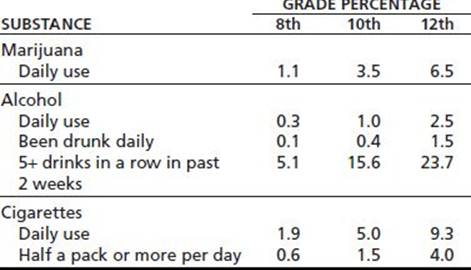
Adapted from the Monitoring the Future study, University of Michigan. http://www.monitoringthefuture.org/pubs/monographs/mtf-overview2012.pdf
MULTIPLE DRUG USE
Though it is important to examine individual drug use patterns over time, many adolescents are using more than one substance and modify their drug use patterns over time. Assessing drug sequence patterns, Yamaguchi and Kandel (13) found that adolescent drug use typically begins with alcohol or cigarette use, followed by marijuana use, and then by other illicit drugs, a finding that has been confirmed by other studies. Golub and Johnson (14) demonstrated a change over time of the probabilities of progression, with those born after the 1960s being substantially less likely to progress from cigarette and alcohol use to marijuana, cocaine, and heroin use. Further research using international data from the World Health Organization World Mental Health Surveys indicates that initiation of “gateway substances” (i.e., alcohol, tobacco, and cannabis) was differentially associated with subsequent onset of other illicit drug use based on background prevalence of the gateway substances, with likely influence of access and/or attitudes about substance use shaping the order of initiation. Changes in order of substance use onset did not appear to affect risk for later dependence. Results of the study imply that prevention efforts to deter substance abuse are likely better targeted at all types of drug use, the early onset of use, and use by youth with other risk behaviors (15).
None of the national surveys cited here includes population information about adolescents who use multiple substances. Martin et al. (16) found that among adolescent alcohol users, significantly more who had been diagnosed with alcohol dependence or abuse reported recent use of other drugs than users without an alcohol diagnosis. Examination of drug patterns over time, including typical sequence of drug use, can provide additional valuable information to guide prevention and intervention efforts.
CORRELATES OF SUBSTANCE USE
Among ethnic/racial subgroups, there are varying associations with substance use. When looking at differences among African American, Hispanic, and white students, it is seen that African American students have lower rates of use of most licit and illicit drugs than white students at all three grade levels. In addition, cigarette use among African Americans has been dramatically lower than for whites throughout the survey’s history (5). Hispanic students in 12th grade have rates of use generally between the two groups, though generally closer to those of whites. For use of some drugs, specifically methamphetamine, crack, cocaine, and inhalants, Hispanics in 12th grade have the highest use. In 8th grade, Hispanics show the highest use for almost all classes of drugs (17).
For illicit drugs, higher proportions of males than females report use, particularly heavy use. For example, daily marijuana use among males is twice that of females. In the lower grades, however, there is little gender difference in use for many drugs and greater use of some drugs among females. In 2011, 8th grade females reported higher use of inhalants, crack, amphetamines, and methamphetamine, among others (5). With alcohol use, males have generally had higher rates of heavy drinking; however, the difference has been diminishing. In 2011, 18% of 12th grade females and 26% of males reported binge drinking, a difference of 8% points contrasting to a 23% point difference in 1975 (5).
Students who report plans to complete 4 years of college have lower rates of licit and illicit drug use in secondary school than those who say they are unlikely to complete college. The difference is particularly striking for daily cigarette use, with 2.8% of college-bound 12th graders reporting smoking a half pack or more daily compared to 11.1% of those who are not college bound (5).
CONCLUSIONS
Examination of the epidemiology of substance use has played an important role in understanding the etiology of drug use as well giving valuable insight into the attitudes and norms that influence substance use. Ongoing analysis of use and attitude trends will continue to provide important information for development of public health strategies to combat adolescent substance use. Examination of epidemiologic trends will also aid in the development of research and education priorities to further our knowledge in this area.

The Monitoring the Future study includes questions about perceived harmfulness of individual drugs and the degree to which the adolescent disapproves of the drug. Understanding attitudes about drug is essential for interpretation of use trends as well as for the development of effective interventions. Adolescents’ attitudes toward alcohol and other drugs influence their decisions about whether to use those substances.
Overall, the Monitoring the Future data show inverse relationships between the level of drug use and both the perceived harmfulness and disapproval of that drug. Of the illicit drugs, marijuana has the highest level of use and one of the lowest levels of perceived risk and disapproval. In contrast, cocaine, perceived as a high-risk drug, has lower levels of use (1).
Over the lifetime of the study, many attitudes and beliefs have changed dramatically. The trends for marijuana use and attitudes strikingly illustrate the relationship between perceived harm and use (Fig. 100-11). Between 1975 and 1978, perceived harm of marijuana decreased markedly as use sharply increased. Beginning in 1979, the media gave attention to increasing rates of marijuana use and potential risks of the drug. Subsequently, the attitudes and beliefs among 12th graders shifted during the next decade. In 1992, perceived risk began to drop again, followed by a sharp increase in use beginning in 1993 (1).

FIGURE 100-11 Marijuana. Trends in perceived availability, perceived risk of regular use, and prevalence of use in past 30 days in grade 12. (From Monitoring the Future study, University of Michigan. http://www.monitoringthefuture.org/pubs/monographs/mtf-vol1_2011.pdf.)
Another drug that demonstrates this relationship is ecstasy (3,4-methylenedioxymethamphetamine or MDMA), first added to the high school survey in 1996 after public health concerns about rising use. Annual prevalence of use peaked in 2001 at 6.2% for 10th graders and 9.2% for 12th graders. In 2002 and 2003, use decreased sharply. Perceived risk of ecstasy changed little until 2001, when it increased sharply, a trend that continued until 2004 (1). Again, amplified media attention to the health consequences of ecstasy has likely contributed to the dramatic decrease in use.
Not surprisingly, adolescents perceive a drug’s harmfulness to be related to the frequency of use. Twelfth graders attribute a lower level of risk to trying most drugs once or twice (experimental use) than they do to regular use of drugs. For marijuana, only 16% of 12th graders attribute great risk to experimenting, compared with 46% who see great risk in regular use. Even so, 61% of 12th graders associate great risk with even experimental use of anabolic steroids, 59% for heroin, 54% for cocaine, and 49% for ecstasy (1).
In general, 8th and 10th graders perceive risk similarly to 12th graders, though there are some conspicuous differences. One concerning difference is perceived harm of regular cigarette smoking. Among 12th graders, 69% see great risk in smoking a pack or more per day, but only 62% of 8th graders see great risk (1). Unfortunately, perceived risk is lowest at ages at which smoking initiation is likely to occur. This points to a need for targeted, developmentally appropriate educational interventions for the younger ages.
Another factor in an individual’s decision about whether to use a given drug may be the perceived benefits of using that drug. As a new drug becomes available, word may quickly spread about the positive effects, with a delay before information about adverse consequences can be disseminated. Despite the vast amount of available information about the serious health consequences of cigarette smoking, 31% of 12th grade students do not believe there is a great risk in smoking a pack or more per day (1). Undeniably, positive associations with cigarettes portrayed in the media, particularly advertising, have contributed to this. For example, after Virginia Slims cigarettes were introduced in the late 1960s, teenaged females sharply increased rates for cigarettes (2). Multiple longitudinal studies suggest that adolescents’ exposure to tobacco advertising is associated with likelihood of starting to smoke (3). Continued exploration of attitudes about drug use, both the positive and negative, will aid in the development of effective prevention programs.
REFERENCES
1.Johnston LD, O’Malley PM, Bachman JG, et al. Monitoring the future national survey results on drug use, 1975–2011: Volume I, Secondary school students. Ann Arbor, MI: Institute for Social Research, The University of Michigan, 2012.
2.Burns DM, Johnston LD. Overview of recent changes in adolescent smoking behavior, in Changing Adolescent Smoking Prevalence. Monograph 14. Washington, DC: U.S. Department of Health and Human Services, 1999.
3.Lovato C, Watts A, Stead LF. Impact of tobacco advertising and promotion on adolescent smoking behaviours. Cochrane Database Syst Rev 2011;10:CD003439. doi: 10.1002/14651858.CD003439.pub2.

The past decade has seen a growing trend among US states to legalize the use of marijuana for medical conditions that purportedly benefit from its analgesic and anti-emetic properties (1). As of December 2012, 18 states and District of Columbia (DC) have passed “medical marijuana” laws (MML) (2,3). These laws range from being relatively narrow in scope, consisting solely of protections for individuals against arrest or conviction for possession and personal use of a specified amount for medical purposes, to more expansive laws that additionally permit the distribution of marijuana through a retail dispensary system (see http://medicalmarijuana.procon.org for updated detail on state laws). At the federal level, however, marijuana remains classified as a Schedule I substance (i.e., no currently accepted medical use, high abuse potential, and lack of accepted safety data), making its possession, growth, and distribution for any purpose illegal (4). Promulgating a “medicine” through popular opinion and legislation, and thus abrogating the role of the U.S. Food and Drug Administration in medication approval, is a phenomenon unique to marijuana, and the debate over its legalization has been very public and, often, driven more by emotion than by science. There remains considerable controversy in the scientific and medical communities regarding marijuana’s efficacy, safety, and the potential collateral effects of legalization. Some acute benefits of medicinal cannabinoids have been shown in placebo-controlled trials for nausea and vomiting, appetite loss, neuropathic pain, and muscle spasticity (5,6). However, the effects tend to be modest, while the risks of long-term use, addiction, and the adverse effects of smoke inhalation as a delivery system remain of substantial concern (7). Consequently, a number of leading medical professional organizations, including the American Medical Association (8), American Psychiatric Association (9), the American Society of Addiction Medicine (10,11), and the American Academy of Pediatrics (12), continue to recommend against “medical marijuana” legalization. Instead, they all recommend retaining marijuana as a Schedule 1 drug while advocating for increased research into the development of standardized, rapid-onset cannabinoid-based pharmaceuticals using safe delivery systems.
Of particular concern is the effect that liberalization of marijuana laws, including the permitted use of “medical marijuana,” would have on adolescents, for whom marijuana is the most commonly used illicit drug (13) and the leading cause of their entering substance abuse treatment (14). It is feared that passage of legislation that decreases penalties for usage of marijuana or legalizes it for “ medicinal purposes” may both increase marijuana availability and send the message to youth that marijuana is not harmful, thus increasing adolescent use (15). Indeed, decades of data from the national Monitoring the Future survey show that a decline in the perceived harmfulness of marijuana is significantly associated with increases in usage rates among adolescents (16). Alarmingly, the perceived harmfulness of marijuana among high school students has fallen precipitously in recent years (16,17), even while a growing body of neuroscience research suggests that adolescent brains may be particularly vulnerable to marijuana’s addictive potential as well as its neurotoxic effects (18–22). We now know that the human brain continues to develop well into the third decade of life (23), with adolescence being the last major “critical period” in brain development, characterized by high neuroplasticity and enhanced sensitivity to experience and environmental exposures (24–27). Key neuromaturational processes continuing through adolescence include synaptic refinement (strengthening and growth of neuronal connections being used and pruning away of those not) (28) and myelination of neuronal axons to promote efficient and synchronized signaling across brain areas that must work together to carry out brain functions (i.e., connectivity) (29–31). In particular, adolescence appears to be the critical period for maturation of the prefrontal cortex (PFC) and neural networks involving the PFC. The PFC is central to the performance of “executive” cognitive functions such as attentional control, impulse inhibition, working memory, and risk–benefit appraisal (25,26,32,33). Exposure to substances of abuse, such as marijuana, during this period could interfere with the development of these abilities, potentially with lifelong effects.
Our understanding of how marijuana affects the brain has also grown rapidly in recent years with the elucidation of the brain’s endocannabinoid (EC) system, which consists of endogenous cannabinoids and two types of cannabinoid receptors, CB1 and CB2. The main psychoactive chemical in marijuana, delta-9-tetrahydrocannabinol, binds to these receptors (34), which are widely distributed throughout the brain, but are particularly concentrated in the hippocampus (declarative and spatial memory), nucleus accumbens and ventral tegmental area (reward and motivated behavior), amygdala (emotion and affect, particularly fear), hypothalamus (appetite, stress), basal ganglia (motor/behavioral control), cerebellum (movement coordination, emotion regulation), and prefrontal cortical areas (35). Using animal models, researchers are discovering the importance of the EC system in the regulation of neuronal activity throughout the brain through the modulation of neuronal firing and neurotransmitter release, and in many aspects of brain development (e.g., neurogenesis, axonal guidance, synaptic refinement) (36–41). For example, ECs appear to be involved in the growth of oligodendrocytes, brain cells critical for the formation of myelin (35). Exogenous cannabinoids cause a stronger, more prolonged activation of cannabinoid (CB) receptors and, thus, may alter neurodevelopment and function by (a) disrupting the brain’s natural mechanisms for monitoring and controlling synaptic activity, (b) causing a down-regulation of CB receptor quantity/sensitivity, and (c) interfering with myelination, likely altering the growth and efficient operation of neural networks (42). Human studies to date have indeed found that adults with prolonged marijuana use show deficits in visuospatial working memory, verbal encoding, attention, information processing speed, and inhibitory control, functions that involve brain areas rich in CB receptors (e.g., hippocampus) and that undergo extensive development during adolescence (e.g., PFC) (18,20,21,43–48). Importantly, the few longitudinal cohort studies that have been conducted appear to corroborate the findings of these cross-sectional studies, indicating that heavy, prolonged marijuana use, particularly when started in adolescence, can have deleterious long-term cognitive effects (49–51). One such study involved extensive neuropsychological testing of a large cohort of individuals at ages 13, before initiation of cannabis use, and 38 as well as recording marijuana use frequency and severity at ages 13, 18, 21, 26, 32, and 38 (51). When examining within-person changes between ages 13 and 38 in IQ and in measures of memory, attention, processing speed, reasoning, and comprehension, the authors found significant declines in all these measures in a linear fashion according to the number of assessment time points in which heavy marijuana use was identified. Individuals with heavy marijuana use at greater than 3 time points had the greatest average decline (a loss of ~6 points), while those who had never smoked marijuana showed little or no change. The effects persisted even after controlling for potential confounders such as years of education, other substance use disorders (e.g., alcohol, tobacco), and comorbid psychiatric disorder. Interestingly, among marijuana users, those that had started to use marijuana at least weekly before the age of 18 had a much greater decline in IQ and had much less recovery of their neuropsychological functioning with cessation by age 38 than those who had started regular use after age 18.
Exogenous cannabinoids are also known to act in the same manner as other addictive substances like opioids and nicotine. They stimulate the dopaminergic reward pathway, in which neurons in the midbrain and ventral striatum release dopamine in response to rewarding behaviors, which in turn activates the PFC, setting up cue-based expectations of, and sensitization to, those behaviors (52). Neuroimaging studies have revealed that, relative to the cortical control system, this incentive processing system undergoes more rapid neurodevelopment (30,53) and may be more sensitive during adolescence to highly rewarding experiences, such as those associated with drug use (54). Thus, the asynchronous nature of brain system maturation is hypothesized to confer on adolescents a greater vulnerability to the addictive properties of drugs (30,55). Epidemiologic data attest to this heightened vulnerability; the annual National Survey on Drug Use and Health consistently shows that those starting marijuana use during adolescence have a much greater likelihood of developing marijuana dependence, compared to those starting at or over age 21 (after the brain has mostly matured) (56). Initiation before age 16 is associated with a fourfold increase in risk (17% vs. 4%) compared to initiation at age 21 (56). This translates to nearly one in six young teen marijuana users developing addiction (14,56).
In addition to greater risk for addiction, there is a growing body of scientific evidence showing a clear association between early onset of marijuana use and development of psychotic disorders such as schizophrenia, major depression, and anxiety disorders later in life (57–64). There is now sufficient evidence for health care providers to warn their adolescent patients that using cannabis could result in major mental illness, particularly among those with familial risk (65). One systematic review estimated a 40% increase in risk of psychosis among youth who had ever tried cannabis, and larger effects (50% to 200%) were found with more frequent, heavy use (66). The strength of the cannabis effect is comparable to increases in risk of lung cancer, heart disease, and hypercholesterolemia from cigarette smoking (67). While use during adolescence in general is an independent predictor of risk of later mental illness, the earlier the age of onset of use, the greater the risk (58,59). There are clues emerging from recent brain imaging studies that suggest that alterations in white matter development among regular marijuana users may be one contributing factor to the increased risk for mental illness. These studies found that important white matter tracts such as the corpus callosum, the bundle of fibers connecting the two brain hemispheres, allowing the two hemispheres to communicate and work in a coordinated way, showed poorer microstructural integrity in heavy marijuana users compared to age-matched nonusers (68–71). Poor communication or coordination across different parts of the brain needing to work together for proper cognitive function may contribute to cognitive disorders such as schizophrenia. And indeed, imaging studies are finding that there are similar white matter problems in the brains of people with schizophrenia and of regular marijuana users who started using in adolescence (65,69,72–79).
Further, there is evidence that adolescents who use marijuana are more likely to engage in other risky behaviors, such as risky sexual behaviors (80,81), other drug use (82), and driving while intoxicated or driving with a driver who had been drinking or using drugs (83–86). Longitudinal studies show that they tend to have poorer educational outcomes (87,88), are more likely to be unemployed (89–91), and have higher rates of mental health problems in adulthood (63,92–94). In light of these associated risks, the recent increase in adolescent marijuana use rates is particularly troubling. After a decade of declines, lifetime marijuana initiation by 12th grade went from 41.8% in 2007 to 45.5% by 2011, according to the national Monitoring the Future survey (16). Similar increases were seen in past-month (18.8% to 22.6%) and daily (5.1% to 6.6%) use rates. Prevalence of past-month marijuana use now exceeds past-month cigarette smoking among high school seniors, a pattern not seen since the 1970s (16). Of particular concern is the increase in regular marijuana use among 8th graders (16), because younger age of use is associated with greatly increased risk of developing substance use disorders (55) and other cognitive disorders such as schizophrenia and depression (42,65,94–101). The percentage of 8th graders reporting daily marijuana use increased significantly from 0.8% in 2007 to 1.3% in 2011 (16).
The degree to which the recent proliferation of state MMLs contributes to these trends is uncertain. The few studies conducted to date have been methodologically limited and their findings mixed. Two recent studies using large national datasets suggested an association between state medicinal marijuana policies and higher marijuana use rates. One study by Cerda et al. (102) assessed marijuana use, abuse, and dependence rates among individuals aged 12 or older participating in the National Epidemiologic Survey on Alcohol and Related Conditions and the National Survey of Drug Use and Health (NSDUH). Analyzing all 50 states, this study reported that the average state-level prevalence of past-year marijuana use differed significantly in states with (7.1%) and without (3.6%) medical marijuana (p < 0.01), with the odds of past-year marijuana use 1.92 times higher and of marijuana abuse or dependence 1.81 times higher, among individuals living in states with medical marijuana (103). A second study by Wall et al. (104) analyzed the 2002–2008 NSDUH data and found a significantly higher mean adolescent marijuana use rate and lower perceived risk of harm, in states with medical marijuana than in states without.
In a replication study, however, Harper et al. (105) reanalyzed this same NSDUH data using a difference-in-differences approach, comparing trends in adolescent marijuana use before and after state MML passage. In this study, adolescent past-month marijuana use rates showed little change after MML passage, when additionally controlling for state fixed effects. The authors thus concluded that the associations found in the previous study are unlikely to be causal (105). Another study comparing marijuana-related attitudes and behavior among 16- to 25-year-olds in California and 10 other states before and after passage of California’s MML in 1996 found no significant change in marijuana use between 1995 and 1999, despite a significantly decreased perceived risk of harm (106). This study also compared youth attitudes in California to 10 non-MML states and found the California cohort to have significantly lower perceived risk of harm in occasional marijuana use, to be more approving of marijuana legalization and medicinal marijuana use, but less approving of recreational marijuana use, and to have similar levels of perceived availability. The authors concluded that attitudes about availability, harm, and approval may be becoming less predictive of actual use of marijuana (106). Another study examining the effects of medical marijuana policy in a single state, Montana, found no significant relationship at the county level between the number of medical marijuana licenses and lifetime or past-30-day prevalence of marijuana use or age of initiation, among adolescents aged 13 to 19 (107). Instead, both adolescent marijuana use rates and perceived ease of access to marijuana were significantly associated with the county-level percent of adult voters that approved the MML in 2004, suggesting that the norms of the social milieu in which adolescents live may drive both the policy change and adolescent behavior and attitudes.
Finally, two studies that examined MML effects in a particularly vulnerable subgroup of adolescents in Colorado, that is, those presenting to substance abuse outpatient treatment center, found considerable medical marijuana diversion to adolescents, with 49% in one study and 74% in the other, reporting having gotten marijuana from someone with a card (108,109). In these studies, teens who accessed medical marijuana were significantly more likely to report very easy marijuana availability, no friend disapproval of regular marijuana use, and a marijuana use frequency greater than 20 times per month in the past year. They also had younger age of initiation and more marijuana abuse and dependence symptoms, after controlling for demographic factors. In a state where marijuana is widely marketed and available through commercial dispensaries, adolescent access to medical marijuana may reduce the age of initiation of regular marijuana use and be associated with more use days and greater severity of abuse/dependence symptoms (108,109). Interestingly, annual data from the Colorado Department of Education showed a sharp increase in the number of school suspensions for drug possession starting in 2010, when policy changes greatly increased the number of medical marijuana cards and dispensaries, in contrast to an essentially flat or declining trend during the prior 7 years (110).
Collectively, these studies represent a small but growing body of investigation into the potential effects of medical marijuana policies, and the environment in which they arise, on adolescents’ attitudes toward, access to, and use of marijuana. These studies are limited, however, by the examination of a small number of states and/or a limited number of years. Research using a longer time window of pre- and post-MML data is needed as it may take a number of years before an MML is fully implemented or have widespread impact. For example, while the MML law was passed in 2001 in Colorado, the retail dispensary system (along with commercial advertising) was not implemented until 2010. According to recent statistics reported by the Colorado Department of Public Health and Environment’s Medical Marijuana Registry, the number of applications for medical marijuana cards in the 2 years since the dispensary system began was triple the cumulative number of applications during the entire prior 10 years (over 130,000 vs. about 43,000) (111).
The studies to date also tend to be limited by the crudeness of the main predictor variables used, that is, MML present or absent, or the initial year of MML passage, that do not take into account when an MML was fully implemented in a state and which components were included in the law. There is considerable heterogeneity across states in the components included in the MML (e.g., dispensary systems, marijuana cultivation, registration, enforcement, eligible conditions), and different components may contribute differently to a hypothesized effect on adolescent marijuana use. It may be less important when an MML was initially passed in a state than when specific components were actually implemented, particularly those components that could make marijuana more easily accessible to teens. In addition, Harper et al. (105) note that states with MMLs may differ from states without these policies in ways that may be correlated with marijuana use, which may affect the validity of the estimated effect of the policy. More research is needed to disentangle the effects of specific policy components and control for state-level characteristics. An understanding of how state medical marijuana policies, and their components, affect adolescent substance use is critically important to informing the current debate over medical marijuana legalization, as such a policy change may have far-reaching adverse consequences for our nation’s youth.
REFERENCES
1.Ferguson A. Don’t call it pot: it’s medicine now. Dealers are caregivers, and buyers are patients. Time 2010;176:30–39.
2.Pros and cons of controversial issues. 17 Legal medical marijuana states and DC: Laws, Fees, and Possession Limits, 2012. http://www.procon.org.
3.Pros and cons of controversial issues. 6 States with pending medical marijuana legislation; 2012. http://www.procon.org.
4.Eddy M. Medical marijuana: review and analysis of federal and state policies: Washington, DC: Congressional Research Service, Library of Congress., 2010.
5.Ben Amar T. Cannabinoids in medicine: a review of their therapeutic potential. J Ethnopharmacol 2006;105:1–25.
6.Leung L. Cannabis and its derivatives: review of medical use. J Am Board Fam Med 2011;24:452–462.
7.Institute of Medicine. Marijuana and medicine: assessing the science base. Washington, DC: National Academy Press, 1999.
8.American Medical Association. Medical marijuana (CSA Rep. 6, A-01). Chicago, IL: American Medical Association, 2001.
9.American Psychiatric Association. Position statement on marijuana as medicine. Washington, DC: American Psychiatric Association, 2009.
10.American Society of Addiction Medicine. Public policy statement on medical marijuana. Chevy Chase, MD: American Society of Addiction Medicine, 2010.
11.American Society of Addiction Medicine. White paper on state-level proposals to legalize marijuana Chevy Chase, MD: American Society of Addiction Medicine, 2012.
12.Joffe A, Yancy WS. Legalization of marijuana: potential impact on youth. Pediatrics 2004;113:e632.
13.Centers for Disease Control and Prevention. Youth risk behavior surveillance—United States, 2011. MMWR 2012;61 (No. SS-5).
14.Substance Abuse and Mental Health Services Administration OoAS. Treatment Episode Data Set (TEDS). Highlights—2007. National admissions to substance abuse treatment services. Rockville, MD: Substance Abuse and Mental Health Services Administration, 2009.
15.Schwartz RH, Cooper MN, Oria M, et al. Medical marijuana: a survey of teenagers and their parents. Clin Pediatr 2003;42(6):547–551.
16.Johnston LD, O’Malley PM, Bachman JG, et al. Monitoring the future national results on adolescent drug use: overview of key findings, 2012. Ann Arbor, MI: Institute for Social Research, The University of Michigan, 2013.
17.Substance Abuse and Mental Health Services Administration. Trends in adolescent substance use and perception of risk from substance use. Washington, DC: Substance Abuse and Mental Health Services Administration, 2013.
18.Medina KL, Hanson KL, Schweinsburg AD, et al. Neuro-psychological functioning in adolescent marijuana users: subtle deficits detectable after a month of abstinence. J Int Neuropsycholo Soc2007;13:807–820.
19.Schweinsburg AD, Brown SA, Tapert SF. The influence of marijuana use on neurocognitive functioning in adolescents. Curr Drug Abuse Rev 2008;1:99–111.
20.Schweinsburg AD, Nagel BJ, Schweinsburg BC, et al. Abstinent adolescent marijuana users show altered fMRI response during spatial working memory. Psychiatry Res 2008;163(1):40–51.
21.Jacobus J, Bava S, Cohen-Zion M, et al. Functional consequences of marijuana use in adolescents. Pharmacol Biochem Behav 2009;92:559–565.
22.Squeglia LM, Jacobus J, Tapert SF. The influence of substance use on adolescent brain development. Clin EEG Neurosci 2009;40(1):31–38.
23.Nelson CA. Brain development during puberty and adolescents: Comments on Part 2. Ann N Y Acad Sci 2004; 1021:105–109.
24.Nelson C. Brain development during puberty and adolescence: comments on part II. Ann N Y Acad Sci 2004; 1021:105–109.
25.Giedd JN. The teen brain: insights from neuroimaging J Adolesc Health 2008;42(4):335–343.
26.Giedd JN, Blumenthal J, FJeffires NL, et al. Brain development during childhood and adolescence: a longitudinal MRI study. Nature Neurosci 1999;2:861–863.
27.Gogtay N, Giedd J, Lusk L, et al. Dynamic mapping of human cortical development during childhood through early adulthood. Proc Natl Acad Sci U S A 2004;101:8174–8179.
28.Seeman P. Images in neuroscience. Brain development, X: pruning during development. Am J Psychiatry 1999; 156(2):168.
29.Barnea-Goraly N, Menon V, Eckert M, et al. White matter development during childhood and adolescence: a cross-sectional diffusion tensor imaging study. Cereb Cortex 2005;15:1848–1854.
30.Chambers RA, Taylor JR, Potenza MN. Developmental neurocircuitry of motivation in adolescence: a critical period of addiction vulnerability. Am J Psychiatry 2003;160: 1041–1052.
31.Giorgio A, Watkins KE, Douaud G, et al. Changes in white matter microstructure during adolescence. Neuroimage 2008;39:52–61.
32.Sowell ER, Thompson PM, Homes CJ, et al. In vivo evidence for post adolescent brain maturation in frontal and striatal regions. Nat Neurosci 1999;2:859–861.
33.Spear LP. The adolescent brain and age-related behavioral manifestations. Neurosci Biobehav Rev 2000;24:417–463.
34.Wilson RI, Nicoll RA. Endocannabinoid signaling in the brain. Science 2002;296:678–682.
35.Galve-Roperh I, Palazuelos J, Aguado T, et al. The endocannabinoid system and the regulation of neural development: potential implications in psychiatric disorders. Eur Arch Psychiatry Clin Neurosci2009;239:371–382.
36.Berghuis P, Rajnicek AM, Morozov YM, et al. Hardwiring the brain: endocannabinoids shape neuronal connectivity. Science 2007;316:1212–1216.
37.Berghuis P, Dobszay MB, Wang X, et al. Endocannabinoids regulate interneuron migration and morphogenesis by transactivating the TrkB receptor. Proc Nat Acad Sci U S A2005;102:19115–19120.
38.Chevaleyre V, Takahashi KA, Castillo PE. Endocannabinoid-mediated synaptic plasticity in the CNS. Annu Rev Neurosci 2006;29:37–76.
39.Harkany T, Guzman M, Galve-Roperh I, et al. The emerging functions of endocannabinoid signaling during CNS development. Trends Pharmacol Sci 2007;28:83–92.
40.Harkany T, Guzman M, Hurd YL. Endocannabinoid functions in neurogenesis, neuronal migration, and specification. In: Kofalvi A, ed. Cannabinoids and the Brain. New York, NY: Springer Science+Business Media, LLC, 2008.
41.Mackie K. Mechanisms of CB1 receptor signaling: endocannabinoid modulation of synaptic strength. Int J Obesity (Lond) 2006;30(suppl 1):S19–S23.
42.Bossong MG, Niesink RJM. Adolescent brain maturation, the endogenous cannabinoid system and the neurobiology of cannabis-induced schizophrenia. Prog Neurobiol 2010;92: 370–385.
43.Bolla KI, Brown K, Eldreth DA, et al. Dose-related neurocognitive effects of marijuana use. Neurology 2002; 59:1337–1343.
44.Jacobsen LK, Menci WE, Westerveld M, et al. Impact of cannabis use on brain function in adolescents. Ann N Y Acad Sci 2004;1021:384–390.
45.Pope Jr HG, Gruber AJ, Hudson JI, et al. Neuropsychological performance in long-term cannabis users. Arch Gen Psychiatry 2001;58:909–915.
46.Pope HG Jr, Jacobs A, Mialet JP, et al. Evidence for a sex-specific residual effect of cannabis on visuo-spatial memory. Psychother Psychosom 1997;66:179–184.
47.Solowij N, Battisti R. The chronic effects of cannabis on memory in humans: a review. Curr Drug Abuse Rev 2008; 1:81–98.
48.Solowij N, Stephens RS, Roffman RA, et al. Cognitive functioning of long-term heavy cannabis users seeking treatment. JAMA 2002;287(9):1123–1131.
49.Fried PA, Watkinson B, Gray R. Neurocognitive consequences of marihuana—a comparison with pre-drug performance. Neurotoxicol Teratol 2005;27:231–239.
50.Fried PA, Watkinson B, James D, et al. Current and former marijuana use: preliminary findings of a longitudinal study of effects on IQ in young adults. CMAJ 2002;166:887–891.
51.Meier MH, Caspi A, Ambler A, et al. Persistent cannabis users show neuropsychological decline from childhood to midlife. Proc Nat Acad Sci 2012;109(40):E2657–E2664.
52.Ameri A. The effects of cannabinoids on the brain. Prog Neurobiol 1999;58:315–348.
53.Casey BJ, Getz S, Galvan A. The adolescent brain. Dev Rev 2008;28(1):62–77.
54.Galvan A, Hare T, Parra C, et al. Earlier development of the accumbens relative to orbitofrontal cortex might underlie risk-taking behavior in adolescents. J Neurosci 2006;26: 6885–6892.
55.Dahl R. Adolescent brain development: a period of vulnerabilities and opportunities. Ann N Y Acad Sci 2004; 1021:1–22.
56.Substance Abuse and Mental Health Services Administration, Office of Applied Studies. Results from the 2009 National Survey on Drug Use and Health: Volume I. Summary of National Findings. Rockville, MD: Office of Applied Studies, Substance Abuse and Mental Health Services Administration, 2010.
57.Andreasson S, Allebeck P, Engstrom A, et al. Cannabis and schizophrenia: a longitudinal study of Swedish conscripts. Lancet 1987;26:1483–1486.
58.Arseneault L, Cannon M, Poulton R, et al. Cannabis use in adolescence and risk for adult psychosis: longitudinal prospective study. BMJ 2002;184:110–117.
59.Arseneault L, Cannon M, Witton J, et al. Causal association between cannabis and psychosis: examination of the evidence. Br J Psychiatry 2004;184:110–117.
60.Cécile Henquet LK, Janneke Spauwen, Charles Kaplan, et al. Prospective cohort study of cannabis use, predisposition for psychosis, and psychotic symptoms in young people. BMJ2005;330(7481):11.
61.Fergusson DM, Horwood LJ, Ridder EM. Tests of causal linkages between cannabis use and psychotic symptoms. Addiction 2005;100:354–366.
62.van Os J, Bak M, Hanssen M, et al. Cannabis use and psychosis: a longitudinal population-based study. Am J Epidemiol 2002;156:319–327.
63.Patton GC, Coffey C, Carlin JB, et al. Cannabis use and mental health in young people: cohort study. BMJ 2002;325:1195–1198.
64.Semple DM, McIntosh AM, Lawrie SM. Cannabis as a risk factor for psychosis: systematic review. J Psychopharmacol 2005;19(2):187–194.
65.Bayer TA, Falkai P, Maier W. Genetic and non-genetic vulnerability factors in schizophrenia: the basis of the “two hit hypothesis.” J Psychiatr Res 1999;33:543–548.
66.Moore TH, Zammit S, Lingford-Hughes A, et al. Cannabis use and risk of psychotic or affective mental health outcomes: a systematic review. Lancet 2007;370:319–328.
67.D’Souza DC. Cannabinoids and psychosis. Int Rev Neurobiol 2007;78:289–326.
68.Arnone D, Barrick TR, Chengappa S, et al. Corpus callosum damage in heavy marijuana use: preliminary evidence from diffusion tensor tractography and tract-based spatial statistics. Neuroimage2008;41:1067–1074.
69.Yucel M, Solowij N, Respondek C, et al. Regional brain abnormalities associated with long-term heavy cannabis use. Arch Gen Psychiatry 2008;65:694–701.
70.Bava S, Frank LR, McQueeny T, et al. Altered white matter microstructure in adolescent substance users. Psychiatry Res 2009;173:228–237.
71.Bava S, Jacobus J, Mahmood O, et al. Neurocognitive correlates of white matter quality in adolescent substance users. Brain Cogn 2010;72:347–354.
72.Bangalore SS, Prasad KM, Montrose DM, et al. Cannabis use and brain structural alterations in first episode schizophrenia—a region of interest, voxel-based morphometric study. Schizophr Res2008;99:1–6.
73.Cheung V, Cheung C, McAlonan GM, et al. A diffusion tensor imaging study of structural dysconnectivity in never-medicated, first-episode schizophrenia. Psychol Med 2008;38:877–885.
74.Davis KL, Stewart DG, Friedman JI, et al. White matter changes in schizophrenia: evidence for myelin-related dysfunction. Arch Gen Psychiatry 2003;60:443–456.
75.Karlsgodt KH, van Erp TG, Poldrack RA, et al. Diffusion tensor imaging of the superior longitudinal fasciculus and working memory in recent-onset schizophrenia. Biol Psychiatry2008;63:512–518.
76.Lewis DA, Levitt P. Schizophrenia as a disorder of neurodevelopment. Annu Rev Neurosci 2002;25:409–432.
77.Peters BD, de Haan L, Vlieger EJ, et al. Recent-onset schizophrenia and adolescent cannabis use: MRI evidence for structural hyperconnectivity? Psychopharmacol Bull 2009;42:75–88.
78.Peters BD, Blaas J, de Haan L. Diffusion tensor imaging in the early phase of schizophrenia: what have we learned? J Psychiatr Res 2010;44(15):993–1004.
79.Dekker N, Schmitz N, Peters BD, et al. Cannabis use and callosal white matter structure and integrity in recent-onset schizophrenia. Psychiatry Res 2010;181(1):51–56.
80.Bryan AD, Schmiege SJ, Magnan RE. Marijuana use and risky sexual behavior among high-risk adolescents: trajectories, risk factors, and event-level relationships. Dev Psychol2012;48(5):1429–1442.
81.Schuster RM, Memelstein R, Wakschlag L. Gender-specific relationships between depressive symptoms, marijuana use, parental communication, and risky sexual behavior in adolescence. J Youth Adolesc 2013;42(8):1194–1209.
82.Lynskey MT, Heath AC, Bucholz KK, et al. Escalation of drug use in early-onset cannabis users vs. co-twin controls. JAMA 2003;289(4):427–433.
83.Sewell RA, Poling J, Sofuoglu M. The effect of cannabis compared with alcohol on driving. Am J Addict 2009;18(3):185–193.
84.Ramaekers JG, Berghaus G, Van Laar M, et al. Dose related risk of motor vehicle crashes after cannabis use. Drug Alcohol Depend 2004;73:109–119.
85.Asbridge M, Hayden JA, Cartwright JL. Acute cannabis consumption and motor vehicle collision risk: systematic review of observational studies and meta-analysis. BMJ 2012;344:e536.
86.Li M-C, Brady JE, DiMaggio CJ, et al. Marijuana use and motor vehicle crashes. Epidemiol Rev 2011;34:65–72.
87.van Ours JC, Williams J. Why parents worry: initiation into cannabis use by youth and their educational attainment. J Health Econ 2009;28(1):132–142.
88.Brook JS, Stimmel MA, Zhang C, et al. The association between earlier marijuana use and subsequent academic achievement and health problems: a longitudinal study. AmJ Addict2008;17:155–160.
89.Brook JS, Richter L, Whiteman M, et al. Consequences of adolescent marijuana use: incompatibility with the assumption of adult roles. Genet Soc Gen Psychol Monogr1999;125(2):193–207.
90.Green KM, Ensminger ME. Adult social behavioral effects of heavy adolescent marijuana use among African Americans. Dev Psychol 2006;42(6):1168–1178.
91.Juon H-S, Fothergill KE, Green KM, et al. Antecedents and consequences of marijuana use trajectories over the life course in an African American population. Drug Alcohol Depend2011;118(2–3):216–223.
92.Rey JM, Sawyer MG, Raphael B, et al. Mental health of teenagers who use cannabis: results of an Australian survey. Br J Psychiatry 2002;180(3):216–221.
93.Rey JM, Tennant CC. Cannabis and mental health: more evidence establishes clear link between use of cannabis and psychiatric illness. BMJ 2002;325(7374):1183.
94.de Graaf R, Radovanovic M, van Laar M, et al. Early cannabis use and estimated risk of later onset of depression spells: epidemiologic evidence from the population-based World Health Organization World Mental Health Survey Initiative. Am J Epidemiol 2010;172(2):149–159.
95.Veen ND, Selten J-P, van der Tweel I, et al. Cannabis use and age at onset of schizophrenia. Am J Psychiatry 2004;161:501–506.
96.Zammit S, Allebeck P, Andreasson S, et al. Self-reported cannabis use as a risk factor for schizophrenia in Swedish conscripts of 1969: historical cohort study. BMJ 2002;325:1199–1201.
97.Cohen M, Solowij N, Carr V. Cannabis, cannabinoids and schizophrenia: integration of the evidence. Austr N Z J Psychiatry 2008;42:357–368.
98.Degenhardt L, Hall W, Lynskey MT. Exploring the association between cannabis use and depression. Addiction 2003;98:1493–1504.
99.Fernandez-Espejo E, Viverson MP, Nunez L, et al. Role of cannabis and endocannabinoids in the genesis of schizophrenia. Psychopharmacology 2009;206:531–549.
100.Hickman M, Vickerman P, Macleod J, et al. Cannabis and schizophrenia: model projections of the impact of the rise in cannabis use on historical and future trends in schizophrenia in England and Wales. Addiction 2007;102:597–606.
101.Hides L, Lubman DI, Buckby J, et al. The association between early cannabis use and psychotic-like experiences in a community adolescent sample. Schizophr Res 2009;112: 130–135.
102.Cerda M, Wall M, Keyes KM, et al. Medical marijuana laws in 50 states: investigating the relationship between state legalization of medical marijuana and marijuana use, abuse and dependence. Drug Alcohol Depend 2012;120:22–27.
103.Cerda M, Wall M, Keyes KM, et al. Medical marijuana laws in 50 states: investigating the relationship between state legalization of medical marijuana and marijuana use, abuse and dependence. Drug Alcohol Depend 2011; 120(1–3):22–77.
104.Wall MM, Poh E, Cerda M, et al. Adolescent marijuana use from 2002 to 2008: higher in states with medical marijuana laws, cause still unclear. Am J Epidemiol 2011;21:714–716.
105.Harper S, Strumpf EC, Kaufman JS. Do medical marijuana laws increase marijuana use? Replication study and extension. Ann Epidemiol 2012;22:207–212.
106.Khatapoush S, Hallfors D. “Sending the wrong message”: did medical marijuana legalization in California change attitudes about and use of marijuana? J Drug Issues 2004;34:751–771.
107.Friese B, Grube JW. Legalization of medical marijuana and marijuana use among youths. Drugs 2013;20(1):33–39.
108.Sautel-Salomonsen S, Sakai JT, Thurstone C, et al. Medical marijuana use among adolescents in substance abuse treatment. J Am Acad Child Adolesc Psychiatry 2012;51(7):694–702.
109.Thurstone C, Lieberman SA, Schmiege SJ. Medical marijuana diversion and associated problems in adolescent substance abuse treatment. Drug Alcohol Depend 2011;118:489–492.
110.Colorado Department of Education. 10-year trend data: Colorado state suspension and expulsion incidents: 2002– 2012. Denver, CO: Colorado Department of Education, 2012.
111.Colorado Department of Public Health and Environment. Medical Marijuana Statistics. http://www.colorado.gov/cs/Satellite/CDPHE-CHEIS/CBON/1251593017044.
REFERENCES
1.Lilienfeld MD. Definitions of epidemiology. Am J Epidemiol 1976;107(2):87–90.
2.The Regents of the University of Michigan. Monitoring the future, 1975. National Institute on Drug Abuse (NIDA). www. monitoringthefuture.org.
3.Centers for Disease Control and Prevention (CDC). Youth risk behavior survey, 1991. Atlanta, GA: Centers for Disease Control and Prevention.
4.Substance Abuse and Mental Health Services Administration (SAMHSA). National survey on drug use and health, 1979 (age 12–17). Rockville, MD: Substance Abuse and Mental Health Services Administration (SAMHSA).findings (Office of Applied Studies, NHSDA Series H-22, DHHS Publication No. SMA 03-3836). Rockville, MD: Substance Abuse and Mental Health Services Administration, 2003.
5.Johnston LD, O’Malley PM, Bachman JG, et al. Monitoring the future national survey results on drug use, 1975–2011: Volume I, Secondary school students. Ann Arbor, MI: Institute for Social Research, The University of Michigan, 2012.
6.Johnston LD, O’Malley PM, Bachman JG, et al. Monitoring the future national results on adolescent drug use: overview of key findings, 2012. Ann Arbor, MI: Institute for Social Research, The University of Michigan, 2012.
7.Johnston LD, O’Malley PM, Bachman JG, et al. Monitoring the future national survey results on drug use, 1975–2011: Volume II, college students and adults ages 19–50. Ann Arbor, MI: Institute for Social Research, The University of Michigan, 2012.
8.Johnston LD, O’Malley PM, Bachman JG, et al. Decline in teen smoking continues into 2012 (Online). Ann Arbor, MI: University of Michigan News Service. Available at: www.monitoringthefuture.org. December 19, 2012. Accessed January 29, 2013.
9.Substance Abuse and Mental Health Services Administration. Results from the 2002 National Survey on Drug Use and Health: national
10.Johnston LD, O’Malley PM, Bachman JG, et al. The rise in teen marijuana use stalls, synthetic marijuana use levels, and use of “bath salts” is very low (Online). Ann Arbor, MI: University of Michigan News Service. Available at: www.monitoringthefuture.org. December 19, 2012. Accessed January 29, 2013.
11.Hertz JA, Knight JR. Prescription drug misuse: a growing national problem. Adolesc Med 2006;17:751–769.
12.American Association of Poison Control Centers. http://www.aapcc.org/alerts/bath-salts. Accessed January 29, 2013.
13.Yamaguchi K, Kandel DB. Patterns of drug use from adolescent to young adulthood. II. Sequences of progression. Am J Public Health 1984;74:668–672.
14.Golub A, Johnson BD. Variation in youthful risks of progression from alcohol and tobacco to marijuana and to hard drugs across generations. Am J Public Health 2001;91(2):225–232.
15.Degenhardt L, Dierker L, Chiu WT, et al. Evaluating the drug use “gateway” theory using cross-national data: consistency and associations of the order of initiation of drug use among participants in the WHO World Mental Health Surveys. Drug Alcohol Depend 2010;108(1–2):84–97.
16.Martin CS, Kaczynski NA, Maisto SA, et al. Polydrug use in adolescent drinkers with and without DSM-IV alcohol abuse and dependence. Alcohol Clin Exp Res 1996;20(6):1099–1108.
17.Johnston LD, O’Malley PM, Bachman JG, et al. Demographic subgroup trends for various licit and illicit drugs, 1975–2011. (Monitoring the Future Occasional Paper No. 77). Ann Arbor, MI: Institute for Social Research, The University of Michigan, 2012.