
Michael F. Weaver, MD, FASAM, Hendrée E. Jones, PhD, and Martha J. Wunsch, MD, FAAP, FASAM
CHAPTER OUTLINE
■ APPROACH TO THE PREGNANT WOMAN
■ NEONATAL ABSTINENCE SYNDROMES
■ TOBACCO
■ ALCOHOL AND SEDATIVES
■ OPIOIDS
■ CANNABIS
■ STIMULANTS
■ MATERNAL ADDICTION TREATMENT
■ LABOR AND DELIVERY
■ BREAST-FEEDING
■ LEGAL ISSUES
■ POSTPARTUM CARE
APPROACH TO THE PREGNANT WOMAN
Substance use during pregnancy has potentially significant effects on the fetus, neonate, and developing child, as well as on the mother. For these reasons, all health care providers should be able to recognize perinatal substance use and addiction, address this medical problem, and thus reduce potential complications for the mother and her child. The prevalence of substance use during pregnancy is substantial. Women addicted to or abusing tobacco, alcohol, prescription medications, and illicit substances may have irregular menstrual cycles, yet still have the ability to conceive. Several months may lapse before a woman realizes that she is pregnant (1). Perinatal substance use and addiction affect women of all races, ethnicities, and socioeconomic levels (2,3). Alcohol is estimated to be consumed by 9.4% of pregnant women, while 2.6% reported binge drinking, and 0.4% reported heavy drinking (3). The prevalence of illicit drug use varies by drug type during pregnancy, with 9% to 15% reporting marijuana use and around 2% using opioids (4) and 1% to 10% using cocaine (5,6). Pregnancy motivates some, but not all, women to quit using tobacco, alcohol, nonmedical use of prescription medications, and/or illicit drugs (5). Others may have difficulty stopping due to the severity of addiction or fear of withdrawal.
The clinician’s role is to begin to support substance-using pregnant women (SUPW) in changing their behavior to stop or substantially reduce substance use and to assist with addiction treatment referral. Whether or not she continues to use, every SUPW should be encouraged to engage in prenatal care.
Pregnant women who use psychoactive substances are much more stigmatized than nonpregnant women, so they may deny their drug use, its harmful effects, and the need to seek help (7). Clinicians who provide health care to SUPW should be sensitive to the cultural background, family context, and the patients’ feelings. Thus, clinicians need to provide care in a supportive and nonjudgmental manner. Clinicians should be sensitive and explicitly discuss with their patients the need for and limits around confidentiality regarding substance use diagnoses, because of stigma and potential legal ramifications. In many cases, a woman may have used alcohol or drugs during a previous pregnancy, experiencing the negative consequences of stigmatization and perhaps loss of custody of her other children. Substance-using and addicted pregnant women may be wary of health care providers owing to previous experiences. The availability of a physician within a prenatal clinic setting able to make the determination of at-risk use, abuse, or addiction and with skills in facilitating a referral to treatment is advantageous. This process will increase access for pregnant women to these services. Such a strategy helps to decrease the stigma attached to specialized addiction treatment services.
Encouragement and consistency in approach, expectations, and messages to SUPW are important and will maximize engagement and retention in treatment (8). Effective treatment for these patients and their newborns requires collaboration among multiple providers and agencies. It is essential that there be clear and direct communication among the mother’s addiction treatment physician, obstetricians, pediatricians, neonatologists, primary care physicians, nurses, anesthesiologists, psychiatrists, psychologists, social workers, and legal agencies.
Screening
Estimates vary, but 30% to 50% of women in the general population have unintended pregnancies. For opioid-dependent pregnant women, the rate is estimated to be 86% (9). Prevalence estimates for pregnancies exposed to other psychoactive substances are less known, but one could expect that the overwhelming majority of SUPWs did not intend to become pregnant. Thus, comprehensive care for women who may become pregnant and are using substances should include reproductive health education and access to methods to give women control over their reproductive options.
SUPW may not fit the usual stereotype of a person with addiction, making early identification difficult. Although a number of questionnaires have been validated to detect alcohol use, few instruments have been validated for detection of illicit drug use—including prescription medications— during pregnancy. Screening women in a prenatal clinic with specific questions about tobacco, alcohol, and drug use hold the promise of identifying, intervening, and reducing substance use during pregnancy (10). Asking directly about current substance use can identify the risk of use and of substance use disorders to inform and educate women planning conception or who are currently pregnant. The combination of screening questions and urine toxicology has been shown to be more effective for detection of perinatal addiction than use of either one alone (11).
Information from a thorough history (including medical problems and social stressors) and a physical examination can provide clues to use of specific substances during pregnancy. Certain facets of a patient’s history, such as a family history of substance use disorders, may alert the clinician to the possibility of substance use during pregnancy. Children of parents with an alcohol use disorder have a three- to fourfold increase in risk of developing alcohol problems themselves (12). Frequent encounters with law enforcement agencies may also indicate active drug use or a drug use disorder (13). Women are often introduced to and supplied with drugs by a male partner; therefore, substance use or addiction by a current significant other should increase the index of concern (14). Given that approximately 90% of drug treatment-enrolled pregnant women smoke cigarettes, use of nicotine and/or marijuana may be an important indicator of other addictions (15). If any of these risk factors are present, there is increased likelihood of perinatal use and/or a substance use disorder, and the expectant mother should be asked about the spectrum of substance use.
Up to 8% of the general population of pregnant women are victims of physical abuse (16), but 34% of SUPW report physical abuse (17). This rate is similar to rates of victimization among nonpregnant substance users, so pregnancy is not a protective factor against domestic violence (18).
Physical, sexual, and verbal abuse by a partner is more common among women with alcohol use disorders (19), so eliciting a thorough social history adds information about consequences of addiction. These high rates of domestic violence among SUPW should prompt clinicians to ask all pregnant women about the possibility of physical or sexual abuse, especially when substance use is also identified in the woman or her partner.
Cognizance and discussion of risks and/or indications of use or substance use disorders with women can help enhance honest communication about substance use throughout pregnancy. Once identified, options for treatment of acute withdrawal syndromes or other pharmacotherapy and behavioral treatments can be offered to SUPW, if applicable.
Routine office visits for prenatal care provide an opportunity to screen for depression and other mental health issues, as dual diagnosis (coexisting substance use disorder and other psychiatric diagnosis) is not uncommon in this population. Appropriate obstetric care also includes evaluation for sexually transmitted infections with treatment of the woman and ideally treatment of her partner. Office visits allow ongoing evaluation of the woman’s psychosocial support system and may include referral to appropriate community services, if not available in the prenatal clinic setting.
Prenatal education about labor, delivery, and care of the newborn may prevent misunderstandings. Discussions with the SUPW should include details of the birth plan, including the treatment of her pain during labor and postpartum, education about the potential need for treatment of neonatal withdrawal due to maternal medications, and appropriate contraceptive methods postpartum. When possible, involvement of the patient’s significant other and support system, with maternal consent, is helpful.
Laboratory Testing
For the SUPW in treatment, and for any pregnant women with evidence of substance with use or a substance use disorder identified at the time of labor and delivery, the physical examination, social and legal history, and a maternal history of addiction, including previous treatment episodes and substance-related obstetrical or medical problems, may indicate the need for laboratory screening for substances in mother and newborn. Infant urine, meconium, and cord blood as well as maternal urine may be tested for use of legal and illegal drugs. As with any medical diagnostic evaluation, laboratory evaluation should be accompanied by a review of maternal records, maternal medical and psychiatric history, and, for those SUPW identified at the time of the birth, a complete evaluation for substance use, and substance use disorders during pregnancy (8). In addition to helping in a diagnostic evaluation of the newly identified SUPW, negative results are helpful in validating a mother’s history of engagement in treatment, recovery, and abstinence.
Initially, immunologic assays are used to screen urine, blood, and meconium for psychoactive substances.
Positive results should be confirmed with gas chromatography/mass spectroscopy since cross-reacting chemicals may be read initially as a “positive” for a drug. Substances routinely tested vary by laboratory, so the clinician should request assays keeping in mind medications prescribed or misused, drugs commonly used in the community, and relevant maternal addiction history. For example, an assay for opiates will identify heroin, morphine, hydrocodone, hydromorphone, and codeine. If the patient is abusing a prescription pain medication such as methadone, buprenorphine, oxycodone, and other synthetic and semisynthetic opioids, they will not be detected.
The advantage of testing urine is ease of collection; however, results only reflect use and fetal exposure shortly before delivery due to the short window of detection for most substances in urine. Meconium, a dark-green odorless substance produced by the fetal gastrointestinal tract beginning at 13 to 14 weeks of gestation, may also be tested for medications, drugs of abuse, and alcohol. Meconium is passed by the newborn in bowel movements most often shortly after birth. The advantage of testing meconium is information about a long window of prenatal exposure, beginning in the second trimester (20). Unfortunately, meconium may be passed in utero, thus not available at birth, or may take days to collect. These difficulties and the lag time in receiving meconium results make collection of infant urine easier and more feasible.
Meconium and urine collected from 423 mother–infant pairs and analyzed for the presence of cannabinoids, codeine, morphine, or methadone provided no advantage over analysis of maternal urine and first infant-voided urine. Meconium was slightly more effective in testing for cocaine (21). Testing of cord blood is also feasible, providing data about exposure around the time of birth. However, availability varies, and cord blood results are probably not superior to meconium and urine. In one small study, infant cord blood results for drugs of abuse were concordant with meconium more than 90% of the time for amphetamines, opiates, cocaine, and cannabinoids (22). Finally, the fetus exposed to illicit drugs is more likely to be exposed to alcohol in utero. Significant elevation of four fatty acid ethyl esters in meconium and hair is a marker for in utero alcohol exposure although not routinely available (23,24). Ethyl glucuronide (EtG) and ethyl sulfate (EtS), metabolites of alcohol, may be present in the maternal urine for 3 to 4 days after imbibing alcohol, and if drinking occurs shortly before birth, they may be identified in the newborn (25). As EtG and EtS have primarily been used in forensic settings, the utility in monitoring abstinence in the clinical setting is under investigation. Concentrations in the urine may be affected by bacteria in the urine (EtG) and may be the result of incidental exposure (chronic use of food products, hygiene products, mouthwash, or over-the-counter medications containing ethanol), affecting clinical utility (26).
Confirmed or suspected history of addiction in the mother should lead to infant and maternal screening for hepatitis B or C, human immunodeficiency virus (HIV), or other sexually transmitted diseases. Infants born to SUPW are at higher risk for these infections because of the association of drug use with high-risk sexual behaviors and intra-nasal and intravenous routes of administration. Screening facilitates early treatment and may help prevent further transmission or other complications of infection.
Teratogenicity
A teratogen is a substance that may produce an alteration in the offspring’s physical structures and/or behavior when used during gestation. The time of exposure and amount of chemical will affect whether congenital malformations or neurobehavioral problems that persist into later lifetime will occur. In many cases, a “subthreshold exposure” will not lead to malformations, whereas in others, a small dose during critical embryogenesis can lead to significant teratogenicity (27). In the human, it is difficult to attribute causation to exposure when there are confounding variables such as malnutrition, severe stress, and concurrent use of other substances. Alcohol and tobacco, alone and in combination with other substances, are known to have the most potential to cause teratogenicity in the human, but any psychoactive substance use in pregnancy, whether illicit or medicinal, always involves some degree of risk of some form of teratogenicity to the developing embryo.
It is not necessary for a pregnant woman to meet diagnostic criteria for a substance use disorder for disruption of fetal growth and development to occur. Exposure in the first trimester can result in significant problems, including pregnancy loss. The majority of development and organogenesis occurs in the first 12 weeks of pregnancy; however, exposure can cause problems during any trimester of pregnancy. Even when maternal history of substance used, amount and mode of use (injection vs. oral), and the timing of use are known, there are multiple factors that affect determination of fetal substance exposure. Substances are often used in combination, confounding the effects of exposure (28). Additionally, recall bias may impact the validity of a retrospective maternal history. Finally, SUPW may feel guilty, ashamed, and overwhelmed when faced with problems in the newborn that are secondary to their addiction and may either under- or overreport their use of substances.
NEONATAL ABSTINENCE SYNDROMES
Polysubstance use is the norm rather than the exception in substance-exposed pregnancies; thus, it is often difficult to determine specific effects of individual drug exposure. In the newborn, signs of intoxication as well as withdrawal from illicit and legal drugs are all characterized by autonomic instability, central nervous system (CNS) irritability, and feeding difficulties. The substance-exposed newborn may have poor weight gain, instability in heart rate, respiratory rate, and temperature, as well as hyperactivity, irritability, hypertonia or hypotonia, difficulty sucking or excessive sucking, sleep disturbance, and high-pitched cries (29).
The duration and severity of intoxication and the onset of withdrawal syndrome will depend upon the time of the last drug exposure, the combination of substances, and the metabolism and excretion of the drug. For example, an infant exposed to cocaine will be irritable, have sleep/wake cycle disruption, and feed poorly, but if the infant has also been alcohol exposed, symptoms may be more severe, as alcohol and cocaine form cocaethylene, a potent stimulant (30). Timing of withdrawal also varies. In the case of the infant exposed to heroin, withdrawal signs will generally emerge in the first 24 hours of life for the newborn if use occurred shortly before birth. In contrast, if methadone is prescribed or abused, signs of withdrawal usually present later than with heroin, after 48 to 72 hours postbirth (31).
When the diagnosis of substance use or maternal substance use disorder is under consideration, there is known use of tobacco, or a urine drug screen has been positive for substances, newborns should have regular assessment for withdrawal or intoxication beginning at birth or as soon as possible. Additionally, an infant born to a mother currently prescribed opioid medication for treatment of her addiction should be monitored closely. Initial treatment of the neonate experiencing neonatal abstinence syndrome (NAS) should be primarily supportive, as pharmacotherapy may prolong hospitalization and subject the neonate to exposure to medications that may not be indicated (32).
The substance-exposed neonate is easily overstimulated, so ambient light exposure and noise should be minimized. Quieting the infant with swaddling, frequent small feedings, and intravenous replacement of fluids and electrolytes may be required. Indications for pharmacotherapy include seizures; poor feeding, diarrhea, or vomiting resulting in dehydration or excessive weight loss; inability to sleep; or significant autonomic instability with bradycardia or tachycardia, apnea or tachypnea, or temperature instability not due to infection. Pharmacotherapy should be considered if the infant is too ill to assess possible withdrawal signs, if comorbid medical problems dictate that the infant will not tolerate NAS, or if the infant is not eating well and not thriving as expected. Vomiting and diarrhea associated with dehydration and poor weight gain, in the absence of other diagnoses, are relative indications for treatment, even without high total withdrawal scores (32).
Clinical signs and symptoms should not be attributed solely to drug withdrawal or intoxication without appropriate assessment and diagnostic tests to rule out other causes. The differential diagnosis for NAS includes sepsis, hypoglycemia, perinatal anoxia, intracranial bleed, and hyperthyroidism (33). Consultation with a neonatologist may be indicated in cases where presentation is not straightforward, the course is difficult, or the infant is not responding to pharmacotherapy and supportive measures.
Neonates with intrauterine drug exposure should be followed up in the hospital for at least 72 to 96 hours after birth to monitor for signs of a neonatal intoxication or a withdrawal syndrome. If an infant is discharged prior to this time, the mother and her support network should be well informed about signs of NAS. She will need clear instructions about how to reach a physician to assess the newborn should signs emerge. If more than 7 days has elapsed between the last maternal use and delivery, the incidence of NAS is low (34).
TOBACCO
Forty percent of women who smoke and become pregnant quit during pregnancy (35). All pregnant women should be asked directly about smoking and any quit attempts. The American College of Obstetricians and Gynecologists (ACOG) recommends clinicians strongly advise all pregnant tobacco users to quit (36). Nicotine replacement has not been found to be successful with pregnant women, and the U.S. Preventive Services Task Force has indicated that there is insufficient information regarding its safety and efficacy (37). Varenicline and bupropion are alternative pharmacotherapies for smoking cessation. However, varenicline has no known safety data for use in pregnancy, and limited research suggests that bupropion has no known adverse fetal or maternal effects (38). Both medications now contain FDA–mandated product labels warning of risk of psychiatric symptoms and suicide linked to their use. Moreover, both medications can be found in breast milk. Thus, it is suggested that health care providers focus on brief office-based interventions coupled with referral to smoking cessation programs specifically developed for pregnant women. Finally, SUPW should be reminded that quitting at any time during their pregnancy is advantageous to themselves, their fetus, and their other children (39).
Cigarette use exposes the fetus to carbon monoxide, nicotine, and tar, which contains multiple chemicals including cyanide and lead. Disruption of growth has been demonstrated in the animal model and is due to intrauterine hypoxia, a result of carbon monoxide and other metabolites causing reduced uterine blood flow (40). Nicotine is quickly absorbed, crosses the placenta, and is active in the developing CNS, causing developmental neurologic problems (41). An inverse relationship exists between birth weight and the number of cigarettes smoked per day. Neonates born to mothers who smoked during pregnancy weigh an average of 200 g (range, 100 to 400 g) less and have lower birth lengths than neonates born to mothers who did not smoke during pregnancy (42). Fortunately, a period of accelerated growth occurs during the first year of life, and generally, no differences in body weight or length are observed among these infants at 1 year of age.
Because nicotine is a stimulant, infants born to women who smoke or chew tobacco may also be irritable and difficult to calm. When assessed with the Neonatal Intensive Care Unit Network Neurobehavioral Scale (NNNS), infants exposed to tobacco were more excitable and hypertonic with indications of disturbance in the CNS, gastrointestinal system, and visual response (43). Some investigators have proposed development of a scoring system to describe a nicotine withdrawal syndrome (44).
Neurobehavioral abnormalities have been identified in the newborn period in infants exposed to tobacco in utero (43). Multiple studies have examined the causal link between sudden infant death syndrome (SIDS) and smoking. Given the confounding effect of postnatal exposure to cigarette smoking, an analysis of more than 60 studies concluded that nearly one-third of SIDS deaths may be prevented with cessation of smoking in pregnancy (45).
ALCOHOL AND SEDATIVES
More than 60% of women who use alcohol and become pregnant quit during pregnancy (36). The U.S. Surgeon General’s office advises that women who are pregnant or considering pregnancy should not drink alcohol (4). The majority of women who abuse sedatives will take multiple drugs, including benzodiazepines, barbiturates, and other sleeping pills, as well as drink alcohol. The smell of alcohol on the breath indicates recent ingestion but not necessarily acute intoxication. Palpation of the abdomen may reveal an enlarged or shrunken liver due to alcoholic hepatitis. Even a minimal neurologic evaluation can reveal altered mental status due to intoxication or acute alcohol withdrawal. Hyperreflexia and tremulousness may also prompt consideration of acute alcohol withdrawal.
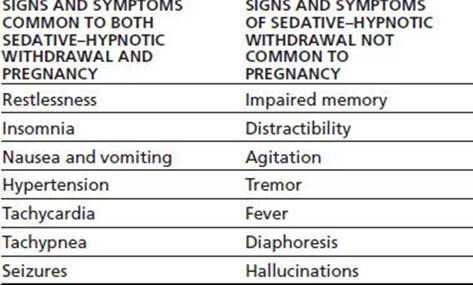
Progression to severe withdrawal from alcohol or sedatives carries a significant mortality risk, so early recognition and treatments are essential. However, the normal physiologic changes that accompany pregnancy can make it difficult to recognize early withdrawal. Table 83-1 displays similarities and differences between sedative withdrawal syndrome and pregnancy. Treatment for acute withdrawal from sedatives (including alcohol) in SUPW should be accomplished in an inpatient setting that allows for medical supervision in collaboration with an obstetrician. Uncontrolled withdrawal symptoms may be life threatening to both the mother and fetus. Benzodiazepines and barbiturates can adversely affect the fetus when given during pregnancy, so this should be taken into account when beginning treatment for acute withdrawal symptoms. However, the risk to both mother and fetus from untreated sedative withdrawal is usually greater than the potential risk to the fetus from exposure to these medications in a controlled setting.
TABLE 83-1 PREGNANCY AND SEDATIVE–HYPNOTIC WITHDRAWAL
In the pregnant woman, when alcohol is consumed, it is absorbed into the maternal bloodstream, quickly crosses the placenta, and enters fetal circulation. Alcohol is found in significant levels in the amniotic fluid even after a single moderate dose. As fetal hepatic circulation does not metabolize alcohol as efficiently as in the adult, alcohol is not eliminated from the amniotic fluid as rapidly as it is from maternal circulation (27).
Fetal Alcohol Syndrome
Over the last 40 years, multiple diagnostic criteria and schemata have been proposed to describe the spectrum of structural anomalies and neurocognitive disabilities associated with alcohol exposure in pregnancy. Although diagnostic criteria and categorization remain under discussion, fetal alcohol syndrome (FAS) is still the currently accepted diagnosis that describes affected individuals. The diagnostic use of fetal alcohol effects has fallen out of favor because of the inherent ambiguity of this diagnostic classification (46). Fetal alcohol spectrum disorders (FASD) is an umbrella term that describes the range of effects that may manifest in an individual whose mother drank alcohol during pregnancy. These effects may include physical, mental, behavioral, and/or learning disabilities with possible lifelong implications (46–48). The term FASD is not intended for use as a clinical diagnosis.
Addiction treatment is an opportunity to intervene with the current pregnancy and prevent further alcohol-affected pregnancies. A woman may disclose significant history of alcohol use during prior pregnancies, and the addiction clinician may be the first professional with whom she shares concern about her other children’s development. The physician can suggest resources for a diagnostic evaluation (49).
The classic phenotype and diagnosis of FAS includes the following:
■ Evidence of growth retardation (prenatal and/or postnatal): height and/or weight equal to or less than the 10th percentile, corrected for racial norms
■ Evidence of deficient brain growth and/or abnormal morphogenesis, including one or more of the following: structural brain anomalies or head circumference equal to or less than the 10th percentile (microcephaly)
■ Evidence of a characteristic pattern of minor facial anomalies, including two or more of the following: short palpebral fissures (equal to or less than the 10th percentile), thin vermillion border of the upper lip, and smooth philtrum
Of note, diagnostic criteria for FAS have been clarified by publication of a nomogram for determining palpebral fissure length centiles. Additionally, the 5-point pictorial score for assessing philtrum smoothness and thickness along the vermillion border provides further diagnostic guidance (47).
Fetal Alcohol Spectrum Disorders
The umbrella term fetal alcohol spectrum disorder expands the classification of prenatally alcohol-exposed individuals to include the following:
■ FAS with and without confirmed maternal alcohol exposure
■ Partial FAS: This diagnostic classification allows for a known or unknown maternal alcohol exposure history. It includes evidence of the characteristic pattern of minor facial anomalies and evidence of either prenatal and/or postnatal growth retardation or structural brain abnormalities or microcephaly.
■ Alcohol-related birth defects (ARBD): Alcohol exposure in pregnancy can cause significant structural defects in multiple organ systems known as ARBD. This includes anomalies in multiple organ systems such as cardiac (atrial septal defect, ventricular septal defect, conotruncal anomalies), skeletal (radioulnar synostosis and vertebral defects), renal (aplastic/hypoplastic/dysplastic kidneys), eyes (strabismus, ptosis, vascular and nerve anomalies), and ears (conductive and sensorineural hearing defects) and may include minor anomalies of the hands, ears, and chest wall with pectus carinatum/excavatum (47).
■ Alcohol-related neurodevelopmental disorder (ARND): In addition to microcephaly and structural abnormalities of the CNS, alcohol exposure may lead to ARND. When the diagnosis of ARND is made, there is evidence of a complex pattern of behavior or cognitive abnormalities inconsistent with developmental level. Additionally, the deficits cannot be explained by genetic predisposition, family background, or environment alone in the exposed child. The child or adult with ARND has marked impairment of complex developmental tasks, higher-level receptive and expressive language deficits, and disordered behavior (50).
For further clarification of the diagnosis and referral of alcohol-exposed individuals, current guidelines are available from the Centers for Disease Control and Prevention (50). The reader is also referred to the comprehensive review by Hoyme et al. (47).
The prevalence of FASD and FAS varies across populations, but affected adults and children are found in all races and ethnic groups. Poverty often leads to higher rates of alcohol use disorders, fetal exposure, and FAS as well as FASD (51). In the United States, it is estimated that between ½ and 2 per 1,000 live births will meet diagnostic criteria for FAS (51). FASD is more common, encompassing a wider spectrum of effects of exposure, and up to 1% of live births may be affected (52).
After identification of a potential case, the clinician should refer the family for a multidisciplinary evaluation of the affected child, as the differential diagnosis for the clinical features of FAS and FASD includes other genetic syndromes and fetal exposures to other teratogenic substances. Such an evaluation should include a physician skilled in the diagnosis of developmental disabilities, a psychologist with the ability to perform neuropsychologic evaluation, educational specialists, and physical, occupational, and speech and language professionals (47). Addiction clinicians may refer families seeking information about FAS and FASD to the National Organization of Fetal Alcohol Syndrome (NOFAS; www.nofas.org).
Barbiturates such as phenobarbital have been evaluated as part of a syndrome of anticonvulsant embryopathy described in infants exposed to anticonvulsant drugs in utero (53). Features include increased major malformations, growth retardation, and hypoplasia of the midface and fingers. The Antiepileptic Drug Pregnancy Registry (AEDPR) enrolled 77 pregnancies to determine the risk of embryopathy with exposure, including phenobarbital as well as other mood stabilizing medications. The AEDPR found the relative risk of major congenital malformations in anticonvulsant-exposed offspring was 4.2 and there was no difference in exposure to phenobarbital when compared to the other medications (54). The maternal use of barbiturates near term, particularly at chronic, high doses, can result in respiratory depression and a barbiturate withdrawal syndrome in the neonate (55).
The use of benzodiazepines during pregnancy has been associated with various degrees of teratogenic effects, particularly cleft lip and palate. However, data are conflicting, and heavy benzodiazepine use often is associated with exposure to alcohol and other substances (56). Overall, the use of benzodiazepines during pregnancy appears to have a low teratogenic risk (27). Maternal misuse of benzodiazepines near term has resulted in poor muscle tone and respiratory depression in the neonate (57).
In newborns, sedative withdrawal is less common than opioid withdrawal syndrome. The newborn exposed to a long-acting benzodiazepine such as diazepam will display withdrawal signs much later than one exposed to short- acting sedatives like alprazolam or alcohol. Exposure to benzodiazepines and/or barbiturates in addition to opioids may cause even later onset of opioid withdrawal signs (58).
Symptoms of neonatal sedative withdrawal syndrome, including alcohol, are similar to opioid withdrawal syndrome. In most cases, exposure to alcohol occurs in tandem with other substances, with tobacco the most commonly co-occurring substance. The development of a sedative scoring scale has been difficult because of the predominance of polysubstance exposures, and, therefore, there is no specific sedative scoring scale. Seizures are more frequent with alcohol withdrawal than opioid withdrawal syndrome, though, given the short half-life of alcohol, even in the newborn, the need for the treatment of alcohol withdrawal is rare (59). Additionally, neonatal benzodiazepine withdrawal syndrome usually resolves spontaneously and does not require specific treatment, though phenobarbital is the agent of choice for severe sedative withdrawal syndrome. Clinical trials comparing dosage, dosing intervals, and the need for serum levels of phenobarbital have not been done. Phenobarbital can be administered orally or intramuscularly at a dose of 2 to 4 mg/kg of body weight every 8 hours (60). After stabilization with reduction of neonatal withdrawal signs, the dose can be tapered by 10% to 20% per day over 5 to 10 days (32).
OPIOIDS
Use of heroin or nonmedical use of prescription opioid medications may continue into pregnancy because attempts to quit lead to obvious withdrawal symptoms, but SUPW may be reluctant to disclose information about their opioid use. Constipation from opioid use may be apparent on abdominal examination, although this is nonspecific and may be related to pregnancy. Opioids may be used by injection, especially heroin, so clues on screening that indicate injection drug use are useful. Nearly half of parenteral drug users have a history of acute hepatitis (19). Infections such as endocarditis, recurrent cellulitis, or thrombophlebitis should raise suspicion for injection drug use. Some SUPW hide needle marks by injecting under the tongue, in the axillae, under the breasts, into the legs, between fingers or toes, and under the nails. Track marks are wormlike scars from repeated injection that follow the courses of veins. Look for healed abscess scars from subcutaneous injection.
Maternal Pharmacotherapy
Opioid withdrawal syndrome during pregnancy can lead to fetal distress and premature labor owing to increased oxygen consumption by both mother and fetus. Even minimal symptoms in the mother may indicate fetal distress, as the fetus may be more susceptible to withdrawal symptoms than the mother. Methadone is frequently used to treat acute withdrawal symptoms from illicit opioids. Methadone may be used by a physician for temporary maintenance when an addicted patient is admitted to a hospital for an illness other than opioid addiction. This includes admission for evaluation for preterm labor, which may be induced by acute withdrawal. Naloxone should not be given to a pregnant woman except as a last resort in life-threatening opioid overdose, as withdrawal precipitated by an opioid antagonist can result in spontaneous abortion, premature labor, or stillbirth.
Medical withdrawal of the pregnant opioid-dependent woman is not recommended because of high rates of relapse to illicit prescription opioid and heroin use and the increased risk to the fetus of intrauterine death. Methadone maintenance has served as the long-time standard of treatment (61). Being on an adequate and stable methadone dose decreases fluctuations in maternal opioid level, which is thought to reduce stress on the fetus related to rapid cycles of intoxication and withdrawal. Fluctuations between opioid intoxication and withdrawal result in adverse fetal effects, such as premature labor and spontaneous abortion. Illicitly bought heroin is likely adulterated with other compounds that may be harmful to the fetus, and access to illicit prescription opioids may be unpredictable, so elimination of any opioid use with adequate doses of methadone prevents harm to the fetus from exposure to these other compounds. Engagement in medication-assisted treatment improves maternal health and nutrition, reduces obstetric complications, and improves the health of the infant at delivery. Other advantages of methadone maintenance over illicit opioid use are reduction of criminal activity and decreased disruption of the maternal– child dyad (62). Methadone maintenance enhances the ability of SUPW to participate in prenatal care and addiction treatment, thus giving the woman and her family the opportunity to adequately prepare for the arrival of the infant.
Opioid-dependent pregnant women should be referred to a local methadone maintenance program, if available. Most programs assign high priority to pregnant women, so the patient may be able to enter treatment sooner than if she were not pregnant. Opioid-dependent pregnant women on methadone maintenance are monitored regularly throughout the pregnancy, and the dose is adjusted as necessary. Maternal methadone dose does not correlate with neonatal abstinence symptoms, so maternal benefits of methadone are not offset by harm to the newborn (63). Effective daily methadone dose in opioid-dependent pregnant women may vary (64). It is reasonable to expect the methadone dose requirement to increase during the third trimester of pregnancy. This increase is due to larger plasma volume, decreased plasma protein binding, increased tissue binding, increased methadone metabolism, and increased methadone clearance in the mother. As a result, the half-life of methadone is shortened late in pregnancy, and the woman may experience mild withdrawal symptoms unless adjustments are made to her methadone dose. Splitting the total daily methadone requirement into two doses, given in the morning and evening, is preferred (65,66), if possible. This split-dose procedure provides a more even blood concentration throughout each day. Methadone maintenance as part of comprehensive care for pregnant heroin users and illicit prescription opioid users improves maternal psychosocial function and birth outcomes (67).
Sublingual buprenorphine, a partial μ agonist and κ antagonist prescribed for the treatment of opioid addiction, like methadone, has not yet been approved for use in pregnancy by the U.S. Food and Drug Administration, but has been used successfully for opioid maintenance in pregnant women (68–70). This medication has been well tolerated by pregnant women, and newborns have had a similar incidence of NAS compared to mothers on methadone, yet appear to require less morphine to treat and shorter duration of treatment for NAS (64).
Neonatal Withdrawal
Neonatal opioid withdrawal syndrome occurs in 60% to 80% of infants with intrauterine exposure to heroin or prescription opioids, including methadone and buprenorphine (71). The incidence of the syndrome is best described in those cases where SUPW are prescribed an opioid while in treatment. In these cases, historical and laboratory information for most of the pregnancy is available and may assist in treatment of the newborn (72).
Assessment and pharmacologic management of opioid-exposed infants vary across nurseries (73). Perhaps the most comprehensive assessment is provided by the Maternal Opioid Treatment: Human Experimental Research (MOTHER) NAS Measure (64) (Fig. 83-1 and Table 83-2). This modified Finnegan scale with specified item by item definitions assesses signs and symptoms with weighted scores, which are evaluated at 2 hours after birth and then every 4 hours. In scoring an infant, considerations of other factors, such as comorbid exposure to tobacco or other stimulants, a noisy environment and overstimulation, or whether the infant is hungry or not, may impact upon results. Pharmacotherapy is usually initiated when the total score is 9 or greater for 2 consecutive evaluations or 13 or more on a single evaluation, with dose escalation if scores climb rather than drop; however, some nurseries will utilize a lower score to initiate pharmacotherapy in an infant with comorbid medical problems or a higher score if the infant is feeding well and thriving. After initiation of treatment, the clinician should evaluate and score the infant every 4 hours until the score remains at 8 or below for 48 hours.
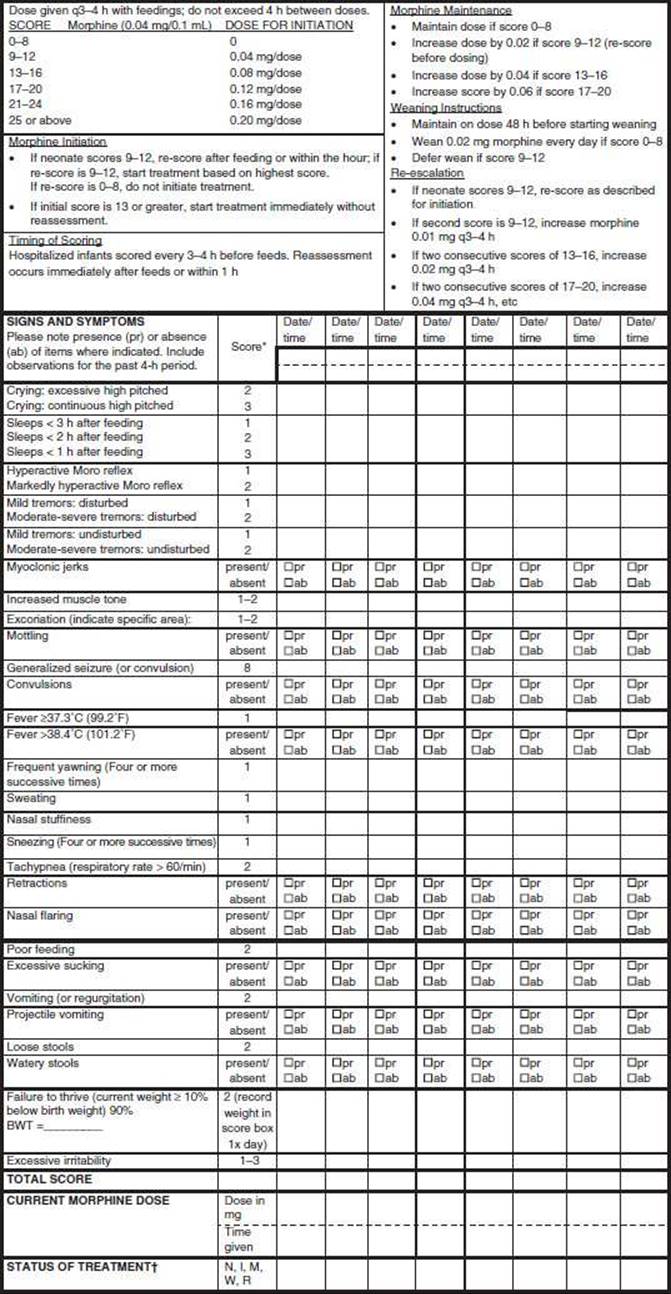
FIGURE 83-1 Maternal Opioid Treatment: Human Experimental Research (MOTHER) Neonatal Abstinence Measure. *See Table 83-2 for scoring. †Code Status of Treatment as follows: N, no treatment; I, initiation; M, maintenance; W, weaning; R, reescalation. (Reproduced from Jones HE, Kaltenbach K, Heil S, et al. Neonatal abstinence syndrome after methadone or buprenorphine exposure. N Engl J Med2010;363:2320–2331. Copyright © 2010, Massachusetts Medical Society.)
TABLE 83-2 MOTHER NAS SCORINGa

a The MOTHER NAS scoring instrument is a revision of the Finnegan scoring system for the NAS.
Reproduced from Jones HE, Kaltenbach K, Heil S, et al. Neonatal abstinence syndrome after methadone or buprenorphine exposure. N Engl J Med 2010;363:2320–2331. Copyright © 2010, Massachusetts Medical Society.
Another scoring tool, the Lipsitz Withdrawal Score, is used in some nurseries with treatment initiated at a score of more than 4 (74). This assessment has fewer items and may be easier to administer. The NNNS is also used to assess stress and responsiveness in the newborn. It is not used to determine opioid withdrawal medication treatment initiation, adjustments, or discontinuation (75).
Recommendations regarding specific treatments of NAS are hampered by the paucity of controlled trial data supporting the efficacy of any one preparation or treatment regimen over another (76). Use of other nonopioid drugs such as alcohol and other sedative drugs is a confounder of studies. The Cochrane Database Review of NAS concluded that treatment with an opioid agonist, such as oral morphine sulfate or methadone, reduces time to regain birth weight and may shorten hospital length of stay (77,78). In these two meta-analyses, phenobarbital and diazepam were found to be less effective in the treatment of seizures, but administration of a CNS depressant did not clearly lead to poorer treatment outcomes. Some investigators report the addition of phenobarbital to an opioid leads to better outcomes (79), whereas others find the CNS depressants fare poorly when compared to treatment with opioids (60,80). The American Academy of Pediatrics no longer recommends treatment with paregoric (32,81). Moreover, they also caution that tincture of opium contains a concentration of morphine 25 times higher than oral morphine solutions, which increases the risk of morphine overdose due to dosing or pharmacy error. Treatment with buprenorphine is currently under investigation (82). In the case of SUPW prescribed methadone or buprenorphine for opioid addiction, with no indication of other drug exposure, opioid agonist treatment is appropriate when pharmacologic intervention is indicated (Table 83-3).
TABLE 83-3 PHARMACOTHERAPY FOR NEONATAL OPIOID WITHDRAWAL SYNDROME

Adapted from Desmond MM, Wilson GS. Neonatal abstinence syndrome: recognition and diagnosis. Addict Dis Int J 1975;2:113–121.
Oral morphine sulfate directions based on Berghella V, Lim PJ, Cherpes J, et al. Maternal methadone dose and neonatal withdrawal. Am J Obstet Gynaecol 2003;189:312–317.
A review of the animal and human literature provides no evidence that prescribed and illicit use of opioids are in themselves teratogenic (83). Other than transmission of infection secondary to injection and intranasal insufflation, the most common ill effect of opioid abuse and addiction in pregnancy is intrauterine growth restriction (IUGR). Growth restriction is a result of poor maternal nutrition and the fluctuations of intoxication and withdrawal from the opioids inherent to the lifestyle and disease of opioid addiction (84). The children of women prescribed opioids for the treatment of pain, with steady-state concentrations of opioid medications, have no increase in pregnancy complications and deliver infants of normal weight and length (85). The most common complication in these infants is emergence of neonatal opioid withdrawal syndrome. Finally, newborns exposed to opioids chronically through gestation develop physiologic tolerance and rarely have CNS or respiratory depression at birth. Initial findings are that there is no greater fetal risk from exposure to buprenorphine than methadone, with some suggestion that buprenorphine may produce less suppression of fetal heart rate and less fetal heart rate reactivity than methadone (86).
CANNABIS
Delta-9-tetrahydrocannabinol, the active ingredient in cannabis, easily crosses the placenta, and the fetus is exposed to the active chemical as well as carbon monoxide. Studies of effects on neurodevelopment and growth have produced conflicting results. Additionally, the concurrent use of alcohol and tobacco in pregnancy confounds understanding of the teratogenicity of cannabis. There does not appear to be any teratogenic pattern unique to cannabis.
STIMULANTS
Previous pregnancy complications such as preterm labor, premature rupture of membranes, placental abruption, or IUGR may indicate prior complications of stimulant use, especially cocaine or methamphetamine. A meta-analysis of 31 studies in which cocaine was used during pregnancy revealed that birth outcomes included higher odds of preterm birth, shorter gestational age at delivery, and small for gestational age neonates (87). Respiratory problems in the mother may be a current consequence of intranasal insufflation (snorting) or smoking stimulant drugs such as cocaine and amphetamines (87). Atrophy of the nasal mucosa or perforation of the nasal septum (88) indicates snorting of drugs, most often cocaine or methamphetamine. A cough productive of black sputum indicates crack smoking (89).
The withdrawal syndrome from stimulants is subtle and complex and consists primarily of depression and craving. As abrupt discontinuation of stimulants does not cause gross physiologic sequelae, they are not tapered off or replaced with a cross-tolerant drug during medically supervised withdrawal treatment (90). Pregnant women withdrawing from stimulants should not receive medication except in cases of extreme agitation. Low doses of a benzodiazepine may be used if necessary.
An abstinence syndrome for intrauterine cocaine exposure has not been clearly defined (32), although effects of cocaine intoxication on neurobehavioral status have been identified. Intoxicated newborns may be irritable, difficult to quiet, and have feeding difficulties (91). Stimulant exposure may worsen the appearance of opioid withdrawal syndrome because of increased irritability in the newborn with stimulant intoxication.
When cocaine is used, the active drug and its metabolites readily cross the placenta. As fetal pH normally is lower than maternal pH and the fetal liver does not metabolize cocaine efficiently, drug is more highly concentrated in amniotic fluid. The effects of cocaine are thought to be through direct neurotoxicity by disrupting monoaminergic pathways and causing vascular damage (92). Multiple studies over the last decade have identified neurologic, developmental, and behavioral deficiencies in the infant, toddler, and young child exposed prenatally to cocaine (6,93). Cognitive differences, motor delays, language delays, and fine-motor problems have been identified across multiple studies, and there may be a dose–response effect of cocaine on newborn head circumference (94). However, many confounders of these effects have been identified, not the least of which is the use of alcohol by women using cocaine (95). Additionally, the teratogenic effects of cocaine on the CNS, heart, and genitourinary system are debated as results of large, controlled population studies provide contradictory findings (96).
The National Toxicology Program Center for Evaluation of Risks to Human Reproduction evaluated the potential for reproductive problems with the therapeutic and nontherapeutic use of amphetamines (97). One of the major concerns of this group was the effect of other factors, including concurrent exposure to other drugs. The report concludes there is some concern about neurobehavioral alterations occurring with prenatal exposure to amphetamines. Additionally, the group expressed some concern about growth, and an effect of methamphetamine on growth was found in the multicenter, longitudinal infant development, environment, and lifestyle study, with these exposed infants showing higher rates of IUGR (98). Finally, ACOG (99) has suggested that newborns exposed to methamphetamines in utero may be small for gestational age and at risk for neuro-developmental abnormalities.
MATERNAL ADDICTION TREATMENT
Simple admonitions to stop using are sometimes helpful if substance use or a substance use disorder are identified early, but in most cases of moderate to severe disorder are insufficient (100). Addiction treatment is more likely to be effective when begun during pregnancy than afterward (101). In certain cases, therapy for SUPW begins with detoxification, but this is merely a first step in overall treatment. Women are likely to benefit from different types of treatment programs, depending on the primary drug used and severity of addiction, as well as the patient’s life context, including her past experience in treatment or recovery. The ability of SUPW to follow through with treatment may be compromised by guilt, lack of supportive significant others (including family), and uncertainty about the success of treatment. However, the possibility of being reunited with children is often an incentive for a mother to enter treatment. This reduces the burden on the foster care system by assuring the safety of the child in a therapeutic environment.
Unique factors and problems must be considered when providing treatment to pregnant women. Access to treatment for SUPW may be limited by lack of treatment program openings, transportation problems, lack of childcare, or poverty (102). Addiction treatment programs must provide child care to be effective (103), but few do so (104). Twelve-step self-help group attendance and/or formal treatment programs, whether inpatient, residential, or outpatient, must address these unique challenges to be optimally effective. Specialty residential treatment programs for SUPW, specifically those that provide care for their infants, are economically justified (105) because comprehensive treatment programs for this population are successful (106).
Pharmacotherapy may be an option for some SUPW, though some medications are contraindicated in pregnancy. Women prescribed medication for an alcohol use disorder should inform their health care provider if they are planning to become pregnant. Some forms of long-term substance use disorder pharmacotherapy are not appropriate in pregnancy. Disulfiram (Antabuse) is contraindicated during pregnancy because of the association with specific birth defects (107), and the effects of acamprosate (Campral) and naltrexone (Revia) have not been studied in pregnancy.
LABOR AND DELIVERY
One of the most common complications of substance use and substance use disorders during pregnancy is preterm labor (8) with occurrence varying according to the substance. Rates from opioid use may be as high as 29% to 41% (108). Rates for other illicit drugs are generally lower, with around 6% attributable to cocaine (109).
Women may relapse as they near the end of pregnancy. They may confuse early signs of labor with signs of acute withdrawal, so may use illicit prescription opioids and/or heroin during the early hours of labor and arrive at the hospital in labor with high concentrations of drugs from recent use. This increases the chances of fetal stress and distress. Some SUPW may use heroin or illicit prescription opioids immediately before presenting for delivery in anticipation of the pain and stress of labor. Reassuring the woman that she will have access to adequate analgesia may help to allay some fears. The delivery method should be selected based solely on obstetric considerations. The staff on a labor and delivery unit should be aware that women who use stimulants may display bizarre and potentially abusive behavior (8).
Delivery is a clinical situation with nearly universal acute pain and a reasonably defined onset and resolution (110). Patients addicted to drugs are subject to pain in the same manner as any other patient, so can benefit from appropriate treatment for pain (111). Addicted pregnant women should be assessed for appropriate analgesia, and anesthesia options and adequate pain management should be provided at the time of delivery. Regional anesthesia may be the procedure of choice during delivery and for postpartum pain. Placement of an epidural catheter with infusion of a local anesthetic such as bupivacaine can reduce or eliminate the need for opioid analgesics. Pain medication should not be withheld based on a history of addiction. There is no reason to withhold or alter the dose or timing of the dose of opioid agonist therapy given to opioid-dependent women in labor and delivery or postpartum. Adjust the pain medication dose based on the patient’s reported pain level using a pain scale. One study found that women stabilized on methadone or buprenorphine experienced adequate pain control postpartum with the use of other opioids in combination with acetaminophen and an nonsteroidal anti-inflammatory drug. Methadone-maintained women may need additional pain control that can be managed with nonsteroidal anti-inflammatory drugs (112). These results suggest that routine pain management protocols are effective in reducing pain in buprenorphine- or methadone-maintained patients following a vaginal delivery. A second study showed that women on methadone maintenance during pregnancy had similar analgesic requirements and response during labor but required more opioid analgesic after cesarean delivery when compared to women not on methadone maintenance (110). Women who are using heroin or prescription opioids or are prescribed chronic opioids (including methadone maintenance) should not receive opioid agonist/antagonist pain medications (such as pentazocine or butorphanol) for acute pain because these medications may cause an acute opioid withdrawal syndrome (113).
BREAST-FEEDING
Women actively engaged in recovery, including those in addiction treatment, should be encouraged to breast-feed as long as urine drug screens are negative and the mother is negative for HIV (114). Women infected with either hepatitis B or hepatitis C may also breast-feed as long as the nipple and surrounding areola are not cracked and/or bleeding to avoid direct contact with maternal blood (115). In such cases, women should be encouraged to pump and discard breast milk and to resume nursing after the skin has healed. Breast-feeding builds a strong mother–infant bond while providing optimal nutrition and passive immunization for the child. Women with addiction may struggle with the responsibilities and role of parenthood, sometimes having lost custody of infants and children or having been exposed to addiction in their own families as children. Therefore, successful establishment of breast-feeding by a recovering woman is particularly empowering.
Women can breast-feed while on methadone maintenance (114). The American Academy of Pediatrics lists methadone as a medication compatible with breast-feeding (115). Nonetheless, women in methadone maintenance programs are sometimes discouraged from breast-feeding or are told that their “dose is too high.” Such a position is contrary to the evidence that negligible amounts of methadone are excreted in human milk across the dose range; thus, there is no contraindication to nursing while prescribed methadone (116). Although little methadone is transferred in breast milk, small amounts may ease neonatal withdrawal from opioids. In a study of 190 infant–mother pairs where the majority of the mothers were prescribed methadone, those infants who were breast-fed had less severe NAS (117). Buprenorphine is likewise appropriate to be continued for a woman who becomes pregnant while on maintenance treatment. Small amounts of buprenorphine are excreted in breast milk, so breast-feeding should also be encouraged in mothers prescribed buprenorphine (118). Insufficient information about the extent to which naloxone passes into breast milk is available to provide guidance in regard to breast-feeding.
Breast-feeding during maternal use of benzodiazepines should be discouraged. Diazepam and its active metabolite, N-desmethyldiazepam, have been found in both breast milk and infant blood. However, the relative concentrations in breast milk and infant blood plasma are not currently known. Breast-feeding should likewise be discouraged during any period of maternal cocaine use (119). Cocaine is present in breast milk, which the newborn easily absorbs. Moreover, metabolization of cocaine in infants is quite slow, and it may be several days before cocaine does not appear in urine assay of the newborn. Breast-feeding during any period of maternal cannabis use should also be discouraged. The active metabolite of cannabis, tetrahydrocannabinol, is found in breast milk at levels elevated to maternal blood plasma levels.
An infant may be exposed to psychoactive drugs through breast milk if the mother relapses or is not yet in recovery from drug addiction. The substance-exposed nursing infant will display signs not dissimilar from those seen in the adult abusing a substance. Exposure to nicotine may cause irritability and poor feeding and disrupt sleep in the infant. Similarly, infants can become intoxicated and irritable with exposure to other stimulants such as cocaine and amphetamine. The infant may feed and sleep poorly, have gastrointestinal disturbance with vomiting or diarrhea, and may present with a seizure. Infants exposed to opioids may display intoxication with sedation and poor feeding or may exhibit withdrawal signs and become tremulous, restless, and feed and sleep poorly. Finally, the infant exposed to alcohol may feed and grow poorly, become diaphoretic, and have poor muscle tone. A mother ingesting more than 1 g/kg of alcohol each day may have decreased milk letdown, belying the conventional wisdom that alcohol consumption increases letdown and milk production (120).
LEGAL ISSUES
Patient history or physician examination may lead a physician to request laboratory screening for substances in a pregnant woman and/or newborn child, in the interest of both the woman’s and the child’s health. Testing should not be done without the patient’s (woman’s) knowledge. A request for bodily fluid testing must be accompanied by informed consent, because testing without this violates the constitutional rights of the mother and child (121) and the patient’s autonomy. The physician must balance the maternal right to privacy with the imperative to protect the fetus (122). Most physicians favor mandatory screening for risky alcohol use, although there is concern that fear of prosecution and potential loss of custody of the child or her other children would cause women to avoid prenatal care (123). Some states have laws that present terrible dilemmas to clinicians because they equate positive drug testing with child abuse or criminal offenses, which can interfere with successful treatment of substance use disorders (124). However, in many cases across the nation, legislators and the courts have ruled that addiction in pregnancy is not a criminal matter (121) and there is no evidence that punitive approaches work (123).
A positive toxicology screen in mother or infant warrants a Child Protective Services (CPS) evaluation of the situation. The mandate to report varies significantly, and, thus, clinicians should be familiar with legislation in their state and community. Fortunately, CPS workers are responsible for further investigation of the risk to the child, thus relieving the clinician from the task of optimizing the home postpartum environment.
Many states require hospitals to report pregnant women suspected of heavy alcohol or other drug use to local public health authorities or the criminal justice system when they present for delivery, whether she has or has not sought treatment for her substance use. This reporting may cause SUPW to be even more wary of acknowledging that they have a problem. For this reason, it is very important for a physician who recognizes perinatal addiction to address this issue with the patient in a compassionate, nonjudgmental manner, thus advocating for both mother and child. Mandatory reporting of positive maternal drug screens or aggressive prosecution of SUPW may cause women to avoid disclosure of addiction during pregnancy. Some SUPW avoid prenatal care and hospital delivery, particularly if they have other children in the custody of CPS or living with relatives, because they fear the loss of their children. However, mandatory reporting legislation may provide an incentive for SUPW to enter treatment prior to delivery in order to avoid potential prosecution. Continued custody of the child may be contingent upon adherence to a treatment plan determined by the CPS. Use of the criminal justice system for coercion to initiate addiction treatment is supported by improved outcomes when SUPW are allowed to retain custody of their infant (99). Every effort should be made to coordinate appropriate placement of the infant (with the mother, another family member, or in foster care) when a mother is in need of addiction treatment. With such support, the mother can continue to build her bond with the infant, and it provides positive motivation for the mother to attend treatment and enter recovery. Laws vary greatly across the United States and are often unclear regarding charges of child abuse for SUPW (123). Education and support of SUPW about applicable state legislation can help enhance motivation to enter addiction treatment prior to delivery.
POSTPARTUM CARE
Drug addiction is not sufficient to determine at-risk parenting; however, it is within a cumulative risk framework. Identifying children born exposed in utero to substances can be a launching point to help optimize the health and well-being of the mother and child (125). Further, the link between parental addiction and child maltreatment has been known for many years (126) and has been recently affirmed in the Adverse Childhood Experiences Study (127). Effectively treating a parent is the most important intervention for the child exposed to substances, both prenatally and during their childhood (128). Particularly in the case of SUPW, the additional stresses of meeting the developmental needs of a newborn, possibly together with rearing older children, lack of family and social support, depression and other psychiatric problems, inadequate housing or homelessness, exposure to violence, and financial difficulties, may pose as much risk to successful child rearing as the diagnosis of addiction (126). Comprehensive ongoing maternal addiction treatment, tailored to help the woman address other stressors besides addiction, reduces the chance of an adverse outcome for both mother and child. Otherwise, these factors can hamper the recovering woman’s effectiveness as a parent, thus contributing to the risk of relapse to addiction (129).
If a mother is successful in treatment, she may be able to retain custody of her children. For the woman whose children have been removed from her home, a goal of treatment and recovery should be reunification of her family. Prolonged hospitalization of newborns or foster care for children born to SUPW is an economic burden on society (90). Effective treatment and intervention is cost-effective in the short and long term and becomes the first and most effective prevention intervention for children. For SUPW without addiction, the goal of brief counseling is to prevent a return to hazardous substance use, particularly during a subsequent pregnancy.
Following birth, maternal treatment plans should be expanded to address newborn medical problems such as infection and developmental problems due to substance exposure. Bonding with the infant may be more difficult, so the mother may need to be taught specific skills to calm and feed her infant. Older children may need to be evaluated for developmental problems if the mother is concerned or gives a history of substance use in earlier pregnancies. Communication links developed during the pregnancy should be expanded to include physicians, social workers, and allied health professionals caring for the infant and older children. Such interventions can have a positive impact on development of every child in the family and prevent another substance-exposed pregnancy (126).
REFERENCES
1.Mitchell JL, Brown G. Physiological effects of cocaine, heroin, and methadone. In: Engs RC, ed. Women: alcohol and other drugs. Dubuque, IA: Kendall/Hunt Publishing Co., 1990;53–60.
2.Goodwin RD, Keyes K, Simuro N. Mental disorders and nicotine dependence among pregnant women in the United States. Obstet Gynecol 2007;109:875–883.
3.Substance Abuse and Mental Health Services Administration. Results from the 2011 National Survey on Drug Use and Health: Summary of National Findings. NSDUH Series H-44, HHS Publication No. (SMA) 12-4713. Rockville, MD: Substance Abuse and Mental Health Services Administration, 2012.
4.Crome IB, Kumar MT. Epidemiology of drug and alcohol use in young women. Semin Fetal Neonat Med 2007;12:98–105.
5.National Institute on Drug Abuse. National pregnancy health survey. Rockville, MD: National Institute on Drug Abuse, 1996.
6.Lester BM, El Sohly M, Wright LL, et al. The maternal lifestyle study: drug use by meconium toxicology and maternal self-report. Pediatrics 2001;107:309–317.
7.Bolnick JM, Rayburn WF. Substance use disorders in women: special considerations during pregnancy. Obstet Gynecol Clin North Am 2003;30:545–558.
8.Wright A, Walker J. Management of women who use drugs during pregnancy. Semin Fetal Neonat Med 2007;12:114–118.
9.Heil SH, Jones HE, Arria A, et al. Unintended pregnancy in opioid-abusing women. J Subst Abuse Treat 2011;40:199–202.
10.Chang G, Wilkins-Haug L, Berman S, et al. Brief intervention for alcohol use in pregnancy: a randomized trial. Addiction 1999;94:1499–1508.
11.Christmas JT, Knisely JS, Dawson KS, et al. Comparison of questionnaire screening and urine toxicology for detection of pregnancy complicated by substance use. Obstet Gynecol1992;80:750–754.
12.Zuckerman B, Parker S, Hingson R, et al. Maternal psychoactive substance use and its effect on the neonate. In: Milunsky A, Friedman EA, Gluck L, eds. Advances in perinatal medicine. New York: Plenum Press, 1986:125–179.
13.Daley M, Argeriou M, McCarty D, et al. The costs of crime and the benefits of substance abuse treatment for pregnant women. J Subst Abuse Treat 2000;19:445–458.
14.Tuten M, Jones HE. A partner’s drug using status impacts women’s drug treatment outcome. Drug Alcohol Depend 2003;70: 327–330.
15.Jones HE, Heil SH, O’Grady KE, et al. Smoking in pregnant women screened for an opioid agonist medication study compared to related pregnant and non-pregnant patient samples. Am J Drug Alcohol Abuse 2009;35:375–380.
16.Coker AL, Smith PH, McKeown RE, et al. Frequency and correlates of intimate partner violence by type: physical, sexual, and psychological battering. Am J Public Health 2000;90:553–559.
17.Haller DL, Miles DR. Victimization and perpetration among perinatal substance abusers. J Interpers Violence 2003;18:760–780.
18.Martin SL, Kilgallen B, Dee DL, et al. Women in a prenatal care/ substance abuse treatment program: links between domestic violence and mental health. Matern Child Health J1998;2:85–94.
19.Abel EL, Sokol RJ. Consequences of alcohol abuse. In: Gleiche N, ed. Principles and practice of medical therapy in pregnancy. New Haven, CT: Appleton & Lange, 1992:79–85.
20.Gareri G, Klein G, Koren J. Drugs of abuse testing in meconium. Clin Chim Acta 2006;366:101–111.
21.Wingert WE, Feldman MS, Kim MH, et al. A comparison of meconium, maternal urine and neonatal urine for detection of maternal drug use during pregnancy. J Forensic Sci1994;39:150–158.
22.Montgomery D, Plate C, Alder SC, et al. Testing for fetal exposure to illicit drugs using umbilical cord tissue vs. meconium. J Perinatol 2006;26:11–14.
23.Chan D, Klein J, Koraskov T, et al. Fetal exposure to alcohol as evidenced by fatty acid ethyl esters in meconium in the absence of maternal history for drinking in pregnancy. Ther Drug Monitor2004;26:474–481.
24.Caprara D, Klein J, Koren G. Baseline measures of fatty acid ethyl esters in hair of neonates born to abstaining or mild social drinking mothers. Ther Drug Monit 2005;27:811–815.
25.Joya X, Friguls B, Ortigosa S, et al. Determination of maternal-fetal biomarkers of prenatal exposure to ethanol: a review. J Pharm Biomed Anal 2012;69:209–222.
26.Reisfield GM, Goldberger BA, Pesce AJ, et al. Ethyl glucuronide, ethyl sulfate, and ethanol in urine after intensive exposure to high ethanol content mouthwash. J Anal Toxicol2011;35:264–268.
27.Pagliaro LA, Pagliaro AM. Drugs as human teratogens and fetotoxins. In: Pagliaro LA, Pagliaro AM, eds. Problems in pediatric drug therapy, 4th ed. Washington, DC: American Pharmacists Association, 2002.
28.Shankaran S, Das A, Bauer CR, et al. Association between patterns of maternal substance use and infant birth weight, length, and head circumference. Pediatrics 2004;114;226–234.
29.Finnegan LP, Kaltenbach K. Neonatal abstinence syndrome. In: Hoekelman RA, Friedman SB, Nelson NM, eds. Primary pediatric care, 2nd ed. St. Louis, MO: Mosby, 1992:1367–1378.
30.Chiriboga CA, Kuhn L, Wasserman GA. Prenatal cocaine exposures and dose-related cocaine effects on infant tone and behavior. Neurotoxicol Teratol 2007;29:323–330.
31.Fischer G, Jagsch R, Eder H, et al. Comparison of methadone and slow-release morphine maintenance in pregnant addicts. Addiction 1999;94:231–239.
32.Hudak ML, Tan RC; The Committee on Drugs, and the Committee on Fetus and Newborn. Neonatal drug withdrawal. Pediatrics 2012;129:e540–e560.
33.Desmond MM, Wilson GS. Neonatal abstinence syndrome: recognition and diagnosis. Addict Dis 1975;2:113–121.
34.Steg N. Narcotic withdrawal reactions in the newborn. Am J Dis Child 1957;94:286–288.
35.Durham J, Owen P, Bender B, et al. Alcohol consumption among pregnant and childbearing-aged women: United States, 1991 and 1995. MMWR Morb Mortal Wkly Rep 1997;46:3–10.
36.ACOG. Committee opinion no 471: smoking cessation during pregnancy. Obstet Gynecol 2010;116:1241.
37.U.S. Preventive Services Task Force. Counseling and interventions to prevent tobacco use and tobacco-caused disease in adults and pregnant women: U.S. Preventive Services Task Force reaffirmation recommendation statement. Ann Intern Med 2009;150:551–555.
38.American College of Obstetricians and Gynecologists. Use of psychiatric medications during pregnancy and lactation. ACOG Practice Bulletin No. 92. Obstet Gynecol 2008;111:1001–1020.
39.England LJ, Kendrick JS, Wilson HG, et al. Effects of smoking reduction during pregnancy on the birth weight of term infants. Am J Epidemiol 2001;154:694–701.
40.Suzuki K, Minei LJ, Johnson EE. Effect of nicotine upon uterine blood flow in the pregnant rhesus monkey. Am J Obstet Gynecol 1980;136:1009–1013.
41.Levin ED, Slotkin TA. Developmental neurotoxicity of nicotine. In: Slikker W, Chang LW, eds. Handbook of developmental neurotoxicity. Waltham, MA: Academic Press, 1998:587–615.
42.Andres RL, Day MC. Perinatal complications associated with maternal tobacco use. Semin Neonatol 2000;5:231–241.
43.Law KL, Stroud LR, LaGasse LL, et al. Smoking during pregnancy and newborn neurobehavior. Pediatrics 2003;111:1318–1323.
44.Pichini S, Garcia-Algar O. In utero exposure to smoking and newborn neuro28:288–290.
45.Mitchell EA, Milerad J. Smoking and the sudden infant death syndrome. Rev Environ Health 2006;21:81–103.
46.Aase JM, Jones KL, Clarren SK. Do we need the term “FAE”? Pediatrics 1995;95:428–430.
47.Hoyme HE, May PA, Kalberg WO, et al. A practical clinical approach to diagnosis of fetal alcohol spectrum disorders: clarification of the 1996 Institute of Medicine criteria. Pediatrics2005;115:39–47.
48.Sokol RJ, Delaney-Black V, Nordstrom B. Fetal alcohol spectrum disorder. JAMA 2003;290:2996–2999.
49.Jones KL, Smith DW. Recognition of the fetal alcohol syndrome in early infancy. Lancet 1973;2:999–1001.
50.Bertrand J, Floyd LL, Weber MK. Guidelines for identifying and referring persons with fetal alcohol syndrome. MMWR Recomm Rep 2005;54(RR-11):1–14.
51.May PA, Gossage JP. Estimating the prevalence of fetal alcohol syndrome: a summary. Alcohol Res Health 2001;25:159–167.
52.Sampson PD, Streissguth AP, Bookstein FL, et al. Incidence of fetal alcohol syndrome and prevalence of alcohol-related neurodevelopmental disorder. Teratology 1997;56:317–326.
53.Nakane Y, Okuma T, Takahashi R, et al. Multi-institutional study on the teratogenicity and fetal toxicity of antiepileptic drugs: a report of a collaborative study group in Japan. Epilepsia1980;21:663–680.
54.Holmes LB, Wyszinski DF, Lieberman E. The AED Pregnancy Registry: a 6 year experience. Arch Neurol 2004;61:673–678.
55.Pagliaro AM, Pagliaro LA. Substance use among children and adolescents: its nature, extent, and effects from conception to adulthood. New York: John Wiley & Sons, 1996.
56.Iqual MM, Sobhan T, Ryals T. Effects of commonly used benzodiazepines on the foetus, the neonate and the nursing infant. Psychiatr Serv 2002;53:39–49.
57.Sanchis A, Rosique D, Catala J. Adverse effects of maternal lorazepam on neonates. DICP. Ann Pharmacother 1991;25:1137–1138.
58.Desmond MM, Schwanecke RP, Wilson GS, et al. Maternal barbiturate utilization and neonatal withdrawal symptomatology. J Pediatr 1972;80:190–197.
59.Robe LB, Gromisch DS, Iosub S. Symptoms of neonatal ethanol withdrawal. Curr Alcohol 1981;8:485–493.
60.Jackson L, Ting A, McKay S, et al. A randomised controlled trial of morphine versus phenobarbitone for neonatal abstinence syndrome. Arch Dis Child Fetal Neonatal Ed 2004;89:300–304.
61.Center for Substance Abuse Treatment. Treatment Improvement Protocol 2: pregnant, substance-abusing women. Rockville, MD: Author, 1993.
62.Wilson G. Clinical studies of infants and children exposed prenatally to heroin. Ann N Y Acad Sci 1989;562:183–194.
63.Berghella V, Lim PJ, Cherpes J, et al. Maternal methadone dose and neonatal withdrawal. Am J Obstet Gynecol 2003;189:312–317.
64.Jones HE, Kaltenbach K, Heil S, et al. Neonatal Abstinence Syndrome after Methadone or Buprenorphine Exposure. N Engl J Med 2010;363:2320–2331.
65.Wittmann BK, Segal S. A comparison of the effects of single- and split-dose methadone administration on the fetus: ultrasound evaluation. Int J Addict 1991:26:213–218.
66.Jarvis MAE, Wu-Pong S, Knisely JS, et al. Alterations in methadone metabolism during late pregnancy. J Addict Dis 1999;18:51–61.
67.Batey RG, Weissel K. A 40 month follow-up of pregnant drug using women treated at Westmead Hospital. Drug Alcohol Rev 1993;12:265–270.
68.Fischer G, Etzersdorfer P, Eder H, et al. Buprenorphine maintenance in pregnant opiate addicts. Eur Addict Res 1998;4(Suppl 1):32–36.
69.Fischer G, Johnson RE, Eder H, et al. Treatment of opioid-dependent pregnant women with buprenorphine. Addiction 2000;95:239–244.
70.Jones HE, Johnson RE, Jasinski DR, et al. Randomized controlled study transitioning opioid-dependent pregnant women from short-acting morphine to buprenorphine or methadone. Drug Alcohol Depend2005;79:1–10.
71.Ebner N, Rohrmeister K, Winklbaur B, et al. Management of neonatal abstinence syndrome in neonates born to opioid maintained women. Drug Alcohol Depend 2007;87:131–138.
72.Lejeune C, Simmat-Durand L, Gourarier L, et al. Prospective multicenter observational study of 260 infants born to 259 opiate-dependent mothers on methadone or high-dose buprenorphine substitution. Drug Alcohol Depend 2006;82:250–257.
73.Sarkar S, Donn SM. Management of neonatal abstinence syndrome in neonatal intensive care units: a national survey. J Perinatol 2006;26:15–17.
74.Lipsitz PJ. A proposed narcotic withdrawal score for use with newborn infants: a pragmatic evaluation of its efficacy. Clin Pediatr 1975;14:592–594.
75.Boukydis CFZ, Bigsby R, Lester BM. Clinical use of the Neonatal Intensive Care Unit Network Behavioural Scale. Pediatrics 2004;113:679–689.
76.Theis JG, Selby P, Ikizler Y, et al. Current management of the neonatal abstinence syndrome: a critical analysis of the evidence. Biol Neonate 1997;71:345–356.
77.Osborn DA, Jeffery HE, Cole M. Opiate treatment for opiate withdrawal in newborn infants. Cochrane Database Syst Rev 2005;3:CD002059.
78.Osborn DA, Jeffery HE, Cole MJ. Sedatives for opiate withdrawal in newborn infants. Cochrane Database Syst Rev 2005;(3):CD002053.
79.Coyle MG, Ferguson A, Lagasse L, et al. Neurobehavioral effects of treatment for opiate withdrawal. Arch Dis Child Fetal Neonatal Ed 2005;90:73–74.
80.Kandall SR, Doberczak TM, Mauer KR, et al. Opiate vs. CNS depressant therapy in neonatal drug abstinence syndrome. Am J Dis Child 1983;137:378–382.
81.Wunsch MJ. A chart review comparing paregoric to methadone in the treatment of neonatal opioid withdrawal. J Addict Dis 2006;25:27–33.
82.Kraft WK, Dysart K, Greenspan JS, et al. Revised dose schema of sublingual buprenorphine in the treatment of the Neonatal Opioid Abstinence Syndrome. Addiction 2011;106:574–580.
83.Mellin GW. Drugs in the first trimester of pregnancy and fetal life of Homo sapiens. Am J Obstet Gynecol 1964;90:1169–1180.
84.Pagliaro AM, Pagliaro LA. Substance use among women. Philadelphia, PA: Brunner/Mazel, 2000.
85.Wunsch MJ, Stanard V, Schnoll SH. Treatment of Pain in Pregnancy. Clin J Pain 2003;19:148–155.
86.Jansson LM, Dipietro JA, Velez M, et al. Fetal neurobehavioral effects of exposure to methadone or buprenorphine. Neurotoxicol Teratol 2011;33:240–243.
87.Gouin K, Murphy K, Shah PS. Knowledge Synthesis group on Determinants of Low Birth Weight and Preterm Births. III. Effects of cocaine use during pregnancy on low birthweight and preterm birth: systematic review and metaanalyses. Am J Obstet Gynecol 2011;204:e1–e12.
88.Glassroth J, Adam GD, Schnoll SH. The impact of substance abuse on the respiratory system. Chest 1987;91:596–602.
89.Warner EA. Is your patient using cocaine? Clinical signs that should raise suspicion. Postgrad Med 1995;98(2):173–176.,180.
90.Weaver MF, Schnoll SH. Stimulants: amphetamines, cocaine. In: McCrady BS, Epstein EE, eds. Addictions: a comprehensive guidebook. New York: Oxford University Press, 1999:105–120.
91.Karmel BZ, Gardner JM. Prenatal cocaine exposure effects on arousal-modulated attention during the neonatal period. Dev Psychobiol 1996;29:463–480.
92.Lester BM, Tronick EZ, LaGasse L, et al. The maternal lifestyle study: effects of substance exposure during pregnancy on neurodevelopmental outcome in 1-monthold infants. Pediatrics2002;110:1182–1192.
93.Scanlon JW. The neuroteratology of cocaine: background, theory, and clinical implications. Reprod Toxicol 1991;5:89–98.
94.Bateman DA, Chiriboga CA. Dose–response effect of cocaine on newborn head circumference. Pediatrics 2000;106:E33.
95.Lumeng JC, Howard J, Cabral HJ, et al. Pre-natal exposures to cocaine and alcohol and physical growth patterns to age 8 years. Neurotoxicol Teratol 2007;29:446–457.
96.Vidaeff AC, Mastrobattista JM. In utero cocaine exposure: a thorny mix of science and mythology. Am J Perinatol 2003;20:165–172.
97.Golub M, Costa L, Crofton K, et al. NTP-CERHR expert panel report on the reproductive and developmental toxicity of amphetamine and methamphetamine. Birth Defects Res B Dev Reprod Toxicol2005;74:471–584.
98.Smith LM, LaGasse LL, Derauf C, et al. The infant development, environment, and lifestyle study: effects of prenatal methamphetamine exposure, polydrug exposure, and poverty on intrauterine growth. Pediatrics 2006;118:1149–1156.
99.American College of Obstetricians and Gynecologists. Committee opinion 479, methamphetamine use in women of reproductive age. Obstet Gynecol 2011;117(3):751-755.
100.Weaver MF, Jarvis MAE, Schnoll SH. Role of the primary care physician in problems of substance abuse. Arch Intern Med 1999;159: 913–924.
101.Nace EP, Birkmayer F, Sullivan MA, et al. Socially sanctioned coercion mechanisms for addiction treatment. Am J Addict 2007;16:15–23.
102.Roberts LW, Dunn LB. Ethical considerations in caring for women with substance use disorders. Obstet Gynecol Clin North Am 2003;30:559–582.
103.Smith IE, Dent DZ, Coles CD, et al. A comparison study of treated and untreated pregnant and postpartum cocaine-abusing women. J Subst Abuse Treat 1992;9:343–348.
104.Howell EM, Heiser N, Harrington M. A review of recent findings on substance abuse treatment for pregnant women. J Subst Abuse Treat 1999;16:195–219.
105.French MT, McCollister KE, Cacciola J, et al. Benefit of cost analysis of addiction treatment in Arkansas: specialty and standard residential programs for pregnant and parenting women. Subst Abuse2002;23:31–51.
106.Mondanaro J, Reed B. Current issues in the treatment of chemically dependent women. In: NIDA Research Monograph Series. Rockville, MD: U.S. Department of Health and Human Services, 1987.
107.Jessup M, Green JR. Treatment of the pregnant alcohol-dependent woman. J Psychoactive Drugs 1987;19:193–203.
108.Ajemirokun-Odudeyi O, Sinha C, Tutty S, et al. Pregnancy outcome in women who use opiates. Eur J Obstet Gynecol Reprod Biol 2006;126:170–175.
109.Bada HS, Das A, Bauer CR, et al. Low birthweight and preterm births: etiologic fraction attributable to prenatal drug exposure. J Perinatol 2005;25:631–637.
110.Meyer M, Wagner K, Benvenuto A, et al. Intrapartum and postpartum analgesia for women maintained on methadone during pregnancy. Obstet Gynecol 2007;110:261–266.
111.Weaver MF, Schnoll SH. Abuse liability in opioid therapy for pain treatment in patients with an addiction history. Clin J Pain 2002;18:561–569.
112.Jones HE, O’Grady KE, Dahne J, et al. Management of acute postpartum pain in patients maintained on methadone or buprenorphine during pregnancy. Am J Drug Alcohol Abuse2009;35:151–156.
113.Strain EC, Preston KL, Liebson IA, et al. Precipitated withdrawal by pentazocine in methadone-maintained volunteers. J Pharmacol Exp Ther 1993;267:624–634.
114.McCarthy JJ, Posey BL. Methadone levels in human milk. J Hum Lact 2000;16:115–120.
115.Section on Breastfeeding. Breastfeeding and the Use of Human Milk.
116.Jansson LM, Velez M, Harrow C. Methadone maintenance and lactation: a review of the literature and current management guidelines. J Hum Lact 2004;20:62–71.
117.Abdul-Latif ME, Piner J, Clews S, et al. Effects of breast milk on severity and outcome of neonatal abstinence syndrome in infants of drug-dependent mothers. Pediatrics 2006;17:1163–1169.
118.Marquet P, Chevrel J, Lavignasse P, et al. Buprenorphine withdrawal syndrome in a newborn. Clin Pharmacol Ther 1997;62: 569–571.
119.Wong S, Ordean A, Kahan M. Substance use in pregnancy. J Obstet Gynaecol Can 2011;33:367–384.
120.American Academy of Pediatrics, Committee on Drugs. The transfer of drugs and other chemicals into human milk. Pediatrics 2001;108:776–789.
121.Harris LH, Paltrow L. The status of pregnant women and fetuses in U.S. criminal law. JAMA 2003;289:1697–1699.
122.Lambert B, Scheiner M, Campbell D. Ethical issues and addiction. J Addict Dis 2010;29:164–174.
123.Abel EL, Kruger M. Physician attitudes concerning legal coercion of pregnant alcohol and drug abusers. Am J Obstet Gynecol 2002;186:768–772.
124.Kimbel AS. Pregnant drug abusers are treated like criminals or not treated at all: a third option proposed. J Contemp Health Law Policy 2004;21:36–66.
125.Doris JL, Meguid V, Thomas M, et al. Prenatal cocaine exposure and child welfare outcomes. Child Maltreat 2006;11:326–337.
126.Nair P, Schuler ME, Black MM, et al. Cumulative environmental risk in substance abusing women: early intervention, parenting stress, child abuse potential and child development. Child Abuse Negl2003;27:997–1017.
127.Dube SR, Felitti VJ, Dong M, et al. Childhood abuse, neglect, and household dysfunction and the risk of illicit drug use: the adverse childhood experiences study. Pediatrics2003;111:564–572.
128.Johnson JL, Leff M. Children of substance abusers: overview of research findings. Pediatrics 1999;103:1085–1099.
129.Ingersoll KS, Lu IL, Haller DL. Predictors of in-treatment relapse in perinatal substance abusers and impact on treatment retention: a prospective study. J Psychoactive Drugs1995;27:375–387. Pediatrics2012;129;e827–e841.