
Anthony Cooley
HIGH-YIELD FACTS
• The principal pathologic feature of Kawasaki disease (KD) is an acute vasculitis that affects the microvessels (arterioles, venules, and capillaries) anywhere in the body.
• Since there are no pathognomonic laboratory findings, the diagnosis is established clinically by the presence of fever and at least four of five clinical features (conjunctival injection, oropharynx erythema, cervical adenopathy, hand and foot erythema/swelling, and rash).
• As many as 20% of children will have incomplete KD, with only two of the conventional diagnostic criteria. Elevated C-reactive protein or erythrocyte sedimentation rate should raise suspicion in these children and consultation with a local expert is advised.
• Positive screening tests for an infectious etiology of an acute illness may identify a concomitant infection, carrier state, or viral shedding and therefore may not exclude a diagnosis of KD.
• All patients diagnosed with Kawasaki syndrome should be hospitalized for administration of intravenous gamma globulin (IVIG), aspirin therapy, and cardiac evaluation.
• The overall mortality rate of Kawasaki syndrome in American children ranges from 0.1% to 0.2% and peaks between 15 to 45 days after the onset of fever. Patients receiving treatment within the first 8 to 10 days of the onset of fever have the best prognosis.
KD, or mucocutaneous lymph node syndrome, is an acute, self-limited, multisystem vasculitis of unclear etiology. KD is the leading cause of acquired heart disease in children in the United States and Japan. The diagnosis of classical disease is based upon clinical criteria; there are no pathognomonic laboratory findings. This vasculitis affects nearly every organ system in the body. First-line treatment is IVIG, which has been shown to reduce the risk of coronary artery aneurysm from 25% to 5%.
ETIOLOGY AND PATHOGENESIS
Although an etiology is unknown, it has been hypothesized that KD may be a unique response of genetically predisposed individuals to some unidentified microbial agent. Alternatively, KD may be an unexplained immunologic response to known microbial agents. Environmental toxins have been suggested but never proven as having a role.1 The principal pathologic feature of this syndrome is an acute, nonspecific vasculitis that affects the microvessels (arterioles, venules, and capillaries). Nearly every organ system is involved. In the heart, the vasculitis results in coronary aneurysm formation in 20% to 25% of untreated patients.
Cases usually occur in clusters throughout the year, particularly during winter and spring. The peak incidence is in children 18 to 24 months of age, with 80% to 85% of cases occurring in children younger than 5 years. It is most common in children of Asian and Pacific Island descent and more common in males than females (1.5:1).1,2
CLINICAL FINDINGS
The diagnosis of KD is established using clinical criteria: presence of fever for 5 days and four of five other physical findings (Table 62-1).
|
TABLE 62-1 |
Diagnostic Criteria for Kawasaki Syndrome |
Fever persisting for.5 d
And at least four of the following findings:
Bilateral, painless bulbar conjunctival injection without exudate
Mucous membrane changes of the oropharynx
including injected, dry, cracked lips, and oral mucosal; pharyngeal injection;
“strawberry tongue”
Peripheral extremity changes
including erythema and edema of hands and feet in the acute phase; periungual and generalized desquamation in the convalescent phase
Polymorphous truncal exanthem
usually erythematous but may be pustular
Acute, nonpurulent cervical lymphadenopathy
usually ≥1.5 cm
Findings cannot be explained by some other known disease process
• Conjunctival injection without discharge (Fig. 62-1)
• Lip and pharyngeal erythema without exudate (Fig. 62-2)
• Cervical adenopathy ≥1.5 cm
• Hand and foot swelling and erythema
• Skin rash

FIGURE 62-1. Conjunctival injection of Kawasaki disease.
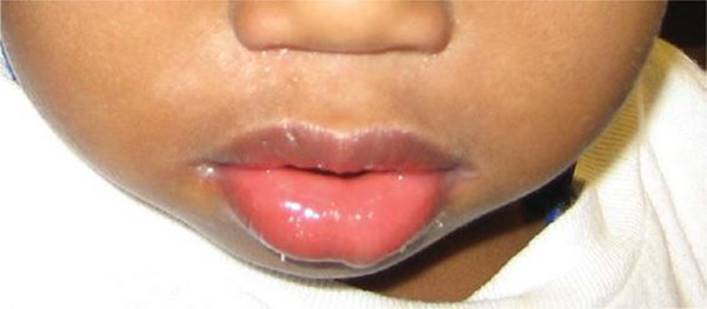
FIGURE 62-2. Lip findings in Kawasaki disease.
All symptoms do not need to be present simultaneously to make the diagnosis. When at least four criteria are present, most experts will make the diagnosis of KD on the fourth day of fever.1,3 The failure to recognize and treat KD has become a growing concern, particularly in infants. Cases of incomplete KD are being diagnosed with increasing frequency. Up to 20% of children with coronary artery aneurysms fail to meet the classical definition of KD.3Therefore, incomplete KD should be considered in children with 5 days of fever and at least two of the classic criteria. A stepwise approach may be taken to make the diagnosis (Fig. 62-3). First, acute-phase reactant (C-reactive protein or erythrocyte sedimentation rate) elevation is considered. If present, then supplemental laboratory criteria and echocardiogram findings suggest presence of disease and the need for treatment. Infants younger than 6 months with fever lasting for more than 7 days may be included in this algorithm, even without any physical findings.1

FIGURE 62-3. Algorithm for diagnosing Kawasaki disease.
PHASES OF KAWASAKI DISEASE
 ACUTE OR FEBRILE PHASE
The acute phase lasts 7 to 15 days and is the period when most diagnostic clinical features occur. Fever defines this phase: it lasts 7 to 15 days (mean 12 days), typically is high and unremitting even with antipyretics, and is associated with irritability.
All physical findings are a consequence of the vasculitis. Bulbar conjunctivitis is bilateral, nonexudative, and spares the limbus. It may persist for several weeks. Mucocutaneous changes may include bright red erythema of the lips with cracking, a strawberry tongue, and hyperemia of the oral mucous membranes. The pharynx may be erythematous, but exudate is not present and vesicles are not expected.
Cervical adenopathy is an early feature and the least consistently present finding. Nodes may not be prominent but they should be at least 1.5 cm in diameter to be considered part of disease. Involvement of the anterior cervical chain is most common and may be unilateral. The lymphadenopathy is nonsuppurative and may disappear rapidly.
Skin changes usually accompany the fever throughout the acute phase and then gradually fade. These rashes are red; polymorphous; and may be morbilliform, maculopapular, scarlatiniform, or pustular; however, vesiculation does not occur.4,5 The rash may actually vary in character from place to place in a single child and develops in most children. It is mostly seen on the trunk and may be prominent in the diaper area.
Changes in the peripheral extremities occur within a few days after onset. Any part of the hands and feet may be edematous. The palms and soles may be erythematous.
There are many other ancillary features and alternate presentations of KD. Involvement of almost any system can occur (see “Other Complications”). Although not considered diagnostic criteria, arthralgia and arthritis, urethritis, gastrointestinal complaints, uveitis, and meningitis are the most common findings and helpful in supporting the diagnosis.
SUBACUTE PHASE
The subacute phase lasts for approximately 2 to 4 weeks and begins with resolution of fever and elevation of platelet count. It ends with the return of platelet counts to near normal levels.
This phase is dominated by desquamation that may begin before the resolution of fever. Desquamation is a common feature of KD. It is noted first in the periungual region, with peeling underneath the fingernails and toenails. It may also be prominent in the diaper area.
Thrombocytosis is another constant feature of the subacute phase, with platelet counts in the range of 500,000 to 3,000,000/mm3. Thrombocytosis is rare in the first week of the illness, appears in the second week, peaks in the third week, and returns gradually to normal about a month after onset in uncomplicated illness.
It is during the subacute phase that complications such as coronary artery aneurysms and hydrops of the gall bladder develop (although coronary artery aneurysms may develop during the acute phase as well).
RECOVERY OR CONVALESCENT PHASE
The recovery phase may last months to years. Some coronary artery disease is first recognized during this phase. Resolution of coronary artery disease may occur during this phase.
ANCILLARY DATA
Laboratory findings are nonspecific in KD. The complete blood count often shows an elevated white blood cell count with a left shift. A mild hemolytic anemia may be present. Elevated platelet counts occur in the subacute phase but are usually normal in the acute phase. Acute-phase reactants (CRP, ESR) are markedly elevated. Urinalysis demonstrates moderate pyuria from urethritis and/or nephritis.6 Because a catheterized specimen would miss urethritis and detect only nephritis, urine samples should be collected as a voided or bagged specimen. Bilirubinuria may occur as an early sign of hydrops of the gall bladder.
Chest radiographs may show evidence of pulmonary infiltrates or cardiomegaly. The electrocardiogram may show dysrhythmias, prolonged PR or QT intervals (QTc), and nonspecific ST-T wave changes. Two-dimensional echocardiography may demonstrate coronary artery dilation or aneurysms, pericardial effusion, or decreased contractility.
DIFFERENTIAL DIAGNOSIS
The differential diagnosis is extensive because of the nonspecific nature of the clinical features (Table 62-2). Most viral ex-anthems can be eliminated based on the clinical course or by epidemiology, the absence of expected findings, or immunization status. Group A β-hemolytic streptococcal or staphylococcal infection usually can be excluded by failure to isolate the specific organisms. Toxic shock syndrome and rickettsial diseases usually present with thrombocytopenia rather than thrombocytosis. Caution should be used when trying to exclude the diagnosis of KD based on a positive screen for an infectious etiology, as positive screening tests for infection may identify a concomitant infection, carrier-state, or viral shedding. Up to one-third of children with KD have been shown to have concurrent laboratory-proven infections.7
|
TABLE 62-2 |
Differential Diagnosis for Kawasaki Syndrome |
Viral Illnesses
Rubeola (measles)
Rubella
Epstein–Barr virus infection
Adenovirus infection
Enterovirus infection
Bacterial Infections
Toxic shock syndrome
Scarlet fever
Rickettsial Diseases
Rocky Mountain spotted fever
Leptospirosis
Rheumatologic Disease
Juvenile idiopathic arthritis
Systemic lupus erythematosus
Acute rheumatic fever
Drug/Toxin Reactions
Serum sickness
Stevens–Johnson syndrome
Mercury hypersensitivity (acrodynia)
COMPLICATIONS
CARDIOVASCULAR
The most serious manifestation of KD is cardiac involvement, accounting for the vast majority of long-term morbidity and mortality. KD has surpassed rheumatic fever as the leading cause of acquired heart disease in American children. Patients with KD have a 20% to 25% risk of developing coronary aneurysms without treatment. With treatment, this risk drops to 5%. With coronary aneurysms, sudden cardiac death or myocardial infarction may occur. Mortality peaks 15 to 45 days after the first day of fever.1
The generalized vasculitis of KD affects coronary arteries as it does all vessels. Initially, there is an influx of neutrophils which are quickly replaced by mononuclear cells, lymphocytes, and plasma cells. Affected vessels suffer dissociation of smooth muscle cells and destruction of the elastic lamina. In aggregate, this leads to aneurysm formation. Coronary artery aneurysms typically occur after the first week but before the fourth week of illness, uncommonly developing after the sixth week.1
Auscultation of the heart often reveals a hyperdynamic precordium, tachycardia, gallop rhythm, and flow murmur (associated with anemia). Electrocardiographic changes can be seen and include low voltage and ST depression in the first week of illness, as well as PR prolongation, QT interval prolongation, and ST elevation in the second and third weeks.
Echocardiography, the most sensitive technique for delineating coronary aneurysms, should be performed when the diagnosis is made but treatment should not be delayed awaiting its performance. Myocarditis is universal and patients may have decreased left ventricular function. Patients at higher risk for development of coronary artery involvement can be determined based on clinical symptoms and signs (Table 62-3).
|
TABLE 62-3 |
Risk Factors for the Development of Cardiac Sequelae in Kawasaki Syndrome |
Male sex
Age <1 y or >8 y
Prolonged fever (>10 d)
Peripheral white blood cell bandemia
Hemoglobin <10 g/dL
Platelets <350 000/μL
Erythrocyte sedimentation rate >101 mm/h
Electrocardiographic abnormality
The most common cause of early death in Kawasaki syndrome is from cardiac sequelae, with a peak occurrence between 15 and 45 days after the onset of fever. Extremely elevated platelet counts and hypercoagulability place these children with coronary vasculitis at risk for coronary thromboses and myocardial infarction. Late death may occur from coronary occlusive disease, rupture of an aneurysm several years after onset, or small blood vessel disease of the heart.
OTHER COMPLICATION
Urethritis is common, affecting 70% of patients. A sterile pyuria is characterized by white blood cells on microscopy but absence of leukocyte esterase on urinalysis. The latter test is negative because the urethritis is caused by monocytic and lymphocytic infiltration.
Gallbladder hydrops (acute acalculous distention of gallbladder) occurs in 15% of patients. A tender right upper quadrant mass may be palpated. Serum bilirubin will be elevated and the diagnosis can be confirmed by ultrasonography. Even without gall bladder involvement, children may have abdominal pain, vomiting, or diarrhea because of gut vasculitis.
Uveitis occurs in 25% to 50% of patients. Between 10% and 20% develop arthralgia or arthritis. Hearing loss may occur. Aseptic meningitis has been described.
MANAGEMENT
All patients diagnosed with KD should be hospitalized for
• Administration of IVIG
• Aspirin therapy
• Cardiac evaluation
Routine testing includes complete blood count, erythrocyte sedimentation rate, C-reactive protein, liver profile, bag urinalysis, and echocardiogram.
IVIG has been shown to decrease the incidence of coronary artery aneurysm from 25% to 5%, when given during the acute phase of disease. The dose of IVIG is 2 g/kg infused over 8 to 12 hours as a single dose. IVIG given before the eighth day of fever reduces the risk of cardiac sequelae. However, IVIG should be given to any child who presents later with KD with continuing fever or aneurysm with persistent signs of inflammation.
Aspirin has two roles in the treatment of KD. High-dose aspirin (100 mg/kg per day divided into four doses) is used for its anti-inflammatory effect. Duration of high-dose treatment varies from 48 hours after defervescence to the 14th day of the illness, depending on the center. This is followed by low-dose aspirin (3–5 mg/kg per day as a single-day dose) for its antiplatelet effect; this is continued for at least 6 to 8 weeks and until resolution of coronary abnormalities.
Ten percent of children will have refractory disease, with persistence of fever 36 hours after completion of IVIG. The majority will respond to a second dose of IVIG. For those refractory to this second dose of IVIG, there is limited data about how best to treat them. A third dose of IVIG, high-dose corticosteroids, and tumor necrosis factor inhibitors have been used by experts in some centers.
PROGNOSIS
The prognosis for patients receiving treatment within the first 8 to 10 days of the illness is usually very good.
Most aneurysms resolve within the first year with no apparent sequelae. Of the 5% with coronary aneurysms after treatment, 1% persists as giant aneurysms and the remainder regress. Even in patients with regression, there is debate about cardiac risk later in life. Patients may be at greater risk for atherosclerosis.8 Furthermore, it is possible that some patients will have persistently poorly compliant fibrotic vessel walls. All patients with a history of KD should be followed by a cardiologist at regular intervals.
The overall mortality rate of Kawasaki syndrome in American children is between 1 and 2 per 1000.1 It is higher in infants younger than 1 year.
REFERENCES
1. Newburger JW, Takahashi M, Gerber MA, et al. Diagnosis, treatment, and long-term management of Kawasaki disease: a statement for health professionals from the Committee on Rheumatic Fever, Endocarditis, and Kawasaki Disease, Council on Cardiovascular Disease in the Young, American Heart Association. Pediatrics. 2004;114:1708.
2. Belay ED, Maddox RA, Holman RC, Curns AT, Ballah K, Schonberger LB. Kawasaki syndrome and risk factors for coronary artery abnormalities: United States, 1994–2003. Pediatr Infect Dis J.2006;25:245.
3. Witt MT, Minich LL, Bohnsack JF, Young PC. Kawasaki disease: more patients are being diagnosed who do not meet American Heart Association criteria. Pediatrics. 1999;104:e10.
4. Ulloa-Gutierrez R, Acón-Rojas F, Camacho-Badilla K, Soriano-Fallas A. Pustular rash in Kawasaki syndrome. Pediatr Infect Dis J. 2007;26:1163.
5. Kwan YW, Leung CW. Pustulo-vesicular skin eruption in a child with probable Kawasaki disease. Eur J Pediatr. 2005;164:770.
6. Watanabe T, Abe Y, Sato S, Uehara Y, Ikeno K, Abe T. Sterile pyuria in patients with Kawasaki disease originates from both the urethra and the kidney. Pediatr Nephrol. 2007;22:987.
7. Benseler SM, McCrindle BW, Silverman ED, Tyrrell PN, Wong J, Yeung RS. Infections and Kawasaki disease: Implications for coronary artery outcome. Pediatrics. 2005;116:e760.
8. McCrindle BW, McIntyre S, Kim C, Lin T, Adeli K. Are patients after Kawasaki disease at increased risk for accelerated atherosclerosis? J Pediatr. 2007;151:244.