
Approach to the Problem
Penile swelling is often a sudden condition which is alarming to the patient and parents, invariably prompting a visit to the emergency room or clinical office. Its presence can cause embarrassment and fear of difficulty with urination or sexual dysfunction. Pain may or may not be associated with the development of penile swelling. The penile skin and prepuce are unique tissues in their ability to stretch and tolerate trauma. The elastic and nonrigid nature of these tissues allow for interstitial fluid to accumulate readily and cause edema. The penile skin normally has a subtle, rugated appearance, and edema produces a tight and stretched appearance.
The causes of penile swelling can be determined by a thorough history and physical examination. Laboratory tests and/or radiological studies are rarely necessary to evaluate penile swelling. With careful assessment and implementation of appropriate treatment, the physician caring for a child with penile swelling can rapidly affect clinical improvement and emotional reassurance for the child and the family.
Penile swelling may be a primary (localized to the penis) or secondary (systemic) process, and it may occur in the circumcised or uncircumcised penis. If penile swelling is a secondary process, underlying causes may include renal, cardiac, hepatic, or gastrointestinal problems. Penile swelling is almost always present in anasarca, and may also occur as dependent edema in bedridden patients or patients postoperatively. On rare occasions, penile swelling may be the first sign of a systemic allergic reaction to certain medications. In these patients, the term angioedema is used to describe diffuse swelling of the loose subcutaneous tissues in addition to the dermis. This reaction can occur with or without urticaria. Lymphedema of the penis may be the first manifestation of Crohn disease. Congenital genital lymphedema is recognized in infancy by the thickened and leathery appearance of the penile skin and scrotum, particularly the prominent scrotal raphe, in the absence of erythema. This condition is secondary to abnormal lymphatic drainage and may occur with or without lower extremity involvement.
Primary causes of penile swelling, whether from infection, inflammation, or trauma, will present acutely, and tend to be more anxiety-provoking for the family. Many of the primary causes of penile swelling occur in association with edema, erythema, pain, and, in some cases, suppuration. Certain types of penile swelling, such as paraphimosis and posthitis, occur only in the uncircumcised male. The assessment of symptom duration, pain, erythema, and, importantly, the ability to urinate are the first steps in the assessment of penile swelling.
Key Points in the History
• There may not be a clear history of trauma in infants or toddlers.
• The toilet seat can fall on the penis of the young child who is trying to hang the penis over the edge of the toilet, causing trauma to the penis.
• Traumatic penile injuries are likely to be painful causes of penile swelling. Patients may report bruising along the shaft, scrotum, and perineum.
• Traumatic injury may be associated with difficulty urinating.
• Patients may not have a known history of an insect bite, which can result in penile swelling.
• Surgery in the pelvic area may result in painless dependent edema.
• Paraphimosis and phimosis are problems related to the foreskin. Paraphimosis occurs when the foreskin is retracted behind the glans by the patient or caregiver for cleaning. Subsequent swelling of the foreskin prevents it from being returned to the normal position. This leads to further venous congestion, exacerbating the condition. Phimosis occurs when the foreskin cannot be retracted due to scarred adhesions and excessive foreskin tightness. If the phimosis is severe enough to make the foreskin opening stenotic, the foreskin may balloon during urination.
• Posthitis or balanoposthitis, infection and inflammation of the foreskin and foreskin/glans, respectively, does not occur in circumcised males.
• The presence of a prolonged, painful erection should raise the suspicion for priapism due to a vaso-occlusive crisis related to sickle cell disease. There have also been reports of priapism in boys who have accidentally ingested medication for erectile dysfunction.
Key Points in the Physical Examination
• Erythema usually represents a primary penile process.
• Any child with a traumatic genital injury that is not readily apparent as accidental (e.g., recent history of bicycle or playground straddle injury) may be a victim of child sexual abuse. Further examination is warranted to look for other evidence of abuse.
• A tourniquet with a constricting ring of hair or thread may be concealed in the edematous penis; therefore, it is important to do careful inspection of the penis for a transition point.
• Dependent edema that is nonerythematous and nontender may occur after pelvic surgery, in allergic reactions, and with systemic disease processes associated with hypoalbuminemia and other conditions characterized by low oncotic pressure.
• An infection of the penis will present with swelling, erythema, and discharge or drainage. These findings may extend up the shaft to the perineum.
• A palpably distended bladder may be evident in a child with obstructive uropathy in association with penile swelling.
|
PHOTOGRAPHS OF SELECTED DIAGNOSES |

Figure 54-1 Penile edema after reduction of paraphimosis. (Courtesy of T. Ernesto Figueroa, MD, FAAP, FACS.)

Figure 54-2 Idiopathic penile edema. (Courtesy of T. Ernesto Figueroa, MD, FAAP, FACS.)

Figure 54-3 Penile edema in association with varicella. (Courtesy of T. Ernesto Figueroa, MD, FAAP, FACS.)

Figure 54-4 Dependent penile edema. (Courtesy of T. Ernesto Figueroa, MD, FAAP, FACS.)
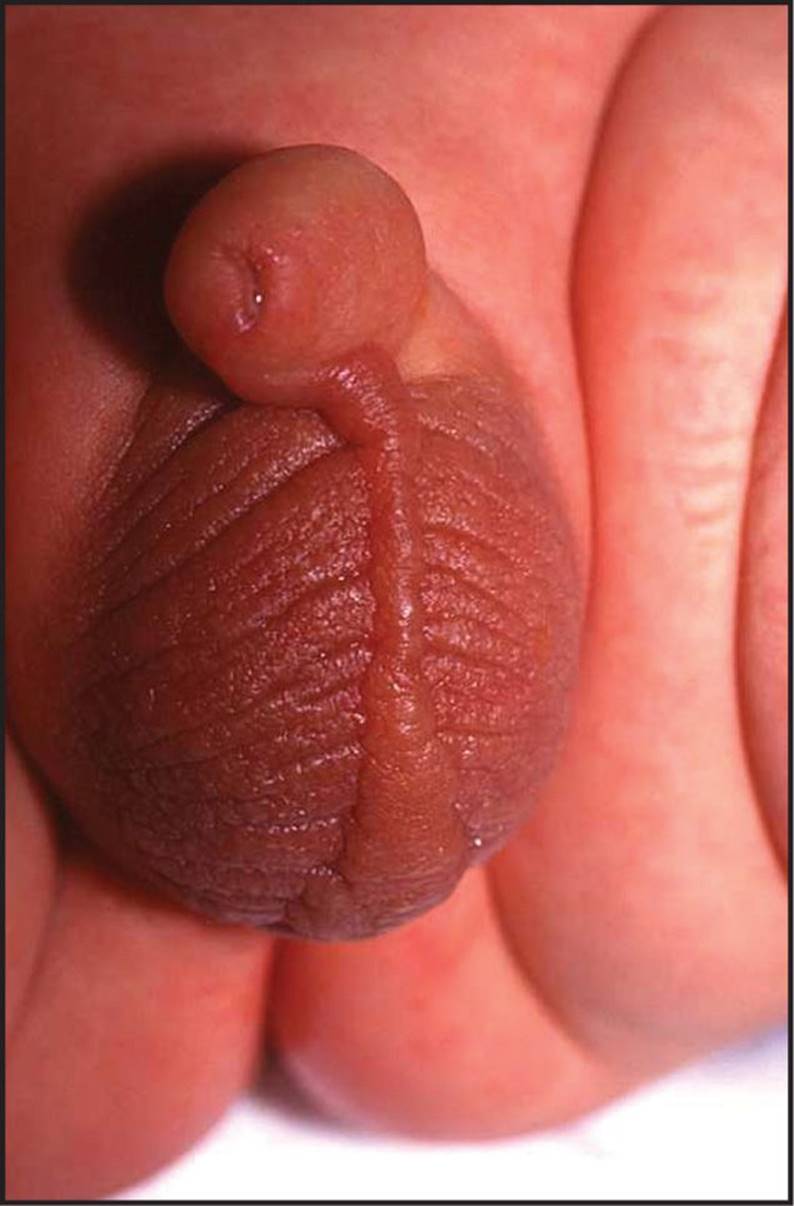
Figure 54-5 Lymphedema in newborn. (Courtesy of T. Ernesto Figueroa, MD, FAAP, FACS.)

Figure 54-6 Chronic penile lymphedema. (Courtesy of T. Ernesto Figueroa, MD, FAAP, FACS.)

Figure 54-7 Penile trauma. (Courtesy of T. Ernesto Figueroa, MD, FAAP, FACS.)

Figure 54-8 Balanoposthitis. (Courtesy of T. Ernesto Figueroa, MD, FAAP, FACS.)

Figure 54-9 Balanitis with cellulitis. (Courtesy of T. Ernesto Figueroa, MD, FAAP, FACS.)

Figure 54-10 Penile and scrotal inflammation in patient with Crohn disease. (Courtesy of T. Ernesto Figueroa, MD, FAAP, FACS.)
DIFFERENTIAL DIAGNOSIS


Other Diagnoses to Consider
• Scrotal swelling (see Chapter 58: Scrotal Swelling)
• Nephrotic syndrome
• Lymphedema praecox
• Crohn disease
When to Consider Further Evaluation or Treatment
• Paraphimosis is painful and requires emergency treatment to prevent ischemic injury to the glans. Application of ice and gentle constant manual pressure to the foreskin to reduce the swelling may be implemented. A local anesthetic dorsal penile block may be helpful. Surgical division of the foreskin is rarely necessary to permit reduction. Circumcision may be considered on an elective basis after recurrent episodes.
• Erythema that extends proximal to the shaft of the penis into the prepubic area may be the result of a more extensive inflammatory condition requiring immediate referral to a urologist.
• Priapism warrants emergent consultation with a hematologist if the suspected etiology is sickle cell disease. If the cause of priapism is unclear, a urologist should be consulted.
• Any penile swelling accompanied by urinary retention requires emergent urologic evaluation and bladder decompression.
SUGGESTED READINGS
Harrison BP. Pediatric penile swelling. Acad Emerg Med. 1996;3(4):384, 387, 388.
Leslie JA, Cain MP. Pediatric urologic emergencies and urgencies. Pediatr Clin North Am. 2006;53:513–527.
MacDonald MF, Barthold JS, Kass EJ. Abnormalities of the penis and scrotum. In: Docimo SG, Canning D, Khoury A, eds. The Kelalis-King-Belman Textbook of Clinical Pediatric Urology. 5th ed. London: Informa Healthcare; 2007:1239–1270.
Synder HM. Urologic emergencies. In: Fleisher GR, Ludwig S, eds. Textbook of Pediatric Emergency Medicine. 6th ed. Philadelphia, PA: Williams & Wilkins; 2010:1560–1567.