
Approach to the Problem
Abnormalities of the penis occur frequently. The recognition and accurate identification of these conditions are important because some of these abnormalities carry significant consequences for the patient and family. Genital anomalies are often isolated problems, although they may occur as a component of a congenital syndrome, such as Noonan, Opitz, Prader–Willi, Robinow, Beckwith–Wiedemann, or Trisomy 18 syndrome.
Evaluation for genital anomalies begins in the neonatal period with a careful examination of the genitalia. Systematically, the examination of the genitalia should assess the appearance of the prepuce (i.e., normal or incomplete), the location of the urethral meatus if visible, the size and appearance of the penis, the presence of penile chordee or torsion, the appearance of the scrotum, and the location and the size of the testes. Palpation of the scrotum or inguinal area to assess for two testes in the male and assessment of the corporal integrity of the penis are two important diagnostic maneuvers.
Key Points in the History
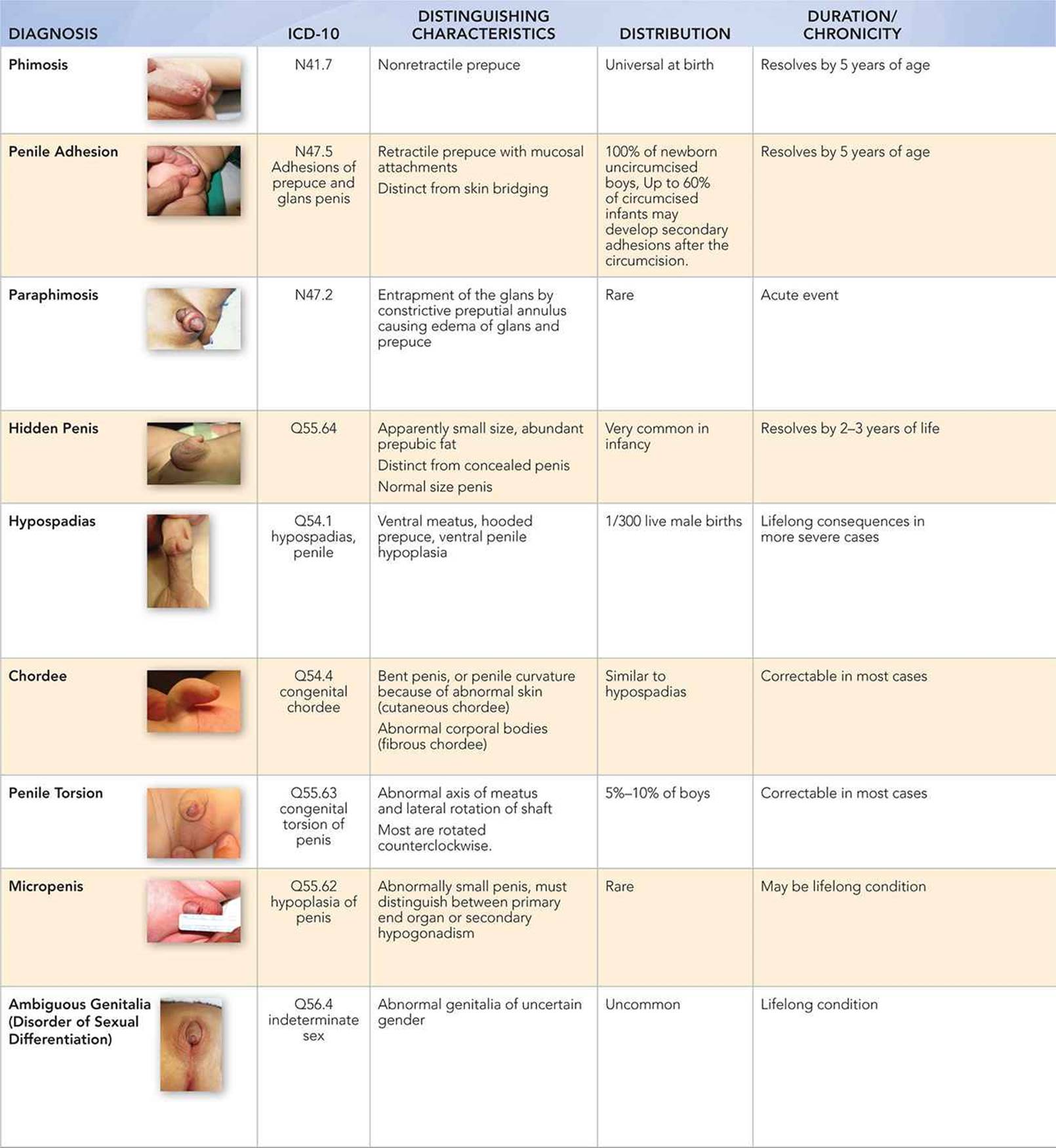
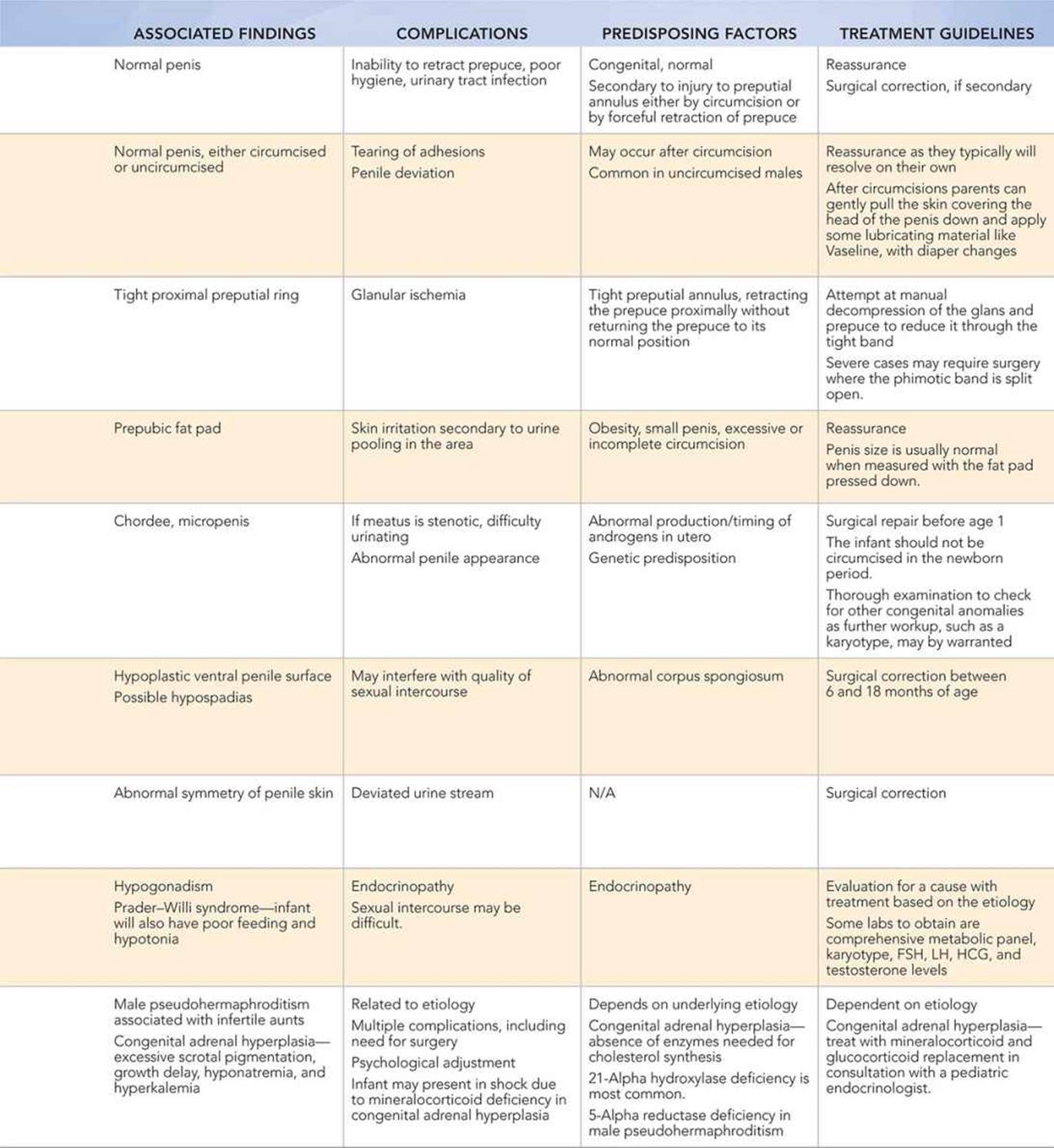
• Phimosis is a condition in which the prepuce cannot be retracted. It is considered a normal condition in infancy and childhood; hence, it is often referred to as “physiological phimosis.” The timing for natural retraction of the prepuce varies, but most uncircumcised boys will have a retractile prepuce by 5 years of age. A “pathological phimosis” occurs when the distal portion of the prepuce is injured, either by forceful retraction or by infection, which leads to the development of a scar. The constricting cicatrix prevents retraction of the prepuce. A pathological phimosis always warrants treatment.
• Penile adhesions are extremely common. They are universally present in uncircumcised boys prior to natural retraction of the prepuce, and may develop secondarily in up to 60% of boys after undergoing a neonatal circumcision. The adhesions occur between the glans and the adjacent inner mucosal surface of the prepuce, and most are expected to separate naturally with time. The two physiological processes that aid in the natural separation of adhesions are penile erections and formation of smegma between the inner mucosal surface of the prepuce and the glans. Penile erections stretch the glans away from the inner prepuce, eventually promoting separation of these two surfaces. Smegma, though often mistaken as purulent drainage, is a normal physiological process of shedding of skin and oils or sebaceous substance. This cheesy material accumulates between the surfaces of the inner prepuce and adjacent glans, and cause separation of these surfaces. Most mucosal adhesions do not warrant intervention, and education of the family on the normal occurrence of these benign attachments is very important to avoid unnecessary anxiety or forceful separation.
• A hidden penis refers to a phallus that does not protrude beyond the surface of the abdominal wall. This is mainly due to subcutaneous fat displacing the penile skin away from the shaft, causing the penis to slide away from the body surface. In contrast, a concealed penis is buried by a cicatrix of the prepuce. This can occur following neonatal circumcision in males who have limited penile skin, or when an excessive amount of penile skin is removed during circumcision. If the glans recedes behind the healing preputial wound, then the scar will contract and bury the penis. In some patients, the concealed penis may be managed non-surgically by the application of topical corticosteroids; however, many of these patients will require a surgical release with revision of the circumcision.
• Hypospadias is a frequent anomaly, occurring in 1/300 live male births. Elements of hypospadias include a hooded prepuce, a ventral urethral meatus, and ventral penile skin hypoplasia that contributes to chordee, or a ventral curvature. The severity is variable, with most boys (75%) having a distal abnormality—glanular, coronal, or distal shaft. In more severe cases, profound androgenic failure may be evident, with the findings of a microphallus, bifid scrotum, and penoscrotal transposition.
• Chordee, present with or without hypospadias, is a ventral curvature of the penis. Most patients with hypospadias have chordee, partially because of the asymmetry between the normal dorsal penile skin and the hypoplastic ventral penile skin. This is referred to as cutaneous chordee. In more severe cases, as with fibrous chordee, the curvature may involve the ventral surface of the penis, including the corpus spongiosum and corpora cavernosa in addition to the cutaneous abnormality.
• Penile torsion is a lateral rotation of the penis in reference to the midline penoscrotal raphe. In approximately 5% to 10% of boys, the raphe may be directed laterally, causing the lateral rotation of the penile shaft.
• A micropenis is a phallus more than two standard deviations below the mean length for expected age. These are often visually abnormal penises, appearing small in context to the rest of the child’s body habitus. The prepuce is normally formed. If the testes also are abnormally small or if other findings suggest an endocrine disorder, the patient should be evaluated by an endocrinologist. It is important to differentiate between a micropenis and a hidden penis, as the former will always require a thorough evaluation, and the latter is a common condition, which may not require intervention.
• Ambiguous genitalia refers to incomplete or abnormal genital development, preventing accurate definition of gender based on the appearance of the genitalia. Awareness of the possibility of sexual and genital ambiguity is critical to its recognition. These children may suffer from extremely variable conditions. These range from excessive androgen production in the female with congenital adrenal hyperplasia causing virilization of the genitalia to underdevelopment of the genitalia in a male with 5-alpha reductase insufficiency.
Key Points in the Physical Examination
• Phimosis refers to a conical protrusion of prepuce that cannot be retracted proximally. Contrast this with a secondary phimosis, a cicatrix in a flat distal prepuce that prevents retraction of the prepuce.
• Penile adhesions are soft attachments between inner (mucosal) prepuce and any part of the glans and will eventually separate on their own. Contrast this with skin bridging, where a band of skin becomes fused to the corona or glans following circumcision. The latter requires surgical repair.
• Paraphimosis refers to the condition in which a phimotic prepuce is retracted behind the corona of the glans. Due to the constricting effect of the phimosis, edema and swelling of the glans occur distally to the preputial orifice.
• Hidden penis refers to the appearance of a small penile shaft and excess penile skin. Retracting the prepubic fat pad usually reveals a normal-sized and circumcised penis.
• Micropenis refers to a small but normally formed penis.
• Chordee refers to abnormal ventral curvature, producing a curved penis.
• Hypospadias refers to a hooded prepuce and a ventral meatus in the area of the corona, shaft, or scrotum, accompanied by a chordee.
• Penile torsion refers to clockwise or counterclockwise rotation of the penile shaft and meatus with a laterally displaced penile raphe.
• Ambiguous genitalia refers to the appearance of phallus (penis or clitoris), bifid scrotum or labia, or ventral orifice that could represent hypospadias or a urogenital sinus.
|
PHOTOGRAPHS OF SELECTED DIAGNOSES |
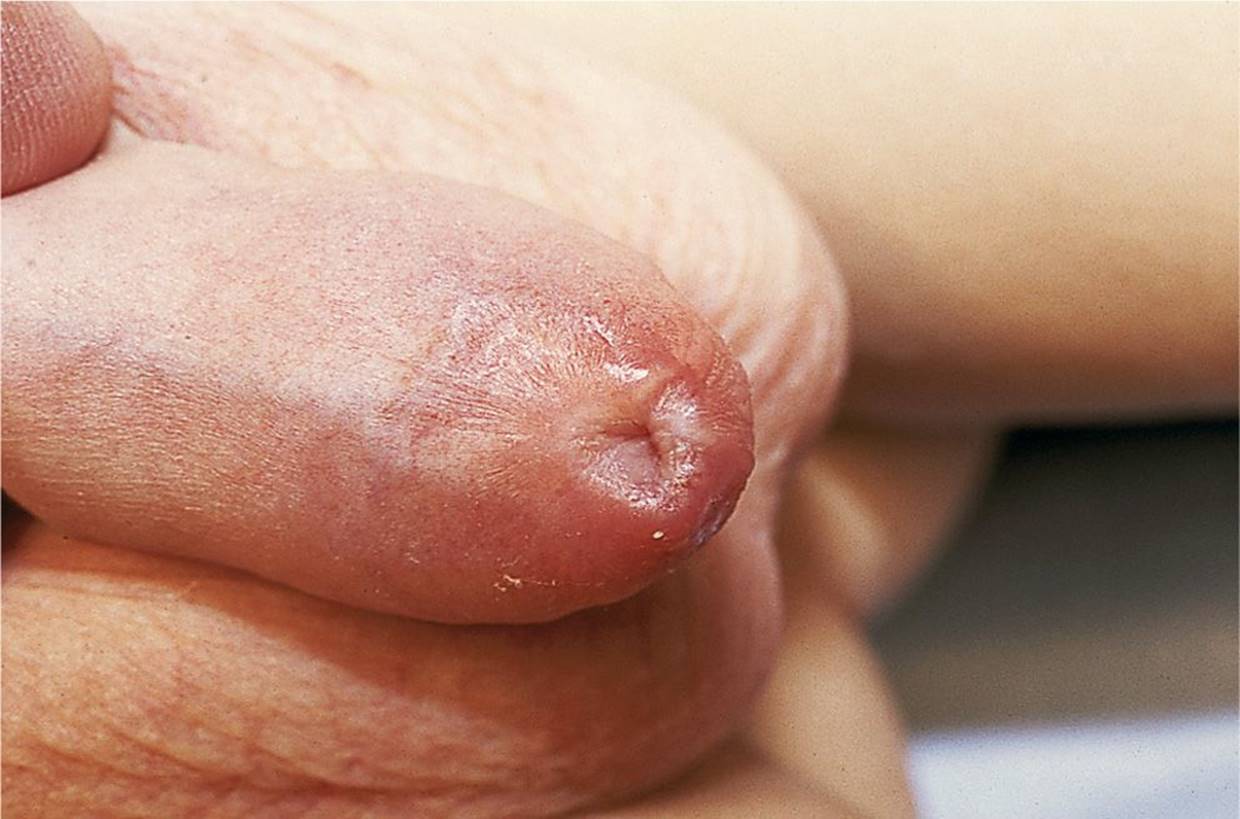
Figure 53-1 Phimosis. Notice the nonretractile prepuce consistent with this diagnosis. (Courtesy of T. Ernesto Figueroa, MD, FAAP, FACS.)
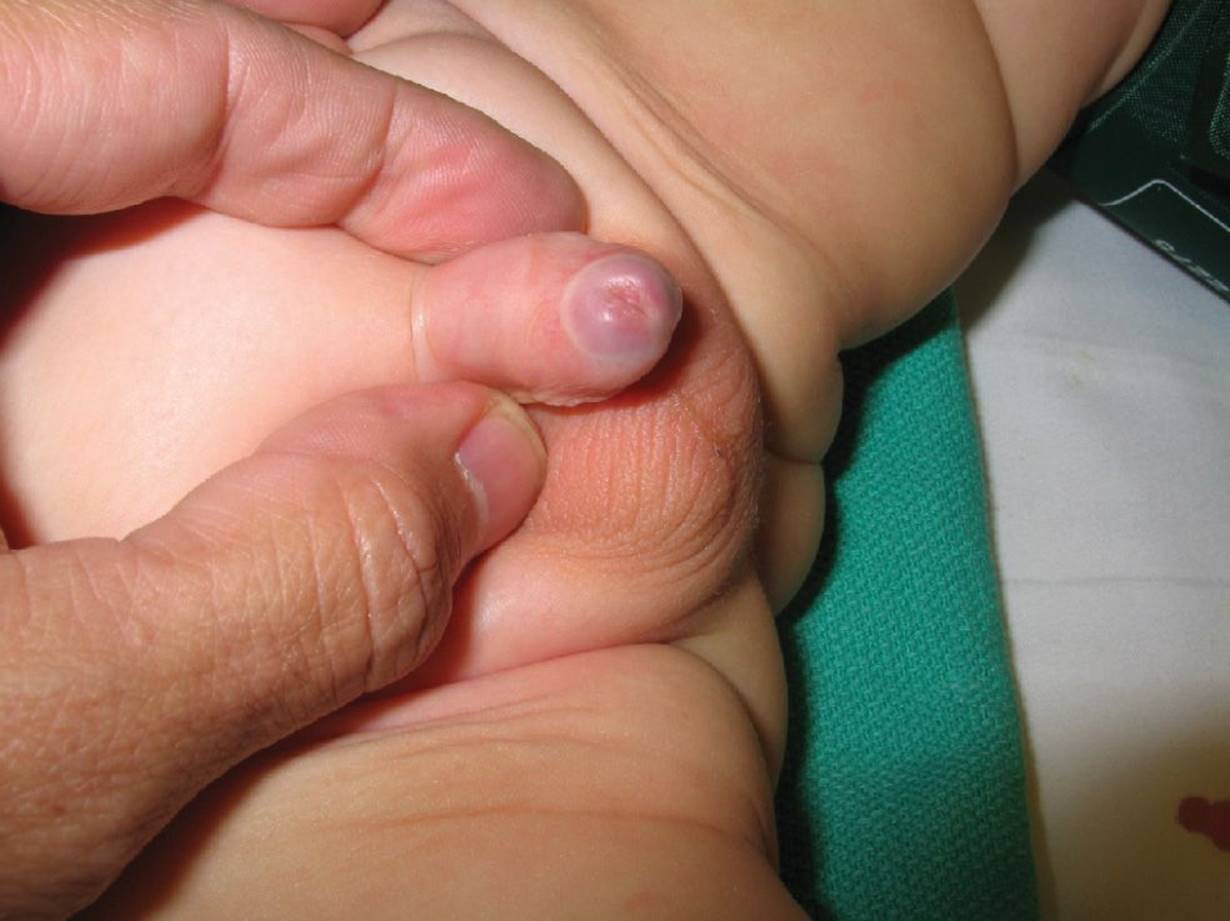
Figure 53-2 Penile adhesion. Whitish yellow mucosal attachments are noted between the prepuce and shaft of the penis. (Courtesy of T. Ernesto Figueroa, MD, FAAP, FACS.)
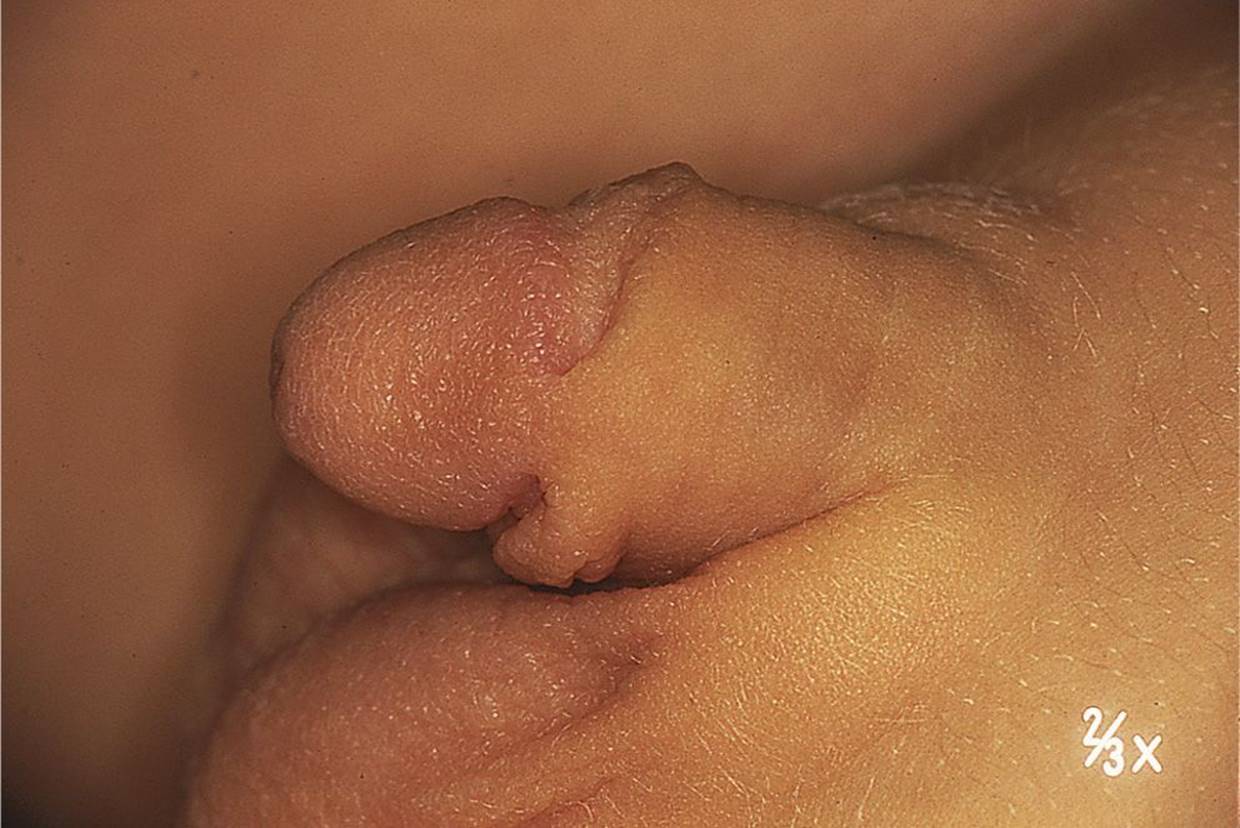
Figure 53-3 Skin bridging. Note the band of skin fused with the glans. (Courtesy of T. Ernesto Figueroa, MD, FAAP, FACS.)
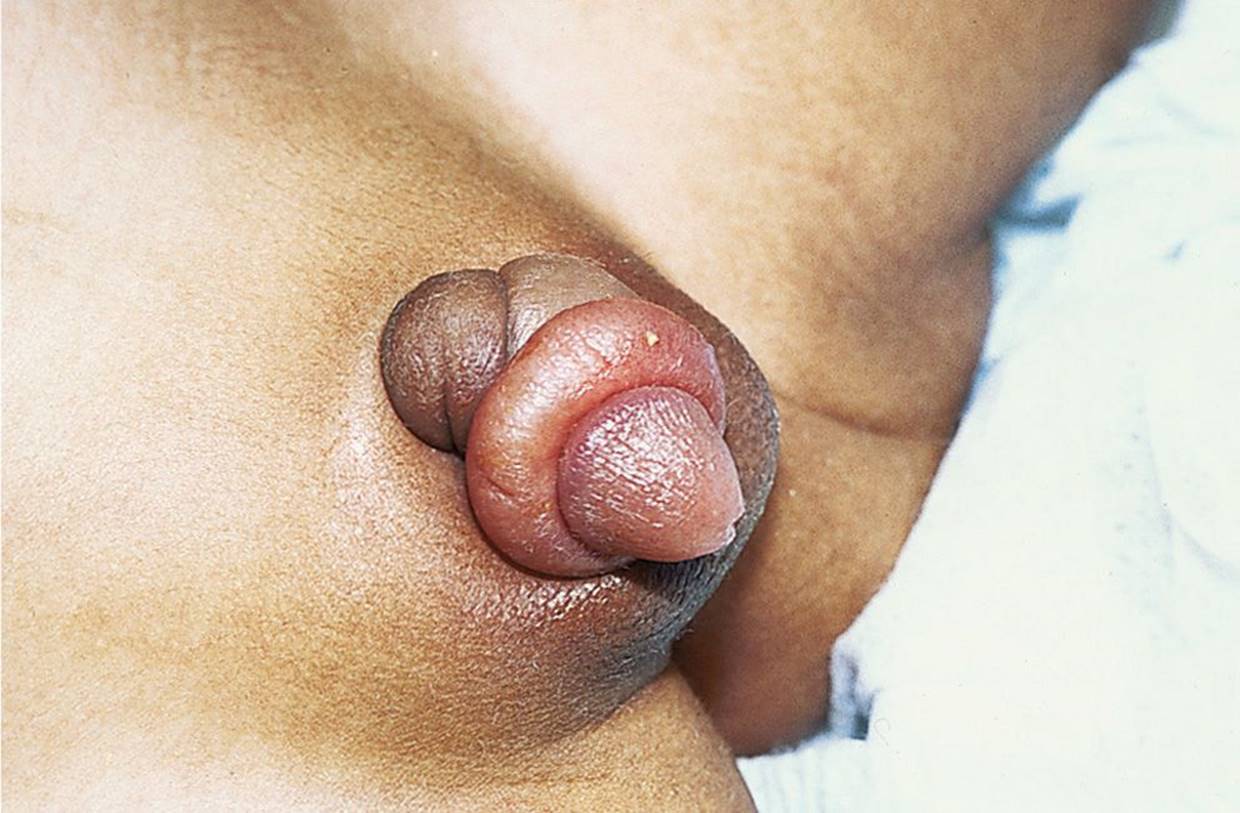
Figure 53-4 Paraphimosis. The glans appears edematous after becoming retracted behind the corona. (Courtesy of T. Ernesto Figueroa, MD, FAAP, FACS.)
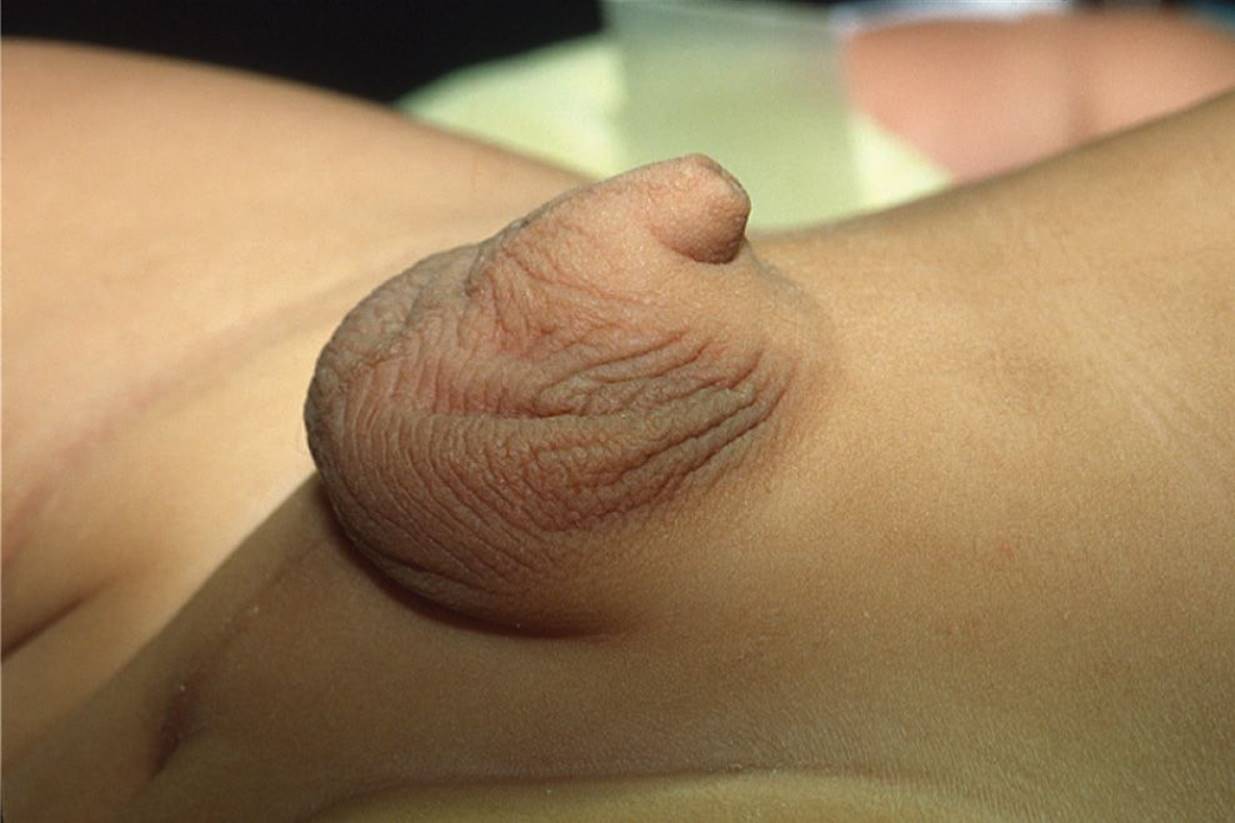
Figure 53-5 Concealed penis. Notice how the penis is buried by part of the prepuce. (Courtesy of T. Ernesto Figueroa, MD, FAAP, FACS.)
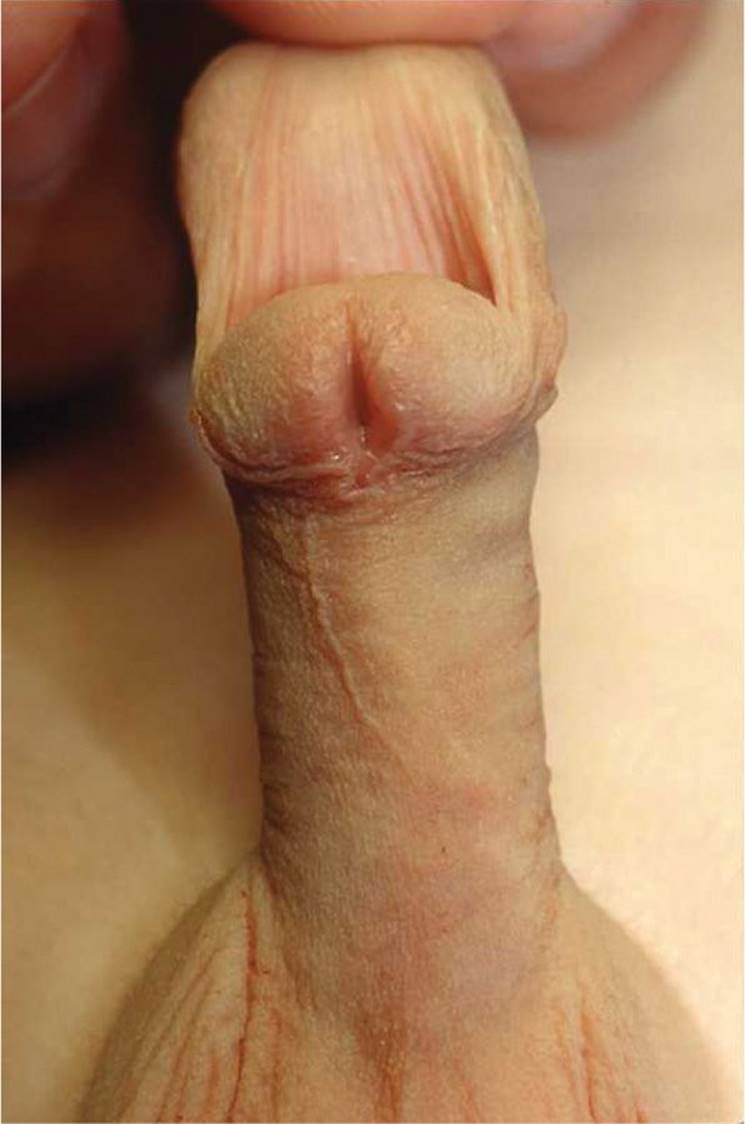
Figure 53-6 Coronal hypospadias. Note the ventral meatus and associated hooded prepuce. (Courtesy of T. Ernesto Figueroa, MD, FAAP, FACS.)
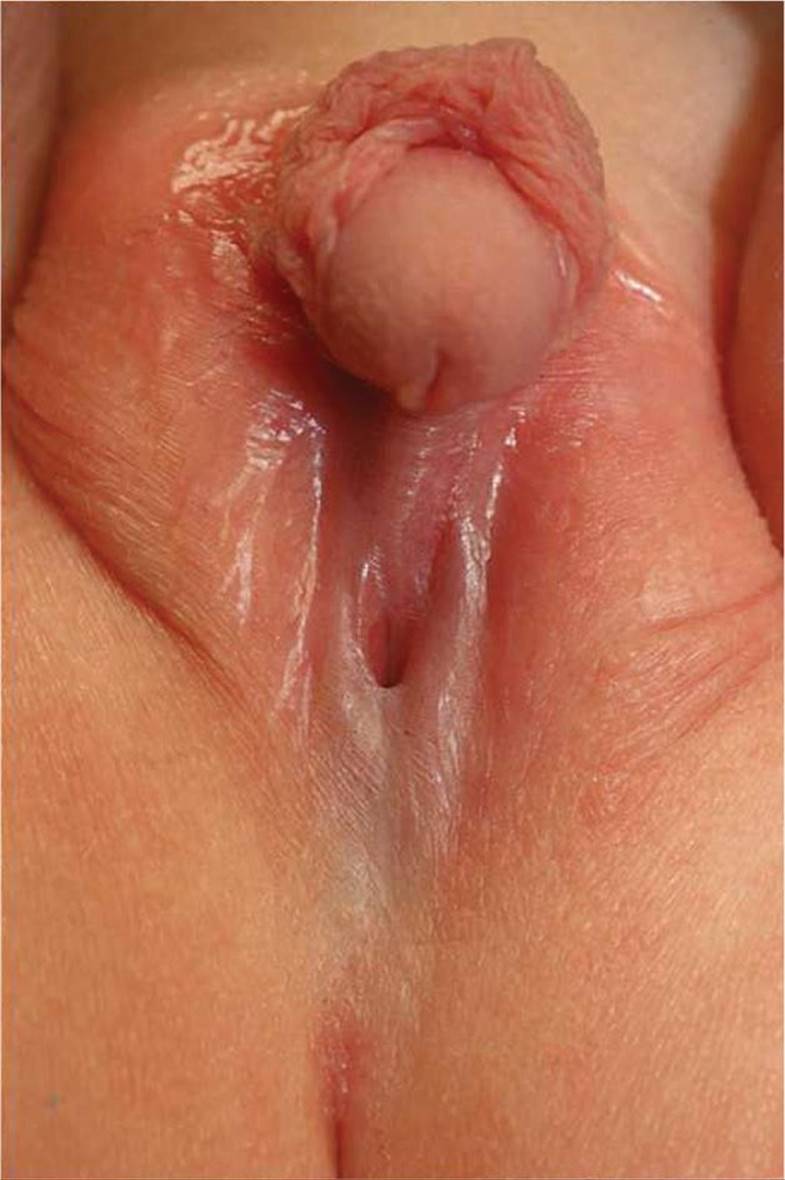
Figure 53-7 Perineal hypospadias. (Courtesy of T. Ernesto Figueroa, MD, FAAP, FACS.)
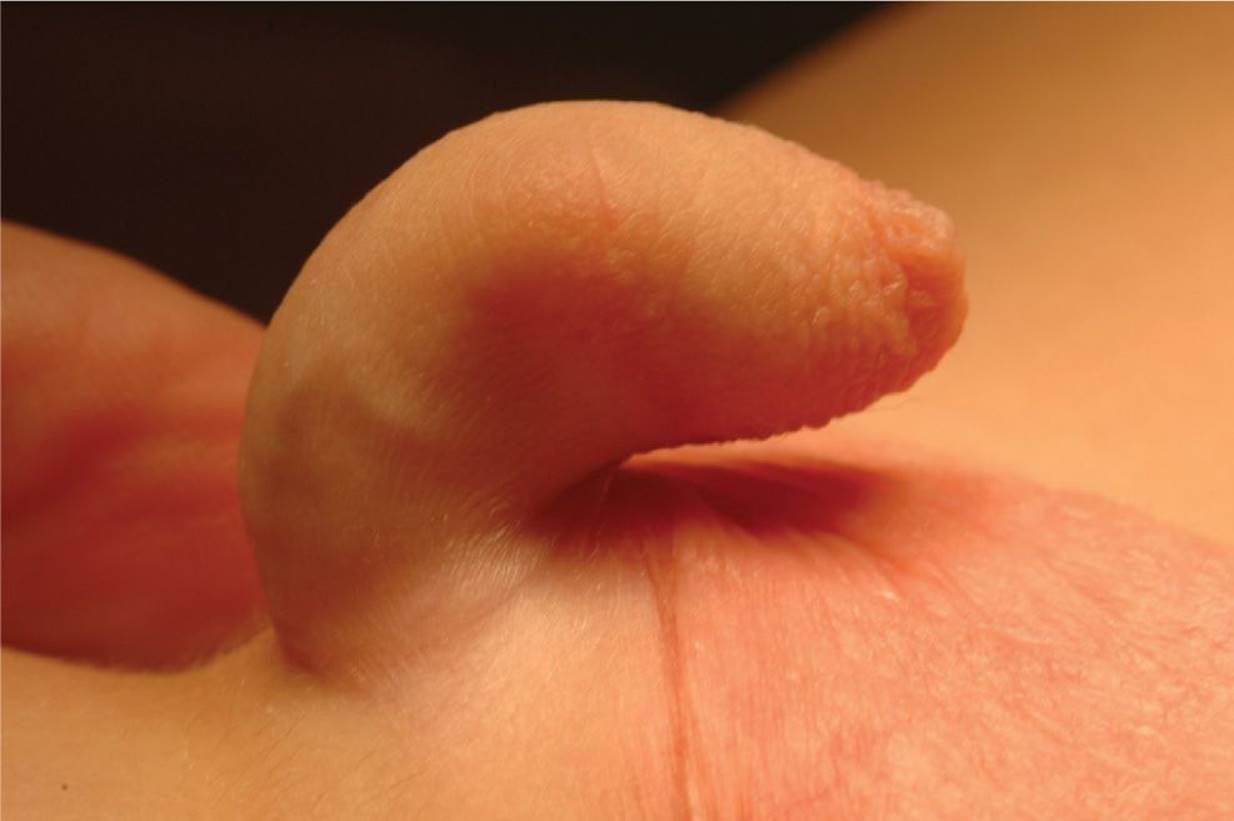
Figure 53-8 Chordee. A ventral curvature of the penis is evident. (Courtesy of T. Ernesto Figueroa, MD, FAAP, FACS.)
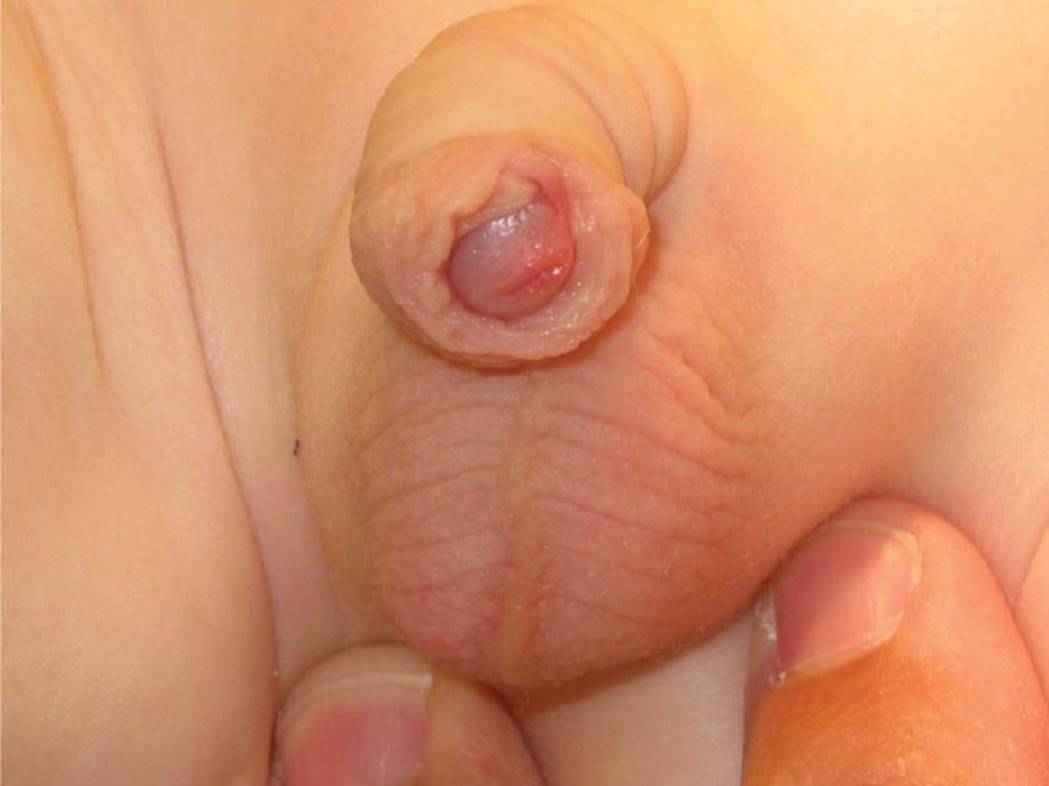
Figure 53-9 Penile torsion. Note the counterclockwise rotation of the penile meatus and shaft. (Courtesy of T. Ernesto Figueroa, MD, FAAP, FACS.)
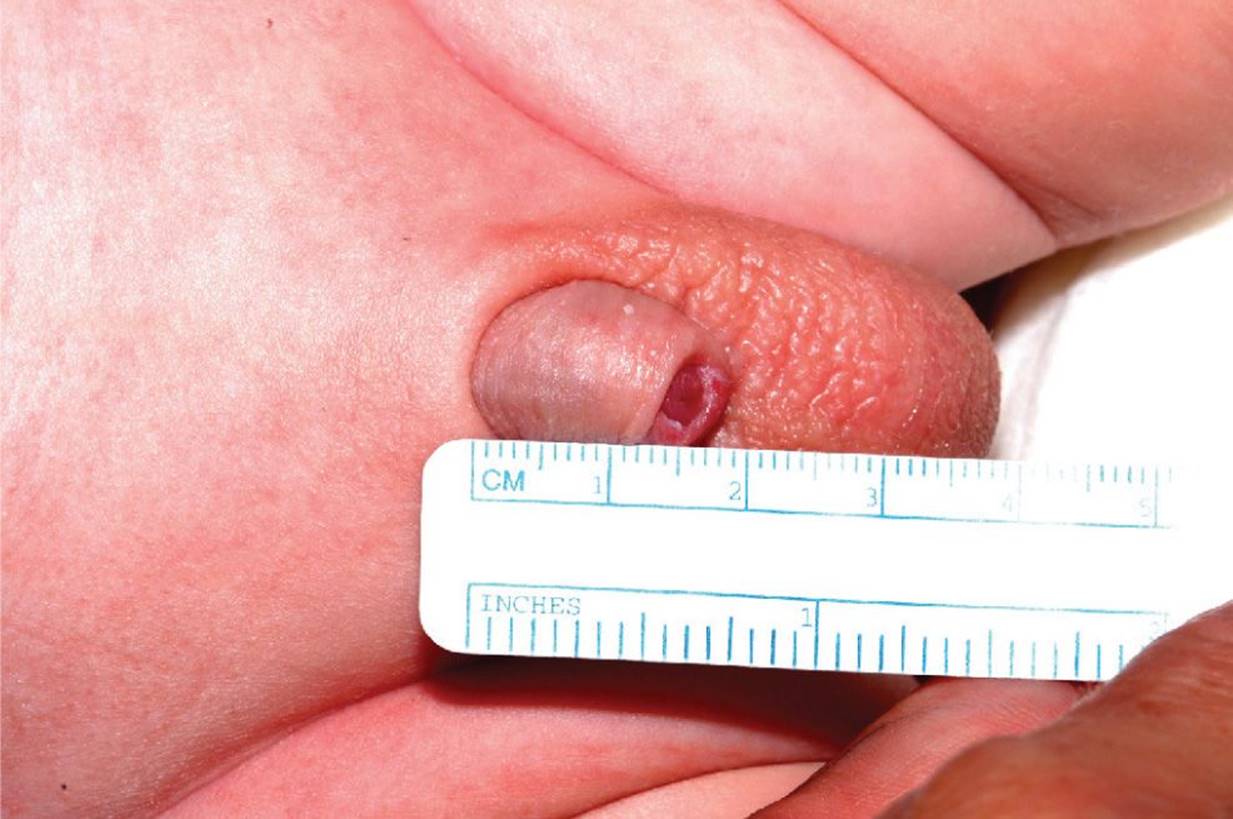
Figure 53-10 Micropenis. The penis measures less than 2 cm. (Courtesy of T. Ernesto Figueroa, MD, FAAP, FACS.)

Figure 53-11 Ambiguous genitalia. The scrotum appears to be absent. (Courtesy of T. Ernesto Figueroa, MD, FAAP, FACS.)

Figure 53-12 Penoscrotal transposition. (Courtesy of T. Ernesto Figueroa, MD, FAAP, FACS.)
DIFFERENTIAL DIAGNOSIS
Other Diagnoses to Consider
• Secondary phimosis
• Concealed penis
• Penile skin bridging
• Idiopathic penile edema
• Epispadias
• Congenital buried penis
When to Consider Further Evaluation or Treatment
• A micropenis, which is defined as a penis less than 3 cm in length, should prompt endocrinologic and genetic evaluations.
• All patients with incompletely developed or ambiguous genitalia warrant a comprehensive evaluation, including genetic, endocrinologic, and urologic input.
• Features of Beckwith–Wiedemann syndrome include hypospadias, macroglossia, macrosomia, and hypoglycemia.
• Hypospadias with undescended testes warrants a genetic workup, including a karyotype.
• A boy with poor feeding, hypotonia, and micropenis raises suspicion for Prader–Willi syndrome.
• Evaluation of sex hormones and a karyotype are required prior to assigning gender in cases of ambiguous genitalia.
SUGGESTED READINGS
Figueroa TE. Congenital adrenal hyperplasia. In: Siedmon EJ, Hanno PM, Kaufman JJ, eds. Current Urological Therapy. 3rd ed. Philadelphia, PA: WB Saunders; 1994:2–6.
Figueroa TE, Casale P. Circumcision. In: Mattei P, ed. Surgical Directives: Pediatric Surgery. New York, NY: Lippincott Williams & Wilkins; 2002:709–712.
Kennedy AP, Figueroa TE. Common urological problems in the fetus and neonate. In: Spitzer A, ed. Intensive Care of the Neonate and Fetus. 2nd ed. Philadelphia, PA: Hanley & Belfus Press; 2003:1369–1383.
Palmer JS. Abnormalities of the external genitalia in boys. In: Walsh, ed. Campbell’s Urology. 10th ed. Philadelphia, PA: WB Saunders; 2012:3257–3556.
Perovic S. Atlas of Congenital Anomalies of the External Genitalia. Yugoslavia: Refot-Arka; 1999:15–33.