I. ANTIPSYCHOTIC AGENTS
Introduction
The terms antipsychotic and neuroleptic have been used interchangeably to denote a group of drugs that have been used mainly for treating schizophrenia but are also effective in some other psychoses and agitated states.
History
Antipsychotic drugs have been used in Western medicine for more than 50 years. Reserpine and chlorpromazine were the first drugs found to be useful in schizophrenia. Although chlorpromazine is still sometimes used for the treatment of psychoses, these forerunner drugs have been superseded by many newer agents. Their impact on psychiatry, however¾especially on the treatment of schizophrenia¾has been enormous: The number of patients hospitalized in mental institutions has markedly decreased, and schizophrenia is now recognized as a biologic illness.
Nature of Psychosis & Schizophrenia
The term "psychosis" denotes a variety of mental disorders. Schizophrenia is a particular kind of psychosis characterized mainly by a clear sensorium but a marked thinking disturbance.
The pathogenesis of schizophrenia is unknown. Largely as a result of research stimulated by the discovery of antipsychotic drugs, a genetic predisposition has been proposed as a necessary but not always sufficient condition underlying psychotic disorder. This assumption has been supported by the observed familial incidence of schizophrenia. At least one gene¾that encoding neuregulin 1¾is associated with schizophrenia in Icelandic and northern European populations. Additional genes associated with schizophrenia continue to be identified that may contribute to understanding the molecular basis for schizophrenia. Based on the efficacy of antipsychotic drugs, efforts continue to link the disorder with abnormalities of amine neurotransmitter function, especially that of dopamine (see Box: The Dopamine Hypothesis of Schizophrenia). The defects of this hypothesis are significant, and it is now appreciated that schizophrenia is far more complex than originally supposed.
THE DOPAMINE HYPOTHESIS OF SCHIZOPHRENIA
The dopamine hypothesis for schizophrenia is the most fully developed of several hypotheses and is the basis for much of the rationale for drug therapy. Several lines of circumstantial evidence suggest that excessive dopaminergic activity plays a role in the disorder: (1) many antipsychotic drugs strongly block postsynaptic D2 receptors in the central nervous system, especially in the mesolimbic-frontal system; (2) drugs that increase dopaminergic activity, such as levodopa (a precursor), amphetamines (releasers of dopamine), and apomorphine (a direct dopamine receptor agonist), either aggravate schizophrenia or produce psychosis de novo in some patients; (3) dopamine receptor density has been found postmortem to be increased in the brains of schizophrenics who have not been treated with antipsychotic drugs; (4) positron emission tomography (PET) has shown increased dopamine receptor density in both treated and untreated schizophrenics when compared with such scans of nonschizophrenic persons; and (5) successful treatment of schizophrenic patients has been reported to change the amount of homovanillic acid (HVA), a metabolite of dopamine, in the cerebrospinal fluid, plasma, and urine.
The dopamine hypothesis is far from complete, however. If an abnormality of dopamine physiology were completely responsible for the pathogenesis of schizophrenia, antipsychotic drugs would do a much better job of treating patients¾but they are only partially effective for most and ineffective for some patients. Moreover, it appears that antagonists of the NMDA receptor such as phencyclidine, when administered to nonpsychotic subjects, produce much more "schizophrenia-like" symptoms than do dopamine agonists. The cloning and characterization of multiple dopamine receptor types may permit more direct testing of the dopamine hypothesis if drugs can be developed that act more selectively on each receptor type. The traditional antipsychotics bind D2 50 times more avidly than D1 or D3 receptors. Until recently, the main thrust in drug development was to find agents that were more potent and more selective in blocking D2 receptors. The fact that several of the atypical antipsychotic drugs have much less effect on D2 receptors and yet are effective in schizophrenia has redirected attention to the role of other dopamine receptors and to nondopamine receptors, especially serotonin receptor subtypes that may mediate synergistic effects or protect against the extrapyramidal consequences of D2 antagonism. As a result of these considerations, the direction of research has changed to a greater focus on compounds that may act on several transmitter-receptor systems. The great hope is to produce drugs with greater efficacy and fewer adverse effects, especially extrapyramidal toxicity.
*Deceased
BASIC PHARMACOLOGY OF ANTIPSYCHOTIC AGENTS
Chemical Types
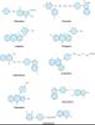
A number of chemical structures have been associated with antipsychotic properties. The drugs can be classified into several groups as shown in Figures 29-1 and 29-2.
A. PHENOTHIAZINE DERIVATIVES
Three subfamilies of phenothiazines, based primarily on the side chain of the molecule, were once the most widely used of the antipsychotics. Aliphatic derivatives (eg, chlorpromazine) and piperidine derivatives (eg, thioridazine) are the least potent. Piperazine derivatives are more potent (effective in lower doses) but not necessarily more efficacious. The piperazine derivatives are also more selective in their pharmacologic effects (Table 29-1).
B. THIOXANTHENE DERIVATIVES
This group of drugs is exemplified primarily by thiothixene. In general, these compounds are slightly less potent than their phenothiazine analogs.
C. BUTYROPHENONE DERIVATIVES
This group, of which haloperidol is the most widely used, has a very different structure from those of the two preceding groups. Diphenylbutylpiperidines are closely related compounds. The butyrophenones and congeners tend to be more potent and to have fewer autonomic effects but greater extrapyramidal effects (Table 29-1).
D. MISCELLANEOUS STRUCTURES
The newer drugs, not all of which are available in the USA, have a variety of structures and include pimozide, molindone, loxapine, clozapine, olanzapine, quetiapine, risperidone, ziprasidone, and aripiprazole (Figure 29-2).
|
|
Figure 29-1. Structural formulas of some older antipsychotic drugs: phenothiazines, thioxanthenes, and butyrophenones. Only representative members of each type are shown. |
||
|
|
Figure 29-2. Structural formulas of some newer antipsychotic drugs. |
||
Pharmacokinetics
A. ABSORPTION AND DISTRIBUTION
Most antipsychotic drugs are readily but incompletely absorbed. Furthermore, many of these drugs undergo significant first-pass metabolism. Thus, oral doses of chlorpromazine and thioridazine have systemic availability of 25% to 35%, whereas haloperidol, which is less likely to be metabolized, has an average systemic availability of about 65%.
Most antipsychotic drugs are highly lipid-soluble and protein-bound (92-99%). They tend to have large volumes of distribution (usually > 7 L/kg). Probably because these drugs are sequestered in lipid compartments of the body and have a very high affinity for selected neurotransmitter receptors in the central nervous system, they generally have a much longer clinical duration of action than would be estimated from their plasma half-lives. This is paralleled by prolonged occupancy of dopamine D2 receptors in brain. Metabolites of chlorpromazine may be excreted in the urine weeks after the last dose of chronically administered drug. Similarly, full relapse may not occur until 6 weeks or more after discontinuation of many antipsychotic drugs.
B. METABOLISM
Most antipsychotic drugs are almost completely metabolized by a variety of processes. Although some metabolites retain activity, eg, 7-hydroxychlorpromazine and reduced haloperidol, metabolites are not considered to be highly important to the action of these drugs. The sole exception is mesoridazine, the major metabolite of thioridazine, which is more potent than the parent compound and accounts for most of the effect. This compound has been marketed as a separate entity. Very little of these antipsychotic drugs is excreted unchanged, because they are almost completely metabolized to more polar substances.
Pharmacologic Effects
The first phenothiazine antipsychotic drugs, with chlorpromazine as the prototype, proved to have a wide variety of central nervous system, autonomic, and endocrine effects. These actions were traced to blocking effects at a wide range of receptors, including dopamine and a adrenoceptor, muscarinic, H1 histaminic, and serotonin (5-HT2) receptors. Dopamine receptor effects quickly became the major focus of interest.
A. DOPAMINERGIC SYSTEMS
Five important dopaminergic systems or pathways are now recognized in the brain. The first pathway¾the one most closely related to behavior¾is the mesolimbic-mesocortical pathway, which projects from cell bodies near the substantia nigra to the limbic system and neocortex. The second system¾the nigrostriatal pathway¾consists of neurons that project from the substantia nigra to the caudate and putamen; it is involved in the coordination of voluntary movement. The third pathway¾the tuberoinfundibular system¾connects arcuate nuclei and periventricular neurons to the hypothalamus and posterior pituitary. Dopamine released by these neurons physiologically inhibits prolactin secretion. The fourth dopaminergic system¾the medullary-periventricular pathway¾consists of neurons in the motor nucleus of the vagus whose projections are not well defined. This system may be involved in eating behavior. The fifth pathway¾the incertohypothalamic pathway¾forms connections from the medial zona incerta to the hypothalamus and the amygdala. It appears to regulate the anticipatory motivational phase of copulatory behavior in rats.
After dopamine was recognized as a neurotransmitter in 1959, investigators showed that its effects on electrical activity in central synapses and on production of cAMP by adenylyl cyclase could be blocked by most antipsychotic drugs. This evidence led to the conclusion in the early 1960s that these drugs should be considered dopamine antagonists. The antipsychotic action is now thought to be produced (at least in part) by their ability to block dopamine in the mesolimbic and mesocortical systems. Furthermore, the antagonism of dopamine in the nigrostriatal system explains the unwanted effect of parkinsonism produced by these drugs. The hyperprolactinemia that follows treatment with antipsychotics is caused by blockade of dopamine's tonic inhibitory effect on prolactin release from the pituitary. Thus, the same pharmacodynamic action may have distinct psychiatric, neurologic, and endocrinologic consequences.
B. DOPAMINE RECEPTORS AND THEIR EFFECTS
At present, five dopamine receptors have been described, consisting of two separate families, the D1-like and D2-like receptor groups. The D1 receptor is coded by a gene on chromosome 5, increases cAMP by Gs-coupled activation of adenylyl cyclase, and is located mainly in the putamen, nucleus accumbens, and olfactory tubercle. The second member of this family, D5, is coded by a gene on chromosome 4, also increases cAMP, and is found in the hippocampus and hypothalamus. The therapeutic potency of antipsychotic drugs does not correlate with their affinity for binding the D1 receptor (Figure 29-3, top) but for most, correlates strongly with D2 affinity. The D2 receptor is coded on chromosome 11, decreases cAMP (by Gi-coupled inhibition of adenylyl cyclase), and inhibits calcium channels but opens potassium channels. It is found both pre- and postsynaptically on neurons in the caudate-putamen, nucleus accumbens, and olfactory tubercle. A second member of this family, the D3 receptor, also coded by a gene on chromosome 11, is thought to decrease cAMP and is located in the frontal cortex, medulla, and midbrain. D4 receptors also decrease cAMP.
The activation of D2 receptors by a variety of direct or indirect agonists (eg, amphetamines, levodopa, apomorphine) causes increased motor activity and stereotyped behavior in rats, a model that has been extensively used for antipsychotic drug screening. When given to humans, the same drugs aggravate schizophrenia. The antipsychotic agents block D2 receptors stereoselectively for the most part, and their binding affinity is very strongly correlated with clinical antipsychotic and extrapyramidal potency (Figure 29-3, bottom). Continuous treatment with antipsychotic drugs has been reported in some studies to produce a transient increase in levels of a dopamine metabolite, homovanillic acid (HVA), in the cerebrospinal fluid, plasma, and urine.
These findings have been incorporated into the dopamine hypothesis of schizophrenia. However, many questions have not been satisfactorily answered, and many observations have not been fully confirmed. For example, dopamine receptors exist in both high- and low-affinity forms, and it is not known whether schizophrenia or the antipsychotic drugs alter the proportions of receptors in these two forms. With the introduction of aripiprazole, which in preclinical studies shows partial agonism at D2 and 5-HT1A receptors, the relevance of the proportion of receptors in various affinity states may prove especially important for understanding the degree of response to this agent.
Furthermore, the drug-induced progression of extrapyramidal changes¾from diminished function (resembling parkinsonism) to increased activity (manifested by dyskinesias)¾often occurs over a period of months to years. This time scale is much longer than that described for other drug-induced changes in receptor function. Of most importance, newer drugs¾clozapine, olanzapine, quetiapine, and aripiprazole¾do not have very high affinity for the D2 receptor, which suggests that additional actions are critical to their antipsychotic effects.
It has not been convincingly demonstrated that antagonism of any dopamine receptor other than the D2 receptor plays a role in the action of antipsychotic drugs. Selective D3-receptor antagonists may prove therapeutic but are not yet available. Most of the newer "atypical" antipsychotic agents and some of the traditional ones have significant affinity for the 5-HT2Areceptor (Table 29-1), suggesting an important role for the serotonin system. Participation of glutamate, GABA, and acetylcholine receptors in the pathophysiology of schizophrenia has also been proposed. Agents targeted at glutamatergic and cholinergic systems are just beginning to be evaluated in schizophrenia.
C. DIFFERENCES AMONG ANTIPSYCHOTIC DRUGS
Although all effective antipsychotic drugs block D2 receptors, the degree of this blockade in relation to other actions on receptors varies considerably between drugs. Vast numbers of ligand-receptor binding experiments have been performed in an effort to discover a single receptor action that would best predict antipsychotic efficacy. A summary of the relative receptor-binding affinities of several key agents in such comparisons illustrates the difficulty in drawing simple conclusions from such experiments:
Chlorpromazine: a1 = 5-HT2A > D2 > D1
Haloperidol: D2 > a1 > D4 > 5-HT2A > D1 > H1
Clozapine: D4 = a1 > 5-HT2A > D2 = D1
Olanzapine: 5-HT2A > H1 > D4 > D2 > a1 > D1
Aripiprazole: D2 = 5-HT2A > D4 > a1 = H1 >> D1
Quetiapine: H1 > a1 > M1,3 > D2 > 5-HT2A
Thus, most of the atypical antipsychotic agents are at least as potent in inhibiting 5-HT2 receptors as they are in inhibiting D2 receptors. The newest, aripiprazole, appears to be a partial agonist of D2 receptors. Varying degrees of antagonism of a2 adrenoceptors are also seen with risperidone, clozapine, olanzapine, quetiapine, and aripiprazole. The clinical relevance of these actions remains to be ascertained.
Current research is directed toward discovering atypical antipsychotic compounds that are either more selective for the mesolimbic system (to reduce their effects on the extrapyramidal system) or have effects on central neurotransmitter receptors¾such as those for acetylcholine and excitatory amino acids¾that have been proposed as new targets for antipsychotic action.
In contrast to the search for efficacy, such differences in the receptor effects of various antipsychotics do explain many of their toxicities (Tables 29-1 and 29-2). In particular, extrapyramidal toxicity appears to be associated with high D2 potency.
D. PSYCHOLOGICAL EFFECTS
Most antipsychotic drugs cause unpleasant subjective effects in nonpsychotic individuals; the combination of sleepiness, restlessness, and autonomic effects creates experiences unlike those associated with more familiar sedatives or hypnotics. Nonpsychotic persons also experience impaired performance as judged by a number of psychomotor and psychometric tests. Psychotic individuals, however, may actually show improvement in their performance as the psychosis is alleviated.
E. ELECTROENCEPHALOGRAPHIC EFFECTS
Antipsychotic drugs produce shifts in the pattern of electroencephalographic frequencies, usually slowing them and increasing their synchronization. The slowing (hypersynchrony) is sometimes focal or unilateral, which may lead to erroneous diagnostic interpretations. Both the frequency and the amplitude changes induced by psychotropic drugs are readily apparent and can be quantitated by sophisticated electrophysiologic techniques. Some of the neuroleptic agents lower the seizure threshold and induce EEG patterns typical of seizure disorders; however, with careful dosage titration, most can be used safely in epileptic patients.
F. ENDOCRINE EFFECTS
Older antipsychotic drugs produce striking adverse effects on the reproductive system. Amenorrhea-galactorrhea, false-positive pregnancy tests, and increased libido have been reported in women, whereas men have experienced decreased libido and gynecomastia. Some of these effects are secondary to blockade of dopamine's tonic inhibition of prolactin secretion; others may be due to increased peripheral conversion of androgens to estrogens. Absent or minimal increases of prolactin after some of the newer antipsychotics such as olanzapine, quetiapine, and aripiprazole may be a marker of diminished D2 antagonism and hence reduced risks of extrapyramidal system dysfunction and tardive dyskinesia as well as endocrine dysfunction.
G. CARDIOVASCULAR EFFECTS
Orthostatic hypotension and high resting heart rates frequently result from use of the low-potency phenothiazines. Mean arterial pressure, peripheral resistance, and stroke volume are decreased, and heart rate is increased. These effects are predictable from the autonomic actions of these agents (Table 29-2). Abnormal ECGs have been recorded, especially with thioridazine. Changes include prolongation of QT interval and abnormal configurations of the ST segment and T waves. These changes are readily reversed by withdrawing the drug.
Among the newest antipsychotics, prolongation of the QT or QTc interval¾with increased risk of dangerous arrhythmias¾has been of such concern that the atypical drug sertindole was withdrawn shortly after being marketed. Ziprasidone carries a warning about the risk of significant QTc prolongation.
H. ANIMAL SCREENING TESTS
Inhibition of conditioned (but not unconditioned) avoidance behavior is one of the most predictive tests of antipsychotic action. Another is the inhibition of amphetamine- or apomorphine-induced stereotyped behavior. This inhibition is undoubtedly related to the D2 receptor-blocking action of the drugs, countering these two dopamine agonists. Other tests that may predict antipsychotic action are reduction of exploratory behavior without undue sedation, induction of a cataleptic state, inhibition of intracranial self-stimulation of reward areas, and prevention of apomorphine-induced vomiting. Most of these tests are difficult to relate to any model of clinical psychosis.
The psychosis produced by phencyclidine (PCP) has been used as a model for schizophrenia. Because this drug is an antagonist of the NMDA glutamate receptor, attempts have been made to develop antipsychotics that work as NMDA agonists. Sigma opioid and cholecystokinin type b (CCKb) antagonism have also been suggested as potential targets. Thus far, NMDA receptor-based models have pointed to agents that modulate glutamate release as potential antipsychotics.
|
|
Figure 29-3. Correlations between the therapeutic potency of antipsychotic drugs and their affinity for binding to dopamine D1 (top) or D2 receptors (bottom). Potency is indicated on the horizontal axes; it decreases to the right. Binding affinity for D1 receptors was measured by displacing the selective D1 ligand SCH 23390; affinity for D2receptors was similarly measured by displacing the selective D2 ligand haloperidol. Binding affinity decreases upward. (Modified and reproduced, with permission, from Seeman P: Dopamine receptors and the dopamine hypothesis of schizophrenia. Synapse 1987;1:133.) |
CLINICAL PHARMACOLOGY OF ANTIPSYCHOTIC AGENTS
Indications
A. PSYCHIATRIC INDICATIONS
Schizophrenia is the primary indication for antipsychotic agents, which remain the mainstay of treatment for this condition. Unfortunately, many patients show little response and virtually none show a complete response.
Antipsychotics are also indicated for schizoaffective disorders, which share characteristics of both schizophrenia and affective disorders. The psychotic aspects of the illness require treatment with antipsychotic drugs, which may be used with other drugs such as antidepressants, lithium, or valproic acid. The manic phase in bipolar affective disorder often requires treatment with antipsychotic agents, though lithium or valproic acid supplemented with high-potency benzodiazepines (eg, lorazepam or clonazepam) may suffice in milder cases. Recent controlled trials support the efficacy of monotherapy with atypical antipsychotics in the acute phase (up to 4 weeks) of mania, and olanzapine has been approved for this indication.
As mania subsides, the antipsychotic drug may be withdrawn, although maintenance treatment with atypical antipsychotics has become more common. Nonmanic excited states may also be managed by antipsychotics, often in combination with benzodiazepines.
Other indications for the use of antipsychotics include Tourette's syndrome, disturbed behavior in patients with Alzheimer's disease, and, with antidepressants, psychotic depression. Antipsychotics are not indicated for the treatment of various withdrawal syndromes, eg, opioid withdrawal. In small doses antipsychotics have been promoted (wrongly) for the relief of anxiety associated with minor emotional disorders. The antianxiety sedatives (see Chapter 22) are preferred in terms of both safety and acceptability to patients.
B. NONPSYCHIATRIC INDICATIONS
Most older antipsychotic drugs, with the exception of thioridazine, have a strong antiemetic effect. This action is due to dopamine receptor blockade, both centrally (in the chemoreceptor trigger zone of the medulla) and peripherally (on receptors in the stomach). Some drugs, such as prochlorperazine and benzquinamide, are promoted solely as antiemetics.
Phenothiazines with shorter side chains have considerable H1-receptor-blocking action and have been used for relief of pruritus or, in the case of promethazine, as preoperative sedatives. The butyrophenone droperidol is used in combination with an opioid, fentanyl, in neuroleptanesthesia. The use of these drugs in anesthesia practice is described in Chapter 25.
Drug Choice
Choice among antipsychotic drugs is based mainly on differences in adverse effects and possible differences in efficacy. Since use of the older drugs is still widespread, especially for patients treated in the public sector, knowledge of such agents as chlorpromazine and haloperidol remains relevant. Thus, one should be familiar with one member of each of the three subfamilies of phenothiazines, a member of the thioxanthine and butyrophenone group, and all of the newer compounds¾clozapine, risperidone, olanzapine, quetiapine, ziprasidone, and aripiprazole. Each may have special benefits for selected patients. A representative group of antipsychotic drugs is presented in Table 29-3.
New antipsychotic drugs have been shown in some trials to be more effective than older ones for treating negative symptoms (emotional blunting, social withdrawal, lack of motivation). The floridly psychotic form of the illness accompanied by uncontrollable behavior probably responds equally well to all potent antipsychotics but is still frequently treated with older drugs that offer intramuscular formulations for acute and chronic treatment. Moreover, the low cost of the older drugs contributes to their widespread use despite their clear disadvantages in terms of extrapyramidal side effects and hyperprolactinemia. Several of the newer antipsychotics, including clozapine, risperidone, and olanzapine, show superiority over haloperidol in terms of overall response in some controlled trials. More comparative studies with aripiprazole are needed to evaluate its relative efficacy. Moreover, the superior side-effect profile of the newer agents and low to absent risk of tardive dyskinesia suggest that these should provide the first line of treatment.
It is not necessary for practitioners to know all the drugs intimately, but they should be familiar with the effects¾including the adverse effects¾of one or two drugs in each class. The best guide for selecting a drug for an individual patient is the patient's past responses to drugs. Within the older group, the trend has been away from low-potency agents such as chlorpromazine and thioridazine toward the high-potency drugs such as haloperidol. At present, clozapine is limited to those patients who have failed to respond to substantial doses of conventional antipsychotic drugs. The agranulocytosis and seizures associated with this drug prevent more widespread use. Risperidone's superior side-effect profile (compared with haloperidol) at dosages of 6 mg/d or less and the lower risk of tardive dyskinesia have contributed to its widespread use. Olanzapine and quetiapine may have even lower risk and have achieved widespread use. Whether any of the other recently introduced antipsychotic drugs can substitute for clozapine remains to be established.
Dosage
The range of effective dosages among various antipsychotics is quite broad. Therapeutic margins are substantial. Assuming that dosages are appropriate, antipsychotics, with the exception of clozapine and perhaps olanzapine, are of equal efficacy in broadly selected groups of patients. However, some patients who fail to respond to one drug may respond to another; for this reason, several drugs may have to be tried to find the one most effective for an individual patient. This phenomenon might be due to the differing profiles of receptor actions of the various drugs. Patients who have become refractory to two or three antipsychotic agents given in substantial doses now become candidates for treatment with clozapine. This drug, in dosages up to 900 mg/d, salvages about 30-50% of patients previously refractory to 60 mg/d of haloperidol. In such cases, the increased risk of clozapine can well be justified. Risperidone does not appear to substitute for clozapine, although reports are mixed. Whether other antipsychotics will show efficacy similar to that of clozapine remains to be determined.
Some dosage relationships between various antipsychotic drugs, as well as possible therapeutic ranges, are shown in Table 29-4.
Parenteral Preparations
Well-tolerated parenteral forms of the high-potency older drugs are available for rapid initiation of treatment as well as for maintenance treatment in noncompliant patients. Since the parenterally administered drugs may have much greater bioavailability than the oral forms, doses should be only a fraction of what might be given orally, and the manufacturer's literature should be consulted. Fluphenazine decanoate and haloperidol decanoate are suitable for long-term parenteral maintenance therapy in patients who cannot or will not take oral medication.
Dosage Schedules
Antipsychotic drugs are often given in divided daily doses, titrating to an effective dosage. After an effective daily dosage has been defined for an individual patient, doses can be given less frequently. Once-daily doses, usually given at night, are feasible for many patients during chronic maintenance treatment. Simplification of dosage schedules leads to better compliance.
Maintenance Treatment
A very small minority of schizophrenic patients may recover from an acute episode and require no further drug therapy for prolonged periods. In most cases, the choice is between "as needed" increased doses or addition of other drugs for exacerbations versus continual maintenance treatment with full therapeutic doses. The choice depends on social factors such as the availability of family or friends familiar with the symptoms of early relapse and ready access to care.
Drug Combinations
Combining antipsychotic drugs confounds evaluation of the efficacy of the drugs being used. Use of combinations, however, is widespread, with more emerging experimental data supporting such practices. Tricyclic antidepressants or, more often, selective serotonin reuptake inhibitors may be used with antipsychotics for clear symptoms of depression complicating schizophrenia. Lithium or valproic acid is sometimes added to antipsychotic agents with benefit to patients who do not respond to the latter drugs alone. It is uncertain whether such instances represent misdiagnosed cases of mania or schizoaffective disorder. Sedative drugs may be added for relief of anxiety or insomnia not controlled by antipsychotics.
Adverse Reactions
Most of the unwanted effects of antipsychotics are extensions of their known pharmacologic actions (Tables 29-1 and 29-2), but a few effects are allergic and some are idiosyncratic.
A. BEHAVIORAL EFFECTS
The older typical antipsychotic drugs are unpleasant to take. Many patients stop taking these drugs because of the adverse effects, which may be mitigated by giving small doses during the day and the major portion at bedtime. A "pseudodepression" that may be due to drug-induced akinesia usually responds to treatment with antiparkinsonism drugs. Other pseudodepressions may be due to higher doses than needed in a partially remitted patient, in which case decreasing the dose may relieve the symptoms. Toxic-confusional states may occur with very high doses of drugs that have prominent antimuscarinic actions.
B. NEUROLOGIC EFFECTS
Extrapyramidal reactions occurring early during treatment with older agents include typical Parkinson's syndrome, akathisia (uncontrollable restlessness), and acute dystonic reactions (spastic retrocollis or torticollis). Parkinsonism can be treated, when necessary, with conventional antiparkinsonism drugs of the antimuscarinic type or, in rare cases, with amantadine. (Levodopa should never be used in these patients.) Parkinsonism may be self-limiting, so that an attempt to withdraw antiparkinsonism drugs should be made every 3-4 months. Akathisia and dystonic reactions also respond to such treatment, but many prefer to use a sedative antihistamine with anticholinergic properties, eg, diphenhydramine, which can be given either parenterally or orally.
Tardive dyskinesia, as the name implies, is a late-occurring syndrome of abnormal choreoathetoid movements. It is the most important unwanted effect of antipsychotic drugs. It has been proposed that it is caused by a relative cholinergic deficiency secondary to supersensitivity of dopamine receptors in the caudate-putamen. The prevalence varies enormously, but tardive dyskinesia is estimated to have occurred in 20-40% of chronically treated patients prior to the introduction of the newer atypical antipsycotics. Early recognition is important, since advanced cases may be difficult to reverse. Many treatments have been proposed, but their evaluation is confounded by the fact that the course of the disorder is variable and sometimes self-limited. Most authorities agree that the first step would be to try to discontinue or reduce the dose of the current antipsychotic or switch to one of the newer atypical agents. A logical second step would be to eliminate all drugs with central anticholinergic action, particularly antiparkinsonism drugs and tricyclic antidepressants. These two steps are often enough to bring about improvement. If they fail, the addition of diazepam in doses as high as 30-40 mg/d may add to the improvement by enhancing GABAergic activity.
Seizures, though recognized as a complication of chlorpromazine treatment, were so rare with the high-potency older drugs as to merit little consideration. However, de novo seizures may occur in 2-5% of patients treated with clozapine.
C. AUTONOMIC NERVOUS SYSTEM EFFECTS
Most patients are able to tolerate the antimuscarinic adverse effects of antipsychotic drugs. Those who are made too uncomfortable or who develop urinary retention or other severe symptoms can be switched to an agent without significant antimuscarinic action. Orthostatic hypotension or impaired ejaculation¾common complications of therapy with chlorpromazine or mesoridazine¾should be managed by switching to drugs with less marked adrenoceptor-blocking actions.
D. METABOLIC AND ENDOCRINE EFFECTS
Weight gain is very common, especially with clozapine and olanzapine, and requires monitoring of food intake, especially carbohydrates. Hyperglycemia may develop, but whether secondary to weight gain-associated insulin resistance or due to other potential mechanisms remains to be clarified. Hyperprolactinemia in women results in the amenorrhea-galactorrhea syndrome and infertility; in men, loss of libido, impotence, and infertility may result.
E. TOXIC OR ALLERGIC REACTIONS
Agranulocytosis, cholestatic jaundice, and skin eruptions occur rarely with the high-potency antipsychotic drugs currently used.
In contrast to other antipsychotic agents, clozapine causes agranulocytosis in a small but significant number of patients¾approximately 1-2% of those treated. This serious, potentially fatal effect can develop rapidly, usually between the 6th and 18th weeks of therapy. It is not known whether it represents an immune reaction, but it appears to be reversible upon discontinuance of the drug. Because of the risk of agranulocytosis, patients receiving clozapine must have weekly blood counts for the first 6 months of treatment and every 3 weeks thereafter.
F. OCULAR COMPLICATIONS
Deposits in the anterior portions of the eye (cornea and lens) are a common complication of chlorpromazine therapy. They may accentuate the normal processes of aging of the lens. Thioridazine is the only antipsychotic drug that causes retinal deposits, which in advanced cases may resemble retinitis pigmentosa. The deposits are usually associated with "browning" of vision. The maximum daily dose of thioridazine has been limited to 800 mg/d to reduce the possibility of this complication.
G. CARDIAC TOXICITY
Thioridazine in doses exceeding 300 mg daily is almost always associated with minor abnormalities of T waves that are easily reversible. Overdoses of thioridazine are associated with major ventricular arrhythmias, cardiac conduction block, and sudden death; it is not certain whether thioridazine can cause these same disorders when used in therapeutic doses. In view of possible additive antimuscarinic and quinidine-like actions with various tricyclic antidepressants, thioridazine should be combined with the latter drugs only with great care. Among the atypical agents, ziprasidone carries the greatest risk of QT prolongation and therefore should not be combined with other drugs that prolong the QT interval, including thioridazine, pimozide, and quinidine.
H. USE IN PREGNANCY; DYSMORPHOGENESIS
Although the antipsychotic drugs appear to be relatively safe in pregnancy, a small increase in teratogenic risk could be missed. Questions about whether to use these drugs during pregnancy and whether to abort a pregnancy in which the fetus has already been exposed must be decided individually.
I. NEUROLEPTIC MALIGNANT SYNDROME
This life-threatening disorder occurs in patients who are extremely sensitive to the extrapyramidal effects of antipsychotic agents (see also Chapter 16). The initial symptom is marked muscle rigidity. If sweating is impaired, as it often is during treatment with anticholinergic drugs, fever may ensue, often reaching dangerous levels. The stress leukocytosis and high fever associated with this syndrome may erroneously suggest an infectious process. Autonomic instability, with altered blood pressure and pulse rate, is often present. Creatine kinase isozymes are usually elevated, reflecting muscle damage. This syndrome is believed to result from an excessively rapid blockade of postsynaptic dopamine receptors. A severe form of extrapyramidal syndrome follows. Early in the course, vigorous treatment of the extrapyramidal syndrome with antiparkinsonism drugs is worthwhile. Muscle relaxants, particularly diazepam, are often useful. Other muscle relaxants, such as dantrolene, or dopamine agonists, such as bromocriptine, have been reported to be helpful. If fever is present, cooling by physical measures should be tried. Various minor forms of this syndrome are now recognized.
Drug Interactions
Antipsychotics produce more important pharmacodynamic than pharmacokinetic interactions because of their multiple effects. Additive effects may occur when these drugs are combined with others that have sedative effects, a-adrenoceptor-blocking action, anticholinergic effects, and¾for thioridazine and ziprasidone¾quinidine-like action.
A variety of pharmacokinetic interactions have been reported, but none are of major clinical significance.
Overdoses
Poisonings with antipsychotics (unlike tricyclic antidepressants) are rarely fatal, with the exception of those due to mesoridazine and thioridazine. In general, drowsiness proceeds to coma, with an intervening period of agitation. Neuromuscular excitability may be increased and proceed to convulsions. Pupils are miotic, and deep tendon reflexes are decreased. Hypotension and hypothermia are the rule, though fever may be present later in the course. The lethal effects of mesoridazine and thioridazine are related to induction of ventricular tachyarrhythmias. Patients should be given the usual "ABCD" treatment for poisonings (see Chapter 59) and treated supportively. Management of overdoses of thioridazine and mesoridazine, which are complicated by cardiac arrhythmias, is similar to that for tricyclic antidepressants (see Chapter 30).
Benefits & Limitations of Drug Treatment
As noted at the beginning of this chapter, antipsychotics have had a major impact on psychiatric treatment. First, they have shifted the care of patients from mental institutions to the community. For many patients, this shift has provided a better life under more humane circumstances and in many cases has made possible life without frequent use of physical restraints. For others, the tragedy of an aimless existence is now being played out in the streets of our communities rather than in mental institutions.
Second, these drugs have markedly shifted psychiatric thinking to a more biologic orientation. Partly because of research stimulated by the effects of these drugs on schizophrenia, we now know much more about central nervous system physiology and pharmacology than we did before the introduction of these agents. However, despite a great amount of research, schizophrenia remains a scientific mystery and a personal disaster for the patient. Although most schizophrenic patients obtain some degree of benefit from these drugs¾in some cases substantial benefit¾none are made well by them.
II. LITHIUM & OTHER MOOD-STABILIZING DRUGS
Introduction
Lithium carbonate is often referred to as an "antimanic" drug, but in many parts of the world it is considered a "mood-stabilizing" agent because of its primary action of preventing mood swings in patients with bipolar affective (manic-depressive) disorder. Carbamazepine has also been recognized as effective in some groups of manic-depressive patients despite not being formally approved for such use. Valproate has recently been approved for the treatment of mania and is being evaluated as a mood stabilizer. Atypical antipsychotics, beginning with olanzapine, are being investigated and approved as antimanic agents and potential mood stabilizers.
Nature of Bipolar Affective Disorder
Bipolar affective (manic-depressive) disorder is a frequently diagnosed and very serious psychiatric disorder. Patients with cyclic attacks of mania have many symptoms of paranoid schizophrenia (grandiosity, bellicosity, paranoid thoughts, and overactivity). The ability to treat bipolar disorder effectively has made such diagnostic distinctions important.
The cause of the mood swings characteristic of bipolar affective disorder is unknown, although a preponderance of catecholamine-related activity may be present. Drugs that increase this activity tend to exacerbate mania, whereas those that reduce activity of dopamine or norepinephrine relieve mania. Acetylcholine or glutamate may also be involved. The nature of the abrupt switch from mania to depression experienced by some patients is uncertain. Bipolar disorder has a strong familial component. Genetic studies have identified at least three possible linkages to different chromosomes.
BASIC PHARMACOLOGY OF LITHIUM
Pharmacokinetics
Lithium is a small monovalent cation. Its pharmacokinetics are summarized in Table 29-5.
Pharmacodynamics
Despite considerable investigation, the mode of action of lithium remains unclear. The major possibilities being investigated include (1) effects on electrolytes and ion transport; (2) effects on neurotransmitters and their release; and (3) effects on second messengers and intracellular enzymes that mediate transmitter action. The last of these three approaches appears to be the most promising.
A. EFFECTS ON ELECTROLYTES AND ION TRANSPORT
Lithium is closely related to sodium in its properties. It can substitute for sodium in generating action potentials and in Na+-Na+ exchange across the membrane. It inhibits the latter process, ie, Li+-Na+ exchange is gradually slowed after lithium is introduced into the body. At therapeutic concentrations (around 1 mmol/L), it does not significantly affect the Na+/Ca2+ exchange process or the Na+/K+ ATPase sodium pump.
B. EFFECTS ON NEUROTRANSMITTERS
Lithium appears to enhance some of the actions of serotonin, though findings have been contradictory. Its effects on norepinephrine are variable. The drug may decrease norepinephrine and dopamine turnover, and these effects, if confirmed, might be relevant to its antimanic action. Lithium also appears to block the development of dopamine receptor supersensitivity that may accompany chronic therapy with antipsychotic agents. Finally, lithium may augment the synthesis of acetylcholine, perhaps by increasing choline uptake into nerve terminals.
C. EFFECTS ON SECOND MESSENGERS
Some of the enzymes affected by lithium are listed in Table 29-6. One of the best-defined effects of lithium is its action on inositol phosphates. Early studies of lithium demonstrated changes in brain inositol phosphate levels, but the significance of these changes was not appreciated until the second-messenger roles of inositol-1,4,5-trisphosphate (IP3) and diacylglycerol (DAG) were discovered. As described in Chapter 2, IP3 and DAG are important second messengers for both a-adrenergic and muscarinic transmission. Lithium inhibits several important enzymes in the normal recycling of membrane phosphoinositides, including conversion of IP2 to IP1 (inositol monophosphate) and the conversion of IP1 to inositol (Figure 29-4). This block leads to a depletion of phosphatidylinositol-4,5-bisphosphate (PIP2), the membrane precursor of IP3 and DAG. Over time, the effects of transmitters on the cell diminish in proportion to the amount of activity in the PIP2-dependent pathways. Before therapy, such activity might be greatly increased in mania; thus, lithium could cause a selective depression of the overactive circuits.
Studies of noradrenergic effects in isolated brain tissue indicate that lithium can inhibit norepinephrine-sensitive adenylyl cyclase. Such an effect could relate to both its antidepressant and its antimanic effects. The relationship of these effects to lithium's actions on IP3 mechanisms is currently unknown.
Because lithium affects second-messenger systems involving both activation of adenylyl cyclase and phosphoinositol turnover, it is not surprising that G proteins are also found to be affected. Several studies suggest that lithium may uncouple receptors from their G proteins; indeed, two of lithium's most common side effects, polyuria and subclinical hypothyroidism, may be due to uncoupling of the vasopressin and thyroid-stimulating hormone (TSH) receptors from their G proteins.
The major current working hypothesis for lithium's therapeutic mechanism of action supposes that its effects on phosphoinositol turnover, leading to an early relative reduction of myoinositol in human brain, are part of an initiating cascade of intracellular changes. Effects on specific isoforms of protein kinase C may be most relevant. Alterations of protein kinase C-mediated signaling alter gene expression and the production of proteins implicated in long-term neuroplastic events that could underlie long-term mood stabilization.
|
|
Figure 29-4. Effect of lithium on the IP3 and DAG second-messenger system. The schematic diagram shows the synaptic membrane of a neuron. (PIP2, phosphatidylinositol-4,5-bisphosphate; PLC, phospholipase-C; G, coupling protein; EFFECTS, activation of protein kinase C, mobilization of intracellular Ca2+, etc.) Lithium, by inhibiting the recycling of inositol substrates, may cause depletion of the second-messenger source PIP2 and therefore reduce the release of IP3 and DAG. Lithium may also act by other mechanisms. |
CLINICAL PHARMACOLOGY OF LITHIUM
Bipolar Affective Disorder
Until recently, lithium carbonate was the universally preferred treatment for bipolar disorder, especially in the manic phase. With the approval of valproate, olanzapine, and other newer antipsychotics for this indication, a smaller percentage of bipolar patients now receive lithium. This trend is reinforced by the slow onset of action of lithium, which has often been supplemented with concurrent use of antipsychotic drugs or potent benzodiazepines in severely manic patients. The overall success rate for achieving remission from the manic phase of bipolar disorder can be as high as 80%. However, among patients who require hospitalization, success rates are considerably lower. A similar situation applies to maintenance treatment, which is about 60% effective overall but less in severely ill patients. These considerations have led to increased use of combined treatment in severe cases. After mania is controlled, the antipsychotic drug may be stopped, then the benzodiazepine and lithium continued as maintenance therapy.
The depressive phase of manic-depressive disorder often requires concurrent use of an antidepressant drug (see Chapter 30). Tricyclic antidepressant agents have been linked to precipitation of mania, with more rapid cycling of mood swings, although most patients do not show this effect. Selective serotonin reuptake inhibitors are less likely to induce mania but may have limited efficacy. Bupropion has shown some promising effects but¾like tricyclic antidepressants¾may induce mania at higher doses. As shown in recent controlled trials, the anticonvulsant lamotrigine is effective for many patients with bipolar depression. For some patients, however, one of the older monoamine oxidase inhibitors may be the antidepressant of choice.
Unlike antipsychotic or antidepressant drugs, which exert several actions on the central or autonomic nervous system, lithium ion at therapeutic concentrations is devoid of autonomic blocking effects and of activating or sedating effects, though it can produce nausea and tremor. Most important is that the prophylactic use of lithium can prevent both mania and depression. Many experts believe that the aggressive marketing of newer drugs has inappropriately produced a shift to drugs that are less effective than lithium for substantial numbers of patients.
Other Applications
Recurrent endogenous depression with a cyclic pattern is controlled by either lithium or imipramine, both of which are superior to a placebo.
Schizoaffective disorder, another condition with an affective component characterized by a mixture of schizophrenic symptoms and depression or excitement, is treated with antipsychotic drugs alone or combined with lithium. Various antidepressants are added if depression is present.
Lithium alone is rarely successful in treating schizophrenia, but adding it to an antipsychotic may salvage an otherwise treatment-resistant patient. Carbamazepine may work equally well when added to an antipsychotic.
An interesting application of lithium that is relatively well supported by controlled studies is as an adjunct to tricyclic antidepressants and selective serotonin reuptake inhibitors in patients with unipolar depression who do not respond fully to monotherapy with the antidepressant. For this application, concentrations of lithium at the lower end of the recommended range for manic depressive illness appear to be adequate.
Monitoring Treatment
Clinicians rely on measurements of serum lithium concentrations for assessing both the dosage required for treatment of acute mania and for prophylactic maintenance. These measurements are customarily taken 10-12 hours after the last dose, so all data in the literature pertaining to these concentrations reflect this interval.
An initial determination of serum lithium concentration should be obtained about 5 days after the start of treatment, at which time steady-state conditions should have been attained. If the clinical response suggests a change in dosage, simple arithmetic (new dose equals present dose times desired blood level divided by present blood level) should produce the desired level. The serum concentration attained with the adjusted dosage can be checked in another 5 days. Once the desired concentration has been achieved, levels can be measured at increasing intervals unless the schedule is influenced by intercurrent illness or the introduction of a new drug into the treatment program.
Maintenance Treatment
The decision to use lithium as prophylactic treatment depends on many factors: the frequency and severity of previous episodes, a crescendo pattern of appearance, and the degree to which the patient is willing to follow a program of indefinite maintenance therapy. If the present attack was the patient's first or if the patient is unreliable, one might prefer to terminate treatment after the episode has subsided. Patients who have one or more episodes of illness per year are candidates for maintenance treatment. Although some patients can be maintained with serum levels as low as 0.6 mEq/L, the best results have been obtained with higher levels, such as 0.9 mEq/L.
Drug Interactions
Renal clearance of lithium is reduced about 25% by diuretics (eg, thiazides), and doses may need to be reduced by a similar amount. A similar reduction in lithium clearance has been noted with several of the newer nonsteroidal anti-inflammatory drugs that block synthesis of prostaglandins. This interaction has not been reported for either aspirin or acetaminophen. All neuroleptics tested to date, with the possible exception of clozapine and the newer antipsychotics, may produce more severe extrapyramidal syndromes when combined with lithium.
Adverse Effects & Complications
Many adverse effects associated with lithium treatment occur at varying times after treatment is started. Some are harmless, but it is important to be alert to adverse effects that may signify impending serious toxic reactions.
A. NEUROLOGIC AND PSYCHIATRIC ADVERSE EFFECTS
Tremor is one of the most common adverse effects of lithium treatment, and it occurs with therapeutic doses. Propranolol and atenolol, which have been reported to be effective in essential tremor, also alleviate lithium-induced tremor. Other reported neurologic abnormalities include choreoathetosis, motor hyperactivity, ataxia, dysarthria, and aphasia. Psychiatric disturbances at toxic concentrations are generally marked by mental confusion and withdrawal. Appearance of any new neurologic or psychiatric symptoms or signs is a clear indication for temporarily stopping treatment with lithium and close monitoring of serum levels.
B. DECREASED THYROID FUNCTION
Lithium probably decreases thyroid function in most patients exposed to the drug, but the effect is reversible or nonprogressive. Few patients develop frank thyroid enlargement, and fewer still show symptoms of hypothyroidism. Although initial thyroid testing followed by regular monitoring of thyroid function has been proposed, such procedures are not cost-effective. Obtaining a serum TSH concentration every 6-12 months, however, is prudent.
C. NEPHROGENIC DIABETES INSIPIDUS AND OTHER RENAL ADVERSE EFFECTS
Polydipsia and polyuria are common but reversible concomitants of lithium treatment, occurring at therapeutic serum concentrations. The principal physiologic lesion involved is loss of responsiveness to antidiuretic hormone (nephrogenic diabetes insipidus). Lithium-induced diabetes insipidus is resistant to vasopressin but responds to amiloride.
An extensive literature has accumulated concerning other forms of renal dysfunction during long-term lithium therapy, including chronic interstitial nephritis and minimal-change glomerulopathy with nephrotic syndrome. Some instances of decreased glomerular filtration rate have been encountered but no instances of marked azotemia or renal failure.
Patients receiving lithium should avoid dehydration and the associated increased concentration of lithium in urine. Periodic tests of renal concentrating ability should be performed to detect changes.
D. EDEMA
Edema is a common adverse effect of lithium treatment and may be related to some effect of lithium on sodium retention. Although weight gain may be expected in patients who become edematous, water retention does not account for the weight gain observed in up to 30% of patients taking lithium.
E. CARDIAC ADVERSE EFFECTS
The bradycardia-tachycardia ("sick sinus") syndrome is a definite contraindication to the use of lithium because the ion further depresses the sinus node. T-wave flattening is often observed on ECG but is of questionable significance.
F. USE DURING PREGNANCY
Renal clearance of lithium increases during pregnancy and reverts to lower levels immediately after delivery. A patient whose serum lithium concentration is in a good therapeutic range during pregnancy may develop toxic levels following delivery. Special care in monitoring lithium levels is needed at these times. Lithium is transferred to nursing infants through breast milk, in which it has a concentration about one-third to one-half that of serum. Lithium toxicity in newborns is manifested by lethargy, cyanosis, poor suck and Moro reflexes, and perhaps hepatomegaly.
The issue of dysmorphogenesis is not settled. An earlier report suggested an increase in the frequency of cardiac anomalies, especially Ebstein's anomaly, in lithium babies, and it is listed as such in Table 60-1 in this book. However, more recent data suggest that lithium carries a relatively low risk of teratogenic effects. Further research is needed in this important area.
G. MISCELLANEOUS ADVERSE EFFECTS
Transient acneiform eruptions have been noted early in lithium treatment. Some of them subside with temporary discontinuance of treatment and do not recur with its resumption. Folliculitis is less dramatic and probably occurs more frequently. Leukocytosis is always present during lithium treatment, probably reflecting a direct effect on leukopoiesis rather than mobilization from the marginal pool. This adverse effect has now become a therapeutic effect in patients with low leukocyte counts.
Overdoses
Therapeutic overdoses of lithium are more common than those due to deliberate or accidental ingestion of the drug. Therapeutic overdoses are usually due to accumulation of lithium resulting from some change in the patient's status, such as diminished serum sodium, use of diuretics, or fluctuating renal function. Since the tissues will have already equilibrated with the blood, the plasma concentrations of lithium may not be excessively high in proportion to the degree of toxicity; any value over 2 mEq/L must be considered as indicating likely toxicity. Because lithium is a small ion, it is dialyzed readily. Both peritoneal dialysis and hemodialysis are effective, though the latter is preferred. Dialysis should be continued until the plasma concentration falls below the usual therapeutic range.
VALPROIC ACID
Valproic acid (valproate), discussed in detail in Chapter 24 as an antiepileptic, has been demonstrated to have antimanic effects and is now being widely used for this indication in the USA. Gabapentin is not effective, leaving the mechanism of action of valproate unclear. Overall, it shows efficacy equivalent to that of lithium during the early weeks of treatment. It is significant that valproic acid has been effective in some patients who have failed to respond to lithium. Moreover, its side-effect profile is such that one can rapidly increase the dosage over a few days to produce blood levels in the apparent therapeutic range, with nausea being the only limiting factor in some patients. The starting dosage is 750 mg/d, increasing rapidly to the 1500-2000 mg range with a recommended maximum dosage of 60 mg/kg/d.
Combinations of valproic acid with other psychotropic medications likely to be used in the management of either phase of bipolar illness are generally well tolerated. Valproic acid is becoming recognized as an appropriate first-line treatment for mania, although it is not clear that it will be as effective as lithium as a maintenance treatment in all subsets of patients. Many clinicians argue for combining valproic acid and lithium in patients who do not fully respond to either agent alone.
CARBAMAZEPINE
Carbamazepine has been considered to be a reasonable alternative to lithium when the latter is less than optimally efficacious. The mode of action of carbamazepine is unclear, and oxcarbazepine is not effective. Carbamazepine may be used to treat acute mania and also for prophylactic therapy. Adverse effects (discussed in Chapter 24) are generally no greater and sometimes less than those associated with lithium. Carbamazepine may be used alone or, in refractory patients, in combination with lithium or, rarely, valproate.
The use of carbamazepine as a mood stabilizer is similar to its use as an anticonvulsant (see Chapter 24). Dosage usually begins with 200 mg twice daily, with increases as needed. Maintenance dosage is similar to that used for treating epilepsy, ie, 800-1200 mg/d. Plasma concentrations between 3 and 14 mg/L are considered desirable, although no therapeutic range has been established. Blood dyscrasias have figured prominently in the adverse effects of carbamazepine when it is used as an anticonvulsant, but they have not been a major problem with its use as a mood stabilizer. Overdoses of carbamazepine are a major emergency and should generally be managed like overdoses of tricyclic antidepressants.
OTHER DRUGS
Lamotrigine has been reported to be useful in preventing the depression that often follows the manic phase of bipolar disorder.
PREPARATIONS AVAILABLE
ANTIPSYCHOTIC AGENTS
Aripiprazole (Abilify)
Oral: 5, 10, 15, 20, 30 mg tablets; 1 mg/mL solution
Chlorpromazine (generic, Thorazine)
Oral: 10, 25, 50, 100, 200 mg tablets; 100 mg/mL concentrate
Rectal: 100 mg suppositories
Parenteral: 25 mg/mL for IM injection
Clozapine (generic, Clozaril)
Oral: 12.5, 25, 100 mg tablets; 25, 100 mg orally disintegrating tablets
Fluphenazine (generic, Prolixin)
Oral: 1, 2.5, 5, 10 mg tablets; 2.5 mg/5 mL elixir
Parenteral: (fluphenazine HCl): 2.5 mg/mL for IM injection
Fluphenazine decanoate (generic, Prolixin)
Parenteral: 25 mg/mL for IM or SC injection
Haloperidol (generic, Haldol)
Oral: 0.5, 1, 2, 5, 10, 20 mg tablets; 2 mg/mL concentrate
Parenteral: 5 mg/mL for IM injection
Haloperidol ester (Haldol Decanoate)
Parenteral: 50, 100 mg/mL for IM injection
Loxapine (generic, Loxitane)
Oral: 5, 10, 25, 50 mg capsules
Molindone (Moban)
Oral: 5, 10, 25, 50 mg tablets
Olanzapine (Zyprexa)
Oral: 2.5, 5, 7.5, 10, 15, 20 mg tablets; 5, 10, 15, 20 mg orally disintegrating tablets
Parenteral: 10 mg powder for injection
Perphenazine (generic)
Oral: 2, 4, 8, 16 mg tablets; 16 mg/5 mL concentrate
Pimozide (Orap)
Oral: 1, 2 mg tablets
Prochlorperazine (generic, Compazine)
Oral: 5, 10 mg tablets; 5 mg/5 mL syrup
Oral sustained-release: 10, 15 mg capsules
Rectal: 2.5, 5, 25 mg suppositories
Parenteral: 5 mg/mL for IM injection
Quetiapine (Seroquel)
Oral: 25, 100, 200, 300 mg tablets
Risperidone (Risperdal)
Oral: 0.25, 0.5, 1, 2, 3, 4 mg tablets; 0.5, 1, 2 mg orally disintegrating tablets; 1 mg/mL oral solution
Parenteral: 25, 37.5, 50 mg powder for injection
Thioridazine (generic, Mellaril)
Oral: 10, 15, 25, 50, 100, 150, 200 mg tablets; 30 mg/mL concentrate
Thiothixene (generic, Navane)
Oral: 1, 2, 5, 10, 20 mg capsules
Trifluoperazine (generic)
Oral: 1, 2, 5, 10 mg tablets
Ziprasidone (Geodon)
Oral: 20, 40, 60, 80 mg capsules
Parenteral: 20 mg powder for IM injection
MOOD STABILIZERS
Carbamazepine (generic, Tegretol)
Oral: 200, 300, 400 mg tablets, 100 mg chewable tablets; 100 mg/5 mL oral suspension
Oral extended-release: 100, 200, 400 mg tablets; 200, 300 mg capsules
Divalproex (Depakote)
Oral: 125, 250, 500 mg delayed-release tablets
Lithium carbonate (generic, Eskalith) (Note: 300 mg lithium carbonate = 8.12 mEq Li+.)
Oral: 150, 300, 600 mg capsules; 300 mg tablets; 8 mEq/5 mL syrup
Oral sustained-release: 300, 450 mg tablets
Valproic acid (generic, Depakene)
Oral: 250 mg capsules; 250 mg/5 mL syrup
REFERENCES
Antipsychotics
Bilder RM et al: Neurocognitive effects of clozapine, olanzapine, risperidone, and haloperidol in patients with chronic schizophrenia or schizoaffective disorder. Am J Psychiatry 2002;159:1018.
Breier A, Berg PH: The psychosis of schizophrenia: Prevalence, response to atypical antipsychotics, and prediction of outcome. Biol Psychiatry 1999;46:361.
Carlsson A, Waters N, Carlsson ML: Neurotransmitter interactions in schizophrenia¾therapeutic implications. Biol Psychiatry 1999;46:1388.
Farde L et al: Central D2-dopamine receptor occupancy in schizophrenic patients treated with antipsychotic drugs. Arch Gen Psychiatry 1987;45:71.
Freudenreich O, Goff DC: Antipsychotic combination therapy in schizophrenia. A review of efficacy and risks of current combinations. Acta Psychiatr Scand 2002;106:323.
Haddad PM, Anderson IM: Antipsychotic-related QTc prolongation, torsade de pointes and sudden death. Drugs 2002;62:1649.
Jacobsen E: The early history of psychotherapeutic drugs. Psychopharmacology 1986;89:138.
Lieberman JA et al: Effectiveness of antipsychotic drugs in patients with chronic schizophrenia. N Engl J Med 2005;353:1209
McGavin JK, Goa KL: Aripiprazole. CNS Drugs 2002;16:779.
Meltzer HY: Treatment of schizophrenia and spectrum disorders: Pharmacotherapy, psychosocial treatments, and neurotransmitter interactions. Biol Psychiatry 1999;46:1321.
Seeman P: Dopamine receptors and the dopamine hypothesis of schizophrenia. Synapse 1987;1:133.
Stefansson H et al: Neuregulin 1 and susceptibility to schizophrenia. Am J Hum Genet 2002;71:877.
Tauscher J et al: Significant dissociation of brain and plasma kinetics with antipsychotics. Mol Psychiatry 2002;7:317.
Mood Stabilizers
Baraban JM, Worley PF, Snyder SH: Second messenger systems and psychoactive drug action: Focus on the phosphoinositide system and lithium. Am J Psychiatry 1989;146:1251.
Bowden CL: Valproate in mania. In: Manji HK, Bowden CL, Belmaker RH (editors): Bipolar Medications: Mechanisms of Action. American Psychiatric Press, 2000.
Cowan WM et al: The human genome project and its impact on psychiatry. Annu Rev Neurosci 2002;25:1.
Jope RS: Anti-bipolar therapy: Mechanism of action of lithium. Mol Psychiatry 1999;4:117.
Manji HK, Chen G: PKC, MAP kinases and the bcl-2 family of proteins as long-term targets for mood stabilizers. Mol Psychiatry 2002;(7 Suppl 1):S46.
Quiroz JA et al: Emerging experimental therapeutics for bipolar disorder: Clues from the molecular pathophysiology. Mol Psychiatry 2004;9:756.
Schou M: Lithium treatment at 52. J Affect Disord 2001;67:21.
Sklar P: Linkage analysis in psychiatric disorders: The emerging picture. Ann Rev Genomics Hum Genet 2002;3:371.