INTRODUCTION
Human fungal infections have increased dramatically in incidence and severity in recent years, owing mainly to advances in surgery, cancer treatment, and critical care accompanied by increases in the use of broad-spectrum antimicrobials and the HIV epidemic. These changes have resulted in increased numbers of patients at risk for fungal infections.
Pharmacotherapy of fungal disease has been revolutionized by the introduction of the relatively nontoxic oral azole drugs and the echinocandins. Combination therapy is being reconsidered, and new formulations of old agents are becoming available. Unfortunately, the appearance of azole-resistant organisms, as well as the rise in the number of patients at risk for mycotic infections, has created new challenges.
The antifungal drugs presently available fall into several categories: systemic drugs (oral or parenteral) for systemic infections, oral drugs for mucocutaneous infections, and topical drugs for mucocutaneous infections.
SYSTEMIC ANTIFUNGAL DRUGS FOR SYSTEMIC INFECTIONS
AMPHOTERICIN B
Introduction
Amphotericin A and B are antifungal antibiotics produced by Streptomyces nodosus. Amphotericin A is not in clinical use.
Chemistry
Amphotericin B is an amphoteric polyene macrolide (polyene = containing many double bonds; macrolide = containing a large lactone ring of 12 or more atoms). It is nearly insoluble in water and is therefore prepared as a colloidal suspension of amphotericin B and sodium desoxycholate for intravenous injection. Several new formulations have been developed in which amphotericin B is packaged in a lipid-associated delivery system (Table 48-1 and Box: Liposomal Amphotericin B).
LIPOSOMAL AMPHOTERICIN B
Therapy with amphotericin B is often limited by toxicity, especially drug-induced renal impairment. This has led to the development of lipid drug formulations on the assumption that lipid-packaged drug binds to the mammalian membrane less readily, permitting the use of effective doses of the drug with lower toxicity. Liposomal amphotericin preparations package the active drug in lipid delivery vehicles, in contrast to the colloidal suspensions, which were previously the only available forms. Amphotericin binds to the lipids in these vehicles with an affinity between that for fungal ergosterol and that for human cholesterol. The lipid vehicle then serves as an amphotericin reservoir, reducing nonspecific binding to human cell membranes. This preferential binding allows for a reduction of toxicity without sacrificing efficacy and permits use of larger doses. Furthermore, some fungi contain lipases that may liberate free amphotericin B directly at the site of infection.
Three such formulations are now available and have differing pharmacologic properties as summarized in Table 48-1. Although clinical trials have demonstrated different renal and infusion-related toxicities for these preparations compared with regular amphotericin B, there are no trials comparing the different formulations with each other. Limited studies have suggested at best a moderate improvement in the clinical efficacy of the lipid formulations compared with conventional amphotericin B. Because the lipid preparations are much more expensive, their use is usually restricted to patients intolerant to, or not responding to, conventional amphotericin treatment.
Pharmacokinetics
Amphotericin B is poorly absorbed from the gastrointestinal tract. Oral amphotericin B is thus effective only on fungi within the lumen of the tract and cannot be used for treatment of systemic disease. The intravenous injection of 0.6 mg/kg/d of amphotericin B results in average blood levels of 0.3-1 mcg/mL; the drug is more than 90% bound by serum proteins. Although it is mostly metabolized, some amphotericin B is excreted slowly in the urine over a period of several days. The serum t1/2 is approximately 15 days. Hepatic impairment, renal impairment, and dialysis have little impact on drug concentrations, and therefore no dose adjustment is required. The drug is widely distributed in most tissues, but only 2-3% of the blood level is reached in cerebrospinal fluid, thus occasionally necessitating intrathecal therapy for certain types of fungal meningitis.
Mechanism of Action
Amphotericin B is selective in its fungicidal effect because it exploits the difference in lipid composition of fungal and mammalian cell membranes. Ergosterol, a cell membrane sterol, is found in the cell membrane of fungi, whereas the predominant sterol of bacteria and human cells is cholesterol. Amphotericin B binds to ergosterol and alters the permeability of the cell by forming amphotericin B-associated pores in the cell membrane. As suggested by its chemistry, amphotericin B combines avidly with lipids (ergosterol) along the double bond-rich side of its structure and associates with water molecules along the hydroxyl-rich side. This amphipathic characteristic facilitates pore formation by multiple amphotericin molecules, with the lipophilic portions around the outside of the pore and the hydrophilic regions lining the inside. The pore allows the leakage of intracellular ions and macromolecules, eventually leading to cell death. Some binding to human membrane sterols does occur, probably accounting for the drug's prominent toxicity.
Resistance to amphotericin B occurs if ergosterol binding is impaired, either by decreasing the membrane concentration of ergosterol or by modifying the sterol target molecule to reduce its affinity for the drug.
Antifungal Activity
Amphotericin B remains the antifungal agent with the broadest spectrum of action. It has activity against the clinically significant yeasts, including Candida albicans and Cryptococcus neoformans; the organisms causing endemic mycoses, including Histoplasma capsulatum, Blastomyces dermatitidis, and Coccidioides immitis; and the pathogenic molds, such as Aspergillus fumigatus and mucor. Some fungal organisms such as Candida lusitaniae and Pseudallescheria boydii display intrinsic amphotericin B resistance.
Clinical Use
Owing to its broad spectrum of activity and fungicidal action, amphotericin B remains a useful agent for nearly all life-threatening mycotic infections, although newer less toxic agents have begun to replace amphotericin B for many conditions. It is often used as the initial induction regimen for serious fungal infections and is then replaced by one of the newer azole drugs (described below) for chronic therapy or prevention of relapse. Such induction therapy is especially important for immunosuppressed patients and those with severe fungal pneumonia, cryptococcal meningitis with altered mental status, or sepsis syndrome due to fungal infection. Once a clinical response has been elicited, these patients then often continue maintenance therapy with an azole; therapy may be lifelong in patients at high risk for disease relapse. Amphotericin has also been used as empiric therapy for selected patients in whom the risks of leaving a systemic fungal infection untreated are high. The most common such patient is the cancer patient with neutropenia who remains febrile on broad-spectrum antibiotics.
For treatment of systemic fungal disease, amphotericin B is given by slow intravenous infusion at a dosage of 0.5-1 mg/kg/d. It is usually continued to a defined total dose (eg, 1-2 g), rather than a defined time span, as used with other antimicrobial drugs.
Intrathecal therapy for fungal meningitis is poorly tolerated and fraught with difficulties related to maintaining cerebrospinal fluid access. Thus, intrathecal therapy with amphotericin B is being increasingly supplanted by other therapies but remains an option in cases of fungal central nervous system infections that have not responded to other agents.
Local administration of amphotericin B has been used with success. Mycotic corneal ulcers and keratitis can be cured with topical drops as well as by direct subconjunctival injection. Fungal arthritis has been treated with adjunctive local injection directly into the joint. Candiduria responds to bladder irrigation with amphotericin B, and this route has been shown to produce no significant systemic toxicity.
Adverse Effects
The toxicity of amphotericin B can be divided into two broad categories: immediate reactions, related to the infusion of the drug, and those occurring more slowly.
A. INFUSION-RELATED TOXICITY
These infusion-related reactions are nearly universal and consist of fever, chills, muscle spasms, vomiting, headache, and hypotension. They can be ameliorated by slowing the infusion rate or decreasing the daily dose. Premedication with antipyretics, antihistamines, meperidine, or corticosteroids can be helpful. When starting therapy, many clinicians administer a test dose of 1 mg intravenously to gauge the severity of the reaction. This can serve as a guide to an initial dosing regimen and premedication strategy.
B. CUMULATIVE TOXICITY
Renal damage is the most significant toxic reaction. Renal impairment occurs in nearly all patients treated with clinically significant doses of amphotericin. The degree of azotemia is variable and often stabilizes during therapy, but it can be serious enough to necessitate dialysis. A reversible component is associated with decreased renal perfusion and represents a form of prerenal renal failure. An irreversible component results from renal tubular injury and subsequent dysfunction. The irreversible form of amphotericin nephrotoxicity usually occurs in the setting of prolonged administration (> 4 g cumulative dose). Renal toxicity commonly manifests as renal tubular acidosis and severe potassium and magnesium wasting. There is some evidence that the prerenal component can be attenuated with sodium loading, and it is common practice to administer normal saline infusions with the daily doses of amphotericin B.
Abnormalities of liver function tests are occasionally seen, as is a varying degree of anemia due to reduced erythropoietin production by damaged renal tubular cells. After intrathecal therapy with amphotericin, seizures and a chemical arachnoiditis may develop, often with serious neurologic sequelae.
FLUCYTOSINE
Introduction
Flucytosine (5-FC) was discovered in 1957 during a search for novel antineoplastic agents. Though devoid of anticancer properties, it became apparent that it was a potent antifungal agent. Flucytosine is a water-soluble pyrimidine analog related to the chemotherapeutic agent fluorouracil (5-FU). Its spectrum of action is much narrower than that of amphotericin B.
Pharmacokinetics
Flucytosine is currently available in North America only in an oral formulation. The dosage is 100-150 mg/kg/d in patients with normal renal function. It is well absorbed (> 90%), with serum concentrations peaking 1-2 hours after an oral dose. It is poorly protein-bound and penetrates well into all body fluid compartments, including the cerebrospinal fluid. It is eliminated by glomerular filtration with a half-life of 3-4 hours and is removed by hemodialysis. Levels rise rapidly with renal impairment and can lead to toxicity. Toxicity is more likely to occur in AIDS patients and those with renal insufficiency. Peak serum concentrations should be measured periodically in patients with renal insufficiency and maintained between 50 and 100 mcg/mL.
Mechanism of Action
Flucytosine is taken up by fungal cells via the enzyme cytosine permease. It is converted intracellularly first to 5-FU and then to 5-fluorodeoxyuridine monophosphate (FdUMP) and fluorouridine triphosphate (FUTP), which inhibit DNA and RNA synthesis, respectively. Human cells are unable to convert the parent drug to its active metabolites.
Synergy with amphotericin B has been demonstrated in vitro and in vivo. It may be related to enhanced penetration of the flucytosine through amphotericin-damaged fungal cell membranes. In vitro synergy with azole drugs has also been seen, although the mechanism is unclear.
Resistance is thought to be mediated through altered metabolism of flucytosine, and, though uncommon in primary isolates, it develops rapidly in the course of flucytosine monotherapy.
Clinical Use
The spectrum of activity of flucytosine is restricted to Cryptococcus neoformans, some candida species, and the dematiaceous molds that cause chromoblastomycosis. Flucytosine is not used as a single agent because of its demonstrated synergy with other agents and to avoid the development of secondary resistance. Clinical use at present is confined to combination therapy, either with amphotericin B for cryptococcal meningitis or with itraconazole for chromoblastomycosis.
Adverse Effects
The adverse effects of flucytosine result from metabolism (possibly by intestinal flora) to the toxic antineoplastic compound fluorouracil. Bone marrow toxicity with anemia, leukopenia, and thrombocytopenia are the most common adverse effects, with derangement of liver enzymes occurring less frequently. A form of toxic enterocolitis can occur. There seems to be a narrow therapeutic window, with an increased risk of toxicity at higher drug levels and resistance developing rapidly at subtherapeutic concentrations. The use of drug concentration measurements may be helpful in reducing the incidence of toxic reactions, especially when flucytosine is combined with nephrotoxic agents such as amphotericin B.
AZOLES
Introduction
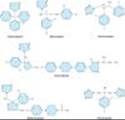
Azoles are synthetic compounds that can be classified as either imidazoles or triazoles according to the number of nitrogen atoms in the five-membered azole ring as indicated below. The imidazoles consist of ketoconazole, miconazole, and clotrimazole (Figure 48-1). The latter two drugs are now used only in topical therapy. The triazoles include itraconazole, fluconazole, and voriconazole.
|
|
Figure 48-1. Structural formulas of some antifungal azoles. |
Pharmacology
The pharmacology of each of the azoles is unique and accounts for some of the variations in clinical use. Table 48-2 summarizes the differences among four of the azoles.
Mechanism of Action
The antifungal activity of azole drugs results from the reduction of ergosterol synthesis by inhibition of fungal cytochrome P450 enzymes. The specificity of azole drugs results from their greater affinity for fungal than for human cytochrome P450 enzymes. Imidazoles exhibit a lesser degree of specificity than the triazoles, accounting for their higher incidence of drug interactions and side effects.
Resistance to azoles occurs via multiple mechanisms. Once rare, increasing numbers of resistant strains are being reported, suggesting that increasing use of these agents for prophylaxis and therapy may be selecting for clinical drug resistance in certain settings.
Clinical Use
The spectrum of action of azole medications is broad, ranging from many candida species, Cryptococcus neoformans, the endemic mycoses (blastomycosis, coccidioidomycosis, histoplasmosis), the dermatophytes, and, in the case of itraconazole and voriconazole, even aspergillus infections. They are also useful in the treatment of intrinsically amphotericin-resistant organisms such as Pseudallescheria boydii.
Adverse Effects
As a group, the azoles are relatively nontoxic. The most common adverse reaction is relatively minor gastrointestinal upset. All azoles have been reported to cause abnormalities in liver enzymes and, very rarely, clinical hepatitis. Adverse effects specific to individual agents are discussed below.
Drug Interactions
All azole drugs affect the mammalian cytochrome P450 system of enzymes to some extent, and consequently they are prone to drug interactions. The most significant reactions are indicated below.
1. Ketoconazole
Ketoconazole was the first oral azole introduced into clinical use. It is distinguished from triazoles by its greater propensity to inhibit mammalian cytochrome P450 enzymes; that is, it is less selective for fungal P450 than are the newer azoles. As a result, systemic ketoconazole has fallen out of clinical use in the USA and is not discussed in any detail here. Its dermatologic use is discussed in Chapter 62.
2. Itraconazole
Itraconazole is available in oral and intravenous formulations and is used at a dosage of 100-400 mg/d. Drug absorption is increased by food and by low gastric pH. Like other lipid-soluble azoles, it interacts with hepatic microsomal enzymes, though to a lesser degree than ketoconazole. An important drug interaction is reduced bioavailability of itraconazole when taken with rifamycins (rifampin, rifabutin, rifapentine). It does not affect mammalian steroid synthesis, and its effects on the metabolism of other hepatically cleared medications are much less than those of ketoconazole. While itraconazole displays potent antifungal activity, effectiveness can be limited by reduced bioavailability. Newer formulations, including an oral liquid and an intravenous preparation, have utilized cyclodextran as a carrier molecule to enhance solubility and bioavailability. Like ketoconazole, it penetrates poorly into the cerebrospinal fluid. Itraconazole is the azole of choice for treatment of disease due to the dimorphic fungi histoplasma, blastomyces, and sporothrix. Itraconazole has activity against aspergillus species, but it has been replaced by voriconazole as the azole of choice for aspergillosis. Itraconazole is used extensively in the treatment of dermatophytoses and onychomycosis.
3. Fluconazole
Fluconazole displays a high degree of water solubility and good cerebrospinal fluid penetration. Unlike ketoconazole and itraconazole, its oral bioavailability is high. Drug interactions are also less common because fluconazole has the least effect of all the azoles on hepatic microsomal enzymes. Because of fewer hepatic enzyme interactions and better gastrointestinal tolerance, fluconazole has the widest therapeutic index of the azoles, permitting more aggressive dosing in a variety of fungal infections. The drug is available in oral and intravenous formulations and is used at a dosage of 100-800 mg/d.
Fluconazole is the azole of choice in the treatment and secondary prophylaxis of cryptococcal meningitis. Intravenous fluconazole has been shown to be equivalent to amphotericin B in treatment of candidemia in ICU patients with normal white blood cell counts. Fluconazole is the agent most commonly used for the treatment of mucocutaneous candidiasis. Activity against the dimorphic fungi is limited to coccidioidal disease, and in particular for meningitis, where high doses of fluconazole often obviate the need for intrathecal amphotericin B. Fluconazole displays no activity against aspergillus or other filamentous fungi.
Prophylactic use of fluconazole has been demonstrated to reduce fungal disease in bone marrow transplant recipients and AIDS patients, but the emergence of fluconazole-resistant fungi has raised concerns about this indication.
4. Voriconazole
Voriconazole is the newest triazole to be licensed in the USA. It is available in intravenous and oral formulations. The recommended dosage is 400 mg/d. The drug is well absorbed orally, with a bioavailability exceeding 90%, and it exhibits less protein binding than itraconazole. Metabolism is predominantly hepatic, but the propensity for inhibition of mammalian P450 appears to be low. Observed toxicities include rash and elevated hepatic enzymes. Visual disturbances are common, occurring in up to 30% of patients receiving voriconazole, and include blurring and changes in color vision or brightness. These visual changes usually occur immediately after a dose of voriconazole and resolve within 30 minutes.
Voriconazole is similar to itraconazole in its spectrum of action, having excellent activity against candida species (including fluconazole-resistant species such as C krusei) and the dimorphic fungi. Voriconazole is less toxic than amphotericin B and is probably more effective in the treatment of invasive aspergillosis.
ECHINOCANDINS
Introduction
Echinocandins are the newest class of antifungal agent to be developed. They are large cyclic peptides linked to a long-chain fatty acid. Caspofungin, micafungin, and anidulafungin are the only licensed agents in this category of antifungals, although other drugs are under active investigation. These agents are active against both candida and aspergillus, but not Cryptococcus neoformans.
Pharmacology
Echinocandins are available only in intravenous forms. Caspofungin is administered as a single loading dose of 70 mg, followed by a daily dose of 50 mg. Caspofungin is water-soluble and highly protein-bound. The half-life is 9-11 hours, and the metabolites are excreted by the kidneys and gastrointestinal tract. Dosage adjustments are required only in the presence of severe hepatic insufficiency. Micafungin displays similar properties with a half-life of 11-15 hours and is used at a dose of 150 mg/day for treatment and 50 mg/d for prophylaxis of fungal infections. Anidulafungin has a half-life of 24-48 hours. For esophageal candidiasis, it is administered intravenously at 100 mg on the first day and 50 mg/d thereafter for 14 days. For systemic candidemia, a loading dose of 200 mg is recommended with 100 mg/d thereafter for at least 14 days after the last positive blood culture.
Mechanism of Action
Echinocandins act at the level of the fungal cell wall by inhibiting the synthesis of b(1-3) glucan. This results in disruption of the fungal cell wall and cell death.
Adverse Effects
Echinocandin agents are extremely well tolerated, with minor gastrointestinal side effects and flushing reported infrequently. Elevated liver enzymes have been noted in several patients receiving caspofungin in combination with cyclosporine, and this combination should be avoided. Micafungin has been shown to increase levels of nifedipine, cyclosporine, and sirolimus. Anidulafungin does not seem to have significant drug interactions, but histamine release may occur during IV infusion.
Clinical Use
Caspofungin is currently licensed for disseminated and mucocutaneous candida infections, as well as for empiric antifungal therapy during febrile neutropenia. Note that caspofungin is licensed for use in invasive aspergillosis only as salvage therapy in patients who have failed to respond to amphotericin B, and not as primary therapy. Micafungin is licensed only for mucocutaneous candidiasis and prophylaxis of candida infections in bone marrow transplant patients. Anidulafungin is approved for use in esophageal candidiasis and invasive candidiasis, including septicemia.
SYSTEMIC ANTIFUNGAL DRUGS FOR MUCOCUTANEOUS INFECTIONS
GRISEOFULVIN
Griseofulvin is a very insoluble fungistatic drug derived from a species of penicillium. Its only use is in the systemic treatment of dermatophytosis (see Chapter 62). It is administered in a microcrystalline form at a dosage of 1 g/d. Absorption is improved when it is given with fatty foods. Griseofulvin's mechanism of action at the cellular level is unclear, but it is deposited in newly forming skin where it binds to keratin, protecting the skin from new infection. Because its action is to prevent infection of these new skin structures, griseofulvin must be administered for 2-6 weeks for skin and hair infections to allow the replacement of infected keratin by the resistant structures. Nail infections may require therapy for months to allow regrowth of the new protected nail and is often followed by relapse. Adverse effects include an allergic syndrome much like serum sickness, hepatitis, and drug interactions with warfarin and phenobarbital. Griseofulvin has been largely replaced by newer antifungal medications such as itraconazole and terbinafine.
TERBINAFINE
Terbinafine is a synthetic allylamine that is available in an oral formulation and is used at a dosage of 250 mg/d. It is used in the treatment of dermatophytoses, especially onychomycosis (see Chapter 62). Like griseofulvin, terbinafine is a keratophilic medication, but unlike griseofulvin, it is fungicidal. Like the azole drugs, it interferes with ergosterol biosynthesis, but rather than interacting with the P450 system, terbinafine inhibits the fungal enzyme squalene epoxidase. This leads to the accumulation of the sterol squalene, which is toxic to the organism. One tablet given daily for 12 weeks achieves a cure rate of up to 90% for onychomycosis and is more effective than griseofulvin or itraconazole. Adverse effects are rare, consisting primarily of gastrointestinal upset and headache. Terbinafine does not seem to affect the P450 system and has demonstrated no significant drug interactions to date.
TOPICAL ANTIFUNGAL THERAPY
NYSTATIN
Nystatin is a polyene macrolide much like amphotericin B. It is too toxic for parenteral administration and is only used topically. Nystatin is currently available in creams, ointments, suppositories, and other forms for application to skin and mucous membranes. It is not absorbed to a significant degree from skin, mucous membranes, or the gastrointestinal tract. As a result, nystatin has little toxicity, although oral use is often limited by the unpleasant taste.
Nystatin is active against most candida species and is most commonly used for suppression of local candidal infections. Some common indications include oropharyngeal thrush, vaginal candidiasis, and intertriginous candidal infections.
TOPICAL AZOLES
The two azoles most commonly used topically are clotrimazole and miconazole; several others are available (see Preparations Available). Both are available over-the-counter and are often used for vulvovaginal candidiasis. Oral clotrimazole troches are available for treatment of oral thrush and are a pleasant-tasting alternative to nystatin. In cream form, both agents are useful for dermatophytic infections, including tinea corporis, tinea pedis, and tinea cruris. Absorption is negligible, and adverse effects are rare.
Topical and shampoo forms of ketoconazole are also available and useful in the treatment of seborrheic dermatitis and pityriasis versicolor. Several other azoles are available for topical use (see Preparations Available).
TOPICAL ALLYLAMINES
Terbinafine and naftifine are allylamines available as topical creams (see Chapter 62). Both are effective for treatment of tinea cruris and tinea corporis. These are prescription drugs in the USA.
PREPARATIONS AVAILABLE
Anidulafungin (Eraxis)
Parenteral: 50 mg powder for injection
Amphotericin B
Parenteral:
Conventional formulation (Amphotericin B, Fungizone): 50 mg powder for injection
Lipid formulations:
(Abelcet): 100 mg/20 mL suspension for injection
(AmBisome): 50 mg powder for injection
(Amphotec): 50, 100 mg powder for injection
Topical: 3% cream, lotion, ointment
Butaconazole (Gynazole-1, Mycelex-3)
Topical: 2% vaginal cream
Butenafine (Lotrimin Ultra, Mentax)
Topical: 1% cream
Caspofungin (Cancidas)
Parenteral: 50, 70 mg powder for injection
Clotrimazole (generic, Lotrimin)
Topical: 1% cream, solution, lotion; 100, 200 mg vaginal suppositories
Econazole (generic, Spectazole)
Topical: 1% cream
Fluconazole (Diflucan)
Oral: 50, 100, 150, 200 mg tablets; powder for 10, 40 mg/mL suspension
Parenteral: 2 mg/mL in 100 and 200 mL vials
Flucytosine (Ancobon)
Oral: 250, 500 mg capsules
Griseofulvin (Grifulvin, Grisactin, Fulvicin P/G)
Oral microsize: 125, 250 mg tablets; 250 mg capsule, 125 mg/5 mL suspension
Oral ultramicrosize:* 125, 165, 250, 330 mg tablets
Itraconazole (Sporanox)
Oral: 100 mg capsules; 10 mg/mL solution
Parenteral: 10 mg/mL for IV infusion
Ketoconazole (generic, Nizoral)
Oral: 200 mg tablets
Topical: 2% cream, shampoo
Miconazole (generic, Micatin)
Topical: 2% cream, powder, spray; 100, 200 mg vaginal suppositories
Micafungin (Mycamine)
Parenteral: 50 mg powder for injection
Naftifine (Naftin)
Topical: 1% cream, gel
Natamycin (Natacyn)
Topical: 5% ophthalmic suspension
Nystatin (generic, Mycostatin)
Oral: 500,000 unit tablets
Topical: 100,000 units/g cream, ointment, powder; 100,000 units vaginal tablets
Oxiconazole (Oxistat)
Topical: 1% cream, lotion
Sulconazole (Exelderm)
Topical: 1% cream, solution
Terbinafine (Lamisil)
Oral: 250 mg tablets
Topical: 1% cream, gel
Terconazole (Terazol 3, Terazol 7)
Topical: 0.4%, 0.8% vaginal cream; 80 mg vaginal suppositories
Tioconazole (Vagistat-1, Monistat 1)
Topical: 6.5% vaginal ointment
Tolnaftate (generic, Aftate, Tinactin)
Topical: 1% cream, gel, solution, aerosol powder
Voriconazole (Vfend)
Oral: 50, 200 mg tablets; oral suspension 40 mg/mL
Parenteral: 200 mg vials, reconstituted to a 5 mg/mL solution
*Ultramicrosize formulations of griseofulvin are approximately 1.5 times more potent, milligram for milligram, than the microsize preparations.
REFERENCES
Diekema DJ et al: Activities of caspofungin, itraconazole, posaconazole, ravuconazole, voriconazole, and amphotericin B against 448 recent clinical isolates of filamentous fungi. J Clin Microbiol 2003;41:3623.
Groll A, Piscitelli SC, Walsh TJ: Clinical pharmacology of systemic antifungal agents: A comprehensive review of agents in clinical use, current investigational compounds, and putative targets for antifungal drug development. Adv Pharmacol 1998;44:343.
Herbrecht R et al: Voriconazole versus amphotericin B for primary therapy of invasive aspergillosis. N Engl J Med 2002;347:408.
Sheehan DJ, Hitchcock CA, Sibley CM: Current and emerging azole antifungal agents. Clin Microbiol Rev 1999;12:40.
Wiederhold NP, Lewis RE: The echinocandin antifungals: An overview of the pharmacology, spectrum and clinical efficacy. Expert Opin Investig Drugs 2003;12:1313.
Wong-Beringer A, Jacobs RA, Guglielmo BJ: Lipid formulations of amphotericin B. Clinical efficacy and toxicities. Clin Infect Dis 1998;27:603.