
|
Table 1-1. Metric System Prefixes |
|||
|
Prefix |
Meaning |
||
|
mega- |
one million times the base unit (106) |
||
|
kilo- |
one thousand times the base unit (103) |
||
|
deci- |
one-tenth the base unit (10-1) |
||
|
centi- |
one-hundredth the base unit (10-2) |
||
|
milli- |
one-thousandth the base unit (10-3) |
||
|
micro- |
one-millionth the base unit (10-6) |
||
|
nano- |
one-billionth the base unit (10-9) |
||
|
pico- |
one-trillionth the base unit (10-12) |
||
|
Table 1-2. Apothecaries' System of Measure |
|||
|
Weight |
Volume |
||
|
20 grains = 1 scruple |
60 minims = 1 fluidram |
||
|
3 scruples = 1 dram |
8 fluidrams = 1 fluid ounce |
||
|
8 drams = 1 ounce |
16 fluid ounces = 1 pint |
||
|
12 ounces = 1 pound |
2 pints = 1 quart |
||
|
4 quarts = 1 gallon |
|||
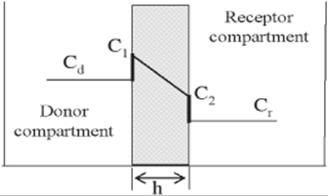
Figure 3-1. Concentration Gradient of Diffusant across a Diaphragm of a Diffusion Cell
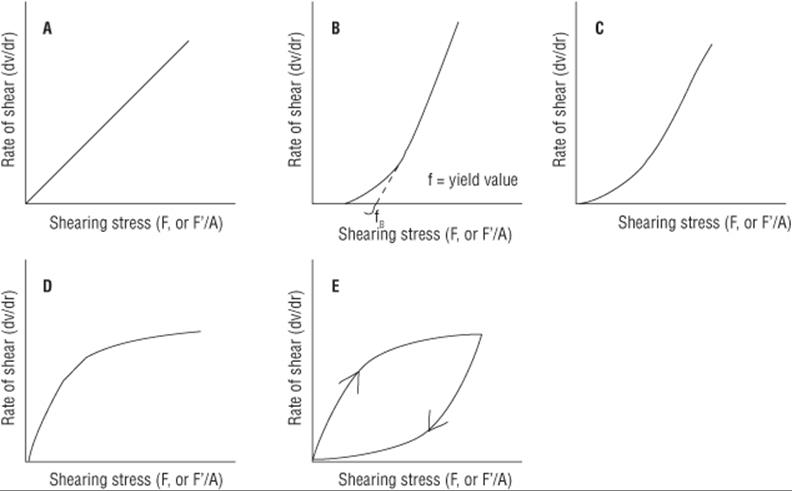
Figure 3-2. Plots of Rate of Shear as a Function of Shearing Stress for (A) Newtonian, (B) Plastic, (C) Pseudoplastic, (D) Dilatant, and (E) Thixotropic flow
|
Table 3-1. Typical Pharmaceutical Ingredients |
|||||
|
Ingredient type |
Definition |
Examples |
|||
|
Antifungal preservative |
Used in liquid and semisolid formulations to prevent growth of fungi |
Benzoic acid, butylparaben, ethylparaben, sodium benzoate, sodium propionate |
|||
|
Antimicrobial preservative |
Used in liquid and semisolid formulations to prevent growth of microorganisms |
Benzalkonium chloride, benzyl alcohol, cetylpyridinium chloride, phenyl ethyl alcohol |
|||
|
Antioxidant |
Used to prevent oxidation |
Ascorbic acid, ascorbyl palmitate, sodium ascorbate, sodium bisulfate, sodium metabisulfite |
|||
|
Binder |
Used to cause adhesion of powder particles in tablet granulations |
Acacia, alginic acid, ethylcellulose, starch, povidone |
|||
|
Diluent |
Used as fillers to create desired bulk, flow properties, and compression characteristics in tablet and capsule preparations |
Kaolin, lactose, mannitol, cellulose, sorbitol, starch |
|||
|
Disintegrant |
Used to promote disruption of solid mass into small particles |
Microcrystalline cellulose, carboxymethylcellulose calcium, sodium alginate, sodium starch glycolate, alginic acid |
|||
|
Emulsifying agent |
Used to promote and maintain dispersion of finely divided droplets of a liquid in a vehicle in which it is immiscible |
Acacia, cetyl alcohol, glyceryl monostearate, sorbitan monostearate |
|||
|
Glidant |
Used to improve flow properties of powder mixture |
Colloidal silica, cornstarch, talc |
|||
|
Humectant |
Used for prevention of dryness of ointments and creams |
Glycerin, propylene glycol, sorbitol |
|||
|
Lubricant |
Used to reduce friction during tablet compression and to facilitate ejection of tablets from the die cavity |
Calcium stearate, magnesium stearate, mineral oil, stearic acid, zinc stearate |
|||
|
Plasticizer |
Used to enhance coat spread over tablets, beads, and granules |
Glycerin, diethyl palmitate |
|||
|
Surfactant |
Used to reduce surface or interfacial tension |
Polysorbate 80, sodium lauryl sulfate, sorbitan monopalmitate |
|||
|
Suspending agent |
Used to reduce sedimentation rate of drug particles dispersed throughout a vehicle in which they are not soluble |
Carbopol, hydroxymethylcellulose, hydroxypropyl cellulose, methylcellulose, tragacanth |
|||
|
Table 3-2. Examples of Sustained-Release Drug Delivery Products |
|||||
|
Dosage forms |
Manufacturer |
Active ingredients |
Indications |
||
|
Controlled-release tablets |
|||||
|
Theo-Dur |
ALZA Corp. |
Theophylline |
Asthma |
||
|
Abacavir (Ziagen) |
GlaxoSmithKline |
Nucleoside reverse transcriptase inhibitor |
HIV-1 infection |
||
|
Sinemet |
Bristol-Myers Squibb |
Carbidopa + levodopa |
Parkinson's disease |
||
|
Volmax |
ALZA Corp. |
Albuterol |
Bronchospasm |
||
|
Voltaren |
Novartis |
Diclofenac sodium |
Osteoarthritis and rheumatoid arthritis |
||
|
Efidac 24 |
ALZA Corp. |
Chlorpheniramine |
Allergy symptoms and nasal congestion |
||
|
DynaCirc CR |
Novartis |
Isradipine |
Hypertension |
||
|
Capsules |
|||||
|
Dexedrine Spansules |
GlaxoSmithKline |
Dextroamphetamine |
Narcolepsy |
||
|
Adderall XL |
Shire Pharmaceuticals |
Amphetamine + dextroamphetamine |
Attention-deficit/hyperactivity disorder (ADHD) |
||
|
Ritalin LA |
Novartis |
Methylphenidate hydrochloride |
ADHD |
||
|
Videx EC |
Bristol-Myers Squibb |
Didanosine |
HIV-1 infection |
||
|
Aerosols |
|||||
|
Ventolin HFA |
GlaxoSmithKline |
Albuterol sulfate |
Bronchodilator |
||
|
Azmacort |
Kos |
Triamcinolone acetonide |
Asthma |
||
|
Serevent |
GlaxoSmithKline |
Salmeterol |
Bronchodilator |
||
|
Osmotic systems |
|||||
|
Oros System |
ALZA Corp. |
Oral delivery of different drugs |
|||
|
Ditropan XL |
ALZA Corp. |
Oxybutynin chloride |
Overreacting bladder |
||
|
Covera-HS |
Pfizer |
Verapamil |
Antihypertensive |
||
|
Concerta |
ALZA Corp. |
Methylphenidate HCl |
ADHD |
||
|
DUROS implant systems |
|||||
|
Viadur |
ALZA Corp. |
Leuprolide |
Prostate cancer |
||
|
Inserts |
|||||
|
Pilocarpine Ocusert |
ALZA Corp. |
Pilocarpine |
Glaucoma |
||
|
Lacrisert |
ALZA Corp. |
Hydroxypropyl cellulose |
Ophthalmic moisturizer |
||
|
Progestasert |
CollaGenex |
Progesterone |
Contraceptive |
||
|
Atridox |
ALZA Corp. |
Doxycycline |
Periodontal disease |
||
|
Transdermal patches |
|||||
|
Alora |
Watson Pharma |
Estradiol |
Menopausal symptoms |
||
|
CombiPatch |
Novartis |
Estradiol/norethindrone acetate |
Vasomotor symptoms associated with menopause |
||
|
Androderm |
Watson Pharmaceuticals |
Testosterone |
Testosterone deficiency |
||
|
Nicotine transdermal system |
Watson Pharmaceuticals |
Nicotine |
Smoking cessation |
||
|
PEGylated proteins |
|||||
|
PEGIntron |
Schering Corp. |
PEGylated interferon |
Hepatitis C |
||
|
PEGASYS |
Roche |
PEGylated interferon + ribavirin |
Hepatitis B, hepatitis C |
||
|
Liposomes |
|||||
|
Doxil |
Ortho Biotech |
Doxorubicin HCl |
Kaposi's sarcoma |
||
|
DaunoXome |
NeXstar Pharmaceuticals |
Daunorubicin |
Kaposi's sarcoma |
||
|
Poly(lactic-co-glycolic acid)/polylactic acid microspheres |
|||||
|
Lupron Depot |
TAP Pharmaceuticals |
Luteinizing hormone-releasing hormone agonist |
Prostate cancer, endometriosis |
||
|
Zoladex Depot |
AstraZeneca |
Goserelin acetate |
Prostate cancer, endometriosis |
||
|
Nutropin Depot |
Genentech |
Recombinant human growth hormone |
Growth deficiencies |
||
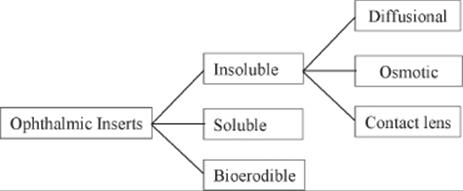
Figure 3-3. Different Types of Ophthalmic inserts
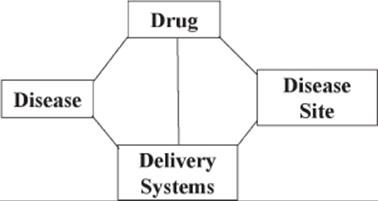
Figure 3-4. Essential Components of Drug Delivery
|
Table 4-1. Levigating Agents by Type and Ointment Base Classification |
|
|
Type of agent |
Ointment base classification |
|
Aqueous |
|
|
Glycerin |
Oil-in-water emulsion |
|
Propylene glycol |
Water soluble |
|
Polyethylene glycol 400 |
Water washable |
|
Oily |
|
|
Mineral oil |
Oleaginous or hydrocarbon |
|
Castor oil |
Absorption |
|
Cottonseed oil |
Water-in-oil emulsion |
|
Note: Other agents may be useful for certain preparations, such as Tween 80 for incorporating coal tar. Castor oil is useful for incorporating ichthammol and peru balsam. |
|
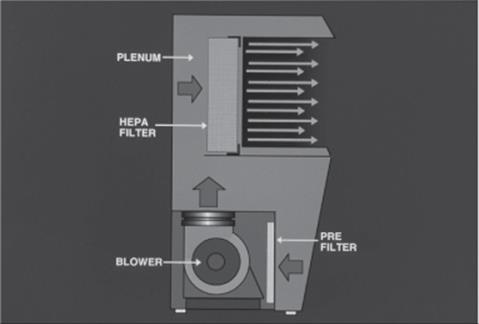
Figure 5-1. Horizontal Laminar Flow Workbench Illustration courtesy of the University of Tennessee Parenteral Medications Lab.

Figure 5-2. Vertical Laminar Flow Workbench Illustration courtesy of the University of Tennessee Parenteral Medications Lab.
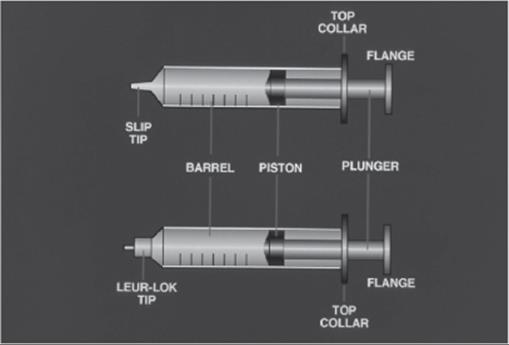
Figure 5-3. Types of Syringes Illustration courtesy of the University of Tennessee Parenteral Medications Lab.

Figure 5-4. Needle Illustration courtesy of the University of Tennessee Parenteral Medications Lab.
|
Table 6-1. IV Bolus Multiple Dose Regimen |
|||
|
Dose number |
Equation |
Maximum or peak concentration |
Minimum or trough concentration at the end of the dosing interval |
|
1 |
|
|
|
|
n |
|
|
|
|
Steady state |
|
|
|
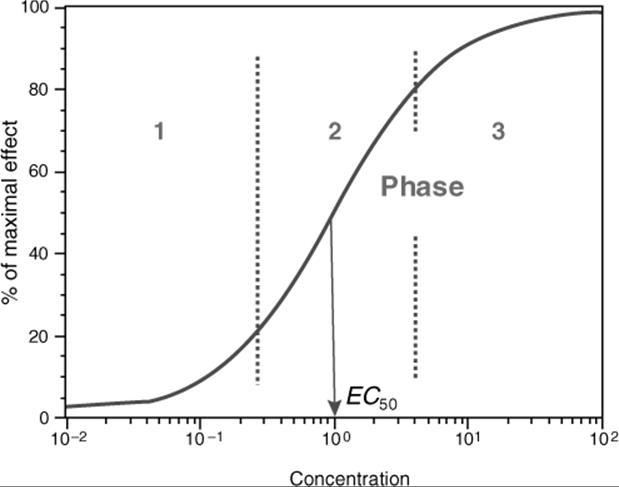
Figure 6-1. The Three Concentration-Dependent Phases
|
Table 7-1. Milestones in Biotechnology |
||||
|
Event |
Year |
|||
|
Identification of DNA as a genetic material |
1940 |
|||
|
Discovery of DNA double helix by James Watson and Francis Crick |
1953 |
|||
|
Elucidation of the genetic code (64 nucleic acid triplets, or codons, encode 20 amino acids) |
1961 |
|||
|
Cloning of DNA and the production of the first recombinant DNA-derived protein |
1973 |
|||
|
Introduction of monoclonal antibodies |
1975 |
|||
|
Production of the first human protein (somatostatin) from recombinant DNA technology |
1977 |
|||
|
Cloning of the human insulin gene |
1978 |
|||
|
Licensing in the United States of technology to derive human insulin from recombinant DNA |
1982 |
|||
|
Conception of the polymerase chain reaction for amplification of DNA |
1983 |
|||
|
Initiation of the Human Genome Project |
1990 |
|||
|
Sequencing of the human genome |
2001 |
|||
|
Table 7-2. Approved Biological Products |
||||
|
Generic name |
Brand name (manufacturer) |
Indications |
||
|
Blood factors |
||||
|
Factor VII |
NovoSeven (Novo Nordisk) |
Hemophilia |
||
|
Factor VIII |
Bioclate, Recombinate, Advate (Baxter); Kogenate, Helixate (Bayer); ReFacto (Genetics Institute); Xyntha (Wyeth Pharmaceuticals) |
Hemophilia A |
||
|
Factor IX |
BeneFIX (Genetics Institute) |
Hemophilia B |
||
|
Cytokines |
||||
|
Aldesleukin (IL-2) |
Proleukin (Chiron) |
Metastatic renal cell carcinoma and melanoma |
||
|
Denileukin diftitox |
Ontak (Ligand) |
Cutaneous T-cell lymphoma |
||
|
Interferon alfacon-1 |
Infergen (InterMune) |
Hepatitis C |
||
|
Interferon alfa-n1 |
Wellferon (GlaxoSK) |
Chronic hepatitis C |
||
|
Interferon alfa-2a |
Roferon-A (Roche) |
Hairy cell leukemia; AIDS-related Kaposi's sarcoma; chronic myelogenous leukemia |
||
|
Interferon alfa-2b |
Intron-A (Schering) |
Hairy cell leukemia; AIDS-related Kaposi's sarcoma; chronic hepatitis B and C; condylomata acuminata; malignant melanoma |
||
|
Interferon alfa-n3 |
Alferon-N (InterMune) |
Condylomata acuminata |
||
|
Interferon beta-1b |
Betaseron (Berlex) |
Acute relapsing-remitting multiple sclerosis |
||
|
Interferon beta-1a |
Avonex (Biogen); Rebif (Serono) |
Acute relapsing-remitting multiple sclerosis |
||
|
Interferon gamma-1b |
Actimmune (InterMune) |
Chronic granulomatous disease; osteoporosis |
||
|
Oprelvekin (IL-11) |
Neumega (Genetics Institute) |
Thrombocytopenia from chemotherapy |
||
|
Peginterferon alfa-2a |
Pegasys (Roche) |
Hepatitis C |
||
|
Peginterferon alfa-2b |
PegIntron (Schering) |
Hepatitis C |
||
|
Enzymes |
||||
|
Agalsidase beta |
Fabrazyme (Genzyme) |
Fabry disease |
||
|
Alglucosidase alfa |
Myozyme (Genzyme) |
Lysosomal alpha-1,4-glucosidase deficiency |
||
|
Alpha-1-proteinase inhibitor |
Zemaira (Aventis) |
Alpha-1-proteinase inhibitor deficiency |
||
|
Alteplase |
Activase (Genentech) |
Acute myocardial infarction; pulmonary embolism; stroke |
||
|
Bivalirudin |
Angiomax (Medicines Co.) |
Coronary angioplasty (PTCA); unstable angina |
||
|
Dornase alfa |
Pulmozyme (Genentech) |
Respiratory complication from cystic fibrosis |
||
|
Eptifibatide |
Integrelin (Millennium) |
Acute coronary syndromes; angioplasties |
||
|
Galsulfase |
Naglazyme (Biomarin Pharmaceutical Inc.) |
Mucopolysaccharidosis |
||
|
Idursulfase |
Elaprase (Shire Human Genetic Therapies) |
Mucopolysaccharidosis |
||
|
Imiglucerase |
Cerezyme (Genzyme) |
Type 1 Gaucher's disease |
||
|
Laronidase |
Aldurazyme (Biomarin) |
Mucopolysaccharidosis |
||
|
Lepirudin |
Refludan (Berlex) |
Heparin-induced thrombocytopenia |
||
|
Rasburicase |
Elitek (Sanofi-Synthelabo) |
Elevated plasma uric acid in pediatric malignancy |
||
|
Reteplase |
Retavase (Centocor/J&J) |
Acute myocardial infarction |
||
|
Tenecteplase |
TNKase (Genentech) |
Acute myocardial infarction |
||
|
Tirobifan |
Aggrastat (Merck) |
Acute coronary syndromes |
||
|
Growth factors |
||||
|
Becaplermin (PDGF) |
Regranex (Ortho-McNeil) |
Diabetic foot ulcer |
||
|
Darbepoetin alfa |
Aranesp (Amgen) |
Anemia associated with end-stage renal disease and chronic renal insufficiency |
||
|
Epoetin alfa |
EPOGEN (Amgen); Procrit (Ortho Biotech) |
Anemia attributable to chronic renal disease; zidovudine-induced anemia; anemia due to chemotherapy; surgery patients |
||
|
Filgrastim |
Neupogen (Amgen) |
Neutropenia attributable to myelosuppressive chemotherapy; myeloid reconstitution after bone marrow transplant; severe chronic neutropenia; peripheral blood progenitor cell transplant; induction and consolidation therapy in acute myelogenous leukemia |
||
|
Methoxy polyethylene glycol-epoetin beta |
Mircera (Roche) |
Anemia attributable to chronic renal failure |
||
|
Palifermin |
Kepivance (Biovitrum) |
Oral mucositis; mucositis following chemotherapy |
||
|
Pegfilgrastim |
Neulasta (Amgen) |
Febrile neutropenia attributable to myelosuppressive chemotherapy |
||
|
Sargramostim |
Leukine (Berlex) |
Myeloid reconstitution after bone marrow transplant; bone marrow transplant failure; adjunct to chemotherapy in acute myelogenous leukemia; peripheral blood progenitor cell transplant |
||
|
Hormones |
||||
|
Choriogonadotropin alfa |
Ovidrel (Serono) |
Fertility |
||
|
Follitropin alfa |
Gonal-F (Serono) |
Ovulatory failure |
||
|
Follitropin beta |
Follistim (Organon) |
Ovulatory failure |
||
|
Human growth hormone |
Protopin, Nutropin (Genentech) |
Growth hormone deficiency in pediatric patients |
||
|
Humatrope (Eli Lilly) |
Growth retardation in chronic renal disease |
|||
|
Saizen, Serostim (Serono) |
AIDS wasting |
|||
|
Norditropin (Novo Nordisk) |
Turner's syndrome |
|||
|
Genotropin (Pharmacia); Biotropin (Sol Source Technologies) |
Growth hormone deficiency in adults |
|||
|
Human insulin |
Humulin; Humalog (Eli Lilly); Novolin (Novo Nordisk); Lantus (Aventis) |
Insulin-dependent diabetes mellitus |
||
|
Ganirelix |
Antagon (Organon) |
Luteinizing hormone surge during fertility therapy |
||
|
Glucagon |
GlucaGen (Novo Nordisk) |
Hypoglycemia |
||
|
Growth hormone-releasing hormone |
Geref (Serono) |
Growth hormone deficiency in pediatric patients |
||
|
Thyrotropin |
Thyrogen (Genzyme) |
Thyroid cancer |
||
|
Monoclonal antibodies |
||||
|
Abciximab |
ReoPro (Centocor) |
Prevention of blood clots following percutaneous coronary intervention; unstable angina prior to percutaneous coronary intervention |
||
|
Adalimumab |
Humira (Abbott) |
Acute rheumatoid arthritis |
||
|
Alemtuzumab |
Campath (Berlex) |
Chronic lymphocytic leukemia |
||
|
Basiliximab |
Simulect (Novartis) |
Acute organ transplant rejection |
||
|
Bevacizumab |
Avastin (Genentech) |
Colorectal cancer |
||
|
Certolizumab pegol |
Cimzia (UCB) |
Crohn's disease |
||
|
Cetuximab |
Erbitux (ImClone Systems) |
Colorectal cancer |
||
|
Daclizumab |
Zenapax (Roche) |
Kidney transplant; acute rejection |
||
|
Eculizumab |
Soliris (Alexion) |
Paroxysmal nocturnal hemoglobinuria |
||
|
Efalizumab |
Raptiva (Genentech) |
Psoriasis |
||
|
Gemtuzumab (ozogamicin) |
Mylotarg (Wyeth/PDL) |
Acute myeloid leukemia (CD33+) |
||
|
Ibritumomab (tiuxetan) |
Zevalin (IDEC) |
B-cell non-Hodgkin's lymphoma |
||
|
Infliximab |
Remicade (Centocor) |
Crohn's disease; rheumatoid arthritis |
||
|
Natalizumab |
Tysabri (Amgen) |
Crohn's disease; multiple sclerosis |
||
|
Omalizumab |
Xolair (Genentech) |
Asthma |
||
|
Palivizumab |
Synagis (MedImmune) |
Prevention of respiratory syncytial virus and fatal pneumonia in pediatrics |
||
|
Panitumumab |
Vectibix (Amgen) |
Metastatic colorectal cancer |
||
|
Ranibizumab |
Lucentis (Genentech) |
Exudative age-related macular degeneration |
||
|
Rituximab |
Rituxan (IDEC/Genentech) |
Low-grade non-Hodgkin's lymphoma |
||
|
Tositumomab |
Bexxar (Corixa) |
CD20+ non-Hodgkin's lymphoma |
||
|
Trastuzumab |
Herceptin (Genentech/PDL) |
Metastatic breast cancer (Her 2 Neu+) |
||
|
Vaccines |
||||
|
Haemophilus b/hepatitis B |
Comvax (Merck) |
Prevention of Haemophilus influenzae and hepatitis B |
||
|
Hepatitis B vaccine |
Engerix-B (GlaxoSK); Recombivax HB (Merck) |
Prevention of hepatitis B |
||
|
Others |
||||
|
Abatacept |
Orencia (BMS) |
Rheumatoid arthritis |
||
|
Anakinra |
Kineret (Amgen) |
Rheumatoid arthritis |
||
|
BCNU polymer |
Gliadel (Guilford) |
Recurrent glioblastoma multiforme |
||
|
Daunorubicin-liposomal |
DaunoXome (Gilead) |
Kaposi's sarcoma |
||
|
Doxorubicin-liposomal |
DOXIL (Alza) |
Kaposi's sarcoma; ovarian cancer |
||
|
Drotrecogin alfa |
Xigris (Eli Lilly) |
Sepsis |
||
|
Etanercept |
Enbrel (Amgen) |
Rheumatoid arthritis; psoriatic arthritis |
||
|
Fomivirsen |
Vitravene (Isis) |
Cytomegalovirus retinitis |
||
|
Glatiramer |
Copaxone (Teva) |
Relapsing multiple sclerosis |
||
|
Lipid-based amphotericin B |
Abelcet (Elan); Amphotec (Sequus); AmBisome (Fujisawa/Gilead) |
Aspergillosis; cryptococcal meningitis in HIV; systemic fungal infections |
||
|
Nesiritide |
Natrecor (Scios/Innovex) |
Congestive heart failure |
||
|
Rilonacept |
Arcalyst (Regeneron) |
Cryopyrin-associated periodic syndromes |
||
|
Romiplostim |
Nplate (Amgen) |
Idiopathic thrombocytopenic purpura |
||
|
AIDS, acquired immunodeficiency syndrome; BCNU, bis-chlorethylnitrosourea; HIV, human immunodeficiency virus; IL, interleukin; PDGF, platelet-derived growth factor; PCI, percutaneous coronary intervention; PTCA, percutaneous transluminal coronary angioplasty. |
||||
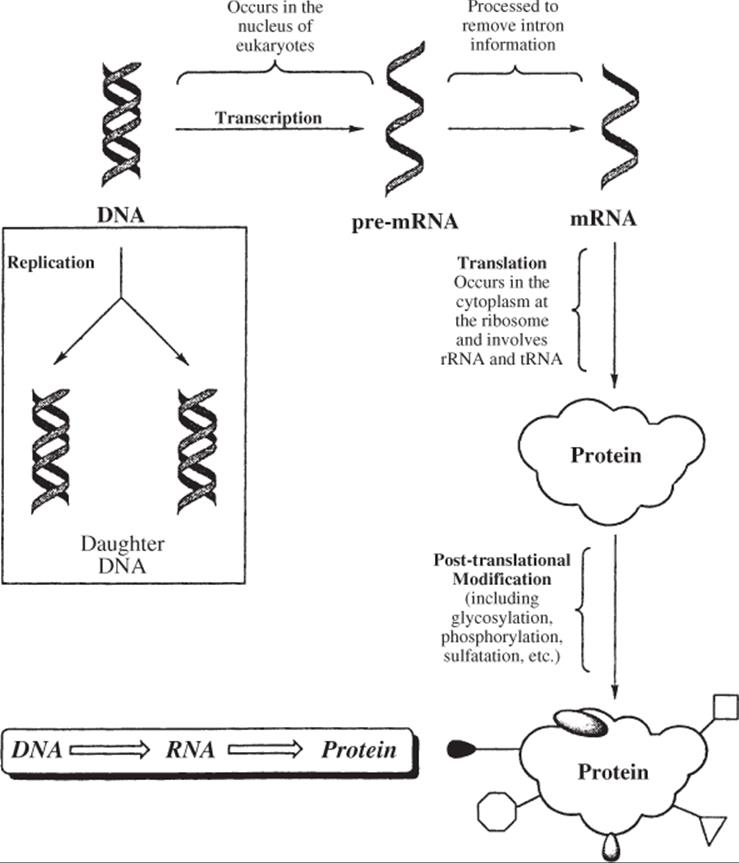
Figure 7-1. Gene Expression: The Synthesis of Proteins Reproduced from Sindelar, 2002.
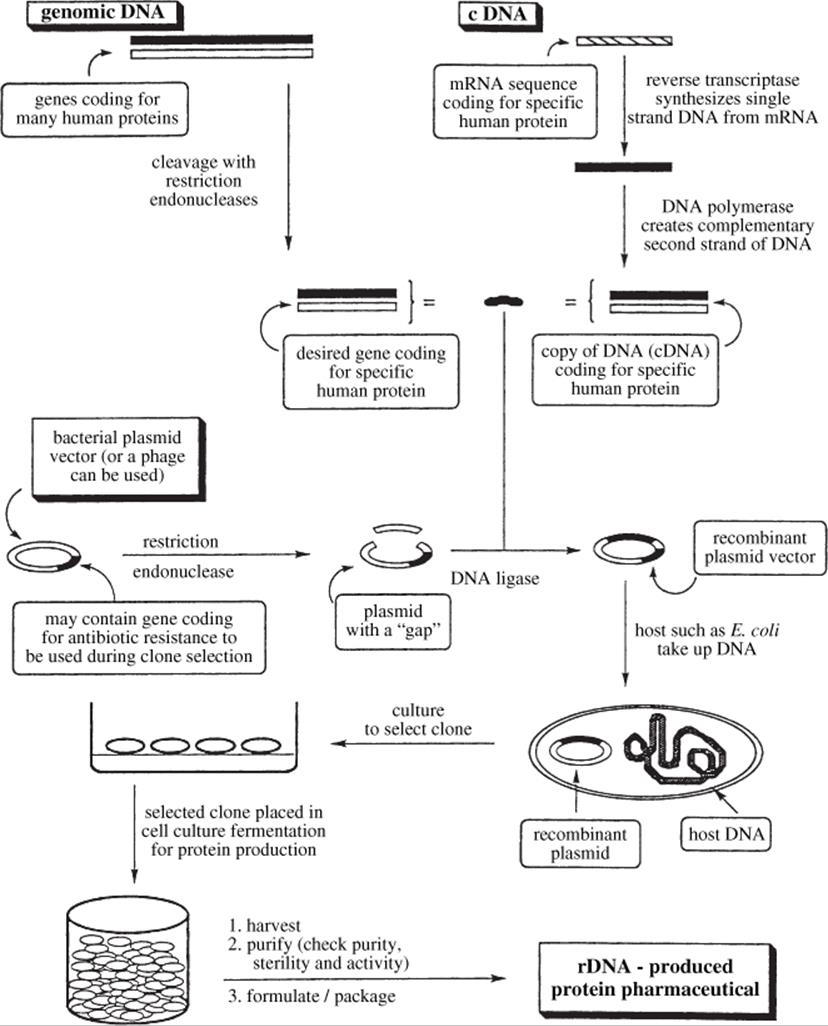
Figure 7-2. Summary of Typical rDNA Production of a Protein from Either Genomic DNA or cDNA Reprinted by permission of Sindelar, 2002.

Figure 7-3. Production of Monoclonal Antibodies Reproduced from Sindelar, 2002.
|
Table 7-3. Genetic Polymorphisms in Drug Target Genes That Can Influence Drug Responsea |
|||||
|
Gene or gene product |
Medication |
Drug effect associated with polymorphism |
|||
|
Angiotensin-converting enzyme (ACE) |
ACE inhibitors (e.g., enalapril) |
Renoprotective effects; blood pressure reduction; reduction in left ventricular mass; endothelial function |
|||
|
Fluvastatin |
Lipid changes (reductions in low-density lipoprotein cholesterol and apolipoprotein B); progression or regression in coronary atherosclerosis |
||||
|
Arachidonate 5-lipoxygenase |
Leukotriene inhibitors |
Improvement of FEV1 |
|||
|
β2-adrenergic receptor |
β2-agonists |
Bronchodilatation; susceptibility to agonist-induced desensitization; cardiovascular effects |
|||
|
Bradykinin B2 receptor |
ACE inhibitors |
ACE inhibitor-induced cough |
|||
|
Dopamine receptors (D2, D3, D4) |
Antipsychotics (e.g., haloperidol and clozapine) |
Antipsychotic response (D2, D3, D4); antipsychotic-induced tardive dyskinesia (D3); antipsychotic-induced acute akathisia (D3) |
|||
|
Estrogen receptor-α |
Conjugated estrogens |
Increase in bone mineral density |
|||
|
Hormone replacement therapy |
Increase in high-density lipoprotein cholesterol |
||||
|
Glycoprotein IIIa subunit of glycoprotein IIb/IIIa |
Aspirin or glycoprotein IIb/IIIa inhibitors |
Antiplatelet effect |
|||
|
Serotonin (5-hydroxytryptamine transporter) |
Antidepressants (e.g., clomipramine, fluoxetine, and paroxetine) |
Serotonin neurotransmission; antidepressant response |
|||
|
FEV1, forced expiratory volume in 1 second. a. The examples shown are illustrative and are not representative of all published studies. Reprinted by permission from Evans, McLeod, 2003. |
|||||
|
Table 7-4. Genetic Polymorphisms in Disease-Modifying or Treatment-Modifying Genes That Can Influence Drug Responsea |
|||||
|
Gene or gene product |
Disease or response association |
Medication |
Influence of polymorphism on drug effect or toxicity |
||
|
Adducin |
Hypertension |
Diuretics |
Myocardial infarction or strokes |
||
|
Apolipoprotein E |
Progression of atherosclerosis; ischemic cardiovascular events |
Statins (e.g., simvastatin) |
Enhanced survival |
||
|
Alzheimer's disease |
Tacrine |
Clinical improvement |
|||
|
Human leukocyte antigen |
Toxicity |
Abacavir |
Hypersensitivity reaction |
||
|
Cholesterol ester transfer protein |
Progression of atherosclerosis |
Statins (e.g., pravastatin) |
Slowing of progression of atherosclerosis |
||
|
Ion channels (HERG, KvLQT1, Mink, and MiRP1) |
Congenital long-QT syndrome |
Erythromycin; terfenadine; cisapride; clarithromycin; and quinidine |
Increased risk of drug-induced torsade de pointes |
||
|
Methylguanine methyltransferase |
Glioma |
Carmustine |
Response of glioma to carmustine |
||
|
Parkin |
Parkinson's disease |
Levodopa |
Clinical improvement and levodopa-induced dyskinesias |
||
|
Prothrombin and factor V |
Deep-vein thrombosis; cerebral-vein thrombosis |
Oral contraceptives |
Increased risk of deep-vein thrombosis and cerebral-vein thrombosis with oral contraceptives |
||
|
Stromelysin-1 |
Atherosclerosis progression |
Statins (e.g., pravastatin) |
Reduction in cardiovascular events by pravastatin (death, myocardial infarction, stroke, angina, and others); reduction in risk of repeated angioplasty |
||
|
a. The examples shown are illustrative and are not representative of all published studies. Reproduced with permission from Evans, McLeod, 2003. |
|||||
|
Table 7-5. Pharmacogenomics of Phase I Drug Metabolisma |
||||||
|
Drug-metabolizing enzyme |
Frequency of variant poor-metabolism phenotype |
Representative drugs metabolized |
Effect of polymorphism |
|||
|
Butyrylcholinesterase (pseudocholinesterase) |
Approximately 1 in 3,500 Europeans |
Succinylcholine |
Enhanced drug effect |
|||
|
Cytochrome P-450 2D6 (CYP2D6) |
6.8% of Swedes |
Debrisoquin |
Enhanced drug effect |
|||
|
1% of Chinese |
Sparteine |
Enhanced drug effect |
||||
|
Nortriptyline |
Enhanced drug effect |
|||||
|
Codeine |
Decreased drug effect |
|||||
|
Cytochrome P-450 2C9 (CYP2C9) |
Approximately 3% of English (those homozygous for the *2 and *3 alleles) |
Warfarin Phenytoin |
Enhanced drug effect Enhanced drug effect |
|||
|
Cytochrome P-450 2C19 (CYP2C19) |
2.7% of white Americans; 3.3% of Swedes; 14.6% of Chinese; 18% of Japanese |
Omeprazole |
Enhanced drug effect |
|||
|
Dihydropyrimidine dehydrogenase |
Approximately 1% of population is heterozygous |
Fluorouracil |
Enhanced drug effect |
|||
|
a. Examples of genetically polymorphic phase I enzymes that catalyze drug metabolism are listed, including selected examples of drugs that have clinically relevant variations in their effect. |
||||||
|
Reproduced with permission from Weinshilboum, 2003. |
||||||
|
Table 7-6. Pharmacogenomics of Phase II Drug Metabolisma |
||||||
|
Drug-metabolizing enzyme |
Frequency of variant poor-metabolism phenotype |
Representative drugs metabolized |
Effect of polymorphism |
|||
|
N-acetyltransferase 2 |
52% of white Americans |
Isoniazid |
Enhanced drug effect |
|||
|
17% of Japanese |
Hydralazine |
Enhanced drug effect |
||||
|
Uridine diphosphate-glucuronosyltransferase 1A1 (TATA box polymorphism) |
10.9% of whites |
Procainamide |
Enhanced drug effect |
|||
|
4% of Chinese |
Irinotecan |
Enhanced drug effect |
||||
|
1% of Japanese |
Bilirubin |
Gilbert's syndrome |
||||
|
Thiopurine S-methyltransferase |
Approximately 1 in 300 whites |
Mercaptopurine |
Enhanced drug effect (toxicity) |
|||
|
Approximately 1 in 2,500 Asians |
Azathioprine |
Enhanced drug effect (toxicity) |
||||
|
Catechol O-methyltransferase |
Approximately 25% of whites |
Levodopa |
Enhanced drug effect |
|||
|
a. Examples of genetically polymorphic phase II (conjugating) enzymes that catalyze drug metabolism are listed, including selected examples of drugs that have clinically relevant variations in their effects. |
||||||
|
Reproduced with permission from Weinshilboum, 2003. |
||||||
|
Table 8-1. Trends in Awareness, Treatment, and Control of High Blood Pressure in Adults Ages 18-74 |
||||||
|
National Health and Nutrition Examination Survey |
||||||
|
Aspect |
II, 1976-80 (%) |
III, phase 1, 1988-91 (%) |
III, phase 2 1991-94 (%) |
1999-2000 (%) |
2005-06 (%) |
|
|
Awareness |
51 |
73 |
68 |
70 |
78 |
|
|
Treatment |
31 |
55 |
54 |
59 |
68 |
|
|
Controla |
10 |
29 |
27 |
34 |
64 |
|
|
Unpublished data for 1999-2000 computed by M. Woltz, National Heart, Lung, and Blood Institute; adapted from JNC-7 Express, National Heart, Lung, and Blood Institute. Information for 2005-06 comes from the most recent Nhanes data available. |
||||||
|
High blood pressure is systolic blood pressure ≥ 140 mm Hg or diastolic blood pressure ≥ 90 mm Hg, or it is evidenced by the taking of antihypertensive medication. |
||||||
|
a. Those adults surveyed have systolic blood pressure < 140 mm Hg and diastolic blood pressure < 90 mm Hg. |
||||||
|
Table 8-2. Prevalence of Hypertension by Ethnic Group for Adults Ages 20-74 (percent) |
||||||
|
Ethnic group |
Male |
Female |
||||
|
Caucasians |
24 |
19 |
||||
|
African Americans |
35 |
34 |
||||
|
Mexican Americans |
25 |
22 |
||||
|
Asian Americans |
13 |
13 |
||||
|
Table 8-3. Classification and Management of Blood Pressure for Adults |
|
Initial drug therapy |
|||||
|
Blood pressure classification |
SBPa(mm Hg) |
DBP (mm Hg) |
Lifestyle modification |
Without compelling indication |
With compelling indicationsb |
|
Normal |
< 120 |
and < 80 |
Encouraged |
||
|
Prehypertension |
120-139 |
or 80-89 |
Yes |
No antihypertensive drug indicated |
Drug(s) for compelling indications.c |
|
Stage 1 hypertension |
140-159 |
or 90-99 |
Yes |
Thiazide-type diuretics for most; may consider ACEI, ARB, BB, CCB, or combination |
Drug(s) for compelling indications;c other antihypertensive drugs (diuretics, ACEI, ARB, BB, or CCB) as needed |
|
Stage 2 hypertension |
≥ 160 |
or ≥ 100 |
Yes |
Two-drug combination for mostd(usually thiazide-type diuretic and ACEI or ARB or BB or CCB) |
|
|
Adapted from JNC-7 Express, National Heart, Lung, and Blood Institute. |
|||||
|
ACEI, angiotensin-converting enzyme inhibitor; ARB, angiotensin receptor blocker; BB, β-blocker; CCB, calcium channel blocker; DBP, diastolic blood pressure; SBP, systolic blood pressure |
|||||
|
a. Treatment is determined by highest blood pressure category. |
|||||
|
b. See Table 8-12. |
|||||
|
c. Initial combined therapy should be used cautiously in those at risk for orthostatic hypotension. |
|||||
|
d. Treat patients with chronic kidney disease or diabetes to blood pressure goal of < 130/80 mm Hg. |
|||||

Figure 8-1. Sympathetic Nervous System Activation Source: Carter, BL, Saseen, JL, 2002.
|
Table 8-4. Recommendations for Follow-Up Based on Initial BP Measurements for Adults |
||
|
Initial BP (mm Hg)a |
||
|
Systolic |
Diastolic |
Recommended follow-upb |
|
< 130 |
< 85 |
Recheck in 2 years. |
|
130-139 |
85-89 |
Recheck in 1 year.c |
|
140-159 |
90-99 |
Confirm within 2 months.c |
|
160-179 |
100-109 |
Evaluate or refer to source of care within 1 month. |
|
~180 |
~110 |
Evaluate or refer to source of care immediately or within 1 week depending on clinical situation. |
|
Adapted from JNC-7 Express, National Heart, Lung, and Blood Institute. |
||
|
a. If systolic and diastolic readings are different, follow recommendations for shorter time to follow-up (e.g., a person with a reading of 160/86 mm Hg should be evaluated or referred to source of care within 1 month). |
||
|
b. Modify the scheduling of follow-up according to reliable information about past BP measurements, other cardiovascular risk factors, or target organ disease. |
||
|
c. Provide advice about lifestyle modifications. |
||
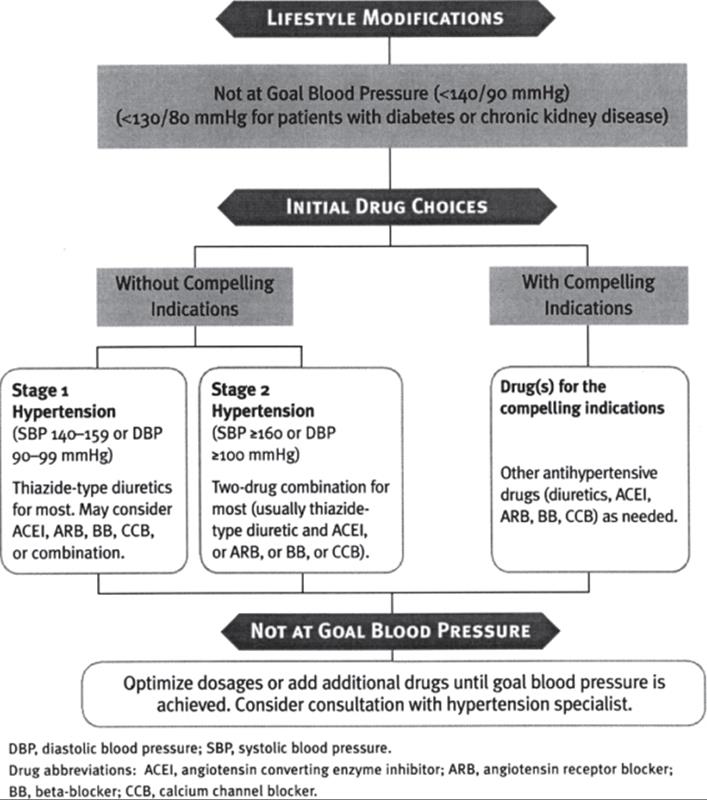
Figure 8-2. Algorithm for the Treatment of Hypertension Adapted from JNC-7 Express, National Heart, Lung, and Blood Institute.
|
Table 8-5. Identifiable Causes, Diagnostic Tests, and Clinical Findings for Secondary Hypertension |
|
|
Cause or diagnosis |
Diagnostic test (clinical finding) |
|
Chronic kidney disease |
Estimated GFR (abdominal or flank mass for polycystic kidney disease) |
|
Coarctation of the aorta |
CT angiography (delayed or absent femoral pulse) |
|
Cushing's syndrome and other glucocorticoid excess states, including chronic steroid therapy |
History; dexamethasone suppression test (truncal obesity, moon facies, buffalo hump, abdominal striae, and hirsutism) |
|
Drug-induced or drug-related condition |
History; drug screening |
|
Pheochromocytoma |
24-hour urinary metanephrine and normetanephrine (headache, palpitations, and sweating) |
|
Primary aldosteronism and other mineralocorticoid excess states |
24-hour urinary aldosterone level or specific measurements of other mineralocorticoids (hypokalemia) |
|
Renovascular hypertension |
Doppler flow study; magnetic resonance angiography (abdominal bruit) |
|
Sleep apnea |
Sleep study with oxygen saturation (obesity, snoring, and tired during wake time) |
|
Thyroid or parathyroid disease |
Thyroid-stimulating hormone; serum parathyroid hormone (goiter; hypercalcemia) |
|
CT, computed tomography; GFR, glomerular filtration rate. |
|
|
Table 8-6. Clinical Trial and Guideline Basis for Compelling Indications for Individual Drug Classes |
|
|
RECOMMENDED DRUGS |
|||||||
|
COMPELLING INDICATION* |
DIURETIC |
BB |
ACEI |
ARB |
CCB |
ALDO ANT |
CLINICAL TRIAL BASIS |
|
Heart failure |
• |
• |
• |
• |
• |
ACC/AHA Heart Failure Guideline, MERIT-HF, COPERNICUS, CIBIS, SOLVD, AIRE, TRACE, ValHEFT, RALES |
|
|
Postmyocardial infarction |
• |
• |
• |
ACC/AHA Post-MI Guideline, BHAT, SAVE, Capricorn, EPHESUS |
|||
|
High coronary disease risk |
• |
• |
• |
• |
ALLHAT, HOPE, ANBP2, LIFE, CONVINCE |
||
|
Diabetes |
• |
• |
• |
• |
• |
NKF-ADA Guideline, UKPDS, ALLHAT |
|
|
Chronic kidney disease |
• |
• |
NKF Guideline, Captopril Trial, RENAAL, IDNT, REIN, AASK |
||||
|
Recurrent stroke prevention |
• |
• |
PROGRESS |
||||
|
* Compelling indications for antihypertensive drugs are based on benefits from outcome studies or existing clinical guidelines; the compelling indication is managed in parallel with the BP. |
|||||||
|
|
|||||||
|
|
|||||||
|
Adapted from JNC-7 Express, National Heart, Lung, and Blood Institute. |
|||||||
|
Table 8-7. Lifestyle Modifications to Manage Hypertension |
||||||
|
MODIFICATION |
RECOMMENDATION |
APPROXIMATE SBP REDUCTION (RANGE) |
||||
|
Weight reduction |
Maintain normal body weight (body mass index 18.5-24.9 kg/m2). |
5-20 mmHg/10 kg weight loss |
||||
|
Adopt DASH eating plan |
Consume a diet rich in fruits, vegetables, and lowfat dairy products with a reduced content of saturated and total fat. |
8-14 mmHg |
||||
|
Dietary sodium reduction |
Reduce dietary sodium intake to no more than 100 mmol per day (2.4 g sodium or 6 g sodium chloride). |
2-8 mmHg |
||||
|
Physical activity |
Engage in regular aerobic physical activity such as brisk walking (at least 30 min per day, most days of the week). |
4-9 mmHg |
||||
|
Moderation of alcohol consumption |
Limit consumption to no more than 2 drinks (1 oz or 30 mL ethanol; e.g., 24 oz beer, 10 oz wine, or 3 oz 80-proof whiskey) per day in most men and to no more than 1 drink per day in women and lighter weight persons. |
2-4 mmHg30 |
||||
|
Adapted from JNC-7 Express, National Heart, Lung, and Blood Institute. |
||||||
|
DASH, Dietary Approaches to Stop Hypertension. For overall cardiovascular risk reduction, stop smoking. The effects of implementing these modifications are dose and time dependent, and could be greater for some individuals. |
||||||
|
Table 8-8. Dietary Suggestions for Hypertensive Patients |
||||||
|
Food group |
Daily servings |
Serving sizes |
Examples and notes |
Significance of each food group to the DASH diet pattern |
||
|
Grains and grain products |
7-8 |
1 slice bread; 1/2 c dry cereal; 1/2 c cooked rice, pasta, or cereal |
Whole wheat bread, english muffins, pita bread, bagel, cereals, grits, and oatmeal |
Major sources of energy and fiber |
||
|
Vegetables |
4-5 |
1 c raw leafy vegetable; 1/2 c cooked vegetable; 6 oz vegetable juice |
Tomatoes, potatoes, carrots, peas, squash, broccoli, turnip greens, collards, kale, spinach, artichokes, beans, and sweet potatoes |
Rich sources of potassium, magnesium, and fiber |
||
|
Fruits |
4-5 |
6 oz fruit juice; 1 medium fruit; 1/4 c dried fruit; 1/4 c fresh, frozen or canned fruit |
Apricots, bananas, dates, grapes, oranges, orange juice, grapefruit, grapefruit juice, mangoes, melons, peaches, pineapple, prunes, raisins, strawberries, and tangerines |
Important sources of potassium, magnesium, and fiber |
||
|
Low-fat or nonfat dairy foods |
2-3 |
8 oz milk; 1 c yogurt; 1.5 oz cheese |
Skim or 1% milk, skim or low-fat buttermilk, nonfat or low-fat yogurt, part-skim mozzarella cheese, and nonfat cheese |
Major sources of calcium and protein |
||
|
Meats, poultry, and fish |
2 or fewer |
3 oz cooked meats, poultry, or fish |
Select only lean cuts; trim away visible fats; broil, roast, or boil, instead of frying; and remove skin from poultry |
Rich sources of protein and magnesium |
||
|
Nuts, seeds, and legumes |
4-5 per week |
1.5 oz or 1/3 c nuts; 1/2 oz or 2 T seeds; 1/2 c cooked legumes |
Almonds, filberts, mixed nuts, peanuts, walnuts, sunflower seeds, kidney beans, and lentils |
Rich sources of energy, magnesium, potassium, protein, and fiber |
||
|
Adapted from JNC-7 Express, National Heart, Lung, and Blood Institute. |
||||||
|
DASH, Dietary Approaches to Stop Hypertension. |
||||||
|
Table 8-9. The DASH Diet Sample Menu Based on 2000 Calories per Day |
||||
|
Food |
Amount |
Servings provided |
||
|
Breakfast |
||||
|
Orange juice |
6 oz |
1 fruit |
||
|
1% lowfat milk |
8 oz (1 c) |
1 dairy |
||
|
Cornflakes (with 1 tsp sugar) |
1 c |
2 grains |
||
|
Banana |
1 medium |
1 fruit |
||
|
Whole wheat bread (with 1 T jelly) |
1 slice |
1 grain |
||
|
Soft margarine |
1 t |
1 fat |
||
|
Lunch |
||||
|
Chicken salad |
3/4 c |
1 poultry |
||
|
Pita bread |
1/2 large |
1 grain |
||
|
Raw vegetable medley |
||||
|
Carrot and celery sticks |
3-4 sticks each |
1 vegetable |
||
|
Radishes |
2 |
1 vegetable |
||
|
Loose-leaf lettuce |
2 leaves |
1 vegetable |
||
|
Part-skim mozzarella cheese |
1.5 slices (1.5 oz) |
1 dairy |
||
|
1% lowfat milk |
8 oz (1 c) |
1 dairy |
||
|
Fruit cocktail in light syrup |
1/2 c |
1 fruit |
||
|
Dinner |
||||
|
Herbed baked cod |
3 oz |
1 fish |
||
|
Scallion rice |
1 c |
2 grains |
||
|
Steamed broccoli |
1/2 c |
1 vegetable |
||
|
Stewed tomatoes |
1/2 c |
1 vegetable |
||
|
Spinach salad: |
||||
|
Raw spinach |
1/2 c |
1 vegetable |
||
|
Cherry tomatoes |
2 |
1 vegetable |
||
|
Cucumber |
2 slices |
1 vegetable |
||
|
Light Italian salad dressing |
1 T |
1/2 fat |
||
|
Whole wheat dinner roll |
1 small |
1 grain |
||
|
Soft margarine |
1 t |
1 fat |
||
|
Melon balls |
1/2 c |
1 fruit |
||
|
Snacks |
||||
|
Dried apricots |
1 oz (1/4 c) |
1 fruit |
||
|
Minipretzels |
1 oz (3/4 c) |
1 grain |
||
|
Mixed nuts |
1.5 oz (1/3 c) |
1 nuts |
||
|
Diet ginger ale |
12 oz |
0 |
||
|
Total number of servings in 2000-calorie per day menu |
||||
|
Food group |
Servings |
|||
|
Grains |
8 |
|||
|
Vegetables |
4 |
|||
|
Fruits |
5 |
|||
|
Dairy foods |
3 |
|||
|
Meats, poultry, and fish |
2 |
|||
|
Nuts, seeds, and legumes |
1 |
|||
|
Fats and oils |
2.5 |
|||
|
Tips on eating the DASH way • Start small. Make gradual changes in your eating habits. • Center your meal around carbohydrates, such as pasta, rice, beans, or vegetables. • Treat meat as one part of the whole meal, instead of the focus. • Use fruits or low-fat, low-calorie foods such as sugar-free gelatin for desserts and snacks. |
||||
|
Remember: If you use the DASH diet to help prevent or control high blood pressure, make it part of a lifestyle that includes choosing foods lower in salt and sodium; keeping a healthy weight; being physically active; and if you drink alcohol, doing so in moderation. |
||||
|
Adapted from JNC-7 Express, National Heart, Lung, and Blood Institute. |
||||
|
DASH, Dietary Approaches to Stop Hypertension. |
||||
|
Table 8-10. Considerations for Individualizing Antihypertensive Drug Therapy |
||||
|
Indication |
Drug therapy |
|||
|
Compelling indications unless contraindicated |
||||
|
Diabetes mellitus (type 1) with proteinuria |
ACEI |
|||
|
Heart failure |
ACEI, diuretics |
|||
|
Isolated systolic hypertension (older patients) |
Diuretics (preferred), calcium antagonists (long-acting dihydropyridine) |
|||
|
Myocardial infarction |
β-blockers (nonintrinsic sympathomimetic activity), ACEI (with systolic dysfunction) |
|||
|
Possible favorable effects on comorbid conditionsb |
||||
|
Angina |
β-blockers, calcium antagonists |
|||
|
Atrial tachycardia and fibrillation |
β-blockers, calcium antagonists (nondihydropyridine) |
|||
|
Cyclosporine-induced hypertension (use caution with the dose of cyclosporine) |
Calcium antagonists |
|||
|
Diabetes mellitus (types 1 and 2) with proteinuria |
ACEI (preferred), calcium antagonists |
|||
|
Diabetes mellitus (type 2) |
Low-dose diuretics |
|||
|
Dyslipidemia |
α-blockers |
|||
|
Essential tremor |
β-blockers (noncardioselective) |
|||
|
Heart failure |
Carvedilol, losartan potassium |
|||
|
Hyperthyroidism |
β-blockers |
|||
|
Migraine |
β-blockers (noncardioselective), calcium antagonists (nondihydropyridine) |
|||
|
Myocardial infarction |
Diltiazem hydrochloride, verapamil hydrochloride |
|||
|
Osteoporosis |
Thiazides |
|||
|
Preoperative hypertension |
β-blockers |
|||
|
Prostatism (benign prostatic hyperplasia) |
α-blockers |
|||
|
Renal insufficiency (use caution in renovascular hypertension and if creatinine ≥ 265.2 micromole/L [3 mg/dL]) |
ACEI |
|||
|
Possible unfavorable effects on comorbid conditionsa |
||||
|
Bronchospastic disease |
β-blockersb |
|||
|
Depression |
β-blockers, central α-agonist, reserpineb |
|||
|
Diabetes mellitus (types 1 and 2) |
β-blockers, high-dose diuretics |
|||
|
Dyslipidemia |
β-blockers (nonintrinsic sympathomimetic activity), diuretics (high-dose) |
|||
|
Gout |
Diuretics |
|||
|
Heart block (second- or third-degree) |
β-blockers,b calcium antagonists (nondihydropyridine)b |
|||
|
Heart failure |
β-blockers (except carvedilol), calcium antagonists (except amlodipine besylate and felodipine) |
|||
|
Liver disease |
Labetalol hydrochloride, methyldopab |
|||
|
Peripheral vascular disease |
β-Blockers |
|||
|
Pregnancy |
ACEI,b angiotensin II receptor blockersb |
|||
|
Renal insufficiency |
Potassium-sparing agents |
|||
|
Renovascular disease |
ACEI, angiotensin II receptor blockers |
|||
|
Adapted from JNC-7 Express, National Heart, Lung, and Blood Institute. |
||||
|
ACEI, angiotensin-converting enzyme inhibitors. |
||||
|
For initial drug therapy recommendations, see Tables 8-11 through 8-19. |
||||
|
a. These drugs may be used with special monitoring unless contraindicated. |
||||
|
b. Contraindicated. |
||||
|
Table 8-11. Thiazide Diuretics, Thiazide-Like Diuretics, Loop Diuretics, Potassium-Sparing Agents, and Aldosterone-Receptor Blocker |
||||
|
Drug |
Trade name |
Usual dose range, total mg/d (frequency per day) |
Adverse events and commentsa |
|
|
Thiazide diuretics |
||||
|
Bendroflumethiazide |
Naturetin |
2.5-5 (1) |
Short-term: increased cholesterol and glucose |
|
|
Benzthiazide |
Aquatag, Exna |
12.5-50 (1) |
Biochemical: decreased potassium, sodium, and magnesium; increased uric acid and calcium |
|
|
Chlorothiazide |
Diuril |
125-500 (1) |
||
|
Chlorthalidone |
Hygroton, Hylidone |
12.5-25 (1) |
Rare: blood dyscrasias, photosensitivity, pancreatitis, hyponatremia, and sulfonamide-type immune reactions |
|
|
Hydrochlorothiazide |
HydroDIURIL, Microzide |
12.5-50 (1) |
Other: impotence, fatigue, headache, rash, and vertigo |
|
|
Hydroflumethiazide |
Saluron, Diucardin |
25-50 (1) |
||
|
Methyclothiazide |
Renese |
2.5-5 (1) |
||
|
Polythiazide |
Metahydrin, Naqua |
2-4 (1) |
||
|
Trichlormethiazide |
2-4 (1) |
|||
|
Thiazide-like diuretics |
||||
|
Metolazone |
Mykrox |
2.5-10 (1) |
(Less or no hypercholesterolemia compared to other thiazides; decreased microalbuminuria in diabetes) |
|
|
Metolazone |
Zaroxolyn |
2.5-5 (1) |
(Less or no hypercholesterolemia compared to other thiazides; decreased microalbuminuria in diabetes) |
|
|
Indapamide |
Lozol |
2.5-5 (1) |
||
|
Loop diuretics |
||||
|
Bumetanide |
Bumex |
0.5-2 (2) |
Ototoxicity at high doses |
|
|
Furosemide |
Lasix |
20-80 (2) |
(Short duration and no hypercalcemia) |
|
|
Torsemide |
Demadex |
2.5-10 (1) |
(Short duration and no hypercalcemia) |
|
|
Potassium-sparing agentsb |
||||
|
Amiloride |
Midamor |
5-10 (1-2) |
Hyperkalemia |
|
|
Triamterene |
Dyrenium |
50-100 (1-2) |
(Avoid with history of kidney stones or hepatic disease) |
|
|
Aldosterone-receptor blocker |
||||
|
Spironolactone |
Aldactone |
25-50 (1-2) |
||
|
Adapted from JNC-7 Express, National Heart, Lung, and Blood Institute. |
||||
|
a. Adverse events, or side effects, listed are for the class of drugs, except where noted for individual drugs (in parentheses). |
||||
|
b. See Table 8-12 for combination products. |
||||
|
Table 8-12. Combination Drugs for Hypertension |
||||
|
Fixed-dose combination (mg)a |
Trade name |
|||
|
ACEIs and CCBs |
||||
|
Amlodipine/benazepril hydrochloride (2.5/10, 5/10, 5/20, 10/20) |
Lotrel |
|||
|
Enalapril maleate/felodipine (5/5) |
Lexxel |
|||
|
Trandolapril/verapamil (2/180, 1/240, 2/240, 4/240) |
Tarka |
|||
|
ACEIs and diuretics |
||||
|
Benazepril/hydrochlorothiazide (5/6.25, 10/12.5, 20/12.5, 20/25) |
Lotensin HCT |
|||
|
Captopril/hydrochlorothiazide (25/15, 25/25, 50/15, 50/25) |
Capozide |
|||
|
Enalapril maleate/hydrochlorothiazide (5/12.5, 10/25) |
Vaseretic |
|||
|
Lisinopril/hydrochlorothiazide (10/12.5, 20/12.5, 20/25) |
Prinzide |
|||
|
Moexipril HCL/hydrochlorothiazide (7.5/12.5, 15/25) |
Uniretic |
|||
|
Quinapril HCL/hydrochlorothiazide (10/12.5, 20/12.5, 20/25) |
Accuretic |
|||
|
ARBs and CCBs |
||||
|
Amlodipine/valsartan (5/160, 5/320, 10/160, 10/320) |
Exforge |
|||
|
Amlodipine/olmesartan (5/20, 5/40, 10/20, 10/40) |
Azor |
|||
|
ARBs and diuretics |
||||
|
Candesartan cilexetil/hydrochlorothiazide (16/12.5, 32/12.5) |
Atacand HCT |
|||
|
Eprosartan mesylate/hydrochlorothiazide (600/12.5, 600/25) |
Teveten/HCT |
|||
|
Irbesartan/hydrochlorothiazide (150/12.5, 300/12.5) |
Avalide |
|||
|
Losartan potassium/hydrochlorothiazide (50/12.5, 100/25) |
Hyzaar |
|||
|
Telmisartan/hydrochlorothiazide (40/12.5, 80/12.5) |
Micardis/HCT |
|||
|
Valsartan/hydrochlorothiazide (80/12.5, 160/12.5) |
Diovan/HCT |
|||
|
BBs and diuretics |
||||
|
Atenolol/chlorothalidone (50/25, 100/25) |
Tenoretic |
|||
|
Bisoprolol fumarate/hydrochlorothiazide (2.5/6.25, 5/6.25, 10/6.25) |
Ziac |
|||
|
Propranolol LA/hydrochlorothiazide (50/25, 80/25) |
Inderide |
|||
|
Metoprolol tartrate/hydrochlorothiazide (50/25, 100/25) |
Lopressor HCT |
|||
|
Nadolol/bendrofluthiazide (40/5, 80/5) |
Corzide |
|||
|
Timolol maleate/hydrochlorothiazide (10/25) |
Timolide |
|||
|
Centrally acting drug and diuretics |
||||
|
Methyldopa/hydrochlorothiazide (250/15, 250/25, 500/30, 500/50) |
Aldoril |
|||
|
Reserpine/chlorothiazide (0.125/250, 0.25/500) |
Diupres |
|||
|
Reserpine/hydrochlorothiazide (0.125/25,0.25/50) |
Hydropres |
|||
|
RIs and diuretics |
||||
|
Aliskiren/hydrochlorothiazide (150/12.5, 150/25, 300/12.5, 300/25) |
Tekturna HCT |
|||
|
Other combinations |
||||
|
Amiloride HCL/hydrochlorothiazide (5/50) |
Moduretic |
|||
|
Spironolactone/hydrochlorothiazide (25/25, 50/50) |
Aldactazide |
|||
|
Triamterene/hydrochlorothiazide (37.5/25, 50/25, 75/50) |
Dyazide, Maxzide |
|||
|
Adapted from JNC-7 Express, National Heart, Lung, and Blood Institute. Abbreviations: BB, β-blocker; RI, renin inhibitor. |
||||
|
a. Some drug combinations are available in multiple fixed doses. Each drug dose is reported in milligrams. |
||||
|
Table 8-13. Postganglionic Adrenergic Neuron Blockers |
||||
|
Drug |
Trade name |
Usual dose range, total mg/d (frequency per day) |
Adverse events and comments |
|
|
Guanadrel |
Hylorel |
10-75 (2) |
Postural hypotension and diarrhea |
|
|
Guanethidine monosulfate |
Ismelin |
10-150 (1) |
Postural hypotension and diarrhea |
|
|
Reserpinea |
Serpasil |
0.05-0.25 (1) |
Nasal congestion, sedation, depression, activation of peptic ulcer, dizziness, lethargy, memory impairment, sleep disturbances, and weight gain |
|
|
Adapted from JNC-7 Express, National Heart, Lung, and Blood Institute. |
||||
|
a. Reserpine also acts centrally. |
||||
|
Table 8-14. Centrally Active α2-Agonists |
||||
|
Drug |
Trade name |
Usual dose range, total mg/d (frequency per day) |
Adverse events and commentsa |
|
|
Clonidine HClb |
Catapres |
0.1-0.8 (2) |
Sedation, dry mouth, bradycardia, withdrawal hypertension, orthostatic hypotension, depression, impotence, and sleep disturbances |
|
|
Guanabenz acetate |
Wytensin |
8-32 (2) |
(More withdrawal) |
|
|
Guanfacine HCl |
Tenex |
1-3 (1) |
(Less withdrawal) |
|
|
Methyldopa |
Aldomet |
250-1,000 (2) |
(Hepatic and "autoimmune" disorders) |
|
|
Adapted from JNC-7 Express, National Heart, Lung, and Blood Institute. |
||||
|
a. Adverse events, or side effects, listed are for the class of drugs, except where noted for individual drugs (in parentheses). |
||||
|
b. Clonidine HCl is also available as a once-weekly transdermal patch. |
||||
|
Table 8-15. Peripherally Acting α1-Adrenergic Blockers |
|||
|
Drug |
Trade name |
Usual dose range, total mg/d (frequency per day) |
Adverse events and comments |
|
Doxazosin mesylate Prazosin HCl Terazosin HCl |
Cardura Minipress Hytrin |
1-16 (1) 2-20 (2-3) 1-20 (1-2) |
Postural hypotension, syncopal episode with first dose, postural hypotension, diarrhea, weight gain, peripheral edema, dry mouth, urinary urgency, constipation, priapism, nausea, dizziness, headache, palpitations, and sweating; no effects on glucose or cholesterol |
|
Reprinted with permission from JNC-VII. |
|||
|
Table 8-16. β-Blockers and Combination α- and β-Blockers |
|||
|
Drug |
Trade name |
Lipid solubility/primary (secondary) routes of elimination |
Usual dose range, total mg/d (frequency per day) |
Adverse events and commentsa |
|
β-blockers |
||||
|
Acebutololb,c Atenololb Betaxololb Bisoprolol fumarateb Carteolol HClc |
Sectral Tenormin Kerlone Zebeta Cartrol |
Low/H (R) Low/R (H) Low/H (R) Low/R (H) Low/R |
200-800 (1) 25-100 (1) 5-20 (1) 2.5-10 (1) 2.5-10 (1) |
Bronchospasm, bradycardia, and heart failure; may mask insulin-induced hypoglycemia; less serious: impaired peripheral circulation, insomnia, fatigue, decreased exercise tolerance, and hypertriglyceridemia, except agents with intrinsic sympathomimetic activity |
|
Metoprolol tartrateb |
Lopressor |
Moderate/H (R) |
50-100 (2) |
|
|
Metoprolol succinateb |
Toprol-XL |
Moderate/H (R) |
50-100 (1) |
|
|
Nadolol |
Corgard |
Low/R |
40-120 (1) |
|
|
Penbutolol sulfatec |
Levatol |
High/H (R) |
10-20 (1) |
|
|
Pindololc |
Visken |
Moderate/H (R) |
10-60 (2) |
|
|
Propranolol HCl |
Inderal |
High/H |
40-160 (2) |
|
|
Inderal LA |
High/H |
60-180 (1) |
||
|
Timolol maleate |
Blocadren |
Low-moderate/H (R) |
20-40 (2) |
|
|
Combined α- and β-blockers |
||||
|
Carvedilol |
Coreg |
Moderate/bile into feces |
12.5-50 (2) |
Postural hypotension, bronchospasm |
|
Labetalol |
Normodyne, Trandate |
Moderate/R (H) |
200-800 (2) |
|
|
Reprinted with permission from JNC-VII. |
||||
|
H, hepatic; R, renal. |
||||
|
a. Adverse events, or side effects, listed are for the class of drugs. |
||||
|
b. Cardioselective. |
||||
|
c. Intrinsic sympathomimetic activity. |
||||
|
Table 8-17. Direct Vasodilators |
|||||
|
Drug |
Trade name |
Usual dose range, total mg/d (frequency per day) |
Adverse events and commentsa |
||
|
Headaches, fluid retention, tachycardia, peripheral neuropathy, and postural hypotension |
|||||
|
Hydralazine HCl |
Apresoline |
25-100 (2) |
(Lupus syndrome) |
||
|
Minoxidil |
Loniten |
2.5-80 (1-2) |
(Hirsutism) |
||
|
Adapted from JNC-7 Express, National Heart, Lung, and Blood Institute. |
|||||
|
a. Adverse events, or side effects, listed are for the class of drugs, except where noted for individual drugs (in parentheses). |
|||||
|
Table 8-18. Calcium Antagonists |
|||||
|
Drug |
Trade name |
Usual dose range, total mg/d (frequency per day) |
Adverse events and commentsa |
||
|
Nondihydropyridines |
|||||
|
Diltiazem HCl |
Cardizem SR, Cardizem CD, Dilacor XR, Tiazac |
180-420 (1) 120-360 (1) |
Conduction defects, worsening of systolic dysfunction, and gingival hyperplasia |
||
|
Verapamil immediate-release |
Calan, Isoptin |
80-320 (2) |
(Nausea and headache) |
||
|
Verapamil long-acting |
Calan SR, Isoptin SR |
120-360 (1-2) |
(Constipation) |
||
|
Verapamil COER |
Covera HS, Verelan PM |
120-360 (1) |
|||
|
Dihydropyridines |
|||||
|
Amlodipine besylate |
Norvasc |
2.5-10 (1) |
Edema of the ankle, flushing, headache, and gingival hyperplasia |
||
|
Felodipine |
Plendil |
2.5-20 (1) |
|||
|
Isradipine |
DynaCirc |
2.5-10 (2) |
|||
|
DynaCirc CR |
5-20 (1) |
||||
|
Nicardipine |
Cardene SR |
60-120 (1) |
|||
|
Nifedipine |
Procardia XL, Adalat CC |
30-60 (1) |
|||
|
Nisoldipine |
Sular |
10-40 (1) |
|||
|
Adapted from JNC-7 Express, National Heart, Lung, and Blood Institute. |
|||||
|
a. Adverse events, or side effects, listed are for the class of drugs, except where noted for individual drugs (in parentheses). |
|||||
|
Table 8-19. Angiotensin-Converting Enzyme Inhibitors and Angiotensin II Receptor Blockers |
||||||
|
Drug |
Trade name |
Usual dose range, total mg/d (frequency per day) |
Adverse events and commentsa |
|||
|
ACEIs |
||||||
|
Benazepril HCl |
Lotensin |
10-40 (1-2) |
Common: cough |
|||
|
Captopril |
Capoten |
25-100 (2-3) |
Rare: angioedema, hyperkalemia, rash, loss of taste, and leucopenia |
|||
|
Enalapril maleate Fosinopril Lisinopril |
Vasote Monopril Prinivil, Zestril |
2.5-40 (1-2) 10-40 (1-2) 10-40 (1) |
Other: vertigo; headache; fatigue; first-dose hypotension; minor GI disturbances; acute renal insufficiency in patients with predisposing factors such as renal stenosis and coadministration with thiazide diuretics; and proteinuria (especially in patients with history of renal disease) |
|||
|
Moexipril |
Univasc |
7.5-30 (1) |
||||
|
Perindopril |
Aceon |
4-8 (1-2) |
||||
|
Quinapril HCl |
Accupril |
10-40 (1-2) |
||||
|
Ramipril |
Altace |
1.25-20 (1) |
||||
|
Trandolapril |
Mavik |
1-4 (1) |
||||
|
ARBs |
||||||
|
Candesartan |
Atacand |
8-32 (1) |
Angioedema and hyperkalemia |
|||
|
Eprosartan |
Teveten |
400-800 (1-2) |
||||
|
Irbesartan |
Avapro |
150-300 (1) |
||||
|
Losartan |
Cozaar |
25-100 (1-2) |
||||
|
Olmesartan |
Benicar |
20 (1) |
||||
|
Telmisartan |
Micardis |
40-80 (1) |
||||
|
Valsartan |
Diovan |
80-320 (1) |
||||
|
Reprinted with permission from JNC-VII. |
||||||
|
Table 8-20. Direct Renin Inhibitors |
||||||
|
Drug |
Trade name |
Usual dose range, total mg/d (frequency per day) |
Adverse events and comments |
|||
|
Aliskiren |
Tekturna |
150-300 mg (1) |
Common: diarrhea Rare: elevated uric acid, gout, renal stone, angioedema, and rash Other: headache, nasopharyngitis, dizziness, fatigue, upper respiratory tract infection, back pain, and cough |
|||
|
Drug product package insert. |
||||||
|
Table 8-21. Parenteral Drugs for Treatment of Hypertensive Emergencies |
|
Drug |
Dose |
Onset of action |
Duration of action |
Adverse effectsa |
Special indications |
|
|
Vasodilators |
||||||
|
Sodium nitroprusside |
0.25-10 mcg/kg/min IV infusionb (maximal dose for 10 min only) |
Immediate |
1-2 min |
Nausea, vomiting, muscle twitching, sweating, and thiocyanate and cyanide intoxication |
Most hypertensive emergencies; caution with high intracranial pressure or azotemia |
|
|
Nicardipine hydrochloride |
5-15 mg/h IV |
5-10 min |
1-4 h |
Tachycardia, headache, flushing, and local phlebitis |
Most hypertensive emergencies, except acute heart failure; caution with coronary ischemia |
|
|
Fenoldopam mesylate |
0.1-0.3 mcg/kg/min IV infusion |
< 5 min |
30 min |
Tachycardia, headache, nausea, and flushing |
||
|
Nitroglycerin |
5-100 mcg/min IV infusionc |
2-5 min |
3-5 min |
Headache, vomiting, methemoglobinemia, and tolerance with prolonged use |
Coronary ischemia |
|
|
Enalaprilat |
1.25-5 mg every 6 h IV |
15-30 min |
6 h |
Precipitous fall in pressure in high-renin states; response variable |
Acute left ventricular failure; avoid in acute myocardial infarction |
|
|
Hydralazine hydrochloride |
10-20 mg IV; 10-50 mg IM |
10-20 min; 20-30 min |
3-8 h |
Tachycardia, flushing, headache, vomiting, and aggravation of angina |
Eclampsia |
|
|
Diazoxide |
50-100 mg IV bolus repeated, or 15-30 mg/min IV infusion |
2-4 min |
6-12 h |
Nausea, flushing, tachycardia, and chest pain |
Now obsolete; when no intensive monitoring available |
|
|
Adrenergic inhibitors |
||||||
|
Labetalol hydrochloride |
20-80 mg IV bolus every 10 min; 0.5-2.0 mg/min IV infusion |
5-10 min |
3-6 h |
Vomiting, scalp tingling, burning in throat, dizziness, nausea, heart block, and orthostatic hypotension |
Most hypertensive emergencies, except acute heart failure |
|
|
Esmolol hydrochloride |
250-500 mcg/kg/min for 1 min, then 50-100 mcg/kg/min for 4 min; may repeat sequence |
1-2 min |
10-20 min |
Hypotension and nausea |
Aortic dissection, perioperative |
|
|
Phentolamine |
5-15 mg IV |
1-2 min |
3-10 min |
Tachycardia, flushing, and headache |
Catecholamine excess |
|
|
Reprinted with permission from JNC-VII. |
||||||
|
a. Hypotension may occur with all agents. |
||||||
|
b. Requires special delivery system. |
||||||
|
Table 8-22. Selected Agents for Specific Hypertensive Emergencies |
||||||
|
Emergency |
Recommended therapy |
Comments |
||||
|
Encephalopathy |
Labetalol, nicardipine, and nitroprusside |
Avoid methyldopa (sedation), diazoxide (reduces cerebral blood flow), reserpine (sedation), and hydralazine (increases intracranial pressure). |
||||
|
Myocardial infarction or unstable angina |
Nitroglycerin and esmolol |
Reduce BP until pain is relieved, and use in conjunction with conventional therapy for MI/angina. Avoid diazoxide and hydralazine (increases oxygen demand), dihydropyridines (may worsen angina), and nitroprusside (coronary steal). |
||||
|
Congestive heart failure |
Nitroprusside, nitroglycerin, and enalaprilat |
Avoid labetalol, esmolol, and other β-blockers (reduces cardiac output). |
||||
|
Subarachnoid hemorrhage, intracerebral hemorrhage, and stroke |
Nitroprusside |
BP reduction is controversial because it may cause hypoperfusion; generally recommended for severe hypertension (systolic blood pressure > 220 or diastolic blood pressure > 120 mm Hg). |
||||
|
Dissecting aortic aneurysm |
Trimethaphan, esmolol, and nitroprusside |
Avoid diazoxide and hydralazine (increase shear force). |
||||
|
Pheochromocytoma and cocaine overdose |
Phentolamine and labetalol |
Anecdotal reports suggest increased BP with labetalol; unopposed β blockade may worsen crisis. |
||||
|
Renal insufficiency |
Nitroprusside, calcium channel blocker, and labetalol |
Monitor cyanide and thiocyanate levels. |
||||
|
Postoperative hypertension |
Nitroprusside, nicardipine, and labetalol |
Blood pressure levels of >180/110 should be controlled before surgery. Contributing factors to postoperative hypertension may include pain and increased intravascular volume, which may require parenteral loop diuretics. |
||||
|
Table 8-23. Agents Used to Treat Hypertensive Urgencies |
||||
|
Drug |
Dose |
Onset |
Duration |
Adverse effects |
|
Captopril |
25 mg, repeat in 1-2 hours as needed |
5-15 min |
4-6 h |
Hypotension, acute renal failure, and angioedema |
|
Clonidine |
0.1-0.2 mg, repeat in 1-2 hours as needed (up to 0.6 mg) |
5-15 min |
6-12 h |
Hypotension, drowsiness, sedation, and dry mouth |
|
Labetalol |
100-400 mg, repeat in 2-3 hours as needed |
15-30 min |
4-6 h |
Hypotension, heart block, and bronchoconstriction |
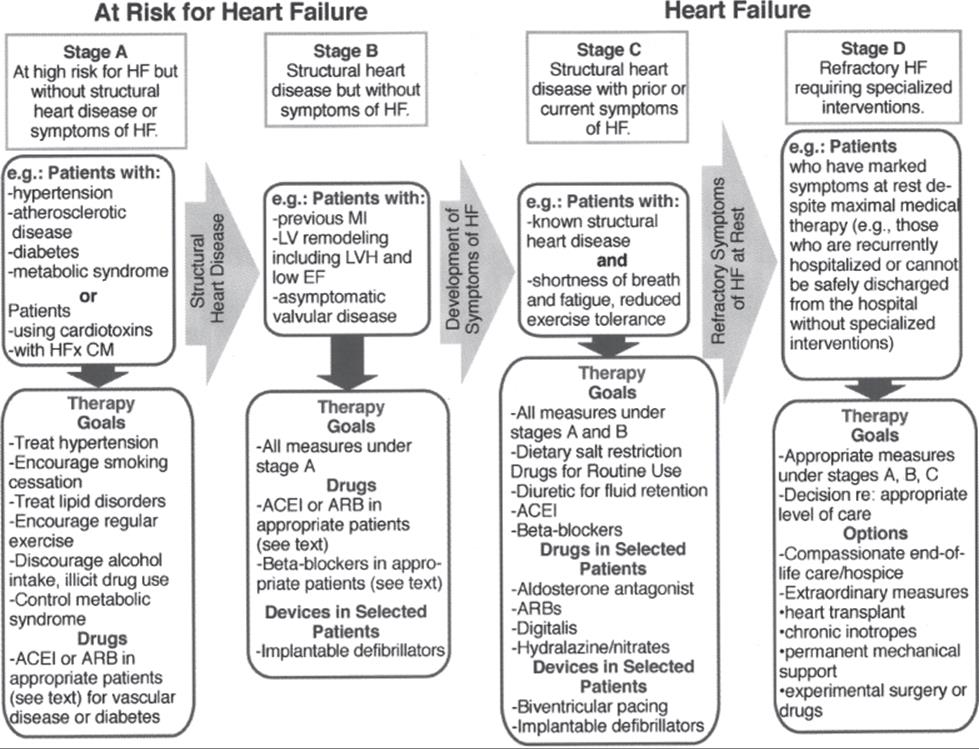
Figure 9-1. American College of Cardiology-American Heart Association Stages of Heart Failure and Recommended Therapy by Stage Hunt et al., 2005.
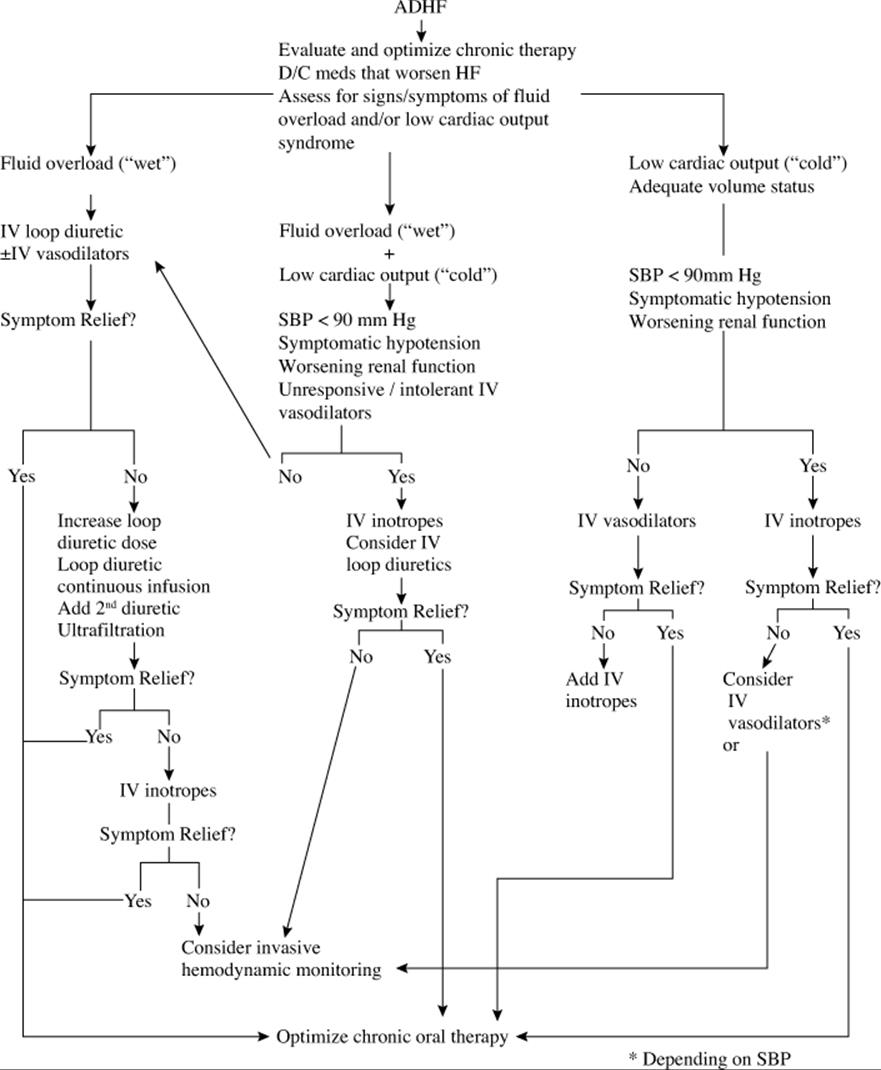
Figure 9-2. Acute Decompensated Heart Failure SBP, systolic blood pressure; D/C, discontinue.
Parker et al., 2008.
|
Table 9-1. Loop Diuretics |
|||||
|
Generic name |
Trade name |
Dosage form |
Dosage range and frequency |
||
|
Furosemide |
Lasix |
Oral tablet |
20.0-160.0 mg qd bid |
||
|
Bumetanide |
Bumex |
Oral tablet |
0.5-5.0 mg qd bid |
||
|
Torsemide |
Demadex |
Oral tablet |
10.0-100.0 mg qd bid |
||
|
Table 9-2. Angiotensin-Converting Enzyme Inhibitors |
|||||
|
Generic name |
Trade name |
Dosage form |
Dosage range and frequency |
||
|
Captopril |
Capoten |
Oral tablet |
6.25-50.0 mg tid |
||
|
Enalapril |
Vasotec |
Oral tablet |
2.5-20.0 mg bid |
||
|
Fosinopril |
Monopril |
Oral tablet |
5.0-40.0 mg qd |
||
|
Lisinopril |
Zestril, Prinivil |
Oral tablet |
2.5-40.0 mg qd |
||
|
Quinapril |
Accupril |
Oral tablet |
10.0-40.0 mg bid |
||
|
Ramipril |
Altace |
Oral capsule |
2.5-5.0 mg bid |
||
|
Perindopril |
Aceon |
Oral tablet |
2.0-16.0 mg qd |
||
|
Trandolapril |
Mavik |
Oral tablet |
0.5-4.0 mg qd |
||
|
Table 9-3. Angiotensin Receptor Blockers |
|||||||
|
Generic name |
Trade name |
Dosage form |
Dosage range and frequency |
||||
|
Candesartan |
Atacand |
Oral tablet |
4-32 mg qd |
||||
|
Valsartan |
Diovan |
Oral tablet |
20-160 mg bid |
||||
|
Table 9-4. β-Blockers |
|||||||
|
Generic name |
Trade name |
Dosage form |
Dosage range and frequency |
||||
|
Bisoprolol |
Zebeta |
Oral tablet |
1.25-10.0 mg qd bid |
||||
|
Carvedilol |
Coreg |
Oral tablet |
3.125-50.0 mg bid |
||||
|
Carvedilol |
Coreg CR |
Oral capsule |
10.0-80.0 mg qd |
||||
|
Metoprolol succinate extended-release |
Toprol-XL |
Oral tablet |
12.5-200.0 mg qd |
||||
|
Table 9-5. Aldosterone Antagonists |
||||||
|
Generic name |
Trade name |
Dosage form |
Dosage range and frequency |
|||
|
Spironolactone |
Aldactone |
Oral tablet |
12.5-50.0 mg qd or qod |
|||
|
Eplerenone |
Inspra |
Oral tablet |
25.0-50.0 mg qd |
|||
|
Table 9-6. Digoxin |
||||||
|
Generic name |
Trade name |
Dosage form |
Dosage range and frequency |
|||
|
Digoxin |
Lanoxin |
Oral tablet, IV, elixir |
0.125-0.25 mg qd |
|||
|
Digoxin |
Lanoxicaps |
Oral capsule |
0.1-0.2 mg qd |
|||
|
Table 9-7. Digoxin Pharmacokinetics |
|||||
|
Oral bioavailability |
|||||
|
Tablets |
0.50-0.90 (average 0.65) |
||||
|
Elixir |
0.75-0.85 (average 0.80) |
||||
|
Capsules |
0.90-1.00 (average 0.95) |
||||
|
Elimination half-life |
|||||
|
Normal renal function |
36 hours |
||||
|
Anuric patients |
5 days |
||||
|
Volume of distribution |
7 L/kg |
||||
|
Fraction excreted unchanged in urine |
0.65-0.70 |
||||
|
Table 9-8. Vasodilators |
|||||
|
Generic name |
Trade name |
Mechanism of action |
Dosea |
Adverse effects and comments |
|
|
Nitroprusside |
Nipride |
Arterial and venous dilator |
Initial dose 0.1-0.25 mcg/kg/min and titrate to response |
Hypotension, headache, tachycardia, cyanide and thiocyanate toxicity, myocardial ischemia |
|
|
Nitroglycerin |
Nitro-Bid, Nitrostat |
Venous dilator but also an arterial dilator at higher doses |
Initial dose 5-10 mcg/min and titrate to response |
Hypotension, headache, tachycardia, tolerance to hemodynamic effects |
|
|
Nesiritide |
Natrecor |
B-type natriuretic peptide that increases diuresis and is an arterial and venous dilator |
Initially 2 mcg/kg bolus followed by 0.01 mcg/kg/min infusion; can increase to 0.03 mcg/kg/min |
Hypotension, headache when used in combination with diuretics |
|
|
a. All are given by continuous IV infusion. |
|||||
|
Table 9-9. Inotropes |
|
Generic name |
Trade name |
Mechanism of action |
Dosea |
Adverse effects and comments |
|
Dopamine |
Intropin |
Dose-dependent agonist of dopamine, β-, and α1--receptors |
0-3 mcg/kg/min: stimulates dopamine receptors; may improve urine output 3-10 mcg/kg/min: stimulates β1- and β2-receptors to increase cardiac output > 10 mcg/kg/min: stimulates α1-receptors to increase blood pressure |
Increases heart rate, contractility, myocardial oxygen demand, myocardial ischemia, arrhythmias, and systemic vascular resistance; should be used only in patients with marked systemic hypotension or cardiogenic shock |
|
Dobutamine |
Dobutrex |
β1- and β2-receptor agonist and weak α1 agonist; increases cardiac output and vasodilates |
2.5-20.0 mcg/kg/min |
Increases heart rate, contractility, myocardial oxygen demand, myocardial ischemia, arrhythmias; not useful to increase blood pressure in hypotensive patients |
|
Milrinone |
Primacor |
Inhibits phosphodiesterase III, resulting in positive inotropic and vasodilating effects |
50 mcg/kg loading dose over 10 min, followed by 0.375 mcg/kg/min; can titrate to 0.75 mcg/kg/min on basis of response |
Arrhythmias, hypotension, and headache; is an alternative to patients not responding to dobutamine or dopamine; may be useful for patients receiving β-blockers because its positive inotropic effects are not mediated by β-receptors; adjust dose in patients with renal insufficiency; preferred over inamrinone because of decreased risk of thrombocytopenia |
|
a. All are given by continuous IV infusion. |
||||
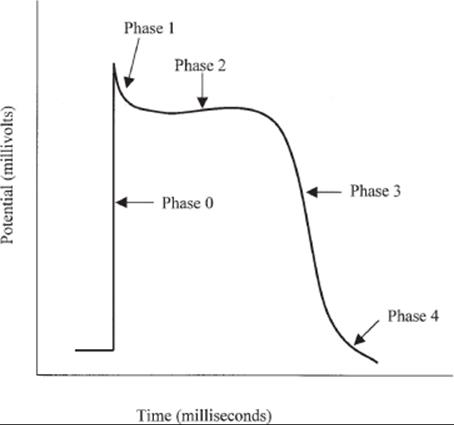
Figure 10-1. Action Potential for Atrial and Ventricular Tissue
|
Table 10-1. Phases of Atrial and Ventricular Tissue Action Potential |
|||
|
Phase |
Process |
Ion flow |
Corresponding ECG |
|
0 |
Depolarization |
Na+ fast channel opens; Na+ enters cell. |
Atrial: P wave; ventricular: QRS |
|
1 |
Initial repolarization |
Na+ channel closes; passive Cl- influx. |
|
|
2 |
Prolongs depolarized state |
Predominantly Ca2+ enters cell. |
ST segment |
|
3 |
Repolarization |
Rapid efflux of K+ out of cell. |
T wave, QT interval |
|
4 |
Repolarization |
Na+ leaks into cell; K+ pumped out of cell. |
|
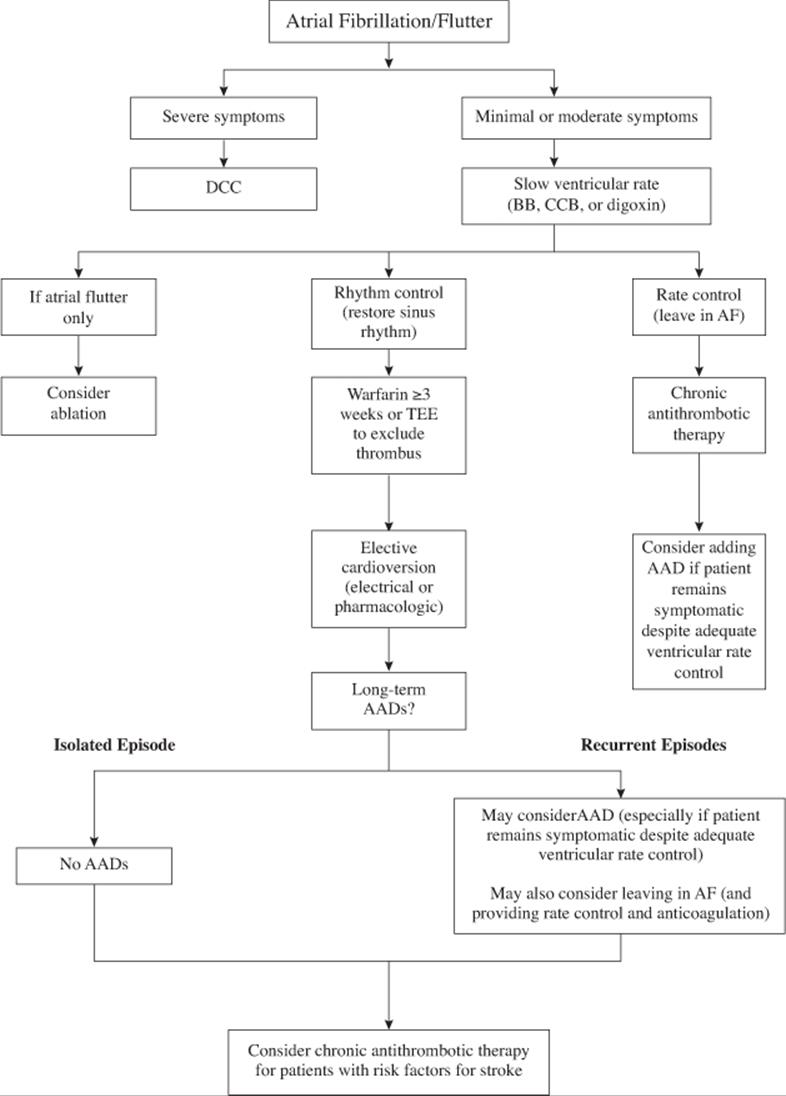
Figure 10-2. Treatment Algorithm for Atrial Fibrillation Note: Selection of the most appropriate antithrombotic therapy is based on the presence of risk factors for stroke, regardless of whether the rhythm or rate control approach is selected. AADs = antiarrhythmic drugs; AF = atrial fibrillation; BB = β-blocker; CCB = nondihydropyridine calcium channel blocker; DCC = direct-current cardioversion; TEE = transesophageal echocardiography.
Reproduced with permission from Sanoski CA, Schoen MD, Bauman JL, 2008.
|
Table 10-2. Management of Elevated International Normalized Ratio |
||
|
INR |
Significant bleeding |
Recommendations |
|
< 5.0 but above therapeutic range |
No |
Lower dose or omit single dose and restart at lower dose when INR is therapeutic. |
|
≥ 5.0 and < 9.0 |
No |
Omit 1-2 doses and resume at lower dose when INR is therapeutic; if more rapid reversal desired, omit dose and give ≤ 5 mg vitamin K orally; restart warfarin at lower dose when INR is therapeutic or clinically appropriate. |
|
> 9.0 |
No |
Hold warfarin and give 2.5-5.0 mg vitamin K orally; use additional vitamin K if necessary; resume warfarin at lower dose when INR is therapeutic. |
|
Serious bleeding at any elevation of INR |
Yes |
Hold warfarin; give 10 mg vitamin K IV via slow infusion (over at least 10 minutes); supplement with fresh-frozen plasma, rVIIa, or prothrombin complex concentrate if necessary; repeat vitamin K 10 mg IV q12h if necessary. |
|
Life-threatening bleeding at any elevation of INR |
Yes, life threatening |
Hold warfarin; give fresh-frozen plasma, prothrombin complex concentrate, or rVIIa with vitamin K 10 mg via IV slow infusion; repeat as necessary |

Figure 10-3. Treatment Algorithm for Paroxysmal Supraventricular Tachycardia Reproduced with permission from Sanoski CA, Schoen MD, Bauman JL, 2008.
|
Table 10-3. Effects of Antiarrhythmic Drugs on Cardiac Electrophysiology |
||||
|
Drug class |
Ion block |
Conduction |
Refractory period |
Automaticity |
|
Ia |
Sodium |
|
|
|
|
Ib |
Sodium |
0/ |
|
|
|
Ic |
Sodium |
|
|
|
|
II |
Calcium (Indirect effect) |
|
|
|
|
III1 |
Potassium |
0 |
|
0 |
|
IV |
Calcium |
|
|
|
|
|
||||
|
|
||||
|
1Sotalol also possesses β-blocking activity. Amiodarone also possesses sodium and calcium channel blockade. |
||||
|
Table 10-4. Antiarrhythmic Drug Availability and Standard Dosing Regimens |
||||
|
Generic name |
Trade name |
Dosage forms |
Loading dose |
Maintenance dose |
|
Class Ia |
||||
|
Quinidine gluconate |
Quinaglute Dura-Tabs, Duraquin, Quinalan, Quinatime |
324, 330 mg tablets 80 mg/mL injection |
IV: not recommended |
328-648 mg PO tid |
|
Quinidine sulfate |
Quinidex Extentabs, Cin-Quin, Quinora |
100, 200, 300 mg tablets |
PO: 200 mg q 2-3 h for 5-8 doses (sulfate salt only) |
200-400 mg PO qid |
|
Quinidine polygalacturonate |
Cardioquin |
275 mg tablets |
275 mg PO bid or tid |
|
|
Procainamide |
Pronestyl |
100, 500 mg/mL injection Oral procainamide no longer available |
IV: 15-18 mg/kg at 20-50 mg/min |
IV: 1-6 mg/min |
|
Disopyramide |
Norpace, Norpace CR |
100, 150 mg capsules 100, 150 mg capsules |
150-300 mg q6h 300-600 mg q12h |
|
|
Moricizine |
Ethmozine |
200, 250, 300 mg tablets |
200-300 mg q8h |
|
|
Class Ib |
||||
|
Lidocaine |
10 mg/mL (5 mL and 10 mL) 20 mg/mL (5 mL) |
IV: 100 mg repeat up to 2 times |
IV: 1-4 mg/min |
|
|
IV infusion: 2 (500 mL), 4 (250, 500, 1,000 mL), 8 (250, 500 mL) mg/mL in D5W |
||||
|
Tocainide |
Tonocard |
400, 600 mg tablets |
400-600 mg q8h |
|
|
Mexiletine |
Mexitil |
150, 200, 250 mg capsules |
100-300 mg q8h |
|
|
Class Ic |
||||
|
Flecainide |
Tambocor |
50, 100, 150, 200 mg tablets |
600 mg PO for conversion of atrial fibrillation to sinus rhythm |
50-200 mg q12h |
|
Propafenone |
Rythmol, Rythmol-SR |
150, 225, 300 mg tablets 225, 325, 425 mg capsules |
150-300 mg q8h 225-425 mg q12h |
|
|
Class II: β-blockers |
||||
|
Metoprolol |
Lopressor, Toprol XL |
25, 50, 100 mg tablets 25, 50, 100, 200 mg tablets; 1 mg/mL injection |
IV: 2.5-5 mg up to 3 doses |
25-450 mg PO daily |
|
Propranolol |
Inderal, Inderal LA |
10, 20, 40, 60, 80 mg tablets 60, 80, 120, 160 mg capsules 20, 40 mg/mL oral solution 1 mg/mL (5 mL) injection |
IV: 0.15 mg/kg IV: 0.5 mg/kg |
PO: 80-240 mg daily |
|
Esmolol |
Brevibloc |
10 and 250 mg/mL injection |
0.5 mg/kg/min × 1 min |
IV: 0.05-0.2 mg/kg/min |
|
Class III |
||||
|
Amiodarone |
Cordarone, Pacerone |
100, 200, 400 mg tablets |
800-1,600 mg/d in divided doses × 2-4 weeks |
PO: 100-400 mg qd |
|
5, 50 mg/mL IV solution |
IV (VT/VF): 150 mg/10 min or 900 mg in 500 mL D5W at 1 mg/min × 6 h IV (cardiac arrest): 300 mg |
IV: 0.5 mg/min |
||
|
Sotalol |
Betapace, Betapace AF |
80, 120, 160, 240 mg tablets |
80-160 mg q12h |
|
|
Ibutilide |
Corvert |
0.1 mg/mL (10 mL) injection |
1.0 mg IV over 10 min; repeat × 1 if needed |
Not applicable |
|
Dofetilide |
(Tikosyn) |
125, 250, 500 mcg capsules |
CrCl > 60 mL/min = 500 mcg bid; 40-60 mL/min = 250 mcg bid; 20-39 mL/min = 125 mcg bid; < 20 mL/min = not recommended |
|
|
Class IV: calcium channel blockers |
||||
|
Verapamil |
Calan, Calan SR, Isoptin SR, Covera-HS, Verelan, Verelan-PM |
40, 80, 120 mg tablets 120, 180, 240 mg tablets 180, 240 mg tablets 120, 180, 240, 360 mg capsules 100, 200, 300 mg capsules 2.5 mg/ml injection |
2.5-10 mg IV over 2 min |
PO: 120-360 mg/d IV: 5-15 mg/h Calan, Isoptin: tid-qid Calan SR, Isoptin SR, Covera-HS, Verelan: qd |
|
Diltiazem |
Cardizem, Cardizem CD, Cardizem Monovial, Cardizem Lyo-Ject, Cardizem SR, Cartia XT, Dilacor XR, Diltia XT, Tiazac, Cardizem LA |
30, 60, 90, 120 mg tablets 5 mg/mL injection 120, 180, 240, 300, 360 mg capsules 100 mg/mL injection 25 mg injection 60, 90, 120 mg capsules 120, 180, 240, 300 mg capsules 120, 180, 240 mg capsules 120, 180, 240, 300 mg capsules 120, 180, 240, 300, 360, 420 mg tablets |
20 mg IV over 2 min |
IV: 5-15 mg/h PO: 120-360 mg/d Cardizem: qid Cardizem SR: bid Cardizem CD, Cardizem LA, Dilacor XR, Tiazac: qd |
|
Miscellaneous |
||||
|
Atropine |
0.1, 0.3, 0.4, 0.5, 0.6, 0.8, 1.0 mg/mL injection |
0.5-1.0 mg q 5 min up to 3 mg total |
||
|
Adenosine |
Adenocard |
3 mg/mL injection |
Initial dose: 6 mg IV bolus; if necessary, can be followed by 12 mg q 2 min as IV bolus; flush IV line after each administration |
|
|
Digoxin |
Lanoxin, Lanoxicaps |
125, 250, 500 mcg tablets |
IV and PO: 0.25 mg q 2 h up to 1.5 mg |
IV and PO: 0.125-0.375 mg qd |
|
50 mcg/mL elixir 100, 250 mcg/mL injection 50, 100, 200 mcg capsules |
||||
|
Table 10-5. Pharmacokinetics of Antiarrhythmic Drugs |
|
Drug |
Bioavailability (%) |
Protein binding (%) |
Primary route of elimination |
Substrate for |
Inhibitor of |
Half-life |
Therapeutic range (mg/L) |
|
Quinidine |
70-80 |
80-90 |
Hepatic |
CYP3A4 |
CYP2D6, CYP3A4, P-gp |
5-9 h |
2-6 |
|
Procainamide |
75-95 |
10-20 |
Hepatic and renal |
NAT |
2.5-5.0 h |
4-15 |
|
|
Disopyramide |
70-95 |
50-80 |
Hepatic and renal |
CYP3A4 |
4-8 h |
2-6 |
|
|
Moricizine |
34-38 |
92-95 |
Hepatic |
1-6 h |
|||
|
Lidocaine |
20-40 |
65-75 |
Hepatic |
CYP3A4, CYP2D6, CYP1A2 |
CYP1A2 |
60-180 min |
1.5-5.0 |
|
Tocainide |
90-95 |
10-30 |
Hepatic |
12-15 h |
4-10 |
||
|
Mexiletine |
80-95 |
60-75 |
Hepatic |
CYP2D6, CYP1A2 |
CYP1A2 |
6-12 h |
0.8-2.0 |
|
Flecainide |
90-95 |
35-45 |
Hepatic and renal |
CYP2D6 |
CYP2D6 |
13-20 h |
0.2-1.0 |
|
Propafenone |
11-39 |
85-95 |
Hepatic |
CYP2D6, CYP1A2, CYP3A4 |
CYP2D6 |
3-25 h |
|
|
Amiodarone |
22-88 |
95-99 |
Hepatic |
CYP3A4, CYP1A2, CYP2C19, CYP2D6 |
CYP1A2, CYP2C9, CYP2D6, CYP3A4, CYP2C19, P-gp |
15-100 d |
1.0-2.5 |
|
Sotalol |
90-95 |
30-40 |
Renal |
12-20 h |
|||
|
Ibutilide |
40 |
Hepatic |
3-6 h |
||||
|
Dofetilide |
> 90 |
60-70 |
Renal |
CYP3A4 |
6-10 h |
||
|
Digoxin |
60-85 (90-100) for Lanoxicaps |
20-30 |
Renal |
P-gp |
34-44 |
0.5-2.2 ng/mL |
|
|
Diltiazem |
35-50 |
70-85 |
Hepatic |
CYP3A4, CYP2C9, CYP2D6 |
CYP3A4, CYP2C9, CYP2D6, P-gp |
4-10 h |
|
|
Verapamil |
20-40 |
95-99 |
Hepatic |
CYP3A4, CYP1A2, CYP2C9 |
CYP3A4, CYP1A2, CYP2C9, CYP2D6, P-gp |
4-12 h |
|
|
Note: CYP = cytochrome P450 isoenzyme; NAT = N-acetyltransferase; P-gp = P-glycoprotein. |
|||||||
|
Table 10-6. Antiarrhythmic Drug Interactions and Significant Adverse Effects |
|||||||
|
Drug |
Effect of disease/drugs on antiarrhythmic drug concentrations |
Effect of antiarrhythmic on other drug concentrations |
Common or severe adverse effects |
||||
|
Quinidine |
Elevated: cimetidine, amiodarone, verapamil, diltiazem, ketoconazole, urine alkalinization Reduced: enzyme inducers |
Elevated: warfarin, digoxin, β-blockers, disopyramide, procainamide, propafenone, mexiletine, flecainide |
QTc prolongation, torsades de pointes, diarrhea, fever, hepatitis, thrombocytopenia |
||||
|
Procainamide |
Elevated: cimetidine, trimethoprim, amiodarone |
Lupus-like syndrome, QTc prolongation, torsades de pointes, hypotension, gastrointestinal (GI) distress, agranulocytosis |
|||||
|
Disopyramide |
Reduced: enzyme inducers Elevated: erythromycin, protease inhibitors, cimetidine |
Anticholinergic side effects, decreased cardiac contractility, heart failure, QTc prolongation, torsades de pointes, hypoglycemia |
|||||
|
Moricizine |
Elevated: cimetidine |
Elevated: theophylline |
Dizziness, nausea, tremor, ataxia, paresthesias, proarrhythmia |
||||
|
Lidocaine |
Increased: with decreased cardiac output |
Central nervous system (CNS) toxicity: paresthesias, dizziness, muscle twitching, confusion, nausea and vomiting, slurred speech, seizures, sinus arrest |
|||||
|
Tocainide |
Decreased: cimetidine, enzyme inducers |
GI distress; CNS: dizziness, paresthesias, confusion, seizures; pulmonary fibrosis or pneumonitis; agranulocytosis |
|||||
|
Mexiletine |
Reduced: enzyme inducers Elevated: quinidine, amiodarone, ritonavir |
Elevated: theophylline |
GI distress; CNS: tremor, dizziness, confusion, vertigo, nystagmus, diplopia, tremor, ataxia; hypotension, sinus bradycardia, AV block |
||||
|
Flecainide |
Elevated: cimetidine, amiodarone |
Elevated: digoxin |
Proarrhythmia, prolonged PR interval and QRS complex; dizziness, blurred vision, headache, tremor, heart failure |
||||
|
Propafenone |
Reduced: enzyme inducers Elevated: cimetidine, quinidine |
Elevated: warfarin, digoxin, cyclosporine, theophylline |
Metallic/bitter taste; CNS: dizziness, paresthesias, fatigue; GI distress; heart failure, liver injury, bradycardia, AV block, proarrhythmia |
||||
|
Amiodaronea |
Elevated: quinidine, procainamide, warfarin, digoxin, phenytoin, cyclosporine, lovastatin, simvastatin, atorvastatin |
IV: phlebitis; general: corneal microdeposits, photophobia, increased liver enzymes, photosensitivity, blue-gray skin discoloration, pulmonary fibrosis, hyper- and hypothyroidism, polyneuropathy |
|||||
|
Sotalol |
β-blocking effects: bradycardia, fatigue, dyspnea, bronchospasm, heart failure; QTc prolongation, torsades de pointes |
||||||
|
Ibutilide |
QTc prolongation, torsades de pointes |
||||||
|
Dofetilide |
Elevated: verapamil, cimetidine, ketoconazole, trimethoprim, megestrol, prochlorperazine |
QTc prolongation, torsades de pointes |
|||||
|
Digoxin |
Elevated: quinidine, amiodarone, verapamil, diltiazem |
||||||
|
Diltiazem |
Elevated: cimetidine |
Elevated: cyclosporine, carbamazepine, digoxin |
Hypotension, bradycardia, heart failure |
||||
|
Verapamil |
Reduced: rifampin, phenobarbital |
Elevated: theophylline, digoxin, carbamazepine, cyclosporine, simvastatin, lovastatin |
Hypotension, bradycardia, heart failure, constipation |
||||
|
a. See Table 10-7. |
|||||||
|
Table 10-7. Suggested Monitoring Guidelines for Amiodarone |
|
Test |
Baseline |
6 months |
12 months |
||
|
Electrocardiogram |
• |
• |
• |
||
|
Pulmonary function tests |
• |
Routine monitoring is controversial; may repeat tests if patient becomes symptomatic. |
|||
|
Ophthalmologic examination |
• |
Periodic exam is recommended. |
• |
• |
|
|
Chest x-ray |
• |
Repeat earlier if patient becomes symptomatic. |
• |
• |
|
|
Thyroid function tests |
• |
• |
• |
||
|
Liver enzymes |
• |
• |
• |
||
|
Table 11-1. Cardiac Enzymes and ECG Changes: UA versus NSTEMI/STEMI |
|||||
|
UA |
NSTEMI/STEMI |
||||
|
Cardiac enzymes |
Negative |
Positive |
|||
|
ECG changes: ST-segment, T-wave changes |
If present, are transient |
Always present |
|||
|
Table 11-2. Morphine, Oxygen, Nitrates, and Aspirin Therapy |
||
|
Medication |
Details |
|
|
Morphine |
Vasodilatory properties on both arterial and venous sides decrease both preload and afterload. Pain relief decreases tachycardia, along with decrease in preload and afterload; all work to decrease myocardial O2 demand. Increments of 2-4 mg IV are given every 5-15 minutes until pain is relieved. Nausea, vomiting, hypotension, sedation, and respiratory depression may occur. Morphine produces a vagotonic effect that may be contraindicated in patients with bradycardia. Watch closely for hypotension, respiratory depression, and allergic reactions. |
|
|
Meperidine |
Meperidine can be used in patients who are intolerant of morphine. It has vagolytic effects, so it is the analgesic of choice in patients who are bradycardic; 25-75 mg IV. |
|
|
Oxygen |
Supplemental O2 2-4 L/min by nasal cannula is recommended to correct and avoid hypoxia, particularly within the first 2-3 hours. More aggressive ventilatory support should be considered and given as needed. |
|
|
Nitroglycerin |
All patients should receive NTG as a sublingual tablet or spray, followed by IV administration as needed for the relief of ischemia. Long-acting nitrates (oral, transdermal) should be used as secondary prevention in patients who do not tolerate β-blockers and CCBs. These nitrates can be used in patients who have continual chest pain despite the use of β-blockers and CCBs. |
|
|
Aspirin (ASA) |
Nonenteric-coated aspirin 162-325 mg should be given at the onset of chest pain unless contraindicated. Chew and swallow the first dose. A dose of 75-162 mg should be taken daily for life. Poststent, aspirin 162-325 mg is used in combination with clopidogrel for at least 1 month after BMS, 3 months after sirolimus-eluting stents, and 6 months after paclitaxel-eluting stents. With the newer DES, everolimus, and zotarolimus, a minimum of 75 mg of aspirin daily is acceptable immediately after PCI. After this initial period, the dose of aspirin can be reduced to 75-162 mg daily. Clopidogrel may be substituted if a true aspirin allergy is present or if the patient is considered unresponsive to ASA. |
|
|
Table 11-3. STEMI versus UA or NSTEMI |
||
|
STEMI |
NSTEMI |
|
|
Totally occlusive thrombus is found. |
Platelet-rich thrombi, which do not completely block coronary blood flow, are found. |
|
|
More extensive damage occurs. |
Smaller, less extensive damage occurs. |
|
|
STEMI results in an injury that affects the entire thickness of the myocardial wall. |
NSTEMI involves only the subendocardial myocardium. |
|
|
Occlusion persists long enough to compromise myocardial function and leads to myocardial necrosis. |
Unstable angina is ischemia; NSTEMI may still result in necrosis, but not to the extent of STEMI. |
|
|
ST-segment elevation on ECG is present. |
ST depression or no ST elevation on ECG is present. |
|
|
Lytic therapy or primary reperfusion is a main treatment strategy. |
Antiplatelets and anticoagulants are used to target platelet-rich thrombus. |
|
|
Table 11-4. Pharmacologic Properties and Doses of Nitrates |
|
Drug |
Route |
Onset |
Duration of action |
Dose |
|
|
Nitroglycerin sublingual tablet (Nitrostat, Nitroquick) |
Sublingual |
1-3 min |
30-60 min |
0.2-0.6 mg every 5 min. Seek emergency treatment if chest pain is unrelieved after 1 dose. |
|
|
Nitroglycerin spray (Nitrolingual) |
Translingual |
2 min |
30-60 min |
0.4 mg every 5 min. Seek emergency treatment if chest pain unrelieved after 1 spray. |
|
|
Nitroglycerin transmucosal tablets (Nitroguard) |
Buccal |
1-2 min |
3-5 hours |
Insert 1 tablet into cheek every 3-5 hours. |
|
|
Nitroglycerin ointment (Nitrobid, Nitrol) |
Topical |
30-60 min |
2-12 hours |
1-2 inches every 8 hours up to 4-5 inches every 4 hours. |
|
|
Nitroglycerin transdermal patches (Nitro-dur, Transderm Nitro, Nitrek, Nitrodisc, Deponit, Minitran) |
Topical |
30-60 min |
Up to 24 hours |
Starting dose: 0.2-0.4 mg/hour. Apply and allow patch to stay in place for 12 hours. Remove the patch after 12 hours to allow a nitrate-free interval. |
|
|
Nitroglycerin sustained-release tablets or capsules (Nitrong, Nitroglyn, Nitro-Time) |
Oral |
20-45 min |
3-8 hours |
Starting dose: 2.5 mg tid-qid. Increase the dose by 2.5 mg two to four times daily to reach effective dose. |
|
|
Nitroglycerin intravenous (Tridil, Nitro-Bid IV) |
IV |
1-2 min |
3-5 min |
Starting dose: 5 mcg/min. Titrate to response. |
|
|
Isosorbide mononitrate (Ismo, Monoket) |
Oral |
30-60 min |
No data |
20 mg bid (given 7 hours apart). May need to start with 5 mg bid for low-weight patients. |
|
|
Isosorbide mononitrate, extended-release (Imdur, Isotrate ER) |
Oral |
30-60 min |
No data |
Starting dose: 30-60 mg daily. Maximum dose: 240 mg daily. |
|
|
Isosorbide dinitrate (Isordil Titradose, Sorbitrate) |
Oral |
20-40 min |
4-6 hours |
Starting dose: 5-20 mg q6h. Maintenance dose: 10-40 mg q6h. |
|
|
Isosorbide dinitrate, sustained-release tablets or capsules (Isordil Tembids, Dilatrate-SR) |
Oral |
Up to 4 hours |
6-8 hours |
Initial dose: 40 mg q8h. Maintenance dose: 40-80 mg q8-12 h. |
|
|
Table 11-5. Nitrate Adverse Reactions |
|||||
|
Type |
Reaction |
||||
|
Tolerance |
Tolerance to the vasodilatory effects can develop if dosing does not allow for a nitrate-free interval (10-12 hours). |
||||
|
CNS |
Headache (up to 50%), dizziness, anxiety, and nervousness can occur. |
||||
|
Cardiovascular |
Hypotension, tachycardia, palpitations, and syncope can occur. |
||||
|
Gastrointestinal |
Nausea, vomiting, and dyspepsia can occur. |
||||
|
Dermatologic |
Rash or dermatitis can occur. |
||||
|
Other |
Blurred vision, muscle twitching, perspiration, edema, and arthralgia can occur. |
||||
|
Table 11-6. Nitrate Drug-Drug Interactions |
|||
|
Interacting medication |
Effect |
||
|
Sildenafil (Viagra), vardenafil (Levitra), tadalafil (Cialis) |
Significant reduction of systolic and diastolic blood pressure may occur. Do not give sildenafil or vardenafil within 24 hours of nitrate use. Do not give tadalafil within 48 hours of nitrate use. |
||
|
Calcium channel blockers |
Marked symptomatic hypotension may occur. |
||
|
Alcohol |
Severe hypotension may occur. |
||
|
Table 11-7. Ranolazine Adverse Drug Reactions |
|||
|
Type |
Reaction |
||
|
CNS |
Dizziness, headache, asthenia |
||
|
Cardiovascular |
Bradycardia, palpitations, hypotension, orthostatic hypotension |
||
|
Gastrointestinal |
Nausea, abdominal pain, vomiting, dry mouth, constipation |
||
|
Other |
Tinnitus, vertigo, dyspnea, peripheral edema |
||
|
Table 11-8. Ranolazine Drug-Drug Interactions |
||
|
Interacting medication |
Effect |
|
|
Strong CYP3A inhibitors: ketoconazole, itraconazole, clarithromycin, nefazodone, ritonavir, nelfinavir, indinavir, saquinavir |
Medication increases average steady-state plasma concentration of ranolazine 3.2-fold, which can precipitate QTc prolongation. Concomitant use is contraindicated. |
|
|
Moderated CYP3A inhibitors: diltiazem, verapamil, erythromycin, fluconazole, grapefruit juice |
Medication increases ranolazine steady-state plasma concentrations about twofold, which can precipitate QTc prolongation. Concomitant use is cautioned. |
|
|
P-glycoprotein inhibitors: cyclosporine |
Increased ranolazine concentrations can occur; use lower doses of ranolazine. |
|
|
CYP3A and P-glycoprotein inducers: rifampin, rifabutin, phenobarbital, phenytoin, carbamazepine, St. John's Wort |
Medication decreases plasma concentrations of ranolazine by up to 95% (rifampin). |
|
|
Simvastatin |
Plasma levels of simvastatin, a CYP3A4 substrate, are increased approximately twofold. |
|
|
Table 11-9. Aspirin Adverse Reactions |
||
|
Type |
Reaction |
|
|
Cardiovascular |
Hypotension, edema, tachycardia |
|
|
CNS |
Fatigue, nervousness, dizziness |
|
|
Dermatologic |
Rash, urticaria, angioedema |
|
|
Gastrointestinal |
Nausea, vomiting, dyspepsia, gastrointestinal ulceration, gastric erosion, duodenal ulcers |
|
|
Hematologic |
Bleeding, anemia |
|
|
Otic |
Hearing loss, tinnitus |
|
|
Renal |
Renal impairment, increased serum creatinine, proteinuria |
|
|
Respiratory |
Asthma, bronchospasm, dyspnea, tachypnea, respiratory alkalosis |
|
|
Table 11-10. Thienopyridine Adverse Reactions |
|||
|
Type |
Reaction |
||
|
Clopidogrel |
Chest pain, headache, dizziness, abdominal pain, vomiting, diarrhea, arthralgia, back pain, upper respiratory infections, flu-like symptoms; < 1% blood dyscrasias, bleeding, rash |
||
|
Ticlopidine |
Rash, nausea, dyspepsia, diarrhea; 2.4% neutropenia; < 1% blood dyscrasias, thrombotic thrombocytopenic purpura, bleeding |
||
|
Table 11-11. Thienopyridine Drug-Drug Interactions |
|||
|
Interacting medication |
Effect |
||
|
Antiplatelet agents, anti-coagulants, NSAIDs, and celecoxib |
Combination may increase the risk of bleeding. |
||
|
CYP4502C9 substrates (phenytoin, fluvastatin, NSAIDs, losartan, irbesartan, valsartan) |
Medication may increase serum levels. |
||
|
Table 11-12. Pharmacologic Properties of Glycoprotein IIb/IIIa Receptor Inhibitors |
||||||
|
Drug |
Chemical nature |
Duration of effect (hours) |
Renal elimination |
Renal dosing adjustment |
||
|
Abciximab (ReoPro) |
Antibody |
>12a |
No |
No |
||
|
Eptifibatide (Integrilin) |
Nonpeptide |
4-8 |
Yes |
Yes |
||
|
Tirofiban (Aggrastat) |
Peptide fragment |
4 |
Yes |
Yes |
||
|
a. Action can be reversed by a platelet infusion. |
||||||
|
Table 11-13. Indications and Doses of the Glycoprotein IIb/IIIa Receptor Inhibitors |
||||||
|
Drug |
Indication |
Dose |
||||
|
Abciximab (ReoPro) |
Adjunct to PCI or when PCI is planned within 24 hours |
0.25 mg/kg IV bolus, 0.125 mg/kg infusion continued for 12 hours postprocedure; maximum length of infusion: 18-24 hours |
||||
|
Eptifibatide (Integrilin) |
Adjunct to PCI |
180 mcg/kg IV bolus × 2, 10 min apart; 2 mcg/kg/min infusion (creatinine clearance < 50 mL/min; 1 mcg/kg/min) started after the first bolus and continued for 18-24 hours postprocedure (minimum of 12 hours) |
||||
|
Patients with ACS managed with or without PCI |
180 mcg/kg IV bolus, 2 mcg/kg/min infusion (creatinine clearance < 50 mL/min; 1 mcg/kg/min) continued until discharge, up to 72 hours; or if post-PCI for 18-24 hours; maximum length of infusion: 96 hours |
|||||
|
Tirofiban (Aggrastat) |
Adjunct to PCI |
0.4 mcg/kg/min IV bolus for 30 min, 0.1 mcg/kg/min infusion (creatinine clearance < 30mL/min; bolus and infusion are reduced by 50%) for 12-24 hours postprocedure |
||||
|
Patients with ACS managed with or without PCI |
10 mcg/kg IV bolus over 3 min followed by 0.15 mcg/kg/min infusion for 36 hours or 0.4 mcg/kg IV bolus over 30 min, 0.1 mcg/kg/min infusion for 72 hours (creatinine < 30 mL/min, bolus and infusion are reduced by 50%) |
|||||
|
Table 11-14. Properties of Low Molecular Weight Heparin versus Unfractionated Heparin |
|||||
|
Drug |
Half-life (hours) |
Molecular weight (daltons) |
Anti-Xa: Anti-IIa |
Renal elimination |
|
|
Enoxaparin |
4.5 |
4,500 |
2.7:1.0 |
Yes |
|
|
UFH |
1 |
15,000 |
1.0:1.0 |
No |
|
|
Table 11-15. Thrombolytic Doses |
|||||
|
Drug |
Dose |
||||
|
Streptokinase (Streptase) |
1.5 million units in 50 mL of normal saline or D5W given over 60 min |
||||
|
Tissue plasminogen activator (Alteplase) |
15 mg IV bolus, followed by 0.75 mg/kg IV infusion over 30 min (not to exceed 50 mg); then 0.5 mg/kg IV infusion over 1 hour (not to exceed 35 mg) |
||||
|
Reteplase (Retevase) |
10 units IV push over 2 min, followed in 30 min by a repeat 10 units IV bolus over 10 min |
||||
|
Tenecteplase (TNKase) |
< 60 kg, give 30 mg IV bolus; 60-69.9 kg, give 35 mg IV bolus; 70-79.9 kg, give 40 mg IV bolus; 80-89.9 kg, give 45 mg IV bolus; > 90 kg, give 50 mg IV bolus; each bolus given over 5 seconds |
||||
|
Table 12-1. Classification of Lipids |
||||
|
Type |
Classification |
|||
|
LDL cholesterol (primary target of therapy) |
||||
|
< 100 mg/dL |
Optimal |
|||
|
100-129 mg/dL |
Near optimal or above optimal |
|||
|
130-159 mg/dL 3 |
Borderline high |
|||
|
160-189 mg/dL |
High |
|||
|
≥ 190 mg/dL |
Very high |
|||
|
Total cholesterol |
||||
|
< 200 mg/dL |
Desirable |
|||
|
200-239 mg/dL |
Borderline high |
|||
|
≥ 240 mg/dL |
High |
|||
|
HDL cholesterol |
||||
|
< 40 mg/dL |
Low |
|||
|
≥ 60 mg/dL |
High |
|||
|
Triglycerides (secondary target of therapy) |
||||
|
< 150 mg/dL |
Normal |
|||
|
150-199 mg/dL |
Borderline high |
|||
|
200-499 mg/dL |
High |
|||
|
> 500 mg/dL |
Very high |
|||
|
Table 12-2. Risk Categories, Lipid Goals, and Risk of Event |
||||
|
Risk category |
LDL goal |
Risk of event |
||
|
CHD and CHD risk equivalenta |
< 100 mg/dL |
> 20% over 10 years |
||
|
Multiple risk factors (2+) |
< 130 mg/dL |
10-20% over 10 years |
||
|
0-1 risk factor |
< 160 mg/dL |
< 10% over 10 years |
||
|
a. CHD risk equivalent = clinical CHD, symptomatic carotid artery disease, peripheral arterial disease, abdominal aortic aneurysm, and diabetes. |
||||
|
Table 12-3. Drug Products and Dosage |
|||||
|
Generic name |
Trade name |
Dosage range and schedule |
Dosage form and strength |
||
|
Statins |
|||||
|
Atorvastatin |
Lipitor |
10-80 mg/d qhs |
10-, 20-, 40-, and 80-mg tablet |
||
|
Fluvastatin |
Lescol |
20-80 mg/d qhs |
20- and 40-mg capsule; 80-mg XL tablet |
||
|
Lovastatin |
Mevacor |
20-80 mg/d qhs |
10-, 20-, 40-mg tablet |
||
|
Lovastatin extended-release |
Altoprev |
10-60 mg/d qhs |
10-, 20-, 40-, and 60-mg tablet |
||
|
Pravastatin |
Pravachol |
20-80 mg/d qhs |
10-, 20-, 40-, and 80-mg tablet |
||
|
Simvastatin |
Zocor |
20-80 mg/d qhs |
5-, 10-, 20-, 40-, and 80-mg tablet |
||
|
Rosuvastatin |
Crestor |
5-40 mg/d hs |
5-, 10-, 20-, and 40-mg tablet |
||
|
Bile acid sequestrants |
|||||
|
Cholestyramine |
Questran |
4-16 g/d divided |
Powder |
||
|
Colestipol |
Colestid |
5-20 g/d divided |
Powder or tablet |
||
|
Colesevelam |
WelChol |
2.6-3.8 g/d (once or bid) |
625-mg tablet |
||
|
Nicotinic acid |
|||||
|
Immediate release |
Niacor |
1.5-3 g/d (divided tid) |
500-mg tablet |
||
|
Sustained release |
Slo-Niacin |
1-2 g/d qhs |
250-, 500-, and 750-mg tablet |
||
|
Extended release |
Niaspan |
1-2 g/d qhs |
500-, 750-, and 1,000-mg tablet |
||
|
Fibric acids |
|||||
|
Gemfibrozil |
Lopid |
600 mg before meals bid |
600-mg tablet |
||
|
Fenofibrate |
Tricor |
48-145 mg/d |
48- and 145-mg tablet |
||
|
Cholesterol inhibitors |
|||||
|
Ezetimibe (Zetia) |
10 mg/d |
10-mg tablet |
|||
|
Omega-3 fatty acids |
|||||
|
Omega-3 fatty acid |
Lovaza |
4 g qd or 2 g bid |
1-g capsule |
||
|
Combinations |
|||||
|
Aspirin + pravastatina |
Pravigard PAC |
81/20-325/80 mg qhs |
81/20-, 81/40-, and 81/80-mg tablets; 325/20-, 325/40-, and 325/80-mg tablets |
||
|
Ezetimibe + simvastatin |
Vytorin |
10/10-10/80 mg qhs |
10/10-, 10/20-, 10/40-, and 10/80-mg tablets |
||
|
Lovastatin + Niaspan |
Advicor |
20/500-40/2,000 mg/d |
20/500-, 20/750-, and 20/1,000-mg tablets |
||
|
a. Aspirin tablets and pravastatin tablets are separate tablets within the PAC. |
|||||
|
Table 12-4. Efficacy of Drugs Used to Treat Hyperlipidemia |
|||||
|
Drug class |
Lipid and lipoprotein effect |
||||
|
Statins |
LDL HDL TG |
||||
|
Resins |
LDL HDL TG (no change) |
||||
|
Nicotinic acid |
LDL HDL TG |
||||
|
Fibric acids |
LDL HDL TG |
||||
|
Cholesterol inhibitors |
LDL HDL TG |
||||
|
Omega-3 fatty acid (Lovaza) |
LDL HDL TG |
||||
|
Table 12-5. Pharmacotherapeutic Options for Treatment of Hyperlipidemia |
||
|
Lipid target |
Pharmacotherapy |
|
|
LDL |
Statin most potent and effective for large LDL reductions Niacin and resins effective for moderate LDL reductions Combination of statin + niacin Combination of statin + ezetimibe Combination of statin + resin |
|
|
LDL + TG |
Combination of statin + niacin Combination of statin + fibric acid |
|
|
TG |
Fibric acid or niacin |
|
|
Table 12-6. Nutrient Makeup of the TLC Diet |
||
|
Nutrient |
Recommended intake |
|
|
Saturated fat |
< 7% of total calories |
|
|
Polyunsaturated fat |
Up to 10% of total calories |
|
|
Monounsaturated fat |
Up to 20% of total calories |
|
|
Total fat |
25-35% of total calories |
|
|
Carbohydrate |
50-60% of total calories |
|
|
Fiber |
20-30 g/d |
|
|
Protein |
About 15% of total calories |
|
|
Cholesterol |
< 200 mg/d |
|
|
Total calories |
Individualize to balance energy intake and expenditure to maintain desirable weight or prevent weight gain. |
|
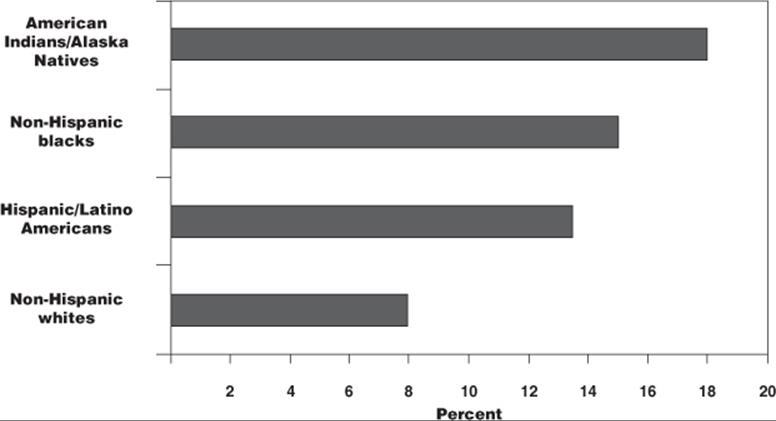
Figure 13-1. Estimated Age-Adjusted Total Prevalence of Diabetes in People 20 Years or Older, by Race and Ethnicity: United States, 2005 Source: For American Indians/Alaska Natives, the estimate of total prevalence was calculated using the estimate of diagnosed diabetes from the 2003 outpatient database of the Indian Health Service and the estimate of undiagnosed diabetes from the 1999-2002 National Health and Nutrition Examination Survey. For the other groups, 1999-2002 NHANES estimates of total prevalence (both diagnosed and undiagnosed) were projected to year 2006.
* Graph and information obtained from CDC (Centers for Disease Control and Prevention) website at http://www.cdc.gov/diabetes/pubs/estimatesDS.html#prev4 on December 1, 2006.
|
Table 13-1. Summary of Recommendations for Adults with Diabetes |
||||||
|
Area |
Recommended goal |
|||||
|
Glycemic control: |
||||||
|
A1C |
< 7.0%a |
|||||
|
Preprandial capillary plasma glucose |
70-130 mg/dL |
|||||
|
Peak postprandial capillary plasma glucoseb |
< 180 mg/dL |
|||||
|
Blood pressure: |
< 130/80 mmHg |
|||||
|
Lipids:c |
||||||
|
LDL |
< 100 mg/dLd |
|||||
|
Triglycerides |
< 150 mg/dL |
|||||
|
HDL |
> 40 mg/dLe |
|||||
|
Key concepts in setting glycemic goals: • A1C is the primary target for glycemic control. • Goals should be individualized. • More or less stringent glycemic goals may be appropriate for individual patients. • Postprandial glucose may be targeted if A1C goals are not met despite reaching preprandial glucose goals. |
||||||
|
a. Referenced to a nondiabetic range of 4.0-6.0% using a Diabetes Control and Complications Trial-based assay. |
||||||
|
b. Postprandial glucose measurements should be made 1-2 hours after the beginning of the meal—generally peak levels in patients with diabetes. |
||||||
|
c. Current National Cholesterol Education Program-Adult Treatment Panel III guidelines suggest that in patients with triglycerides ≥ 200 mg/dL, the "non-HDL cholesterol" (total cholesterol - HDL) be used. The goal is 130 mg/dL. |
||||||
|
d. In individuals with overt cardiovascular disease, a lower LDL cholesterol goal of < 70 mg/dL is an option. |
||||||
|
e. For women, it has been suggested that the HDL goal be increased by 10 mg/dL. |
||||||
|
Source: Adapted from American Diabetes Association. Standards of medical care in diabetes—2009. Diabetes Care. 2009: 32(suppl 1):S13-61. |
||||||
|
Table 13-2. Sulfonylureas |
||||||
|
Drug |
Trade name |
Strength |
Daily dose |
Duration of action |
Comments |
|
|
First generation |
||||||
|
Acetohexamide |
Dymelor |
250, 500 mg |
250-1,500 mg |
Up to 16 hours |
Active metabolite excreted by kidney |
|
|
Chlorpropamide |
Diabinese |
100, 250 mg |
100-500 mg |
Up to 72 hours |
Contraindicated in renal insufficiency |
|
|
Tolazamide |
Tolinase |
100, 250, 500 mg |
100-1,000 mg |
Up to 10 hours |
||
|
Tolbutamide |
Orinase |
250, 500 mg |
500-3,000 mg qd-bid |
Up to 10 hours |
||
|
Second generation |
||||||
|
Glipizide |
Glucotrol, Glucotrol XL |
5, 10 mg |
5-40 mg qd-bid 5-20 mg qd (XL) |
Up to 20 hours |
Given with or without meal; do not cut XL tab |
|
|
Glyburide |
DiaBeta, Micronase |
1.25, 2.50, 5.00 mg |
1.25-20.00 mg qd-bid |
Up to 24 hours |
3 mg Glynase = 5 mg glyburide |
|
|
Glyburide micronized |
Glynase |
1.5, 3.0, 4.5, 6.0 mg |
1.5-12.0 mg qd |
Up to 24 hours |
||
|
Glimepiride |
Amaryl |
1, 2, 4 mg |
1-8 mg qd |
24 hours |
Begin with 1 mg in renal insufficiency |
|
|
Meglitinides and phenylalanines |
||||||
|
Repaglinide |
Prandin |
0.5, 1.0, 2.0 mg |
0.5-4.0 mg before each meal; maximum dose = 16 mg/d |
Peak effect: ~ 1 hour; duration: ~ 2-3 hours |
Skip dose if meal skipped; do not give in combination with sulfonylureas |
|
|
Nateglinide |
Starlix |
60, 120 mg |
60-120 mg before each meal |
Peak effect: ~ 1 hour; duration: ~ 4 hours |
Efficacy: Prandin > Starlix |
|
|
Table 13-3. Biguanides |
||||||||
|
Drug |
Trade name |
Strength |
Daily dose |
Duration of action |
Comments |
|||
|
Metformin |
Glucophage |
500, 850, 1,000 mg |
1,000-2,550 mg (adult) up to 2,000 mg (10 years and older) |
≥ 24 hours |
||||
|
Metformin extended release |
Glucophage XR Glumetza |
500, 750 mg 500, 1,000 mg |
2,000 mg qpm; may take 1 g bid if qd dosing causes GI symptoms |
Do not cut, crush, or chew |
||||
|
Table 13-4. Thiazoladinediones |
||||||||
|
Drug |
Trade name |
Strength |
Daily dose |
Duration of action |
Comments |
|||
|
Rosiglitazone |
Avandia |
2, 4, 8 mg |
4-8 mg qd or 2-4 mg bid |
24 hours |
May be more effective when given bid |
|||
|
Pioglitazone |
Actos |
15, 30, 45 mg |
30-45 mg qd |
24 hours |
||||
|
Table 13-5. Alpha-Glucosidase Inhibitors |
||||||||||
|
Drug |
Trade name |
Strength |
Daily dose |
Duration of action |
Comments |
|||||
|
Acarbose |
Precose |
50, 100 mg |
25-100 mg tid |
1-3 hours |
Maximum dose: < 60 kg = 50 mg tid; > 60 kg = 100 mg tid |
|||||
|
Miglitol |
Glyset |
25, 50, 100 mg |
25-100 mg tid |
1-3 hours |
||||||
|
Table 13-6. Dipeptidyl Peptidase-4 Inhibitors |
||||||||||
|
Drug |
Trade name |
Strength |
Daily dose |
Duration of action |
Comments |
|||||
|
Sitagliptin |
Januvia |
25, 50, 100 mg |
100 mg qd |
24 hours |
CrCl 30-50: 50 mg qd; CrCl < 30: 25 mg qd |
|||||
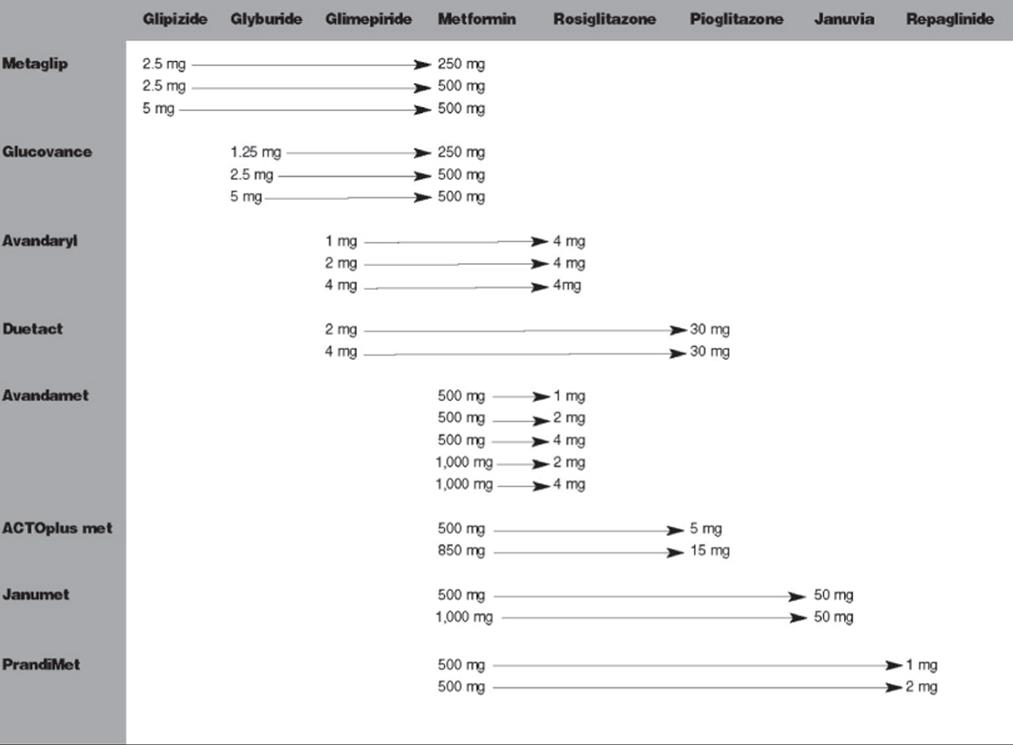
Figure 13-2. Combination Oral Agents
|
Table 13-7. Sample Titration Schedules for Basal and Prandial Insulin |
||||||||
|
Basal insulin titration |
Prandial insulin titration |
|||||||
|
Fasting blood glucose levels for 3 consecutive days |
Adjust basal insulin dose (units) |
Preprandial or bedtime glucose levels for 3 consecutive days |
Adjust rapid-acting insulin dose (units) |
|||||
|
≥ 180 mg/dL |
+8 |
≥ 180 mg/dL |
+3 |
|||||
|
160-180 mg/dL |
+6 |
140-180 mg/dL |
+2 |
|||||
|
140-160 mg/dL |
+4 |
140-180 mg/dL |
+2 |
|||||
|
120-140 mg/dL |
+2 |
120-140 mg/dL |
+1 |
|||||
|
100-120 mg/dL |
+1 |
100-120 mg/dL |
No change |
|||||
|
80-100 mg/dL |
No change |
80-100 mg/dL |
-1 |
|||||
|
60-80 mg/dL |
- 2 |
60-80 mg/dL |
-2 |
|||||
|
< 60 mg/dL |
-4 |
< 60 mg/dL |
-4 |
|||||
|
Note: To increase fasting glucose, adjust basal dose only. Increase preprandial or bedtime glucose levels as follows: (1) if increase at lunchtime, adjust breakfast prandial insulin; (2) if increase at dinnertime, adjust lunchtime prandial insulin; (3) if increase at bedtime, adjust dinnertime prandial insulin. |
||||||||
|
Table 13-8. Insulin Products |
||||||||
|
Insulin type |
Trade name |
Device availability |
Onset of action |
Time of peak |
Duration of action |
|||
|
Rapid acting: |
||||||||
|
Glulisine |
Apidra |
OptiClick pen, SoloSTAR |
15-30 min |
30-90 min |
1-3 hours |
|||
|
Aspart |
Novolog |
NovoPen |
10-15 min |
30-90 min |
3-5 hours |
|||
|
Lispro |
Humalog |
Lilly pen, HumaPen MEMOIR, Luxura HD pen |
10-15 min |
30-90 min |
||||
|
Intermediate acting: |
||||||||
|
Human NPH |
Novolin N |
NovoPen, InnoLet |
1-3 hours |
4-12 hours |
10-18 hours |
|||
|
Humulin N |
Lilly pen |
1-3 hours |
4-12 hours |
10-18 hours |
||||
|
Lente human |
2-5 hours |
7-15 hours |
24 hours |
|||||
|
Basal: |
||||||||
|
Glargine |
Lantus |
OptiClick pen, SoloSTAR |
1-2 hours |
Peakless |
24 hours |
|||
|
Detemir |
Levemir |
NovoPen |
1-2 hours |
6-8 hours |
18-24 hours |
|||
|
Premixed: |
||||||||
|
NPH + regular |
Novolin 70/30 |
NovoPen, InnoLet |
||||||
|
Humulin 70/30 |
Lilly pen |
|||||||
|
Humulin 50/50 |
Lilly pen |
|||||||
|
Insulin protamine + analogs |
Novolog 70/30 |
NovoPen |
||||||
|
Novolog 50/50 |
NovoPen |
|||||||
|
Humalog 75/25 |
Lilly pen |
|||||||
|
Humalog 50/50 |
Lilly pen |
|||||||
|
Note: Most common available concentration = 100 units per mL. Concentration used in severe insulin resistance = 500 units per mL. |
||||||||
|
Table 13-9. Incretin Mimetics |
||||
|
Drug |
Trade name |
Strength |
Daily dose |
Duration of action |
|
Exenitide |
Byetta |
5, 10 mcg pen |
5-10 mcg bid |
~ 8-10 hours |
|
Table 13-10. Amylin Mimetics |
||||
|
Drug |
Trade name |
Strength |
Daily dose |
Duration of action |
Comments |
|
Pramlintide |
(Symlin) |
0.6 mg/mL-5 mL vial |
Type 1 DM: 15-60 mcg tid with meals; type 2 DM: 60-120 mcg tid with meals |
4-6 hours |
Dosed using an insulin syringe: 30 mcg = 5 units, 60 mcg = 10 units, 120 mcg = 20 units |
|
Table 13-11. Comparison of Type 1 and Type 2 Diabetes Mellitus |
|||||
|
Type 1 |
Type 2 |
||||
|
Previous names |
Insulin-dependent diabetes mellitus; juvenile-onset diabetes |
Non-insulin-dependent diabetes mellitus; adult-onset diabetes |
|||
|
Percentage of DM cases |
5-10 |
90-95 |
|||
|
Age of occurrence |
< 30 years (usually childhood or adolescence); at any age following autoimmune stimulus (e.g., virus) |
> 30 years; increasing in childhood andadolescence in association with obesity and inactivity |
|||
|
Onset |
Rapid |
Gradual |
|||
|
Primary etiology |
Autoimmune-mediated mechanism with genetic predisposition |
Genetic and environmental (e.g., family history, ethnicity, obesity, inactivity) |
|||
|
Pathogenesis |
Destruction of β-cells resulting in absolute insulin deficiency and abnormal glucose control |
Increasing resistance of tissue (liver and skeletal muscle) to insulin; impaired insulin secretion resulting in relative deficiency of insulin; increased hepatic glucose production |
|||
|
Signs and symptoms |
Polyuria, polydipsia, polyphagia, unexplained weight loss, fatigue, blurred vision, possibly ketoacidosis |
Polyuria, polydipsia, polyphagia, obesity, fatigue, blurred vision, possibly asymptomatic |
|||
|
Ketoacidosis |
Ketosis prone (DKA) |
Not ketosis prone because of residual insulin (hyperglycemic hyperosmolar nonketotic syndrome) |
|||
|
Treatment: |
|||||
|
Nondrug therapy |
Medical nutrition therapy and physical activity approved by physician |
Essential adjunct to oral antidiabetic therapy; may be sufficient as monotherapy to control blood glucose |
|||
|
Drug therapy |
Insulin monotherapy or rarely oral antidiabetic drugs as adjunct to insulin therapy (if accompanied by insulin resistance) |
MNT monotherapy or oral antidiabetic drugs or oral antidiabetic drugs in combination therapy or insulin monotherapy or insulin and oral antidiabetic drugs |
|||
|
Table 14-1. Thyroid Preparations for the Treatment of Hypothyroidism |
|||||
|
Trade name |
Generic name |
Dosage forms |
Usual dosage range |
||
|
Synthroid, Levothroid, Levoxyl, Unithroid, Thyro-Tabs |
Levothyroxine sodium (T4) |
Tablets: 0.025, 0.05, 0.075, 0.088, 0.1, 0.112, 0.125, 0.137, 0.15, 0.175, 0.2, 0.3 mg Injection: 200, 500 mcg |
0.1-0.15 mg po qd for hypothyroidism (dosage is individualized); higher doses used in treating thyroid cancer |
||
|
Armour Thyroid, Nature-Throid, Westhroid |
Desiccated thyroid USP |
Tablets: 15, 30, 32.4, 60, 64.8, 65, 90, 120, 129.6, 130, 180, 194.4, 195, 240, 300 mg |
60-120 mg po qd for hypothyroidism (dosage is individualized); higher doses used in treating thyroid cancer |
||
|
Cytomel, Triostat |
Liothyronine (T3) |
Tablets: 5, 25, 50 mcg Injection: 10 mcg |
25 mcg po qd for hypothyroidism |
||
|
Thyrolar |
Liotrix (T4 and T3 in a 4:1 ratio) |
Tablets: 3.1/12.5 mcg, 6.25/25 mcg, 12.5/50 mcg, 25/100 mcg, 37.5/150 mcg |
60-120 mg po qd for hypothyroidism |
||
|
Table 14-2. Antithyroid Medications |
|||||
|
Drug name |
Drug contains |
Dosage forms |
Usual dosage range |
||
|
PTU |
Propylthiouracil |
Tablets: 50 mg |
150-300 mg po daily at 8-hour intervals |
||
|
Tapazole |
Methimazole |
Tablets: 5, 10 mg |
5-40 mg po in single daily dose or divided |
||
|
Lugol's solution |
Strong iodine solution |
Solution: 5% iodine and 10% potassium iodide; delivers 6.3 mg iodine per drop |
0.1-0.3 mL (3-5 drops) po tid |
||
|
SSKI |
Saturated solution of potassium iodide |
Solution: 1 g/mL; delivers 38 mg iodine per drop of saturated solution |
1-5 drops po tid in water or juice |
||
|
Table 14-3. Drugs for Cushing's Syndrome |
|||||
|
Trade name |
Generic name |
Dosage forms |
Usual dosage range |
||
|
Nizoral |
Ketoconazole |
Tablets: 250 mg |
800-1,200 mg po qd |
||
|
Cytadren |
Aminoglutethimide |
Tablets: 250 mg |
250 mg po q6h |
||
|
Lysodren |
Mitotane |
Tablets: 500 mg |
9-10 g/d po in divided doses |
||
|
Metopirone |
Metyrapone |
Capsules: 250 mg |
1-6 g/d po in 4-6 divided doses |
||
|
Table 14-4. Corticosteroids and Dose Equivalents |
|
Trade name |
Generic name |
Anti-inflammatory potency |
Sodium-retaining potency |
Equivalent dose (mg) |
Half-life |
|
|
Cortone |
Cortisone |
0.8 |
2 |
25 |
Short |
|
|
Cortef, Hydrocortone, Solu-Cortef |
Hydrocortisone |
1.0 |
2 |
20 |
Short |
|
|
Deltasone, Liquid Pred |
Prednisone |
4.0 |
1 |
5 |
Medium |
|
|
Prelone, Pediapred, Delta-Cortef |
Prednisolone |
4.0 |
1 |
5 |
Medium |
|
|
Medrol, Solu-Medrol, Depo-Medrol, A-Methapred |
Methylprednisolone |
5.0 |
0 |
4 |
Medium |
|
|
Aristocort, Kenacort, Kenalog |
Triamcinolone |
5.0 |
0 |
4 |
Medium |
|
|
Decadron, Dexameth, Dexone, Hexadrol |
Dexamethasone |
30.0 |
0 |
0.75 |
Long |
|
|
Celestone |
Betamethasone |
25.0 |
0 |
0.75 |
Long |
|
|
Florinef |
Fludrocortisone |
15.0 |
150 |
2 |
Medium |
|
|
Table 14-5. ACTH and Cosyntropin |
||||||
|
Trade name |
Generic name |
Dosage forms |
Usual dosage range |
|||
|
Cortrosyn |
Cosyntropin |
Injection: 0.25 mg |
0.25-0.75 mg for testing |
|||
|
Acthar (ACTH) |
Corticotropin |
Injection: 25, 40 units |
10-25 units for testing |
|||
|
H.P. Acthar Gel |
Repository injection: 40, 80 units/mL |
40-80 units of repository injection every 1-3 days |
||||
|
Table 14-6. Vasopressin and Desmopressin |
||||||
|
Trade name |
Generic name |
Dosage forms |
Usual dosage range |
|||
|
Pitressin |
Vasopressin |
Injection: 20 units/mL |
10-20 units intramuscular, subcutaneous, or IV daily at 3- to 4-hour intervals or as a continuous infusion |
|||
|
Stimate (DDAVP) |
Desmopressin |
Tablets: 0.1, 0.2 mg Nasal solution: 0.1 mg/mL, 1.5 mg/mL Injection: 4 mcg/mL |
Nocturnal enuresis: 0.2-0.6 mg po qhs Diabetes insipidus: 0.1-0.2 mg po bid, 0.1-0.4 mL intranasally in single or divided doses |
|||
|
Table 14-7. Androgens and Anabolic Steroids |
||||||
|
Trade name |
Generic name |
Dosage forms |
Usual dosage range |
|||
|
Testoderm Androderm |
Testosterone transdermal system |
Patch: 2.5, 4, 5, 6 mg/24 h |
Patch: 2.5-6 mg for 24 h |
|||
|
AndroGel 1%, Testim |
Testosterone |
1% gel |
5 grams applied once daily |
|||
|
Depo-Testosterone |
Testosterone cypionate (in oil) |
Injection in oil: 100 mg/mL, 200 mg/mL |
50-400 mg every 2-4 weeks |
|||
|
Delatestryl |
Testosterone enanthate (in oil) |
Injection in oil: 100 mg/mL, 200 mg/mL |
50-400 mg every 2-4 weeks |
|||
|
Testopel |
Testosterone |
Pellet for subcutaneous implantation: 75 mg |
150-450 mg every 3-6 months |
|||
|
Striant |
Testosterone |
Buccal tablet: 30 mg |
30 mg every 12 h |
|||
|
Methitest |
Methyltestosterone |
Tablets: 10, 25 mg |
10-50 mg once daily |
|||
|
Testred, Android |
Capsules: 10 mg |
|||||
|
Halotestin, Androxy |
Fluoxymesterone |
Tablets: 2, 5, 10 mg |
5-10 mg once daily |
|||
|
Anadrol-50 |
Oxymetholone |
Tablets: 50 mg |
50-100 mg once daily |
|||
|
Winstrol |
Stanozolol |
Tablets: 2 mg |
2 mg qd tid |
|||
|
Oxandrin |
Oxandrolone |
Tablets: 2.5, 10 mg |
2.5-10 mg qd |
|||
|
Deca-Durabolin |
Nandrolone decanoate |
Injection: 100, 200 mg/mL (in oil) |
100-200 mg once weekly |
|||
|
Table 15-1. Selected Hormone Replacement Therapy Products |
|||
|
Medication |
Available strengths and dosing |
||
|
Oral estrogen products |
|||
|
Conjugated equine estrogens (CEE) (Premarin) |
0.3, 0.45, 0.625, 0.9, 1.25, 2.5 mg daily |
||
|
Synthetic conjugated estrogens (Cenestin, Enjuvia) |
0.3 mg, 0.45 mg, 0.625 mg, 0.9 mg, 1.25 mg daily |
||
|
Micronized estradiol (Estradiol, Estrace, Gynodiol) |
0.5, 1, 1.5, 2 mg daily |
||
|
Estrone sulfate (Estropipate, Ortho-Est, Ogen) |
0.625, 1.25, 2.5, 5 mg daily |
||
|
Esterified estrogens (Estratab, Menest) |
0.3, 0.625, 1.25, 2.5 mg daily |
||
|
17-β-Estradiol |
2 mg daily |
||
|
Synthetic conjugated estrogen |
0.3, 0.625, 0.9, 1.25 mg daily |
||
|
Transdermal products |
|||
|
Estradiol transdermal patch (Estraderm, Esclim, Alora, Vivelle) |
Apply twice weekly |
||
|
Estradiol transdermal patch (Climara, Fempatch, Menostar) |
Apply once weekly |
||
|
Estradiol and levonorgestrel (Climara Pro) |
Apply once weekly |
||
|
Estradiol and norethindrone (CombiPatch) |
Apply twice weekly |
||
|
Estradiol topical emulsion (Estrasorb) |
Apply daily |
||
|
17-β-estradiol micronized gel (Estrogel) |
Apply daily |
||
|
17-β-estradiol transdermal spray (Evamist) |
Apply one spray daily |
||
|
Vaginal estrogen products |
|||
|
Estrace vaginal cream (local effects) |
0.1 mg estradiol/g; dose: 2-4 g daily for 1-2 weeks; maintenance dose: 1 g 1-3 times/week |
||
|
Premarin vaginal cream (local effects) |
0.625 mg conjugated estrogen/g; dose: 0.5-2 g daily for 3 weeks, then 1 week off |
||
|
Estring vaginal ring, 17-β-estradiol (local effects) |
2 mg estradiol ring releases 7.5 mcg/24 hr; ring remains in vagina for 3 months |
||
|
Vagifem vaginal tablet (local effects) |
25 mcg estradiol/tablet; dose: 1 tablet once daily for 2 weeks; maintenance dose: 1 tablet twice/week |
||
|
Femring vaginal ring, estradiol acetate (systemic absorption) |
0.05 mg/d or 0.1 mg/d |
||
|
Oral combination estrogen-progestin products |
|||
|
Activella |
Estradiol/norethindrone: 1 mg/0.5 mg or 0.5 mg/0.1 mg |
||
|
Femhrt |
2.5 or 5 mcg ethinyl estradiol, 0.5 or 1 mg norethindrone acetate |
||
|
Prempro |
0.3 mg/1.5 mg, 0.45/1/5 mg, 0.625 mg/2.5 mg, or 0.625 mg/5 mg or conjugated estrogen/medroxyprogesterone |
||
|
Premphase |
0.625 mg conjugated estrogen, 5 mg medroxyprogesterone (2 weeks of estrogen alone, 2 weeks of combination) |
||
|
Combination estrogen-androgen products |
|||
|
Estratest HS, Covaryx HS |
0.625 mg esterified estrogens, 1.25 mg methyltestosterone |
||
|
Estratest, Covaryx HS |
0.625 mg esterified estrogens, 2.5 mg methyltestosterone |
||
|
Adapted from Pharmacist's Letter 2008; Kalantaridou, Davis, Calis 2008. |
|||
|
Table 15-2. Prescription Contraceptive Products |
|||
|
Product |
Estrogen |
Progestin |
|
|
Progestin-only oral contraceptives |
|||
|
Micronor, Errin, Nor-QD, Nora-BE, Camila |
- |
Norethindrone 0.35 mg |
|
|
Monophasic low-dose estrogen oral contraceptives |
|||
|
Aviane, Lessina, Levlite |
Ethinyl estradiol 20 mcg |
Levonorgestrel 0.1 mg |
|
|
Loestrin 1/20, Loestrin Fe 1/20, Microgestin Fe 1/20 |
Ethinyl estradiol 20 mcg |
Norethindrone 1 mg |
|
|
Yasmin |
Ethinyl estradiol 30 mcg |
Drospirenone 3 mg |
|
|
Levlen, Levora, Nordette, Portia |
Ethinyl estradiol 30 mcg |
Levonorgestrel 0.15 mg |
|
|
Cryselle, Lo/Ovral, Low-Ogestrel |
Ethinyl estradiol 30 mcg |
Norgestrel 0.3 mg |
|
|
Apri, Desogen, Ortho-Cept |
Ethinyl estradiol 30 mcg |
Desogestrel 0.15 mg |
|
|
Ovcon-35 |
Ethinyl estradiol 30 mcg |
Norethindrone 0.4 mg |
|
|
Brevicon, Modicon, Necon 0.5/35, Nortrel 0.5/35 |
Ethinyl estradiol 35 mcg |
Norethindrone 0.5 mg |
|
|
Necon 1/35, Norinyl 1+35, Nortrel 1/35, Ortho-Novum 1/35 |
Ethinyl estradiol 35 mcg |
Norethindrone 1 mg |
|
|
Monophasic high-dose estrogen oral contraceptives |
|||
|
Ogestrel 0.5/50 |
Ethinyl estradiol 50 mcg |
Norgestrel 0.5 mg |
|
|
Demulen 1/50, Zovia 1/50 |
Ethinyl estradiol 50 mcg |
Ethynodiol diacetate 1 mg |
|
|
Ovcon-50 |
Ethinyl estradiol 50 mcg |
Norethindrone 1 mg |
|
|
Necon 1/50, Norinyl 1+50, Ortho-Novum 1/50 |
Mestranol 50 mcg |
Norethindrone 1 mg |
|
|
Biphasic oral contraceptives |
|||
|
Ortho-Novum 10/11, Necon 10/11 |
Ethinyl estradiol 35 mcg |
Norethindrone 0.5 mg × 10 days; 1 mg × 11 days |
|
|
Mircette, Kariva |
Ethinyl estradiol 20 mcg × 10 days, placebo × 2 days, then 10 mcg × 5 days |
Desogestrel 0.15 mg × 21 days |
|
|
Triphasic oral contraceptives |
|||
|
Enpresse, Tri-Levlen, Triphasil, Trivora |
Ethinyl estradiol 30 mcg × 6 days, 40 mcg × 5 days, 30 mcg × 10 days |
Levonorgestrel 0.05 mg × 6 days; 0.075 mg × 5 days; 0.125 mg × 10 days. |
|
|
Tri-Norinyl, Leena, Aranelle |
Ethinyl estradiol 35 mcg × 21 days |
Norethindrone 0.5 mg × 7 days, 1 mg × 9 days, 0.5 mg × 5 days |
|
|
Necon 7/7/7, Ortho-Novum 7/7/7, Nortrel 7/7/7 |
Ethinyl estradiol 35 mcg × 21 days |
Norethindrone 0.5 mg × 7 days, 0.75 mg × 7 days, 1 mg × 7 days |
|
|
Cyclessa, Velivet |
Ethinyl estradiol 25 mcg × 21 days |
Desogestrel 0.1 mg × 7 days, 0.125 mg × 7 days, 0.15 mg × 7 days |
|
|
Ortho Tri-Cyclen Lo |
Ethinyl estradiol 25 mcg × 21 days |
Norgestimate 0.18 mg × 7 days, 0.215 mg × 7 days, 0.25 mg × 7 days |
|
|
Ortho Tri-Cyclen, Trinessa |
Ethinyl estradiol 35 mcg × 21 days |
Norgestimate 0.18 mg × 7 days, 0.215 mg × 7 days, 0.25 mg × 7 days |
|
|
Estrostep Fe |
Ethinyl estradiol 20 mcg × 5 days, 30 mcg × 7 days, 35 mcg × 9 days |
Norethindrone 1 mg × 21 days |
|
|
Extrended-cycle oral contraceptives |
|||
|
Loestrin-24 FE |
Ethinyl estradiol 20 mcg |
Norethindrone 1 mg |
|
|
Seasonale, Jolessa, Quasense |
Ethinyl estradiol 30 mcg |
Levonorgestrel 0.15 mg |
|
|
Yaz |
Ethinyl estradiol 20 mcg |
Drospirenone 3 mg |
|
|
Continuous-cycle oral contraceptives |
|||
|
Lybrel |
Ethinyl estradiol 30 mcg |
Levonorgestrel 90 mg |
|
|
Transdermal contraceptive system |
|||
|
Ortho Evra |
Ethinyl estradiol 20 mcg per 24 hours |
Norelgestromin 0.15 mg per 24 hours; applied weekly |
|
|
Vaginal ring contraceptive system |
|||
|
NuvaRing |
— |
Etonogestrel 0.12 mg per 24 hours; insert for 3 weeks, then remove 1 week |
|
|
Contraceptive implants |
|||
|
Implanon |
— |
Etonogestrel subdermal rod; release rate varies over time |
|
|
Contraceptive injection |
|||
|
Depo-Provera CI |
— |
Medroxyprogesterone acetate 150 mg intramuscular q 3 months |
|
|
Depo-SubQ Provera |
— |
Medroxyprogesterone acetate 104 mg subcutaneous q 3 months |
|
|
Intrauterine contraceptive systems |
|||
|
Mirena |
— |
Levonorgestrel 20 mcg/day × 5 years |
|
|
Adapted from Dickerson et al. 2008; Pharmacist's Letter 2007. |
|||
|
Table 15-3. Potential Hormonal Effects Associated with an Imbalance in Estrogen or Progestin |
|||
|
Type of imbalance |
Effect |
||
|
Estrogen excess |
• Breast tenderness, fullness • Nausea • Edema and bloating • Hypertension • Melasma • Headache |
||
|
Progestin excess |
• Acne or oily scalp • Breast tenderness • Depression or irritability • Hypomenorrhea • Increased appetite and weight gain • Fatigue • Constipation |
||
|
Estrogen deficiency |
• Breakthrough bleeding (early or midcycle) • Hypomenorrhea • Vasomotor symptoms |
||
|
Progestin deficiency |
• Amenorrhea • Breakthrough bleeding (late) • Hypermenorrhea |
||
|
Adapted from Dickerson et al. 2008; Pharmacist's Letter 2007. |
|||
|
Table 15-4. Select Calcium Supplement Products |
|||
|
Product |
Calcium (mg) |
||
|
Calcium citrate (24% calcium content) |
|||
|
Citracal |
Tablet: 200; liquitab: 500 |
||
|
Citracal + vitamin D |
200-315 plus 200 IU vitamin D |
||
|
Calcium carbonate (40% calcium content) |
|||
|
Caltrate 600 |
600 |
||
|
Titralac |
Chewable: 168, 300; liquid: 400/5 mL |
||
|
Tums |
Chewable: 200, 300, 400, 500 |
||
|
Viactiv chews |
500 plus 200 IU vitamin D |
||
|
Mylanta Supreme liquid |
160 mg/5 ml |
||
|
Calcium carbonate + vitamin D |
|||
|
Caltrate 600 + D |
600 plus 200 IU |
||
|
Calcilyte + vitamin D |
500 plus 200 IU |
||
|
Oscal + vitamin D |
500 plus 125 IU |
||
|
Calcium phosphate tribasic (39% calcium content) |
|||
|
Posture |
600 |
||
|
Posture-D |
600 plus 125 IU |
||
|
Adapted from O'Connell, Vondracek 2008; www.nof.org. |
|||
|
Table 15-5. Antiresorptive Agents |
||||
|
Medication |
Dosing |
FDA indication, availability |
||
|
Bisphosphonates |
||||
|
Alendronate (Fosamax) |
Prevention: 5 mg daily or 35 mg weekly |
Prevention and treatment of postmenopausal osteoporosis |
||
|
Treatment: 10 mg daily or 70 mg weekly |
Osteoporosis in men and glucocorticoid-induced osteoporosis |
|||
|
Available as tablet, liquid, and tablet plus vitamin D |
||||
|
Risedronate (Actonel) |
Prevention: 5 mg daily |
Prevention and treatment of postmenopausal osteoporosis |
||
|
Treatment: 5 mg daily or 35 mg po weekly, 75 mg po daily × 2 consecutive days monthly, or 150 mg po monthly |
Osteoporosis in men Glucocorticoid-induced osteoporosis Available as tablets and tablets plus calcium |
|||
|
Ibandronate (Boniva) |
2.5 mg po daily, 150 mg po monthly, 3 mg IV Q 3 months |
Prevention and treatment of postmenopausal osteoporosis |
||
|
Zoledronic acid (Reclast) |
5 mg IV infusion over 15 minutes once yearly |
Treatment of postmenopausal osteoporosis |
||
|
Selective estrogen receptor modulator |
||||
|
Raloxifene (Evista) |
60 mg daily |
Prevention and treatment of postmenopausal osteoporosis |
||
|
Other agents |
||||
|
Calcitonin (Miacalcin) |
Intranasal: 200 IU daily, alternating nostrils Intramuscular or subcutaneous: 100 IU every other day |
Treatment of postmenopausal osteoporosis in women at least 5 years postmenopause |
||
|
Teriparatide (Forteo) |
Injection: 20 mcg daily |
Treatment of postmenopausal women with osteoporosis who are at high risk for fractures or who have failed or are intolerant to other therapies Treatment of men with primary or hypogonadal osteoporosis who are at high risk for fractures |
||
|
Adapted from O'Connell, Vondracek 2008; www.nof.org; MacLaughlin, Raehl 2008. |
||||
|
Table 16-1. Drug-Induced Causes of Kidney Disease |
||||
|
Clinical syndrome |
Causative drugsa |
|||
|
Prerenal kidney disease |
ACEIs, ARBs, COX-2 inhibitors, cyclosporine, diuretics, NSAIDs, radiocontrast dye, renin inhibitors, and tacrolimus |
|||
|
Intrinsic kidney disease |
||||
|
Vascular |
Amphetamines, cisplatin, cyclosporine, and mitomycin C |
|||
|
Glomerular |
Gold, heroin, lithium, NSAIDs, and phenytoin |
|||
|
Interstitial nephritis |
Analgesic combinations, aristolochic acid (Chinese herbs), cyclosporine, lithium, NSAIDs, penicillins, sulfonamides, and tacrolimus |
|||
|
Acute tubular necrosis |
Aminoglycosides, amphotericin B, chemotherapeutic agents, cidofovir, cocaine, foscarnet, ifosfamide, radiocontrast dye, and tacrolimus |
|||
|
Postrenal kidney disease |
||||
|
Obstructive |
Acyclovir, methotrexate, oxalate, sulfonamides, and uric acid |
|||
|
Nephrolithiasis |
Allopurinol, indinavir, sulfadiazine, and triamterene |
|||
|
a. This list does not include all potential nephrotoxins. |
||||
|
Table 16-2. Laboratory Findings to Differentiate Prerenal and Intrinsic Kidney Disease |
|||||
|
Diagnostic test |
Prerenal kidney disease |
Intrinsic kidney disease |
|||
|
BUN:Cr ratio |
> 20:1 |
< 15:1 |
|||
|
Urinalysis |
Normal with few cells or casts (hyaline casts normal) |
Granular casts with tubular epithelial cells |
|||
|
Urine osmolality |
> 500 mOsm/kg |
≤300-350 mOsm/kg |
|||
|
Urinary Cr:Plasma Cr ratio |
> 40:1 |
< 20:1 |
|||
|
Specific gravity |
> 1.020 |
< 1.015 |
|||
|
Urine sodium |
< 20 mEq/L |
> 40 mEq/L |
|||
|
FENa |
< 1% |
> 2% |
|||
|
Note: BUN, blood urea nitrogen; CR, creatinine; FENa, fractional excretion of sodium. |
|||||
|
Table 16-3. Diuretics as Drug Therapy for AKI by Drug Classification |
|||||
|
Generic name |
Trade name |
Daily dosage range |
Dosage forms |
Frequency of administration |
|
|
Loop diureticsa |
|||||
|
Furosemide |
Lasix |
20-400 mg |
po |
q 6-12 hours |
|
|
20-200 mg (up to 1-3 g/d in AKI) |
IV |
||||
|
Bumetanide |
Bumex |
0.5-10 mg |
po, IV |
q 12-24 hours |
|
|
Torsemide |
Demadex |
10-200 mg |
po, IV |
q 24 hours |
|
|
Ethacrynic acid |
Edecrin |
50-400 mg |
po |
q 8-12 hours |
|
|
50-100 mg |
IV |
||||
|
Osmotic diuretics |
|||||
|
Mannitol |
Osmitrol, Resectisol |
Initial test dose: 12.5-25 g over 3-5 minutes; maintenance dose: 0.25-0.5 g/kg (20-200 g/d) |
IV |
q 4-6 hours |
|
|
Thiazide |
|||||
|
Hydrochlorothiazide |
Microzide |
25-200 mg |
po |
qd, bid |
|
|
Chlorothiazide |
Diuril |
500 mg-2 g |
po |
qd, bid |
|
|
250-1,000 mg |
IV |
||||
|
Thiazide-like diuretics |
|||||
|
Metolazone |
Zaroxolyn |
5-20 mg |
po |
qd |
|
|
a. Loop diuretics are also administered as a continuous infusion. Higher dose ranges for intermittent dosing are reserved for patients who are unresponsive to initial smaller doses. |
|||||
|
Table 16-4. Stages of Chronic Kidney Disease |
|||
|
Stage |
Description |
GFR (mL/min/1.73 m2) |
Action |
|
— |
Increased risk |
≥ 90 (with CKD risk factors) |
Screening and CKD risk reduction |
|
1 |
Kidney damage with normal or increased GFR |
≥ 90 |
Diagnosis and treatment, treatment of comorbid conditions, slowing of progression, and cardiovascular disease risk reduction |
|
2 |
Kidney damage with mildly decreased GFR |
60-89 |
Estimation of progression |
|
3 |
Moderately decreased GFR |
30-59 |
Evaluation and treatment of complications |
|
4 |
Severely decreased GFR |
15-29 |
Preparation for kidney replacement therapy |
|
5 |
Kidney failure (defined as ESRD if renal replacement therapy is needed) |
< 15 (or need for renal replacement therapy) |
Renal replacement therapy (if uremia is present) |
|
Table 16-5. Definitions of Proteinuria and Albuminuria |
|||
|
Total protein |
Albumin |
|||||
|
Condition |
24-hour collection (mg/d) |
Spot urine dipstick (mg/dL) |
Spot urine protein: Cr ratio (mg/g) |
24-hour collection (mg/d) |
Spot urine dipstick (mg/dL) |
Spot urine albumin: Cr ratio (mg/g) |
|
Normal |
< 300 |
< 30 |
< 200 |
< 30 |
< 3 |
< 17 (men); < 25 (women) |
|
Microalbuminuria |
n.a. |
n.a. |
n.a. |
30-300 |
> 3 |
17-250 (men); 25-355 (women) |
|
Albuminuria or clinical proteinuria |
> 300 |
> 30 |
> 200 |
> 300 |
n.a. |
> 250 (men); > 355 (women) |
|
Note: n.a., not applicable. |
||||||
|
Table 16-6. Estimated Starting Doses of Darbepoetin Alfa Based on Previous Epoetin Alfa Dose |
||||||
|
Darbepoetin alfa dose (mcg/wk) |
||||||
|
Epoetin alfa dose (units/wk) |
Adult |
Pediatric |
||||
|
< 1,500 |
6.25 |
—a |
||||
|
1,500-2,499 |
6.25 |
6.25 |
||||
|
2,500-4,999 |
12.5 |
10.0 |
||||
|
5,000-10,999 |
25.0 |
20.0 |
||||
|
11,000-17,999 |
40.0 |
40.0 |
||||
|
18,000-33,999 |
60.0 |
60.0 |
||||
|
34,000-89,999 |
100.0 |
100.0 |
||||
|
≥90,000 |
200.0 |
200.0 |
||||
|
a. Insufficient data. |
||||||
|
Table 16-7. Erythropoietic Stimulating Agents |
||||||
|
Generic name |
Trade name |
Starting dose |
Route of administration |
Frequency of administration |
||
|
Epoetin alfa |
Epogen, Procrit |
50-100 units/kg |
IV or SC |
1-3 doses per week |
||
|
Darbepoetin alfa |
Aranesp |
0.45 mcg/kg |
IV or SC |
Once weekly or once every other week (may prolong interval to every 3-4 weeks) |
||
|
Table 16-8. Iron Supplements |
|||||
|
Generic name |
Trade name |
Dose |
Dosage forms |
Frequency of administrationa |
|
|
Ferrous sulfate |
Fer-In-Sol, Feosol, Slow FE |
200 mg elemental iron per day |
po |
bid-tid |
|
|
Ferrous fumarate |
Femiron, Vitron-C |
200 mg elemental iron per day |
po |
bid-tid |
|
|
Ferrous gluconate |
Fergon |
200 mg elemental iron per day |
po |
bid-tid |
|
|
Polysaccharide iron |
Hytinic, Niferec |
200 mg elemental iron per day |
po |
qd-bid |
|
|
Heme iron polypeptide |
Proferrin |
200 mg elemental iron per day |
po |
tid-qid |
|
|
Sodium ferric gluconate |
Ferrlecit |
62.5-125.0 mg |
IV |
Weekly, three times per week, or monthlyb |
|
|
Iron sucrose |
Venofer |
20-200 mg |
IV |
Weekly, three times per week, or monthlyb |
|
|
Iron dextran |
InFeD, Dexferrum |
25-1,000 mg |
IV |
Weekly, three times per week, or monthlyb |
|
|
Ferumoxytol |
Feraheme |
510 mg × 1 followed by 2nd 510 mg dose 3-8 days after 1st dose |
IV |
As needed to treat iron deficiency in CKD. |
|
|
a. For oral formulations, frequency of administration depends on the amount of elemental iron per unit; 200 mg elemental iron per day is necessary. |
|||||
|
b. Three times per week is common in iron-deficient hemodialysis patients. |
|||||
|
Table 16-9. Phosphate Binding Agents |
|||||
|
Generic name |
Trade name |
Starting dosage rangea |
|||
|
Calcium carbonate (40% elemental calcium) |
Tums, Os-Cal-500, Nephro-Calci, Caltrate 600, CalCarb HD, CaCO3 (multiple preparations) |
0.8-2.0 g elemental calcium |
|||
|
Calcium acetate (25% elemental calcium) |
Phos-Lo |
1,334-2,001 mg |
|||
|
Sevelamer carbonate |
Renvela |
800-1,600 mg |
|||
|
Sevelamer hydrochloride |
Renagel |
800-1,600 mg |
|||
|
Lanthanum carbonate |
Fosrenol |
250-500 mg |
|||
|
Aluminum hydroxide |
AlternaGel, Alu-Cap, Alu-tab, Amphojel, Basaljel |
300-600 mg |
|||
|
Magnesium carbonate |
Mag-Carb |
70 mg |
|||
|
Magnesium hydroxide (milk of magnesia) |
Various |
300-400 mg |
|||
|
Note: All agents are taken orally and should be taken with meals. a. Dose per meal. |
|||||
|
Table 16-10. Vitamin D Therapy |
||||||
|
Generic name |
Trade name |
Dosage range |
Dosage forms |
Frequency of administration |
||
|
Vitamin D precursor |
||||||
|
Ergocalciferol |
Drisdol |
400-50,000 IU |
po |
Daily, weekly, or monthly |
||
|
Ergocalciferol |
Calciferol |
400-50,000 IU |
po or IV |
Daily, weekly, or monthly |
||
|
Active vitamin D |
||||||
|
Calcitriol |
Calcijex |
0.5-5 mcg |
IV |
Three times per week |
||
|
Calcitriol |
Rocaltrol |
0.25-5 mcg |
po |
Daily, every other day, or three times per week |
||
|
Vitamin D analogs |
||||||
|
Paricalcitol |
Zemplar |
1-4 mcg |
po |
Daily or three times per week |
||
|
2.5-15 mcg |
IV |
Three times per week |
||||
|
Doxercalciferol |
Hectorol |
5-20 mcg |
po |
Daily or three times per week |
||
|
2-8 mcg |
IV |
Three times per week |
||||
|
IU, international units. |
||||||
|
Table 16-11. Water-Soluble Vitamin Supplements for Dialysis Patients |
||||||
|
Generic name |
Trade name |
|||||
|
Vitamin B complex, vitamin C, and folic acid |
Nephrocaps, Nephrovite, Nephrovite Rx, Renavite, Biotin Forte |
|||||
|
Vitamin B complex, vitamin C, folic acid, and iron |
Nephrovite Rx + Iron, NephrPlex Rx |
|||||
|
Vitamin B complex |
Allbee with C |
|||||
|
Note: All these supplements are taken orally, 1 capsule or tablet once per day. |
||||||
|
Table 17-1. Selected Drug Therapy Based on Guidelines for Use in ICU Patients |
|
Generic name |
Trade name |
Dosage range |
Formsa |
Scheduleb |
Notes on usage |
||
|
Morphine sulfate |
0.5-10.0 mg |
IV, IM, po |
Continuous; q6h |
General opiate of choice |
|||
|
Hydromorphone |
Dilaudid |
0.3-1.5 mg |
IV |
Continuous; q6h |
Used in morphine intolerance, hemodynamic instability, or renal dysfunction |
||
|
Fentanyl |
Sublimaze |
50-200 mcg/h |
IV |
Continuous |
Used in morphine intolerance, hemodynamic instability, or renal dysfunction |
||
|
Acetaminophen |
Tylenol |
Up to 4 g/d |
po, PR |
q4-6h |
NSAIDs may be added to opiates |
||
|
Ketorolac |
Toradol |
10-30 mg |
IV, IM, po |
q6h |
Maximum use 5 days |
||
|
Lorazepam |
Ativan |
0.5-4.0 mg |
IV, po |
Continuous; q6h |
Long-term sedation (> 24-72 hours) |
||
|
Midazolam |
Versed |
1-5 mg |
IV |
Continuous; q2h |
Acute and short term (< 24-72 hours) |
||
|
Propofol |
Diprivan |
1-5 mg/kg/h |
IV |
Continuous |
Used when rapid awakening needed |
||
|
Haloperidol |
Haldol |
2-5 mg |
IV, po |
q1-4h |
Drug of choice for delirium |
||
|
Pancuronium |
Pavulon |
0.05-0.1 mg/kg |
IV |
Continuous; q2h |
General NMB agent of choice (lowcost); causes tachycardia |
||
|
Vecuronium |
Norcuron |
0.05-0.1 mg/kg |
IV |
Continuous; q1h |
Used in hemodynamic instability, renal dysfunction, cardiac disease |
||
|
Cisatracurium |
Nimbex |
0.05-0.10 mg/kg |
IV |
Continuous; q1h |
Used in renal and hepatic dysfunction |
||
|
a. Long-acting drugs and dosage forms generally not used in ICU (e.g., fentanyl patch, controlled-release morphine, doxacurium). |
|||||||
|
b. Continuous analgesia and sedation with frequent titration (patient-controlled analgesia pump, IV infusion, or scheduled) preferred to prn therapy alone. NMB agents used prn are preferred. |
|||||||
|
Table 17-2. Drug and Nondrug Therapy for Prevention of Venous Thromboembolism |
|||||||
|
Patient group |
Recommended therapya |
||||||
|
Medical conditions |
|||||||
|
General medical patient with risk factor |
LDUH or LMWH; alternatives: IPC, ES |
||||||
|
Acute myocardial infarction |
LDUH or full-dose IV heparin |
||||||
|
Ischemic stroke |
LDUH or LMWH; alternatives: IPC, ES |
||||||
|
General surgery (begin preoperatively; generally continue until patient is ambulatory or discharged) |
|||||||
|
Low risk |
|||||||
|
Minor procedure without risk factors |
Early ambulation |
||||||
|
Moderate risk |
|||||||
|
Minor procedure + risk factor or > 40 years old; major procedure |
LDUH, LMWH, or fondaparinux; alternatives: IPC, ES |
||||||
|
High risk |
|||||||
|
Major procedure + multiple risk factors or > 40 years old; minor procedure + multiple risk factors or > 60 years old |
LDUH, LMWH, or fondaparinux plus IPC, ES (combine drug + mechanical), or both |
||||||
|
Orthopedic surgery or trauma (recommended duration if available) |
|||||||
|
Hip replacement (28-35 days) |
LMWH or fondaparinux or warfarin (INR 2-3) ± IPC or ES |
||||||
|
Knee replacement (minimum 10 days); hip fracture (28-35 days) |
LMWH or fondaparinux or warfarin (INR 2-3); alternative: IPC |
||||||
|
Neurosurgery |
IPC ± ES; add LDUH or LMWH when bleeding is stopped |
||||||
|
Major trauma (until discharge) |
LMWH; alternative: IPC ± ES if bleeding risk; may use warfarin (INR 2-3) during rehabilitation if major impairment |
||||||
|
Acute spinal cord injury (throughout rehabilitation) |
LMWH ± IPC, ES; convert to warfarin (INR 2-3) in rehabilitation |
||||||
|
a. ES (elastic compression stockings) may add to efficacy of drugs. IPC (intermittent pneumatic compression) may add to efficacy of drugs but noncompliance is high. LDUH (low-dose unfractionated heparin [generic]) dosing is 5,000 units SC q8-12h. Fondaparinux (Arixtra) dosing is 2.5 mg SC qd. LWMH (low molecular weight heparin) dosing is as follows: for dalteparin (Fragmin), 2,500-5,000 units SC qd; for enoxaparin (Lovenox), 30 mg SC q12h or 30-40 mg SC qd. In case of major trauma, start therapy within 36 hours of injury; routine vena cava filter placement is not recommended. |
|||||||
|
Table 17-3. Vasopressors and Inotropes Used in Severe Sepsis and Septic Shock |
|||||
|
Name |
Dosage range |
Adrenergic-receptor activity |
Comments |
||
|
Dopamine |
< 5 mcg/kg/min |
Increased renal perfusion (dopaminergic receptors) |
Preferred agent; use of low-dose "renal tonic" dopamine is not recommended. |
||
|
5-10 mcg/kg/min |
Increased cardiac output/HR (β1) > increased BP (α1) |
||||
|
10-20 mcg/kg/min |
Increased cardiac output/HR and BP |
||||
|
Norepinephrine |
0.01-3 mcg/kg/min |
Increased BP (α1) > increased cardiac output/HR (β1) |
Preferred agent. |
||
|
Epinephrine |
0.01-0.5 mcg/kg/min |
Increased cardiac output/HR and BP (all receptors) |
Second-line agent (because of tachycardia, gut ischemia). |
||
|
Phenylephrine |
0.01-5 mcg/kg/min |
Increased BP only (α1) |
|||
|
Dobutamine |
5-20 mcg/kg/min |
Increased cardiac output/HR (β1) |
|||
|
Vasopressin |
0.01-0.04 units/min (0.03 most studied) |
None; acts on vasopressin receptors |
Add to catecholamine vasopressor in nonresponsive patients. Do not exceed maximum dose. |
||
|
Immunomodulator used in severe sepsis and septic shock |
|||||
|
Drotrecogin alfa (Xigris) |
Dosing regimen: 24 mcg/kg/h × 96 h IV infusion |
Add to antimicrobial therapy within 48 hours of onset of severe sepsis; decreases mortality. Limit use to highly severe illness (i.e., APACHE II score > 25); monitor for bleeding; very expensive but likely cost-effective. |
|||
|
Note: All catecholamine vasopressors are given as continuous IV infusions and are titrated to effect. APACHE = Acute Physiology, Age, and Chronic Health Evaluation. |
|||||
|
Table 19-1. Tissue Origin of Malignant Tumor Types |
|||||
|
Origin |
Tissue type |
Malignant tumor |
|||
|
Epithelial |
Surface epithelium |
Carcinoma |
|||
|
Glandular tissue |
Adenocarcinoma |
||||
|
Connective |
Fibrous |
Fibrosarcoma |
|||
|
Bone |
Osteosarcoma |
||||
|
Smooth or striated muscle |
Leiomyosarcoma or rhabdomyosarcoma |
||||
|
Fat |
Liposarcoma |
||||
|
Lymphoid |
Bone marrow |
Leukemia |
|||
|
Lymphoid |
Hodgkin and non-Hodgkin lymphoma |
||||
|
Plasma cell |
Multiple myeloma |
||||
|
Neural |
Glial |
Glioblastoma and astrocytoma |
|||
|
Nerve sheath |
Neurofibrosarcoma |
||||
|
Melanocytes |
Malignant melanoma |
||||
|
Mixed |
Gonadal tissue |
Teratocarcinoma |
|||
|
Source: Adapted from Balmer et al., 2002. |
|||||
|
Table 19-2. Alkylating Agents |
||||||||
|
Generic name |
Trade name |
Dosage range |
Dosage form |
Frequency |
Diseasesa |
|||
|
Nitrogen mustard |
||||||||
|
Mechlorethamine |
Mustargen |
6-10 mg/m2 |
IV |
Days 1, 8 q 4 wk |
HL, NHL |
|||
|
Cyclophosphamide |
Cytoxan, Neosar |
500-2,000 mg/m2, 40-100 mg/m2 |
IV, po |
q 3 wk, qd 2-14 days |
ALL, CLL, HL, NHL, myeloma, testis, neuroblastoma, breast, ovary, lung, cervix |
|||
|
Ifosfamide |
Ifex |
1.2 g/m2 |
IV |
qd × 5 d q 3 wk |
HL, NHL, lung, bladder, sarcoma |
|||
|
Melphalan |
Alkeran |
16 mg/m2, 6 mg/m 2 |
IV, po |
q 4 wk, qd 4 days q 4 wk |
Myeloma, breast, ovary |
|||
|
Chlorambucil |
Leukeran |
0.1-0.2 mg/kg |
po |
qd × 3-6 wk |
CLL, HL, NHL |
|||
|
Bendamustine |
Treanda |
100-120 mg/m 2 |
IV |
qd × 2 d, q 21-28 d |
CLL, NHL |
|||
|
Ethylenimines and methylmelamines |
||||||||
|
Altretamine |
Hexalen |
260 mg/m2 |
po |
qd × 14-21 d |
Bladder, breast, ovarian, HL, Ovarian |
|||
|
Thiotepa |
Thioplex |
10-20 mg/m2 |
IV |
q 3-4 wk |
NHL |
|||
|
Alkyl sulfonates |
||||||||
|
Busulfan |
Myleran, Busulfex |
4-8 mg/kg |
IV, po |
qd |
CML, BMT |
|||
|
Nitrosureas |
HL, NHL, brain, myeloma |
|||||||
|
Carmustine |
BiCNU |
150-200 mg/m2 |
IV |
q 6 wk |
Islet cell carcinoma |
|||
|
Streptozocin |
Zanosar |
500 mg/m2 |
IV |
qd 5 d q 6 wk |
Glioblastoma multiforme |
|||
|
Polifeprosan 20 with carmustine implant |
Gliadel |
7.7 mg |
Implant |
n.a. |
||||
|
ALL, acute lymphocytic leukemia; BMT, bone marrow transplant; CLL, chronic lymphocytic leukemia; CML, chronic myelogenous leukemia; HL, Hodgkin lymphoma; n.a., not applicable; NHL, non-Hodgkin lymphoma. |
||||||||
|
a. Appearance of disease in list does not indicate U.S. Food and Drug Administration approval for drug's use in treatment of that disease, but does indicate use of that drug in that disease in clinical practice. |
||||||||
|
Table 19-3. Antimetabolites |
||||||||
|
Generic name |
Trade name |
Dosage range |
Dosage form |
Frequency |
Diseasea |
|||
|
Folic acid antagonists |
||||||||
|
Pemetrexed |
Alimta |
500-600 mg/m2 |
IV |
q 21 d |
Malignant mesothelioma, NSCLC, breast, NHL, sarcoma, ALL |
|||
|
Methotrexate |
Rheumatrex |
10-12 mg, 1-10 g/m2, 25 mg/m2, 10 mg/m2 |
Intrathecal, IV, IM, po |
q wk, q 3 wk, q wk, q wk |
||||
|
Pyrimidine analogs |
||||||||
|
Azacitidine |
Vidaza |
75-100 mg/m2 |
SC, IV |
qd × 7 d q 4 wk |
Myelodysplastic syndrome |
|||
|
Fluorouracil, 5-FU |
Adrucil |
450 mg/m2 |
IV |
qd × 5 d |
Colorectal, breast, head, neck |
|||
|
Cytarabine |
Cytosar-U, DepoCyt |
3 gm/m2, 100-200 mg/m2, 50 mg |
IV, Continuous IV, intrathecal |
q 12 hr days 1, 3, 5 q 6 w, qd × 7 d, q 14 d |
ALL, AML, CML |
|||
|
Capecitabine |
Xeloda |
2,500 mg/m2 |
po |
qd × 14 d, q 3 wk |
Breast, colorectal |
|||
|
Gemcitabine |
Gemzar |
1,000-1,250 mg/m2 |
IV |
q wk |
Pancreatic, NSCLC, bladder |
|||
|
Decitabine |
Dacogen |
15 mg/m2 |
IV |
q8h × 3 d, q 6 wk |
Myelodysplastic syndrome |
|||
|
Purine analogs |
||||||||
|
Clofarabine |
Clolar |
52 mg/m2 |
IV |
qd × 5d q 4 wk |
ALL (pediatric) |
|||
|
Mercaptopurine |
Purinethol |
1.5-2.5 mg/kg |
po |
Qd |
ALL |
|||
|
Thioguanine |
Tabloid |
2-3 mg/kg |
po |
Qd |
ALL, AML |
|||
|
Pentostatin |
Nipent |
4 mg/m2 |
IV |
q 2 wk |
CLL, hairy cell leukemia, ALL |
|||
|
Cladribine |
Leustatin |
0.09-0.10 mg/kg |
IV |
qd × 7 d |
NHL, hairy cell leukemia, CLL |
|||
|
Fludarabine |
Fludara |
25 mg/m2 |
IV |
qd × 5 d q 4 wk |
CLL, NHL |
|||
|
Guanosine analogs |
||||||||
|
Nelarabine |
Arranon |
Children: 650 mg/m2/d |
IV |
qd × d, q 21 d |
T-cell ALL or NHL |
|||
|
Adults: 1,500 mg/m2/d |
IV |
d 1, 3, 5, q 21 d |
||||||
|
ALL, acute lymphocytic leukemia; AML, acute myelogenous leukemia; CLL, chronic lymphocytic leukemia; CML, chronic myelogenous leukemia; NHL, non-Hodgkin lymphoma; NSCLC, non-small cell lung cancer. |
||||||||
|
a. Appearance of disease in list does not indicate U.S. Food and Drug Administration approval for drug's use in treatment of that disease, but does indicate use of that drug in that disease in clinical practice. |
||||||||
|
Table 19-4. Antitumor Antibiotics |
|
Generic name |
Trade name |
Dosage range |
Dosage form |
Frequency |
Diseasea |
|||||
|
Anthracyclines |
||||||||||
|
Doxorubicin |
Adriamycin, Doxil (liposomal) |
60-75 mg/m2, 20-50 mg/m2(liposomal) |
IV |
q 3 wk |
ALL, AML, NHL, HL, solid tumors of every major organ |
|||||
|
Daunorubicin |
Cerubidine, Daunoxome (liposomal) |
45 mg/m2, 40 mg/m2(liposomal) |
IV |
qd × 3 d, q 2 wk |
ALL, AML, NHL |
|||||
|
Epirubicin |
Ellence, Pharmarubicin |
60-120 mg/m2 |
IV |
q 3 wk |
Breast, bladder, lung, ovarian, gastric |
|||||
|
Idarubicin |
Idamycin |
12-13 mg/m2 |
IV |
qd × 3 d |
AML, ALL, breast |
|||||
|
Mitoxantrone |
Novantrone |
12-14 mg/m2 |
IV |
q 3 wk |
Prostate, NHL, AML, breast |
|||||
|
Valrubicin |
Valstar |
800 mg |
Intravesical |
q wk × 6 wk |
Bladder |
|||||
|
Alkylating-like |
||||||||||
|
Mitomycin |
Mutamycin |
10-20 mg/m2 |
IV, intravesical |
q 6-8 wk |
Bladder, breast, NSCLC, cervix, pancreatic, colon |
|||||
|
Chromomycin |
||||||||||
|
Dactinomycin |
Cosmegen |
12-15 mcg/kg |
IV |
qd × 5 d |
Wilms' tumor, testis, sarcoma |
|||||
|
Miscellaneous |
||||||||||
|
Bleomycin |
Blenoxane |
10-20 USP units/m2/wk |
IM, IV, and SC |
q wk |
HL, NHL, testis, head, neck, lung, skin |
|||||
|
ALL, acute lymphocytic leukemia; AML, acute myelogenous leukemia; HL, Hodgkin lymphoma; NHL, non-Hodgkin lymphoma; NSCLC, non-small cell lung cancer. |
||||||||||
|
a. Appearance of disease in list does not indicate U.S. Food and Drug Administration approval for drug's use in treatment of that disease, but does indicate use of that drug in that disease in clinical practice. |
||||||||||
|
Table 19-5. Hormones and Antagonists |
||||||||||
|
Generic name |
Trade name |
Dosage range |
Dosage form |
Frequency |
Diseasea |
|||||
|
Adrenocorticoids |
||||||||||
|
Aminoglutethimide |
Cytadren |
250 mg |
po |
qd |
Adrenal, breast, prostate |
|||||
|
Progestins |
||||||||||
|
Megestrol acetate |
Megace |
40 mg, 40-320 mg |
po |
qid, qd divided |
Breast, endometrial |
|||||
|
Medroxyprogesterone acetate |
Provera, Depo-Provera |
400-1,000 mg |
IM |
q wk |
Endometrial |
|||||
|
Estrogens |
||||||||||
|
Ethinyl estradiol |
Estinyl |
150 mcg-3 mg, 100 mcg to 1 mg |
po |
qd |
Prostate, breast |
|||||
|
Antiestrogen |
||||||||||
|
Tamoxifen |
Nolvadex |
20-40 mg |
po |
qd |
Breast |
|||||
|
Fulvestrant |
Faslodex |
250 mg |
IM |
q mo |
Breast |
|||||
|
Toremifene |
Fareston |
60 mg |
po |
qd |
Breast |
|||||
|
Third Generation |
||||||||||
|
Aromatase inhibitors |
||||||||||
|
Exemestane |
Aromasin |
25 mg |
po |
qd |
Breast |
|||||
|
Anastrozole |
Arimidex |
1 mg |
po |
qd |
Breast |
|||||
|
Letrozole |
Femara |
2.5 mg |
po |
qd |
Breast |
|||||
|
Androgens |
||||||||||
|
Testosterone propionate |
Delatestryl |
200-400 mg |
IM |
qd |
Breast |
|||||
|
Fluoxymesterone |
Halotestin |
10-40 mg |
po |
q 2-4 wk |
Breast |
|||||
|
Antiandrogens |
||||||||||
|
Flutamide |
Eulexin |
250 mg |
po |
tid |
Prostate |
|||||
|
Bicalutamide |
Casodex |
50 mg |
po |
qd |
Prostate |
|||||
|
Nilutamide |
Nilandron |
300 mg, 150 mg |
po |
qd × 30 days, qd |
Prostate |
|||||
|
LHRH agonists |
||||||||||
|
Triptorelin |
Trelstar |
3.75, 11.25 mg |
IM |
q 28 d, q 84 d |
Prostate |
|||||
|
Leuprolide |
Lupron, Eligard |
7.5, 22.5, 30.0, 45, 65 mg |
IM and SC |
q mo, q 3 mo, q 4 mo, q 6 mo, q 12 mo |
Prostate, breast |
|||||
|
Goserelin |
Zoladex |
3.6, 10.8 mg |
SC |
q mo, q 3 mo |
Prostate, breast |
|||||
|
GNRH antagonist |
||||||||||
|
Degarelix |
240 mg, 80 mg |
SC |
First month, then q 28 d |
Prostate |
||||||
|
GNRH, gonadotropin-releasing hormone; LHRH, luteinizing hormone-releasing hormone. |
||||||||||
|
a. Appearance of disease in list does not indicate U.S. Food and Drug Administration approval for drug's use in treatment of that disease, but does indicate use of that drug in that disease in clinical practice. |
||||||||||
|
Table 19-6. Plant Alkaloids |
|||||||
|
Generic name |
Trade name |
Dosage range |
Dosage form |
Frequency |
Diseasea |
||
|
Taxanes |
|||||||
|
Docetaxel (gastric) |
Taxotere |
60-100 mg/m2 |
IV |
q 3 wk |
NSCLC, breast, ovarian, head, neck, gastric |
||
|
Paclitaxel |
Taxol |
135-175 mg/m2 |
IV |
q 3 wk |
NSCLC, breast, ovarian, head |
||
|
Paclitaxel |
Abraxane |
260 mg/m2 |
IV |
q 3 wk |
Breast |
||
|
Epothilones |
|||||||
|
Ixabepilone |
Ixempra |
40 mg/m2(maximum 88 mg) |
IV |
q 3 wk |
Breast |
||
|
Epipodophyllotoxins |
|||||||
|
Etoposide |
VePesid |
100 mg/m2, 50 mg/m2 |
IV, po |
qd × 3-5 d q 3 wk, qd × 21 d q 4 wk |
SCLC, testis, NSCLC |
||
|
Teniposide |
Vumon |
165 mg/m2 |
IV |
q wk × 4 doses |
ALL, SCLC |
||
|
Camptothecins |
|||||||
|
Irinotecan |
Camptosar |
100-125 mg/m2 |
IV |
q wk |
Colorectal, NSCLC, SCLC |
||
|
Topotecan |
Hycamtin |
1.5 mg/m2 |
IV |
qd × 5 d q 21 d |
Ovarian, lung, AML, cervical |
||
|
Vinca alkaloids |
|||||||
|
Vincristine |
Oncovin |
1.4 mg/m2 |
IV |
q wk |
ALL, HL, NHL, CLL |
||
|
Vinblastine |
Velban |
6 mg/m2 |
IV |
q 2-3 wk |
HL, NHL, testis |
||
|
Vinorelbine |
Navelbine |
25-30 mg/m2 |
IV |
q wk |
NSCLC, breast, ovarian |
||
|
ALL, acute lymphocytic leukemia; AML, acute myelogenous leukemia; CLL, chronic lymphocytic leukemia; HL, Hodgkin lymphoma; NHL, non-Hodgkin lymphoma; NSCLC, non-small cell lung cancer; SCLC, small cell lung cancer. |
|||||||
|
a. Appearance of disease in list does not indicate U.S. Food and Drug Administration approval for drug's use in treatment of that disease, but does indicate use of that drug in that disease in clinical practice. |
|||||||
|
Table 19-7. Biologic Response Modifiers and Monoclonal Antibodies |
|||||||
|
Generic name |
Trade name |
Dosage range |
Dosage form |
Frequency |
Diseasea |
||
|
Immune therapies |
|||||||
|
Aldesleukin |
Proleukin |
600,000 units/kg |
IV |
q 8 h × 14 doses |
Metastatic renal cell, metastatic melanoma |
||
|
Interferon alfa-2b |
Intron A |
20 × 106units/m2, 10 × 106 units/m2, 2 × 10⁶ units |
IV, SC, SC |
qd × 5 d per wk × 4 wk,b3 × wk × 11 mo, 3 × wk × 6 mo |
Malignant melanoma and hairy cell leukemia |
||
|
Thalidomide |
Thalomid |
200 mg |
po |
qd |
Multiple myeloma, erythema nodosum leprosum |
||
|
Lenalidomide |
Revlimid |
10 mg |
po |
qd |
Myelodysplastic syndrome |
||
|
25 mg |
po |
qd d 1-21, q 28 d |
Multiple myeloma |
||||
|
Monoclonal antibodies |
|||||||
|
Rituximab |
(Rituxan) |
375 mg/m2 |
IV |
q wk × 4-8 doses, q 3 wk |
NHL, CLL |
||
|
Trastuzumab |
(Herceptin) |
2-6 mg/kg |
IV, SC |
q wk |
Metastatic breast |
||
|
Gemtuzumab |
(Mylotarg) |
9 mg/m2 |
IV |
q 2 wk |
AML |
||
|
Alemtuzumab |
(Campath) |
3-10 mg |
IV |
qd, then 30 mg 3 × wk |
B-cell CLL |
||
|
Bevacizumab |
(Avastin) |
5-15 mg/kg |
IV |
q 2 wk or q 3 wk |
Colorectal, NSCLC, breast, glioblastoma, renal cell carcinoma |
||
|
Cetuximab |
(Erbitux) |
250-500 mg/m2 |
IV |
q 1-2 wk |
Colorectal, head and neck |
||
|
Denileukin diftitox |
(Ontak) |
9 or 18 mcg/kg |
IV |
qd × 5 d q 21 d |
T-cell lymphoma |
||
|
Ibritumomab tiuxetan |
(Zevalin)c |
NHL |
|||||
|
Tositumomab |
(Bexxar)c |
NHL |
|||||
|
AML, acute myelogenous leukemia; CLL, chronic lymphocytic leukemia; NHL, non-Hodgkin lymphoma; NSCLC, non-small cell lung cancer. |
|||||||
|
a. Appearance of disease in list does not indicate U.S. Food and Drug Administration approval for drug's use in treatment of that disease, but does indicate use of that drug in that disease in clinical practice. |
|||||||
|
b. Induction dose. |
|||||||
|
c. See package insert for range, form, and frequency of dosing. |
|||||||
|
Table 19-8. Miscellaneous Agents |
|||||||
|
Generic name |
Trade name |
Dosage range |
Dosage form |
Frequency |
Diseasea |
||
|
Platinum compounds |
|||||||
|
Cisplatin |
Platinol-AQ |
50-100 mg/m2 |
IV |
q 3-4 wk |
NSCLC, ovarian, testis, bladder, head, neck, lung |
||
|
Carboplatin |
Paraplatin |
300-400 mg/m2, AUC 6 |
IV |
q 3-4 wk |
Ovarian, testis, NSCLC, head, neck, lung |
||
|
Oxaliplatin |
Eloxatin |
85-130 mg/m2 |
IV |
q 2 wk |
Colorectal |
||
|
Enzymes |
|||||||
|
Asparaginase |
Elspar |
6,000 IU/m2 |
IM |
3 × wk |
ALL |
||
|
Oncaspar |
2,500 IU/m2 |
IM |
Q 14 d |
ALL |
|||
|
Cell-specific |
|||||||
|
Hydroxyurea |
Hydrea |
20-30 mg/kg |
po |
qd |
CML, AML, head, neck |
||
|
MTOR inhibitors |
|||||||
|
Temsirolimus |
Torisel |
25 mg |
IV |
q wk |
Renal cell carcinoma |
||
|
Tyrosine kinase inhibitor |
|||||||
|
Imatinib mesylate |
Gleevec |
400-600 mg |
po |
qd |
CML, gastrointestinal stromal tumors |
||
|
Erlotinib |
Tarceva |
150 mg |
po |
qd |
NSCLC |
||
|
Gefitinib |
Iressa |
250-500 mg |
po |
qd |
NSCLC |
||
|
Sunitinib |
Sutent |
50 mg |
po |
qd × 28 d, 14 d off |
Kidney, gastrointestinal stromal tumors |
||
|
Dasatinib |
Sprycel |
70 mg |
po |
bid |
CML or AML resistant to or intolerant to imatinib |
||
|
Sorafenib |
Nexavar |
400 mg |
po |
bid |
renal cell, hepatocellular carcinoma |
||
|
Lapatinib |
Tykerb |
1,250 mg |
po |
qd × 21 d |
Breast |
||
|
Nilotinib |
Tasigna |
400 mg |
po |
q12h |
CML |
||
|
26S Proteasome inhibitor |
|||||||
|
Bortezomib |
Velcade |
1.3 mg/m2 |
IV |
Days 1, 4, 8, 11 |
Multiple myeloma, mantle cell lymphoma |
||
|
AML, acute myelogenous leukemia; CML, chronic myelogenous leukemia; MTOR, mammalian target of rapamycin; NSCLC, non-small cell lung cancer. |
|||||||
|
a. Appearance of disease in list does not indicate U.S. Food and Drug Administration approval for drug's use in treatment of that disease, but does indicate use of that drug in that disease in clinical practice. |
|||||||
|
Table 19-9. Common Toxicities of Chemotherapeutic Agents |
|||||||
|
Toxicity |
Causative drugsa |
Recommended therapy |
|||||
|
Alopecia |
Cyclophosphamide, doxorubicin, paclitaxel, mechlorethamine |
n.a. |
|||||
|
Cardiac toxicity |
Anthracyclines, trastuzumab |
Limit cumulative doses |
|||||
|
Diarrhea |
Irinotecan, fluorouracil |
Premedicate with atropine (irinotecan); treat with loperamide |
|||||
|
Edema |
Docetaxel |
Administer prophylactic dexamethasone |
|||||
|
Extravasation |
Anthracyclines, mitomycin, vinca alkaloids, paclitaxel, mechlorethamine |
Treat with heat packs for vincas and with cold compresses for all other drugs |
|||||
|
Hemorrhagic cystitis |
Cyclophosphamide, ifosfamide |
Premedicate with hydration therapy, mesna |
|||||
|
Hepatotoxicity |
Asparaginase, cytarabine, mercaptopurine, methotrexate, imatinib, erlotinib |
n.a. |
|||||
|
Hypersensitivity |
Paclitaxel, asparaginase, cisplatin, carboplatin, etoposide, teniposide |
Premedicate with ranitidine or cimetidine, diphenhydramine, dexamethasone, or test dose; treat with emergency resuscitation |
|||||
|
Infertility |
Cyclophosphamide, chlorambucil, melphalan, mechlorethamine |
n.a. |
|||||
|
Myelosuppression |
Alkylating agents, fluorouracil, methotrexate, lomustine, cyclophosphamide, methotrexate |
Treat with G-CSF, platelet transfusions, red blood cell transfusions, erythropoietin-stimulating agents (unless cancer is curable) |
|||||
|
Nausea and vomiting |
Cisplatin, cyclophosphamide, cytarabine, dacarbazine, ifosfamide, melphalan, mitomycin, mechlorethamine |
Premedicate with dexamethasone, phenothiazines (e.g., Compazine), 5-HT3-receptor antagonists (e.g., granisetron), and neurokinin-1 antagonists |
|||||
|
Neurotoxicity |
Paclitaxel, cisplatin, cytarabine, methotrexate, vincristine, asparaginase |
Dose reductions |
|||||
|
Pulmonary toxicity |
Bleomycin, busulfan, carmustine, mitomycin, trastuzumab |
Treat with corticosteroids |
|||||
|
Renal toxicity |
Cisplatin, ifosfamide, methotrexate, streptozocin |
Premedicate with hydration therapy |
|||||
|
Stomatitis |
Fluorouracil, methotrexate |
Hold ice chips in mouth; administer paliferminb |
|||||
|
n.a., not applicable. |
|||||||
|
a. Adverse effects are not limited to the listed drugs. |
|||||||
|
b. Use for hematologic malignancies that need myelotoxic therapy requiring hematopoietic agents only. |
|||||||
|
Table 19-10. Pharmacologic Management for the Prevention of Acute Chemotherapy-Induced Nausea and Vomiting |
|
Generic name |
Trade name |
Dosage range |
Dosage forma |
Frequency |
Side effects |
|||
|
5-HT3 receptor antagonists |
||||||||
|
Dolasetron |
Anzemet |
100-200 mg |
IV, po |
30 min before treatment |
Headache, dizziness, constipation, blurred vision, elevated liver enzymes |
|||
|
Granisetron |
Kytril |
1-2 mg |
IV, po |
30 min before treatment |
Headache, dizziness, constipation, blurred vision, elevated liver enzymes |
|||
|
Ondansetron |
Zofran |
8-16 mg 16-24 mg |
IV po |
30 min before treatment |
Headache, dizziness, constipation, blurred vision, elevated liver enzymes |
|||
|
Palonosetron |
Aloxi |
0.25, 0.5 mg |
IV, po |
Day 1 (not to be repeated within 7 d) |
Diarrhea, headache, fatigue, insomnia, arrhythmias |
|||
|
Phenothiazines |
||||||||
|
Prochlorperazine |
Compazine |
10-25 mg |
IV, po, PR |
q4h prn |
Sedation, hypotension, extrapyramidal effects, lethargy |
|||
|
Chlorpromazine |
Thorazine |
25-50 mg |
po |
q4-6h prn |
Sedation, hypotension, extrapyramidal effects, lethargy |
|||
|
Promethazine |
Phenergan |
12.5-25 mg |
IV, po, PR |
q4-6h prn |
Sedation, hypotension, extrapyramidal effects, lethargy |
|||
|
Butyrophenones |
||||||||
|
Droperidol |
Inapsine |
1.25-2.5 mg |
IM, slow IV |
q4h prn |
Sedation, tachycardia, hypotension |
|||
|
Haloperidol |
Haldol |
2 mg |
IV, IM, po |
q4-6h prn |
Sedation, tachycardia, hypotension |
|||
|
Corticosteroids |
||||||||
|
Dexamethasone |
Decadron |
4 mg, 10-20 mg |
IV, po |
Varies |
Anxiety, insomnia, GI upset, psychosis |
|||
|
Cannabinoids |
||||||||
|
Dronabinol |
Marinol |
10-20 mg |
po |
q3-6h |
Drowsiness, euphoria, dry mouth |
|||
|
Nabilone |
Cesamet |
1-2 mg |
po |
bid |
Drowsiness, euphoria, dry mouth |
|||
|
Benzodiazepines |
||||||||
|
Lorazepam |
Ativan |
2 mg |
po |
q6h |
Sedation, amnesia |
|||
|
Benzamides |
||||||||
|
Metoclopramide |
Reglan |
20 mg |
po |
tid-qid |
Diarrhea, sedation, agitation |
|||
|
Neurokinin-1 antagonist |
||||||||
|
Aprepitant |
Emend |
80-125 mg |
po |
Day 1 (125 mg); days 2-3 (80 mg daily) |
Somnolence, fatigue, diarrhea |
|||
|
a. Most agents are available in more than one dosage form. Because of space limitations, oral dosing has been given preference. |
||||||||
|
Table 19-11. American Cancer Society Screening Recommendations |
||||||||
|
Diseasea |
Sex |
Age (years) |
Procedure |
Frequency |
||||
|
Colorectal |
M and F |
50+ |
Fecal occult blood test |
Every year |
||||
|
M and F |
50+b |
Flexible sigmoidoscopy, colonoscopy, double contrast barium enema, CT colonography |
Every 5 years (flexible sigmoidoscopy, CT colonography, and double contrast barium enema, followed by colonoscopy if positive result), every 10 years (colonoscopy) |
|||||
|
Breast |
F |
20+ |
Breast self-exam |
Every month |
||||
|
F |
20-39 or 40+ |
Clinical breast exam |
Every 3 years or every year |
|||||
|
F |
40+ |
Mammography |
Every year |
|||||
|
Cervical |
F |
21+c |
Pap smear and pelvic exam |
Every year |
||||
|
Prostate |
M |
50+ |
Digital rectal exam |
Every year |
||||
|
M |
50+ |
Prostate-specific antigen test |
Every year |
|||||
|
Adapted from the American Cancer Society, 2009. |
||||||||
|
a. No specific screening recommendations have been made for lung, skin, and testicular cancer in patients with average risk. However, after age 40, it is recommended that all men and women receive health counseling and a physical exam every year. |
||||||||
|
b. Screening should be done earlier if there is a strong family history of prostate cancer. |
||||||||
|
c. Screening should be done earlier if patient is sexually active. |
||||||||
|
Table 19-12. Common Tumor Markers and Associated Cancers |
||||||
|
Tumor marker |
Abnormal level |
Cancer |
||||
|
Alpha-fetoprotein (AFP) |
> 20 ng/mL |
Hepatocellular, ovarian |
||||
|
β-2 microglobulin (β2M) |
> 3 ng/mL |
Multiple myeloma, lymphoma |
||||
|
CA 15-3 |
> 25 U/mL |
Breast |
||||
|
CA 125 |
> 30 U/mL |
Ovarian |
||||
|
CA 19-9 |
> 37 U/mL |
Pancreatic, colorectal |
||||
|
Calcitonina |
> 70 pg/mL |
Thyroid |
||||
|
Carcinoembryonic antigen (CEA) |
> 5 U/mL |
Colorectal, breast, non-small cell lung |
||||
|
Chromogranin A |
> 76 ng/mL (males); > 51 (females) |
Neuroendocrine, lung, prostate |
||||
|
Gamma globulin |
> 2-3 g/100 mL |
Multiple myeloma |
||||
|
HER2/neu |
> 450 fmol/mL |
Breast |
||||
|
Human chorionic gonadotropin (HCG) |
> 5 mIU/mL |
Testicular |
||||
|
Prostate-specific antigen (PSA)a |
> 4-10 ng/mL |
Prostate |
||||
|
Thyroglobulin |
> 10 ng/mL |
Thyroid |
||||
|
a. PSA can be used to diagnose early disease. |
||||||
|
Table 20-1. Kaplan-Meier Patient and Graft Survival Rates for Transplant Recipients |
||||||
|
Organ |
Patient survival (%) |
Graft survival (%) |
||||
|
Heart |
||||||
|
1 year |
87.8 |
87.3 |
||||
|
3 years |
80.2 |
79.3 |
||||
|
Intestinal |
||||||
|
1 year |
81.0 |
73.4 |
||||
|
3 years |
67.4 |
54.3 |
||||
|
Kidney: cadaveric |
||||||
|
1 year |
94.8 |
90.0 |
||||
|
3 years |
88.4 |
78.9 |
||||
|
Kidney: living |
||||||
|
1 year |
98.0 |
95.1 |
||||
|
3 years |
94.7 |
88.5 |
||||
|
Liver: cadaveric |
||||||
|
1 year |
86.9 |
82.3 |
||||
|
3 years |
78.9 |
73.7 |
||||
|
Liver: living |
||||||
|
1 year |
90.6 |
84.1 |
||||
|
3 years |
83.8 |
77.1 |
||||
|
Lung: |
||||||
|
1 year |
84.0 |
82.3 |
||||
|
3 years |
68.0 |
65.4 |
||||
|
Pancreas |
||||||
|
1 year |
96.7 |
80.1 |
||||
|
3 years |
91.9 |
55.9 |
||||
|
Based on data from U.S. Organ Procurement and Transplantation Network and the Scientific Registry of Transplant Recipients as of May 1, 2007. |
||||||
|
Table 20-2. Immunosuppressant Drugs |
|
Generic name |
Trade name |
Dosage forms |
Dose |
Generic products |
|
Calcineurin inhibitors |
||||
|
Cyclosporine USP |
Sandimmune |
Injection: 50 mg/mL; oral solution: 100 mg/mL; capsules: 25, 50, 100 mg |
Intravenous: 5-6 mg/kg/d; oral: 8-14 mg/kg/d divided q12h; adjusted to desired trough concentration |
Injection: 50 mg/mL; capsules: 25, 100 mg |
|
Cyclosporine USP (modified) |
Neoral |
Oral solution 100 mg/mL; capsules: 25 and 100 mg |
Oral: 5-10 mg/kg/d divided q12h; adjusted to desired trough concentration |
Oral solution: 100 mg/mL; capsules: 25, 100 mg |
|
Tacrolimus |
Prograf |
Injection: 5 mg ampoules; capsules: 0.5, 1.0, and 5.0 mg |
Intravenous: 0.03-0.05 mg/kg/d as continuous infusion; oral: 0.1-0.2 mg/kg/d divided q12h; adjusted to desired trough concentration |
Not available |
|
MTOR inhibitor |
||||
|
Sirolimus |
Rapamune |
Oral solution: 1 mg/mL; tablets: 1, 2 mg |
Initial: 6-15 mg po; maintenance: 2-5 mg po qd; adjusted to desired trough concentration |
Not available |
|
Antiproliferative agents |
||||
|
Azathioprine |
Imuran |
Injection: 100 mg vial; tablets: 50 mg |
Initial: 3-5 mg/kg IV or po; maintenance: 1-2 mg/kg IV or po qd |
Injection: 100 mg vial; tablets: 50 mg |
|
Mycophenolate mofetil |
CellCept |
Injection: 500 mg vial; oral suspension: 200 mg/mL; capsules: 250 mg; tablets: 500 mg |
Maintenance: adults: 2-3 g/d divided q8-12h IV or po; children: 1,200 mg/m2divided q8-12h IV or po |
Capsules: 250 mg; tablets: 500 mg |
|
Mycophenolate sodium |
Myfortic |
Tablets: 180, 360 mg |
Maintenance: adults: 720 mg po q12h; children: 400 mg/m2 po q12h (maximum dose of 720 mg po q12h) |
Not available |
|
Monoclonal antibodies |
||||
|
Muromonab-CD3 |
Orthoclone OKT 3 |
Injection: 5 mg ampoules |
Induction:a 2.5-5.0 mg IV qd × 7-10 d; acute rejection: 2.5-5.0 mg IV qd × 10-14 d |
Not available |
|
Basiliximab |
Simulect |
Injection: 10 and 20 mg vials |
Induction: adults and children > 35 kg: 20 mg IV on day 0 and day 4; children < 35 kg: 10 mg IV on day 0 and day 4 |
Not available |
|
Daclizumab |
Zenapax |
Injection: 25 mg vials |
Induction: 1 mg/kg IV q 2 wk for a total of 5 doses |
Not available |
|
Polyclonal antibodies |
||||
|
Antithymocyte globulin (equine) |
Atgam |
Injection: 50 mg vials |
Induction:a 15 mg/kg IV qd × 7-14 d; acute rejection: 10-15 mg/kg IV qd × 14 d |
Not available |
|
Antithymocyte globulin (rabbit) |
Thymoglobulin |
Injection: 25 mg vials |
Induction:a 1.5 mg/kg IV qd × 3-7 d; acute rejection: 1.5 mg/kg IV qd × 7-14 d |
Not available |
|
a. Medication is not FDA-approved for induction. |
||||
|
Table 20-3. Drug Interactions Leading to Altered Exposure of CYP450 3A Isoenzyme Substrates |
||||
|
CYP450 3A4 enzyme inducersa |
CYP450 3A4 enzyme inhibitorsb |
|||
|
Anticonvulsants: phenytoin, phenobarbital, carbamazepine |
Antidepressants: nefazodone |
|||
|
Antimicrobial agents: rifampin, rifabutin |
Antiviral agents: delavirdine, indinavir, nelfinavir, ritonavir, saquinavir |
|||
|
Antiviral agents: nevirapine, efavirenz |
Azole antifungal agents: voriconazole, posaconazole, ketoconazole, fluconazole, itraconazole, clotrimazole |
|||
|
Herbal products: St. John's wort |
Calcium channel blockers: diltiazem, nicardipine, verapamil Macrolide antimicrobial agents: erythromycin, clarithromycin Food-drug interaction: grapefruit juice |
|||
|
Note: The table shows examples only. Numerous other interactions are associated with CYP450 3A4 substrates. See current journals or drug interaction texts for a more detailed list. |
||||
|
a. Inducers result in increased metabolism and decreased bioavailability of substrates of the same system. |
||||
|
b. Inhibitors result in decreased metabolism and increased bioavailability of substrates of the same system. |
||||
|
Table 20-4. Drug Interactions Leading to Altered Exposure of Other Drugs by Cyclosporine |
||||||
|
Mechanism |
Drug |
Comment |
||||
|
CYP450 3A4 enzyme substrates |
HMG-CoA reductase inhibitors: lovastatin, simvastatin, atorvastatin |
Coadministration of these agents with CsA results in significant increases in HMG-CoA reductase inhibitor exposure and may place patients at increased risk of rhabdomyolysis. |
||||
|
CYP450 3A4 enzyme substrates |
Sirolimus |
Simultaneous administration increased Cmaxand area under the curve of sirolimus by 120-500% and 140-230%, respectively; administration 4 hours apart increased Cmaxand area under the curve of sirolimus by 30-40% and 35-80%, respectively. |
||||
|
Alteration in enterohepatic recycling |
Mycophenolate mofetil |
CsA coadministration inhibits MPAG excretion via hepatocytes, thus interfering with MPA enterohepatic recycling and leading to reduced exposure of the active metabolite, MPA. |
||||
|
Note: The table shows examples only. Numerous other interactions are associated with CYP450 3A4 substrates. See current journals or drug interaction texts for a more detailed list. CsA, cyclosporine A; HMG-CoA, 3-hydroxy-3-methyglutaryl coenzyme A; MPA, mycophenolic acid; MPAG, phenolic glucuronide of MPA. |
||||||
|
Table 21-1. Selected Medications Used in Peptic Ulcer Disease |
||||||
|
Generic name |
Trade name |
Classification |
Dosage range and frequency |
Dosage forms |
||
|
Omeprazole |
Prilosec |
Proton pump inhibitor |
20-40 mg qd |
C, G |
||
|
Omeprazole |
Prilosec OTC |
Proton pump inhibitor |
20 mg qd × 14 days |
T |
||
|
Omeprazole + sodium bicarbonate |
Zegerid |
Proton pump inhibitor and antacid |
20-40 mg qd |
C, P |
||
|
Esomeprazole |
Nexium |
Proton pump inhibitor |
20-40 mg qd |
C, IV, G |
||
|
Lansoprazole |
Prevacid, Prevacid SoluTab |
Proton pump inhibitor |
15 mg qd-30 mg bid |
C, ODT, L, ST |
||
|
Dexlansoprazole |
Kapidex |
Proton pump inhibitor |
30-60 mg qd |
C |
||
|
Rabeprazole |
Aciphex |
Proton pump inhibitor |
10-20 mg qd |
T |
||
|
Pantoprazole |
Protonix |
Proton pump inhibitor |
40-80 mg qd |
T, G, IV |
||
|
Cimetidine |
Tagamet |
H2-receptor blocker |
300 mg qid-800 mg hs |
T, L, IV |
||
|
Ranitidine |
Zantac |
H2-receptor blocker |
150 mg bid-300 mg hs |
T, L, IV, C, EfT |
||
|
Nizatidine |
Axid |
H2-receptor blocker |
150 mg bid-300 mg hs |
C, L, T |
||
|
Famotidine |
Pepcid |
H2-receptor blocker |
20 mg bid-40 mg hs |
T, C, P, IV |
||
|
Clarithromycin |
Biaxin |
Antibacterial |
500 mg bid × 10-14 d |
T, G |
||
|
Amoxicillin |
Amoxil |
Antibacterial |
1 g bid × 10-14 d |
C, P, CT |
||
|
Metronidazole |
Flagyl |
Antibacterial |
500 mg tid × 10-14 d |
T, C, IV, |
||
|
Tetracycline |
Various trade names |
Antibacterial |
500 mg qid × 10-14 d |
C |
||
|
Sucralfate |
Carafate |
Cytoprotective |
1 g qid |
T, L |
||
|
C, capsule; CT, chewable tablet; EfT, effervescent tablet; G, granules for oral suspension; IV, intravenous; L, liquid; ODT, orally disintegrating tablet; P, powder for oral suspension; ST, SoluTab; T, tablet. |
||||||
|
Table 21-2. Selected Antacids and Absorbents |
||||
|
Generic name |
Trade name |
Classification |
Dosage range and frequency |
Dosage forms |
|
Magnesium hydroxide |
Milk of magnesia |
Antacid |
15-30 mL prn |
T, L |
|
Aluminum hydroxide |
Amphojel, ALternaGEL |
Antacid |
15-30 mL prn |
T, L |
|
Aluminum carbonate |
Basaljel |
Antacid |
15-30 mL prn |
T, L |
|
Magnesium hydroxide + aluminum hydroxide |
Maalox |
Antacid |
15-30 mL prn |
T, L |
|
Magaldrate |
Riopan |
Antacid |
15-30 mL prn |
T, L |
|
Calcium carbonate |
Tums, Titralac |
Antacid |
15-30 mL prn |
T, L |
|
Sodium bicarbonate |
Various trade names |
Antacid |
15-30 mL prn |
T, L |
|
Alginic acid + aluminum hydroxide + magnesium hydroxide |
Gaviscon |
Absorbent + antacid |
15-30 mL prn; 2 after meals |
T, L |
|
L, liquid; T, tablet. |
||||
|
Table 21-3. Selected Medications Used in Inflammatory Bowel Disease |
||||
|
Generic name |
Trade name |
Classification |
Dosage range and frequency |
Dosage forms |
|
Sulfasalazine |
Azulfidine |
Aminosalicylate |
4-6 g/d |
T |
|
Mesalamine |
Asacol |
Aminosalicylate |
2.4-4.8 g/d |
DT |
|
Mesalamine |
Pentasa, Rowasa |
Aminosalicylate |
2-4 g/d |
DC |
|
Mesalamine |
Salofalk, Claversal |
Aminosalicylate |
1-4 g/d |
EN, SU |
|
Mesalamine |
Lialda |
Aminosalicylate |
2.4-4.8 g/d |
DT |
|
Mesalamine |
Canasa |
Aminosalicylate |
500-1,000 mg |
SU |
|
Balsalazide |
Colazal |
Aminosalicylate |
6.75 g/d |
DC |
|
Metronidazole |
Flagyl |
Antibacterial |
10-20 g/d (Crohn's disease) |
T, IV |
|
Ciprofloxacin |
Cipro |
Antibacterial |
500 mg bid (Crohn's disease) |
T, IV |
|
Prednisone |
Various trade names |
Corticosteroid |
40-60 mg/d |
T |
|
Methylprednisolone |
Solu-Medrol |
Corticosteroid |
16 mg q8h |
IV |
|
Budesonide |
Entocort EC |
Corticosteroid |
9 mg qd |
C |
|
Azathioprine |
Imuran |
Immunosuppressive |
1.0-2.5 mg/kg/d |
T, IV |
|
6-mercaptopurine |
Purinethol |
Immunosuppressive |
1.5 mg/kg/d |
T |
|
Methotrexate |
Abitrexate |
Antimetabolite |
25 mg/wk |
IM, SC |
|
Infliximab |
Remicade |
Immunomodulator |
Induction: 5 mg/kg at 0, 2, and 6 wks; maintenance: 5 mg/kg q 8 wks |
IV |
|
Adalimumab |
Humira |
Immunomodulator |
Induction: 160 mg as 4 injections over 1-2 days then 80 mg 2 wks later; maintenance: 40 mg q other wk starting on day 29 |
SC |
|
Certolizumab pegol |
Cimzia |
Immunomodulator |
Induction: 400 mg (given as 2 separate doses of 200 mg each) at 0, 2, and 4 wks; maintenance: 400 mg q 4 wks |
SC |
|
Natalizumab |
Tysabri |
Immunomodulator |
300 mg over 1 h every 4 wks |
IV |
|
Cyclosporine |
Neoral, Sandimmune |
Immunosuppressive |
4 mg/kg/d |
IV, C, L |
|
C, capsule; DT, delayed-release tablet; DC, delayed-release capsule; EN, enema; IV, intravenous; IM, intramuscular; L, liquid; SC, subcutaneous; SU, suppository; T, tablet. |
||||
|
Table 21-4. Selected Medications Used in Irritable Bowel Syndrome |
|||||||
|
Generic name |
Trade name |
Classification |
Dosage range and frequency |
Dosage forms |
|||
|
Dicyclomine |
Bentyl |
Antispasmodic, anticholinergic |
10-20 mg qid prn |
T, C, L |
|||
|
Hyoscyamine |
Various trade names |
Anticholinergic |
0.25-0.5 mg bid-qid |
T, L |
|||
|
Amitriptyline |
Elavil |
Tricyclic antidepressant |
10-50 mg qhs |
T |
|||
|
Paroxetine |
Paxil |
SSRI |
10-60 mg/d |
T, L, DT |
|||
|
Tegaserod |
Zelnorm |
Serotonin (5-HT4) receptor antagonist |
6 mg bid |
T |
|||
|
Lactulose |
Various trade names |
Osmotic laxative |
30-45 mL bid-qid prn |
L |
|||
|
Polycarbophil |
Fibercon |
Bulking agent |
1 g qd-qid prn |
T |
|||
|
Polyethylene glycol |
Various trade names |
Osmotic laxative |
250 mL q 10 min up to 4 L |
L |
|||
|
Alosetron |
Lotronex |
Serotonin (5-HT3) receptor antagonist |
1 mg qd-bid |
T |
|||
|
Lubiprostone |
Amitiza |
C-2 chloride channel activator |
8 mcg bid |
C |
|||
|
Loperamide |
Imodium |
Antidiarrheal |
2 mg after each loose stool; maximum 16 mg/d |
T, C, L |
|||
|
Diphenoxylate/atropine |
Lomotil |
Antidiarrheal |
15-20 mg/d of diphenoxylate in 3-4 divided doses |
T, L |
|||
|
C, capsule; DT, delayed-release tablet; L, liquid; T, tablet. |
|||||||
|
Table 22-1. Disease-Modifying Antirheumatic Drugs |
|||||||
|
Generic name |
Trade name |
Dosage range |
Administration schedule |
Dosage forms |
|||
|
Nonbiologic |
|||||||
|
Hydroxychloroquine |
Plaquenil |
200-400 mg |
1-2 doses per day |
po |
|||
|
Sulfasalazine |
Azulfidine |
2,000-4,000 mg |
2-3 doses per day |
po |
|||
|
Methotrexate |
Rheumatrex |
7.5-25.0 mg |
Once weekly |
po, IM, SC, IV |
|||
|
Gold sodium thiomalate |
Myochrysine |
25-50 mg |
Every 2-4 weeks |
IM |
|||
|
Auranofin |
Ridaura |
3-6 mg |
1-2 doses per day |
po |
|||
|
Azathioprine |
Imuran |
50-150 mg |
1-2 doses per day |
po, IV |
|||
|
Penicillamine |
Cuprimine |
250-750 mg |
2-3 doses per day |
po |
|||
|
Minocycline |
Minocin |
100-200 mg |
2 doses per day |
po |
|||
|
Leflunomide |
Arava |
10-20 mg |
1-2 doses per day |
po |
|||
|
Biologic |
|||||||
|
Etanercept |
Enbrel |
25 mg |
Twice weekly or 50 mg once weekly |
SC |
|||
|
Infliximab |
Remicade |
3 mg/kg |
Weeks 0, 2, and 6, then every 8 weeks |
IV |
|||
|
Anakinra |
Kineret |
100 mg |
1 dose per day |
SC |
|||
|
Adalimumab |
Humira |
40 mg |
Every other week |
SC |
|||
|
Abatacept |
Orencia |
< 60 kg = 500 mg; 60-100 kg = 750 mg; > 100 kg = 1,000 mg |
Weeks 0, 2, and 4, then every 4 weeks |
IV |
|||
|
Rituximab |
1,000 mg IV |
Every 2 weeks for two doses |
IV |
||||
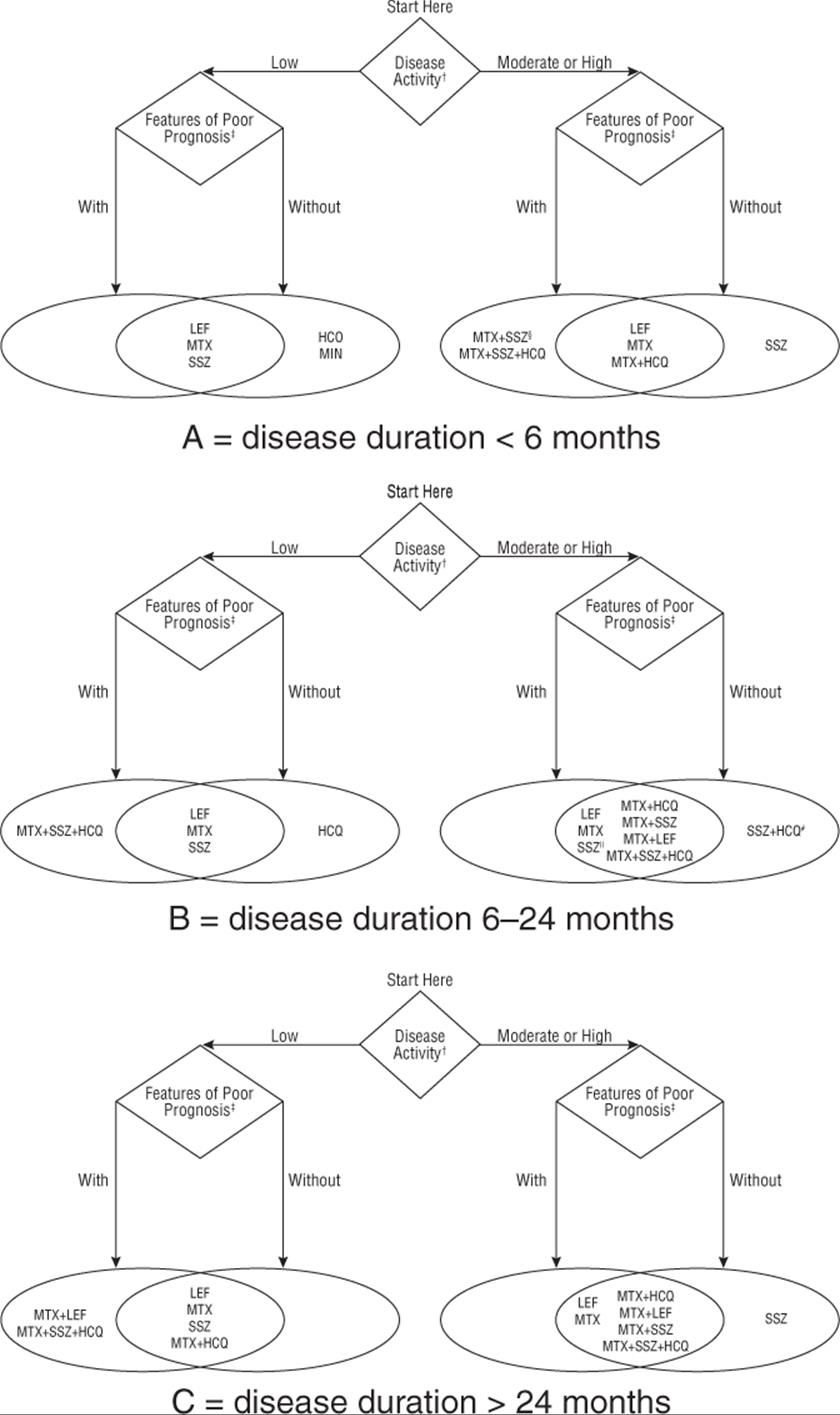
Figure 22-1. Nonbiologic DMARD Use Note: DMARD, disease-modifying antirheumatic drug; HCQ, hydroxychloroquine; LEF, leflunomide; MTX, methotrexate; SSZ, sulfasalazine; MIN, minocycline;  , see text;
  , includes functional limitation (defined using standard measurement scales such as Health Assessment Questionnaire score or variations of this scale), extra-articular disease (presence of rheumatoid nodules, secondary Sjogren's syndrome, RA vasculitis, Felty's syndrome, and RA lung disease), rheumatoid factor positivity, positive anticyclic citrullinated peptide antibodies, or bony erosions by radiography;
  , patients with high disease activity and poor prognosis; ||, patients with moderate disease activity and high disease activity without features of poor prognosis; #, patients with high disease activity without features of poor prognosis.
Source: Reprinted with permission from American College of Rheumatology. Recommendations for the use of nonbiologic and biologic disease-modifying antirheumatic drugs in rheumatoid arthritis. Arthritis Rheum. 2008;59:762-84.

Figure 22-2. Biological DMARD Use Note: DMARD, disease-modifying antirheumatic drug; MTX, methotrexate; SSZ, sulfasalazine; TNF, tumor necrosis factor; , see text; , includes functional limitation (defined using standard measurement scales such as Health Assessment Questionnaire score or variations of this scale), extra-articular disease (presence of rheumatoid nodules, secondary Sjogren's syndrome, RA vasculitis, Felty's syndrome, and RA lung disease), rheumatoid factor positivity, positive anticyclic citrullinated peptide antibodies, or bony erosions by radiography; , patients with high disease activity and poor prognosis; ||, patients with moderate disease activity and high disease activity without features of poor prognosis; #, patients with high disease activity without features of poor prognosis.
Source: Reprinted with permission from American College of Rheumatology. Recommendations for the Use of Nonbiologic and Biologic Disease-Modifying Antirheumatic Drugs in Rheumatoid Arthritis. Arthritis Rheum. 2008;59:762-84.
|
Table 22-2. Drug Therapy with Nonsteroidal Anti-Inflammatory Drugs |
||||
|
Generic name |
Trade name |
Dosage range |
Administration schedule (doses/d) |
Available dosage forms |
|
Acetic acids |
||||
|
Diclofenac |
Voltaren |
150-200 mg/d |
3-4 |
po, ophthalmic, topical gel |
|
Votaren XR |
100-200 mg/d |
1-2 |
po |
|
|
Etodolac |
Lodine |
600-1,200 mg/d |
2-4 |
po |
|
Lodine XL |
400-1,000 mg/d |
1 |
po |
|
|
Indomethacin |
Indocin |
100-200 mg/d |
2-3 |
po, IV, suppository |
|
Indocin SR |
75-150 mg/d |
1-2 |
po |
|
|
Nabumetone |
Relafen |
1,000-2,000 mg/d |
1-2 |
po |
|
Tolmetin |
Tolectin |
600-1,800 mg/d |
3 |
po |
|
Sulindac |
Clinoril |
300-400 mg/d |
2 |
po |
|
Propionic acids |
||||
|
Fenoprofen |
Nalfon |
900-3,200 mg/d |
3-4 |
po |
|
Flurbiprofen |
Ansaid |
200-300 mg/d |
2-4 |
po |
|
Ibuprofen |
Motrin |
1,200-3,200 mg/d |
3-4 |
po |
|
Ketoprofen |
Orudis |
150-300 mg/d |
3-4 |
po |
|
Ketoprofen SR |
Oruvail |
100-200 mg/d |
1 |
po |
|
Naproxen |
Naprosyn |
500-1,500 mg/d |
2-3 |
po |
|
Oxaprozin |
Daypro |
1,200-1,800 mg/d |
1 |
po |
|
Fenamates |
||||
|
Meclofenamate |
Meclomen |
200-400 mg/d |
3-4 |
po |
|
Oxicams |
||||
|
Piroxicam |
Feldene |
10-20 mg/d |
1-2 |
po |
|
COX-2 selective |
||||
|
Celecoxib |
Celebrex |
200-400 mg/d |
1-2 |
po |
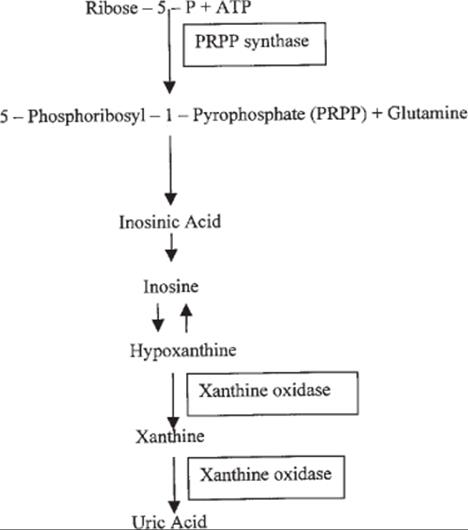
Figure 22-3. Ribose-Uric Acid Pathway
|
Table 22-3. Drugs for the Treatment of Gout |
|
Generic name |
Trade name |
Classification |
Normal dose |
Comments |
Dosage forms |
|
Colchicine |
Anti-inflammatory |
1.2 mg po followed by 0.6 mg 1 hour later. Maximum dose is 1.8 mg over 1 hour. |
Drug may be used for chronic suppressive therapy; dose must be adjusted for renal insufficiency. |
po, IV |
|
|
Probenecid |
Benemid |
Uricosuric agent |
250-500 mg bid |
Avoid salicylates; take with plenty of water. |
po |
|
Sulfinpyrazone |
Anturane |
Uricosuric agent |
50-200 mg bid |
Avoid salicylates; take with plenty of water. |
po |
|
Allopurinol |
Zyloprim |
Xanthine oxidase inhibitor |
100-300 mg qd or divided dose |
Drug may cause rash; reduce dosage in renal failure. |
po |
|
Indomethacin |
Indocin |
NSAID |
50 mg tid |
Drug may cause fluid retention, GI bleeding. |
po, IV, suppository |
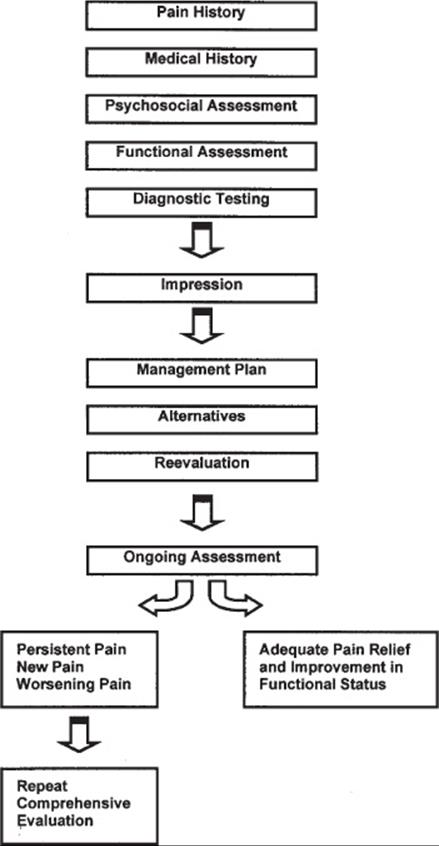
Figure 23-1. Algorithm for Comprehensive Evaluation and Management of Chronic Pain Reproduced with permission from the Pain Management Center of Paducah.

Figure 23-2. The WHO's Three-Step Hierarchy for Analgesic Pain Management in Cancer Patients Reproduced with permission from WHO 1996.
|
Table 23-1. Starting Doses for Strong Opioids for Severe Pain in Adults: Mu Agonists |
|
Equianalgesic dose |
|||||
|
Generic name |
Common product name and strength |
Dosing interval |
IV |
po |
Oral starting dose |
|
Fentanyl (synthetic) |
|||||
|
Injection |
Sublimaze 50 mcg/mL |
0.5-2 hours IM or IV |
0.1 mg |
Not applicable |
|
|
Transdermal |
Duragesic 12, 25, 50, 75, 100 mcg/h |
q 2-3 days |
|||
|
Transmucosal lozenge |
Actiq 200, 400, 600, 800, 1,200, 1,600 mcg |
prn |
100 to 200 mcg |
||
|
Disintegrating tablet |
Fentora 100, 200, 400, 600, 800 mcg |
prn |
100 mcg |
||
|
Hydromorphone (semisynthetic) |
|||||
|
Tablet |
Dilaudid 2, 4, 8 mg |
4-6 hours po; 6-8 hours IM, SC, or IV |
1.5 mg |
7.5 mg |
4-8 mg |
|
Liquid |
Dilaudid 1 mg/mL; HP 10 mg/mL |
||||
|
Injection |
Dilaudid 1, 2, 4 mg/mL |
||||
|
Levorphanol (semisynthetic) |
|||||
|
Tablet |
Levo-Dromoran 2 mg |
6-8 hours po; 3-4 hours IV; 6-8 hours IM or SC |
2 mg |
4 mg |
2-4 mg |
|
Injection |
Levo-Dromoran 2 mg/mL |
||||
|
Meperidine (synthetic) |
|||||
|
Tablet |
Demerol 50, 100 mg |
3-4 hours po; 3-4 hours IM or SC |
75 mg |
300 mg |
50-150 mg (not recommended) |
|
Liquid |
Demerol 10 mg/mL |
||||
|
Injection |
Demerol 25, 50, 75, 100 mg/mL |
||||
|
Methadone (synthetic) |
|||||
|
Tablet |
Dolophine 5, 10 mg; Methadose 5, 10 mg; 40 mg dispersible |
3-8 hours po; 4-12 hours IM, SC, or IV |
Acute: 10 mg acute; chronic: 2-4 mg |
Acute: 20 mg; chronic: 2-4 mg |
2.5-10.0 mg |
|
Liquid |
Methadose 10 mg/mL; methadone hydrochloride (HCl) 1, 2, 10 mg/mL |
||||
|
Injection |
Methadone HCl 10 mg/mL |
||||
|
Morphine (natural) |
|||||
|
Immediate-release tablet |
MSIR 15, 30 mg |
2-4 hours po; 4 hours IM, SC, or IV; 4 hours per rectum |
10 mg |
30 mg |
5-30 mg |
|
Liquid |
MSIR 2, 4, 20 mg/mL; morphine sulfate 2, 5 mg/mL; Roxanol 20 mg/mL |
||||
|
Injection |
Duramorph, Astramorph PF 0.5, 1 mg/mL |
||||
|
Suppository |
RMS 5, 10, 20, 30 mg |
||||
|
Controlled-release tablet |
Avinza 30, 45, 60, 75, 90, 120 mg |
24 hours po |
|||
|
Kadian 10, 20, 30, 50, 60, 80, 100, 200 mg |
12-24 hours po |
||||
|
MsContin 15, 30, 60, 100, 200 mg |
8-12 hours po |
||||
|
Oramorph SR 15, 30, 60, 100 mg |
8-12 hours po |
||||
|
Oxycodone (semisynthetic) |
|||||
|
Tablet |
Roxicodone 5, 15, 30 mg |
4-6 hours po |
Not applicable |
20 mg |
5-30 mg |
|
Capsule |
OxyIR 5 mg |
||||
|
Liquid |
Roxicodone 1, 20 mg/mL; OxyFast 20 mg/mL |
||||
|
Tablet (oxycodone/acetaminophen) |
Magnacet 2.5/400, 5/400, 7.5/400, 10/400 mg |
||||
|
Tablet (oxycodone/acetaminophen) |
Roxicet 5/325, 5/500 mg; Percocet 2.5/325, 5/325, 7.5/325, 10/325 mg |
||||
|
Capsule (oxycodone/acetaminophen) |
Tylox 5/500 mg |
||||
|
Liquid (oxycodone/acetaminophen) |
Roxicet 5/325 per 5 ml |
||||
|
Controlled-release tablet |
Oxycontin 10, 15, 20, 40, 80 mg |
12 hours po |
|||
|
Oxymorphone (semisynthetic) |
|||||
|
Injection |
Oxymorphone HCl 1, 1.5 mg/ml; Opana 1 mg/ml |
4-6 hours po; 4 hours IM, SC, or IV |
1 mg |
10 mg |
5-20 mg |
|
Immediate-release tablet |
Opana 5, 10 mg |
12 hours po |
|||
|
Controlled-release tablet |
Opana ER 5, 7.5, 10, 15, 20, 30, 40 mg |
||||
|
Table 23-2. Opioid Dosing for Mild to Moderate Pain in Adults |
|||||
|
Generic name |
Common product name and strength |
Dosing interval |
IV starting dose |
Oral starting dose |
|
Moderate-mild opioids |
||||
|
Codeine (natural) |
||||
|
Tablet |
Codeine sulfate 15, 30, 60 mg (CII) |
4-6 hours |
15-30 mg |
15-60 mg |
|
Injection |
Codeine phosphate 15, 30 mg/mL |
|||
|
Tablet (codeine/acetaminophen) |
Tylenol with Codeine #1 (300/7.5 mg), #2 (300/15 mg), #3 (300/30 mg), #4 (300/60 mg) |
|||
|
Liquid (codeine/acetaminophen) |
Tylenol with Codeine Elixir 8/160 mg per 5 mL |
|||
|
Hydrocodone (semisynthetic) |
||||
|
Tablet (hydrocodone/acetaminophen) |
Vicodin 5/500 mg; Vicodin ES 7.5/750 mg; Vicodin HD 10/660 mg; Norco 5/325, 7.5/325, 10/325 mg; Lortab 2.5/500, 5/500, 7.5/500, 10/500 mg; Lorcet 10/650 mg |
4-6 hours |
Not applicable |
5-10 mg |
|
Liquid (hydrocodone/acetaminophen) |
Hycet 7.5/325 mg per 15 mL; Lortab Elixir 7.5/500 mg per 15 mL |
|||
|
Tablet (hydrocodone/ibuprofen) |
Zydone 5/400, 7.5/400, 10/400 mg; Vicoprofen 7.5/200 mg; Reprexain 2.5/200, 5/200, 10/200 mg |
|||
|
Propoxyphene (synthetic) |
||||
|
Tablet (propoxyphene/acetaminophen) |
Darvocet N 50 (50/325 mg); Darvocet N 100 (100/650 mg) |
4-6 hours |
Not applicable |
65-130 mg; maximum 600 mg/d |
|
Capsule (propoxyphene/acetaminophen) |
Darvon 65 mg |
|||
|
Agonists-antagonists |
||||
|
Pentazocine |
||||
|
Tablet (pentazocine/naloxone) |
Talwin NX 50/0.5 mg |
4 hours |
50-100 mg; maximum 600 mg/d |
|
|
Tablet (pentazocine/aspirin) |
Talwin Compound 12.5/325 mg |
6-8 hours |
30 mg IM, SC, or IV; maximum 360 mg/d |
12.5-25 mg |
|
Injection |
Talwin 30 mg/mL |
3-4 hours |
||
|
Butorphanol |
||||
|
Injection |
Stadol 1, 2 mg/mL |
3-4 hours |
0.5-2 mg |
|
|
Nasal spray |
Butorphanol tartrate 1 mg/spray |
1 spray in 1 nostril |
||
|
Nalbuphine injection |
Nalbuphine HCl 10, 20 mg/mL |
3-6 hours |
10 mg |
|
|
Buprenorphine injection |
Buprenex 0.3 mg/mL |
6-8 hours |
0.3-0.6 mg |
|
|
Miscellaneous |
||||
|
Tablet |
Ultram 50 mg |
4-6 hours |
50-100 mg; maximum 400 mg/d |
|
|
Controlled-release tablet |
Ultram ER, Ryzolt 100, 200, 300 mg |
24 hours |
100 mg; maximum 300 mg/d |
|
|
Tablet (tramadol/acetaminophen) |
Ultracet 325/37.5 mg |
|||
|
Table 23-3. Opioid Antagonists |
|||||||
|
Generic name |
Common product name and strength |
Dosing interval |
IV starting dose |
Oral starting dose |
|||
|
Naloxone injection |
Naloxone HCl 0.4 mg/mL |
Every 2-3 min |
Opioid overdose: 0.4-2 mg; postoperative narcotic depression: 0.1-0.2 mg |
||||
|
Naltrexone |
|||||||
|
Tablet |
Revia 50 mg; naltrexone HCl 25, 50, 100 mg |
qd, qod, q3d |
Alcoholism: 50 mg qd; narcotic addiction: 50 mg qd, 100 mg qod, or 150 mg q3d |
||||
|
Injection |
Vivitrol 380 mg/vial |
Monthly |
Alcoholism: 380 mg monthly |
||||
|
Table 23-4. CYP450 2D6 Enzyme Activity |
|||||||
|
Substrates |
Inhibitors |
Inducers |
|||||
|
Codeine |
Celecoxib |
Carbamazepine |
|||||
|
Hydrocodone |
Cimetidine |
Ethanol |
|||||
|
Meperidine |
Citalopram |
Phenobarbital |
|||||
|
Methadone |
Fluoxetine |
Phenytoin |
|||||
|
Oxycodone |
Methadone |
Rifampin |
|||||
|
Propoxyphene |
Paroxetine |
||||||
|
Tramadol |
Propoxyphene |
||||||
|
Sertraline |
|||||||
|
Table 23-5. Agents Used in Migraine Treatment |
|
Drug |
Common brand names and strengths |
Maximum daily dose (weekly maximum) |
Dosing instructions |
|
Ergot alkaloids |
|||
|
Ergotamine sublingual tablet |
Ergomar 2 mg |
6 mg (10 mg) po |
1 tablet at onset; then 1 every 30 min prn |
|
Ergotamine/caffeine tablet |
Cafergot 1/100 mg |
Ergotamine 6 mg (10 mg) |
2 tablets at onset; then 1 every 30 min prn |
|
Ergotamine/caffeine suppository |
Migergot 2/100 mg; Cafergot 2/100 mg |
Ergotamine 4 mg (10 mg) |
Insert 1 at onset; repeat in 1 hour prn |
|
Dihydroergotamine |
Injection: 1 mg/mL DHE 45 Nasal spray: Migranal 4 mg/mL |
DHE 2 mg (6 mg IV or 3 mg IM) |
0.5-1.0 mg IV or IM every hour as needed |
|
DHE 2 mg (6 mg) |
Administer 1 spray (0.5 mg) in each nostril, followed in 15 min by an additional spray in each nostril |
||
|
Miscellaneous agents |
|||
|
Isometheptene/dichloralphenazone/acetaminophen capsule |
Midrin 65/100/325 mg |
5 capsules within a 12-hour period |
2 capsules at once, followed by 1 capsule every hour until headache is relieved |
|
Isometheptene/acetaminophen/caffeine capsule |
Migraten 65/325/100 mg |
5 capsules within a 12-hour period |
2 capsules at once, followed by 1 capsule every hour until headache is relieved |
|
Table 23-6. Selective Serotonin Receptor Agonists (Triptans) |
|||
|
Drug |
Brand name |
Available strengths |
Dosage (maximum daily dose) |
Half-life |
Onset |
Metabolism |
|
Almotriptan |
Axert |
Tablet: 6.25, 12.5 mg |
12.5 mg; repeat in 2 hours (25 mg) |
3.5 hours |
60 min |
CYP450; MAO |
|
Sumatriptan |
Imitrex |
Tablet: 25, 50, 100 mg |
50-100 mg; repeat in 2 hours (200 mg) |
2.5 hours |
60-120 min |
MAO |
|
Nasal: 5, 20 mg |
5 or 20 mg; repeat in 2 hours (40 mg) |
15-20 min |
||||
|
Injection: 6 mg/mL; Statdose injection: 4, 6 mg/mL |
4 or 6 mg; repeat in 1 hour (12 mg) |
10-15 min |
||||
|
Eletriptan |
Relpax |
Tablet: 20, 40 mg |
20 mg; repeat in 2 hours (80 mg) |
5 hours |
60 min |
CYP450 3A4 |
|
Frovatriptan |
Frova |
Tablet: 2.5 mg |
2.5 mg; repeat in 2 hours (7.5 mg) |
25 hours |
60-120 min |
Renal 50% |
|
Rizatriptan |
Maxalt |
Tablet or wafer: 5, 10 mg |
5 or 10 mg; repeat in 2 hours (30 mg) |
2-3 hours |
30 min |
MAO |
|
Zolmitriptan |
Zomig |
Tablet or wafer: 2.5, 5 mg |
2.5 or 5 mg; repeat in 2 hours (10 mg) |
2.5-4 hours |
45 min |
CYP450; MAO |
|
Nasal: 5 mg |
5 mg; repeat in 2 hours (10 mg) |
3 hours |
10-15 min |
CYP450; MAO |
||
|
Naratriptan |
Amerge |
Tablet: 1, 2.5 mg |
1 or 2.5 mg; repeat in 4 hours (5 mg) |
6 hours |
60 min |
Renal 70%; CYP450 |
|
Miscellaneous agents |
||||||
|
Sumatriptan/naproxen |
Treximet |
Tablet: 85/500 mg |
1 tablet; may repeat in 2 hours (2 tablets) The safety of treating more than 5 migraines in a 30-day period has not been established. |
Sumatriptan 2 hours/naproxen 19 hours |
60-120 min |
Sumatriptan: MAO; naproxen: no significant CYP450 induction |
|
Table 23-7. Selected Migraine Preventive Treatments |
||||
|
Drug |
Recommended dose/day |
Selected side effects |
||
|
β-adrenergic receptor antagonists |
||||
|
Propranolol |
80-240 mg |
Reduced energy, tiredness, postural symptoms |
||
|
Metoprolol |
100-200 mg |
|||
|
Timolol |
20-30 mg |
|||
|
Atenolol |
100 mg |
|||
|
Antidepressants |
||||
|
Amitriptyline |
25-150 mg |
Drowsiness |
||
|
Fluoxetine |
10-20 mg |
Headache, nausea, nervousness, insomnia, drowsiness |
||
|
Serotonin antagonists |
||||
|
Methysergide |
1-6 mg (treatment must be discontinued for 1 month every 6 months) |
Drowsiness, leg cramps, hair loss, retroperitoneal fibrosis |
||
|
Calcium channel blockers |
||||
|
Diltiazem |
90-180 mg |
Headache |
||
|
Verapamil |
160-320 mg |
Constipation, peripheral edema, cardiac conduction disturbances |
||
|
Anticonvulsants |
||||
|
Divalproex |
400-600 mg |
Drowsiness, weight gain, tremor, hair loss, hematologic and liver abnormalities, teratogenicity |
||
|
Valproate |
500-1500 mg |
|||
|
Gabapentin |
900-2400 mg |
Somnolence, dizziness |
||
|
Topiramate |
100 mg |
Confusion, paresthesias, weight loss |
||
|
Adapted from Goadsby P, Lipton R, Ferrari M 2002; D'Amico D, Tepper J 2008. |
||||
|
Table 24-1. Seizures Caused by Anticonvulsants |
||||
|
Seizure type |
||||
|
Anticonvulsant |
Absence |
Generalized tonic-clonic |
Myoclonic |
|
|
Carbamazepine (Tegretol, Carbitrol) |
Causes |
Causes |
Causes |
|
|
Phenytoin (Dilantin, Phenytek) |
Causes |
|||
|
Phenobarbital |
Causes |
|||
|
Table 24-2. Dosage Forms, Normal Maintenance Doses, and Dosing Interval for Older Anticonvulsants |
|
Generic name |
Trade name |
Dosage form |
Adult oral maintenance dosea |
Intervalb |
|
|
Carbamazepine |
Carbatrol, Equetro |
Extended-release capsule: 100, 200, 300 mg |
800-1,200 mg/d |
bid |
|
|
Epitol |
200 mg |
||||
|
Tegretol |
Suspension: 100 mg/5 mL (5, 10, 450 mL) Chewable tablet: 100 mg Tablet: 200 mg |
Suspension: qid Chewable tablet: tid-qid Tablet (200 mg): bid |
|||
|
Tegretol XR |
Extended-release tablet: 100, 200, 400 mg |
Extended-release tablet: bid |
|||
|
Ethosuximide |
Zarontin |
Capsule: 250 mg |
25-1,500 mg/d |
bid |
|
|
Fosphenytoin |
Cerebyx |
Injection:c 150 mg/2 mL; 750 mg/10 mL |
NA |
NA |
|
|
Phenobarbital |
Variety of generics |
Elixir: 20 mg/5 mL (5, 7.5, 15, 480 mL) Tablet (15, 30, 60, 100 mg) Injection: 60, 65, 130 mg/mL (1 mL) |
30-120 mg/d |
bid-tid |
|
|
Phenytoin |
Dilantin |
Suspension: 125 mg/5 mL (240 mL) |
100-600 mg/d |
bid-tid |
|
|
Chewable tablet: 50 mg |
bid-tid |
||||
|
Prompt-release capsule: 30, 100 mg |
bid-tid |
||||
|
Extended-release capsule: 30, 100 mg |
qd |
||||
|
Injection: 50 mg/mL |
|||||
|
Phenytek |
Extended-release capsule: 200 mg, 300 mg |
||||
|
Generic |
Suspension: 100 mg/4 mL (4 mL); 125 mg/5 mL (240 mL) Prompt-release capsule: 100 mg Extended-release capsule: 100 mg Injection: 50 mg/mL |
||||
|
Primidone |
Mysoline |
Suspension: 250 mg/5 mL |
250-750 mg/d |
tid-qid |
|
|
Tablet: 50, 125, 250 mg |
|||||
|
Chewable tablet: 125 mg |
|||||
|
Valproic acid |
Depacon |
Injection: 100 mg/mL (5 mL) |
NA |
NA |
|
|
Depakene |
Syrup: 250 mg/5 mL (5, 10, 480 mL) |
250-4,000 mg/d |
bid-qid |
||
|
Gel capsule: 250 mg |
|||||
|
Stavzor |
Gel capsule: 125, 250, 500 mg |
||||
|
Divalproex sodium |
Depakote Sprinkles |
Capsule: 125 mg |
bid |
||
|
Depakote |
Delayed-release tablet: 125, 250, 500 mg |
bid |
|||
|
Depakote ER |
Extended-release tablet: 250, 500 mg |
qd |
|||
|
NA, not applicable. |
|||||
|
a. With the exception of the intravenous dosage forms, these anticonvulsants are begun at low doses and slowly titrated to a dose that will control the patient's seizures. |
|||||
|
b. Interval may either decrease or increase in the presence of medications that induce or inhibit metabolism, respectively. |
|||||
|
c. 150 mg of fosphenytoin = 100 mg phenytoin. |
|||||
|
Table 24-3. Dosage Forms, Normal Maintenance Doses, and Dosing Intervals for the Newer Anticonvulsants |
|||||
|
Generic name |
Trade name |
Dosage form |
Adult oral maintenance dosea |
Intervalb |
|
|
Felbamate |
Felbatol |
Suspension: 600 mg/5 mL (240, 960 mL) Tablets: 400, 600 mg |
1,200-3,600 mg/d |
tid-qid |
|
|
Gabapentin |
Neurontin |
Capsules:100, 300, 400 mg |
900-3,600 mg/dc |
tid |
|
|
Oral solution: 250 mg/mL (480 mL) |
|||||
|
Tablets: 100, 300, 400, 600, 800 mg |
|||||
|
Lacosamide |
Vimpat |
Tablets: 50,100, 150, 200 mg Injection: 200 mg/20mL |
200-400 mg/d |
bid |
|
|
Lamotrigine |
Lamictal |
Chewable tablets: 2, 5, 25 mg |
50-400/d |
bid |
|
|
Tablets: 25, 100, 150, 200 mg |
bid |
||||
|
Lamictal ODT |
Tablets: 25, 50, 100, 200 mg |
bid |
|||
|
Lamictal XR |
Tablets: 25, 50, 100, 200 mg |
qd |
|||
|
Levetiracetam |
Keppra |
Tablets: 250, 500, 750 mg |
1,000-3,000 mg/d |
bid |
|
|
Solution: 100 mg/mL |
|||||
|
Keppra XR |
Extended release: 500 mg |
Extended release: qd |
|||
|
Oxcarbazepine |
Trileptal |
Tablets: 150, 300, 600 mg |
600-2,400 mg/d |
bid |
|
|
Suspension: 300 mg/5mL (250 mL) |
|||||
|
Pregabalin |
Lyrica |
Tablets: 100, 150, 200, 225, 300 mg |
300-600 mg/d |
bid-tid |
|
|
Tiagabine |
Gabitril |
Tablets: 2, 4, 12, 16 mg |
4-56 mg/d |
bid-qid |
|
|
Topiramate |
Topamax |
Sprinkle capsules:15, 25 mg |
200-400 mg/dd |
bid |
|
|
Tablets: 25, 50, 100, 200 mg |
|||||
|
Rufinamide |
Banzel |
Tablets: 200, 400 mg |
45 mg/kg/d |
bid |
|
|
Vigabatrin |
Sabril |
Tablets: 500 mg |
400-600 mg/d |
bid |
|
|
Zonisamide |
Zonegran |
Capsules: 25, 50, 100 mg |
100-600 mg/d |
qd |
|
|
a. With the exception of gabapentin, these anticonvulsants are begun at low doses and slowly titrated over weeks to a dose that will control the patient's seizures. |
|||||
|
b. Interval may either decrease or increase in the presence of medications that induce or inhibit metabolism, respectively. |
|||||
|
c. Much larger doses have been given. |
|||||
|
d. The recommended maintenance doses for initial monotherapy and adjunctive therapy are 400 mg/d and 200-400 mg/d, respectively. Doses > 400 mg are no more effective than doses ≤ 400 mg. |
|||||
|
Table 24-4. Treatment of Status Epilepticus |
|
|
As soon as possible |
• Assess cardiorespiratory status; insert oral airway and administer oxygen as needed. • Place secure IV and start infusion of normal saline. • Obtain medical history; perform neurological examination. • Obtain the following tests: if the patient has been on anticonvulsants as an outpatient, obtain blood for serum drug concentrations and a chemistry panel including electrolytes, glucose, blood urea nitrogen, and urine drug screen. • Administer 25 g of glucose and 100 mg of thiamine IV. |
|
If still seizing |
• Administer either diazepam or lorazepam up to maximum dosage until seizure stops. |
|
If still seizing |
• Load with IV phenytoin (provided patient was not on phenytoin at home or has low serum concentrations) and begin maintenance doses. • Monitor blood pressure and EEG. |
|
If still seizing |
• Load with IV phenobarbital or begin a continuous infusion of midazolam. |
|
If still seizing |
• Begin medically induced coma. • Adjust EEG to burst suppression. • Avoid hypotension during infusion of the barbiturate. |
|
Table 25-1. Typical (Conventional or Older) Antipsychotics |
|
|
Drug and form |
Trade name |
Form |
Potency |
Dosage range |
Equivalent oral dose |
Clinical pearls |
|
Chlorpromazine |
Thorazine |
10, 25, 50, 100, 200 mg tablets; 30, 75, 150, 200, 300 mg sustained release capsules; 10 mg/5 mL syrup; 30 mg/mL, 100 mg/mL concentrate; 25 mg, 100 mg rectal suppository; 25 mg/mL injection |
Low |
50-2000 mg/d |
100 mg |
First antipsychotic used clinically; contributed to deinstitutionalization of many patients in the 1950s; 100 mg of chlorpromazine is equivalent to 2 mg of haloperidol. |
|
Thioridazine |
Mellaril |
10, 15, 25, 50, 100, 150, 200 mg tablets; 25 mg/5 mL, 100 mg/5 mL suspension; 30 mg/mL, 100 mg/mL concentrate |
Low |
50-800 mg/d |
100 mg |
Pigmentary retinopathy at daily doses > 800 mg/d; black box warning: QT prolongation |
|
Perphenazine |
Trilafon |
2, 4, 8, 16 mg tablets; 5 mg/mL injection |
Medium |
4-64 mg/d in divided doses |
10 mg |
Moderate sedation, extrapyramidal symptoms; low anticholinergic effect, orthostasis |
|
Fluphenazine |
Prolixin |
1.0, 2.5, 5.0, 10.0 mg tablets; 25 mg/mL decanoate injection; 2.5 mg/mL injection; 2.5 mg/5 mL elixir; 5 mg/mL concentrate |
High |
1-65 mg/d po; 12.5-75 mg IM (decanoate) every 2 weeks |
2 mg |
Decanoate injection every 2 weeks; immediate-release injection, 5-10 minutes onset |
|
Haloperidol |
Haldol |
0.5, 1.0, 2.0, 5.0, 10.0, 20.0 mg tablets; 2 mg/mL concentrate; 50, 100 mg/mL decanoate injection; 5 mg/mL injection |
High |
1-100 mg/d po; 50-300 mg IM (decanoate) every 4 weeks |
2 mg |
Decanoate injection every 4 weeks; immediate-release injection, 5-10 min onset |
|
Table 25-2. Adverse Effects of Typical Antipsychotic Medications |
|||||
|
Drug |
Extrapyramidal symptoms |
Sedation |
Orthostasis |
Weight gain |
Anticholinergic effect |
|
Chlorpromazine |
+++ |
++++ |
++++ |
++ |
+++ |
|
Thioridazine |
+++ |
++++ |
++++ |
+ |
++++ |
|
Perphenazine |
++++ |
++ |
+ |
+ |
++ |
|
Fluphenazine |
++++ |
+ |
+ |
+ |
+ |
|
Haloperidol |
++++ |
+ |
+ |
+ |
+ |
|
Table 25-3. Atypical Antipsychotics |
|||||
|
Drug |
Trade name |
Form |
Usual dose |
Adverse effects |
Clinical pearls |
|
Clozapine |
Clozaril, FazaClo (disintegrating clozapine tablets) |
25, 100 mg tablets |
12.5 mg titrated up to 300-900 mg/d |
Sedation, weight gain, hypersalivation, black box: seizure risk (> 600 mg/d), agranulocytosis, orthostasis, myocarditis, respiratory and cardiac arrest; no EPS or TD |
Indicated for refractory schizophrenia only. Weekly CBC with differential is required; if WBC < 3,500 or ANC < 1,500, patient must discontinue medication; if stable CBC with differential for 6 months, patient may go to biweekly dosage; if still stable for additional 6 months, patient may go to every-4-weeks dosage. Procyclidine [Kemadrin] 5 mg may help with hypersalivation. |
|
Risperidone |
Risperdal |
0.25, 0.5, 1.0, 2.0, 3.0, 4.0 mg tablets; 1 mg/mL concentrate |
1 mg bid up to 4-6 mg/d; maximum dose 16 mg/d |
Dose-related EPS (> 8 mg/d), +/- weight gain, +/- sedation, prolactin elevation, orthostasis, Sedation, weight gain, possible dose-related EPS |
Available in concentrate; do not mix with teas or colas; used commonly in dementia (0.25-1 mg); patient must overlap Consta with oral risperidone for at least 3 weeks. |
|
Risperdal-M (disintegrating risperidone tablets) |
0.5, 1.0, 2.0 mg |
||||
|
Risperdal Consta (long-acting injection) |
25.0, 37.5, 50.0 mg |
||||
|
Olanzapine |
Zyprexa |
2.5, 5, 7.5, 10, 15, 20 mg tablets |
10-20 mg/d; higher doses have been reported |
Sedation, orthostasis, weight gain |
Olanzapine is also indicated for acute manic episodes of bipolar disorder; Zyprexa Zydis is useful for patients who are unable to swallow or are "cheeking" medications. |
|
Zyprexa Zydis (disintegrating olanzapine tablets) |
5, 10, 15, 20 mg tablets |
||||
|
Zyprexa IntraMuscular |
10 mg/mL injection |
10 mg IM × 1; may repeat in 2 and 4h; maximum IM daily dose 30 mg |
Sedation, orthostasis |
||
|
Quetiapine |
Seroquel |
25, 100, 200, 300, 400 mg tablets |
300-800 mg/d; higher doses have been reported |
Sedation, dizziness, headache |
Low EPS and prolactin elevation risk; cataract risk: do lens test at baseline and every 6 months. |
|
Seroquel XR (extended-release tablets) |
200, 300, 400 mg |
||||
|
Ziprasidone |
Geodon |
20, 40, 60, 80 mg capsules; 20 mg/mL injection |
40-200 mg/d po; 20 mg IM × 1 dose (may repeat in 4 h; maximum IM daily dose 40 mg) |
+/- sedation, +/- weight gain, QT prolongation warning in package insert |
Use caution with other medications that prolong QT interval. |
|
Aripiprazole |
Abilify |
2, 5, 10, 15, 20, 30 mg tablets; 1 mg/mL concentrate; 7.5-mg/mL injection |
10-30 mg/d po; 5.25-15 mg/d IM; maximum IM daily dose 30 mg |
Possible insomnia, +/-weight gain |
Once-daily dosing benefit; partial dopamine agonist |
|
Abilify Discmelt (disintegrating tablets) |
10, 15 mg |
||||
|
Paliperidone |
Invega |
3, 6, 9 mg extended release tablets |
6 mg/d; maximum dose 12 mg/d |
Headache, tachycardia, somnolence, anxiety |
Sustained release tablet: do not crush or chew; tablet shell may be seen in stool. |
|
ANC, absolute neutrophil count; CBC, complete blood count. |
|||||
|
Table 25-4. Mood Stabilizers |
|
Drug |
Trade name |
Form |
Usual dose |
Adverse effects |
Clinical pearls |
|
|
Lithium |
Lithobid, Eskalith CR |
150, 300, 600 mg caplets; 300 mg, 450 mg (CR) tablets; 300 mg (SR) tablets; syrup, as citrate 300 mg/5 mL (Cibalith-S) |
Starting: 900-1,200 mg in divided doses; titrate to desired response or level |
Tremor, polydipsia or polyuria, nausea or diarrhea, weight gain, hypothyroidism, mental dulling |
Many drug interactions; toxicity is a concern (pregnancy category D); monitor blood levels—acute: 0.6-1.2 mEq/L, maintenance: 0.8-1.0 mEq/L |
|
|
Divalproex sodium |
Depakote |
125, 250, 500 mg tablets; 250, 500 mg (ER) tablets |
Starting: 500 mg bid-tid or 15 mg/kg; maximum dose 60 mg/kg/d; ER dosed daily |
GI upset, sedation, tremor, weight gain, alopecia, transient elevation in LFTs |
Black box warnings: hepatotoxicity, hemorrhagic pancreatitis, teratogenicity (pregnancy category D); monitor blood levels—50-125 mcg/mL |
|
|
Carbamazepine |
Tegretol |
200 mg tablets; 100 mg chew tablets; 100, 200, 400 mg ER tablets; 100 mg/5 mL suspension |
Starting: 200 mg bid; increase to 800-1,200 mg/d (tid-qid doses); usual range 400-1,600 mg/d |
Ataxia, dizziness, sedation, slurred speech, aplastic anemia |
See text for contraindications; many drug interactions (pregnancy category C); monitor blood levels—4-12 mcg/mL |
|
|
Lamotrigine |
Lamictal |
25, 100, 150, 200 mg tablets; 2, 5, 25 mg chew tablets |
Starting: 25 mg/d weeks 1 and 2; 50 mg/d week 5; 200 mg/d week 6; 200 mg/d usual dose |
Dizziness, headache, ataxia, nausea, diplopia, rash |
Black box warning: severe rashes such as Stevens-Johnson syndrome; start at 25 mg and titrate to 200 mg over 6 weeks to help prevent rash |
|
|
CR, controlled release; ER, extended release; GI, gastrointestinal. |
||||||
|
Table 25-5. Drug Interactions with Lithium |
||||||
|
Increase level of lithium |
Decrease level of lithium |
|||||
|
Nonsteroidal anti-inflammatory |
Theophylline |
|||||
|
drugs |
Caffeine |
|||||
|
Angiotensin-converting enzyme inhibitors |
Pregnancy |
|||||
|
Fluoxetine |
Osmotic diuretics (mannitol and urea) |
|||||
|
Metronidazole |
||||||
|
Diuretics (e.g., thiazides) |
||||||
|
Sodium depletion: |
||||||
|
Low sodium diet |
||||||
|
Excessive exercise or sweating |
||||||
|
Vomiting or diarrhea |
||||||
|
Salt deficiency |
||||||
|
Table 25-6. Lamotrigine Dose Titration |
|||
|
Timing |
Patients not taking carbamazepine (or other enzyme-inducing drugs) or valproate (orange color) |
Patients taking valproate (blue color) |
Patients taking carbamazepine (or other enzyme-inducing drugs) and not taking valproate (green color) |
|
Weeks 1 and 2 |
25 mg daily |
25 mg every other day |
50 mg daily |
|
Weeks 3 and 4 |
50 mg daily |
25 mg daily |
100 mg daily, in divided doses |
|
Week 5 |
100 mg daily |
50 mg daily |
200 mg daily, in divided doses |
|
Week 6 |
200 mg daily |
100 mg daily |
300 mg daily, in divided doses |
|
Week 7 |
200 mg daily |
100 mg daily |
Up to 400 mg daily, in divided doses |
|
Table 25-7. Tricyclic Antidepressants |
|||
|
Drug |
Trade name |
Form |
Indications |
Initial dose |
Dose range |
|
Amitriptyline |
Elavil |
10, 25, 50, 75, 100, 150 mg tablets; 10 mg/mL injection (pregnancy category D) |
Depression, chronic and neuropathic pain, migraine prophylaxis, peripheral neuropathy |
50-75 mg/d |
75-300 mg |
|
Nortriptyline |
Pamelor, Aventyl |
10, 25, 50, 75 mg capsules; 10 mg/5 mL injection (pregnancy category D) |
Depression, chronic pain |
25-50 mg/d |
40-200 mg |
|
Imipramine |
Tofranil |
75, 100, 125, 150 mg pamoate capsule |
Depression, childhood enuresis, chronic and neuropathic pain |
50-75 mg/d |
75-300 mg |
|
Tofranil-PM |
10-, 25-, 50-mg tablets; 12.5-mg/mL injection (pregnancy category D) |
||||
|
Doxepin |
Sinequan |
10, 25, 50, 75, 100, 150 mg capsules; 10 mg/mL concentrate; 5% cream (pregnancy category C) |
Depression; anxiety; unlabeled: chronic and neuropathic pain |
75 mg/d (in divided doses) |
75-300 mg |
|
Clomipramine |
Anafranil |
25, 50, 75 mg (pregnancy category C) |
Obsessive-compulsive disorder; depression; panic attacks; chronic pain |
25-100 mg qd, titrated up for 1-2 weeks |
Usual effective dose 200-250 mg/d; maximum dose 250 mg because of dose-related increased risk of seizure |
|
Desipramine |
(Norpramin) |
10, 25, 50, 75, 100, 150 mg tablets (pregnancy category C) |
Depression; chronic pain; unlabeled: peripheral neuropathy |
50-75 mg/d |
75-300 mg |
|
Table 25-8. Monoamine Oxidase Inhibitors |
|
Drug |
Trade name |
Form |
Initial dose |
Dose titration |
Dose range |
|
Phenelzine |
Nardil |
15 mg tablets |
15 mg tid (>16 years old) |
Increase by 15 mg/wk |
60-90 mg/d |
|
Tranylcypromine |
Parnate |
10 mg tablets |
30 mg/d in divided doses |
Increase by 10 mg/d every 1-3 weeks |
30-60 mg/d |
|
Table 25-9. Selective Serotonin Reuptake Inhibitors |
|||||
|
Drug |
Trade name |
Form |
Initial dose |
Usual dose |
Clinical pearls |
|
Citalopram |
Celexa |
10, 20, 40 mg tablets; 10 mg/5 mL syrup |
10 mg |
20-40 mg/d; maximum dose 60 mg/d |
Used in geriatric patients; fewer drug interactions |
|
Escitalopram |
Lexapro |
5, 10, 20 mg tablets |
10 mg |
10-20 mg/d |
S-isomer of citalopram; 40 mg Celexa = 10 mg Lexapro |
|
Fluvoxamine |
Luvox |
50, 100 mg tablets |
50 mg |
100-300 mg/d |
Available in generic; primarily used for obsessive-compulsive disorder drug interactions |
|
Paroxetine |
Paxil |
10, 20, 30, 40 mg tablets; 10 mg/5 mL suspension |
10-20 mg |
10-40 mg; maximum dose 50 mg/d |
Least-activating SSRI |
|
Paroxetine |
Paxil CR |
12.5, 25.0, 37.5 mg tablets |
12.5-25.0 mg |
25.0-37.5 mg |
Controlled-release formulation associated with fewer side effects; 10.0 mg Paxil = 12.5 mg Paxil CR |
|
Fluoxetine |
Prozac, Sarafem |
10, 20, 40 mg capsules; 10, 20 mg tablets; 20 mg/5 mL syrup; 90 mg capsules |
10-20 mg |
20-80 mg/d |
Longer half-life, so tapering unnecessary; 90 mg formulation given once weekly |
|
Sertraline |
Zoloft |
25, 50, 100 mg tablets; 20 mg/mL concentrate |
25-50 mg |
50-100 mg/d; maximum dose 200 mg/d |
Used in geriatric patients; fewer drug interactions |
|
Table 25-10. Serotonin-Norepinephrine Reuptake Inhibitors |
|
Drug |
Trade name |
Form |
Initial dose |
Maximum dose |
Clinical pearls |
|
Venlafaxine |
Effexor |
25.0, 37.5, 50.0, 75.0, 100.0 mg capsules |
37.5 mg bid |
375 mg/d in divided doses |
Take with food; monitor blood pressure |
|
Effexor XR |
37.5, 75.0, 150.0, 225.0 mg capsules |
75 mg/d |
225 mg/d |
Less GI upset than immediate release formulation; monitor blood pressure |
|
|
Desvenlafaxine |
Pristiq |
50, 100 mg extended release tablets |
50 mg daily |
50 mg/d; CrCl < 30 mL/min every other day |
Less drug interactions due to conjugation; monitor blood pressure |
|
Duloxetine |
Cymbalta |
20, 30, 60 mg capsules |
30 mg daily |
120 mg/d |
Also used for diabetic peripheral neuropathy; monitor blood pressure |
|
CrCl, creatinine clearance |
|||||
|
Table 25-11. Benzodiazepines |
|||||
|
Drug |
Trade name |
Time to peak plasma concentration (h) |
Half-life (h) |
Usual daily dose (mg/d) |
Metabolic pathway |
|
Alprazolam |
Xanax, Niravam |
1-2 |
12-15 |
0.5-4.0 |
Oxidation |
|
Chlordiazepoxide |
Librium |
2-4 |
5-30 |
5-200 |
Oxidation |
|
Clonazepam |
Klonopin |
1-2 |
18-50 |
1-3 |
Nitro reduction |
|
Clorazepate |
Tranxene |
1-2 |
Not significant |
15-60 |
Oxidation |
|
Diazepam |
Valium |
0.5-2 |
20-80 |
2-40 |
Oxidation |
|
Estazolam |
ProSom |
2 |
10-24 |
0.5-2.0 |
Oxidation |
|
Flurazepam |
Dalmane |
0.5-2 |
Not significant |
15-30 |
Oxidation |
|
Halazepam |
Paxipam |
1-3 |
7-14 |
80-160 |
Oxidation |
|
Lorazepam |
Ativan |
1-6 |
10-20 |
2-6 |
Conjugation |
|
Oxazepam |
Serax |
2-4 |
5-20 |
30-120 |
Conjugation |
|
Prazepam |
Centrax |
6 |
1.2 |
20-60 |
Oxidation |
|
Quazepam |
Doral |
2 |
25-41 |
7.5-30 |
Oxidation |
|
Temazepam |
Restoril |
2-3 |
10-40 |
15-30 |
Conjugation |
|
Triazolam |
Halcion |
1 |
1.5-5.0 |
0.125-0.5 |
Oxidation |
|
Table 26-1. Topical Antimicrobials |
||||
|
Generic name |
Trade name |
Form |
||
|
Clindamycin |
Cleocin-T |
Liquid |
||
|
Erythromycin |
Theramycin Z |
Liquid |
||
|
Benzamycin 2% |
Gel |
|||
|
Emgel 2% |
Gel |
|||
|
Table 26-2. Retinoids |
||||
|
Generic name |
Trade name |
Form and strength |
||
|
Tretinoin |
Retin-A |
0.025%, 0.05%, 0.1% cream; 0.1% gel; 0.025% lotion |
||
|
Retin-A Micro |
0.04%, 0.1% gel |
|||
|
Renova |
0.02% cream |
|||
|
Avita |
0.025% cream and gel |
|||
|
Adapalene |
Differin |
0.1% cream |
||
|
Tazarotene |
Tazorac |
0.1%, 0.3% alcohol-free gel; 0.5%, 0.1% gel and cream |
||
|
Alitretinoin |
Panretin |
0.1% gel |
||
|
Table 26-3. Oral Antimicrobials |
|||
|
Generic name |
Trade name |
Dosage and form |
|
|
Tetracycline |
Achromycin, Sumycin |
500 mg qd or bid capsules |
|
|
Erythromycin |
E.E.S., Erythrocin |
250-500 mg qd or bid tablets |
|
|
Doxycycline |
Vibramycin |
100 mg qd capsules or tablets |
|
|
Minocycline |
Minocin |
50 mg bid capsules |
|
|
Table 26-4. Prescription Topical Antifungals |
|||
|
Generic name |
Trade name |
||
|
Econazole |
Spectazole cream |
||
|
Naftifine |
Naftin gel, cream |
||
|
Ciclopirox |
Loprox gel, cream, lotion; Penlac solution |
||
|
Butenafine |
Mentax cream, Lotrimin Ultra |
||
|
Table 26-5. Typical Pharmaceutical Ingredients |
||||||
|
Relative potency |
Generic name |
Trade name |
Strength |
|||
|
Low |
Hydrocortisone (OTC) |
Cortaid, Cortizone |
1% (OTC) |
|||
|
Allercort, Hytone, Synacort, Emo-Cort |
2.5% (prescription only) |
|||||
|
Medium |
Desonide |
Tridesilon Des Owen |
0.05% |
|||
|
Fluocinolone acetonide |
Synalar |
0.01-0.025% |
||||
|
Flurandrenolide |
Cordran |
0.025-0.05% |
||||
|
Hydrocortisone butyrate |
Locoid |
0.1% |
||||
|
Hydrocortisone valerate |
Westcort |
0.2% |
||||
|
Triamcinolone acetonide |
Aristocort |
0.025% |
||||
|
High |
Betamethasone valerate |
Valisone, Dermabet |
0.1% |
|||
|
Fluocinolone |
Synalar, Synemol |
0.025% |
||||
|
Triamcinolone acetonide |
Aristocort |
0.1% |
||||
|
Very high |
Desoximetasone |
Topicort |
0.25% |
|||
|
Diflorasone diacetate |
Maxiflor |
0.05% |
||||
|
Fluocinonide |
Lidex |
0.01-0.05% |
||||
|
Halcinonide |
Halog |
0.1% |
||||
|
Ultra-high |
Betamethasone dipropionate |
Diprosone, Maxivate |
0.05% |
|||
|
Betamethasone dipropionate (in optimized vehicle) |
Diprolene AF |
0.05% |
||||
|
Clobetasol propionate |
Temovate |
0.05% |
||||
|
Diflorasone diacetate |
Psorcon |
0.05% |
||||
|
Halobetasol propionate |
Ultravate |
0.05% |
||||
|
Table 27-1. Selected Examples of Nonprescription Cough Products |
||||||
|
Type of product |
Generic name |
Action |
Trade name |
|||
|
Expectorant |
Guaifenesin |
Immediate release |
Robitussin Syrup (100 mg/5 mL) |
|||
|
Extended release |
Mucinex (600 or 1,200 mg) Humibid sprinkle (30 mg) |
|||||
|
Cough suppressant |
Dextromethorphan |
Immediate release |
Benylin Adult Cough Formula Liquid (15 mg/mL) |
|||
|
Extended release |
Delsym Suspension (30 mg/5 mL) |
|||||
|
Combination expectorant and cough suppressant |
Guaifenesin and dextromethorphan |
Robitussin DM (guaifenesin 100 mg and dextromethorphan 10 mg/5 mL) |
||||
|
Combination expectorant and decongestant |
Guaifenesin and pseudoephedrine |
Robitussin PE (guaifenesin 100 mg and pseudoephedrine 30 mg/5 mL) |
||||
|
Table 27-2. Selected Nonprescription Antihistamine Products |
|||||||
|
Generic name |
Trade name |
Adult dosage (maximum daily dose) |
|||||
|
Chlorpheniramine |
Chlor-Trimeton |
4 mg q4-6h (24 mg) |
|||||
|
Brompheniramine |
Lodrane |
4 mg q4-6h (24 mg) |
|||||
|
Diphenhydramine |
Benadryl |
25-50 mg q6h (200 mg) |
|||||
|
Clemastine |
Tavist |
1.34 mg bid (2.68 mg) |
|||||
|
Triprolidine |
Zymine |
2.5 mg q6h (10 mg) |
|||||
|
Loratadine |
Claritin, Alavert |
10 mg qd |
|||||
|
Cetirizine |
Zyrtec |
10 mg qd |
|||||
|
Table 27-3. Selected Nonprescription Oral Decongestant Products |
|||||||
|
Generic name |
Products |
Comments |
Side effects |
Adult dosage (maximum daily dose) |
|||
|
Phenylephrine |
Combination products |
Weakest oral decongestant |
+ |
10 mg q4h (60 mg) |
|||
|
Pseudoephedrine |
Sudafed |
Less central nervous system stimulation |
++ |
60 mg q4-6h (240 mg) |
|||
|
Note: + and ++ indicate the amount of side effects. |
|||||||
|
Table 27-4. Selected Nonprescription Cold, Allergy, and Sinus Combination Products |
||||
|
Product |
Trade name |
Primary ingredients |
||
|
Decongestant and analgesic |
Alka-Seltzer Plus Cold and Sinus |
Phenylephrine 5 mg + acetaminophen 250 mg |
||
|
Aleve-D Sinus & Cold |
Pseudoephedrine 120 mg + naproxen 220 mg |
|||
|
Sudafed Sinus & Cold |
Pseudoephedrine 30 mg + acetaminophen 325 mg |
|||
|
Antihistamine, decongestant, and analgesic |
Vicks Dayquil Liquicaps |
Phenylephrine 5 mg + acetaminophen 325 mg + dextromethorphan 10 mg |
||
|
Advil Allergy Sinus Caplets |
Chlorpheniramine 6 mg + pseudoephedrine 30 mg + ibuprofen 200 mg |
|||
|
Antihistamine and decongestant |
Actifed Cold and Allergy |
Chlorpheniramine 4 mg + phenylephrine 10 mg |
||
|
Drixoral Cold and Allergy |
Dexbrompheniramine 6 mg + pseudoephedrine 120 mg |
|||
|
Zyrtec D |
Cetirizine 5 mg + pseudoephedrine 120 mg |
|||
|
Claritin-D 24 hour |
Loratadine 10 mg + pseudoephedrine 240 mg |
|||
|
Table 27-5. Common Causes of Constipation |
||||
|
Daily habits |
Diseases |
Medications |
||
|
Inadequate fluid intake |
Parkinson's Disease |
Antacids containing Al or Ca |
||
|
Inadequate fiber intake |
Multiple sclerosis |
Anticholinergics |
||
|
Lack of physical exercise |
Cerebrovascular disease |
Phenothiazines |
||
|
Irritable bowel syndrome |
Tricyclic antidepressants |
|||
|
Hemorrhoids |
Opiates |
|||
|
Polyps and tumors |
Antihistamines |
|||
|
Diabetes |
ACE inhibitors |
|||
|
Hypothyroidism |
CCB (especially Verapamil) |
|||
|
Sucralfate |
||||
|
Iron |
||||
|
Table 27-6. Additional Nonprescription Treatments of Constipation Not Listed in Text |
||||||
|
Medication class |
Generic name |
Brand name |
||||
|
Bulk-forming laxatives |
Psyllium seed |
Metamucil |
||||
|
Methylcellulose |
Citrucel |
|||||
|
Calcium polycarbophil |
FiberCon |
|||||
|
Barley malt extract |
Maltsupex |
|||||
|
Emollient laxatives |
Docusate sodium |
Colace, Correctol |
||||
|
Docusate calcium |
Surfak |
|||||
|
Docusate potassium |
Dialose |
|||||
|
Saline laxatives |
Magnesium hydroxide |
Milk of Magnesia |
||||
|
Magnesium citrate |
Citroma |
|||||
|
Magnesium sulfate |
Epsom salts |
|||||
|
Sodium phosphate |
Fleet Phospho-Soda |
|||||
|
Combination products |
Senna + psyllium |
Perdiem |
||||
|
Senna + docusate |
Senokot-S |
|||||
|
Table 27-7. Common Causes of Diarrhea |
||||||
|
Common Causes |
||||||
|
Infection |
Medications |
Diet |
||||
|
Viral: |
Antibiotics |
Allergies |
||||
|
Norwalk |
Laxatives |
Spicy foods |
||||
|
Rotavirus |
Magnesium-containing antacids |
High carbohydrate load |
||||
|
Bacterial: |
||||||
|
Food-borne illness Contaminated water Traveler's diarrhea |
Cytotoxic agents |
Lactose intolerance |
||||
|
Protozoal |
||||||
|
Table 27-8. Common Causes of Nausea and Vomiting |
|||||||
|
Irritation of chemoreceptor trigger zone |
Vestibular disorders |
CNS disorders |
GI disorders |
||||
|
Chemotherapy |
Motion sickness |
Psychogenic vomiting |
Obstruction |
||||
|
Narcotics |
Otitis interna |
Migraines |
Gastroparesis |
||||
|
Theophylline |
Meniere's syndrome |
Increased intracranial pressure |
Gastroenteritis |
||||
|
Digoxin |
Psychogenic vomiting |
Infection |
|||||
|
Antibiotics |
Migraines |
||||||
|
Drug withdrawal |
Increased intracranial pressure |
||||||
|
Alcohol |
|||||||
|
NSAIDs |
|||||||
|
Antibiotics |
|||||||
|
Ketoacidosis |
|||||||
|
Uremia |
|||||||
|
Pregnancy |
|||||||
|
Electrolyte imbalances |
|||||||
|
Table 27-9. Nonprescription Drugs of Choice for Prevention of Motion Sickness |
|||||||
|
Dosage |
|||||||
|
Generic name |
Trade name |
Adults (maximum daily dose) |
Children age 6-12 (maximum daily dose) |
Children age 2-6 (maximum daily dose) |
|||
|
Dimenhydrinate |
Dramamine |
50-100 mg q4-6h (400 mg) |
25-50 mg q6-8h (150 mg) |
12.5-25 mg q6-8h (75 mg) |
|||
|
Diphenhydramine |
Benadryl |
25-50 mg q4-6h (300 mg) |
12.5-25 mg q4-6h (150 mg) |
6.25 mg q4-6h (37.5 mg) |
|||
|
Cyclizine |
Marezine |
50 mg q4-6h (200 mg) |
25 mg q6-8h (75 mg) |
Not recommended |
|||
|
Meclizine |
Bonine |
25-50 mg qd (50 mg) |
Not recommended |
Not recommended |
|||
|
Table 27-10. Selected Analgesic and Antipyretic Products |
||||
|
Dosage |
||||
|
Generic name |
(Trade name) |
Adults (maximum daily dose) |
Children (maximum daily dose) |
|
|
Acetaminophen |
Tylenol, Tempra |
325-1,000 mg q4-6h (4,000 mg) |
10-15 mg/kg q4-6h (5 doses) |
|
|
Aspirin |
Bayer |
650-1,000 mg q4-6h (4,000 mg) |
10-15 mg/kg q4-6h (80 mg/kg) |
|
|
Ibuprofen |
Motrin, Advil |
200-400 mg q4-6h (1,200 mg OTC) |
5-10 mg/kg q6-8h (40 mg/kg) |
|
|
Naproxen sodium |
Aleve |
220 mg q8-12h (660 mg) |
Not recommended < 12 years of age; ≥ 12 years of age: use adult dosage |
|
|
Table 27-11. Pharmacologic Treatment of Dry Eyes |
||||
|
Product |
Common preparations |
Comments |
||
|
Artificial tearsa |
||||
|
Cellulose derivatives (carboxymethylcellulose) |
Bion Tears, Celluvisc, Clear Eyes CLR |
Has enhanced duration compared to other products; tends to form dry crusts, which may be easily washed off with warm water |
||
|
Polyvinyl alcohol (glycerin, propylene glycol, polyethylene glycols, polysorbate 80) |
Moisture Eyes, Hypo Tears, Murine Tears, Tears Plus |
Has shorter duration; has no crust formation |
||
|
Povidone and dextran 70 |
AquaSite |
Can cause transient stinging or burning |
||
|
Ocular emollientsb |
||||
|
Lanolin, mineral oil, petrolatum, white ointment, white wax, or yellow wax |
Moisture Eyes PM, Lacri-Lube SOP, Refresh PM |
|||
|
a. Artificial tears act as demulcents to mimic mucin. Use twice daily as suggested. |
||||
|
b. Ointments have longer contact and are more likely to cause blurred vision. |
||||
|
Table 27-12. Ophthalmic Vasoconstrictors |
||||
|
Product |
Common preparations |
Key points |
||
|
Phenylephrine |
Prefrin Liquifilm Relief |
Can precipitate angle-closure glaucoma |
||
|
Naphazoline |
Clear Eyes, Clear Eyes ACR, Allerest, All Clear, All Clear AR |
Is ocular decongestant of choice |
||
|
Tetrahydrozoline |
Visine, Vision Clear, Visine Advanced Relief, OptiClear |
Is less likely to alter pupil size; may cause stinging on instillation |
||
|
Oxymetazoline |
Visine LR |
Is relatively free of ocular or systemic side effects |
||
|
Table 27-13. Causes of Error in Home Pregnancy Testing |
||||
|
False positives |
False negatives |
|||
|
Miscarriage within previous 8 weeks |
Test performed first day of a missed cycle |
|||
|
Childbirth within previous 8 weeks |
Refrigerated urine not allowed to come to room temperature |
|||
|
Use of fertility medications (Pergonal, Profasi) |
Wax cups or household containers with soap residues used for test |
|||
|
Table 27-14. The "5 A's" Clinicians Should Use to Assist Patients in Smoking Cessation |
|||
|
Ask about tobacco use. |
Identify and document tobacco use status for every patient at every visit. |
||
|
Advise to quit. |
In a clear, strong, and personalized manner, urge every tobacco user to quit. |
||
|
Assess willingness to make a quit attempt. |
Is the tobacco user willing to make a quit attempt at this time? |
||
|
Assist in quit attempt. |
For the patient willing to make a quit attempt, use counseling and pharmacotherapy to help him or her quit. |
||
|
Arrange follow-up. |
Schedule follow-up contact, preferably within the first week after the quit date. |
||
|
Table 27-15. Drugs versus Dietary Supplements |
|||
|
Drug |
Dietary supplement |
||
|
Active ingredient is identified. |
Active ingredient may not be identified. |
||
|
Safety and efficacy are proven by manufacturer. |
No proof of efficacy is required; FDA must provide proof if unsafe. |
||
|
Purity and contents are regulated. |
No standards exist for quality or purity. |
||
|
Claims to treat, cure, or prevent disease are made. |
No claims to treat, cure, or prevent specific disease are made. |
||
|
Table 27-16. Natural Products Associated with Serious Toxicity |
||||
|
Common name |
Promoted benefit or ailment helped |
Associated conditions |
||
|
Blue cohosh |
Uterotonic, diuretic |
Vasoconstriction, GI spasms |
||
|
Comfrey |
Gout, arthritis, infections |
Obstruction of blood flow to the liver possibly resulting in death |
||
|
Chinese weight-loss preparations (Aristolochia fangchi mistaken for Stephania tetrandra) |
Primarily weight loss |
Kidney cancer (referred to as Chinese-herb nephropathy) |
||
|
Ephedra (ma huang) |
Weight loss, energy, decongestion |
Hypertension, arrhythmias, seizures, stroke, myocardial infarction, death |
||
|
Kava-kava |
Stress reduction |
Liver failure |
||
|
Licorice root |
Peptic ulcers, expectorant |
Pseudoaldosteronism |
||
|
Yohimbe |
Aphrodisiac |
Weakness, paralysis, anxiety, death (overdose) |
||
|
Table 27-17. Selected Nonprescription Products for Insomnia |
||||
|
Drug or drug combination |
Trade name |
|||
|
Diphenhydramine |
Compoz, Sominex |
|||
|
Diphenhydramine + acetaminophen |
Tylenol PM, Excedrin PM |
|||
|
Diphenhydramine + aspirin |
Bayer PM |
|||
|
Diphenhydramine + ibuprofen |
Advil PM |
|||
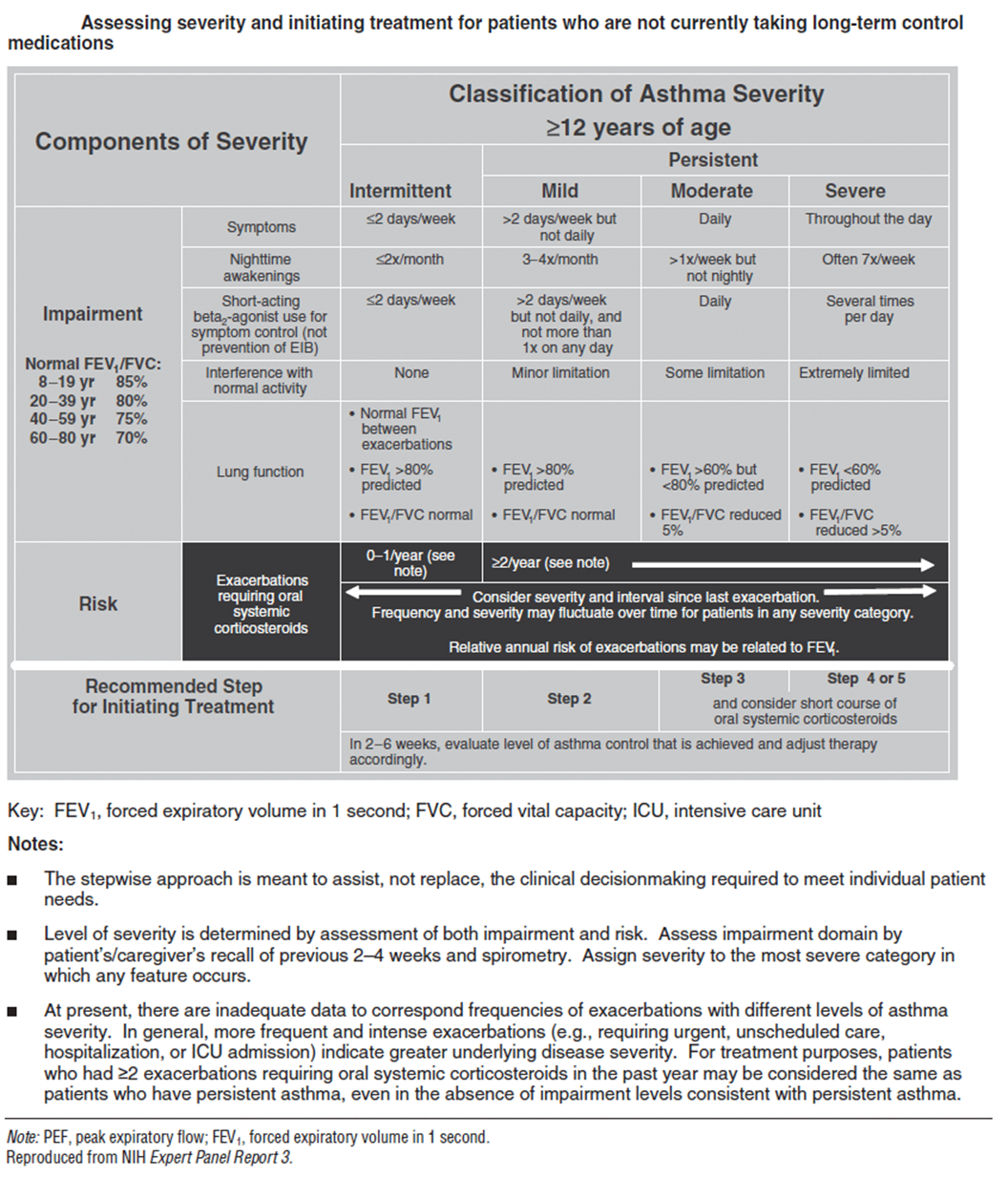
Figure 28-1. Classification of Asthma Severity (Ages ≥ 12 and Adults)
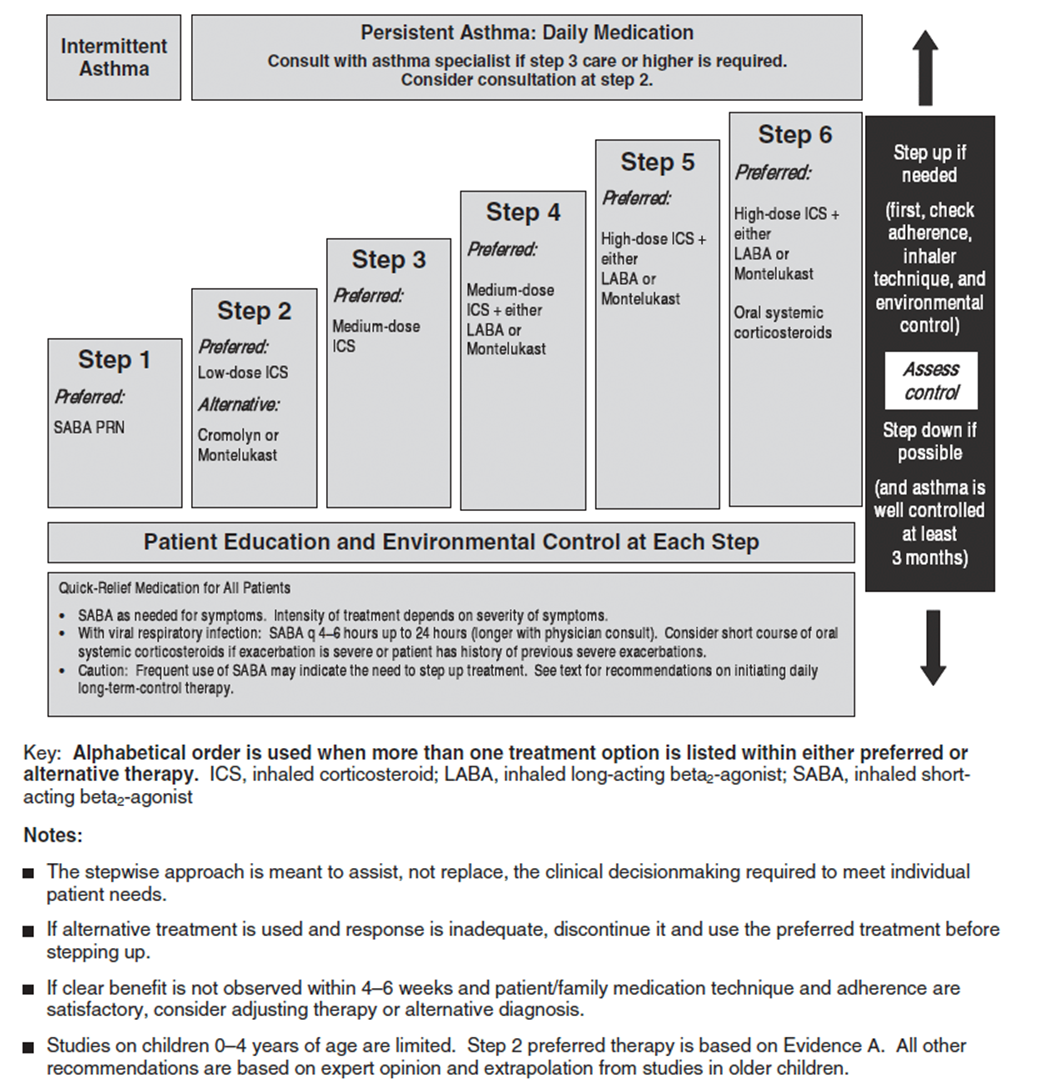
Figure 28-2. Stepwise Approach for Managing Infants and Young Children (0-4 Years of Age)
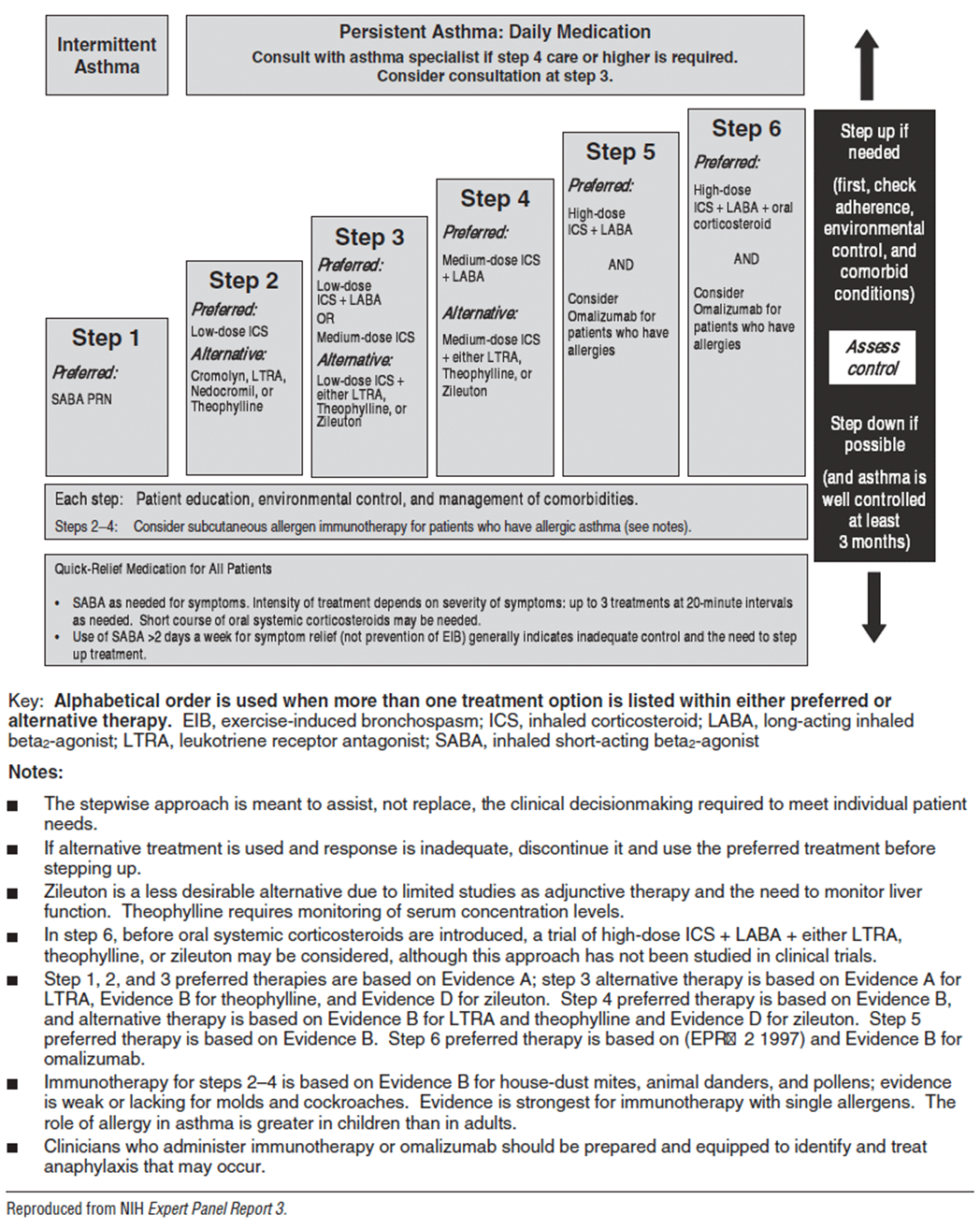
Figure 28-4. Stepwise Approach for Managing Asthma ≥ 12 Years of Age and Adults: Treatment
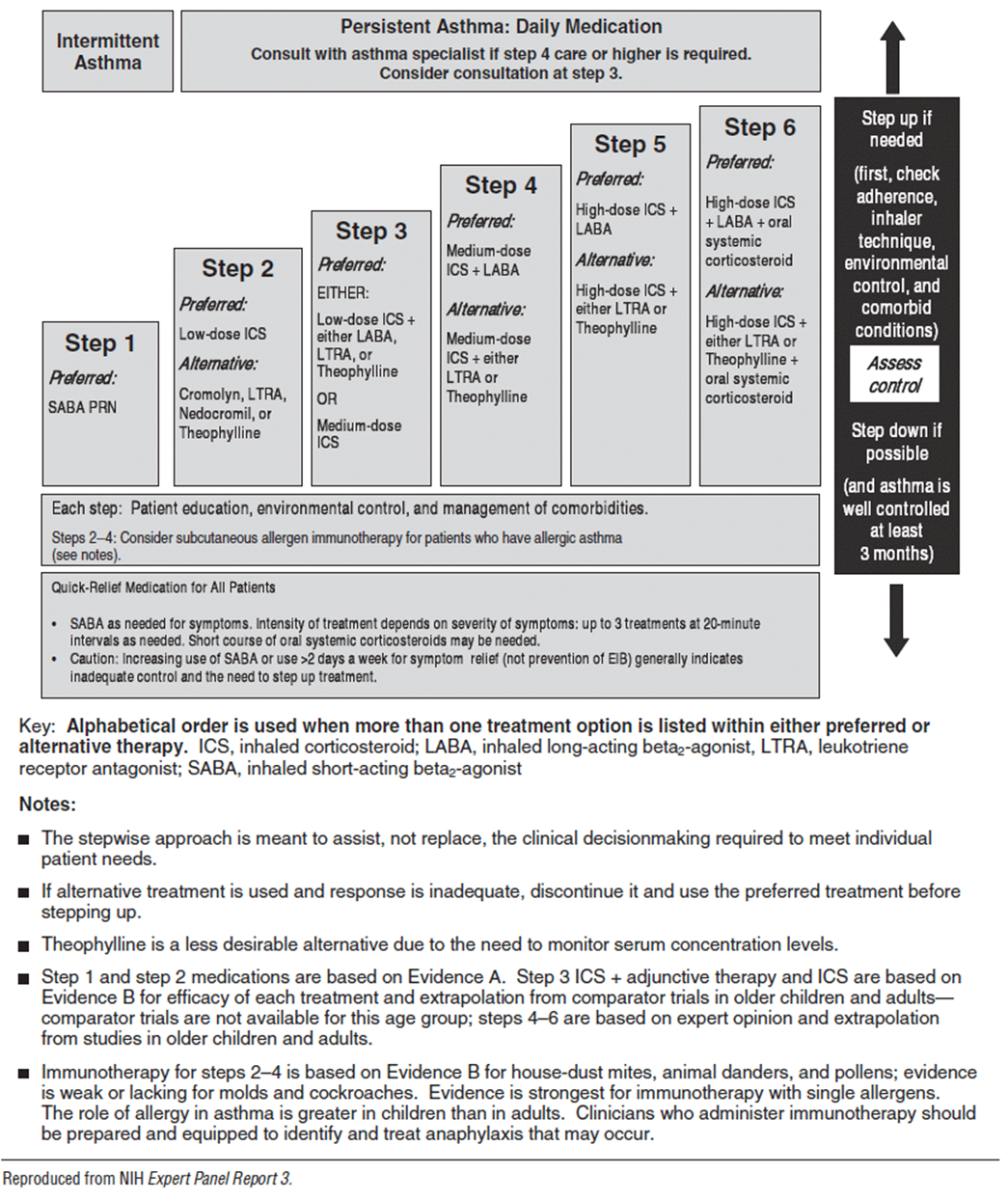
Figure 28-3. Stepwise Approach for Managing Asthma in Children 5-11 Years of Age: Treatment
|
Table 28-1. Long-Term Asthma Control Medications |
|||||||
|
Generic name |
Trade name |
Usual dosage range |
Dosage form |
Schedulea |
|||
|
Inhaled corticosteroids |
|||||||
|
Beclomethasone HFA 40 mcg/puff; 80 mcg/puff |
QVAR |
80-480 mcg/d |
MDI |
Twice daily |
|||
|
Budesonide 200 mcg/inhalation |
Pulmicort |
1-3 inhalations/d |
DPI (Flexhaler) |
Twice daily |
|||
|
Budesonide-formoterol combination (each inhalation 4.5 mcg formoterol + budesonide 80.0 mcg or 160.0 mcg) |
Symbicort |
2 puffs |
MDI |
Twice daily |
|||
|
Budesonide 0.25 and 0.50 mg |
Respules |
0.5-2.0 mg/d |
Nebulized |
Twice daily |
|||
|
Flunisolide 250 mcg/puff |
Aerobid |
1-8 puffs/d |
MDI |
Twice daily |
|||
|
Fluticasone 44, 110, 220 mcg/puff |
Flovent |
88-660 mcg/d |
MDI |
Twice daily |
|||
|
Fluticasone 50, 100, 250 |
Flovent Diskus |
100-500 mcg/d |
DPI |
Twice daily |
|||
|
Fluticasone-salmeterol combination (each dose 50 mcg salmeterol + 100, 250, or 500 mcg fluticasone) |
Advair Diskus (Advair 100, 250, 500) |
1 inhalation |
DPI (Diskus) |
Twice daily |
|||
|
Fluticasone-salmeterol combination (each puff 21 mcg salmeterol + 45, 115, or 230 mcg fluticasone) |
Advair HFA (Advair HFA 45, 115, 230) |
2 inhalations/dose |
MDI |
Twice daily |
|||
|
Mometasone 220 mcg/inhalation |
Asmanex Twisthaler |
1-2 inhalations/d |
DPI |
At bedtime |
|||
|
Triamcinolone 75 mcg/puff |
Azmacort |
4-20 puffs/d |
MDI/spacer |
Twice daily |
|||
|
Leukotriene modifiers |
|||||||
|
Montelukast |
Singulair |
4 mg (12-23 months) |
Oral granules |
Every night |
|||
|
4 mg (age 2-5 years) |
Chewable tab |
Every night |
|||||
|
5 mg (age 6-14 years) |
Chewable tab |
Every night |
|||||
|
10 mg (adult) tablet |
Tablet |
Every night |
|||||
|
Zafirlukast |
Accolate |
20-40 mg/d tablet |
Tablet |
Twice daily |
|||
|
Zileuton |
Zyflo |
600 mg/tablet |
Tablet |
Four times daily |
|||
|
Zyflo CR |
600 mg controlled release tablet (2 tablets/dose) |
Controlled release tablet |
Twice daily |
||||
|
Mast cell stabilizers |
|||||||
|
Cromolynb |
Intal |
1-4 puffs MDI |
MDI |
Four times daily |
|||
|
Intal |
20 mg |
Nebulizer solution |
Four times daily |
||||
|
Long-acting inhaled β2 agonists |
|||||||
|
Formoterolc |
Foradil Aerolizer |
1 inhalation |
DPI |
Twice daily |
|||
|
Salmeterolc |
Serevent Diskus |
1 inhalation |
DPI |
Twice daily |
|||
|
Methylxanthines |
|||||||
|
Theophylline (numerous products) |
Uniphyl |
10 mg/kg/d up to 300 mg maximum in adults to start; aim for 5-15 mcg/mL steady state |
Tablet |
Daily; 5:00 or 6:00 pm |
|||
|
Note: MDI, metered dose inhaler; DPI, dry powder inhaler (breath activated). See EPR-3 and FDA-approved product literature for pediatric doses for each drug product. a. Usual schedule (some patients do well on once-daily dosing). b. Since the release of EPR-3, cromolyn nebulizer solution and nedocromil MDI became unavailable in the United States in 2008. Cromolyn MDI may be available in the United States through the end of 2009. c. Use only in combination with ICS. d. Complex, high-risk drug to dose; see references cited for details; do not use unless competent in dosing and monitoring serum theophylline concentrations. See EPR-3 for pediatric doses (<1 year of age and >1 year of age). |
|||||||
|
Table 28-2. Quick-Relief Asthma Medications |
|||||||
|
Generic name |
Trade name |
Usual dosagea |
Dosage form |
Schedule |
|||
|
Short-acting inhaled β2 agonistsb |
|||||||
|
Albuterol HFA |
Ventolin, Proventil, Proair |
2 puffs |
MDI |
Every 4 hours as needed |
|||
|
2.5 mg |
Nebulizer solution |
Every 4 hours as needed |
|||||
|
Pirbuterol |
Maxair Autohaler |
2 puffs |
MDI |
Every 4 hours as needed |
|||
|
Anticholinergics |
|||||||
|
Ipratropium |
Atrovent |
2 puffs |
MDI |
Every 6 hours |
|||
|
0.25 mg |
Nebulizer solution |
Every 6 hours |
|||||
|
Ipratropium with albuterol |
Combivent |
2 puffs |
MDI |
Every 6 hours |
|||
|
3 mL |
Nebulizer solution |
Every 6 hours |
|||||
|
Systemic corticosteroidsc |
|||||||
|
Methylprednisolone |
Medrol |
1 mg/kg/d |
Tablets |
Daily |
|||
|
Prednisone |
1 mg/kg/d |
Tablets or liquid |
Daily |
||||
|
Prednisolone |
1 mg/kg/d |
Tablets |
Daily |
||||
|
Note: See EPR-3 and FDA-approved product literature for pediatric doses for each drug product. a. Usual dosage for routine home use. (Dose in emergency department is higher and more frequent.) b. For prevention of exercise-induced asthma, inhale 2 puffs 5-15 minutes before exercise. Increasing use indicates poor asthma control; increase anti-inflammatory therapy and reassess environmental control. (Good asthma control is indicated by infrequent need for quick-relief therapy.) c. Short courses are used for < 2 weeks. |
|||||||
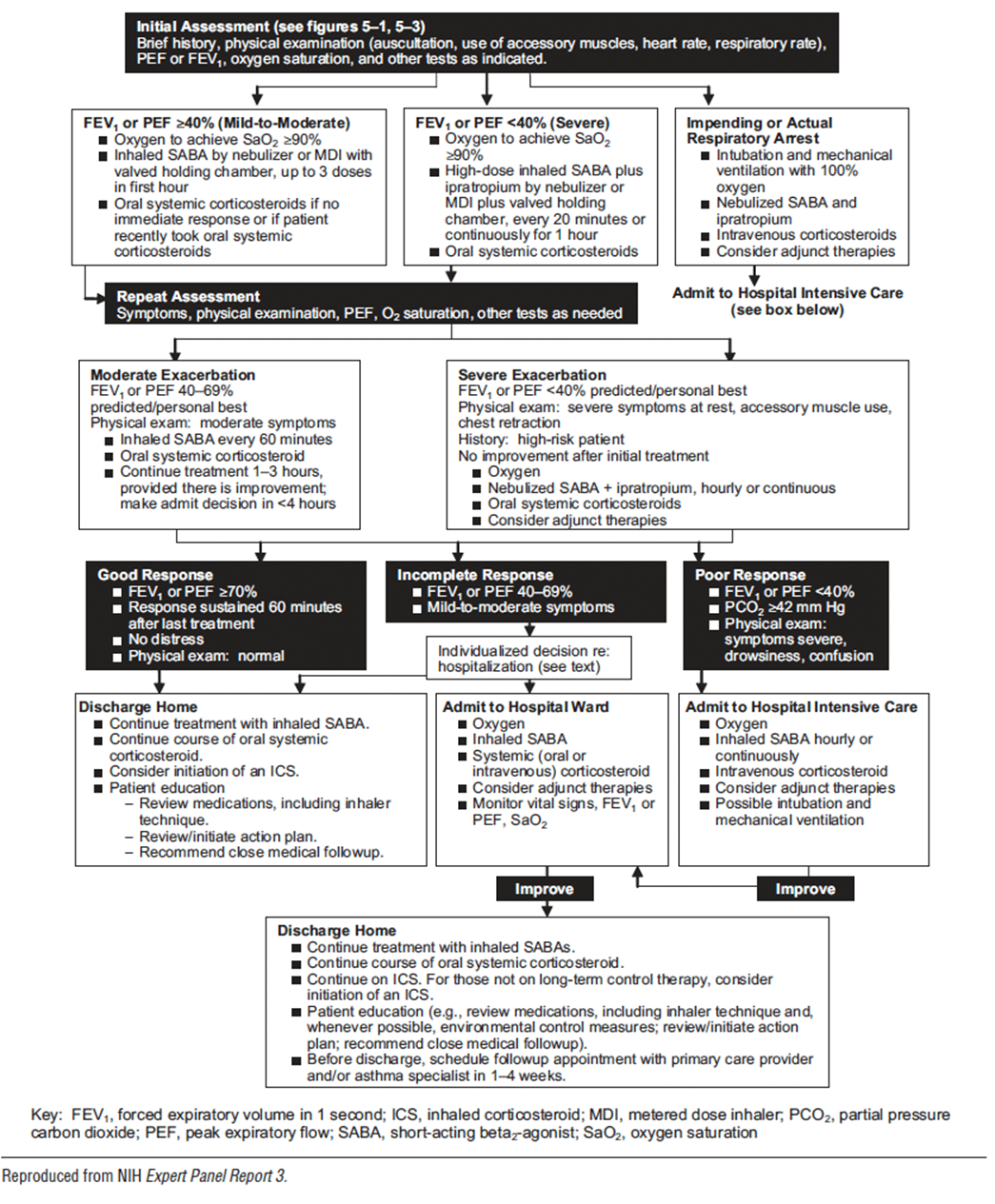
Figure 28-5. Management of Asthma Exacerbations: Emergency Department and Hospital-Based Care
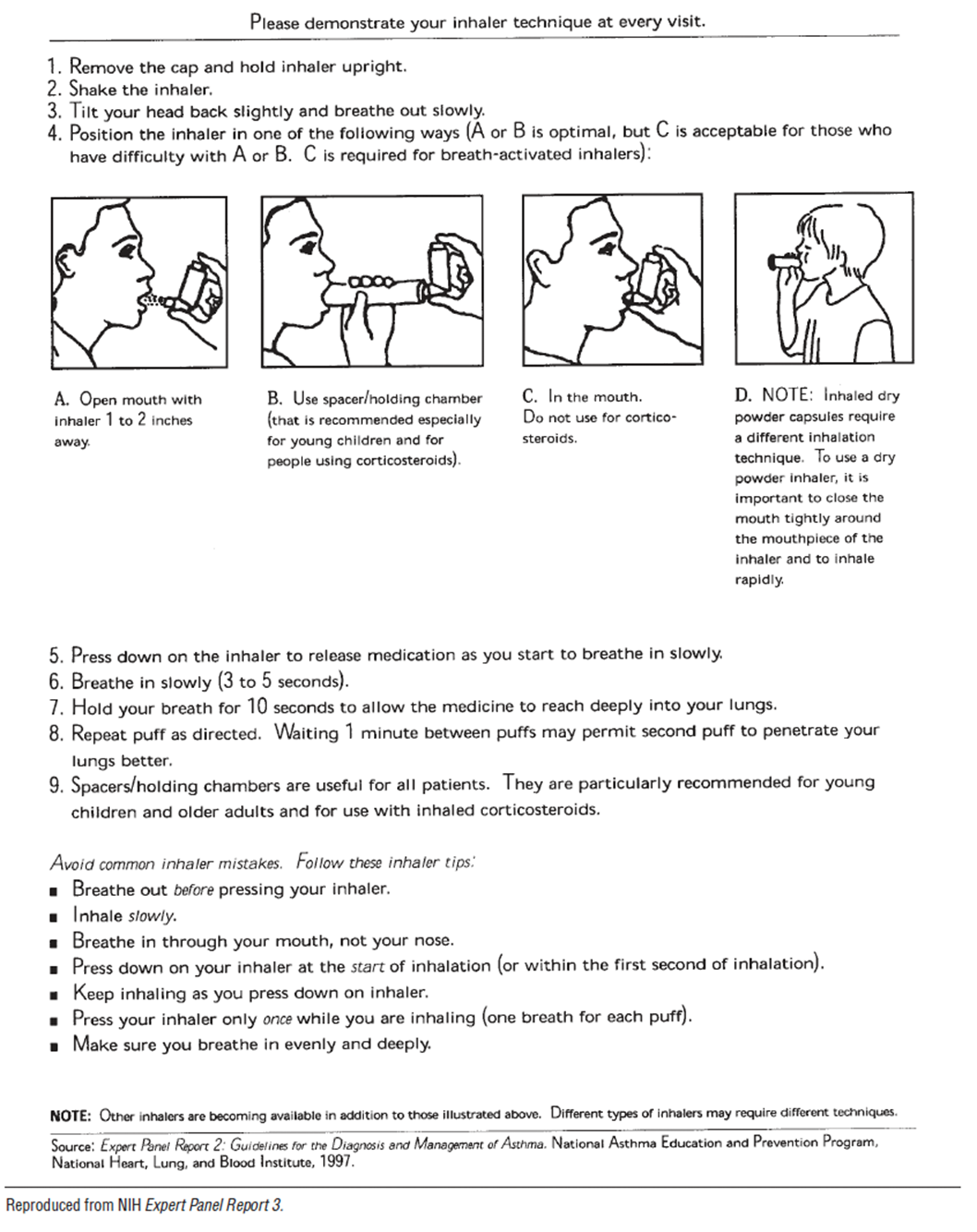
Figure 28-6. Steps for Using an Inhaler
|
Table 28-3. Directions for Use of Peak Flow Meter |
|||
|
1. Stand while using the meter. 2. Position the indicator at the bottom of the scale. 3. Hold the peak flow meter so your fingers do not block the opening. 4. Inhale as deeply as possible, place the mouthpiece well into your mouth, and make sure your lips form a tight seal around it. 5. Blow out as fast and as hard as possible!a BLAST! (Emphasize to the patient that the maneuver is highly effort dependent.) 6. Repeat steps 2-5 two more times, and record the highest of the three readings along with the date and time. |
|||
|
Note: If a short-acting inhaled β2 agonist is required in the early morning, remember to check the peak expiratory flow before using the drug and record the value; then repeat PEF testing 15 minutes later. a. Do not accelerate air with your tongue (i.e., use a spitting motion). This incorrect maneuver will give false elevation in PEF. |
|||
|
Table 28-4. Factors Affecting Serum Theophylline Levels |
|||
|
Factor |
Decreases Theophylline Concentrations |
Increases Theophylline Concentrations |
Recommended Action |
|
Food |
|
|
Select theophylline preparation that is not affected by food. |
|
Diet |
|
|
Inform patients that major changes in diet are not recommended while taking theophylline. |
|
Systemic, febrile viral illness (e.g., influenza) |
|
Decrease theophylline dose according to serum concentration level. Decrease dose by 50 percent if serum concentration measurement is not available. |
|
|
Hypoxia, cor pulmonale, and decompensated congestive heart failure, cirrhosis |
|
Decrease dose according to serum concentration level. |
|
|
Age |
|
|
Adjust dose according to serum concentration level. |
|
Phenobarbital, phenytoin, carbamazepine |
|
Increase dose according to serum concentration level. |
|
|
Cimetidine |
|
Use alternative H2 blocker (e.g., famotidine or ranitidine). |
|
|
Macrolides: TAO, erythromycin, clarithromycin |
|
Use alternative antibiotic or adjust theophylline dose. |
|
|
Quinolones: ciprofloxacin, enoxacin, pefloxacin |
|
Use alternative antibiotic or adjust theophylline dose. Circumvent with ofloxacin if quinolone therapy is required. |
|
|
Rifampin |
|
Increase dose according to serum concentration level. |
|
|
Ticlopidine |
|
Decrease dose according to serum concentration level. |
|
|
Smoking |
|
Advise patient to stop smoking; increase dose according to serum concentration level. |
|
|
*This list is not all-inclusive; for discussion of other factors, see package inserts. Reproduced from NIH Expert Panel Report 2. TAO, triacetyloleandomycin. |
|||
|
Table 29-1. Empiric Treatment of Meningitis |
||||
|
Age of patient |
Most likely organism |
Empiric treatment |
||
|
Newborn to 1 month |
Gram-negative enterics (Escherichia coli), group B streptococci, or Listeria monocytogenes |
Ampicillin and aminoglycoside, cefotaxime, or Ceftriaxone |
||
|
1 month to 4 years |
Haemophilus influenzae, Neisseria meningitidis, or Streptococcus pneumoniae |
Cefotaxime or ceftriaxone, plus vancomycin |
||
|
5-29 years |
N. meningitidis, S. pneumoniae, or H. influenzae |
Cefotaxime or ceftriaxone, plus vancomycin |
||
|
30-60 years |
S. pneumoniae or N. meningitidis |
Cefotaxime or ceftriaxone, plus vancomycin |
||
|
> 60 years |
S. pneumoniae, Gram-negative enterics (E. coli), or L. monocytogenes |
Cefotaxime, ceftriaxone, or ampicillin and aminoglycoside-vancomycin |
||
|
Table 29-2. Therapy for Endocarditis |
||||
|
Organism |
Therapy |
Duration (weeks) |
||
|
Penicillin-susceptible streptococci |
Penicillin G alone |
4 |
||
|
Penicillin G with gentamicin |
2 |
|||
|
Ceftriaxone alone |
4 |
|||
|
Vancomycin (if allergic to penicillin) |
4 |
|||
|
Streptococci relatively resistant to penicillin |
Penicillin G alone |
4 |
||
|
Penicillin G with gentamicin |
2 |
|||
|
Vancomycin (if allergic to penicillin) |
4 |
|||
|
Staphylococcus without prosthetic material (methicillin sensitive) |
Nafcillin or oxacillin (3-5 days of gentamicin may be added) |
4-6 |
||
|
Cefazolin (with or without gentamicin) |
4-6 |
|||
|
Vancomycin (if allergic to penicillin) |
4-6 |
|||
|
Staphylococcus without prosthetic material (methicillin resistant) |
Vancomycin (if allergic to penicillin) |
4-6 |
||
|
Table 29-3. Treatment of Acute and Chronic Bronchitis |
||||
|
Illness |
Treatment (7-10 days usual duration) |
|||
|
Acute (rare; for severe disease only) |
Erythromycin, clarithromycin, azithromycin (drugs used for treatment of chronic disease may be used) |
|||
|
Chronic |
Amoxicillin, amoxicillin-clavulanate, TMP-SMX, erythromycin, clarithromycin, azithromycin, doxycycline, cefuroxime, cefaclor, cefprozil |
|||
|
Table 29-4. Empiric Treatment of Pneumonia |
||||
|
Age or type |
Usual organisms |
Empiric treatments |
||
|
Neonatal |
Group B streptococci, Listeria monocytogenes, Escherichia coli |
Ampicillin and gentamicin or cefotaxime and gentamicin |
||
|
1-3 months |
Chlamydia trachomatis, Bordetella spp. |
Erythromycin, clarithromycin, or cefuroxime |
||
|
3 months to 5 years |
Streptococcus pneumoniae, C. trachomatis |
Clarithromycin, cefuroxime, or cefotaxime |
||
|
5-18 years |
Mycoplasma pneumoniae, S. pneumoniae, Chlamydia pneumoniae |
Clarithromycin, erythromycin, or cefuroxime |
||
|
Adult, community-acquired |
S. pneumoniae, Haemophilus influenzae, Klebsiella pneumoniae, M. pneumoniae |
Ambulatory: oral macrolide (azithromycin, clarithromycin, erythromycin) or fluoroquinolone (levofloxacin, gatifloxacin or moxifloxacin) Hospitalized: cefotaxime or ceftriaxone with or without macrolide or fluoroquinolone alone (levofloxacin, gatifloxacin, moxifloxacin) |
||
|
Adult, hospital-acquired |
K. pneumoniae, Enterobacter aerogenes, Serratia spp., Acinetobacter spp., Pseudomonas aeruginosa, Staphylococcus aureus |
Aminoglycoside (tobramycin, amikacin, gentamicin) plus one of the following: cefotaxime, ceftriaxone, cefepime, ticarcillin-clavulanic acid, piperacillin-tazobactam, meropenem, or imipenem; vancomycin to be added if methicillin-resistant S. aureus suspected |
||
|
Adult, aspiration |
Mouth anaerobes |
Uncomplicated: penicillin G, clindamycin Hospital-acquired: ticarcillin-clavulanic acid, piperacillin-tazobactam |
||
|
Table 29-5. Treatment of Tuberculosis |
|||||
|
Disease stage |
Treatment |
Duration |
|||
|
Latent (probably isoniazid sensitive) |
Isoniazid |
9 months (6 months possible except for children and HIV-positive persons) |
|||
|
Latent (probably isoniazid resistant) |
Rifampin + pyrazinamide |
2 months |
|||
|
Active disease |
Isoniazid + rifampin + pyrazinamide |
2-4 months |
|||
|
Table 29-6. Treatment of Infectious Diarrhea |
|||||
|
Symptoms |
Organism |
Treatment |
|||
|
Violent presentation 1-6 hours after eating high-protein foods (eggs) |
Staphylococcus aureus |
Supportive |
|||
|
Indolent presentation with mild fever after eating meat, vegetables, or eggs |
Bacillus cereus |
Supportive |
|||
|
Mild to severe presentation 8-16 hours after eating canned products |
Clostridium perfringens |
Supportive |
|||
|
Mild to severe presentation with mild fever; may be associated with meat or egg contamination or other foods contaminated with contaminated water |
Escherichia coli |
Supportive, if outpatient; if hospitalized, fluoroquinolones or TMP-SMX |
|||
|
Mild to severe presentation with mild fever, chills, and cramping; associated with other foods contaminated with contaminated water; carrier state possible |
Salmonella spp. |
Treatment only if febrile (fluoroquinolones or TMP-SMX) |
|||
|
Bloody mucoid diarrhea with fever and cramps |
Shigella spp. |
TMP-SMX |
|||
|
Mild indolent presentation, often thought to be "flu"; transmitted by contaminated water |
Campylobacter |
Macrolides or fluoroquinolones |
|||
|
Severe presentation with fever and abdominal pain associated with seafood ingestion |
Yersinia enterocolitica |
Fluoroquinolones |
|||
|
Mild presentation with fever and abdominal pain associated with seafood ingestion |
Vibrio parahaemolyticus |
Tetracycline or fluoroquinolones |
|||
|
Severe, explosive presentation associated with contaminated water |
Vibrio cholerae |
Tetracycline or fluoroquinolones |
|||
|
Mild to severe presentation associated with travel, 6-10 days after exposure, with cramping and low-grade fever |
Escherichia coli |
Mostly supportive; severe prophylactic regimens |
|||
|
Table 29-7. Treatment of Skin and Soft Tissue Infections |
||||
|
Infection |
Organisms |
Treatments |
||
|
Cellulitis |
Group A streptococcus; Staphylococcus aureus |
Outpatient: dicloxacillin, cefadroxil, cephalexin, erythromycin Inpatient: cefazolin, erythromycin Severe cases: vancomycin |
||
|
Diabetic foot infections |
Proteus spp., Escherichia coli, S. aureus, Bacteroides fragilis, anaerobic streptococci |
Clindamycin or cephalexin Severe cases: ticarcillin-clavulanic acid or other β-lactamase inhibitor; vancomycin may be needed if methicillin-resistant S. aureus suspected |
||
|
Decubitus ulcers |
Gram-negative bacilli, Pseudomonas aeruginosa, anaerobes |
Same as for diabetic foot infections |
||
|
Table 29-8. Treatment of Urinary Tract Infections |
||||
|
Diagnosis |
Organisms |
Treatments |
||
|
Acute uncomplicated cystitis |
Escherichia coli, Staphylococcus saprophyticus |
TMP-SMX × 3 days or quinolone × 3 days |
||
|
Acute pyelonephritis |
E. coli, Proteus mirabilis, Klebsiella pneumoniae, Enterococcus spp. |
Quinolone × 14 days or TMP-SMX × 14 days; if severe, parenteral therapy with quinolone and extended-spectrum penicillin plus aminoglycoside should be used |
||
|
Prostatitis |
E. coli, Proteus spp., K. pneumoniae |
Quinolone × 4-6 weeks or TMP-SMX × 4-6 weeks |
||
|
Table 29-9. Treatment of Gonorrhea and Syphilis |
|||||
|
Type |
Gonorrhea |
Syphilis |
|||
|
Uncomplicated adult presentation |
Ceftriaxone 125 mg IM × 1 dose or spectinomycin 2 g IM q12h × 2 doses |
Benzathine penicillin G 2.4 million units IM × 1 dose |
|||
|
Infant born of untreated mother |
Cefotaxime 25 mg/kg q12h × 7 days |
Penicillin G 50,000-75,000 units/kg q12h × 10-21 days |
|||
|
Disseminated infections |
Ceftriaxone 1 g qd × 10 days |
Secondary or latent disease: benzathine penicillin G 2.4 million units IM q week × 3 doses Tertiary disease: penicillin G 2 million to 4 million units q4h for 10-14 days |
|||
|
Table 29-10. Treatment of Tick-Borne Systemic Febrile Syndromes |
|||||
|
Disease |
Causative agent |
Primary treatment |
Alternative treatment |
||
|
Lyme disease |
Borrelia burgdorferi |
Doxycycline |
Cefuroxime |
||
|
Rocky Mountain spotted fever |
Rickettsia rickettsii |
Doxycycline |
Chloramphenicol |
||
|
Ehrlichiosis |
Ehrlichia phagocytophila |
Doxycycline |
Tetracycline |
||
|
Tularemia |
Francisella tularensis |
Gentamicin or tobramycin |
Chloramphenicol; possibly ciprofloxacin |
||
|
Table 29-11. Treatment of Systemic Fungal Infections |
|||||
|
Disease |
Organism |
Treatments |
|||
|
Invasive pulmonary disease |
Aspergillosis spp. |
Amphotericin B, itraconazole, caspofungin, voriconazole |
|||
|
Cutaneous, pulmonary, or extrapulmonary disease |
Blastomyces dermatitidis |
Itraconazole, amphotericin B, fluconazole |
|||
|
Bloodstream infection |
Candida albicans |
Fluconazole, amphotericin B |
|||
|
Primary pulmonary disease |
Coccidioides immitis |
Itraconazole, fluconazole |
|||
|
Meningitis |
Cryptococcus neoformans |
Amphotericin B + flucytosine, fluconazole |
|||
|
Pulmonary, disseminated, or localized |
Histoplasma capsulatum |
Itraconazole (moderate disease), amphotericin B (severe disease) |
|||
|
Table 29-12. Treatment of Hepatitis |
|||||
|
Organism |
Presentation |
Therapy |
|||
|
Hepatitis B |
Chronic |
Lamivudine + interferon alfa-2b |
|||
|
Hepatitis C |
Chronic |
Interferon alfa-2b + ribavirin |
|||
|
Hepatitis C |
Acute |
Interferon alfa-2b |
|||
|
Table 29-13. Treatment of Influenza |
|||||
|
Organism |
Treatment type |
Therapy |
|||
|
Influenza A |
Prophylaxis |
Oseltamivir, rimantadine, amantadine |
|||
|
Influenza A |
Treatment |
Zanamivir, oseltamivir, rimantadine, amantadine |
|||
|
Influenza B |
Prophylaxis |
Oseltamivir |
|||
|
Influenza B |
Prophylaxis |
Zanamivir, oseltamivir |
|||
|
Table 29-14. Treatment of Herpes Virus Infections |
|||||
|
Organism |
Disease |
Treatment |
|||
|
Herpes simplex |
Initial episode |
Acyclovir |
|||
|
Recurrence |
Famciclovir |
||||
|
Chronic suppression |
Valacyclovir |
||||
|
Immunocompromised |
Acyclovir |
||||
|
Resistant to acyclovir |
Foscarnet |
||||
|
Cytomegalovirus |
Retinitis, colitis, esophagitis |
Ganciclovir, valganciclovir, foscarnet, cidofovir, fomivirsen |
|||
|
Varicella zoster |
Chickenpox, shingles |
Acyclovir |
|||
|
Varicella zoster |
Immunocompromised, resistant to acyclovir |
Foscarnet |
|||
|
Table 30-1. Aminoglycosides |
|||||
|
Generic name |
Trade name |
Dosage forms |
Normal dose |
Elimination |
|
|
Amikacin |
Amikin |
IV, IM |
15-20 mg/kg/d |
Renal |
|
|
Gentamicin |
Garamycin |
IV, IM |
3 mg/kg/d conventional dose, 7 mg/kg/d extended interval |
Renal |
|
|
Kanamycin |
IV, po |
15 mg/kg/d |
Renal |
||
|
Neomycin |
po |
50-100 mg/kg/d |
Renal |
||
|
Streptomycin |
IM |
15 mg/kg/d |
Renal |
||
|
Tobramycin |
IV, IM |
3 mg/kg/d conventional dose, 7 mg/kg/d extended interval |
Renal |
||
|
Note: Use ideal or adjusted body weight for all aminoglycoside dosing. |
|||||
|
Table 30-2. Spectrum of Activity of the Penicillins |
|||||
|
Category |
Spectrum |
||||
|
Natural penicillins |
Natural penicillins are effective against all viridans streptococci and Streptococcus pyogenes and against 60% of S. pneumoniae, mouth anaerobes, and Clostridium perfringens (gas gangrene). |
||||
|
Because natural penicillins are readily hydrolyzed by penicillinases (β-lactamases), they are ineffective against Staphylococcus aureus and other organisms that resist penicillin. |
|||||
|
Penicillin G is 5-10 times more active than penicillin V against Gram-negative organisms and some anaerobic organisms. |
|||||
|
Penicillinase-resistant penicillins |
These agents are used to treat methicillin-sensitive staphylococci, streptococci (not enterococci species). |
||||
|
Aminopenicillins |
Aminopenicillins have greater penetration of the outer membrane of Gram-negative rods and higher affinity for penicillin-binding proteins. |
||||
|
They cover most enterococci, Listeria, and Proteus mirabilis. |
|||||
|
They cover 60% of Streptococcus pneumoniae, Haemophilus influenzae, Escherichia coli, and some Salmonella and Shigella. |
|||||
|
Carboxypenicillins and ureidopenicillins |
The spectrum is like that of ampicillin, but these drugs provide less Gram-positive coverage. They cover Proteus (including P. vulgaris), Klebsiella (not ticarcillin), Enterobacter, and Pseudomonas (piperacillin > ticarcillin). Add an aminoglycoside for synergy for serious Gram-negative infections. |
||||
|
Ureidopenicillins possess better in vitro activity against Pseudomonas and other Gram-negative organisms. Ureidopenicillins have in vitro activity against streptococci, enterococci, most Enterobacteriaceae, Pseudomonas, and many anaerobes, including Bacteroides fragilis, Fusobacterium, Clostridium, and peptostreptococci; β-lactamase-producing staphylococci and Haemophilus influenzae are resistant to the ureidopenicillins. |
|||||
|
β-lactamase inhibitors (clavulanic acid, sulbactam, and tazobactam) |
β-lactamase inhibitors are active against some chromosomally produced β-lactamases of Staphylococcus aureus, Haemophilus influenzae, Moraxela catarrhalis, Bacteroides, Escherichia coli, and other Enterobacteriaceae. |
||||
|
They are not active against the chromosomally produced β-lactamases of Enterobacter, Citrobacter, Serratia, and Pseudomonas. |
|||||
|
Amoxicillin-clavulanic acid |
This combination is active against Haemophilus influenzae, Moraxela catarrhalis, Klebsiella pneumoniae, methicillin-sensitive Staphylococcus aureus, and anaerobes. |
||||
|
Ticarcillin-clavulanic acid |
This combination has more activity against Haemophilus influenzae, Moraxela catarrhalis, Klebsiela pneumoniae, methicillin-sensitive Staphylococcus aureus, and anaerobes. |
||||
|
Piperacillin-tazobactam |
This combination provides more Gram-positive, Gram-negative, and anaerobic coverage than ticarcillin-clavulanic acid; monotherapy treatment fails against Pseudomonas. |
||||
|
Table 30-3. Dosing of Penicillins |
|||||||
|
Type and generic name |
Trade name |
Elimination route |
Administration route |
Common doses |
|||
|
Natural penicillins |
|||||||
|
Penicillin G |
Pfizerpen |
Renal |
IV, IM, po |
2 million to 4 million units IV q4h |
|||
|
Penicillin G procaine |
Wycillin |
Renal |
IM |
300,000-600,000 units/d |
|||
|
Penicillin G benzathine |
Bicillin LA |
Renal |
IM |
Strep throat: 1.2 million units; syphilis: 2.4 million units |
|||
|
Penicillin V (phenoxymethyl penicillin) |
Pen-Vee-K, Veetids |
Renal |
po |
250-500 mg po bid-qid (250 mg bid for prophylaxis) |
|||
|
Penicillinase-resistant penicillins |
|||||||
|
Oxacillin |
Prostaphlin, Bactocill |
Hepatic |
po, IV, IM |
1-2 g IV q4-6h |
|||
|
Nafcillin |
Nafcil, Unipen |
Hepatic |
IV, IM |
1-2 g IV q4-6h |
|||
|
Cloxacillin |
Cloxapen |
Renal |
po |
200-500 mg q6h |
|||
|
Dicloxacillin |
Dynapen, Dycill |
Renal |
po |
250-500 mg po q6h |
|||
|
Aminopenicillins |
|||||||
|
Ampicillin |
Omnipen, Principen |
Renal |
po, IM, IV |
1-2 g IV q6h |
|||
|
Amoxicillin |
Amoxil, Trimox, Moxatag |
Renal |
po |
250-500 mg po q8h 775 mg (ER) po q24h |
|||
|
Ureidopenicillins |
|||||||
|
Piperacillin |
Pipracil |
Renal |
IV, IM |
3-4 g IV q4-6h |
|||
|
Penicillin plus β-lactamase inhibitors |
|||||||
|
Amoxicillin-clavulanic acid |
Augmentin |
Renal |
po |
250-500 mg po tid, 500-875 mg po bid |
|||
|
Ampicillin-sulbactam |
Unasyn |
Renal |
IV, IM |
1.5 g or 3 g IV q6-8h |
|||
|
Piperacillin-tazobactam |
Zosyn |
Renal |
IV |
2.25 to 4.5 g IV q6h |
|||
|
Ticarcillin-clavulanic acid |
Timentin |
Renal |
IV |
3.1 g IV q4-6h |
|||
|
Table 30-4. Cephalosporins |
|||||||
|
Generic name |
Trade name |
Dosage forms |
Dose |
Elimination |
Notes |
||
|
First-generation |
More Gram-positive than Gram-negative activity |
||||||
|
Cefadroxil |
Duricef, Ultracef |
po |
1-2 g/d |
Renal |
|||
|
Cefazolin |
Ancef, Kefzol |
IV |
250-1,000 mg q8h |
Renal |
|||
|
Cephalexin |
Keflex |
po |
250-500 mg q6h |
Renal |
|||
|
Second-generation |
Enhanced Gram-negative activity versus first-generation drugs |
||||||
|
Cefaclor |
Ceclor |
po |
250-500 mg q8h |
Renal |
|||
|
Cefotetan |
Cefotan |
IV, IM |
1-2 g q12h |
Renal |
Anaerobic activity, N-methylthiotetrazole side-chain |
||
|
Cefoxitin |
Mefoxin |
IV |
1-2 g q6-8h |
Renal |
Anaerobic activity |
||
|
Cefprozil |
Cefzil |
po |
250-500 mg q12-24h |
Renal |
Anaerobic activity |
||
|
Cefuroxime |
Ceftin, Zinacef |
IV, IM |
750-1,500 mg q8h |
Renal |
|||
|
Third-generation |
More Gram-negative than Gram-positive activity; cerebrospinal fluid penetration |
||||||
|
Cefdinir |
Omnicef |
po |
300 mg q12h |
Renal |
|||
|
Cefixime |
Suprax |
po |
400 mg/d |
Renal |
|||
|
Cefotaxime |
Claforan |
IV |
1-2 g q6-8h |
Renal |
|||
|
Cefpodoxime |
Vantin |
po |
100-400 mg q12h |
Renal |
Anaerobic activity |
||
|
Ceftazidime |
Fortaz, Tazicef |
IV, IM |
1-2 g q8-12h |
Renal |
Antipseudomonal activity |
||
|
Ceftibuten |
Cedax |
po |
400 mg/d |
Renal |
|||
|
Ceftriaxone |
Rocephin |
IV, IM |
1-2 g/d |
Renal or biliary |
|||
|
Fourth-generation |
Gram-positive and Gram-negative activity |
||||||
|
Cefepime |
Maxipime |
IV, IM |
1-2 g q12h |
Renal |
Antipseudomonal activity |
||
|
Table 30-5. Gram-Positive Antibiotics |
|||||
|
Generic name |
Trade name |
Dosage forms |
Dose |
Elimination |
Notes |
|
Linezolid |
Zyvox |
IV, po |
600 mg q12h |
Renal |
|
|
Quinupristin-dalfopristin |
Synercid |
IV |
7.5 mg/kg q8h |
Hepatic |
|
|
Vancomycin |
Vancocin |
IV, po |
15-20 mg/kg q12h IV; 125-250 mg po q6h |
Renal |
Adjust dose per serum concentrations. |
|
Daptomycin |
Cubicin |
IV |
4-6 mg/kg q24h IV |
Renal |
Monitor creatine phosphokinase weekly. |
|
Table 30-6. Fluoroquinolones and Nonfluorinated Quinolones |
|||||
|
Generic name |
Trade name |
Dosage forms |
Normal dose |
Elimination |
Notes |
|
Fluoroquinolones |
|||||
|
Ciprofloxacin |
Cipro |
IV po |
400 mg q12h 500 mg q12h |
Renal |
Ciprofloxacin has less Gram-positive activity and enhanced antipseudomonal activity versus other fluoroquinolones. |
|
Levofloxacin |
Levaquin |
IV, po |
500 mg q24h |
Renal |
|
|
Moxifloxacin |
Avelox |
po |
400 mg bid |
Hepatic |
|
|
Norfloxacin |
Noroxin |
po |
400 mg qd |
Hepatic |
|
|
Ofloxacin |
Floxin |
po, IV |
100-400 mg/d |
Renal |
|
|
Gemifloxacin |
Factive |
po |
320 mg qd |
Renal or biliary |
Decrease dose if creatinine clearance < 40 mL/min. |
|
Nonfluorinated quinolones |
|||||
|
Nalidixic acid |
NegGram |
po |
1 g q6h |
Renal |
Nalidixic acid has no Gram-positive activity and is effective only in the genitourinary and GI tracts. |
|
Table 30-7. Macrolides and Ketolide |
|
Generic name |
Trade name |
Dosage forms |
Normal dose |
Elimination |
Notes |
||
|
Macrolides |
|||||||
|
Azithromycin |
Zithromax |
po, IV |
250 mg/d |
Hepatic |
po dose = IV dose |
||
|
Clarithromycin |
Biaxin, Biaxin XL |
po |
250 mg bid |
Renal |
XL = qd dosing |
||
|
Erythromycin |
Various |
po |
250-500 mg q6h |
Hepatic |
Erythromycin base, ethyl succinate, and stearate |
||
|
IV |
500-1,000 mg q6h |
Hepatic |
Erythromycin lactobionate |
||||
|
Ketolides |
|||||||
|
Telithromycin |
Ketek |
po |
800 mg/d |
Hepatic |
Treatment duration: 5 days for bronchitis, 7-10 days for community-acquired pneumonia; hepatotoxicity |
||
|
Table 30-8. Tetracyclines and Glycylcyclines |
|||||||
|
Generic name |
Trade name |
Dosage forms |
Common doses |
Primary mode of elimination |
|||
|
Tetracyclines |
|||||||
|
Demeclocycline |
Declomycin |
po |
300-1,000 mg/d |
Renal |
|||
|
Doxycycline |
Vibramycin and others |
po |
100-200 mg q12h |
Renal |
|||
|
Minocycline |
Minocin |
po, IV |
100-200 mg q12h |
Hepatic |
|||
|
Tetracycline |
Achromycin V, Sumycin, Tetracyn, and others |
po, IV, IM |
1-2 g/d |
Renal |
|||
|
Glycylcyclines |
|||||||
|
Tigecycline |
Tygacil |
IV |
100 mg once, then 50mg q12h IV |
Hepatic |
|||
|
Table 30-9. Sulfonamides |
|||||
|
Generic name |
Trade name |
Dosage forms |
Dose |
Elimination |
Notes |
|
Sulfadiazine |
IV, po |
2-4 g/d |
Renal |
||
|
Sulfamethoxazole |
Septra |
IV, po |
1-3 g/d |
Hepatic |
Combined with trimethoprim (Septra) |
|
Sulfisoxazole |
Gantrisin |
IV, po |
2-8 g/d |
Renal |
|
|
Table 30-10. Miscellaneous Antibiotics |
|||||
|
Generic name |
Trade name |
Dosage forms |
Dose |
Elimination |
Notes |
|
Clindamycin |
Cleocin |
IV, po |
300 mg q6h po; 600-900 mg q8h IV |
Hepatic |
Only po for Clostridium difficile |
|
Carbapenems |
|||||
|
Imipenem-cilastatin |
Primaxin |
IV, IM |
250 mg q6h; 500 mg or 1 g q6h or q8h, depending on whether the organism is fully or moderately susceptible |
Renal |
|
|
Doripenem |
Doribax |
IV |
500mg q8h |
Renal |
|
|
Meropenem |
Merrem |
IV |
500-2,000 mg q8h |
Renal |
|
|
Ertapenem |
Invanz |
IV, IM |
1,000 mg q24h |
Renal |
|
|
Monobactams |
|||||
|
Aztreonam |
Azactam |
IV, IM |
1-2 g q6h to q12h, depending on the severity of infection |
Renal |
Not for Pseudomonas |
|
Table 30-11. Antifungal Agents |
|
Generic name |
Trade name |
Dosage forms |
Dose |
Elimination |
Notes |
|
Amphotericin B |
Fungizone |
IV |
0.5-1 mg/kg/d |
Unknown |
Dose should not exceed 1.5 mg/kg/d. |
|
Amphotericin B (Liposomal, lipid, and cholesterol complex) |
Ambisome, Abelcet, Amphotec |
IV |
3-7 mg/kg/d |
Unknown |
Drug is 20-30% less nephrotoxic than conventional amphotericin B. |
|
Caspofungin |
Cancidas |
IV |
70 mg once and then 50 mg/d |
Hepatic |
Dose adjustment is needed for patients with hepatic dysfunction. |
|
Micafungin |
Mycamine |
IV |
100 mg/d |
Hepatic |
|
|
Anidulafungin |
Eraxis |
IV |
200 mg once and then 100 mg/d |
Chemical degradation |
|
|
Fluconazole |
Diflucan |
IV, po |
100-800 mg/d |
Renal |
|
|
Flucytosine |
Ancobon |
po |
50-150 mg/kg/d |
Renal |
|
|
Griseofulvin |
Fulvicin P/G |
po |
500 mg |
Hepatic |
|
|
Itraconazole |
Sporanox |
po |
200-600 mg/d |
Hepatic |
Capsules require acid environment for dissolution and absorption. |
|
Ketoconazole |
Nizoral |
po, topical |
200-400 mg bid |
Hepatic |
Drug requires acidic environment for dissolution and absorption. |
|
Nystatin |
Mycostatin |
Topical |
Fecal |
||
|
Terbinafine |
Lamisal |
po |
250 mg/d |
Hepatic |
Pulse therapy is also effective. |
|
Voriconazole |
Vfend |
IV, po |
200 mg q12h po; 4-6 mg/kg q12h IV |
Renal |
|
|
Posaconazole |
Noxafil |
po |
200 mg qid initially and then 400mg bid |
Hepatic |
Dose limits absorption. |
|
Table 30-12. Antitubercular Agents |
|||||
|
Generic name |
Trade name |
Dosage forms |
Normal dose |
Elimination |
Notes |
|
Aminosalicylic acid |
Paser |
po |
150 mg/kg/d |
Renal |
Maximum dose: 12 g/d |
|
Capreomycin |
Capastat |
IM |
15 mg/kg/d |
Renal |
Maximum dose: 1 g/d |
|
Cycloserine |
Seromycin |
po |
15-20 mg/kg/d |
Renal |
Maximum dose: 1 g/d |
|
Ethambutol |
Myambutol |
po |
15-25 mg/kg/d |
Hepatic |
|
|
Ethionamide |
Trecator-SC |
po |
500-1,000 mg/d |
Hepatic |
|
|
Isoniazid |
Various |
po |
5-10 mg/kg/d |
Hepatic |
Maximum dose: 300 mg/d |
|
Pyrazinamide |
Various |
po |
15-30 mg/kg/d |
Hepatic |
Maximum dose: 2 g/d |
|
Rifampin |
Various |
po, IV |
10-20 mg/kg/d |
Hepatic |
Maximum dose: 600 mg/d |
|
Table 31-1. Indications for the Initiation of Antiretroviral Therapy in the Chronically HIV-1 Infected Patient |
|||
|
Clinical category |
Recommendation |
||
|
History of AIDS-defining illness |
Antiretroviral therapy should be initiated. |
||
|
CD4 count < 200 cells/mm3 |
|||
|
CD4 count 200-350 cells/mm3 |
|||
|
Pregnant women |
|||
|
Persons with HIV-associated nephropathy |
|||
|
Persons co-infected with hepatitis B virus (HBV), when HBV treatment is indicated |
|||
|
Patients with CD4 count > 350 cells/mm3 who do not meet any of the specific conditions listed above |
The optimal time to initiate therapy in asymptomatic patients with CD4 cell counts > 350 cells/mm3 is not well defined. Patient scenarios and comorbidities should be taken into consideration. |
||
|
Table 31-2. Antiretroviral Regimens for Treatment of HIV Infection in Antiretroviral-Naive Patients |
|||
|
Type of regimen |
NNRTI-PI treatment |
NRTI combinations |
|
|
Preferred |
• Efavirenza • Atazanavirb-ritonavir once daily • Darunavir-ritonavir once daily • Fosamprenavir-ritonavir twice daily • Lopinavir-ritonavir (coformulated) once or twice daily |
• Tenofovir + emtricitabine (coformulated) |
|
|
Alternative |
• Nevirapinec • Atazanavirb (unboosted) once daily • Fosamprenavir (unboosted) twice daily • Fosamprenavir-ritonavir once daily • Saquinavir-ritonavir twice daily |
• Abacavird-lamivudine (coformulated) • Didanosine + lamivudine or emtricitabine • Zidovudine-lamivudine (coformulated) |
|
|
Note: Combine one PI or one NNRTI with two NRTIs to complete a highly active regimen from the table. a. Efavirenz is not recommended for use in first-trimester pregnancy or in women with a high pregnancy potential. b. Atazanavir must be boosted with ritonavir if used with tenofovir. c. Use caution in women with CD4 cell counts > 250 cells/mm3 and men with CD4 cell counts > 400 cells/mm3 because of increased risk of nevirapine-associated toxicity. d. Only use abacavir in patients who have tested negative for HLA-B*5701. |
|||
|
Table 31-3. Nucleoside Reverse Transcriptase Inhibitors |
|
Zidovudine (AZT, ZDV) |
Lamivudine (3TC) |
Abacavir (ABC) |
Didanosine (ddI) |
Stavudine (d4T) |
Tenofovir (TDF) |
Emtricitabine (FTC) |
||
|
Trade name |
Retrovir |
Epivir |
Ziagen |
Videx EC, Videx |
Zerit |
Viread |
Emtriva |
|
|
Form |
100 mg caps; 300 mg tabs; also available in combination productsa; available as generic |
150, 300 mg tabs; 10 mg/mL oral solution; also available in combination productsa |
300 mg tabs; 20 mg/mL oral solution; also available in combination productsa |
Videx EC caps: 125, 200, 250, 400 mg; Videx buffered tabs: 25, 50, 100, 150, 200 mg; Videx buffered powders: 100, 167, 250 mg; available as generic: didanosine DR |
15, 20, 30, 40 mg caps |
300 mg tabs; also available in combination productsb |
200 mg tabs; also available in combination productsb |
|
|
Dosing recommendations |
300 mg twice daily; 200 mg every 8 hours |
150 mg twice daily; 300 mg daily (pediatric dosage based on weight) |
300 mg twice daily; 600 mg daily |
> 60 kg: 400 mg daily; with tenofovir DF |
> 60 kg: 40 mg twice daily; < 60 kg: 30 mg twice daily |
300 mg once daily |
200 mg once daily |
|
|
Food effect |
Take without regard to meals |
Take without regard to meals |
Take without regard to meals |
Take 0.5 hour before or 2.0 hours after meals |
Take without regard to meals |
Take without regard to meals |
Take without regard to meals |
|
|
Adverse events |
Bone marrow suppression (macrocytic anemia or neutropenia); gastrointestinal intolerance, headache, insomnia, asthenia |
Minimal toxicity |
Hypersensitivity reaction testing for HLA-B*5701 should be done before start to evaluate patients risk for hypersensitivity; only negative patients should start abacavir. Hypersensitivity symptoms include rash, fever, nausea and vomiting, malaise or fatigue, loss of appetite; respiratory symptoms include sore throat, cough, shortness of breath |
Pancreatitis, peripheral neuropathy, nausea, diarrhea |
Pancreatitis; peripheral neuropathy; lipodystrophy, hyperlipidemia; rapidly progressive ascending neusomuscular weakness (rare) |
Renal insufficiency, asthenia, headache, diarrhea, nausea, or vomiting |
Minimal toxicity; hyperpigmentation of palms of hands and soles of feet (rare) |
|
|
Drug interactions |
Ribavirin, stavudine, methadone; with high dose: ganciclovir, TMP-SMX, other medications that can cause bone marrow suppression |
No clinically significant drug interactions |
Alcohol increases abacavir levels by 41%. |
Methadone, ribavirin, tenofovir, ganciclovir, alcohol; medications that need acidic environment for absorption—buffered forms; use caution with other medications that can cause peripheral neuropathy. |
Use with caution with other medications that can cause peripheral neuropathy |
Didanosine, atazanavir, cidofovir, ganciclovir, valganciclovir |
No clinically significant drug interactions |
|
|
Monitoringc |
Complete blood count, liver function tests |
None necessary |
Signs and symptoms of hypersensitivity reaction |
Complete blood count, liver function tests, amylase, uric acid; signs and symptoms of above side effects |
Signs and symptoms of above side effects |
Renal function |
None necessary |
|
|
a. Combivir: zidovudine 300 mg + lamivudine 150 mg; 1 tablet twice daily. Trizivir: zidovudine 300 mg + lamivudine 150 mg + abacavir 300 mg; 1 tablet twice daily. Epzicom: abacavir 600 mg + lamivudine 300 mg; 1 tablet daily. b. Truvada: tenofovir 300 mg + emtricitabine 200 mg; 1 tablet daily. Atripla: tenofovir 300 mg + emtricitabine 200 mg + efavirenz 600 mg; 1 tablet at or before bedtime. c. Monitor all for signs and symptoms of NRTI class toxicities, lactic acidosis, and hepatic steatosis; incidence is higher with stavudine than with other NRTIs. |
||||||||
|
Table 31-4. Non-nucleoside Reverse Transcriptase Inhibitors |
||||||||
|
Efavirenz (EFV) |
Nevirapine (NVP) |
Etravirinea (ETR) |
Delavirdine (DLV) |
|||||
|
Trade name |
Sustiva |
Viramune |
Intelence |
Rescriptor |
||||
|
Form |
50, 100, 200 mg caps; 600 mg tabs; also available in combination productb |
200 mg tab; 10 mg/mL oral suspension |
100 mg tabs |
100, 200 mg tabs |
||||
|
Dosing recommendations |
600 mg at or before bedtime |
200 mg daily × 14 days, then 200 mg twice (note CD4 cell count)c |
200 mg twice daily as tablets or dissolved in water to form a slurry to drink |
400 mg every 8 hours as tablets or dissolved in water to form a slurry to drink |
||||
|
Food effect |
Take on an empty stomach |
Take without regard to meals |
Take following a meal |
Take without regard to meals |
||||
|
Adverse events |
Central nervous system (CNS) side effects,drash,e |
Rash,f symptomatic hepatitis, including fatal hepatic necrosis |
Rash,e nausea |
Rash,e |
||||
|
Drug interactions |
CYP450-3A4, CYP450-2C19 inhibitor; CYP450-3A4 inducer (see Tables 31-5 and 31-6) |
CYP450-3A4 inducer (see Tables 31-5 and 31-6) |
CYP450-3A4, CYP450-2C9, CYP450-2C19 substrate; CYP450-3A4 inducer; CYP450-2C9, CYP450-2C19 inhibitor (see Tables 31-5 and 31-6) |
CYP450-3A4, CYP450-2D6 inhibitor (see Tables 31-5 and 31-6); separate dosing with buffered didanosine or antacids by 1 hour |
||||
|
Monitoringf |
CNS side effects, LFTs, rash |
LFTs 2, 4, and 6 weeks, and then monthly for the first 18 weeks |
LFTs, rash, nausea |
LFTs, rash |
||||
|
a. Etravirine effective in patients with resistance (K103N) to other NNRTIs. b. Atripla: tenofovir 300 mg + emtricitabine 200 mg + efavarenz 600 mg; one tablet at or before bedtime. c. Because of the increased risk of symptomatic hepatic events, nevirapine should not be started in women with baseline CD4 cell counts of greater than 250 cells/mm3 or men with baseline CD4 cell counts greater than 400 cells/mm3; it is not recommended in patients with moderate-to-severe hepatic impairment (Child-Pugh B or C). d. CNS side effects include dizziness, somnolence, insomnia, abnormal dreams, confusion, abnormal thinking, impaired concentration, amnesia, agitation, depersonalization, hallucinations, and euphoria. Use caution in patients with a psychiatric history or previous addictions. e. Rare cases of Stevens-Johnson syndrome have been reported with the use of NNRTIs; the highest incidence is seen with nevirapine use. f. Monitor all for signs and symptoms of NNRTI class toxicities, rash, and hepatic toxicity. |
||||||||
|
Table 31-5. Drugs That Should Not Be Used with NNRTIs |
|
Drug category |
Efavirenz |
Nevirapine |
Etravirine |
Delavirdine |
|
|
Calcium channel blockers |
None |
None |
None |
None |
|
|
Cardiac |
None |
None |
None |
None |
|
|
Lipid-lowering agents |
None |
None |
None |
Simvastatin, lovastatin |
|
|
Antimycobacterials |
Rifapentine |
Rifapentine |
Rifampin, rifapentine |
Rifampin, rifapentine, rifabutin |
|
|
Antihistamines |
Astemizole, terfenadine |
None |
None |
Astemizole, terfenadine |
|
|
Gastrointestinal drugs |
Cisapride |
None |
None |
Cisapride, histamine-2 blockers, proton pump inhibitors |
|
|
Psychotropics |
Midazolam, triazolam |
None |
None |
Alprazolam, midazolam, triazolam |
|
|
Ergot alkaloids (vasoconstrictor) |
Ergotamine derivatives |
None |
None |
Ergotamine derivatives |
|
|
Herbs |
St. John's wort |
St. John's wort |
St. John's wort |
St. John's wort |
|
|
Other |
Voriconazole at standard doses |
Ketoconazole |
Unboosted protease inhibitors, ritonavir-boosted atazanavir, fosamprenavir or tipranavir, other NNRTIs, carbamazepine, phenobarbital, phenytoin |
Fosamprenavir, carbamazepine, phenobarbital, phenytoin |
|
|
Table 31-6. Drug Interactions with NNRTIs Requiring Dose Modifications or Cautious Use |
|||||
|
Drug class |
Drug |
||||
|
Antiarrhythmics (etravirine only) |
Quinidine (delavirdine only) |
||||
|
Antifungals |
Itraconazole, ketoconazole, posaconazole, voriconazole |
||||
|
Anticoagulants |
Warfarin |
||||
|
Anticonvulsants |
Carbamazepine, phenobarbital, phenytoin |
||||
|
Antimicrobials |
Clarithromycin, rifabutin, rifampin |
||||
|
Benzodiazepines |
Alprazolam, diazepam, midazolam, triazolam |
||||
|
Erectile dysfunction agents |
Various |
||||
|
Hormonal contraceptives |
Various |
||||
|
HMG-CoA reductase inhibitors |
Atorvastatin, lovastatin, simvastatin, pravastatin, rosuvastatin |
||||
|
Narcotic analgesics |
Methadone |
||||
|
Table 31-7. Protease Inhibitors |
|
Lopinavir + ritonavir (LPV/r) |
Nelfinavir (NFV) |
Atazanavir (ATV) |
Fosamprenavir (FPV) |
Saquinavir (SQV); SQV-hard gel capsule (HGC) |
Darunavir (DRV) |
Tipranavir (TPV) |
Ritonavir (RTV) |
Indinavir (IDV) |
|
|
Trade name |
Kaletra |
Viracept |
Reyataz |
Lexiva |
Invirase |
Prezista |
Aptivus |
Norvir |
Crixivan |
|
Form |
200 mg lopinavir + 100 mg ritonavir tabs; 400 mg lopinavir + 100 mg ritonavir per 5 mL oral solution |
250, 625 mg tabs; 50 mg/g oral powder |
100, 150, 200, 300 mg caps |
700 mg tabs, 50 mg/mL oral suspension |
200 mg caps, 500 mg tabs |
300, 400, 600 mg tabs |
250 mg caps |
100 mg caps; 80 mg/mL oral solution |
200, 333, 400 mg caps |
|
Dosing recommendations |
400 mg lopinavir + 100 mg ritonavir twice daily; 800 mg lopinavir + 200 mg ritonavir once daily (once daily only in treatmentnaive patients) |
1,250 mg twice daily; 750 mg every 8 hours |
ATV 300 mg + RTV 100 mg once daily or 400 mg once daily (unboosted only for PI-naive patients) |
ART-naive patients: FPV 1,400 mg twice daily; or FPV 1,400 mg + RTV 100-200 mg once daily; or FPV 700 mg + RTV 100 mg twice daily PI-experienced patients: FPV 700 mg + RTV 100 mg twice daily |
SQV 1,000 mg + RTV 100 mg twice daily |
ART-naive patients: DRV 800 mg + RTV 100 mg once daily ART-experienced patients: DRV 600 mg + RTV 100 mg twice daily |
TPV 500 mg + RTV 200 mg twice daily |
RTV 100-400 mg 1 or 2 times daily with other PIs for boosting; RTV 600 mg twice daily as single PI |
IDV 800 mg every 8 hours or IDV 800 mg + 100-200 mg RTV every 12 hours |
|
Food effect |
Tablet: no food effect Liquid: take with food |
Take with food |
Take with food |
Take with or without food |
Take within 2 hours of a meal |
Take with food |
Take with or without food |
Take with food |
Unboosted, take 1 hour before or 2 hours after meals; may take with skim milk or low-fat meal; when boosting can take with or without food |
|
Adverse eventsa |
GI intolerance, asthenia, |
Diarrhea, |
Increased indirect hyperbilirubinemia, prolonged PR interval (some patients experienced asymptomatic first-degree atrioventricular block); use with caution in patients with underlying conduction defects or on concomitant medications that can cause PR prolongation, nephrolithiasis |
Skin rash, GI intolerance, headache, |
GI intolerance, headache, |
Rash, hepatotoxicity, GI intolerance, headache, |
Hepatotoxicity, skin rash, intracranial hemorrhage (rare); patients with risk factors for intracranial hemorrhages are at highest risk |
GI intolerance, paresthesias, hepatitis, pancreatitis, asthenia, taste perversion |
Nephrolithiasis, GI intolerance, |
|
Drug interactions |
CYP450-3A4 inhibitor and substrate (see Tables 31-10 and 31-11) |
CYP450-3A4 inhibitor and substrate (see Tables 31-10 and 31-11) |
CYP450-3A4 inhibitor and substrate (see tables 31-9 and 31-10) |
CYP450-3A4 inhibitor, inducer, and substrate (see Tables 31-10 and 31-11) |
CYP450-3A4 inhibitor and substrate (see Tables 31-10 and 31-11) |
CYP 450-3A4 inhibitor and substrate |
CYP450 3A4 inducer and substrate; net effect when combined with RTV; CYP-3A4 and CYP-2D6 inhibitor |
CYP450 3A4 and 2D6 inhibitor CYP450 substrate (CYP-3A4 greater than CYP-2D6) |
CYP450 3A4 inhibitor |
|
Storage |
Tablets: room temperature Refrigerated liquid stable until date on label; stable for 2 months at room temperature |
Room temperature |
Room temperature |
Room temperature |
Room temperature |
Room temperature |
Refrigerated capsules stable until date on label; stable for 60 days at room temperature |
Refrigerated capsules stable until date on label; stable for 1 month at room temperature |
Room temperature |
|
Additional information |
Oral solution contains 42% alcohol |
Needs 500 kcal of food for absorption; take after eating; boosting with RTV not effective |
Reduced incidence of hyperlipidemia; must use boosted regimen with tenofovir or efavirenz; needs normal GI acid concentrations for absorption; drug interactions with proton pump inhibitors, histamine-2 blockers, and antacids |
Sulfonamide, caution in patients with history of sulfa allergy |
Unboosted SQV not recommended |
DRV has a sulfonamide moiety; use with caution in patients with known sulfonamide allergy. Unboosted DRV not recommended. |
Clinical hepatitis including hepatic decompensation has been reported; monitor closely, especially in patients with underlying liver diseases. TPV has a sulfonamide moiety; use with caution in patients with known sulfonamide allergy. |
Primary role is for boosting of other PIs; most potent CYP450 inhibitor in the class; when used as a single PI, dose should be titrated to above target dose |
Patients should drink ≥ 48 oz of water daily to reduce incidence of kidney stones; boosted indinavir increases incidence of kidney stones and requires additional monitoring for signs and symptoms of kidney stones, indirect bilirubin, and platelets |
|
a. PI class side effects: fat maldistribution, hyperglycemia, hyperlipidemia, hypertriglyceridemia, possible increased bleeding episodes in hemophiliacs. |
|||||||||
|
Table 31-8. Drugs That Should Not Be Used with PIs |
|||||||||
|
Drug category |
Indinavir |
Ritonavir |
Saquinavir-ritonavir |
Darunavir-ritonavir |
Tipranavir-ritonavir |
Nelfinavir |
Fosamprenavir |
Lopinavir-ritonavir |
Atazanavir |
|
Calcium channel blockers |
None |
Bepridil |
None |
None |
Bepridil |
None |
Bepridil |
None |
Bepridil |
|
Cardiac |
Amiodarone |
Amiodarone, flecainide, propafenone, quinidine |
None |
None |
Amiodarone, flecainide, propafenone, quinidine |
None |
None |
Flecainide, propafenone |
None |
|
Lipid-lowering agents |
Simvastatin, lovastatin |
Simvastatin, lovastatin |
Simvastatin, lovastatin |
Simvastatin, lovastatin |
Simvastatin, lovastatin |
Simvastatin, lovastatin |
Simvastatin, lovastatin |
Simvastatin, lovastatin |
Simvastatin, lovastatin |
|
Antimycobacterials |
Rifampin, rifapentine |
Rifapentine |
Rifampin, rifapentine |
Rifampin, rifapentine |
Rifampin, rifapentine |
Rifampin, rifapentine |
Rifampin, rifapentine |
Rifampin, rifapentine |
Rifampin, rifapentine |
|
Antihistamines |
Astemizole, terfenadine |
Astemizole, terfenadine |
Astemizole, terfenadine |
Astemizole, terfenadine |
Astemizole, terfenadine |
Astemizole, terfenadine |
Astemizole, terfenadine |
Astemizole, terfenadine |
Astemizole, terfenadine |
|
GI drugs |
Cisapride |
Cisapride |
Cisapride |
Cisapride |
Cisapride |
Cisapride |
Cisapride |
Cisapride |
Cisapride |
|
Neuroleptics |
Pimozide |
Pimozide |
Pimozide |
Pimozide |
Pimozide |
Pimozide |
Pimozide |
Pimozide |
Pimozide |
|
Psychotropics |
Midazolam, triazolam |
Midazolam, triazolam |
Midazolam, triazolam |
Midazolam, triazolam |
Midazolam, triazolam |
Midazolam, triazolam |
Midazolam, triazolam |
Midazolam, triazolam |
Midazolam, triazolam |
|
Ergot alkaloids (vasoconstrictor) |
Ergot derivatives |
Ergot derivatives |
Ergot derivatives |
Ergot derivatives |
Ergot derivatives |
Ergot derivatives |
Ergot derivatives |
Ergot derivatives |
Ergot derivatives |
|
Herbs |
St. John's wort |
St. John's wort |
St. John's wort, garlic supplements |
St. John's wort |
St. John's wort |
St. John's wort |
St. John's wort |
St. John's wort |
St. John's wort |
|
Other |
Atazanavir |
Voriconazole (with RTV ≥ 400 mg bid), fluticasone, alfuzosin |
Fluticasone |
Carbamazepine, phenobarbital, phenytoin, fluticasone |
Fluticasone |
Proton pump inhibitors |
Delavirdine, fluticasone, oral contraceptives |
Fluticasone |
Fluticasone, indinavir, irinotecan, proton pump inhibitors (not recommended for unboosted ATV) |
|
Table 31-9. Drug Interactions with PIs Requiring Dose Modifications or Cautious Use |
||
|
Drug class |
Drug |
|
|
Antacids (ATV, TPV-RTV) |
Various |
|
|
Antiarrhythmics |
Quinidine |
|
|
Antifungals |
Itraconazole, ketoconazole, posaconazole, voriconazole |
|
|
Anticoagulant |
Warfarin |
|
|
Anticonvulsants |
Carbamazepine, phenobarbital, phenytoin |
|
|
Antidepressants |
Desipramine (RTV), trazodone (RTV) |
|
|
Antimicrobials |
Clarithromycin, rifabutin |
|
|
Benzodiazepines |
Alprazolam, diazepam |
|
|
Calcium channel blockers |
Dihydropyridines, diltiazem |
|
|
Corticosteroids |
Dexamethasone (SQV) |
|
|
Erectile dysfunction agents |
Various |
|
|
Histamine-2 receptor antagonists (ATV-RTV, ATV, FPV) |
Various |
|
|
Hormonal contraceptives |
Various |
|
|
HMG-CoA reductase inhibitors |
Atorvastatin, pravastatin (DRV/RTV), rosuvastatin |
|
|
Narcotic analgesics |
Methadone |
|
|
Proton pump inhibitors (ATV-RTV, SQV-RTV, TPV-RTV) |
Various |
|
|
Selective serotonin reuptake inhibitors |
Paroxetine (DRV/RTV), sertraline (DRV/RTV) |
|
|
Xanthine derivatives |
Theophylline (RTV) |
|
|
Other |
Grapefruit juice (IDV, SQV), vitamin C > 1 gram daily (IDV) |
|
|
Table 31-10. Integrase and Entry Inhibitors |
||
|
Raltegravir (RAL) |
Maraviroc (MVC) |
Enfuvirtide (T20) |
|
|
Trade name |
Isentress |
Selzentry |
Fuzeon |
|
Classification |
Integrase inhibitor |
Entry inhibitor: CCR5 antagonist |
Entry inhibitor: fusion inhibitor |
|
Form |
400 mg tablets |
150, 300 mg tablets |
Injectable, in lyophilized powder to be reconstituted with sterile water |
|
Dosing recommendations |
RAL 400 mg twice daily |
MVC 150 mg po every 12 hours when giving with strong CYP3A4 inhibitors (most PIs) MCV 300 mg po every 12 hours when giving with enfuvirtide, tipranavir-ritonavir, nevirapine, or weak CYP3A4 inhibitors MCV 600 mg po every 12 hours when giving with CYP3A4 inducers (efavirenz, rifampin, etc.) |
T20 90 mg/mL injected subcutaneously twice daily; powder should be reconstituted with 1.1 mL sterile water for injection |
|
Food effect |
Take with or without food. |
Take with or without food. |
Take with or without food. |
|
Adverse events |
Nausea, headache, diarrhea, pyrexia, CPK elevation |
Abdominal pain, cough, dizziness, musculoskeletal symptoms, pyrexia, rash, upper respiratory tract infections, hepatotoxicity, orthostatic hypotension |
Local injection site reactions, increased bacterial pneumonia, hypersensitivity reactions |
|
Drug interactions |
UGT1A1 mediated glucuronidation. Do not give with rifampin. Dose adjustments may be necessary with other medications metabolized by UGT1A1. |
CYP540 3A4 substrate. Do not use with St. John's wort. Dose adjustments needed with itraconazole, ketoconazole, voriconazole, carbamazepine, phenobarbital, phenytoin, clarithromycin, rifabutin, rifampin. |
Catabolism |
|
Storage |
Room temperature |
Room temperature |
Room temperature; reconstituted solution should be refrigerated and used within 24 hours |
|
Additional information |
Trofile testing should be done before using marivoric to determine patient's tropism—must be CCR5 tropic only. |
|
Table 31-11. AIDS Clinical Trials Group 076 Guidelines: Dosing of Zidovudine for Prevention of Vertical Transmission |
|
|
Period |
Guideline |
|
Prepartum |
Initiation at 14-34 weeks gestation and continued throughout pregnancy Preferred regimen: zidovudine 100 mg 5 times daily Acceptable alternative regimens: • AZT 200 mg 3 times daily • AZT 300 mg 2 times daily |
|
Intrapartum |
During labor, AZT 2 mg/kg IV over 1 hour, followed by a continuous infusion of 1 mg/kg/h IV until delivery |
|
Postpartum |
Oral administration of AZT to the newborn: AZT syrup 2 mg/kg every 6 hours for the first 6 weeks of life, beginning 8-12 hours after birth |
|
Table 31-12. Recommended HIV PEP Treatment Options |
|
|
Exposure type |
HIV-positive, class 1a |
HIV positive, class 2b |
Source of unknown HIV status |
Unknown source |
HIV negative |
|
Recommended HIV PEP for percutaneous injuries |
|||||
|
Less severe (example: solid needle or superficial injury) |
Basic 2-drug PEP is recommended. |
Expanded ≥ 3 drug PEP is recommended. |
Generally, no PEP is warranted; however, consider basic 2-drug PEP for source with HIV risk factors. |
Generally, no PEP is warranted; however, consider basic 2-drug PEP in settings where exposure to HIV-infected persons is likely. |
No PEP is warranted. |
|
More severe (example: large-bore hollow needle, deep puncture, visible blood on device, or needle used in patient's artery or vein) |
Expanded 3-drug PEP is recommended. |
Expanded ≥ 3-drug PEP is recommended. |
Generally, no PEP is warranted; however, consider basic 2-drug PEP for source with HIV risk factors. |
Generally, no PEP is warranted; however, consider basic 2-drug PEP in settings where exposure to HIV-infected persons is likely. |
No PEP is warranted. |
|
Recommended HIV PEP for mucous membrane exposures and nonintact skin exposures |
|||||
|
Small volume (example: a few drops) |
Basic 2-drug PEP should be considered. |
Basic 2-drug PEP is recommended. |
Generally no PEP is warranted. |
Generally no PEP is warranted. |
No PEP is warranted. |
|
Large volume (example: major blood splash) |
Basic 2-drug PEP is recommended. |
Expanded ≥ 3-drug PEP is recommended. |
Generally, no PEP is warranted; however, consider basic 2-drug PEP for source with HIV risk factors. |
Generally, no PEP is warranted; however, consider basic 2-drug PEP in settings where exposure to HIV-infected persons is likely. |
No PEP is warranted. |
|
a. HIV-positive class 1 asymptomatic HIV infection or known low viral load (< 1,500 copies/mL). b. HIV-positive class 2 symptomatic HIV infection, AIDS, acute seroconversion, or known high viral load. |
|||||
|
Table 31-13. Regimens for PEP |
||
|
Type of regimen |
Basic 2-drug PEP |
Expanded 3-drug PEP |
|
Preferred |
• Zidovudine + lamivudine or emtricitabine • Tenofovir + lamivudine or emtricitabine |
Basic regimen plus: • Lopinavir-ritonavir |
|
Alternative |
• Stavudine + lamivudine or emtricitabine • Didanosine + lamivudine or emtricitabine |
Basic regimen plus: • Atazanavir +/- ritonavir • Fosamprenavir +/- ritonavir • Indinavir +/- ritonavir • Saquinavir-ritonavir • Nelfinavir • Efavirenz |
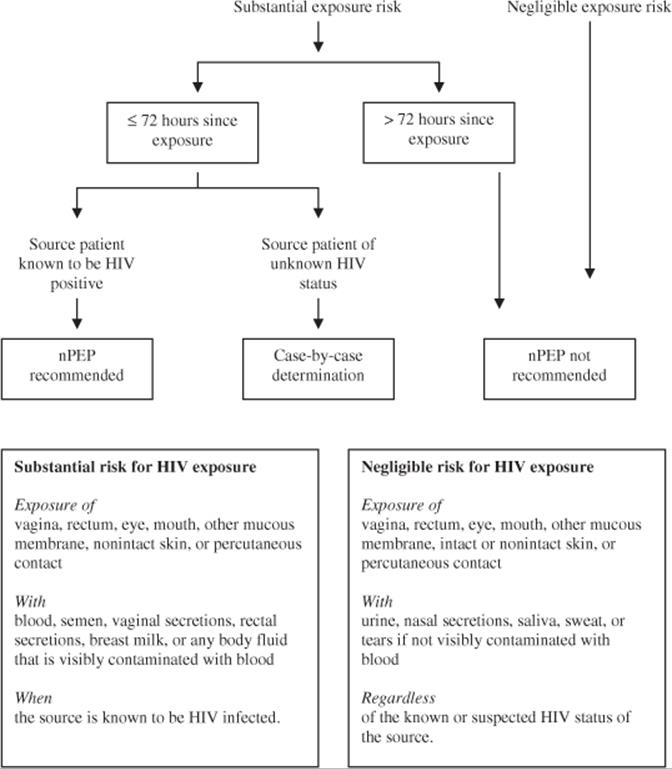
Figure 31-1. Algorithm for Evaluation and Treatment of Nonoccupational Exposure
|
Table 31-14. nPEP Antiretroviral Regimens |
||
|
Type of regimen |
Substantial exposure risk |
Negligible exposure risk |
|
Preferred |
• Zidovudine + lamivudine or emtricitabine • Tenofovir + lamivudine or emtricitabine |
• Lopinavir-ritonavir • Efavirenz |
|
Alternative |
• Stavudine + lamivudine or emtricitabine • Didanosine + lamivudine or emtricitabine • Abacavir + lamivudine or emtricitabine |
• Atazanavir +/- ritonavir • Fosamprenavir +/- ritonavir • Indinavir +/- ritonavir • Saquinavir-ritonavir • Nelfinavir |
|
Triple NRTI (only when other regimens cannot be used) |
• Abacavir + lamivudine + zidovudine |
|
|
Table 31-15. Opportunistic Infections |
||
|
Pathogen |
Indication |
First choice |
Alternative regimens |
Comments |
|
Pneumocystis jiroveci pneumonia |
Prophylaxis: CD4+ < 200/mm3; thrush; unexplained fever ≥ 2 weeks; history of PCP |
TMP-SMX |
Dapsone, atovaquone, or aerosolized pentamidine |
Primary and secondary prophylaxis can be stopped for PCP on immune reconstitution (patients on HAART with CD4+ greater than 200/mm3 for > 3 months). |
|
Pneumocystis jiroveci pneumonia |
Acute infection |
TMP 15-20 mg/kg/d + SMX 75-100 mg/kg/d po or IV × 21 d in 3-4 divided doses |
Pentamidine IV, primaquine + clindamycin, dapsone + TMP, or atovaquone |
Patients with PO2 < 70 mm Hg or A-a gradient > 35 mm Hg should receive a corticosteroid taper; treatment is for 21 days. |
|
Candida |
Treatment |
Fluconazole, clotrimazole troches, nystatin suspension, itraconazole, posaconazole, amphotericin B, anidulafungin, caspofungin, micafungin, or voriconazole |
Any of the preferred regimens |
Thrush: treat for 10-14 days; CD4+. Esophagitis: treat for 2-3 weeks. Chronic use of azoles might promote development of resistance. |
|
Cryptococcal meningitis |
Induction therapy (for at least 2 weeks) |
Amphotericin B or lipid formulation amphotericin + flucytosine |
Amphotericin B + fluconazole, amphotericin B alone, or fluconazole |
Condition is spread through inhalation of soil contaminated with bird droppings. It is very important to manage increased intracranial pressures. |
|
Cryptococcal meningitis |
Consolidation therapy (for at least 8 weeks) |
Fluconazole |
Itraconazole |
|
|
Cryptococcal meningitis |
Maintenance therapy |
Fluconazole |
Itraconazole |
Maintenance therapy is lifelong or until CD4+ ≥ 200/mm3 for > 6 months as a result of ART. |
|
Toxoplasmosis |
Treatment (for at least 6 weeks) |
Pyrimethamine + leucovorin + sulfadiazine |
Pyrimethamine + leucovorin + clindamycin or atovaquone or azithromycin, TMP-SMX, atovaquone alone, or atovaquone + sulfadiazine |
Condition is spread through raw or undercooked meat (lamb, beef, pork) and by contact with infected cat feces. Dexamethasone may be required if significant cerebral edema is present. |
|
Toxoplasmosis |
Chronic maintenance therapy |
Pyrimethamine + leucovorin + sulfadiazine |
Pyrimethamine + leucovorin + clindamycin or atovaquone |
Maintenance therapy is lifelong or until CD4+ ≥ 200/mm3 for > 6 months as a result of ART and patient is free of signs and symptoms. |
|
Histoplasmosis |
Induction therapy (treat for at least 2 weeks) |
Liposomal amphotericin B or itraconazole |
Amphotericin B, amphotericin B lipid complex, or posaconazole |
Condition is spread through inhalation of dust particles. Histoplasmosis is found in soils heavily contaminated by avian or bat feces. The Ohio and Mississippi River valleys are endemic areas in the United States. |
|
Histoplasmosis |
Maintenance therapy (for at least 12 months) |
Itraconazole |
Posaconazole |
Maintenance therapy can be stopped after 12 months of treatment, CD4+ ≥ 150/mm3, ART for > 6 months, urine and serum antigen < 4.1 units. |
|
Mycobacterium avium complex |
Treatment and maintenance therapy |
Clarithromycin + ethambutol +/- rifabutin |
Azithromycin + ethambutol Alternative third drugs: amikacin, streptomycin, ciprofloxacin, levofloxacin, moxifloxacin |
Maintenance therapy may be discontinued after 12 months of treatment, CD4 > 100/mm3 for 6 months on ART after treatment, and patient is asymptomatic. |
|
Mycobacterium avium complex |
Primary prophylaxis: generally recommended at CD4 counts < 50/mm3 |
Azithromycin or clarithromycin |
Rifabutin or azithromycin + rifabutin |
It may be possible to discontinue treatment when CD4 count > 100/mm3 for > 6 months in patients on ART. |
|
Cytomegalovirus retinitis |
Treatment (for 21 days) |
Intraocular ganciclovir, valganciclovir, foscarnet, or ganciclovir |
Cidofovir |
Oral ganciclovir should not be used as sole induction therapy. Optimization of ART is an important part of initial therapy. |
|
Cytomegalovirus retinitis |
Maintenance |
Valganciclovir or intraocular ganciclovir |
Ganciclovir, foscarnet, or cidofovir |
Maintenance therapy can be stopped with inactive disease, CD4 > 100-150/mm3 for 3-6 months in patients on ART. |
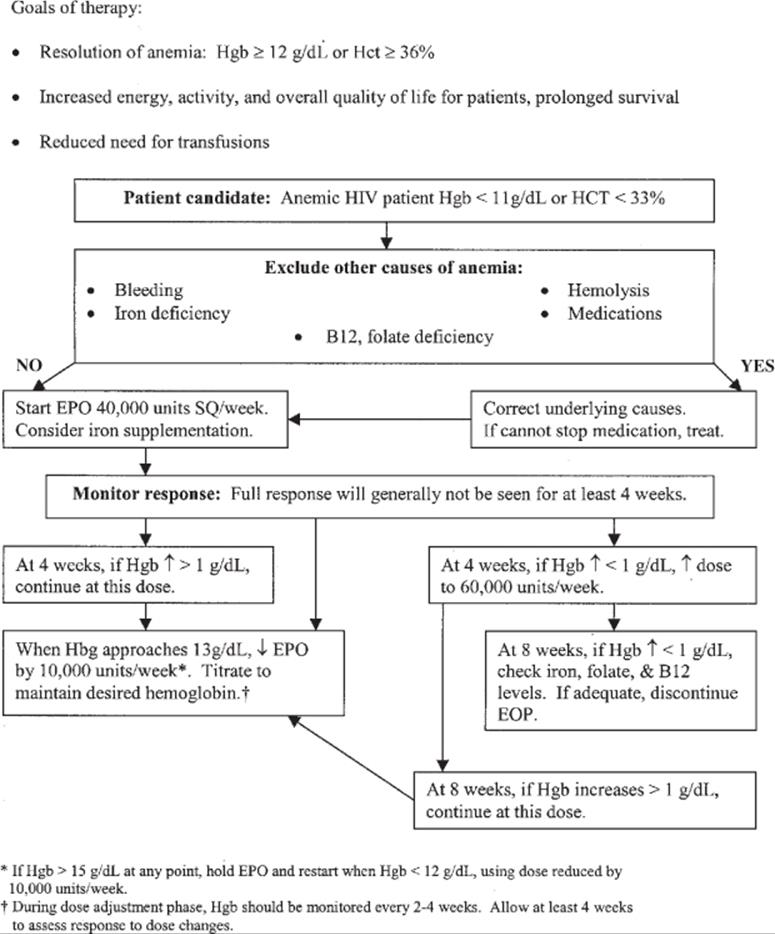
Figure 31-2. Guidelines for the Treatment of Anemia in the HIV Patient
|
Table 32-1. Guidelines for Tetanus Wound Management |
|||||
|
Clean minor wounds |
All other wounds |
||||
|
Vaccination history |
Td or Tdapa |
TIG |
Td or Tdapa |
TIG |
|
|
Unknown or < 3 years since last dose |
Yes |
No |
Yes |
Yes |
|
|
Three or more years since last dose |
Nob |
No |
Noc |
No |
|
|
Td, tetanus-diphtheria vaccine; Tdap, tetanus-diphtheria-pertussis vaccine; TIG, tetanus immune globulin. a. Tdap should be used if the patient has not previously received Tdap and is 10 years or older. b. Yes, if > 10 years since last dose. c. Yes, if > 5 years since last dose. |
|||||
|
Table 33-1. Proportionality Constant for Calculation of Creatinine Clearance Using the Schwartz Equationa |
|||||
|
Age |
k |
||||
|
Low birth weight ≤ 1 year |
0.33 |
||||
|
Full term ≤ 1 year |
0.45 |
||||
|
1-12 years |
0.55 |
||||
|
14-21 years (female) |
0.55 |
||||
|
14-21 years (male) |
0.70 |
||||
|
a. Schwartz et al. 1987. |
|||||
|
Table 33-2. Treatment Options for Otitis Media |
|||
|
Severity of illness |
First-line therapy |
Therapy for penicillin allergy |
|
|
Nonsevere illness: At diagnosis (initial antibiotic therapy) |
Amoxicillin (80-90 mg/kg/day) |
Non-type I: Cefdinir (14 mg/kg/day in 1 or 2 doses), cefuroxime (30 mg/kg/day in 2 doses), or cefpodoxime (10 mg/kg/day once daily) Type I: Azithromycin (10 mg/kg day 1, 5 mg/kg days 2-5) or clarithromycin (15 mg/kg/day in 2 doses) |
|
|
Severe illness: At diagnosis (initial antibiotic therapy) |
Amoxicillin-clavulanate (90 mg/kg/day amoxicillin, 6.4 mg/kg/day clavulanate) |
Ceftriaxone (50 mg/kg/day for 1 or 3 days) |
|
|
Nonsevere illness: Treatment failure at 48-72 hours (initial observation option) |
Amoxicillin (80-90 mg/kg/day) |
Non-type I: Cefdinir (14 mg/kg/day in 1 or 2 doses), cefuroxime (30 mg/kg/day in 2 doses), or cefpodoxime (10 mg/kg/day once daily) Type I: Azithromycin (10 mg/kg day 1, 5 mg/kg days 2-5) or clarithromycin (15 mg/kg/day in 2 doses) |
|
|
Severe illness: Treatment failure at 48-72 hours (initial observation option) |
Amoxicillin-clavulanate (90 mg/kg/day amoxicillin, 6.4 mg/kg/day clavulanate) |
Ceftriaxone (50 mg/kg/day for 1 or 3 days) |
|
|
Nonsevere illness: Treatment failure at 48-72 hours (initial antibiotic therapy) |
Amoxicillin-clavulanate (90 mg/kg/day amoxicillin, 6.4 mg/kg/day clavulanate) |
Non-type I: Cefriaxone (50 mg/kg/day for 3 days) Type I: Clindamycin (30-40 mg/kg/day in 3 doses) |
|
|
Severe illness: Treatment failure at 48-72 hours (initial antibiotic therapy) |
Ceftriaxone (50 mg/kg/day for 3 days) |
Tympanocentesis: Clindamycin (30-40 mg/kg/day in 3 doses) |
|
|
AAP/AAFP Clinical Practice Guideline, 2004. Note: Observation option must have follow-up at 48-72 hours and access to antibiotics if symptoms persist or worsen. Nonsevere illness manifests as mild otalgia and fever < 39°C or 102.2°F. Severe illness manifests as moderate to severe otalgia or fever of ≥ 39°C or 102.2°F. |
|||
|
Table 33-3. Drug Therapy for Cystic Fibrosis |
|||
|
Therapeutic category |
Indication and mechanism of action |
Comments |
|
|
Pancreatic enzymes: microencapsulated (Creon, Pancrease, Pancrelipase, Ultrase); Tablet (Viokase); Powder (Viokase) |
Supplementation or replacement of pancreatic enzymes (treatment of malabsorption syndrome); aid in digestion of proteins, carbohydrates, and fats |
Products differ by enzyme content (units of lipase, protease, and amylase) and dosage form. Primary enzyme component is lipase. Dose is typically whole dose with meals and half dose with snacks. Adequate replacement decreases bowel movements and improves stool consistency. |
|
|
Fat-soluble vitamins |
Supplementation of fat-soluble vitamins A, D, E, and K |
Vitamins may be dosed individually, through the use of 1 or 2 multivitamins daily, or with a water-miscible combination preparation. |
|
|
Nebulization therapy |
Liquefaction of pulmonary secretions |
Nebulization therapy can be accomplished with normal saline or sterile water with or without other therapies.a |
|
|
N-acetylcysteine (Mucomyst) |
Lowered mucus viscosity through sulfhydryl group, which opens the disulfide bond in mucoproteins |
Bad taste and odor are present. Significant efficacy has not been documented. |
|
|
Recombinant human DNase (dornase alfa, Pulmozyme) |
Contribution of DNA in mucus to viscosity; mechanism of action through cleavage of DNA (thereby decreasing mucus viscosity) |
Product is expensive, reduces viscosity, improves pulmonary function, and may decrease respiratory exacerbations. |
|
|
Ursodeoxycholic acid (ursodiol, Actigall) |
Bile acid that suppresses hepatic synthesis and secretion of cholesterol; inhibits intestinal cholesterol absorption; solubilizes cholesterol |
Product aids in dissolution of stones with cholelithiasis. |
|
|
Bronchodilators (β2-agonists, theophylline) |
Bronchodilator in reversible or obstructive airway disease |
Bronchodilators may benefit patients with component of reactive airway disease; patients should use β2-agonist before theophylline because of pharmacokinetic issues. Response (improvement in FEV1) should be documented before initiating long-term therapy. |
|
|
Antibiotics |
Treatment of infection |
Altered pharmacokinetics may affect and complicate therapy. |
|
|
Ibuprofen |
Nonsteroidal anti-inflammatory; controls airway inflammation |
Ibuprofen is not used routinely; it may have an effect on slowing pulmonary disease. High dosages are needed to achieve good concentrations (requires therapeutic drug monitoring). |
|
|
Corticosteroids |
Anti-inflammatory |
Corticosteroids are not used routinely; they have positive effects on pulmonary function but negative effects on growth and development, glucose sensitivity, and bone health. |
|
|
a. Other therapies include N-acetylcysteine and recombinant human DNase. |
|||
|
Table 33-4. Drug Therapy for Attention-Deficit/Hyperactivity Disorder |
|
Therapeutic category |
Indication and mechanism of action |
Comments |
|
|
Stimulants (first-line therapy) |
|||
|
Short-acting: methylphenidate (Ritalin, Methylin); intermediate-acting: methylphenidate (Ritalin SR, Metadate ER, Methylin ER); long-acting: methylphenidate (Concerta, Metadate CD, Ritalin LA, Daytrana); short-acting amphetamine (Dexedrine, Dextrostat); intermediate-acting amphetamine (Adderall, Dexedrine Spansule); long-acting amphetamine (Adderall-XR) |
Reuptake blockade of catecholamines (norepinephrine and dopamine) in presynaptic nerve endings |
Because of concern of sudden death and stroke, methylphenidate should not be used in children or adults with structural cardiac abnormalities. Do not give after 4:00 pm because later doses may cause insomnia. Spansules may be opened and contents sprinkled on applesauce. Methylphenidate is not labeled for use in children < 6 years of age. Daytrana is a transdermal patch and should be applied every morning to alternating hips and worn for 9 hours. Amphetamines are not labeled for use in children < 3 years of age. Adderall can be crushed. Drug holidays are recommended (e.g., summer is a good time to see if patient is outgrowing disease). Products are not addictive in children with ADHD, but some parents or siblings may abuse child's medications. |
|
|
Antidepressants (second-line therapy) |
|||
|
Tricyclics (imipramine, desipramine) |
Reuptake blockade of norepinephrine and serotonin presynaptically |
Tricyclics may be used in patients who fail to respond or are intolerant to stimulants. Tricyclics are drug of choice in ADHD with depression. They have longer duration of action. No rebound or wearing-off effect occurs. Rapid onset occurs in ADHD; effect can be noticed in 3-4 days. Taper off patient's dosage over 2 to 3 weeks. Baseline and follow-up ECGs are needed. |
|
|
Bupropion (Wellbutrin, Wellbutrin SR, Wellbutrin XL) |
Indirect dopamine agonist and nonadrenergic effects |
Products may induce seizures. |
|
|
Other agents (not currently supported by most recent AAP Guidelines, 2001) |
|||
|
D-threo-enantiomer of racemic methylphenidate, dexmethylphenidate (Focalin) |
Blockade of dopamine and norepinephrine in presynaptic nerve endings |
D-enantiomer is thought to be the more active enantiomer. |
|
|
Atomoxetine (Strattera) |
Noradrenergic-specific reuptake inhibitor |
Product is a nonstimulant agent; discontinue in patients who develop jaundice or laboratory evidence of liver injury. |
|
|
Clonidine |
α2-noradrenergic agonist |
Clonidine is a good drug to use with ADHD and coexisting conditions such as sleep disturbances. |
|
|
Pemoline (Cylert) |
Blockade of dopamine and norepinephrine in presynaptic nerve endings |
Product was withdrawn by manufacturer; previously, it was rarely used secondary to association with fatal hepatic failure (not dose or time related). |
|
|
Table 34-1. Anticholinergic Drugs That Can Worsen Alzheimer's Disease |
|||
|
Class |
Drugs |
||
|
Antidepressants |
Highest effects: amitriptyline, amoxapine, clomipramine, protriptyline; moderate effects: bupropion, doxepin, imipramine, maprotiline, trimipramine |
||
|
Antiparkinsonian agents |
Benztropine, trihexyphenidyl |
||
|
Antipsychotics |
Highest effects: clozapine, mesoridazine, olanzapine, promazine, triflupromazine, thioridazine; moderate effects: chlorpromazine, chlorprothixene, pimozide |
||
|
Antispasmodics |
Atropine, belladonna alkaloids, dicyclomine, glycopyrrolate, hyoscyamine, methscopolamine, oxyphencyclimine, propantheline, oxybutynin, flavoxate, terodiline |
||
|
Antihistamines |
Highest effects: carbinoxamine, clemastine, diphenhydramine, promethazine; moderate effects: azatadine, brompheniramine, chlorpheniramine, cyproheptadine, dexchlorpheniramine, triprolidine, hydroxyzine |
||
|
Antiemetic-antivertigo agents |
Meclizine, scopolamine, dimenhydrinate, trimethobenzamide, prochlorperazine |
||
|
Other agents with some anticholinergic activity |
Paroxetine |
||
|
Table 34-2. Drugs Used to Treat Alzheimer's Disease |
|||||
|
Generic name |
Trade name |
Usual dosage |
Dosage forms |
Adverse effects |
|
|
Tacrine |
Cognex |
10-20 mg bid |
Capsules |
Nausea and vomiting, hepatotoxicity |
|
|
Donepezil |
Aricept |
5-10 mg at bedtime |
Tablets, oral solution, disintegrating tablets |
Nausea and vomiting |
|
|
Rivastigmine |
Exelon |
1.5-6 mg bid |
Capsules, transdermal patch |
Nausea and vomiting, anorexia, weight loss |
|
|
Galantamine |
Razadyne |
4-12 mg bid |
Tablets, extended-release capules, oral solution |
Nausea and vomiting |
|
|
Memantine |
Namenda |
10 mg bid |
Tablets, oral solution |
Headache, constipation, dizziness, hypertension |
|
|
Table 34-3. The Stages of Parkinson's Disease |
|||||
|
Stage |
Characteristics |
||||
|
1 |
Only unilateral involvement, with minimal or no functional impairment |
||||
|
2 |
Bilateral involvement without impairment of balance |
||||
|
3 |
Mild to moderate bilateral disease, with some postural instability (patient can maintain independence) |
||||
|
4 |
Severe disability (patient is unable to live alone independently) |
||||
|
5 |
Inability to walk or stand without assistance |
||||
|
Table 34-4. Drugs for Treating Parkinson's Disease |
|||
|
Generic name |
Trade name |
Mechanism of action |
Dosage and available strengths and forms |
|
Carbidopa-levodopa |
Sinemet |
Increases dopamine (levodopa); prevents metabolism (carbidopa) |
Give 25/100 mg/d at breakfast; increase to 25/100 mg tid. Dosage may be increased to 25/250 mg qid. Sustained-release 25/100 mg and 50/200 mg tablets are available. |
|
Bromocriptine |
Parlodel |
Directly stimulates dopamine receptors |
Give 1.25 mg bid with meals; increase by 2.5 mg/d every day, up to 100 mg/d. 2.5 mg and 5 mg tablets are available. |
|
Pramipexole |
Mirapex |
Directly stimulates dopamine receptors |
Give 0.125 mg tid; increase weekly to 0.5-1.5 mg tid. 0.125, 0.25, 1, and 1.5 mg tablets are available. |
|
Ropinirole |
Requip |
Directly stimulates dopamine receptors |
Give 0.25 mg tid; increase gradually to a maximum of 24 mg/d. 0.25, 0.5, 1, 2, 4, and 5 mg tablets are available. |
|
Apomorphine |
Directly stimulates dopamine receptors |
Give 0.2-0.6 ml (2-6 mg) SC for acute attacks. Oral antiemetic (trimethobenzamide) given concurrently. |
|
|
Selegiline |
(Eldepryl, Carbex, Atapryl, Zelapar) |
Inhibits monoamine oxidase B; increases dopamine and serotonin |
Initially give 5 mg at breakfast; increase to 5 mg at breakfast and lunch. 5 mg capsules, 5 mg tablets, and 1.25 mg oral disintegrating tablets (Zelapar) are available. |
|
Rasagiline |
(Azilect) |
Inhibits monoamine oxidase B; increases dopamine and serotonin |
Initial monotherapy is 0.5 mg once daily, as adjunct to levodopa 0.5 mg to 1 mg daily. 0.5 mg and 1 mg tablets are available. |
|
Entacapone |
(Comtan) |
Inhibits catecholamine O-methyl transferase (COMT), increasing dopamine |
Give 200 mg with each dose of carbidopa-levodopa; maximum is 1,600 mg/d. 200 mg tablets are available. |
|
Tolcapone |
(Tasmar) |
Inhibits COMT, increasing dopamine |
Give 100 mg tid; discontinue if no benefits in 3 weeks. 100 and 200 mg tablets are available. |
|
Amantadine |
Symmetrel |
May increase presynaptic release of dopamine; blocks reuptake |
Give 100 mg bid; maximum is dose 400 mg/d. 100 mg tablets, 100 mg capsules, and 50 mg/5 mL syrup are available. |
|
Benztropine |
Cogentin |
Blocks acetylcholine; may balance dopamine |
Give 1-2 mg po, IM, or IV at bedtime or 0.5-6 mg/d in divided doses. 0.5, 1, and 2 mg tablets and 1 mg/mL injection are available. |
|
Trihexyphenidyl |
Artane |
Blocks acetylcholine; may balance dopamine |
Give 1 mg/d up to 5 mg/d (divided doses); 2 and 5 mg tablets and 2 mg/5 mL elixir are available. |
|
Carbidopa-entacapone-levodopa |
Stalevo |
Combined effects of all three agents |
Dosage is individualized, up to 8 tablets per day. Three dosage combinations are available. |
|
IM, intramuscular; IV, intravenous; SC, subcutaneous. |
|||
|
Table 34-5. Adverse Effects of Medications Used to Treat Parkinson's Disease |
|||
|
Drug |
Adverse effects |
||
|
Dopaminergics: levodopa, pramipexole, bromocriptine, ropinirole, amantadine |
Nausea and vomiting, agitation, confusion, depression, psychoses, orthostatic hypotension, dyskinetic movements, "sleep attacks," and "pathologic gambling" (dopamine agonists) |
||
|
MAO-B inhibitors: selegiline, rasagiline |
Nausea and vomiting, insomnia, dizziness, agitation, confusion, dyskinetic movements, anorexia |
||
|
Amantadine |
Confusion, dizziness, depression, anxiety, psychoses, insomnia |
||
|
COMT inhibitors: tolcapone, entacapone |
Nausea and vomiting, diarrhea, dyskinesia, urine coloration, liver toxicity (tolcapone) |
||
|
Anticholinergics: benztropine, trihexyphenidyl |
Dry mouth, blurred vision, constipation, urinary retention, confusion, agitation, psychoses |
||
|
Table 34-6. Drug-Drug Interactions with Medications Used to Treat Parkinson's Disease |
||
|
Medication |
Interacting drug |
Outcome |
|
Dopamine agonists (e.g., bromocriptine, ropinirole) |
Dopamine antagonists (e.g., haloperidol, metoclopramide) |
Inhibition of benefits with worsening parkinsonism |
|
Levodopa |
Dopamine antagonists |
Inhibition of benefits with worsening parkinsonism |
|
Apomorphine |
Ondansetron, other serotonin-receptor antagonists |
Severe hypotension and loss of consciousness |
|
Selegiline |
Serotonergics, selective serotonin reuptake inhibitors, buspirone, mirtazapine |
Serotonin syndrome (confusion, agitation, tremor, seizures, coma) |
|
COMT inhibitors |
Nonselective MAO inhibitors: phenelzine |
Serotonin syndrome; hypertensive crisis secondary to increased catecholamines |
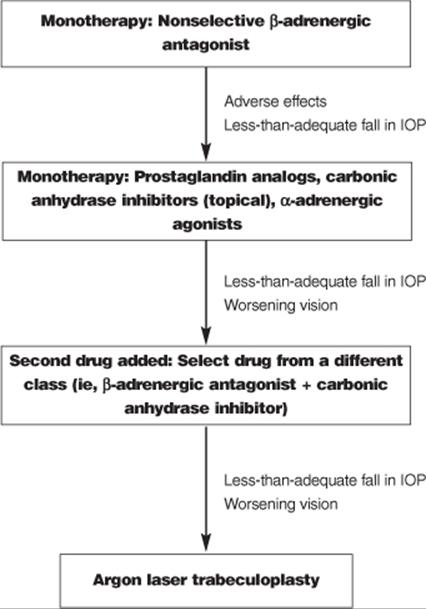
Figure 34-1. Algorithm for the Treatment of Open-Angle Glaucoma
|
Table 34-7. Medications for the Treatment of Glaucoma |
||||||
|
Generic name |
Trade name |
Form |
Usual dosage |
Comments |
||
|
Nonselective β antagonists |
Nonselective β antagonists are often the first choice for open-angle glaucoma. |
|||||
|
Timolol |
Timoptic |
0.25% and 0.50% solution and gel-forming solution |
1 drop twice daily; gel solution used once daily |
|||
|
Carteolol |
Ocupress |
1% ophthalmic solution |
1 drop twice daily |
|||
|
Levobunolol |
Betagen |
0.25% and 0.50% solution |
1 or 2 drops 1-4 times daily |
|||
|
Metipranolol |
Optipranolol |
0.3% solution |
1 drop twice daily |
|||
|
Selective β1 antagonists |
||||||
|
Betaxolol |
Betoptic |
0.25% and 0.50% solution |
1 or 2 drops twice daily |
Drug is cardioselective. It has less effect on heart rate and blood pressure. |
||
|
Levobetaxolol |
Betaxon |
0.50% solution |
1 drop twice daily |
Drug is cardioselective. |
||
|
Carbonic anhydrase inhibitors |
||||||
|
Acetazolamide |
Diamox |
125 and 250 mg tablets, 500 mg extended-release capsules |
250 mg 1-4 times daily; extended-release 1 or 2 times daily |
Do not use with sulfa allergy. |
||
|
Dorzolamide |
Trusopt |
2.0% solution |
1 drop 3 times daily |
Do not use with sulfa allergy. |
||
|
Brinzolamide |
Azopt |
1.0% solution |
1 drop 3 times daily |
Do not use with sulfa allergy. |
||
|
Methazolamide |
Neptazane |
25 and 50 mg tablets |
15-50 mg 1-3 times daily |
Do not use with sulfa allergy. |
||
|
Prostaglandin analogues |
||||||
|
Latanoprost |
Xalatan |
0.005% solution, refrigerated |
1 drop at bedtime |
Drug can change blue eyes to brown. |
||
|
Bimatoprost |
Lumigan |
0.03% solution |
1 drop at bedtime |
Drug can cause darkening of eyelids and eyelashes. |
||
|
Travoprost |
Travatan |
0.004% solution |
1 drop at bedtime |
Ocular hyperemia frequently occurs. |
||
|
Unoprostone |
Rescula |
0.15% solution |
1 drop twice daily |
If used with another drop, wait 5 minutes. |
||
|
α2-adrenergic agonists |
||||||
|
Brimonidine |
Alphagan |
0.15% solution |
1 drop 3 times daily |
Wait at least 15 minutes after using before placing soft contacts. |
||
|
Dipivefrin |
Propine |
0.1% solution |
1 drop twice daily |
Dipivefrin is a prodrug of epinephrine. |
||
|
Cholinergics (miotics) |
||||||
|
Pilocarpine |
Pilocar |
0.5%, 1%, 2%, 3%, 4%, 6%, 8% solution, 4% gel |
1 or 2 drops 3-4 times daily; 1/2 inch gel at bedtime |
A once weekly dose form called Ocuserts is available. |
||
|
Table 34-8. Classification, Mechanism of Action, and Adverse Effects of Glaucoma Medications |
||||||
|
Medication class |
Mechanism of action |
Adverse effects |
||||
|
β-adrenergic antagonists (timolol, metipranolol, carteolol, levobunolol, etc.) |
Decrease in aqueous humor formation with slight increase in outflow (β selective) |
Adverse cardiac effects, worsening pulmonary disease, depression, dizziness |
||||
|
Miotics (cholinergics) (pilocarpine, carbachol) |
Increase in aqueous humor outflow |
Miosis, brow ache, dizziness, nausea, flushing, itching, sweating, confusion |
||||
|
Carbonic anhydrase inhibitors (dorzolamide, brinzolamide) |
Decrease in aqueous humor formation |
Lethargy, decreased appetite, GI upset, urinary frequency |
||||
|
Prostaglandin analogues (latanoprost, travoprost, bimatoprost) |
Increased uveoscleral outflow without effect on aqueous humor formation |
Iris pigmentation, eyelid darkening, macular edema |
||||
|
α2-adrenergic agonists (apraclonidine, brimonidine) |
Decrease in aqueous humor formation |
Tachycardia, dry mouth, eyelid elevation, central nervous system effects in the old and very young |
||||
|
Other α-adrenergic agonists (epinephrine, dipivefrin) |
Increase in aqueous humor outflow |
Tachycardia, increased blood pressure, allergic responses |
||||
|
Table 35-1. Ranking of Most Frequent Poisonings from U.S. Poison Centers and Emergency Departments, 2006 |
|||
|
Cases from poison centersa |
Cases from emergency departmentsb |
||
|
Analgesics |
Alcohol, alone or in combination |
||
|
Cosmetics and personal care products |
Cocaine Marijuana |
||
|
Cleaning substances |
Anxiolytics and sedatives |
||
|
Sedative drugs |
Opioid analgesics |
||
|
Foreign bodies |
Nonopioid analgesics |
||
|
Cough and cold drugs |
Heroin |
||
|
Topical drugs |
Antidepressant drugs |
||
|
Pesticides |
Amphetamines |
||
|
Antidepressant drugs |
Antipsychotic drugs |
||
|
Bites and envenomations |
Muscle relaxant drugs |
||
|
Cardiovascular drugs |
Cardiovascular drugs |
||
|
Alcohols |
|||
|
a. Categories are listed in decreasing order of frequency and are based on 2,403,539 poison exposures. Source: Bronstein AC, Spyker DA, Cantelina LR, et al. 2006 annual report of the American Association of Poison Control Centers' National Poison Data System (NCDS). Clin Toxicol. 2007;45:815-917. b. Categories are listed in decreasing order of frequency and are based on cases of substance abuse, poisoning, overmedication, and attempted suicide in 2006. Source: Office of Applied Studies, Substance Abuse and Mental Health Services Administration. Drug Abuse Warning Network, 2006. DHHS publication SMA 08-4339. Rockville, Md.: Substance Abuse and Mental Health Services Administration; 2008. |
|||
|
Table 35-2. First Aid for Poisoning Emergencies |
|||
|
Type of emergency |
First-aid response |
||
|
Inhaled poison |
Immediately get the person to fresh air. Avoid breathing fumes. Open doors and windows wide. |
||
|
Poison on the skin |
Remove any contaminated clothing, and flood skin with water for at least 15 minutes. |
||
|
Poison in the eye |
Remove contact lenses. Flood the eye with water, pouring it from a large glass 2-3 inches from the eye. Repeat for a total of 15-30 minutes. Do not force the eyelid open. |
||
|
Swallowed poison |
Unless the victim is unconscious, is having convulsions, or cannot swallow, give a small glassful (2-4 oz) of water immediately. Call a poison center for advice about whether other actions are needed. |
||
|
Table 35-3. Selected Drugs of Abuse and Addictive Substances |
|
Substance |
Slang names |
Methods of abuse |
Major or unique health effects |
|
|
Androgenic anabolic steroids |
Roids |
These drugs are taken orally or injected, typically in cycles of weeks or months ("cycling"). Users often combine several different types of steroids ("stacking"). |
Anabolic steroids are synthetic derivatives of testosterone. Abuse can lead to serious health problems, some irreversible. Men: Shrinking of the testicles, reduced sperm count, infertility, baldness, gynecomastia, and increased risk for prostate cancer can occur. Women: Growth of facial hair, male-pattern baldness, changes in or cessation of the menstrual cycle, enlargement of the clitoris, and deepened voice can occur. Adolescents: Stunted growth by premature skeletal maturation and accelerated puberty changes can occur. Other major side effects include jaundice, fluid retention, high blood pressure, and severe acne. Extreme mood swings, including manic-like symptoms leading to violence and depression, are often experienced when drugs are stopped, and such symptoms may contribute to dependence. |
|
|
Barbiturates |
Barbs, downers |
Barbiturates can be ingested or injected. |
Barbiturates are CNS depressants that at high doses can become general anesthetics. With high doses, coma, ataxia, depressed reflexes, hypotension, and respiratory depression can occur. CNS depressants should not be combined with any medication or substance that causes sedation, including prescription pain medicines, certain over-the-counter cold and allergy medications, or alcoholic drinks. The effects of the drugs can combine to slow breathing or to slow both the heart and respiration, which can be fatal. Discontinuing prolonged use of high doses of barbiturates can lead to withdrawal. |
|
|
Cocaine |
Snow, crack (the street name given to cocaine that has been processed from cocaine hydrochloride to the free base for smoking), rock |
Cocaine can be sniffed or snorted, injected, or smoked (free-base and crack cocaine). It is poorly absorbed orally. |
Cocaine is a CNS stimulant that produces euphoric effects and hyper-stimulation such as dilated pupils, increased temperature, tachycardia, and hypertension. Prolonged cocaine snorting can result in ulceration of the mucous membranes of the nose and can damage the nasal septum enough to cause it to collapse. Cocaine-related deaths are often a result of cardiac arrest or seizures followed by respiratory arrest. Tolerance to the euphoric effects develops. When addicted individuals stop using cocaine, they often become depressed. |
|
|
Dextromethorphan |
DXM, DM, robo, velvet, rojo |
This drug is taken orally by drinking dextromethorphan-containing cough syrups. Availability of the powdered form has led to repackaging as capsules or tablets and to snorting. |
Dextromethorphan is the dextro isomer of levomethorphan. It has no analgesic, opiate-like, dependence-producing properties. A behaviorally active metabolite, dextrorphan is structurally related to PCP (phencyclidine) and ketamine and may contribute to its abuse potential. The typical clinical presentation of intoxication involves hyperexcitability, lethargy, ataxia, slurred speech, sweating, hypertension, and nystagmus. Abusers report a heightened sense of perceptual awareness, altered time perception, and visual hallucinations. The majority of abuse occurs among teenagers and young adults who use dextromethorphan alone or mixed with other drugs. It has been sold as "ecstasy." It has been identified as a filler in confiscated samples of bogus heroin and bogus ketamine. Procedures to extract dextromethorphan from cough syrups are described on the Internet, which has led to the availability of powdered forms. |
|
|
Ethanol |
Various names and alcoholic drinks |
Ethanol is ingested. |
Ethanol is a CNS depressant that at high doses can lead to hypotension, hypoglycemia, respiratory depression, and death. Acute intoxication leads to ataxia, sedation, emesis, and slurred speech. Chronic abuse leads to many medical complications such as esophageal varices, hepatic failure with ascites, and malnutrition. Tolerance, dependence, and withdrawal develop with chronic abuse. |
|
|
Gamma-hydroxybutyrate (GHB) |
Liquid ecstasy, soap, easy lay, Georgia home boy, somatomax, scoop, grievous bodily harm |
GHB is ingested. |
GHB is a CNS depressant abused for euphoric, sedative, and anabolic (body-building) effects. Coma and seizures are likely; increased risk of seizures occurs when combined with methamphetamine. Use with alcohol causes nausea and difficulty breathing. GHB and two of its precursors, gamma-butyrolactone (GBL) and 1,4-butanediol (BD) have been involved in poisonings, overdoses, date rapes, and deaths. They are produced by illicit laboratories. GHB may produce withdrawal effects. |
|
|
Heroin |
Smack, H, skag, junk |
Heroin can be injected, snorted, or smoked. |
Abuse is associated with fatal overdose, spontaneous abortion, collapsed veins, and infectious diseases, including HIV/AIDS and hepatitis. Effects include euphoria ("rush") followed by an alternately wakeful and drowsy state ("on the nod"). CNS depression, respiratory depression, miosis (pinpoint pupils), and pulmonary edema can occur. Street heroin may have additives. With regular use, tolerance develops and withdrawal is possible. |
|
|
Inhalants |
Various names |
Inhalants are sniffed or huffed. |
Inhalants include a variety of breathable chemical vapors that produce psychoactive effects. They are found in industrial or household solvents or solvent-containing products, including paint thinners or solvents, degreasers, dry-cleaning fluids, gasoline, and glues. Nearly all abused inhalants produce short-term intoxicating and CNS depressant effects similar to anesthetics. Intoxication usually lasts only a few minutes. Successive inhalations lead to loss of inhibition and control. Continued use can lead to coma. In some cases, heart failure and death occur within minutes of a session of prolonged use ("sudden sniffing death"). |
|
|
Injected drugs |
Various names |
Such drugs are injected, which is referred to as "shooting up" or "mainlining." |
Injecting drug users are at risk for transmitting or acquiring HIV/AIDS, hepatitis, bacterial infections, and fungal infections if needles or other injection equipment are shared. Chronic users may develop collapsed veins, infection of the heart lining and valves, skin abscesses, cellulitis, and liver disease. Because some abusers dissolve the tablets in water and inject the mixture, emboli can form from the insoluble materials in the tablets. |
|
|
Ketamine |
K, special K, cat Valium, vitamin K |
Ketamine is injected or snorted. |
Ketamine is an anesthetic that has been approved for human and veterinary use. Certain doses can cause dream-like states and hallucinations. At high doses, ketamine can cause delirium, amnesia, impaired motor function, hypertension, depression, and potentially fatal respiratory depression. |
|
|
Lysergic acid diethylamide (LSD) |
Acid, L, blotter, cubes, sugar, dots |
LSD is ingested. It is often added to absorbent paper, such as blotter paper, and divided into small decorated squares ("blotter acid") or placed on dot-like candy ("dots") or sugar cubes ("cubes," "sugar"). |
LSD is a hallucinogen sold on the street in tablets, capsules, and liquid form. Effects are unpredictable. Physical effects include mydriasis (dilated pupils), elevated temperature, tachycardia, hypertension, sweating, loss of appetite, sleeplessness, dry mouth, and tremors. Sensations and feelings change more dramatically than do the physical signs. In sufficient doses, the drug produces delusions and visual hallucinations. Some users experience severe, terrifying thoughts and feelings; fear of losing control; fear of insanity and death; and despair. Fatal accidents have occurred during intoxication. Many users experience flashbacks. |
|
|
Marijuana |
Pot; herb; weed; grass; widow; ganja; hash; and trademarked varieties of cannabis, such as Bubble Gum, Northern Lights, Juicy Fruit, Afghani #1, and a number of Skunk varieties |
Marijuana is smoked as a cigarette ("joint," "nail"), in a pipe ("bong"), or in blunts (cigars that have been emptied of tobacco and refilled with marijuana, often in combination with another drug). It is also ingested when mixed in food or brewed as a tea. |
Main active chemical in marijuana is THC (delta-9-tetrahydrocannabinol). Delirium, conjunctivitis, and food craving are typical. Short-term effects include problems with memory and learning, distorted perception, difficulty in thinking and problem solving, loss of coordination, and tachycardia. Risk of heart attack more than quadruples in the first hour after smoking marijuana. Users experience the same respiratory problems as cigarette smokers (see nicotine); burning and stinging of the mouth and throat, often accompanied by a heavy cough, can occur. Drug craving and withdrawal effects can occur. |
|
|
3-4,-methylene-dioxy-methamphetamine (MDMA) |
Ecstasy, Adam, XTC, hug, beans, love drug |
MDMA is ingested, snorted, injected, or used in suppository form. |
MDMA is a synthetic, psychoactive drug with both stimulant and hallucinogenic properties. It increases pulse and blood pressure. In high doses, it can cause malignant hyperthermia leading to rhabdomyolysis (muscle breakdown with kidney and cardiovascular system failure). Psychological difficulties, which include confusion, depression, sleep problems, drug craving, severe anxiety, and paranoia, occur during use and sometimes for weeks afterward. Physical symptoms include muscle tension, involuntary teeth clenching, nausea, blurred vision, nystagmus, faintness, chills, or sweating. Content of the MDMA pills also varies widely, and may include caffeine, dextromethorphan, heroin, and mescaline. In some areas, the MDMA-like substance paramethoxyamphetamine (PMA) has led to death when mistaken for true MDMA; deaths were due to complications from hyperthermia. |
|
|
Methamphetamine |
Crank, meth, speed, chalk, ice, crystal, glass |
Methamphetamine can be ingested, snorted in the powder form, or injected. The clear, chunky crystals resembling ice can be smoked and are referred to as "ice," "crystal," and "glass." |
Methamphetamine is an addictive stimulant chemically related to amphetamine. It produces euphoria, irritability, insomnia, confusion, tremors, convulsions, anxiety, paranoia, and aggressiveness. Higher doses lead to hypertension, tachycardia, stroke, arrhythmias, cardiovascular collapse, and death. Hyperthermia and convulsions can result in death. Prolonged use leads to extreme anorexia and is associated with tooth decay and skin lesions. Methamphetamine is made in illegal laboratories and may contain contaminants and by-products. The potential for abuse and dependence is high. |
|
|
Nicotine |
Various names and products |
Nicotine is smoked with tobacco in cigarettes, cigars, and pipes. It also is in chewing tobacco. |
Nicotine is a highly addictive CNS stimulant and sedative. Stimulation is followed by depression and fatigue, leading the user to seek more nicotine. Women who smoke and take oral contraceptives are more prone to cardiovascular and cerebrovascular diseases, especially those older than 30. Pregnant women have an increased risk of having stillborn or premature infants or infants with low birth weight. Respiratory problems include daily cough and phlegm production, more frequent acute respiratory illness, a heightened risk of lung infections, and a greater tendency toward obstructed airways and cancer of the respiratory tract and lungs. Tar in cigarettes is associated with a higher rate of lung cancer, emphysema, and bronchial disorders. Carbon monoxide in the smoke increases the chance of cardiovascular diseases. Nicotine tolerance, dependence, and withdrawal symptoms occur. |
|
|
Opioids |
Various names |
Opioids are ingested or injected. |
Opioids include morphine; codeine; oxycodone (Oxycontin, MS Contin); propoxyphene (Darvon); hydrocodone (Vicodin); hydromorphone (Dilaudid); and meperidine (Demerol). They cause drowsiness and constipation. Large single doses cause coma, hypotension, respiratory depression, and in some cases seizures and death. Mixing with alcohol and other CNS depressants increases the risk of coma and death. Chronic use of opioids produces tolerance, physical dependence, and withdrawal symptoms. |
|
|
Phencyclidine (PCP) |
Angel dust, ozone, wack, rocket fuel; killer joints or crystal supergrass when combined with marijuana |
PCP is snorted, smoked, or eaten. For smoking, PCP is often applied to a leafy material such as mint, parsley, oregano, or marijuana |
PCP is an addictive hallucinogen and sedative that often leads to psychological dependence, craving, and compulsive PCP-seeking behavior. Users often become violent or suicidal and are very dangerous to themselves and others. At low to moderate doses, effects include slight tachypnea, more pronounced tachycardia and hypertension, shallow respirations, and profuse sweating. Generalized numbness of the extremities and muscular lack of coordination also may occur. Psychological effects include distinct changes in body awareness, similar to those associated with alcohol intoxication. At high doses, effects include decreased blood pressure, pulse, and respirations; nausea and vomiting; blurred vision and nystagmus; drooling; ataxia; and seizures, coma, and death (though death more often results from accidental injury or suicide during PCP intoxication). Psychological effects at high doses include illusions, hallucinations, and effects that mimic the full range of symptoms of schizophrenia. Interactions with other CNS depressants, such as alcohol and benzodiazepines, can lead to coma. PCP is illegally manufactured in illicit laboratories. |
|
|
Flunitrazepam (Rohypnol) |
Rophie, roofies, roche, roach, rope, the date rape drug, forget-me |
Rohypnol is ingested. |
Rohypnol, a trade name for flunitrazepam, is a benzodiazepine that is not sold in the United States, but is smuggled into it. It produces sedative-hypnotic effects, including muscle relaxation and amnesia. It can also produce physical and psychological dependence. When mixed with alcohol, Rohypnol can incapacitate victims, can prevent them from resisting sexual assault, and can produce anterograde amnesia. It may also be lethal when mixed with alcohol or other CNS depressants. Clonazepam (Klonopin) and alprazolam (Xanax) are being abused like Rohypnol. |
|
|
Stimulants, amphetamines, and related compounds |
Speed, dexies, uppers |
These drugs are ingested. Tablets can also be crushed and snorted. |
These substances are CNS stimulants that increase alertness, attention, and energy, as well as increase blood pressure, pulse, and respiration. High doses can lead to arrhythmias; hypertension; hyperthermia; and potential for cardiovascular failure, stroke, or lethal seizures. Taking high doses of some stimulants repeatedly over a short period of time can lead to hostility or feelings of paranoia in some individuals. Stimulants such as dextroamphetamine (Dexedrine) and methylphenidate (Ritalin) can be addictive when misused. |
|
|
Sources: National Institute on Drug Abuse, National Institutes of Health, 2009; Diversion Control Program, Drug Enforcement Administration, U.S. Department of Justice, 2009. Available at: www.deadiversion.usdoj.gov/drugs_concern/index.html. |
||||
|
Table 35-4. Commonly Used Antidotes |
||||
|
Toxin |
Antidote (trade name) |
Adult dose |
Pediatric dose |
|
|
Acetaminophen |
Acetylcysteine (Mucomyst) |
Oral loading dose: 140 mg/kg; maintenance dose: 70 mg/kg every 4 hours for 17 doses |
Same as adult dose regimen |
|
|
Acetylcysteine (Acetadote) |
IV infusion: 150 mg/kg in 200 mL D5W over 1 hour, then 50 mg/kg in 500 mL 5% dextrose in water (D5W) over 4 hours, followed by 100 mg/kg in 1,000 mL D5W over 16 hours |
Same as adult dose regimen |
||
|
Anticholinergic compounds |
Physostigmine salicylate (Antilirium) |
1-2 mg slow IV infusion over 3-5 minutes titrated to effect |
0.02 mg/kg slow IV infusion over 3-5 minutes titrated to effect |
|
|
Arsenic |
Succimer (Chemet) |
10 mg/kg orally 3 times per day |
Same as adult dose regimen |
|
|
Dimercaprol, also called British antilewisite (BAL in Oil), only if unable to tolerate oral succimer |
3-5 mg/kg intramuscular every 4-6 hours |
3-5 mg/kg intramuscular every 4-6 hours |
||
|
Benzodiazepines |
Flumazenil (Romazicon)a |
0.2 mg IV bolus titrated to effect or total dose of 3 mg |
0.01 mg/kg IV bolus titrated to effect or total dose of 1-3 mg |
|
|
β-blockers |
Glucagon (GlucaGen) |
5-10 mg IV bolus, followed by 5-10 mg/h IV infusion titrated to effect |
0.15 mg/kg mg IV bolus, followed by 0.1 mg/h IV infusion titrated to effect |
|
|
Calcium channel blockers |
Calcium chloride 10% |
10-20 mL IV bolus; repeat doses and IV infusions common |
0.1-0.2 mL/kg IV bolus; repeat doses and IV infusions common |
|
|
Glucagon (GlucaGen) |
5-10 mg IV bolus, followed by 5-10 mg/h IV |
0.15 mg IV bolus, followed by 0.1 mg/h IV infusion titrated to effect |
||
|
Carbamates |
Atropine |
2-4 mg IV bolus, repeat doses titrated to effect |
1 mg/kg IV bolus, repeat doses titrated to effect |
|
|
Cyanide |
Cyanide antidote kit composed of sodium nitrite 3% and sodium thiosulfate |
Sodium nitrite: 300 mg slow IV infusion; sodium thiosulfate: 12.5 g IV infusion |
Sodium nitrite: 0.15-0.33 mL/kg to maximum of 300 mg slow IV infusion; sodium thiosulfate: 400 mg/kg up to 12.5 g IV infusion |
|
|
Hydroxocobalamin (CyanoKit)b available since 2007 |
5 g IV infusion over 15 min; up to 5 g more based on response |
70 mg/kg IV infusion based on use outside the United States |
||
|
Digoxin |
Digoxin immune Fab (Digibind, DigiFab) |
Empiric dosing: 10-20 vials IV bolus for life-threatening toxicity (see package insert for other dosing regimens) |
Empiric dosing: same as adult dose regiment (see package insert for other dosing regimens) |
|
|
Ethylene glycol, methanol |
Ethanol 10% |
Loading dose 10 mL/kg IV or orally, followed by maintenance dose 1-2 mL/kg/h IV infusion or oral dose |
Same as adult dose regimen |
|
|
Fomepizole (Antizol) |
15 mg/kg IV bolus; smaller repeat doses may be necessary |
Same as adult dose regimen |
||
|
Iron |
Deferoxamine (Desferal) |
5-15 mg/kg/h IV infusion titrated to effect |
Same as adult dose regimen |
|
|
Isoniazid |
Pyridoxine, also called vitamin B6 |
1 g per gram ingested or empiric dosing of 5 g IV bolus |
1 g per gram ingested or empiric dosing of 75 mg/kg IV bolus up to 5 g |
|
|
Lead |
Succimer (Chemet) |
10 mg/kg orally 3 times per day; repeat doses common |
Same as adult dose regimen |
|
|
Dimercaprol (also called British antilewisite [BAL]), only for lead encephalopathy (BAL in Oil) |
3-5 mg/kg intramuscularly or 50-75 mg/m2 intramuscularly |
Same as adult dose regimen |
||
|
Calcium disodium ethylene-diaminetetraacetic acid (Calcium Disodium Versenate) |
20-30 mg/kg diluted in 250 mL IV infusion over 12-24 hours (start 4 hours after BAL administration) |
Same as adult dose regimen |
||
|
Methemoglobinemia |
Methylene blue |
1-2 mg/kg slow IV infusion; repeat doses common |
Same as adult dose regimen |
|
|
Opioids |
Naloxone (Narcan) |
0.4-2.0 mg IV titrated to effect |
Same as adult dose regimen |
|
|
Organophosphates |
Atropine |
2-4 mg IV bolus; repeat doses titrated to effect |
0.1 mg/kg IV bolus; repeat doses titrated to effect |
|
|
Pralidoxime hydrochloride (Protopam) |
1-2 g slow IV infusion followed by 500 mg/h continuous infusion or 1 g every 4 hours |
20-40 mg/kg slow IV infusion, followed by 5-10 mg/kg/h continuous infusion or 20 mg/kg every 4 hours |
||
|
Salicylate |
Sodium bicarbonate |
150 mEq with 40 mEq KCl in 1 L of D5W infused to maintain urine output at 1-2 mL/kg/h and a urine pH approximately 7.5 |
Same as adult dose regimen |
|
|
Snake envenomation, crotalineb (rattlesnakes, cottonmouth, copperhead) |
Crotalidae polyvalent immune Fab, ovine (CroFab) |
Empiric dose: 4-6 vials IV infusion over 1 hour; additional doses depend on patient response (see package insert for dosing) |
Same as adult dose regimen |
|
|
Tricyclic antidepressants, agents with type 1a antiarrhythmic effects |
Sodium bicarbonate |
1-2 mEq/kg IV bolus; repeat boluses titrated to QRS duration (do not exceed arterial pH of 7.55) |
Same as adult dose regimen |
|
|
Warfarin, superwarfarins |
Fresh-frozen plasma |
Fresh-frozen plasma for life-threatening hemorrhage |
Same as adult indication |
|
|
Vitamin K1 (Mephyton, AquaMEPHYTON) |
10-50 mg slow IV infusion or taken subcutaneously or orally |
0.6 mg/kg slow IV infusion or taken subcutaneously or orally |
||
|
Source: Based on American College of Emergency Physicians. Clinical policy for the initial approach to patients presenting with acute toxic ingestion or dermal or inhalation exposure. Ann Emerg Med. 1999;33:735-61. Note: The table lists common antidotes that may need to be used emergently for patients presenting with acute toxic ingestion or dermal or inhalation exposure. Dosages are derived from standard texts and references and are given as convenience references. These should not be considered specific treatment guidelines; consult appropriate resources. a. Potential risks may exceed the benefits because of precipitation of intractable seizures. b. Information updated by author January 2009. |
||||
|
Table 35-5. Biological Agents That May Be Used in a Terrorist Attack |
|
Biological agent and description |
Clinical features |
Treatment |
|
Smallpox is caused by the variola virus and may be spread by aerosol or direct contact with infected persons or fluids. |
Early symptoms resemble a mild viral illness, with a 2- to 4-day nonspecific prodrome of fever and myalgias before rash onset. Pustules form, and then scabs form and fall off, leaving pitted scars. When all the scabs have fallen off (in about 3 weeks), patients are no longer contagious. Smallpox rash is typically most prominent on the face and extremities, and lesions form at the same time.a |
No specific treatment exists. A live-virus vaccine of vaccinia virus (Dryvax) is primarily preventive for close contacts, but vaccination within 4 days of exposure may prevent or lessen disease. |
|
Anthrax is caused by Bacillus anthracis, a Gram-positive spore-forming rod. It has 3 major forms (cutaneous, inhalation, and gastrointestinal), and none are contagious. |
Cutaneous: This form begins as a small papule and progresses to a vesicle in 1-2 days, followed by a necrotic, normally painless ulcer. Victim may have fever, malaise, headache, and regional lymphadenopathy. Inhalation: This form initially resembles a viral illness with sore throat, mild fever, muscle aches, and malaise. It often has minimally productive cough, nausea or vomiting, and chest discomfort, which may progress to respiratory failure and shock, with meningitis frequently developing.b Gastrointestinal: This form causes severe abdominal or oropharyngeal distress, followed by fever and signs of septicemia, bloody vomit, and diarrhea. |
Ciprofloxacin and doxycycline are FDA-approved for postexposure prophylaxis (PEP) of children and adults, while levofloxacin is approved for adults 18 years of age and older. Ciprofloxacin and doxycycline are FDA-approved for treatment. Amoxicillin or penicillin may be used if hypersensitivity or other risks are present. Persons at risk for inhalation anthrax need 60 days of prophylactic antibiotics. Anthrax Vaccine Adsorbed (BioThraxT) given intramuscularly is indicated for active immunization for the prevention of disease caused by Bacillus anthracis in persons age 18-65 at high risk of exposure. |
|
Plague, caused by Yersinia pestis, has several forms, with pneumonic plague being the most virulent. |
Clinical features of aerosolized pneumonic plague include fever, cough with mucopurulent sputum, hemoptysis, and chest pain with signs consistent with severe pneumonia 1-6 days after exposure. Septic shock and high mortality can occur within 2-4 days of symptom onset without early treatment. Y. pestis-caused bubonic plague is less likely to be weaponized. |
Early treatment for pneumonic plague with streptomycin or gentamicin is advised. Other antibiotics may also be effective. A vaccine is no longer manufactured. |
|
Botulism, caused by Clostridium botulinum, may be foodborne or airborne. |
Clinical features include acute symmetric descending paralysis in a proximal to distal pattern; prominent bulbar palsies such as diplopia, dysarthria, dysphonia, and dysphagia that typically present 12-72 hours postexposure; and respiratory dysfunction from respiratory muscle paralysis or upper airway obstruction without sensory deficits. |
Antitoxin (most effective within 24 hours of exposure) is maintained and dispensed by the CDC. Most patients recover after supportive care, often with mechanical ventilation for weeks to months. |
|
Tularemia, caused by Francisela tularensis, is one of the most infectious bacteria known. |
Inhalation exposure causes an abrupt onset of a nonspecific febrile illness beginning 3-5 days postexposure, with incipient pneumonia, pleuritis, and hilar lymphadenopathy. Without treatment, respiratory failure, shock, and death are possible. Like botulism and anthrax, tularemia is not contagious, so patients who have tularemia do not need to be isolated. |
Prompt treatment with streptomycin, gentamicin, chloramphenicol, doxycycline, or ciprofloxacin is advised, as is early PEP use of doxycycline or ciprofloxacin. |
|
Viral hemorrhagic fevers (VHFs) include filoviruses, arenaviruses, bunyaviruses, and flaviviruses. (Other VHFs exist but are not considered a serious bioterrorism risk.) Filoviruses and arenaviruses are most virulent, but all viruses listed here are considered serious biological threats; exposure is by all routes, including direct and aerosol. |
With filoviruses (Ebola and Marburg types), an abrupt onset of an undifferentiated febrile illness with high fever occurs 2-21 days after exposure. A maculopapular rash, prominent on the trunk, develops about 5 days later, with progressive bleeding symptoms such as petechiae, ecchymosis, disseminated intravascular coagulation, and hemorrhages. With arenaviruses (Lassa and multiple New World arenaviruses, including Machupo, which causes Bolivian hemorrhagic fever), symptoms and onset are similar to filoviruses, but with a gradual onset of rash, hemorrhagic diathesis, and shock. Bunyaviruses cause Rift Valley fever (< 1% develop hemorrhagic fever). Flaviviruses cause yellow fever, Omsk hemorrhagic fever, and Kyasanur Forest disease. |
The mainstay of treatment is supportive to maintain fluid and electrolyte balance, circulatory volume, and blood pressure. There are no FDA-approved antiviral drugs or vaccines. |
|
Ricin, from castor beans, is cytotoxic through inhibition of protein synthesis; abrin is a similar toxalbumin agent. |
Within a few hours of inhalation, victims develop cough and dyspnea, with the lungs rapidly becoming severely inflamed and filled with fluid. Skin might turn blue from cyanosis or flush red. Ingestion causes internal bleeding of the stomach and intestines. Injection kills the closest muscles and lymph nodes before spreading to other organs. Death can occur within 36-48 hours of all types of exposure from multiple organ failure. |
No antidote is available. The mainstay of treatment is supportive, varying with the route of exposure. If victims survive more than 5 days, survival is likely. |
|
a. In contrast, chickenpox rash is prominent on the trunk and develops in groups of lesions over several days. b. In contrast, influenza patients rarely have a runny nose and usually have an abnormal chest x-ray and high white-blood-cell count. |
||
|
Table 35-6. Chemical Agents That May Be Used in a Terrorist Attack |
||
|
Chemical agents |
Clinical features |
Treatment |
|
Nerve agents: G agents: sarin (GB), soman (GD), tabun (GA), cyclohexyl sarin (GF) V agents: VX |
These nerve agents are organophosphates that attach to and inhibit acetylcholinesterase at muscarinic and nicotinic receptors, causing cholinergic crisis with miosis; vomiting; diarrhea; excessive bronchial, lacrimal, dermal, nasal, and salivary secretions; bradycardia or tachycardia; skeletal muscle fasciculations; paralysis; seizures; and respiratory failure. They are well absorbed through all routes of exposure. Symptoms occur within minutes after significant exposure and up to 18 hours after liquid exposure. |
Rapid, thorough decontamination is needed. Antidotes include atropine to reverse muscarinic symptoms and pralidoxime early to restore acetylcholinesterase before permanent deactivation (aging) of the enzyme. Also give diazepam or lorazepam for seizures. |
|
Blister agents: Mustards and nitrogen mustards Lewisites Chloroarsines Mustard-lewisite combinations Phosgene oxime (CX) |
Mustards are vesicants that cause blistering of the skin and mucous membranes on contact, damaging skin, eyes, and lungs. Damage is immediate, but symptoms can be delayed 2-24 hours. Liquid forms are more likely to cause burns and scarring than will gas. All forms are absorbed through the skin and distributed systemically. Nitrogen mustards cause bone marrow suppression in 3-5 days. Sulfur mustards have garlic, onion, mustard, or no odor. Nitrogen mustards can smell fishy, musty, soapy, or fruity. Lewisites and chloroarsines are arsenical vesicants that cause immediate pain and damage to the eyes, skin, and respiratory tract, although lesions may take hours to form. After absorption, they cause increased capillary permeability leading to hypovolemia, shock, and organ damage. Lewisite smells like geraniums. A mustard-lewisite combination is lewisite combined with distilled mustard. Phosgene oxime is readily absorbed—causing immediate, painful corrosive and necrotic tissue damage—and has a disagreeable odor. |
Sulfur and nitrogen mustards (thought to be alkylating agents that crosslink DNA strands) have no antidote. Avoiding contact or effecting rapid, thorough decontamination are the only preventions. Treatment is supportive. Exposure is not usually fatal (sulfur type < 5% fatal in World War I). No mustard is in tissue or blister fluids. British antilewisite is specific antidote for lewisite, used intramuscularly for systemic effects or topically as skin or eye ointment. Chloroarsine treatment is similar, except atropine sulfate ointment is used for eyes. No antidote exists for phosgene oxime. Rapid decontamination and supportive treatment are used as for any corrosive agent. |
|
Blood agents: Arsine (SA) Cyanide gases: hydrogen cyanide (AC), cyanogen chloride (CK) Cyanide solids: potassium (KCN), sodium (NaCN) cyanide |
Arsine is a gas that causes nausea, vomiting, hemolysis, and secondary renal failure in 1-2 hours to 11 days. It has a garliclike odor. Inhalation of highly concentrated cyanide causes an increased rate and depth of breathing in 15 seconds, convulsions in 30 seconds, cessation of respiration in 2-4 minutes, and cessation of heartbeat in 4-8 minutes. Progress and severity of symptoms after ingestion or inhalation of lower gas concentrations are slower and dose dependent. Gas may have odor of bitter almonds or peach kernels (AC); no odor; or irritating, lacrimating properties like riot control agents (CK). |
For arsines, use symptomatic management of hemolysis, normally without chelation. Cyanides bind to cytochrome oxidase. Two antidote kits are available. Cyanide Antidote Kit has a methemoglobin-forming agent (sodium nitrite) that binds cyanide and a sulfur donor to convert it to excretable sodium thiocyanate (sodium thiosulfate). CyanoKit combines hydroxocobalamin with cyanide to form nontoxic cyanocobalamin (vitamin B12). Fresh air, oxygen, and supportive treatment are essential. |
|
Choking and pulmonary agents: Phosgene (CG) Diphosgene (DP) Ammonia Chlorine (CL) Hydrogen chloride Nitrogen oxide (NO) Perfluoroisobutylene (PHIB) Others |
Phosgene gas causes eye, nose, throat, and pulmonary irritation, with serious pulmonary injury and edema delayed up to 48 hours, because it hydrolyzes to hydrochloric acid in moist conditions. It has a new-mown-hay odor. Phosgene is the prototype agent in the group. Other agents cause immediate irritation with potential for more severe delayed effects. Ammonia hydrolyzes to caustic ammonium hydroxide. Chlorine (pungent, greenish gas) hydrolyzes to hydrochloric acid. Perfluoroisobutylene is a toxic pyrolysis product of Teflon. Nitrogen oxides are components of blast weapons or fire. Others include red (RP) and white phosphorus, sulfur trioxide-chlorosulfonic acid (FS), titanium tetrachloride (FM), and zinc oxide (HC). |
Phosgene has no antidote. Good decontamination and symptomatic treatment are needed. Treatment of other agents is similar because all agents in this class are gases with no antidotes. Thorough, rapid decontamination with fresh air is the best initial management, with thorough flushing of exposed eyes and skin and symptomatic treatment. |
|
Incapacitating agents |
These agents contain a variety of fast-acting central nervous system and respiratory depressants, often with hallucinogenic properties. The CDC list includes BZ/agent 15 (glycolate anticholinergic), cannabinoids, fentanyls and other opioids, LSD, and phenothiazines. |
Management is decontamination with supportive treatment, and antidotes should be used when they exist (physostigmine for anticholinergics; naloxone for opioids). |
|
Riot control and tear gases |
Lacrimators include chloroacetophenone (CN) in several solvents and chloropicrin (PS), bromobenzylcyanide (CA), dibenzoxazepine (CR), and 2-chlorobenzalmalononitrile (CS) gases. |
Treatment is symptomatic after decontamination. No antidotes are available. |
|
Vomiting agents |
These agents include adamsite (DM), diphenylchloroarsine (DA), and diphenylcyanoarsine (DC). They are rapidly incapacitating, irritant gases. |
Symptomatic measures are used for sneezing, coughing, and vomiting (e.g., antiemetics). |
|
Note: Military names are in parentheses. |
||
|
Table 36-1. Drugs Used to Treat Iron Deficiency Anemia |
|||||||
|
Generic name |
(trade name) |
Elemental Fe (%) |
Dose (mg) |
Fe content (mg) |
|||
|
Ferrous sulfate |
(Feosol, Fer-in-Sol) |
20 |
325 |
65 |
|||
|
Ferrous gluconate |
(Fergon) |
12 |
300 |
35 |
|||
|
Ferrous fumarate |
(Femiron, Fumerin, Feostat) |
33 |
300 |
99 |
|||
|
Table 36-2. Percentage of Patients Reporting Adverse Effects of Epoetin Alfa |
|||||||
|
Event |
Patients treated with epoetin alfa (n = 200) |
Patients on placebo (n = 135) |
|||||
|
Hypertension |
24% |
19% |
|||||
|
Headache |
16% |
12% |
|||||
|
Arthralgias |
11% |
6% |
|||||
|
Nausea |
11% |
9% |
|||||
|
Edema |
9% |
10% |
|||||
|
Fatigue |
9% |
14% |
|||||
|
Vomiting |
8% |
5% |
|||||
|
Chest pain |
7% |
9% |
|||||
|
Skin reaction at site of administration |
7% |
12% |
|||||
|
Asthenia |
7% |
12% |
|||||
|
Dizziness |
7% |
13% |
|||||
|
Clotted access |
7% |
2% |
|||||
|
Significant adverse events:a |
|||||||
|
Seizure |
1.1% |
1.1% |
|||||
|
Cerebrovascular accident-transient ischemic attack |
0.4% |
0.6% |
|||||
|
Myocardial infarction |
0.4% |
1.1% |
|||||
|
Death |
0.0% |
1.7% |
|||||
|
a. Significant adverse events of concern in patients with chronic renal failure treated in double-blind, placebo-controlled trials occurred in the percentages of patients shown during the blinded phase of the studies. Reproduced from Procrit package insert with permission of Ortho Biotech Products. |
|||||||
|
Table 37-1. Recommendations for VTE Prophylaxis |
|||
|
Medical condition |
Recommended therapy |
||
|
General medical |
|||
|
General medical patients with risk factors |
LMWH, LDUH, or fondaparinux |
||
|
Acute myocardial infarction |
LDUH, IV UFH |
||
|
Ischemic stroke |
LDUH, LMWH; if anticoagulation prophylaxis is contraindicated, GCS or IPC |
||
|
General surgery |
|||
|
Low risk: |
|||
|
Patients undergoing minor procedures with no additional VTE risk factors |
Early and frequent ambulation |
||
|
Moderate risk: |
|||
|
Major surgery for benign disease |
LMWH, LDUH, or fondaparinux |
||
|
General surgery with multiple VTE risk factors |
LMWH, LDUH tid, or fondaparinux |
||
|
Higher risk: |
|||
|
Major surgery for cancer |
LMWH, LDUH tid, or fondaparinux combined with GCS ± IPC |
||
|
Major surgery for cancer or previous VTE |
LMWH, LDUH tid, or fondaparinux |
||
|
LMWH during hospitalization and continue up to 28 days post-discharge |
|||
|
General surgery with high risk of bleeding |
Mechanical prophylaxis with GCS or IPC until bleeding risk decreases, then use appropriate pharmacologic thromboprophylaxis |
||
|
Gynecologic surgery |
|||
|
Low risk and no VTE risk factors or laparoscopic procedure |
Early and frequent ambulation |
||
|
Laparoscopic procedure with additional VTE risk factors |
LMWH, LDUH, IPC, or GCS |
||
|
Major surgery for benign disease without risk factors |
LDUH, LMWH, or IPC starting just before surgery and continued until ambulating |
||
|
Major surgery for malignancy and for patients with additional VTE risk factors |
LMWH, LDUH tid, or IPC started before surgery and continued until ambulating; alternatively, LMWH, LDUH plus GCS or IPC, or fondaparinux |
||
|
Select high-risk patients with major cancer surgery or a previous VTE |
LMWH may be considered for up to 28 days after discharge |
||
|
Urologic surgery |
|||
|
Transurethral or low-risk procedure |
Early and frequent ambulation |
||
|
Major or open urologic procedure |
LDUH bid to tid, LMWH, fondaparinux, GCS and/or IPC |
||
|
Highest-risk patients |
LMWH or fondaparinux with GCS ± IPC started before surgery and continued until ambulating |
||
|
Other |
|||
|
Elective total hip replacement |
LMWH, fondaparinux, or warfarin for at least 10 days and up to 35 days; IPC is an alternative option with bleeding risk |
||
|
Elective total knee replacement |
LMWH, fondaparinux, or warfarin for at least 10 days and up to 35 days; IPC is an alternative option with bleeding risk |
||
|
Hip fracture surgery |
Fondaparinux, LMWH, warfarin, or LDUH for at least 10 days and up to 35 days |
||
|
Neurosurgery |
IPC, LDUH, or LMWH when risk of bleeding resolved |
||
|
Trauma |
LMWH, IPC, or GCS if bleeding occurs |
||
|
Acute spinal cord injury |
LMWH ± IPC or ES; convert to warfarin |
||
|
Adapted with permission from Geerts WH, Bergqvist D, Pineo GF, et al. Prevention of venous thromboembolism: American College of Chest Physicians Evidence-Based Clinical Practice Guidelines (8th edition). Chest 2008;133(suppl 6):381S-453S. Note: LMWH, low-molecular-weight heparin: enoxaparin 30 mg SC q 12 hours, enoxaparin 40 mg SC q 24 hours, dalteparin 5,000 units SC q 24 hours; LDUH, low-dose unfractionated heparin, 5,000 units SC q 8-12 hours; fondaparinux 2.5 mg SC q 24 hours; UFH, unfractionated heparin; GCS, graduated compression stocking; IPC, intermittent pneumatic compression device; warfarin, target INR 2.5, range 2.0-3.0. |
|||
|
Table 37-2. Guidelines for Anticoagulation: IV Unfractionated Heparin |
|||
|
Indication |
Guidelines |
||
|
VTE suspected |
Obtain baseline aPTT, PT, and CBC count. |
||
|
Check for contraindications to heparin therapy. |
|||
|
Order imaging study; administer IV bolus of heparin 80 IU/kg or 5,000 IU. |
|||
|
VTE confirmed |
Rebolus with IV heparin 80 IU/kg and start maintenance infusion at 18 IU/kg/h. |
||
|
Check aPTT at 6 hours to keep aPTT in a range that corresponds to a therapeutic blood heparin level. |
|||
|
Check platelet count between days 1 and 3. |
|||
|
Start warfarin therapy on day 1 at 5 mg, and adjust subsequent daily dose according to INR. |
|||
|
Stop heparin after at least 4-5 days of combined therapy when INR is ≥ 2.0 for 24 hours. |
|||
|
Anticoagulate with warfarin for at least 3 months at an INR of 2.5; range of 2.0-3.0. |
|||
|
Adapted with permission from Kearon C, Kahn SR, Agnelli G, et al. Antithrombotic therapy for venous thromboembolic disease: American College of Chest Physicians Evidence-Based Clinical Practice Guidelines (8th edition). Chest. 2008;133(suppl 6):454S-545S. Note: For treatment with subcutaneous UFH, give 250 IU/kg SC q 12 hours to obtain a therapeutic aPTT in 6 hours. |
|||
|
Table 37-3. Guidelines for Anticoagulation: LMWH or Fondaparinux |
|||
|
Indication |
Guidelines |
||
|
VTE suspected |
Obtain baseline aPTT, PT, and CBC. |
||
|
Check for contraindications to LMWH or fondaparinux therapy. |
|||
|
Order imaging study; administer LMWH or fondaparinux. |
|||
|
VTE confirmed |
Continue LMWH or fondaparinux. |
||
|
Check platelet count between days 3 and 5. |
|||
|
Start warfarin therapy on day 1 at 5 mg, and adjust subsequent daily dose according to INR. |
|||
|
Stop LMWH or fondaparinux after at least 4-5 days of combined therapy when INR is ≥ 2.0 for 24 hours. |
|||
|
Continue warfarin for at least 3 months at an INR of 2.5; range of 2.0-3.0. |
|||
|
Adapted with permission from Kearon C, Kahn SR, Agnelli G, et al. Antithrombotic therapy for venous thromboembolic disease: American College of Chest Physicians Evidence-Based Clinical Practice Guidelines (8th edition). Chest. 2008;133(suppl 6):454S-545S. Note: Dalteparin sodium 200 anti-Xa IU/kg per day SC; single dose should not exceed 18,000 IU. Enoxaparin 1 mg/kg SC q 12 hours or 1.5 mg/kg SC q 24 hours; single dose should not exceed 180 mg. Fondaparinux 5 mg for < 50 kg; 7.5 mg for 50-100 kg; 10 mg for > 100 kg SC q 24 hours. |
|||
|
Table 37-4. Duration of Anticoagulation Therapy |
|||
|
Indication |
Duration of anticoagulation |
||
|
VTE secondary to transient risk factor |
Warfarin therapy for 3 months |
||
|
First unprovoked VTE |
Warfarin therapy for at least 3 months, but consider long-term therapy based on risk-benefit ratio |
||
|
Second unprovoked VTE |
Warfarin therapy long term |
||
|
VTE and cancer |
LMWH for the first 3-6 months of long-term anticoagulation therapy, followed by anticoagulation with LMWH or warfarin therapy long term or until cancer resolves |
||
|
Adapted with permission from Kearon C, Kahn SR, Agnelli G, et al. Antithrombotic therapy for venous thromboembolic disease: American College of Chest Physicians Evidence-Based Clinical Practice Guidelines (8th edition). Chest. 2008;133(suppl 6):454S-545S. |
|||
|
Table 37-5. Body Weight-Based Dosing of IV Heparin |
||||
|
aPTT |
Dose |
|||
|
Initial dose |
80 IU/kg bolus, then 18 IU/kg per hour |
|||
|
< 35 |
80 IU/kg bolus, then 4 IU/kg per hour |
|||
|
35-45 |
80 IU/kg bolus, then 2 IU/kg per hour |
|||
|
46-70a |
No change |
|||
|
71-90 |
Decrease infusion rate by 2 IU/kg per hour |
|||
|
> 90 |
Hold infusion 1 hour, then decrease infusion rate by 3 IU/kg per hour |
|||
|
Adapted from Raschke RA, Gollihare B, Peirce JC. The effectiveness of implementing the weight-based heparin nomogram as a practice guideline. Arch Intern Med. 1996;156:1645-49. a. The therapeutic aPTT range of 46-70 seconds corresponded to antifactor Xa activity of 0.3-0.7 IU/mL at the time this study was performed. The therapeutic range at any institution should be established by correlation with antifactor Xa levels in this range. |
||||
|
Table 37-6. LMWH and Pentasaccharide Dosage Forms |
||||
|
Generic name |
Trade name |
Form and dose |
||
|
LMWH |
||||
|
Dalteparin |
Fragmin |
2,500, 5,000, 7,5000 10,000, 12,500, 15,000, 17,500, and 18,000 unit syringe |
||
|
Enoxaparin |
Lovenox |
30, 40, 60, 80, 100, 120, and 150 mg syringe |
||
|
Tinzaparin |
Innohep |
20,000 anti-Xa IU/mL 2 mL vial |
||
|
Pentasaccharide |
||||
|
Fondaparinux |
Arixtra |
2.5, 5, 7.5, and 10 mg syringe |
||
|
Table 37-7. Pharmacokinetics of LMWHs and Pentasaccharides |
||||||
|
Drug |
Bioavailability (%) |
Half-life (hours) |
Xa:IIa binding ratio |
|||
|
Enoxaparin |
92 |
3-6 |
1.9:1 |
|||
|
Dalteparin |
87 |
3-5 |
2.7:1 |
|||
|
Tinzaparin |
90 |
2-6 |
2:1 |
|||
|
Fondaparinux |
100 |
17-21 |
Only Xa binding |
|||
|
Table 37-8. Indications and Recommended Doses of LMWH and Fondaparinux |
||||||
|
Indication |
Enoxaparin |
Dalteparin |
Tinzaparin |
Fondaparinux |
||
|
Total hip replacement |
30 mg SC q 12 hours or 40 mg SC q 24 hours |
5,000 units SC 0-14 hours before surgery, then q 24 hours or 2,500 units SC 2 hours before surgery, then 5,000 units q 24 hours or 2,500 units SC 2 hours before surgery and 4-8 hours after, then 5,000 units q 24 hours |
2.5 mg SC q 24 hours starting 6-8 hours after surgery |
|||
|
Total knee replacement |
30 mg SC q 12 hours |
2.5 mg SC q 24 hours starting 6-8 hours after surgery |
||||
|
Abdominal surgery |
40 mg SC q 24 hours |
2,500 units SC 1-2 hours before surgery, then 5,000 units q 24 hours |
2.5 mg SC q 24 hours starting 6-8 hours after surgery |
|||
|
Hip fracture |
2.5 mg SC q 24 hours starting 6-8 hours after surgery |
|||||
|
Acute medical illness |
40 mg SC q 24 hours |
5,000 units SC q 24 hours |
||||
|
Trauma |
30 mg SC q 12 hours |
|||||
|
DVT treatment with or without PE |
1 mg/kg SC q 12 hours or 1.5 mg/kg SC q 24 hours |
175 units/kg SC q 24 hours |
5 mg for < 50 kg; 7.5 mg for 50-100 kg; 10 mg for > 100 kg SC q 24 hours |
|||
|
VTE in patients with cancer |
200 IU/kg SC daily for 1 month, followed by 150 IU/kg for 5 months |
|||||
|
Unstable angina |
1 mg/kg SC q 12 hours |
120 units/kg SC q 12 hours |
||||
|
Table 37-9. Enoxaparin Dosage Regimens for Patients with Severe Renal Impairment (Creatinine Clearance < 30 mL/min) |
||
|
Indication |
Dosage regimen |
|
|
Prophylaxis in abdominal surgery |
30 mg SC once daily |
|
|
Prophylaxis in hip or knee replacement surgery |
30 mg SC once daily |
|
|
Prophylaxis in medical patients during acute illness |
30 mg SC once daily |
|
|
Prophylaxis of ischemic complications of unstable angina and non-Q-wave myocardial infarction, when concurrently administered with aspirin |
1 mg/kg SC once daily |
|
|
Inpatient treatment of acute DVT with or without PE, when administered in conjunction with warfarin sodium |
1 mg/kg SC once daily |
|
|
Outpatient treatment of acute DVT without PE, when administered in conjunction with warfarin sodium |
1 mg/kg SC once daily |
|
|
Table 37-10. Recommended Therapeutic Ranges for Oral Anticoagulation |
||
|
Indication |
Target INR (INR range) |
|
|
Prophylaxis of VTE (high-risk surgery) |
2.5 (2.0-3.0) |
|
|
Treatment of VTE |
2.5 (2.0-3.0) |
|
|
Unprovoked VTE in patients who desire less-intensive monitoring after 3 months of conventional therapy |
(1.5-2.0) with less frequent monitoring |
|
|
Prevention of thromboembolic events in patients with antiphospholipid syndrome with a lupus inhibitor |
2.5 (2.0-3.0) |
|
|
Patients with recurrent thromboembolic events with a therapeutic INR and a lupus inhibitor |
3.0 (2.5-3.5) |
|
|
Prevention of arterial embolism in atrial fibrillation |
2.5 (2.0-3.0) |
|
|
Prevention of arterial embolism with a bileaflet or Medtronic Hall tilting disk mechanical prosthetic heart valve in the aortic position who are in sinus rhythm without atrial enlargement |
2.5 (2.0-3.0) |
|
|
Prevention of arterial embolism in tilting disk or bileaflet mechanical prosthetic heart valve in the mitral position; caged ball or caged disk mechanical prosthetic valves |
3.0 (2.5-3.5) |
|
|
Mechanical prosthetic valve with additional risk factors such as atrial fibrillation, MI, left atrial enlargement, low ejection fraction, hypercoagulable state, or atherosclerotic vascular disease |
3.0 (2.5-3.5) combined with low doses of aspirin 50-100 mg daily |
|
|
Mechanical prosthetic valve with system embolism despite a therapeutic INR of 2.0-3.0 |
3.0 (2.5-3.5) ± low doses of aspirin 50-100 mg daily |
|
|
Mechanical prosthetic valve with system embolism despite a therapeutic INR of 2.5-3.5 |
3.5 (3.0-4.0) ± low doses of aspirin 50-100 mg daily |
|
|
Adapted with permission from Hirsh J, Guyatt G, Albers GW, et al. Executive summary: American College of Chest Physicians Evidence-Based Clinical Practice Guidelines (8th edition). Chest. 2008;133(suppl 6):71S-105S |
||
|
Table 37-11. Drugs and Foods That Can Interact with Warfarin |
||||
|
Type of interaction |
Interacting substance |
|||
|
Potentiation of anticoagulant effect |
Acetaminophen, alcohol (acute use), anabolic steroids, cimetidine, clofibrate, disulfiram, piroxicam, omeprazole, simvastatin, sulfinpyrazone |
|||
|
Highly significant potentiation of anticoagulant effect |
Amiodarone, ciprofloxacin, erythromycin, fluconazole, isoniazid, itraconazole, ketoconazole, levothyroxine, metronidazole, phenytoin, trimethoprim-sulfamethoxazole, vitamin E (high doses) |
|||
|
Reduction of anticoagulation effect |
Alcohol (chronic use), dicloxacillin, griseofulvin |
|||
|
Highly significant reduction of anticoagulation effect |
Barbiturates, carbamazepine, cholestyramine, enteral feeding, nafcillin, rifampin, vitamin K-containing foods (broccoli, brussels sprouts, cabbage, canola oil, cauliflower, coleslaw, collard greens, endive, green kale, lettuce, mayonnaise, mustard greens, soybean oil, spinach) |
|||
|
Table 37-12. Suggested Patient Risk Stratification for Perioperative Arterial or Venous Thromboembolism |
||||
|
Risk |
Mechanical heart valve |
Atrial fibrillation |
VTE |
|
|
High |
Any mitral valve prosthesis |
CHADS2 score of 5 or 6 |
Recent (within 3 months) VTE |
|
|
Older (caged-ball or tilting disc) aortic valve prosthesis Recent (within 6 months) stroke or transient ischemic attack |
Recent (within 3 months) stroke or transient ischemic attack Rheumatic valvular heart disease |
Severe thrombophilia (e.g., deficiency of protein C, protein S, or antithrombin; antiphospholipid antibodies; or multiple abnormities) |
||
|
Moderate |
Bileaflet aortic valve prosthesis and one of the following: atrial fibrillation, prior stroke or transient ischemic attack, hypertension, diabetes, congestive heart failure, age > 75 years |
CHADS2 score of 3 or 4 |
VTE within the past 3 to 12 months Nonsevere thrombophilic conditions (e.g., heterozygous factor V Leiden mutation, heterozygous factor II mutation) Recurrent VTE Active cancer (treated within 6 months) or palliative |
|
|
Low |
Bileaflet aortic valve prosthesis without atrial fibrillation and no other risk factors for stroke |
CHADS2 score of 0 or 2 (and no prior stroke or transient ischemic attack) |
Single VTE occurred > 12 months ago and no other risk factors |
|
|
CHADS2, congestive heart failure, hypertension, age, diabetes, stroke. |
||||
|
Table 37-13. Risk Stratification in AF Based on CHADS2 Score |
|||
|
Risk factors |
Points |
||
|
Previous stroke, transient ischemic attack |
2 |
||
|
Congestive heart failure |
1 |
||
|
Hypertension |
1 |
||
|
Diabetes |
1 |
||
|
Age > 75 |
1 |
||
|
Gage BF, Waterman AD, Shannon W, et al. Validation of clinical classification schemes for predicting stroke: Results from the National Registry of Atrial Fibrillation. JAMA 2001;285:2864-70. |
|||
|
Table 37-14. Stroke Rate Based on CHADS2 Score |
|||
|
CHADS2 score |
Stroke riska |
||
|
0 |
1.9% |
||
|
1 |
2.8% |
||
|
2 |
4.0% |
||
|
3 |
5.9% |
||
|
4 |
8.5% |
||
|
5 |
12.5% |
||
|
6 |
18.2% |
||
|
Gage BF, Waterman AD, Shannon W, et al. Validation of clinical classification schemes for predicting stroke: Results from the National Registry of Atrial Fibrillation. JAMA 2001;285:2864-70. a. Adjusted stroke rate per 100 person-years. |
|||
|
Table 37-15. Recommendations for Antithrombotic Therapy in AF |
|
|
Risk category |
Recommended therapy |
|
No risk factors, age ≤ 75 |
Aspirin, 75-325 mg daily |
|
One risk factor, age > 75, hypertension, diabetes, moderate or severe left ventricular systolic dysfunction, or heart failure |
Aspirin, 75 to 325 mg daily, or warfarin with a target INR of 2.5 (INR range of 2.0-3.0) |
|
Prior ischemic stroke, transient ischemic attack, or systemic embolism |
Warfarin with a target INR of 2.5 (INR range of 2.0-3.0) |
|
Two or more risk factors, age > 75, hypertension, diabetes, moderate or severe left ventricular systolic dysfunction, or heart failure |
Warfarin with a target INR of 2.5 (INR range of 2.0-3.0) |
|
Adapted with permission from Singer DE, Alberts GW, Dalen JE, et al. Antithrombotic therapy in atrial fibrillation: American College of Chest Physicians Evidence-Based Clinical Practice Guidelines (8th edition). Chest. 2008;133(suppl 6):546S-92S. |
|



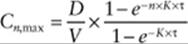

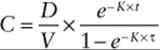
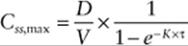
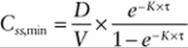
 Conditions for which clinical trials demonstrate benefit of specific classes of antihypertensive drugs.

 Decreases
 Increases