
Julian Smith
4.1 Introduction
Assessment of the cardiovascular and respiratory systems is usually done sequentially. The best general measure of cardiorespiratory function and of anaesthetic risk is the patient’s exercise tolerance.
Exercise tolerance can be assessed initially from the history and by simple office or bedside tests. An inability to climb two flights of stairs indicates a significant reduction in cardiorespiratory function. Postoperative complications are likely. Exercise tolerance can also be graded to give an assessment of diminishing reserve related to pain or breathlessness:
• at rest
• on getting out of bed
• on getting dressed
• on walking on the flat
• on walking uphill
• on hurrying.
To assess respiratory reserve (Box 4.1), it is important to determine how well the patient can move air, assessed at the bedside or by spirometry with forced vital capacity testing. A forced expiration time (FET) of less than three seconds is normal. A time of more than five seconds is abnormal and indicates significant obstructive airways disease, as does inability to blow out a match held at 15 cm from the mouth. Obstructive airways disease is by far the most common type of lung disease seen. It occurs as part of the degenerative effects of ageing and is exacerbated by smoking.
Box 4.1
Assessment of exercise tolerance
 History
Grades of breathlessness
Physical examination
Cyanosis, anaemia
Cardiorespiratory signs
Bedside tests
Forced expiration time — FET (normal <3 seconds)
Blow out match at 15 cm
Counting while breath holding (>20 seconds)
The other main type of lung disease is restrictive disease, resulting from conditions that restrict or destroy lung tissue. Pulmonary atelectasis, oedema, effusions and infections are the most common causes seen in post-surgical patients. Counting while breath-holding should be possible for at least 20 seconds. Inability to do so suggests significant restrictive lung disease.
Pulmonary function tests (PFTs) augment the bedside tests and are used to define the degree of respiratory dysfunction on presentation, the amount of functional respiratory reserve and hence the ability to tolerate lung surgery and, at follow-up, the response to therapy. There are two major types of PFT:
• those that assess the movement of air in and out of the lungs (e.g. forced expiratory volume in one second, forced vital capacity, peak flow, total lung capacity, residual volume)
• those that measure the ability to transfer gas across the alveolar–capillary membrane (e.g. tests of carbon monoxide diffusing capacity).
When considering surgical therapy for a given patient, it may be evident that the patient has insufficient ventilatory reserve to cope with a chest wall incision or a major pulmonary resection and alternative non-operative therapies will need to be offered.
Arterial blood gas analysis is also an important investigation in patients with acute and chronic thoracic conditions. Parameters measured include PaO2, pCO2, pH, bicarbonate level and arterial oxygen saturation.
History
Breathlessness, chest pain, palpitations and cough are cardinal symptoms of cardiorespiratory disease.
Breathlessness on exertion is a feature of both cardiac and respiratory disease and is also seen in the severely anaemic patient. Dyspnoea at rest is more characteristic of heart failure (‘cardiac asthma’) than of chronic pulmonary disease. With cardiac disease, dyspnoea is of variable severity, not usually associated with wheeze or productive cough and may be nocturnal as well as exertional. The heart will usually be enlarged. Ankle oedema also strongly suggests heart failure.
Breathlessness on sudden awakening is called paroxysmal nocturnal dyspnoea, which is sometimes the initial symptom of congestive cardiac failure. By contrast, obstructive lung disease presents with exertional dyspnoea of insidious onset, a wheeze associated with prolonged expiration and an ineffective and productive cough. Paroxysmal nocturnal dyspnoea can simulate bronchial asthma first appearing in adult life or the symptoms of regurgitation and nocturnal aspiration of gastric juice in patients with reflux oesophagitis.
Marked fatigue relieved by rest is common in heart failure and in some instances may be the main complaint. Fatigue and lethargy due to chronic depression are not relieved by rest.
Any chest pain must be assessed carefully. In ischaemic heart disease, anginal pain is due to coronary artery narrowing or occlusion. Non-cardiac causes of chest pain are also common.
Cardiac pain is retrosternal, described as constricting or crushing, and may radiate to the neck or shoulders and arm. The pain may be brought on by exertion (angina of effort) or be continuous, suggesting myocardial infarction. Patients with angina can be classified using the New York Heart Association (NYHA) classification, as shown in Table 4.1.
Table 4.1 New York Heart Association classification of angina
|
Class |
Description |
|
I |
Angina with strenuous exercise |
|
II |
Angina with moderate exercise |
|
III |
Angina after climbing one flight of stairs or walking one or two blocks |
|
IV |
Angina with any activity |
Elective surgery is permitted in patients with Class I and Class II angina but is usually contraindicated with Class III or IV angina. In these latter cases, coronary angiography and percutaneous coronary intervention (PCI) or coronary bypass grafting may be considered before major elective surgery.
Pleuritic pain arises from inflamed pleura, is described as sharp or stabbing and is made worse by deep breathing and coughing.
Awareness of the action of the heart (palpitations) suggests cardiac disease. This symptom must be defined as accurately as possible. The patient may be aware of a fast or slow pounding of the heart, a sensation of a missed or irregular beat or a fluttering in the chest. The symptom can occur in normal individuals after exertion or from anxiety. Syncope may occur. If the symptom has not been precipitated by such obvious causes, an arrhythmia should be excluded.
Cough is the most common and prominent symptom of respiratory disease. Paroxysmal coughing suggests bronchial obstruction. The integrity of the cough reflex is essential if sputum retention is to be prevented in the perioperative period.
Wheezing is a characteristic symptom of bronchial narrowing, occurring during expiration in chronic obstructive airways disease and paroxysmally and throughout the breathing cycle in bronchial asthma.
Haemoptysis can occur in many bronchopulmonary diseases, including bronchitis, tuberculosis, carcinoma and bronchiectasis. Haemoptysis associated with acute pleuritic chest pain suggests pulmonary embolus and infarction.
A careful enquiry should always be made about past and present medications taken by the patient and any allergy to such medications. This should include drugs prescribed, bought over the counter and ‘alternative’ medicines. Of particular importance are cardiac drugs and those with effects that might influence the safety of surgery, including insulin and oral hypoglycaemic drugs, oral contraceptives, diuretics, digitalis, beta-blocking agents and other antihypertensives, uricosuric drugs, anti-anxiety (phenothiazine) drugs, antidepressants, sedatives and aperients. The past history may reveal relevant illnesses such as asthma, tuberculosis, bronchiectasis, rheumatic fever or occupations of significance and allergies. Smoking habits and alcohol intake must be noted. Actions to diminish intake during preoperative preparation (which can minimise and reverse cardiorespiratory damage) must commence as soon as possible.
Physical examination
General inspection
The patient’s general appearance often assists in the diagnosis of cardiorespiratory disease. Central or peripheral cyanosis, the pallor of anaemia, laboured breathing with the use of accessory neck muscles and pursing of the lips on expiration (diagnostic of chronic obstructive airways disease) and obesity are all relevant.
Inspection of the sputum can reveal the frothy pink sputum of acute left ventricular failure, the purulent or white sputum of bronchitis and bronchiectasis or the rusty sputum of pneumonia. Haemoptysis occurs with chronic bronchitis, tuberculosis, pulmonary infarction or carcinoma of the lung. Copious purulent, offensive sputum suggests lung abscess.
Examination of the periphery
Peripheral cyanosis with cold skin suggests low cardiac output, peripheral vascular disease or vasospasm. Cyanosis with warm skin suggests venous shunting. Warm hands without cyanosis, on a cold day, suggest thyrotoxicosis.
Clubbing or thickening of tissues over the terminal phalanx with rocking of the nail is found in cyanotic congenital heart disease, chronic pulmonary suppuration, lung cancer, inflammatory bowel disease, cirrhosis of the liver and thyrotoxicosis and is occasionally found as a congenital trait. Clubbing can be graded in severity (Table 4.2).
Table 4.2 Grades of finger clubbing
|
Grade I |
Obliteration of the normal angle between nail and cuticle |
|
Grade II |
Soft tissue thickening with nail breaking in anteroposterior plane |
|
Grade III |
Thickening also in a lateral plane |
Nicotine staining on the fingers is an important physical sign suggesting the likelihood of respiratory or vascular disease.
Examination of the pulse
Features to be studied are rate, rhythm, volume and form of the pulse wave. The normal rate is about 70 beats per minute. Alterations in rhythm include atrial fibrillation (irregular irregularity), extrasystoles (irregular premature beats followed by a pause) and pulsus alternans (alternatively strong and weak beats in heart failure — a grave prognostic sign). Changes in volume or magnitude include the strong pulse found with high cardiac output and the weak thready pulse found with low cardiac output or in shock from any cause. Changes in form, shape or character of the pulse wave include the flattened plateau shape with a slow rise and fall found in aortic stenosis and the accentuated pulse with a sharp rise and fall found in aortic incompetence as well as in high cardiac output states such as thyrotoxicosis, fever and arteriovenous shunting. The accentuated, water-hammer (Corrigan’s) pulse may be best demonstrated by clasping the elevated wrist.
The blood pressure is measured with a sphygmomanometer with the cuff around the upper arm and 2.5 cm above the elbow. The normal blood pressure is 120/80 mmHg; a somewhat higher reading is obtained in the obese, in old age and with anxiety. True hypertension is signified by the presence of a high diastolic and systolic blood pressure (greater than 145/95 mmHg).
Examination of the head and neck
Central cyanosis implies increased deoxygenated haemoglobin in arterial blood leaving the heart. The bluish tinge is best observed in the tongue and buccal mucosa. When cyanosis is due to veno-arterial shunting, peripheral cyanosis is also present but the skin is warm — in contrast to the peripheral cyanosis of peripheral vascular disease or low cardiac output states. Central plethora with cyanosis is also seen in respiratory failure or polycythaemia. When cyanosis is associated with swelling of the head and neck, fullness of the central veins and loss of the normal venous pressure wave, superior vena caval obstruction must be considered as a possible diagnosis.
Examination of the eyes may reveal the pallor of anaemia. A greyish yellow nodule or plaque of the eyelids (xanthoma) suggests hyperlipidaemia. A white ring (arcus) at the junction of iris and sclera can suggest advanced atherosclerosis and hyperlipoproteinaemia but can occur in older patients without these stigmata (arcus senilis). Sometimes Horner’s syndrome is detected, with eye changes of meiosis, ptosis, enophthalmos and anhidrosis secondary to sympathetic nerve paresis from an apical lung malignancy. Brachial plexus symptoms (T1 compression) may coexist (Pancoast’s syndrome). Examination of the neck may reveal the diffuse goitre of Graves’ disease. Tracheal deviation may be due to displacement of a goitre or to mediastinal shift. Enlarged cervical lymph nodes may be the only sign of carcinoma of the lung or may be part of a systemic disorder such as sarcoidosis, in which pulmonary involvement is common.
Jugular venous pressure and pulse
The height of jugular venous filling (right atrial pressure) above the manubriosternal joint (right atrial level) is measured with the patient reclining with the neck at 45° inclination above the horizontal. The neck is examined in an oblique light with the head turned slightly away and the pulse wave of the internal jugular vein (running from the manubriosternal joint to the angle of mandible) observed. Filling of the external jugular vein is also noted. A raised jugular venous pressure is the cardinal sign of heart failure. The form or shape of the venous pressure wave may also help in the diagnosis of valvular and other structural cardiac disorders.
Differentiation between venous and arterial pulsations in the neck can sometimes be difficult. Venous pulsations are more easily seen than felt, arterial pulsations more readily felt than seen. Venous pulsation is characterised by two distinct waves in each cycle (‘double flicker’). The venous pulse will normally rise during expiration or the valsalva manoeuvre or on pressure over the liver and will fall on sitting upright. Compressing the internal jugular vein just above the clavicle eliminates the venous pulse wave. Arterial pulsation does not change with any of these (Table 4.3).
Table 4.3 Venous and arterial pulses and pressures in the neck
|
Venous |
Arterial |
|
|
Easily palpable |
No |
Yes |
|
Visible but not palpable |
Yes |
No |
|
Waves per cycle |
Two |
One |
|
Changes with respiration and valsalva |
*Yes |
No |
|
Changes with compression of neck and abdomen |
*Yes |
No |
|
Changes with posture |
*Yes |
No |
* If vena cava unobstructed
If there is elevation without a venous pulse wave and no fall on sitting to 90°, superior vena caval obstruction is probably present.
Examination of the heart
After inspection of the chest wall the strength of the cardiac impulse is assessed and the apex beat located by palpation. The apex beat is normally in the left fifth intercostal space in the mid-clavicular line, 7–12 cm from the left sternal edge. The apex beat may not be felt in the obese or emphysematous patient. Lateral displacement of the apex beat indicates left ventricular hypertrophy, especially when vigorous and sharply localised. An enlarged right ventricle causes little displacement of the apex beat; its pulsation is felt best at the left sternal edge. Vibrations or thrills may be felt corresponding to audible heart murmurs.
Auscultation is performed over the precordium, examining each phase of the cardiac cycle and using different positions to assist in interpretation. Starting at the apex, auscultation may reveal additional heart sounds, extracardiac sounds or clicks and murmurs due to turbulent flow within the heart. Murmurs are graded according to intensity. A soft short systolic murmur at any valve area may be innocent if there are no other abnormalities, especially if the murmur disappears during respiration or with a change in posture. Anaemia may cause a flow murmur related to an increased cardiac output consequent upon a decrease in oxygen-carrying capacity of the blood. Diastolic murmurs are not found in healthy subjects. The areas where murmur are best heard are: the aortic area at the right second costochondral junction and down the left side of the sternum — especially on leaning forward and in expiration; the pulmonary area at the left second interspace; the tricuspid area at the left fourth interspace; and the mitral area at the apex — especially when the patient is turned on to the left side.
Systolic murmurs are produced by valvular diseases, mitral incompetence and aortic sclerosis/stenosis or by ventricular septal defects. Fever, anxiety and pregnancy may sometimes induce benign systolic murmurs. The louder a systolic murmur, especially one associated with a thrill and cardiomegaly, the more likely it is to be of organic origin. An early systolic murmur that replaces the first sound and is transmitted into the left axilla is organic and is due to mitral incompetence and regurgitation. The aortic systolic murmur of aortic stenosis is ejection in type, midsystolic and is transmitted into the neck. Diastolic murmurs are caused by aortic incompetence, mitral stenosis or dilatation of the aortic ring in patients with marked hypertension and intracardiac shunt. The mitral stenotic murmur is diastolic with a presystolic crescendo component (unless there is atrial fibrillation) and is preceded by an opening snap, often best heard with the patient lying on the left side. The aortic incompetent murmur is in early diastole and is best heard with the patient leaning forward and holding the breath in expiration.
Finally the abdomen and legs are examined.
Congestive cardiac failure (CCF) is a very common medical problem encountered in surgical patients and includes left and right ventricular failure.
Left ventricular failure (Table 4.4) is characterised predominantly by symptoms such as exertional dyspnoea, cough, fatigue orthopnoea and paroxysmal nocturnal dyspnoea. Fatigue may be the chief complaint in patients with heart failure from mitral valve disease. The signs include cardiomegaly, basal crepitations in the lungs, gallop rhythm (a cadence found with tachycardia plus triple rhythm due to a loud, easily heard, third heart sound) and evidence of pulmonary venous congestion on X-ray (Kerley B lines).
Table 4.4 Clinical manifestations of heart failure
|
Left |
Right |
|
|
Symptoms |
Dyspnoea |
Dyspnoea |
|
Cough |
||
|
Orthopnoea |
||
|
Paroxysmal |
||
|
Signs |
Cardiomegaly |
Elevated venous |
|
Gallop rhythm |
||
|
Basal crepitations |
Oedema |
|
|
Hepatomegaly |
Right ventricular failure is characterised predominantly by signs — elevated venous pressure (the major sign of CCF), hepatomegaly and dependent oedema.
Examination of the chest and lungs
A knowledge of lung surface anatomy is important in the diagnosis and treatment of pulmonary disease. Both lungs are divided into two by the oblique fissure that follows a line extending around the chest from the fourth thoracic vertebra to the sixth costal cartilage, crossing the fifth rib in the midclavicular line. On the right side the middle lobe is mainly sited anteriorly and is separated from the upper lobe by the transverse fissure. The transverse fissure is transposed to the body surface as a line from the fourth right costal cartilage anteriorly and extends posteriorly to the fifth rib in the mid-axillary line where it joins the oblique fissure.
The chest is inspected for deformity and asymmetry, pulsations and scars. The rate, regularity, depth and ease of breathing is noted. Alterations in shape, such as the barrel chest of emphysema, are noted. The severity of breathlessness is graded. Laboured breathing with nasal flaring, accessory muscle hypertrophy, tracheal tug and intercostal retraction are the features of acute respiratory failure in children. Laboured breathing at rest with accessory muscle hypertrophy and pursed lips on expiration is diagnostic of emphysematous respiratory failure in adults.
Chest expansion is measured on palpation at the level of the fourth costal cartilage, after examination of the neck for tracheal position. A chest expansion of 5–7 cm is normal in adults under 40 years of age. Both lungs are compared for expansion, placing the hands over the areas to be examined and thumbs in the midline. Asymmetry of expansion may be due to pleural effusion, collapse or pneumothorax.
Percussion is performed with a uniform technique. The examiner should concentrate more on the note than the method, percuss from resonant to dull areas and compare sides. What constitutes a normal note can only be learnt with practice. Three notes of varying shades are detectable — dull, resonant and hyperresonant. Dullness over lung areas indicates the presence of definite pathology; its absence does not necessarily mean the absence of pathology. Dullness is profound over fluid and only slightly impaired over pleural or pulmonary fibrosis and consolidation. The hyperresonant note of emphysema is generalised and of low pitch; that of pneumothorax is of similar quality. The tympanitic note of percussion over a hollow viscus is different, being of higher pitch with a ringing quality. Distinguishing between these two notes is not easy.
Systematic auscultation is performed. Three types of sound are heard on auscultation: voice, breath and adventitial sounds.
Vocal resonance (transmission of voice — say ‘99’) is listened for systematically over all areas of the lungs. Vocal sounds are increased over consolidation and cavities. Marked increase in voice transmission is called whispering pectoriloquy. Diminution or absence of vocal resonance correlates with the degree of impairment of the percussion note. Vocal resonance is most diminished over an effusion.
Breath sounds are assessed. Normal breath sounds are produced in the larynx and consist of an inspiratory sound followed immediately by a shorter, softer expiratory sound, a pattern known as vesicular breathing. Vesicular breathing may be harsher in patients with prolongation of expiration from mild airways obstruction. Breath sounds are reduced or absent over effusion or pneumothorax, which poorly conduct sound from the underlying lung. Bronchial breathing is the main sign of consolidation. It has a blowing quality with an extended expiration similar to the tracheal sound, as this large tube sound is transmitted freely to the chest wall through solid lung. The sound may be soft or loud, high- or low-pitched. High-pitched (tubular) bronchial breathing is heard over pneumonic consolidation. Bronchial breathing may also be heard over fibrosed lung, a large cavity or just above an effusion.
Adventitious sounds occurring separate from the breath sounds are listened for. There is no generally agreed convention for the classification of adventitious sounds. One description divides adventitious sounds into three types.
• Crepitations or crackles are interrupted sounds from fluid in alveoli or fine bronchioles, mainly heard at the height of inspiration and accentuated by coughing. They can be imitated by hair being rubbed together close to the ears. Diffuse crackles are produced by alveolar fluid at the lung bases in heart failure (pulmonary oedema); localised crackles are heard from the inflammatory exudate of consolidation.
• Rhonchi are continuous sounds, coarser than crepitations, which diminish on coughing and are present during both inspiration and expiration. These sounds indicate partial bronchial obstruction and are heard most commonly with bronchitis or sputum retention after surgery. Wheezing is a high-pitched squeaky rhonchus heard with obstructive airways disease and bronchospasm. The pitch of the rhonchus depends on the size of the obstructed bronchus.
• Pleural rub is an adventitious sound with a creaking quality similar to that produced by a new pair of shoes or by footsteps in fresh snow. In contrast to rhonchi, a rub is localised, increased by pressure and does not disappear on coughing. It can be imitated by placing your hand over your ear and rubbing the back of the hand with the fingers of the other. The pleural rub of pleurisy will disappear with the development of pleural exudate and effusion.
Four main types of pulmonary pathology exist with distinct signs found on examination: consolidation, collapse, effusion and pneumothorax.
Consolidation, as is found over an area of pneumonia, is characterised by impaired percussion and bronchial breathing with:
• localised or one-sided diminished movement without cardiac or tracheal shift
• moderate impairment of the percussion note
• bronchial breathing with a variable increase in vocal resonance
• crepitations with or without a pleural rub heard over the area of consolidation. In patchy broncho-pneumonia the physical signs may be minimal, with only a localised area of bronchial breathing or crepitations detectable. Consolidation may reveal diminished sounds without bronchial breathing.
Collapse (atelectasis) is characterised by impaired percussion with silence. The findings are of:
• tracheal deviation with upper lobe collapse and cardiac deviation with lower lobe collapse; deviation is towards the side of the lesion
• moderate impairment of the percussion note, breath sounds and vocal resonance
• crepitations over the area of collapse, sometimes with bronchial breathing.
Pleural effusion is characterised by stony dullness with silence. The features include:
• localised diminished chest movement and marked dullness to percussion
• gross diminution of breath sounds
• distant bronchial breathing
• vocal resonance markedly diminished over the effusion, except near the top of the fluid where resonance may have a bleating quality, known as aegophony.
Pneumothorax is characterised by hyperresonance with silence. The features include:
• a shift of the heart and the trachea to the opposite side when the pneumothorax is under tension
• unilateral diminished chest movement
• a hyperresonant or even a tympanitic percussion note (an impaired percussion note at the base indicates that fluid is also present within the pleural cavity)
• diminished or absent breath sounds; bronchial breathing may sometimes be heard. Often the only physical signs found are one-sided diminution of movement, breath sounds and vocal resonance with a normal percussion note.
4.2 Acute chest pain
Acute chest pain is always a worrying problem. Disorders of the heart, lungs and oesophagus need to be distinguished from other and less significant causes as rapidly as possible. The severity, site and radiation of pain, its precipitation and aggravation by exertion, breathing or posture and its association with other symptoms (dyspnoea, cough, palpitations, reflux) usually enable an early presumptive diagnosis to be made from a careful history. Pain may be clearly secondary to a lump or some other problem in the chest wall or to heartburn and water-brash (Ch 7). In this chapter causes of acute chest pain, presenting as the major or sole problem, are considered.
Causes
1. Angina pectoris, myocardial infarction and oesophageal spasm
2. Pneumothorax
3. Pleurisy and pneumonia
4. Pulmonary embolism and infarction
5. Musculoskeletal disorders
6. Less common causes
Clinical features
1 Angina pectoris, myocardial infarction and oesophageal spasm
Anginal pain is precipitated by exertion and relieved by rest. It is felt retrosternally and may radiate to one or both arms, the jaw or back. The pain of myocardial infarction or pre-infarction angina is similar but more severe; it can occur without exertion, is unrelieved by rest and persists for more than 15 minutes. Radiation to the back is seldom a feature of the pain of myocardial infarction. Associated breathlessness, sweating, faintness and arrhythmias are common with major infarctions. The pain of oesophageal spasm can resemble angina or myocardial infarction and may lead to admission to a coronary care unit. Review of the history, once investigations are found to be negative for evidence of myocardial ischaemia, often reveals difficulty and pain with swallowing. Physical examination of patients with angina is often normal, stressing the importance of a careful history. Patients with myocardial infarction may evince arrhythmias, shock or signs of heart failure.
Angina pectoris, myocardial infarction and oesophageal spasm are also discussed in Chapter 10.
2 Pneumothorax
Spontaneous pneumothorax usually occurs in young males of tall, slim build without a history of underlying lung disease and is presumed due to rupture of isolated small apical blebs or cysts. Sudden onset of breathlessness is associated with pleuritic chest pain. Signs of hyperresonance with silence on the side of the pneumothorax will often be present, but small pneumothoraces will have minimal or no abnormal signs. Occasionally acute pneumothorax complicates asthma or chronic obstructive airways disease. Most episodes of acute pneumothorax spontaneously resolve. The risk of recurrence is about 30% and higher after multiple episodes.
Acute tension pneumothorax. This causes increasing dyspnoea and tachypnoea progressing to hypotension, due to a flap valve effect, with displacement of the trachea and apex beat away from the side of the pneumothorax. Subcutaneous emphysema is often also present. Tension pneumothorax is more likely to complicate pneumothorax caused by closed chest injuries or artificial ventilation. This is a life-threatening medical emergency.
3 Pleurisy and pneumonia
Acute pleuritic pain is worsened by inspiration and coughing. Constitutional symptoms, purulent cough and fever will accompany pleurisy associated with pneumonia. Pleurisy is common during the winter months in patients with chronic bronchitis. Pleuritic pain may be a dominant feature and dyspnoea from associated pneumonia less prominent, but these patients may nevertheless develop respiratory failure.
Bornholm disease (pleurodynia) presents as acute pleuritic pain localised to the anterior chest wall, preceded by a mild viral-like febrile illness with sore throat and malaise.
4 Pulmonary embolus and infarction
Massive pulmonary embolus, if more than 50% of the cross-sectional area of the pulmonary trunk is occluded, causes acute retrosternal pain, with dyspnoea, systemic hypotension and tachycardia, acute right heart failure or cardiac arrest. The patient may feel an initial call to stool. Fatal emboli come from clots in large axial veins (femoral or iliac), but only about one in four patients have clinical evidence of established deep venous thrombosis. Pulmonary infarction complicates embolism in 5–10% of patients. With smaller emboli presenting as pulmonary infarcts the features are unilateral pleurisy, dyspnoea and irritative cough with a small amount of haemoptysis. A mild fever is often present and constitutional signs are often less than with pleurisy and pneumonia. Pulmonary embolism should always be considered in hospital ward patients complaining of acute chest pain, especially those immobilised in bed. Recurrent small pulmonary emboli may result in chronic thromboembolic pulmonary hypertension.
5 Musculoskeletal disorders
The acute pain of rib fractures or muscular strain, of infiltrative bony tumours or of costochondritis (Tietze’s syndrome) is usually distinguishable by the history of injury, localisation of pain, exacerbation by movement rather than exertion and the characteristic local tenderness on palpation and compression. Pain and tenderness over costochondral joints and the xiphoid process often follow muscular exertion or repetitive work involving lifting the arm above the head.
6 Less common causes
Acute aortic dissection. The pain is of sudden onset and severe and is often described as tearing in nature. It is otherwise similar to the pain of myocardial infarction but radiates through to the back and is felt mainly at this site. A difference in blood pressure between the arms and the murmur of aortic incompetence may be noted. Manifestations of ischaemia to the spinal cord, viscera or limbs are diagnostic.
Pericarditis. The pain of pericarditis is similar to anginal pain but often is exacerbated by breathing and coughing and relieved by sitting forward. The pain may radiate to the shoulder or inter-scapular areas. Pleuro-pericardial rub or signs of pericardial effusion (low blood pressure, elevated JVP, muffled heart sounds; known as Beck’s triad) and tamponade may accompany pericarditis. Cardiac tamponade should always be suspected in a patient with hypotension and shock associated with a raised jugular venous pressure and muffled heart sounds.
Ruptured oesophagus. This commonly follows a bout of severe vomiting, particularly if vomiting is resisted. Acute retrosternal tearing pain is accompanied by subcutaneous emphysema over the neck or thorax. Severe pain persists and worsens with progressive development of fever and manifestations of septic shock.
Referred pain. In pain due to spondylosis or vertebral compression, the root pattern of the pain should be elicited from the history. Local bone tenderness or reproduction of the pain on spinal movement is sought. The pain of gallstones and other abdominal conditions is sometimes referred to the lower chest.
Diagnostic plans
Chest X-ray
Chest X-ray will often be diagnostic. Films must be taken in the erect position to distinguish small apical pneumothoraces (Fig 4.1). Tension pneumothorax (Fig 4.2) will be accompanied by mediastinal displacement; pericardial effusion and cardiac tamponade by an enlarged globular cardiac silhouette (Fig 4.3). Both tension pneumothorax and cardiac tamponade can progress rapidly to cardiac failure and death and sometimes no time is available for any investigations (e.g. a chest X-ray) prior to urgent relief of compression by aspirating the air or fluid. Mediastinal and subcutaneous air will indicate pulmonary or oesophageal rupture. With oesophageal rupture an associated pleural effusion, usually on the left, is common. Radiological signs of pulmonary embolus are usually nonspecific. Decreased pulmonary vascular markings may be apparent. A wedge-shaped density with an accompanying small effusion may be seen in pulmonary infarction.
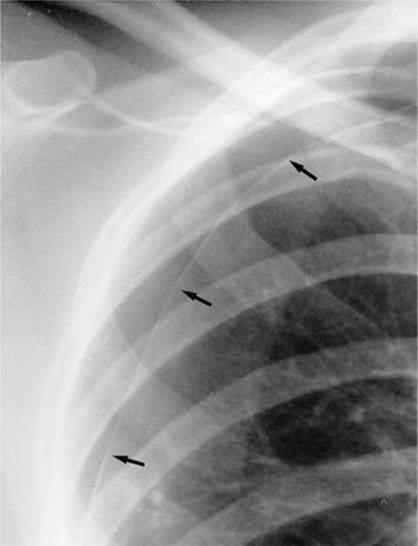
Figure 4.1 Chest X-ray showing an apical pneumothorax
From Mettler, 2004
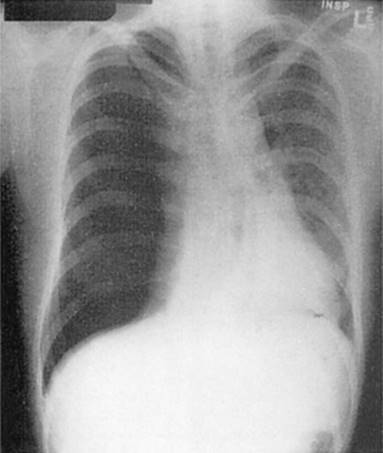
Figure 4.2 Chest X-ray showing a right-sided tension pneumothorax
From Marx, 2005
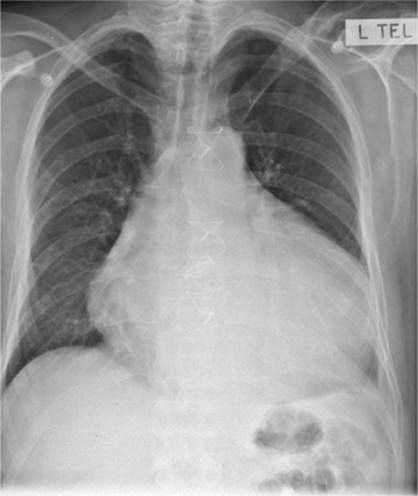
Figure 4.3 Chest X-ray showing a pericardial effusion
From Adam & Dixon, 2007
Electrocardiogram
Elevation of the ST segment on the electrocardiogram over the infarcted area is the hallmark of acute myocardial infarction. Arrhythmias, heart block and right or left heart strain may also occur. The electrocardiogram in pulmonary embolism may reflect right heart strain (inverted T waves in V1–3, right bundle branch block/right axis deviation or the pattern of a deep S wave in V1, Q waves and T wave inversion in lead III), but the most common finding is a sinus tachycardia. Low voltages and saddle-shaped ST segment elevation suggest pericarditis/pericardial effusion. ECG monitoring is an essential component of patient care in patients with myocardial infarction.
Serum enzymes
Measurements of cardiac specific troponin I and troponin T on presentation and also 9–12 hours later are highly sensitive indicators of myocyte necrosis. The MB isoenzyme of creatinine phosphokinase (CPK) may also be measured.
Plasma D-dimers
Plasma D-dimer (degradation product of cross-linked fibrin) assays are elevated in venous thromboembolism. Normal levels make venous thromboembolism unlikely but elevated levels are not specific for such.
Arterial blood gases
These will quantify hypoxia but are otherwise nonspecific. Hypoxia may occur with a large pulmonary embolus. Hypocarbia and respiratory alkalosis, as a result of hyperventilation, are commonly found following pulmonary embolism.
Ventilation/perfusion (V/Q) scanning
V/Q scanning using radioisotopes identifies areas of the lung that are ventilated but not perfused. Based upon the V/Q scan findings, a high, intermediate or low probability of pulmonary embolism is ascribed. V/Q scans are difficult to interpret in patients with chronic obstructive lung disease and up to two-thirds of scans may be nonspecific or intermediate, and further investigations are required.
Echocardiography
Regional abnormalities of myocardial wall contractility following myocardial infarction, right heart dilatation and strain following massive pulmonary embolism and a pericardial effusion with cardiac tamponade may be identified with transthoracic echocardiography. Trans-oesophageal echocardiography may also reveal these abnormalities and may be more accurate in some patients.
CT pulmonary angiography (CTPA)
This is the most reliable test for diagnosis of pulmonary embolism (Fig 4.4). Segmental pulmonary emboli are detected using helical CT of the pulmonary circulation with a single breath hold.
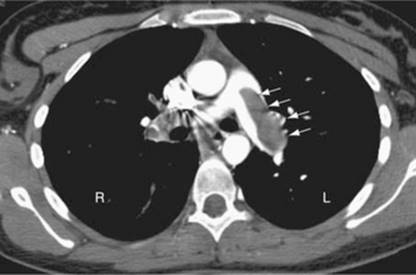
Figure 4.4 Computed tomography pulmonary angiogram (CTPA) showing a large pulmonary embolus (arrowed)
From Marx, 2005
Lower limb venous Doppler
Easy to perform and reliable but is operator-dependent in detecting lower limb venous thrombosis.
Gastrografin swallow
This may sometimes be required for suspected oesophageal rupture, if the clinical features are equivocal.
Treatment plans
1 Myocardial infarction (and oesophageal spasm)
In cases of ST-segment-elevation myocardial infarction diagnosed early, thrombolytic therapy (intravenous streptokinase or tissue plasminogen activator) may be given in an attempt to restore flow through the affected artery. If the facilities are available, urgent percutaneous coronary intervention (PCI) utilising balloon angioplasty and stenting may be performed in preference to thrombolytic therapy. Thrombolytic therapy is contraindicated after surgical procedures where bleeding is a risk. Antiplatelet agents (e.g. aspirin, clopidogrel) and pain relief (e.g. morphine) are administered upon presentation. Coronary artery bypass grafting may be required for ongoing chest pain and critical coronary artery stenoses.
2 Pneumothorax, tension pneumothorax, cardiac tamponade
Spontaneous pneumothorax. Most small pneumothoraces will reabsorb without active treatment. Drainage of the pleural space is indicated for a large pneumothorax, greater than 20–25% of pleural area, with persistent dyspnoea. Pleurodesis or excision of apical lung cysts may be required for recurrent pneumothoraces.
Tension pneumothorax, cardiac tamponade. Management is urgent and often cannot await results of investigations. For tension pneumothorax, a needle (12–16 gauge) should be inserted into the pleural cavity through the second interspace on the affected side. Formal intercostal catheter drainage is instituted thereafter with underwater seal drainage. Cardiac tamponade is relieved by needle aspiration to the left of the xiphoid process or through the left fifth intercostal space. If needle aspiration is unsatisfactory, open subxiphoid drainage is required.
3 Pleurisy and pneumonia
Patients with pleurisy complicating acute or chronic bronchitis or pneumonia are treated with antibiotics and intensive chest physiotherapy. Respiratory failure may occur and will require intensive care in hospital (Ch 12).
4 Pulmonary embolus
Depending on the size of the embolus and condition of the patient, anticoagulation with heparin, thrombolytic therapy with streptokinase or tissue plasminogen activator (TPA) or surgical embolectomy may be required. Treatment of postoperative pulmonary embolism is considered in Chapter 11.
5 Musculoskeletal pain
Treatment is largely conservative and symptomatic. Strong oral analgesia and chest physiotherapy are recommended to prevent progression to pulmonary atelectasis in symptomatic patients. Supportive reassurance is necessary to minimise the likelihood of cardiac neurosis.
6 Other causes
Dissecting aneurysm is treated by pharmacological control of hypertension. Graft replacement of the ascending aorta and/or aortic arch and/or aortic root is required to prevent aortic rupture. End-organ (e.g. bowel) ischaemic complications may require surgery to overcome obstructions and to establish re-entry and flow.
Spontaneous rupture of the oesophagus requires early thoracotomy and repair of the defect — usually a longitudinal tear in the supradiaphragmatic lower oesophagus — with mediastinal and pleural drainage.
4.3 Pleural effusion
The accumulation of fluid within one or other pleural space may be a manifestation of local or generalised disease. The effusion may be a transudate (specific gravity <1.016 and protein content <3 g/dL) or an exudate (specific gravity >1.016 and protein >3 g/dL).
Common causes
I Transudate
• Congestive heart failure
• Cirrhosis of the liver
• Nephrotic syndrome
• Hypoalbuminaemia
II Exudate
• Infective (post-pneumonic)
• Malignancy
• Chylothorax
Clinical features
Common symptoms of a pleural effusion include pleuritic chest pain, breathlessness, cough and haemoptysis (malignant effusion). Physical signs of a pleural effusion include reduced chest wall movement, absent tactile vocal fremitus, a stony dull percussion note and absent breath sounds on the affected side. For large unilateral pleural effusions the trachea may be deviated towards the opposite side.
Investigations
• Chest X-ray
• CT scan of the chest
• Diagnostic pleural aspiration
• Pleural biopsy (needle, video-assisted thoracoscopy or thoracotomy)
• Bronchoscopy
Chest X-ray (Fig 4.5) will determine the size of the effusion and may reveal underlying lung disease. CT scanning will also reveal significant intrathoracic disease. Diagnostic pleural aspiration will reveal the nature of the effusion based upon its appearance, cytological, microbiological and biochemical analysis. Pleural biopsy should be performed if the diagnostic pleural aspiration is unsuccessful or non-diagnostic. A malignant process leading to a pleural effusion requires adequate staging prior to the commencement of therapy.
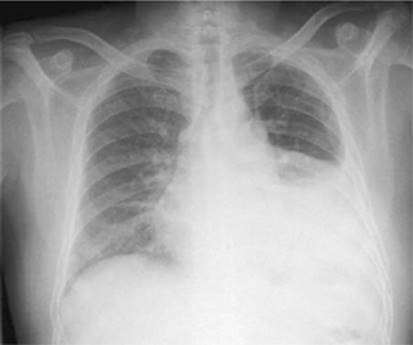
Figure 4.5 Chest X-ray showing a large left-sided pleural effusion
From Neuhaus et al, 2006
Treatment plans
Therapy should be directed towards any underlying cause, for example, pneumonia (antibiotics), congestive heart failure (diuretics) or malignancy (chemotherapy or radiotherapy).
Patients with a malignant pleural effusion seldom survive longer than 12 months. Treatment is usually palliative. Closed chest tube drainage of the effusion provides short-term symptomatic relief, but the effusion usually re-accumulates upon tube removal. An attempt should be made to obliterate the pleural space (pleurodesis) to prevent the effusion re-accumulating. This can be achieved by introducing a sclerosing agent (e.g. talc) into the pleural space via a chest tube or at operation (video-assisted thoracic surgery (VATS) or thoracotomy) following drainage of the effusion.
Chylothorax (the accumulation of chyle within the pleural space) usually responds to non-operative intervention. Chest tube drainage and measures to reduce chyle flow (no-fat diet, parenteral nutrition) usually suffice. If the effusion persists or re-accumulates, operative treatment (thoracic duct ligation and/or pleurodesis) is indicated.
Empyema (the accumulation of pus within the pleural space) is most commonly post-pneumonic and is managed in its early stages by chest tube drainage. The pleural space may also be irrigated with antiseptic solution. In chronic cases, a thick fibrous wall or cortex forms around the pus-filled pleural cavity and this limits lung re-expansion following drainage of the empyema. Treatment options include prolonged closed chest tube drainage, open chest tube drainage after resection of a short segment of rib and open surgical decortication to remove the entire abscess wall. This releases the restricted lung, chest wall and diaphragm, thereby allowing the lung to re-expand and obliterate the pleural space.
4.4 Chronic cough and haemoptysis
Chronic cough is both the most common symptom and the most common form of presentation of respiratory disease. A surgically significant chronic cough is one lasting for one month or more. A change in pattern of chronic cough also demands full investigation. Diagnosis is materially aided if a previous chest X-ray can be compared with a current film.
Cough is usually a protective result of inflammatory, chemical or mechanical stimulation of cough receptors within the lungs. Coughing is also under voluntary control and may occur as a nervous habit in the absence of stimulation of receptors in the tracheobronchial tree. The cough reflex is mediated through the cough centre in the medulla, via the glossopharyngeal and vagus nerves. Coughing may sometimes be induced by stimulation of the auricular branch of the vagus nerve in the external ear by wax, inflammation or foreign body.
Causes
1. Smokers’ lungs
2. Carcinoma of the lung
3. Postviral bronchitis
4. Foreign body
5. Tuberculosis
6. Less common causes
Clinical features
The onset and duration of the cough are noted, together with the associated symptoms of sputum production, dyspnoea, haemoptysis and the environmental exposures and smoking habits of the patient. Cigarette smoking, and also smoking of pipes and cigars, are the most important causes of preventable morbidity and premature mortality from respiratory disease. The character and volume of the sputum should be noted. Difficulties in breathing combine undue awareness of a normally subconscious function with a discomfort in breathing not commensurate with the level of physical activity. They can arise from increased oxygen demand or faulty breathing. Haemoptysis is also not a disease-specific symptom and seldom helpful at arriving at a definite diagnosis; however, haemoptysis always demands full investigation. Voice changes suggest disease of the larynx or left recurrent laryngeal nerve damage. A history of fever, sweats and weight loss suggests the possibility of tuberculosis or some other generalised disorder, such as lymphoma, HIV/AIDS or collagen diseases. Physical examination must include careful examination of the upper respiratory tract as well as the chest.
1 Smokers’ lungs
An increased incidence of cough, sputum production, deteriorating lung function and lung cancer is found in smokers; morbidity in both sexes is directly related to the number of cigarettes smoked per day and the duration of smoking. In susceptible cigarette smokers, chronic airflow obstruction can develop. Chronic obstructive airways disease (COAD) is used to refer to the common clinical entity of chronic bronchitis, chronic airflow obstruction and emphysema.
2 Carcinoma of the lung
Two thirds of lung cancers are located centrally near the hilum and one-third peripherally. About one-third are squamous cell (epidermoid) carcinomas (Table 4.5). Chronic cough is the most common form of presentation of carcinoma of the lung and may present as a change in the pattern of a longstanding cough (alteration in frequency, severity or sputum production). The cough may also begin abruptly resembling foreign body obstruction or masquerade as an acute pneumonia that is slow to resolve. The onset is usually insidious, but when symptoms become established the principal complaints are productive cough, wheeze and haemoptysis.
Table 4.5 Pathological types of lung cancer
|
Type |
Percentage |
|
Non-small cell lung cancer |
|
|
Squamous cell (epidermoid) carcinoma |
35 |
|
Large cell carcinoma |
20 |
|
Adenocarcinoma* |
10 |
|
Mixed (adenosquamous) |
5 |
|
Small cell lung cancer |
30 |
* Only type unrelated to smoking
Asymptomatic patients often present because of an abnormal chest X-ray, with either a coin lesion or solitary pulmonary nodule (Table 4.6) or a mediastinal mass. There may be no physical signs on examination — or a variety of findings that include cervical lymphadenopathy, pulmonary collapse or consolidation, pleural effusion, localised wheeze or other signs of metastatic disease such as hepatomegaly. Tumours involving the apex of the lung may cause Pancoast’s syndrome because of involvement of the brachial plexus, sympathetic chain and sometimes destruction of ribs. Symptoms are pain and loss of strength in the arm and Horner’s syndrome on the involved side.
Table 4.6 Causes of coin lesion in the lung on chest X-ray
|
Disease |
Percentage |
|
Bronchogenic carcinoma or bronchial adenoma |
50 |
|
Metastatic carcinoma |
10 |
|
Benign tumours (hamartoma or fibroma) |
10 |
|
Granuloma (tuberculosis and histoplasmosis) |
20 |
|
Miscellaneous (bronchogenic cyst, pulmonary sequestration, A-V malformation, pulmonary lymph node, residual pneumonia, pulmonary infarct, rheumatoid nodule, infected bulla, sclerosing haemangioma) |
10 |
Other nonmetastatic manifestations are frequent, including: connective tissue syndromes such as scleroderma; hypertrophic pulmonary nonmetastatic, neurological syndromes such as myopathy and cerebellar degeneration; and endocrine effects associated with ectopic hormone production.
3 Postviral bronchitis
Postviral bronchitis is a common cause of short-term chronic cough. It is seen mainly in the young adult, is barking and nonproductive and anxiety is a common association. The disease usually begins with a viral illness, typified by photophobia, myalgia and malaise, leaving a cough that disappears about eight weeks after the onset of the illness. Physical examination is usually normal. In many cases carcinoma or foreign body needs to be excluded.
4 Foreign body
Foreign body inhalation is most common in children. In adults, alcoholism and dementia are risk factors. The cough often begins abruptly with a clear history but may develop insidiously — secondary to peripheral atelectasis and secondary pneumonia, which, as with cancer, is typically slow to resolve. In children, the most common objects inhaled are seeds, beans and pins; in adults, meat. The effect of foreign material in the lower tracheo-bronchial tree depends upon the completeness of obstruction and the type or physical character of the foreign body. Intermittent obstruction during expiration can result from beans acting like a ball valve. Vegetable matter will produce severe bronchitis and may lead to suppurative pneumonia and lung abscess. Physical signs will vary from normal, to that of a localised wheeze, pneumonia or lung abscess with copious foul sputum. The foreign body most commonly lies within the right main bronchus, owing to its almost straight continuity with the trachea.
5 Tuberculosis
The incidence of tuberculosis is increasing, especially in association with HIV infection. Many primary infections are asymptomatic. Often, cough and sputum are associated with fever, night sweats, weight loss, lethargy and developing dyspnoea, haemoptysis and unresolved pneumonia. Predominant symptoms may result from extrapulmonary disease, such as involvement of the bones, joints, urinary tract, lymph nodes, pleural space or pericardium. Any combination of physical signs in the chest can be found on examination.
Diagnostic plans
Sputum cytology may reveal atypical cells consistent with lung carcinoma
Imaging
Chest X-ray. Posterior–anterior and lateral chest X-rays should be performed on all patients and compared with previous X-rays, if available (Fig 4.6). The X-ray findings in lung cancer are classified into hilar or parenchymal lesions. Cavitation may be seen, as well as peripheral atelectasis, collapse, pneumonia, erosion and pathological fracture of ribs, raised diaphragm, pleural effusion and hilar lymphadenopathy. The trachea may be compressed or deviated. The X-ray signs found after foreign body inhalation vary from normal to those of lobar collapse, pneumonia, abscess and empyema. The foreign body itself may be radio-opaque. Pulmonary tuberculosis nearly always involves only the apical and posterior segments of the upper lobes and the superior segment of the lower lobe. The lesions vary in appearance and include solid shadows, coin lesions, cavitation, fibrosis with streaking, spotted calcification, effusion and miliary change.
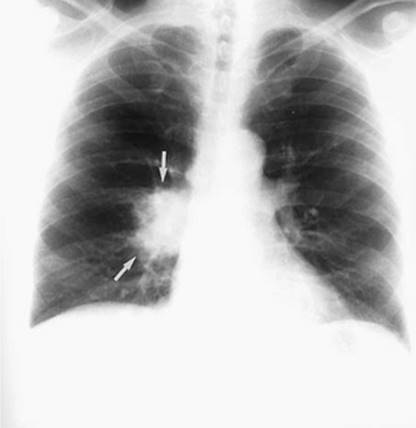
Figure 4.6 Chest X-ray showing a lung cancer
From Mettler, 2004
CT scan of the chest and upper abdomen is most useful for defining mediastinal lesions, detecting additional metastases and directing the needle for fine needle aspiration cytology (FNAC) studies (Fig 4.7).
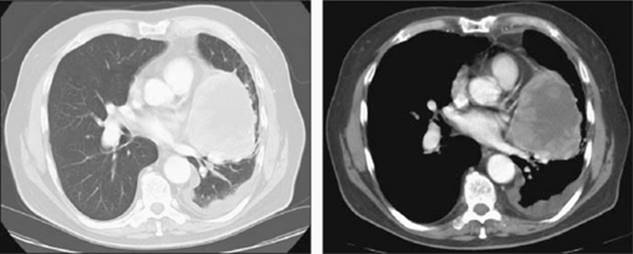
Figure 4.7 CT scans showing a lung cancer
From Abeloff et al, 2008
Positron emission tomography (PET) scan allows the detection of regional lymph node and distant metastases. Up to 15% of patients thought to have surgically resectable disease have evidence of metastatic disease on PET scanning.
Endoscopic studies
Indirect laryngoscopy is indicated when an upper respiratory tract cause of cough, such as laryngitis or laryngeal carcinoma, is suspected.
Flexible fibre-optic or rigid bronchoscopy is performed when there is X-ray evidence of bronchial obstruction, unresolved pneumonia, foreign body or suspected carcinoma. Washings are obtained for cytological examination and bacterial or fungal culture, including examination for mycobacteria. Brush biopsies may be taken to diagnose more peripheral lesions in bronchopulmonary segments. Brushings and random biopsies and sputum cytology may lead to a positive diagnosis of lung cancer and tuberculosis in the absence of an obviously visible lesion.
Mediastinoscopy permits a retrosternal direct biopsy of the para-tracheal lymph nodes and nodes at the bifurcation of the trachea in order to stage disease and assess operability of lung cancer. Mediastinoscopy is also useful in diagnosising other causes of mediastinal node abnormality such as sarcoidosis, tuberculosis and other diffuse pulmonary diseases.
Left anterior mediastinotomy allows sampling of lymph nodes and masses in the region of the aorto-pulmonary window not accessed by mediastinoscopy.
Video-assisted thoracoscopic biopsy of the tumour mass or metastases may be required if the above investigations are negative or inconclusive.
Staging of non-small cell lung cancer is clinical and based upon descriptors of the size and location of the primary tumour (T), the spread to lymph nodes within the thorax (N) and to the presence or absence of distant metastases (M) (Box 4.2).
Box 4.2
TNM staging of lung cancer
Primary tumour (T)
Tis — Carcinoma in situ
TX — Positive malignant cytologic findings, no lesion observed
T1 — Diameter of 3 cm or smaller and surrounded by lung or visceral pleura or endobronchial tumour distal to the lobar bronchus
T2 — Diameter greater than 3 cm; extension to the visceral pleura, atelectasis or obstructive pneumopathy involving less than one lung; lobar endobronchial tumour; or tumour of a main bronchus more than 2 cm from the carina
T3 — Tumour at the apex; total atelectasis of one lung; endobronchial tumour of main bronchus within 2 cm of the carina but not invading it; or tumour of any size with direct extension to the adjacent structures such as the chest wall, mediastinal pleura, diaphragm, pericardium parietal layer or mediastinal fat of the phrenic nerve
T4 — Invasion of the mediastinal organs, including the oesophagus, trachea, carina, great vessels and/or heart; obstruction of the superior vena cava; involvement of a vertebral body; recurrent nerve involvement; malignant pleural or pericardial effusion; or satellite pulmonary nodules within the same lobe as the primary tumour
Regional lymph node involvement (N)
N0 — No lymph nodes involved
N1 — Ipsilateral bronchopulmonary or hilar nodes involved
N2 — Ipsilateral mediastinal nodes or ligament involved
Upper paratracheal lower paratracheal nodes
Pretracheal and retrotracheal nodes
Aortic and aortic window nodes
Para-aortic nodes
Para-oesophageal nodes
Pulmonary ligament
Subcarinal nodes
N3 — Contralateral mediastinal or hilar nodes involved or any scalene or supraclavicular nodes involved
Metastatic involvement (M)
M0 — No metastases
M1 — Metastases present
TMN subgroups are grouped together into stages 0 to IV and these stages provide information about prognosis, allow a comparison of outcomes from different clinical series and also guide therapy (Boxes 4.3and 4.4).
Box 4.3
Stage groupings for lung cancer
Occult — TXN0M0
0 — TisN0M0
IA — T1N0M0
IB — T2N0M0
IIA — T1N1M0
IIB — T2N1M0 or T3N0M0
IIIA — T1–3N2M0 or T3N1M0
IIIB — Any T4 or any N3M0
IV — Any M1
Box 4.4
Five-year survival for the various stages of lung cancer
Stage IA — 75
Stage IB — 55
Stage IIA — 50
Stage IIB — 40
Stage IIIA — 10–35% (stage IIIA lesions are technically resectable)
Stage IIIB — 5% (stage IIIB lesions are nonresectable)
Stage IV — less than 5
Treatment plan
1 Smokers’ lungs
Political action (taxation, non-smoking in public areas, health education), personal example (non-smoking doctors) and repeated advice to patients are the best available methods of reducing cigarette smoking but gains have been slow, especially in women and teenagers. Nicotine replacement therapies and counselling services to assist in the cessation of smoking should be provided.
2 Carcinoma of the lung
In all such patients respiratory function is assessed and the tumour staged before surgery. Thoracotomy is avoided in advanced disease and small-cell cancer. Lung cancer is frequently unresectable (in two-thirds of patients) because of regional lymph node involvement, malignant pleural effusion, laryngeal nerve paralysis, phrenic nerve paralysis, distant metastases, superior vena caval obstruction and involvement of the main pulmonary artery. Surgical treatment consists of thoracotomy with removal of the entire lung or lobe, along with regional lymph nodes and contiguous structures. Lobectomy is the procedure of choice in the patient with localised disease. Pneumonectomy is indicated in some of the more central localised lesions. Survival following ‘curative’ resection is approximately 30% at five years and 15% at 10 years. The best results are found in squamous cell carcinoma followed by large-cell carcinoma and adenocarcinoma. There are very few survivors of small-cell carcinoma beyond two years.
Radiotherapy may be ‘curative’ in patients with early stage disease who are unfit for surgical resection. However, the usual role for radiotherapy is in the palliation of pain from bony metastases, superior vena caval obstruction or haemoptysis. The combination of radiotherapy and platinum-based chemotherapy provide the best palliation for patients with good performance status and non-resectable disease.
Small cell cancers are best treated by multi-agent chemotherapy.
3 Postviral bronchitis
Expectant treatment is indicated after exclusion of serious disease.
4 Foreign body
Foreign bodies are removed by flexible fibre-optic or rigid bronchoscopy. Transbronchial drainage of pulmonary abscesses can also be performed.
5 Tuberculosis
Isolation is indicated for patients with open tuberculosis. Contacts must be identified. Chemotherapy is usually commenced when the patient is hospitalised to establish the diagnosis and consists of two or three drugs in combination to prevent resistant strains and to minimise toxicity. Treatment is required for at least 18 months to two years or until X-ray signs of activity have diminished or disappeared. The main indications for surgical treatment of tuberculosis are failure of chemotherapy, irreparably destroyed lung, persistent pleural fistula and intractable haemoptysis. Surgical resection may be necessary to exclude malignancy.
6 Less common causes
Upper respiratory tract. The chronic cough of laryngeal squamous carcinoma is often associated with hoarseness and feeling a lump in the throat. Prompt examination by indirect laryngoscopy is indicated. Precancerous lesions appearing as leucoplakia may be found and should be biopsied. Allergic rhinitis or chronic sinusitis with postnasal drip can also present with chronic cough.
Lower respiratory tract. Subclinical asthma may present with cough as an early manifestation and as a prelude to acute asthmatic attacks. A tendency to develop asthmatic wheezing may be revealed by having a patient breathe rapidly. Reversible airway obstruction found on pulmonary function testing may be the first sign of asthma in some patients with chronic cough. Nocturnal chronic cough may be the presenting complaint in patients with reflux oesophagitis, achalasia and pharyngeal pouch and is secondary to nocturnal regurgitation and pulmonary aspiration.
Chronic cough at night is also a typical early symptom of pulmonary congestion caused by left ventricular heart failure or mitral stenosis, often a few hours after going to sleep. Cough is often, but not always, associated with paroxysmal nocturnal dyspnoea.
Psychogenic cough usually has an artificial character — being explosive, loud and spasmodic in pattern. Psychogenic cough is nearly always nonproductive and does not occur while asleep. Chest examination is normal, as is the chest X-ray.
HIV/AIDS is an increasingly common cause of respiratory infection and chronic cough. The finding of pneumocystis infection should make one suspect the diagnosis. Associated clinical manifestations can be protean.
4.5 Chest wall problems
These may affect any of the individual layers of the chest wall.
Common causes
1. Congenital deformities of the thoracic cage
2. Soft tissue swellings
3. Bony swellings
4. Costochondral swellings
5. Infections
6. Thoracic spine problems (Ch 5)
Clinical presentation and management plans
1 Congenital deformities of the thoracic cage
These are of two main types — funnel chest (pectus excavatum) and its opposite: pigeon chest (pectus carinatum). Funnel chest is much more common and usually affects the manubriosternal junction, lower sternum and xiphisternum. Clinical symptoms, apart from the cosmetic disability, are rare with both forms. Operative correction is required for severe deformities.
2 Soft tissue swellings
Benign or occasionally malignant soft tissue tumours can be seen in any of the soft tissues of the chest wall — skin, subcutaneous fat, muscle and connective tissues. Lipomas are usually easily diagnosed if subcutaneous but can cause diagnostic difficulty when located between deeper muscle planes. Cutaneous and subcutaneous neurofibromas are seen in Von Recklinghausen’s disease of nerves. The nerve root lesions may be dumb-bell-shaped around the constriction of the issuing nerve root canal and associated with nerve root compression symptoms.
3 Bony swellings
Residual lumps from callus formation after fractured ribs is quite common. The majority of bony tumours in adult ribs and thoracic vertebrae are metastatic from primary tumours in the thyroid, kidney or prostate or from lymphoma or multiple myeloma. Occasionally primary breast, pulmonary or pleural tumours will involve the chest wall directly and produce bone destruction. Other malignant primary bone tumours, such as oesteogenic sarcoma, are less common and will usually require excisional biopsy to distinguish them from benign lesions such as eosinophilic granuloma and monostotic fibrous dysplasia.
4 Costochondral swellings
The most common benign tumours are chondromas and osteochondromas, which present as swellings at the costochondral junction. They can show expansion of the rib with an intact cortex. Chondrosarcomas cause bone destruction. Progressive growth is an indication for biopsy.
Tietze’s syndrome (costochondritis) is a condition that causes painful swelling of the second and third costochondral junctions, with local tenderness. Symptoms are usually of only mild or moderate severity, X-rays show no abnormality and treatment is usually just by reassurance.
5 Infections
Osteomyelitis is now most commonly due to deep infections of median sternotomy incisions or to xiphoid infections with high midline abdominal incisions. A chronic sinus due to underlying bone or cartilage necrosis can ensue. Suppurative, tuberculous or fungal infections can occasionally involve the chest wall by direct intension from the lung or pleura or lymph nodes beneath to give a chest wall sinus (empyema necessitans). These uncommon lesions are seen more often in immune-depressed individuals.