
Ema Ferreira, Évelyne Rey, and Caroline Morin
LEARNING OBJECTIVES
Upon completion of the chapter, the reader will be able to:
1. Explain the principles of embryology and teratology.
2. Identify known teratogens and drugs of concerns during lactation.
3. Compare the main sources of drug information during pregnancy and lactation.
4. Evaluate the risks of a drug when taken during pregnancy or lactation.
5. Apply a systematic approach to counseling on the use of drugs during pregnancy and lactation.
6. Recommend the appropriate dose of folic acid to prevent congenital anomalies.
7. Describe physiologic changes during pregnancy and their impact on pharmacokinetics.
8. Choose an appropriate treatment for common conditions in a pregnant or lactating woman.
KEY CONCEPTS
 Although the risk of drug-induced teratogenicity is of concern, the actual risk of birth defects from most drug exposures is small.
 The risk of birth defects is higher during organogenesis.
 Counsel all women of childbearing age on the use of folic-acid containing multivitamins to prevent congenital anomalies.
 Most drugs are safe during breast-feeding.
 When possible, treat conditions occurring during pregnancy with nonpharmacologic treatments instead of drug therapy.
 Evaluate the need for treatment, including benefits and risks. Avoid treatments that do not show evidence of benefit or that can be delayed until after pregnancy or breast-feeding.
Medication use during pregnancy and lactation is a great challenge for health professionals as pregnant and breast-feeding women are usually excluded from clinical trials. In general, medications should not be used in these populations unless benefits outweigh risks. Therefore, it is important to know on which information sources to rely, how to interpret the data retrieved from these sources, and how to communicate this information to patients. This chapter will review the available resources that help to guide therapy, general strategies to reduce risks of drug use in pregnant and lactating women, and specific recommendations for some common conditions treated during pregnancy and lactation.
EPIDEMIOLOGY AND ETIOLOGY
Use of Medications During Pregnancy and Lactation
Recent studies conducted in the United States have estimated that a woman takes a mean of two nonprescribed medications and two prescribed medications (multivitamins excluded) during pregnancy.1,2Moreover, since approximately one-half of pregnancies are unplanned, many women are exposed to medications before being aware of their pregnancy.3
The most popular medications are vitamins and minerals, analgesics, antacids, antibiotics, antiemetics, laxatives, asthma medication, cold and flu medications, and medications for topical administration (e.g., antifungals, antibiotics, corticosteroids).1,2
One study from the Netherlands indicated that 65.9% of breast-feeding women took at least one medication (53% after exclusion of vitamins and minerals) over a 6-month period. The most popular medications were vitamins, analgesics, iron, antimicrobials, homeopathic remedies, oral contraceptives, cold and flu medications, and laxatives.4
Background Risks of Anomalies in Pregnancy
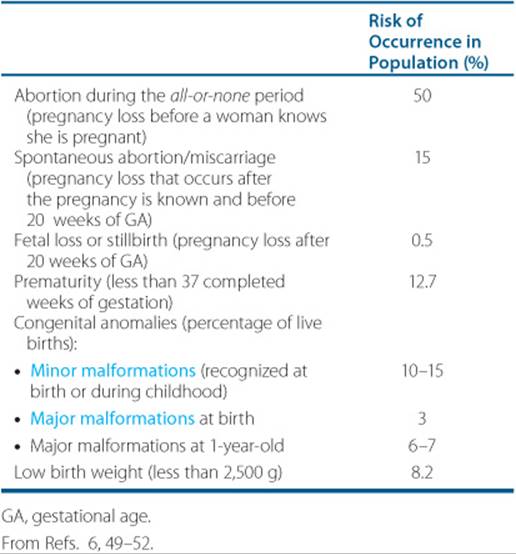
Table 47–1 describes the baseline risks of congenital anomalies and some obstetrical complications observed in the general population. This will be important when evaluating the risks associated with drugs, and in order to counsel pregnant women.6
Causes of Congenital Anomalies
Although the risk of drug-induced teratogenicity is of concern, the actual risk of birth defects from most drug exposures is small. Medications are associated with less than 1% of all congenital anomalies. As it is a modifiable cause of anomalies, it is important to evaluate and manage drug use in pregnant women and women planning a pregnancy. Causes of anomalies are monogenetic conditions (8–18%), chromosomal disorders (7–10%), maternal infections (1%), maternal conditions (1–3%; e.g., maternal diabetes), multifactorial heredity (23–50%), and unknown causes (34–43%).5
Table 47–1 Occurrence of Some Obstetrical Complications and Risk of Congenital Anomalies in the General Population
PATHOPHYSIOLOGY
Age of Pregnancy
The age of pregnancy can be defined as gestational or postconceptional ages. Gestational age (GA) is calculated from the first day of the last menstruation (or by ultrasound dating if menstrual cycles are irregular or if dates are unknown).
Postconceptional age (PCA) is calculated from the day of conception (plus or minus 2 days of ovulation).
Principles of Embryology
Pregnancy is usually divided into three trimesters of 13 weeks. However, it can be divided more precisely into three phases: implantation and predifferentiation, organogenesis (or embryogenesis), and fetogenesis. Table 47–2describes these phases and the effects that drugs could have if taken during these phases. The risk of birth defects is higher during organogenesis.
Teratogens
A teratogen is an exogenous agent that can modify normal embryonic or fetal development. Teratogenicity can manifest as structural anomalies, a functional deficit, cancer, growth retardation, and death (spontaneous abortion, stillbirth).
Table 47–2 Phases of Embryonic and Fetal Development
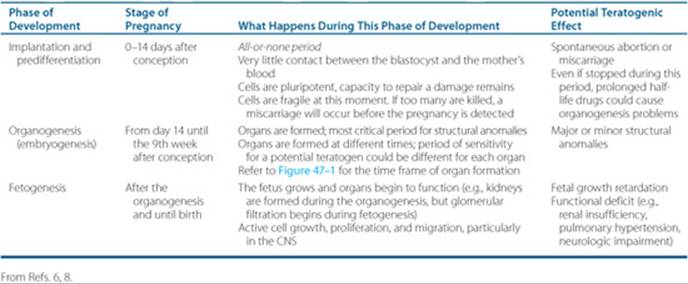
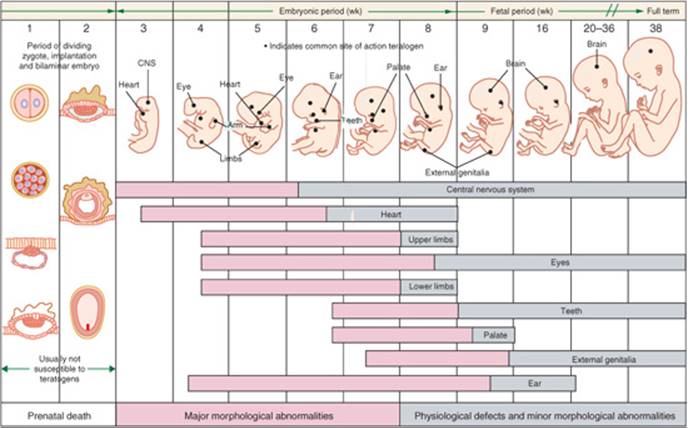
FIGURE 47–1. Embryonic development. The horizontal bars represent potential sensitivity to teratogens. The colored areas represent the more critical times. (Reprinted, with permission, from Moore KL. The Developing Human. New York: Elsevier; p 96; copyright 1974.)
Criteria have been proposed to determine if a causal relationship between congenital anomalies and a medication is plausible (teratogenic effect).3 Four essential criteria have been identified. First, exposure to the medication during the critical period of development for a defect is essential. In addition, two out of three of the following criteria must be present: pattern of anomalies or syndrome AND consistent effect in at least two epidemiological studies OR rare anomaly associated to a rare exposure.
Other criteria yield a stronger causal effect but are not essential:
• Same effects observed in animal studies
• Biological plausibility based on pharmacologic effect
• Higher incidence of the anomaly in the population with the use of the medication followed by a diminished incidence of the anomaly in the absence of the medication.
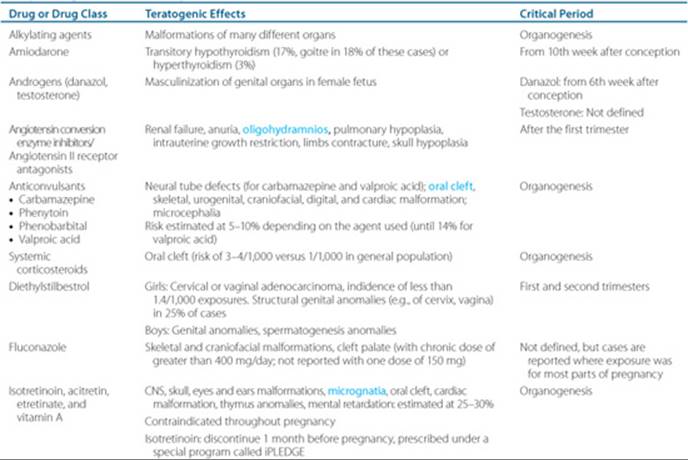
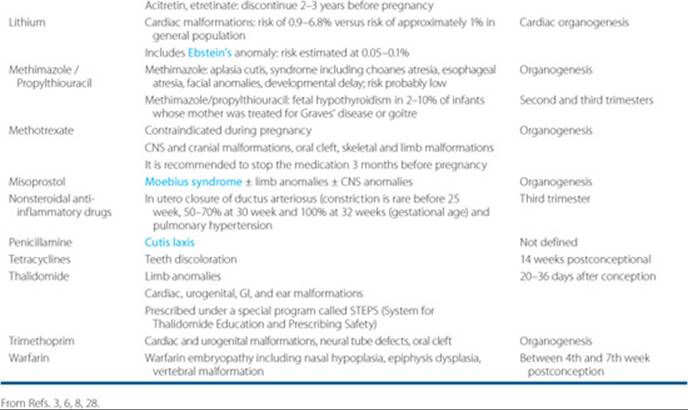
Using these criteria, there are approximately 30 medications established to be teratogens. They are shown in Table 47–3. Some medications have been associated with a higher risk of anomalies; however, they do not have all the criteria to be classified as teratogens.
RISK EVALUATION
Desired Outcomes
The primary goal for drug use during pregnancy and lactation is to effectively treat maternal or fetal conditions when necessary while minimizing risk to the developing fetus or the neonate.
Medication and Pregnancy
To study the efficacy and side effects of medications, researchers conduct randomized controlled trials. For unethical reasons pregnant women are excluded from these studies, thus most available data come from postmarketing reports.
Case reports and case series provide the first data on the use of medications during pregnancy. A causal relationship between a single case report and an anomaly cannot usually be established unless a rare anomaly is repeatedly associated with the use of a specific medication.
Cohort studies and company registries try to compare the risks observed following exposure to a medication to the risk observed in a control group or in the general population. When studying structural anomalies, it is important to select women exposed to medication during organogenesis (often reported as exposure during first trimester). Cohort studies usually evaluate the general risk of malformations and are not designed to evaluate the risk associated with a specific anomaly. When a signal of association between an anomaly and a drug exposure is observed, a case-control study can be conducted to clarify the relationship. A case-control study also has more power to detect rare anomalies. When several studies have been published using very similar methodologies, a meta-analysis can be conducted to reach higher statistical power.6
Table 47–3 Medications With Proven Teratogenic Effects in Humans
Clinical Presentation and Diagnosis of Pregnancy and Lactation
Confirmation of Pregnancy
Positive urine human chorionic gonadotropin followed by positive ultrasound, fetal heart sounds, and/or fetal movement.
Pregnancy Dating and Gestational Age
Calculated from the first day of the last menstrual period.
Due dates typically are estimated at 40 weeks of gestation; however, infants delivered between 38 and 42 weeks are considered full term.
Pregnancy Symptoms
First trimester: Menstrual spotting, missed menses, fatigue, breast tenderness, increased urination, mood swings, nausea/vomiting, headache, heartburn, constipation
Second trimester: Frequent urination, heartburn, constipation, dry skin, edema, linea nigra, melasma
Third trimester: Backache, edema, shortness of breath
Routine Pregnancy Visits
In a normal, uncomplicated pregnancy, visits should occur monthly until 28 weeks of gestation, every 2 to 3 weeks from 28 to 36 weeks of gestation, and then weekly until birth.
Examination for each of the following is performed at each visit:
• Blood pressure
• Weight
• Urine for protein and glucose
• Uterine size
• Fetal heart rate
• Fetal movement
Routine Lab Testing for Normal Pregnancies (First Trimester Unless Otherwise Indicated)
• Human immunodeficiency virus
• Purified protein derivative (PPD) test for tuberculosis
• Venereal Disease Research Laboratory (VDRL) slide test for syphilis
• Rubella immunity
• Cervical cytology
• Blood and Rh type
• Hepatitis B surface antigen
• Hepatitis C antibodies (if high risk)
• Bacterial vaginosis testing if symptomatic or at high risk (previous preterm labor)
• Antibody screen for Rh antibodies
• Hemoglobin and hematocrit for anemia (repeated at 26–32 weeks)
• Urinalysis with culture for asymptomatic bacteriuria
• Gonorrhea and chlamydia
• Screens for Down’s syndrome and neural tube defects (at 15–20 weeks)
• Gestational diabetes screening (at 24–28 weeks)
• Group B Streptococcus screening (at 35–37 weeks)
Assessing Suitability of the Cervix for Labor Induction
Suitability is based on cervical dilation, length, consistency, and position. These findings are translated to a numerical rating called the Bishop score. A Bishop score of less than 6 indicates that pharmacologic therapy is needed to ripen the cervix prior to delivery.
Select Problems Experienced During Pregnancy or Lactation
Hyperemesis gravidarum. Severe, persistent nausea and vomiting during pregnancy accompanied by dehydration, electrolyte disturbance, ketonuria, and/or weight loss.
Bacteriuria. Often asymptomatic in pregnancy. Diagnosed by positive urine culture.
Bacterial vaginosis. Clinically diagnosed by presence of three of the following:
• White, noninflammatory discharge
• Clue cells on microscopic examination
• Vaginal pH greater than 4.5
• A fishy odor before or after addition of 10% potassium hydroxide (i.e., “whiff” test)
Vulvovaginal candidiasis. Typical symptoms include vaginal itching and discharge. Clinical characteristics include:
• Vaginal pH less than 4.5
• Observation of yeast on Gram stain or wet preparation
• Thick, white, “cottage cheese-like” discharge
Chlamydia and gonorrhea. Typically asymptomatic. Diagnosed by positive culture.
Genital herpes simplex virus. Characterized by vesicular or ulcerative lesions. Diagnosis confirmed by virologic or serologic testing. Prodrome manifests as pain, burning, or itching at the site where lesions will develop.
Pelvic inflammatory disease. Difficult to diagnose in pregnancy. Symptoms may include:
• Uterine/ovarian tenderness
• Cervical motion tenderness
• Fever
• Abnormal cervical or vaginal discharge
• Presence of white blood cells in vaginal secretions
• Elevated erythrocyte sedimentation rate
• Elevated C-reactive protein
Syphilis. Early disease may be characterized by a single genital lesion. Diagnosed by positive serologic testing (e.g., VDRL or rapid plasma reagin [RPR] test).
Trichomoniasis. Symptoms may include vulvar irritation and yellow-green discharge. Diagnosed after microscopic visualization of the organism.
Preterm labor. Onset of labor prior to 37 weeks of gestation.
Group B streptococcus. Diagnosed by positive culture on vaginal and rectal swab.
Mastitis. Characterized by localized redness, tenderness, and warmth on one breast accompanied by fever and flulike symptoms. Although uncommon, symptoms also may be bilateral.
Nipple candidiasis. Typical symptoms include nipple pain, itching, burning, and/or breast pain that persist after feeding.
Gestational diabetes. See Chapter 40.
Hypertension in pregnancy. Categorized as one of the following:
• Chronic hypertension (blood pressure greater than or equal to 140/90 mm Hg prior to pregnancy or prior to 20 weeks of gestation that lasts more than 12 weeks postpartum)
• Pre-eclampsia (blood pressure greater than or equal to 140/90 mm Hg after 20 weeks of gestation accompanied by proteinuria)
• Chronic hypertension with superimposed pre-eclampsia (onset of proteinuria after 20 weeks of gestation in a woman with chronic hypertension)
• Gestational hypertension (hypertension without proteinuria after 20 weeks of gestation)
• Transient hypertension (diagnosis made retrospectively when blood pressure returns to normal before 12 weeks postpartum)
Usually, older medications have been studied more extensively. When interpreting data retrieved from medical literature, it is important to keep in mind the principles of embryology and teratology (period of sensitivity, background risks, other causes of anomalies) and adapt the information to the patient who is being counseled.
Sources of Information on the Use of Drugs During Pregnancy
Specialized information sources provide data on the use of medications during pregnancy. Some of these sources are listed in Table 47–4.
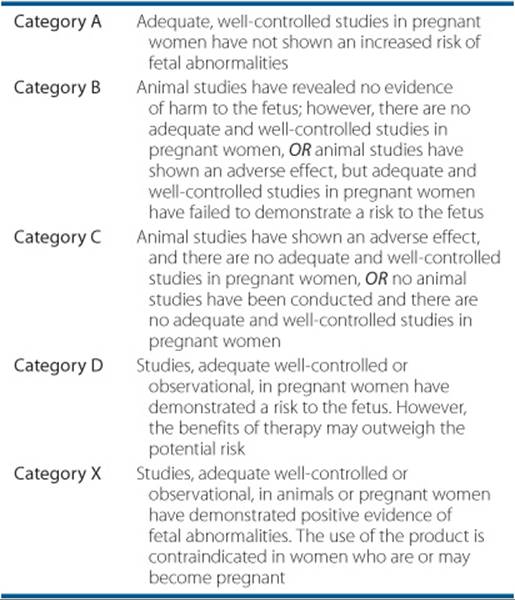
The 1979 FDA regulations establishing pregnancy categories for drugs are well known to health care professionals (Table 47–5). For many years, this system of categorization has been criticized by teratologists, genetic counselors, and other experts in the field who recommend relying on other information sources.7 They assert that the FDA categories are too simplistic, can lead to a misperception of the risk, and do not take into account other important information such as expected incidence, severity of anomalies, degree of risk, gestational timing of exposure, and route of administration.7 In May 2008, the FDA proposed that the categories be removed and replaced by a short statement. This statement includes the description and the risk of fetal defects, the sources of data (animal or human data), a comparison with the population baseline risk of birth defects, and the relationship with the dosage. An equivalent section for drug use during lactation will be inserted.7 This new regulation will not be available for several years. Meanwhile, clinicians should rely on other information sources to evaluate the risk of a medication during pregnancy and lactation.
Table 47–4 Sources of Information on Drug Use in Pregnancy and Lactation
Books
• Briggs GG, Freeman RK, Yaffe SJ. Drugs in Pregnancy and Lactation, 8th ed. Philadelphia : Lippincott Williams & Wilkins, 2008
• Schaefer CE, Peters PW, Miller RK. Drugs during Pregnancy and Lactation, Treatment Options and Risk Assessment, 2nd ed. Amsterdam: Elsevier, 2007
• Hale TW. Medications and Mother’s Milk, 13th ed. Amarillo, TX: Pharmasoft, 2008
Database
• Teris: http://depts.washington.edu/terisweb/teris/index.html
Websites
• List of pregnancy registries: http://www.fda.gov/womens/registries/registries.html
• Lactmed: http://toxnet.nlm.nih.gov/cgi-bin/sis/htmlgen?LACT
Teratology Information Service
• Organization of Teratology Information Specialists (OTIS): Go to www.otispregnancy.org to find your local Teratogen Information Service, or call at the National Toll-Free Number: (866) 626-OTIS
Table 47–5 FDA Pregnancy Categories
Communication of the Information
To determine a woman’s risk of birth defects, it is important to obtain a good medical, obstetrical, and pharmacologic history (including nonprescribed medication) and to take into account exposure to alcohol, tobacco, and other recreational drugs.8 All these elements can influence the risk and the perception of risk.
The goal in the process of risk communication is to offer guidance and support while providing all the pertinent information to the woman to allow her to make an informed decision. The information given should include a well-grounded assessment of risks, including baseline risks in the general population, risks associated with the medication, and the underlying pathology. Women often have misconceptions and misperceptions about use of medications during pregnancy. They overestimate their risk of having an affected child after an exposure to a medication and underestimate the risks associated with chronic medical conditions.3,8
Folic Acid
Folic acid is an essential vitamin that plays an important role in the prevention of congenital anomalies, particularly neural tube defects. Recent data indicate that folic acid may also be involved in the reduction of other congenital anomalies including cardiovascular, oral clefts, limb deformities, and urinary malformations.9 All women of childbearing age should be counseled on the appropriate dose of folic acid to prevent congenital anomalies. The American College of Obstetricians and Gynecologists (ACOG) recommends that every woman of childbearing age take 0.4 to 1 mg of folic acid daily, beginning 3 months before pregnancy, because nutritional sources alone are not sufficient.10 Women at higher risk of neural tube defects (e.g., those who have had a previous child with a neural tube defect, those with prepregnancy diabetes, or epilepsy, or those taking carbamazepine or valproic acid) are counseled to take 4 mg of folic acid per day.10 The Society of Obstetricians and Gynecology of Canada advocates the use of higher doses of folic acid for a broader range of women including obese women, Sikh, Celtic, and Northern Chinese women, who are at higher risk of having a child with a neural tube defect.11
Iron Supplements
Anemia is a common problem during pregnancy. Up to 27% of women are anemic in the third trimester.12 Maternal symptoms of anemia include fatigue, palpitations, and decreased resistance to exercise and infections. Fetal risks are prematurity, low birth weight, and fetal death. Recommendations are that all pregnant women be screened for anemia, and those with iron deficiency should be treated with oral iron preparations in addition to prenatal vitamins.12Iron supplementation decreases the prevalence of maternal anemia at delivery. It is unclear if supplementing nonanemic pregnant women will improve perinatal outcomes.12
Impact of Physiologic Changes During Pregnancy on Pharmacokinetics
Absorption
Drug absorption is affected in several ways during pregnancy, and it is difficult to predict the final repercussion on drug efficacy. Decreased GI transit can result in a delay in drug peak effect, prolonging the time of contact of drugs with the intestinal mucosa, and possibly enhancing absorption of certain drugs. The higher gastric pH may affect the absorption of weak bases or acids. Skin, tissue, and lung absorption might also be increased by physiologic changes during pregnancy.13
Patient Encounter, Part 1
LC, a 28-year-old woman thinks that she is pregnant. She has not had a period in 9 weeks. A few days ago, she used a home pregnancy test which was positive. In your office, a repeat urine pregnancy test confirms that the patient is pregnant.
What counseling would be appropriate at this time?
What are the estimated postconceptional age (PCA) and gestational age (GA) of the embryo?
What prenatal screening would you perform at this time?
Distribution
The volume of distribution increases for most drugs during pregnancy due to plasma volume expansion and the presence of amniotic fluid, the placenta, and the fetus. This results in a decrease in maximal concentrations of drugs and in their half-life. In addition, hypoalbuminemia and decreased protein binding of drugs increases free fraction of some medications.13,14
Metabolism
During pregnancy the activity of some isoenzymes is increased (e.g., CYP3A4, CYP2A6, CYP2D6, CYP2C9), and the activity of others is decreased (e.g., CYP1A2, CYP2C19). It is difficult to predict the net impact on drug effect since there is a wide interindividual variability and since some drugs are metabolized by several isoenzymes.13–15 The activity of uridine diphosphate glucuronosyltransferase (UGT) is also increased during pregnancy.13–15
Renal Elimination
Renal blood flow and glomerular filtration are increased significantly during pregnancy. The impact of this increase is more important for drugs that are eliminated unchanged in the urine.14
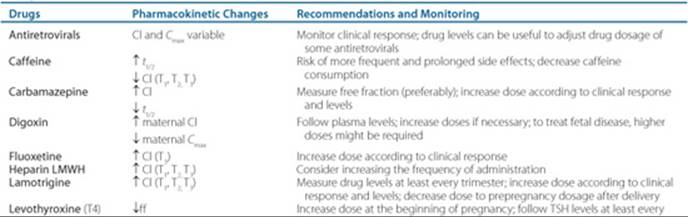
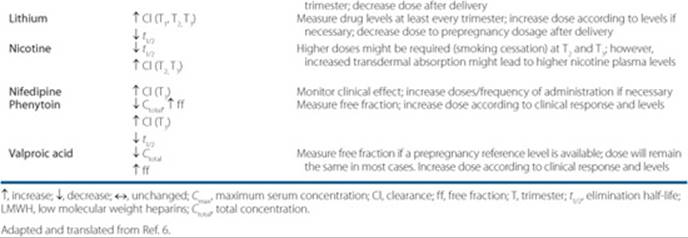
Table 47–6 shows clinical recommendations based on pharmacokinetic changes during pregnancy for several drugs.
Medication and Lactation
According to a 2005 policy statement from the American Academy of Pediatrics (AAP), new mothers should breastfeed exclusively for 6 months.
Approximately 46% of new mothers report that they breast-feed exclusively at birth. However, this figure drops to 17% at 6 months, as many new mothers supplement breastfeeding with other foods or quit entirely by this point.46
For the breast-feeding mother it is important to balance the need for treatment against the potential toxicity to the infant.
Drug Transfer Into Breast Milk
To study drug effects in a breast-fed infant, serum drug levels could be measured to help evaluate safety in the infant; however, that is often not possible. Therefore, in most instances, the approximate quantity of drug ingested by the breast-fed infant is estimated using published measured drug concentrations in breast milk. With these data, one can calculate the percentage of pediatric dose or the relative infant dose (percentage of maternal dose adjusted by weight) (assuming an average of 150 mL/kg/day of milk ingested by a breast-fed infant). Usually, a percentage of less than 10% of the pediatric dose, or when a pediatric dose is not available, a percentage of less than 10% of maternal dose adjusted by weight is acceptable in full term infants.47
Table 47–6 Altered Pharmacokinetics During Pregnancy: Clinical Implications and Management
Drug Pharmacokinetics
If clinical data are not available on drug transfer into breast milk, choose drugs that are highly protein bound, have a high molecular weight, have a short half-life, have no active metabolites, and are well tolerated by children.47
Milk/Plasma Ratio
The milk/plasma ratio is reported in several references but does not take into account the absolute amount of drugs ingested by the infant. For example, propranolol has a milk to plasma ratio of 1.65, indicating that it concentrates into milk; however, it is estimated that the breast-fed infant will ingest less than 1% of the neonatal dose.47
AAP Tables
Since 1983, the AAP has been publishing their position on the compatibility of drug during breast-feeding. Although useful, these tables do not take into consideration the dose, infant characteristics, and maternal conditions.19
Drugs of Concern During Breast-Feeding
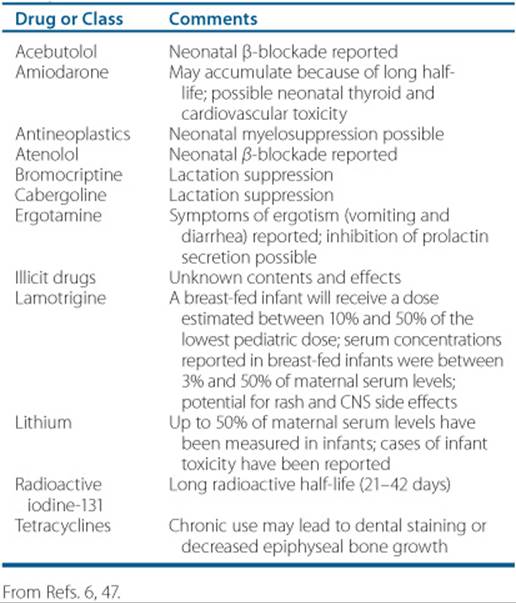
Most drugs are safe during breast-feeding. However, use of some drugs creates some concern and requires a more thorough assessment by the clinicians (Table 47–7).
CONDITIONS PREVALENT IN PREGNANCY AND LACTATION
Nausea and Vomiting
As many as 80% of pregnant women suffer from nausea or vomiting.16
Nonpharmacologic measures, such as lifestyle (rest, avoidance of nausea triggers such as strong odors) and dietary changes (small and frequent meals, fluid restriction during meals) should be used as first-line management. Acupuncture and acupressure can be also helpful.16
The combination of pyridoxine (vitamin B6) and doxylamine is well studied during pregnancy and is the first-line pharmacologic treatment of nausea and vomiting during pregnancy (Table 47–8).16,17 This combination is not available in the United States, and the ingredients have to be administered separately. When the combination of pyridoxine/doxylamine is insufficient, other drugs such as metoclopramide or diphenhydramine can be prescribed; ondansetron is another alternative.16,17
Table 47–7 Drugs of Concern During Breast-Feeding
Constipation and Hemorrhoids
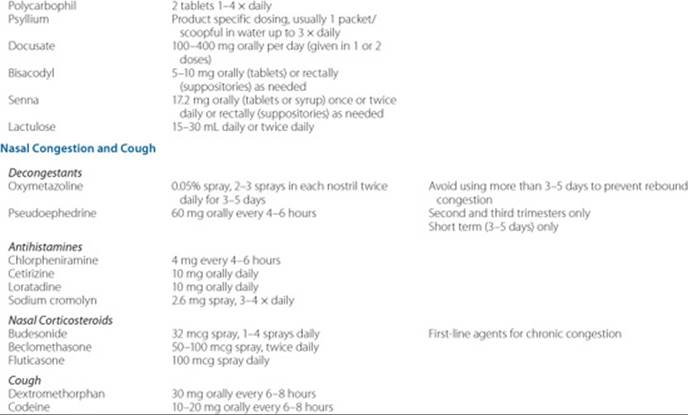
Nonpharmacologic treatment is the mainstay of constipation and hemorrhoids treatment in pregnant patients. Pregnant women should be counseled to eat a high-fiber diet, drink plenty of fluids, exercise regularly, and avoid prolonged time on the toilet. To relieve hemorrhoids, pregnant women may soak in warm sitz baths and apply ice to the area. Bulk-forming laxatives, such as psyllium and calcium polycarbophil are first-line agents (Table 47–8).18 If these methods fail, stimulant laxatives, such as bisacodyl and senna, are acceptable second-line agents for short-term or intermittent use.6,18 During lactation, bulk-forming laxatives and the stimulant laxatives are safe for use.19
Studies are lacking on safe and effective approaches for management of hemorrhoids during pregnancy.20 Acetaminophen and topical analgesics agents may be used for pain. Surgical resection or banding can also be performed during pregnancy, but it is generally preferable to delay the surgery until after delivery.
Heartburn
Nonpharmacologic recommendations for the treatment of heartburn during pregnancy do not differ from recommendations for nonpregnant patients. Small and frequent meals, remaining upright after eating, elevating the head of the bed, and avoiding foods known to decrease lower esophageal sphincter tone (such as chocolate, coffee, fatty foods, and peppermint) are recommended.
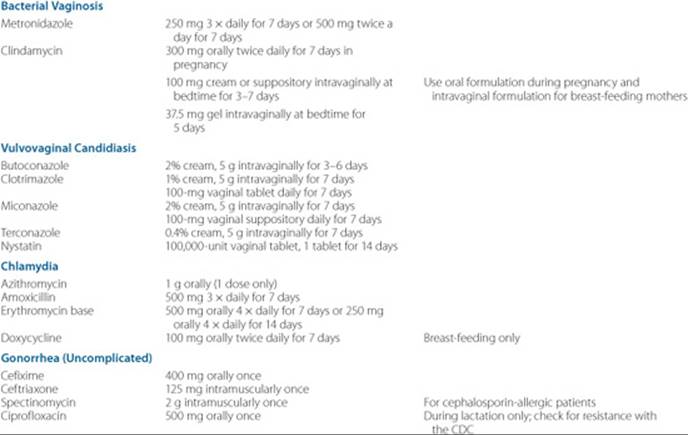
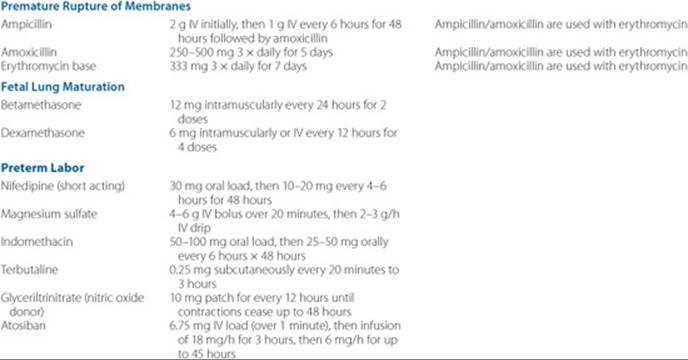
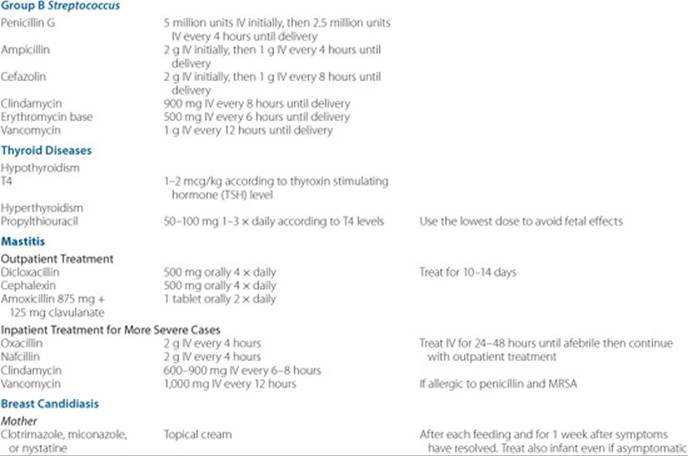
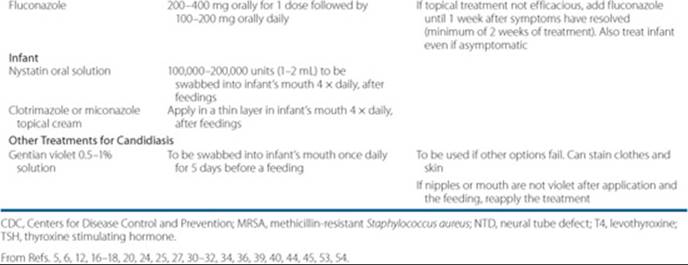
Table 47–8 Medication Dosing Recommendations During Pregnancy and Lactation
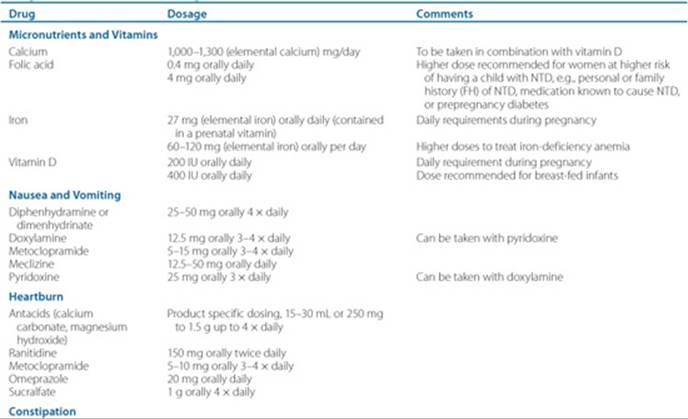
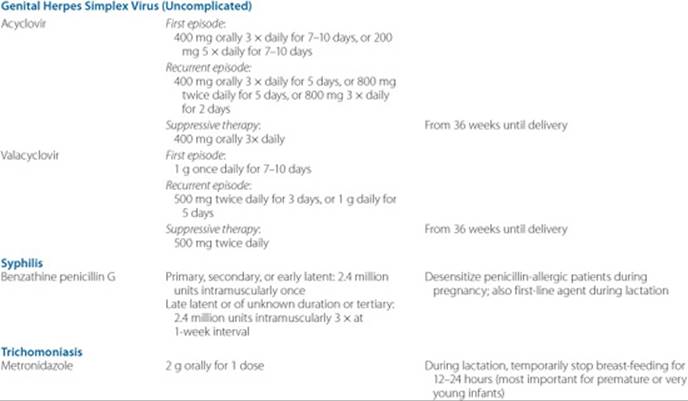
Calcium- or magnesium-containing antacids are first-line therapies. If antacids fail to improve symptoms, ranitidine can be recommended, as it is the drug with the best safety data among the H2 blockers (Table 47–8).21Omeprazole, sucralfate, and metoclopramide are also safe in pregnancy (Table 47–8).22
All the drugs used for heartburn during pregnancy are acceptable during lactation.19
Nasal Congestion and Cough
Do not underestimate the impact of nasal congestion, especially if it is chronic and associated with snoring and sleep disorders. Rest, fluids, humidified air, nasal saline, and acetaminophen are the mainstays of therapy for the common cold. Recommend avoiding irritants and known allergens, raising the head of the bed at 30 to 45 degrees. Nasal strips might be helpful.
Treat nasal congestion as in the nonpregnant population, reminding that: (a) Avoid oral decongestants during the first trimester owing to the risk of fetal gastroschisis (incidence 4–6 per 10,000 treated women). Pseudoephedrine is the preferred agent.23 (b) Stop topical decongestants after 3 to 5 days in order to minimize the incidence of rebound congestion. (c) Most first- and second-generation antihistamines are safe in pregnancy at recommended dosages.23 (d) Nasal corticoster-oids are the best drugs for chronic rhinitis.23,24
Treat cough with oral dextromethorphan or codeine (Table 47–8). Maintain ongoing allergen immunotherapy, but do not initiate it.
During lactation, all the drugs previously used during pregnancy can be continued.19,24
Bacteriuria
Bacteriuria during pregnancy, including asymptomatic disease, is associated with higher risk of pyelonephritis (compared to the risk in nonpregnant women) and of some obstetrical complications, such as low birth weight and preterm delivery. Treatment reduced these risks.25 All women testing positive for bacteriuria should be treated empirically with antimicrobial therapy targeted at Escherichia coli infection.26Safe agents for empirical therapy include penicillins, cephalosporins, and nitrofurantoin27 (Table 47–8). Sulfonamides and ampicillin or amoxicillin also have been used, but increasing bacterial resistance to these agents renders them second-line choices.27 Avoid quinolones owing to the theoretical risk of bone and cartilage malformations. Avoid trimethoprim and sulfamethoxazole during organogenesis (since antifolate drugs have been associated with congenital malformations) and near term due to theoretical risk of neonatal jaundice.28 Once culture and sensitivity results are available, change the antimicrobial regimen if necessary. Recommend standard 3-day or longer antimicrobial therapy because there is insufficient evidence among pregnant women to support 1-day regimens.29 Repeat urine culture 10 days after completion of therapy for bacteriuria.
Bacterial Vaginosis
Bacterial vaginosis is associated with adverse pregnancy outcomes such as premature rupture of the membranes, chorioamnionitis, and preterm labor and delivery. Treatment is recommended in symptomatic women or in asymptomatic women at high risk for preterm delivery. The Centers for Disease Control and Prevention (CDC) recommends oral metronidazole for the treatment of bacterial vaginosis in pregnant women (Table 47–8).30Metronidazole is deemed safe for use by the CDC during all stages of pregnancy despite package labeling listing a contraindication in the first trimester.28–30 Oral clindamycin is an option for women who do not tolerate metronidazole, but its efficacy is lower than that of metronidazole in nonpregnant populations.30 Avoid clindamycin vaginal cream due to association with low birth weight and neonatal infection.30
Patient Encounter, Part 2
During your first encounter with LC, you collected the following data:
PMH: Seasonal allergic rhinitis
FH: Patient’s mother delivered two preterm infants
SH: Works as a librarian. Denies use of alcohol, tobacco, or illicit substances
Meds: Loratadine 10 mg orally daily; ibuprofen 400 mg orally as needed for headache (uses approximately once weekly); ortho-Tri-Cyclen Lo daily; multivitamin (generic for Centrum) daily
ROS: (+) Nausea with occasional vomiting on awakening in the morning × 2 weeks. Nausea lasts for 1 to 2 hours. Has missed 3 days of work because of nausea. Remainder of ROS within normal limits.
VS: BP 118/62, P 72 bpm, RR 12, T 37°C (98.6°F)
The patient expresses concern over the medications she has been using over the last 9 weeks. She states that neither she nor her husband could handle having a “deformed” baby, and she asks you if she should consider terminating the pregnancy.
What resources can you use to help determine the risk of her drug exposures?
What do you recommend for her morning sickness?
During lactation, clindamycin or metronidazole vaginal formulations are the preferred therapies for bacterial vaginosis (Table 47–8). Counsel patients that clindamycin cream weakens latex condoms and diaphragms, potentially rendering them ineffective.
Since the cure rate is expected to be around 70%, it is important to do a culture 1 month after completion of therapy.31
Vulvovaginal Candidiasis
Only symptomatic vulvovaginal candidiasis should be treated in pregnant or lactating women. First-line treatment is topical azole therapy for 7 days in pregnant women; shorter courses can be used during lactation. Oral fluconazole is not a first-line treatment during pregnancy (Table 47–8).30 Women should be counseled that using topical azoles weakens latex condoms and diaphragms, potentially rendering them ineffective.
Sexually Transmitted Infections
Chlamydia
Chlamydia infections during pregnancy, including those that are asymptomatic, can be treated with azithromycin, amoxicillin, or erythromycin to reduce the risk of preterm labor and neonatal infection (Table 47–8).28–30 Doxycycline should be avoided in pregnant women owing to known teratogenic effects when used after 16 weeks of gestational age. Erythromycin estolate should also be avoided because of drug related hepatotoxicity.28
During lactation, azithromycin and doxycycline are first-line choices (Table 47–8).13,31 Nucleic acid amplification tests should be repeated 3 to 4 weeks after completion of therapy.30
Gonorrhea
Gonorrheal infections, including those that are asymptomatic, should be treated during pregnancy with cefixime or ceftriaxone to reduce the risk of preterm labor and neonatal infection (Table 47–8).30Spectinomycin is an alternative for penicillin- or cephalosporin-allergic women.30 Tetracycline should be avoided during pregnancy owing to tooth and bone malformations, and quinolones should be avoided because of the theoretical risk of bone or cartilage malformations (Table 47–8).28
All CDC recommended first-line therapies for gonorrhea are deemed compatible with breast-feeding by the AAP.19 Since the number of quinolone-resistant species is increasing, the CDC recommendations should be consulted before prescribing a quinolone.30 Perform an endocervical swab culture for gonorrhea 3 weeks after completion of therapy.
Herpes Simplex
Herpes simplex virus may be transmitted to the neonate at birth. The risk of transmission is more likely if the mother acquired genital herpes near the time of delivery (30–50%). Prevention of neonatal herpes includes preventing acquisition of herpes infection during late pregnancy and avoiding fetal exposure to active herpetic lesions during delivery.
The majority of obstetricians recommend cesarean section for women with active genital herpetic lesions at the onset of labor, even though caesarean section does not completely eliminate the risk of neonate transmission. Oral acyclovir is recommended for treatment of herpes episodes. Acyclovir or valacyclovir is recommended to decrease the risk of a recurrence at term (Table 47–8).32,33 IV therapy may be indicated for severe episodes. Surveillance data do not suggest an increased risk of teratogenic effects with acyclovir.28,32 Acyclovir is preferred over valacyclovir or famciclovir because experience with the latter agents during organogenesis is limited.
Acyclovir and valacyclovir are deemed compatible with breast-feeding, but no recommendation can be made regarding the safety of famciclovir during lactation.19 Infants born to mothers with active disease at birth should be monitored for signs and symptoms of disease.
Syphilis
Treponema pallidum can cross the placenta and cause fetal infection with severe consequences. All women should be screened serologically for syphilis at the beginning of pregnancy. Serologic testing should be repeated at 28 to 32 weeks of pregnancy and at delivery in populations in which the prevalence of syphilis is high or in women at high risk, such as those who were previously untested or had a positive serology in the first trimester.30
Benzathine penicillin G administered to the mother is effective to prevent transmission and to cure the disease in the fetus (Table 47–8).30 Penicillin-allergic women must undergo desensitization to the drug since alternative therapies used in nonpregnant patients are either teratogenic (e.g., tetracycline and doxycycline) or will not cure disease in the fetus (e.g., erythromycin).30 The intensity of the treatment should be adjusted to the stage of syphilis.
Syphilis in lactating women should be treated with benzathine penicillin G or any of the CDC-recommended alternatives for penicillin-allergic patients (Table 47–8).13,30
Trichomoniasis
Vaginal trichomoniasis is associated with maternal symptoms, premature rupture of the membranes, preterm delivery, low birth weight, and respiratory or genital infection of the neonate. However, treatment does not reduce perinatal morbidity.19 Thus, treatment is reserved to alleviate maternal symptoms, and asymptomatic disease should not be treated.19 Recommended treatment is oral metronidazole (Table 47–8).19
Women requiring single-dose metronidazole during lactation should discontinue breast-feeding for 12 hours in order to minimize the infant’s exposure to the drug.19,30 During this time, women should pump and discard breast milk in order to avoid engorgement.
Women taking metronidazole should avoid drinking alcohol or using alcohol-containing substances to avoid having a disulfiram-like reaction.
Preterm Labor
Preterm birth, especially before 32 weeks of pregnancy, is the major cause of short- and long-term neonatal mortality and morbidity. The underlying pathophysiologic conditions are diverse, and most are unknown. There is a wide variation in management, diagnosis, and treatment of preterm labor across the world.
Antenatal Corticosteroids
The most beneficial intervention in preterm labor is the administration of antepartum corticosteroids. A single course of antenatal corticosteroids should be administered between 24 and 34 weeks’ gestation to women at risk of preterm delivery within 7 days (Table 47–8). This approach decreases the incidence and severity of neonatal respiratory distress syndrome, intraventricular hemorrhage, necrotizing enterocolitis, and death.33–36 Current guidelines do not support the use of repeat courses of corticosteroids, as the effectiveness of repeat doses has not been clearly established.34,37
Tocolytic Agents
Tocolytic therapy is used to buy time to complete a course of corticosteroids, transfer the patient to a center with neonatal intensive care unit facilities, and to delay delivery. Agents commonly used as tocolytics in the United States include magnesium sulfate, terbutaline, indomethacin, and nifidepine (Table 47–8).34 Nitric oxide donors and atosiban (an oxytocin receptor antagonist) are used in other countries.36 Few head-to-head comparisons have been made between tocolytic agents. All have limited benefit. Agent selection is based on maternal status and potential adverse drug reactions, as there is no clear first-line tocolytic drug.34 Combined tocolytics and prolonged or repeated tocolytic therapy should not be used as it may lead to increased fetal risk without evidence of efficacy.34,37
All tocolytic agents expose the mother and the fetus to serious side effects. A systematic review concludes that nifedipine offers the best benefit-to-risk ratio, but some authors opine that this conclusion is based upon studies of poor quality.36,38 Potential maternal adverse reactions of nifedipine include headache, flushing, dizziness, transient hypotension, and maternal pulmonary edema.34
Data proving that magnesium sulfate prolongs pregnancy are lacking. It is contraindicated for use in women with myasthenia gravis, and serious complications such as maternal pulmonary edema and cardiac arrest have been reported.34 More benign side effects such as flushing, headache, and nausea often cause discontinuation of magnesium sulfate therapy.34
Terbutaline has been shown to prolong pregnancy but has not decreased neonatal morbidity.34,39 It is contraindicated in women with pre-existing cardiac arrhythmia. Common adverse effects include hyperglycemia, palpitations, tremor, nausea, headache, and chest pain. Potentially serious maternal adverse effects include pulmonary edema, cardiac arrhythmia, and myocardial ischemia. Reported fetal and neonatal adverse effects include tachycardia, hyperglycemia, and hyperinsulinemia.34
Indomethacin also prolongs pregnancy, but it has not been independently associated with decreased neonatal morbidity.34 It may be of particular benefit in women with hydramnios.34 Indomethacin should be avoided in women with a history of renal or hepatic impairment, aspirin or nonsteroidal anti-inflammatory drug (NSAID) allergy, peptic ulcer disease, other bleeding disorders, or after 32 weeks of pregnancy. Reports of increased risk of maternal postpartum hemorrhage, and neonatal complications (e.g., premature closure of the ductus arteriosus, necrotizing enterocolitis, bronchopulmonary dysplasia, renal insufficiency, and intrave-ntricular hemorrhage) are worrisome.34
Antibiotics
The administration of a 7-day course of parenteral (48 hours) and oral therapy with ampicillin or amoxicillin and erythromycin in the presence of premature rupture of the membranes is associated with a delay in delivery and a reduction in maternal and neonatal morbidity.40
Group B Streptococcus Infection
Maternal transmission of group B Streptococcus during the intrapartum period is a cause of neonatal sepsis and death. All pregnant women should be screened for group B Streptococcus disease using vaginal and rectal swabs between 35 and 37 weeks of gestation. Antibiotic therapy has been proven to reduce the incidence of early-onset neonatal group B Streptococcus infection when administered to high-risk groups of women. Empirical treatment should be started for group B Streptococcus at the time of membrane rupture and continued until delivery (Table 47–8). The antibiotic of choice for group B streptococcal disease is penicillin G, although ampicillin, erythromycin, or clindamycin are good alternatives.41 Resistance has developed with the use of some alternative choices for penicillin-allergic patients.
The neonate should be observed for signs and symptoms of sepsis until 48 hours after birth. If present, a full diagnostic workup (including complete blood cell count and blood culture) should be initiated and empirical antibiotic therapy started.41
Thyroid Disorders
Pregnant and lactating women need more iodine intake (250 mcg/day) than other women. Milk products and prenatal vitamins are a good source of iodine. Iodine deficiency is a major cause of fetal neurologic damage. Pregnancy induces significant changes in thyroid function. Maternal thyroid disorders, even if subclinical, may have adverse effects on the pregnancy and the fetus/neonate. Maternal hypothyroidism is associated with a higher risk of miscarriage, preterm delivery, and damage to fetal neurologic development.
Screening for thyroid disorders is recommended only in women with personal or FH of thyroid disease, immunological disease (e.g., diabetes mellitus type 1) or presenting suspicious symptoms (e.g., fatigue, constipation, excessive weight gain).38
It is important to maintain euthyroidism during pregnancy. For women already on chronic thyroid replacement therapy, the dose should be increased at diagnosis of pregnancy, and thyroxine-stimulating hormone (TSH) levels should be monitored every 4 to 6 weeks. Thyroid replacement therapy can be titrated to maintain a TSH level below 2.5 microunits/mL [μU/mL] (2.5 milliunits/L [mU/L]) in the first trimester and below 3 microunits/mL [μU/mL] (3 milliunits/L [mU/L]) in the second and third trimesters.45 The Endocrine Society recommends treating subclinical hypothyroidism in pregnant women, although there are no data on the impact of thyroid replacement therapy on long-term infant neurologic outcomes.45
The presence of antibodies to thyroid peroxidase increases the risk of hypothyroidism during and after pregnancy and miscarriage. The appropriate management of this condition is unknown.45
A low TSH level early in pregnancy can be due to normal physiology, hyperemesis, hyperfunctioning nodule, or Graves’ disease. Gestational hyperthyroidism associated with hyperemesis gravidarum is self-remitting and does not require antithyroid treatment. Overt maternal hyperthyroidism is associated with a higher risk of miscarriage, intrauterine death, small growth, and fetal/neonatal hyperthyroidism (transplacental passage of TSH receptor antibodies in Graves’ disease). Treatment of the mother with antithy-roid drugs can induce fetal/neonatal hypothyroidism.
Propylthiouracil is the first-line agent for treatment of hyperthyroidism, as methimazole can be associated with fetal anomalies (Table 47–8).45 The lowest dose necessary to keep T4 levels in the upper range of the normal should be used. I131 should not be used in pregnancy. If surgery is required, it should be done in the second trimester.45
After delivery, the dose of thyroid replacement therapy should be reduced to prepregnancy levels. TSH should be evaluated 6 to 12 weeks after delivery. All newborns must be evaluated for thyroid dysfunction. Thyroid replacement drugs and antithyroid drugs can be used during lactation.19
Enhancement of Lactation
Optimization of breast-feeding techniques is the first approach when decreased lactation is suspected. No drugs are currently approved by the FDA for lactation enhancement, but dopamine antagonists, metoclopramide and domperidone, are sometimes used for this purpose. The efficacy of metoclopramide is controversial.42 Maternal side effects include fatigue, irritability, abdominal pain, extrapyramidal symptoms, and depression (with long-term use). No side effects in the infant have been reported. Increased milk production should be observed within 2 to 5 days. The drug should be taken for 1 to 2 weeks and then tapered by 10 mg/day at weekly intervals. The efficacy of domperidone is also controversial, but side effects are infrequent, as domperidone does not cross the blood–brain barrier. However, domperidone is not available in the United States, and the FDA issued a warning against domperidone use in 2004 owing to reports of cardiac arrhythmia, myocardial infarction, and sudden death associated with high IV doses prescribed for gastric disorders in patients with electrolyte disturbances and complex disease states.43
Patient Encounter, Part 3
LC had an uneventful pregnancy before arriving at the hospital in labor at 31 weeks of gestation.
What do you recommend at this time?
Mastitis
Bacterial mastitis presents with fever or shivering and the presence of two local signs of inflammation (redness, swelling, heat, or pain), most often localized to the external superior quadrant of one breast. The most commonly encountered bacteria are Staphylococcus aureus, followed by Streptococcus, Staphylococcus epidermidis, and E. coli. In rare circumstances, a culture of the abscess liquid is performed, but generally, treatment is empirical.
Nonpharmacologic measures, such as cold or warm compresses and more frequent breast-feeding should be encouraged. If a woman is not breast-feeding, it is important to empty the infected breast with a pump to prevent milk stasis. Several antibiotics can be used (Table 47–8). Analgesics (e.g., acetaminophen, ibuprofen, or naproxen) can be used to relieve pain.44
Breast Candidiasis
Candidiasis presents with severe and persistent nipple pain which can be throbbing and radiating to the breasts and back. The pain is usually more intense during and immediately after breast-feeding. The infant can be symptomatic or asymptomatic. Candida albicans is the most commonly found type of Candida species. It is recommended to breast-feed more frequently than usual for a shorter period of time. Milk does not have to be discarded; however, clothes and towels in contact with the breasts and the baby’s mouth should be washed in hot water. Antifungal treatment must to be given to the mother and the baby simultaneously (Table 47–8). If no improvement is seen within 24 to 48 hours, the treatment should be reevaluated. Analgesics (e.g., acetaminophen, ibuprofen, or naproxen) can be used to relieve pain.
Patient Care and Monitoring48
1. Provide prenatal counseling regarding lifestyle modifications (healthy diet, exercise, avoidance of tobacco, alcohol, and illicit or unnecessary drugs) and medication use during pregnancy. When possible, attain good control of maternal conditions prior to conception. Identify patients at risk of psychosocial problems. Immunize as needed.
2. Perform routine screening at first appointment during pregnancy
• Hematocrit or hemoglobin levels
• Urinalysis and urine culture
• Determination of blood group and Rhesus type
• Determination of immunity to rubella virus
• Syphilis and sexually transmitted diseases
• Cervical cytology (if needed)
• Hepatitis B surface antigen
• HIV antibody testing
3. Recommend appropriate folic acid and multivitamins prior to conception.
4. After pregnancy is achieved, encourage lifestyle modifications, routine pregnancy monitoring and care, and medication adherence.
5.  When possible, treat pregnancy conditions with nonpharmacologic treatments instead of using drug therapy.
6. When considering pharmacologic treatment, evaluate the following:
• Evaluate the need for treatment, including benefits and risks. Avoid treatments that do not show evidence of benefit or that can be delayed until after pregnancy of breast-feeding.
• Are the symptoms related to benign conditions of pregnancy? (e.g., palpitations); how bothersome are the symptoms? (e.g., nausea and vomiting); in case of chronic treatment, does it need to be continued during pregnancy? (e.g., dyslipidemia); is the condition interfering with other pathologies? (e.g., nausea and diabetes); could starting/continuing/stopping the treatment pose a risk for the fetus/neonate?
• Is an effective treatment available?
• What are the maternal side effects of the drug?
• Which is the best drug when used alone?
• Which is the drug with the best safety data in pregnancy/lactation?
7. Encourage breast-feeding. If maternal drug therapy is required during breast-feeding, try to choose short-acting agents with the longest history of safe use in lactation, and administer immediately after feedings.
• Avoid treatments that show no evidence of benefit or that can be delayed until after breast-feeding.
• If possible, select drugs that are used in neonates or children and that are well tolerated.
• When possible, select drugs that yield low percentages of pediatric or relative infant doses (preferably less than 10%).
• Consider infant age when analyzing safety of a drug during breast-feeding. Premature or very young children will be more sensitive to drug effects than older children.
• Avoid drugs that can hinder breast milk production.
8. Monitor infants for birth defects and/or unusual reactions that may be due to maternal drug use. Report suspected drug-related reactions to the FDA or pharmaceutical companies.
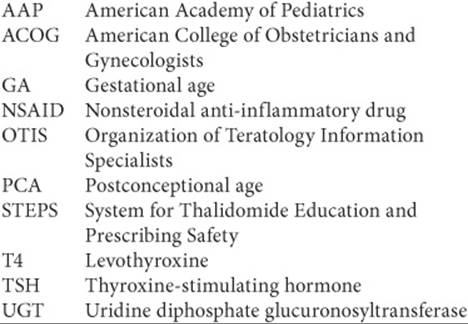
Abbreviations Introduced in This Chapter
 Self-assessment questions and answers are available at http://www.mhpharmacotherapy.com/pp.html.
REFERENCES
1. Refuerzo JS, Blackwell SC, Sokol RJ, et al. Use of over-the-counter medications and herbal remedies in pregnancy. Am J Perinatol 2005;22(6):321–324.
2. Andrade SE, Gurwitz JH, Davis RL, et al. Prescription drug use in pregnancy. Am J Obstet Gynecol 2004;191(2):398–407.
3. Briggs GG. Drug effects on the fetus and breast-fed infant. Clin Obstet Gynecol 2002;45(1):6–21.
4. Schirm E, Schwagermann MP, Tobi H, de Jong-van den Berg LT. Drug use during breast-feeding. A survey from the Netherlands. Eur J Clin Nutr 2004;58(2):386–390.
5. Miller R, Peters P, Schaefer C. General commentary on drug therapy and drug risks in pregnancy. In: Schaefer C, Peters P, Miller RK, eds. Drugs during pregnancy and lactation, treatment options and risk assessment, 2nd ed. Amsterdam: Elsevier, 2007:1–26.
6. Ferreira E. Grossesse et allaitement: guide thérapeutique. Montreal: Éditions CHU-Ste-Justine, 2007.
7. Kweder SL. Drugs and biologics in pregnancy and breast-feeding: FDA in the 21st century. Birth Defects Res A Clin Mol Teratol 2008; 82(9):605–609.
8. Polifka JE, Friedman JM. Medical genetics: 1. Clinical teratology in the age of genomics. CMAJ 2002;167(3):265–273.
9. Goh YI, Koren G. Folic acid in pregnancy and fetal outcomes. J Obstet Gynecol 2008;28(1):3–13.
10. Cheschier N. ACOG practice bulletin. Neural tube defects. Number 44, July 2003. (Replaces committee opinion number 252, March 2001.) Int J Gynecol Obstet 2003;83(1):123–133.
11. Wilson RD, Johnson JA, Wyatt P, et al. Pre-conceptional vitamin/folic acid supplementation 2007: The use of folic acid in combination with a multivitamin supplement for the prevention of neural tube defects and other congenital anomalies. J Obstet Gynecol Can 2007;29(12): 1003–1026.
12. ACOG Practice Bulletin. ACOG practice bulletin No. 95: Anemia in pregnancy. Obstet Gynecol 2008;112(1):201–207.
13. Dawes M, Chowienczyk PJ. Drugs in pregnancy. Pharmacokinetics in pregnancy. Best Pract Res Clin Obstet Gynecol 2001;15(6):819–826.
14. Anderson GD. Pregnancy-induced changes in pharmacokinetics: A mechanistic-based approach. Clin Pharmacokinet 2005;44(10): 989–1008.
15. Frederiksen MC. Physiologic changes in pregnancy and their effect on drug disposition. Semin Perinatol 2001;25(3):120–123.
16. Arsenault MY, Lane CA, MacKinnon CJ, et al. The management of nausea and vomiting of pregnancy. J Obstet Gynecol Can 2002;24(10):817–831.
17. ACOG Practice Bulletin. Nausea and vomiting of pregnancy. Obstet Gynecol 2004;103(4):803–814.
18. Jewell DJ, Young G. Interventions for treating constipation in pregnancy. Cochrane Database Syst Rev 2001(2):CD001142.
19. Committee on Drugs, American Academy of Pediatrics. Transfer of drugs and other chemicals into human milk. Pediatrics 2001;108(3): 776–789.
20. Quijano CE, Abalos E. Conservative management of symptomatic and/or complicated haemorrhoids in pregnancy and the puerperum. Cochrane Database Syst Rev 2005(3):CD004077.
21. Tytgat GN, Heading RC, Muller-Lissner S, et al. Contemporary understanding and management of reflux and constipation in the general population and pregnancy: A consensus meeting. Aliment Pharmacol Ther 2003;18(3):291–301.
22. Diav-Citrin O, Arnon J, Shechtman S, et al. The safety of proton pump inhibitors in pregnancy: A multicentre prospective controlled study. Aliment Pharmacol Ther 2005;21(3):269–275.
23. Wallace DV, Dykewicz MS, Bernstein DI, et al. The diagnosis and management of rhinitis: An updated practice parameter. J Allergy Clin Immunol 2008;122(2 Suppl):S1–S84.
24. Incaudo GA, Takach P. The diagnosis and treatment of allergic rhinitis during pregnancy and lactation. Immunol Allergy Clin North Am 2006;26(1):137–154.
25. Smaill F, Vazquez JC. Antibiotics for asymptomatic bacteriuria in pregnancy. Cochrane Database Syst Rev 2007(2):CD000490.
26. U.S. Preventive Services Task Force. Screening for Asymptomatic Bacteriuria in Adults: U.S. Preventive Services Task Force Reaffirmation Recommendation Statement. Ann Intern Med 2008;149:43–47.
27. Le J, Briggs GG, McKeown A, Bustillo G. Urinary tract infections during pregnancy. Ann Pharmacother 2004;38(10):1692–1701.
28. Briggs GG, Freeman RK, Yaffe SJ. Drugs in Pregnancy and Lactation, 8th ed. Philadephia: Lippincott Williams & Wilkins, 2008.
29. Villar J, Lydon-Rochelle MT, Gulmezoglu AM, Roganti A. Duration of treatment for asymptomatic bacteriuria during pregnancy. Cochrane Database Syst Rev 2000(2):CD000491.
30. Workowski KA, Berman SM. Sexually transmitted diseases treatment guidelines, 2006. MMWR Recomm Rep 2006;55(RR-11):1–94.
31. Centers for Disease Control and Prevention. Sexually transmitted diseases treatment guidelines 2002. MMWR Recomm Rep 2002; 51(RR-6):1–78.
32. ACOG Practice Bulletin. ACOG practice bulletin No. 82: Clinical management guidelines for obstetrician-gynecologists, June 2007. Management of herpes in pregnancy. Obstet Gynecol 2007;109(6): 1489–1498.
33. Committee on Obstetric Practice. ACOG committee opinion: Antenatal corticosteroid therapy for fetal maturation. Obstet Gynecol 2002; 99(5 Pt 1):871–873.
34. ACOG Practice Bulletin. ACOG practice bulletin No. 43: Management of preterm labor, May 2003. Int J Gynecol Obstet 2003;82(1): 127–135.
35. Crowley P. Prophylactic corticosteroids for preterm birth. Cochrane Database Syst Rev 2000(2):CD000065.
36. Di Renzo GC, Roura LC. Guidelines for the management of spontaneous preterm labor. J Perinat Med 2006;34(5):359–366.
37. King JF, Flenady VJ, Papatsonis DN, et al. Calcium channel blockers for inhibiting preterm labour. Cochrane Database Syst Rev 2003(1):CD002255.
38. Lamont RF, Khan KS, Beattie B, et al. The quality of nifedipine studies used to assess tocolytic efficacy: A systematic review. J Perinat Med 2005;33(4):287–295.
39. Anotayanonth S, Subhedar NV, Garner P, et al. Betamimetics for inhibiting preterm labour. Cochrane Database Syst Rev 2004(4):CD004352.
40. ACOG Practice Bulletin. ACOG practice bulletin No. 80: Premature rupture of membranes. Clinical management guidelines for obstetrician-gynecologists. Obstet Gynecol 2007;109(4):1007–1019.
41. Schrag S, Gorwitz R, Fultz-Butts K, Schuchat A. Prevention of perinatal group B streptococcal disease. Revised guidelines from CDC. MMWR Recomm Rep 2002;51(RR-11):1–22.
42. Ilett KF, Kristensen JH. Drug use and breast-feeding. Expert Opin Drug Saf 2005;4(4):745–768.
43. Hampton T. FDA warns against breast milk drug. JAMA 2004; 292(3):322.
44. Betzold CM. An update on the recognition and management of lactational breast inflammation. J Midwifery Womens Health 2007; 52(6):595–605.
45. Abalovich M, Amino N, Barbour LA, et al. Management of thyroid dysfunction during pregnancy and postpartum: An Endocrine Society Clinical Practice Guideline. J Clin Endocrinol Metab 2007; 92(8 Suppl):S1–S47.
46. Gartner LM, Morton J, Lawrence RA, et al. Breast-feeding and the use of human milk. Pediatrics 2005;115(2):496–506.
47. Hale T. Medications and Mothers’ Milk, 13th ed. Amarillo: Hale, 2008.
48. Gilstrap LC, Oh W. Guidelines for Perinatal Care, 5th ed. Washington, DC: American Academy of Pediatrics and American College of Obstetricians and Gynecologists, 2002.
49. March of Dimes Foundation. Miscarriage. Quick reference and fact sheets. June 2005. http://www.marchofdimes.com/printableArticles/14332_1192.asp. Accessed September 29, 2008.
50. March of Dimes Foundation. Stillbirth. Quick reference and fact sheets. April 2008. http://www.marchofdimes.com/printableArticles/14332_1198.asp. Accessed September 29, 2008.
51. March of Dimes Foundation. Perinatal data snapshots: United States. September 2008. http://www.marchofdimes.com/peristats/pdflib/999/pds_99_all.pdf. Accessed September 29, 2008.
52. Schardein J. Chemically Induced Birth Defects, 3rd ed. New York: Marcel Dekker, 2000.
53. Update to CDC’s sexually transmitted diseases treatment guidelines, 2006: Fluoroquinolones no longer recommended for treatment of gonococcal infections. MMWR Morb Mortal Wkly Rep 2007;56(14): 332–336.
54. Jewell D, Young G. Interventions for nausea and vomiting in early pregnancy. Cochrane Database Syst Rev 2003(4):CD000145.