
Emmanuel O. Fadiran1 and Lei Zhang2
(1)
Office of Women’s Health, Office of the Commissioner, Food and Drug Administration, Building 32, Room 2312 10903 New Hampshire Avenue, Silver Spring, MD 20993, USA
(2)
Office of Clinical Pharmacology, Office of Translational Sciences, Center for Drug Evaluation and Research, Food and Drug Administration, Silver Spring, MD 20993, USA
Emmanuel O. Fadiran (Corresponding author)
Email: Emmanuel.Fadiran@fda.hhs.gov
Lei Zhang
Email: LeiK.Zhang@fda.hhs.gov
The views expressed are those of the authors and do not necessarily reflect official policy of the US FDA. No official endorsement by the US FDA is intended or should be inferred.
Introduction
Inclusion of women in clinical trials and analysis of clinical trial data for sex/gender effects have been an integral component of the US FDA’s consideration for approval of pharmaceutical products since the mid-1980s (FDA Guidance for Industry 1993). The study of sex differences is now a routine component of drug development because of existing data in drug exposure and response differences between men and women and the need to understand such differences for proper dosing (Harris et al. 1995; Schwartz 2003; Institute of Medicine (US) 2001; Franconi et al. 2007; Parekh et al. 2011). The resulting expanding knowledge of sex differences in the exposure and responses to drugs has led to a better understanding of the mechanisms contributing to these differences and improved pharmacotherapy for men and women.
Sex-based differences may be due to pharmacokinetics (differences in exposure in men and women following administration of the same dose of a drug) and/or pharmacodynamics (differences in the body’s response to the same dose of a drug in men and women) and can manifest as differences in safety and/or efficacy of pharmacotherapy. For example, when compared to men, women are 1.5–1.7 times more likely to develop an adverse drug reaction (Rademaker 2001), which is defined as any unintended and undesired effect of a drug used at a dose for diagnosis, prophylaxis, or therapy (Rademaker 2001; Anderson 2005; Tran et al. 1988). This chapter will focus on sex differences in pharmacokinetics (PK) and will discuss how these differences may affect the efficacy and safety of medicines in women.
Sex and Gender
The terms sex and gender are often used interchangeably and it is important to define them (Kim and Nafziger 2000). Sex refers to the classification of living things, generally as male or female, according to their reproductive organs and functions assigned by the chromosomal complement while gender refers to a person’s self-representation as male or female, or how that person is responded to by social institutions based on the individual’s gender presentation (Institute of Medicine (US) 2001). Gender is rooted in biology and shaped by environment and experience (Institute of Medicine (US) 2001). Because it is often not clear whether an observed difference in drug safety or efficacy is due to gender or sex, the U.S. Food and Drug Administration (FDA) has used the term “gender” to describe any difference, cultural/social or genetic/hormonal, between males and females. However, for the purpose of this chapter, we focus on the genetic/hormonal differences between males and females and will therefore use the term “sex” throughout.
Sex Differences in Pharmacokinetics
It is now well recognized that there are sex differences in the PK of many drugs (Harris et al. 1995; Schwartz 2003; Institute of Medicine (US) 2001; Franconi et al. 2007; Gandhi et al. 2004; Schwartz 2007; Soldin and Mattison 2009; Huang et al. 2007; Mattison 2013; Meibohm et al. 2002; Franconi and Campesi 2014). Examples of these differences for a selection of medicines approved in the US are summarized in Table 2.1 and some of these will be discussed further later in this chapter.
Table 2.1
Examples of drugs showing sex differences in PK parameters
|
Brand name (drug name) |
Date of drug approval |
Date of the cited approved label |
Labeling section |
Labeling statement |
|
ABILIFY (Aripiprazole) |
11/15/02 |
6/09/14 |
Use in specific populations: gender |
Cmax and AUC of aripiprazole and its active metabolite, dehydro-aripiprazole, are 30–40 % higher in women than in men, and correspondingly, the apparent oral clearance of aripiprazole is lower in women. These differences, however, are largely explained by differences in body weight (25 %) between men and women. No dosage adjustment is recommended based on gender. |
|
APTIVUS (Tipranavir) |
6/22/05 |
4/07/14 |
Clinical pharmacology |
Evaluation of steady-state plasma tipranavir trough concentrations at 10–14 h after dosing from the controlled clinical trials 1182.12 and 1182.48 demonstrated that females generally had higher tipranavir concentrations than males. After 4 weeks of APTIVUS/ritonavir 500/200 mg BID, the median plasma trough concentration of tipranavir was 43.9 mM for females and 31.1 mM for males. The difference in concentrations does not warrant a dose adjustment. |
|
ARZERRA (Ofatumumab) |
10/26/09 |
4/17/14 |
Clinical pharmacology |
Gender had a modest effect on ofatumumab pharmacokinetics (14–25 % lower clearance and volume of distribution in female patients compared to male patients) in a cross-study population analysis (41 % of the patients in this analysis were male and 59 % were female). These effects are not considered clinically important, and no dosage adjustment is recommended. |
|
AVASTIN(Bevacizumab) |
2/26/04 |
12/16/13 |
Clinical pharmacology |
The clearance of bevacizumab varied by body weight, gender, and tumor burden. After correcting for body weight, males had a higher bevacizumab clearance (0.262 L/day vs. 0.207 L/day) and a larger Vc (3.25 L vs. 2.66 L) than females. |
|
EMEND (Aprepitant) |
3/27/03 |
3/27/13 |
Clinical pharmacology |
Following oral administration of a single dose of EMEND, the AUC0-24 h and Cmax are 14 % and 22 % higher in females as compared with males. The half-life of aprepitant is 25 % lower in females as compared with males and Tmax occurs at approximately the same time. These differences are not considered clinically meaningful. No dosage adjustment is necessary based on gender. |
|
ENABLEX (Darifencin Hydrobromide) |
12/22/04 |
3/15/12 |
Clinical pharmacology |
PK parameters were calculated for 22 male and 25 female healthy volunteers. Darifenacin Cmax and AUC at steady-state were approximately 57–79 % and 61–73 % higher in females than in males, respectively. |
|
FACTIVE (Gemifloxacin Mesylate) |
4/4/03 |
8/14/13 |
Clinical pharmacology |
There are no significant differences between gemifloxacin pharmacokinetics in males and females when differences in body weight are taken into account. Population pharmacokinetic studies indicated that following administration of 320 mg gemifloxacin, AUC values were approximately 10 % higher in healthy female patients compared to males. Males and females had mean AUC values of 7.98 μg•h/mL (range, 3.21–42.71 μg•h/mL) and 8.80 μg•h/mL (range, 3.33–47.73 μg•h/mL), respectively. No gemifloxacin dosage adjustment based on gender is necessary. |
|
FIRAZYR (Icatibant Acetate) |
8/25/11 |
8/30/13 |
Clinical pharmacology |
Following single-dose administration of 30 mg subcutaneous FIRAZYR, elderly males and females showed approximately 2-fold higher AUC compared to young males and females, respectively. However, only minor differences (~12–14 %) between Cmax of gender–matched elderly and young subjects were observed. Clearance of FIRAZYR is significantly correlated with body weight with lower clearance values noted for lower bodyweights. Hence, females with typically lower body weights compared to males exhibit lower clearance values, resulting in approximately 2-fold higher systemic exposure (both AUC and Cmax) compared to males. Differences in efficacy and safety between elderly and younger patients and male and female patients have not been identified. Dose adjustment based on age and gender is not warranted. |
|
FUZEON (Enfuvirtide) |
3/13/03 |
10/31/13 |
Clinical pharmacology |
Analysis of plasma concentration data from subjects in clinical trials indicated that the clearance of enfuvirtide is 20 % lower in females than males after adjusting for body weight. Enfuvirtide clearance decreases with decreased body weight irrespective of gender. Relative to the clearance of a 70-kg male, a 40-kg male will have 20 % lower clearance and a 110-kg male will have a 26 % higher clearance. Relative to a 70-kg male, a 40-kg female will have a 36 % lower clearance and a 110-kg female will have the same clearance. |
|
FYCOMPA (Perampanel) |
10/22/12 |
2/24/14 |
Clinical pharmacology |
In a population pharmacokinetic analysis of patients with partial-onset seizures receiving FYCOMPA in placebo-controlled clinical trials, perampanel apparent clearance in females (0.605 L/h) was 17 % lower than in males (0.730 L/h). No dosage adjustment is necessary based on sex. |
|
IMAGENT (Perflexane Phospholipid Microspheres) |
5/31/02 |
5/31/02 |
Clinical pharmacology |
Females eliminate perflexane through the expired air more slowly than males (female terminal elimination half-life = 13 ± 4 h, N = 5; male terminal elimination half-life = 6 ± 3 h, N = 7). The clinical relevance of the gender differences observed is not known. |
|
INTERMEZZO (Zolpidem) |
11/23/11 |
2/6/13 |
Use in specific populations: gender |
Women cleared zolpidem tartrate from the body after sublingual administration of a 3.5 mg dose of Intermezzo at a lower rate than men (2.7 mL/min/kg vs. 4.0 mL/min/kg). Cmax and AUC parameters of zolpidem were approximately 45 % higher at the same dose in female subjects compared with male subjects. Given the higher blood levels of zolpidem tartrate in women compared to men at a given dose, the recommended dose of Intermezzo for women is 1.75 mg, and the recommended dose for adult men is 3.5 mg. |
|
LIVALO (Pitavastatin Calcium) |
8/3/09 |
10/16/13 |
Clinical pharmacology |
In a pharmacokinetic study which compared healthy male and female volunteers, pitavastatin Cmax and AUC were 60 and 54 % higher, respectively in females. This had no effect on the efficacy or safety of LIVALO in women in clinical studies. |
|
MYCAMINE (Micafungin Sodium) |
3/16/05 |
6/21/13 |
Use in specific populations: race and gender |
No dose adjustment of Mycamine is required based on gender or race. After 14 daily doses of 150 mg to healthy subjects, micafungin AUC in women was greater by approximately 23 % compared with men, due to smaller body weight. |
|
MYRBETRIQ (Mirabegron) |
6/28/12 |
6/28/12 |
Clinical pharmacology (also in race and gender section) |
The Cmax and AUC of mirabegron were approximately 40–50 % higher in females than in males. When corrected for differences in body weight, the mirabegron systemic exposure is 20–30 % higher in females compared to males |
|
NAMENDA (Memantine Hydrochloride) |
10/16/03 |
10/24/13 |
Clinical pharmacology |
Following multiple dose administration of NAMENDA 20 mg daily, females had about 45 % higher exposure than males, but there was no difference in exposure when body weight was taken into account. |
|
ONGLYZA (Saxagliptin) |
7/31/09 |
5/24/13 |
Clinical pharmacology |
No dosage adjustment is recommended based on gender. There were no differences observed in saxagliptin pharmacokinetics between males and females. Compared to males, females had approximately 25 % higher exposure values for the active metabolite than males, but this difference is unlikely to be of clinical relevance. Gender was not identified as a significant covariate on the apparent clearance of saxagliptin and its active metabolite in the population pharmacokinetic analysis. |
|
POTIGA (Ezogabine) |
6/10/11 |
9/6/13 |
Clinical pharmacology |
The impact of gender on the pharmacokinetics of ezogabine was examined following a single dose of POTIGA to healthy young (aged 21–40 years) and elderly (aged 66–82 years) subjects. The AUC values were approximately 20 % higher in young females compared to young males and approximately 30 % higher in elderly females compared to elderly males. The Cmax values were approximately 50 % higher in young females compared to young males and approximately 100 % higher in elderly females compared to elderly males. There was no gender difference in weight-normalized clearance. Overall, no adjustment of the dosage of POTIGA is recommended based on gender. |
|
SANCTURA (Trospium Chloride) |
5/28/04 |
7/23/12 |
Clinical pharmacology |
Studies comparing the pharmacokinetics in different genders had conflicting results. When a single 40 mg SANCTURA dose was administered to 16 elderly subjects, exposure was 45 % lower in elderly females compared to elderly males. When 20 mg SANCTURA was dosed twice daily for 4 days to 6 elderly males and 6 elderly females (60–75 years), AUC and Cmax were 26 % and 68 % higher, respectively, in females without hormone replacement therapy than in males. |
|
SIMPONI (Golimumab) |
4/24/09 |
12/27/13 |
Clinical pharmacology |
Population PK analyses suggested no PK differences between male and female patients after body weight adjustment in the RA, PsA and UC trials. In the AS trial, female patients showed 13 % higher apparent clearance than male patients after body weight adjustment. Subgroup analysis based on gender showed that both female and male patients achieved clinically significant response at the proposed clinical dose. Dosage adjustment based on gender is not needed. |
|
TEFLARO (Ceftaroline Fosamil for Injection) |
10/29/10 |
12/16/13 |
Clinical pharmacology |
Following administration of a single 600 mg IV dose of Teflaro to healthy elderly males (n = 10) and females (n = 6) and healthy young adult males (n = 6) and females (n = 10), the mean Cmax and AUC for ceftaroline were similar between males and females, although there was a trend for higher Cmax (17 %) and AUC (6–15 %) in female subjects. Population pharmacokinetic analysis did not identify any significant differences in ceftaroline AUC based on gender in Phase 2/3 patients with ABSSSI or CABP. No dose adjustment is recommended based on gender. |
|
TOVIAZ (Fesoterodine Fumarate) |
10/31/08 |
8/1/12 |
Clinical pharmacology |
Following a single 8 mg oral dose of fesoterodine, the mean (±SD) AUC and Cmax for the active metabolite 5-hydroxymethyl tolterodine in 12 elderly men (mean age 67 years) were 51.8 ± 26.1 h*ng/mL and 3.8 ± 1.7 ng/mL, respectively. In the same study, the mean (±SD) AUC and Cmax in 12 elderly women (mean age 68 years) were 56.0 ± 28.8 h*ng/mL and 4.6 ± 2.3 ng/mL, respectively. The pharmacokinetics of fesoterodine were not significantly influenced by gender. |
|
VICTOZA (Liraglutide) |
1/25/10 |
6/13/13 |
Clinical pharmacology |
Based on the results of population pharmacokinetic analyses, females have 34 % lower weight-adjusted clearance of Victoza compared to males. Based on the exposure response data, no dose adjustment is necessary based on gender. |
|
VFEND (Voriconazole) |
5/24/02 |
4/7/14 |
Clinical pharmacology |
In a multiple oral dose study, the mean Cmax and AUCτ for healthy young females were 83 % and 113 % higher, respectively, than in healthy young males (18–45 years), after tablet dosing. In the same study, no significant differences in the mean Cmax and AUCτ were observed between healthy elderly males and healthy elderly females (>65 years). In a similar study, after dosing with the oral suspension, the mean AUC for healthy young females was 45 % higher than in healthy young males whereas the mean Cmax was comparable between genders. The steady state trough voriconazole concentrations (Cmin) seen in females were 100 % and 91 % higher than in males receiving the tablet and the oral suspension, respectively. In the clinical program, no dosage adjustment was made on the basis of gender. The safety profile and plasma concentrations observed in male and female subjects were similar. Therefore, no dosage adjustment based on gender is necessary. |
|
VYVANSE (Lisdexamfetamine dimesylate) |
2/23/07 |
12/6/13 |
Clinical pharmacology |
Systemic exposure to dextroamphetamine is similar for men and women given the same mg/kg dose. In adults ages 55–64, d-amphetamine Cmax and AUC were 15 % and 13 % higher, respectively, in females compared to males. |
The PK of drugs may be affected by intrinsic factors such as body weight, genetic predisposition, disease, renal or hepatic function, or extrinsic factors such as smoking, concomitant medications including herbal/over-the-counter (OTC) products, alcohol use and diet. Sex differences in any of these factors can result in sex differences in the PK or exposure to a drug that could cause dissimilar responses. Observed differences in the PK of drugs between men and women are often attributed solely to body weight differences and may therefore be dismissed as not being clinically significant, once corrected for these body weight differences. Paradoxically however, most drugs are not administered on a mg/kg basis but as a ‘one size fits all’ dose, leading to higher exposures in women due to their generally lower body weight.
Sex differences have been reported for all four phases of drug disposition: absorption, distribution, metabolism and excretion, (collectively abbreviated as ‘ADME’) in humans and are discussed in more detail below. Other factors such as anatomic, physiologic, biochemical and endocrine sex differences can also influence drug disposition and response in humans (Mattison 2013) and are further discussed below.
Sources of Pharmacokinetic Data for Drug Labeling
In the major markets of the developed world PK information is now routinely included in approved drug labelings (Table 2.1) (Huang et al. 2007; Copeland and Parekh 2011). Most often the PK sex difference data are derived from small clinical pharmacology studies with typically 12–24 healthy subjects. Studies with small patient numbers may be adequate to detect large sex-based differences in clearance; however, if the sex-based PK difference is small, the relatively small size of most clinical pharmacology studies makes it difficult to interpret small differences observed, or to confirm if there is no difference in PK (Huang et al. 2007).
Some approved drug labelings have also reported PK sex differences from population PK analysis with sparse PK sample data from Phase 2 and Phase 3 clinical trials (Table 2.1). The population PK model generated is used to explore the effect of various covariates (factors) such as sex, age, ethnic group, and smoking status on drug PK and can therefore be used to describe sex differences in exposure (FDA Guidance for Industry 1999; Sun et al. 1999). Compared to dedicated PK evaluation, the population PK approach encompasses some or all of the following features (FDA Guidance for Industry 1999; Sun et al. 1999):
· the collection of relevant PK information in patients who are representative of the target population to be treated with the drug.
· the identification and measurement of variability during drug development and evaluation.
· the explanation of variability by identifying factors of demographic, pathophysiological, environmental, or concomitant drug-related origin that may influence the PK behavior of a drug.
· the quantitative estimation of the magnitude of the unexplained variability in the patient population.
Population PK analyses are now routinely performed during drug development and the results for PK sex differences are included in several approved US drug labelings including those for ofatumumab, gemifloxacin, perampanel, golimunab, ceftaroline fosamil and liraglutide (Table 2.1).
Mechanisms and Observed Sex-Specific Differences in Pharmacokinetics
Below, we will address two major questions about the potential importance of sex-specific PK for applied pharmacotherapy:
1.
2.
In addition, we will present some examples of PK sex differences resulting in different labeling for men and women.
What Are the Potential Mechanisms for Sex Differences in Pharmacokinetics?
As mentioned earlier, sex differences have been reported for all four phases of drug disposition: absorption, distribution, metabolism and excretion (ADME). Each of these phases will be discussed in more detail below.
Absorption
Sex differences in the gastrointestinal system have been demonstrated. For example, gastric pH is higher in women than men and gastric and bowel transit times are usually longer in women (Freire et al. 2011; Mojaverian et al. 1987). However, it is not clear if the sex differences in gastric pH or gastric emptying have any clinical relevance. It has been shown in one study that the rate of absorption of aspirin is higher in women but there was no difference in the extent of absorption (Aarons et al. 1989). The bioavailability of ethanol is greater in women compared to men partly due to differences in volume of distribution (Vd) and gastric alcohol dehydrogenase activity (Frezza et al. 1990) which may explain why there was no sex difference in alcohol blood concentrations after intravenous administration (Baraona et al. 2001). There may be differences in absorption depending on the drug route of administration (e.g., oral, inhalation, dermal, subcutaneous, rectal, vaginal, intramuscular, intrathecal, intraperitoneal) because factors that influence absorption are both drug- and route-specific, but may also be sex-specific. Most drugs are administered through the oral route following which absorption may be affected by sex differences in intestinal metabolism cytochrome P-450 (CYP) enzymes and active transporter p-glycoprotein (P-gp) (Gandhi et al. 2004; Waxman and Holloway 2009) (see below). Some studies have shown that concentrations of inhaled aerosol drugs such as cyclosporine and ribavirin are less in women compared to men but the clinical significance is unknown (Rhatagi et al. 2000; Knight et al. 1988) and the bioavailability of intramuscular cephradine is lower in women (Vukovich et al. 1975). Additionally, women have greater minute ventilation and a lower tidal volume, both of which may have the potential to affect drug absorption via the respiratory tract. Inactive ingredients may affect the bioavailability of drug formulations and this could occur in a sex-specific way, at least in some cases. For example, the excipient polyethylene glycol enhances the bioavailability of ranitidine in men (up to 63 %), whereas it is decreased in women (up to 24 %) (Ashiru et al. 2008).
Sex differences have been reported in bioavailability of medicines, which is then used to establish bioequivalence (BE) of generic drugs. Analysis of sex differences in intrasubject variability and PK from 26 BE studies showed that although there was no sex difference in intrasubject variability, there was a ≥20 % difference in PK parameters in one third of the data set (Chen et al. 2000). The PK sex differences were primarily the result of greater exposure in women who were given the same dose as men. When the parameters were corrected for weight, only 15 % showed statistically significant differences. Sex differences in the PK parameters should not affect BE studies since they use the crossover design in which each subject serves as his or her own control (FDA Guidance for Industry 2013 (Draft)).
Distribution
Since body composition varies by sex, there are also sex differences in drug distribution. Women have a higher percentage of body fat compared to men (approximately 25 % vs. 16 % in men), although this difference decreases as age increases (Vahl et al. 1998). Due to this larger amount of lipophilic tissue, women have a greater Vd for lipophilic drugs such as diazepam, nitrazepam, chlordiazepoxide and cyclosporine (Soldin and Mattison 2009; Ochs et al. 1981; Greenblatt et al. 1980; Greenblatt et al. 1985; Roberts et al. 1979; Kahan et al. 1986). Increased Vd may translate into prolonged elimination half-life, tissue accumulation over time, and exposure-related adverse reactions. Conversely, women have a smaller volume of distribution for hydrophilic drugs, such as propanol (Ernstgård et al. 2003). Women are also reported to have a lower plasma volume when compared to men, as well as a lower organ blood-flow rate and lower concentrations of α-1 acid glycoprotein (Piafsky and Borga 1977; Verbeeck et al. 1984), a binding protein for neutral and basic drugs which may impact the distribution process leading to different exposures. As opposed to albumin, α-1 acid glycoprotein has its expression controlled by circulating sex hormones (Beierle et al. 1999). Hormonal contraceptives and pregnancy both further decrease plasma α-1 acid glycoprotein. As a result, the unbound fraction of various drugs that bind to α-1 acid glycoprotein is significantly higher in females than in males, as described for diazepam, chlordiazepoxide, and imipramine (Ochs et al. 1981; Greenblatt et al. 1980; Roberts et al. 1979; Kristensen 1983). However, no sex differences have been found in the unbound fractions of verapamil and disopyramide or other highly bound drugs in patients receiving oral contraceptives (Keefe et al. 1981; Kishino et al. 1995; Gleichmann et al. 1973).
According to the “free drug hypothesis,” (which states that the pharmacological activity is correlated with unbound drug concentrations in plasma) this should translate into more drug being able to penetrate tissues, but the clinical impact of protein binding of drugs has not been elucidated (Rolan 1994).
Metabolism
The liver plays an important role in the metabolism of many drugs. Hepatic drug metabolism is mainly by two phases- Phase I, which includes oxidation, reduction, and hydrolysis with the majority of Phase I metabolism catalyzed by CYP enzymes, and Phase II, which includes conjugation, e.g., glucorondination, sulfation, acetylation, methylation, and glutathione conjugation.
The CYP ‘superfamily’ has a diverse range of enzymes responsible for drug metabolism, and various enzymes have sex-related differences in activity. Caffeine is metabolized by CYP1A2. This isoenzyme also metabolizes drugs such as theophylline and clozapine. Studies have shown a higher activity of CYP1A2 in men than in women (Anderson 2005). In one study, women had a 35 % higher concentration of clozapine compared with men after normalization for dose, age, and body weight (Lane et al. 1999). The sex differences among major CYP enzymes are summarized in Table 2.2.
Table 2.2
Sex differences among major CYP enzymes
|
CYP enzyme |
Sex differences in activity |
Examples of substrate drugs |
|
CYP1A2 |
Women < men |
Clozapine (Lane et al. 1999), Olanzapine (Zofran® US FDA product labeling) |
|
CYP2D6 |
Women < men |
Dextromethorphan, Metoprolol (Anderson 2005; Labbé et al. 2000) |
|
Women = men |
Debrisoquin (Bebia et al. 2004) |
|
|
CYP3A |
Women > men |
Midazolam, Nifedipine, Triazolam (Greenblatt and von Moltke 2008; Hu and Zhao 2010) |
|
CYP2C9 |
Women = men |
Fluvastatin (Schwartz 2003) |
|
CYP2C19 |
Women = men |
Mephenytoin (Bebia et al. 2004) |
CYP2D6 is the second most common enzyme involved in therapeutic drug biotransformation (Franconi et al. 2007). It metabolizes several drugs including antidepressants, antiarrhythmics, analgesics, and beta blockers. Although there have been reports showing faster clearance of CYP2D6 substrates (such as dextromethorphan and metoprolol) in men than in women, there have been other reports showing either no sex-based differences or higher CYP2D6 activity in women (Labbé et al. 2000; Bebia et al. 2004).
CYP3A enzymes are the most common CYPs for metabolism, metabolizing greater than 50 % of commonly prescribed drugs. Many drugs that are substrates for CYP3A exhibit higher clearance in women leading to lower exposure (Franconi et al. 2007; Mattison 2013; Greenblatt and von Moltke 2008; Chetty et al. 2012). For example, Midazolam is a well-known substrate for CYP3A. A meta-analysis (Hu and Zhao 2010) on sex-dependent differences in midazolam disposition for both intravenous and oral exposures showed that women had higher clearance rates than men, and the sex differences were more pronounced for intravenous midazolam. There was no difference in oral bioavailability between the sexes. The authors concluded that women exhibited significantly greater hepatic CYP3A activity than men. Similarly, an earlier study that analyzed 38 datasets for 14 CYP3A substrate drugs tested in healthy young males and females showed a difference in the overall mean ratios of female to male weight-normalized clearance of the drugs (parenteral drugs: 1.26 ± 0.07; oral drugs: 1.17 ± 0.07), i.e., women cleared the drugs faster than men and sex differences were more pronounced for intravenous route (Greenblatt and von Moltke 2008). They also looked at absolute bioavailability of the oral drugs and identified no difference in this parameter between males and females. The authors concluded that gender had a small and statistically significant influence on CYP3A metabolism, although they felt that it was probably not clinically important (Greenblatt and von Moltke 2008).
CYP2C9 and CYP2C19 do not appear to have significant sex differences in activity (Schwartz 2003; Anderson 2005).
In addition to sex differences observed in Phase I metabolism, Phase II metabolism also has shown sex differences. However, these Phase II enzymes have not been as extensively studied as the CYP enzymes. Phase II enzymes such as glucoronyltransferases and methyltransferases are generally faster in men (Franconi et al. 2007). However, there have been data that suggest that there are sex differences in the glucorondination of some drugs and not others (Franconi et al. 2007). Another consideration is that many drugs go through multiple metabolic pathways, which can contribute to widely varying sex differences. Because women take more prescription medicines (see Chap. 14) and more OTC/herbal products (see Chap. 13) than men (Franconi et al. 2007) women have a greater possibility of exposure differences simply due to a higher frequency of possible drug interactions (Gurwitz 2005).
Excretion
The kidney is the major organ of drug excretion of both parent drug compounds and drug metabolites. There are known sex differences in all three renal processes for renal clearance – glomerular filtration, tubular secretion, and tubular reabsorption (Fig. 2.1). Renal clearance is generally higher in men than in women (Gaudry et al. 1993; Berg 2006). This is accounted for by body weight differences, since glomerular filtration is directly proportional to lean body weight. Men have significantly higher creatinine clearance compared to women, but this difference diminishes once results are adjusted for weight. There are sex-specific algorithms available for routine estimation of glomerular filtration or creatinine clearance to guide dosing of renally cleared medications to reduce adverse effects due to exposure differences in men and women (Cockcroft and Gault 1976; Manjunath et al. 2001). There is also some evidence that drugs that are actively secreted or reabsorbed by the kidney may also show sex difference in rates of excretion (due to possible sex-based differences in transporter activities). For example, one study in humans has shown that renal clearance of amantadine, an organic cation transported by organic cation transporters in the kidney, is increased in men compared to women (Gaudry et al. 1993).
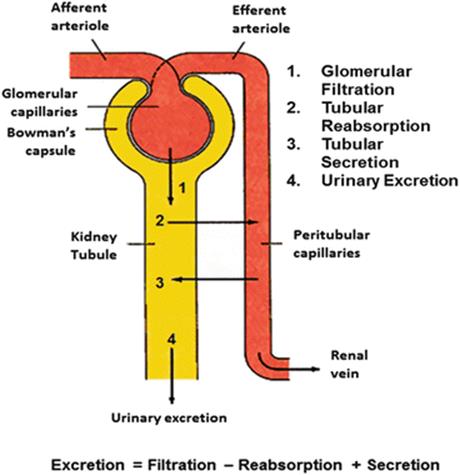
Fig. 2.1
Drug excretion processes in the kidney
Transporters
Transporters are membrane-bound proteins that translocate endogenous compounds or drugs across the membrane (Giacomini and Sugiyama 2006; Giacomini and Huang 2013). They are expressed in all tissues including intestine, liver, kidney and brain. They work in concert with metabolizing enzymes in the absorption, distribution, metabolism and excretion of drugs, thus affecting exposure to the medicine. Similar to enzymes, sex discrepancies in transporter expression probably contribute to disparities in drug disposition and toxicity between men and women. Sex differences in the expression of transporters in rodents have been reported. For example, a number of liver transporters demonstrate female predominant (Oatp1a4, −1a6, −2b1, Ntcp, Mrp4, Mate1) or male-predominant (Oatp1a1, Bcrp, Abca1) mRNA expression patterns in mice (Klaassen and Aleksunes 2010). However, data regarding sex differences in human transporters are quite limited.
P-gp encoded by MDR1 gene is an efflux transporter that expresses in multiple tissues including intestine, liver, and kidneys. Sex differences in the expression of P-gp in the gut have been studied showing a lower level in female enterocytes or no difference among sex (Gandhi et al. 2004; Waxman and Holloway 2009; Potter et al. 2004; Paine et al. 2005), and a higher expression of P-gp has been reported in male liver biopsy samples (Schuetz et al. 1995). In addition, in the literature there are reports that expression of another efflux transporter, Breast Cancer Resistant Protein (BCRP), is higher in male liver than in female liver (Merino et al. 2005). More Na+-dependent Taurocholate Co-transporting Polypeptide (NTCP, a liver uptake transporter) mRNA in female human livers was reported, although it was not statistically significant because of large interindividual variation (Cheng et al. 2007). Whereas the majority of sex difference studies have focused upon mRNA expression, additional work is needed at the protein and functional levels to better understand the in vivo significance. A recent study using LC-MS quantification methodology showed that sex was not associated with transporter protein expression of OATP1B1, OATP1B3, OATP2B1, and P-gp in frozen human livers (Prasad et al. 2014). There is a need for characterization of sex differences in human transporter proteins to more clearly understand any possible clinical effects.
Hormonal Differences
The assessment of sex-related differences is important as women experience a changing internal hormonal environment during the menstrual cycle (follicular, ovulatory, and luteal phases), during pregnancy, as well as during and following menopause. Furthermore, hormonal contraceptives can lead to increased or decreased drug clearance, most likely due to induction and/or inhibition of CYP isoforms in the liver and gut.
There are numerous examples supporting the contention that female sex hormones impact drug-metabolizing pathways (Schwartz 2003; Gandhi et al. 2004; Kashuba and Nafziger 1998; Bigos et al. 2009). Increased levels of estrogen and progesterone alter hepatic enzyme activity, which can increase accumulation or decrease elimination of some drugs. Estrogen is a substrate for CYP3A4 and CYP1A2 and it has been shown that antidepressant metabolism may be significantly impacted during the late luteal phase of the menstrual cycle or with estrogen replacement therapy (Bigos et al. 2009). Physiological changes during pregnancy in the cardiovascular, respiratory, renal, gastrointestinal, endocrine and hematologic/coagulation systems may also induce profound alterations to the PK of many drugs and thus the response to these drugs (Costantine 2014; Mattison et al. 1991). Additionally, changes in Vd and elimination rates may modify the PK of drugs in pregnant women during gestation. The clinical relevance of these changes is less certain (Loebstein et al. 1997).
Although sex hormones are thought to play a dominant role in modulating sex-based differences in PK, studies examining this theory have yielded conflicting results. For example, midazolam clearance (reflecting CYP3A4 metabolic activity) failed to show fluctuations during the menstrual cycle (Kharasch et al. 1999) and studies of eletriptan (another CYP3A substrate) demonstrated no sex-related or menstrual cycle-related differences (Shah et al. 2001).
What Are the Observed PK Differences Between Women and Men and Are There Examples Where Such PK Differences Result in Differing Pharmacological Responses and in Subsequent Different Dosing Recommendations?
PK Differences Observed
Although PK differences between men and women are possible based on sex-based differences in the mechanisms described above, not all drugs exhibit sex-based PK differences. In addition, the magnitude of many PK differences is often small (i.e. <20 %) and may not be clinically relevant. For example, a survey of clinical pharmacology data contained in 300 new drug applications (NDAs) submitted to the U.S. Food and Drug Administration (FDA) between 1994 and 2000 found that 163 (54 %) NDAs had sex-based PK information (Huang et al. 2007). Of the 163 drugs, 51 (31 %) showed a possible sex effect, i.e. a PK sex difference of greater than 20 %; (20 % was arbitrarily chosen as describing a difference that was potentially clinically significant). The survey results showed that (Huang et al. 2007):
· The majority (90 %) of PK sex differences were less than 40 %
· Except for one drug, where PK sex difference was greater than 40 %, women consistently showed higher plasma exposure
· Regardless of the disposition pathways involved, more than 50 % of the drugs studied showed PK differences of less than 20 %.
A more recent survey of the U.S. FDA labelings of 69 new molecular entity (NME) drugs and biologics approved by the FDA between September 2007 and August 2010 showed that out of 52 NMEs with sex-based PK information (in either the approved labeling or the clinical pharmacology review) the majority (38/52, 73 %) had no sex difference in PK. Four NMEs reported PK difference less than 20 %, 10 reported PK difference greater than 20 % but only 1 NME reported a >40 % PK difference (Copeland and Parekh 2011). No sex-based difference in dosage recommendation was made based on the observed PK sex difference because the differences were not clinically relevant. Examples of recent PK differences included in approved drug labelings are shown in Table 2.1.
Examples of Sex Differences in Pharmacokinetics and Safety Considerations
A few examples where sex-based PK differences resulted in modified pharmacological response and/or subsequent different recommendations are highlighted here.
Ondansetron
Ondansetron, approved for the prevention of nausea and vomiting resulting from chemotherapy or in the postoperative setting, has been shown to display a significant PK sex difference (Jann et al. 1998). The FDA-approved labeling for ondansetron states that women have 1.5–2 times the peak drug plasma concentrations and a lower oral clearance, but no sex-based dosage adjustment is recommended (Zofran® US FDA product labeling). Similar lower oral clearances are reported in elderly patients and patients with mild-to-moderate hepatic impairment and no dosage adjustment is recommended in these patients either, possibly based on similar exposure-response analysis for these patient populations. The recommended adult dose of ondansetron is 24 mg administered before emetogenic chemotherapy or 16 mg before anesthesia, and is not dosed on an mg/kg basis.
Olanzapine
Olanzapine is an atypical antipsychotic approved for the treatment of schizophrenia and bipolar disorder for which the label recommends a lower dose for patients in whom higher exposures are anticipated. For schizophrenia, the starting dose is 5–10 mg daily with a target dose of 10 mg/day within several days (Zyprexa® US FDA product labeling). However, given that some treatment related adverse events are dose and exposure dependent, a lower dose is recommended in specific populations who may have higher plasma concentrations. For instance, olanzapine clearance is lower in women. Clearance is also lower in the elderly (≥65 years), causing higher plasma concentrations. Olanzapine is extensively metabolized and CYP1A2 has been identified as one of the enzymatic pathways of metabolism. As noted earlier, CYP1A2 shows a lower activity in women, possibly leading to a lower clearance of olanzapine in women. CYP1A2 can be induced by cigarette smoking and as a result, olanzapine clearance is about 40 % higher in smokers than in nonsmokers.
Although each of these factors may not independently justify dosing adjustment, the combined effects of age, smoking, and a patient’s sex could lead to substantial PK differences and increase the likelihood of adverse effects from higher exposures. The plasma concentrations in elderly nonsmoking females, for example, may be higher than those in young smoking males. The labeling for olanzapine recommends a lower starting dose of 5 mg daily for patients who exhibit a combination of factors (e.g., nonsmoking female patients ≥65 years of age), as higher plasma concentrations are expected in these patients (Zyprexa® US FDA product labeling).
Amlodipine
Amlodipine is a long-acting calcium channel blocker indicated for the treatment of hypertension and coronary artery disease. The recommended adult starting dose is 5 mg once daily with a maximum dose of 10 mg once daily, however, a lower starting dose of 2.5 mg once daily is recommended for small, fragile, or elderly patients or patients with hepatic impairment. The labeling contains information on the adverse effects of the higher dose in women, which is most likely related to higher blood levels. For several adverse experiences that appear to be drug- and dose-related, there was a greater incidence in women than in men associated with amlodipine treatment as shown in Table 2.3 (Norvasc® US FDA product labeling). It has been shown that the bioavailability of amlodipine is slightly higher in women, but these differences were attributed to the lower body weight of women, as when data were adjusted for weight, the bioavailability did not differ (Abad-Santos et al. 2005).
Table 2.3
Sex differences in the safety of amlodipine (Norvasc® US FDA product labeling)
|
Adverse event |
Male (%) |
Female (%) |
Male (%) |
Female (%) |
|
(N = 1,218) |
(N = 512) |
(N = 914) |
(N = 336) |
|
|
Edema |
5.6 |
14.6 |
1.4 |
5.1 |
|
Flushing |
1.5 |
4.5 |
0.3 |
0.9 |
|
Palpitations |
1.4 |
3.3 |
0.9 |
0.9 |
|
Somnolence |
1.3 |
1.6 |
0.8 |
0.3 |
Zolpidem
Zolpidem, a sedative‐hypnotic medicine used in adults for the treatment of insomnia, displays PK sex differences. The rate (measured by the peak plasma concentration or Cmax) and extent (measured by the area under the plasma concentration-time curve or AUC) of absorption of zolpidem following oral absorption were both approximately 45 % higher in women compared to men for immediate-release zolpidem and approximately 50 % and 75 % higher, respectively, for controlled-release zolpidem (Intermezzo® US FDA product labeling; Ambien® US FDA product labeling; Ambien® CR US FDA product labeling). When the immediate-release oral formulation (Ambien® US FDA product labeling) was originally approved by the FDA in 1992, there was concern regarding morning impairment, even after a 7-to-8- h period of sleep, and also recognition that people’s risk of impairment could vary (Farkas et al. 2013). This led to the individualization of labeling recommendation for Ambien® US FDA product labeling with a lower dose of 5 mg for the elderly (who had higher blood levels of the drug the next morning) and for patients with hepatic impairment who metabolized the drug more slowly (Farkas et al. 2013).
When the sublingual formulation (Intermezzo® US FDA product labeling) was approved in 2011, a sex-based dosage recommendation (i.e., 1.7 mg for women and 3.5 mg for men) was made based on new data that revealed a relationship between blood zolpidem level and driving impairment. The data showed that a blood level of zolpidem of >50 ng/ml could impair driving. With this threshold blood level, FDA retrospectively assessed the safety of other dosage forms of zolpidem based on the blood level of zolpidem 8 h post-doing. Sex-based dose recommendations were subsequently made to all formulations of zolpidem products based on reanalysis of PK data. Following administration of 10 mg Ambien® tablet (an immediate-release zolpidem product), about 15 % of women and 3 % of men had zolpidem concentrations that exceeded 50 ng/mL approximately 8 h post-dosing (Farkas et al. 2013).
A higher percentage of both men and women experience potentially impairing morning zolpidem levels after use of extended-release zolpidem products (Ambien® controlled-released products at 12.5 mg), which is expected given that approximately 33 % of women and 25 % of men had zolpidem blood concentrations exceeding 50 ng/mL 8 h post-dosing. In studies of zolpidem extended-release 6.25 mg, at 8 h after dosing, about 15 % of adult women and 5 % of adult men had a zolpidem level of ≥50 ng/mL, whereas for both elderly men and women, about 10 % had such a zolpidem level (Ambien® CR). These findings are consistent with the sex differences observed with various formulations of zolpidem. In January 2013, the FDA lowered the recommended dose for zolpidem, in particular for women (FDA drug safety communication: FDA approves…; FDA drug safety communication: risk of…) and included these recommendations in the labeling for all the zolpidem formulations (Intermezzo® US FDA product labeling; Ambien® US FDA product labeling; Ambien® CR US FDA product labeling).
Although the labeling of zolpidem products also suggests that the lower doses should be considered for men, the stronger recommendation for reduced dosage in women underscores the clear sex-associated differences in zolpidem PK observed in studies. A study of patients in the Taiwan National Health Insurance reimbursement database has shown that even the use of zolpidem for one day prior might be associated with an increased risk of motor vehicle accidents (Yang et al. 2011). These sex-specific labeling recommendations reflect an evidence-based approach to risk management and dose individualization. These examples suggest that both the exposure differences as well as the corresponding response changes are considered when dosing adjustments are recommended in labeling.
Moving to the Future
The following questions need to be routinely considered for sex-based dosing recommendations for therapies:
· Are there differences in PK between men and women other than those resulting from body weight differences?
· What are the effects of oral contraceptives and hormonal replacement therapy on metabolism of drugs? What drugs affect the efficacy of oral contraceptives? (see Chap. 5 for more detail)
· In general, are there more adverse event reports resulting from exposure differences in women as compared with men? Is this due to a higher percentage of use, higher reporting, or increased sensitivity of certain adverse events in women? The issues around whether women experience more adverse drug reactions than men is complex, but the evidence (discussed more in Chap. 14 on primary care prescribing) suggests they do have higher rates which are not just due to higher rates of use and reporting.
· When should drugs be labeled differently for women and men based on PK sex differences?
Sex is one of many factors that can affect a drug’s PK. Tools need to be developed that can evaluate the effect of multiple intrinsic and extrinsic factors on PK of an individual patient. A computational tool such as physiologically-based PK (PBPK) modeling can integrate multiple factors in the system model to simulate the effect from multiple intrinsic (including sex) and extrinsic (including concomitant medications) factors on the PK of a drug. Recently, PBPK models have been used in drug development to assist in clinical trial design and answer “what if” questions (Rowland et al. 2011; Huang and Rowland 2012). Such models can be used to predict and understand why sex differences observed for certain drugs but not others by considering multiple factors.
Conclusions
Women and men differ in numerous physical parameters. Among others, women have a lower total body weight, a higher proportion of body fat, a lower body surface area, a lower muscle mass, smaller organ size, lower glomerular filtration rate, and lower gastric acid excretion – factors that may influence drug disposition. Physiological differences, such as hormonal fluctuations during the menstrual cycle, may also influence drug PK. Menstrual cycle variations do occur in renal, cardiovascular, and hematological systems, with the potential to impact protein binding and volume of distribution. Similarly, hormonal changes during menopause, pregnancy, and hormonal contraceptive therapy are likely to have the same effects. Finally, there are molecular factors that account for sex differences in PK (e.g., difference in drug-metabolizing enzymes and transporters). These physical, physiological, and molecular factors may influence the processes that determine drug disposition (i.e., ADME) (Nicolas et al. 2009).
Understanding the mechanisms of sex differences in drug therapy is critical for optimal dosing in both sexes. Evaluation of sex differences in PK of drugs will further enhance understanding of sex-based differences in the safety and efficacy of drugs and minimize therapeutic adverse events. PK differences are the most common sex differences and early detection of these differences during drug development can lead to clinical trial design that will use sex-based dosing and better individualization of therapy. Because men and women may differ in specific drug PK it is essential to understand those sex differences in drug disposition and response, as in turn they may affect drug safety and effectiveness.
In conclusion, several mechanisms relevant to drug absorption and disposition have been shown to exert sex-specific activity differences, and for some drugs these have the potential to result in clinically relevant differences in pharmacological response. Thus, the importance of the evaluation of sex-specific PK during drug development is to optimize therapy for both men and women which is highlighted by the regulatory requirements and guidance recommendations.
Take Home Messages
· There are sex differences in the PK of several drugs due to molecular and physiological factors.
· The molecular factors involved in drug disposition include drug-metabolizing enzymes and drug transporters while physiological factors include lower body weight, higher percentage of body fat, lower glomerular filtration rate, and slower gastric motility in women.
· Correction for height, weight, surface area, and body composition eliminates some but not all of the sex-dependent PK differences. Only few drugs have shown sex-related differences in PK that have resulted in different pharmacological response (either safety or efficacy) and subsequent sex-based dosing recommendation. Exposure-response data is needed to determine the clinical implications of sex differences in PK of drugs.
· Understanding the science of sex differences in the PK of drugs will lead to optimal dosing for both men and women and reduce the undesirable side effects of pharmacotherapy.
· Multiple factors in addition to sex need to be considered to understand the clinical consequence of sex differences.
References
Aarons L, Hopkins K, Rowland M et al (1989) Route of administration and sex differences in the pharmacokinetics of aspirin, administered as its lysine salt. Pharm Res 6:660–666PubMedCrossRef
Abad-Santos F, Novalbos J, Galvez-Mugica MA et al (2005) Assessment of sex differences in pharmacokinetics and pharmacodynamics of amlodipine in a bioequivalence study. Pharmacol Res 51:445–452PubMedCrossRef
Ambien® CR (zolpidem tartrate) US FDA drug product labeling. http://dailymed.nlm.nih.gov/dailymed/lookup.cfm?setid=404c858c-89ac-4c9d-8a96-8702a28e6e76. Accessed 16 June 2014
Ambien® (zolpidem tartrate) US FDA drug product labeling. http://dailymed.nlm.nih.gov/dailymed/lookup.cfm?setid=c36cadf4-65a4-4466-b409-c82020b42452. Accessed 16 June 2014
Anderson GD (2005) Sex and racial differences in pharmacological response: where is the evidence? Pharmacogenetics, pharmacokinetics, and pharmacodynamics. J Womens Health 14(1):19–29CrossRef
Ashiru DA, Patel R, Basit AW (2008) Polyethylene glycol 400 enhances the bioavailability of a BCS class III drug (ranitidine) in male subjects but not females. Pharm Res 25:2327–2333PubMedCrossRef
Baraona E, Abittan CS, Dohmen K et al (2001) Gender differences in pharmacokinetics of alcohol. Alcohol Clin Exp Res 25:502–507PubMedCrossRef
Bebia Z, Buch SC, Wilson JW et al (2004) Bioequivalence revisited: influence of age and sex on CYP enzymes. Clin Pharmacol Ther 76(6):618–627PubMedCrossRef
Beierle I, Meibohm B, Derendorf H (1999) Gender differences in pharmacokinetics and pharmacodynamics. Int J Clin Pharmacol Ther 37:529–547PubMed
Berg UB (2006) Differences in decline in GFR with age between males and females: reference data on clearances of inulin and PAH in potential kidney donors. Nephrol Dial Transplant 21(9):2577–2582PubMedCrossRef
Bigos KL, Pollock BG, Stankevich BA et al (2009) Sex differences in the pharmacokinetics and pharmacodynamics of antidepressants: an updated review. Gend Med 6(4):522–543PubMedCrossRef
Chen ML, Lee SC, Ng MJ et al (2000) Pharmacokinetics analysis of bioequivalence trials: implications for sex-related issues in clinical pharmacology and biopharmaceutics. Clin Pharmacol Ther 68(5):510–521PubMedCrossRef
Cheng X, Buckley D, Klaassen CD (2007) Regulation of hepatic bile acid transporters Ntcp and Bsep expression. Biochem Pharmacol 74:1665–1676PubMedCentralPubMedCrossRef
Chetty M, Mattison D, Rostami-Hodjegan A (2012) Sex differences in the clearance of CYP3A4 substrates: exploring possible reasons for the substrate dependency and lack of consensus. Curr Drug Metab 13(6):778–786PubMedCrossRef
Cockcroft DW, Gault MH (1976) Prediction of creatinine clearance from serum creatinine. Nephron 16:31–41PubMedCrossRef
Copeland V, Parekh A (2011) FDA approved drug labels 2007–10: dose adjustments for women based on exposure. Drug Information Association 2011 47th annual meeting, 19–23 June 2011, Chicago. Poster Presentation. www.fda.gov/ScienceResearch/SpecialTopics/WomensHealthResearch/ucm201358.htm. Accessed 16 June 2014
Costantine MM (2014) Physiologic and pharmacokinetic changes in pregnancy. Front Pharmacol 5:65. doi:10.3389/fphar.2014.00065PubMedCentralPubMedCrossRef
Ernstgård L, Sjögren B, Warholm M et al (2003) Sex differences in the toxicokinetics of inhaled solvent vapors in humans 2.2-propanol. Toxicol Appl Pharmacol 193:158–167PubMedCrossRef
Farkas RH, Unger EF, Temple R (2013) Zolpidem and driving impairment-identifying persons at risk. N Engl J Med 369(8):689–691. doi:10.1056/NEJMp1307972. Epub 2013 Aug 7PubMedCrossRef
FDA drug safety communication: FDA approves new label changes and dosing for zolpidem products and a recommendation to avoid driving the day after using Ambien CR http://www.fda.gov/Drugs/DrugSafety/ucm352085.htm. Accessed 16 June 2014
FDA drug safety communication: risk of next-morning impairment after use of insomnia drugs; FDA requires lower recommended doses for certain drugs containing zolpidem (Ambien, Ambien CR, Edluar, and Zolpimist) http://www.fda.gov/Drugs/DrugSafety/ucm334033.htm. Accessed 16 June 2014
FDA Guidance for Industry (1993) Guidance for the study and evaluation of gender differences in the clinical evaluation of drugs. http://www.fda.gov/downloads/Drugs/GuidanceComplianceRegulatoryInformation/Guidances/ucm072044.pdf. Accessed 15 Aug 2014
FDA Guidance for Industry: Population Pharmacokinetics, 1999. http://www.fda.gov/downloads/Drugs/GuidanceComplianceRegulatoryInformation/Guidances/UCM072137.pdf. Accessed 16 June 2014
FDA Guidance for Industry: Bioequivalence Studies with Pharmacokinetic Endpoints for Drug Submitted Under an ANDA (Draft) 2013. http://www.fda.gov/downloads/Drugs/GuidanceComplianceRegulatoryInformation/Guidances/UCM377465.pdf. Accessed 16 June 2014
Franconi F, Campesi I (2014) Pharmacogenomics, pharmacokinetics and pharmacodynamics: interaction with biological differences between men and women. Br J Pharmacol 171(3):580–594PubMedCrossRef
Franconi F, Brunelleschi S, Steardo L et al (2007) Gender differences in drug responses. Pharmacol Res 55:81–95PubMedCrossRef
Freire AC, Basit AW, Choudhary R et al (2011) Does sex matter? The influence of gender on gastrointestinal physiology and drug delivery. Int J Pharm 415:15–28PubMedCrossRef
Frezza M, di Padova C, Pozzato G et al (1990) High blood alcohol levels in women. The role of decreased gastric alcohol dehydrogenase activity and first-pass metabolism. N Engl J Med 322(2):95–99PubMedCrossRef
Gandhi M, Aweeka F, Greenblatt RM et al (2004) Sex differences in pharmacokinetics and pharmacodynamics. Annu Rev Pharmacol Toxicol 44:499–523PubMedCrossRef
Gaudry SE, Sitar DS, Smyth DD et al (1993) Gender and age as factors in the inhibition of renal clearance of amantadine by quinine and quinidine. Clin Pharmacol Ther 54(1):23–27PubMedCrossRef
Giacomini KM, Huang SM (2013) Transporters in drug development and clinical pharmacology. Clin Pharmacol Ther 94(1):3–9. doi:10.1038/clpt.2013.86PubMedCrossRef
Giacomini KM, Sugiyama Y (2006) In: Brunton LL, Lazo JS, Parker RL (eds) Goodman & Gilman’s the pharmacological basis of therapeutics. McGraw-Hill, New York, pp 41–70
Gleichmann W, Bachmann G, Dengler H et al (1973) Effects of hormonal contraceptives and pregnancy on serum protein pattern. Eur J Clin Pharmacol 5:218–225CrossRef
Greenblatt DJ, von Moltke LL (2008) Gender has a small but statistically significant effect on clearance of CYP3A substrate drugs. J Clin Pharmacol 48:1350–1355PubMedCrossRef
Greenblatt D, Allen M, Harmatz J et al (1980) Diazepam disposition determinants. Clin Pharmacol Ther 27:301–312PubMedCrossRef
Greenblatt DJ, Abernethy DR, Lochniskai A et al (1985) Age, sex and nitrazepam kinetics: relation to antipyrene disposition. Clin Pharmacol Ther 38:697–703PubMedCrossRef
Gurwitz JH (2005) The age/gender interface in geriatric pharmacotherapy. J Womens Health (Larchmt) 14:68–72CrossRef
Harris RZ, Benet LZ, Schwartz JB (1995) Gender effects in pharmacokinetics and pharmacodynamics. Drugs 50:222–239PubMedCrossRef
Hu ZY, Zhao YS (2010) Sex-dependent differences in cytochrome P450 3A activity as assessed by midazolam disposition in humans: a meta-analysis. Drug Metab Dispos 38(5):817–823PubMedCrossRef
Huang SM, Rowland M (2012) The role of physiologically based pharmacokinetic modeling in regulatory review. Clin Pharmacol Ther 91(3):542–549. doi:10.1038/clpt.2011.320. Epub 2012 Feb 8PubMedCrossRef
Huang SM, Miller M, Toigo T et al (2007) Evaluation of drugs in women. In: Lagato MJ (ed) Principles of gender specific medicine, vol 2. Elsevier Academic Press, Oxford, pp 848–859
Institute of Medicine (US) (2001) Committee on understanding the biology of sex and gender differences. In: Wizemann TM, Pardue ML (eds) Exploring the biological contributions to human health: does sex matter? National Academy Press, Washington, DC. Available at http://www.nap.edu/books/0309072816/html. Accessed 28 May 2014
Intermezzo® (zolpidem tartrate) US FDA drug product labeling. http://www.accessdata.fda.gov/drugsatfda_docs/label/2013/022328s001lbl.pdf. Accessed 16 June 2014
Jann MW, ZumBrunnen TL, Tenjarla SN et al (1998) Relative bioavailability of ondansetron 8-mg oral tablets versus two extemporaneous 16-mg suppositories: formulation and gender differences. Pharmacotherapy 18:288–294PubMed
Kahan BD, Kramer WG, Wideman C et al (1986) Demographic factors affecting the pharmacokinetics of cyclosporine estimated by radioimmunoassay. Transplantation 41:459–464PubMedCrossRef
Kashuba ADM, Nafziger AN (1998) Physiological changes during the menstrual cycle and their effects on the pharmacokinetics and pharmacodynamics of drugs. Clin Pharmacokinet 34(3):203–218PubMedCrossRef
Keefe D, Yee Y, Kates R (1981) Verapamil protein binding in patients and normal subjects. Clin Pharmacol Ther 29:21–26PubMedCrossRef
Kharasch ED, Mautz D, Senn T et al (1999) Menstrual cycle variability in midazolam pharmacokinetics. J Clin Pharmacol 39(3):275–280PubMed
Kim JS, Nafziger AN (2000) Is it sex or is it gender? Clin Pharmacol Ther 68(1):1–3PubMedCrossRef
Kishino S, Nomura A, Di Z et al (1995) Alpha-1acid glycoprotein concentration and the protein binding of diopyramide in healthy subjects. J Clin Pharmacol 35:510–514PubMedCrossRef
Klaassen CD, Aleksunes LM (2010) Xenobiotic, bile acid, and cholesterol transporters: function and regulation. Pharmacol Rev 62(1):1–96PubMedCentralPubMedCrossRef
Knight V, Yu C, Gilbert B et al (1988) Estimating the dosage of ribavirin aerosol according to age and other variables. J Infect Dis 158:443–447PubMedCrossRef
Kristensen CB (1983) Imipramine serum protein binding in healthy subjects. Clin Pharmacol Ther 34(5):689–694PubMedCrossRef
Labbé L, Sirois C, Pilote S et al (2000) Effect of gender, sex hormones, time variables and physiological urinary pH on apparent CYP2D6 activity as assessed by metabolic ratios of marker substrates. Pharmacogenetics 10(5):425–438PubMedCrossRef
Lane HY, Chang YC, Chang WH et al (1999) Effects of gender and age on plasma levels of clozapine and its metabolites: analyzed by critical statistics. J Clin Psychiatry 60(1):36–40PubMedCrossRef
Loebstein R, Lalkin A, Koren G (1997) Pharmacokinetic changes during pregnancy and their clinical relevance. Clin Pharmacokinet 33(5):328–343PubMedCrossRef
Manjunath G, Sarnak M, Levy A (2001) Prediction equations to estimate glomerular filtration rate: an update. Curr Opin Nephrol Hypertens 10:785–792PubMedCrossRef
Mattison DR (2013) Pharmacokinetics in real life: sex and gender differences. J Popul Ther Clin Pharmacol 20(3):e340–e349
Mattison DR, Blann E, Malek A (1991) Physiological alterations during pregnancy: impact on toxicokinetics. Fundam Appl Toxicol 16(2):215–218PubMedCrossRef
Meibohm B, Beierle I, Derendorf H (2002) How important are gender differences in pharmacokinetics? Clin Pharmacokinet 41(5):329–342PubMedCrossRef
Merino G, van Herwaarden AE, Wagenaar E et al (2005) Sex-dependent expression and activity of the ATP-binding cassette transporter breast cancer resistance protein (BCRP/ABCG2) in liver. Mol Pharmacol 67(5):1765–1771PubMedCrossRef
Mojaverian P, Rocci ML Jr, Corner DP et al (1987) Effect of food on the absorption of enteric-coated aspirin: correlation with gastric residence time. Clin Pharmacol Ther 41:11–17PubMedCrossRef
Nicolas JM, Espie P, Molimard M (2009) Gender and interindividual variability in pharmacokinetics. Drug Metab Rev 41(3):408–421. doi:10.1080/10837450902891485PubMedCrossRef
Norvasc® (amlodipine) US FDA drug product labeling. http://dailymed.nlm.nih.gov/dailymed/lookup.cfm?setid=44e5ad27-e062-461a-bdf4-192d852fbc49. Accessed 16 June 2014
Ochs H, Greenblatt D, Divoll M et al (1981) Diazepam kinetics in relation to age and sex. Pharmacology 23:24–30PubMedCrossRef
Paine M, Ludington SS, Chen ML et al (2005) Do men and women differ in proximal small intestinal CYP3A or P-glycoprotein expression? Drug Metab Dispos 33:426–433PubMedCrossRef
Parekh A, Fadiran EO, Uhl K et al (2011) Adverse effects in women: implications for drug development and regulatory policies. Expert Rev Clin Pharmacol 4(4):453–466PubMedCrossRef
Piafsky K, Borga O (1977) Plasma protein binding of basic drugs. Importance of α 1-acid glycoprotein for interindividual variation. Clin Pharmacol Ther 22:545–549PubMed
Potter JM, McWhinney BC, Sampson L et al (2004) Area-under-the-curve monitoring of prednisolone for dose optimization in a stable renal transplant population. Ther Drug Monit 26(4):408–414PubMedCrossRef
Prasad B, Evers R, Gupta A et al (2014) Interindividual variability in hepatic organic anion-transporting polypeptides and P-glycoprotein (ABCB1) protein expression: quantification by liquid chromatography tandem mass spectroscopy and influence of genotype, age, and sex. Drug Metab Dispos 42(1):78–88. doi:10.1124/dmd.113.053819. Epub 2013 Oct 11PubMedCentralPubMedCrossRef
Rademaker M (2001) Do women have more adverse drug reactions? Am J Clin Dermatol 2(6):349–369351PubMedCrossRef
Rhatagi S, Calic F, Harding N et al (2000) Pharmacokinetics, pharmacodynamics, and safety of inhaled cyclosporin A (AD1628) after single and repeated administration healthy male and female subjects and asthmatics patients. J Clin Pharmacol 40:1211–1226
Roberts RK, Desmond PV, Wilkinson GR et al (1979) Disposition of chlordiazepoxide: sex differences and effects of oral contraceptives. Clin Pharmacol Ther 25:826–831PubMed
Rolan PE (1994) Plasma protein binding displacement interactions – why are they still regarded as clinically important? Br J Clin Pharmacol 37(2):125–128PubMedCentralPubMedCrossRef
Rowland M, Peck C, Tucker G (2011) Physiologically-based pharmacokinetics in drug development and regulatory science. Annu Rev Pharmacol Toxicol 51:45–73. doi:10.1146/annurev-pharmtox-010510-100540PubMedCrossRef
Schuetz EG, Furuya KN, Schuetz JD (1995) Interindividual variation in expression of p-glycoprotein in normal human liver and secondary hepatic neoplasms. J Pharmacol Exp Ther 275(2):1011–1018PubMed
Schwartz JB (2003) The influence of sex on pharmacokinetics. Clin Pharmacokinet 42(2):107–121PubMedCrossRef
Schwartz JB (2007) The current state of the knowledge on age, sex and their interactions on clinical pharmacology. Clin Pharmacol Ther 82(1):87–89PubMedCrossRef
Shah AK, Laboy-Goral L, Scott N et al (2001) Pharmacokinetics and safety of oral eletriptan during different phases of the menstrual cycle in healthy volunteers. J Clin Pharmacol 41(12):1339–1344PubMedCrossRef
Soldin OP, Mattison DR (2009) Sex differences in pharmacokinetics and pharmacodynamics. Clin Pharmacokinet 48(3):114–157CrossRef
Sun H, Fadiran EO, Jones CD et al (1999) Population pharmacokinetics: a regulatory perspective. Clin Pharmacokinet 37(1):41–58PubMedCrossRef
Tran C, Knowleges SR, Liu BA et al (1988) Gender differences in adverse drug reactions. J Clin Pharmacol 38:1003–1009CrossRef
Vahl N, Moller N, Lauritzen T et al (1998) Metabolic effects and pharmacokinetics of a growth hormone pulse in healthy adults: relation to age, sex, and body composition. J Clin Endocrinol Metab 82:3612–3618CrossRef
Verbeeck R, Cardinal JA, Wallace S (1984) Effect of age and sex on the plasma binding of acidic and basic drugs. Eur J Clin Pharmacol 27:91–97PubMedCrossRef
Vukovich RA, Brannick LJ, Sugerman AA et al (1975) Sex differences in the intramuscular absorption and bioavailability of cephradine. Clin Pharmacol Ther 18(2):215–220PubMed
Waxman DJ, Holloway MG (2009) Sex differences in the expression of hepatic drug metabolizing enzymes. Mol Pharmacol 76:215–228PubMedCentralPubMedCrossRef
Yang Y, Lai J, Lee C et al (2011) Increased risk of hospitalization related to motor vehicle accidents among people taking zolpidem: a case–crossover study. J Epidemiol 21(1):37–43. doi:10.2188/jea.JE20090195PubMedCentralPubMedCrossRef
Zofran® (ondansetron) US FDA product labeling. http://dailymed.nlm.nih.gov/dailymed/lookup.cfm?setid=c7d61d98-fe86-4340-9b86-47eb92acaa0e. Accessed 16 June 2014
Zyprexa® (olanzapine) US FDA product labeling. http://dailymed.nlm.nih.gov/dailymed/lookup.cfm?setid=d5051fbc-846b-4946-82df-341fb1216341. Accessed 16 June 2014