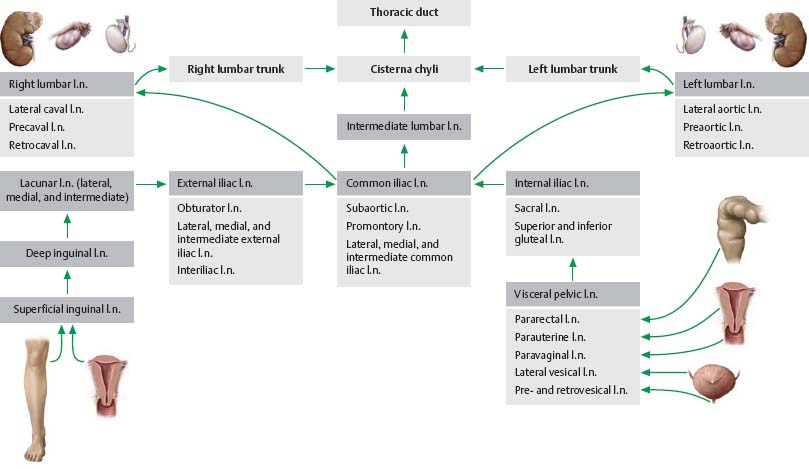
Lymph Nodes of the Abdomen & Pelvis
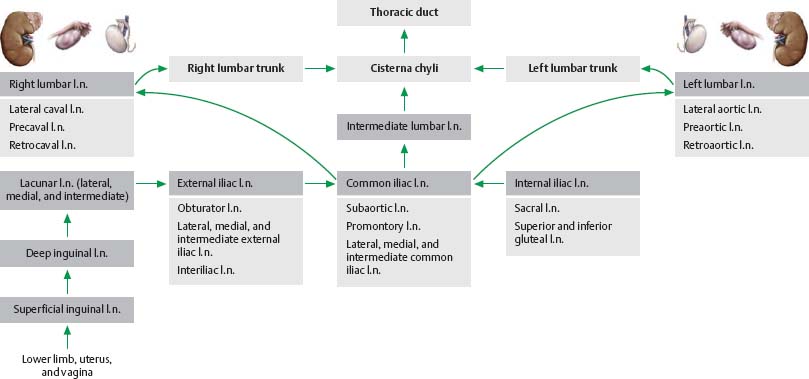
Fig. 16.1 Lymphatic drainage of the internal organs
See Table 16.1 for numbering. Lymph drainage from the abdomen, pelvis, and lower limb ultimately passes through the lumbar lymph nodes (clinically: aortic nodes). The lumbar lymph nodes consist of the right (caval) and left lateral aortic nodes, the preaortic nodes, and the retroaortic nodes. Efferent lymph vessels from the lumbar and preaortic nodes form the lumbar and intestinal trunks, respectively. The lumbar and intestinal trunks terminate into the cisterna chyli.
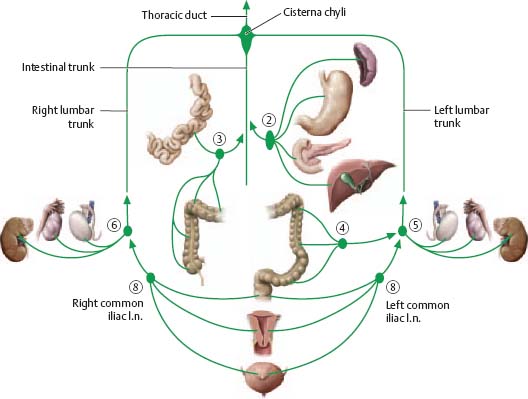
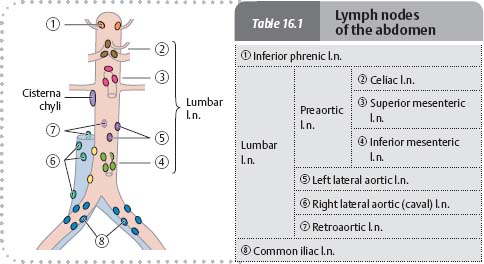
Fig. 16.2 Lymphatic drainage of the rectum
Anterior view.
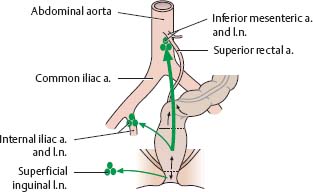
Fig. 16.3 Lymphatic drainage of the bladder and urethra
Anterior view.

Fig. 16.4 Lymphatic drainage of the male genitalia
Anterior view.
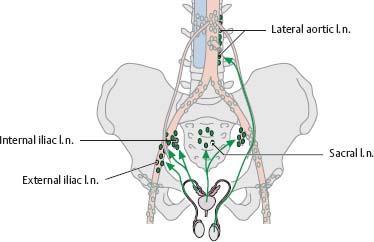
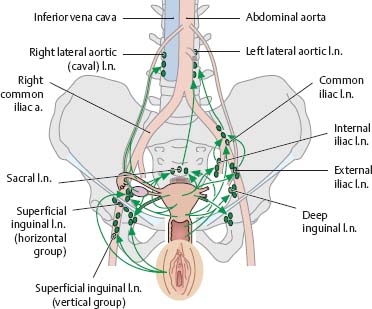
Fig. 16.5 Lymphatic drainage of the female genitalia
Anterior view.

Lymph Nodes of the Posterior Abdominal Wall
 Lymph nodes in the abdomen and pelvis may be classified as either parietal or visceral. The majority of the parietal lymph nodes are located on the posterior abdominal wall.
Fig. 16.6 Parietal lymph nodes in the abdomen and pelvis
Anterior view. Removed: All visceral structures (except vessels).
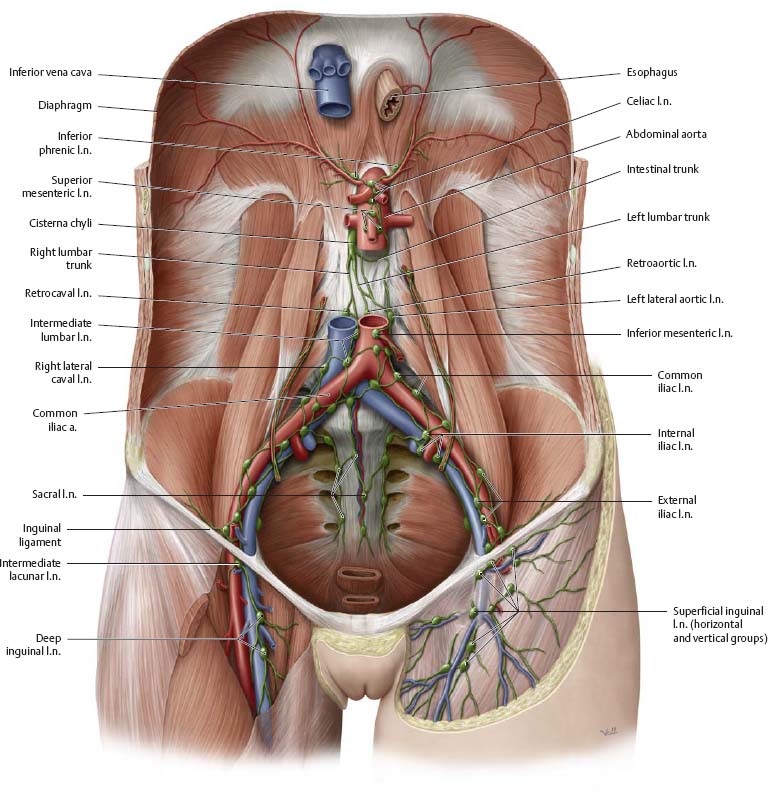
Fig. 16.7 Lymphatic nodes of the urinary organs
Anterior view.
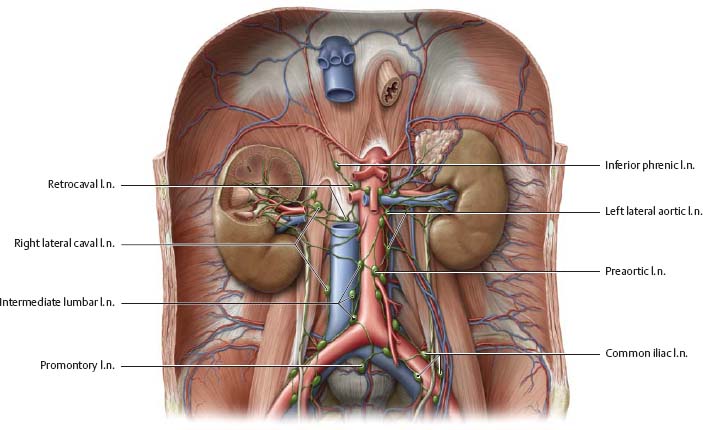
Fig. 16.8 Drainage of the kidneys (with pelvic organs)
Lymph Nodes of the Anterior Abdominal Organs
Fig. 16.9 Lymph nodes of the stomach and liver
Anterior view. Removed: Lesser omentum. Opened: Greater omentum. Arrows show direction of lymphatic drainage.
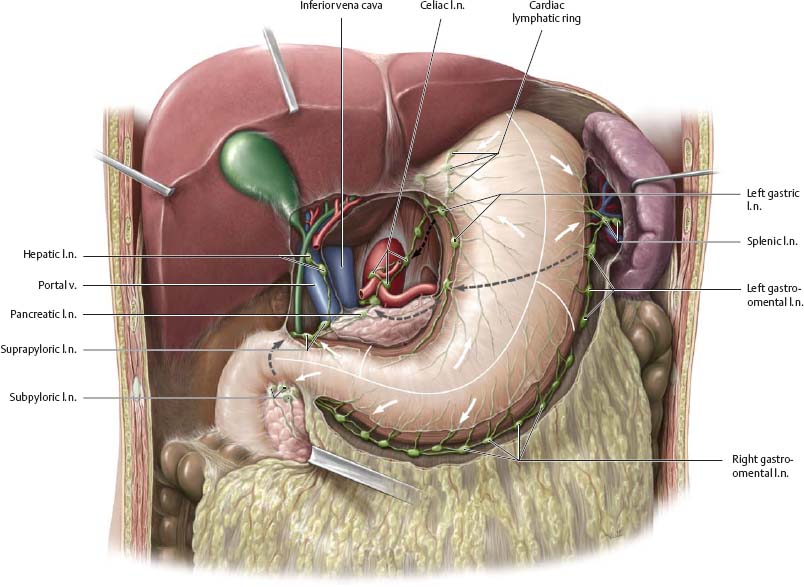
Fig. 16.10 Lymph nodes of the spleen, pancreas, and duodenum
Anterior view. Removed: Stomach and colon.
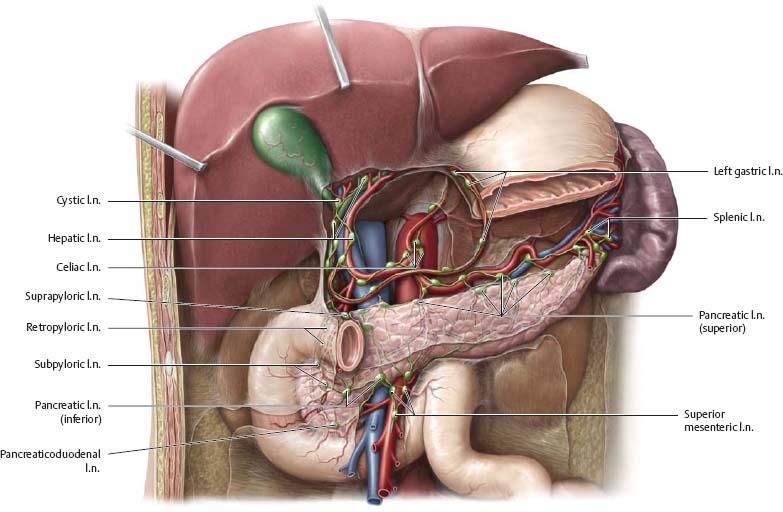
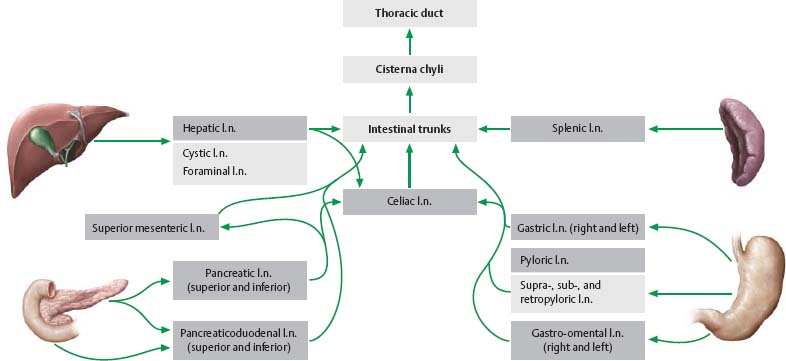
Fig. 16.11 Lymphatic drainage of the stomach, liver, spleen, pancreas, and duodenum
Lymph Nodes of the Intestines
Fig. 16.12 Lymph nodes of the jejunum and ileum
Anterior view. Removed: Stomach, liver, pancreas, and colon.
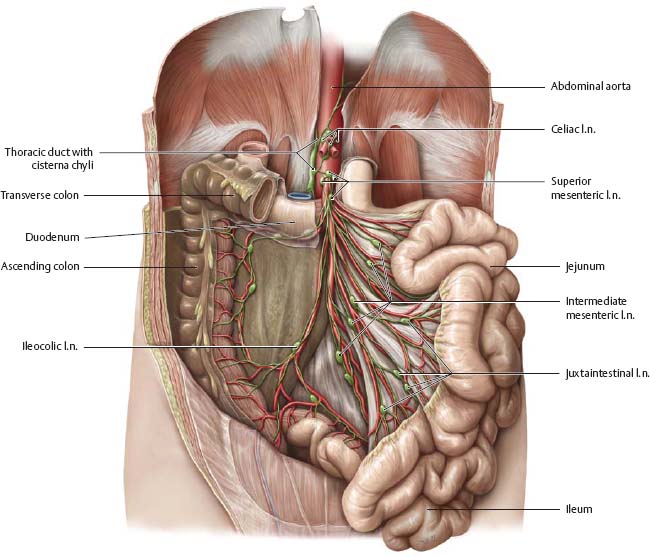
Fig. 16.13 Lymphatic drainage of the intestines
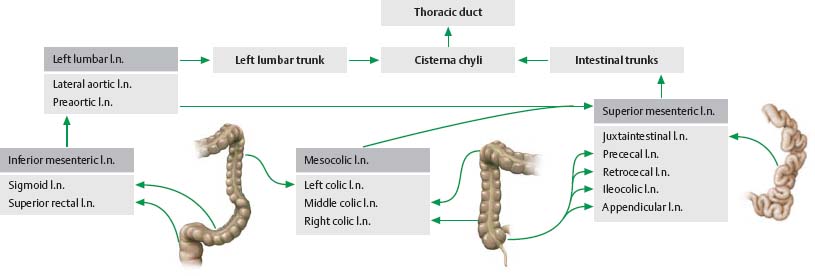
Fig. 16.14 Lymph nodes of the large intestine
Anterior view. Reflected: Transverse colon and greater omentum.
Lymph Nodes of the Genitalia
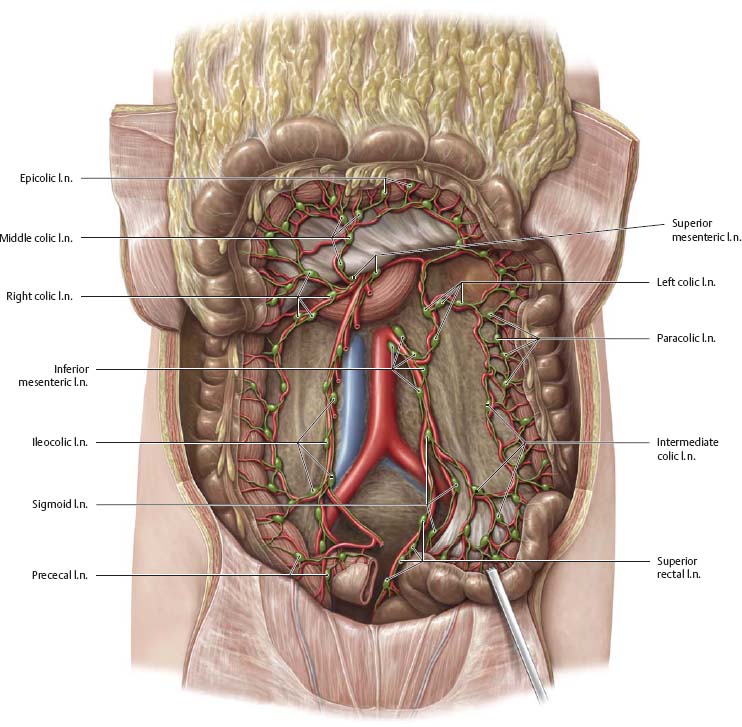
Fig. 16.15 Lymph nodes of the male genitalia
Anterior view. Removed: Gastrointestinal tract (except rectal stump) and peritoneum.
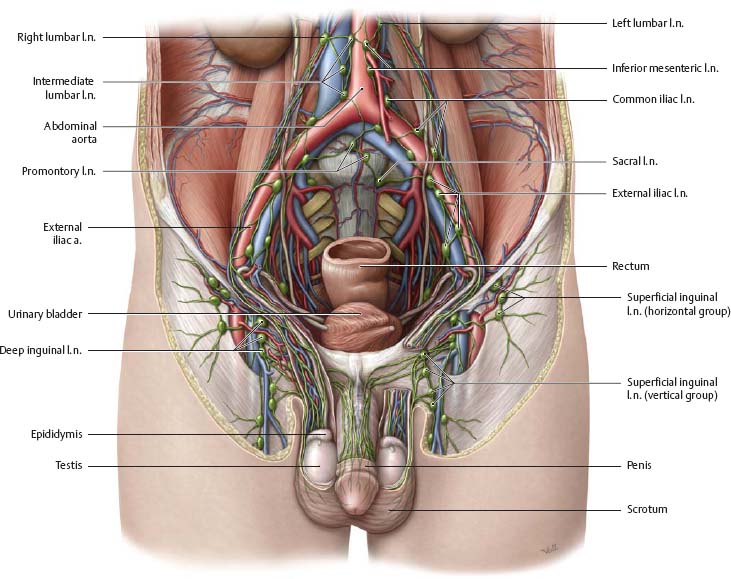
Fig. 16.16 Lymph nodes of the female genitalia
Anterior view. Removed: Gastrointestinal tract (except rectal stump) and peritoneum. Retracted: Uterus.
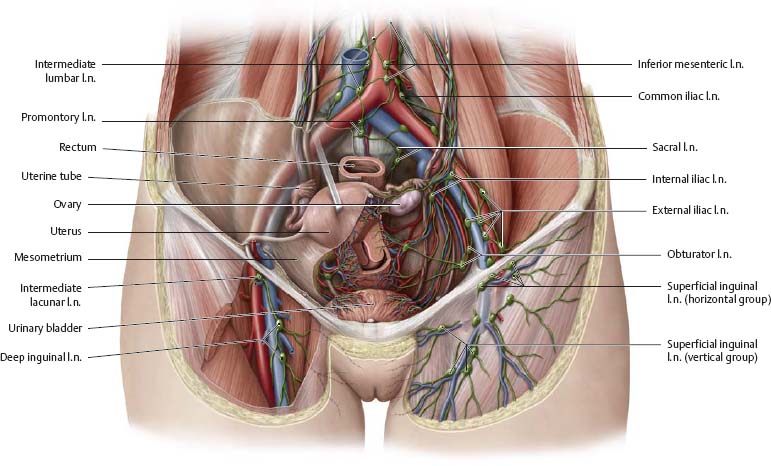
Fig. 16.17 Lymphatic drainage of the pelvic organs