
Definition
• Congenital underdevelopment of left side of the heart resulting in insufficient systemic circulation, which is dependent on a patent ductus arteriosus
Clinical features
Epidemiology
• Rare; occurs in 1 in 5000 live births
• More common in males
• One third of patients have a genetic syndrome
• Turner syndrome in up to 5% to 12% of cases
• About 10% of children with Jacobsen syndrome (deletion 11q) have HLHS
• Trisomy 18 and trisomy 13 are common
• HLHS has been described in more than 30 different syndromes including Noonan syndrome, Smith-Lemli-Opitz syndrome, Holt-Oram syndrome
Presentation
• Full-term, healthy neonates develop acidosis and shock as the ductus arteriosus closes at 24 to 48 hours after birth
• Symptoms may include cyanosis, pallor, respiratory distress, tachycardia
Prognosis and treatment
• Without treatment, death occurs in the first few days of life
• Prostaglandins may be given to maintain a patent ductus arteriosus
• Treatment usually is palliative surgery (Norwood procedure) that results in functionally univentricular circulation followed by cardiac transplantation when the child is older
• Survival with treatment: 65% at 5 years, 55% at 10 years
Pathology
Gross
• Usually all components of the left side of the heart are underdeveloped, including the mitral valve, left ventricle, aortic valve, and aortic arch
• Hypoplastic ascending aorta (2 mm to 3 mm diameter)
• Mitral and aortic valves may be atretic, hypoplastic, or stenotic
• Enlargement of right side of heart and right ventricular hypertrophy
• Endocardial fibroelastosis is usually present with a thick (1 mm to 2 mm), opaque, white endocardium
• Patent foramen ovale and coarctation of the aorta are common

Fig 1 Hypoplastic left heart syndrome. Hypoplastic left ventricle has been incised in this gross specimen.
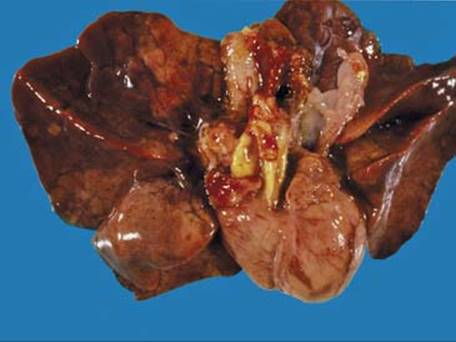
Fig 2 Hypoplastic left heart syndrome. Normal left ventricle for comparison.