
Approach to the Problem
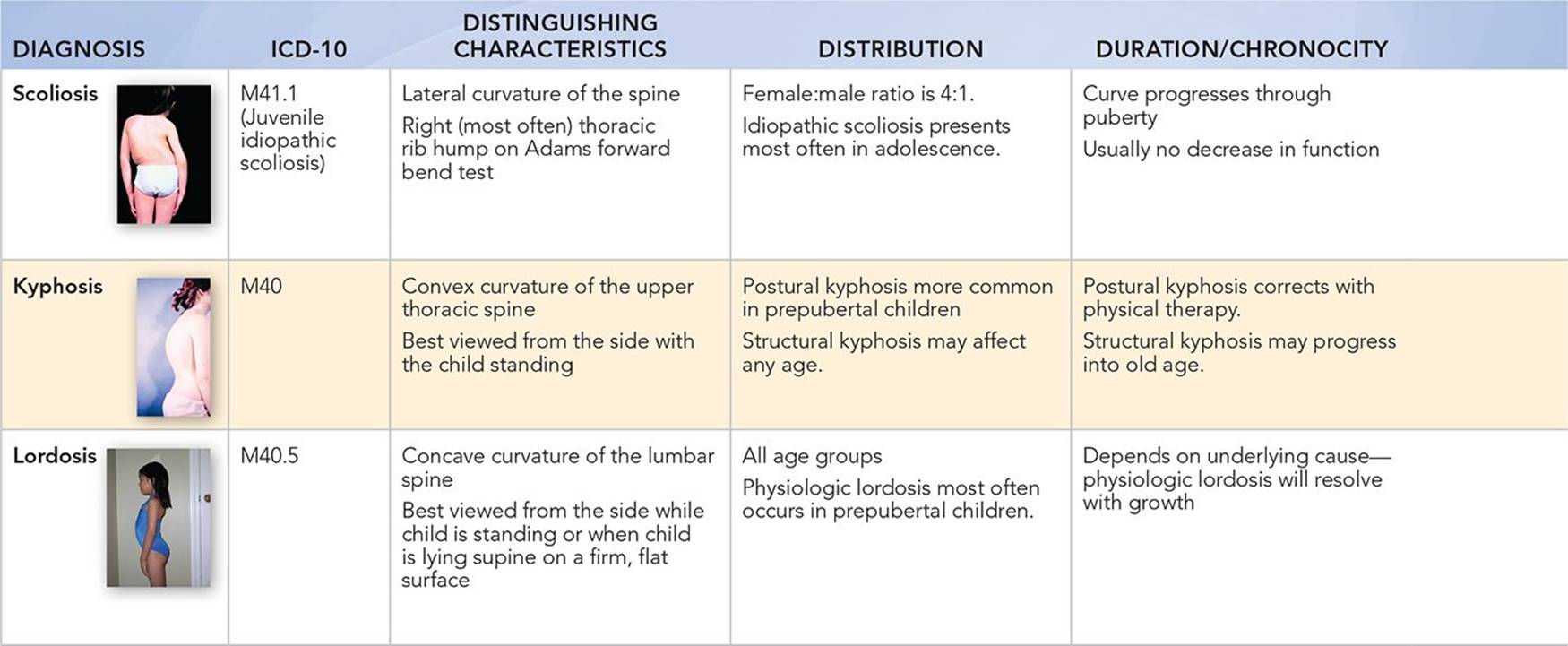
Physicians use the plane and the position of a curve relative to the spine to describe curvatures of the back. The term scoliosis implies lateral spinal curvature in the coronal plane and necessarily involves a rotational component as well. The rotational component is visualized most often as a rib hump viewed posteriorly when the spine is flexed. Scoliosis is described by the severity and position of the rib hump and can be measured in various ways. Kyphosis is an exaggerated curve of the thoracic spine in the sagittal plane with the apex of the curve directed posteriorly. Lordosis refers to a marked curvature that occurs in the sagittal plane of the lumbar spine with the apex of the curve directed anteriorly. Curvature of the spine can present with varying severity and may progress with age and growth. Beyond skeletal maturity, scoliosis generally does not progress; however, kyphosis and lordosis may progress into adulthood.
Key Points in the History
• Family history of scoliosis is present in approximately 30% of new cases of scoliosis.
• Sports participation and day-to-day functioning usually are not affected by the curvature of scoliosis.
• Complaints of back pain are not characteristic of idiopathic scoliosis and should prompt the physician to rule out other diseases.
• Progressive scoliosis is more likely in nonambulatory patients than ambulatory patients.
• The curvature of idiopathic scoliosis is more likely to progress during times of rapid growth.
• Rapidly progressing curves are more likely to require treatment.
• Kyphosis can be postural or structural in nature.
• Postural kyphosis is generally flexible and corrected with adjustment of posture.
• Fixed kyphosis may cause pain with neck motion.
• Radicular pain, changes in bowel or bladder function, sensory abnormalities, and problems with balance and/or coordination all point to an underlying neurologic problem.
• Constitutional symptoms—including prolonged fever, weight loss, night sweats, and malaise—may provide clues regarding malignancies or inflammatory diseases.
Key Points in the Physical Examination
• Bony deformities detected upon palpation along the spine suggest vertebral anomalies or spinal dysraphism.
• Skin overlying the spine marked with hemangiomas, hair tufts, clefts, and/or other macular discolorations may be the only clinical clue to occult spinal dysraphism.
• The most common presentation of idiopathic scoliosis is that of a thoracic curve with a right thoracic rib hump when viewed from behind on the Adams forward bend test.
• Scoliosis may be evaluated with the help of a handheld scoliometer; curves greater than 7 degrees or those likely to progress should be evaluated by radiographs.
• Radiographic evaluation includes calculation of the Cobbs angle; the decision to brace or proceed with surgery is based on degree of curvature and likelihood of progression.
• Lower extremity muscular weakness, tightness of hamstrings, and decreased deep tendon reflexes are suggestive of a neurological abnormality.
• Patients with more advanced sexual maturity ratings are less likely to have progression of their scoliosis.
• Range of motion assessment is critical in children with kyphosis or lordosis.
|
PHOTOGRAPHS OF SELECTED DIAGNOSES |
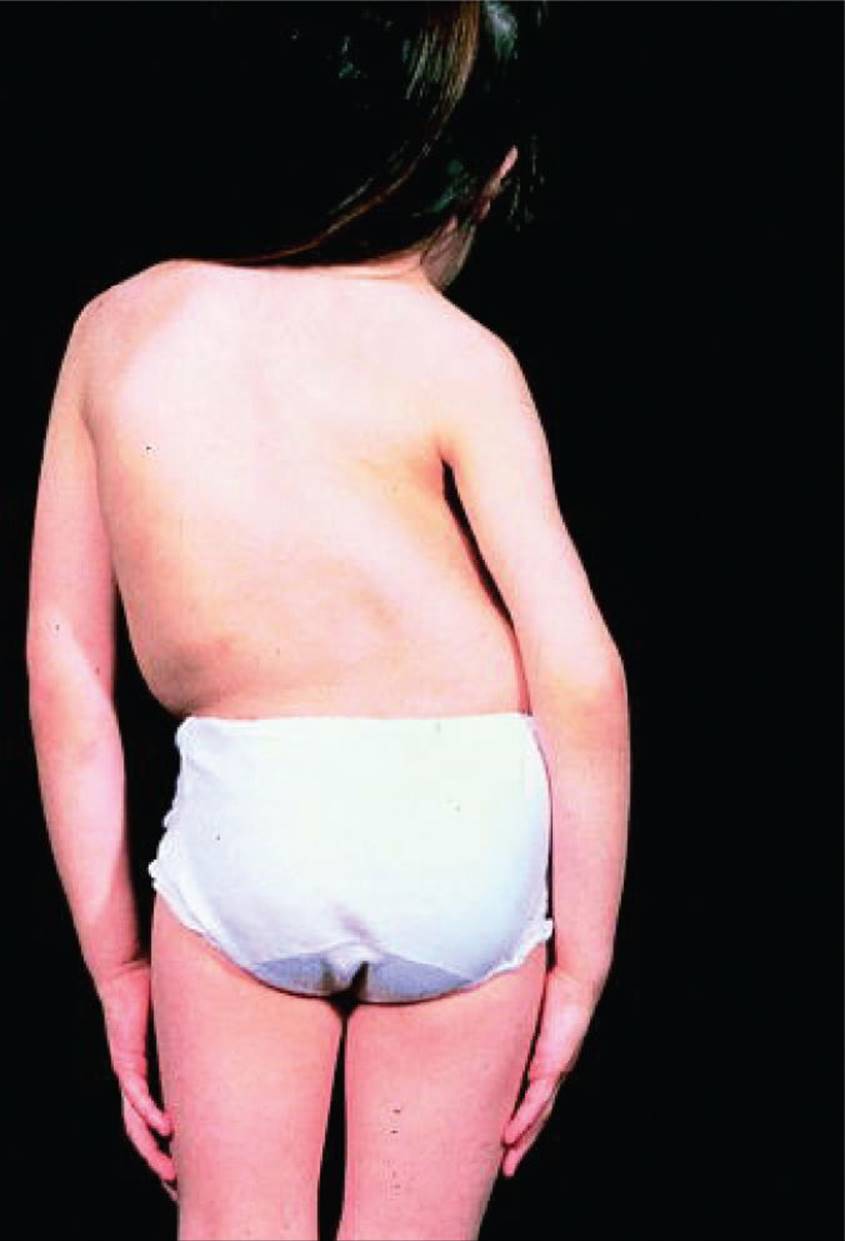
Figure 37-1 Scoliosis. (Used with permission from SIU/Biomedical Communications/Custom Medical Stock Photography.)
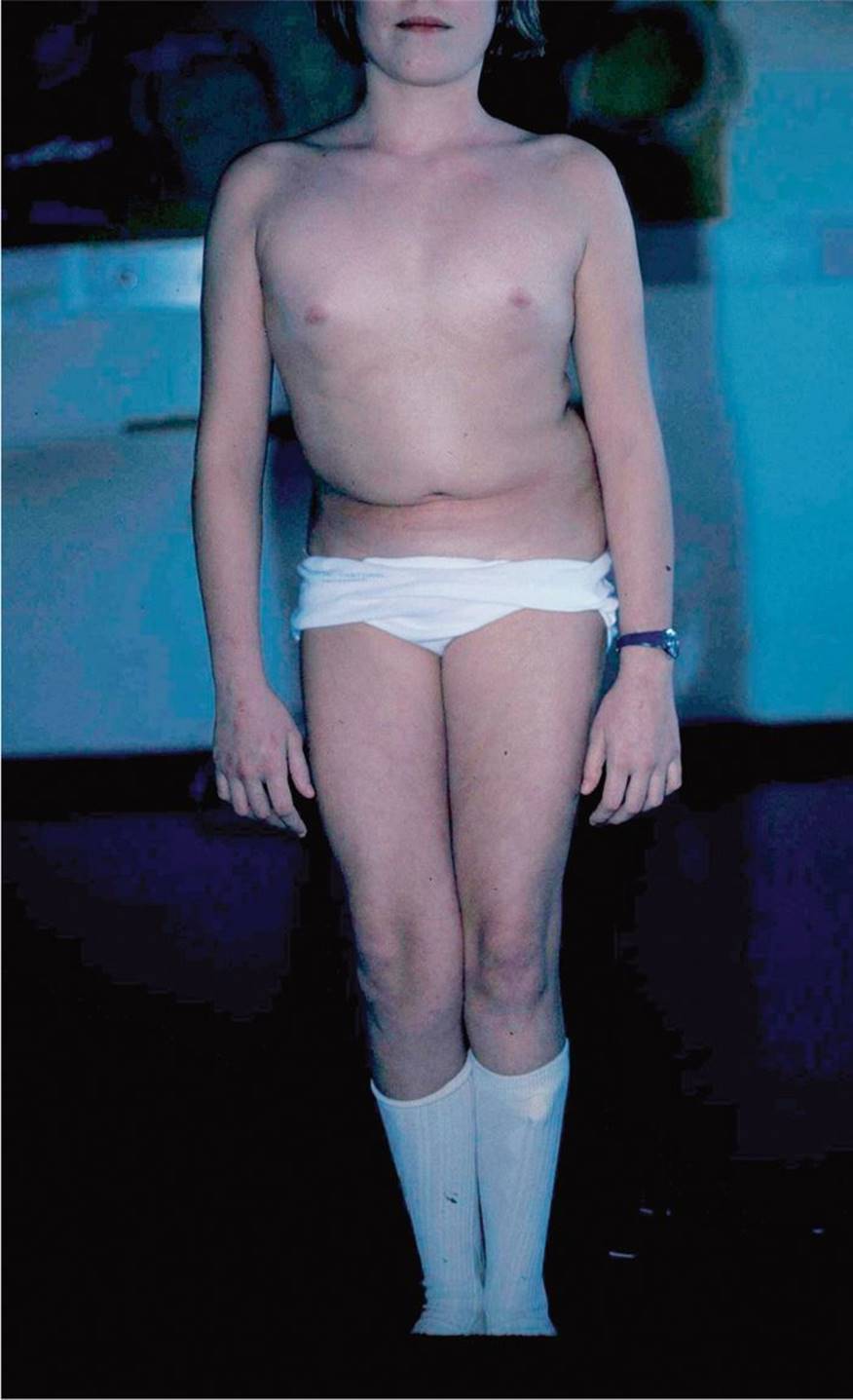
Figure 37-2 Scoliosis, anterior view. Note the pelvic tilt and abnormal skin folds. (Courtesy of the late Peter Sol, MD.)
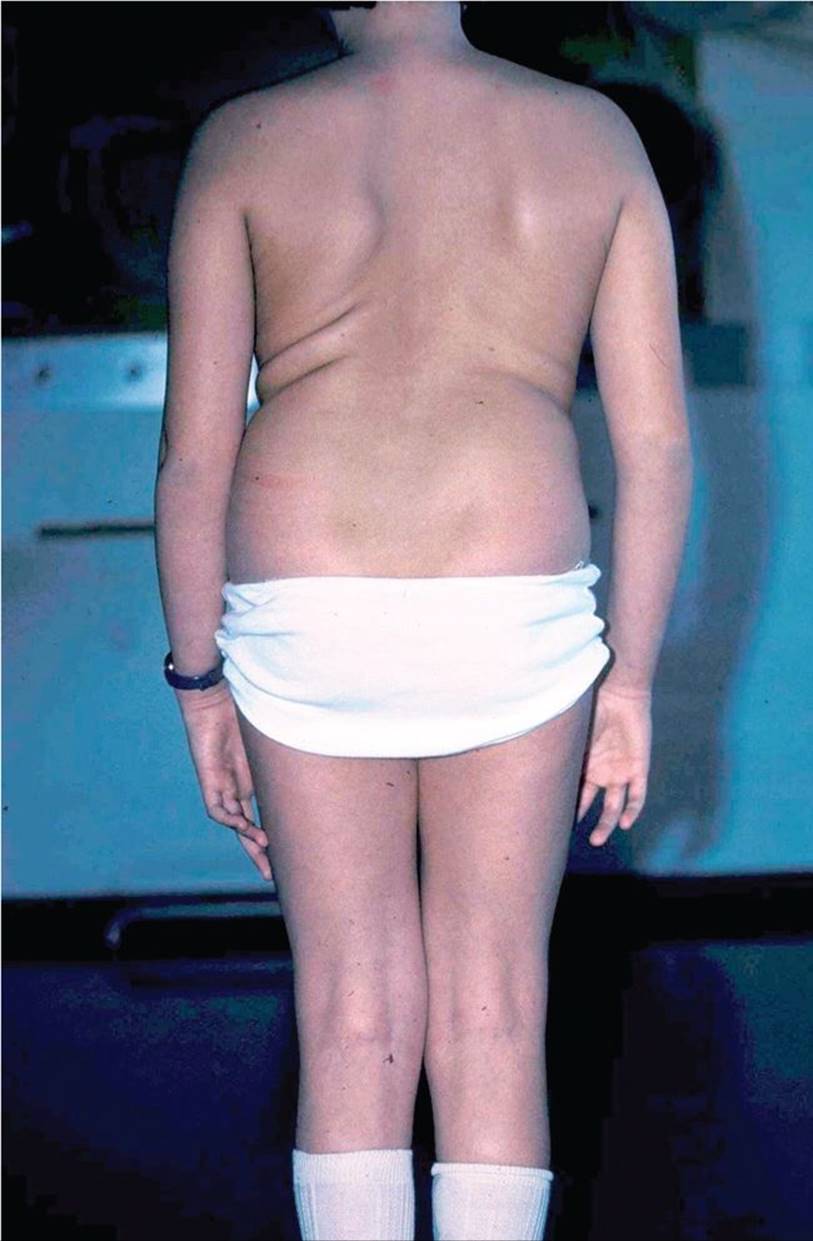
Figure 37-3 Scoliosis, posterior view. Note the abnormal skin folds and scapular position. (Courtesy of the late Peter Sol, MD.)
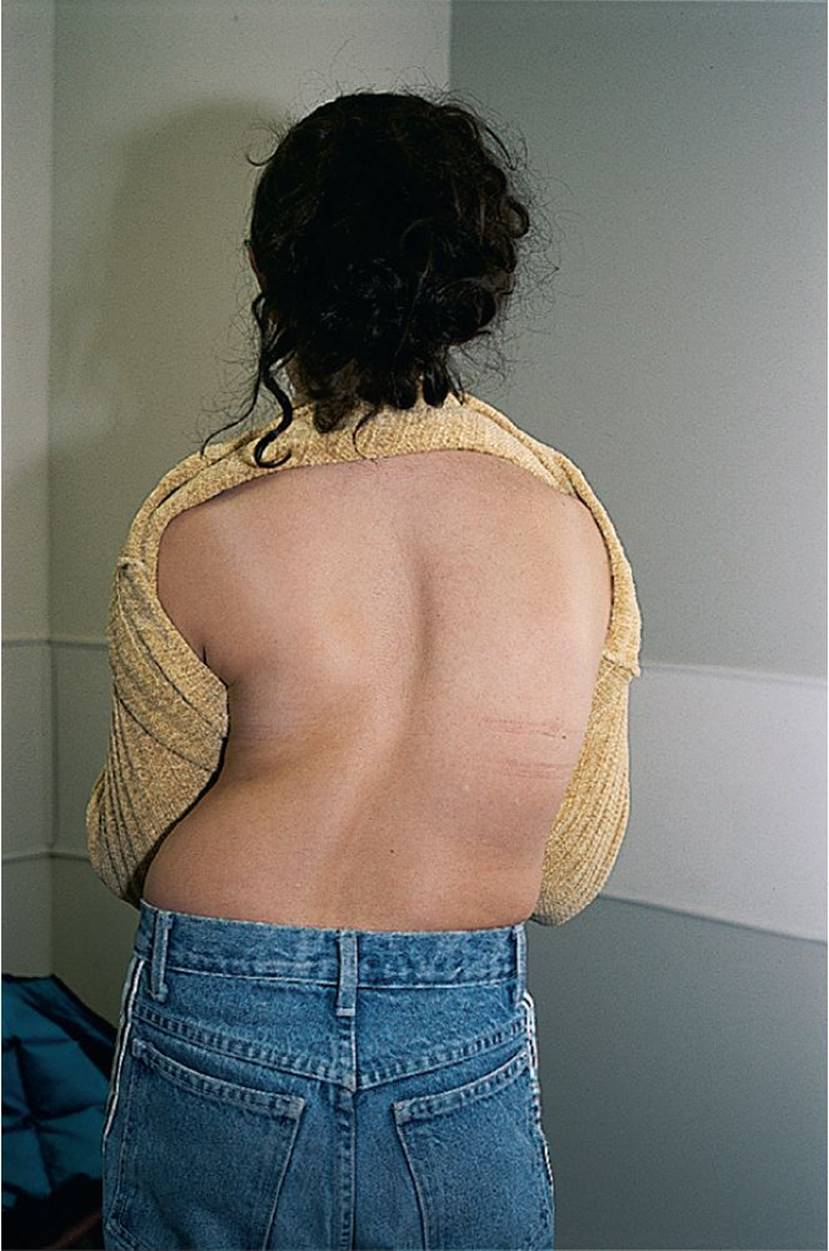
Figure 37-4 Scoliosis, standing. Dramatic spinal curvature in an adolescent. (Courtesy of George A. Datto, III, MD.)
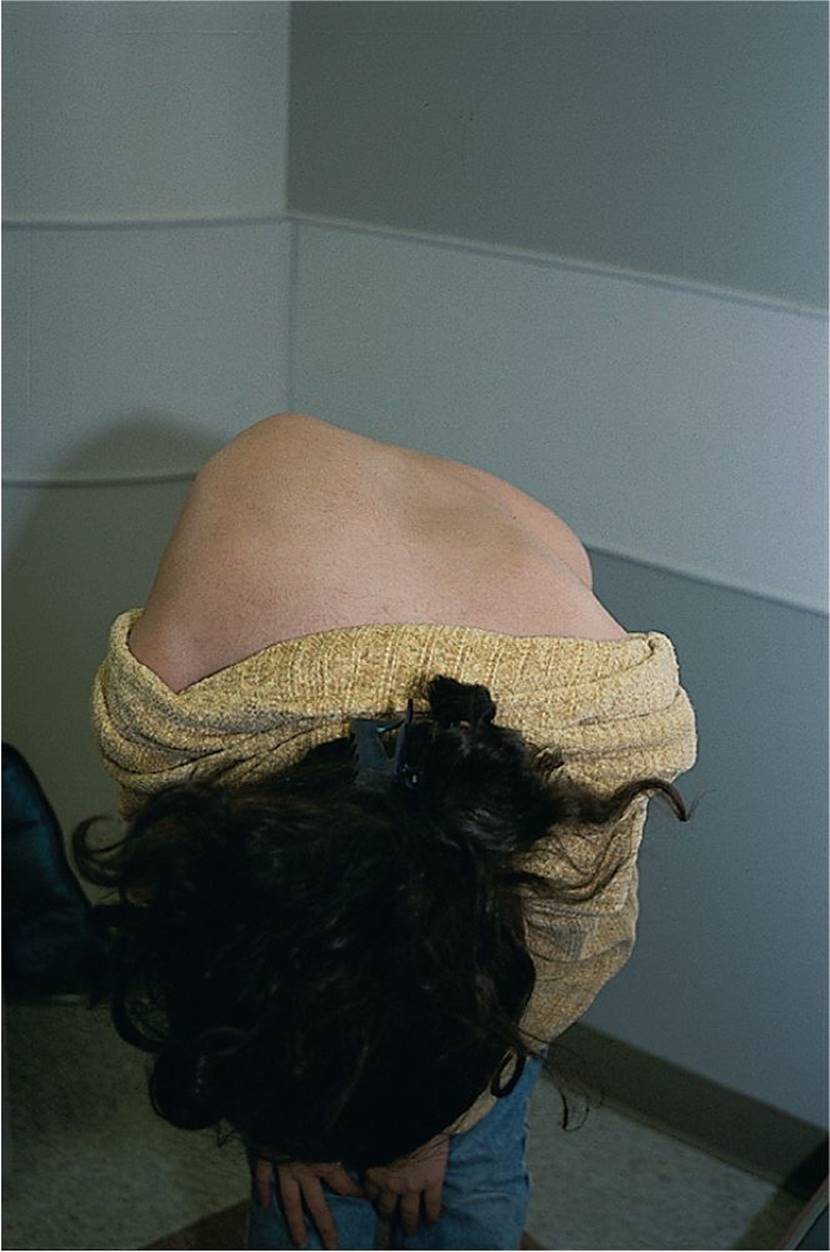
Figure 37-5 Scoliosis, bending forward. Note the marked asymmetry of the back. (Courtesy of George A. Datto, III, MD.)
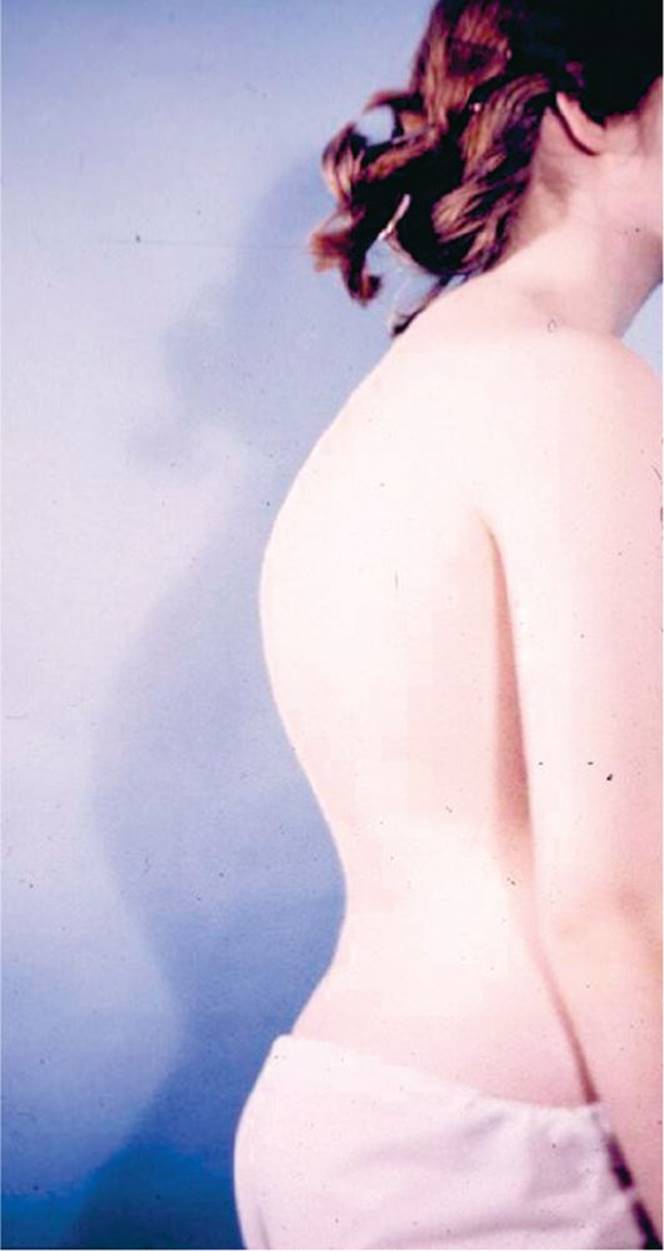
Figure 37-6 Kyphosis. (Courtesy of Martin I. Herman, MD.)
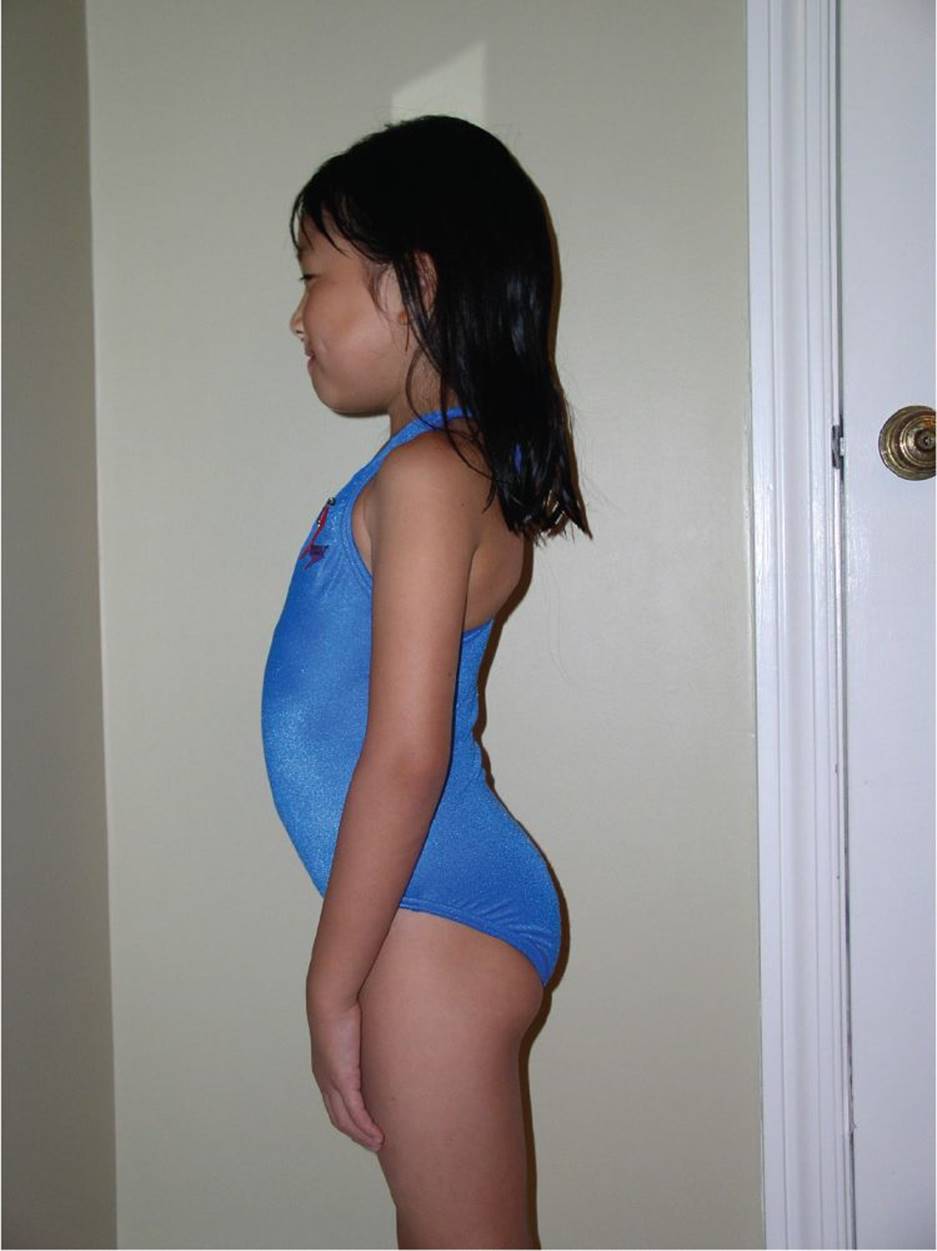
Figure 37-7 Lordosis. Note the thoracolumbar curvature on side view of this child in her normal stance. (Courtesy of Esther K. Chung, MD, MPH.)
DIFFERENTIAL DIAGNOSIS
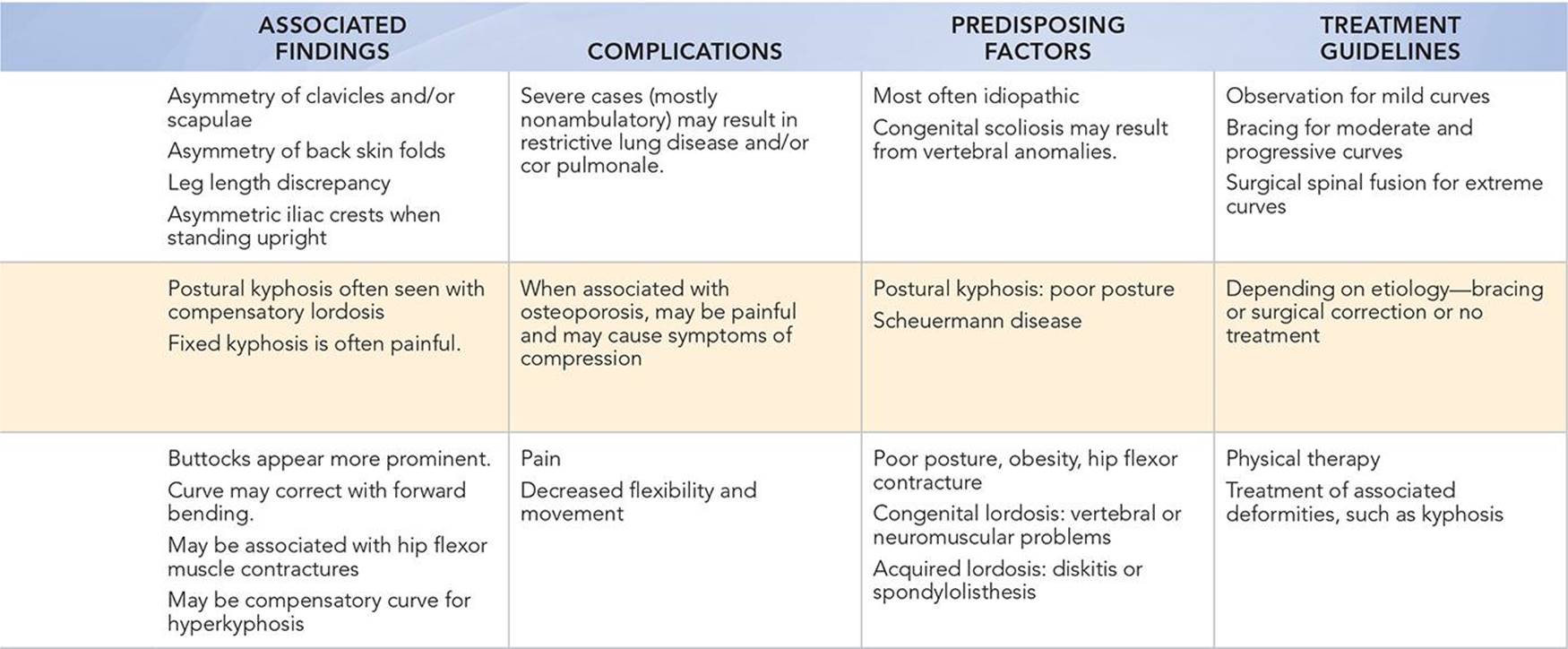
Other Diagnoses to Consider
• Marfan syndrome
• Ehlers–Danlos syndrome
• Leg length discrepancy
• Spasm of the spinous or paraspinous muscles with compensatory splinting
• Bone dysplasias
• Metabolic diseases, including rickets, osteoporosis, homocystinuria, and osteogenesis imperfecta, may be associated with scoliosis.
• Spinal tumors
• Neuromuscular disorders
• Spondylolisthesis
When to Consider Further Evaluation or Treatment
• Left-sided thoracic scoliosis in an otherwise normal teenager should prompt further evaluation to rule out an underlying lesion.
• A tall, thin child with scoliosis and Marfanoid features should have genetic, cardiac, and ophthalmologic evaluations.
• Congenital scoliosis mandates orthopedic evaluation.
• Scoliosis associated with constitutional symptoms warrants evaluation to uncover possible rheumatologic disorders or malignancies.
• Scoliosis associated with significant back pain should be investigated by an orthopedic specialist.
• Kyphosis that progresses quickly should be referred to an orthopedic specialist.
SUGGESTED READINGS
Rosenberg JJ. Pediatrics in Review. 2011;32:397–398.
Staheli L. Fundamentals of Pediatric Orthopedics. Philadelphia, PA: Lippincott-Raven Publishers; 2008:242–255.
Stewart DG, Skaggs DL. Consultation with the specialist: adolescent idiopathic scoliosis. Pediatrics in Review. 2006;27:299–305.
Vernacchio L, Trudell EK, Hresko MT, Karlin LI, Risko W. A quality improvement program to reduce unnecessary referrals for adolescent scoliosis. Pediatrics. 2013;131(3):e912–20.
Ward T, Davis HW, Hanley EN. Orthopedics. In: Atlas of Pediatric Physical Diagnosis. 5th ed. New York, NY: Gower Medical Publishing; 2007:719–802.