
Goran Augustin1, 2
(1)
Department of Surgery Division of Gastrointestinal Surgery, University Hospital Center Zagreb, Zagreb, Croatia
(2)
School of Medicine University of Zagreb, Zagreb, Croatia
Abstract
Approximately 50 % of patients are less than 35 years of age at the time of diagnosis and 25 % conceive for the first time after their diagnosis of inflammatory bowel disease (IBD) [1–3]. This age range corresponds to female reproductive age and increases the likelihood of Crohn’s disease (CD) during pregnancy.
8.1 Acute Crohn’s Disease
8.1.1 Introduction
Approximately 50 % of patients are less than 35 years of age at the time of diagnosis and 25 % conceive for the first time after their diagnosis of inflammatory bowel disease (IBD) [1–3]. This age range corresponds to female reproductive age and increases the likelihood of Crohn’s disease (CD) during pregnancy.
8.1.2 Effect of Pregnancy on Crohn’s Disease
Crohn et al. took the view that if the onset of the disease occurs during pregnancy, then its subsequent course is severe [4]. Currently, pregnant patients with CD can be classified in four categories [5]:
· Inactive at conception
· Active at conception
· Arising during gestation
· Arising during the puerperium
Approximately one-third of women with inactive IBD at conception will relapse during the pregnancy or puerperium. This risk of a flare is no greater than any other year of the patient’s life [6, 7]. If conception occurs at a time when IBD is active, disease will settle only in about one-third of women with ulcerative colitis (UC) or CD [8, 9]. One-quarter of patients with active IBD during pregnancy will experience chronically active disease and in about half of these patients, disease will worsen (45 % UC, 33 % CD) [10]. Active disease has been associated with miscarriage, stillbirth, prematurity, and low birth weight [11]. Thus, conception is advised when IBD is in remission. Disease activity may even be slightly lower during pregnancy [12]. The rate of relapse may decrease in the 3 years following pregnancy [13]. This was further supported by a study from a 10-year follow-up of a European cohort of patients with 580 pregnancies [14]. Patients with CD who were pregnant during the course of their disease did not have higher rates of stenosis (37 % vs. 52 %) or resection (0.52 vs. 0.66). The rates of relapse decreased in the years following pregnancy in both UC (0.34 vs. 0.18 flares/year) and CD patients (0.76 vs. 0.12 flares/year). While the etiology for this is not understood, a possible factor inducing quiescent disease may be disparity in HLA class II antigens between mother and fetus, suggesting that the maternal immune response to paternal HLA antigens may result in immunosuppression that affects maternal immune-mediated disease. This has been demonstrated in rheumatoid arthritis [15] as well as in IBD [16].
Patients whose Crohn’s disease is in remission at the time of conception usually remain symptom-free during pregnancy, with relapse rates similar to those documented in the National Cooperative Crohn’s Disease Study [17], and their pregnancy outcomes are similar to those in the general population. Of women who have active Crohn’s disease at the beginning of pregnancy, 60–70 % continue to have active disease during the pregnancy despite medical therapy [9, 18]. In this group there is a suggestion of a decreased rate of live births [9]. There is no evidence that patients developing symptoms for the first time during pregnancy experience unusually severe disease.
During the puerperium the risk of relapse seems no higher than usual. Severe exacerbations of Crohn’s disease in pregnancy are rare. Even less common are acute manifestations that require surgery [4, 9, 19, 20], but in reported cases, maternal and fetal mortality rates have been high [20].
8.1.3 Clinical Presentation
8.1.3.1 Intestinal Perforation
Pathophysiology of Free Intestinal Perforation
Two possible mechanisms may account for free perforation of Crohn’s disease during pregnancy. Either an abscess adjacent to the Crohn’s segment ruptures by the mechanical stress of labor or there is failure of the intra-abdominal viscera to “wall-off inflamed segments.” In the latter case, the large uterus may prevent the omentum and other abdominal contents from adequately localizing the inflammation [21].
Presentation
Free intestinal perforation presents as acute abdominal pain with signs of peritonism.
8.1.3.2 Intestinal Obstruction
Presentation
Abdominal distension, nausea, vomiting, and crampy abdominal pain in the early stages are the leading symptoms. Later in the course of the disease, pain is constant and there is no passage of stool or flatus.
8.1.4 Diagnosis
Standard radiological investigations for CD such as small and large bowel enemas and labeled white cell scans are contraindicated because of the radiation exposure to the fetus. Several reports have been published on the safety of colonoscopy and flexible and rigid sigmoidoscopy in pregnant patients. These results suggest that endoscopy does not induce labor or result in significant side effects to the mother or fetus and can be performed safely in medically stable pregnant patients [19, 22, 23]. Abdominal ultrasound may identify thickening of the wall of the terminal ileum or the presence of an intra-abdominal abscess. Abdominal MRI imaging is a safe noninvasive investigation in pregnancy and has been useful in establishing the diagnosis of CD [24]. In cases when patients present with acute abdominal pain, electronic fetal monitoring is an essential. It is also a diagnostic modality because changes in fetal signs can be indirect sign of acute abdominal condition. Fetal monitoring consists of periodic fetal heart rate auscultation by Doppler or by cardiotocography.
8.1.5 Differential Diagnosis
8.1.5.1 Intestinal Obstruction
As in general IBD population, the most common causes of intestinal obstruction are adhesions, bowel inflammation with or without strictures, or bowel ischemia. In pregnancy compression by enlarged uterus during pregnancy can also be the cause (see Chap. 7). There are two cases of successful decompression by Malecot catheters during pregnancy. One case was of recurrent sigmoid volvulus [25] and another of compression of pouch (IPAA) [26].
8.1.6 Treatment
8.1.6.1 Indications and Procedures
The rarity of acute surgical problems in pregnancy may lead to delays in management [27]. It is therefore advisable that an obstetrician, a surgeon, and a gastroenterologist are involved in the patient’s management [28]. When a woman with a history of CD presents with peritonism, the possibility of an acute manifestation of the disease must be considered. In such circumstances surgery should not be long delayed. Five of the six patients described in the series by Hill et al. had a free perforation of CD [29].
Intra-abdominal surgery performed during the first trimester is associated with an increased risk of miscarriage; for planned procedures in the second trimester, the risk is lower. In the third trimester laparotomy may be complicated by premature delivery and technical difficulties [30]. However, it is the surgical condition, not the operation, that determines maternal and fetal risk [31].
Indications for surgical therapy in both CD and UC during pregnancy are the same as in nonpregnant patients. When acute manifestations of CD are present, it is recommended to remove the source of sepsis and exteriorize the bowel ends [29]. Active intraperitoneal sepsis increases the risk of anastomotic leakage and miscarriage. Intestinal stomas seldom cause difficulty; if, after delivery, the residual bowel is healthy, reanastomosis can be performed.
A stomal therapist should mark the patient before surgery. In pregnant patients, the optimal location for the stoma on the abdominal wall is usually higher than normal because the stoma will drop to a lower position after delivery.
After colectomy a decision should be made regarding the rectal stump. Stump breakdown and leakage leading to intra-abdominal sepsis is a major concern. The stump can be handsewn in two layers and wrapped with the omentum or brought out as a mucus fistula. If a mucus fistula is to be placed, the remnant stump should be kept long. Because of the enlarged uterus, the stump will need to be brought out through an extraperitoneal plane deep to the broad ligament and dilated ovarian vessels. The rectum is irrigated with Betadine at the time of surgery to remove the excess bloody mucoid material and a rectal tube left in place to keep it decompressed in the postoperative period [32].
Small Bowel Disease
The indications for small bowel surgery in pregnant women with CD are not different from the general population and include intestinal obstruction or perforation, hemorrhage, or abscess. Multiple case reports of small bowel surgery for CD during pregnancy historically had revealed high mortality to both the mother and the fetus; however, more current reports reveal better outcome [33]. A case series of six surgeries from 11 to 30 weeks gestation for intraperitoneal sepsis from CD reported successful deliveries of healthy infants at or near term (one delivered at 31 weeks) in five cases and one patient had a miscarriage [29]. Temporary ileostomy is generally preferred to reduce the risk of postoperative complications that can be seen after primary anastomosis.
8.1.6.2 Perioperative Considerations
Thromboprophylaxis in General IBD Patients (ECCO Consensus)
Pregnancy increases the risk of venous thromboembolism (VTE) by four to sixfold [34] and is a leading cause of direct maternal death in developed countries [35]. The time of highest risk is in the first 6 weeks of the postnatal period [36]. IBD patients, particularly hospitalized with active disease, are at increased risk for VTE [37, 38]. Hospitalized pregnant IBD patients have an increased risk of VTE compared to their non-IBD pregnant controls, for CD an OR 6.12 and for UC an OR 8.44. Low-molecular-weight heparin in a prophylactic dose reduces the risk of VTE in medical and surgical patients by 60–70 % [39]. Low-molecular-weight heparin has been shown to be safe and efficacious in the pregnant population [40]. Therefore, consideration of the use of prophylactic low-molecular-weight heparin in pregnant IBD patients experiencing a relapse and/or admitted to hospital is strongly recommended. All women should undergo a documented assessment of risk factors for VTE in early pregnancy or before pregnancy. This assessment should be repeated if the woman is admitted to hospital for any reason and again after delivery [41].
8.1.6.3 Obstetric Considerations
Mode of Delivery in General
There is an increased rate of Cesarean sections in women with IBD [42]. Using the 2005 Nationwide Inpatient Sample, Nguyen et al. examined 2,372 CD deliveries and 1,368 UC deliveries. In this population-based study, the adjusted odds of a Cesarean section were higher in women with CD (aOR 1.72) and UC (aOR 1.29) compared to non-IBD controls [38].
Elective Delivery with or Without Elective IBD Surgery
In general, the indications for elective Cesarean section are:
· Obstetric
· Active perianal disease
· Presence of an ileal pouch-anal anastomosis
Obstetric indications for Cesarean section are not in the scope of this textbook.
A perianal fistula or an abscess was considered to represent perianal CD; however, anal fissures or hemorrhoids were not [43]. Patients with inactive perianal disease or no history of perianal disease are not at increased risk for perianal disease after a vaginal delivery [43]. However, if they have active perianal disease they can risk aggravating their injury with a vaginal delivery. One report noted an increased incidence of perianal disease following episiotomy [44]. In another study, 69 % (27/39) of CD patients without a history of perianal disease had an episiotomy at delivery. Only one patient, who had a third-degree laceration and an episiotomy, developed perianal disease within 1 year postpartum. Moreover, of the ten patients with inactive perianal disease at the time of their episiotomy, none reported a recurrence of perineal disease over a 2-year follow-up period [43]. Other studies have also shown that vaginal delivery in patients with inactive perianal disease does not appear to lead to adverse outcomes [45, 46]. The results from Ilnyckyji et al. are interesting because episiotomy was performed in equal percentage on patients with active and inactive perianal disease. The group with inactive perianal disease had higher percentage of second- and third-degree lacerations. It is obvious that patients with histories of previous perianal disease may receive more vigilant attention to their perineum during delivery. There are several unknown facts from the data in this study. One is Perianal Disease Activity Index which is important for comparison of the results and also activity of the disease in general because subclinical infection can be present which is only confirmed by colonoscopy and/or biopsy. Also there are several types of episiotomies and the length is not mentioned and compared [43].
Patients who have an IPAA can have a normal vaginal delivery without fears of damaging the pouch [47]. In general, anal sphincter function (daytime and nighttime stool frequency or continence) may be altered during the third trimester and immediate postpartum period, but its function typically returns to baseline in most patients, usually within 3 months after delivery [47–50]. Although a few patients may have long-term disturbances in anal function, it appears unrelated to the method of delivery [48]. A small study of three patients with a history of IPAA did not demonstrate an increased risk of injury or fissuring of the anal sphincter despite vaginal delivery [50]. A survey of 232 pregnant females with a history of IPAA showed no increase in pouch complications or functional problems when comparing those who underwent vaginal delivery as compared to those who had a Cesarean section [47]. However, damage to the anal sphincter may be compounded by aging and the effects on the pouch will not be seen for several years. The patient, the obstetrician, and the surgeon should discuss the theoretical risk to long-term pouch function prior to making a decision on mode of delivery.
Emergent Delivery in the Course of Emergency IBD Surgery
In patients presenting with acute abdomen, the treatment depends on the trimester of pregnancy. During the first two trimesters, only surgical treatment of the cause of acute abdomen is carried out. After 28 weeks of pregnancy, Cesarean section is recommended (due to higher incidence of postoperative complications leading to spontaneous induction of labor) [32, 51].
After surgery without Cesarean section, fetal monitoring should begin in the postanesthesia recovery room, and the patient should be watched carefully for spontaneous labor.
8.1.6.4 Medications for Crohn’s Disease in Pregnancy
The use of medications during the conception period and pregnancy is a cause of great concern for patients and the physicians caring for them. Overall, the majority of medications used for the treatment of IBD are not associated with significant adverse effects (Table 8.1), and maintaining the health of the mother remains a priority in the management of these patients. If a flare does arise during pregnancy, most patients can be managed successfully with a 5-ASA drug or corticosteroids, carry their babies to term, and deliver successfully [55]. Mogadam et al. found that only 2.7 % patients with UC and CD required surgical intervention; the rest were controlled with medical therapy alone [18].
Table 8.1
Medications used in the treatment of inflammatory bowel disease [52–54]
|
Drug |
FDA |
Pregnancy |
Breastfeeding |
|
Adalimumab |
B |
Limited human data: low risk |
No human data; probably compatible |
|
Alendronate |
C |
Limited human data; animal data suggest risk |
No human data: probably compatible |
|
Ampicillin/clavulanic acid |
B |
Low risk |
|
|
Azathioprine/6-mercaptopurine |
D |
Transplant literature suggest low risk |
No human data: potential toxicity |
|
Balsalazide |
B |
Low risk |
No human data: potential diarrhea |
|
Budesonide |
C |
Data with inhaled drug low risk. No human data for oral drug |
No human data |
|
Cephalosporins |
B |
||
|
Ciprofloxacin |
C |
Potential toxicity to cartilage |
No human data: probably compatible |
|
Corticosteroids |
C |
Low risk: cleft palate, adrenal insufficiency, premature rupture of membranes |
Compatible |
|
Cyclosporine |
C |
Low risk |
Limited human data: potential toxicity |
|
Etanercept |
Excreted in milk – probably too large molecule for oral absorption |
||
|
Fish oil supplements |
– |
Safe, possibly beneficial |
No human data |
|
Infliximab |
B |
Low risk; limited human data |
Limited human data: probably compatible |
|
Loperamide |
B |
Low risk |
|
|
Mesalamine (oral and topical) |
B |
Low risk |
Limited human data: potential diarrhea |
|
Methotrexate |
X |
Teratogenic |
Contraindicated |
|
Metronidazole |
B |
Limited efficacy in IBD – avoid in 1st trimester |
Limited human data: potential toxicity |
|
Olsalazine |
C |
Low risk |
Limited human data: potential diarrhea |
|
Risedronate |
C |
Limited human data |
Unknown |
|
Rifaximin |
C |
No human data: animal teratogen |
Unknown |
|
Sulfasalazine |
B |
Low risk. Give folate 2 mg daily |
Limited human data: potential diarrhea |
|
Sulfonamide |
C |
Not recommended |
|
|
Tacrolimus |
C |
Low risk |
Limited human data: potential toxicity |
|
Tetracycline |
C |
Not recommended |
Not recommended |
|
Thalidomide |
X |
Teratogenic |
Limited human data: potential toxicity |
Low risk is defined as “the human pregnancy data does not suggest a significant risk of embryo or fetal harm”
Folate supplements, recommended for all pregnancies to reduce the risk of neural tube defects, are especially important for those taking sulfasalazine, because the sulfapyridine moiety in sulfasalazine competitively inhibits the brush border enzyme folate conjugase [11] and therefore absorption of folate (Table 8.1). Other 5-ASA drugs do not contain sulfapyridine and do not carry the risk of folate malabsorption. In patients whose therapy with 5-ASA drugs fail, prednisone, azathioprine, cyclosporine, and infliximab can be considered, after weighing the risks and benefits, informing the patients, and having the patient participate in the decision about starting one of these drugs. The option of surgery, if the pregnancy is at a suitable stage, should be discussed as an alternative to immunotherapy.
Fish oil supplements are used by some patients with IBD as an adjunct to medical therapy. A randomized controlled trial of fish oil supplementation demonstrated prolongation of pregnancy without detrimental effects on growth of the fetus or course of labor [56]. Fish oil supplements are not rated by the FDA since they are not classified as a drug.
Most clinicians believe that the chimeric structure of the infliximab molecule containing a human IgG1 constant region limits placental transfer during the first trimester [57]. However, the safety of infliximab beyond the first trimester is unknown because IgG subclasses are readily passed into the fetus during the second and third trimesters [58]. Until recently, the medical literature contained no evidence that engineered therapeutic antibodies could cross the placenta when administered to expectant mothers. One case report documents clinically significant fetal exposure to infliximab via placental transfer and a prolonged half-life of the medication in newborns [59]. The presumed mechanism of fetal exposure to infliximab is transplacental maternal IgG antibody transfer beginning in the second trimester and peaking at term. No fetal abnormalities were apparent in this case, but the long-term implications of infliximab exposure during early childhood development are unknown. These findings suggest that pregnant patients should avoid therapeutic antibody treatments after 30 weeks’ gestation, and if necessary, the expectant mother can be bridged with steroids to control the disease activity until delivery [59, 60]. Two large studies reported that birth outcomes of women treated with infliximab were comparable with those of the general population or of pregnant women with CD who were not treated with infliximab [61, 62]. Mahadevan et al. reported that the benefits of achieving and maintaining clinical remission in patients receiving infliximab during pregnancy superseded the potential risk of exposing the unborn child to the medication [58].
A pregnant woman with treatment-refractory CD who failed treatment with infliximab was successfully treated with adalimumab (Humira; Abbott Laboratories, Chicago, IL), a recombinant human IgG1monoclonal anti-TNF antibody [63]. The pregnancy was uncomplicated, and at 6 months, the infant showed normal growth and development [64]. Another case reported the use of etanercept (Enbrel; Amgen, Thousand Oaks, CA), a soluble TNF receptor fusion protein that binds to and inactivates TNF, in an uneventful pregnancy of a patient with refractory rheumatoid arthritis [65]. Etanercept has been shown to be excreted in breast milk, but it is not known whether the drug can be absorbed orally because it is such a large protein [66].
Thalidomide (FDA class X) is used in treatment of refractory CD. It has extensive teratogenic sequel including limb defects, central nervous system effects, and abnormalities of the respiratory, cardiovascular, gastrointestinal, and genitourinary systems. Thalidomide is contraindicated during pregnancy and breastfeeding. Women of childbearing age taking thalidomide should use two methods of contraception 1 month prior to starting therapy, during therapy, and for 1 month after stopping therapy.
Breastfeeding
Although the American Academy of Pediatrics recommends breastfeeding for at least 6 months after birth [67], many women who require drug therapy initiate breastfeeding less frequently, discontinue breastfeeding earlier than women who are not receiving medication [68], or do not breast-feed at all [69]. To date, infliximab has not been detected in human breast milk of nursing mothers [58, 59, 70, 71]. Also, Kane et al. found that infliximab was present in the mothers’ sera, but not in the infants’ sera [71]. Physicians should be aware that the fetus may be exposed to therapeutic monoclonal antibodies when administered to pregnant patients and the long-term implications on the child’s developing immune system are unknown at this time.
8.1.7 Prognosis
8.1.7.1 Inheritance of CD in General
Patients are naturally concerned about passing their disease on to their offspring. Unfortunately, family history is the strongest predictor for developing IBD. If one parent is affected, the risks of the offspring developing IBD are 2–13 times higher than in the general population [72–74]. One study estimated that the risks of IBD in first-degree relatives of probands with UC and CD were 1.6 % and 5.2–7.5 %, respectively, values that were even higher in the Jewish population [74, 75]. If both parents have IBD, the risk of their offspring developing IBD over their lifetime was estimated to be 35 % [74, 76].
Several studies suggest that breastfeeding may be protective against the development of IBD in the infant. In a meta-analysis of 17 studies, the eight highest quality studies showed a pooled odds ratio of 0.45 (0.26–0.79) for CD and 0.56 (0.38–0.81) for UC [77]. However, these were not mothers who had IBD themselves.
8.1.7.2 Fertility and Sexual Heath in General
The effect of CD on fertility is controversial. Some studies, especially older, claim that fertility is subnormal [78, 79]. Relationships, sexual health, and fertility in IBD patients are interrelated. Chronic IBD decreases quality of life [80]. The symptoms of IBD, including diarrhea, problems with continence, and weight loss undoubtedly, have an effect on body image particularly in adolescents and young adults. The side effects of treatment such as weight gain due to steroids may also cause feelings of unattractiveness and loss of self-esteem. Children with IBD may experience delays in growth and puberty, and this also has a serious effect on confidence and body image. Young people with IBD may therefore experience difficulty in forming intimate relationships and worry that they may not be able to have a normal sex life. Fear of inheritance of IBD in the offspring and fear of fetal exposure to IBD therapies can lead to voluntary childlessness. Stoma surgery is a major life event, particularly in teenagers [81]. The development of IBD may put great strain on a previously good relationship, and women who are in a relationship experience more difficulties in their sexual life than nonaffected women of a similar age [82, 83].
Variables such as systemic effects of disease, for example, fatigue and anemia, as well as medication effects, such as corticosteroids, on libido can impact sexual activity. Postoperative dyspareunia can similarly affect sexual activity and impact the chance of conceiving [78].
Dyspareunia, involvement of the Fallopian tubes in the disease process, general ill health, and medical advice against pregnancy have all been implicated [3, 84]. Dyspareunia and vaginal candidiasis are more common than in healthy women, which may account for some of these difficulties [85]. Fertility appears to revert to normal after induction of remission in women with CD. Women who have their first pregnancy after the onset of IBD have fewer pregnancies than population controls, whereas women who became pregnant prior to onset of IBD have similar reproductive history [86]. In addition, women with CD have a delayed age of first pregnancy after being diagnosed [87] and have been shown to have fewer children than might be expected after diagnosis with a higher rate of failure to conceive [84]. These are probably some of the reasons for lower incidence of IBD in pregnancy. Community-based and population-based studies suggest infertility rates of CD patients in general (5–14 %) similar to the general population [86, 88]. Surgery for CD may decrease fertility compared with medical therapy alone. Development of postoperative pelvic adhesions contributes to higher infertility rate [88]. Khosla et al. found that the infertility rate of 112 married women with CD was similar to that in the general population [89]. The results of a case-control study of 275 women with CD from five European countries [84] are in sharp contrast to those of Khosla et al. [89]. Mayberry and Weterman determined whether the patients were using birth control, were having sexual relations, and were advised by their physicians not to become pregnant. Patients with CD had a notable reduction in the number of children born and a substantial increase in the incidence of prematurity. The rate of miscarriage and Cesarean section was unaffected by CD. The site of the disease did not affect these findings. Although 40 women with CD were told not to have children, the women used birth control less but still had fewer pregnancies.
8.1.7.3 Pregnancy Outcomes
Pregnancy Outcomes in General
Population-based studies in women with CD have shown an increased risk of preterm delivery, low birth weight, and small for gestational age infants [8, 42, 90, 91]. In 1972 authors stated that in case of an unplanned pregnancy occurring in a patient with active CD whose family is already complete, there are strong indications for suction termination in the first trimester [92].
Predictors of poor outcome (preterm birth, low birth weight, intrauterine growth retardation, small for gestational age infants, congenital anomalies, APGAR scores, and stillbirth, and complications of labor) in large study by Mahadevan et al. were having IBD, either UC or CD, and having had surgery for IBD [52]. Unlike other studies, disease activity and medication use were not predictors of adverse outcome. In prior studies, disease activity at conception was associated with a higher rate of fetal loss [93] and preterm birth [94]; disease activity during pregnancy was associated with low birth weight and preterm birth [95, 96]. Many theories have been put forth for this observation, but the etiology is unclear. One hypothesis is that an increase in circulating prostaglandin levels during a flare could initiate preterm labor with the induction of smooth muscle contraction [97, 98]. Another theory is that the role of increased gut permeability during increased inflammation could alter nutritional and immunological factors affecting labor [97].
Other potential predictors of an adverse outcome include ileal CD [99] and previous bowel resection [99, 100]. In the general population, smoking is a known risk factor for LBW infants and for disease activity in CD women [2]. Pregnant CD patients who smoke are at a substantially increase risk for LBW and preterm delivery [2, 101].
Subclinical infection is another problem. Although the women are free of symptoms at the beginning of the pregnancy, it is possible that inflammation may have been present on colonoscopy and/or biopsy and that this subclinical inflammation is responsible for the higher rate of small for gestational age births [99]. These women felt too well to present for investigation, and so such data are unavailable. Whether subclinical inflammation is the factor responsible must be examined in future prospective trials.
The patients with ileostomies have been shown to be capable of normal pregnancies [44, 79, 102]. In a study by Porter and Stirrat, patients with ileostomies were shown to have lower hemoglobin during pregnancy [103] but apparently without ill effect. Stomal problems of displacement and prolapse are not uncommon, but remit postpartum.
Perinatal Outcome
Once pregnancy has been achieved, healthy offspring can be expected. Abnormal birth weight, stillbirth, spontaneous abortion, and congenital abnormalities are no more common than in the population without inflammatory bowel disease [89]. Mahadevan and Li found that the disease activity was not predictive of an adverse outcome in any category [104]. Even when limited to the presence of moderate to severe disease activity, there was still no association with an adverse outcome. The majority of patients in this cohort with both UC and CD, however, did have inactive or mild disease throughout pregnancy. Similarly, a population-based study from Denmark also did not find an increased risk of adverse events associated with disease activity [105]. They reported that women with active disease had adjusted risks of LBW, LBW at term, preterm birth, and congenital anomalies of 0.2 (0.0–2.6), 0.4 (0.0–3.7), 2.4 (0.6–9.5), and 0.8 (0.2–3.8), respectively. However, the crude risk of preterm birth was increased, with an odds ratio (OR) of 3.4 (1.1–10.6) in those with moderate-high disease activity. Overall, these two population-based studies did not show a significant role of disease activity in predicting adverse outcomes above that expected with the diagnosis of IBD alone.
Pregnancy Outcomes After Emergency Surgery
Emergency surgery during pregnancy has been reported to be associated with a high risk of fetal loss (60 %). Five of the six patients described in the series by Hill et al. had a free perforation of CD and one fetus was lost [29].
Maternal Morbidity and Mortality
Vomiting has been reported to cause stomal prolapse requiring revision after delivery. Back in 1972 there was a concern about patients with abscess and fistula formation, because in the puerperium, the rapid involution of the uterus may tear apart adhesions which wall-off abscess cavities, thus leading to spreading peritonitis [92].
Five of the six patients described in the series by Hill et al. had a free perforation of CD. The maternal mortality was nil [29].
8.2 Acute Ulcerative Colitis
8.2.1 Introduction
An association between UC and pregnancy was noted by Gossage and Price over century ago at a symposium held at the Royal Society of Medicine in 1909 [106].
8.2.2 Effect of Pregnancy on Ulcerative Colitis
Pregnant patients with UC, as well as CD, can be classified in four categories [5]:
· Inactive at conception
· Active at conception
· Arising during gestation
· Arising during the puerperium
Willoughby and Truelove found that patients with UC who had inactive disease at conception tended to remain so during the pregnancy, whereas those with active disease had continued and even worse disease activity [107]. Others show that around 50 % of active cases had improvement and in all cases it was by the end of eighth week of pregnancy [102]. Nielsen et al. reported an exacerbation rate of 34 % per year during pregnancy and 32 % per year when not pregnant in women with UC [94]. In general, women with IBD are as likely to flare during pregnancy as they are when not pregnant. It has been reported that 30–50 % of female patients with UC will have an exacerbation while pregnant or in the early postpartum period [108].
The effects of multiple pregnancies on UC do not show definite pattern, and although the numbers are small, there is an agreement that there are no consistent effects in successive pregnancies [102].
Relapses of UC usually occur in the first trimester or the puerperium [107, 109–113]. It has been suggested that the high circulating levels of serum 17-hydroxycorticosteroids during the second and third trimesters induce remission at this time [114]; levels fall sharply following delivery [115]. Although cortisol comprises 90 % of total plasma 17-hydroxycorticosteroids in the third trimester of pregnancy, the increase is actually due to elevated levels of the glucocorticoid-binding protein, transcortin. Biologically active cortisol remains unchanged [111] and there is no increased steroid action in pregnancy. Severe colitis during pregnancy is rare [116].
8.2.3 Incidence
History taking is very important because the causes of acute abdomen between operated (due to UC) and never-operated patients are different. Although UC and pregnancy frequently coexist, therefore, it is rare for fulminating disease to ensue and require operation to save the mother’s life before or after delivery. Up to 1987 there were only 35 cases in the literature [5, 102, 117–126]. It is even rarer to have patients operated for UC before pregnancy presenting as acute abdomen during pregnancy. The causes of small bowel obstruction in operated patients are small bowel adhesions, small bowel volvulus or external compression of gravid uterus on IPAA, or small bowel proximal to IPAA [26, 127].
8.2.4 Diagnosis
8.2.4.1 UC in General
Several reports have been published on the safety of colonoscopy and flexible and rigid sigmoidoscopy in pregnant patients. These authors concluded that endoscopy does not induce labor or result in significant side effects to the mother or fetus and can be performed safely in medically stable pregnant patients [19, 22, 23].
Ultrasound is used extensively in obstetric practice and is the safest form of radiological imaging. It can be used to assess abscess formation, as well as bowel wall thickness (as evidence of active inflammation).
8.2.4.2 Emergency Settings
Clinical examination is especially difficult in the third trimester of pregnancy due to enlarged gravid uterus and displacement of intraperitoneal organs. Additional difficulty is that physicians are reluctant to perform initial and repeated plain X-rays of the abdomen which would otherwise be done in nonpregnant patients if indicated. Specific difficulty during the third trimester is dislocation of small and large bowel making radiologic diagnosis more difficult (Fig. 8.1).
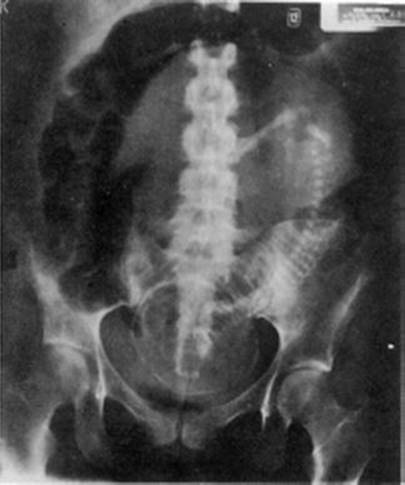
Fig. 8.1
Supine X-ray in 30 weeks pregnancy. Gravid uterus displacing gas-filled colon without dilatation [128]
It is difficult to measure colonic dilation in different colonic segments if toxic megacolon is suspected, again, especially in the third trimester (Fig. 8.2).
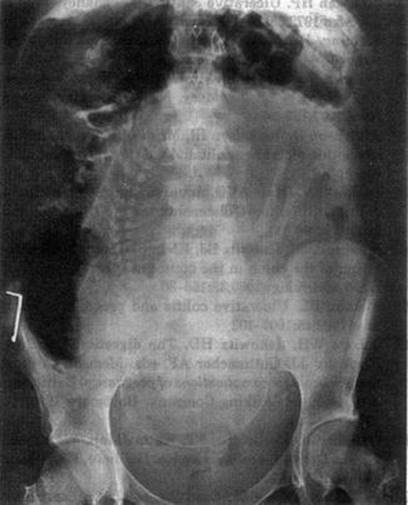
Fig. 8.2
Toxic dilatation of the colon in 33rd week of pregnancy [129]
More recently, MRI has been used safely in pregnancy [130, 131], but its use in emergency settings is still limited.
8.2.5 Treatment
8.2.5.1 Indications for Emergent Operation
From the available data around the 1980s, between 2.3 and 3.9 % of patients with UC during pregnancy required surgical intervention [117, 132]. Indications for emergent operative intervention in patients with UC in general include intractable hemorrhage, perforation, toxic colitis, and fulminant disease refractory to medical therapy. The same indications and timing of the emergent operation are the same in pregnant patients (Fig. 8.3).
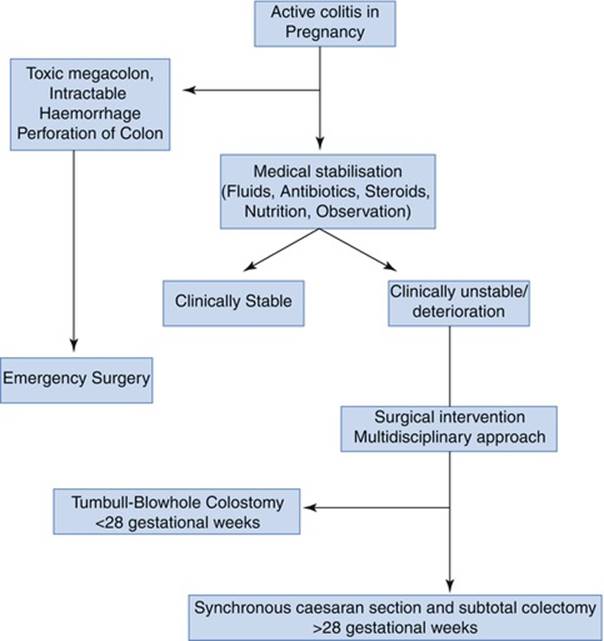
Fig. 8.3
Treatment algorithm for pregnant patients with ulcerative colitis [133]
8.2.5.2 Surgical Procedures
Multiple procedures, ranging from diverting loop ileostomy to total proctocolectomy, have been described to treat fulminant and toxic UC in pregnant patients. Some have proved to be unsuitable. For example, ileostomy alone is inadequate because of the continued risk of perforation of the diverted colon. Proctocolectomy also is inappropriate in the acute situation because it is a long, complex operation and requires pelvic dissection, which may be difficult because of uterine enlargement and grossly dilated pelvic vessels. Moreover, increased manipulation of the gravid uterus increases the risk of spontaneous delivery and preterm labor.
Turnbull “Blowhole” Procedure
In 1971, Turnbull et al. advised colonic decompression and diversion by cutaneous blowhole colostomy and loop ileostomy for patients with toxic dilation of the colon to prevent perforation and sepsis in the severely ill patient [134]. Emergency colectomy in this situation is reported to have a high maternal and fetal mortality rate of 53 and 29 %, respectively [135]. Newer studies show no maternal and fetal mortality performing emergency colectomy [133]. Ooi et al. reported good success with Turnbull technique in two pregnant patients with toxic colitis (Figs. 8.4 and 8.5) [136]. This procedure has the advantage of a short anesthesia time and minimal surgical trauma, which may dramatically improve outcome in extremely ill patients. Moreover, some patients have colons so severely diseased that mere mobilization puts them at risk for iatrogenic perforation and diffuse fecal contamination. The disadvantage of a blowhole colostomy is that the remaining colon may cause ongoing toxicity (severe hemorrhage, sepsis) requiring repeat operation leading to increase risk to mother and fetus. Therefore, the Turnbull “blowhole” procedure is far less practiced currently.
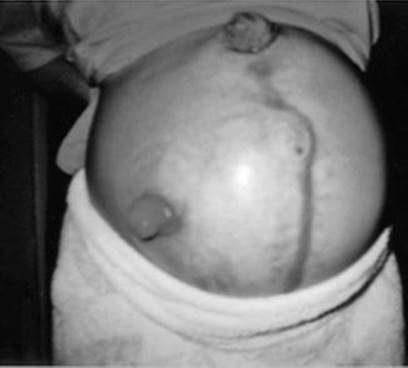
Fig. 8.4
The gravid patient with healed midline scar, loop ileostomy (to the right of midline), and skin-level transverse colostomy [136]
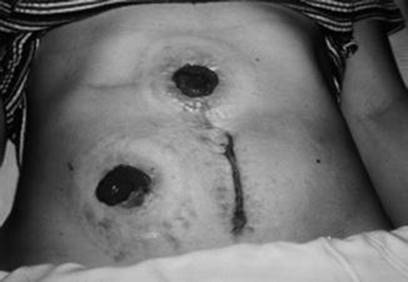
Fig. 8.5
The same patient after elective Cesarean section, showing a scaphoid abdomen with transverse colostomy and ileostomy and ready for definitive restorative proctocolectomy [136]
Total Abdominal Colectomy
In 1951, Crile and Thomas advised total abdominal colectomy and end ileostomy with preservation of the rectum for toxic megacolon [137]. Because simple ileostomy produced unsatisfactory results, the dilated colon could perforate despite diversion. Mortality rates of 50–70 % were commonly reported, a rate not much better than that achieved with medical therapy alone in general population [138]. Total abdominal colectomy, with preservation of the rectal stump and Brooke ileostomy, is the most commonly performed procedure for severely ill patients who require urgent or emergent colectomy for fulminant or toxic UC. This option is preferable because it eradicates most of the disease and requires no bowel anastomosis or deep pelvic dissection, while allowing the patient to be weaned from most medical agents. In addition, it does not preclude or compromise the results of subsequent IPAA [32, 139]. After colectomy a decision should be made regarding the rectal stump. Stump breakdown and leakage leading to intra-abdominal sepsis is a major concern. The stump can be handsewn in two layers and wrapped with the omentum and this is a safe procedure as long as the inflammatory process has not compromised the integrity of the bowel wall. Another option is to bring out the rectal stump as a mucus fistula. If a mucus fistula is to be placed, the remnant stump should be kept long. Because of the enlarged uterus, the stump will need to be brought out through an extraperitoneal plane deep to the broad ligament and dilated ovarian vessels. The rectum is irrigated with Betadine at the time of surgery to remove the excess bloody mucoid material and a rectal tube left in place to keep it decompressed in the postoperative period [32].
Rectal excision when indicated, for example, in intractable rectal hemorrhage, may be complicated by the need for hysterectomy. This is because of the risk of traumatizing the engorged pelvic veins leading to severe hemorrhage.
A stomal therapist should mark the patient before surgery. In pregnant patients, the optimal location for the stoma on the abdominal wall is usually higher than normal because the stoma will drop to a lower position after delivery.
Synchronous Cesarean Section and Subtotal Colectomy
According to previous reports, the majority of pregnant women requiring urgent surgery for colitis have undergone metachronous colonic surgery and Cesarean or vaginal delivery with a high maternal and or fetal morbidity and mortality. Only three cases have previously been reported where synchronous colectomy and delivery have taken place, two occurring at 32 weeks and one at 28 weeks gestation without maternal or neonatal morbidity or mortality [124, 133, 140].
8.2.5.3 Perioperative Considerations
Thromboprophylaxis in General IBD Patients (ECCO Consensus)
See Sect. 8.1.
8.2.5.4 Obstetric Considerations
In patients presenting with acute abdomen, the treatment depends on the trimester of pregnancy. During the first two trimesters, only surgical treatment of the cause of acute abdomen is treated. In the third trimester, due to high incidence of postoperative (during first few days) spontaneous induction of labor, Cesarean section is recommended [32, 51].
After surgery without Cesarean section, fetal monitoring should begin in the postanesthesia recovery room, and the patient should be watched carefully for spontaneous labor.
IPAA alters the anatomy of the gastrointestinal tract, placing the ileal pouch at risk from compressive obstruction by the gravid uterus. Induction of labor in a near-term fetus is a reasonable initial method of management preventing possible external compression on the IPAA and small bowel obstruction [127].
8.2.6 Prognosis
8.2.6.1 Fertility and Sexual Health in General
Relationships, sexual health, and fertility in IBD patients are interrelated (contrary to CD, studies have shown that UC does not affect fertility [107, 117, 141]. Other studies that found reduced fertility were probably flawed owing to short follow-up periods, patient selection, and an inadequate medical control of the disease [114, 142] or inadequate numbers of patients observed [143]. Therefore, women with UC have fertility rates similar to the general population prior to surgery [86, 88, 107]. There is severalfold increase in infertility rate after an ileal pouch-anal anastomosis (IPAA) [144]. This finding was confirmed by Johnson et al. who showed a 38.6 % infertility rate in UC patients after IPAA versus 13.3 % in UC patients managed nonoperatively [145]. The reduction in fertility may be due to surgery in the pelvis and the consequent adhesions and damage to the reproductive organs. Patients who undergo a proctocolectomy with ileostomy also experience a reduction in fertility [146], as do patients with familial adenomatous polyposis who undergo IPAA [147].
The risk of infertility after IPAA should be discussed with the patient prior to surgery as one of the potential risks of the operation. It is unclear if techniques such as laparoscopic IPAA or a subtotal colectomy with rectal stump and ileostomy during the childbearing years and then creating an IPAA later in life are helpful in reducing infertility rates. The drawbacks of the latter procedure include rare ileostomy complications during pregnancy such as obstruction and stoma-related problems [148], technical difficulties in creating a functioning pouch several years after the initial surgery, and the patient’s reluctance to have a long-term ostomy. The most recent studies show that total laparoscopic total colectomy with IPAA causes significantly less infertility rates compared to the same operation by open approach [149, 150]. “Easier” decision is when an acute abdomen is present with absolute indication for emergent operation. In such cases, it is a lifesaving operation, and fertility is then the third goal after mother and fetal outcome.
More significantly, in a study by Anderson et al., 50 % (2/4) of operated patients developed severe postoperative pelvic and subphrenic abscesses. Three patients had difficulty conceiving or secondary infertility since the surgery. The social morbidity as a result of this was high, with three of four patients divorced by their spouses [129].
8.2.6.2 Pregnancy Outcomes in General
UC occurring for the first time during pregnancy has previously been considered dangerous, with a maternal mortality rate in the range of 15 % [129]. In years past, the risk to the mother was considered so high that therapeutic abortion was advocated if severely active disease occurred during pregnancy [5]. Currently, prompt and aggressive medical therapy is the first line of treatment and has the best chance of halting disease progression. In contrast to CD, women with UC had similar rates to controls of preterm delivery, low birth weight, and small for gestational age infants but a significantly higher rate of congenital malformations (7.9 % vs. 1.7 %) [91]. The study did not account for medication use and the results have not been replicated in other studies. The Hungarian Case Control Surveillance of congenital anomalies was queried from 1980 to 1996, with the odds ratio of congenital anomalies in UC patients versus controls of 1.3 (0.9–1.8), adjusted for parity, age, and medication use [151].
Predictors of poor outcome (preterm birth, low birth weight, intrauterine growth retardation, small for gestational age, congenital anomalies, APGAR scores, stillbirth, and complications of labor) in large study by Mahadevan and Li were significantly higher having IBD, either UC or CD, and having had surgery for IBD [104]. Unlike other studies, disease activity and medication use were not predictors of adverse outcome. In prior studies, disease activity at conception was associated with a higher rate of fetal loss [93] and preterm birth [94]; disease activity during pregnancy was associated with low birth weight and preterm birth [95, 96]. Many theories have been put forth for this observation, but the etiology is unclear. One hypothesis is that an increase in circulating prostaglandin levels during a flare could initiate preterm labor with the induction of smooth muscle contraction [97, 98]. Another theory is that the role of increased gut permeability during increased inflammation could alter nutritional and immunological factors affecting labor [97].
Conversely to CD, smoking in UC women does not increase their risk of preterm delivery [152]. However, given the known risk of smoking on the individual and the baby, smoking cessation should be encouraged in all scenarios.
8.2.6.3 Maternal and Fetal Outcome After Emergent Operation
Elective Surgery
Surgery is to be avoided as far as possible, because earlier reports claim that colectomy in pregnancy has been previously reported to carry a 60 % risk of inducing spontaneous abortion. In the period between 1951 and 2004, a total of 37 cases were found [5, 51, 102, 118, 119, 123, 124, 128, 129, 136, 140, 153–156]. Overall, the fetal and maternal mortality was 49 and 22 %, respectively. The majority of maternal and fetal mortality seen in this review was found in cases reported before 1987. From 1951 to 1987, the fetal and maternal mortality was 67 and 24 %, respectively. Similar outcomes up to 1987 were found by another study with 35 cases (fetal mortality 53 %, maternal mortality 29 %) [129]. While maternal death is becoming less frequent, the high stillbirth rate probably reflects the severity of the disease rather than the effects of operation. After 1987, the fetal and maternal mortality was zero and the postoperative morbidity was negligible. Recently, a small case series from Manchester recently reported six women who had surgery for intraperitoneal sepsis in CD during pregnancy. Five healthy babies resulted from these pregnancies although one miscarriage occurred in a patient with a surgical complication [29].
Emergency Surgery
Higher fetal mortality is found during and after emergency surgery during pregnancy. A review in 1972 by Becker of the surgical treatment of toxic colonic dilation in pregnancy revealed maternal mortality of 36 % (4/11) and fetal mortality of 100 % [157]. Anderson et al. reported three pregnant patients who had subtotal colectomy and ileostomy for toxic dilation during the third trimester or within 5 days of delivery, and the fourth underwent proctocolectomy postpartum for intractable colitis [129]. There were no maternal deaths but fetal mortality was 50 % (2/4), with one surviving child weighing only 1.4 kg at the 33rd week of gestation.
References
1.
Munkholm P. Crohn’s disease – occurrence, course and prognosis. An epidemiologic cohort-study. Dan Med Bull. 1997;44:287–302.PubMed
2.
Heetun ZS, Byrnes C, Neary P, O’Morain C. Review article: reproduction in the patient with inflammatory bowel disease. Aliment Pharmacol Ther. 2007;26:513–33.PubMed
3.
Baiocco PJ, Korelitz BI. The influence of inflammatory bowel disease and its treatment on pregnancy and fetal outcome. J Clin Gastroenterol. 1984;6:211–6.PubMed
4.
Crohn BB, Yarnis H, Korelitz BI. Regional ileitis complicating pregnancy. Gastroenterology. 1956;31:615–28.PubMed
5.
Abramson D, Jankelson IR, Milner LR. Pregnancy in idiopathic ulcerative colitis. Am J Obstet Gynecol. 1951;61:121–9.PubMed
6.
Alstead EM, Nelson-Piercy C. Inflammatory bowel disease in pregnancy. Gut. 2003;52:159–61.PubMedCentralPubMed
7.
Nielsen OH, Andreasson B, Bondesen S, et al. Pregnancy in Crohn’s disease. Scand J Gastroenterol. 1984;19:724–32.PubMed
8.
Fonager K, Sorensen HT, Olsen J, et al. Pregnancy outcome for women with Crohn’s disease: a followup study based on linkage between national registries. Am J Gastroenterol. 1998;93:2426–30.PubMed
9.
Hanan IM, Kirsner JB. Inflammatory bowel disease in the pregnant woman. Clin Perinatol. 1985;12:669–82.PubMed
10.
Alstead EM. Inflammatory bowel disease in pregnancy. Postgrad Med J. 2002;78:23–6.PubMedCentralPubMed
11.
Subhani JM, Hamiliton MI. Review article: the management of inflammatory bowel disease during pregnancy. Aliment Pharmacol Ther. 1998;12:1039–53.PubMed
12.
Agret F, Cosnes J, Hassani Z, et al. Impact of pregnancy on the clinical activity of Crohn’s disease. Aliment Pharmacol Ther. 2005;21:509–13.PubMed
13.
Castiglione F, Pignata S, Morace F, et al. Effect of pregnancy on the clinical course of a cohort of women with inflammatory bowel disease. Ital J Gastroenterol. 1996;28:199–204.PubMed
14.
Riis L, Vind I, Politi P, et al. Does pregnancy change the disease course? A study in a European cohort of patients with inflammatory bowel disease. Am J Gastroenterol. 2006;101:1539–45.PubMed
15.
Nelson JL, Hughes KA, Smith AG, et al. Maternal-fetal disparity in HLA class II alloantigens and the pregnancy-induced amelioration of rheumatoid arthritis. N Engl J Med. 1993;329:466–71.PubMed
16.
Kane S, Kisiel J, Shih L, Hanauer S. HLA disparity determines disease activity through pregnancy in women with inflammatory bowel disease. Am J Gastroenterol. 2004;99:1523–6.PubMed
17.
Summers RW, Sqitz DM, Session DT, et al. National cooperative Crohn’s disease study: results of drug treatment. Gastroenterology. 1979;77:847–69.PubMed
18.
Mogadam M, Korelitz BI, Ahmed SW, et al. The course of inflammatory bowel disease during pregnancy and post partum. Am J Gastroenterol. 1981;75:265–9.PubMed
19.
Korelitz BI. Inflammatory bowel disease in pregnancy. Gastroenterol Clin North Am. 1992;21:827–34.PubMed
20.
Blair JSG, Allen N. Crohn’s disease presenting acutely during pregnancy. J Obstet Gynaecol Br Commonw. 1962;69:648–51.
21.
Babaknia A, Hossein P, Woodruff JD. Appendicitis during pregnancy. Obstet Gynecol. 1977;50:40–4.PubMed
22.
Rustgi VK, Cooper JN, Colcher H. Endoscopy in the pregnant patient. In: Rustgi VK, Cooper JN, editors. Gastrointestinal and hepatic complications in pregnancy. New York: Wiley; 1986. p. 104–23.
23.
Cappell MS, Sidhom O. Multicenter, multiyear study of safety and efficacy of flexible sigmoidoscopy during pregnancy in 24 females with follow-up of fetal outcome. Dig Dis Sci. 1995;40:472–9.PubMed
24.
Shoenut JP, Semelka RC, Silverman R, et al. MRI in the diagnosis of Crohn’s disease in two pregnant women. J Clin Gastroenterol. 1993;17:244–7.PubMed
25.
Alshawi JS. Recurrent sigmoid volvulus in pregnancy: report of a case and review of the literature. Dis Colon Rectum. 2005;48:1811–3.PubMed
26.
Herrington A, Gala R, Beck DE, Robichaux AG. Bowel obstruction in a pregnant patient with a restorative proctocolectomy and ileoanal J-pouch: a case report. Ochsner J. 2012;12:170–2.PubMedCentralPubMed
27.
Devore GR. Acute abdominal pain in the pregnant patient due to pancreatitis, acute appendicitis, cholecystitis or peptic ulcer disease. Clin Perinatol. 1980;7:349–67.PubMed
28.
Smolniec J, James D. General surgical problems in pregnancy. Br J Surg. 1990;77:1203–4.
29.
Hill J, Clark A, Scott NA. Surgical treatment of acute manifestations of Crohn’s disease during pregnancy. R Soc Med. 1997;90:64–6.
30.
Dixon NP, Green J, Rogers A, Rubin L. Fetal loss after cholecystectomy during pregnancy. Can Med Assoc J. 1983;88:576–7.
31.
Kammerer WS. Non-obstetric surgery during pregnancy. Obstet Gynecol. 1977;50:40–4.
32.
Dozois EJ, Wolff BG, Tremaine WJ, et al. Maternal and fetal outcome after colectomy for fulminant ulcerative colitis during pregnancy: case series and literature review. Dis Colon Rectum. 2006;49:64–73.PubMed
33.
Martimbeau PW, Welch JS, Weiland LH. Crohn’s disease and pregnancy. Am J Obstet Gynecol. 1975;122:746–9.PubMed
34.
Heit JA, Kobbervig CE, James AH, et al. Trends in the incidence of venous thromboembolism during pregnancy or postpartum: a 30-year population based study. Ann Intern Med. 2005;143:697–706.PubMed
35.
Saving mothers’ lives: reviewing maternal deaths to make motherhood safer – 2003–2005. The seventh report of the confidential enquiries into maternal deaths in the United Kingdom, London, Centre for Maternal and Child Enquiries (CMACE) 2007.
36.
Pomp ER, Lenselink AM, Rosendaal FR, Doggen CJ. Pregnancy, the postpartum period and prothrombotic defects: risk of venous thrombosis in the MEGA study. J Thromb Haemost. 2008;6:632–7.PubMed
37.
Novacek G, Welterman A, Sobala A, et al. Inflammatory bowel disease is a risk factor for recurrent venous thromboembolism. Gastroenterology. 2010;139:779–87.PubMed
38.
Nguyen GC, Boudreau H, Harris ML, Maxwell CV. Outcomes of obstetric hospitalizations among women with inflammatory bowel disease in the United States. Clin Gastroenterol Hepatol. 2009;7:329–34.PubMed
39.
National Clinical Guideline Centre – Acute and Chronic Conditions. Venous thromboembolism: reducing the risk of venous thromboembolism (deep vein thrombosis and pulmonary embolism) in patients admitted to hospital. London: NCGCACC at the Royal College of Surgeons of England; 2010.
40.
Greer IA, Nelson-Piercy C. Low-molecular-weight heparins for thromboprophylaxis and treatment of venous thromboembolism in pregnancy: a systematic review of safety and efficacy. Blood. 2005;15:401–7.
41.
Royal College of Obstetricians and Gynaecologists. Thromboembolic disease in pregnancy and the puerperium: acute management. Green-top guideline no. 37. London: RCOG; 2009.
42.
Kornfeld D, Cnattingius S, Ekbom A. Pregnancy outcomes in women with inflammatory bowel disease – a population-based cohort study. Am J Obstet Gynecol. 1997;177:942–6.PubMed
43.
Ilnyckyji A, Blanchard JF, Rawsthorne P, et al. Perianal Crohn’s disease and pregnancy: role of the mode of delivery. Am J Gastroenterol. 1999;94:3274–8.PubMed
44.
Brandt LJ, Estabrook SG, Reinus JF. Results of a survey to evaluate whether vaginal delivery and episiotomy lead to perineal involvement in women with Crohn’s disease. Am J Gastroenterol. 1995;90:1918–22.PubMed
45.
Beniada A, Benoist G, Maurel J, Dreyfus M. Inflammatory bowel disease and pregnancy: report of 76 cases and review of the literature. J Gynecol Obstet Biol Reprod. 2005;34:581–8.
46.
Rogers RG, Katz VL. Course of Crohn’s disease during pregnancy and its effect on pregnancy outcome: a retrospective review. Am J Perinatol. 1995;12:262–4.PubMed
47.
Hahnloser D, Pemberton JH, Wolff BG, et al. Pregnancy and delivery before and after ileal pouch-anal anastomosis for inflammatory bowel disease: immediate and long-term consequences and outcomes. Dis Colon Rectum. 2004;47:1127–35.PubMed
48.
Ravid A, Richard CS, et al. Pregnancy, delivery, and pouch function after ileal pouch-anal anastomosis for ulcerative colitis. Dis Colon Rectum. 2002;45:1283–8.PubMed
49.
Juhasz ES, Fozard B, Dozois RR, et al. Ileal pouch-anal anastomosis function following childbirth. Dis Colon Rectum. 1995;38:158–65.
50.
Kitayama T, Funayama Y, Fukushima K, et al. Anal function during pregnancy and postpartum after ileal pouch anal anastomosis for ulcerative colitis. Surg Today. 2005;35:211–5.PubMed
51.
Watson WJ, Gaines TE. Third-trimester colectomy for severe ulcerative colitis. J Reprod Med. 1987;32:869–72.PubMed
52.
Mahadevan U. Fertility and pregnancy in patient with inflammatory bowel disease. Gut. 2006;55:1198–206.PubMedCentralPubMed
53.
Stengel JZ, Arnold HL. Is infliximab safe to use while breastfeeding? World J Gastroenterol. 2008;14:3085–7.PubMedCentralPubMed
54.
Habal FM, Ravindran NC. Management of inflammatory bowel disease in the pregnant patient. World J Gastroenterol. 2008;14:1326–32.PubMedCentralPubMed
55.
Zeldis JB. Pregnancy and inflammatory bowel disease. West J Med. 1989;151:168–71.PubMedCentralPubMed
56.
Olsen SF, Sorensen JD, Secher NJ, et al. Randomised controlled trial of effect of fish-oil supplementation on pregnancy duration. Lancet. 1992;339:1003–7.PubMed
57.
Simister NE. Placental transport of immunoglobulin G. Vaccine. 2003;21:3365–9.PubMed
58.
Mahadevan U, Kane S, Sandborn WJ, et al. Intentional infliximab use during pregnancy for induction or maintenance of remission in Crohn’s disease. Aliment Pharmacol Ther. 2005;21:733–8.PubMed
59.
Vasiliauskas EA, Church JA, Silverman N, et al. Case report: evidence for transplacental transfer of maternally administered infliximab to the newborn. Clin Gastroenterol Hepatol. 2006;4:1255–8.PubMed
60.
Friedman S, Regueiro MD. Pregnancy and nursing in inflammatory bowel disease. Gastroenterol Clin North Am. 2002;31:265–73, xii.PubMed
61.
Lichtenstein GR, Feagan BG, Cohen RD, et al. Serious infections and mortality in association with therapies for Crohn’s disease: TREAT registry. Clin Gastroenterol Hepatol. 2006;4:621–30.PubMed
62.
Katz JA, Antoni C, Keenan GF, et al. Outcome of pregnancy in women receiving infliximab for the treatment of Crohn’s disease and rheumatoid arthritis. Am J Gastroenterol. 2004;99:2385–92.PubMed
63.
Sánchez Munoz D, Hoyas Pablos E, Ramirez Martin Del Campo M, et al. Term pregnancy in a patient with Crohn’s disease under treatment with adalimumab. Gastroenterol Hepatol. 2005;28:435.PubMed
64.
Vesga L, Terdiman JP, Mahadevan U. Adalimumab use in pregnancy. Gut. 2005;54:890.PubMedCentralPubMed
65.
Sills ES, Perloe M, Tucker MJ, et al. Successful ovulation induction, conception, and normal delivery after chronic therapy with etanercept: a recombinant fusion anti-cytokine treatment for rheumatoid arthritis. Am J Reprod Immunol. 2001;46:366–8.PubMed
66.
Ostensen M, Eigenmann GO. Etanercept in breast milk. J Rheumatol. 2004;31:1017–8.PubMed
67.
American Academy of Pediatrics. Policy statement. Breastfeeding and the use of human milk. Pediatrics. 2005;115:496–506.
68.
Larsen LA, Ito S, Koren G. Prediction of milk/plasma concentration ratio of drugs. Ann Pharmacother. 2003;37:1299–306.PubMed
69.
Kane S, Lemieux N. The role of breastfeeding in postpartum disease activity in women with inflammatory bowel disease. Am J Gastroenterol. 2005;100:102–5.PubMed
70.
Peltier M, James D, Ford J, et al. Infliximab levels in breastmilk of a nursing Crohn’s patient [Abstract]. Am J Gastroenterol. 2001;96:P258.
71.
Kane S, Ford J, Cohen R, Wagner C. Absence of infliximab in infants and breast milk from nursing mothers receiving therapy for Crohn’s disease before and after delivery. J Clin Gastroenterol. 2009;43:613–6.PubMed
72.
Orholm M, Fonager K, Sorensen HT. Risk of ulcerative colitis and Crohn’s disease among offspring of patients with chronic inflammatory bowel disease. Am J Gastroenterol. 1999;94:3236–8.PubMed
73.
Orholm M, Munkholm P, Langholz E, et al. Familial occurrence of inflammatory bowel disease. N Engl J Med. 1991;324:84–8.PubMed
74.
Peeters M, Nevans H, Baert F, et al. Familial aggregation in Crohn’s disease. Increased age, adjusted risk and concordance in clinical characteristics. Gastroenterology. 1996;111:597–603.PubMed
75.
Yang H, McElree C, Roth MP, et al. Familial empirical risks for inflammatory bowel disease: differences between Jews and non-Jews. Gut. 1993;34:517–24.PubMedCentralPubMed
76.
Bennett RA, Rubin PH, Present DH. Frequency of inflammatory bowel disease in offspring of couples both presenting with inflammatory bowel disease. Gastroenterology. 1991;100:1638–43.PubMed
77.
Klement E, Cohen RV, Boxman J, et al. Breastfeeding and risk of inflammatory bowel disease: a systematic review with meta-analysis. Am J Clin Nutr. 2004;80:1342–52.PubMed
78.
Fielding JF, Cooke WT. Pregnancy and Crohn’s disease. Br Med J. 1970;2:76–7.PubMedCentralPubMed
79.
De Dombal FT, Burton IL, Goligher JC. Crohn’s disease and pregnancy. Br Med J. 1972;3:550–3.PubMedCentralPubMed
80.
Irvine EJ, Feagan B, Rochon J, et al. Quality of life: a valid and reliable measure of therapeutic efficacy in the treatment of inflammatory bowel disease. Gastroenterology. 1994;106:287–96.PubMed
81.
Lask B, Jenkins J, Nabarro L, et al. Psychosocial sequelae of stoma surgery for inflammatory bowel disease in childhood. Gut. 1987;28:1257–60.PubMedCentralPubMed
82.
Burnham WR, Lennard-Jones JC, Brooke B. Sexual problems among married ileostomists. Gut. 1977;18:673–7.PubMedCentralPubMed
83.
Moody G, Mayberry J. Perceived sexual dysfunction amongst patients with inflammatory bowel disease. Digestion. 1993;52:256–60.
84.
Mayberry JF, Weterman IT. European survey of fertility in women with Crohn’s disease: a case controlled study by a European collaborative group. Gut. 1986;27:821–5.PubMedCentralPubMed
85.
Moody G, Probert G, Srivasta E, et al. Sexual dysfunction in women with Crohn’s disease, a hidden problem. Digestion. 1993;52:179–83.
86.
Baird DD, Narendranathan M, Sandler RS. Increased risk of preterm birth for women with inflammatory bowel disease. Gastroenterology. 1990;99:987–94.PubMed
87.
Larzilliere I, Beau P. Chronic inflammatory bowel disease and pregnancy. Case control study. Gastroenterol Clin Biol. 1998;22:1056–60.PubMed
88.
Hudson M, Flett G, Sinclair TS, et al. Fertility and pregnancy in inflammatory bowel disease. Int J Gynaecol Obstet. 1997;58:229–37.PubMed
89.
Khosla R, Willoughby CP, Jewell DP. Crohn’s disease and pregnancy. Gut. 1984;25:52–6.PubMedCentralPubMed
90.
Norgard B, Fonager K, Sorensen HT, et al. Birth outcomes of women with ulcerative colitis: a nationwide Danish cohort study. Am J Gastroenterol. 2000;95:3165–70.PubMed
91.
Dominitz JA, Young JC, Boyko EJ. Outcomes of infants born to mothers with inflammatory bowel disease: a population-based cohort study. Am J Gastroenterol. 2002;97:641–8.PubMed
92.
Soltau DHK. Crohn’s disease and pregnancy. Br Med J. 1972;3:760–1.PubMedCentralPubMed
93.
Morales M, Berney T, Jenny A, et al. Crohn’s disease as a risk factor for the outcome of pregnancy. Hepatogastroenterology. 2000;47:1595–8.PubMed
94.
Nielsen OH, Andreasson B, Bondesen S, et al. Pregnancy in ulcerative colitis. Scand J Gastroenterol. 1983;18:735–42.PubMed
95.
Bush MC, Patel S, Lapinski RH, et al. Perinatal outcomes in inflammatory bowel disease. J Matern Fetal Neonatal Med. 2004;15:237–41.PubMed
96.
Fedorkow DM, Persaud D, Nimrod CA. Inflammatory bowel disease: a controlled study of late pregnancy outcome. Am J Obstet Gynecol. 1989;160:998–1001.PubMed
97.
Reddy D, Murphy SJ, Kane SV, et al. Relapses of inflammatory bowel disease during pregnancy: in-hospital management and birth outcomes. Am J Gastroenterol. 2008;103:1203–9.PubMed
98.
Gould SR, Brash AR, Conolly ME, Lennard-Jones JE. Studies of prostaglandins and sulphasalazine in ulcerative colitis. Prostaglandins Med. 1981;6:165–82.PubMed
99.
Moser MA, Okun NB, Mayes DC, et al. Crohn’s disease, pregnancy, and birth weight. Am J Gastroenterol. 2000;95:1021–6.PubMed
100.
Mahadevan USW, Sandborn W, Hakimian S. Pregnancy outcomes in women with inflammatory bowel disease: a population based cohort study. Gastroenterology. 2005;128 Suppl 2:A322–3.
101.
Lamah M, Scott HJ. Inflammatory bowel disease and pregnancy. Int J Colorectal Dis. 2002;17:216–22.PubMed
102.
McEwan HP. Ulcerative colitis in pregnancy. Proc R Soc Med. 1972;65:279–81.PubMedCentralPubMed
103.
Porter RJ, Stirrat GM. The effects of inflammatory bowel disease on pregnancy: a case-controlled retrospective analysis. Br J Obstet Gynaecol. 1986;93:1124–31.PubMed
104.
Mahadevan USW, Li DK. Pregnancy outcomes in women with inflammatory bowel disease: a large community-based study from Northern California. Gastroenterology. 2007;113:1106–12.
105.
Norgard B, Hundborg HH, Jacobsen BA, et al. Disease activity in pregnant women with Crohn’s disease and birth outcomes: a regional Danish cohort study. Am J Gastroenterol. 2007;102:1947–54.PubMed
106.
Gossage AM, Price FW. Proceedings of the Royal Society of Medicine. Sect Med. 1908–1909. p. 151.
107.
Willoughby CP, Truelove SC. Ulcerative colitis and pregnancy. Gut. 1980;21:469–74.PubMedCentralPubMed
108.
Katz JA, Pore G. Inflammatory bowel disease and pregnancy. Inflamm Bowel Dis. 2001;7:146–57.PubMed
109.
Mogardem M, Dobbins 3rd WO, Korelitz BI, Ahmed SW. Pregnancy in inflammatory bowel disease: effect of sulphasalazine and corticosteroids on fetal outcome. Gastroenterology. 1981;80:72–6.
110.
Vender RJ, Spiro HM. Inflammatory bowel disease and pregnancy. J Clin Gastroenterol. 1982;4:231–49.PubMed
111.
Jarnerot G. Fertility, sterility and pregnancy in chronic inflammatory bowel disease. Scand J Gastroenterol. 1982;17:1–4.PubMed
112.
Sorokin JJ. Pregnancy and inflammatory bowel disease. Obstet Gynecol. 1983;62:247–51.PubMed
113.
Donaldson RM. Management of medical problems in pregnancy- inflammatory bowel disease. N Engl J Med. 1985;312:1616–9.PubMed
114.
De Dombal FT, Watts JM, Watkinson G, et al. Ulcerative colitis and pregnancy. Lancet. 1965;2:599–602.PubMed
115.
Peterson RE. Cortisone. In: Fuchs F, Klopper A, editors. Endocrinology of pregnancy. New York: Harper and Row; 1977. p. 157–76.
116.
Levy N, Roisman I, Teodor I. Ulcerative colitis and pregnancy in Israel. Dis Colon Rectum. 1981;24:351–4.PubMed
117.
Webb MJ, Sedlack RE. Ulcerative colitis in pregnancy. Med Clin North Am. 1974;58:823–7.PubMed
118.
Peskin GW, Davis AVO. Acute fulminating ulcerative colitis with colonic distension. Surg Gynecol Obstet. 1960;110:269–76.PubMed
119.
Marshak RH, Korelitz BJ, Klein SH, et al. Toxic dilatation of the colon in the course of ulcerative colitis. Gastroenterology. 1960;38:165–80.PubMed
120.
Maddix BL. Ulcerative colitis and pregnancy. Minn Med. 1962;45:1097–102.
121.
Goligher JC, de Dombal FT, Watts JMK, Watkinson G, editors. Ulcerative colitis. London: Bailliere, Tindall and Casswell; 1968. p. 197.
122.
Jalan KN, Sircus W, Card WI, et al. An experience of ulcerative colitis. I. Toxic dilatation in 55 cases. Gastroenterology. 1969;57:68–82.PubMed
123.
Holzbach RT. Toxic megacolon in pregnancy. Am J Dig Dis. 1969;14:908–10.PubMed
124.
Flatmark AL, Nordoy A, Gjone E. Radical surgery for ulcerative colitis during pregnancy. Scand J Gastroenterol. 1971;6:45–7.PubMed
125.
Ritchie JK. Ileostomy and excisional surgery for chronic inflammatory disease of the colon. A survey of one hospital region. Gut. 1971;12:528–40.PubMedCentralPubMed
126.
Cooksey G, Gunn A, Wotherspoon WC. Surgery for acute ulcerative colitis and toxic megacolon during pregnancy. Br J Surg. 1985;72:547.PubMed
127.
Walker M, Sylvain J, Stern H. Bowel obstruction in a pregnant patient with ileal pouch-anal anastomosis. Can J Surg. 1997;40:471–3.PubMedCentralPubMed
128.
Greenfield C, Pounder RE, Craft IL, Lewis AA. Severe ulcerative colitis during successful pregnancy. Postgrad Med J. 1983;59:459–61.PubMedCentralPubMed
129.
Anderson JB, Turner GM, Williamson RC. Fulminant ulcerative colitis in late pregnancy and the puerperium. J R Soc Med. 1987;80:492–4.PubMedCentralPubMed
130.
Shoenut JP, Semelka RC, Silverman R, et al. Magnetic resonance imaging in inflammatory bowel disease. J Clin Gastroenterol. 1993;17:73–8.PubMed
131.
van Loon AJ, Mantingh A, Serlier EK, et al. Randomised controlled trial of magnetic-resonance pelvimetry in breech presentation at term. Lancet. 1997;350:1799–804.PubMed
132.
Mogadam M, Dobbins III WO, Korelitz BI, Ahmed SW. Pregnancy in inflammatory bowel disease: effect of sulfasalazine and corticosteroids on fetal outcome. Gastroenterology. 1981;80:72–6.PubMed
133.
Haq AI, Sahai A, Hallwoth S, et al. Synchronous colectomy and caesarean section for fulminant ulcerative colitis: case report and review of the literature. Int J Colorectal Dis. 2006;21:465–9.PubMed
134.
Turnbull Jr RB, Hawk WA, Weakley FL. Surgical treatment of toxic megacolon. Ileostomy and colostomy to prepare patients for colectomy. Am J Surg. 1971;122:325–31.PubMed
135.
Rajapakse R, Korelitz BI. Inflammatory bowel disease during pregnancy. Curr Treat Options Gastroenterol. 2001;4:245–51.PubMed
136.
Ooi BS, Remzi FH, Fazio VW. Turnbull-blowhole colostomy for toxic ulcerative colitis in pregnancy: report of two cases. Dis Colon Rectum. 2003;46:111–5.PubMed
137.
Crile Jr GC, Thomas Jr CY. The treatment of acute toxic ulcerative colitis by ileostomy and simultaneous colectomy. Gastroenterology. 1951;19:58–68.PubMed
138.
Fazio VW. Toxic megacolon in ulcerative colitis and Crohn’s colitis. Clin Gastroenterol. 1980;9:389–407.PubMed
139.
Penna C, Daude F, Parc R, et al. Previous subtotal colectomy with ileostomy and sigmoidostomy improves the morbidity and early functional results after ileal pouch-anal anastomosis in ulcerative colitis. Dis Colon Rectum. 1993;36:343–8.PubMed
140.
Bohe MG, Ekelund GR, Genell SN, et al. Surgery for fulminating colitis during pregnancy. Dis Colon Rectum. 1983;26:119–22.PubMed
141.
Granchow MI, Benjamin H. Inflammatory colorectal disease and pregnancy. Dis Colon Rectum. 1975;18:706–9.
142.
Banks BM, Korelitz BI, Zetzel L. The course of nonspecific ulcerative colitis: review of twenty years’ experience and late results. Gastroenterology. 1957;32:983–1012.PubMed
143.
Schade RR, Van Thiel DH, Gavaler JS. Chronic idiopathic ulcerative colitis – pregnancy and fetal outcome. Dig Dis Sci. 1984;29:614–9.PubMed
144.
Olsen KO, Juul S, Berndtsson I, et al. Ulcerative colitis: female fecundity before diagnosis, during disease, and after surgery compared with a population sample. Gastroenterology. 2002;122:15–9.
145.
Johnson P, Richard C, Ravid A, et al. Female infertility after ileal pouch-anal anastomosis for ulcerative colitis. Dis Colon Rectum. 2004;47:1119–26.PubMed
146.
Wikland M, Jansson I, Asztely M, et al. Gynaecological problems related to anatomical changes after conventional proctocolectomy and ileostomy. Int J Colorectal Dis. 1990;5:49–52.PubMed
147.
Olsen KO, Juul S, Bulow S, et al. Female fecundity before and after operation for familial adenomatous polyposis. Br J Surg. 2003;90:227–31.PubMed
148.
Van Horn C, Barrett P. Pregnancy, delivery, and postpartum experiences of fifty-four women with ostomies. J Wound Ostomy Continence Nurs. 1997;24:151–62.PubMed
149.
Bartels SA, DʼHoore A, Cuesta MA, et al. Significantly increased pregnancy rates after laparoscopic restorative proctocolectomy: a cross-sectional study. Ann Surg. 2012;256:1045–8.PubMed
150.
Beyer-Berjot L, Maggiori L, Birnbaum D, et al. A total laparoscopic approach reduces the infertility rate after ileal pouch-anal anastomosis: a 2-center study. Ann Surg. 2013;258:275–82.PubMed
151.
Norgard B, Puho E, Pedersen L, et al. Risk of congenital abnormalities in children born to women with ulcerative colitis: a population-based, case-control study. Am J Gastroenterol. 2003;98:2006–10.PubMed
152.
Elbaz G, Fich A, Levy A, et al. Inflammatory bowel disease and preterm delivery. Int J Gynaecol Obstet. 2005;90:193–7.PubMed
153.
Toiyama Y, Araki T, Yoshiyama S, et al. Fulminant ulcerative colitis during pregnancy successfully treated by three-stage operation. J Gastroenterol. 2004;39:300–1.PubMed
154.
Georgy FM. Fulminating ulcerative colitis in pregnancy. Obstet Gynecol. 1974;44:603–6.PubMed
155.
Junghanns K. Pregnancy and ulcerative colitis. Langenbecks Arch Chir. 1982;356:285–8.PubMed
156.
Boulton R, Hamilton M, Lewis A, et al. Fulminant ulcerative colitis in pregnancy. Am J Gastroenterol. 1994;89:931–3.PubMed
157.
Becker IM. Pregnancy and toxic dilatation of the colon. Am J Dig Dis. 1972;17:79–84.PubMed